


Abstract
This study examines the evolution of the scientific literature on mining and heavy metals, with a particular focus on biosanitary risks associated with childhood exposure. The research integrates a systematic literature review following the PRISMA (Preferred Reporting Items for Systematic Reviews and Meta-Analyses) methodology, combined with a bibliometric analysis of Scopus-indexed publications, international epidemiological data, and an evaluation of the socio-environmental context in Ecuadorian mining regions. The PRISMA-based screening process was applied to identify, filter, and select relevant peer-reviewed studies, enabling the delimitation of a focused corpus of literature, with particular attention given to scientific contributions produced by Latin American researchers and institutions. The results reveal a significant concentration of knowledge production among a limited number of countries and institutions, the dominance of English as the main language of scientific communication, and the centrality of journals in environmental sciences and toxicology. While notable progress has been made in identifying contaminants and exposure pathways, governance structures, territorial disparities, and policy implementation processes remain insufficiently explored. In Ecuador, the rapid growth of mining concessions in ecologically sensitive zones presents potential threats to children’s neurocognitive development, highlighting the urgent need for ongoing surveillance, biomonitoring programs, and preventive public health measures. The study emphasizes the importance of strengthening regional research capacity and fostering more equitable international scientific collaborations to ensure that knowledge production is responsive to local contexts and effectively safeguards vulnerable populations.
1. Introduction
Childhood neurocognitive development is a dynamic and highly sensitive process that extends from the prenatal period through adolescence, encompassing critical biological events such as neuronal proliferation, cell migration, synaptogenesis, myelination, and synaptic pruning [1]. Strictly regulated temporal sequences govern these processes; therefore, adverse exposures during critical developmental windows may permanently compromise the structural and functional organization of the central nervous system [2]. Substantial evidence in neurotoxicology demonstrates that environmental agents, particularly neurotoxic substances, disrupt these mechanisms via oxidative stress, neuroglial inflammation, and dysregulation of neurotransmission. Consequently, early life represents a period of exceptional biological vulnerability, during which environmental exposures can lead to enduring impairments in cognitive, behavioral, and motor functions, consistent with the Developmental Origins of Health and Disease (DOHaD) paradigm [3].
Environmental determinants interact intricately with biological processes, shaping the trajectories of child development. Adequate nutrition, early stimulation, and physically safe environments are essential for the consolidation of neurocognitive functions [4]. In contrast, early exposure to environmental contaminants, particularly heavy metals such as lead, mercury, and arsenic, during the prenatal and early postnatal periods, can compromise the integrity of developing neurobiological mechanisms [5]. Global epidemiological studies indicate that even low-level exposures are associated with deficits in cognition, attention, behavior, and executive functions, with disproportionately greater impacts on socially vulnerable populations [6]. A recent international meta-analysis found that lead exposure substantially increases the risk of attention-deficit–hyperactivity disorder, underscoring the magnitude of population risk associated with the environmental burden of metals [7].
Exposure to multiple heavy metals—lead (Pb), mercury (Hg), cadmium (Cd), arsenic (As), and manganese (Mn)—typically occurs in mixtures, especially in mining-impacted environments. These contaminants are particularly concerning because they persist in the environment, bioaccumulate, and cross critical biological barriers, such as the placenta and the developing blood–brain barrier [6]. Notably, recent evidence indicates that when these metals interact synergistically, they provoke neurotoxic effects that often surpass what would be expected from simple additive responses. As a result, combined exposure increases oxidative stress and neuroinflammation and more significantly disrupts calcium signaling and neurotransmitter systems than exposure to single metals alone [8,9]. These metals disrupt essential neurobiological processes through clearly defined mechanisms: oxidative stress, which damages neurons; mitochondrial dysfunction, which impairs energy production in the brain; altered neurotransmission, which affects signaling between nerve cells; and disturbances in neuronal differentiation, which hinder neuronal maturation and specialization [10]. Evidence from longitudinal cohort studies and systematic reviews indicates that prenatal and early life exposure to these metals is associated with reduced cognitive performance, motor deficits, and persistent behavioral changes [11]. Recent research demonstrates that prenatal exposure to cadmium is linked to significant decreases in intelligence quotient, while lead and mercury consistently correlate with impairments across multiple domains of neurodevelopment [12].
Despite the consistency of evidence across high-income countries, substantial knowledge gaps persist in low- and middle-income countries, particularly in Latin America and Africa, where the expansion of mining activity has significantly contributed to the release of heavy metals into the environment [4]. In these regions, structural limitations in environmental monitoring, health surveillance, and laboratory capacity restrict the generation of systematic data on childhood exposure [13]. Furthermore, a significant portion of investigations focuses on the isolated analysis of a single metal and adopts cross-sectional designs, which limits the understanding of cumulative effects, interactions between contaminants, and dose–response relationships across critical development windows [14]. The absence of integrated approaches that consider multiple exposures and territorial inequalities compromises the formulation of evidence-based public policies and hinders the implementation of effective preventive strategies [15].
In Ecuador, both industrial mining and artisanal and small-scale mining occur in ecologically sensitive territories, especially in the Andean and Amazonian regions. In these areas, the use of elemental mercury in gold processing and inadequate tailing management favors the contamination of water bodies, soils, and food chains, especially through the formation of bioaccumulative methylmercury in fish consumed by local communities [16]. This scenario increases the risk of chronic exposure among pregnant women and children, groups that are biologically more vulnerable to neurotoxic effects. Despite this reality, the availability of longitudinal studies capable of quantifying exposure levels, conducting systematic biomonitoring, and characterizing neurocognitive impacts remains limited in the most affected pediatric populations, resulting in fragmented and insufficient evidence to guide integrated public policies on environmental health [17].
In this context, the present study is proposed to fill the existing gap by integrating international epidemiological evidence on metal neurotoxicity and a contextualized analysis of mining regions in Ecuador. A systematic literature review is adopted, complemented by analyses of secondary health records and environmental surveillance reports, to examine the available evidence on chronic exposure to heavy metals and their potential impacts on children’s neurocognitive performance. By articulating global scientific mapping with national territorial realities, the study seeks to contribute to the formulation of evidence-based public policies, strengthen environmental governance mechanisms, and support strategies to protect the health of pediatric populations in contexts of socio-environmental vulnerability.
2. Materials and Methods
2.1. Bibliometric Revision
This study presents a systematic literature review designed to synthesize scientific evidence regarding exposure to heavy metals, specifically lead (Pb), mercury (Hg), and cadmium (Cd), within industrial and mining environments. The review further evaluates the effects of these exposures on children’s neurocognitive development. The methodological approach involved identifying, selecting, and critically analyzing epidemiological studies published in indexed databases. Emphasis was placed on observational research examining environmental or biological exposure and associated cognitive, behavioral, and executive function outcomes in children.
The systematic review utilized the Scopus database, chosen for its comprehensive multidisciplinary scope and stringent indexing of international journals [18]. The primary objective was to identify evidence concerning mechanisms of heavy metal exposure in mining settings, environmental and biological concentrations of these contaminants, and their impacts on children’s neurocognitive development. The search strategy incorporated Boolean operators to combine descriptors related to exposure, population, and environmental context [19]. The following search expression was applied: TITLE-ABS-KEY (heavy metals, children, mining, human health).
2.2. Investigation Questions
To structure the analysis and ensure methodological traceability, research questions were defined to guide the identification, selection, and interpretation of the available literature [20]. This approach delimited the thematic scope and enabled a systematic examination of the relationships among sources of heavy metal exposure, environmental transfer pathways, and neurocognitive outcomes in childhood. The research questions were organized into four analytical axes:
- Epidemiological Impact—How does exposure to heavy metals influence brain development, and what measurable neurocognitive effects are associated with prenatal and early childhood exposure?
- Exposure Pathways and Vulnerability—What are the primary environmental and biological routes responsible for the incorporation of Pb, Hg, and Cd in children residing in mining regions, and which socio-environmental factors increase their vulnerability?
- Regional Scientific Production—What is the current state of, and what are the main trends in, Latin American scientific production regarding the impacts of mining on child health, as evidenced by a systematic review of indexed literature? This part of the present study was conducted following the official PRISMA 2020 reporting checklist to ensure transparency, rigor, and reproducibility in the systematic literature review process [21].
- Ecuadorian Territorial Context—How do the historical evolution and current spatial configuration of mining in Ecuador shape scenarios of heavy metal exposure and health risks for vulnerable populations?
2.3. Use of Artificial Intelligence Tools
During the preparation of this manuscript, the authors used ChatGPT-5.3 to generate a figure, the Graphical Abstract, and to improve the clarity and quality of selected sections of the text. Additionally, Scopus AI was used to support the identification and retrieval of relevant scientific literature. All outputs were carefully reviewed, validated, and edited by the authors, who take full responsibility for the content of this publication
3. Results
3.1. Bibliometric Review
3.1.1. Global Overview of Scientific Production (Scopus)
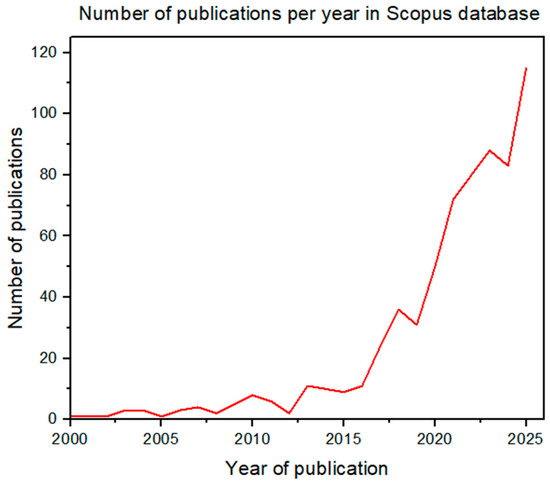
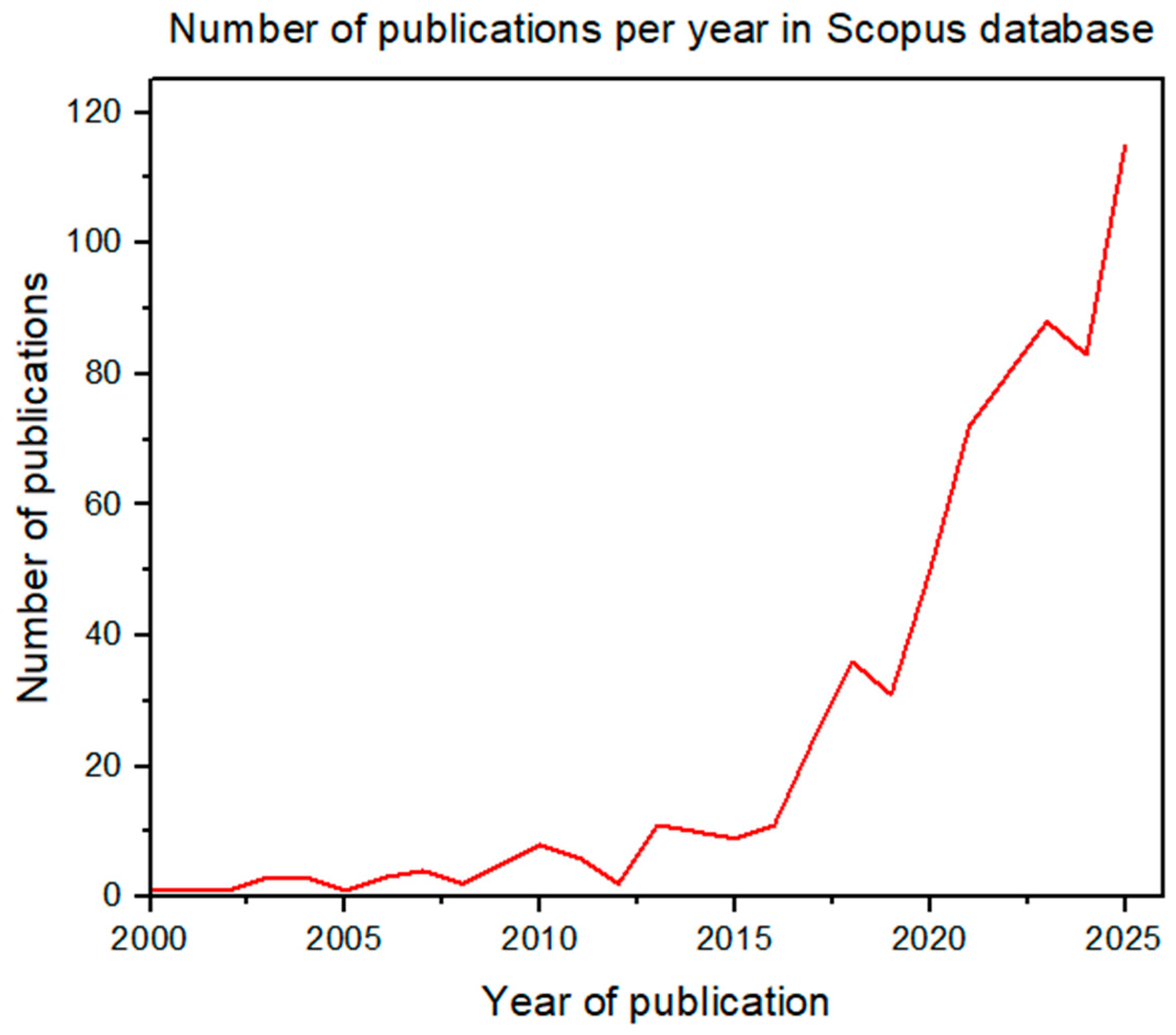
An analysis of scientific publications indexed in Scopus reveals the temporal evolution of research on mining and exposure to heavy metals. Data were collected on 5 February 2026—the earliest records date to 1976, with a limited annual volume during the initial decades. A progressive increase in publications is evident from the 2000s, with a marked intensification in the past decade. This trend reflects a sustained expansion of the scientific literature, particularly in environmental and public health research. The evolution of the literature can be categorized into three phases based on annual publication trends (see Figure 1).
Figure 1.
Annual number of publications indexed in the Scopus database concerning mining and heavy metal exposure.
- The historical background (1976–2000) is characterized by a limited number of publications, primarily comprising early studies on heavy metal contamination and environmental toxicology.
- Gradual growth (2001–2015): This period is marked by a progressive increase in scientific production, with consistent expansion in the annual number of articles published.
- Accelerated expansion (2016–early 2025): This phase has the largest volume of publications, highlighting a significant intensification of global scientific output on mining, exposure to heavy metals, and environmental health. This productive peak coincides with the need to address the social determinants of health and pediatric risks in territories under strong extractive pressure.
3.1.2. Concentration and Geographic Distribution of Scientific Production
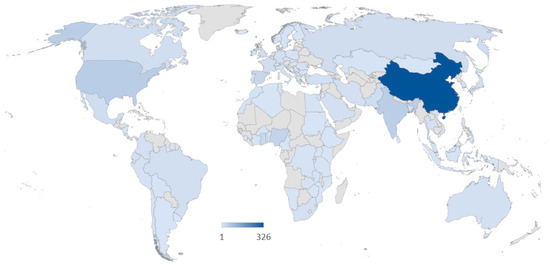
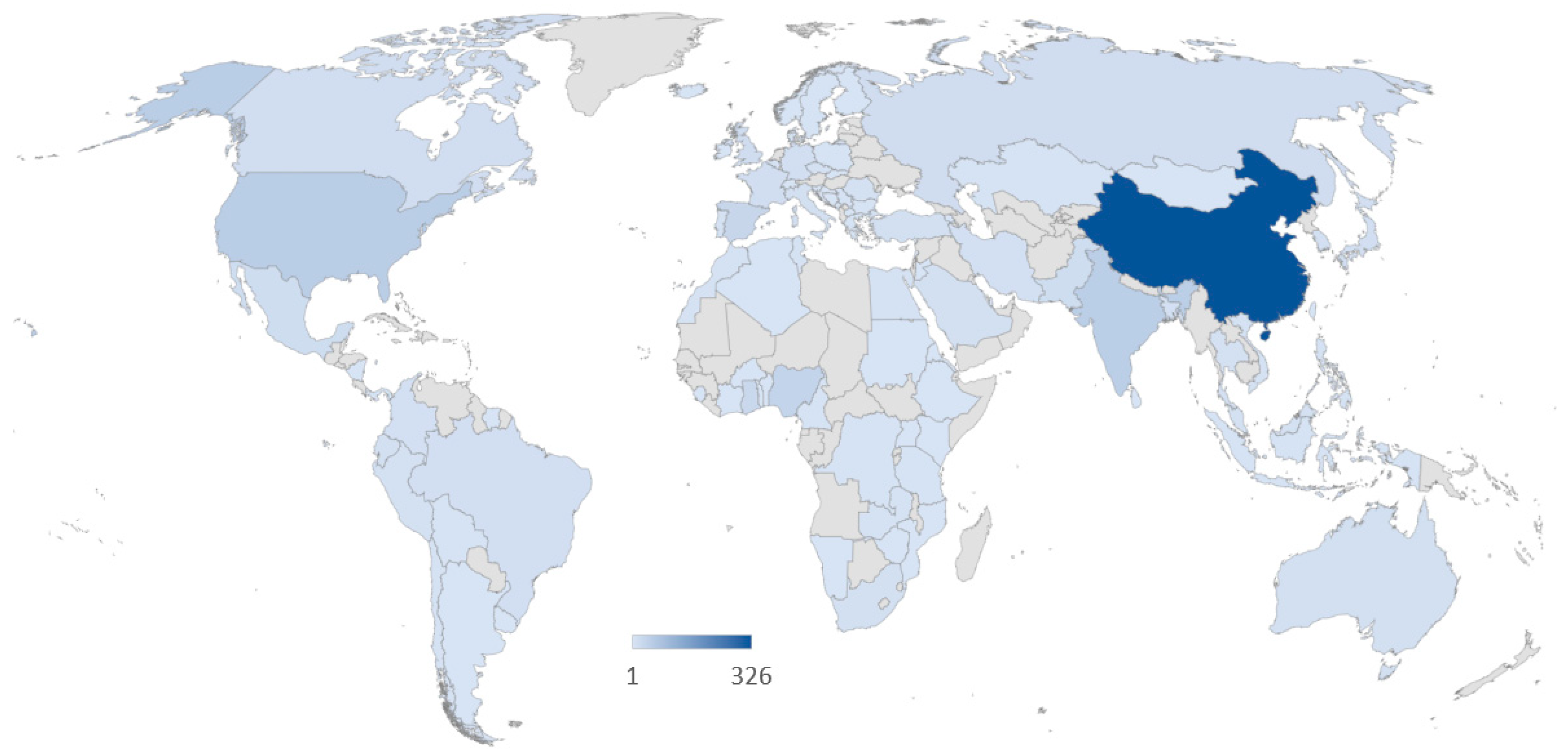
Analysis of the geographic distribution of publications (Figure 2) indicates a pronounced concentration of scientific production within a small group of countries. China leads with 326 publications, representing the highest volume of contributions during the analyzed period. This figure greatly surpasses the outputs of the United States (54) and India (52), which rank second and third, respectively. Nigeria (38), Spain (32), and Ghana (28) form an intermediate group with notable yet considerably lower participation than China.
Figure 2.
Geographic distribution of publications indexed in the Scopus database that relate to mining and exposure to heavy metals.
Although several Latin American countries with significant mining activity, including Mexico (16 publications), Brazil (13), Ecuador (11), Colombia (9), Peru (8), and Chile (5), are represented, their overall contribution remains quantitatively lower than that of the primary centers of scientific production. A comparable trend is evident in African countries, where, apart from Nigeria (38) and Ghana (28), publication numbers remain below 10. These findings underscore a geographic concentration of scientific production in countries with greater research investment capacity.
The results indicate a pronounced concentration of scientific production within certain regions, highlighting a structural asymmetry in the generation of knowledge concerning mining and environmental health. This distribution mirrors broader global disparities in scientific capacity and research infrastructure. Notably, the findings reveal a persistent underrepresentation of studies examining mining-related health impacts in Latin America, with Ecuador being particularly affected. This disparity indicates that, despite growing global attention, region-specific evidence in high-impact literature remains scarce in areas facing significant exposure risks.
In this context, the observed asymmetry underscores the need to strengthen regional scientific infrastructure and to promote international cooperation on a more equitable basis. Enhancing local capacities for monitoring, risk assessment, and data generation is also crucial, particularly in territories where environmental pressures are intensifying but remain insufficiently documented. These measures are fundamental in reducing epistemological dependencies and establishing more responsive, context-sensitive governance models.
3.1.3. Scientific Journals with the Highest Number of Publications
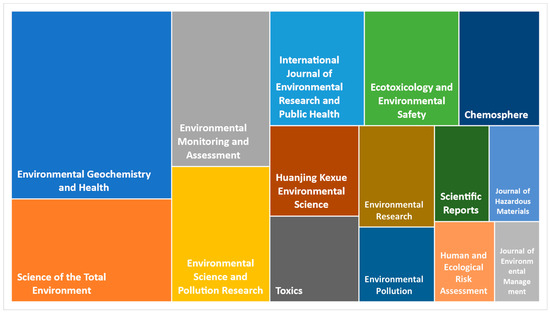
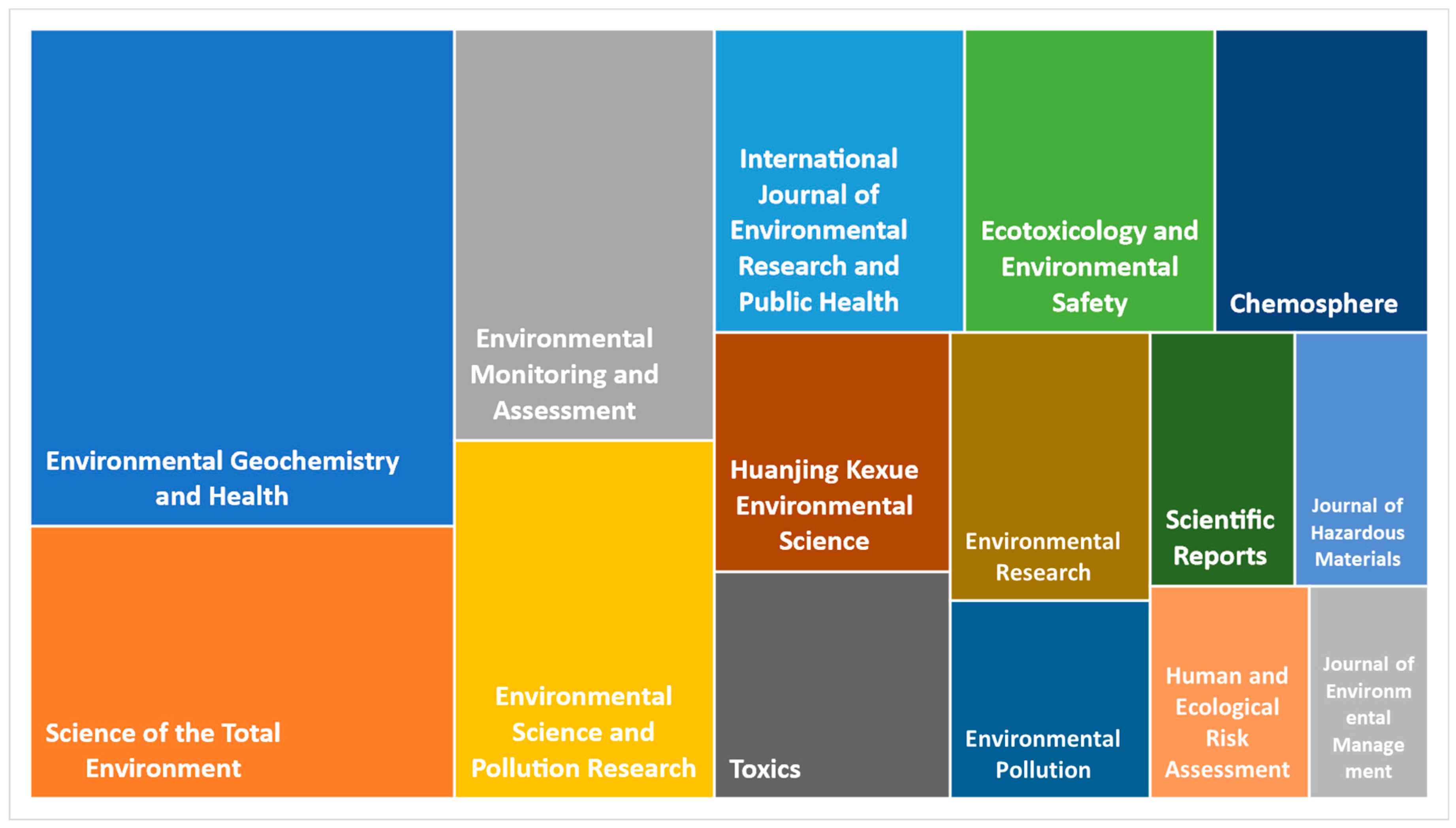
The distribution of publications by journal (Figure 3) indicates a marked concentration of scientific output within a limited group of specialized journals. Journal titles are presented in English, reflecting the language of their registration. Environmental Geochemistry and Health accounts for the most articles (75), followed by Science of the Total Environment (41), Environmental Monitoring and Assessment (38), and Environmental Science and Pollution Research (33). These journals are widely recognized for their focus on environmental monitoring, contaminant assessment, and human health risk analysis.
Figure 3.
Distribution of publications by journal.
Journals focused on public health and toxicology are also represented, including the International Journal of Environmental Research and Public Health (27 publications), Ecotoxicology and Environmental Safety (27), and Toxics (19). These findings underscore the relevance of the topic in journals that examine the intersection of environmental contamination and human health outcomes.
Journals traditionally associated with environmental engineering and management, such as the Journal of Hazardous Materials (12 publications) and the Journal of Environmental Management (9), demonstrate lower representation within the analyzed dataset.
3.1.4. Institutional Concentration and Academic Leadership
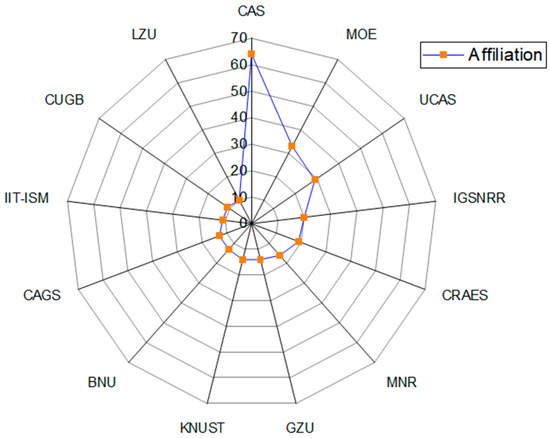
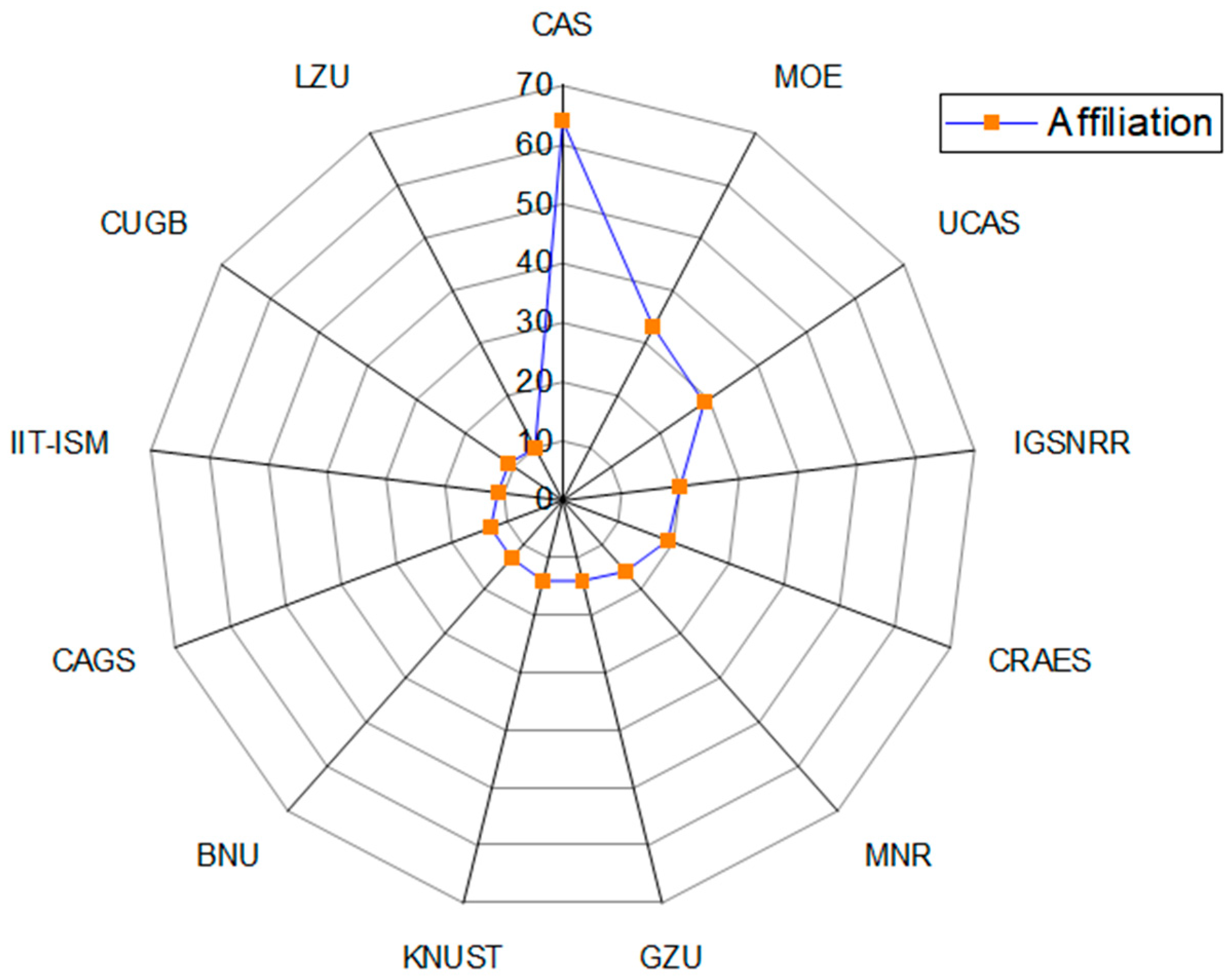
Analysis of institutional affiliations (Figure 4) demonstrates that scientific production is concentrated within a limited number of research organizations.
Figure 4.
Institutional affiliations in Scopus database.
The Chinese Academy of Sciences (CAS) leads with 65 publications, representing the most significant contribution during the analyzed period. At a secondary level of productivity, other Chinese institutions are also prominent. The Ministry of Education (MOE) has approximately 30 publications, while the University of Chinese Academy of Sciences (UCAS) has about 20. The frequent appearance of these institutions among the most productive highlights a notable institutional concentration within the national context.
Other universities and research centers, including IG SNRR, CRAES, MNR, GZU, and KNUST, contributed fewer publications, generally producing fewer than 15 each during the analyzed period.
The observed institutional concentration indicates that scientific production on mining and heavy metal exposure is highly centralized within specific academic centers. This pattern likely results from varying capacities for funding, infrastructure, and the strategic development of research agendas across countries, reflecting the impact of national science and technology policies on the field’s consolidation.
3.1.5. Disciplinary Structure and Thematic Convergence of Research
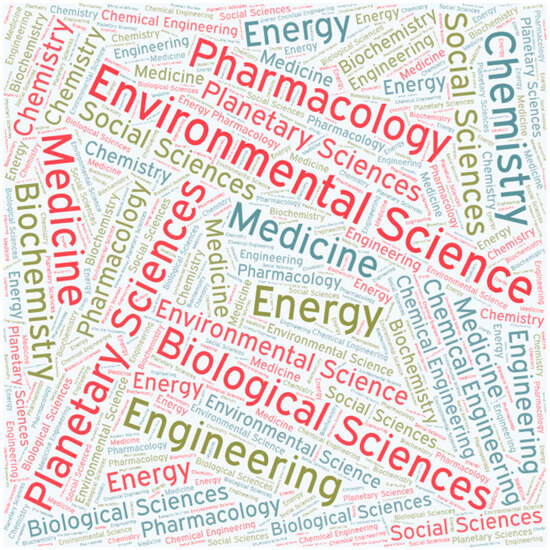
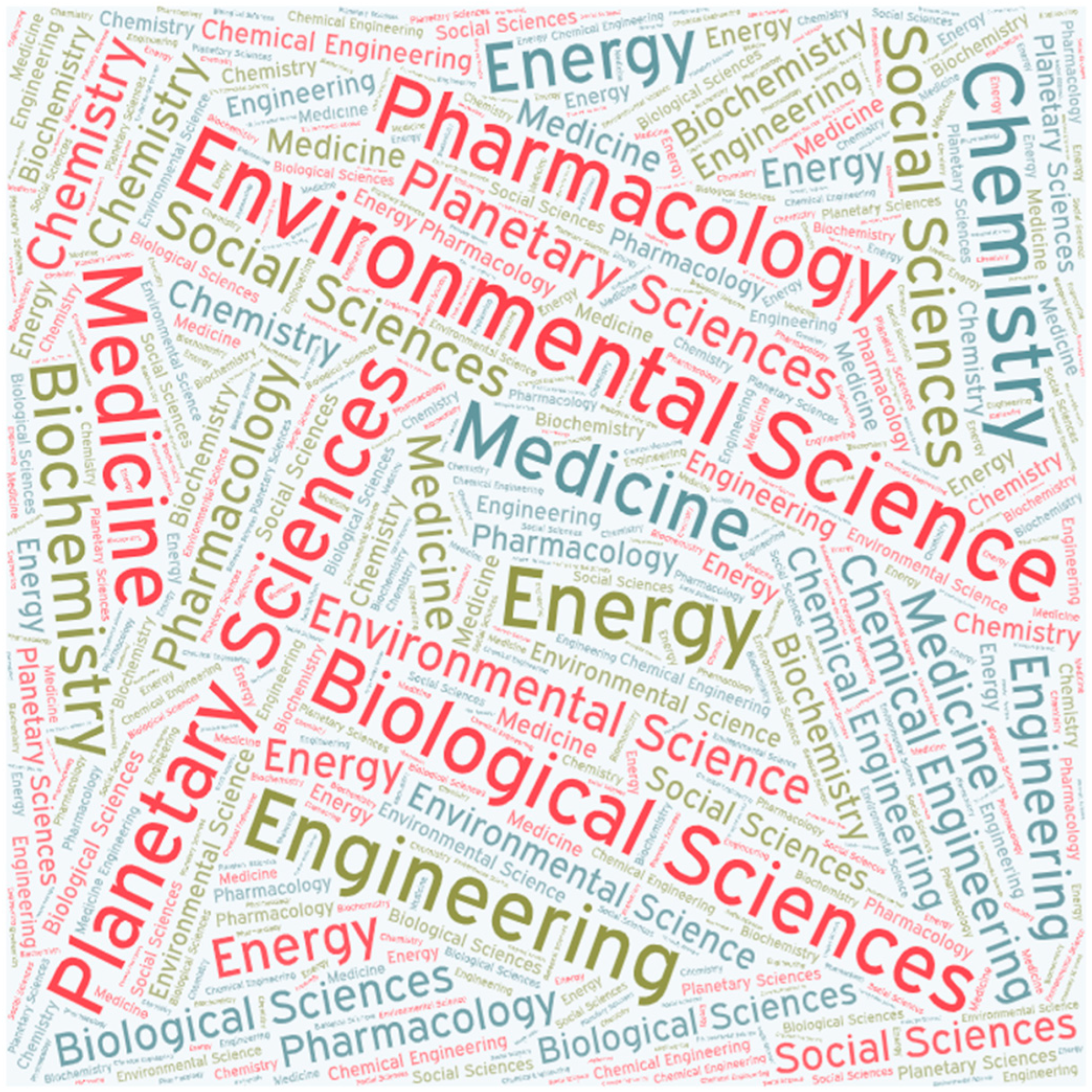
Classification by areas of knowledge demonstrates the clear predominance of environmental sciences as the primary axis structuring the literature (Figure 5). The Environmental Science category comprises 549 publications, far more than any other domain. This finding confirms that perspectives on contamination, monitoring, and the evaluation of ecological impacts have primarily shaped the discourse.
Figure 5.
Distribution of publications by field of knowledge according to the Scopus database.
Fields related to human health and biological processes, including Medicine (148), Earth and Planetary Sciences (125), Pharmacology, Toxicology, and Pharmaceuticals (64), and Agricultural and Biological Sciences (62), are of secondary relevance. The notable presence of these disciplines underscores increasing concern regarding exposure pathways, toxicological effects, and biosanitary implications associated with mining activities.
Disciplines associated with technological development and impact mitigation, such as Chemical Engineering (35) and Engineering (23), demonstrate more limited representation. Likewise, the modest inclusion of Social Sciences (32) indicates that topics such as governance, territorial conflicts, and environmental justice continue to occupy a secondary position within the field.
Collectively, these results indicate a thematic orientation that prioritizes risk diagnosis and characterization. In contrast, approaches addressing structural transformation, public policy development, and socio-technical solutions remain underrepresented.
3.1.6. Disciplinary Structure of Scientific Production
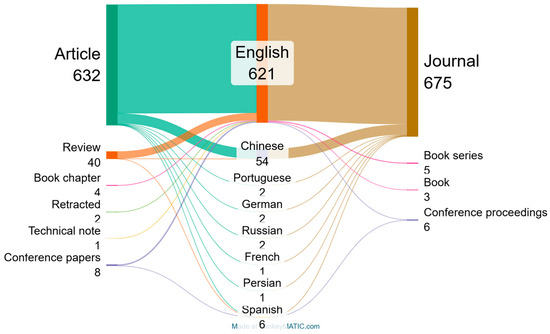
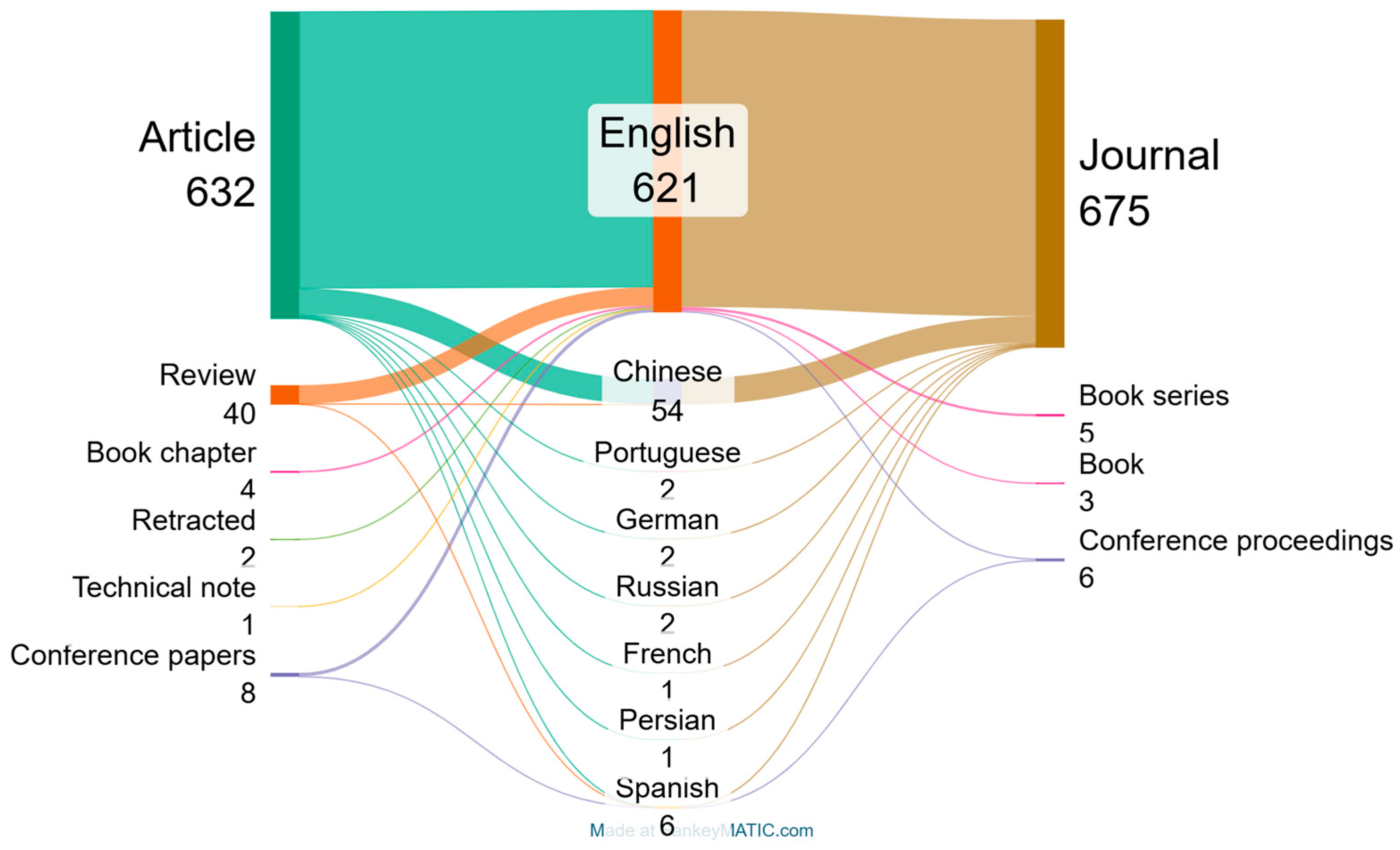
Analysis of document type, language, and publication vehicle (Figure 6) demonstrates that original research articles constitute the predominant publication format.
Figure 6.
Distribution of Scopus-indexed publications by document type, language, and channel.
The data, sourced from https://sankeymatic.com/ (accessed on 17 March 2026), reveal 632 research articles, a figure substantially exceeding that of reviews (40) and other document types, including book chapters, retractions, and conference papers.
English is the predominant language of publication, representing 621 records during the analyzed period. Other languages have considerably lower representation, including Mandarin (54), Spanish (4), Russian (2), Portuguese (2), German (2), Persian (1), and French (1).
Scientific journals serve as the primary dissemination channel, accounting for 675 records in the analyzed period. Other formats, such as book series (5), books (3), and conference proceedings (4), are underrepresented.
These results indicate that the scientific output on mining and heavy metal exposure aligns with international standards, with English-language articles in widely indexed journals achieving the greatest visibility and impact.
3.1.7. Bibliometric Analysis of Keyword Co-Occurrence
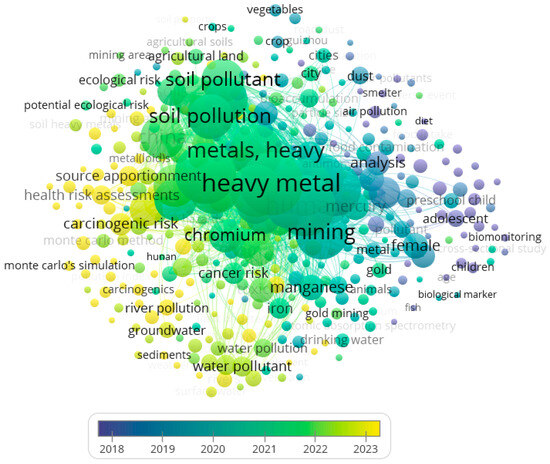
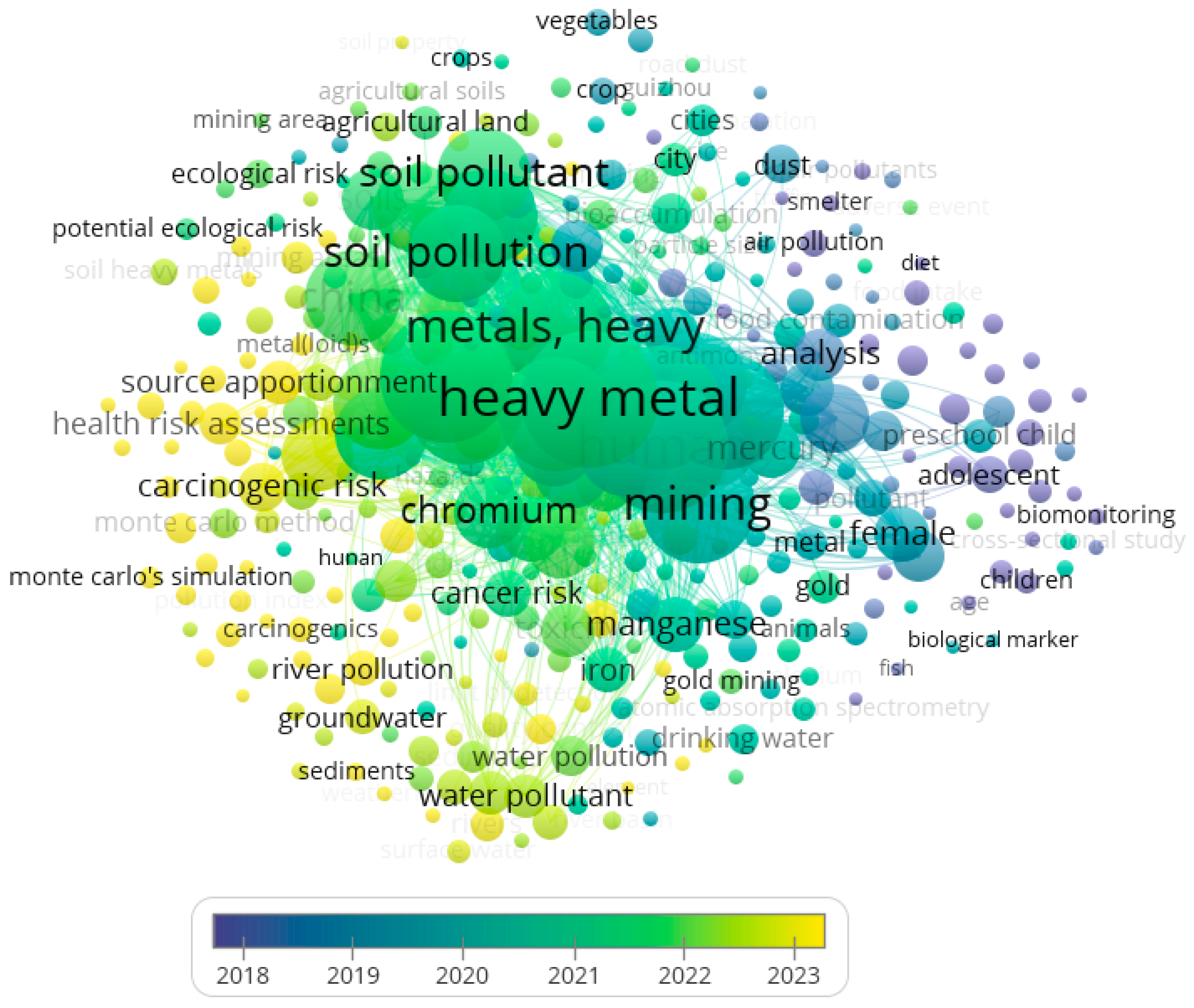
Figure 7 displays the keyword co-occurrence map generated with VOSviewer 1.6.20 software using overlay visualization. Node size reflects the frequency of term occurrence in the analyzed documents, and edge thickness indicates the intensity of co-occurrence between descriptors. The chromatic scale (2018–2023) represents the average publication year for each term, facilitating the identification of recent thematic trends and established topics throughout the analyzed period.
Figure 7.
Bibliometric analysis of keyword co-occurrence.
The terms with the highest frequency and relational density are “heavy metal,” “metals, heavy,” “human,” and “soil pollution,” which form the central core of the co-occurrence network. The strong interconnectivity among “heavy metal,” “human,” and “health risk assessment” underscores the prevalence of research focused on human exposure and risk assessment.
Within the environmental cluster, descriptors including “soil pollution,” “water pollution,” “river pollution,” “groundwater,” and “sediments” are prominent, indicating a focus on contamination analysis of environmental matrices. Terms such as “bioaccumulation,” “toxicity,” “trace element,” and “manganese” are linked to studies examining the mobility, bioavailability, and ecotoxicological effects of metals related to mining activities.
A methodological cluster is identified, comprising descriptors such as “positive matrix factorization”, “Monte Carlo Method”, “factor analysis”, and “source apportionment”. This cluster reflects the use of quantitative models to identify contamination sources and generate probabilistic risk estimates [22]. Within the biosanitary axis, terms such as “female”, “children”, “adolescent”, “pregnancy”, and “biomonitoring” are associated with studies involving human populations and exposure assessment. Notably, temporal overlay visualization indicates that these descriptors have become more prominent in recent years (2021–2023), reflecting an increased focus during the final years of the analyzed period.
Overall, the map demonstrates a historical evolution in the literature. Early research emphasized geochemical characterization of environmental contamination, while more recent studies focus on integrated assessments of ecological and human risks. This progression indicates that mining research in Ecuador, as reflected in Latin American literature, has shifted from a primarily descriptive environmental focus to a multidimensional approach encompassing territory, exposure, and biosanitary risks.
3.2. Synthesis of Results by Research Questions
3.2.1. Child Neurodevelopment and Vulnerability to Heavy Metal Exposure
The studies included in this review demonstrate that impaired neurocognitive development in early childhood represents a significant global issue. International estimates show that in 2007, approximately 200 million children under five years of age in Sub-Saharan Africa and South Asia did not achieve their developmental potential [23]. By 2017, this figure had risen to about 250 million [17]. A substantial proportion of these developmental limitations is associated with adverse environmental conditions, including exposure to toxic contaminants.
From a life-course perspective, neurobiological changes during early development can compromise later educational and occupational outcomes, thereby amplifying social inequalities over time. In the contexts examined in this review, exposure to heavy metals—particularly lead, mercury, and cadmium—is consistently identified as a significant risk factor for cognitive deficits, behavioral changes, and reduced academic performance.
3.2.2. Neurobiological Mechanisms Underlying Heavy Metal Toxicity in Child Development
Brain development begins during embryonic life and continues into adulthood, encompassing sequential processes such as neuronal proliferation, cell migration, synaptic differentiation, and myelination. These processes are essential for consolidating cognitive and behavioral functions [24]. Evidence from studies included in this review demonstrates that exposure to heavy metals during these critical periods disrupts neurodevelopment through mechanisms such as oxidative stress, mitochondrial dysfunction, altered neurotransmission, and epigenetic modulation, thereby increasing the developing central nervous system’s vulnerability [25].
Between gestation and approximately six years of age, the central nervous system experiences heightened plasticity, marked by intense neurogenesis, synaptogenesis, synaptic pruning, and myelination [4,26]. These neurodevelopmental processes underpin the maturation of language, memory, motor coordination, and emotional regulation. The reviewed studies indicate that heavy metal exposure during these periods compromises the organization and efficiency of neural networks, thereby increasing the risk of cognitive and behavioral deficits in affected populations [27].
The dynamic nature of these neurodevelopmental processes renders the infant nervous system particularly susceptible to environmental contaminants. Studies included in this review demonstrate that exposure to heavy metals during gestation and early childhood, even at low levels, is associated with persistent alterations in cognitive and behavioral performance [28]. Recent evidence indicates that co-exposure to multiple metals can result in synergistic or non-linear effects, surpassing predictions based on additive models [26]. These findings underscore the importance of considering interactions among environmental contaminants as significant contributors to neurodevelopmental risk, particularly in socio-environmentally vulnerable populations.
Lead (Pb), mercury (Hg), and cadmium (Cd) disrupt fundamental neurodevelopmental processes, including neuronal proliferation and migration, synaptic formation, myelination, and cell viability [29]. The reviewed studies associate exposure to these metals with both structural and functional alterations in the central nervous system, even at concentrations deemed low by current regulatory standards [6]. Recent evidence further indicates that, particularly for lead, no safe threshold for neurocognitive effects in childhood has been established, highlighting the developing brain’s heightened sensitivity to minimal environmental exposures.
Cellular and Molecular Mechanisms Underlying Heavy Metal Neurotoxicity
Lead, mercury, and cadmium disrupt essential neurobiological processes during childhood by impairing neurotransmission, modifying synaptic plasticity, and inducing oxidative stress and mitochondrial dysfunction, despite their distinct toxicological mechanisms. Lead substitutes for calcium in ion channels and regulatory proteins. Mercury binds to sulfhydryl groups, thereby affecting enzymes and proteins. Cadmium disrupts redox homeostasis and modulates inflammatory pathways. Collectively, these actions result in both structural and functional alterations in the brain [30].
Lead can substitute for calcium (Ca2+) in intracellular processes that depend on this ion, thereby compromising neuronal signaling and the release of dopaminergic, glutamatergic, and GABAergic neurotransmitters. It also alters the expression and function of NMDA receptors, which are essential for synaptic plasticity and early learning. Furthermore, lead induces persistent oxidative stress, promoting lipid peroxidation, mitochondrial dysfunction, and damage to neuronal membranes [31]. Evidence indicates that lead interferes with the regulation of the hypothalamic–pituitary–adrenal axis, potentially affecting the stress response throughout the lifespan. In pediatric populations, these mechanisms are associated with attention deficits, memory impairments, increased impulsivity, and reduced academic performance, even at exposure levels previously considered safe [32].
Mercury, particularly as methylmercury (MeHg), crosses the blood–brain barrier and placenta by forming complexes with cysteine that mimic amino acids and utilize transporters such as LAT1. Within the central nervous system, MeHg preferentially accumulates in the cerebral cortex, basal ganglia, and cerebellum, exhibiting a high affinity for sulfhydryl groups in structural and enzymatic proteins. Mercury disrupts microtubule organization, inhibits protein synthesis, impairs neuronal migration, and alters both myelination and neurotransmission [33]. These disruptions are linked to impairments in nerve conduction and motor coordination. Epidemiological studies demonstrate that prenatal MeHg exposure is associated with language delays, visuospatial difficulties, fine tremors, and reduced cognitive processing speed [11].
Cadmium (Cd) induces neurotoxicity primarily through oxidative stress and activation of neuroinflammatory responses. Cadmium disrupts zinc (Zn2+) homeostasis, interfering with the function of zinc-dependent proteins such as the ZnT3 vesicular transporter, and modulates the expression of neurotrophic factors, including brain-derived neurotrophic factor (BDNF), which are essential for synaptic plasticity, learning, and memory consolidation [6]. Additionally, cadmium’s interaction with calcium channels impairs intracellular signaling and can initiate pro-apoptotic pathways, leading to neuronal damage. Experimental and epidemiological evidence indicate that chronic cadmium exposure is associated with reduced intelligence quotient, attention deficits, and behavioral patterns consistent with attention-deficit–hyperactivity disorder (ADHD) [34].
Collectively, these mechanisms account for the association between even low-level heavy metal exposure during critical developmental windows and persistent neurological alterations. Evidence demonstrates that such changes adversely affect learning, behavior, motor coordination, and cognitive performance across the lifespan.
Magnitude of Neurocognitive Effects Associated with Heavy Metal Exposure
Available epidemiological evidence and meta-analyses provide consistent estimates of the magnitude of neurotoxic effects associated with heavy metal exposure. In the case of lead (Pb), observational studies have indicated that increasing blood concentration from 10 µg/dL to 20 µg/dL is associated with an average reduction of approximately 2.6 points in intelligence quotient (IQ) [6]. Subsequent investigations have shown that the effects are even more pronounced at lower exposure levels. A meta-analysis conducted by Lanphear et al. showed that the greatest IQ losses occur in the range between 2 and 10 µg/dL, where each 1 µg/dL increment is associated with an estimated reduction of between 0.9 and 1.4 IQ points [35]. These findings suggest the absence of a clearly established safe threshold for childhood lead exposure. Concentrations close to 2 µg/dL have already been associated with attention deficits, increased impulsivity, and lower school performance.
Regarding cadmium (Cd), epidemiological studies also indicate significant associations with neurocognitive outcomes. In a cohort study conducted in Bangladesh, children in the upper tertile of urinary Cd concentration showed an average reduction of 7 points in intelligence quotient (95% CI: −11.0 to −2.7) compared to the lower tertile [3]. Investigations carried out in Sweden and China have shown that urinary levels below 1 µg/L, previously considered low-risk, are associated with lower performance in visual memory, reduced processing speed, and impairments in fine motor skills. Additional cross-sectional studies have identified an association between Cd exposure and behavioral patterns consistent with symptoms of attention-deficit–hyperactivity disorder (ADHD) [6].
Regarding mercury (Hg), especially in the form of methylmercury, most quantitative evidence comes from prenatal cohort studies. In the Faroe Islands, each doubling of Hg concentration in umbilical cord blood was associated with poorer performance on verbal memory and sustained attention tests at 7 and 14 years of age. Similarly, investigations conducted in the Amazon region indicated that children of mothers with hair Hg concentrations greater than 6–10 µg/g showed motor delays estimated at 15–25% compared to children with lower exposure levels. These findings show that prenatal exposures, even in moderate ranges, are associated with measurable neurofunctional alterations [7].
3.2.3. Environmental and Biological Pathways of Heavy Metal Exposure in Mining Contexts and Factors Influencing Child Vulnerability
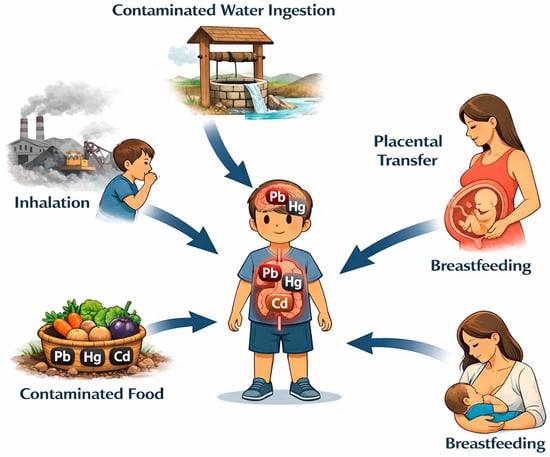
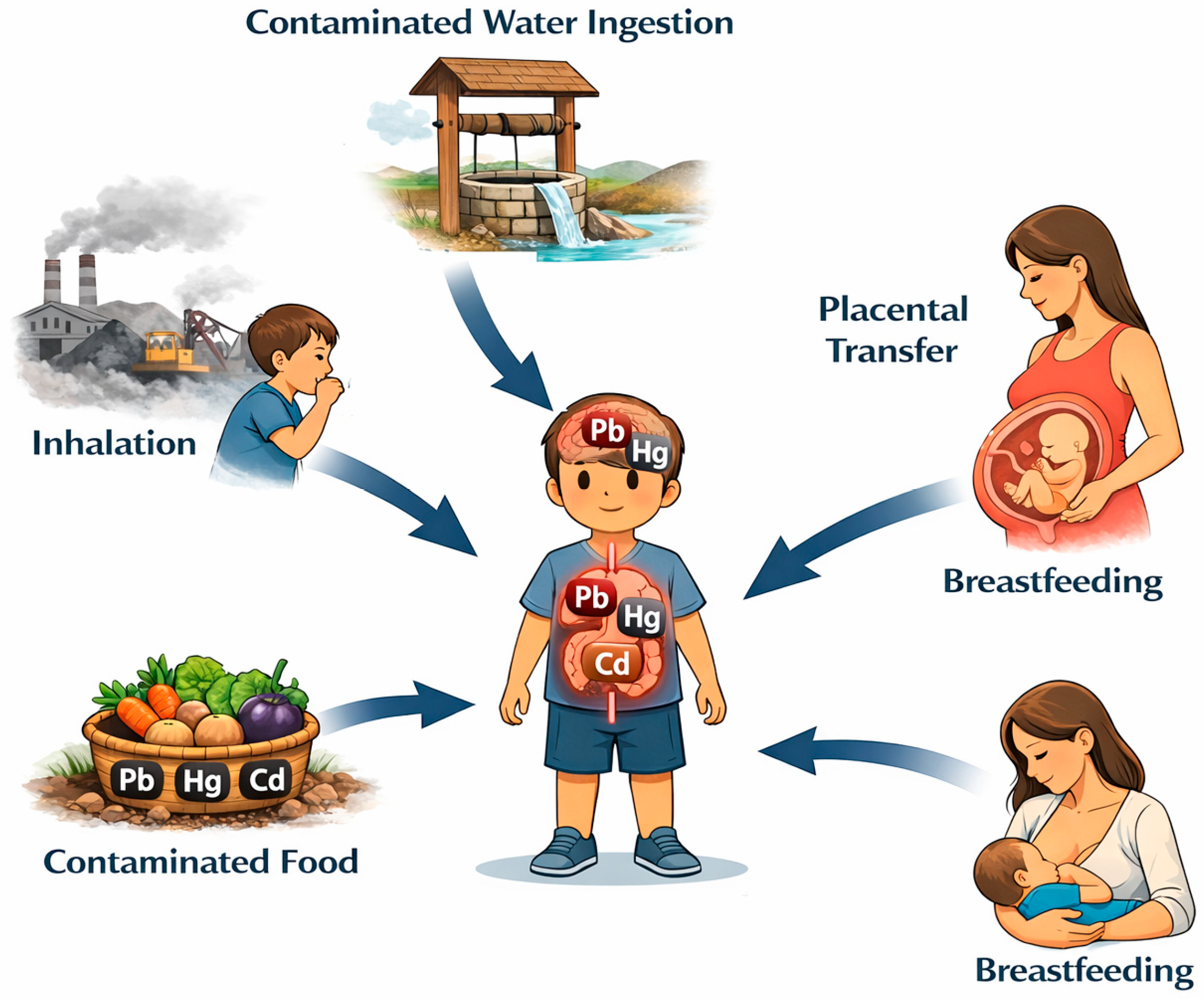
Exposure to heavy metals occurs through diverse environmental and biological pathways, especially in regions with industrial, agricultural, or mining activities [36]. Studies from Africa, Asia, and Latin America demonstrate that environmental matrices such as soil, air, surface water, and food often contain elevated concentrations of lead (Pb), mercury (Hg), and cadmium (Cd), which promote bioaccumulation and facilitate multiple routes of entry into the human body [37]. These pathways are categorized as environmental, including inhalation of contaminated particles, ingestion of polluted water and food, and contact with dust or soil, and as biological, such as transplacental transfer and exposure through lactation (Figure 8). The convergence of these exposure routes increases total body burden and heightens the susceptibility of the developing nervous system.
Figure 8.
Environmental Exposure Pathways of Heavy Metals in Early Life.
Inhalation of contaminated air represents a direct and persistent route of heavy metal exposure, particularly in regions with mining, smelting, or ore processing activities [4]. Research indicates that ultrafine particles originating from metallic vapors can remain airborne for extended periods, facilitating their deposition in the lower respiratory tract and subsequent systemic absorption [38]. Owing to their small aerodynamic diameter, these particles more readily enter the bloodstream and may cross biological barriers, such as the blood–brain barrier, thereby elevating the risk of neurotoxic effects.
Resuspension of dust from contaminated soils increases exposure in communities near mining areas and can affect locations far from the original emission source [39]. Within households, secondary exposure, also known as take-home exposure, occurs when metallic particles are transported via clothing, footwear, and personal items, leading to increased deposition on surfaces accessible to children [40]. Children’s vulnerability is heightened by physiological factors such as higher respiratory rates, greater ventilation per unit body weight, and ongoing lung development, all of which contribute to increased absorption of inhaled contaminants [41].
Water contamination in mining areas primarily results from processes such as acid mine drainage (AMD), geochemical leaching, surface runoff, and tailings weathering, which facilitate the mobilization of lead (Pb), mercury (Hg), and cadmium (Cd) into rivers, lakes, and aquifers [39]. These mechanisms enable the persistence and dispersion of metals in aquatic systems over extended periods, thereby increasing the risk of human exposure when these waters are used for direct consumption, food preparation, or personal hygiene. The international literature indicates that these contaminants can persist even after mining activities have ceased, underscoring the chronic and cumulative nature of water contamination [42].
Crops irrigated with contaminated water or cultivated in soils enriched with heavy metals can accumulate these elements in plant tissues, leading to elevated concentrations in food consumed by the population [43]. These metals are chemically stable, do not undergo significant degradation during thermal preparation, and retain a high bioavailable fraction after ingestion, resulting in absorption in the gastrointestinal tract [44]. Chronic dietary exposure promotes systemic accumulation in target organs, such as the liver, kidneys, and central nervous system, thereby contributing to cumulative toxicological effects over time [32].
The placenta functions as a selective interface between maternal and fetal systems, acting as a partial barrier to contaminant transfer. Essential nutrients cross this structure via active transport and passive diffusion to support fetal development [5]. Due to chemical similarities between certain heavy metals and essential ions, such as lead (Pb) and calcium (Ca2+) or cadmium (Cd) and zinc (Zn2+), these metals can mimic physiological substrates and utilize maternal–fetal transporters to enter the fetal circulation. The immaturity of fetal detoxification and excretion systems, combined with continuous exposure during gestation, increases the vulnerability of the developing nervous system and heightens the risk of adverse effects on neural maturation [32]. Though in general, the transfer of heavy metals through lactation occurs at lower levels than those observed in transplacental exposure, this route can contribute to the infant’s body burden when the mother has a prior accumulation of these elements in bone or adipose tissue [17]. Lead (Pb), for example, can be mobilized from the bone compartment during periods of higher calcium demand, such as gestation and lactation, increasing its presence in breast milk. Mercury, especially in its organic form, can associate with proteins and lipid components of milk, while cadmium (Cd) can use divalent cation transporters to reach milk secretion [45]. This route implies continuous exposure at a critical stage of brain development, and studies have suggested an association with subtle alterations in motor skills and early cognitive functions [15].
3.2.4. Latin American Scientific Production on Mining, Heavy Metals, and Child Health
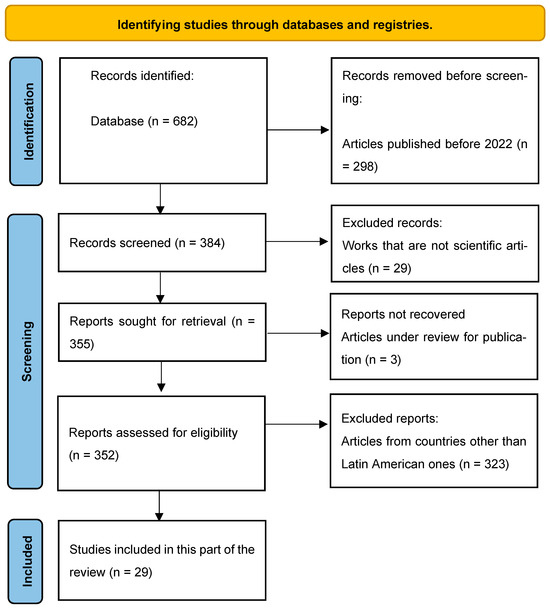
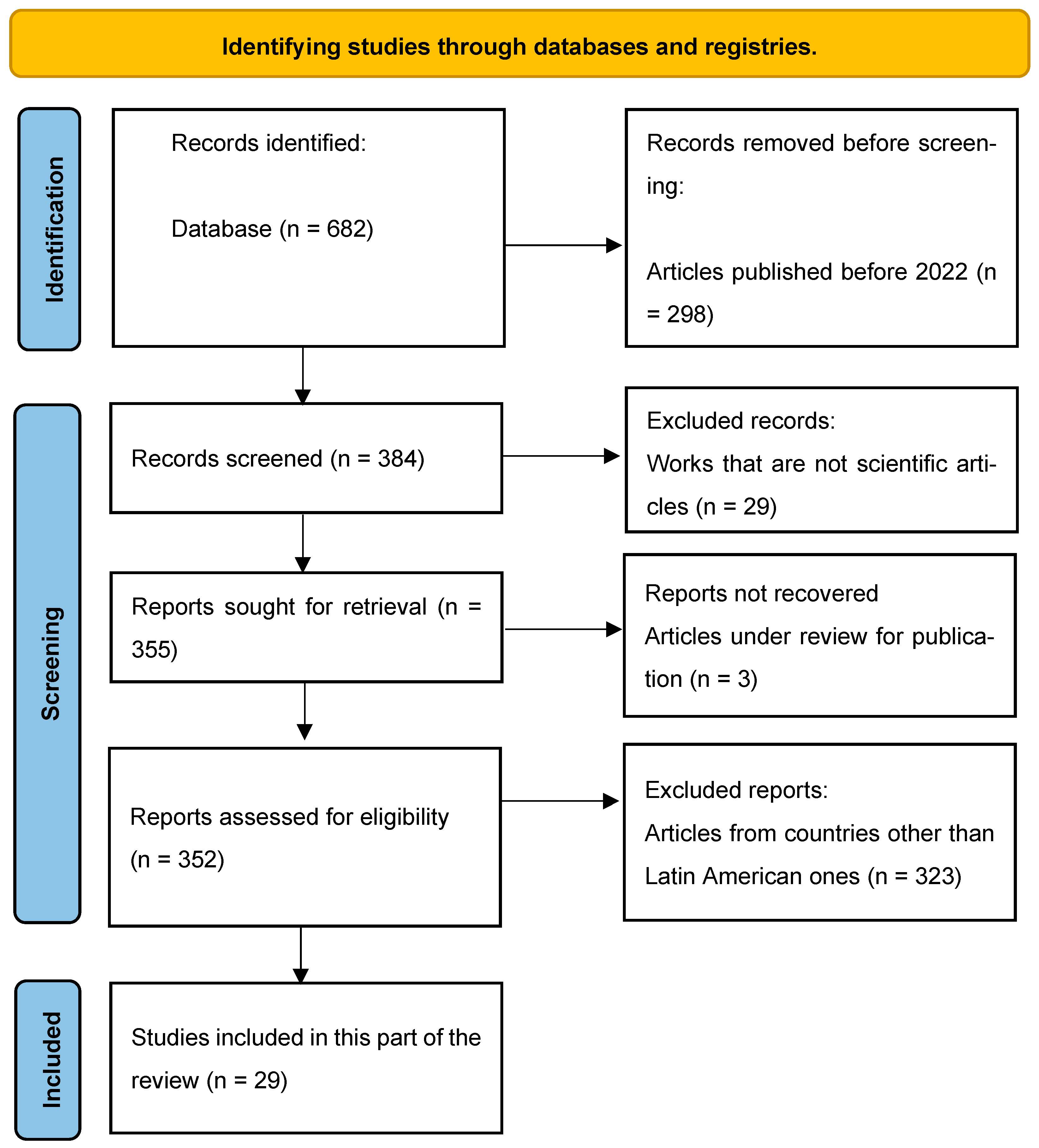
The process of identifying, screening, and including studies conducted in accordance with PRISMA guidelines [21] is summarized in Figure 9. The review process followed sequential steps: identification, screening, eligibility assessment, and inclusion. The 29 articles published within the last five years and conducted in Latin American countries, or by researchers affiliated with Latin American institutions, are presented in Exposure Table S1. This set of 29 studies forms the analytical corpus for examining thematic trends, methodological approaches, and principal scientific contributions regarding exposure to heavy metals and their impacts on children’s health in the region. In this regard, it is important to clarify that the PRISMA checklist required by the journal is not equivalent to the Exposure Table included in the Supplementary Materials; the checklist represents a standardized reporting tool, while Table S1 corresponds to the synthesized dataset of included studies. The search string for this section was defined and applied directly within the Scopus database using its advanced search tools, as follows: “TITLE-ABS-KEY (heavy metals, children, mining, human health) AND PUBYEAR > 2021 AND PUBYEAR < 2027 AND (LIMIT-TO (DOCTYPE, “ar”)) AND (LIMIT-TO (PUBSTAGE, “final”)) AND (LIMIT-TO (AFFILCOUNTRY, “Brazil”) OR LIMIT-TO (AFFILCOUNTRY, “Colombia”) OR LIMIT-TO (AFFILCOUNTRY, “Mexico”) OR LIMIT-TO (AFFILCOUNTRY, “Ecuador”) OR LIMIT-TO (AFFILCOUNTRY, “Peru”) OR LIMIT-TO (AFFILCOUNTRY, “Chile”) OR LIMIT-TO (AFFILCOUNTRY, “Panama”) OR LIMIT-TO (AFFILCOUNTRY, “Argentina”) OR LIMIT-TO (AFFILCOUNTRY, “Suriname”))”.
Figure 9.
PRISMA flowchart of the process of identifying, screening, eligibility, and inclusion of the analyzed studies.
3.2.5. Historical Evolution of Mining in Ecuador and Current Scenario of Exposure to Heavy Metals
Building on the findings from previous sections, this section provides an overview of mining in Ecuador and its relationship to heavy metal exposure.
Historical Evolution of Mining Activity in Ecuador
Mining is one of the oldest extractive activities in Ecuador. It plays a significant role in the country’s economic, social, and territorial configuration. In the pre-Columbian period, gold was mainly used for ritual and ornamental purposes. From the 16th century onwards, Spanish colonization intensified mineral exploration. It led to the consolidation of districts such as Zaruma, Santa Bárbara, and Nambija within the colonial economy linked to the Royal Audiencia of Quito [16].
In recent decades, a new cycle of mining expansion has emerged, driven by international demand for mineral commodities and national policies aimed at valuing natural resources. This process occurred in parallel with the expansion of artisanal and small-scale mining ventures, frequently associated with the use of mercury and inadequate tailing management, factors that contributed to the mobilization of heavy metals in the environment and to the chronic exposure of populations residing in mining areas [46].
Consolidation of Gold Mining and Recent Expansion
Throughout the 20th century, and particularly in recent decades, gold mining has expanded in Ecuador. Growth has occurred in both industrial and artisanal sectors. Artisanal and small-scale mining (ASSM) has become especially significant due to its low technological investment and rapid implementation. However, this model frequently relies on mercury amalgamation and operates with limited environmental monitoring and control [47].
Consequently, tailings containing heavy metals are released into soils, waterways, and sediments. This leads to persistent geochemical changes and facilitates the spread of contaminants through environmental pathways. In regions with intensive extractive activity, this process increases the likelihood of chronic exposure among local populations, primarily through contamination of water and food [7].
Provinces with the Highest Mining Activity
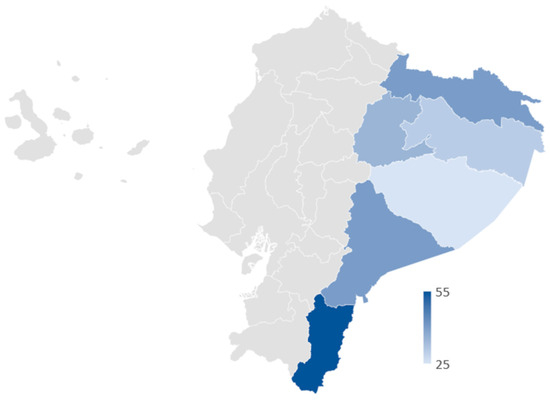
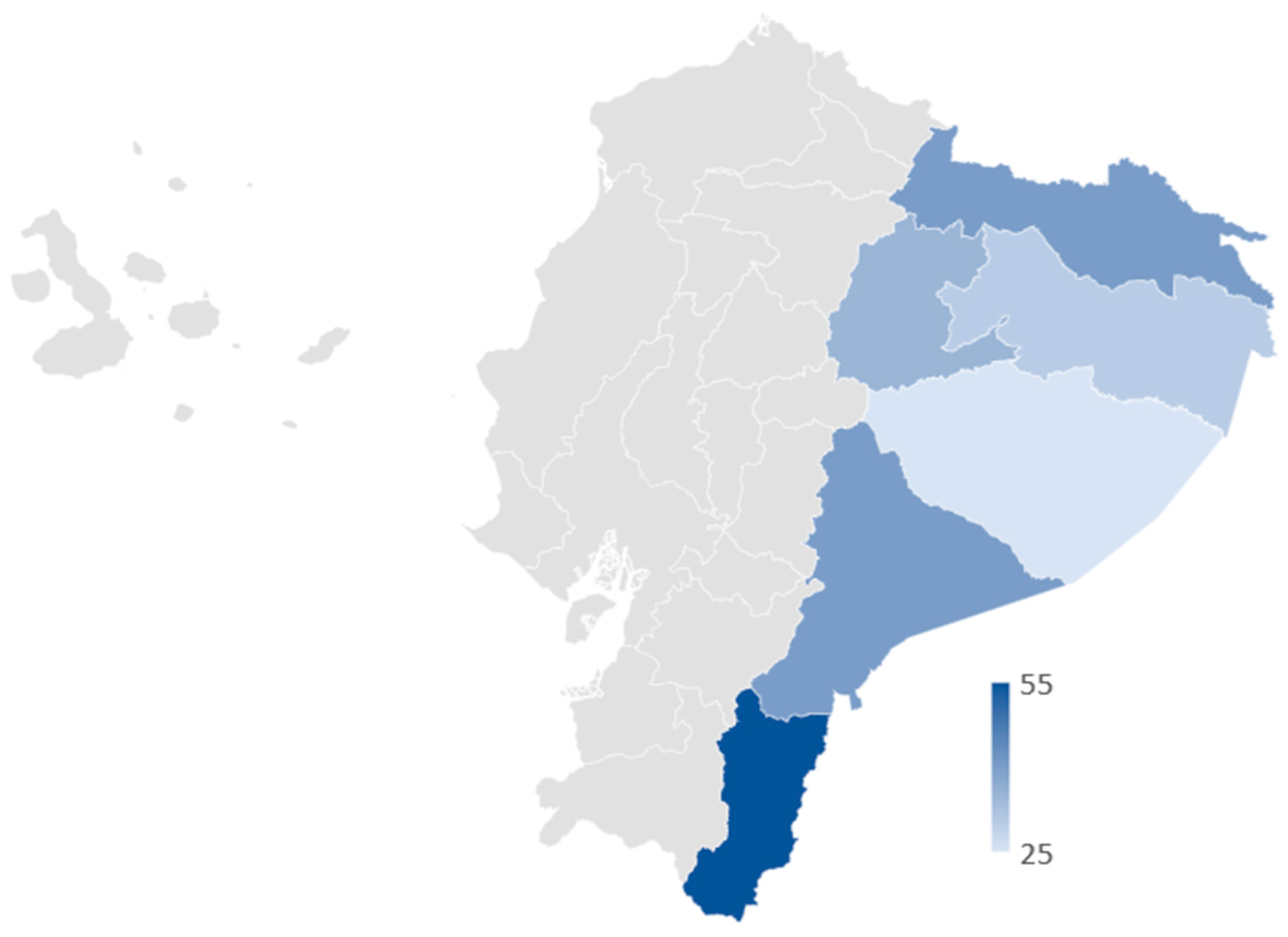
Mining activity in Ecuador (Figure 10) is primarily concentrated in the Amazon region and the southern Andean areas. Provinces including Zamora Chinchipe, Morona Santiago, Napo, Orellana, Sucumbíos, and Pastaza have experienced continuous growth in mining projects. In contrast, El Oro province maintains a longstanding tradition of gold mining, particularly in the Zaruma district.
Figure 10.
Provinces with the highest mining activity in Ecuador.
Mining operations located near waterways and settlements elevate the risk of contaminant dispersion into water sources, soil, and local food chains [47].
The distribution of the 225 active mining concessions demonstrates a marked territorial concentration in the Amazon region. Mapping indicates that mining title density varies, with the highest incidence in Zamora Chinchipe, Morona Santiago, and Sucumbíos. Zamora Chinchipe, with approximately 55 concessions, exhibits particularly intensive mining activity in an ecologically sensitive area. The spatial arrangement of mining concessions establishes a distinct pattern of territorial occupation that overlaps with strategic hydrographic basins and ecologically significant areas. The proximity of extraction sites to water systems heightens the potential for contaminant mobilization and dispersion at both local and regional scales.
Geospatial analysis indicates that mining concessions are concentrated in Amazonian provinces dependent on natural resources for water, agriculture, and subsistence. In these areas, intensive mining activity increases environmental exposure to heavy metals, particularly in communities with inadequate sanitary infrastructure and limited monitoring [46].
Pediatric populations in these provinces demonstrate increased biological susceptibility to chronic exposure, attributable to dependence on local resources and developmental physiological traits.
Scientific Evidence of Pediatric Exposure
Building and expanding upon previously identified vulnerabilities, research in Ecuador demonstrates an association between mining activities and the presence of mercury (Hg), lead (Pb), and cadmium (Cd) in environmental matrices such as water, sediments, soils, and household dust (Table 1). In the Amazon region, elevated mercury concentrations have been detected in rivers and locally consumed fish species. In southern Ecuador, studies indicate that Pb and Cd are transferred to residential environments near extraction sites [48]. Investigations confirm the incorporation of these metals into infant biological matrices, such as blood, hair, and urine. Taken together, the studies suggest chronic, multi-route exposure resulting from the combination of contaminated water and food ingestion, inhalation of particles, and prenatal transfer. They report concentrations of lead (Pb), mercury (Hg), and cadmium (Cd) in environmental and biological matrices among children in mining areas of Ecuador, including mean values, ranges, and units of measurement.
Table 1.
Reported concentrations of lead (Pb), mercury (Hg), and cadmium (Cd) in environmental and biological matrices of children in mining areas of Ecuador [49,50,51].
Challenges in Public Health and Environmental Control
The problem is recognized, but major gaps remain. The studies show limited coverage, reflecting structural limits in environmental surveillance and monitoring of heavy metal exposure in Ecuadorian mining areas. Other issues include insufficient biomonitoring programs, a lack of systematic pediatric screening, and difficulties in inspecting informal mining activities [48].
The literature shows a gap between the spread of mining and the ability to monitor environmental and health impacts. This mismatch allows chronic exposures among vulnerable people, often undetected by health systems. Early health problems may develop before detection, letting exposure risks remain invisible in these communities.
These limitations highlight the need to strengthen monitoring frameworks and public health interventions, particularly in regions where institutional capacity is constrained and exposure pathways are not systematically assessed.
4. Conclusions
The study demonstrates that scientific output on mining and heavy metals remains concentrated in select geographic, institutional, and editorial centers, exposing global structural asymmetries. Crucially, it exposes a persistent disconnect between knowledge production and the regions, such as Latin America, where environmental and health impacts of mining are most severe.
The analysis shows current research is dominated by environmental and biomedical perspectives, mainly focused on contaminant and toxicology metrics. Critically, issues such as territorial inequality, governance capacity, and public health integration are underexplored, limiting the usefulness of existing knowledge for vulnerable regions.
Within this framework, Ecuador’s case emerges as particularly significant. The accelerated expansion of mining concessions in ecologically sensitive Amazonian regions is occurring in parallel with documented environmental contamination and heavy metal uptake. The convergence between global epidemiological evidence and localized exposure data suggests not only the presence of chronic multi-pathway exposure but also the risk of early, potentially irreversible neurodevelopmental impacts in populations that remain insufficiently monitored.
Importantly, these risks are amplified by structural conditions, including limited environmental surveillance, gaps in biomonitoring systems, and socioeconomic vulnerability in affected territories. As such, the Ecuadorian case exemplifies how global extractive dynamics materialize into localized public health challenges that disproportionately affect children in marginalized regions.
This study’s main contribution is to directly link global research trends with local realities, clarifying how knowledge gaps fuel health vulnerabilities. The results highlight the urgent need for stronger regional research, expanded monitoring, and interdisciplinary approaches to address neurodevelopmental risks and structural weaknesses tied to mining expansion.
Supplementary Materials
The following supporting information can be downloaded at https://www.mdpi.com/article/10.3390/environments13050235/s1, Table S1: Latin American studies published between 2019 and early 2026 on exposure to heavy metals and child health; Table S2: Checklist.
Author Contributions
Conceptualization, A.E.N.-U. and D.V.-V.; methodology, A.E.N.-U., A.T.-L. and D.V.-V.; software, A.E.N.-U., A.T.-L. and D.V.-V.; validation, A.E.N.-U., F.V., D.Y., J.N.B., C.A.-S., A.T.-L. and D.V.-V.; formal analysis, A.E.N.-U., F.V., D.Y., J.N.B., C.A.-S., A.T.-L. and D.V.-V.; investigation, A.E.N.-U., F.V., D.Y., J.N.B., C.A.-S., A.T.-L. and D.V.-V.; resources, A.E.N.-U., F.V., D.Y., J.N.B., C.A.-S., A.T.-L. and D.V.-V.; data curation, A.T.-L. and D.V.-V.; writing—original draft preparation, A.E.N.-U., F.V., D.Y., J.N.B., C.A.-S., A.T.-L. and D.V.-V.; writing—review and editing, A.E.N.-U., F.V., D.Y., J.N.B., C.A.-S., A.T.-L. and D.V.-V.; visualization, A.E.N.-U.; supervision, A.E.N.-U., F.V., D.Y., J.N.B., C.A.-S., A.T.-L. and D.V.-V.; project administration, F.V., D.Y., A.T.-L. and D.V.-V.; funding acquisition, F.V., D.Y., A.T.-L. and D.V.-V. All authors have read and agreed to the published version of the manuscript.
Funding
This research received no external funding.
Data Availability Statement
No new data were created or analyzed in this study.
Acknowledgments
Special thanks to the “Escuela de Hábitat, Infraestructura y Creatividad” and the “Dirección de Investigación” of “Pontificia Universidad Católica del Ecuador, Sede Ambato” for their support in conducting this research. The authors acknowledge the use of ChatGPT-5.3 (OpenAI) for Figure 8, the Graphical Abstract, and language refinement, and Scopus AI (Elsevier) for supporting in the literature search. All AI-assisted outputs were critically reviewed and validated by the authors.
Conflicts of Interest
The authors declare no conflicts of interest.
Abbreviations
The following abbreviations are used in this manuscript:
| DOHaD | Developmental Origins of Health and Disease |
| MeHg | Methylmercury |
| ADHD | Attention-deficit–hyperactivity disorder |
| AMD | Acid mine drainage |
| ASSM | Artisanal and small-scale mining |
References
- Proshchina, A.; Kharlamova, A.; Krivova, Y.; Godovalova, O.; Otlyga, D.; Gulimova, V.; Otlyga, E.; Junemann, O.; Sonin, G.; Saveliev, S. Neuromorphological Atlas of Human Prenatal Brain Development: White Paper. Life 2023, 13, 1182. [Google Scholar] [CrossRef] [Scilit]
- Zhang, F.; Liu, X.; Zhou, X.; Fan, T.; Yuan, Y.; Tan, W.; Jiang, Y. Driving factors and health risks of spatiotemporal variations of heavy metal pollution in groundwater of pyrite mining areas in the middle and upper reaches of the Yangtze River in China. Environ. Chem. Ecotoxicol. 2026, 8, 1509–1521. [Google Scholar] [CrossRef] [Scilit]
- Nyanza, E.C.; Mhana, R.J.; Asori, M.; Thomas, D.S.K.; Kisoka, A.P. Effects of prenatal lead, mercury, cadmium, and arsenic exposure on children’s neurodevelopment in an artisanal small-scale gold mining area in Northwestern Tanzania using a multi-chemical exposure model. PLoS Glob. Public Health 2025, 5, e0004577. [Google Scholar] [CrossRef] [Scilit]
- Su, R.; Jiang, Y.; Li, W.; Ding, W.; Feng, L. Effects of Prenatal Arsenic, Cadmium, and Manganese Exposure on Neurodevelopment in Children: A Systematic Review and Meta-Analysis. Medicina 2025, 61, 1143. [Google Scholar] [CrossRef] [Scilit]
- Ding, M.; Shi, S.; Qie, S.; Li, J.; Xi, X. Association between heavy metals exposure (cadmium, lead, arsenic, mercury) and child autistic disorder: A systematic review and meta-analysis. Front. Pediatr. 2023, 11, 1169733. [Google Scholar] [CrossRef] [Scilit]
- Ciesielski, T.; Weuve, J.; Bellinger, D.C.; Schwartz, J.; Lanphear, B.; Wright, R.O. Cadmium Exposure and Neurodevelopmental Outcomes in U.S. Children. Environ. Health Perspect. 2012, 120, 758–763. [Google Scholar] [CrossRef] [Scilit]
- Mitra, S.; Chakraborty, A.J.; Tareq, A.M.; Bin Emran, T.; Nainu, F.; Khusro, A.; Idris, A.M.; Khandaker, M.U.; Osman, H.; Alhumaydhi, F.A.; et al. Impact of heavy metals on the environment and human health: Novel therapeutic insights to counter the toxicity. J. King Saud Univ.—Sci. 2022, 34, 101865. [Google Scholar] [CrossRef] [Scilit]
- Fretham, S.J.B.; Caito, S.; Martinez-Finley, E.J.; Aschner, M. Mechanisms and modifiers of methylmercury-induced neurotoxicity. Toxicol. Res. 2012, 1, 32–38. [Google Scholar] [CrossRef] [Scilit] [PubMed]
- Althomali, R.H.; Abbood, M.A.; Saleh, E.A.M.; Djuraeva, L.; Abdullaeva, B.S.; Habash, R.T.; Alhassan, M.S.; Alawady, A.H.R.; Alsaalamy, A.H.; Najafi, M.L. Exposure to heavy metals and neurocognitive function in adults: A systematic review. Environ. Sci. Eur. 2024, 36, 18. [Google Scholar] [CrossRef] [Scilit]
- Li, Y.; Liu, S.; Luo, Z.; Guo, J.; Zhan, C.; Liu, H.; Liu, X. Enhanced heavy metal source-specific health risk assessment by combining PMF and RF-SHAP: A case study in a mining region soil. Pedosphere, 2026; in press. [CrossRef] [Scilit]
- Jomova, K.; Alomar, S.Y.; Nepovimova, E.; Kuca, K.; Valko, M. Heavy metals: Toxicity and human health effects. Arch. Toxicol. 2024, 99, 153–209. [Google Scholar] [CrossRef] [Scilit]
- Kotnala, S.; Tiwari, S.; Nayak, A.; Bhushan, B.; Chandra, S.; Medeiros, C.R.; Coutinho, H.D.M. Impact of heavy metal toxicity on the human health and environment. Sci. Total. Environ. 2025, 987, 179785. [Google Scholar] [CrossRef] [Scilit] [PubMed]
- Shao, Y.; Ma, W.; Chen, Y.; Lv, Y.; Wang, N.; Lin, J.; Lv, Y.; Li, H. Variations in source-originated health risks of soil heavy metals in an open-pit mining area, northern China from 2014 to 2023. J. Environ. Sci. 2026; in press. [CrossRef] [Scilit]
- Malan, M.; Müller, F.; Cyster, L.; Raitt, L.; Aalbers, J. Heavy metals in the irrigation water, soils and vegetables in the Philippi horticultural area in the Western Cape Province of South Africa. Environ. Monit. Assess. 2014, 187, 4085. [Google Scholar] [CrossRef] [Scilit]
- Bauer, J.A.; Fruh, V.; Howe, C.G.; White, R.F.; Henn, B.C. Associations of Metals and Neurodevelopment: A Review of Recent Evidence on Susceptibility Factors. Curr. Epidemiol. Rep. 2020, 7, 237–262. [Google Scholar] [CrossRef] [Scilit] [PubMed]
- Mestanza-Ramón, C.; Cuenca-Cumbicus, J.; D’orio, G.; Flores-Toala, J.; Segovia-Cáceres, S.; Bonilla-Bonilla, A.; Straface, S. Gold Mining in the Amazon Region of Ecuador: History and a Review of Its Socio-Environmental Impacts. Land 2022, 11, 221. [Google Scholar] [CrossRef] [Scilit]
- da Silva, A.S.; Santos, R.M.S.; De Marco, P.G.; Rezende, V.H.M.; Martins, T.C.; Silva, J.R.; Romano-Silva, M.A.; de Miranda, D.M. Neurodevelopmental Outcomes Associated with Early-Life Exposure to Heavy Metals: A Systematic Review. Int. J. Environ. Res. Public Health 2025, 22, 1308. [Google Scholar] [CrossRef] [Scilit]
- Venegas-Vásconez, D.; Tirado-Lozada, A. Análisis de ciclo de vida en el diseño de productos de ingeniería: Una revisión sistemática. Arksis J. 2026, 1, 33–49. [Google Scholar]
- Venegas-Vásconez, D. Inteligencia artificial e ingeniería mecánica: Revisión bibliométrica sobre tendencias de investigación, aplicaciones industriales y perspectivas futuras. Rev. Digit. Cienc. Ing. Tecnol. Novasinergia 2026, 9, 21–40. [Google Scholar] [CrossRef] [Scilit]
- Venegas-Vásconez, D.; Orejuela-Escobar, L.M.; Villasana, Y.; Salgado, A.; Tipanluisa-Sarchi, L.; Romero-Carrillo, R.; Alejandro-Martín, S. Microwave Pretreatment for Biomass Pyrolysis: A Systematic Review on Efficiency and Environmental Aspects. Processes 2025, 13, 3194. [Google Scholar] [CrossRef] [Scilit]
- Page, M.J.; McKenzie, J.E.; Bossuyt, P.M.; Boutron, I.; Hoffmann, T.C.; Mulrow, C.D.; Shamseer, L.; Tetzlaff, J.M.; Akl, E.A.; Brennan, S.E.; et al. The PRISMA 2020 statement: An updated guideline for reporting systematic reviews. BMJ 2021, 372, 71. [Google Scholar] [CrossRef] [Scilit]
- Hopke, P.K. Review of receptor modeling methods for source apportionment. J. Air Waste Manag. Assoc. 2016, 66, 237–259. [Google Scholar] [CrossRef] [Scilit]
- Grantham-McGregor, S.; Cheung, Y.B.; Cueto, S.; Glewwe, P.; Richter, L.; Strupp, B.; International Child Development Steering Group. Developmental potential in the first 5 years for children in developing countries. Lancet 2007, 369, 60–70. [Google Scholar] [CrossRef] [Scilit]
- Dórea, J.G. Neurodevelopment and exposure to neurotoxic metal(loid)s in environments polluted by mining, metal scrapping and smelters, and e-waste recycling in low and middle-income countries. Environ. Res. 2021, 197, 111124. [Google Scholar] [CrossRef] [Scilit]
- Grandjean, P.; Landrigan, P.J. Neurobehavioural effects of developmental toxicity. Lancet Neurol. 2014, 13, 330–338. [Google Scholar] [CrossRef] [Scilit] [PubMed]
- Farías, P.; Hernández-Bonilla, D.; Moreno-Macías, H.; Montes-López, S.; Schnaas, L.; Texcalac-Sangrador, J.L.; Ríos, C.; Riojas-Rodríguez, H. Prenatal Co-Exposure to Manganese, Mercury, and Lead, and Neurodevelopment in Children during the First Year of Life. Int. J. Environ. Res. Public Health 2022, 19, 13020. [Google Scholar] [CrossRef] [Scilit] [PubMed]
- Bellinger, D.C. Prenatal Exposures to Environmental Chemicals and Children’s Neurodevelopment: An Update. Saf. Health Work 2013, 4, 1–11. [Google Scholar] [CrossRef] [Scilit]
- Lanphear, B.P.; Hornung, R.; Khoury, J.; Yolton, K.; Baghurst, P.; Bellinger, D.C.; Canfield, R.L.; Dietrich, K.N.; Bornschein, R.; Greene, T.; et al. Low-Level Environmental Lead Exposure and Children’s Intellectual Function: An International Pooled Analysis. Environ. Health Perspect. 2005, 113, 894–899. [Google Scholar] [CrossRef] [Scilit]
- Rodier, P.M. Developing Brain as a Target of Toxicity. Environ. Health Perspect. 1995, 103, 73. [Google Scholar]
- Kim, H.-C.; Jang, T.-W.; Chae, H.-J.; Choi, W.-J.; Ha, M.-N.; Ye, B.-J.; Kim, B.-G.; Jeon, M.-J.; Kim, S.-Y.; Hong, Y.-S. Evaluation and management of lead exposure. Ann. Occup. Environ. Med. 2015, 27, 30. [Google Scholar] [CrossRef] [Scilit] [PubMed]
- Sanders, T.; Liu, Y.; Buchner, V.; Tchounwou, P.B. Neurotoxic Effects and Biomarkers of Lead Exposure: A Review. Rev. Environ. Health 2009, 24, 15–46. [Google Scholar] [CrossRef] [Scilit] [PubMed]
- Kaur, S.; Canals-Sans, J.; Morales-Hidalgo, P.; Alda, J.A.; Arija, V. Exposure to heavy metals and neuropsychological performance in children with and without attention deficit hyperactivity disorder (ADHD). Sci. Rep. 2025, 15, 40070. [Google Scholar] [CrossRef] [Scilit] [PubMed]
- Wu, Y.-S.; Osman, A.I.; Hosny, M.; Elgarahy, A.M.; Eltaweil, A.S.; Rooney, D.W.; Chen, Z.; Rahim, N.S.; Sekar, M.; Gopinath, S.C.B.; et al. The Toxicity of Mercury and Its Chemical Compounds: Molecular Mechanisms and Environmental and Human Health Implications: A Comprehensive Review. ACS Omega 2024, 9, 5100–5126. [Google Scholar] [CrossRef] [Scilit] [PubMed]
- AbdelMaksoud, K.M.; Al-Metwaly, W.M.; Hathout, H.M.R. Tracking metal pollution from illegal gold mining: A health risk assessment in Edfu, Egypt. Sci. Rep. 2025, 15, 3974. [Google Scholar] [CrossRef] [Scilit]
- Camarena, I.E.B.; De León, E.T. Exposición al Plomo: Una Amenaza para la salud renal infantil. REICIT 2025, 4, 65–80. [Google Scholar] [CrossRef] [Scilit]
- Leitão, V.R.; Leitão, R.R. Contaminação Ambiental por Metais Pesados: UmaRevisão Sistemática de Revisões sobreImpactosEcotoxicológicos, Riscos à SaúdeHumanaeEstratégias de Mitigação. J. Converg. Sci. Inq. 2025, 1, 1–12. [Google Scholar]
- He, J.; Zhang, H.; Yang, K.; Li, Y.; Bao, L.; Gao, L.; Zhang, N. Heavy metal accumulation risk and source analysis in soils of antimony mining areas. Sci. Rep. 2025, 15, 40010. [Google Scholar] [CrossRef] [Scilit]
- Li, X.; Tang, Y.; Wang, X.; Song, X.; Yang, J. Heavy Metals in Soil around a Typical Antimony Mine Area of China: Pollution Characteristics, Land Cover Influence and Source Identification. Int. J. Environ. Res. Public Health 2023, 20, 2177. [Google Scholar] [CrossRef] [Scilit]
- Mensah, J.P.; Oduro-Kwarteng, S.; Miezah, K.; Boakye, P.; Koomson, B. Health risks from persistent heavy metal contamination in crops and water at an abandoned naturally revegetated galamsey site in Ghana. Sci. Rep. 2025, 15, 34377. [Google Scholar] [CrossRef] [Scilit]
- Johnson, N.M.; Hoffmann, A.R.; Behlen, J.C.; Lau, C.; Pendleton, D.; Harvey, N.; Shore, R.; Li, Y.; Chen, J.; Tian, Y.; et al. Air pollution and children’s health—A review of adverse effects associated with prenatal exposure from fine to ultrafine particulate matter. Environ. Health Prev. Med. 2021, 26, 72. [Google Scholar] [CrossRef] [Scilit]
- Poma, P.A. Intoxicación por plomo en humanos. An. Fac. Med. 2013, 69, 120–126. [Google Scholar] [CrossRef] [Scilit]
- Zhang, P.; Yang, M.; Lan, J.; Huang, Y.; Zhang, J.; Huang, S.; Yang, Y.; Ru, J. Water Quality Degradation Due to Heavy Metal Contamination: Health Impacts and Eco-Friendly Approaches for Heavy Metal Remediation. Toxics 2023, 11, 828. [Google Scholar] [CrossRef] [Scilit]
- Zakaria, Z.; Zulkafflee, N.S.; Redzuan, N.A.M.; Selamat, J.; Ismail, M.R.; Praveena, S.M.; Tóth, G.; Razis, A.F.A. Understanding Potential Heavy Metal Contamination, Absorption, Translocation and Accumulation in Rice and Human Health Risks. Plants 2021, 10, 1070. [Google Scholar] [CrossRef] [Scilit] [PubMed]
- Jaishankar, M.; Tseten, T.; Anbalagan, N.; Mathew, B.B.; Beeregowda, K.N. Toxicity, mechanism and health effects of some heavy metals. Interdiscip. Toxicol. 2014, 7, 60–72. [Google Scholar] [CrossRef] [Scilit] [PubMed]
- Wickliffe, J.K.; Buker, I.E.; Newsom, C.; Covert, H.H.; Zijlmans, W.; Wahid, F.A.; Lichtveld, M.Y.; Hindori-Mohangoo, A.D.; Gokoel, A.; Baldewsingh, G.; et al. Prenatal exposure to metals and metal mixtures influences birth weight in affected populations in the Republic of Suriname, South America. Environ. Res. 2025, 285, 122708. [Google Scholar] [CrossRef] [Scilit]
- Mestanza-Ramón, C.; Jiménez-Oyola, S.; Montoya, A.V.G.; Vizuete, D.D.C.; D’oRio, G.; Cedeño-Laje, J.; Straface, S. Assessment of Hg pollution in stream waters and human health risk in areas impacted by mining activities in the Ecuadorian Amazon. Environ. Geochem. Health 2023, 45, 7183–7197. [Google Scholar] [CrossRef] [Scilit] [PubMed]
- Skidmore, M.E.; Moffette, F.; Rausch, L.; Christie, M.; Munger, J.; Gibbs, H.K. Cattle ranchers and deforestation in the Brazilian Amazon: Production, location, and policies. Glob. Environ. Change 2021, 68, 102280. [Google Scholar] [CrossRef] [Scilit]
- Bolonio, D.; García, M.J.; García-Garizabal, I.; Jiménez, S.; Ortega, M.; Pincay, W. Análisis espacial del riesgo para la salud por exposición a metales pesados en el campo minero Ponce Enríquez, Ecuador. In Proceedings of the 17th LACCEI International Multi-Conference for Engineering, Education, and Technology: “Industry, Innovation, and Infrastructure for Sustainable Cities and Communities; Latin American and Caribbean Consortium of Engineering Institutions: Boca Raton, FL, USA, 2019. [Google Scholar] [CrossRef] [Scilit]
- Galarza, E.; Moulatlet, G.M.; Rico, A.; Cabrera, M.; Pinos-Velez, V.; Pérez-González, A.; Capparelli, M.V. Human health risk assessment of metals and metalloids in mining areas of the Northeast Andean foothills of the Ecuadorian Amazon. Integr. Environ. Assess. Manag. 2022, 19, 706–716. [Google Scholar] [CrossRef] [Scilit]
- Mestanza-Ramón, C.; Jiménez-Oyola, S.; Montoya, A.V.G.; Vizuete, D.D.C.; D’ORio, G.; Cedeño-Laje, J.; Urdánigo, D.; Straface, S. Human health risk assessment due to mercury use in gold mining areas in the Ecuadorian Andean region. Chemosphere 2023, 344, 140351. [Google Scholar] [CrossRef] [Scilit]
- Passarelli, I.; Verdesoto, M.V.V.; Jiménez-Oyola, S.; Huilcapi, A.G.F.; Mora-Silva, D.; Anfuso, G.; Parra, J.F.E.; Jimenez-Gutierrez, M.; Almendáriz, L.S.C.; Peñafiel, V.G.A.; et al. Analysis of Mercury in Aquifers in Gold Mining Areas in the Ecuadorian Amazon and Its Associated Risk for Human Health. Toxics 2024, 12, 162. [Google Scholar] [CrossRef] [Scilit]

Disclaimer/Publisher’s Note: The statements, opinions and data contained in all publications are solely those of the individual author(s) and contributor(s) and not of MDPI and/or the editor(s). MDPI and/or the editor(s) disclaim responsibility for any injury to people or property resulting from any ideas, methods, instructions or products referred to in the content. |
© 2026 by the authors. Licensee MDPI, Basel, Switzerland. This article is an open access article distributed under the terms and conditions of the Creative Commons Attribution (CC BY) license.