
Perfluorooctanoic Acid (PFOA) Adsorption from Aqueous Solutions Using Peach Stone-Derived Activated Carbons
 , and
, and 
Abstract
1. Introduction
2. Materials and Methods
2.1. Synthesis of Carbon Adsorbent
2.2. Methods for Characterization of Raw Materials and Resulting Products
2.3. Adsorption
3. Results and Discussion
3.1. Chemical Composition of the Raw Materials and the Solid Products
3.2. Oxygen Functional Groups Content
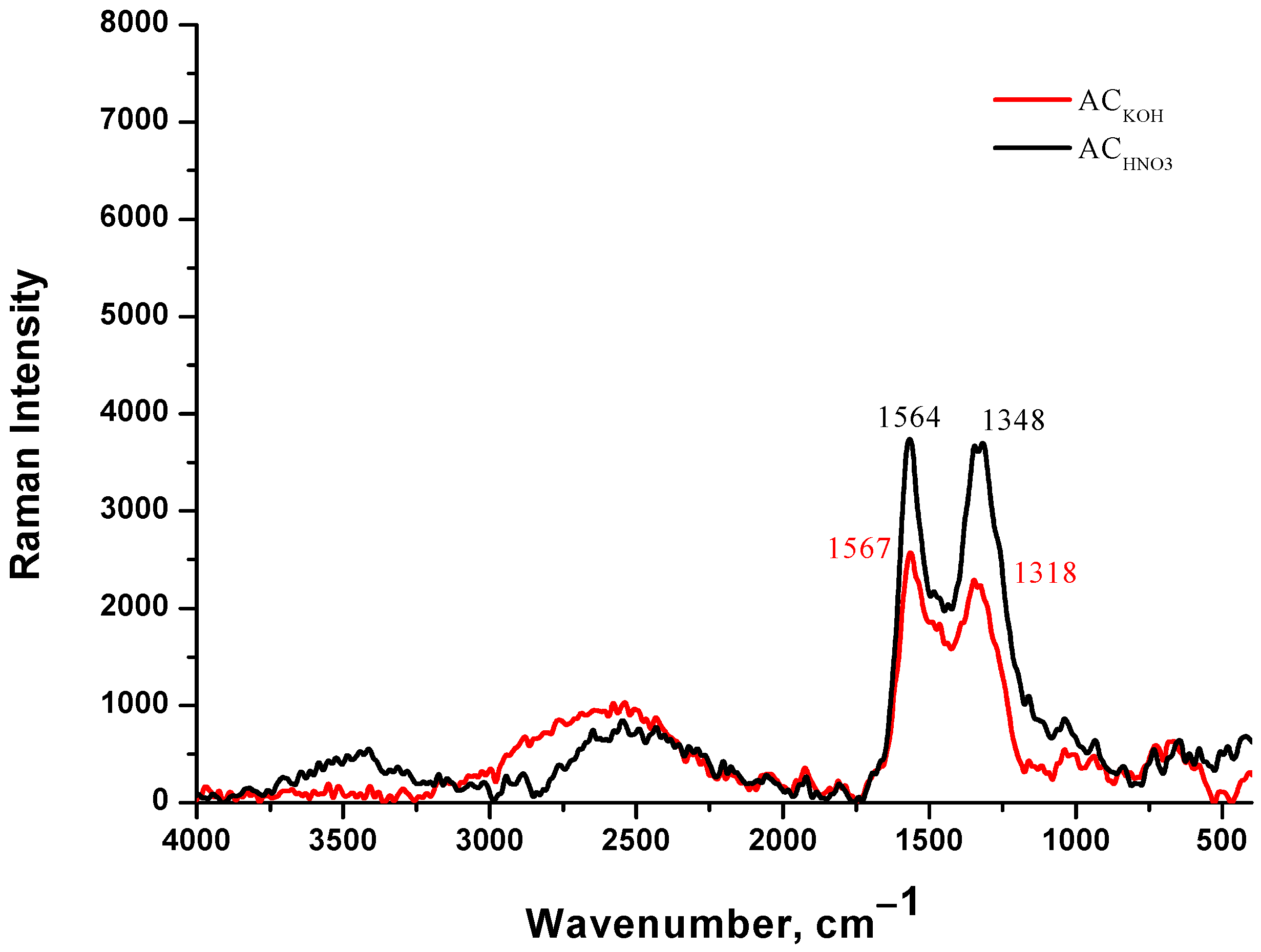
3.3. Raman Structural Analysis of ACHNO3 and ACKOH
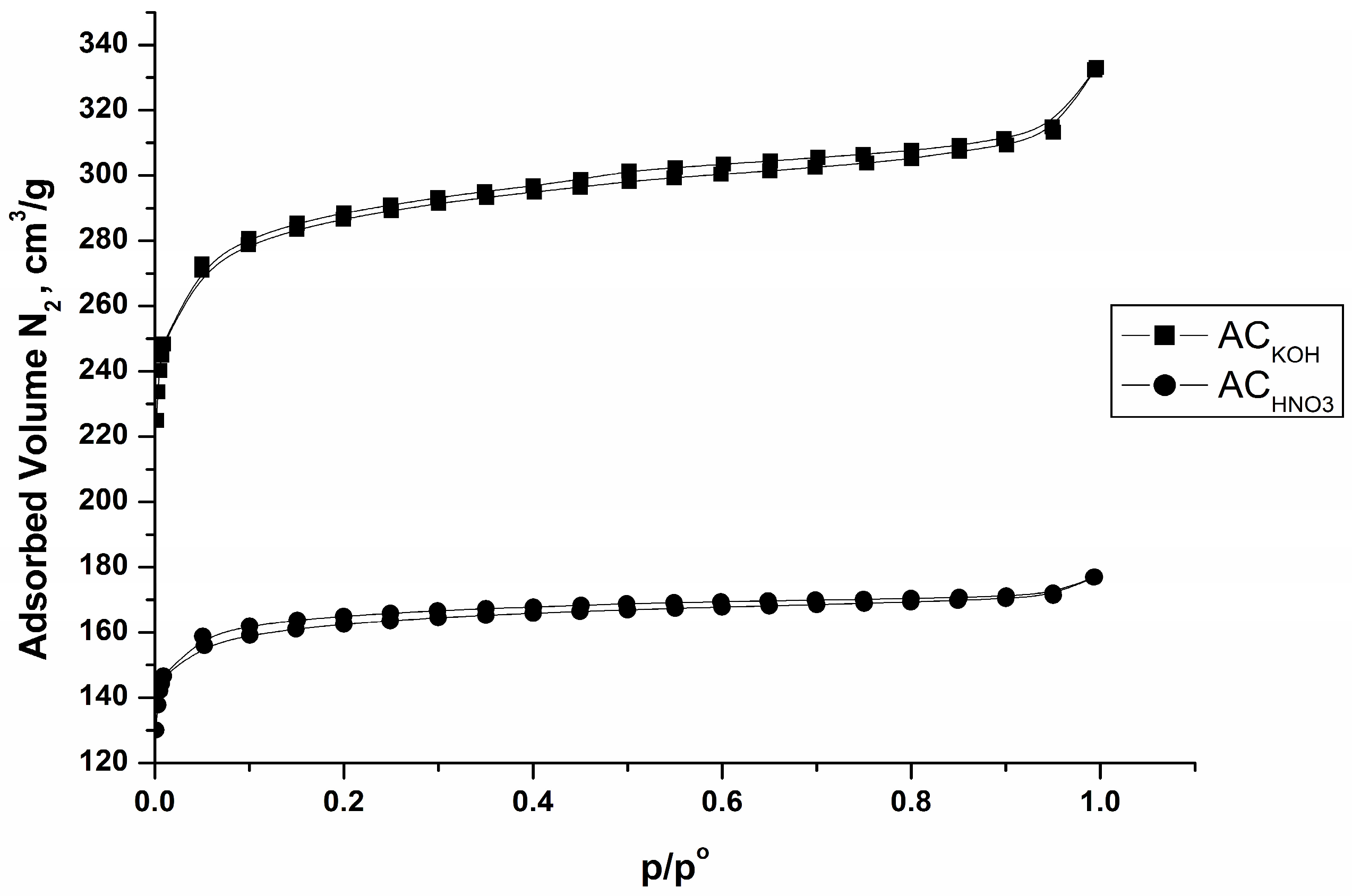
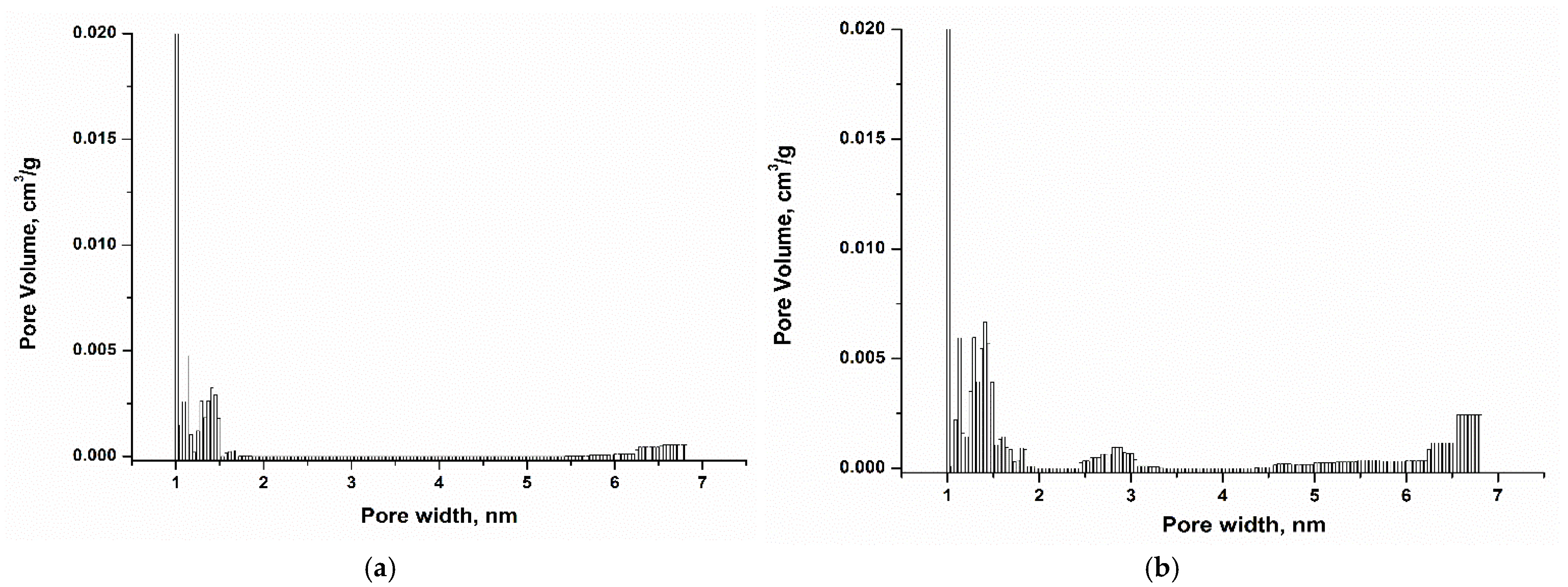
3.4. Porous Texture of the Obtained Carbon Adsorbents
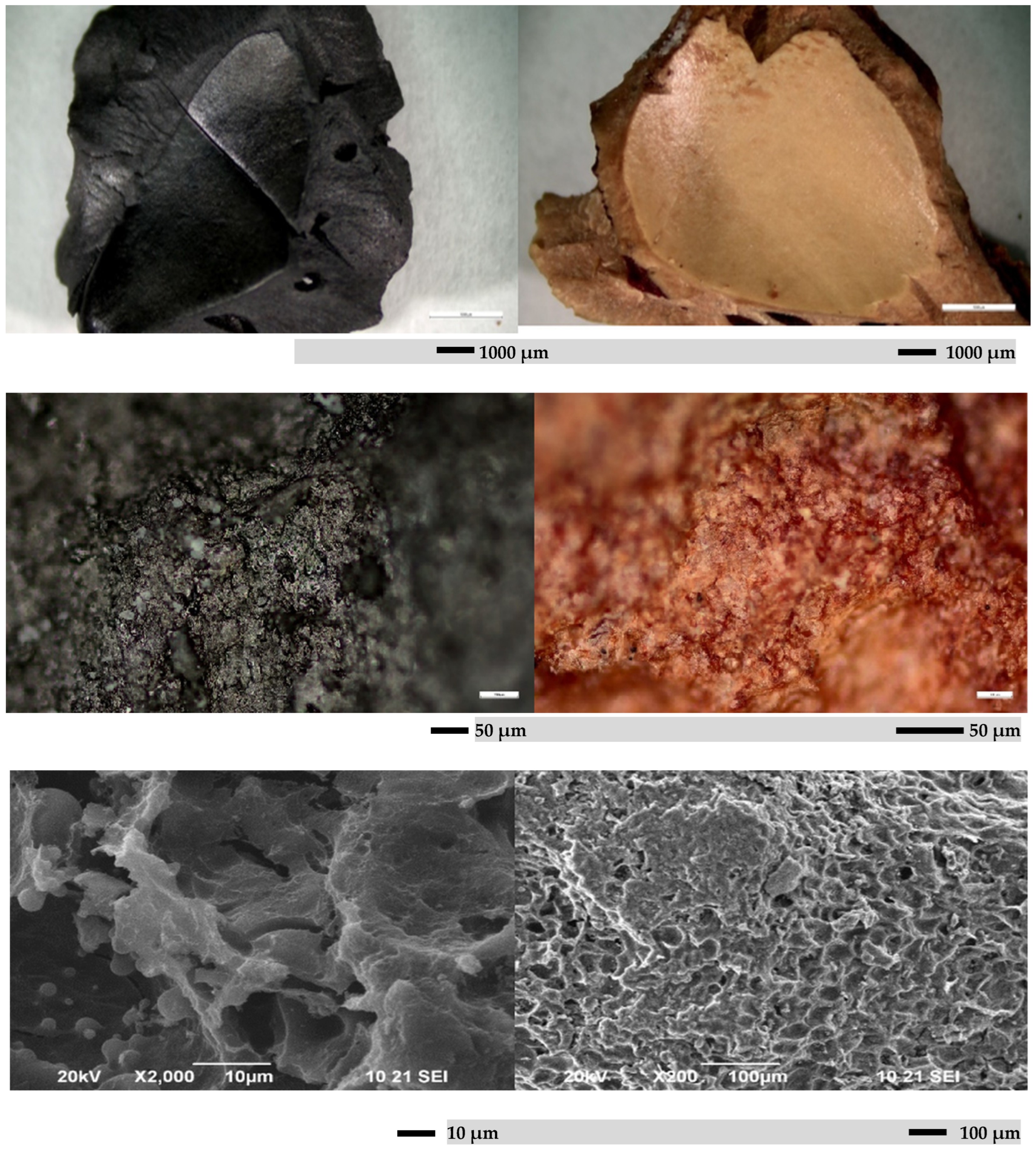
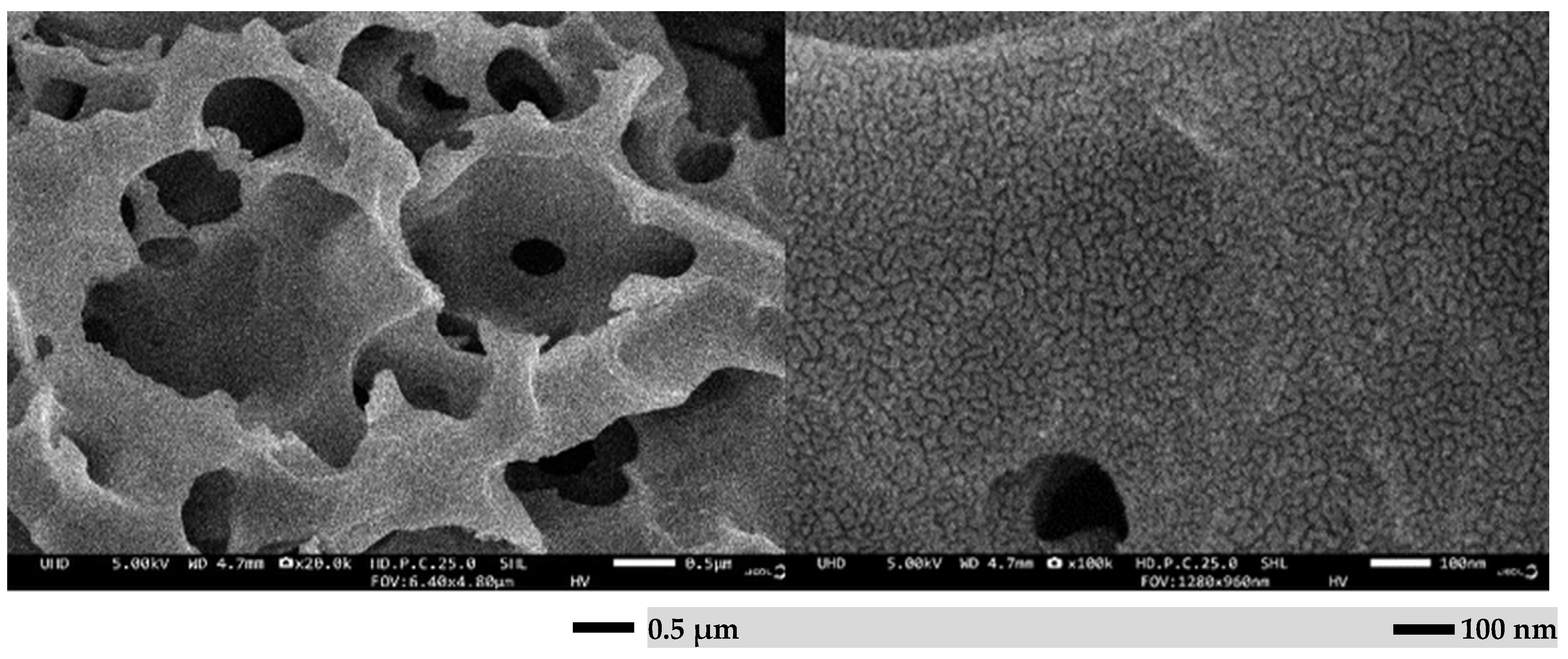
3.5. Scanning Electronic Microscopy (SEM)
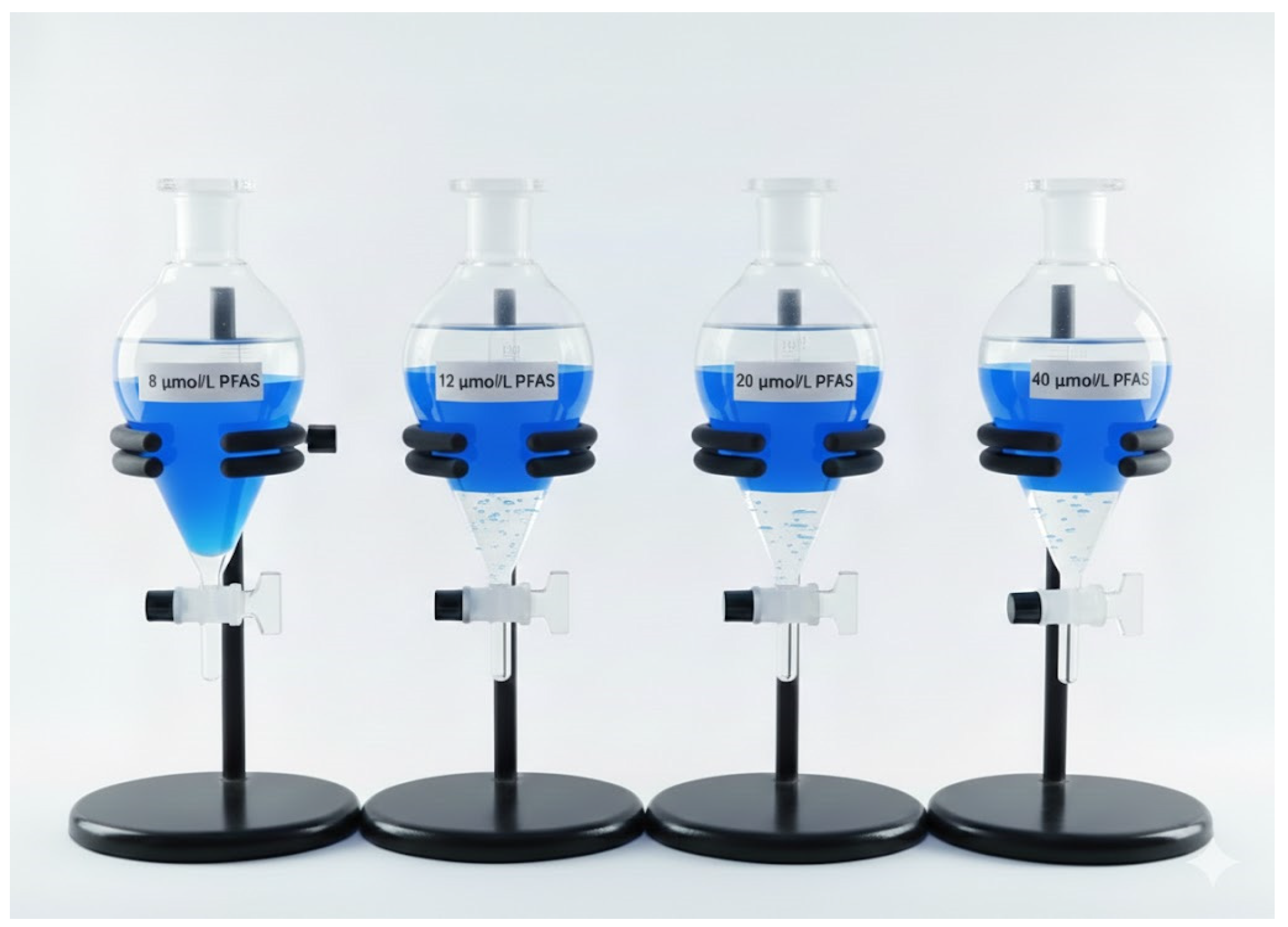
3.6. Adsorption Investigations
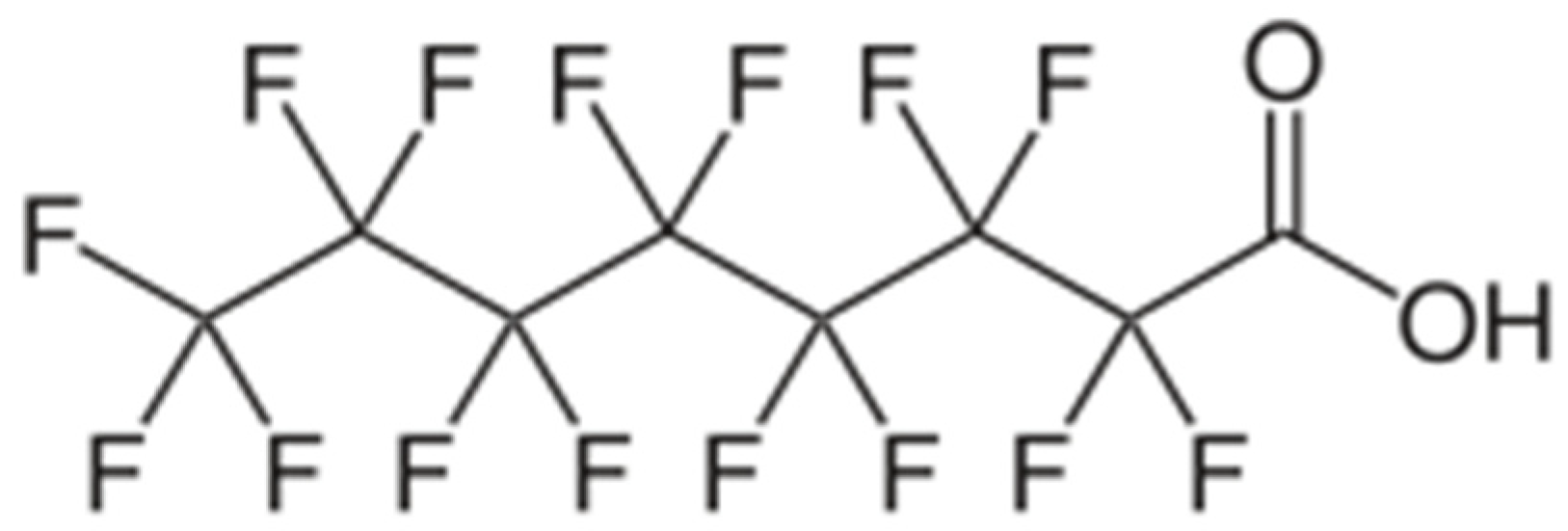
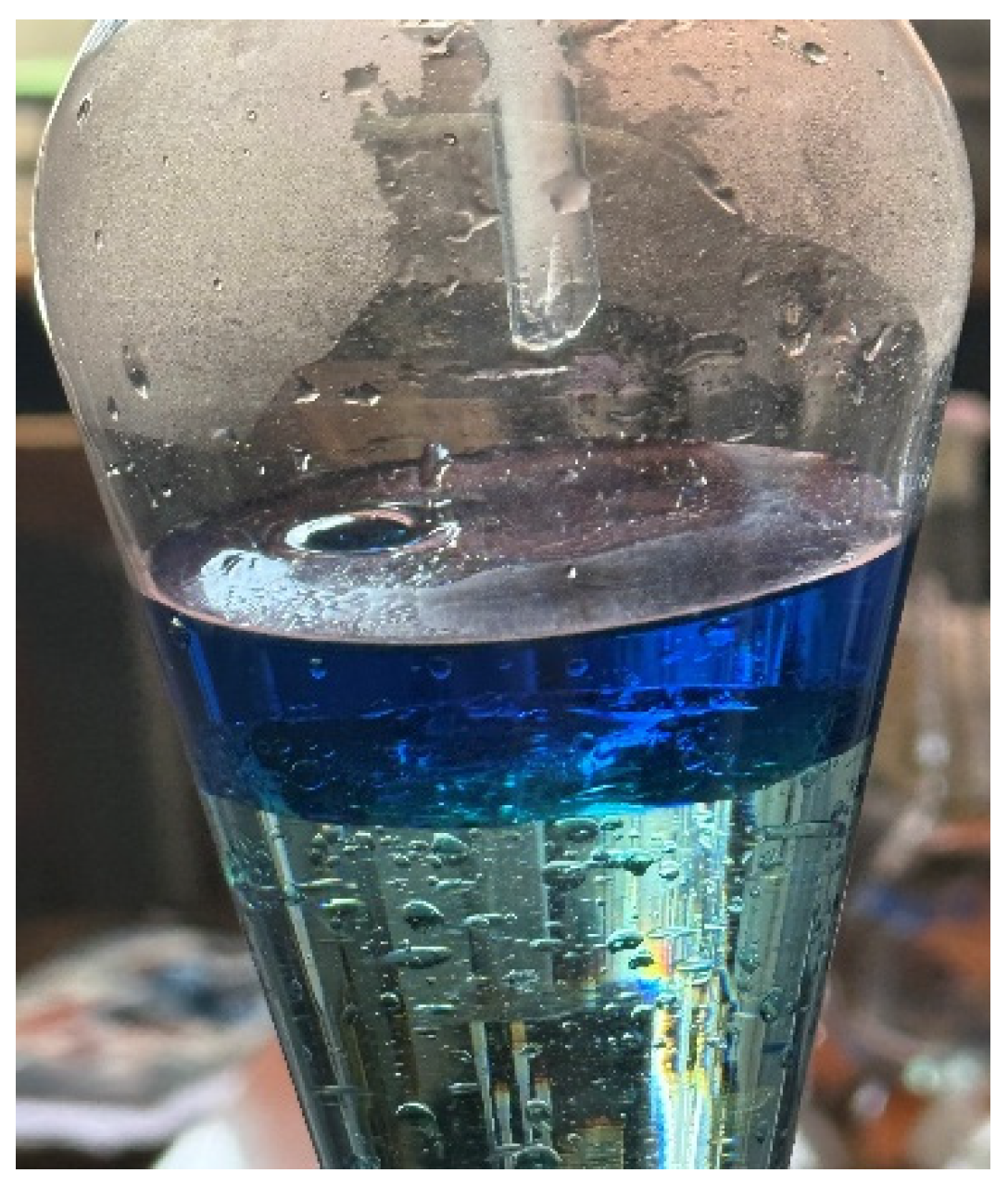
- C7F15COO−: Perfluorooctanoate (the anionic form of PFOA).
- MB+: Methylene blue cation.
- [C7F15COO−·MB+]: Electrically neutral ion pair (blue-colored complex).
- (aq): Aqueous phase (water).
- (org): Organic phase (chloroform).

- A (Absorbance): also known as optical density or extinction. A dimensionless quantity that measures the amount of light absorbed by the sample at a specific wavelength.
- ϵ (Molar absorptivity/Molar extinction coefficient): measured in L mol−1 cm−1. A constant characteristic of a specific substance (in this case, the PFOA-MB complex) at a given wavelength, indicating how strongly it absorbs light.
- l (Path length): usually measured in cm. The distance the light travels through the cuvette containing the solution.
- c (Concentration): molar concentration measured in mol/L. The amount of the analyte (PFAS) present in the solution.
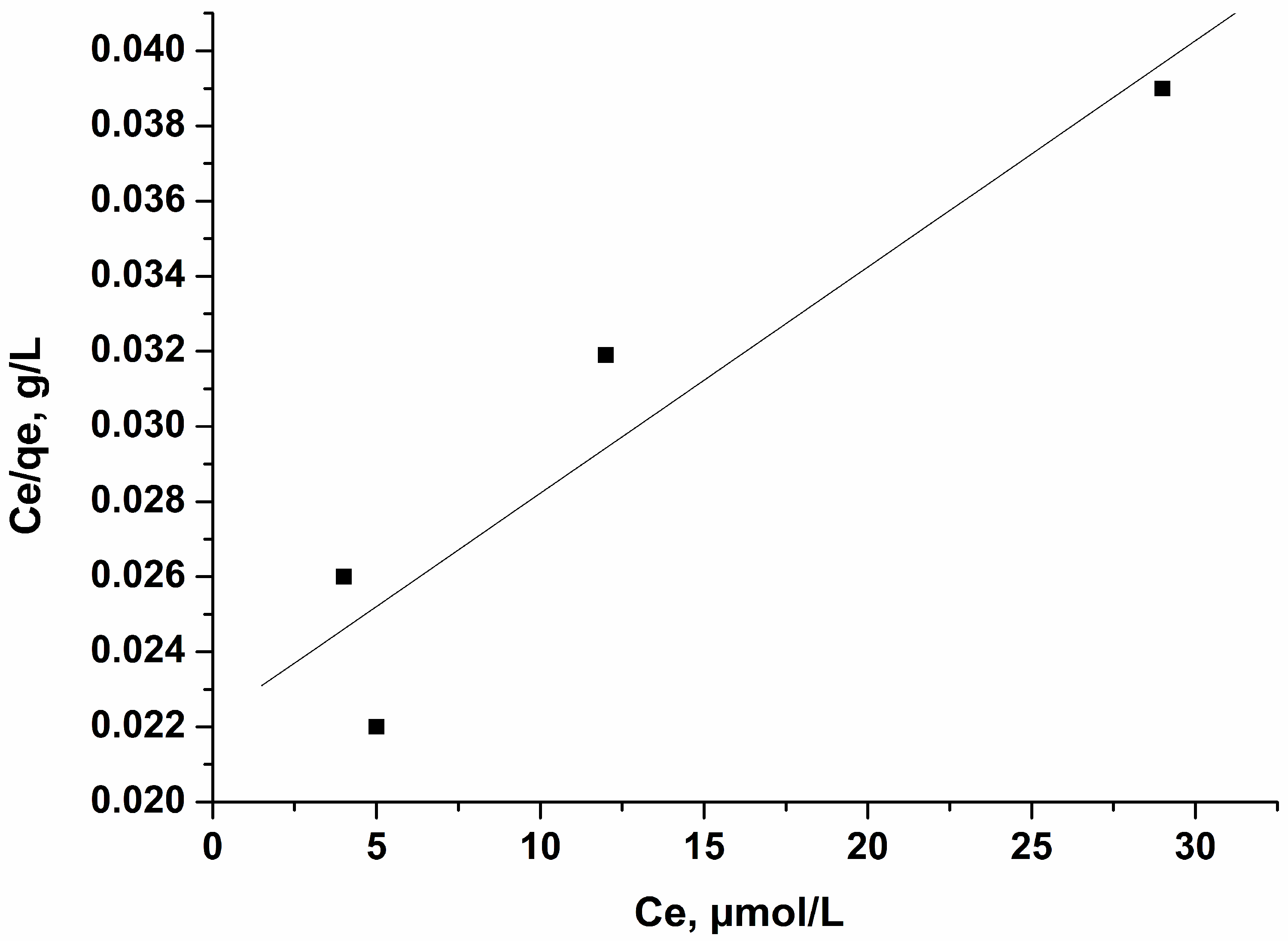
3.6.1. Langmuir Isotherm
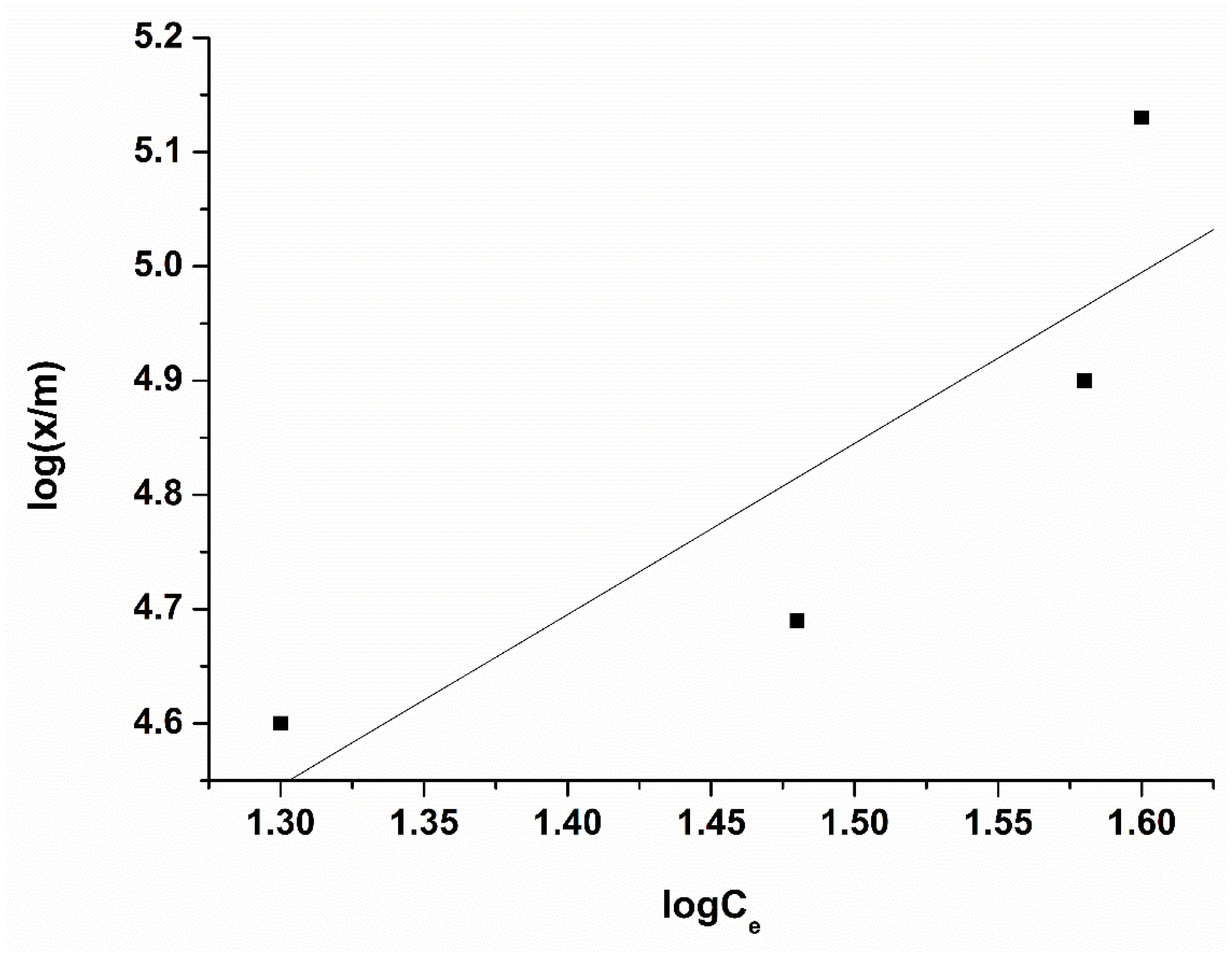
3.6.2. Freundlich Isotherm
4. Conclusions
Supplementary Materials
Author Contributions
Funding
Data Availability Statement
Conflicts of Interest
References
- Jha, G.; Kankarla, V.; McLennon, E.; Pal, S.; Sihi, D.; Dari, B.; Diaz, D.; Nocco, M. Per-and polyfluoroalkyl substances (PFAS) in integrated crop–livestock systems: Environmental exposure and human health risks. Int. J. Environ. Res. Public Health 2021, 18, 12550. [Google Scholar] [CrossRef] [PubMed]
- Panieri, E.; Baralic, K.; Djukic-Cosic, D.; Buha Djordjevic, A.; Saso, L. PFAS molecules: A major concern for the human health and the environment. Toxics 2022, 10, 44. [Google Scholar] [CrossRef]
- Verma, S.; Lee, T.; Sahle-Demessie, E.; Ateia, M.; Nadagouda, M.N. Recent advances on PFAS degradation via thermal and nonthermal methods. Chem. Eng. J. Adv. 2023, 13, 100421. [Google Scholar] [CrossRef]
- Qi, L.; Li, R.; Wu, Y.; Lin, X.; Chen, G. Effect of solution chemistry on the transport of short-chain and long-chain perfluoroalkyl carboxylic acids (PFCAs) in saturated porous media. Chemosphere 2022, 303, 135160. [Google Scholar] [CrossRef]
- Costello, M.C.S.; Lee, L.S. Sources, fate, and plant uptake in agricultural systems of per-and polyfluoroalkyl substances. Curr. Pollut. Rep. 2024, 10, 799–819. [Google Scholar] [CrossRef]
- Podder, A.; Sadmani, A.A.; Reinhart, D.; Chang, N.-B.; Goel, R. Per and poly-fluoroalkyl substances (PFAS) as a contaminant of emerging concern in surface water: A transboundary review of their occurrences and toxicity effects. J. Hazard. Mater. 2021, 419, 126361. [Google Scholar] [CrossRef]
- PubChem. Perfluorooctanoic Acid; CID 9554; National Center for Biotechnology Information, U.S. National Library of Medicine: Bethesda, MD, USA, 2005. [Google Scholar]
- Zhu, X.; Zhang, M.; Zhang, Z.; Li, M.; Liu, M.; Jing, H.; Tan, J.; Jia, H.; Wang, J. Electrochemical sensor with redox-active poly (acridine orange) imprinted film for ultrasensitive and selective detection of perfluorooctanoic acid: A binding-induced electroactivity suppression strategy. J. Hazard. Mater. 2026, 505, 141442. [Google Scholar] [CrossRef]
- Misal, S.N.; Ruiz, R.A.; Duan, J.; Choi, Y.J.; Adkins, J.W.; Chen, C.; Elam, J.W.; Abiade, J.T.; Schaefer, C.E.; Lee, L.S.; et al. Electrochemical Oxidation of Perfluorooctanoic Acid on a Bi2O3–SnO2/Ti4O7 Reactive Electrochemical Membrane: Application to Groundwater Treatment with Mechanistic Insights. ACS EST Eng. 2025, 5, 3591–3606. [Google Scholar] [CrossRef]
- Brake, H.D.; Wilkins, M.J.; Kaneene, J.B. Per-and polyfluoroalkyl substances: Using comparative medicine to understand exposure and adverse health outcomes in people and their pets. Am. J. Vet. Res. 2023, 84, ajvr.22.12.0221. [Google Scholar] [CrossRef] [PubMed]
- Cohen, N.J.; Yao, M.; Midya, V.; India-Aldana, S.; Mouzica, T.; Andra, S.S.; Narasimhan, S.; Meher, A.K.; Arora, M.; Chan, J.K.Y. Exposure to perfluoroalkyl substances and women’s fertility outcomes in a Singaporean population-based preconception cohort. Sci. Total Environ. 2023, 873, 162267. [Google Scholar] [CrossRef]
- Coffin, E.S.; Reeves, D.M.; Cassidy, D.P. PFAS in municipal solid waste landfills: Sources, leachate composition, chemical transformations, and future challenges. Curr. Opin. Environ. Sci. Health 2023, 31, 100418. [Google Scholar] [CrossRef]
- Giles, C.H.; Smith, D.; Huitson, A. A general treatment and classification of the solute adsorption isotherm. I. Theoretical. J. Colloid Interface Sci. 1974, 47, 755–765. [Google Scholar] [CrossRef]
- WHO. Call for Experts: Technical Advisory Group on PFAS Assessment (TAG-PFAS-2); World Health Organization: Geneva, Switzerland, 2025; Available online: https://www.who.int/news-room/articles-detail/request-for-expressions-of-interest--who-initiatives-to-evaluate-pfas-(phase-2) (accessed on 16 January 2026).
- Rampazzo, G.; Arioli, F.; Pagliuca, G.; Depau, G.; Zironi, E.; Gazzotti, T. Cumulative Exposure and Health Risk Assessment of PFAS in Animal-Derived Foods Using the Relative Potency Factor Approach. Toxics 2025, 13, 931. [Google Scholar] [CrossRef]
- Pozzebon, E.A.; Seifert, L. Emerging environmental health risks associated with the land application of biosolids: A scoping review. Environ. Health 2023, 22, 57. [Google Scholar] [CrossRef]
- Lenka, S.P.; Kah, M.; Padhye, L.P. A review of the occurrence, transformation, and removal of poly- and perfluoroalkyl substances (PFAS) in wastewater treatment plants. Water Res. 2021, 199, 117187. [Google Scholar] [CrossRef]
- Ochoa-Herrera, V.; Sierra-Alvarez, R. Removal of perfluorinated surfactants by sorption onto granular activated carbon, zeolite and sludge. Chemosphere 2008, 72, 1588–1593. [Google Scholar] [CrossRef]
- Qian, J.; Shen, M.; Wang, P.; Wang, C.; Li, K.; Liu, J.; Lu, B.; Tian, X. Perfluorooctane sulfonate adsorption on powder activated carbon: Effect of phosphate (P) competition, pH, and temperature. Chemosphere 2017, 182, 215–222. [Google Scholar] [CrossRef]
- Qu, Y.; Zhang, C.; Li, F.; Bo, X.; Liu, G.; Zhou, Q. Equilibrium and kinetics study on the adsorption of perfluorooctanoic acid from aqueous solution onto powdered activated carbon. J. Hazard. Mater. 2009, 169, 146–152. [Google Scholar] [CrossRef]
- Zhi, Y.; Liu, J. Surface modification of activated carbon for enhanced adsorption of perfluoroalkyl acids from aqueous solutions. Chemosphere 2016, 144, 1224–1232. [Google Scholar] [CrossRef]
- Laghlimi, C.; Moutcine, A.; Chtaini, A.; Isaad, J.; Zannou, A.; Ziat, Y.; Ahari, M. Voltammetric investigation of the complexing effect of Capparis spinosa on heavy metals: Application in the treatment of water. Ionics 2023, 29, 5441–5452. [Google Scholar] [CrossRef]
- Rigby, S.; Mousa, S. Structural Characterisation of Disordered Porous Materials Using Gas Sorption and Complementary Techniques. Surfaces 2026, 9, 20. [Google Scholar] [CrossRef]
- Stoycheva, I.; Petrova, B.; Tsyntsarski, B.; Petrov, N.; Ranguelov, B. Influence of Peach Stone Composition, Pretreatment and Processing Method on the Properties of the Resulting Carbon Adsorbent. Biomass 2026, 6, 14. [Google Scholar] [CrossRef]
- Rouqueol, J.; Rouquerol, F.; Sing, K.; Llewellyn, P.; Maurin, G.; Denoyel, R.; Coulet, M.V.; Beurroies, I. Adsorption by Powders and Porous Solids—Principles, Methodology and Applications; Elsevier: Amsterdam, The Netherlands, 2026. [Google Scholar]
- Menéndez-Díaz, J.A.; Martín-Gullón, I. Activated Carbon: From Synthesis to Applications; Elsevier: Amsterdam, The Netherlands, 2022. [Google Scholar]
- Gomez-Serrano, V.; Gonzalez-Garcia, C.; Gonzalez-Martin, M. Nitrogen adsorption Isotherms on ca bonaceous materials. Comparison of BET and Langmuir surface areas. Powder Technol. 2001, 116, 103–108. [Google Scholar] [CrossRef]
- Thommes, M.; Kaneko, K.; Neimark, A.V.; Olivier, J.P.; Rodriguez-Reinoso, F.; Rouquerol, J.; Sing, K.S.W. Physisorption of gases, with special reference to the evaluation of surface area and pore size distribution (IUPAC Technical Report) Pure. Appl. Chem. 2015, 87, 1051–1069. [Google Scholar] [CrossRef]
- Ehiomogue, P.; Ahuchaogu, I.I.; Ahaneku, I.E. Review of adsorption isotherms models. Acta Tech. Corviniensis-Bull. Eng. 2021, 14, 87–96. [Google Scholar]
- Schönherr, J.; Buchheim, J.R.; Scholz, P.; Adelhelm, P. Boehm Titration Revisited (Part II): A Comparison of Boehm Titration with Other Analytical Techniques on the Quantification of Oxygen-Containing Surface Groups for a Variety of Carbon Materials. J. Carbon Res. 2018, 4, 22. [Google Scholar] [CrossRef]
- Peng, H.; Ma, G.; Sun, K.; Mu, J.; Zhang, Z.; Lei, Z. Formation of Carbon Nanosheets via Simultaneous Activation and Catalytic Carbonization of Macroporous Anion-Exchange Resin for Supercapacitors Application. ACS Appl. Mater. Interfaces 2014, 6, 20795–20803. [Google Scholar] [CrossRef]
- ASTM D2867; Standard Test Methods for Moisture in Activated Carbon. ASTM International: West Conshohocken, PA, USA, 2024.
- ASTM D2866; Standard Test Method for Total Ash Content of Activated Carbon. ASTM International: West Conshohocken, PA, USA, 2018.
- ASTM D5832; Standard Test Method for Volatile Matter Content of Activated Carbon Samples. ASTM International: West Conshohocken, PA, USA, 2022.
- Li, Z.; Deng, L.; Kinloch, I.A.; Young, R.J. Raman spectroscopy of carbon materials and their composites: Graphene, nanotubes and fibres. Prog. Mater. Sci. 2023, 135, 101089. [Google Scholar] [CrossRef]
- Groen, J.C.; Peffer, L.A.A.; Pérez-Ramírez, J. Pore size determination in modified micro- and mesoporous materials. Pitfalls and limitations in gas adsorption data analysis. Microporous Mesoporous Mater. 2003, 60, 1–17. [Google Scholar] [CrossRef]
- Giles, C.H.; D’Silva, A.P.; Easton, I.A. A general treatment and classification of the solute adsorption isotherm part. II. Experimental interpretation. J. Colloid Interface Sci. 1974, 47, 766–778. [Google Scholar] [CrossRef]
- Saawarn, B.; Mahanty, B.; Subrata, H. Adsorption of perfluorooctanoic acid from aqueous matrices onto chitosan-modified magnetic biochar: Response surface methodology-based modeling, performance, and mechanism. Environ. Pollut. 2025, 368, 125734. [Google Scholar] [CrossRef]
- Meegoda, J.N.; Mudalige, R.N.; Perera, D.C. Maximum Adsorption Capacity of Perfluorooctanoic Acid (PFOA) on Clays. Environments 2026, 13, 37. [Google Scholar] [CrossRef]
- Zhang, Z.; Sarkar, D.; Datta, R.; Deng, Y. Adsorption of perfluorooctanoic acid (PFOA) and perfluorooctanesulfonic acid (PFOS) by aluminum-based drinking water treatment residuals. J. Hazard. Mater. Lett. 2021, 2, 100034. [Google Scholar] [CrossRef]
- Saawarn, B.; Mahanty, B.; Hait, S. Adsorptive removal of perfluorooctanoic acid from aqueous matrices using peanut husk-derived magnetic biochar: Statistical and artificial intelligence approaches, kinetics, isotherm, and thermodynamics. Chemosphere 2024, 360, 142397. [Google Scholar] [CrossRef] [PubMed]





| Proximate Analysis (wt.%) | Elemental Analysis (wt.%) | |||||||
|---|---|---|---|---|---|---|---|---|
| W | Ash | Volatiles | C | H | N | S | O (by Diff.) | |
| Raw materials | 6.31 | 0.33 | 79.88 | 51.52 | 6.13 | 0.23 | 0.18 | 41.94 |
| ACKOH | 3.30 | 3.50 | 75.51 | 84.69 | 1.35 | 1.32 | 1.62 | 11.02 |
| ACHNO3 | 4.12 | 3.80 | 77.62 | 79.21 | 1.78 | 1.21 | 1.51 | 16.29 |
| Sample | NaHCO3 | Na2CO3 | NaOH | NaOEt | Basic Groups | pH |
|---|---|---|---|---|---|---|
| ACKOH | 0.092 | 0.115 | 0.154 | 0.349 | 0.908 | 7.2 |
| ACHNO3 | 0.378 | 0.625 | 0.995 | 2.321 | 0.068 | 3.8 |
| Sample | Surface Area, (m2/g) | Vtotal a, (cm3/g) | Vmicro b, (cm3/g) | Vmeso b, (cm3/g) |
|---|---|---|---|---|
| ACKOH | 1100 | 0.415 | 0.400 | 0.014 |
| ACHNO3 | 859 | 0.380 | 0.368 | 0.011 |
| Model | Parameters | R2 |
|---|---|---|
| Langmuir (ACKOH) | Qo = 687.36 mg/g, b = 0.063 | 0.941 |
| Freundlich (ACHNO3) | Kf = 164.95 mg/g, n = 0.668 | 0.869 |
| Sample | Adsorption Capacity (Qmax, mg/g) | References |
|---|---|---|
| ACKOH | 687.36 | This work |
| ACHNO3 | 164.95 | This work |
| Chitosan-modified magnetic biochar (CS_MBC) | 39.63 | [38] |
| Kaolinite | 3.39 | [39] |
| Montmorillonite | 0.20 | [39] |
| Al-WTR (aluminum-based) | 0.232 | [40] |
| Magnetic biochar (MBC) derived from FeCl3 | 307.00 | [41] |
Disclaimer/Publisher’s Note: The statements, opinions and data contained in all publications are solely those of the individual author(s) and contributor(s) and not of MDPI and/or the editor(s). MDPI and/or the editor(s) disclaim responsibility for any injury to people or property resulting from any ideas, methods, instructions or products referred to in the content. |
© 2026 by the authors. Licensee MDPI, Basel, Switzerland. This article is an open access article distributed under the terms and conditions of the Creative Commons Attribution (CC BY) license.
Share and Cite
Stoycheva, I.; Petrova, B.; Kosateva, A.; Tsyntsarski, B.; Petrov, N.; Dolashka, P.; Ranguelov, B. Perfluorooctanoic Acid (PFOA) Adsorption from Aqueous Solutions Using Peach Stone-Derived Activated Carbons. Environments 2026, 13, 174. https://doi.org/10.3390/environments13030174
Stoycheva I, Petrova B, Kosateva A, Tsyntsarski B, Petrov N, Dolashka P, Ranguelov B. Perfluorooctanoic Acid (PFOA) Adsorption from Aqueous Solutions Using Peach Stone-Derived Activated Carbons. Environments. 2026; 13(3):174. https://doi.org/10.3390/environments13030174
Chicago/Turabian StyleStoycheva, Ivanka, Bilyana Petrova, Angelina Kosateva, Boyko Tsyntsarski, Nartzislav Petrov, Pavlina Dolashka, and Bogdan Ranguelov. 2026. "Perfluorooctanoic Acid (PFOA) Adsorption from Aqueous Solutions Using Peach Stone-Derived Activated Carbons" Environments 13, no. 3: 174. https://doi.org/10.3390/environments13030174
APA StyleStoycheva, I., Petrova, B., Kosateva, A., Tsyntsarski, B., Petrov, N., Dolashka, P., & Ranguelov, B. (2026). Perfluorooctanoic Acid (PFOA) Adsorption from Aqueous Solutions Using Peach Stone-Derived Activated Carbons. Environments, 13(3), 174. https://doi.org/10.3390/environments13030174