Article

Discovering Organisational Leadership Archetypes in Peru’s Circular Water Economy Using Latent Class Analysis


by
Persi Vera-Zelada
1,*,
Mauro Adriel Ríos-Villacorta
2,
Gladys Sandi Licapa-Redolfo
3,
Rolando Licapa-Redolfo
4,
Denis Javier Aranguri-Cayetano
5,
Aldo Roger Castillo-Chung
6,
Alexander Fernando Haro-Sarango
7 and
Emma Verónica Ramos-Farroñán
8
1
Department of Environmental Sciences, Universidad Nacional Autónoma de Chota, Cajamarca 06003, Peru
2
Department of Business Sciences, Universidad Nacional Pedro Ruiz Gallo, Lambayeque 14013, Peru
3
Department of Chemical and Dynamic Sciences, Universidad Nacional de Cajamarca, Cajamarca 06003, Peru
4
Chemical Engineering Department, Universidad Nacional de San Cristóbal de Huamanga, Ayacucho 05000, Peru
5
Academic Department of Energy, Physics and Mechanics, School of Energy Engineering, Faculty of Engineering, Universidad Nacional del Santa, Nuevo Chimbote 02712, Peru
6
School of Metallurgical Engineering, Universidad Nacional de Trujillo, Trujillo 13011, Peru
7
Instituto Superior Tecnológico España, Ambato 180150, Ecuador
8
Campus Piura, Universidad César Vallejo, Piura 20001, Peru
*
Author to whom correspondence should be addressed.
Environments 2026, 13(2), 74; https://doi.org/10.3390/environments13020074 (registering DOI)
Submission received: 12 December 2025 / Revised: 25 January 2026 / Accepted: 26 January 2026 / Published: 1 February 2026

Abstract

The research examines organisational leadership styles in the transition to the circular water economy using explanatory quantitative methods, combining semantic normalisation of structured survey responses and latent class analysis. One hundred and fifty organisations from the water sector in Lima, Trujillo, and Cajamarca participated and received a previously validated 30-item Likert-type questionnaire (α = 0.97). The nine analytical domains were developed resources, leadership, culture, technological capabilities, rivalry, suppliers, regulatory framework/support, implementation, and results to discover different organisational configurations. The ideal model identified eight latent classes that are grouped into four organisational archetypes: established leaders, aspirants with regulatory deficits, environment-focused with medium execution, and structural laggards. The findings reveal that circular implementation and results depend more on the articulation between organisational culture, strategic leadership, and regulatory framework than on the availability of technical or financial resources. In addition, great interorganizational heterogeneity was found, which challenged homogeneous public policies and requires differentiated strategies according to the level of circularity in which each organisation finds itself. The research provides empirical evidence to operationalise water transition indicators within the framework of SDG 6 and SDG 12, developing a robust taxonomy to track institutional progress toward water sustainability.

1. Introduction

The transition to a circular economy is a systemic response to converging challenges: water scarcity, environmental degradation, and demographic pressure on finite resources [1,2]. In the water sector, the circular economy [3,4] challenges the extractivist paradigm by proposing regenerative cycles in which water transitions from a disposable input to a strategic asset subject to reuse, recycling, and continuous recovery [5,6]. However, implementing these principles requires more than technology or regulations. Success depends on whether organisations can balance environmental, economic, and social goals within challenging institutional settings [7,8]. Despite regulatory advances in Europe, Latin America, and other strategic geographies, a considerable gap remains between circularity programmatic statements and their operational implementation, demonstrating that organisations operate under highly differentiated governance configurations [9,10]. Systematically understanding these patterns is imperative to accelerate circular water transitions and rationalise public and private investments in sustainable infrastructure, particularly in the context of SDGs 6 (clean water and sanitation) and 12 (responsible production and consumption), which require robust analytical frameworks linking organisational governance with measurable results [11,12].
Recent scholarship has substantially advanced the understanding of circular water economy transitions. The water–food nexus perspective [13] emphasises systemic interdependencies requiring integrated governance approaches, while studies on resource recovery from wastewater demonstrate the technical and economic viability of circular solutions across diverse contexts [14,15]. Research on urban water systems highlights both opportunities and persistent challenges in implementing circular principles, particularly regarding institutional arrangements and stakeholder coordination [16,17]. The European Union’s Wider-Uptake project has generated critical insights on governance frameworks and business models, enabling wastewater reuse adoption [18,19], while Latin American and African case studies reveal context-specific barriers related to regulatory gaps and infrastructure limitations [20,21]. These contributions underscore that circular water transitions depend not merely on technological solutions but on organisational capabilities to navigate complex institutional landscapes, which is a premise that motivates the present study’s focus on leadership configurations in Peru’s water sector.
Although the literature has extensively documented the environmental and economic benefits of the circular economy in various sectors [22,23], there remains an analytical gap regarding how organisations in the water sector internally structure leadership capabilities to drive sustained circular practices. There is little understanding of which contextual factors—regulatory, technological, cultural, competitive—condition the differential effectiveness of these capabilities [24,25]. Previous studies have focused predominantly on qualitative analyses of individual cases or aggregate evaluations of public policies, without breaking down the latent heterogeneity that characterises entities participating in the circular water economy [26,27]. This methodological limitation hinders the identification of organisational typologies with distinctive profiles, making it difficult to design differentiated intervention strategies and predict the likely trajectories of circular adoption.
Particularly critical is the absence of empirical models that disaggregate latent configurations of organisational leadership and establish links between internal domain culture and capabilities, and external domain regulation, competition, and suppliers. This gap severely limits the ability to design evidence-based public policies and monitor progress toward the goals set by the 2030 Agenda [28,29]. Explanatory quantitative research that simultaneously integrates multiple constitutive dimensions using robust statistical approaches remains notoriously underdeveloped in water sustainability [30,31].
Given these limitations, this study proposes an innovative analytical design that combines semantic normalisation techniques used to standardise textual Likert response categories into a unified numerical scale with latent class modelling using the Gaussian Mixture Model–Latent Profile Analysis (GMM-LPA), with the explicit purpose of discovering underlying organisational configurations in the circular water economy. We administered a 30-item Likert questionnaire to water sector organisations. Responses were converted from text categories (e.g., ‘strongly agree’) to numerical scores using a standardised protocol, ensuring consistent measurement across all participants.
The GMM-LPA model identifies statistically homogeneous segments within each class but substantively heterogeneous segments between classes, optimising Bayesian information criteria (BIC) and geometric cohesion (Silhouette) to determine the optimal number of clusters, and evaluating the stability of the solution using bootstrap resampling techniques [32,33].
This approach overcomes the restrictions inherent in conventional descriptive analyses by revealing latent structures that are not directly observable, facilitating the understanding of mechanisms that link organisational resources, managerial capabilities, regulatory conditions, and circular performance. The construction of thematic domains—resources, leadership, culture, technological capabilities, competition, suppliers, regulation/support, implementation, and results—allows the multidimensional characterisation of each cluster and the quantification of Euclidean distances between centroids, providing an empirical mapping of organisational trajectories toward water circularity. These disaggregated indicators can be integrated into monitoring systems for SDG 6.3 (improving water quality and reducing wastewater) and SDG 6.4 (efficient use of water resources) [34,35].
Based on the identified gaps, this study addresses the following research questions: (RQ1) What latent organisational configurations exist among water sector entities regarding their adoption of circular economy practices? (RQ2) Which organisational domains, including resources, leadership, culture, technological capabilities, and regulation, most effectively discriminate between different circular economy adoption profiles? (RQ3) How do internal organisational factors such as culture and capabilities interact with external factors such as regulation, competition, and suppliers in shaping circular water economy outcomes?
The central purpose is to explain latent patterns of organisational leadership in the circular water economy using a latent class model based on semantic normalisation techniques and advanced multivariate analysis. Specific objectives include the following: (i) building robust analytical domains based on semantic normalisation of Likert items; (ii) identifying organisational typologies using GMM-LPA; and (iii) systematically characterising differences between clusters in terms of resources, leadership, culture, technological capabilities, regulation, implementation, and observable results. The findings theoretically contribute to the development of analytical frameworks on governance and sustainability transitions in circular water systems, providing empirical evidence on factors that explain organisational heterogeneity and structural barriers that limit the scalability of circular practices [36,37,38].
From an applied perspective, the proposed organisational segmentation allows the design of differentiated public policies, the optimisation of institutional strengthening programmes, and the targeting of strategic investments toward organisations with greater potential for circular transformation. This study directly contributes to the operationalisation of the SDGs by generating organisational taxonomies that can inform reporting and verification systems for targets 6.3, 6.4, 12.2 (sustainable management of natural resources), and 12.5 (substantial reduction in waste generation), facilitating the translation of global commitments into verifiable and contextualised institutional trajectories [39,40]. This study ultimately aims to provide empirical evidence on patterns of organisational leadership that catalyse water circularity, contributing to analytical frameworks that support sustainable transition strategies in complex socio-ecological systems and the effective implementation of the 2030 Agenda.

Literature Review

The transition towards a circular water economy represents one of the most significant paradigm shifts in contemporary resource management. Traditional linear models of water use, characterised by extraction, consumption, and discharge, have proven insufficient to address the escalating pressures of population growth, urbanisation, and climate variability [13,16]. The circular economy framework, which emphasises resource recovery, reuse, and regeneration, offers a promising alternative for achieving sustainable water governance while simultaneously addressing multiple Sustainable Development Goals [20,41]. This reconceptualisation of wastewater as a valuable resource rather than a waste product has catalysed substantial research interest across engineering, management, and policy domains.
Organisational leadership and governance structures have emerged as critical determinants of circular water economy adoption. Research demonstrates that the transition from linear to circular water management requires not merely technological innovation but fundamental shifts in institutional arrangements, stakeholder engagement, and organisational culture [42,43]. Effective circular water governance necessitates collaborative frameworks that integrate diverse actors across public, private, and civil society sectors, while addressing the complex interplay between economic incentives, regulatory requirements, and social acceptance [44,45]. Studies examining water-intensive sectors reveal substantial heterogeneity in organisational responses to circularity imperatives, suggesting that uniform policy approaches may yield suboptimal outcomes.
The interrelationship between internal organisational factors and external contextual conditions significantly influences circular water economy outcomes. Internal determinants, including leadership commitment, technological capabilities, human capital, and organisational culture, interact dynamically with external factors such as regulatory frameworks, competitive pressures, and supply chain relationships [46,47]. Research in developing country contexts highlights additional challenges related to infrastructure limitations, financing constraints, and institutional capacity gaps that condition the feasibility and effectiveness of circular water initiatives [48,49]. These multidimensional interactions underscore the need for integrated analytical approaches that capture organisational heterogeneity rather than assuming homogeneous adoption pathways.
Despite growing scholarly attention to circular water economy principles, significant methodological and empirical gaps persist. Most existing studies employ aggregate indicators that obscure the diversity of organisational configurations and their differential performance outcomes [50,51]. Person-centred analytical approaches, such as latent class and latent profile analysis, remain underutilised in this domain, limiting our understanding of the distinct organisational archetypes that emerge under similar institutional conditions. Furthermore, research examining circular water transitions in Latin American contexts, particularly in the Peruvian water sector, remains notably scarce [52]. This gap is consequential given the region’s unique combination of water stress, regulatory evolution, and organisational diversity across public and private operators. The present study addresses these limitations by applying mixture modelling techniques to identify latent organisational configurations in Peru’s water sector, thereby contributing both methodological innovation and context-specific empirical evidence to the circular water economy literature.

2. Materials and Methods

2.1. Study Design and Approach

A quantitative explanatory study was conducted using a cross-sectional design with the aim of identifying latent configurations of the adoption of the circular water economy in heterogeneous organisations. Inferential logic was based on latent class modelling of Likert-type indicators, seeking to identify distinguishable profiles in terms of capabilities, leadership, culture, regulation, and technological implementation.

2.2. Sample and Data Collection

The target population consisted of organisations in the water sector and related sectors (utilities, water-intensive private companies, NGOs, and public entities with reuse projects). A total of n = 150 organisations participated. The responses of informants with technical or strategic responsibility for the decisions on water efficiency/reuse were included and express acceptance of informed consent; records with less than 70% of items answered, duplicates, and observations with logical inconsistencies were excluded. The sampling was non-probabilistic, and intentionally stratified by type of organisation and region, with controlled snowball sampling to reach less accessible subsegments. Data collection was carried out online from May to September 2025 in Lima, Trujillo, and Cajamarca, on a secure platform with range and mandatory validations in critical fields.
Lima, Trujillo, and Cajamarca were selected based on operational accessibility criteria and availability of institutional contacts for the controlled snowball strategy. These three cities are home to a concentration of organisations in the water sector with different levels of institutional maturity and allowed the target sample size (n = 150) to be reached within the established collection period, ensuring organisational diversity in terms of type of entity, size, and productive sector.

2.3. Measurement Instrument

A 30-item questionnaire was applied on a Likert scale (1 = “strongly disagree” to 5 = “strongly agree”). Table 1 contains the complete instrument, which was previously validated by peers and with Cronbach’s Alpha with a mean imputation per item of 0.9710; it is detailed together with the grouping:
The 30 items were grouped into nine conceptual domains: Resources, Leadership, Culture, Capabilities/Tech, Competence, Suppliers, Regulation/Supports, Implementation, and Results. This taxonomy is based on organisational maturity and water resource management frameworks: the initial domains capture enabling inputs (resources, leadership, and culture), the intermediate domains represent operational competencies and external arrangements (capabilities, suppliers, regulation), and the final domains reflect execution and outcomes. The structure allows for modelling latent heterogeneity compatible with trajectories of technology adoption and water governance.

2.4. Theoretical Rationale for Analytical Domains

The selection of the nine analytical domains underpinning the survey instrument derives from established theoretical frameworks in organisational behaviour and sustainability transitions research. Institutional theory [53] provides the foundational logic for examining how regulatory frameworks, competitive pressures (rivalry), and supply chain relationships shape organisational legitimacy and strategic orientation toward circular practices. The inclusion of resources, technological capabilities, and implementation dimensions aligns with the resource-based perspective documented in circular economy transitions [7,38], which posits that internal organisational configurations critically determine adaptive capacity under environmental uncertainty. Leadership and organisational culture domains respond to empirical evidence, demonstrating that managerial commitment and cultural alignment operate as enabling mechanisms for circular water adoption [9,10,24]. The result domain captures observable outcomes, enabling the assessment of implementation effectiveness consistent with SDG monitoring requirements [34,35]. Together, these nine domains constitute a theoretically grounded multidimensional framework that captures both internal organisational configurations and external institutional pressures influencing circular water economy transitions.
The focus on Peruvian water sector organisations responds to several theoretically and empirically motivated considerations. First, Peru represents a paradigmatic case of institutional heterogeneity, where water governance encompasses public utilities, private operators, mixed-ownership entities, and community-based organisations operating under varying regulatory regimes. This diversity enables the identification of organisational archetypes that might remain obscured in more institutionally homogeneous contexts [26,27]. Second, Peru’s water sector is undergoing significant regulatory modernisation aligned with SDG 6 targets, creating a natural laboratory to observe how organisations differentially respond to evolving sustainability mandates [39,40]. Third, the selection of Lima, Trujillo, and Cajamarca provides geographic and socioeconomic variation: Lima represents a metropolitan context with mature infrastructure and concentrated regulatory oversight; Trujillo exemplifies a rapidly growing secondary city facing water stress and infrastructure expansion challenges; and Cajamarca reflects highland conditions where extractive industries create distinctive water governance dynamics. This purposive geographic stratification enhances external validity within the Latin American context while acknowledging that generalisation to other regions requires cautious interpretation, consistent with calls for context-sensitive circular economy research [8,36].
The methodological choice of Gaussian Mixture Model–Latent Profile Analysis (GMM-LPA) aligns with the theoretical premise that organisations do not distribute continuously along a single dimension of circular economy adoption but rather cluster into qualitatively distinct configurations. Unlike variable-centred approaches such as regression analysis, which estimate average effects across samples, person-centred methods identify subpopulations characterised by unique combinations of attributes [32,54]. This configurational perspective resonates with organisational typology research, demonstrating that equifinality—multiple pathways to similar outcomes—characterises complex adaptive systems in sustainability transitions [30,31]. The analytical approach addresses limitations identified in previous circular water economy studies, which predominantly employed aggregate indicators that obscure the diversity of organisational configurations and their differential performance outcomes [50,51]. The 30-item Likert instrument serves as input for latent classification rather than summative scoring, thereby preserving the multidimensional structure necessary for archetype identification. The semantic normalisation protocol further ensures that respondent interpretations align with the theoretical constructs being measured, addressing potential measurement invariance concerns inherent in cross-organisational survey research [55].

2.5. Methodological Processing

The modelling is designed to capture the latent heterogeneity of organisations and produce empirically based operational segments. It starts with a questionnaire with 30 Likert-type items (1–5) and complementary demographic variables. First, the textual categories are semantically normalised to a numerical scale it should be noted that the semantic normalisation component in this study refers specifically to the systematic transformation of qualitative Likert response labels (e.g., ‘strongly disagree’ to ‘strongly agree’) into quantitative values through a predetermined semantic mapping protocol. This does not involve advanced text mining, sentiment analysis, or unstructured data processing techniques. Each response is transformed by mapping. Quality rules are applied: observations with less than 70% of items answered are excluded (with a rescue rule of 60–50% if strictly necessary), missing data are imputed by the median of the item, and each item is standardised to the geometric space following standard transformation procedures [55] with
z i j = x ~ i j μ i σ i , μ i = x ~ i ¯ , σ i = s d x ~ i .
To describe substantive constructs, domain scores are created. If it denotes the set of items in the domain, then the organisation’s score is defined as
D j g = 1 S g i S g x ~ i j ,
and to characterise each segment, averages are obtained by the following domain:
D k g = n k 1 j : c j = k D j g .
Segmentation is performed using a Gaussian mixture model [54] on the standardised vector z j R 30 . The marginal density is expressed as
p z j = k = 1 K π k N z j μ k , Σ k , π k > 0 , k π k = 1 .
The estimation is performed by Expectation–Maximisation. In stage E, the responsibilities are calculated.
γ j k = P r c j = k z j = π k ϕ z j ; μ k , Σ k l π l ϕ z j ; μ l , Σ l ,
and in stage M, they are updated
π k = 1 / n j γ j k , μ k = j γ j k z j j γ j k , Σ k = j γ j k z j μ k z j μ k j γ j k .
The final assignment is obtained as c ^ j = a r g m a x k γ j k and the classification sharpness is summarised by q ¯ = 1 / n j = 1 n m a x k γ j k . The number of classes is selected by comparing models for and parsimony with the Bayesian Information Criterion [56].
B I C = p l n n 2 l Θ ^ ,
In dialogue with the AIC [57],
A I C = 2 p 2 l Θ ^ ,
Average geometric separability [58] is as follows:
s = 1 n i = 1 n b i a i m a x { a i , b i } ,
where stability is obtained by resampling with the Adjusted Rand Index (ARI). To interpret differences between segments, the Euclidean distance between centroids is calculated.
Δ k l = m k m l 2 = i = 1 30 x i k x i l 2 ,
where m k is the vector of means per item of the cluster. To identify items with greater diagnostic capacity, a variance-between/variance-within ratio is used.
D i s c i = V a r k x i k 1 / K k = 1 K V a r x i j c j = k .
Finally, the response space is projected using Principal Component Analysis to facilitate visual inspection without affecting the model estimation.
Bivariate associations between domain scores were assessed using Spearman’s rank correlation coefficients (ρ), given the ordinal nature of the underlying Likert data. Statistical significance was evaluated at α = 0.05 with two-tailed tests. The following Figure 1 provides a simplified overview of the methodological framework as a process flow:

3. Results

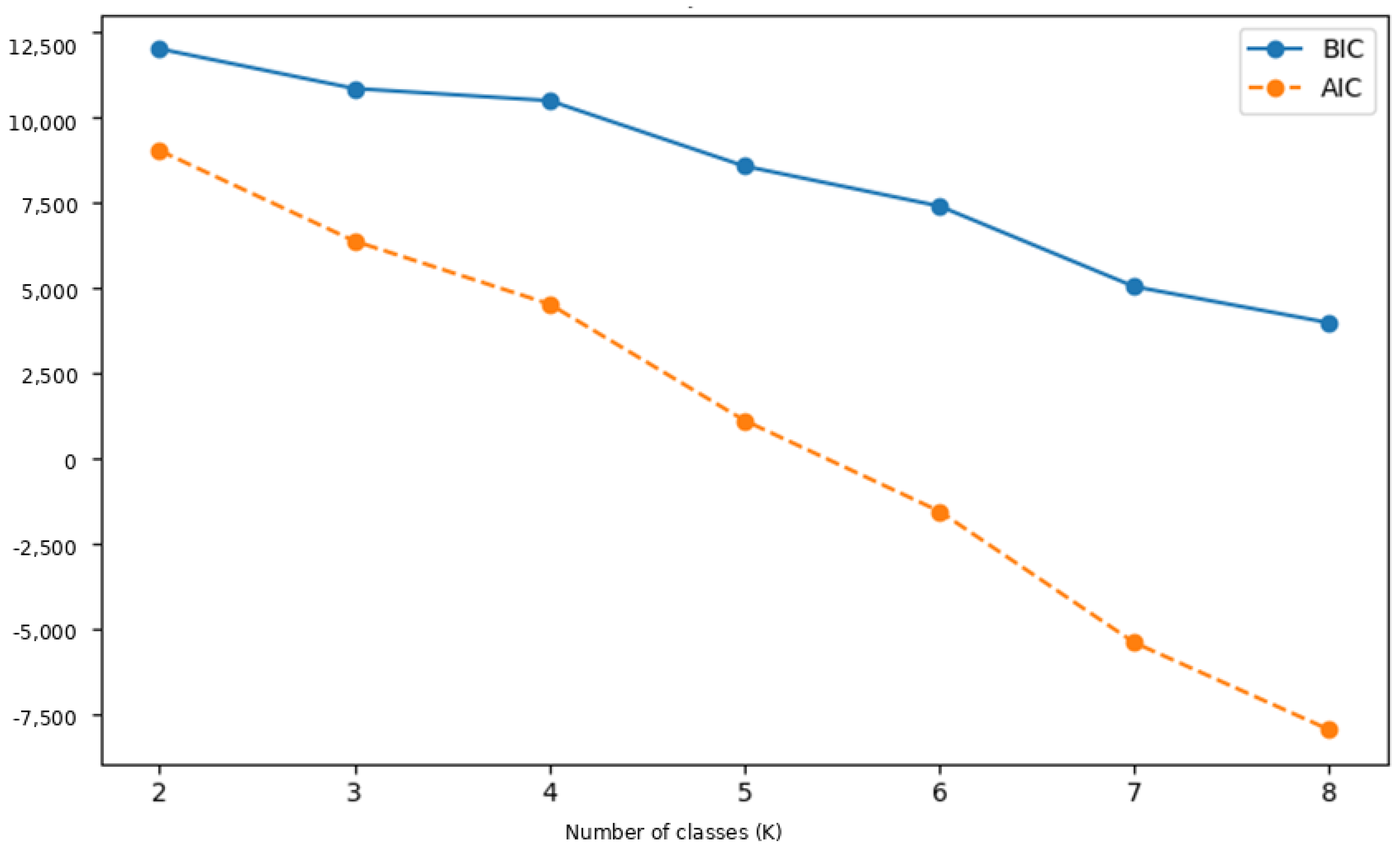
Figure 2 shows the trajectory of the information criteria (BIC and AIC) for K = 2–8 classes in the GMM-LPA model. Both indices decline as K increases, indicating improved statistical fit when additional latent heterogeneity is allowed. Importantly, BIC—which imposes a stronger penalty for complexity—exhibits a clear deceleration in its rate of improvement around K ≈ 5–6 and then continues decreasing until reaching its global minimum at K = 8. By contrast, AIC, consistent with its lighter penalty, decreases more steadily and becomes negative from K ≥ 6, which is a pattern that signals ongoing gains in fit but also warrants caution regarding potential over-parameterization. Substantively, these trajectories support the presence of multiple organisational segments rather than a single dominant profile. On balance, the decision on K should reflect a transparent trade-off between fit and parsimony; accordingly, BIC is prioritised as the primary selection criterion, and the final choice is evaluated in light of complementary diagnostics and the theoretical–practical interpretability of the resulting segment profiles.
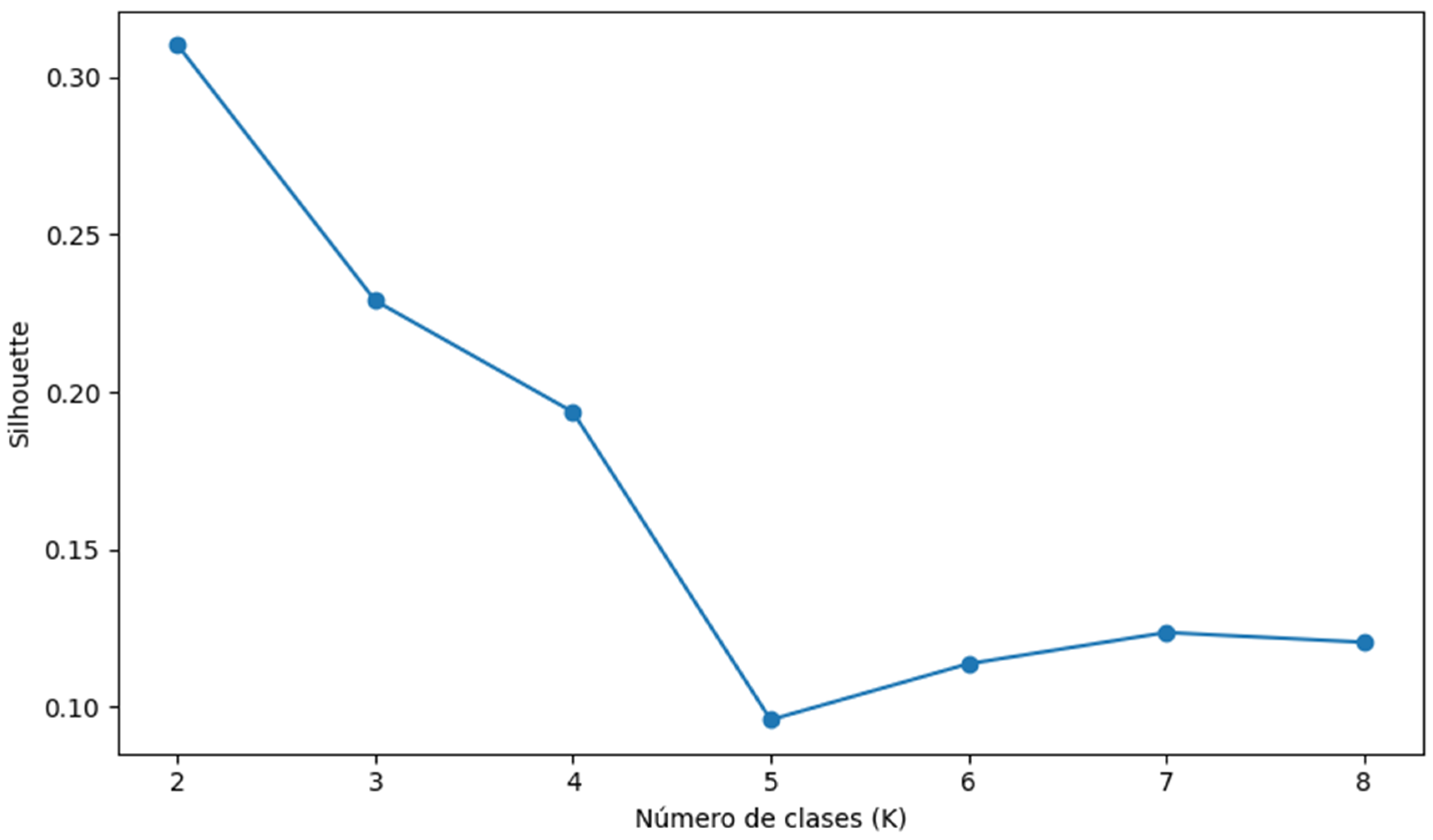
Figure 3 reports the Silhouette index by K and provides a geometric perspective on cohesion and separation. The pattern shows that separation tends to weaken as more classes are introduced: the Silhouette decreases from a comparatively higher value at K = 2 (~0.31) to low levels around K = 5 (~0.10), followed by a modest recovery at K = 6–7 (≈0.11–0.12) and a near-stable value at K = 8 (~0.12). In practical terms, Silhouette values below 0.20 indicate diffuse boundaries and partial overlap among profiles, which is plausible in perceptual, Likert-based organisational data where configurations may blend rather than form sharply separated clusters. This result implies that, although information criteria favour higher K, increases in K do not necessarily yield cleaner geometric separation. The class sizes observed at K = 8 (n = {18, 20, 8, 21, 19, 22, 18, 24}) further reinforce this reading: most classes remain sufficiently populated for interpretation, while one smaller group (n = 8) suggests either a marginal sub-profile or a fine-grained split within a broader segment. Despite this geometric softness, the solution K = 8 is retained as the main specification because it achieves the best information-criterion fit (BIC = 3965.79; AIC = −7977.40) and produces substantively coherent profiles aligned with the study’s organisational domains.
To assess the robustness of these findings, we examined the K = 6 solution as a sensitivity check. Under this more parsimonious specification, the four-archetype structure remains largely stable: established leaders and structural laggards continue to be clearly differentiated, while intermediate profiles consolidate into broader categories. Specifically, aspirants with regulatory gaps (C0 and C7 in the K = 8 solution) merge into a single cluster, and environment-oriented organisations (C3 and C4) similarly collapse. The key substantive findings—leadership and culture as primary discriminating factors, regulatory alignment as a contextual enabler, and the execution bottleneck pattern—persist across both solutions. However, K = 6 sacrifices granularity in distinguishing organisations with similar internal capabilities but different external constraints, which remains theoretically relevant for differentiated policy design. This sensitivity analysis reinforces confidence in the interpretability of K = 8 while acknowledging that finer distinctions should be interpreted with appropriate caution.
Table 2 summarises the domain-level means by cluster and supports a higher-order interpretation in terms of four archetypes. First, the established leaders (C2 and C6) show consistently high scores across domains, with strong performance in implementation (≥4.3) and results (≥4.5), indicating advanced operational execution and value realisation; notably, both clusters also display high regulation/support (≥4.2), consistent with strong institutional alignment. Second, the aspirants with external gaps (C0 and C7) combine relatively strong internal capabilities—especially leadership, culture, and technological capabilities (~3.8–4.4)—with weaker regulatory traction (C0 = 2.85) or intermediate support (C7 = 3.79). Even under these constraints, they convert a meaningful portion of their internal potential into medium-to-high implementation/results (~3.5–4.1). Third, organisations oriented toward environmental priorities but with average execution (C3 and C4) stand out for comparatively solid competence, supplier-related conditions, and capabilities (particularly C3), while their implementation and results remain near ~3.0, suggesting that strengthening change management and execution mechanisms may be necessary to translate capacities into outcomes. Finally, the structural laggards appear in two forms: C1 exhibits uniformly low scores across domains (≈1.6–1.9), whereas C5 combines moderate levels of capabilities and environment-related domains (~3.6–3.7) with markedly weak implementation (1.60) and low results (2.15), indicating an execution bottleneck despite the presence of technical potential. Overall, clusters with higher implementation also tend to present higher results (e.g., C2/C6 versus C1/C5), and regulation/support appears to operate as a contextual enabler: when stronger, it is associated with a tighter conversion of capacities into observable outcomes; when weaker, a gap emerges between internal potential and realised performance. These patterns are reported as configuration-consistent associations and should be interpreted within the exploratory scope of the study.
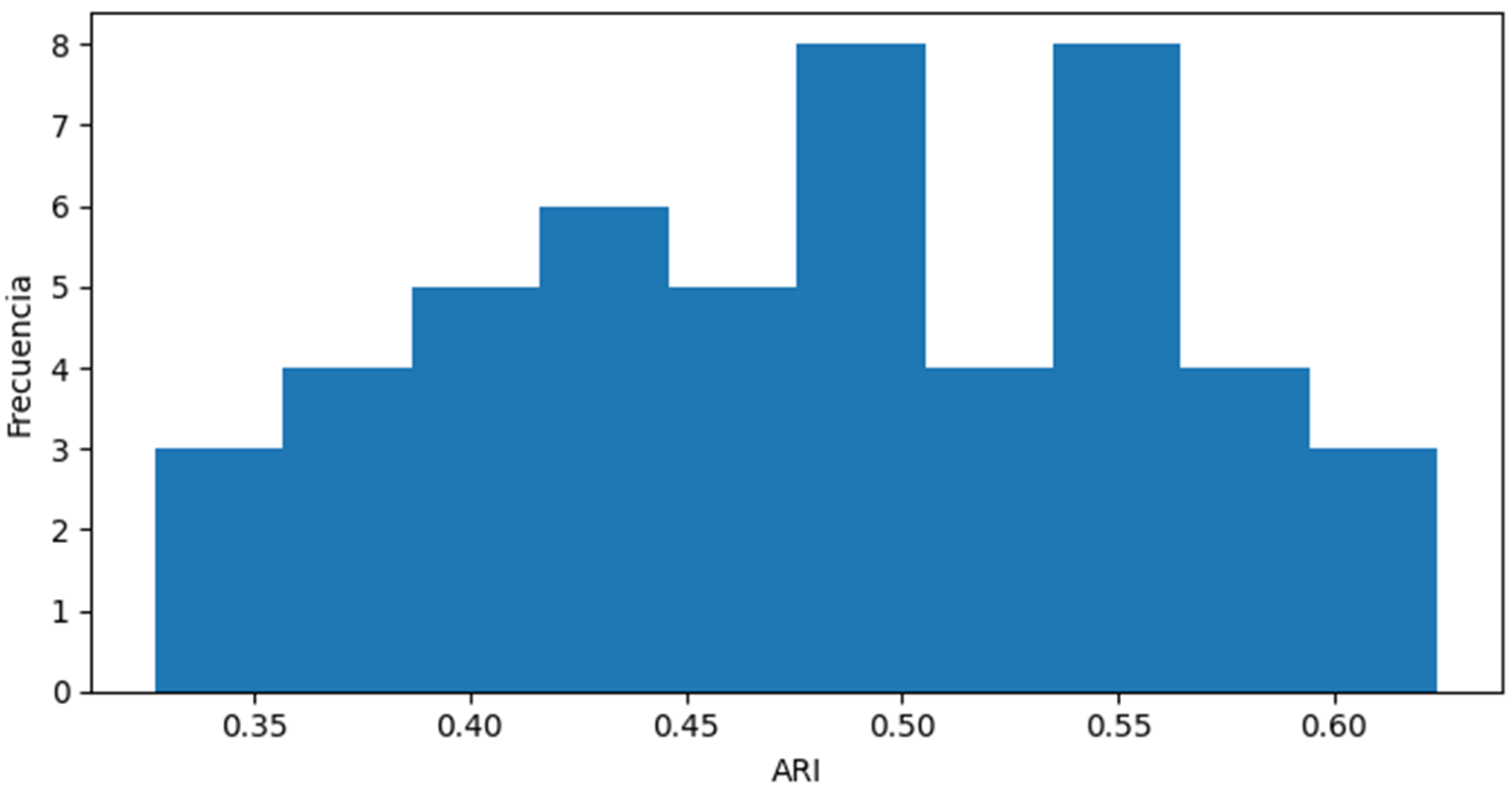
The ARI Bootstrap histogram (B = 50) in Figure 4 indicates moderate stability of the segmentation solution, with a mean ARI of 0.48 and a standard deviation of 0.08, and most resamples concentrated between approximately 0.35 and 0.60. Substantively, this distribution is consistent with a reproducible latent signal rather than a random partition, while also reflecting sensitivity to resampling that is expected when (i) several profiles are partially overlapping and (ii) at least one class is relatively small. Accordingly, the stability evidence supports interpretability of the main typology while justifying cautious language when describing fine-grained boundaries between adjacent profiles.
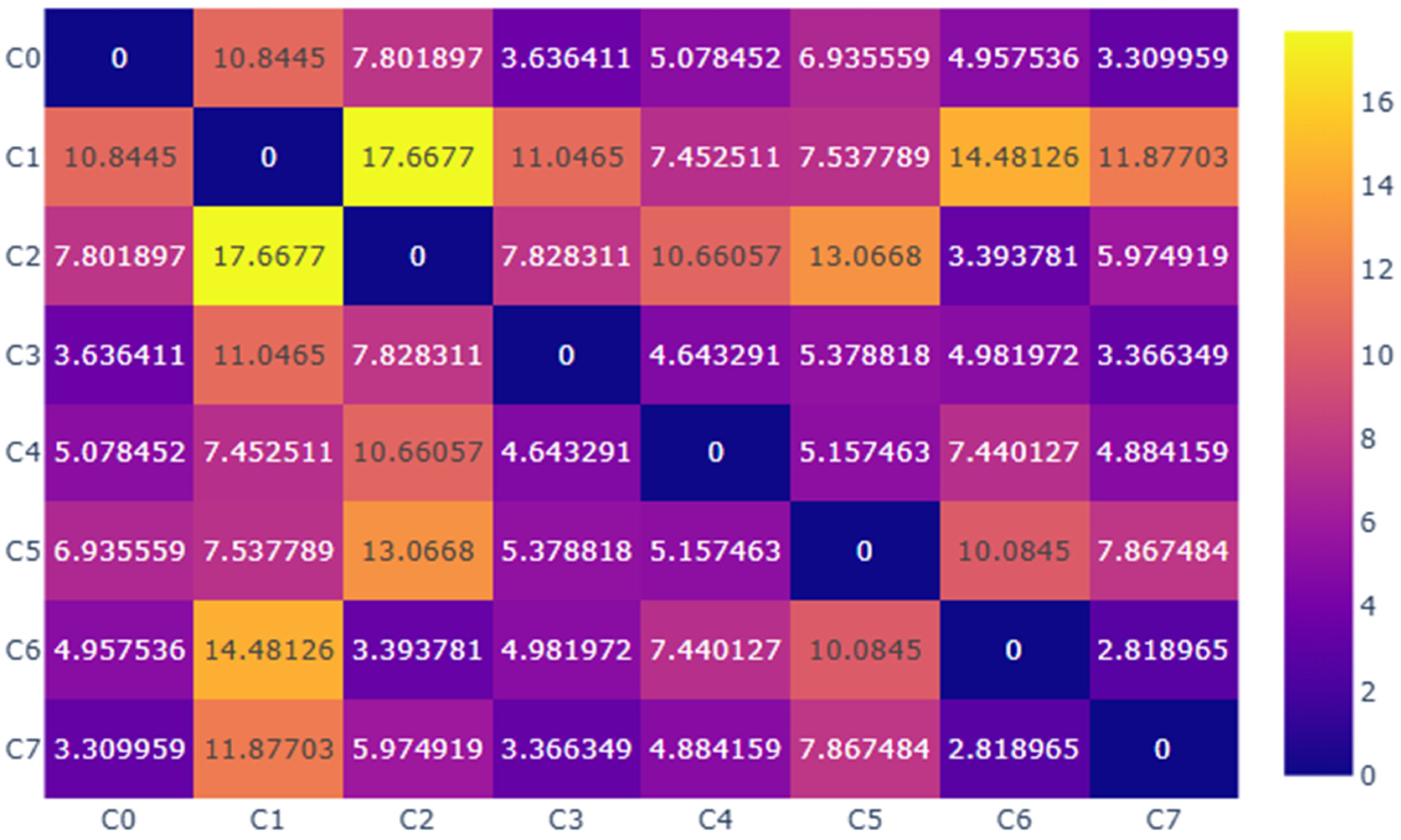
Figure 5 presents Euclidean distances between cluster centroids and further corroborates a structure with clearly separated poles and intermediate subgroups. The largest distance is observed between C1 and C2 (≈17.7) and, to a lesser extent, between C1 and C6 (≈14.5), reinforcing that C1 represents the most lagging profile, whereas C2/C6 concentrate the highest maturity and execution. Within the leading set, C2 and C6 are closely positioned (≈3.39) and both are relatively near C7 (≈5.97 with C2; ≈2.82 with C6), suggesting a high-maturity block with operational nuances. In the intermediate stratum, C0, C3, and C7 exhibit internal proximity (C0–C7 ≈ 3.31; C0–C3 ≈ 3.64; C3–C7 ≈ 3.37), whereas C4 sits at a moderate distance from this core (C3–C4 ≈ 4.64; C4–C7 ≈ 4.88), consistent with intermediate capabilities and room for scaling. C5 appears closer to C4 (≈5.16) yet remains distant from the leaders (C5–C2 ≈ 13.1; C5–C6 ≈ 10.1), aligning with the descriptive pattern of an execution bottleneck rather than an absence of resources. Taken together, the centroid map supports the interpretation of gradual gaps and neighbourhood structures among profiles and offers a practical basis for differentiated organisational roadmaps grounded in proximity between configurations.
The comparative assessment of segmentation solutions indicates that the latent structure can be adequately represented by both K = 6 and K = 8, yet the balance of evidence supports K = 8 as the primary solution when model fit and the ability to capture organisational heterogeneity are prioritised. First, information criteria provide clear support for K = 8, which yields substantially lower BIC and AIC values than K = 6 (Table 3). Because these criteria explicitly penalise complexity, the improvement suggests that the additional classes are not a superficial increase in granularity; rather, they capture meaningful latent structure that better explains variability across organisations.
Second, while silhouette values are low in both solutions—an expected pattern for Likert-based profiles with partially overlapping response distributions—this geometric index alone does not undermine the utility of the classification. Instead, it signals “soft boundaries” between organisational types, which is consistent with configurational transitions where organisations may share features across neighbouring profiles. To complement geometric separation, solution stability was evaluated via consistency metrics. The Adjusted Rand Index (ARI = 0.552) between the K = 6 and K = 8 assignments (Table 3) indicates a moderate level of agreement, implying that K = 8 preserves the core partition while introducing a refined subdivision of specific segments.
This interpretation is reinforced by the crosswalk structure. Integrated evidence shows that the shift from K = 6 to K = 8 occurs primarily through the splitting of two segments: K6 = 0 is distributed across K8 = 6 and K8 = 2, and K6 = 4 is distributed across K8 = 7 and K8 = 3 (Table 4). In contrast, the remaining classes exhibit near one-to-one correspondences (e.g., K6 = 1 → K8 = 1; K6 = 5 → K8 = 5; K6 = 3 → K8=0; K6 = 2 → K8 = 4), indicating that K = 8 adds granularity precisely where latent heterogeneity is concentrated, without destabilising the overall typological map. Substantively, this enables a more precise characterisation of within-segment differences that would remain conflated under the more parsimonious K = 6 representation.
Moreover, interpretive stability is maintained when results are summarised into four archetypes. The ARI = 0.631 for archetypes derived from K = 6 versus K = 8, together with a diagonal-dominant mapping (Table 4), indicates that macro-level conclusions remain consistent, while K = 8 improves resolution within archetypes without altering their overarching logic. Accordingly, K = 8 can be reported as the main solution, with K = 6 presented as a parsimonious robustness check that confirms the stability of the main substantive findings.
Finally, the structure of class differentiation is coherent with both domain-level discrimination and correlational evidence. Across solutions, the domains that most strongly differentiate profiles are Implementation and Leadership, followed by Resources and Results (Table 4), suggesting that organisational heterogeneity is primarily structured by execution capacity and strategic leadership rather than by technical capability alone. Complementarily, Spearman correlations (N = 150; p < 0.001) show strong monotonic associations between Leadership and Regulation/Support with both Implementation and Results, providing convergent correlational support that is consistent with the observed profile patterns without implying causality (Table 4). Taken together with model fit, sensitivity structure, and interpretability, the evidence supports K = 8 as the most informative and methodologically defensible solution, while retaining K = 6 as a parsimonious benchmark that corroborates robustness.
The sample distribution reflects the heterogeneous institutional landscape of Peru’s water sector. Private companies constitute the largest segment (38.7%), followed by public utilities (28.0%), indicating substantial representation of both market-oriented and state-managed water governance models. Geographically, the concentration in Lima (45.3%) corresponds to the metropolitan area’s dominance in economic activity and water infrastructure, while Trujillo (32.7%) and Cajamarca (22.0%) provide complementary perspectives from coastal urban and highland contexts, respectively. The predominance of medium (34.7%) and small (32.0%) organisations ensures that findings are not biassed toward large institutional actors, capturing the operational realities of entities with varying resource endowments. Respondents predominantly held middle management (45.3%) and senior management (31.3%) positions, ensuring informant competence regarding strategic and operational dimensions of circular water practices (Table 5).

4. Discussion

4.1. Organisational Archetypes and Theoretical Convergences

The eight-class solution and four-archetype taxonomy disaggregate organisational heterogeneity previously treated in aggregate [2], demonstrating that water circularity follows multimodal trajectories conditioned by endogenous factors (culture, capabilities) and exogenous factors (regulation, competition, suppliers)—consistent with the interrelationship framework [46,47]. Methodological triangulation—integrating BIC optimisation, Silhouette validation, bootstrap ARI (B = 50), and Euclidean distance matrices—confirms solution robustness from multiple analytical angles.
The strong implementation–result correlation (r ≈ 0.85) indicates that circular value capture depends more on executive capacity than resource availability, challenging technocentric approaches [31,32]. Consistent with Coenen [26] and Mango and Vincent [36], regulatory alignment critically modulates capability–performance conversion: high regulation (C2, C6 ≥ 4.2) exponentially enhances outcomes, while weakness (C0 = 2.85, C5 = 2.74) generates gaps between potential and achievement. However, the persistence of eight clusters under stable regulatory conditions challenges institutional isomorphism [7,53]—culture, absorptive capacity, and strategic orientation maintain differentiation despite common frameworks [24].
While the recent literature emphasises digital transformation [1], technological capabilities exhibited moderate intercluster variance (CV = 0.24), lower than leadership (CV = 0.38) and culture (CV = 0.32). Effective innovation ecosystems require cultural and managerial transformations before technological infrastructure. Environmentally, this implies that organisations investing in treatment technology without leadership alignment risk acquiring systems that remain underutilised, perpetuating inefficient water consumption and continued pressure on Peru’s stressed watersheds.

4.2. Explanatory Factors, the Circular Paradox, and Environmental Implications

The empirical ranking leadership (Disc ≈ 2.8), implementation (Disc ≈ 2.6), and regulation (Disc ≈ 2.4) versus resources (Disc ≈ 1.2) contradict resource-based view assumptions [38], positioning organisational leadership as a dynamic capability articulating dispersed resources toward circular objectives [30]. Organisational culture proves particularly revealing: leaders (C2, C6) scored ≥4.1 while laggards remained below 2.9. The institutionalisation of pro-circular values temporally precedes effective implementation, consistent with culture as an enabling mechanism [9,10]. These challenges interventions focused exclusively on economic incentives, omitting cultural–cognitive dimensions.
Cluster C5 illustrates the “circular paradox” [2]: moderate technological capabilities (3.74) coexist with critical implementation (1.60). The Euclidean distance from leaders confirms bottlenecks lie not in technical knowledge but in project management, change skills, and adaptive governance [27]. The differential regulation–implementation correlation (r = 0.68 in C2/C6 vs. r = 0.23 in C0/C5) suggests nonlinear modulating effects: institutional alignment amplifies preexisting capabilities rather than generating them ex nihilo. Regulatory interventions prove effective only when minimum absorption capacities exist [29,37], converging with polycentric governance frameworks [8,36].
These configurations carry tangible environmental consequences. Consolidated leaders represent organisations achieving measurable outcomes: reduced freshwater extraction, increased treatment efficiency, lower pollutant discharge. Structural laggards present environmental vulnerabilities—low implementation scores indicate continued linear consumption patterns, exacerbating pressure on aquifers and surface sources. In coastal cities like Lima and Trujillo, with dependence on glacier-fed rivers that are increasingly affected by climate change, organisational inertia translates into inadequately treated effluents reaching irrigation systems and marine ecosystems. The intermediate archetypes demonstrate that environmental values alone are insufficient without corresponding managerial capabilities to operationalise circular interventions.
The strong association between leadership and implementation performance (r ≈ 0.85) finds robust theoretical and empirical support in recent circular economy scholarship. Governance studies demonstrate that effective circular transitions require organisational leadership capable of coordinating stakeholder networks, aligning institutional structures, and navigating regulatory complexity [18,43]. Research on urban water systems confirms that implementation success depends less on technological availability than on managerial capacity to overcome institutional barriers and foster collaborative partnerships [16,59]. The circular economy roadmapping literature further emphasises that translating strategic visions into operational outcomes requires leadership competencies in scenario planning, stakeholder engagement, and adaptive management [19,60]. These findings collectively validate our empirical observation that organisational leadership operates as the critical dynamic capability mediating between circular intentions and measurable implementation results.

4.3. Policy Implications, Limitations, and Future Directions

Organisational taxonomy enables differentiated strategies overcoming uniform approaches with limited effectiveness [5,22]. We propose four trajectories: Consolidated leaders (C2, C6)—scaling through innovation networks and maximising knowledge spillovers as demonstration sites for resource recovery [38]. Aspirants with gaps (C0, C7)—regulatory alignment and green financing recognising contextual heterogeneity [6]. Environment-oriented with average implementation (C3, C4)—strengthening change management through technical assistance [24]. Structural laggards (C1, C5)—comprehensive public–private partnerships combining institutional strengthening with environmental remediation [11,12]. Integration into SDG 6 monitoring identifies specific bottlenecks toward targets 6.3 and 6.4 [34,35], while supporting climate adaptation planning as Andean glaciers retreat.
The cross-sectional design prevents establishing definitive causal relationships; panel studies would capture temporal dynamics [30]. Reliance on self-reported data introduces potential bias, partially mitigated through semantic normalisation and bootstrap validation [32]. The sample (n = 150), adequate for GMM-LPA, limits generalisation. Geographic scope—Lima, Trujillo, Cajamarca—constrains external validity; the Peruvian water sector operates under specific conditions differing from other contexts. Findings require cautious interpretation as context-specific insights needing replication.
Future research should integrate machine learning for predictive intercluster transition analysis, incorporate objective environmental indicators—water reuse rates, carbon footprint—as dependent variables validating archetype effectiveness, and explore leadership–context interactions through multi-level modelling [26,31]. Extending this framework to complementary sectors would assess taxonomic transferability and develop meta-frameworks on circular economy leadership. These findings ultimately reveal that circular transition effectiveness depends critically on how organisational cultures align innovation, regulation, and implementation capacity—with direct consequences for Peru’s water sustainability.

5. Conclusions

Latent class modelling using GMM-LPA revealed four distinct organisational archetypes in the circular water economy, differentiated by the articulation between organisational culture, implementation capabilities, and regulatory alignment. Consolidated leaders (C2, C6) exhibited operational maturity with scores above 4.2 in all critical domains, demonstrating that circular value capture depends on systemic convergence between internal and external factors. Aspirants with regulatory gaps (C0, C7) showed robust management capabilities but asymmetric institutional traction, confirming that organisational will is insufficient against multi-level governance gaps. Environmentally oriented organisations with average execution (C3, C4) revealed bottlenecks in change management despite market competence. Structural laggards (C1, C5) confirmed the circular paradox: organisational inertia persists even with moderate technological capabilities. These configurations carry direct environmental consequences for Peru’s water sustainability, where leaders achieve measurable reductions in freshwater extraction and pollutant discharge while laggards perpetuate linear consumption patterns that exacerbate watershed stress.
Theoretically, the study expands sustainability transition frameworks by introducing latent leadership archetypes, overcoming simplistic circular/linear dichotomies. The persistence of eight clusters under homogeneous regulatory conditions challenges institutional isomorphism [53] and supports polycentric governance models where effectiveness depends on adaptive alignment between institutional levels rather than regulatory rigour. The differential correlation between regulation and implementation (r = 0.68 in leaders vs. r = 0.23 in laggards) demonstrates nonlinear modulatory effects: institutional alignment amplifies preexisting capabilities rather than generating them ex nihilo. The empirical ranking of explanatory domains, with leadership (Disc ≈ 2.8) and culture exceeding resources (Disc ≈ 1.2), challenges resource-based view assumptions and positions organisational leadership as a dynamic capability critical for circular transitions.
From an applied perspective, the organisational taxonomy enables differentiated policy instruments according to latent profile. Leaders require scaling mechanisms through innovation networks maximising knowledge spillovers. Aspirants need flexible regulatory frameworks and green financing access. Organisations with average execution demand change management capacity-building and demonstration projects. Laggards require comprehensive public–private partnerships articulating institutional strengthening with cultural transformation. Integration into SDG 6 monitoring systems allows identification of specific bottlenecks toward targets 6.3 (water quality) and 6.4 (water-use efficiency), while the taxonomy supports climate adaptation planning as organisations differentially possess adaptive capacity to respond to water scarcity scenarios driven by Andean glacier retreat and precipitation shifts.
This study makes four contributions: first, the study provides an empirically grounded taxonomy of organisational archetypes informing differentiated water policy design; second, the study provides evidence that leadership and culture discriminate circular performance more strongly than technical resources or financial capacity; third, the study provides documentation of persistent organisational heterogeneity challenging institutional isomorphism; fourth, the study provides a replicable methodological framework combining semantic normalisation and GMM-LPA applicable to other sectors and contexts. Recognised limitations, including cross-sectional design and self-reported data, open avenues for longitudinal research, capturing intercluster evolution dynamics and incorporating objective environmental indicators to validate archetype effectiveness in achieving water sustainability outcomes.

Author Contributions

Conceptualization, P.V.-Z. and M.A.R.-V.; methodology, P.V.-Z., A.F.H.-S. and D.J.A.-C.; software, A.F.H.-S.; validation, P.V.-Z., G.S.L.-R. and R.L.-R.; formal analysis, A.F.H.-S. and D.J.A.-C.; investigation, P.V.-Z., M.A.R.-V., G.S.L.-R., R.L.-R., D.J.A.-C., A.R.C.-C. and E.V.R.-F.; resources, A.R.C.-C. and E.V.R.-F.; data curation, A.F.H.-S. and D.J.A.-C.; writing—original draft preparation, P.V.-Z. and A.F.H.-S.; writing—review and editing, all authors; visualisation, A.F.H.-S.; supervision, P.V.-Z.; project administration, P.V.-Z. and M.A.R.-V.; funding acquisition, P.V.-Z. All authors have read and agreed to the published version of the manuscript.

Funding

This research received no external funding. The APC was funded by the authors.

Institutional Review Board Statement

Ethical review and approval were waived for this study because it involved a non-interventional, anonymous online survey with minimal risk to participants. According to institutional guidelines and internationally accepted research ethics standards, this type of study does not require prior approval from an Institutional Review Board (IRB) or Ethics Committee. The responsibility for ethical compliance was assumed by the principal investigator, who ensured adherence to ethical principles of voluntary participation, anonymity, confidentiality, and data protection throughout the research process.

Informed Consent Statement

Informed consent was obtained from all subjects involved in the study prior to their participation. Participation was voluntary, anonymous, and participants were informed about the purpose of the research, the use of the data for academic purposes only, and their right to withdraw at any time.

Data Availability Statement

The data supporting the findings of this study comprise item-level responses to a 30-item Likert-type questionnaire administered to 150 organisations in the water sector in Lima, Trujillo, and Cajamarca, along with the derived domain scores and latent class assignments. The raw dataset is not publicly available due to institutional confidentiality requirements and commitments made to participating organisations. Fully anonymised data (with all direct identifiers removed and indirect identifiers appropriately coarsened) may be made available by the corresponding author upon reasonable request, subject to authorisation by the participating organisations.

Acknowledgments

The authors thank the participating organisations in Lima, Trujillo, and Cajamarca for the time and information provided through the survey. We also acknowledge the experts who contributed to the content validation of the 30-item instrument. Administrative and technical support from the authors’ institutions is gratefully acknowledged.

Conflicts of Interest

The authors declare no conflicts of interest. The funders had no role in the design of the study; in the collection, analyses or interpretation of data; in the writing of the manuscript; or in the decision to publish the results.

Abbreviations

The following abbreviations are used in this manuscript:
AbbreviationMeaning
CECircular economy
CWECircular water economy
SDGSustainable Development Goal
SDGsSustainable Development Goals
GMM-LPAGaussian Mixture Model–Latent Profile Analysis
BICBayesian Information Criterion
AICAkaike Information Criterion
PCAPrincipal Component Analysis
ARIAdjusted Rand Index
NGONon-governmental organisation

References

  1. Avdiushchenko, A.; Meinrenken, C.J. Circular economy concepts for accelerating sustainable urban transformation: The case of New York City. Cities 2025, 166, 106223. [Google Scholar] [CrossRef]
  2. Gajanayake, A.; Iyer-Raniga, U. If there is waste, there is a system: Understanding Victoria’s circular economy transition from a systems thinking perspective. Ecol. Econ. 2025, 227, 108395. [Google Scholar] [CrossRef]
  3. Geissdoerfer, M.; Savaget, P.; Bocken, N.M.; Hultink, E.J. The Circular Economy: A new sustainability paradigm? J. Clean. Prod. 2017, 143, 757–768. [Google Scholar] [CrossRef]
  4. Kirchherr, J.; Reike, D.; Hekkert, M. Conceptualizing the circular economy: An analysis of 114 definitions. Resour. Conserv. Recycl. 2017, 127, 221–232. [Google Scholar] [CrossRef]
  5. Damman, S.; Schmuck, A.; Oliveira, R.; Koop, S.H.A.; Almeida, M.C.; Alegre, H.; Ugarelli, R.M. Towards a water-smart society: Progress in linking theory and practice. Util. Policy 2023, 85, 101674. [Google Scholar] [CrossRef]
  6. Duran-Romero, D.; Barquet, K. Business models for decentralized water services in urban and peri-urban areas. Clean. Water 2025, 4, 100138. [Google Scholar] [CrossRef]
  7. Palea, V.; Migliavacca, A.; Gordano, S. Scaling up the transition: The role of corporate governance mechanisms in promoting circular economy strategies. J. Environ. Manag. 2024, 349, 119544. [Google Scholar] [CrossRef] [PubMed]
  8. Voorwinden, A.; van Bueren, E.; Verhoef, L. Experimenting with collaboration in the Smart City: Legal and governance structures of Urban Living Labs. Gov. Inf. Q. 2023, 40, 101875. [Google Scholar] [CrossRef]
  9. Vaculíková, Z.; Ramkissoon, H.; Dey, S.K. Circular intentions, minimal actions: The psychology of doing less in hospitality—An integrative review. Acta Psychol. 2025, 259, 105267. [Google Scholar] [CrossRef] [PubMed]
  10. Liu, K. Circular economy and the separated yet inseparable social dimension: Views from European circular city experts. Sustain. Prod. Consum. 2024, 51, 474–483. [Google Scholar] [CrossRef]
  11. Rajendrakumar, S.; Mavhaire, D.; Shimly, S.; Rahut, D.B.; Tharanidevi, N.; Ramachandran, V.S.; Timilsina, R.R. Drivers and barriers towards achieving SDG 6 on clean water and sanitation for all—An Indian perspective. World Dev. Sustain. 2025, 7, 100228. [Google Scholar] [CrossRef]
  12. Wang, G.; Kumar, S.; Huang, Z.; Liu, R. Water resource management and policy evaluation in Middle Eastern countries: Achieving Sustainable Development Goal 6. Desalination Water Treat. 2024, 320, 100829. [Google Scholar] [CrossRef]
  13. Brears, R.C. Sustainable Water-Food Nexus: Circular Economy, Water Management, Sustainable Agriculture; De Gruyter: Berlin, Germany; Boston, MA, USA, 2025. [Google Scholar] [CrossRef]
  14. Sharma, K.; Ravi, K.; Wani, A.W.; Mhaske, T.; Qureshi, S.N. Wastewater resources management for energy recovery: The circular economy perspective. In Water Use Efficiency, Sustainability and the Circular Economy; Bandh, S.A., Malla, F.A., Halog, A., Eds.; Elsevier: Amsterdam, The Netherlands, 2025. [Google Scholar]
  15. Mannina, G.; Cosenza, A.; Gulhan, H. Water reuse from treated wastewater: Insights gained from the Italian demonstration case studies of the Wider-Uptake EU project. In Boosting the Transition to Circular Economy in the Water Sector; Mannina, G., Pandey, A., Eds.; Elsevier: Amsterdam, The Netherlands, 2025. [Google Scholar]
  16. Shafik, W. Circular economy in the urban water sector: Challenges and opportunities. In Water Use Efficiency, Sustainability and the Circular Economy; Bandh, S.A., Malla, F.A., Halog, A., Eds.; Elsevier: Amsterdam, The Netherlands, 2025; pp. 69–82. [Google Scholar] [CrossRef]
  17. Oral, H.V.; Boyacıoğlu, H.; Alkaya, E.; Dolgen, D.; Bladen, T.; Bayırtepe, B.; Atayol, A.A.; Alpaslan, N.; Saygın, H. Water management and sustainable development: Circular water management conception on a river basin. In Water Use Efficiency, Sustainability and the Circular Economy; Bandh, S.A., Malla, F.A., Halog, A., Eds.; Elsevier: Amsterdam, The Netherlands, 2025. [Google Scholar]
  18. Cosenza, A.; Mannina, G. Governance assessment and business models for reuse of treated wastewater in agriculture: An Italian case study. In Boosting the Transition to Circular Economy in the Water Sector; Mannina, G., Pandey, A., Eds.; Elsevier: Amsterdam, The Netherlands, 2025; pp. 183–192. [Google Scholar] [CrossRef]
  19. Di Trapani, D.; Cosenza, A.; Gulhan, H.; Mannina, G. Roadmap development and preliminary applications to foster the transition to the circular economy in the water sector: The case study of Corleone. In Boosting the Transition to Circular Economy in the Water Sector; Mannina, G., Pandey, A., Eds.; Elsevier: Amsterdam, The Netherlands, 2025; pp. 171–182. [Google Scholar] [CrossRef]
  20. Bandala, E.R. Sustainable developing goals: SDG 6 and its significance for sustainable growth. In Circular Economy Applications for Water Security; Bandala, E.R., Ed.; CRC Press: Boca Raton, FL, USA, 2024; pp. 5–20. [Google Scholar] [CrossRef]
  21. Akon-Yamga, G.; Quaye, W.; Essegbey, G.O.; Oduro, W.O.; Issahaku, A.; Onumah, J.A.; Williams, P.A.; Mahama, A. Fuel production from sewage sludge: Insights from a demonstration in Ghana. In Boosting the Transition to Circular Economy in the Water Sector; Mannina, G., Pandey, A., Eds.; Elsevier: Amsterdam, The Netherlands, 2025. [Google Scholar]
  22. Corsini, F.; Fontana, S.; Gusmerotti, N.M.; Iovino, R.; Iraldo, F.; Mecca, D.; Ruini, L.F.; Testa, F. Bridging gaps in the demand and supply for circular economy: Empirical insights into the symbiotic roles of consumers and manufacturing companies. Clean. Responsible Consum. 2024, 15, 100232. [Google Scholar] [CrossRef]
  23. Gallego-Schmid, A.; Vásquez-Ibarra, L.; Guerrero, A.B.; Henninger, C.E.; Rebolledo-Leiva, R. Circular economy in a recently transitioned high-income country in Latin America and the Caribbean: Barriers, drivers, strengths, opportunities, key stakeholders and priorities in Chile. J. Clean. Prod. 2025, 486, 144429. [Google Scholar] [CrossRef]
  24. Eikelenboom, M.; van Marrewijk, A. Creating points of opportunity in sustainability transitions: Reflective interventions in inter-organizational collaboration. Environ. Innov. Soc. Transit. 2023, 48, 100748. [Google Scholar] [CrossRef]
  25. Sharp, D.; Raven, R.; Farrelly, M. Pluralising place frames in urban transition management: Net-zero transitions at precinct scale. Environ. Innov. Soc. Transit. 2024, 50, 100803. [Google Scholar] [CrossRef]
  26. Coenen, T.B.J.; Wiarda, M.; Visscher, K.; Penna, C.C.R.; Volker, L. Mission-Oriented Transition Assessment as a reflective approach to mission governance. Technol. Forecast. Soc. Change 2025, 219, 124257. [Google Scholar] [CrossRef]
  27. Amarasinghe, I.; Stewart, R.A.; Sahin, O.; Liu, T. Enhancing construction material circularity: An integrated participatory systems model. Sustain. Prod. Consum. 2025, 57, 106–120. [Google Scholar] [CrossRef]
  28. Vijaya, A.; Qadri, F.D.; Angreani, L.S.; Wicaksono, H. ESGOnt: An ontology-based framework for enhancing Environmental, Social, and Governance (ESG) assessments and aligning with Sustainable Development Goals (SDG). Resour. Environ. Sustain. 2025, 22, 100262. [Google Scholar] [CrossRef]
  29. Ncube, K. Sustainable communal septic tank systems in informal settlements: The case of Lebak Siliwangi, Indonesia. Chin. J. Popul. Resour. Environ. 2025, 23, 121–131. [Google Scholar] [CrossRef]
  30. Chirumalla, K.; Balestrucci, F.; Sannö, A.; Oghazi, P. The transition from a linear to a circular economy through a multi-level readiness framework: An explorative study in the heavy-duty vehicle manufacturing industry. J. Innov. Knowl. 2024, 9, 100539. [Google Scholar] [CrossRef]
  31. Langley, D.J.; Rosca, E.; Angelopoulos, M.; Kamminga, O.; Hooijer, C. Orchestrating a smart circular economy: Guiding principles for digital product passports. J. Bus. Res. 2023, 169, 114259. [Google Scholar] [CrossRef]
  32. Bais, B.; Molinaro, M.; Orzes, G. Assessing circular economy at company level: Comparison of tools and methodological challenges. Sustain. Prod. Consum. 2025, 59, 112–126. [Google Scholar] [CrossRef]
  33. Schild, C.; Holly, F. Development of a framework for circular economy assessment: Indicators for circular value chains. Procedia CIRP 2025, 135, 1076–1081. [Google Scholar] [CrossRef]
  34. Sofiyah, E.S.; Sianipar, I.M.J.; Rahman, A.; Caesarina, N.P.; Suhardono, S.; Suryawan, I.W.K.; Lee, C.H. Adaptive governance in the water-energy-food-ecosystem nexus for sustainable community sanitation. World Dev. Sustain. 2025, 6, 100220. [Google Scholar] [CrossRef]
  35. Al Haddid, O.; Ahmad, A.; AbedRabbo, M. Unlocking water sustainability: The role of knowledge, attitudes, and practices among women. J. Clean. Prod. 2024, 476, 143697. [Google Scholar] [CrossRef]
  36. Mango, F.; Vincent, R.C. Does polycentric climate governance drive the circular economy? Evidence from subnational spending and dematerialization of production in the EU. Ecol. Econ. 2025, 231, 108533. [Google Scholar] [CrossRef]
  37. Halidu, O.B.; Mwesigwa, R.; Alinda, K.; Tumwine, S.; Lwanga, F. Industrial circular ecosystem entrant: Examining small firms. Manag. Decis. 2025, 63, 46–65. [Google Scholar] [CrossRef]
  38. Kumar, B.; Kumar, A.; Sassanelli, C.; Kumar, L. Exploring the role of finance in driving circular economy and sustainable business practices. J. Clean. Prod. 2025, 486, 144480. [Google Scholar] [CrossRef]
  39. Hariyani, D.; Hariyani, P.; Mishra, S. Digital technologies for the Sustainable Development Goals. Green Technol. Sustain. 2025, 3, 100202. [Google Scholar] [CrossRef]
  40. Khan, I.S.; Ahmad, M.O.; Majava, J. Industry 4.0 innovations and their implications: An evaluation from sustainable development perspective. J. Clean. Prod. 2023, 405, 137006. [Google Scholar] [CrossRef]
  41. Borowski, P.F. The circular economy concept and its application to SDG 6. In Circular Economy Applications for Water Security; Bandala, E.R., Ed.; CRC Press: Boca Raton, FL, USA, 2024; pp. 21–37. [Google Scholar] [CrossRef]
  42. Riazi, F.; Fidélis, T.; Teles, F. Fostering the transition to water reuse: The role of institutional arrangements in the European Union circular economy action plans. In Water Management and Circular Economy; Zamparas, M.G., Kyriakopoulos, G.L., Eds.; Elsevier: Amsterdam, The Netherlands, 2023; pp. 427–450. [Google Scholar] [CrossRef]
  43. Ruiz-Ocampo, H.; Katusic, V.; Demetriou, G. Closing the loop in water management. In Water Management and Circular Economy; Zamparas, M.G., Kyriakopoulos, G.L., Eds.; Elsevier: Amsterdam, The Netherlands, 2023; pp. 3–24. [Google Scholar] [CrossRef]
  44. Fidélis, T.; Matos, M.V.; de Sousa, M.C.; Miranda, A.C.; Riazi, F.; Teles, F.; Capela, I. Assessing policy and planning contexts for the transition to water circular economy: Examples from Southern Europe. In Water Management and Circular Economy; Zamparas, M.G., Kyriakopoulos, G.L., Eds.; Elsevier: Amsterdam, The Netherlands, 2023; pp. 113–142. [Google Scholar] [CrossRef]
  45. Kyriakopoulos, G.L. Circular economy and sustainable strategies: Theoretical framework, policies and regulation challenges, barriers, and enablers for water management. In Water Management and Circular Economy; Zamparas, M.G., Kyriakopoulos, G.L., Eds.; Elsevier: Amsterdam, The Netherlands, 2023; pp. 197–230. [Google Scholar] [CrossRef]
  46. Grover, S.; Lakhwan, N.; Bharat, G.K. Circular economy in water management as a driver to sustainable businesses. In Water Use Efficiency, Sustainability and the Circular Economy; Bandh, S.A., Malla, F.A., Halog, A., Eds.; Elsevier: Amsterdam, The Netherlands, 2025; pp. 59–68. [Google Scholar] [CrossRef]
  47. Srinivasan, L.; Sowjanya, S.; Chakraborty, A.; Amrit, R.; Nurgat, M.Z.; Dutta, P.; Das, P.; Das, A.; Sivarajan, S.; Wagh, M. Economic, environmental, and social optimization of wastewater management in the context of circular economy. In Water Use Efficiency, Sustainability and the Circular Economy; Bandh, S.A., Malla, F.A., Halog, A., Eds.; Elsevier: Amsterdam, The Netherlands, 2025; pp. 203–230. [Google Scholar] [CrossRef]
  48. Aryan, Y.; Nagare, N.; Dikshit, A.K.; Shinde, A.M. Circular economy in developing countries: Present status, pathways, benefits, and challenges. In Circular Economy: Applications for Water Remediation; Shah, M.P., Manna, S., Das, P., Eds.; CRC Press: Boca Raton, FL, USA, 2024; pp. 27–53. [Google Scholar] [CrossRef]
  49. Amesho, K.T.T.; Shopati, A.K.; Shangdiar, S.; Kadhila, T.; Iikela, S.; Sithole, N.T.; Edoun, E.I.; Chowdhury, S. Integrating circular economy and sustainability strategy in water remediation applications. In Circular Economy: Applications for Water Remediation; Shah, M.P., Manna, S., Das, P., Eds.; CRC Press: Boca Raton, FL, USA, 2024; pp. 1–26. [Google Scholar] [CrossRef]
  50. Bhambhani, A.; Kapelan, Z. Circularity and efficiency assessment of resource recovery solutions. In Boosting the Transition to Circular Economy in the Water Sector: Insights from EU Demonstration Case Studies; Mannina, G., Pandey, A., Eds.; Elsevier: Amsterdam, The Netherlands, 2025; pp. 133–156. [Google Scholar] [CrossRef]
  51. Renfrew, D.; Nika, E.; Vasilaki, V.; Katsou, E. Selecting resource recovery technologies and assessment of impacts. In Water Management and Circular Economy; Zamparas, M.G., Kyriakopoulos, G.L., Eds.; Elsevier: Amsterdam, The Netherlands, 2023; pp. 25–38. [Google Scholar] [CrossRef]
  52. Kalavrouziotis, I.K.; Kyritsis, S.S.; Koukoulakis, P.H. Benefits from reclaimed wastewater and biosolid reuse in agriculture and in the environment. In Water Management and Circular Economy; Zamparas, M.G., Kyriakopoulos, G.L., Eds.; Elsevier: Amsterdam, The Netherlands, 2023; pp. 273–302. [Google Scholar] [CrossRef]
  53. DiMaggio, P.J.; Powell, W.W. The iron cage revisited: Institutional isomorphism and collective rationality in organizational fields. Am. Sociol. Rev. 1983, 48, 147–160. [Google Scholar] [CrossRef]
  54. McLachlan, G.J.; Peel, D. Finite Mixture Models; John Wiley & Sons: Hoboken, NJ, USA, 2000. [Google Scholar] [CrossRef]
  55. Hair, J.F.; Black, W.C.; Babin, B.J.; Anderson, R.E. Multivariate Data Analysis, 8th ed.; Cengage Learning: Boston, MA, USA, 2019. [Google Scholar]
  56. Schwarz, G. Estimating the dimension of a model. Ann. Stat. 1978, 6, 461–464. [Google Scholar] [CrossRef]
  57. Akaike, H. A new look at the statistical model identification. IEEE Trans. Autom. Control. 1974, 19, 716–723. [Google Scholar] [CrossRef]
  58. Rousseeuw, P.J. Silhouettes: A graphical aid to the interpretation and validation of cluster analysis. J. Comput. Appl. Math. 1987, 20, 53–65. [Google Scholar] [CrossRef]
  59. Biswas, A.; Biswas, S. Circular economy in urban wastewater management: A concise review. In Circular Economy: Applications for Water Remediation; Shah, M.P., Manna, S., Das, P., Eds.; CRC Press: Boca Raton, FL, USA, 2024; pp. 153–169. [Google Scholar] [CrossRef]
  60. Cosenza, A.; Di Trapani, D.; Ugarelli, R.; Helness, H.; Mannina, G. Scenario analysis toward the implementation of a roadmap for transitioning to a circular economy in the case study of Corleone. In Boosting the Transition to Circular Economy in the Water Sector; Mannina, G., Pandey, A., Eds.; Elsevier: Amsterdam, The Netherlands, 2025; pp. 217–229. [Google Scholar] [CrossRef]
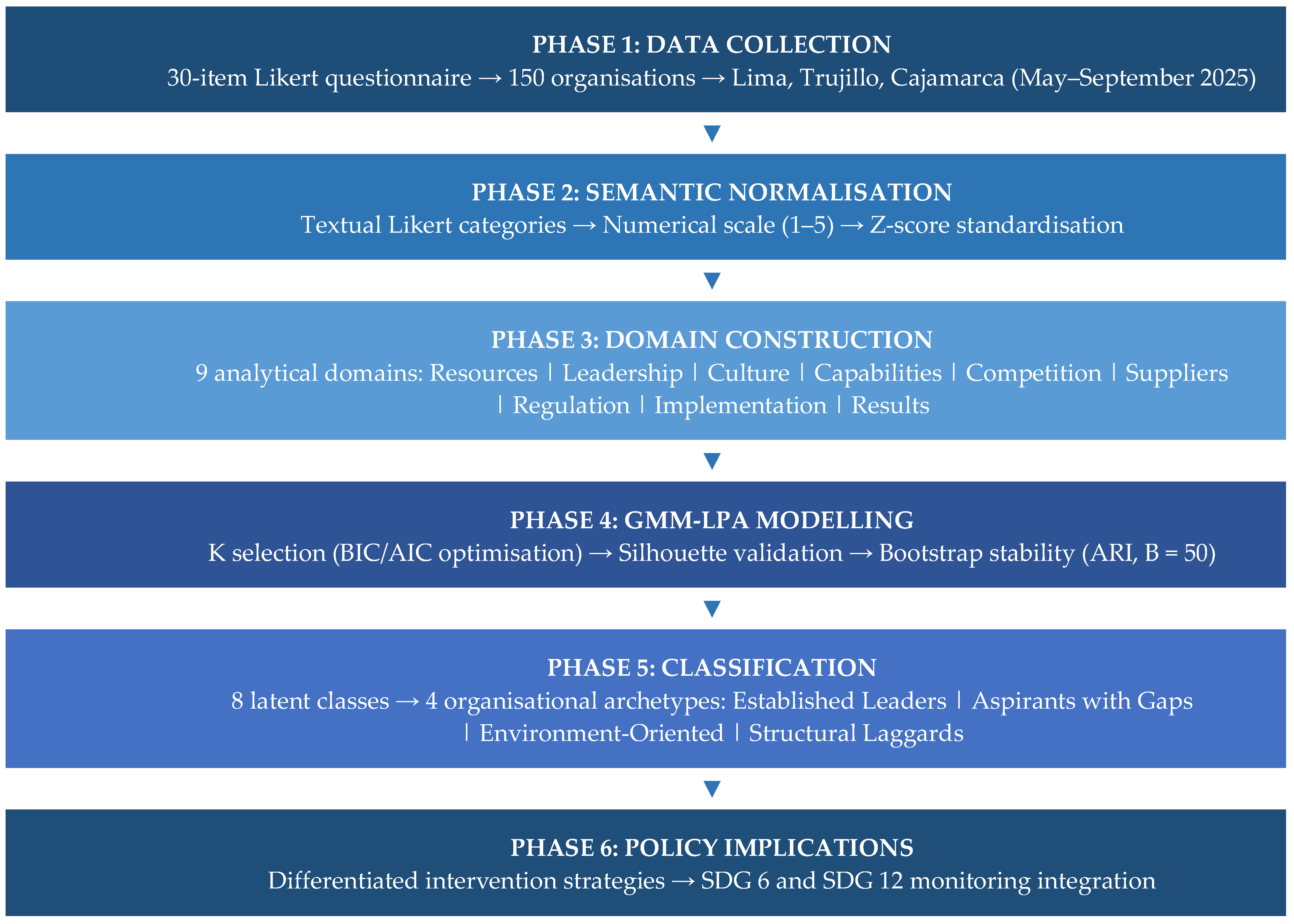
Figure 1. Methodological framework of the study. Source: Personal elaboration.
Environments 13 00074 g001
Figure 2. Selection of K by BIC/AIC (GMM-LPA). Source: Own elaboration.
Environments 13 00074 g002
Figure 3. Silhouette segmentation quality by K Source: Own elaboration.
Environments 13 00074 g003
Figure 4. ARI Bootstrap distribution—solution stability (B = 50). Source: Own elaboration.
Environments 13 00074 g004
Figure 5. Euclidean distance between centroids Source: Own elaboration.
Environments 13 00074 g005
Table 1. Groupings by domain. Source: Personal elaboration based on validated instrument (α = 0.97).
ItemQuestioning
1Our organisation has adequate financial resources to invest in water reuse technologies
2The costs of implementing reuse technologies are within our budgetary means
3Senior management demonstrates visible commitment to the implementation of water reuse technologies
4Organisational leaders actively communicate the importance of the circular water economy
5There is a well-established culture of environmental responsibility in our organisation
6Organisational values explicitly include sustainability and water conservation
7We have technical staff who are sufficiently trained to operate reuse technologies
8I believe that reuse technologies represent essential innovations for the future
9I am genuinely motivated to lead the adoption of innovative environmental technologies
10The economic and environmental benefits far outweigh the potential risks
11I have complete confidence in the safety and effectiveness of modern reuse systems
12In my sector, it is increasingly common and expected to adopt reuse technologies
13There is a growing social expectation that we adopt circular economy practices
14I have a solid understanding of the technologies available for water reuse
15I clearly understand the technical and economic benefits of these technologies
16Current regulations effectively facilitate the implementation of reuse technologies
17The legal requirements for water reuse are clear, consistent, and achievable
18There are attractive government economic incentives to adopt reuse technologies
19Public policies effectively and consistently promote the circular water economy
20In my sector, there is growing regulatory pressure to implement sustainable practices
21Industry standards are progressively demanding greater efficiency in water use
22Public institutions provide competent and timely technical advice
23Our organisation has successfully implemented functional water reuse systems
24We regularly use advanced treatment technologies for internal reuse
25We have concrete and funded strategic plans to expand reuse
26We systematically monitor and optimise our reuse systems
27The systems implemented consistently exceed performance expectations
28We have achieved significant quantifiable reductions in fresh water consumption
29The implementation has generated measurable and substantial economic savings
30Our stakeholders recognise and value our achievements in circular water economy
DomainÍtems
Resources1, 2
Leadership3, 4
Culture5, 6
Capabilities/Tech7, 8, 9, 10
Competition11, 12
Suppliers13, 14, 15
Regulation/Support16, 17, 18, 19, 20, 21, 22
Implementation23, 24, 25, 26, 27
Results28, 29, 30
Table 2. Descriptive analysis by cluster. Source: Own elaboration based on GMM-LPA results (n = 150).
Cluster01234567
Resources3.921.655.003.072.212.184.173.56
Leadership4.221.705.003.382.552.054.313.62
Culture4.391.854.943.642.742.914.143.83
Capabilities/Tech3.941.644.724.263.123.744.383.81
Competition3.721.604.944.193.083.664.333.90
Suppliers3.701.474.924.353.053.674.443.93
Regulation/Support2.851.804.933.623.182.744.233.79
Implementation3.521.704.953.043.151.604.323.90
Results3.541.654.883.033.052.154.564.10
Table 3. Model sensitivity and solution consistency (K = 6 vs. K = 8). Source: Own elaboration based on survey data (n = 150).
KBICAICSilhouetteMinCluster_nARI (K = 6 vs. K = 8)
67128.615079−1828.0249210.143046190.552
83965.785325−7977.4048860.12043980.552
Table 4. Integrated evidence for robustness: crosswalk structure, archetype stability, and key associations (n = 150). Note: Correlations computed using Spearman’s rank coefficient at the organisation level. Source: Own elaboration.
EvidenceMain ResultInterpretation for Results
Crosswalk (K = 8 → K = 6 structure)K6 = 0 aggregates K8 = [6, 2]; K6 = 4 aggregates K8 = [7, 3]; near 1–1 correspondences: K6 = 1 → K8 = 1; K6 = 5 → K8 = 5; K6 = 3 → K8 = 0; K6 = 2 → K8 = 4.K = 8 refines two substantively relevant segments into sub-classes while preserving the overall structure; K = 6 acts as a parsimonious version.
Most discriminating domains (between-profile variance)K = 6: Leadership (1.393), Implementation (1.326), Resources (1.271), Results (1.224). K = 8: Implementation (1.387), Leadership (1.362), Resources (1.322), Results (1.269).Class differentiation is primarily organised by Implementation and Leadership, followed by Resources and Results; the pattern is stable across K.
Archetype robustness (4 archetypes)ARI(archetypes) = 0.631 (K = 6 vs. K = 8); diagonal-dominant mapping (main diagonal counts: 39, 51, 20, 19).The macro-level interpretation in four archetypes remains stable; K = 8 adds within-archetype granularity without changing the overarching logic.
Associations with performance (Spearman)Implementation: Leadership ρ = 0.713; Culture ρ = 0.560; Regulation/Support ρ = 0.701. Results: Leadership ρ = 0.719; Culture ρ = 0.585; Regulation/Support ρ = 0.679. N = 150, p < 0.001.Leadership and Regulation/Support show strong monotonic associations with Implementation and Results; reported as correlational support consistent with the profiles.
Table 5. Demographic and organisational characteristics of participating entities (n = 150). Source: Own elaboration based on survey data.
CharacteristicCategoryn%
Geographic locationLima6845.3
Trujillo4932.7
Cajamarca3322.0
Organisation typePublic utility (EPS)4228.0
Private company5838.7
Public entity/Municipality3120.7
NGO/Foundation1912.7
Organisation size (employees)Micro (1–10)2718.0
Small (11–50)4832.0
Medium (51–250)5234.7
Large (>250)2315.3
Years of operation<5 years2214.7
5–10 years3523.3
11–20 years5134.0
>20 years4228.0
Primary sector of activityWater supply/sanitation5436.0
Manufacturing/Industry3825.3
Agriculture/Agroindustry2919.3
Mining/Extractive1711.3
Services/Other128.0
Respondent positionSenior management4731.3
Middle management6845.3
Technical specialist3523.3
Disclaimer/Publisher’s Note: The statements, opinions and data contained in all publications are solely those of the individual author(s) and contributor(s) and not of MDPI and/or the editor(s). MDPI and/or the editor(s) disclaim responsibility for any injury to people or property resulting from any ideas, methods, instructions or products referred to in the content.