Article

Poultry Slaughterhouse Wastewater Treatment by Green Algae: An Eco-Friendly Restorative Process

by
Elvira E. Ziganshina
*,
Ksenia A. Yureva
and
Ayrat M. Ziganshin
*
Department of Microbiology, Institute of Fundamental Medicine and Biology, Kazan (Volga Region) Federal University, 420008 Kazan, Republic of Tatarstan, Russia
*
Authors to whom correspondence should be addressed.
Environments 2025, 12(9), 331; https://doi.org/10.3390/environments12090331

Submission received: 8 August 2025 / Revised: 4 September 2025 / Accepted: 11 September 2025 / Published: 18 September 2025

Abstract

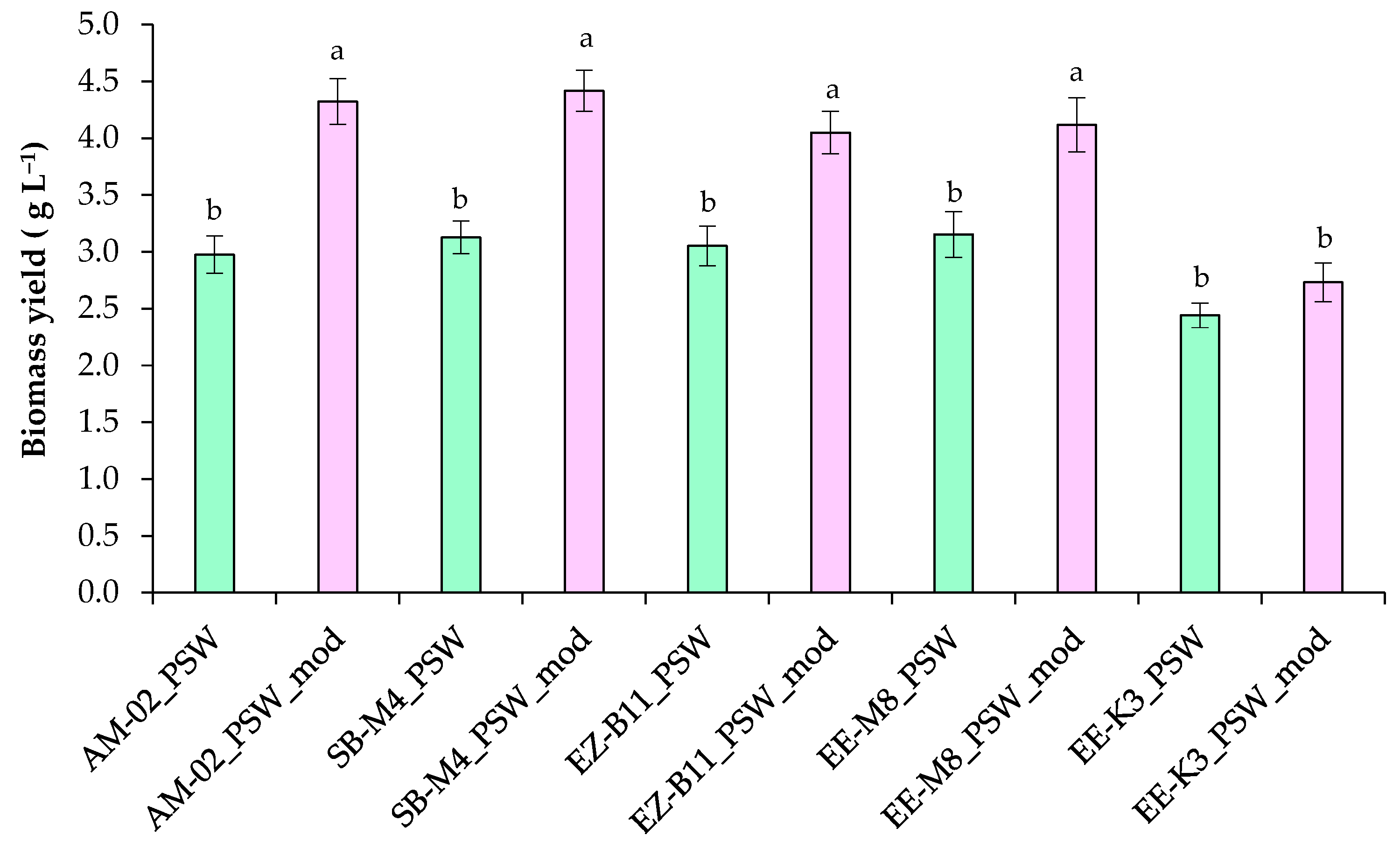
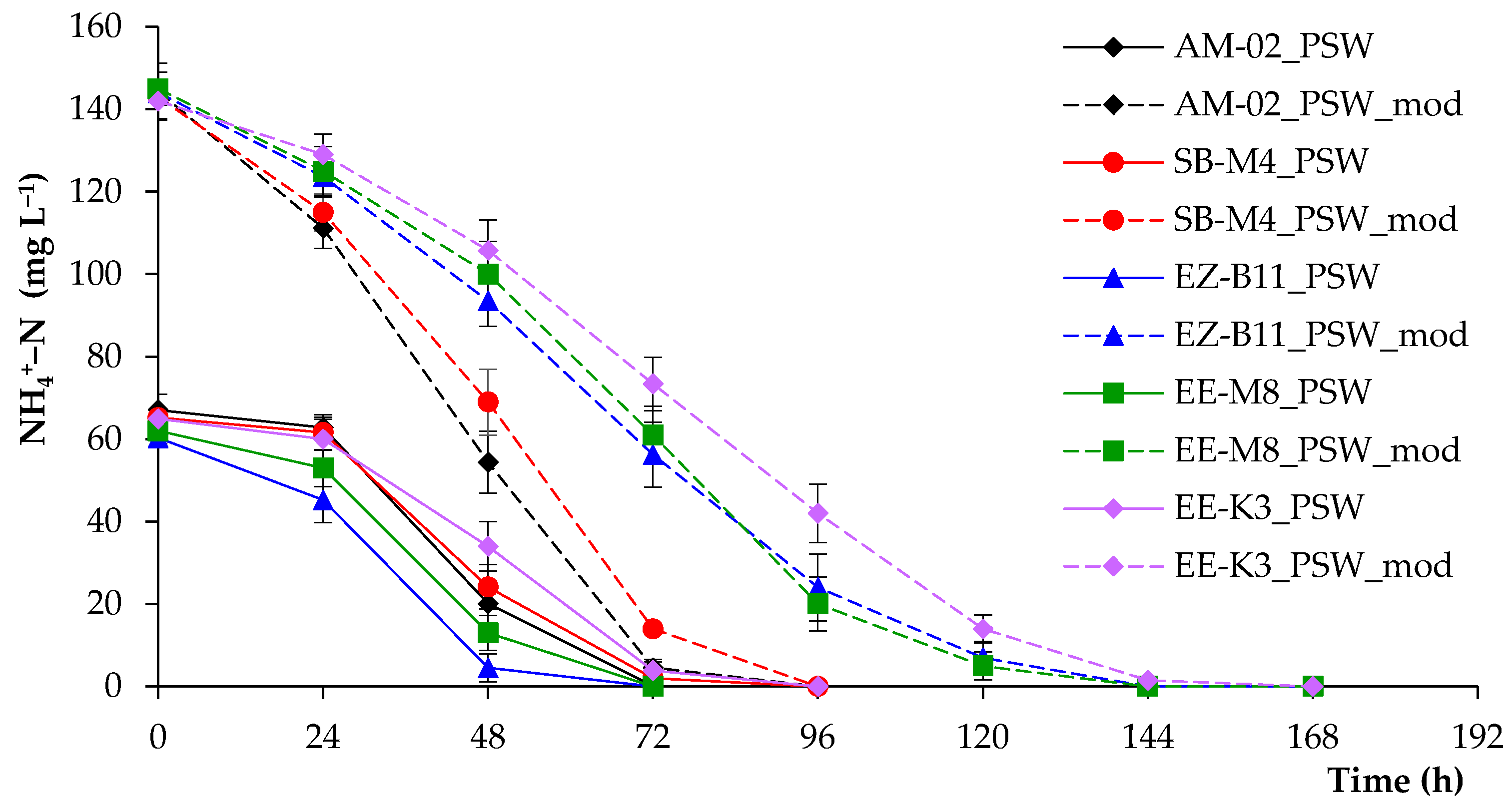
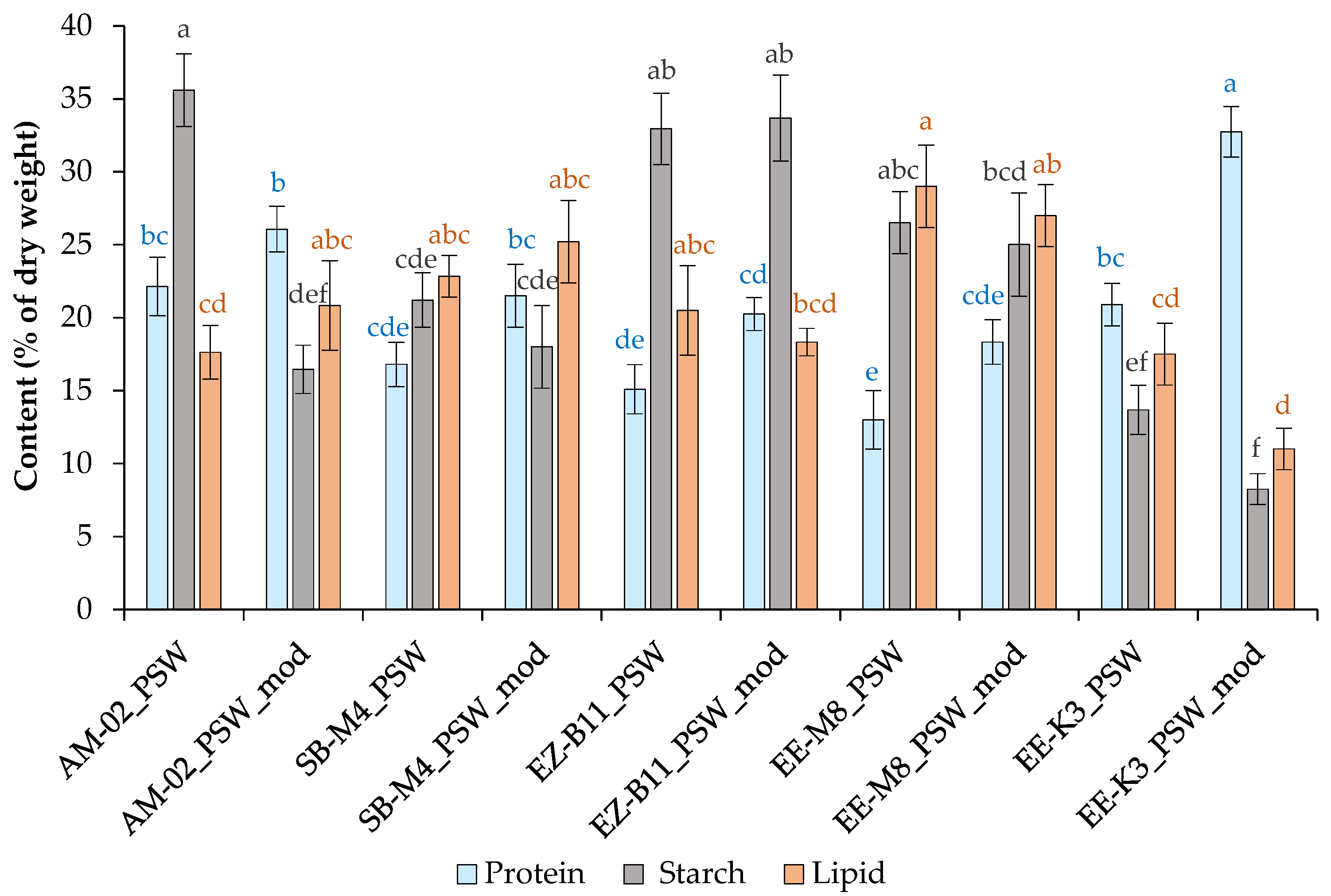
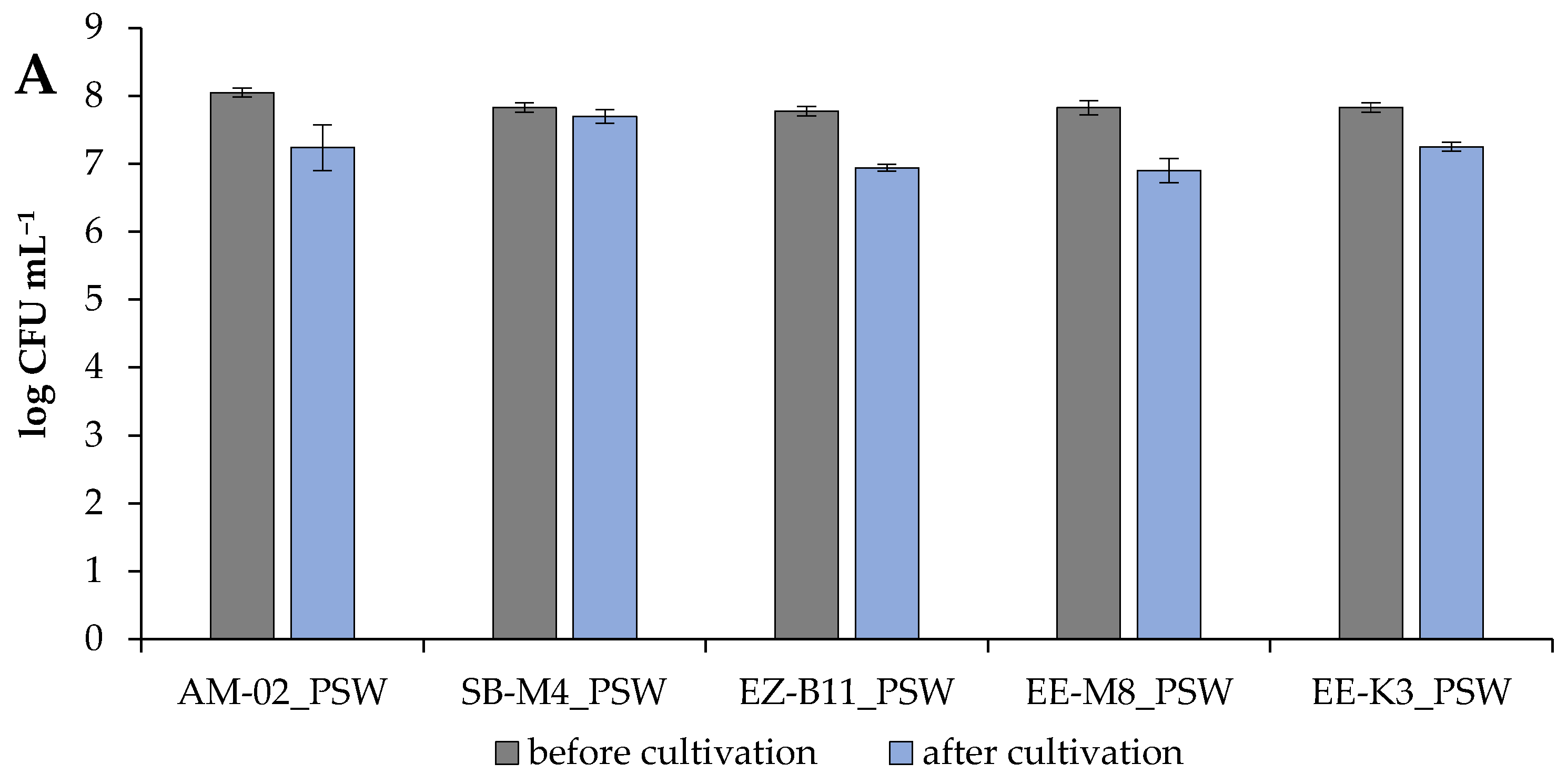
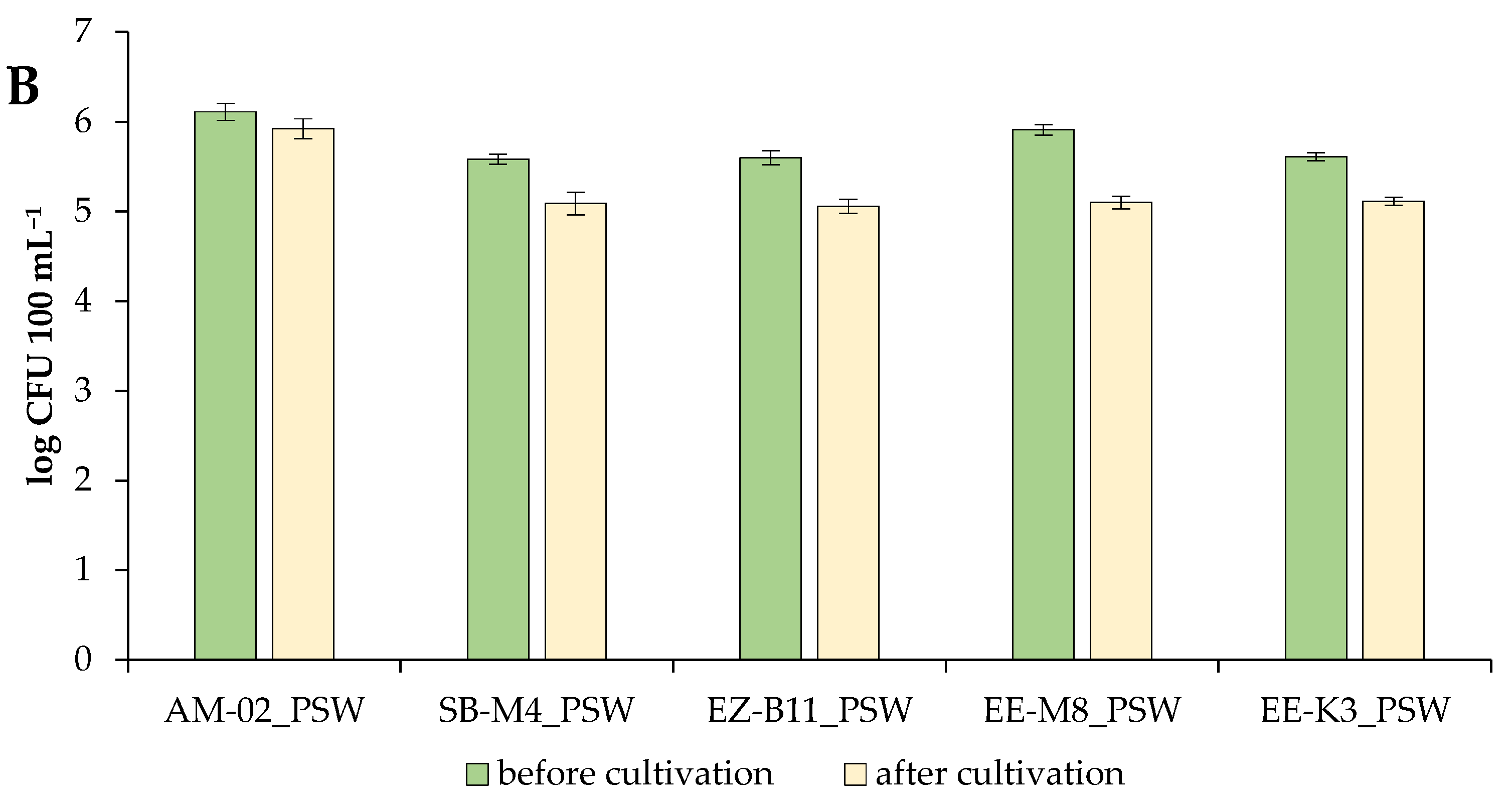
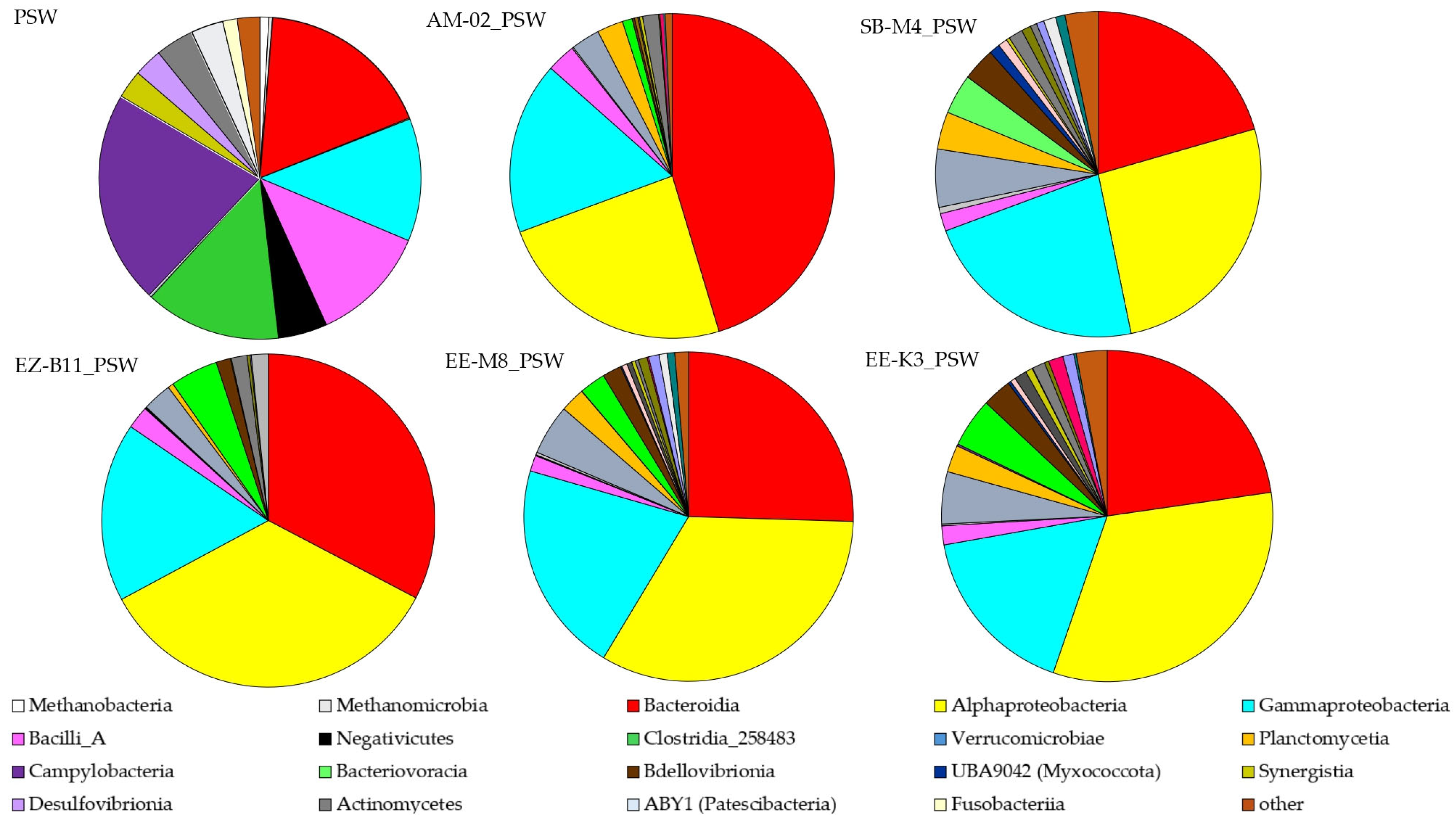
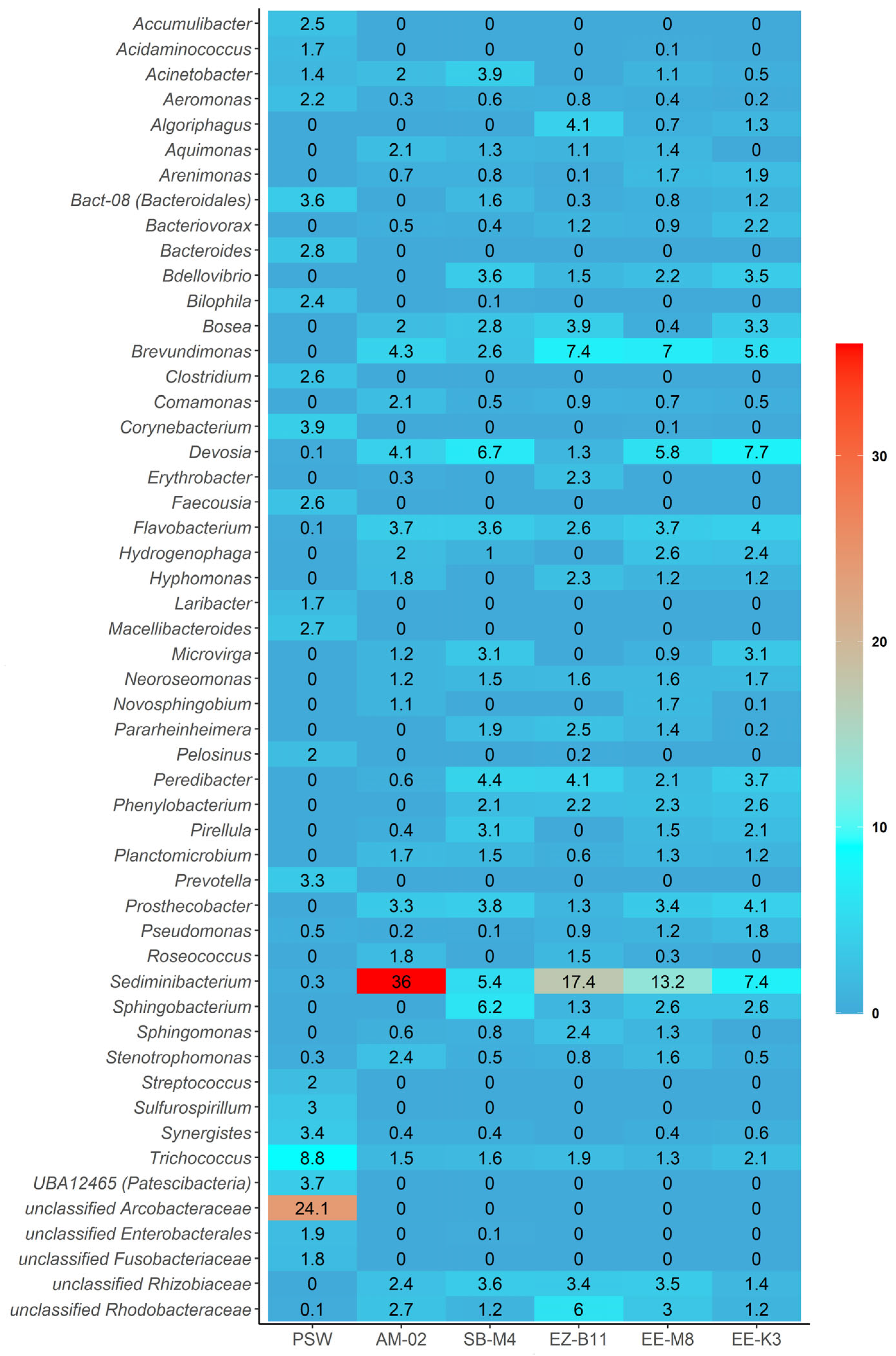
Poultry slaughterhouse wastewater (PSW) affects environmental and economic issues, and the introduction of modern treatment technologies, including microalgae-based ones, is strictly necessary. In this study, bioremediation of unsterilized PSW by several algal representatives of the genera Chlorella, Tetradesmus, Desmodesmus, and Neochloris was investigated. All microalgae grew in original wastewater, and the elevated N, P, and S levels in PSW allowed the microalgae to increase the biomass yield (from 2.44–3.15 to 2.73–4.42 g L−1). Modification of PSW for cultivation of microalgae made it possible to obtain biomass with a high content of valuable metabolites. The highest protein content was observed in cells of cultures of Chlorella sorokiniana and Neochloris sp. (26% and 33% of the final dry weight, respectively). At the same time, starch and lipids were also accumulated in the algal cells at substantial levels in both original and modified PSW. With the growth of algae, a decrease in the relative abundance of members of Arcobacteraceae and Clostridium, which include pathogens, was also observed. At the same time, PSW contained a variety of bacteria capable of stimulating the growth of microalgae. Thus, integrating microalgae into the treatment of PSW will reduce the negative impact of such wastewaters on the environment and improve the sanitary indicators.
Keywords: photobioreactors; poultry slaughterhouse wastewater; green algae-based bioremediation; valuable algal biomass; phycosphere photobioreactors; poultry slaughterhouse wastewater; green algae-based bioremediation; valuable algal biomass; phycosphere