Trends and Influencing Factors in Temporal Psychological Well-Being of Adolescents: Evidence from a Longitudinal Study

Abstract
1. Introduction
1.1. The Trajectory of Adolescent Temporal Psychological Well-Being
1.2. Relationship Between Covariates and Adolescent Temporal Psychological Well-Being
1.3. Interpersonal Relationships and Adolescents’ Temporal Psychological Well-Being
1.4. Present Study
2. Methods
2.1. Data and Sample
2.2. Measures
2.2.1. Subjective Well-Being
2.2.2. Future Confidence
2.2.3. Life Satisfaction
2.2.4. Interpersonal Relationships
2.2.5. Basic Demographic Variables
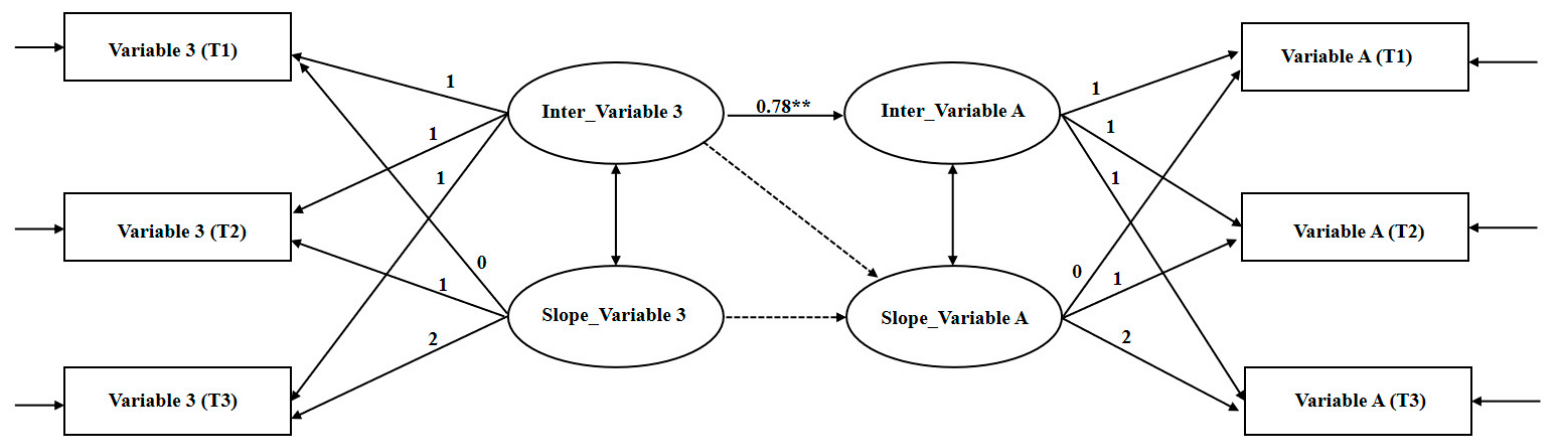
2.3. Data Analysis Strategy
3. Results
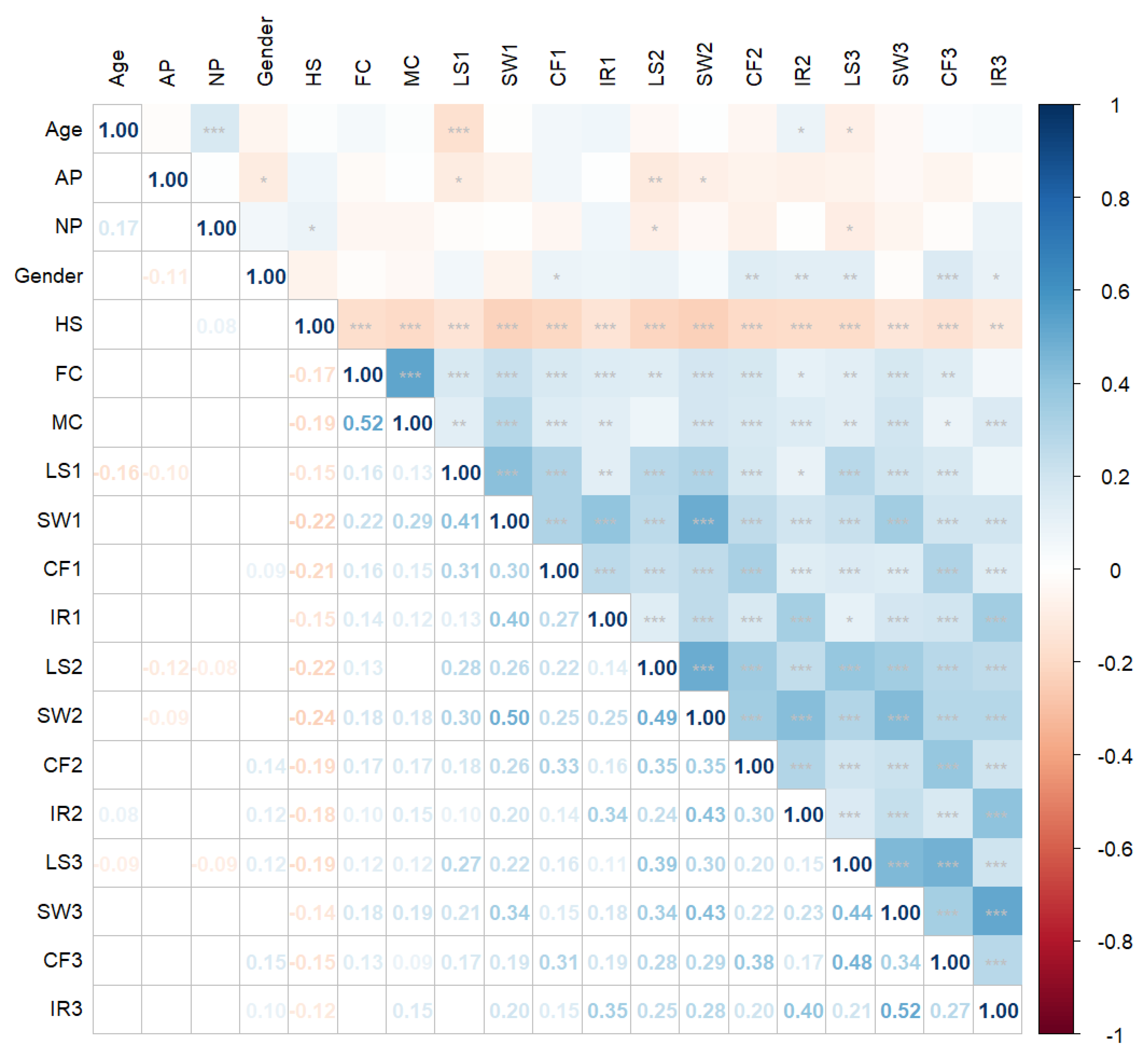
3.1. Descriptive and Correlation Analysis
3.2. Trends in Subjective Well-Being, Future Confidence, and Life Satisfaction
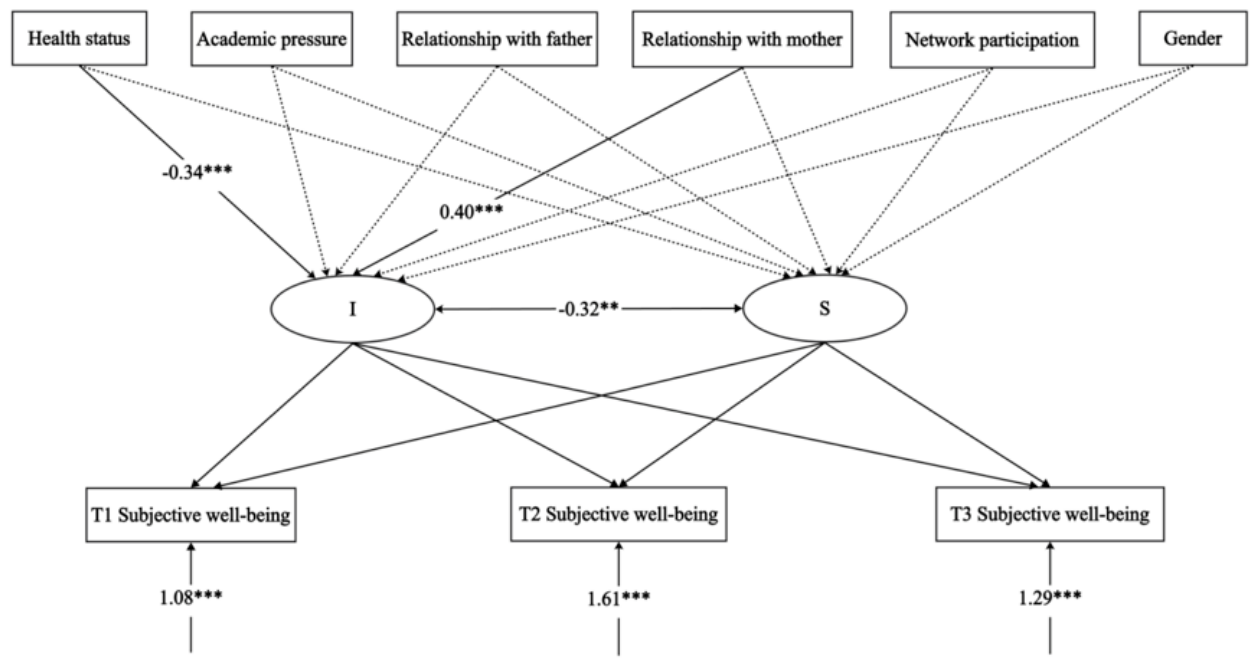
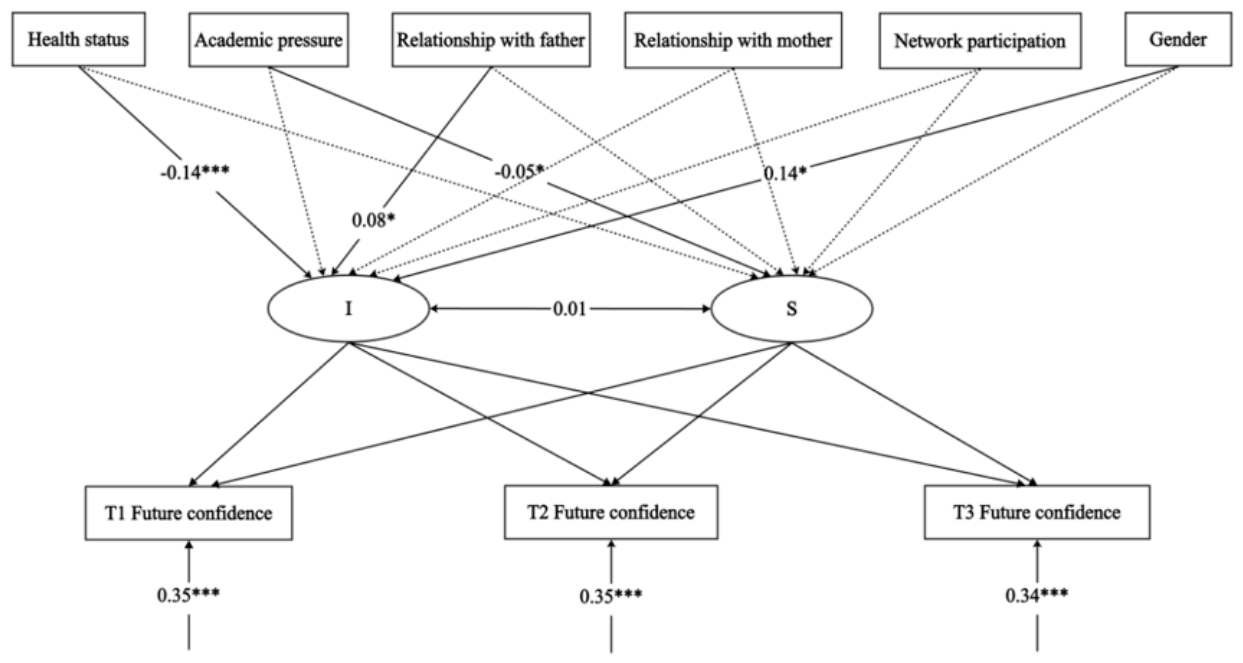
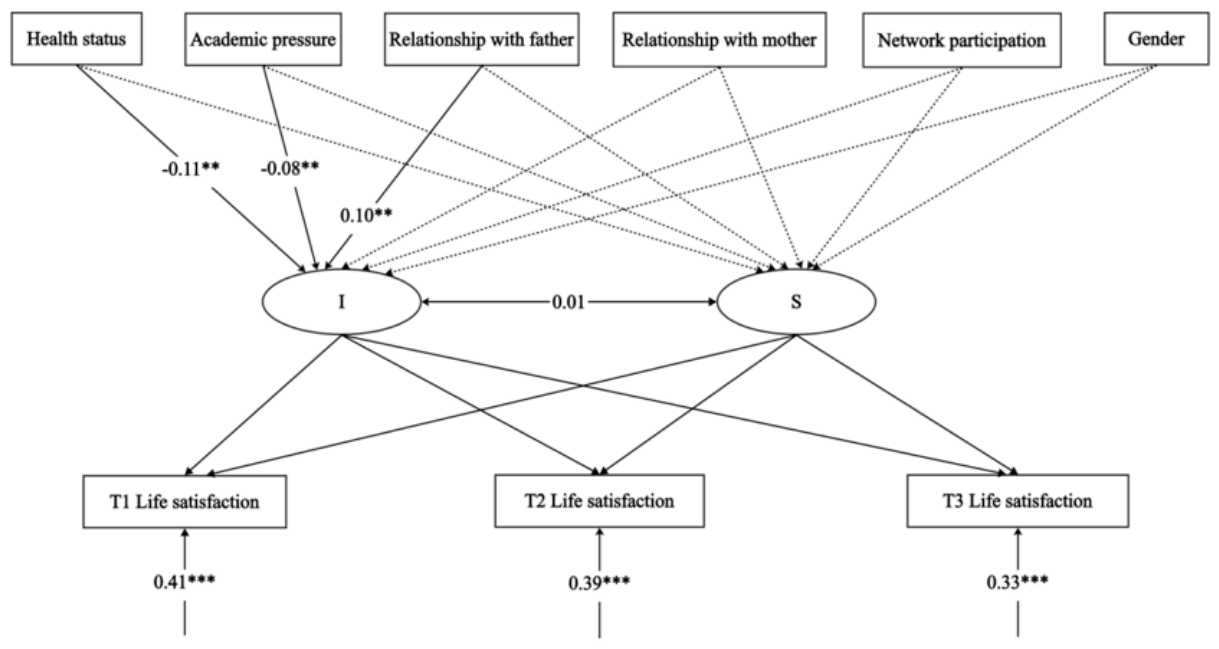
3.3. Effects of Health Status, Academic Pressure, Parental Relationships, Internet Use, and Gender on Subjective Well-Being, Future Confidence, and Life Satisfaction
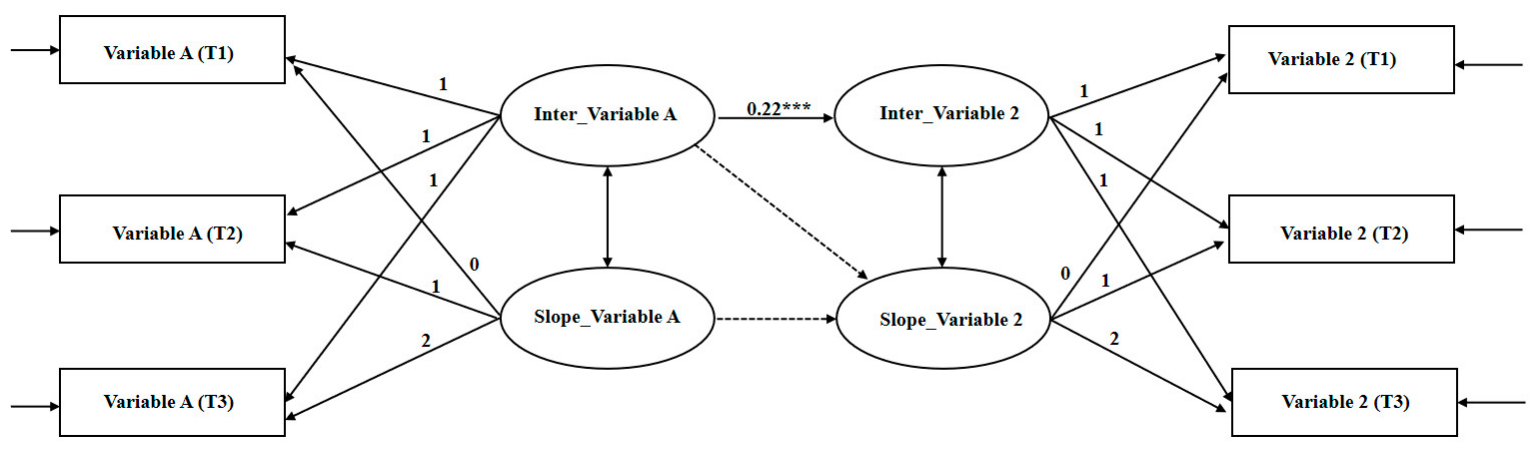
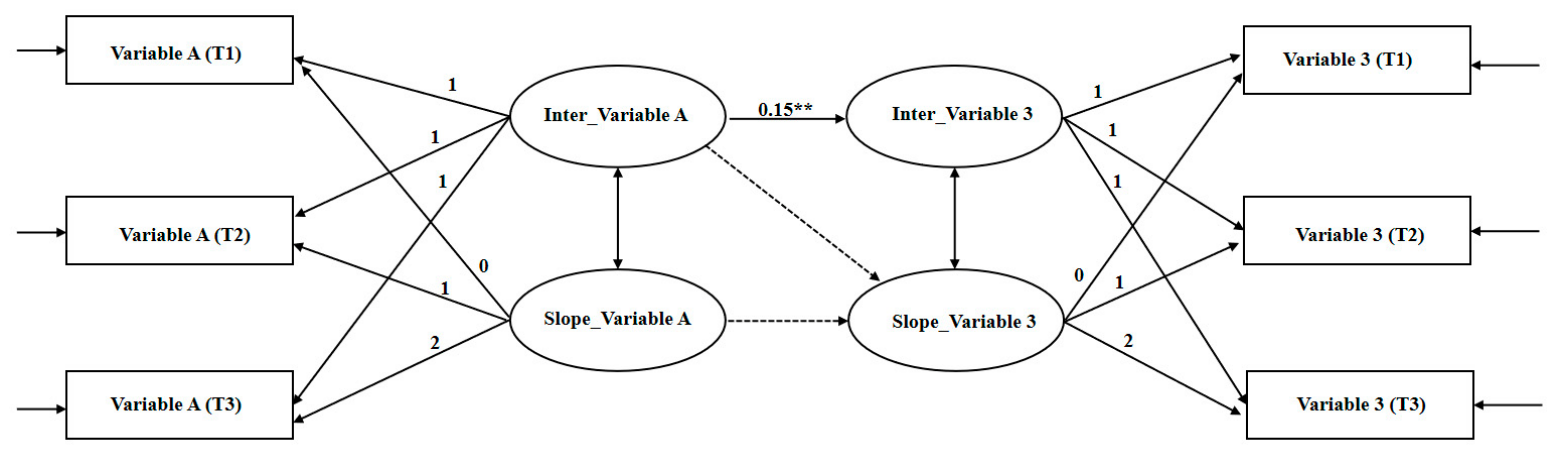
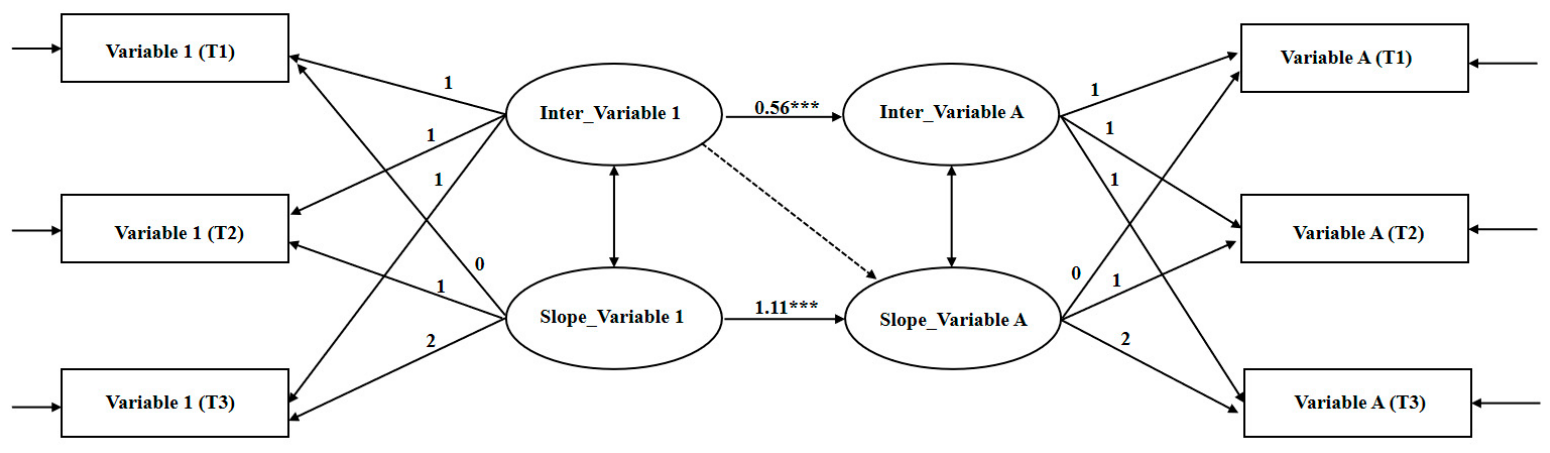
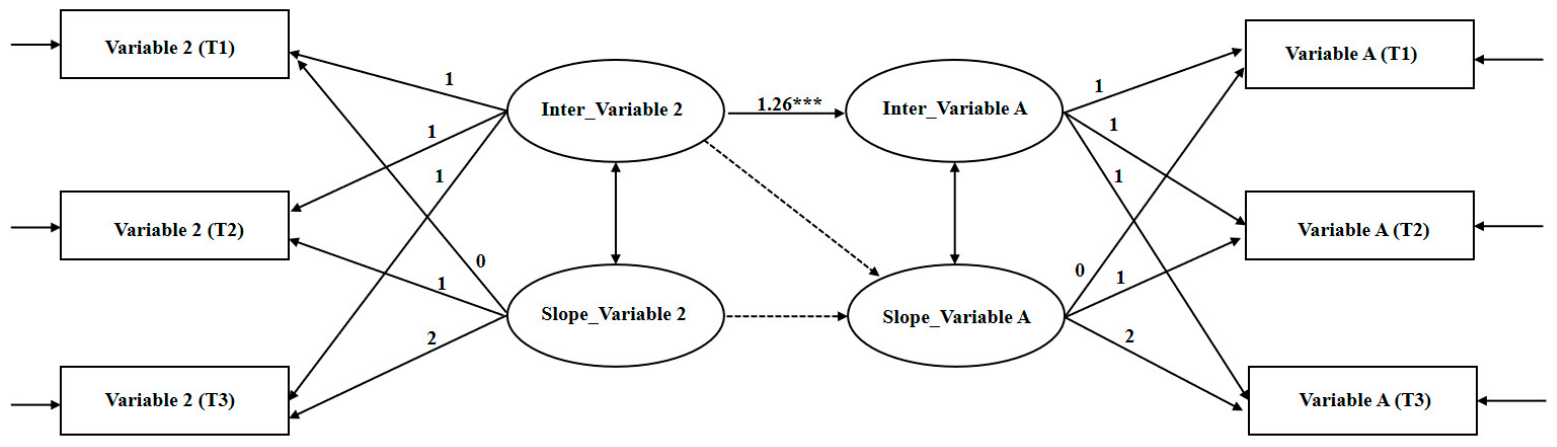
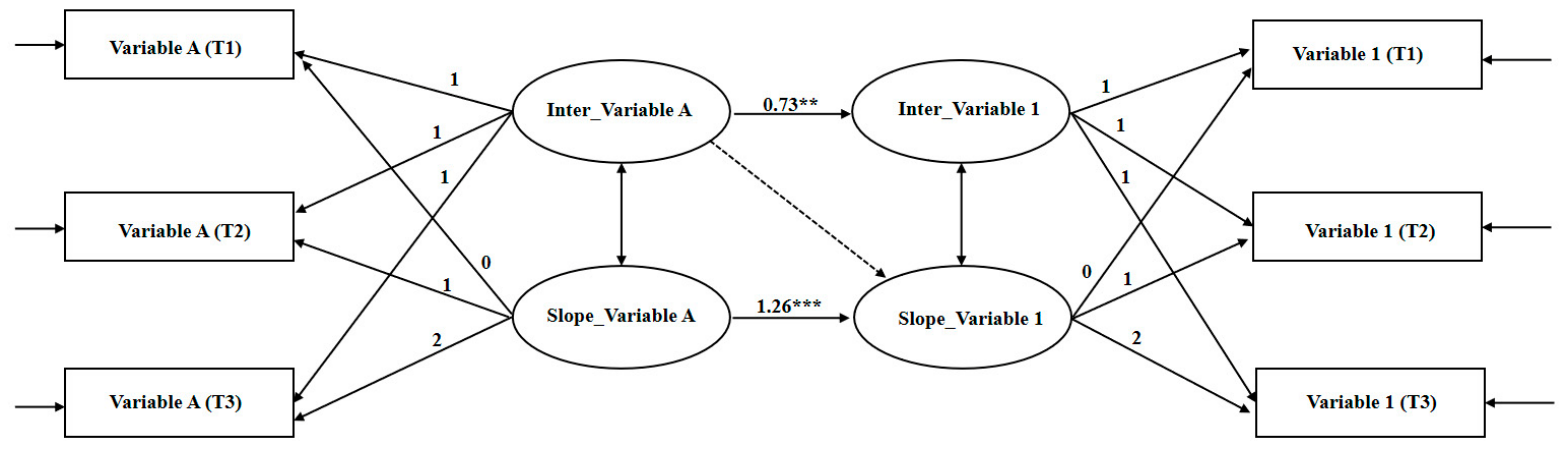
3.4. Effects of Interpersonal Relationships on the Developmental Trajectories of Subjective Well-Being, Future Confidence, and Life Satisfaction
4. Discussion
4.1. Developmental Trajectories of Adolescents’ Temporal Psychological Well-Being
4.2. The Relationship Between Predictors and Adolescents’ Temporal Mental Well-Being
4.3. Interpersonal Relationships and the Developmental Changes in Adolescents’ Subjective Well-Being, Future Confidence and Life Satisfaction
4.4. Study Limitations and Prospects
5. Conclusions
Author Contributions
Funding
Institutional Review Board Statement
Informed Consent Statement
Data Availability Statement
Conflicts of Interest
Appendix A

| Variable | Category | Frequency | Percentage (%) |
|---|---|---|---|
| Age | 16 | 170 | 29.9 |
| 17 | 120 | 21.1 | |
| 18 | 151 | 26.6 | |
| 19 | 127 | 22.4 | |
| Gender | Male | 283 | 49.8 |
| Female | 285 | 50.2 | |
| Education Level | Junior High School | 84 | 14.8 |
| Senior High School | 382 | 67.3 | |
| Vocational college | 59 | 10.4 | |
| Undergraduate | 43 | 7.5 | |
| Total | 568 | 100.0 |
| Model | χ2 | df | CFI | TLI | RMSEA | SRMR |
|---|---|---|---|---|---|---|
| 1 | 12.27 | 7 | 0.99 | 0.96 | 0.04 | 0.02 |
| 2 | 4.97 | 7 | 1.00 | 1.03 | 0.00 | 0.01 |
| 3 | 8.11 | 7 | 1.00 | 0.98 | 0.02 | 0.02 |
| Model | χ2 | df | CFI | RMSEA | SRMR |
|---|---|---|---|---|---|
| 1 | 100.02 | 20 | 0.92 | 0.08 | 0.03 |
| 2 | 37.82 | 20 | 0.97 | 0.04 | 0.02 |
| 3 | 29.67 | 20 | 0.98 | 0.03 | 0.03 |
| 4 | 91.12 | 20 | 0.92 | 0.08 | 0.03 |
| 5 | 35.58 | 20 | 0.97 | 0.04 | 0.02 |
| 6 | 30.03 | 20 | 0.98 | 0.03 | 0.03 |

References
- Aldam, S. F. S., Keliat, B. A., Wardani, I. Y., Sulistiowati, N. M. D., & Florensa, M. V. A. (2019). Risk factors of mental health in adolescents: Emotional, behavioral, family, and peer relationship problems. Comprehensive Child and Adolescent Nursing, 42(sup1), 284–290. [Google Scholar] [CrossRef]
- Andersen, E., Prim, J., Campbell, A., Schiller, C., Baresich, K., & Girdler, S. (2024). Biobehavioral mechanisms underlying testosterone and mood relationships in peripubertal female adolescents. Development and Psychopathology, 36(4), 1638–1652. [Google Scholar] [CrossRef]
- Andersen, S. L., & Teicher, M. H. (2008). Stress, sensitive periods and maturational events in adolescent depression. Trends in Neurosciences, 31(4), 183–191. [Google Scholar] [CrossRef]
- Archer, J. (1996). Sex differences in social behavior—Are the social role and evolutionary explanations compatible? American Psychologist, 51(9), 909–917. [Google Scholar] [CrossRef] [PubMed]
- Balamurali, R. (2025). The role of social media in shaping adolescent mental well-being: A comprehensive review on its pros and cons. Adolescent Psychiatry, 15(3), 229–256. [Google Scholar] [CrossRef]
- Blanchflower, D. G., & Oswald, A. J. (2008). Is well-being u-shaped over the life cycle? Social Science & Medicine, 66(8), 1733–1749. [Google Scholar] [CrossRef]
- Bond, L., Butler, H., Thomas, L., Carlin, J., Glover, S., Bowes, G., & Patton, G. (2007). Social and school connectedness in early secondary school as predictors of late teenage substance use, mental health, and academic outcomes. The Journal of Adolescent Health: Official Publication of the Society for Adolescent Medicine, 40(4), 357.e9–357.e18. [Google Scholar] [CrossRef]
- Bronfenbrenner, U. (1979). The ecology of human development: Experiments by nature and design. Harvard University Press. [Google Scholar]
- Cairns, R. B., Leung, M. C., Buchanan, L., & Cairns, B. D. (1995). Friendship and social networks in childhood and adolescence—Fluidity, reliability, and interrelations. Child Development, 66(5), 1330–1345. [Google Scholar] [CrossRef]
- Chao, R. K. (1994). Beyond parental control and authoritarian parenting style—Understanding Chinese parenting through the cultural notion of training. Child Development, 65(4), 1111–1119. [Google Scholar] [CrossRef] [PubMed]
- Chen, Y., Huang, R., Lu, Y. P., & Zhang, K. Y. (2021). Education fever in china: Children’s academic performance and parents’ life satisfaction. Journal of Happiness Studies, 22(2), 927–954. [Google Scholar] [CrossRef]
- Cheng, T. C., Powdthavee, N., & Oswald, A. J. (2017). Longitudinal evidence for a midlife nadir in human well-being: Results from Four Data Sets. Economic Journal, 127(599), 126–142. [Google Scholar] [CrossRef] [PubMed]
- Chui, W. H., & Wong, M. Y. H. (2016). Gender differences in happiness and life satisfaction among adolescents in Hong Kong: Relationships and self-concept. Social Indicators Research, 125(3), 1035–1051. [Google Scholar] [CrossRef]
- Crisp, D., Rickwood, D., Burns, R., & Bariola, E. (2025). The complete mental health of Australia’s adolescents and emerging adults: Distress and wellbeing across 3 nationally representative community samples. Epidemiology and Psychiatric Sciences, 34, e16. [Google Scholar] [CrossRef] [PubMed]
- Diener, E. (1984). Subjective well-being. Psychological Bulletin, 95(3), 542–575. [Google Scholar] [CrossRef]
- Ding, Y. L., Yao, M. Y., He, J. N., Xue, J. C., Li, X. Y., Liu, L. B., Xu, X., & Liu, L. (2025). Latent classes and predictors of depressive and anxious symptoms in Chinese adolescents: A two-wave longitudinal survey. Children and Youth Services Review, 170, 108136. [Google Scholar] [CrossRef]
- Drake, L., Duncan, E., Sutherland, F., Abernethy, C., & Henry, C. (2008). Time perspective and correlates of wellbeing. Time & Society, 17(1), 47–61. [Google Scholar] [CrossRef]
- Durayappah, A. (2011). The 3P model: A general theory of subjective well-being. Journal of Happiness Studies, 12(4), 681–716. [Google Scholar] [CrossRef]
- Ettinger, A. K., Risser, L., Rahman, S., Rigas, D., Abromitis, R., Stokes, L. R., Chavis, V., & Miller, E. (2022). Defining and measuring child and youth thriving: A scoping review. Pediatrics, 150(5), e2022056902. [Google Scholar] [CrossRef] [PubMed]
- Fan, S. M., Zhang, J., & Zhang, L. J. (2024). Life satisfaction trajectories during the transition from adolescence to emerging adulthood and the role of gender and achievement attribution: A longitudinal study of Chinese youth. Journal of Youth and Adolescence, 53(3), 753–754. [Google Scholar] [CrossRef]
- Flannery, M. (2017). Self-determination theory: Intrinsic motivation and behavioral change. Oncology Nursing Forum, 44(2), 155–156. [Google Scholar] [CrossRef]
- Fordyce, M. W. (1988). A review of research on the happiness measures—A 60 second index of happiness and mental-health. Social Indicators Research, 20(4), 355–381. [Google Scholar] [CrossRef]
- Fredrickson, B. L. (2001). The role of positive emotions in positive psychology. The broaden-and-build theory of positive emotions. The American Psychologist, 56(3), 218–226. [Google Scholar] [CrossRef]
- Garcia, D., Rosenberg, P., & Siddiqui, A. (2011). Tomorrow I could be in trouble … but the sun will come out next year: The effect of temporal distance on adolescents’ judgments of life satisfaction. Journal of Adolescence, 34(4), 751–757. [Google Scholar] [CrossRef]
- González-Carrasco, M., Casas, F., Malo, S., Viñas, F., & Dinisman, T. (2017). Changes with age in subjective well-being through the adolescent years: Differences by gender. Journal of Happiness Studies, 18(1), 63–88. [Google Scholar] [CrossRef]
- Harris, J. R. (2000). Socialization, personality development, and the child’s environments: Comment on Vandell (2000). Developmental Psychology, 36(6), 711–723. [Google Scholar] [CrossRef] [PubMed]
- Heffner, A. L., & Antaramian, S. P. (2016). The role of life satisfaction in predicting student engagement and achievement. Journal of Happiness Studies, 17(4), 1681–1701. [Google Scholar] [CrossRef]
- Herke, M., Rathmann, K., & Richter, M. (2019). Trajectories of students’ well-being in secondary education in Germany and differences by social background. European Journal of Public Health, 29(5), 960–965. [Google Scholar] [CrossRef] [PubMed]
- Hu, L. T., & Bentler, P. M. (1999). Cutoff criteria for fit indexes in covariance structure analysis: Conventional criteria versus new alternatives. Structural Equation Modeling: A Multidisciplinary Journal, 6(1), 1–55. [Google Scholar] [CrossRef]
- Hu, Y. Q., Zeng, Z. H., Peng, L. Y., Wang, H. C., Liu, S. J., Yang, Q., & Fang, X. Y. (2023). The effects of the parent-child relationship and parental educational involvement on adolescent depression, self-injury, and suicidal ideation: The roles of defeat and meaning in life. Acta Psychologica Sinica, 55(1), 129–141. [Google Scholar] [CrossRef]
- Huang, L. P., Zhu, Y. F., Kang, W., & Zhu, C. M. (2022). A survey study of Chinese adolescents’ mental and interpersonal quality: Evidence from COVID-19 pandemic. Frontiers in Psychology, 13, 1049077. [Google Scholar] [CrossRef] [PubMed]
- Jeong, Y., Bong, C., & Sehee, H. (2018). Analyzing change trajectory and determinants of life satisfaction of adolescents: An application of latent growth modeling. Korean Journal of Youth Studies, 25(1), 181–210. [Google Scholar] [CrossRef]
- Jiao, C., Wang, T., Liu, J. X., Wu, H. J., Cui, F., & Peng, X. Z. (2017). Using exponential random graph models to analyze the character of peer relationship networks and their effects on the subjective well-being of adolescents. Frontiers in Psychology, 8, 583. [Google Scholar] [CrossRef]
- Joutsenniemi, K., Härkänen, T., Pankakoski, M., Langinvainio, H., Mattila, A. S., Saarelma, O., Lönnqvist, J., & Mustonen, P. (2013). Confidence in the future, health-related behaviour and psychological distress: Results from a web-based cross-sectional study of 101 257 Finns. BMJ Open, 3(6), e002397. [Google Scholar] [CrossRef]
- Jovanovic, V. (2016). The validity of the satisfaction with life scale in adolescents and a comparison with single-item life satisfaction measures: A preliminary study. Quality of Life Research, 25(12), 3173–3180. [Google Scholar] [CrossRef]
- Kapadia, F. (2024). Adolescent mental health and well-being: A public health of consequence, February 2024. American Journal of Public Health, 114(2), 158–160. [Google Scholar] [CrossRef]
- Kim, H., Moon, H., Yoo, J. P., & Nam, E. (2020). How do time use and social relationships affect the life satisfaction trajectory of Korean adolescents? International Journal of Environmental Research and Public Health, 17(5), 1532. [Google Scholar] [CrossRef]
- Kim, T. H. (2024). Effects of social interactions in proximal contexts other than the family on life satisfaction and cooperativeness of adolescents: A cohort comparative study. The Journal of Youth Activity, 10(1), 21–50. [Google Scholar]
- Laursen, B., & Veenstra, R. (2021). Toward understanding the functions of peer influence: A summary and synthesis of recent empirical research. Journal of Research on Adolescence, 31(4), 889–907. [Google Scholar] [CrossRef]
- Li, J. Y., Li, J., Jia, R. X., Wang, Y. Q., Qian, S., & Xu, Y. (2020). Mental health problems and associated school interpersonal relationships among adolescents in China: A cross-sectional study. Child and Adolescent Psychiatry and Mental Health, 14(1), 12. [Google Scholar] [CrossRef] [PubMed]
- Liang, B. W. (2024). Cultural sources of gender gaps: Confucian meritocracy reduces gender inequalities in political participation. Electoral Studies, 91, 102848. [Google Scholar] [CrossRef]
- Liu, K., Liang, L. L., Zheng, C. B., Fei, J. S., Zhang, J. S., Xu, J. Y., Qing, Y. J., Kiyum, M., Wang, M. Y., & Mei, S. L. (2025). Future confidence trends in Chinese youth transitioning to adulthood: Role of subjective social status and academic performance. Asian Journal of Social Psychology, 28(2), e70007. [Google Scholar] [CrossRef]
- Liu, W., Mei, J., Tian, L. I., & Huebner, E. S. (2016). Age and gender differences in the relation between school-related social support and subjective well-being in school among students. Social Indicators Research, 125(3), 1065–1083. [Google Scholar] [CrossRef]
- Long, E., Zucca, C., & Sweeting, H. (2021). School climate, peer relationships, and adolescent mental health: A social ecological perspective. Youth & Society, 53(8), 1400–1415. [Google Scholar] [CrossRef]
- Lougheed, J. P., Craig, W. M., Pepler, D., Connolly, J., O’Hara, A., Granic, I., & Hollenstein, T. (2016). Maternal and peer regulation of adolescent emotion: Associations with depressive symptoms. Journal of Abnormal Child Psychology, 44(5), 963–974. [Google Scholar] [CrossRef]
- Mei, S. L., Zheng, C. B., Liang, L. L., Kiyum, M., Yuan, T. S., Fei, J. S., Liu, K., Li, H. H., & Lin, X. L. (2025). The developmental trajectories and modifiable factors of adolescents’ subjective well-being from late adolescence to early adulthood. Child and Adolescent Psychiatry and Mental Health, 19(1), 21. [Google Scholar] [CrossRef] [PubMed]
- Michel, G., Bisegger, C., Fuhr, D. C., Abel, T., & Grp, K. (2009). Age and gender differences in health-related quality of life of children and adolescents in Europe: A multilevel analysis. Quality of Life Research, 18(9), 1147–1157. [Google Scholar] [CrossRef]
- Montag, C., Demetrovics, Z., Elhai, J. D., Grant, D., Koning, I., Rumpf, H. J., Spada, M. M., Throuvala, M., & van den Eijnden, R. (2024). Problematic social media use in childhood and adolescence. Addictive Behaviors, 153, 107980. [Google Scholar] [CrossRef]
- Moore, G. F., Cox, R., Evans, R. E., Hallingberg, B., Hawkins, J., Littlecott, H. J., Long, S. J., & Murphy, S. (2018). School, peer and family relationships and adolescent substance use, subjective wellbeing and mental health symptoms in wales: A cross sectional study. Child Indicators Research, 11(6), 1951–1965. [Google Scholar] [CrossRef] [PubMed]
- Nagy-Pénzes, G., Vincze, F., & Bíró, É. (2020). Contributing factors in adolescents’ mental well-being-The role of socioeconomic status, social support, and health behavior. Sustainability, 12(22), 9597. [Google Scholar] [CrossRef]
- Orben, A., Lucas, R. E., Fuhrmann, D., & Kievit, R. A. (2022). Trajectories of adolescent life satisfaction. Royal Society Open Science, 9(8), 211808. [Google Scholar] [CrossRef]
- Pan, H. M., Liu, Q., & Pei, Y. L. (2023). Does confidence in the future matter in life satisfaction among older people in widowhood in China? Current Psychology, 42(21), 18232–18241. [Google Scholar] [CrossRef]
- Parrello, S., Postiglione, J., Sica, L. S., De Rosa, B., Parola, A., Regnoli, G. M., Fenizia, E., & Sommantico, M. (2024). Italian university students’ future time perspective and well-being during the COVID-19 pandemic. Frontiers in Psychology, 15, 1404952. [Google Scholar] [CrossRef]
- Piper, A. T. (2015). Sliding down the U-shape? A dynamic panel investigation of the age-well-being relationship, focusing on young adults. Social Science & Medicine, 143, 54–61. [Google Scholar] [CrossRef]
- Putwain, D. W., Loderer, K., Gallard, D., & Beaumont, J. (2020). School-related subjective well-being promotes subsequent adaptability, achievement, and positive behavioural conduct. British Journal of Educational Psychology, 90(1), 92–108. [Google Scholar] [CrossRef]
- Rothbaum, F., Rosen, K., Ujiie, T., & Uchida, N. (2002). Family systems theory, attachment theory, and culture. Family Process, 41(3), 328–350. [Google Scholar] [CrossRef]
- Ryan, R. M., & Deci, E. L. (2000). Self-determination theory and the facilitation of intrinsic motivation, social development, and well-being. American Psychologist, 55(1), 68–78. [Google Scholar] [CrossRef]
- Sailer, U., Rosenberg, P., Al Nima, A., Gamble, A., Gärling, T., Archer, T., & Garcia, D. (2014). A happier and less sinister past, a more hedonistic and less fatalistic present and a more structured future: Time perspective and well-being. PeerJ, 2, e303. [Google Scholar] [CrossRef]
- Salmela-Aro, K., & Tuominen-Soini, H. (2010). Adolescents’ life satisfaction during the transition to post-comprehensive education: Antecedents and consequences. Journal of Happiness Studies, 11(6), 683–701. [Google Scholar] [CrossRef]
- Santos, R. M. S., Mendes, C. G., Sen Bressani, G. Y., Ventura, S. D., Nogueira, Y. J. D., de Miranda, D. M., & Romano-Silva, M. A. (2023). The associations between screen time and mental health in adolescents: A systematic review. BMC Psychology, 11(1), 127. [Google Scholar] [CrossRef]
- Sawyer, S. M., Afifi, R. A., Bearinger, L. H., Blakemore, S. J., Dick, B., Ezeh, A. C., & Patton, G. C. (2012). Adolescent health 1 Adolescence: A foundation for future health. Lancet, 379(9826), 1630–1640. [Google Scholar] [CrossRef]
- Shi, H., Zhao, H. F., Ren, Z., He, M. F., Li, Y. Y., Pu, Y. J., Li, X. R., Wang, S. X., Cui, L., Zhao, J. Y., Liu, H. J., & Zhang, X. M. (2022). Factors associated with subjective well-being of Chinese adolescents aged 10–15: Based on China family panel studies. International Journal of Environmental Research and Public Health, 19(12), 6962. [Google Scholar] [CrossRef]
- Shulman, S. (1997). The contribution of fathers to adolescents’ individuation. Praxis der Kinderpsychologie und Kinderpsychiatrie, 46(5), 321–337. [Google Scholar]
- Somerville, L. H., Jones, R. M., Ruberry, E. J., Dyke, J. P., Glover, G., & Casey, B. J. (2013). The medial prefrontal cortex and the emergence of self-conscious emotion in adolescence. Psychological Science, 24(8), 1554–1562. [Google Scholar] [CrossRef]
- Steare, T., Muñoz, C. G., Sullivan, A., & Lewis, G. (2023). The association between academic pressure and adolescent mental health problems: A systematic review. Journal of Affective Disorders, 339, 302–317. [Google Scholar] [CrossRef]
- Suldo, S. M., & Shaffer, E. J. (2008). Looking beyond psychopathology: The dual-factor model of mental health in youth. School Psychology Review, 37(1), 52–68. [Google Scholar] [CrossRef]
- Tonhajzerova, I., & Mestanik, M. (2017). New perspectives in the model of stress response. Physiological Research, 66, S173–S185. [Google Scholar] [CrossRef]
- van Harmelen, A. L., Kievit, R. A., Ioannidis, K., Neufeld, S., Jones, P. B., Bullmore, E., Dolan, R., Fonagy, P., Goodyer, I., & Consortium, N. (2017). Adolescent friendships predict later resilient functioning across psychosocial domains in a healthy community cohort. Psychological Medicine, 47(13), 2312–2322. [Google Scholar] [CrossRef]
- Volkova, E. N., & Sorokoumova, G. V. (2024). Psychological criteria of adolescent well-being in the context of digital socialization. Social Psychology and Society, 15(2), 12–27. [Google Scholar] [CrossRef]
- Wang, C. H., Hong, F. Y., & Hsu, T. Y. (2025). Examining the relationship between daily academic hassles, academic buoyancy, flourishing, and mental and physical health issues among Taiwanese high school students. Psychology in the Schools, 62(4), 1283–1293. [Google Scholar] [CrossRef]
- Wang, R. N., Li, D., Zhang, J. W., Song, G. R., Liu, Q. G., & Tang, X. (2022). The relationship between parent-adolescent communication and depressive symptoms: The roles of school life experience, learning difficulties and confidence in the future. Psychology Research and Behavior Management, 15, 1295–1310. [Google Scholar] [CrossRef]
- Wei, R. G., & Zhang, L. (2025). Academic satisfaction and depressive symptoms in Chinese adolescents: The multiple mediating roles of interpersonal relationships and subjective well-being. Asia Pacific Journal of Education, 45(4), 1246–1262. [Google Scholar] [CrossRef]
- Wolf, K., & Schmitz, J. (2024). Scoping review: Longitudinal effects of the COVID-19 pandemic on child and adolescent mental health. European Child & Adolescent Psychiatry, 33(5), 1257–1312. [Google Scholar] [CrossRef]
- Xie, Y., & Hu, J. W. (2014). An introduction to the China family panel studies (CFPS). Chinese Sociological Review, 47(1), 3–29. [Google Scholar] [CrossRef]
- Ying, Y. W., & Han, M. Y. (2008). Parental contributions to southeast Asian American adolescents’ well-being. Youth & Society, 40(2), 289–306. [Google Scholar] [CrossRef]
- Yoon, Y., Eisenstadt, M., Lereya, S. T., & Deighton, J. (2023). Gender difference in the change of adolescents’ mental health and subjective wellbeing trajectories. European Child & Adolescent Psychiatry, 32(9), 1569–1578. [Google Scholar] [CrossRef]
- Zambrano, H. R. G., Ronceros, R. A. D., & Dreibelbis, M. A. P. (2024). The subjective well-being in Peruvian adolescence: Identifying domains and evaluations in a non-WEIRD context. Journal of Research on Adolescence, 34(2), 466–476. [Google Scholar] [CrossRef]
- Zhang, Y., Deng, G., Zhang, Z., Zhou, Q., Gao, X., Di, L., Che, Q., Du, X., Cai, Y., Han, X., & Zhao, Q. (2015). A cross sectional study between the prevalence of chronic pain and academic pressure in adolescents in China (Shanghai). BMC Musculoskeletal Disorders, 16, 219. [Google Scholar] [CrossRef] [PubMed]
- Zimbardo, P. G., & Boyd, J. N. (1999). Putting time in perspective: A valid, reliable individual-differences metric. Journal of Personality and Social Psychology, 77(6), 1271–1288. [Google Scholar] [CrossRef]
| Variable | χ2 | df | CFI | TLI | RMSEA | SRMR | Means | Variances | Intercept-Slope Covariance | ||
|---|---|---|---|---|---|---|---|---|---|---|---|
| I | S | I | S | ||||||||
| 1 | 1.09 | 1 | 1.00 | 1.00 | 0.01 | 0.01 | 7.93 *** | −0.12 ** | 1.60 *** | 0.25 ** | −0.36 ** |
| 2 | 0.00 | 1 | 1.00 | 1.02 | 0.00 | 0.00 | 4.04 *** | −0.08 *** | 0.18 *** | 0.02 | 0.00 |
| 3 | 3.23 | 1 | 0.99 | 0.96 | 0.06 | 0.02 | 3.94 *** | −0.07 ** | 0.16 ** | 0.04 | 0.00 |
| 4 | 0.01 | 1 | 1.00 | 1.01 | 0.00 | 0.00 | 6.99 *** | −0.02 | 0.81 *** | 0.05 | −0.01 |
Disclaimer/Publisher’s Note: The statements, opinions and data contained in all publications are solely those of the individual author(s) and contributor(s) and not of MDPI and/or the editor(s). MDPI and/or the editor(s) disclaim responsibility for any injury to people or property resulting from any ideas, methods, instructions or products referred to in the content. |
© 2026 by the authors. Licensee MDPI, Basel, Switzerland. This article is an open access article distributed under the terms and conditions of the Creative Commons Attribution (CC BY) license.
Share and Cite
Hu, Y.; Zhang, L.; Yuan, T.; Cui, Y.; Liu, K.; Ding, F.; Su, Y.; Zhang, C.; Pan, L.; Zheng, C.; et al. Trends and Influencing Factors in Temporal Psychological Well-Being of Adolescents: Evidence from a Longitudinal Study. Behav. Sci. 2026, 16, 889. https://doi.org/10.3390/bs16060889
Hu Y, Zhang L, Yuan T, Cui Y, Liu K, Ding F, Su Y, Zhang C, Pan L, Zheng C, et al. Trends and Influencing Factors in Temporal Psychological Well-Being of Adolescents: Evidence from a Longitudinal Study. Behavioral Sciences. 2026; 16(6):889. https://doi.org/10.3390/bs16060889
Chicago/Turabian StyleHu, Yuanchao, Liqiang Zhang, Tongshuang Yuan, Yujie Cui, Kai Liu, Fangfang Ding, Yaning Su, Chaofan Zhang, Liru Pan, Chengbin Zheng, and et al. 2026. "Trends and Influencing Factors in Temporal Psychological Well-Being of Adolescents: Evidence from a Longitudinal Study" Behavioral Sciences 16, no. 6: 889. https://doi.org/10.3390/bs16060889
APA StyleHu, Y., Zhang, L., Yuan, T., Cui, Y., Liu, K., Ding, F., Su, Y., Zhang, C., Pan, L., Zheng, C., & Mei, S. (2026). Trends and Influencing Factors in Temporal Psychological Well-Being of Adolescents: Evidence from a Longitudinal Study. Behavioral Sciences, 16(6), 889. https://doi.org/10.3390/bs16060889