
Article

New Insight into the Presence of Woody Vegetation in the Lateglacial Landscapes of the Eastern Baltic Region: The Results of a Paleoanthracological Analysis of the Kulikovo Section (Kaliningrad Region, Russia)

by
Olga Druzhinina
1,*,
Kseniya Filippova
1,2,
Lyudmila Lazukova
1,2 and
Alexandra Golyeva
2
1
Faculty of Geography, Herzen State Pedagogical University of Russia, 191186 Saint-Petersburg, Russia
2
Institute of Geography, Russian Academy of Sciences, 119017 Moscow, Russia
*
Author to whom correspondence should be addressed.
Geosciences 2026, 16(3), 92; https://doi.org/10.3390/geosciences16030092
Submission received: 9 November 2025 / Revised: 11 February 2026 / Accepted: 13 February 2026 / Published: 24 February 2026
(This article belongs to the Special Issue Arctic Geoarchaeology and Environmental Archaeology)

Abstract

In this paper, we present the results of a paleoanthracological analysis of the Lateglacial Kulikovo section (eastern Baltic, Kaliningrad region). This is proposed as a new methodological approach to studying the presence of woody taxa in Lateglacial vegetation. Woody vegetation is an important marker of environmental dynamics in post-glacial areas and one of the most important indicators of climate amelioration. Therefore, establishing the time of the appearance of woody vegetation during the Lateglacial period is essential. Paleoanthracological analysis revealed 22 macrocharcoal morphotypes, among which were the following indicators of woody (coniferous and deciduous) vegetation: wood, punky wood, needles, leaf stems, etc. The results indicate an almost continuous local presence of woody species in the study area since the Older Dryas, 14.0 ka. This conclusion is in good agreement with the available data on the presence of phytoliths of conifers and palynological data, indicating that from the end of the Older Dryas up to approximately 12.5 ka, the percentage of arboreal vegetation did not fall below 50% of terrestrial pollen, and over a significant part of the studied time interval it reached 70–80%. Paleoanthracological analysis can serve as both an independent method of studying the emergence of woody vegetation in a certain area and an important addition to the reconstruction of Lateglacial vegetation based on pollen data.

1. Introduction

Paleoanthracological analysis involves analyzing the content, concentration, and types of macroscopic charcoal particles in lake and wetland sediments. Most researchers use this method to study the history of fire activity and reconstruct long-term changes in fire occurrence, complementing and expanding reconstructions based on palynological, dendrochronological, and historical data [1,2]. Macrocharcoal analysis has been used for studying fire history since the 1980s [3,4].
In addition to reconstructing past fire activity, supplementary paleoecological information can be obtained from charcoal particle morphology. For example, identifying burnt material—wood, leaves, conifer needles, and grass—provides a valuable source of information for paleobotanical reconstructions, namely, the character of local vegetation. Currently, the macrocharcoal classification of Mustaphi and Pisaric [5] is used for these purposes. It was developed based on observations of >100,000 macroscopic charcoal fragments larger than 150 µm, obtained while studying the Holocene lake sediments in a zone of mixed-conifer forests in western Canada, and describes 27 variations in the macroscopic morphology of charcoal. Their morphological classification applies to sedimentary charcoal ranging in size from 100 µm to approximately 2 cm.
It is assumed that macrocharcoal is unlikely to be suspended at normal wind speeds and, if suspended, would travel much shorter distances than the smaller charcoal (microcharcoal) typically found in pollen samples. According to J.S. Clark [3], these larger charcoal particles reflect the fire regime in the catchment of a lake or swamp. The dispersal distance of macrocharcoal depends on fire intensity, the area burned, and conditions favorable for redeposition, and ranges from tens to hundreds of meters, in some cases reaching up to 10–20 km [6]. Deposited macroscopic charcoal (>125 µm) in lake sediments tends to have a source area of <500 m [5]. Thus, studying the type of burned material based on studies of macrocharcoals reflects its local sources, i.e., local vegetation.
When examining the evolution of plant cover, woody vegetation deserves special attention due to its significant ecological role in Lateglacial landscapes. It is an important marker of environmental dynamics in post-glacial areas and one of the most important indicators of climate amelioration. Therefore, the timing of the appearance of woody vegetation during the Lateglacial is essential. The presence and density of vegetation influenced the microclimate, the formation of soil, the intensity of surface erosion, and the surface water runoff regime. During the Lateglacial, the degree of landscape openness, the presence or absence of forests, and the vegetation composition were among the main factors determining ancient populations’ subsistence strategies. Thus, studying the emergence of woody vegetation in a certain area is essential for understanding past natural environments.
Palynological data are the most extensive source of information on tree cover dynamics. In the Baltic region, pollen from tree species (mostly Pinus and Betula) has been recorded as early as the Oldest Dryas deposits [7,8]. However, most researchers treat these data with caution, considering the possible long-distance air transport of pollen, which could have been facilitated by the surrounding landscape’s openness and the strong winds expected in certain periods of the Lateglacial. As a result, using only palynological information in paleoreconstructions may over- or underestimate the role of tree cover in Lateglacial landscapes. Other categories of paleobotanical data, such as plant macro- and microremains (phytoliths, epidermal fragments, wood, bark, needles, etc.), can verify and supplement palynological information [7,9]. We advocate the use of paleoanthracological analysis and, specifically, the determination of the type of burnt material as a new methodological approach to studying the emergence of woody vegetation in a certain area.
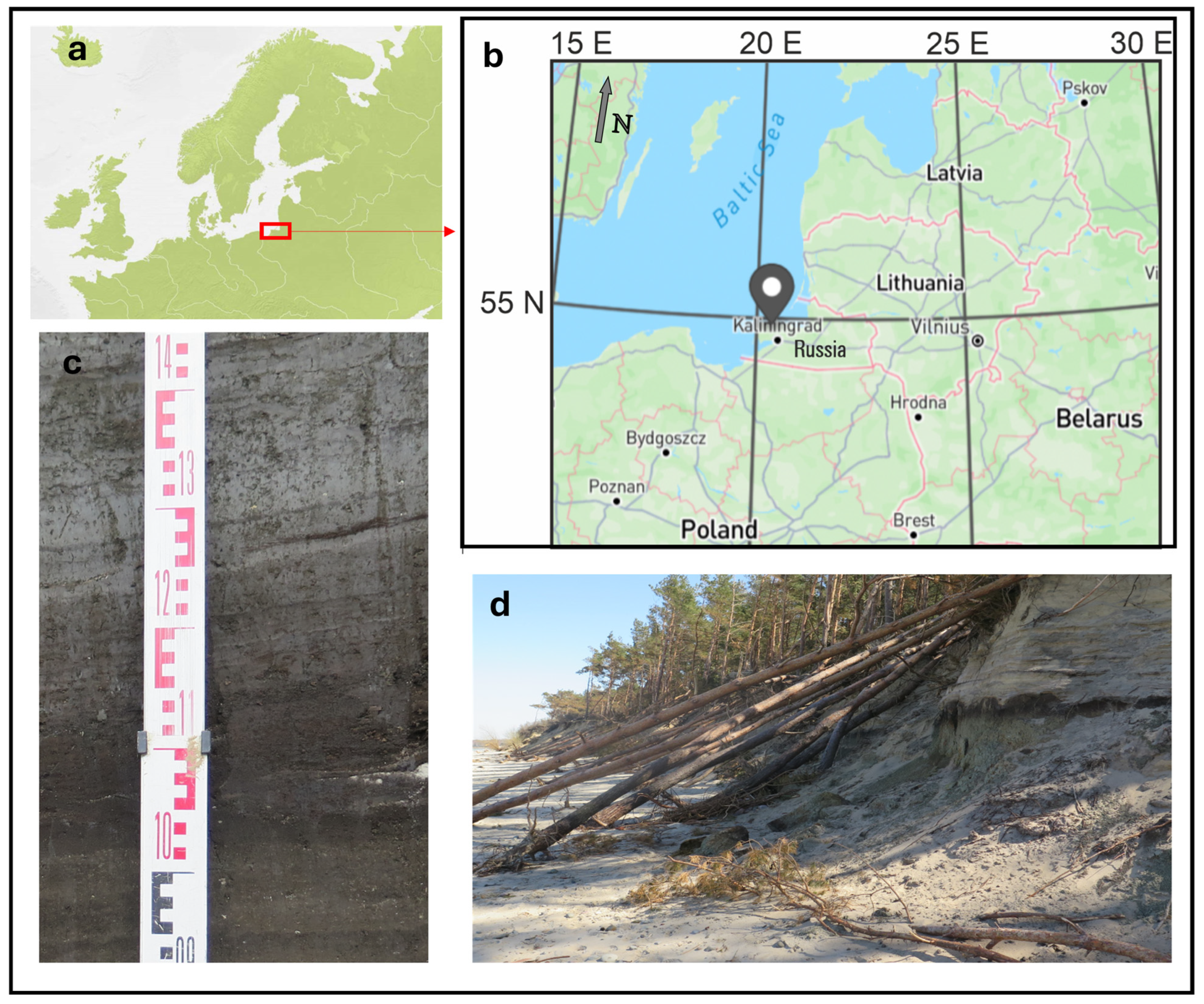
The Kulikovo Lateglacial section (54°56′ N, 20°21′ E) is a new sediment record studied during 2023–2025 in the eastern Baltic region (Figure 1). The section is reliably dated (Table 1), and comprehensive lithological, phytolith, and palynological studies of the deposits have been conducted every 1–3 cm along the visible stratification of the sediments at the microstratigraphic level [10,11]. The results demonstrate the uniqueness of the section: the 192 cm thick strata span 14.1–12.5 ka and enable a high-resolution reconstruction of this time period’s natural environment (all dates are cited in calibrated radiocarbon years BP). In this article, we discuss the paleoanthracological analysis results from this section, their correlation with other paleobotanical data, and their significance for clarifying the issue of the presence of woody vegetation in Lateglacial landscapes.

2. Materials and Methods

Fieldwork and previous research. Sediment samples were collected in large metal tins, 7 cm wide by 50 cm long, and transported to laboratories for processing and analyses. Samples (1–3 cm each) were taken according to the visible layering of the sediment. The methods and results of lithological, geochronological, phytolith, and palynological analyses are presented in detail in previous articles [10,11].
Paleoanthracological analysis. This included counting and identifying macrocharcoal (linear dimensions > 100 µm) particles in 66 samples by treating the soil with a 9% hydrogen peroxide solution (H2O2) and washing the sediment through a 0.1 mm (100 μm) sieve. The remaining material was examined in a Petri dish using a MOTIC SMZ-168 binocular microscope (Motic Incorporation Limited, Barcelona, Spain) at 10–50× magnification. Classifications of charcoal by morphotype and burnt material determination were performed according to Mustaphi and Pisaric [5]. Morphological types were distinguished by shape: (A) polygonal; (B) blocks and rectangles; (C), (D) elongated; (E) spheroidal; and (F), (G) irregular and glassy shapes. In addition to geometric parameters, structural and textural features were described: charcoal particles can be simple or grooved, contain voids, have a lattice structure, have veins, etc. [5].

3. Results

Our analysis revealed 22 morphotypes of macrocharcoals (Table 2).
In general, their diversity and quantity increased from deeper layers to the surface. The first appearance of woody vegetation indicators was recorded in the sample corresponding to 14.0 ka, while the maximum amount and greatest diversity of charcoal particles were recorded in samples between 13.3 ka and 12.8 ka. The greatest number of morphotypes was represented by the following:
  • B1-type—39 charcoals (voluminous blocks, supposed fuel source—wood);
  • D1-type—33 charcoals (thin and long, supposed fuel source—monocot leaves and wood);
  • A3-type—24 charcoals (monolithic polygons, supposed fuel source—punky wood and leaves);
  • C3-type—24 charcoals (long and thin, supposed fuel source—twigs and woody material). The most numerous were morphological types D2 (leaves), E3 (resin?), and B2 (wood, monocot leaves). Charcoals were absent from 16 samples.

4. Discussion

According to previous modeling results, most of the Baltic territory was already free of ice cover by 17.8–16 ka [12,13,14]. Recent paleoclimatic studies have shown that the global climatic transition from the Last Glacial Maximum to the Holocene was accompanied by rapid warming [14]. Summer temperatures were likely similar to present-day values (+16–18 °C), and thus higher than previously assumed [15,16]. For the Baltic region, two independent sources of paleoclimatic data exist: botanical macroremains and chironomids. A study based on plant macroremains found in numerous Scandinavian paleoarchives revealed that summer temperatures during the Lateglacial period ranged from +14–16 °C [15]. Similar temperature values were obtained from chironomid-based studies. Thus, chironomid-inferred July temperatures for central Poland fluctuated between +16 and +18 °C during the Bølling–Younger Dryas interval. Values obtained for Lithuania are somewhat lower, but also comparable to modern ones, and range from +14–16 °C [11]. Comparison of the minimum temperatures required for the growth of tree species like pine (+11–12 °C), alder (+14–15 °C), and hazel (+14.6–15 °C) with those reconstructed for the Lateglacial [11] suggests that the climatic conditions of the summer seasons were favorable for the spread of woody vegetation across the wider Baltic region.
Paleobotanical studies conducted in the eastern Baltic region over the past two decades have shown that the Lateglacial vegetation of this area underwent numerous changes, from the prevalence of pioneer herbaceous and dwarf shrub communities during those periods with a more severe climate to true forests during the period of climatic amelioration [8,9,17,18,19,20,21,22]. Recent research has shown that one of the main characteristics of the Lateglacial vegetation in the Baltic region and Scandinavia was the simultaneous presence of tundra, taiga, and hemiboreal plant communities, with proportions determined by climatic conditions and local factors such as slope exposure, humidity, soil type, etc. [11,15].
In studying the issue of the appearance of woody vegetation in Lateglacial landscapes, in addition to pollen, two main categories of data are used: plant macroremains and botanical microparticles (e.g., stomata), which are found in pollen samples often by chance. As mentioned previously, in the Baltic region, pollen from tree species, as well as Pinus stomata [7] and Betula sect. Albae macroremains [17], have already been recorded in pre-Bølling deposits at several locations in Lithuania and Latvia [7,9]. In these sediments, the AP (arboreal pollen) value during this period fluctuates between 50% and 90% of terrestrial pollen with an increasing trend. Nevertheless, researchers are cautious regarding these data, assuming that if trees were present, they must have been sparse and represented by local stands of trees [7].
Climatic amelioration during the Bølling–Allerød interval was favorable for the appearance of woodland in this region. According to Heikkilä et al. [7], the prevalent role of Pinus both in pollen (up to 60%), stomatal, and macrofossil (bark, bud-scales, needle, anther) assemblages attests to its dominance in the local and regional landscape. The pollen value of the tree Betula (up to 30%) and the presence of its macrofossils in sediments prove that this was also a common taxon in the woodland. In Latvia, and probably in the territories to the south, the closure of the Pinus forest took place no later than 14.4 ka [7], though some researchers remain doubtful regarding the broad presence of trees earlier than 13.4 ka [9].
The vegetation change at the start of the Younger Dryas is recorded in most regional records [7,8,9,10,11,12,13,14]. Open communities expanded, while the contribution of woody taxa dropped, at least during the first few centuries of the Younger Dryas. However, the woody vegetation did not disappear, since tree stomata, macrofossils, and high pollen values (Pinus, Betula, Picea) are recorded at various locations in the Baltic region, Poland and Scandinavia [7,9,17,23,24].
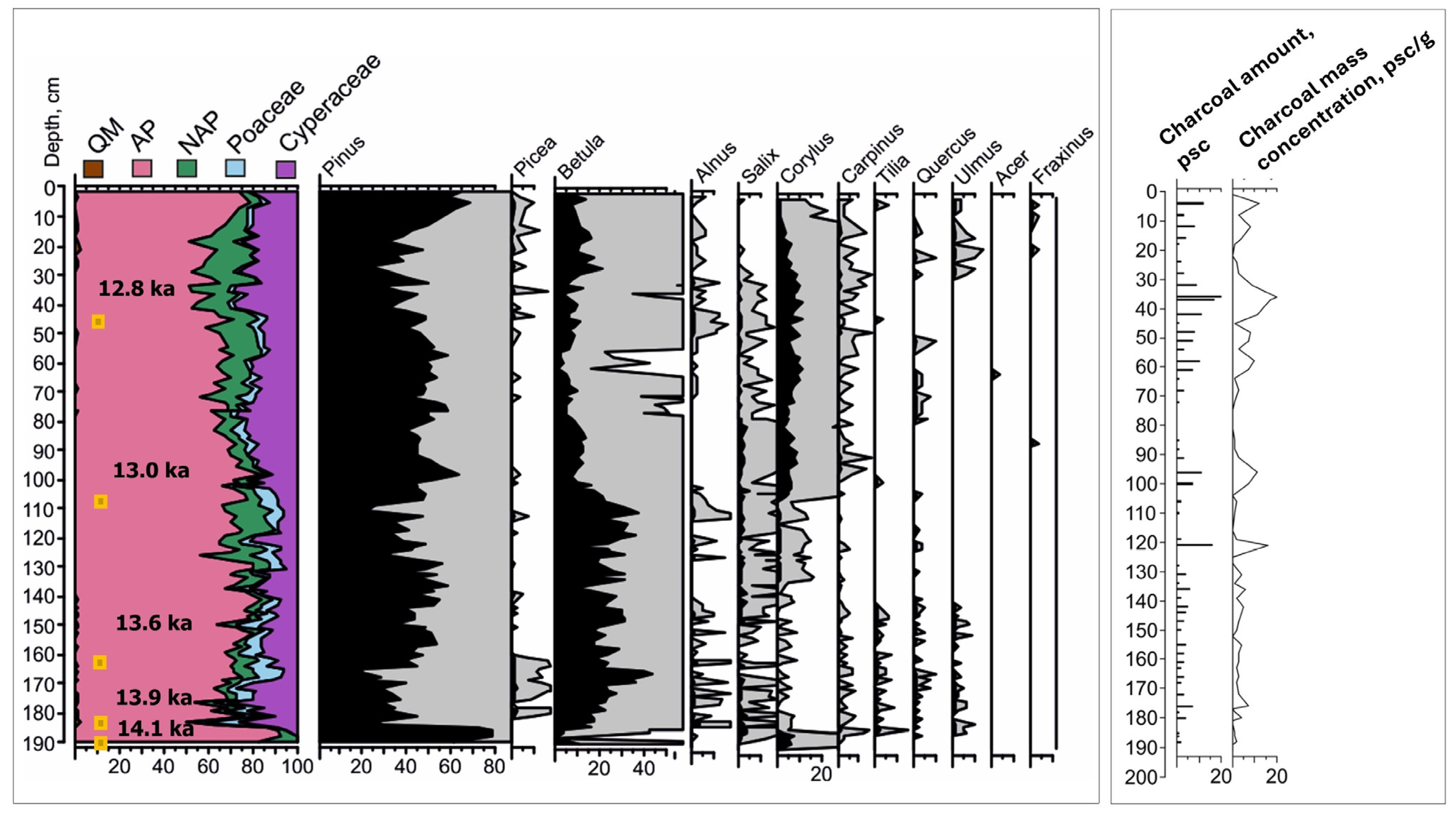
Figure 2 shows a section of a pollen diagram reflecting the palynological study results from the Kulikovo section, including the part demonstrating the woody vegetation percentage and proportions of the main tree species of the Lateglacial Baltics—pine, birch, alder, willow and a group of hemiboreal trees [11]. The results show that from the end of the Older Dryas up to approximately 12.5 ka (the first few centuries of the Younger Dryas), the arboreal vegetation percentage did not fall below 50% and reached 70–80% of terrestrial pollen over a significant part of the studied time interval. A similar percentage range of tree species (from 60% to 80%) can be observed in the palynological results from adjacent paleoarchives of Kamyshovoe, Utinoe, and Sambiysky in the Kaliningrad region and in Lopaičiai, Kašučiai, and Ginkūnai in Lithuania [8,17,22], among others. These values, considered within the paleoclimatic framework presented above, may not only indicate the presence of tree taxa in the composition of Lateglacial vegetation throughout the period from 14.0 to 12.5 ka but also the significant role of tree species in the regional vegetation cover.
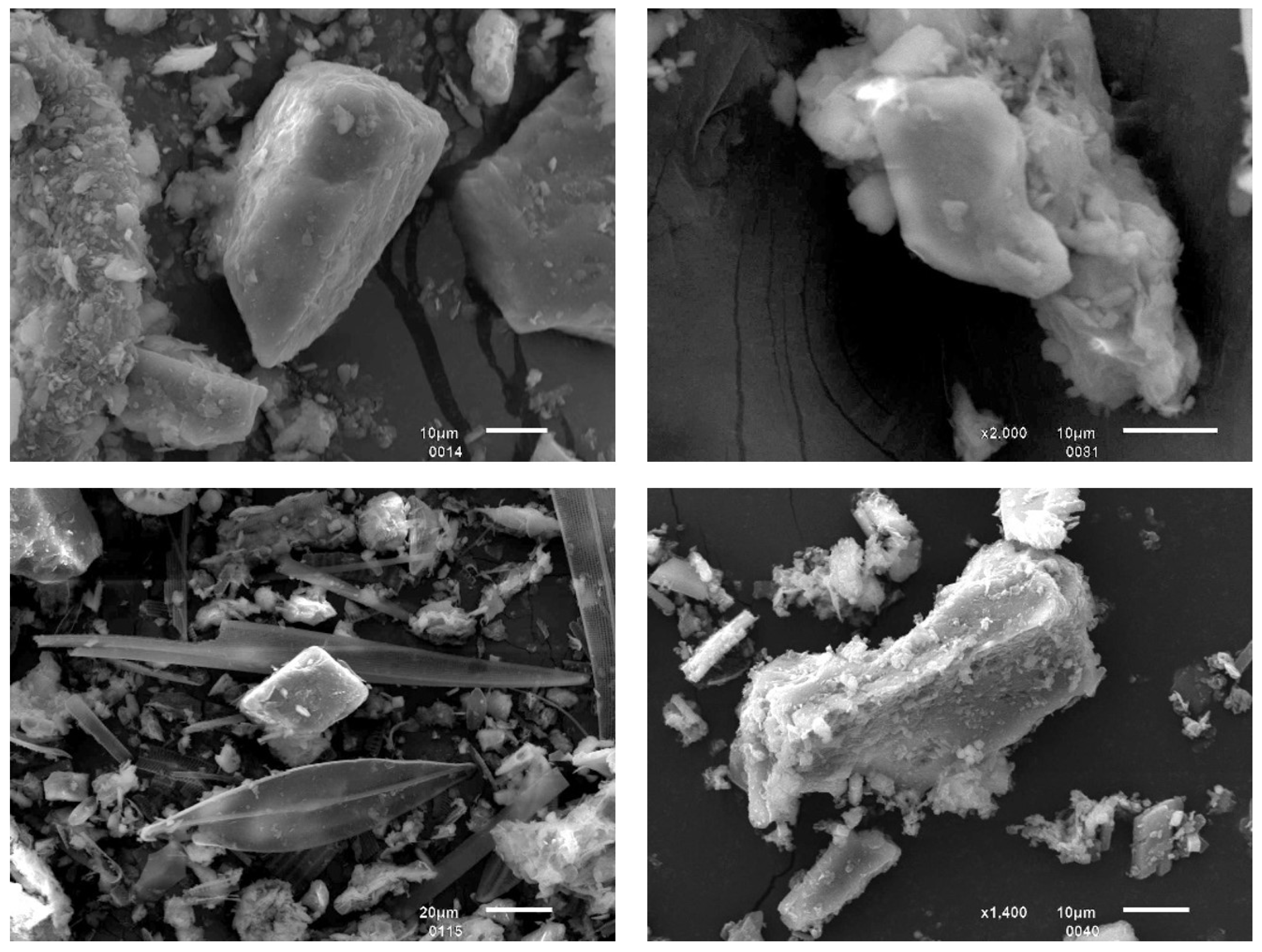
The presence of woody vegetation during the Lateglacial period in the southeastern Baltic is also reflected in phytoliths [10]. This type of paleobotanical data is a relatively new source of information in studies of the Lateglacial period in the Baltic region. Considerable numbers of plants have left evidence of their prior existence in the form of phytoliths (microscopic silica bodies produced by plants) [25], which are resistant to destruction and can persist in the soil for thousands of years. Phytoliths, in general, are not transported over long distances as they are relatively ‘heavy’ particles [26]; therefore, they characterize local, rather than regional (as pollen), environmental situations. The tendency of phytoliths to remain ‘in situ’ provides a valuable source of information on local vegetation. The Kulikovo section study revealed phytoliths of coniferous trees (type BLOCKY RECTANGULAR) throughout the entire sediment sequence: the first record correlates to 13.9 ka, and phytoliths continue to be found up to 12.5 ka [10] (Figure 3).
In the study of the Kulikovo section, the palynological and phytolith data were well supported by the results of the paleoanthracological analysis (Table 1; Figure 2). Macrocharcoals—indicators of woody vegetation (wood, punky wood, needles, leaf stems, resin)—were already detected in the lowermost core samples from the Kulikovo section, indicating the local presence of woody (both coniferous and deciduous) vegetation in the region no later than 14.0 ka. Indicators of woody vegetation were found in the majority of samples containing charcoals (39 of 51 samples) and throughout the entire section. Only a few short intervals were identified where woody material was not detected. In the Kulikovo section, the longest of these timespans was 13.2–13.1 ka, coinciding with the GI-1b cold event—the Gerzensee oscillation [27]. It is worth noting that this interval correlates with the brief Allerød minimum value of pine pollen (25–27%). Thus, the results of the paleoanthracological, palynological, and phytolith analyses of the Kulikovo section sediments are in good agreement, indicating an almost continuous presence of woody taxa in the Lateglacial vegetation between 14.0 and 12.5 ka throughout the Kaliningrad region. This supports the notion of the presence of trees in the broader Baltic region during this period [9]. The latest research on subfossil beetles found in Lateglacial sediments in Lithuania revealed taxa associated with pine, willow, and birch trees, indicating the continuous presence of trees in the region not only during the Bølling–Allerød but also the Younger Dryas period [28].
Our study shows that, although a morphological nomenclature has been developed by Mustaphi and Pasaric [5] in the study of fire frequency signals, it may prove useful in investigating another important research topic: the emergence of woody vegetation on Lateglacial landscapes. Carbonized plant remains have an advantage over other organic residues. They are considered chemically inert and thus resistant to decay. Macrocharcoals not only ‘conserve’ plant anatomy but can also persist in the sedimentary record for thousands to a million years or more, providing an opportunity to recognize herbaceous or woody fuel sources [29]. Indicators of the latter are remains of wood, needles, twigs, leaves and leaf stems. To detect plant material (wood or grass), fragments larger than 150 µm are suitable [5]. Although the present study is limited to identifying the fuel type only, another possibility offered by the study of macrocharcoals is worth mentioning. Macrocharcoals of greater size (500–2000 µm) have the potential for more detailed paleobotanical identification, since under the microscope they retain visible plant anatomy. This makes it possible to identify not only the type of wood (e.g., hardwood, softwood, green or decayed wood), but certain tree taxa, including pine (Pinus sylvestris), fir (Abies alba), oak (Quercus robur), willow (Salix alba) and others [29]. This opportunity provided by macrocharcoals of greater size (500–2000 µm) can be successfully used in archeological research. Although macrocharcoal from archeological contexts is mainly used for radiocarbon dating only, microscopic study of macrocharcoal samples from pits, hearth places and cultural layers can deliver valuable and diverse paleobotanical and paleoecological information. For example, identifying woody species from archeological contexts provides an understanding of ancient fuel use practices and past human–environment interaction [30,31], as well as a high-resolution picture of paleovegetation dynamics [32]. Thus, paleoanthracological analysis can serve as an important source of diverse paleoecological information, depending on the macrocharcoal size.

5. Conclusions

Paleoanthracological analyses of the Lateglacial Kulikovo sediment record (eastern Baltic region) revealed 22 macrocharcoal morphotypes, among which were indicators of woody (coniferous and deciduous) vegetation, namely wood, punky wood, needles, leaf stems, etc.
The results reveal an almost continuous local presence of woody species in the study region since the Older Dryas, from 14.0 ka up to 12.5 ka. This conclusion is in good agreement with the available data on the presence of coniferous tree phytoliths and palynological data. The latter show that from the end of the Older Dryas up to the first centuries of the Younger Dryas, the percentage of arboreal vegetation did not fall below 50%, and over a significant part of that time period it reached 70–80% of terrestrial pollen.
Moreover, our study demonstrates that paleoanthracological analysis can serve as an independent method to detect the emergence of local woody vegetation and thus represents an important complement to the reconstruction of Lateglacial environments based on pollen data.

Author Contributions

Conceptualization, O.D.; methodology, O.D., K.F., L.L. and A.G.; data curation, K.F., L.L. and A.G.; formal analysis, all authors; writing—original draft preparation, O.D.; writing—review and editing, all authors; supervision, O.D.; project administration, O.D.; funding acquisition, O.D. All authors have read and agreed to the published version of the manuscript.

Funding

This research was funded by the Russian Science Foundation, project no. 22-17-00113-P.

Data Availability Statement

The raw data supporting the conclusions of this article will be made available by the authors on request.

Conflicts of Interest

The authors declare no conflicts of interest.

References

  1. Whitlock, C.; Larsen, C.P.S. Charcoal as a Fire Proxy. In Tracking Environmental Change Using Lake Sediments: Terrestrial, Algal, and Siliceous Indicators; Smol, J.P., Birks, H.J.B., Last, W.M., Eds.; Kluwer Academic: Dordrecht, The Netherlands, 2002; Volume 3, pp. 76–97. [Google Scholar]
  2. Kupriyanov, D.A.; Novenko, E.Y. Reconstruction of the history of forest fires in the southern part of the Mordovian Nature Reserve in the Holocene based on the analysis of macroscopic coal particles in peat. Proc. Mordovian State Nat. Reserve Named After P.G. Smirdovich 2021, 26, 176–192. [Google Scholar]
  3. Clark, J.S. Particle motion and the theory of stratigraphic charcoal analysis: Source area, transport, deposition, and sampling. Quat. Res. 1988, 30, 67–80. [Google Scholar] [CrossRef]
  4. MacDonald, G.M.; Larsen, C.P.S.; Szeicz, J.M.; Moser, K.A. The reconstruction of boreal forest fire history from lake sediments: A comparison of charcoal, pollen, sedimentological, and geochemical indices. Quat. Sci. Rev. 1991, 10, 53–71. [Google Scholar] [CrossRef]
  5. Mustaphi, C.J.C.; Pisaric, M.F.J. A classification for macroscopic charcoal morphologies found in Holocene lacustrine sediments. Prog. Phys. Geogr. 2014, 38, 1–21. [Google Scholar]
  6. Higuera, P.E.; Peters, M.E.; Brubaker, L.B.; Gavin, D.G. Understanding the origin and analysis of sediment-charcoal records with a simulation model. Quat. Sci. Rev. 2007, 26, 1790–1809. [Google Scholar] [CrossRef]
  7. Heikkilä, M.; Fontana, S.L.; Seppä, H. Rapid Lateglacial tree population dynamics and ecosystem changes in the eastern Baltic region. J. Quat. Sci. 2009, 24, 802–815. [Google Scholar] [CrossRef]
  8. Stančikaitė, M.; Šeirienė, V.; Kisielienė, D.; Martma, T.; Gryguc, G.; Zinkutė, R.; Mažeika, J.; Šinkūnas, P. Lateglacial and early Holocene environmental dynamics in northern Lithuania: A multi-proxy record from Ginkūnai Lake. Quat. Int. 2015, 357, 44–57. [Google Scholar] [CrossRef]
  9. Veski, S.; Amon, L.; Heinsalu, A.; Reitalu, T.; Saarse, L.; Stivrins, N.; Vassiljev, J. Lateglacial vegetation dynamics in the eastern Baltic region between 14,500 and 11,400 cal yr BP: A complete record since the Bølling (GI-1e) to the Holocene. Quat. Sci. Rev. 2012, 40, 39–53. [Google Scholar] [CrossRef]
  10. Golyeva, A.A.; Druzhinina, O.A. Microbiomorphic analysis in the study of the pioneer environment of the Late Glacial: Preliminary results of Kulikovo Section (Sambian Peninsula, Kaliningrad Oblast). Izv. RAS. Geogr. Ser. 2024, 88, 77–89. [Google Scholar] [CrossRef]
  11. Druzhinina, O.; Rudinskaya, A.; Lazukova, L.; Skhodnov, I.; Burko, A.; van den Berghe, K. “Thermophilous” trees in the Lateglacial vegetation of the eastern Baltic: New questions for an old issue. Forests 2025, 16, 1336. [Google Scholar] [CrossRef]
  12. Hughes, A.L.C.; Gyllencreutz, R.; Lohne, Ø.S.; Mangerud, J.; Svendsen, J.-I. The last Eurasian Ice Sheets—A chronological database and time-slice reconstruction. Boreas 2016, 45, 1–45. [Google Scholar] [CrossRef]
  13. Patton, H.; Hubbard, A.; Andreassen, K.; Auriac, A.; Whitehouse, P.L.; Stroeven, A.; Shackleton, C.; Winsborrow, M.; Heyman, J.; Hall, A. Deglaciation of the Eurasian ice sheet complex. Quat. Sci. Rev. 2017, 169, 148–172. [Google Scholar] [CrossRef]
  14. Palacios, D.; Hughes, P.; Garcia-Ruiz, J.; Andres, N. (Eds.) European Glacial Landscapes: The Last Deglaciation; Elsevier: Amsterdam, The Netherlands, 2022; p. 623. [Google Scholar]
  15. Schenk, F.; Bennike, O.; Väliranta, M.; Avery, R.; Björck, S.; Wohlfarth, B. Floral evidence for high summer temperatures in southern Scandinavia during 15–11 cal ka BP. Quat. Sci. Rev. 2020, 233, 106243. [Google Scholar] [CrossRef]
  16. Matthews, I.P.; Palmer, A.I.; Candy, I.; Francis, C.; Abrook, A.M.; Lincoln, P.C.; Blockley, S.P.E.; Engels, S.; MacLeod, A.; Staff, R.A.; et al. Summer warmth between 15,500 and 15,000 years ago enabled human repopulation of the northwest European margin. Nat. Ecol. Evol. 2025, 9, 1179–1192. [Google Scholar] [CrossRef]
  17. Kisieliene, D.; Stancikaite, M.; Merkevicius, A.; Namickiene, R. Vegetation responses to climatic changes during the Late Glacial according to palaeobotanical data in western Lithuania: Preliminary results. Pol. Geol. Inst. Spec. Pap. 2005, 16, 45–52. [Google Scholar]
  18. Wachnik, A.; Gumiński, W.; Cywa, K.; Bugajska, K. Forests and foragers: Exploitation of wood resources by Mesolithic and para Neolithic societies in north eastern Poland. Veg. Hist. Archaeobotany 2020, 29, 717–736. [Google Scholar] [CrossRef]
  19. Fiłoc, M.; Kupryjanowicz, M.; Suchora, M.; Luoto, T.; Nevalainen, L. Late-Weichselian (Vistulian) environmental changes in NE Poland—Evidence from Lake Suchar Wielki. Catena 2024, 234, 107546. [Google Scholar]
  20. Fiłoc, M.; Żuk-Kempa, E.; Kupryjanowicz, M. Late Glacial and Holocene vegetation history and climate oscillations—Preliminary pollen data from Lake Boczne, NE Poland. Quat. Int. 2025, 720, 109682. [Google Scholar]
  21. Gedminiene, L.; Spiridonov, A.; Stancikaite, M.; Skuratovic, Z.; Vaikutiene, G.; Daumantas, L.; Salonen, S. Temporal and spatial climate changes in the mid-Baltic region in the Late Glacial and the Holocene: Pollen-based reconstructions. Catena 2025, 252, 108851. [Google Scholar]
  22. Kabailienė, M.; Vaikutiene, G.; Macijauskaitė, L.; Rudnickait, E.; Guobytė, R.; Kisieliene, D.; Kluczynska, G.; Mažeika, J.; Motuza, G.; Šinkūnas, P. Lateglacial and Holocene environmental history in the area of Samogitian Upland (NW Lithuania). Baltica 2015, 28, 163–178. [Google Scholar] [CrossRef]
  23. Dzieduszyńska, D.; Kittel, P.; Petera-Zganiacz, J.; Brooks, S.; Korzeń, K.; Krapiec, M.; Pawłowski, D.; Płaza, D.; Płóciennik, M.; Stachowicz-Rybka, R.; et al. Environmental influence on forest development and decline in the Warta River valley (Central Poland) during the Late Weichselian. Quat. Int. 2014, 324, 99–114. [Google Scholar] [CrossRef]
  24. Bennike, O.; Claudi-Hansen, L.; Magnussen, B.; Wiberg-Larsen, P. Macrofossil studies of Lateglacial sediments from Regstrup, north-west Sjælland, Denmark. Bull. Geol. Soc. Den. 2022, 70, 39–51. [Google Scholar] [CrossRef]
  25. Rashid, I.; Mir, S.; Zurro, D.; Dar, R.; Reshi, Z. Phytoliths as proxies of the past. Earth-Sci. Rev. 2019, 194, 234–250. [Google Scholar]
  26. Madella, M.; Lancelotti, C. Taphonomy and phytoliths: A user manual. Quat. Int. 2012, 275, 76–83. [Google Scholar] [CrossRef]
  27. Schwander, J.; Eicher, U.; Ammann, B. Oxygen isotopes of lake marl at Gerzensee and Leysin (Switzerland), covering the Younger Dryas and two minor oscillations, and their correlation to the GRIP ice core. Palaeogeogr. Palaeoclimatol. Palaeoecol. 2000, 159, 203–214. [Google Scholar] [CrossRef]
  28. Schafstall, N.; Stančikaitė, M.; Ferenca, R.; Šeirienė, V. First Records of beetle Fauna (Insecta: Coleoptera) from Late Glacial sediments of Lithuania: Novel environmental reconstructions. Diversity 2025, 17, 820. [Google Scholar] [CrossRef]
  29. Henry, A.G. (Ed.) Handbook for the Analysis of Micro-Particles in Archaeological Samples, Interdisciplinary Contributions to Archaeology; Springer: Cham, Switzerland, 2020; p. 306. [Google Scholar]
  30. Mjærum, A.; Loftsgarden, K.; Solheim, S. Human-vegetation dynamics in Holocene south-eastern Norway based on radiocarbon dated charcoal from archaeological excavations. Holocene 2022, 32, 690–702. [Google Scholar]
  31. Chabal, L.; Heinz, C. Reconstructing the heterogeneity of past woodlands in anthracology using the spatial distribution of charcoals in archaeological layers: Applied to the postglacial occupation of the Abeurador cave (Hérault) in the south of France. Quat. Int. 2021, 593–594, 19–35. [Google Scholar] [CrossRef]
  32. Bobrovsky, M.V.; Kupriyanov, D.A.; Smirnov, A.L.; Khanina, L.G.; Dobrovolskaya, M.V.; Tiunov, A.V. Dynamics of Diversity of Woody Species Taxa under Human Impact in the Upper Volga Region (NW Russia) According to Pedoanthracological Data. Diversity 2023, 15, 403. [Google Scholar] [CrossRef]
Figure 1. (a)—Location of the Kulikovo section in Europe; (b)—location of the Kulikovo section in the Baltic region; (c)—view of the sediment section during fieldwork; (d)—view of the Kulikovo site, Sambian Peninsula, Kaliningrad region.
Geosciences 16 00092 g001
Figure 2. Correlations between the Kulikovo section palynological and paleoanthracological studies. Fragment of the pollen diagram with tree species [11], amount of macrocharcoals and macrocharcoal mass concentration. QM—Quercetum mixtum, AP—arboreal pollen, NAP—non-arboreal pollen. Yellow boxes indicate AMS 14C sampling locations.
Geosciences 16 00092 g002
Figure 3. Phytoliths of coniferous trees (type BLOCKY RECTANGULAR) detected in the Kulikovo section Lateglacial sediments.
Geosciences 16 00092 g003
Table 1. Results of the geochronological study of the Kulikovo section [10].
Depth, cmSampleMaterialAge, 14CAge, cal yr BP *
(68.2% Probability)
45LuS-18463macroremains (wood)10,940 ± 6012,900–12,760
106LuS-18462macroremains (wood)11,060 ± 6013,075–12,920
163LuS-18461macroremains (wood)11,790 ± 6013,755–13,525
186LuS-18460macroremains (wood)11,980 ± 8014,020–13,785
192LuS-17811sediment (gyttja)12,200 ± 6014,185–14,040
* All dates were calibrated using an IntCal20 calibration curve.
Table 2. Results of the paleoanthracological analysis of the Kulikovo section.
Sample No.Depth, cmCharcoal
Amount,
Psc
Charcoal
Mass Concentration, psc/g
Charcoal
Morphotype
InterpretationPeriod
660.0–2.000.00none-Younger Dryas
653.5–5.51211.02A3, C3, D1, D2Leaves, twigs, needles, punky wood, monocot leaves, wood
647.5–9.537.94C3, C6, D1Twigs, needles, leaf stems, herbaceous roots, stolons, wood
6311.5–13.586.62B1, C3, C5, D1, D2Wood, leaves, twigs, leaf stems
6215.5–17.546.21A3, A4, C3Punky wood, leaves, twigs
6117.5–19.511.62F1Roots
6021.5–23.500.00none
5923.5–25.523.00B2, D3Wood, Poaceae leaves
5827.5–29.534.89A2, B1, C3Herbaceous material, wood, twigs
5731.5–33.5920.09B1, C3, D1, D3Monocot leaves, Poaceae leaves, twigs, wood
5635.0–36.52034.91A2, A3, B1, C3, C6, C7, D2, E3Wood, punky wood, twigs, roots, herbaceous material, leaves, resin/seeds?
5536.5–38.01731.58A2, A3, B1, C3,
D1, D2, D3
Wood, punky wood, twigs, leaves, resin/seeds?
5441.5–43.01125.32A4, B1, B2, C3, D3, E3Poaceae leaves, wood, twigs, leaves, resin/seeds?
5344.5–46.012.56B1Wood
5247.5–49.0811.19B1, B2, B4, C3, D1, D2Twigs, monocot leaves, leaves, wood, Poaceae leaves
5150.5–52.0710.94A3, B1, C5, D1, D2Leaf stems, wood, monocot leaves
5053.5–55.539.93A3, C3, D1Twigs, monocot leaves, punky wood, leaves
4957.0–58.51018.06A3, B1, C7, D2, D3, G1Wood, roots, fine stems, resin/seeds/phytoliths, leaves, Poaceae leaves, punky wood
4860.0–62.0721.95A2, A3, D2, C4Leaves, herbaceous material, punky wood, twigs
4763.5–65.512.63D3PoaceaeAllerød
4667.5–69.534.16D1, D3Monocot leaves, Poaceae leaves
4571.5–73.012.29B1Wood
4474.5–76.000.00none-
4378.0–79.000.00none-
4280.0–82.000.00none-
4184.0–85.511.68D1Monocot leaves
4087.0–88.512.49A2Herbaceous material
3990.5–92.537.06A1, B1, B2Wood, Poaceae leaves
3895.5–97.01117.81A1, B1, D2, E3Wood, leaves, resin/seeds?
3799.0–101.077.19A1, B1, B2, C1, E3Wood, needles, leaves, resin/seeds?
36103.0–105.000.00none-
35105.0–107.022.37D1, E3Monocot leaves, resin?
34109.0–111.012.73D1Monocot leaves
33115.5–116.500.00none-
32118.0–119.524.48A2, E3Herbaceous material, resin/seeds?
31121.0–122.01635.16A3, B1, B2, B5, D1, G1Resin/seeds?, monocot leaves, needles, herbaceous material, wood, Poaceae leaves
30124.0–125.500.00none-
29126.5–128.000.00none-
28128.0–129.011.44B1Wood
27131.0–132.045.11A3, A4Punky wood, leaves
26133.5–134.511.25E3Resin/seeds?
25136.0–137.066.33D1, B1, E3Monocot leaves, resin/seeds?, wood
24138.0–139.523.58D2, E1Leaves, resin?
23141.0–142.555.07A3, B3, E1, E3Resin/seeds?, leaves, punky wood, leaf stems
22143.5–144.545.28A1, E3Resin/seeds?, wood
21146.5–148.034.10E1Resin/seeds?
20149.5–150.522.72B2, E2Wood, Poaceae leaves, resin?
19151.5–153.000.00none-
18154.5–155.546.20A2, B2Herbaceous material, wood, Poaceae leaves
17157.0–158.534.08B2, E3Wood, Poaceae, resin/seeds?
16160.0–161.034.09A3, B1, D1Wood, punky wood, leaves, Monocot leaves
15162.0–163.523.59B4, E3Resin/seeds?, Poaceae leaves, leaves
14165.0–166.034.79A3, B2, E3Wood, Poaceae leaves, resin/seeds?, punky wood, leaves
13167.5–169.023.96C1, D2Needles, leaves
12171.5–172.537.11A3, C5Punky wood, leaves, leaf stems
11175.0–176.0716.60A2, A3, C1, C6, D1Monocot leaves, punky wood, wood, leaves, needles, leaf stems, roots Older Dryas
10176.0–177.500.00none-
9177.5–179.011.69E3Resin/seeds?
8179.0–180.547.15A3, B3, C5Wood, punky wood, leaves, leaf stems
7180.5–183.000.00none-
6184.0–185.511.13A3Punky wood
5185.5–187.011.86A3Punky wood
4187.0–188.523.70B3, E1Wood, leaves, leaf stems, seeds?
1–3188.5–191.000.00none-
Disclaimer/Publisher’s Note: The statements, opinions and data contained in all publications are solely those of the individual author(s) and contributor(s) and not of MDPI and/or the editor(s). MDPI and/or the editor(s) disclaim responsibility for any injury to people or property resulting from any ideas, methods, instructions or products referred to in the content.