A Sea Mud Feed Matrix Shapes Short-Term Dietborne Glyphosate Exposure in the Sea Cucumber (Apostichopus japonicus): Tissue Residues, Buffered Enzyme Responses, and Dominance-Structured Gut Microbiota Shifts

 ,
,
Simple Summary
Abstract
1. Introduction
2. Materials and Methods
2.1. Animals, Acclimation and Experimental Layout
2.2. Preparation of Sea Mud Feed Matrix and Glyphosate Dosing Rationale
2.3. Chemical Analytics
2.3.1. Glyphosate in Feed
2.3.2. Glyphosate in Tissues
2.4. 16S rDNA Sequencing and Bioinformatics
2.5. Enzyme Assays
2.6. Statistical Analysis
3. Results
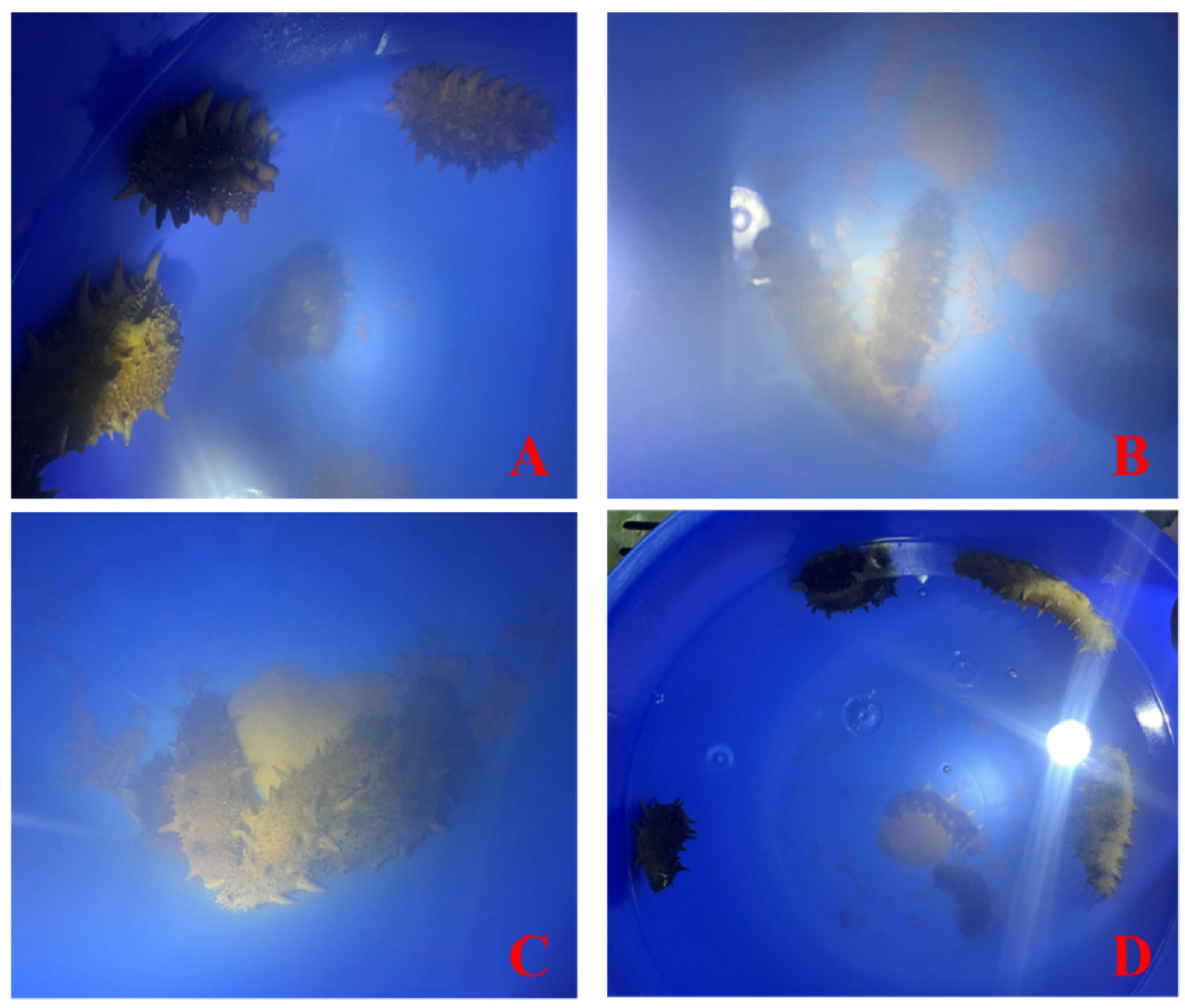
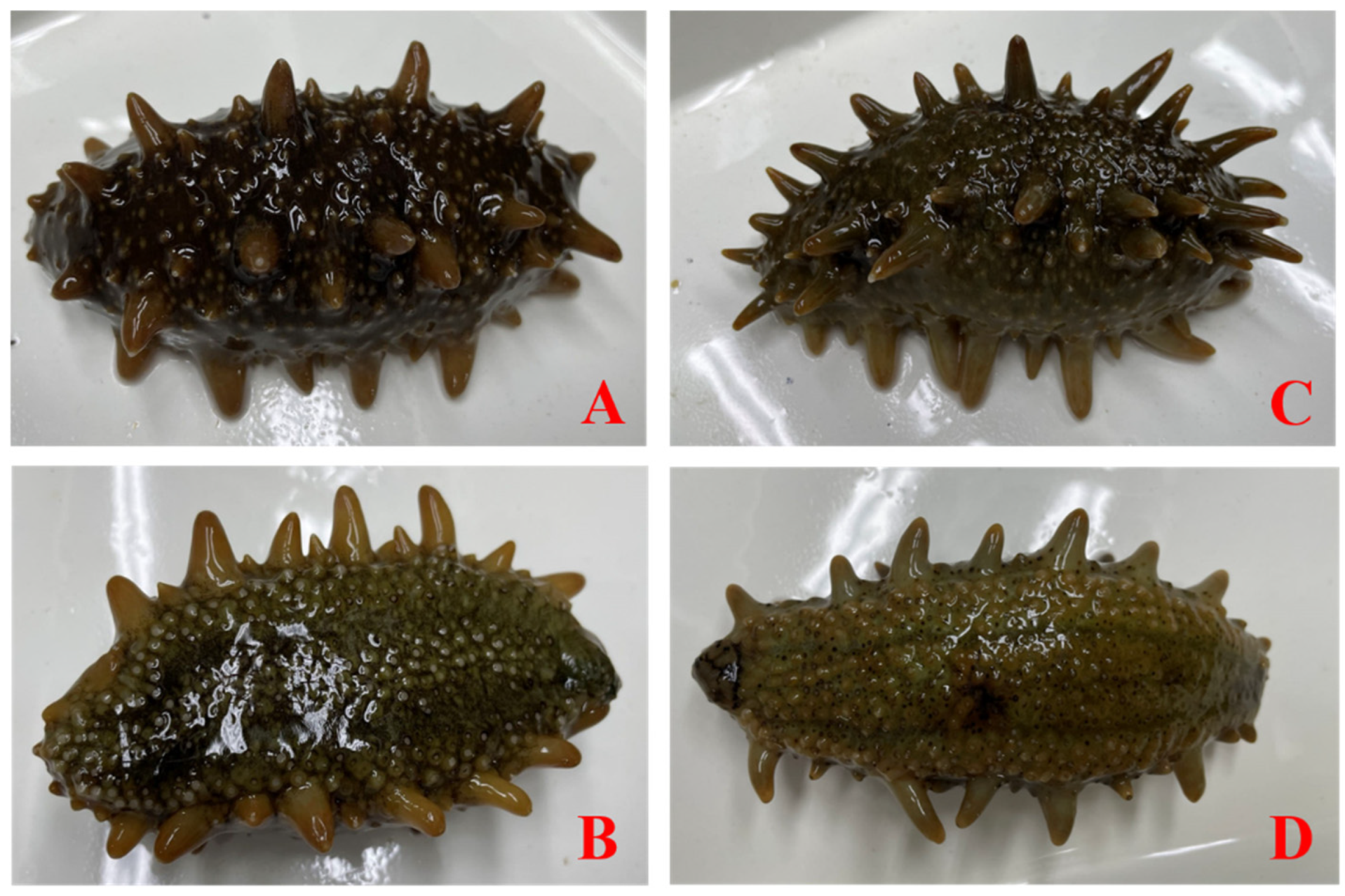
3.1. Clinical Status: Survival and External Phenotype
3.2. Glyphosate Residues
3.2.1. Glyphosate Burden in the Sea Mud Feed Matrix
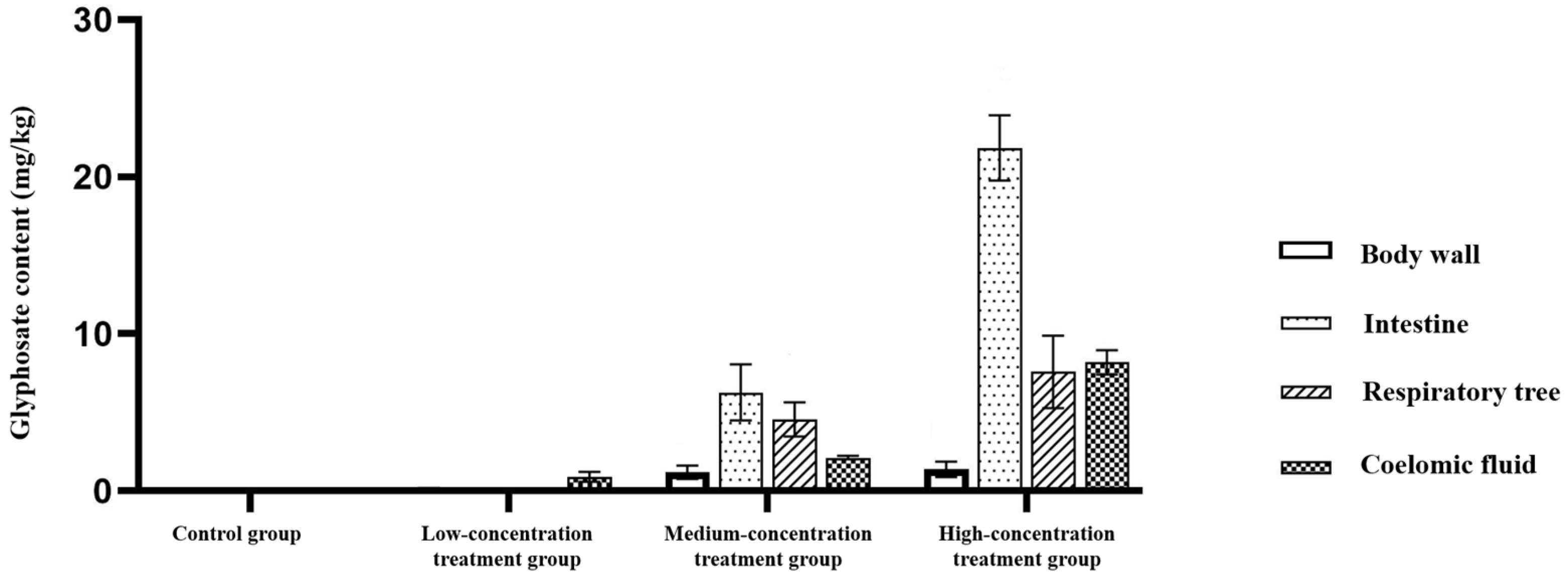
3.2.2. Tissue Residues and Compartmental Distribution
3.2.3. Statistical Evidence from Two-Way ANOVA
3.3. Gut Microbiota Diversity, Taxonomic Composition, and Predicted Functional Profiles
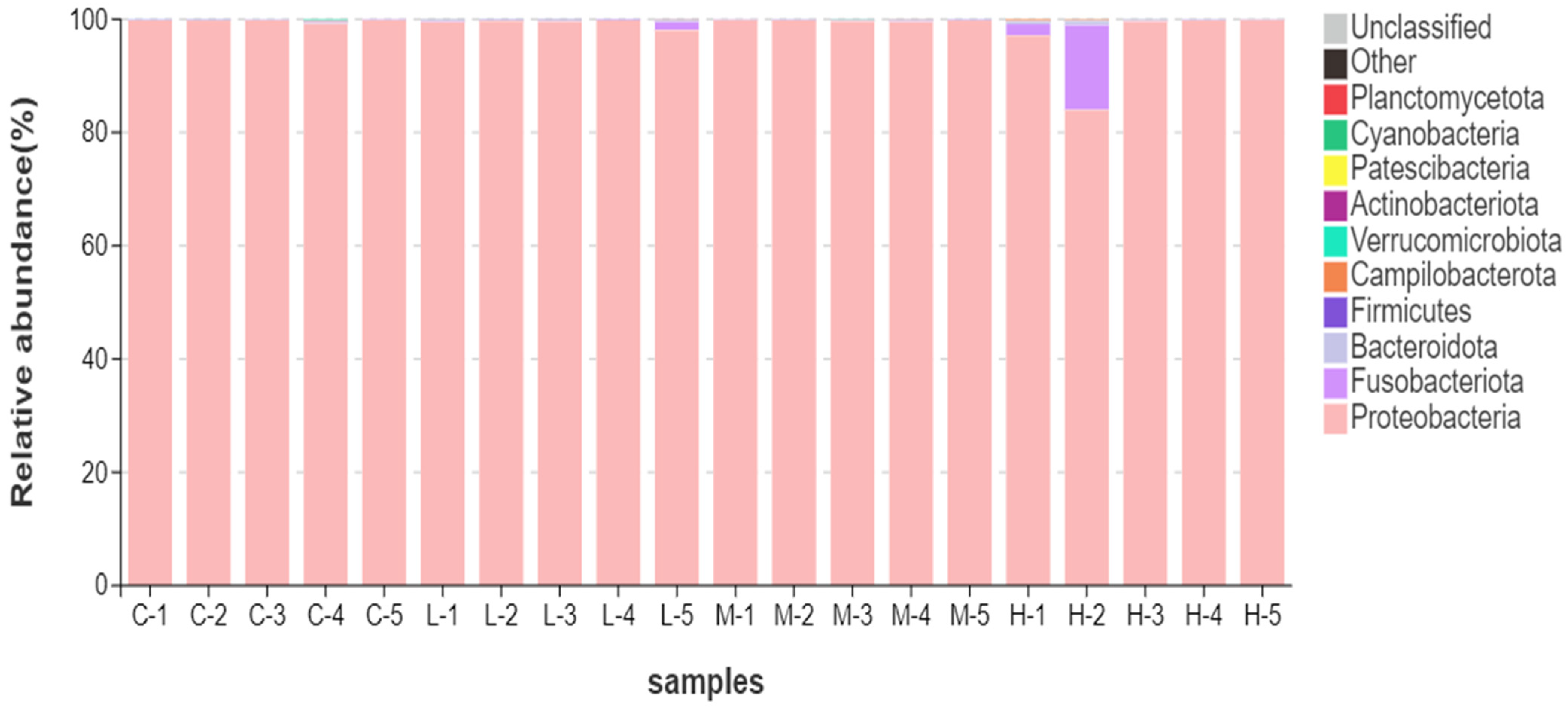
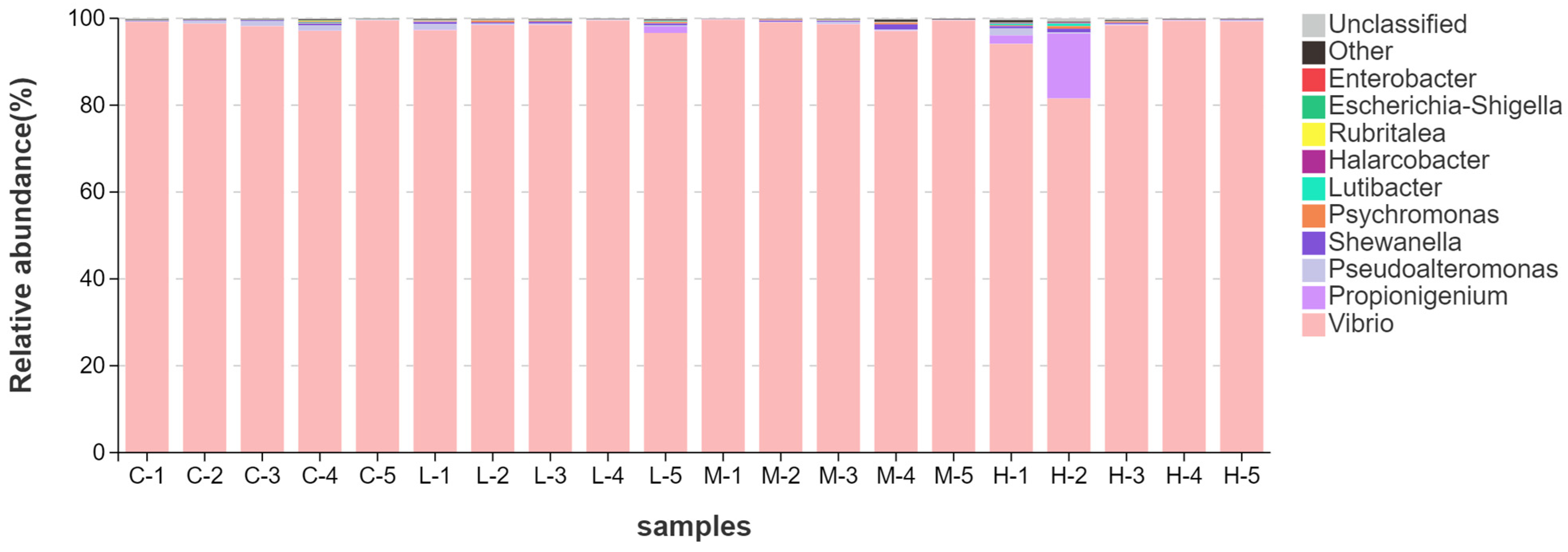
3.3.1. Taxonomic Composition Indicated a Strongly Dominance-Structured Microbiota
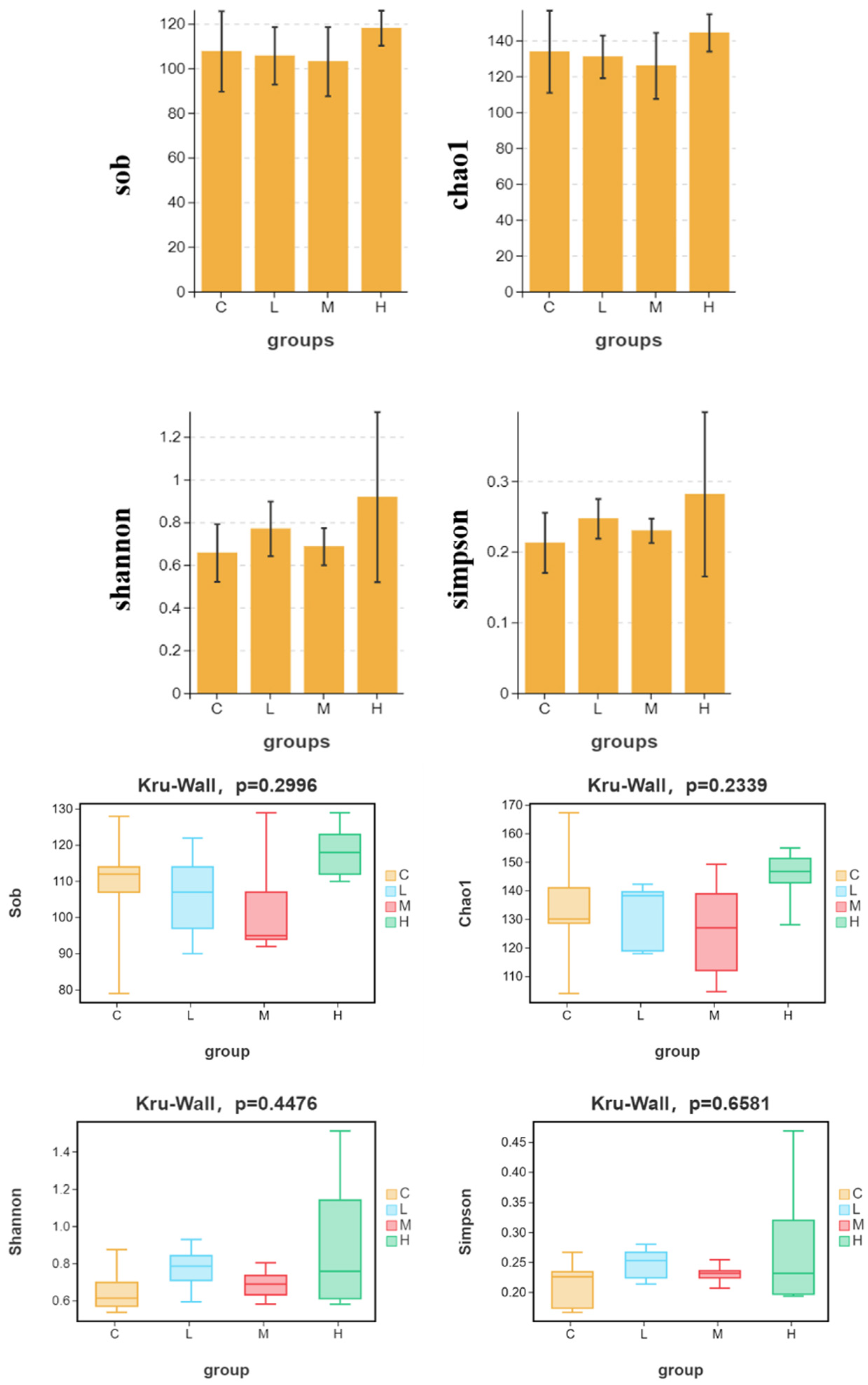
3.3.2. Alpha-Diversity Remained Broadly Comparable Across Treatments
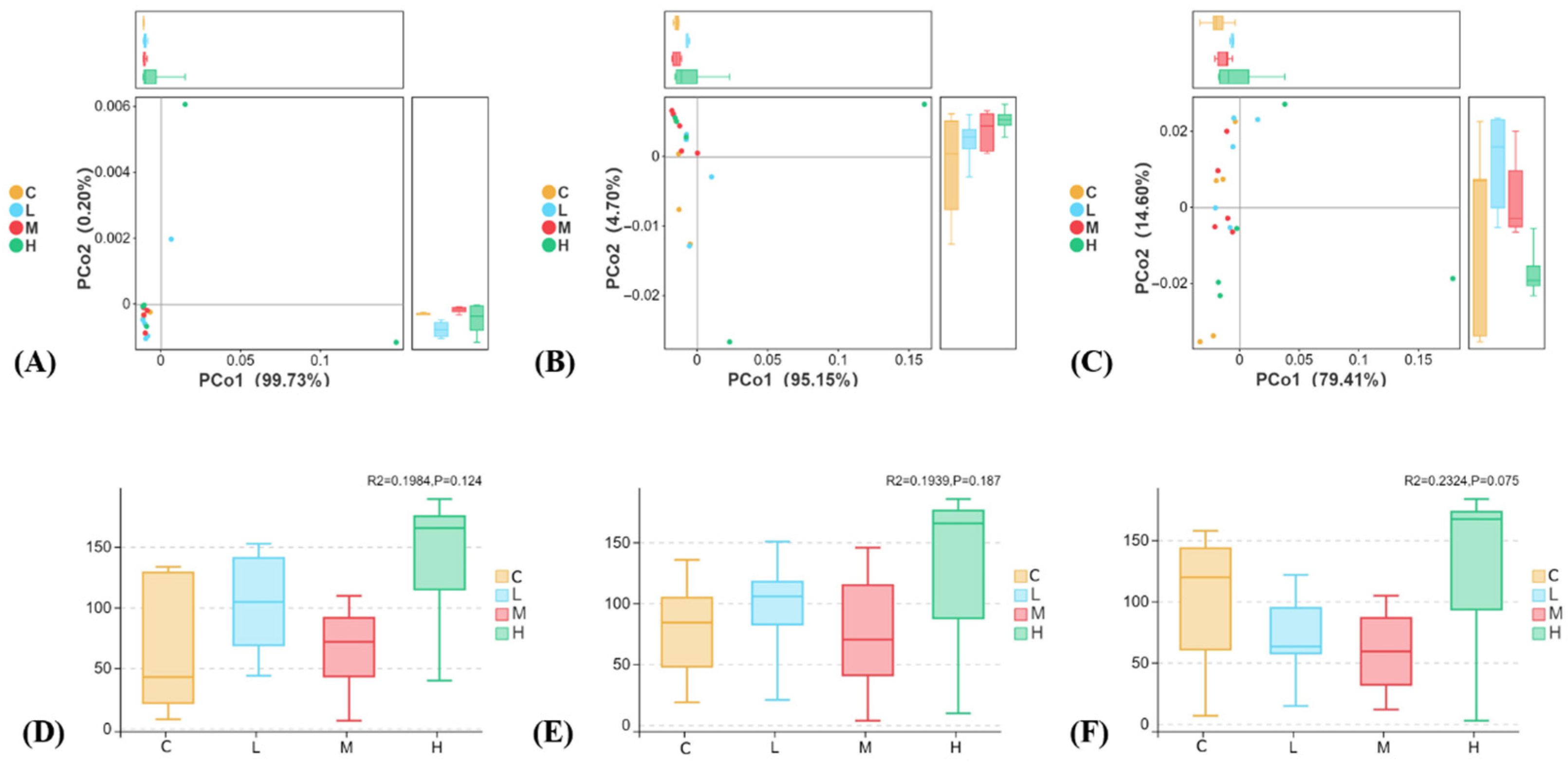
3.3.3. Beta-Diversity Showed Only Modest Treatment-Related Separation
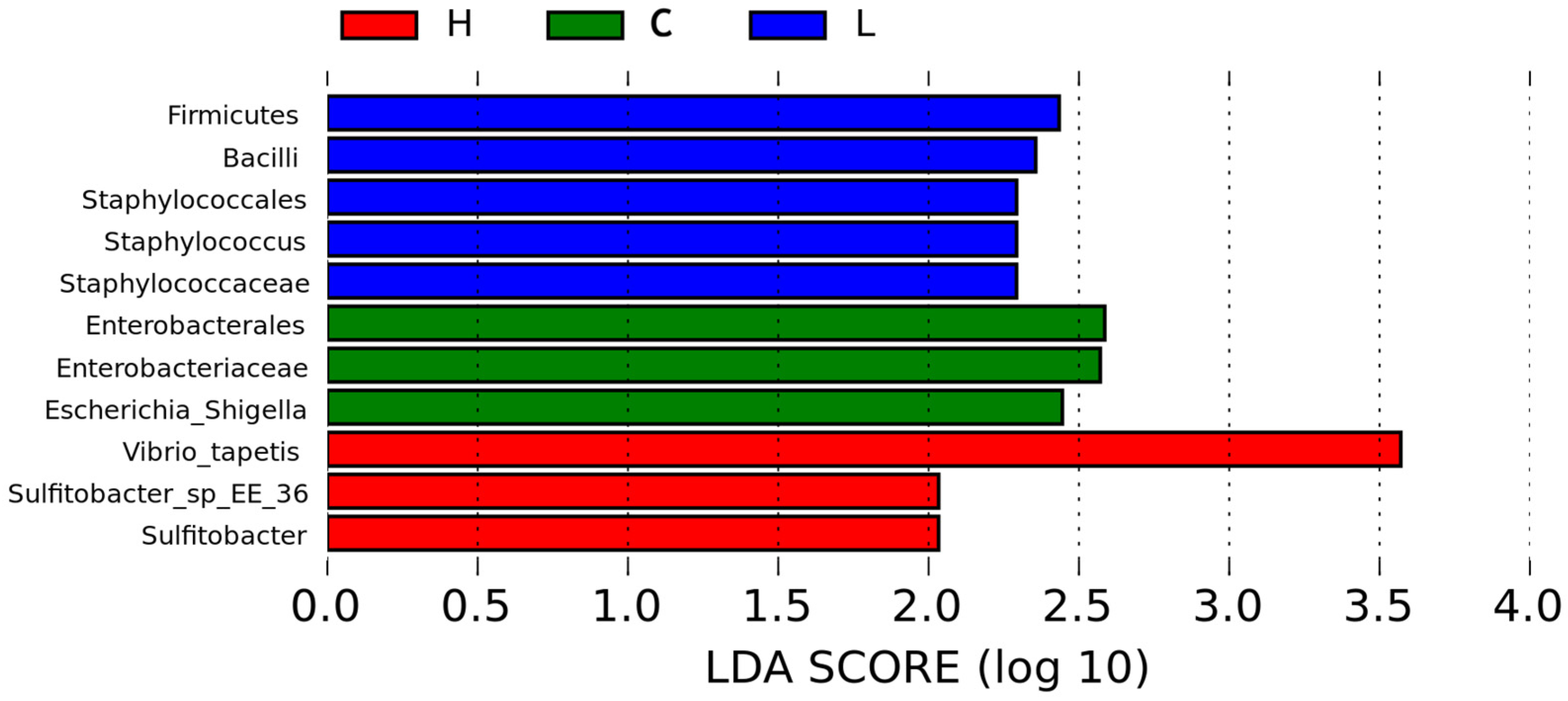
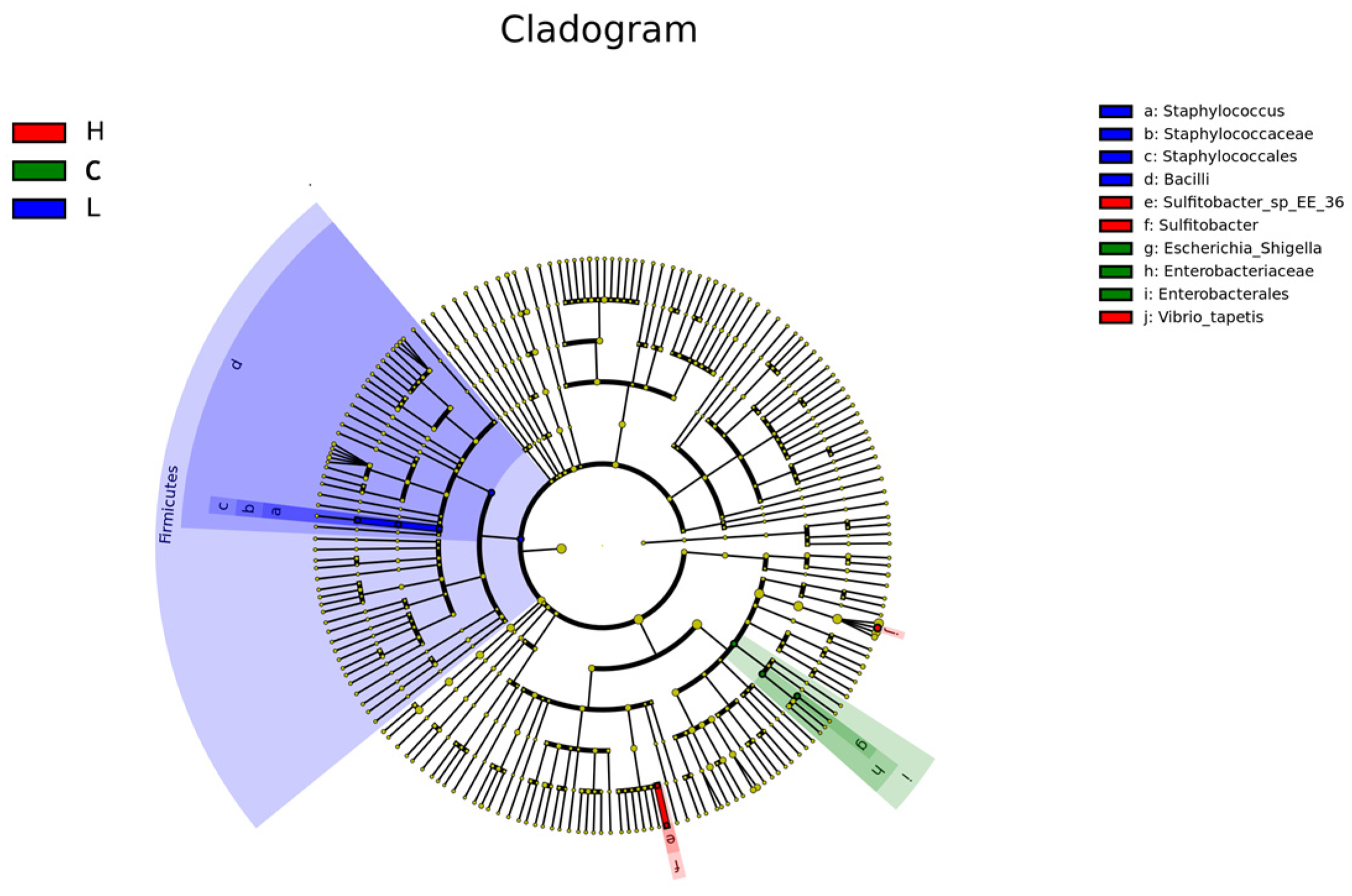
3.3.4. LEfSe Identified a Limited Set of Discriminatory Taxa
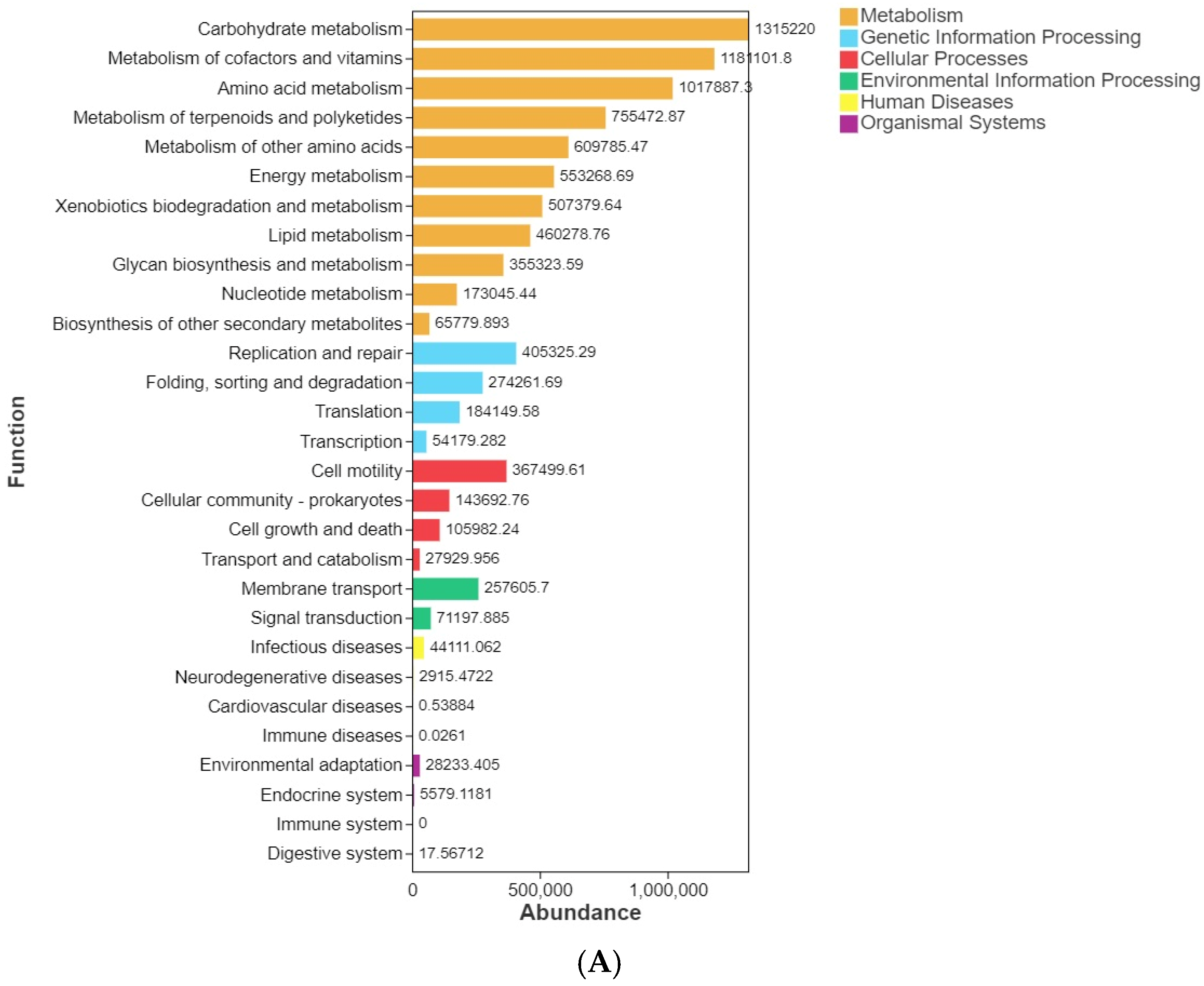
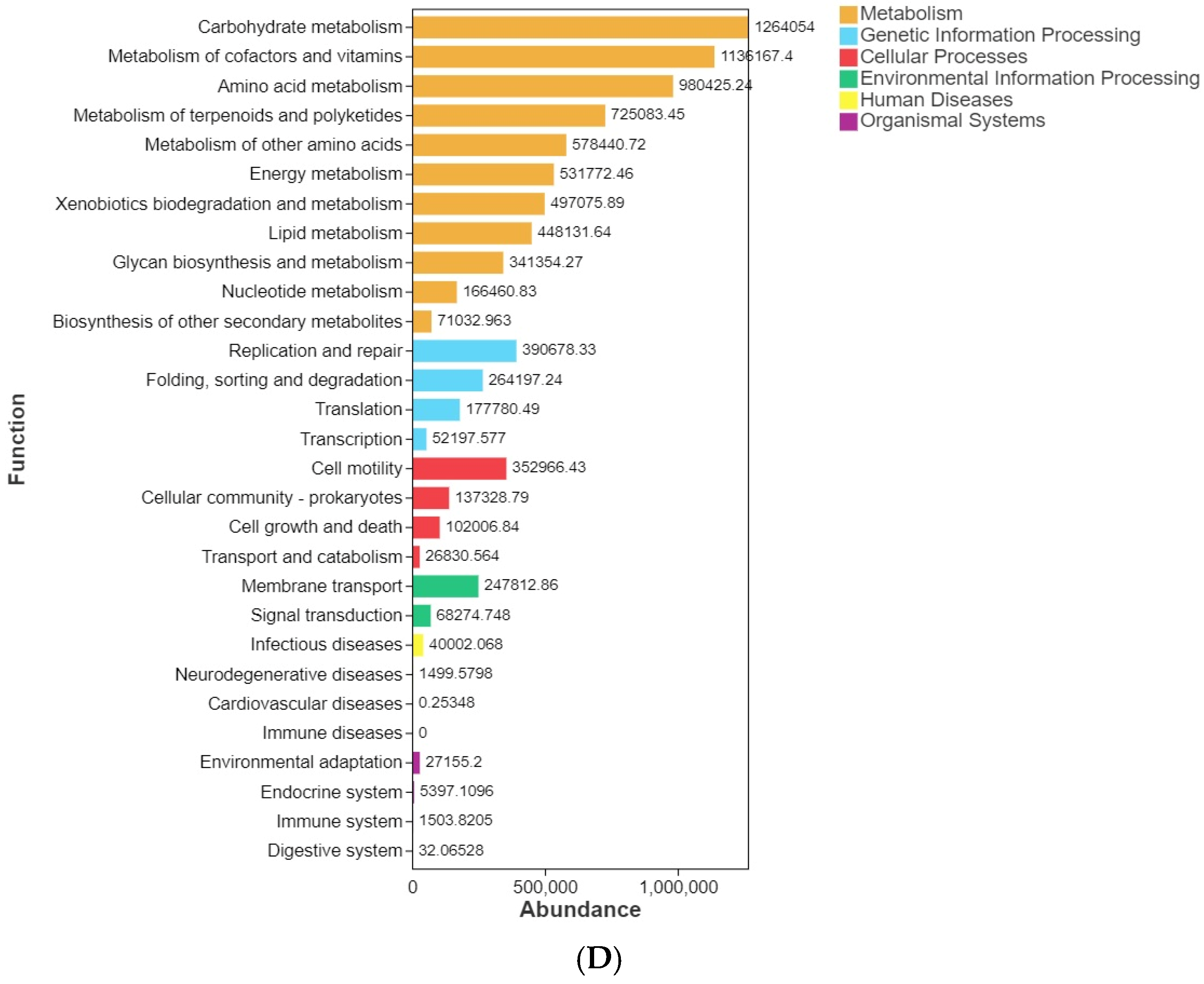
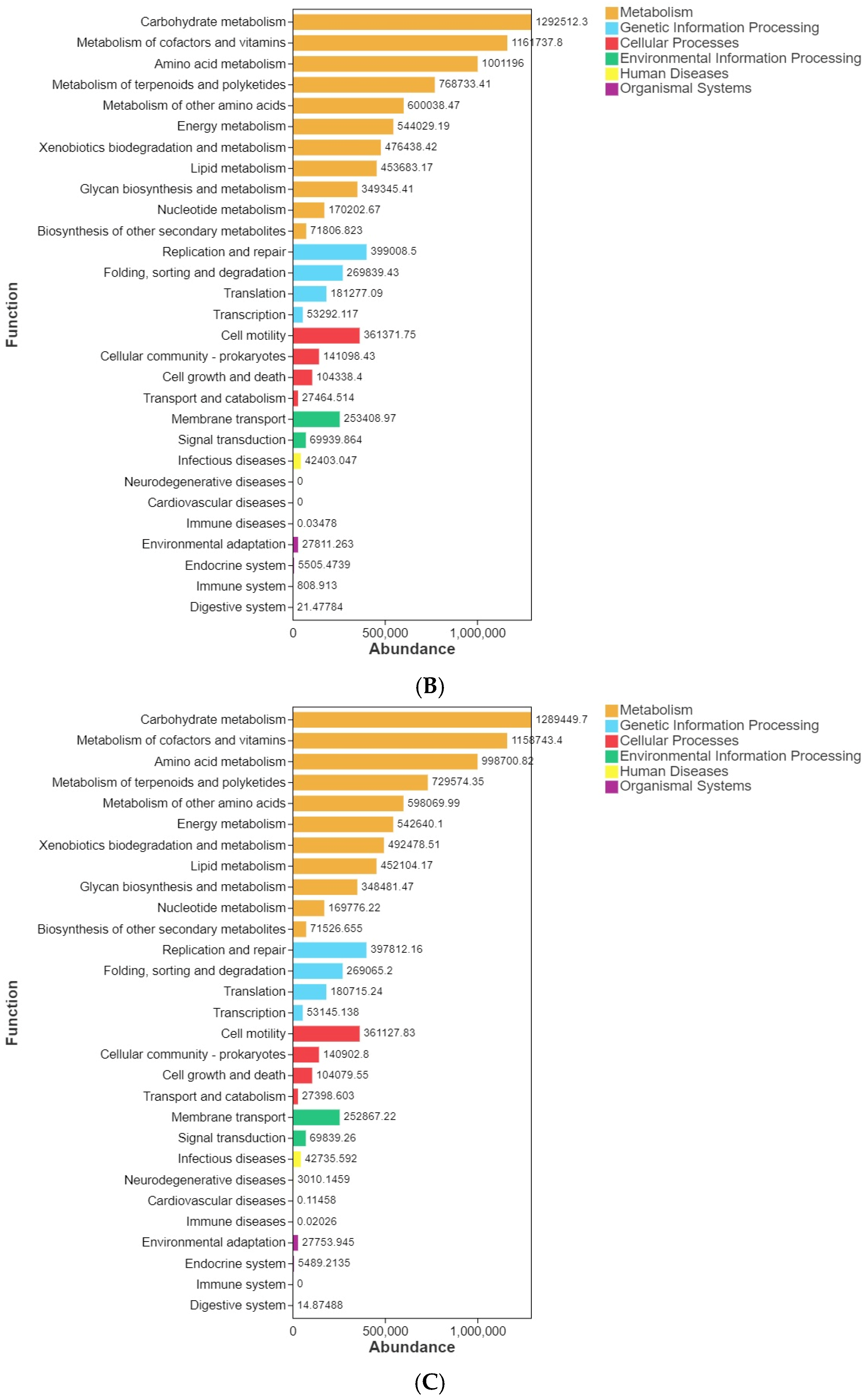
3.3.5. PICRUSt2 Functional Prediction Indicated Broadly Similar Functional Profiles
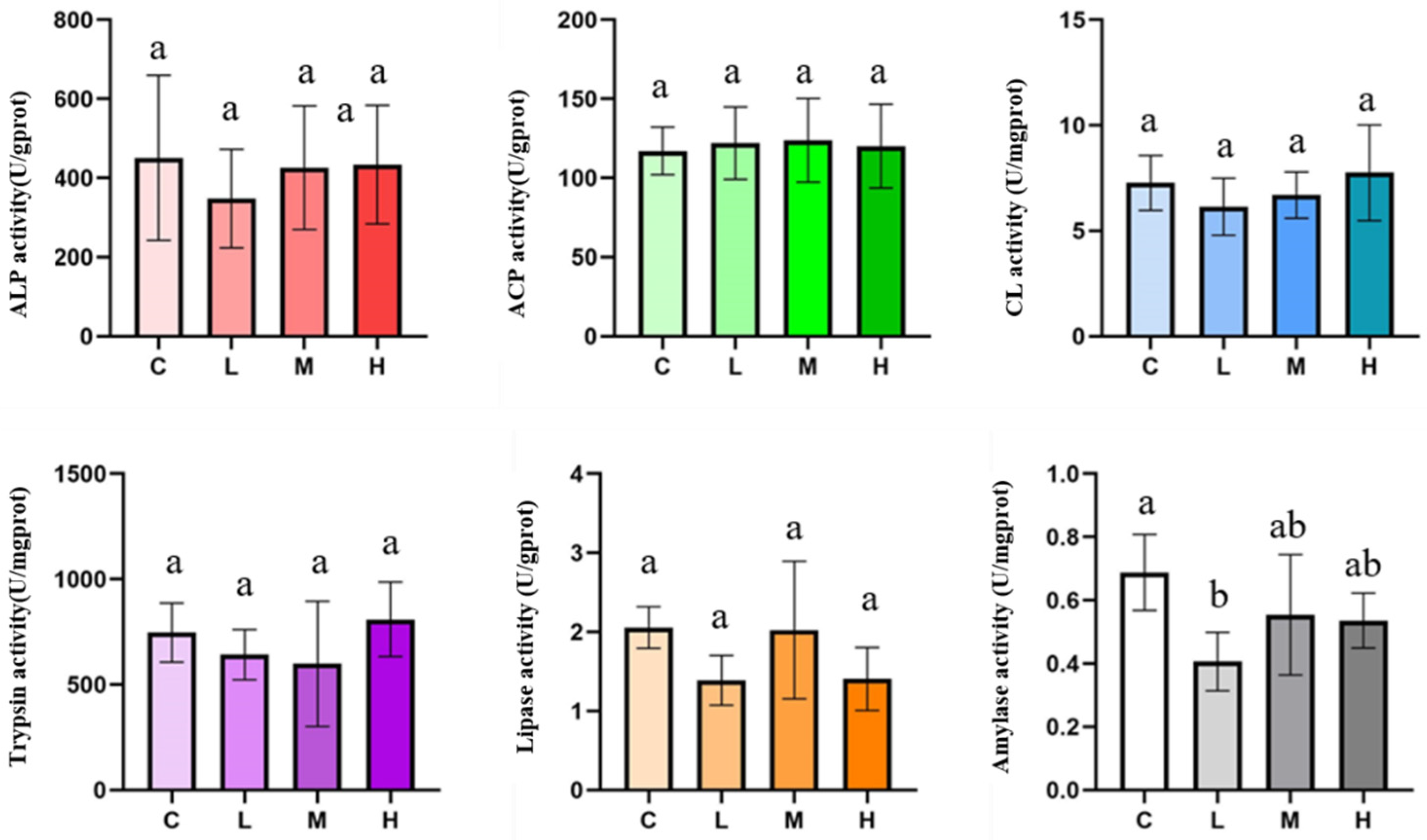
3.4. Digestive Enzymes: Largely Stable Responses with Selective Sensitivity in Amylase
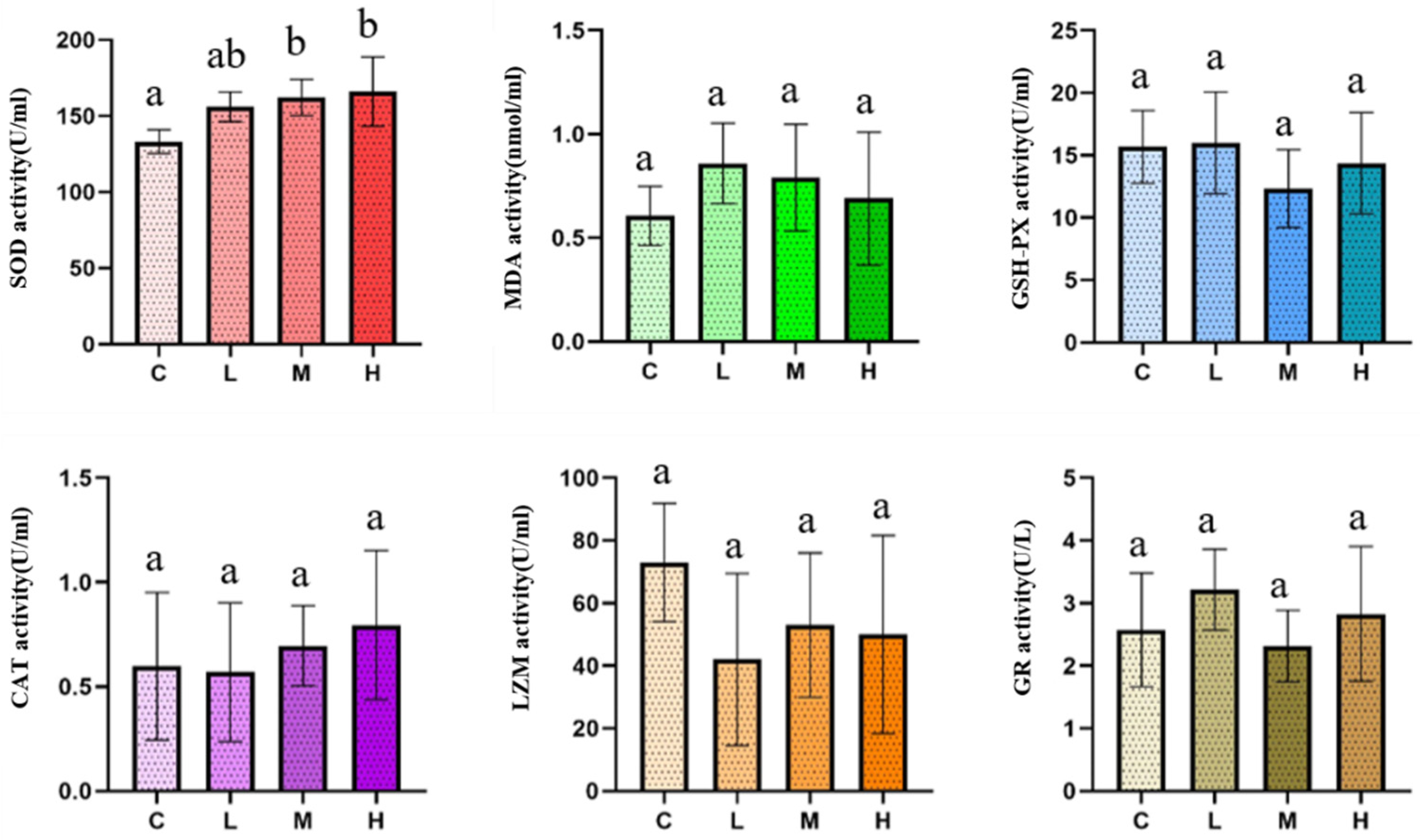
3.5. Immune and Antioxidant Biomarkers: SOD as the Primary Responsive Endpoint
4. Discussion
4.1. Sea Mud Matrix as a Likely Modifier of Dietborne Glyphosate Bioaccessibility and Apparent Short-Term Response Magnitude
4.2. Tissue Residues Support Internal Exposure and Highlighting Route-Specific Toxicokinetics Interpretation
4.3. Relatively Limited Enzyme Responses Suggest Short-Term Physiological Adjustment Under a Likely Low-Bioaccessibility Exposure Regime
4.4. Dominance-Structured Microbiota Shifts May Provide Interface-Level Signals Even When Alpha Diversity Appears Uniformly Low
4.5. Beta-Diversity Patterns and PERMANOVA Support Community-Level Differences, with Dispersion Checks Strengthening Interpretation
4.6. PICRUSt2 Functional Predictions Are Hypothesis-Generating and Broadly Consistent with a Dominance-Structured Interpretation
4.7. Implications for Aquaculture Health Assessment Under Benthic Exposure Routes Relevant to Husbandry Conditions
4.8. Limitations and Future Directions
5. Conclusions
Author Contributions
Funding
Institutional Review Board Statement
Informed Consent Statement
Data Availability Statement
Acknowledgments
Conflicts of Interest
References
- Purcell, S.W.; Conand, C.; Uthicke, S.; Byrne, M. Ecological Roles of Exploited Sea Cucumbers. Oceanogr. Mar. Biol. Annu. Rev. 2016, 54, 367–386. [Google Scholar]
- Han, Q.; Keesing, J.K.; Liu, D. A Review of Sea Cucumber Aquaculture, Ranching, and Stock Enhancement in China. Rev. Fish. Sci. Aquac. 2016, 24, 326–341. [Google Scholar] [CrossRef]
- Yu, J.; Jiang, C.; Yamano, R.; Koike, S.; Sakai, Y.; Mino, S.; Sawabe, T. Unveiling the early life core microbiome of the sea cucumber Apostichopus japonicus and the unexpected abundance of the growth-promoting Sulfitobacter. Anim. Microbiome 2023, 5, 54. [Google Scholar] [CrossRef]
- Chen, J.; Ren, Y.; Li, Y.; Xia, B. Regulation of growth, intestinal microbiota, non-specific immune response and disease resistance of sea cucumber Apostichopus japonicus (Selenka) in biofloc systems. Fish. Shellfish. Immunol. 2018, 77, 175–186. [Google Scholar] [CrossRef] [PubMed]
- Weigel, B.L. Sea Cucumber Intestinal Regeneration Reveals Deterministic Assembly of the Gut Microbiome. Appl. Environ. Microbiol. 2020, 86, e00489-20. [Google Scholar] [CrossRef]
- Hou, S.; Jin, Z.; Jiang, W.; Chi, L.; Xia, B.; Chen, J. Physiological and immunological responses of sea cucumber Apostichopus japonicus to desiccation and subsequent resubmersion. PeerJ 2019, 7, e7427. [Google Scholar] [CrossRef] [PubMed]
- Huo, D.; Su, F.; Zhang, L.; Yang, H.; Sun, L. Temperature and dissolved oxygen influence the immunity, digestion, and antioxidant level in sea cucumber Apostichopus japonicus. Front. Mar. Sci. 2022, 9, 1094814. [Google Scholar] [CrossRef]
- Wang, F.; Yang, H.; Gabr, H.; Gao, F. Immune condition of Apostichopus japonicus during aestivation. Aquaculture 2008, 285, 238–243. [Google Scholar] [CrossRef]
- Gallardo-Gómez, Ú.; Juárez-Jiménez, B.; Correa-Galeote, D.; Zafra-Gómez, A. Sea cucumbers as bioindicators of pollution and sea cucumber microbiomes as markers of environmental stress: A review. J. Environ. Chem. Eng. 2025, 13, 119246. [Google Scholar] [CrossRef]
- Van Bruggen, A.H.C.; He, M.M.; Shin, K.; Mai, V.; Jeong, K.C.; Finckh, M.R.; Morris, J.G., Jr. Environmental and health effects of the herbicide glyphosate. Sci. Total Environ. 2018, 616–617, 255–268. [Google Scholar] [CrossRef] [PubMed]
- Battaglin, W.A.; Meyer, M.T.; Kuivila, K.M.; Dietze, J.E. Glyphosate and its degradation product AMPA occur frequently and widely in U.S. soils, surface water, groundwater, and precipitation. J. Am. Water Resour. Assoc. 2014, 50, 275–290. [Google Scholar] [CrossRef]
- Feltracco, M.; Barbaro, E.; Morabito, E.; Zangrando, R.; Piazza, R.; Barbante, C.; Gambaro, A. Assessing glyphosate in water, marine particulate matter, and sediments in the Lagoon of Venice. Environ. Sci. Pollut. Res. 2022, 29, 16383–16391. [Google Scholar] [CrossRef]
- Klátyik, S.; Simon, G.; Oláh, M.; Takács, E.; Mesnage, R.; Antoniou, M.N.; Zaller, J.G.; Székács, A. Aquatic ecotoxicity of glyphosate, its formulations, and co-formulants: Evidence from 2010 to 2023. Environ. Sci. Eur. 2024, 36, 22. [Google Scholar] [CrossRef]
- Glass, R.L. Liquid chromatographic determination of glyphosate in fortified soil and water samples. J. Agric. Food Chem. 1983, 31, 280–282. [Google Scholar] [CrossRef]
- Sheals, J.; Sjoberg, S.; Persson, P. Adsorption of glyphosate on goethite: Molecular characterization of surface complexes. Environ. Sci. Technol. 2002, 36, 3090–3095. [Google Scholar] [CrossRef]
- Brown, A.K.; Farenhorst, A. Quantitation of glyphosate, glufosinate, and AMPA in drinking water and surface waters using direct injection and charged-surface ultra-high performance liquid chromatography-tandem mass spectrometry. Chemosphere 2024, 349, 140924. [Google Scholar] [CrossRef]
- Steinrücken, H.C.; Amrhein, N. The herbicide glyphosate is a potent inhibitor of 5-enolpyruvylshikimic acid-3-phosphate synthase. Biochem. Biophys. Res. Commun. 1980, 94, 1207–1212. [Google Scholar] [CrossRef] [PubMed]
- Mesnage, R.; Antoniou, M.N. Computational modelling provides insight into the effects of glyphosate on the shikimate pathway in the human gut microbiome. Curr. Res. Toxicol. 2020, 1, 25–33. [Google Scholar] [CrossRef]
- Puigbò, P.; Leino, L.I.; Rainio, M.J.; Saikkonen, K.; Saloniemi, I.; Helander, M. Does glyphosate affect the human microbiota? Life 2022, 12, 707. [Google Scholar] [CrossRef] [PubMed]
- Motta, E.V.S.; Moran, N.A.; Raymann, K. Glyphosate perturbs the gut microbiota of honey bees. Proc. Natl. Acad. Sci. USA 2018, 115, 10305–10310. [Google Scholar] [CrossRef]
- Hu, J.; Lesseur, C.; Miao, Y.; Manservisi, F.; Panzacchi, S.; Mandrioli, D.; Belpoggi, F.; Chen, J.; Petrick, L. Low-dose exposure of glyphosate-based herbicides disrupt the urine metabolome and its interaction with gut microbiota. Sci. Rep. 2021, 11, 3265. [Google Scholar] [CrossRef]
- Gandhi, K.; Khan, S.; Patrikar, M.; Markad, A.; Kumar, N.; Choudhari, A.; Sagar, P.; Indurkar, S. Exposure risk and environmental impacts of glyphosate: Highlights on the toxicity of herbicide co-formulants. Environ. Chall. 2021, 4, 100149. [Google Scholar] [CrossRef]
- Tsui, M.T.K.; Chu, L.M. Aquatic toxicity of glyphosate-based formulations: Comparison between different organisms and the effects of environmental factors. Chemosphere 2003, 52, 1189–1197. [Google Scholar] [CrossRef]
- Uren Webster, T.M.; Laing, L.V.; Florance, H.; Santos, E.M. Effects of Glyphosate and its Formulation, Roundup, on Reproduction in Zebrafish (Danio rerio). Environ. Sci. Technol. 2014, 48, 12761–12769. [Google Scholar] [CrossRef]
- de Brito Rodrigues, L.; Costa, G.G.; Thá, E.L.; da Silva, L.R.; de Oliveira, R.; Leme, D.M.; Cestari, M.M.; Grisolia, C.K.; Valadares, M.C.; de Oliveira, G.A.R. Impact of the glyphosate-based commercial herbicide, its components and its metabolite AMPA on non-target aquatic organisms. Mutat. Res. Genet. Toxicol. Environ. Mutagen. 2019, 842, 94–101. [Google Scholar] [CrossRef]
- Bellec, L.; Le Du-Carré, J.; Almeras, F.; Durand, L.; Cambon-Bonavita, M.-A.; Danion, M.; Morin, T. Glyphosate-based herbicide exposure: Effects on gill microbiota of rainbow trout (Oncorhynchus mykiss) and the aquatic bacterial ecosystem. FEMS Microbiol. Ecol. 2022, 98, fiac076. [Google Scholar] [CrossRef] [PubMed]
- Mohsen, M.; Ismail, S.; Yuan, X.; Yu, Z.; Lin, C.; Yang, H. Sea cucumber physiological response to abiotic stress: Emergent contaminants and climate change. Sci. Total Environ. 2024, 928, 172208. [Google Scholar] [CrossRef]
- Yang, G.; Xu, Z.J.; Tian, X.L.; Dong, S.L.; Peng, M. Intestinal microbiota and immune related genes in sea cucumber (Apostichopus japonicus) response to dietary β-glucan supplementation. Biochem. Biophys. Res. Commun. 2015, 458, 98–103. [Google Scholar] [CrossRef]
- Gimsing, A.L.; Borggaard, O.K.; Bang, M. Influence of soil composition on adsorption of glyphosate and phosphate by contrasting Danish surface soils. Eur. J. Soil Sci. 2004, 55, 183–191. [Google Scholar] [CrossRef]
- Mohsen, M.; Zhang, L.; Sun, L.; Lin, C.; Wang, Q.; Liu, S.; Sun, J.; Yang, H. Effect of chronic exposure to microplastic fibre ingestion in the sea cucumber Apostichopus japonicus. Ecotoxicol. Environ. Saf. 2021, 209, 111794. [Google Scholar] [CrossRef] [PubMed]
- Telahigue, K.; Rabeh, I.; Mhadhbi, L.; Nechi, S.; Chelbi, E.; Ben Ali, M.; Hedfi, A.; Al-Harbi, M.S.; Hajji, T. Glyphosate exposure modulates lipid composition, histo-architecture and oxidative stress status and induces neurotoxicity in the smooth scallop Flexopecten glaber. Pestic. Biochem. Physiol. 2022, 184, 105099. [Google Scholar] [CrossRef] [PubMed]
- Geysels, B.; Groenenberg, J.E.; Hiemstra, T.; Arrieta, H.S.A.; Vermeer, A.W.P.; Comans, R.N.J. Steric Hindrance of Glyphosate Adsorption to Metal (Hydr)oxides: A Novel Model Approach for Organic Matter-Mineral Interactions. Environ. Sci. Technol. 2025, 59, 14020–14029. [Google Scholar] [CrossRef]
- Gloor, G.B.; Macklaim, J.M.; Pawlowsky-Glahn, V.; Egozcue, J.J. Microbiome datasets are compositional: And this is not optional. Front. Microbiol. 2017, 8, 2224. [Google Scholar] [CrossRef]
- Morton, J.T.; Sanders, J.; Quinn, R.A.; McDonald, D.; Gonzalez, A.; Vázquez-Baeza, Y.; Navas-Molina, J.A.; Song, S.J.; Metcalf, J.L.; Hyde, E.R.; et al. Balance trees reveal microbial niche differentiation. mSystems 2017, 2, e00162-16. [Google Scholar] [CrossRef]
- Skeff, W.; Neumann, C.; Schulz-Bull, D.E. Glyphosate and AMPA in the estuaries of the Baltic Sea: Method optimization and field study. Mar. Pollut. Bull. 2015, 100, 577–585. [Google Scholar] [CrossRef]
- Campanale, C.; Triozzi, M.; Losacco, D.; Ragonese, A.; Massarelli, C. Assessing glyphosate and AMPA pesticides in the Ofanto River waters and sediments. Mar. Pollut. Bull. 2024, 202, 116376. [Google Scholar] [CrossRef]
- Khurshid, C.; Silva, V.; Gai, L.; Osman, R.; Mol, H.; Alaoui, A.; Christ, F.; Schlünssen, V.; Vested, A.; Abrantes, N.; et al. Pesticide residues in European sediments: A significant concern for the aquatic systems? Environ. Res. 2024, 261, 119754. [Google Scholar] [CrossRef]
- De Gerónimo, E.; Aparicio, V.C. Changes in soil pH and addition of inorganic phosphate affect glyphosate adsorption in agricultural soil. Eur. J. Soil Sci. 2022, 73, e13188. [Google Scholar] [CrossRef]
- Wang, M.; Fabregat-Palau, J.; Haderlein, S.B. Effects of pH and cations on adsorption of glyphosate and phosphate at clay minerals. Appl. Clay Sci. 2026, 282, 108094. [Google Scholar] [CrossRef]
- Nearing, J.T.; Douglas, G.M.; Hayes, M.G.; MacDonald, J.; Desai, D.K.; Allward, N.; Jones, C.M.A.; Wright, R.J.; Dhanani, A.S.; Comeau, A.M.; et al. Microbiome differential abundance methods produce different results across 38 datasets. Nat. Commun. 2022, 13, 342. [Google Scholar] [CrossRef] [PubMed]
- Lin, H.; Peddada, S.D. Multigroup analysis of compositions of microbiomes with covariate adjustments and repeated measures. Nat. Methods 2024, 21, 83–91. [Google Scholar] [CrossRef]
- Zhao, Y.; Wang, H.; Wang, H.; Liu, H.; Zhang, Y.; Zhang, J.; Pi, Y.; Yang, P.; Wang, Q. Sulfide causes histological damage, oxidative stress, metabolic disorders and gut microbiota dysbiosis in juvenile sea cucumber Apostichopus japonicus Selenka. Aquat. Toxicol. 2023, 258, 106439. [Google Scholar] [CrossRef]
- Xia, X.; Wang, L.; Pei, H.; Dong, C.; Zhang, Y.; Ding, J. Nanoplastics exposure simplifies the network structure of sea cucumber (Apostichopus japonicus) gut microbiota and improves cluster randomness. Environ. Pollut. 2024, 360, 124663. [Google Scholar] [CrossRef]
- Cui, L.; Xie, Y.; Luo, K.; Wang, M.; Liu, L.; Li, C.; Tian, X. Physiological and intestinal microbiota responses of sea cucumber Apostichopus japonicus to various stress and signatures of intestinal microbiota dysbiosis. Front. Microbiol. 2024, 15, 1528275. [Google Scholar] [CrossRef]
- Mesnage, R.; Teixeira, M.; Mandrioli, D.; Falcioni, L.; Ducarmon, Q.R.; Zwittink, R.D.; Amiel, C.; Panoff, J.M.; Bourne, E.; Savage, K.; et al. Glyphosate and its formulations Roundup Bioflow and RangerPro alter bacterial and fungal community composition in the rat caecum microbiome. Front. Microbiol. 2022, 13, 888853. [Google Scholar] [CrossRef] [PubMed]
- McArdle, B.H.; Anderson, M.J. Fitting multivariate models to community data: A comment on distance-based redundancy analysis. Ecology 2001, 82, 290–297. [Google Scholar] [CrossRef]
- Anderson, M.J. Distance-based tests for homogeneity of multivariate dispersions. Biometrics 2006, 62, 245–253. [Google Scholar] [CrossRef]
- Anderson, M.J.; Walsh, D.C.I. PERMANOVA, ANOSIM, and the Mantel test in the face of heterogeneous dispersions: What null hypothesis are you testing? Ecol. Monogr. 2013, 83, 557–574. [Google Scholar] [CrossRef]
- Douglas, G.M.; Maffei, V.J.; Zaneveld, J.R.; Yurgel, S.N.; Brown, J.R.; Taylor, C.M.; Huttenhower, C.; Langille, M.G.I. PICRUSt2 for prediction of metagenome functions. Nat. Biotechnol. 2020, 38, 685–688. [Google Scholar] [CrossRef]
- Langille, M.G.I.; Zaneveld, J.; Caporaso, J.G.; McDonald, D.; Knights, D.; Reyes, J.A.; Clemente, J.C.; Burkepile, D.E.; Vega Thurber, R.L.; Knight, R.; et al. Predictive functional profiling of microbial communities using 16S rRNA marker gene sequences. Nat. Biotechnol. 2013, 31, 814–821. [Google Scholar] [CrossRef] [PubMed]
- Lu, Y.; Zhou, G.; Ewald, J.; Pang, Z.; Shiri, T.; Xia, J. MicrobiomeAnalyst 2.0: Comprehensive statistical, functional and integrative analysis of microbiome data. Nucleic Acids Res. 2023, 51, W310–W318. [Google Scholar] [CrossRef] [PubMed]
- Bolyen, E.; Rideout, J.R.; Dillon, M.R.; Bokulich, N.A.; Abnet, C.C.; Al-Ghalith, G.A.; Alexander, H.; Alm, E.J.; Arumugam, M.; Asnicar, F.; et al. Reproducible, interactive, scalable and extensible microbiome data science using QIIME 2. Nat. Biotechnol. 2019, 37, 852–857. [Google Scholar] [CrossRef]





| Source | df | F | p |
|---|---|---|---|
| Treatment group | 3 | 260.0 | <0.0001 |
| Tissue type | 3 | 88.74 | <0.0001 |
| Treatment × Tissue | 9 | 54.57 | <0.0001 |
Disclaimer/Publisher’s Note: The statements, opinions and data contained in all publications are solely those of the individual author(s) and contributor(s) and not of MDPI and/or the editor(s). MDPI and/or the editor(s) disclaim responsibility for any injury to people or property resulting from any ideas, methods, instructions or products referred to in the content. |
© 2026 by the authors. Licensee MDPI, Basel, Switzerland. This article is an open access article distributed under the terms and conditions of the Creative Commons Attribution (CC BY) license.
Share and Cite
Sun, J.; Zhang, L.; Hepburn, C.D.; Kuang, S.; Yang, H. A Sea Mud Feed Matrix Shapes Short-Term Dietborne Glyphosate Exposure in the Sea Cucumber (Apostichopus japonicus): Tissue Residues, Buffered Enzyme Responses, and Dominance-Structured Gut Microbiota Shifts. Animals 2026, 16, 1344. https://doi.org/10.3390/ani16091344
Sun J, Zhang L, Hepburn CD, Kuang S, Yang H. A Sea Mud Feed Matrix Shapes Short-Term Dietborne Glyphosate Exposure in the Sea Cucumber (Apostichopus japonicus): Tissue Residues, Buffered Enzyme Responses, and Dominance-Structured Gut Microbiota Shifts. Animals. 2026; 16(9):1344. https://doi.org/10.3390/ani16091344
Chicago/Turabian StyleSun, Jingchun, Libin Zhang, Christopher D. Hepburn, Shaoping Kuang, and Hongsheng Yang. 2026. "A Sea Mud Feed Matrix Shapes Short-Term Dietborne Glyphosate Exposure in the Sea Cucumber (Apostichopus japonicus): Tissue Residues, Buffered Enzyme Responses, and Dominance-Structured Gut Microbiota Shifts" Animals 16, no. 9: 1344. https://doi.org/10.3390/ani16091344
APA StyleSun, J., Zhang, L., Hepburn, C. D., Kuang, S., & Yang, H. (2026). A Sea Mud Feed Matrix Shapes Short-Term Dietborne Glyphosate Exposure in the Sea Cucumber (Apostichopus japonicus): Tissue Residues, Buffered Enzyme Responses, and Dominance-Structured Gut Microbiota Shifts. Animals, 16(9), 1344. https://doi.org/10.3390/ani16091344