Article

Multi-Omics Revealed Breed Dominates over Plumage Color in Regulating Pigeon Meat Quality and Flavor


1
Guangdong Provincial Key Laboratory of Animal Molecular Design and Precise Breeding, School of Animal Science and Technology, Foshan University, Foshan 528225, China
2
Zhongshan Shiqi Pigeon Breeding Co., Ltd., Zhongshan 528400, China
3
Xinjiang Uygur Autonomous Region Academy of Animal Sciences, Urumqi 830011, China
*
Author to whom correspondence should be addressed.
Animals 2026, 16(7), 1047; https://doi.org/10.3390/ani16071047
Submission received: 15 February 2026 / Revised: 19 March 2026 / Accepted: 24 March 2026 / Published: 30 March 2026
(This article belongs to the Special Issue Advances in Genetic Analysis of Important Traits in Poultry)

Simple Summary

Meat quality and flavor are key factors influencing consumer preference for pigeon meat, but it remains unclear whether differences arise from breed or merely from feather color variants within a breed. By comparing white- and grey-feathered Shiqi pigeons with a European breed (Mimas white pigeon) using advanced molecular techniques, we found that breed overwhelmingly determines meat characteristics such as tenderness, fat content, and flavor compounds. No significant disparities were observed in meat quality indicators between the two feather color variants (white—feathered and gray—feathered) of the same Shiqu pigeon breed. Key molecules and metabolic pathways responsible for the superior flavor of Shiqi pigeon meat were identified. These findings provide breeders with precise targets to improve meat quality in local pigeon breeds, helping to meet market demand for high-quality products.

Abstract

Both breed and plumage color are considered potential genetic factors influencing meat quality in pigeons, yet their independent effects remain poorly distinguished. This study aimed to disentangle the regulatory roles of breed and plumage color on meat quality, nutritional composition, and flavor-related metabolites in meat pigeons. White-feathered (SQB) and grey-feathered (SQH) Shiqi pigeons were compared with European Mimas white pigeons (MMS) under identical rearing conditions. Slaughter performance, meat quality traits, and flavor profiles were assessed, followed by untargeted metabolomics and transcriptomics sequencing of pectoral muscle tissues. The results demonstrated that breed exerted a significant influence on carcass traits, water-holding capacity, collagen content, as well as the composition of fatty acids and free amino acids. In contrast, no notable disparity in meat quality was observed between the white- and gray-feathered varieties within the same Shiqi pigeon breed. A total of 114 and 205 differentially expressed metabolites (DEMs), and 11 and 327 differentially expressed genes (DEGs) were identified in plumage color and breed comparisons, respectively. Key flavor-associated metabolites, including glutathione, L-histidine, L-carnosine, and cytidine-5′-monophosphate, were identified as candidate biomarkers for breed-specific flavor differentiation. Breed is the dominant genetic factor determining meat quality and flavor in meat pigeons, while plumage color variation within breed has a limited impact. The identified pathways and regulatory networks provide actionable targets for the precision breeding and flavor enhancement of local pigeon breeds.

1. Introduction

Meat pigeons occupy an irreplaceable niche in China’s livestock sector due to their distinctive flavor, low fat content, and high protein profile [1]. As consumer demand for high-quality animal protein continues to rise, breeders have increasingly focused on genetic improvement to enhance both yield and meat quality. Among domestic breeds, the Chinese native Shiqi pigeon is renowned for its tender, juicy meat and unique clove-like aroma [2]. In contrast, the Mimas pigeon, a representative European meat breed, exhibits superior production performance and higher slaughter yields [3]. The slaughter weights of Shiqi pigeons and Mimas pigeons are approximately 510–600 g and 590–635 g, respectively, and both attain sexual maturity at around 180 days of age.
Recent advances in meat quality assessment have shifted from traditional sensory evaluation toward biomimetic sensing and high-throughput omics technologies. Electronic nose and electronic tongue systems enable quantitative flavor profiling by simulating human olfactory and gustatory mechanisms [4]. Metabolomics allows direct identification of flavor-related metabolites and elucidation of key regulatory pathways. For instance, by applying LC-MS-based lipidomics to compare metabolite and lipid profiles in different pig breeds, researchers revealed breed-specific muscle metabolic signatures [5]. Transcriptomics further complements these approaches by identifying differentially expressed genes (DEGs) that underlie meat quality traits. Integrated multi-omics analyses have proven powerful in deciphering the molecular networks governing muscle development and flavor formation. Yu et al. identified DEGs, differentially expressed proteins, and differential metabolites in porcine muscle, which were significantly enriched in Rap1 and Ras signaling pathways associated with meat quality [6]. At the genomic level, several studies have explored the genetic basis of meat quality traits in pigeons. Four novel SNP loci in exon 3 of the MyoD1 gene were identified and established their association with meat quality traits in domestic pigeons [7]. The ADSL gene was demonstrated to be closely correlated with carcass traits and meat quality in pigeons [8].
Despite the growing application of omics technologies in poultry meat research, the independent and interactive effects of breed and plumage color on meat flavor remain poorly distinguished. In particular, whether plumage color strains within the same breed exhibit divergent metabolic and transcriptional profiles affecting meat quality has not been systematically investigated. This knowledge gap hinders the precision breeding of local pigeon breeds tailored to specific flavor and quality standards. To date, no study has systematically disentangled the effects of breed versus plumage color on pigeon meat quality using integrated multi-omics approaches. This study addresses this gap by comparing white- and grey-feathered Shiqi pigeons with European Mimas pigeons. Through comprehensive phenotyping, targeted and untargeted metabolomics, transcriptomic sequencing, and integrative network analysis, this study aimed to quantify the relative contributions of breed and plumage color to meat quality and flavor and to identify key metabolic pathways and regulatory genes associated with flavor substance accumulation. The findings could provide a theoretical framework for the precision breeding and quality improvement of local meat pigeon breeds.

2. Materials and Methods

2.1. Ethics Statement

All experimental procedures were reviewed and approved by the Laboratory Animal Welfare and Animal Experimental Ethical Inspection Board of Foshan University (Approval ID: FOSU#20231018).

2.2. Sample Collection

Samples were collected from the Provincial Genetics Conservation Center for Shiqi Pigeon at Zhongshan Shiqi Pigeon Breeding Co., Ltd. (Zhongshan, China). Under identical feeding and management conditions, three pigeon groups—Shiqi white pigeons (SQB), Shiqi grey pigeons (SQH), and Mimas white pigeons (MMS)—were provided with ad libitum access to food and water. At 28 days of age, which is the typical marketing age for commercial meat pigeons, twelve squabs per group with similar body size and weight were randomly selected and slaughtered regardless of sex, as squab sales are not sex-restricted. Carcass weight (CW), half-eviscerated weight (HEW), eviscerated weight (EW), and left pectoral muscle weight (LPMW) were recorded, and the pectoral muscle percentage (PMP) was then calculated. Considering experimental feasibility and common practices in similar multi-omics studies on livestock and poultry [9,10,11], pectoral muscle samples from six birds per group (three males and three females) were selected for meat composition measurements and omics sequencing. To ensure sampling consistency, the same anatomical region was used for each type of analysis. Specifically, the right pectoralis major muscle was collected for meat quality analysis. The upper part of the left pectoralis major muscle adjacent to the wing base was utilized for transcriptomic and metabolomic determinations, whereas the lower part was used for electronic nose and electronic tongue tests. The remaining portion of the left pectoralis major muscle, together with the right pectoralis major muscle, was employed for other quality assessments and compositional analyses. Except for samples intended for routine meat quality tests, all other pectoral muscle samples were immediately excised, placed into cryovials containing liquid nitrogen, and snap-frozen for 5–10 min. Fully frozen samples were transferred to −80 °C ultra-low temperature freezers for storage. During transportation, samples were maintained on dry ice.

2.3. Determination of Meat Quality

Right pectoral muscle samples were stored at 4 °C for 24 h prior to pH measurement using a calibrated pH meter (Testo 205, Testo SE & Co., Lenzkirch, Germany). Samples were then heat-sealed in self-sealing bags and immersed in a 75 °C constant-temperature water bath for 30 min. After cooling, meat samples were trimmed to 2.5 cm × 1.0 cm dimensions. Shear force was measured using a digital muscle tenderness tester (C-LM3, Northeast Agricultural University, Harbin, China). Three replicate measurements were performed per sample, and the average value was used for statistical analysis. Texture profile analysis (TPA) was conducted using a texture analyzer (TA.XT Plus, Stable Micro Systems, Surrey, UK) equipped with a P75 probe. Parameters were set as follows: pre-test speed 1.00 mm/s, test speed 5.00 mm/s, post-test speed 5.00 mm/s, trigger force 6 g, and displacement 6.000 mm.

2.4. Determination of Meat Components

Moisture, salt, protein, and collagen contents, as well as lightness (L), redness (a*), and yellowness (b*) values, were determined using a rapid meat component analyzer (FoodScan™, FOSS, Hillerød, Denmark).

2.5. Determination of Meat Flavor

Odor profiles of right pectoral muscle were analyzed using an electronic nose (PEN3, AIRSENSE Analytics GmbH, Schwerin, Germany) equipped with 10 metal oxide semiconductor sensors. Taste profiles were analyzed using an SA402B electronic tongue (INSENT Inc., Atsugi, Japan) with five basic taste sensors and three aftertaste sensors. Measurements were performed according to previously described methods with minor modifications [12].

2.6. Targeted Metabolomics Analysis

Short-chain and medium-to-long-chain fatty acids in left pectoral muscle were quantified using a Thermo Scientific Trace 1310 GC system coupled with an ISQ LT mass spectrometer (Thermo Fisher Scientific, Waltham, MA, USA) under specified temperature and flow rate conditions, as described by Wang et al. [13]. Free amino acids were analyzed using an Agilent 1290 Infinity UHPLC system coupled with a 6500+ QTRAP® mass spectrometer (SCIEX, Framingham, MA, USA), following the protocol described by Jeong et al. [14].

2.7. Untargeted Metabolomics Analysis

Metabolite profiling was performed using LC-MS/MS on an Agilent 1290 Infinity LC system coupled with an AB SCIEX Triple TOF 6600 mass spectrometer (SCIEX, Framingham, MA, USA), according to Shi et al. [15]. Metabolite screening, principal component analysis (PCA), and orthogonal partial least squares discriminant analysis (OPLS-DA) were conducted using the MetaboAnalystR package (version 1.0, 2018) [16]. Differential metabolites (DEMs) were identified based on fold change (FC) > 1.5 and p < 0.05 (VIP > 1 criterion was removed due to unsatisfactory model fitting). Pathway enrichment analysis of DEMs was performed using the KEGG database.

2.8. Transcriptome Analysis

Total RNA was extracted from left pectoralis muscle using TRIzol reagent (Invitrogen, Carlsbad, CA, USA). Qualified samples were used to construct sequencing libraries with the Illumina NEBNext® Ultra™ RNA Library Prep Kit (Illumina, San Diego, CA, USA) and then PE150 sequenced on an Illumina NovaSeq 6000 platform. After quality control and sequence alignment, differential gene expression analysis was carried out using the DESeq2 R package algorithm [17]. In accordance with prior research [18], genes that satisfied the criteria of |log2FC| > 1.5 and an adjusted p-value (p-adj) < 0.05 were delineated as DEGs. Gene Ontology (GO) and KEGG pathway enrichment analyses were conducted using the DAVID online platform with a significance threshold of p < 0.05.

2.9. Statistical Analysis

Phenotypic data were analyzed using SPSS 27 (IBM, Armonk, NY, USA) and expressed as mean ± standard error (SE). Normality and homogeneity of variances were examined prior to analysis. Independent-samples t-tests were employed to evaluate inter-group differences. Statistical significance was set at p < 0.05.

3. Results

3.1. Carcass Traits Comparison

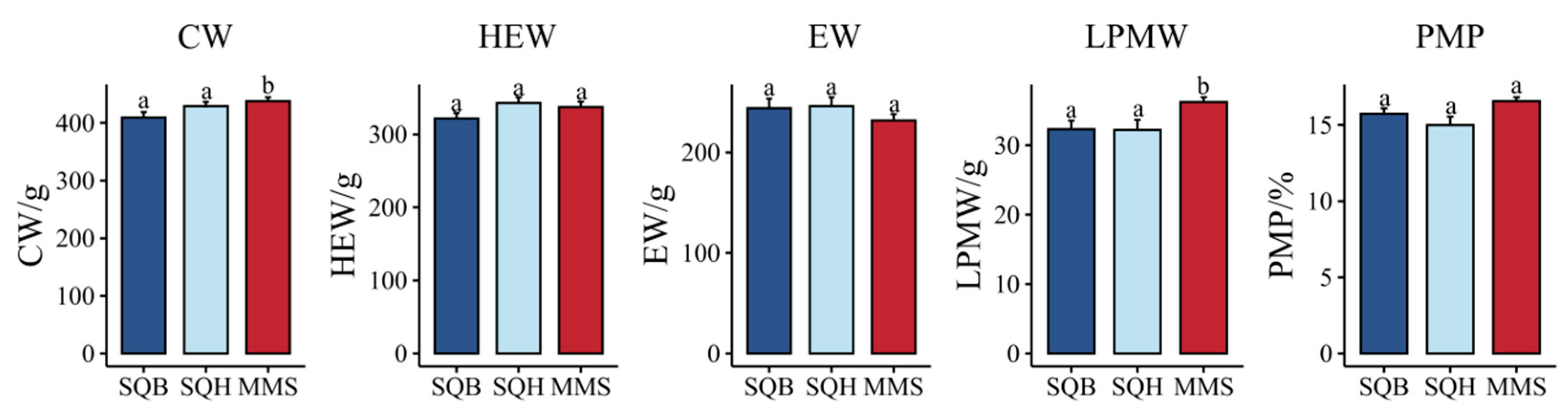
Carcass traits were compared between SQB and SQH (plumage color groups) and between SQB and MMS (breed groups). No significant differences in slaughter performance were observed between the two plumage color groups (p > 0.05). However, in the breed comparison, carcass weight (p = 0.008) and left pectoral muscle weight (p = 0.003) were significantly lower in SQB than in MMS, while other carcass parameters showed no significant differences (Figure 1). The findings demonstrate that feather color exhibits negligible effects on carcass characteristics among Shiqi pigeons of the same breed. Breed constitutes the principal determinant of key slaughter performance indices.

3.2. Meat Quality, Texture Profile and Composition Comparison

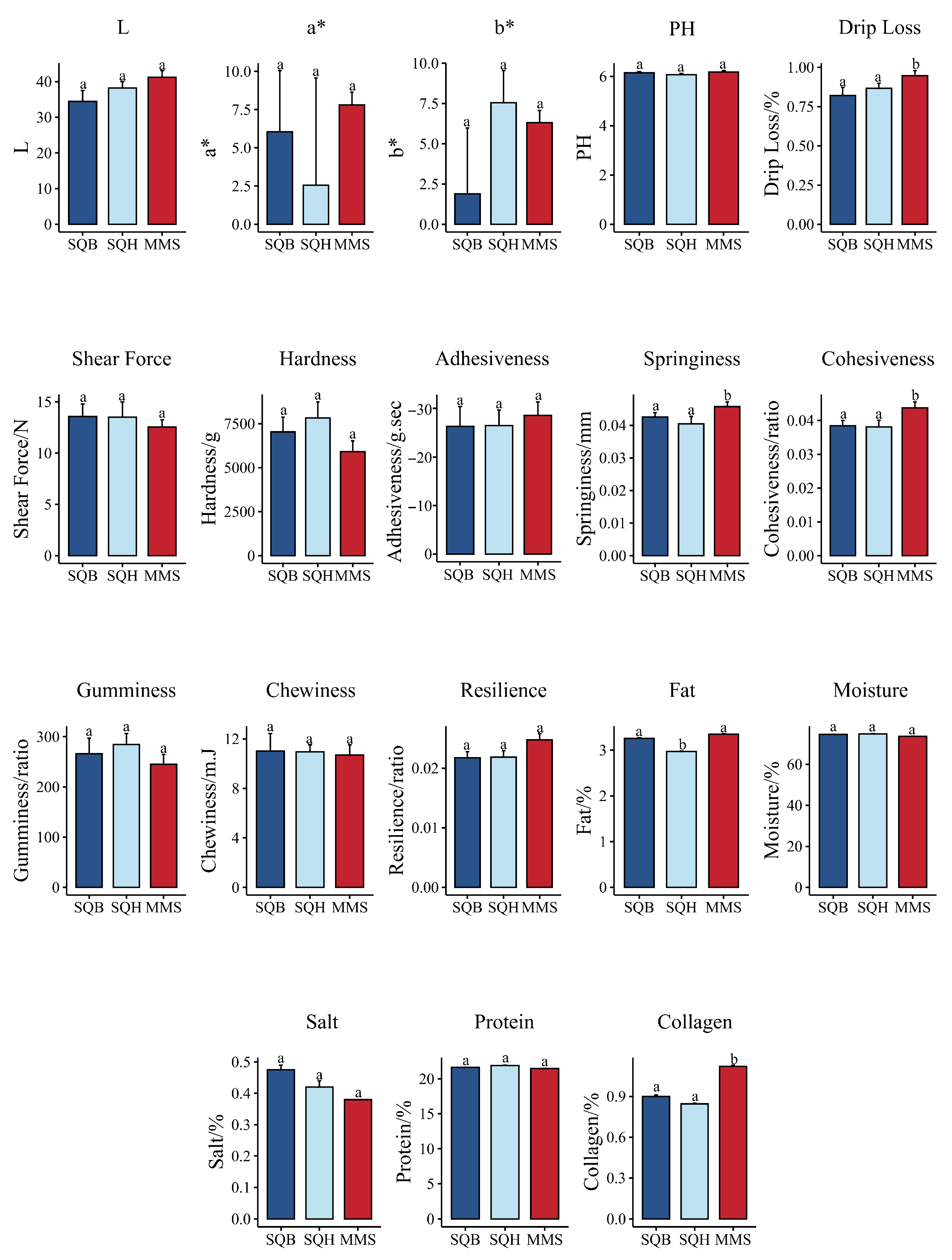
Meat quality analysis revealed no significant differences in both meat quality and texture profile between plumage color groups for any parameter (p > 0.05) (Figure 2). In contrast, drip loss was significantly lower in SQB than in MMS (p = 0.004), indicating superior water-holding capacity. Moreover, springiness (p = 0.012) and cohesiveness (p = 0.009) were significantly lower in SQB than in MMS, suggesting breed-specific textural characteristics. No significant differences were observed for color parameters, pH, shear force, hardness, adhesiveness, gumminess, chewiness, or resilience (p > 0.05) (Figure 2). Regarding meat composition, fat content was significantly higher in SQB than in SQH (p = 0.011) in plumage color comparisons. In breed comparisons, collagen content was significantly lower in SQB than in MMS (p = 0.003) (Figure 2). No significant differences were observed for salt, moisture, or protein content between SQB and MMS.

3.3. Meat Flavor Profiles Comparison

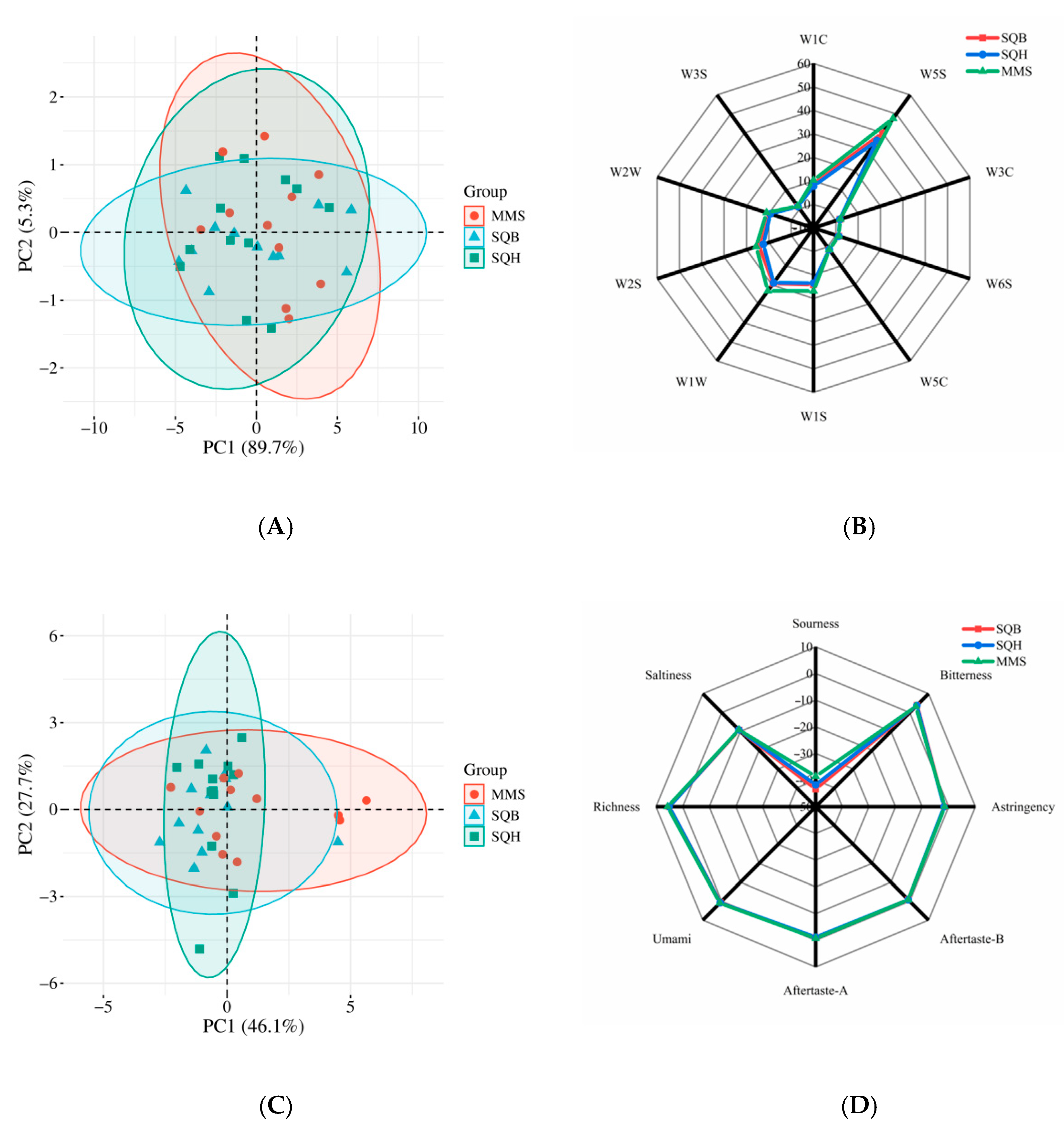
Electronic nose analysis revealed that the cumulative contribution rate of principal components reached 95.0% (PC1: 89.7%, PC2: 5.3%), fully characterizing the odor profiles of the three groups. However, samples from different groups were mixed and scattered (Figure 3A), showing no obvious clustering based on breed or plumage color. The radar chart also showed no substantial differences in pectoral muscle odor among groups, although six sensors (W1W, W1S, W2S, W5S) exhibited relatively higher response values in MMS than in SQB and SQH (Figure 3B), corresponding to sensitivity toward inorganic sulfides, short-chain hydrocarbons, alcohols/aldehydes/ethers, and nitrogen oxides, respectively. Similarly, PCA of electronic tongue data showed similar patterns among groups (Figure 3C). All five basic taste attributes (sourness, bitterness, astringency, saltiness, umami) and three aftertaste attributes (aftertaste-A, aftertaste-B, richness) were detected, with no marked differences among groups (Figure 3D).

3.4. Fatty Acid and Free Amino Acid Profiles

In plumage color comparisons (Table 1), five of seven short-chain fatty acids (acetic acid, butyric acid, caproic acid, isobutyric acid, and valeric acid) and two medium-to-long-chain fatty acids (C23:0 and C24:0) exhibited significantly lower levels in SQB than in SQH (p < 0.05). However, total EFA, SFA, UFA, MUFA, PUFA, ω-6 PUFA, and ω-3 PUFA contents did not differ significantly between these two groups. In breed comparisons (Table 1), SQB showed significantly lower levels of isobutyric acid, C10:0, C17:0, C17:1T, C18:2N6, C18:3N3, C19:1N12T, C19:1N9T, C20:5N3, and C22:5N3 than MMS (p < 0.05). In contrast, C22:1N9T, C22:4, and C24:1 were significantly higher in SQB (p < 0.05). Total EFA, PUFA, ω-6 PUFA, and ω-3 PUFA contents were significantly lower in SQB than in MMS (p < 0.05). These results demonstrate that breed, but not plumage color, significantly influences overall fatty acid composition.
For free amino acids (Table 2), valine content was significantly higher in SQB than in SQH (p = 0.008). However, total SAA, DAA, BCAA, and EAA contents, as well as their ratios to total amino acids, did not differ significantly between plumage color groups. In breed comparisons (Table 2), four free amino acids (methionine, phenylalanine, tyrosine, and valine) were significantly higher in SQB than in MMS (p < 0.05), while cystine and proline were significantly lower in SQB (p < 0.05). In addition, total SAA, DAA, BCAA, and EAA contents, as well as the DAA/TAA and EAA/TAA ratios, were significantly higher in SQB than in MMS (p < 0.05). These findings confirm that breed is the predominant factor shaping free amino acid profiles.

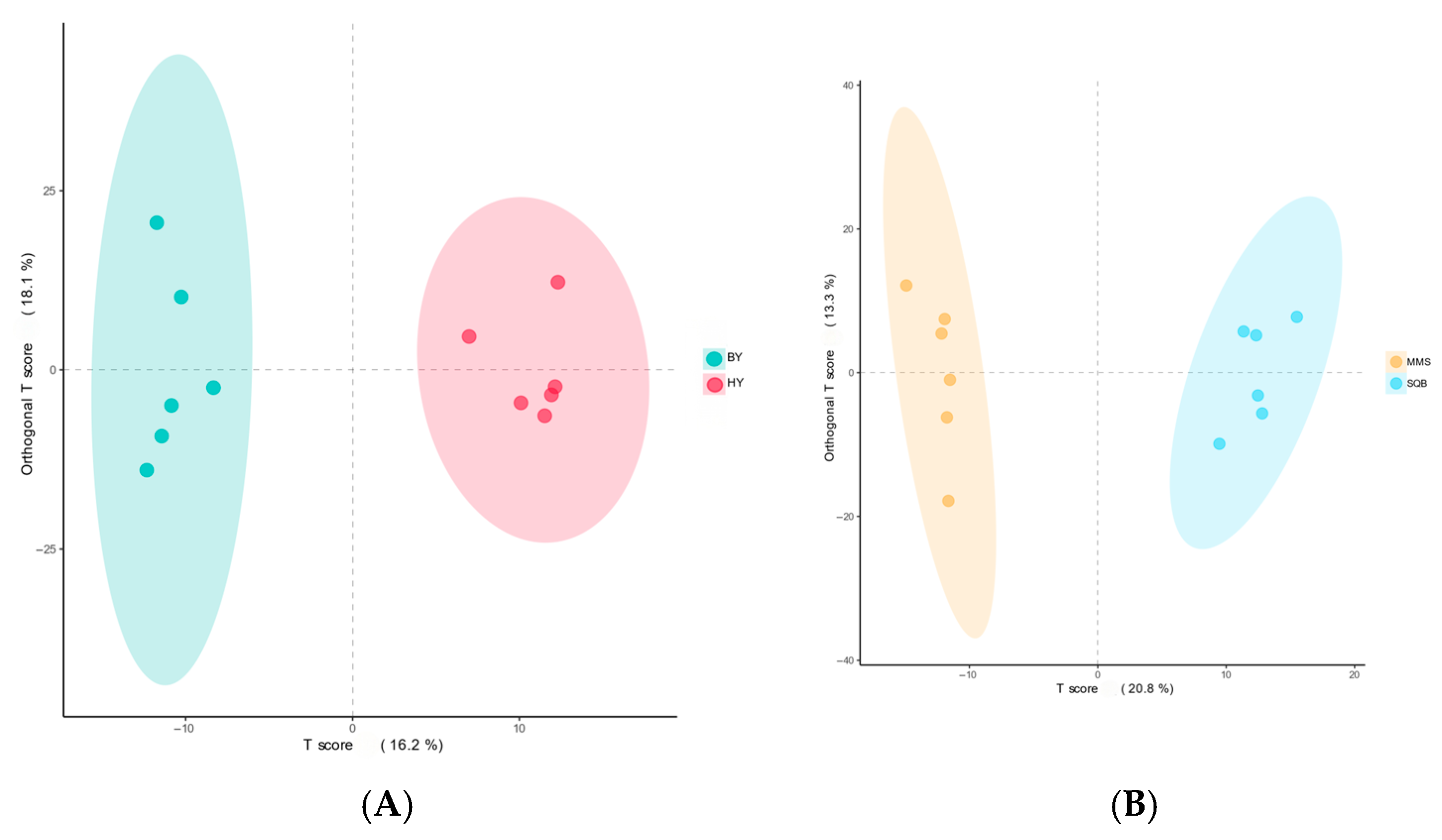
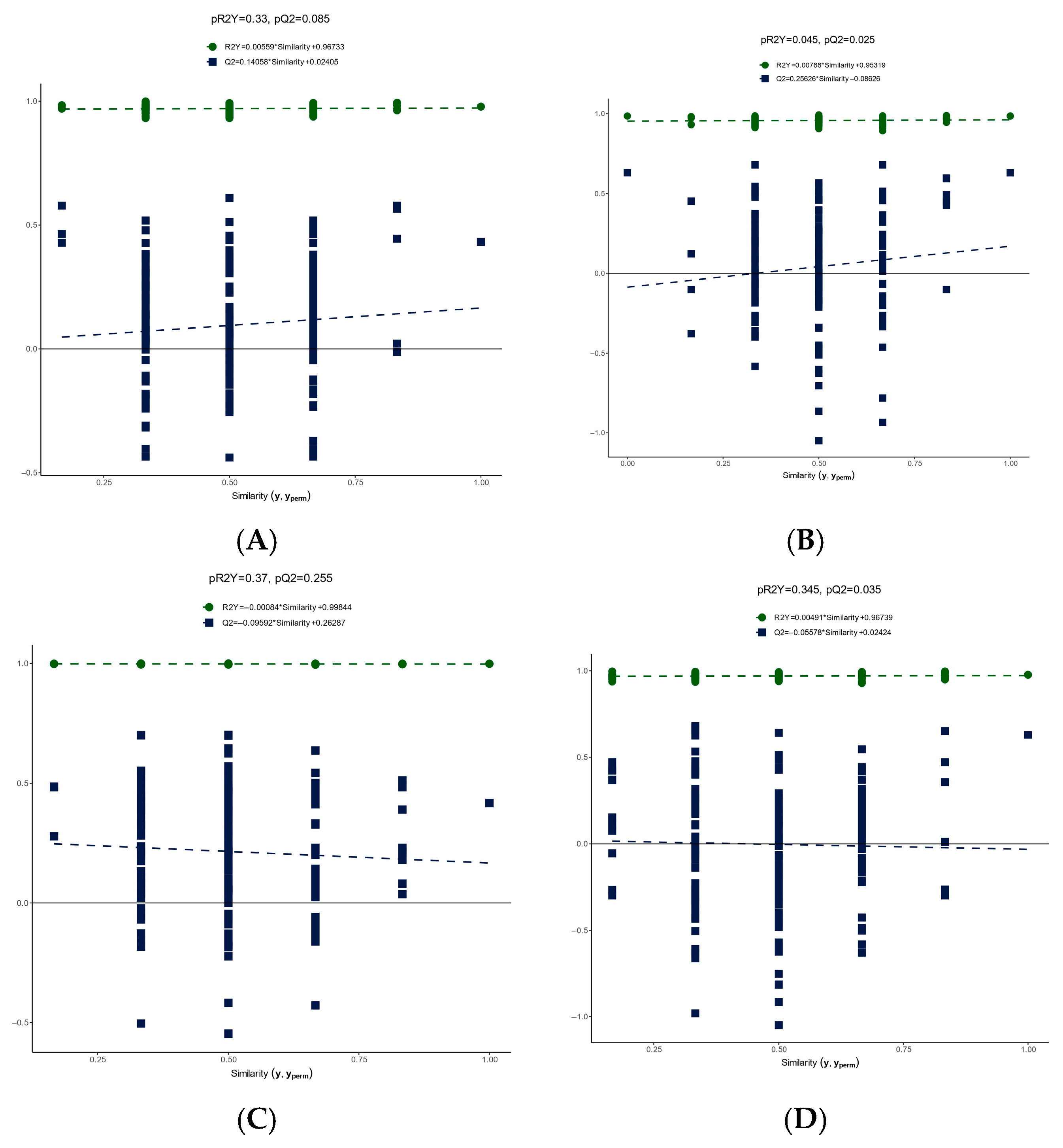
3.5. Distinct Metabolic Signatures of Breed and Plumage Color

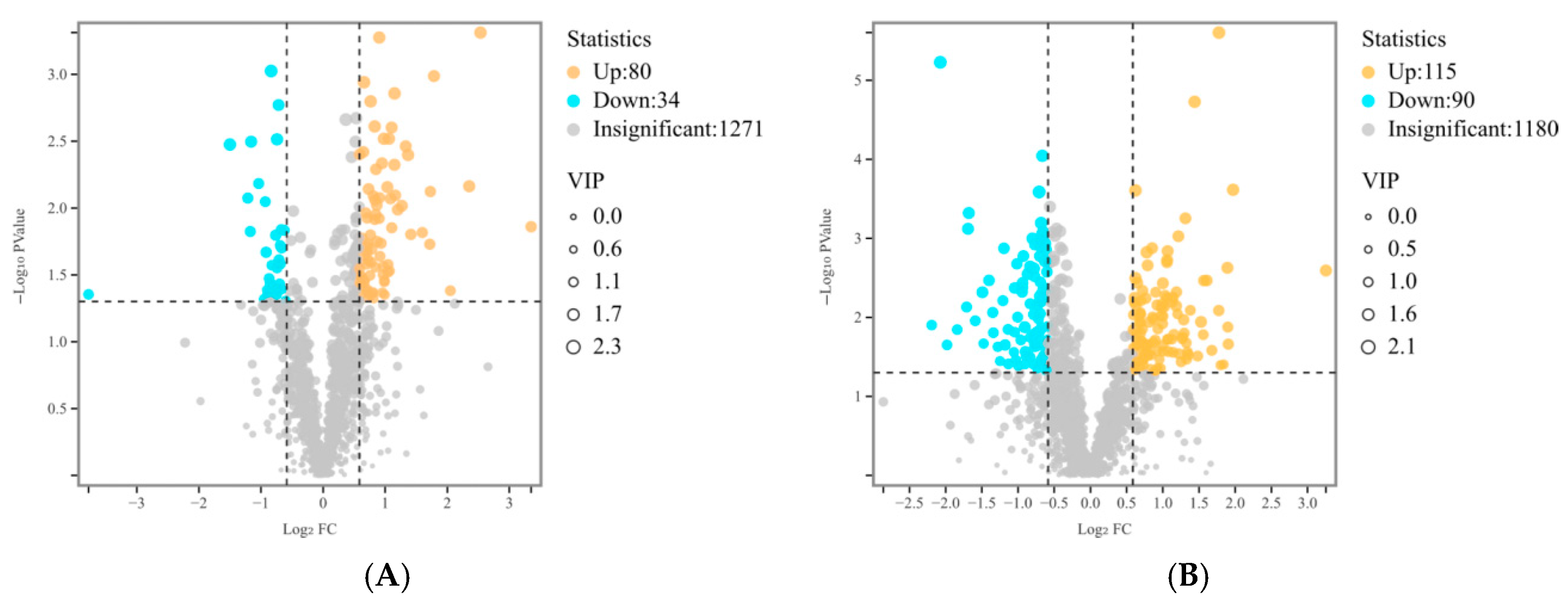
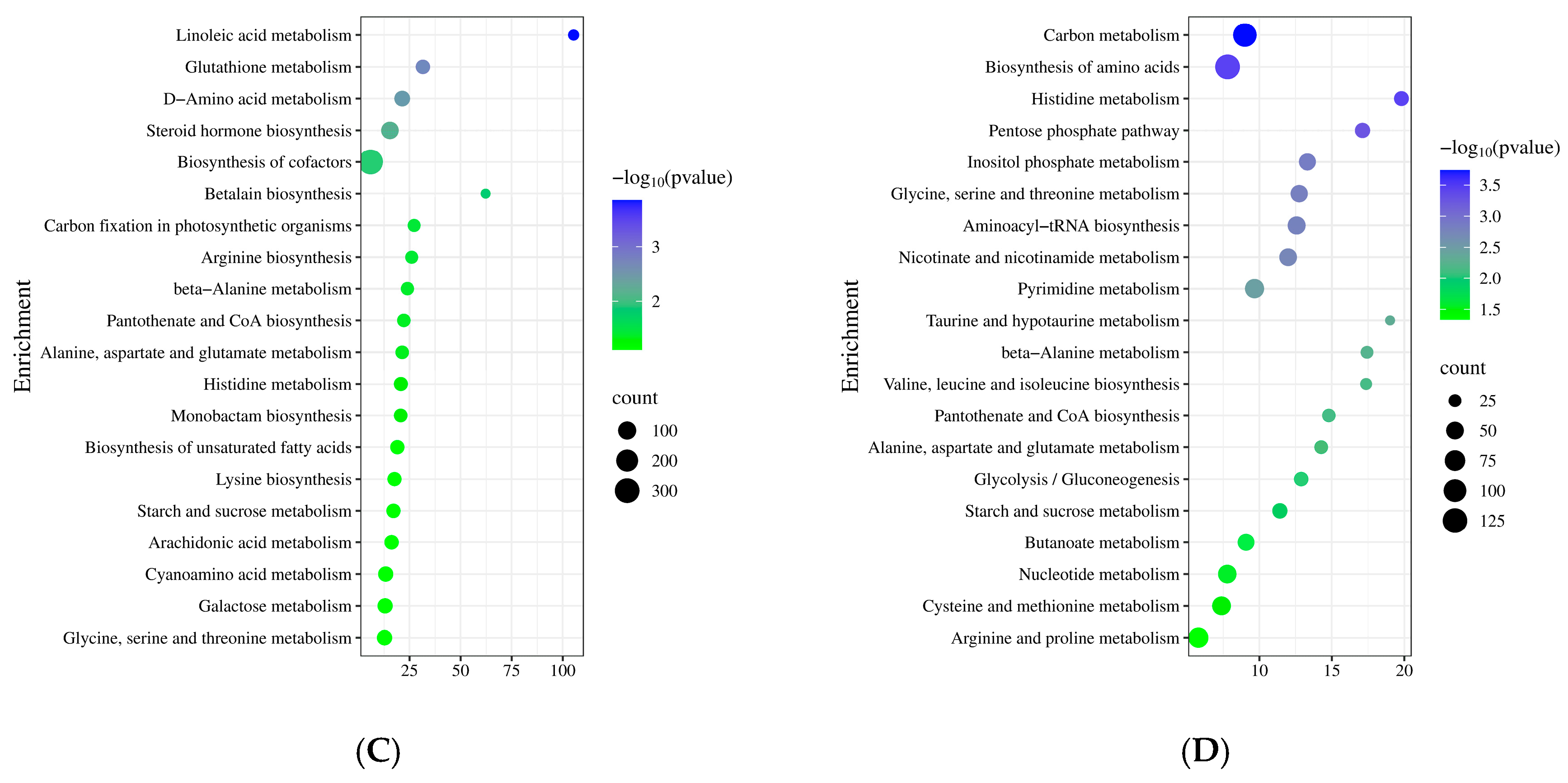
Principal component analysis (PCA) demonstrated that samples from the same group exhibited closely clustered distributions with similar patterns and were clearly distinguishable from those of other groups (Figure A1). Along with the results of OPLS-DA (Figure A2), these indicate that the sample selection per group is reliable and meets the requirements of this exploratory study for the preliminary characterization of metabolic profiles across different pigeon breeds and populations. A total of 114 DEMs were identified between the plumage color groups, including 34 down-regulated and 80 up-regulated in SQH vs. SQB (Figure 4A). In contrast, 205 DEMs were found between breed groups, with 90 down-regulated and 115 up-regulated in MMS vs. SQB (Figure 4B). DEMs in plumage color groups were significantly enriched in 13 pathways, including linoleic acid metabolism, glutathione metabolism, D-amino acid metabolism, steroid hormone biosynthesis, histidine metabolism, arginine biosynthesis, and alanine/aspartate/glutamate metabolism (Figure 4C). In breed groups, DEMs were enriched in 38 pathways, among which carbon metabolism, amino acid biosynthesis, histidine metabolism, alanine/aspartate/glutamate metabolism, pyrimidine metabolism, and beta-alanine metabolism were directly linked to muscle development and flavor regulation (Figure 4D).

3.6. Transcriptional Landscapes Comparison

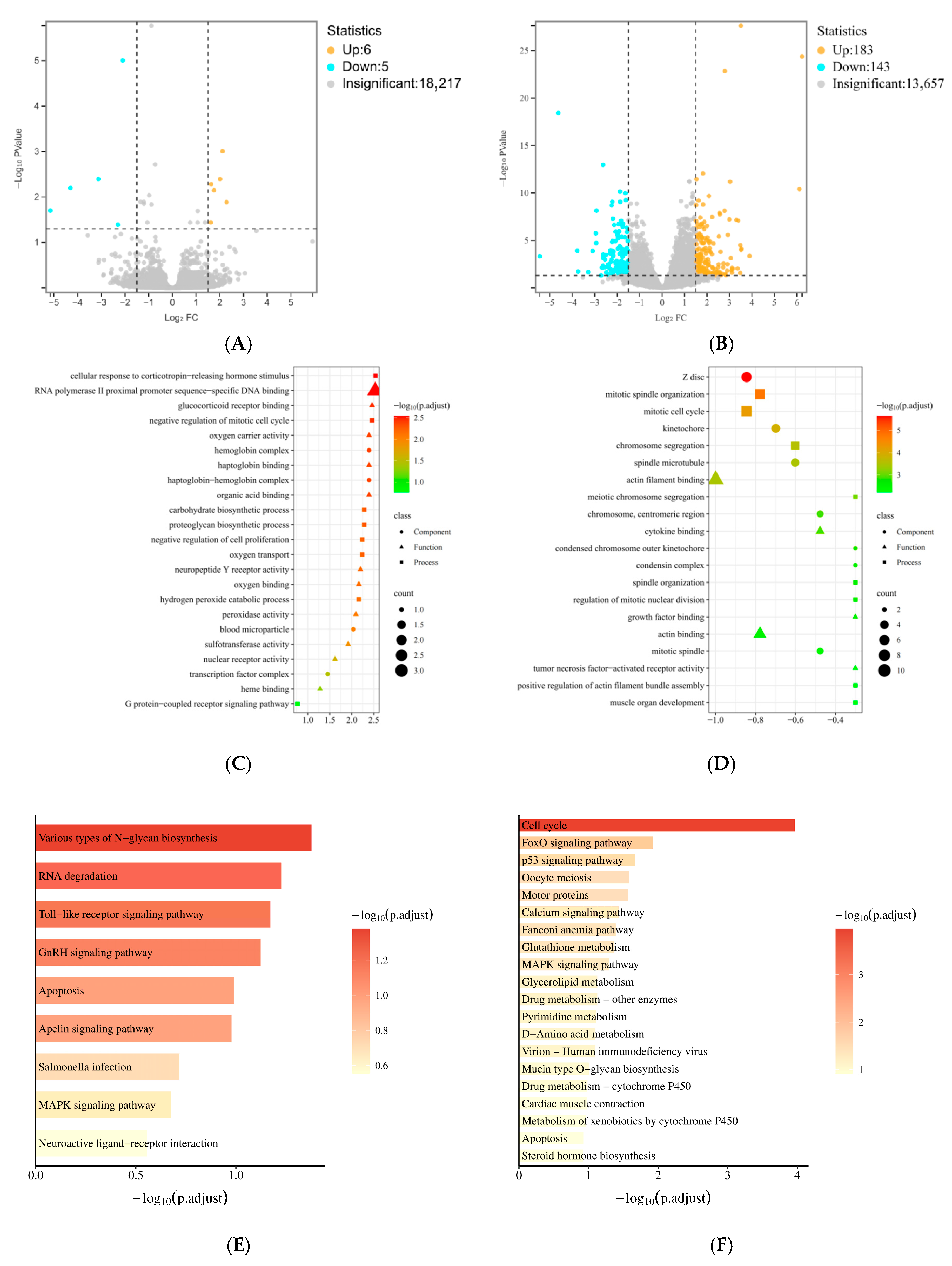
A total of 11 DEGs were identified in plumage color comparison, including 6 up-regulated and 5 down-regulated in SQH vs. SQB (Figure 5A). Meanwhile, 327 DEGs were found between breed groups, with 184 down-regulated and 143 up-regulated in MMS vs. SQB (Figure 5B). GO enrichment analysis showed that DEGs in plumage color groups were enriched in 21 significant GO terms (7 BP, 10 MF, 4 CC), while DEGs in breed groups were enriched in 50 significant GO terms (27 BP, 11 MF, 12 CC). The most significant GO terms in plumage color groups included glucocorticoid receptor binding, organic acid binding, and carbohydrate biosynthetic process (Figure 5C). Meanwhile, the most significant GO terms in breed groups included mitotic spindle organization, growth factor binding, mitotic cell cycle, chromosome segregation, and cytokine binding (Figure 5D). KEGG analysis revealed that DEGs in plumage color groups were significantly enriched in only one pathway, various types of N-glycan biosynthesis (Figure 5E); whereas DEGs in breed groups were significantly enriched in eight pathways, including cell cycle, FOXO signaling pathway, p53 signaling pathway, calcium signaling pathway, glutathione metabolism, and glycerolipid metabolism (Figure 5F), all closely associated with muscle development and meat flavor.

4. Discussion

This research represents a preliminary, exploratory, multi-omics characterization investigation. Our results preliminarily indicate that breed is the dominant genetic determinant, while plumage color variation within breed exerts minimal influence on carcass traits, meat quality parameters, nutritional composition, and flavor-related metabolite profiles. This hierarchical understanding of genetic factors is critical for designing precision breeding strategies in meat pigeons.
In terms of carcass traits, comparative analysis of slaughter performance across different meat pigeon breeds showed that the carcass weight and breast muscle weight of SQB were generally lower than those of MMS. Nevertheless, there was no significant difference in breast muscle percentage between the two breeds. SQB exhibited superior water-holding capacity, as reflected by significantly lower drip loss compared to MMS, along with higher intramuscular fat content. These traits are well-established contributors to brighter meat color and improved tenderness [19]. The significantly lower collagen content in SQB relative to MMS further supports its tenderness advantage, since collagen cross-linking density is positively correlated with shear force and hardness [20,21]. Notably, all three groups displayed pH values within the optimal range (5.97–6.4) characteristic of high-quality pigeon meat [22], confirming their status as premium meat-type breeds. Collectively, these phenotypic differences underscore that breed-specific genetic backgrounds dictate fundamental muscle biochemical properties that translate into distinct eating qualities.
Regarding flavor and nutritional value, the UFA/SFA ratios of all three breeds ranged from 2.02 to 2.27, substantially exceeding the nutritional quality benchmark, thereby affirming their high nutritional value. SFAs from meat have long been regarded as risk factors for cardiovascular diseases. The SQB breed had a significantly lower SFA content than MMS, implying a potential advantage of Shiqi pigeon in reducing the risk of cardiovascular diseases. UFAs are among the essential nutrients that must be obtained through dietary intake. Notably, the UFA content in pigeon meat is far higher than that in pork, which also explains why SQB has become a meat product of growing interest and preference among consumers. Studies have found that a higher UFA content in animal tissues tends to facilitate the thermal oxidation of fats during cooking, thereby generating distinct aromatic compounds [23]. The predominance of aspartic acid among free amino acids and the high proportion of umami amino acids (43–48% of total amino acids) underpin the characteristic savory flavor of pigeon meat [24,25]. Moreover, the significantly higher EAA/TAA ratio in SQB compared to MMS indicates superior protein nutritional quality [26], reinforcing the breed-specific nutritional hierarchy. While plumage color differences led to isolated changes in individual fatty acids or amino acids, no consistent alteration in the overall composition of fatty acid classes or total amino acid pools was observed. Thus, breed acts as the primary determinant of both the sensory and nutritional dimensions of pigeon meat.
To elucidate the molecular basis of these phenotypic divergences, we performed metabolomic and transcriptomic profiling. KEGG enrichment of DEMs identified glutathione metabolism as the principal pathway distinguishing plumage color strains, whereas histidine metabolism, beta-alanine metabolism, and phenylalanine/tyrosine/tryptophan biosynthesis were strongly breed-discriminatory. These pathways have been independently implicated in meat flavor regulation in chickens [27] and sheep [28], suggesting evolutionary conservation of core flavor-associated metabolic modules across avian and mammalian species. Moreover, the activation of phenylalanine, tyrosine, and tryptophan biosynthesis during metabolism can significantly increase the contents of phenylalanine and tyrosine. Several DEMs enriched in these pathways—glutathione, γ-glutamylcysteine, L-histidine, carnosine, histamine, L-phenylalanine, and DL-tyrosine—are known flavor modulators. As precursor substances for volatile flavor components in pigeon meat [29], these amino acids provide a sufficient material basis for the formation of characteristic flavor in pigeon meat products. Glutathione synergistically enhances umami perception [30]; L-histidine amplifies saltiness and stabilizes muscle protein structure [31]; carnosine promotes pyrazine formation during heating, generating roasted aroma notes [32].
Although 114 differential metabolites were identified between plumage color groups, only a few of them (e.g., aspartic acid and glutathione) are related to flavor. The majority of the remaining differential metabolites (e.g., salannin, anisomycin, brucine) are predominantly exogenous substances or metabolites unrelated to meat flavor. For example, 5,6-dihydroxyindole-2-carboxylic acid is involved in feather pigment synthesis and deposition [33], whereas gamma-glutamylcysteine mainly serves as an antioxidant and maintains cellular homeostasis [34]. These compounds do not directly contribute to core meat quality traits such as flavor, tenderness, umami, or aroma. This further indicates that plumage-related differential metabolites are rarely involved in the regulation of core meat flavor characteristics. The differential accumulation of these metabolites between SQB and MMS therefore provides a plausible metabolic explanation for the preferred flavor profile of Shiqi pigeon meat.
Transcriptome analysis revealed that breed-specific DEGs were significantly enriched in pathways governing cytoskeletal organization, cell cycle regulation, calcium signaling, and p53 signaling. The degradation rate of myofibrillar proteins, which is cytoskeleton-dependent, directly influences tenderness and juiciness [35]. Calcium signaling mediates tenderness development through downstream calpain-catalyzed proteolysis [36], explaining the divergent tenderness phenotypes observed between SQB and MMS. Genes correlated with the p53 signaling pathway may indirectly regulate fatty acid oxidation and intramuscular fat deposition through modulation of OXR1 expression [37], thereby linking transcriptional regulation to the accumulation of flavor precursors. Notably, only 11 DEGs were detected between plumage color strains, and these genes were not enriched in any pathway directly related to muscle metabolism or flavor, further corroborating the phenotypic evidence that feather color variants within the same breed have negligible impact on meat quality.
Our findings align with recent reports in chickens [9,38,39] and other farm animals [40,41], where breed exerted predominant effects on muscle metabolite profiles while plumage color variants showed minimal divergence. This convergence across poultry species suggests that intensive selection for production traits may overshadow pigmentation-related metabolic divergence. However, the central role of histidine metabolism and the specific gene-metabolite associations identified here appear to be pigeon-specific, warranting further comparative investigations across domesticated birds. Taken together, this multi-omics investigation establishes that breed, rather than plumage color, is the predominant genetic driver of meat quality and flavor in meat pigeons. The identified pathways and gene-metabolite networks offer actionable targets for marker-assisted selection and for developing molecular tools to accelerate the genetic improvement of local pigeon breeds. Moreover, our study provides a paradigmatic framework for disentangling confounded genetic factors in other livestock species where multiple traits are under simultaneous selection.
A limitation of this study is that DEGs were not verified using qRT-PCR. As an exploratory investigation, the primary emphasis of this research was to compare disparities in meat quality and gene expression among diverse breeds and feather colors through multi-omics analysis, rather than on the functional validation of individual key genes. However, such validation is of great significance for confirming the reliability of gene expression profiles. In future research, validate key meat-quality-related DEGs by means of qRT-PCR are expected to included to explore their expression patterns and regulatory mechanisms.

5. Conclusions

The plumage color of Shiqi pigeons within the same breed does not exert a significant influence on meat quality, nutritional composition, or sensory flavor attributes. Rather, breed serves as the primary determinant of these characteristics. Shiqi white pigeons (SQB) exhibit superior meat quality and flavor characteristics compared to Mimas white pigeons (MMS). Metabolomic and transcriptomic profiling revealed 114 and 205 DEMs, and 11 and 327 DEGs in plumage color and breed comparisons, respectively, with breed effects overwhelmingly predominant. Key flavor-associated metabolites—including glutathione, L-histidine, L-carnosine, and cytidine-5′-monophosphate—were identified as candidate biomarkers for breed-specific flavor differentiation. These findings provide a molecular framework for precision breeding programs targeting improved meat quality and flavor in local meat pigeon breeds and establish a foundation for comparative meat science across poultry species.

Author Contributions

Conceptualization, H.X. and F.Y.; methodology, Y.G., F.Y., X.X., J.W. (Jixiang Wei), S.L., M.Y., J.W. (Jing Wang), Z.L. and H.X.; investigation, Y.G., F.Y., X.X., J.W. (Jixiang Wei), S.L., M.Y., J.W. (Jing Wang) and H.X.; formal analysis, Y.G., F.Y., J.W. (Jixiang Wei), M.Y. and H.X.; resources, X.X. and Z.L.; visualization, Y.G., F.Y., J.W. (Jixiang Wei), S.L., M.Y., J.W. (Jing Wang) and H.X.; writing—original draft preparation, Y.G.; writing—review and editing, F.Y. and H.X.; supervision, F.Y., S.L., J.W. (Jing Wang), Z.L. and H.X.; funding acquisition, Z.L. and H.X. All authors have read and agreed to the published version of the manuscript.

Funding

This research was funded by Guangdong Provincial Rural Revitalization Strategy Special Fund-Seed Industry Revitalization Action Project (2025-XPY-08-001 and KH25365).

Institutional Review Board Statement

The animal study protocol was approved by the Laboratory Animal Welfare and Animal Experimental Ethical Inspection Board of Foshan University (Approval ID: FOSU#20231018, Approval Date: 8 October 2023).

Informed Consent Statement

Not applicable.

Data Availability Statement

The raw RNA-seq data presented in this study have been deposited in the China National GeneBank DataBase (CNGBdb) repository under the accession number CNP0008908.

Conflicts of Interest

Xiaofei Xu and Zhengsheng Li are from Zhongshan Shiqi Pigeon Breeding Co., Ltd. The remaining authors declare that the research was conducted in the absence of any commercial or financial relationships that could be construed as a potential conflict of interest.

Appendix A

Figure A1. PCA plot of odor-related metabolites. (A) PCA plot of odor-related metabolites in plumage color comparison (SQB vs. SQH); (B) PCA plot of odor-related metabolites in breed comparison (SQB vs. MMS).
Animals 16 01047 g0a1

Appendix B

Figure A2. OPLS-DA permutation test. (A) Positive ion mode: OPLS-DA permutation test plot in plumage color comparison (SQB vs. SQH); (B) Negative ion mode: OPLS-DA permutation test plot in plumage color comparison (SQB vs. SQH); (C) Positive ion mode: OPLS-DA permutation test plot in breed comparison (SQB vs. MMS); (D) Negative ion mode: OPLS-DA permutation test plot in breed comparison (SQB vs. MMS). The obtained parameters are as follows: For breed comparison in positive ion mode: R2 = 0.33, Q2 = 0.085; For breed comparison in negative ion mode: R2 = 0.37, Q2 = 0.255; For plumage color comparison in positive ion mode: R2 = 0.045, Q2 = 0.025; For plumage color comparison in negative ion mode: R2 = 0.345, Q2 = 0.035.
Animals 16 01047 g0a2

References

  1. Sule, K.; Adegbenro, M.; Akintomide, A.A.; Folorunso, O.R.; Onibi, G.E. Comparative evaluation of meat quality parameters of domestic pigeons and selected conventional poultry species. Anim. Res. Int. 2024, 21, 5650–5662. [Google Scholar]
  2. Chang, L.; Tang, Q.; Zhang, R.; Fu, S.; Mu, C.; Shen, X.; Bu, Z. Evaluation of meat quality of local pigeon varieties in China. Animals 2023, 13, 1291. [Google Scholar] [CrossRef]
  3. Fu, Y.; Song, Y.; Jiang, D.; Pan, J.; Li, W.; Zhang, X.; Chen, W.; Tian, Y.; Shen, X.; Huang, Y. Comprehensive transcriptomic and metabolomic analysis revealed the functional differences in pigeon lactation between male and female during the reproductive cycle. Animals 2023, 14, 75. [Google Scholar] [CrossRef] [PubMed]
  4. Lu, L.; Hu, Z.; Hu, X.; Li, D.; Tian, S. Electronic tongue and electronic nose for food quality and safety. Food Res. Int. 2022, 162, 112214. [Google Scholar] [CrossRef]
  5. Gao, J.; Sun, L.; Tu, W.; Cao, M.; Zhang, S.; Xu, J.; He, M.; Zhang, D.; Dai, J.; Wu, X.; et al. Characterization of meat metabolites and lipids in Shanghai local pig breeds revealed by LC-MS-based method. Foods 2024, 13, 2327. [Google Scholar] [CrossRef]
  6. Yu, T.; Tian, X.; Li, D.; He, Y.; Yang, P.; Cheng, Y.; Zhao, X.; Sun, J.; Yang, G. Transcriptome, proteome, and metabolome analyses have been instrumental in identifying key genes and pathways associated with intramuscular fat deposition and meat quality in pigs, as evidenced by studies on gender-specific differences and breed variations. Food Res. Int. 2023, 166, 112550. [Google Scholar] [CrossRef] [PubMed]
  7. Dong, X.; Cao, H.; Mao, H.; Hong, Q.; Yin, Z. Association of MyoD1 gene polymorphisms with meat quality traits in domestic pigeons (Columba livia). J. Poult. Sci. 2019, 56, 20–26. [Google Scholar] [CrossRef] [PubMed]
  8. Deng, S.; Liu, R.; Li, C.; Xu, X.; Zhou, G. Research on the quality and flavor compounds of soft-boiled chickens has shown that the breed of Chinese yellow-feathered chickens and their slaughter age significantly influence meat characteristics and flavor profiles. Poult. Sci. 2022, 101, 102168. [Google Scholar] [CrossRef]
  9. Cui, Z.; Amevor, F.; Lan, X.; Tang, B.; Qin, S.; Fu, P.; Liu, A.; Liu, L. Integrative metabolomics and transcriptomics analysis revealed specific genes and metabolites affecting meat quality of chickens under different rearing systems. Poult. Sci. 2024, 103, 103994. [Google Scholar] [CrossRef]
  10. Kumar, S.; Zheng, Y.; Xu, J.; Zhao, Z.; Zhang, Q.; Zhang, Y.; Li, M.; Zou, H.; Azeem, R.; Sun, W.; et al. Transcriptome and metabolome insights into key genes regulating fat deposition and meat quality in pig breeds. Animals 2024, 14, 3560. [Google Scholar] [CrossRef]
  11. Wang, H.; Liu, Z.; Yang, H.; Bai, Y.; Li, Q.; Qi, X.; Li, D.; Zhao, X.; Ma, Y. Integrated transcriptomics and metabolomics reveal the molecular characteristics and metabolic regulatory mechanisms among different muscles in Minxian black fur sheep. BMC Genom. 2025, 26, 412. [Google Scholar] [CrossRef] [PubMed]
  12. Cui, H.; Wang, Y.; Liu, X.; Wang, Y.; Zhang, L.; Chen, Y.; Jia, Y.; Zhao, G.; Wen, J. Identification of common aroma contributors and the regulated metabolites of different kinds of meat. LWT 2023, 181, 114737. [Google Scholar] [CrossRef]
  13. Wang, B.; Wang, Y.; Zuo, S.; Peng, S.; Wang, Z.; Zhang, Y.; Luo, H. Utilizing untargeted and targeted metabolomics, the study has demonstrated that artificial pasture grazing enhances meat quality by altering the composition of amino acids and fatty acids in the muscle of Tan sheep. J. Agric. Food Chem. 2021, 69, 846–858. [Google Scholar] [CrossRef]
  14. Jeong, J.Y.; Kim, M.; Ji, S.Y.; Baek, Y.-C.; Lee, S.; Oh, Y.K.; Reddy, K.E.; Seo, H.-W.; Cho, S.; Lee, H.-J. Metabolomics analysis of the beef samples with different meat qualities and tastes. Food Sci. Anim. Resour. 2020, 40, 924–937. [Google Scholar] [CrossRef]
  15. Shi, K.; Zhao, Q.; Shao, M.; Duan, Y.; Li, D.; Lu, Y.; Tang, Y.; Feng, C. Untargeted metabolomics reveals the effect of selective breeding on the quality of chicken meat. Metabolites 2022, 12, 367. [Google Scholar] [CrossRef]
  16. Jasmine, C.; Jianguo, X.; Oliver, S. MetaboAnalystR: An R package for flexible and reproducible analysis of metabolomics data. Bioinformatics 2018, 34, 4313–4314. [Google Scholar]
  17. Love, M.I.; Huber, W.; Anders, S. Moderated estimation of fold change and dispersion for RNA-seq data with DESeq2. Genome Biol. 2014, 15, 550. [Google Scholar] [CrossRef]
  18. Zhang, Y.; Mao, N.; Wang, Y.; Zhou, R.; Zang, S.; Xie, H.; Wang, W.; Zhang, W. Identification of key genes associated with breast muscle rate in 28-day-old squabs based on genome-wide selection signal and transcriptome. Acta Vet. Zootech. Sin. 2025, 56, 5531–5544. [Google Scholar]
  19. Otto, G.; Roehe, R.; Looft, H.; Thoelking, L.; Kalm, E. Comparison of different methods for determination of drip loss and their relationships to meat quality and carcass characteristics in pigs. Meat Sci. 2004, 68, 401–409. [Google Scholar] [CrossRef]
  20. Li, X.; Ha, M.; Warner, R.D.; Lealiifano, A.; Hewitt, R.J.E.; D’Souza, D.N.; Trezona, M.; Dunshea, F.R. Muscle, season, sex, and carcass weight affected pork texture, collagen characteristics, and intramuscular fat content. J. Anim. Sci. 2024, 102, skae231. [Google Scholar] [CrossRef] [PubMed]
  21. Li, X.; Ha, M.; Warner, R.D.; Dunshea, F.R. Meta-analysis of the relationship between collagen characteristics and meat tenderness. Meat Sci. 2022, 185, 108717. [Google Scholar] [CrossRef]
  22. Kokoszyński, D.; Stęczny, K.; Żochowska-Kujawska, J.; Sobczak, M.; Kotowicz, M.; Saleh, M.; Fik, M.; Arpášová, H.; Hrnčár, C.; Włodarczyk, K. Carcass characteristics, physicochemical properties, and texture and microstructure of the meat and internal organs of Carrier and King pigeons. Animals 2020, 10, 1315. [Google Scholar] [CrossRef]
  23. Ren, Y.; Zhou, L.; Shi, Y.; Yu, Y.; Xing, W.; Zhao, Q.; Zhang, J.; Bai, Y.; Li, J.; Tang, C. Effect of alterations in phospholipids and free fatty acids on aroma-active compounds in instant-boiled chuck tender, sirloin and silverside beef. Heliyon 2024, 10, e36382. [Google Scholar] [CrossRef]
  24. Leggio, A.; Belsito, E.L.; De Marco, R.; Liguori, A.; Siciliano, C.; Spinella, M. Simultaneous extraction and derivatization of amino acids and free fatty acids in meat products. J. Chromatogr. A 2012, 1241, 96–102. [Google Scholar] [CrossRef] [PubMed]
  25. Gai, K.; Ge, Y.; Liu, D.; Zhang, H.; Cong, B.; Guo, S.; Liu, Y.; Xing, K.; Qi, X.; Wang, X.; et al. Identification of key genes affecting flavor formation in Beijing-You chicken meat by transcriptome and metabolome analyses. Foods 2023, 12, 1025. [Google Scholar] [CrossRef]
  26. Hang, G.; Ming, L.; Si, R. Effects of postmortem aging on nutritional quality and myofibrillar protein function in Bactrian camel meat. J. Food Sci. 2026, 91, e70747. [Google Scholar] [CrossRef] [PubMed]
  27. Zhang, J.; Chen, X.; Cao, J.; Geng, A.; Chu, Q.; Yan, Z.; Zhang, Y.; Liu, H. Metabolomics reveals glycerophospholipids, peptides, and flavonoids contributing to breast meat flavor and benefit properties of Beijing-You chicken. Foods 2024, 13, 2549. [Google Scholar] [CrossRef]
  28. Li, Z.; Zheng, M.; Li, W.; Li, J.; Wang, L.; Wang, S.; Lu, H.; Zhang, T. Carnosine and acyl carnitines as metabolic determinants of muscle phenotypic differences between longissimus dorsi and triceps brachii in Hanzhong sheep. Foods 2025, 14, 3289. [Google Scholar] [CrossRef]
  29. Liu, Y.; Sun, D.; Peng, A.; Li, T.; Li, H.; Mu, B.; Wang, J.; Cui, M.; Piao, C.; Li, G. Hydrolysis of beef sarcoplasmic protein by dry-aged beef-isolated Penicillium oxalicum and its associated metabolic pathways. Foods 2024, 13, 1038. [Google Scholar] [CrossRef]
  30. Ueda, Y.; Yonemitsu, M.; Tsubuku, T.; Sakaguchi, M.; Miyajima, R. Flavor characteristics of glutathione in raw and cooked foodstuffs. Biosci. Biotechnol. Biochem. 1997, 61, 1977–1980. [Google Scholar] [CrossRef]
  31. Shi, H.; Ali Khan, I.; Zhang, R.; Zou, Y.; Xu, W.; Wang, D. Evaluation of ultrasound-assisted L-histidine marination on beef M. semitendinosus: Insight into meat quality and actomyosin properties. Ultrason. Sonochem. 2022, 85, 105987. [Google Scholar] [CrossRef]
  32. Chen, Y.; Ho, C.T. Effects of carnosine on volatile generation from Maillard reaction of ribose and cysteine. J. Agric. Food Chem. 2002, 50, 2372–2376. [Google Scholar] [CrossRef]
  33. Galván, I. Physiological compartmentalization as a possible cause of phylogenetic signal loss: An example involving melanin-based pigmentation. Biol. J. Linn. Soc. 2018, 125, 760–765. [Google Scholar] [CrossRef]
  34. Yang, Y.; Li, L.; Hang, Q.; Fang, Y.; Dong, X.; Cao, P.; Yin, Z.; Luo, L. γ-glutamylcysteine exhibits anti-inflammatory effects by increasing cellular glutathione level. Redox Biol. 2019, 20, 157–166. [Google Scholar] [CrossRef] [PubMed]
  35. Zheng, L.; Li, M.; Du, M.; Shen, Q.W.; Zhang, D. Dephosphorylation enhances postmortem degradation of myofibrillar proteins. Food Chem. 2018, 245, 233–239. [Google Scholar] [CrossRef]
  36. Zheng, L.; Li, X.; Gao, X.; Shen, Q.W.; Du, M.; Zhang, D. Phosphorylation prevents in vitro myofibrillar proteins degradation by μ-calpain. Food Chem. 2017, 218, 455–462. [Google Scholar] [CrossRef]
  37. Zhang, R.; Miao, J.; Song, Y.; Zhang, W.; Xu, L.; Chen, Y.; Zhang, L.; Gao, H.; Zhu, B.; Li, J.; et al. Genome-wide association study identifies the PLAG1-OXR1 region on BTA14 for carcass meat yield in cattle. Physiol. Genom. 2019, 51, 137–144. [Google Scholar] [CrossRef] [PubMed]
  38. Jin, Y.; Cui, H.; Yuan, X.; Liu, L.; Liu, X.; Wang, Y.; Ding, J.; Xiang, H.; Zhang, X.; Liu, J.; et al. Identification of the main aroma compounds in Chinese local chicken high-quality meat. Food Chem. 2021, 359, 129930. [Google Scholar] [CrossRef]
  39. Li, R.; Cao, R.; Peng, Y.; Gan, X.; Zhang, Y.; Gu, T.; Xu, W.; Su, J.; Tian, Y.; Zeng, T.; et al. Integrated transcriptomic and metabolomic profiling deciphers breed-, age-, and rearing system-dependent regulation of muscle development and meat quality in chickens. Food Chem. Mol. Sci. 2026, 12, 100369. [Google Scholar] [CrossRef]
  40. Ma, Y.; Cai, G.; Chen, J.; Yang, X.; Hua, G.; Han, D.; Li, X.; Feng, D.; Deng, X. Combined transcriptome and metabolome analysis reveals breed-specific regulatory mechanisms in Dorper and Tan sheep. BMC Genom. 2024, 25, 70. [Google Scholar] [CrossRef]
  41. Han, L.; Fu, R.; Fu, B.; Li, Q.; Yu, Y.; Gao, H.; Zhang, J.; Qi, M.; Jin, C.; Mao, S.; et al. Integrating metabolomics and transcriptomics to analyze differences in muscle mass and flavor formation in Gayal and yellow cattle. Front. Vet. Sci. 2025, 12, 1581767. [Google Scholar] [CrossRef] [PubMed]
Figure 1. Carcass traits of meat pigeons with different plumage colors and breeds. CW: carcass weight; HEW: half-eviscerated weight; EW: eviscerated weight; LPMW: left pectoral muscle weight; PMP: pectoral muscle percent. Different letters indicate significant differences (p < 0.05). SQB: Shiqi white pigeon; SQH: Shiqi grey pigeon; MMS: Mimas white pigeon.
Animals 16 01047 g001
Figure 2. Meat quality, texture profile and composition of meat pigeons with different plumage colors and breeds. Different letters indicate significant differences (p < 0.05). SQB: Shiqi white pigeon; SQH: Shiqi grey pigeon; MMS: Mimas white pigeon.
Animals 16 01047 g002
Figure 3. PCA and radar analyses of pectoral muscle odor and taste in three pigeon groups. (A) PCA plot of pectoral muscle odor; (B) radar chart of pectoral muscle odor; (C) PCA plot of pectoral muscle taste; (D) radar chart of pectoral muscle taste. SQB: Shiqi white pigeon; SQH: Shiqi grey pigeon; MMS: Mimas white pigeon.
Animals 16 01047 g003
Figure 4. Pectoral muscle metabolic profile of different pigeon groups. (A) Volcano plot of DEMs in plumage color comparison (SQB vs. SQH); (B) Volcano plot of DEMs in breed comparison (SQB vs. MMS); (C) KEGG enrichment bubble chart of DEMs in plumage color comparison; (D) KEGG enrichment bubble chart of DEMs in breed comparison. SQB: Shiqi white pigeon; SQH: Shiqi grey pigeon; MMS: Mimas white pigeon. (Notes: The vertical dashed line indicates the threshold of fold change, while the horizontal dashed line indicates the threshold of statistical significance.)
Animals 16 01047 g004aAnimals 16 01047 g004b
Figure 5. Pectoral muscle transcriptomic profile of different pigeon groups. (A) Volcano plot of DEGs in plumage color comparison (SQB vs. SQH); (B) Volcano plot of DEGs in breed comparison (SQB vs. MMS); (C) GO enrichment of DEGs in plumage color comparison; (D) GO enrichment of DEGs in breed comparison; (E) KEGG enrichment of DEGs in plumage color comparison; (F) KEGG enrichment of DEGs in breed comparison. SQB: Shiqi white pigeon; SQH: Shiqi grey pigeon; MMS: Mimas white pigeon. (Notes: The vertical dashed line indicates the threshold of fold change, while the horizontal dashed line indicates the threshold of statistical significance).
Animals 16 01047 g005
Table 1. Fatty acid profiles of different pigeon groups.
ItemSQB (n = 6)SQH (n = 6)MMS (n = 6)
Acetic acid166.28 ± 110.65 a361.32 ± 172.81 b213.17 ± 115.73 a
Butyric acid9.73 ± 5.03 a27.68 ± 12.88 b15.52 ± 6.03 a
Caproic acid1.58 ± 0.62 a4.51 ± 2.14 b2.61 ± 0.85 a
Isobutyric acid0.52 ± 0.30 a0.90 ± 0.16 b0.57 ± 0.35 b
Isovaleric acid0.07 ± 0.120.11 ± 0.100.00 ± 0.00
Propionic acid0.96 ± 0.171.12 ± 2.240.75 ± 0.42
Valeric acid0.41 ± 0.10 a0.67 ± 0.20 b0.54 ± 0.21 a
C10:00.15 ± 0.03 a0.17 ± 0.04 a0.18 ± 0.02 b
C12:00.3 ± 0.050.29 ± 0.040.29 ± 0.03
C13:00.08 ± 0.020.09 ± 0.010.08 ± 0.02
C14:03.32 ± 0.892.79 ± 0.433.18 ± 0.47
C14:10.91 ± 0.200.76 ± 0.150.75 ± 0.28
C14:1T0.12 ± 0.070.14 ± 0.060.07 ± 0.05
C15:00.62 ± 0.110.6 ± 0.110.67 ± 0.08
C15:10.17 ± 0.030.19 ± 0.030.16 ± 0.05
C15:1T0.10 ± 0.040.12 ± 0.030.10 ± 0.04
C16:0279.54 ± 51.59300.12 ± 43.38322.65 ± 57.72
C16:179.52 ± 16.6578.76 ± 7.2771.66 ± 19.42
C16:1T0.49 ± 0.060.5 ± 0.020.51 ± 0.11
C17:01.86 ± 0.37 a1.92 ± 0.48 a2.53 ± 0.52 b
C17:14.08 ± 0.934.97 ± 0.704.26 ± 0.85
C17:1T0.58 ± 0.09 a0.58 ± 0.08 a0.74 ± 0.08 b
C18:0222.08 ± 41.44224.46 ± 28.73240.68 ± 31.02
C18:1N1214.97 ± 2.3715.61 ± 4.7615.39 ± 3.89
C18:1N12T1.08 ± 0.161.2 ± 0.290.99 ± 0.13
C18:1N762.6 ± 15.0461.17 ± 5.0765.51 ± 10.49
C18:1N7T0.42 ± 0.03 a0.46 ± 0.05 a0.56 ± 0.04 b
C18:1N9C455.33 ± 119.48455.87 ± 56.63516.7 ± 137.14
C18:1N9T2.16 ± 0.312.16 ± 0.132.07 ± 0.21
C18:2N6329.71 ± 75.35 a308.94 ± 56.16 a469.21 ± 82.54 b
C18:2N6T0.3 ± 0.070.49 ± 0.250.4 ± 0.28
C18:3N32.93 ± 0.69 a2.39 ± 0.44 a5.12 ± 0.80 b
C18:3N61.08 ± 0.111.09 ± 0.111.02 ± 0.08
C19:1N12T0.91 ± 0.19 a0.95 ± 0.16 a1.25 ± 0.20 b
C19:1N9T0.63 ± 0.11 a0.68 ± 0.08 a0.87 ± 0.11 b
C20:01.65 ± 0.351.78 ± 0.181.71 ± 0.23
C20:14.62 ± 1.434.84 ± 1.213.86 ± 0.73
C20:1T0.15 ± 0.060.16 ± 0.030.14 ± 0.02
C20:23.4 ± 0.973.13 ± 0.083.15 ± 0.43
C20:3N30.34 ± 0.060.33 ± 0.040.35 ± 0.04
C20:3N66.61 ± 1.127.82 ± 1.216.91 ± 0.66
C20:4N683.08 ± 13.7090.45 ± 18.588.94 ± 11.49
C20:5N32.41 ± 0.51 a2.63 ± 0.49 a3.33 ± 0.74 b
C21:00.15 ± 0.020.17 ± 0.020.15 ± 0.02
C22:00.39 ± 0.080.48 ± 0.130.41 ± 0.09
C22:1N91.47 ± 0.591.56 ± 0.311.02 ± 0.11
C22:1N9T0.13 ± 0.06 a0.11 ± 0.03 a0.06 ± 0.01 b
C22:20.21 ± 0.100.21 ± 0.050.16 ± 0.03
C22:415.82 ± 2.4 a15.82 ± 1.56 a13.1 ± 1.47 b
C22:5N315.9 ± 3.6014.89 ± 2.2918.92 ± 2.55
C22:5N63.44 ± 0.613.43 ± 0.543.5 ± 0.77
C22:6N34.14 ± 0.993.92 ± 1.245.73 ± 1.80
C23:00.17 ± 0.02 a0.19 ± 0.03 b0.16 ± 0.03 a
C24:00.32 ± 0.03 a0.41 ± 0.08 b0.31 ± 0.04 a
C24:10.51 ± 0.07 a0.51 ± 0.09 a0.34 ± 0.04 b
C6:00.2 ± 0.040.22 ± 0.040.21 ± 0.02
C8:00.16 ± 0.030.18 ± 0.030.18 ± 0.02
EFA332.64 ± 75.79 a311.33 ± 56.08 a474.33 ± 83.23 b
SFA510.98 ± 87.30533.88 ± 71.18573.38 ± 85.64
UFA1093.24 ± 216.671079.29 ± 100.551299.09 ± 230.19
MUFA624.17 ± 151.53624.24 ± 65.66679.65 ± 148.06
PUFA469.07 ± 94.96 a455.05 ± 76.04 a619.44 ± 91.13 b
ω-6 PUFA423.92 ± 87.9 a411.74 ± 73.42 a569.58 ± 91.25 b
ω-3 PUFA25.72 ± 5.01 a24.16 ± 3.68 a33.45 ± 4.17 b
Note: Different letters indicate significant differences (p < 0.05). SQB: Shiqi white pigeon; SQH: Shiqi grey pigeon; MMS: Mimas white pigeon.
Table 2. Free amino acid profiles of different pigeon groups.
ItemSQB (n = 6)SQH (n = 6)MMS (n = 6)
Alanine4.44 ± 1.894.28 ± 1.114.00 ± 0.34
Arginine0.15 ± 0.070.14 ± 0.040.11 ± 0.02
Asparagine0.05 ± 0.010.05 ± 0.010.04 ± 0.01
Aspartate12.13 ± 2.2412.5 ± 2.4510.39 ± 1.55
Citrulline0.09 ± 0.020.15 ± 0.080.14 ± 0.08
Cysteine0.01 ± 0.010.01 ± 0.010.01 ± 0.01
Cystine8.94 ± 2.95 a9.55 ± 1.91 a12.23 ± 1.75 b
Glutamate2.07 ± 0.432.07 ± 0.531.95 ± 0.31
Glutamine0.44 ± 0.050.45 ± 0.050.46 ± 0.05
Glycine9.92 ± 1.6011.62 ± 1.957.84 ± 2.00
Histidine13.74 ± 4.3312.01 ± 2.2710.72 ± 2.04
Hydroxyproline0.38 ± 0.280.33 ± 0.190.38 ± 0.14
Isoleucine1.19 ± 0.111.18 ± 0.021.14 ± 0.04
Leucine0.79 ± 0.190.8 ± 0.020.65 ± 0.12
Lysine2.39 ± 0.892.33 ± 0.192.10 ± 0.34
Methionine1.76 ± 0.21 a1.56 ± 0.22 a1.21 ± 0.23 b
Ornithine0.07 ± 0.010.08 ± 0.040.06 ± 0.01
Phenylalanine2.41 ± 0.34 a2.31 ± 0.16 a1.84 ± 0.21 b
Proline2.84 ± 0.16 a3.00 ± 0.63 a3.20 ± 0.23 b
Serine11.28 ± 0.809.93 ± 2.189.75 ± 1.57
Taurine8.30 ± 1.827.42 ± 0.9010.16 ± 2.28
Threonine0.29 ± 0.100.22 ± 0.060.41 ± 0.09
Tryptophan0.01 ± 0.000.01 ± 0.000.01 ± 0.00
Tyrosine2.86 ± 0.42 a2.78 ± 0.26 a2.11 ± 0.22 b
Valine2.05 ± 0.25 a1.72 ± 0.24 b1.57 ± 0.26 b
SAA28.78 ± 3.21 a29.05 ± 4.71 a25.20 ± 2.02 b
DAA42.86 ± 4.76 a43.33 ± 7.04 a36.14 ± 2.08 b
BCAA4.03 ± 0.53 a3.69 ± 0.24 a3.36 ± 0.28 b
EAA24.63 ± 4.36 a22.12 ± 2.76 a19.65 ± 2.10 b
TAA90.00 ± 9.5987.87 ± 8.0083.81 ± 3.32
SAA/TAA0.32 ± 0.020.33 ± 0.030.30 ± 0.02
DAA/TAA0.48 ± 0.04 a0.49 ± 0.05 a0.43 ± 0.02 b
EAA/TAA0.27 ± 0.03 a0.25 ± 0.02 a0.23 ± 0.02 b
Note: Different letters indicate significant differences (p < 0.05). SQB: Shiqi white pigeon; SQH: Shiqi grey pigeon; MMS: Mimas white pigeon.
Disclaimer/Publisher’s Note: The statements, opinions and data contained in all publications are solely those of the individual author(s) and contributor(s) and not of MDPI and/or the editor(s). MDPI and/or the editor(s) disclaim responsibility for any injury to people or property resulting from any ideas, methods, instructions or products referred to in the content.