
Effects of High Moisture Corn Feeding on Weight Performance, Serum Immune Indices, Rumen Fermentation, and Metabolomics in Kazakh Rams


Simple Summary
Abstract
1. Introduction
2. Materials and Methods
2.1. Animal Management and Feeding
2.2. Sample Collection and Testing
2.2.1. Growth Performance
2.2.2. Blood Sample Collection and Analysis
2.2.3. Rumen Fluid Collection
2.2.4. Rumen Volatile Fatty Acid Analysis
2.2.5. Rumen Microbiota Analysis
2.2.6. Rumen Metabolomics
2.3. Data Analysis
3. Results
3.1. Effects of Feeding HMC on Weight Performance of Kazakh Rams
3.2. Effects of Feeding HMC on Blood Indices of Kazakh Rams
3.2.1. Effects of Feeding HMC on Serum Immune Indices of Kazakh Rams
3.2.2. Effects of Feeding HMC on Serum Antioxidant Indices of Kazakh Rams
3.3. Effects of Feeding HMC on Rumen Fluid Fermentation and Microbial Diversity in Kazakh Rams
3.3.1. Effects of HMC on Rumen Fluid Fermentation in Kazakh Rams
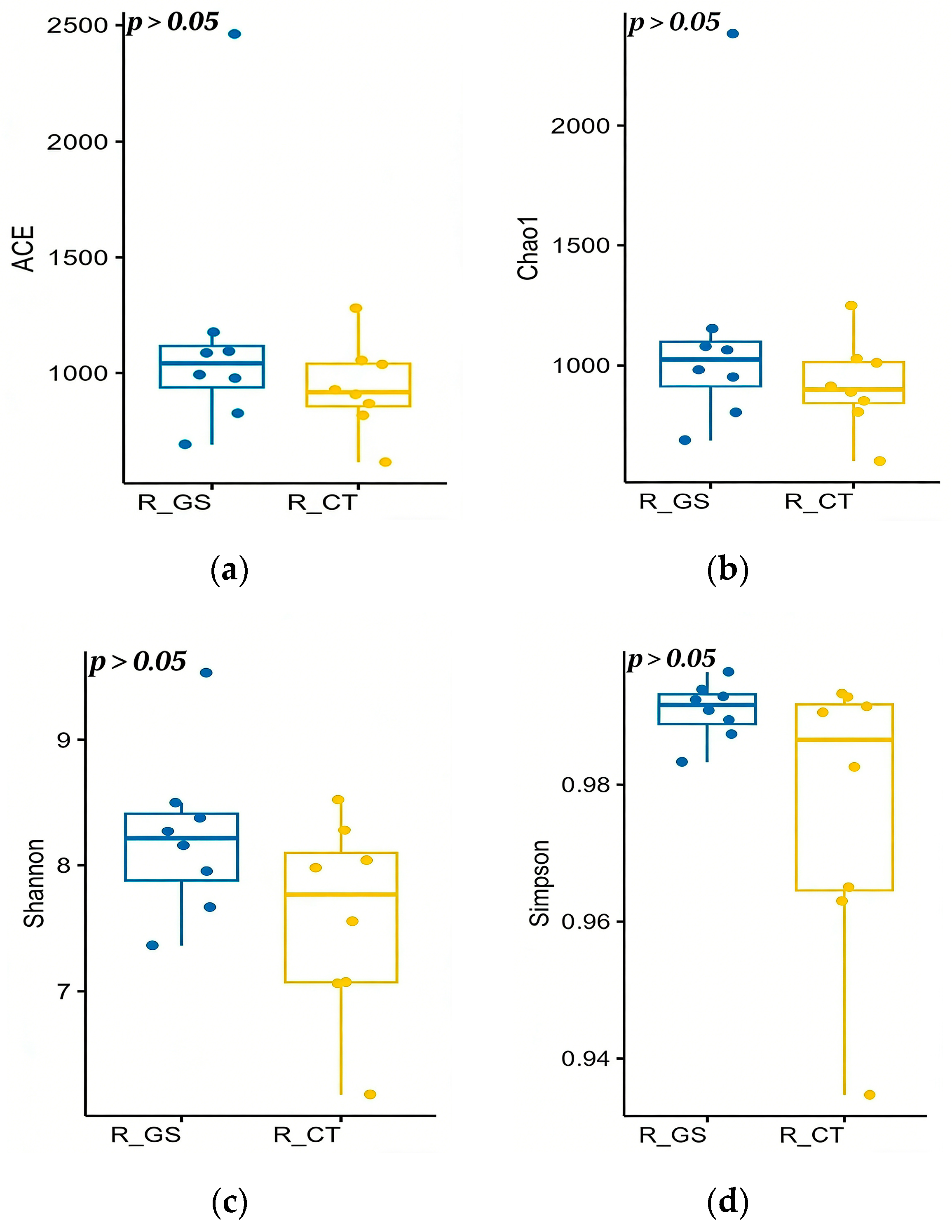
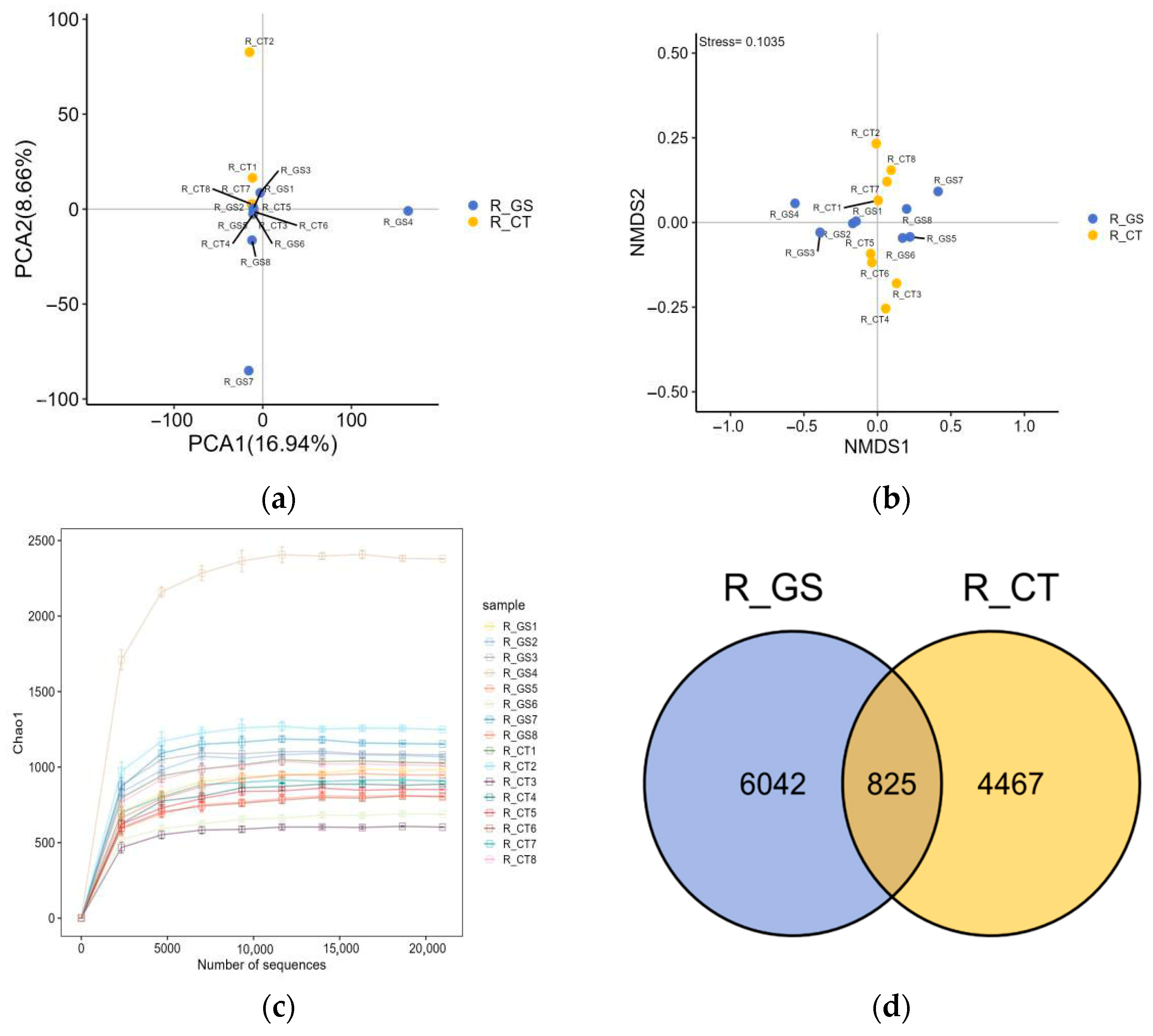
3.3.2. Effects of Feeding HMC on Alpha and Beta Diversity Analysis of Rumen Fluid Microorganisms in Kazakh Rams
Alpha Diversity Analysis
Beta Diversity Analysis
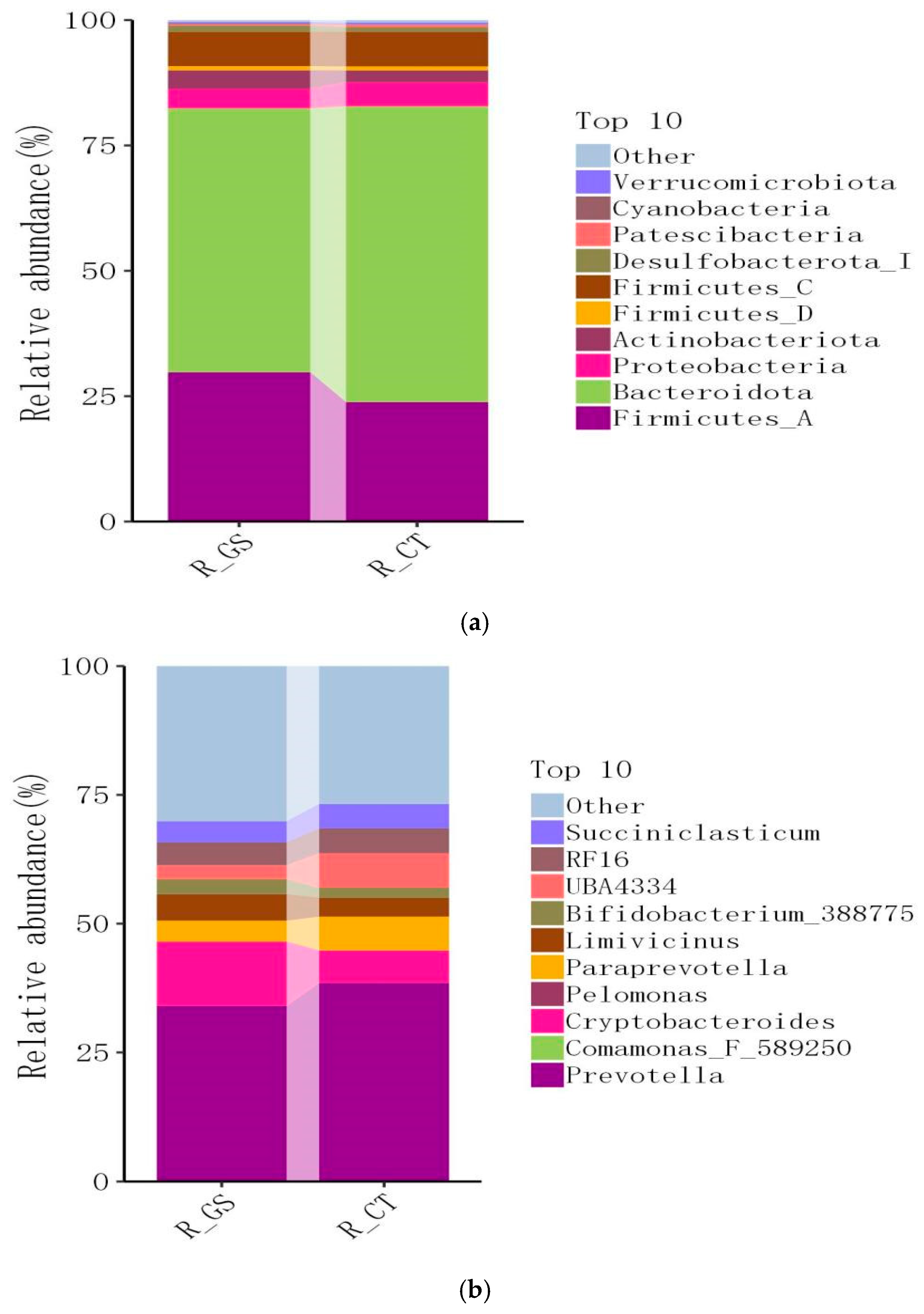
3.3.3. Effects of Feeding HMC on Species Distribution Analysis at Phylum and Genus Levels in Rumen Fluid of Kazakh Rams
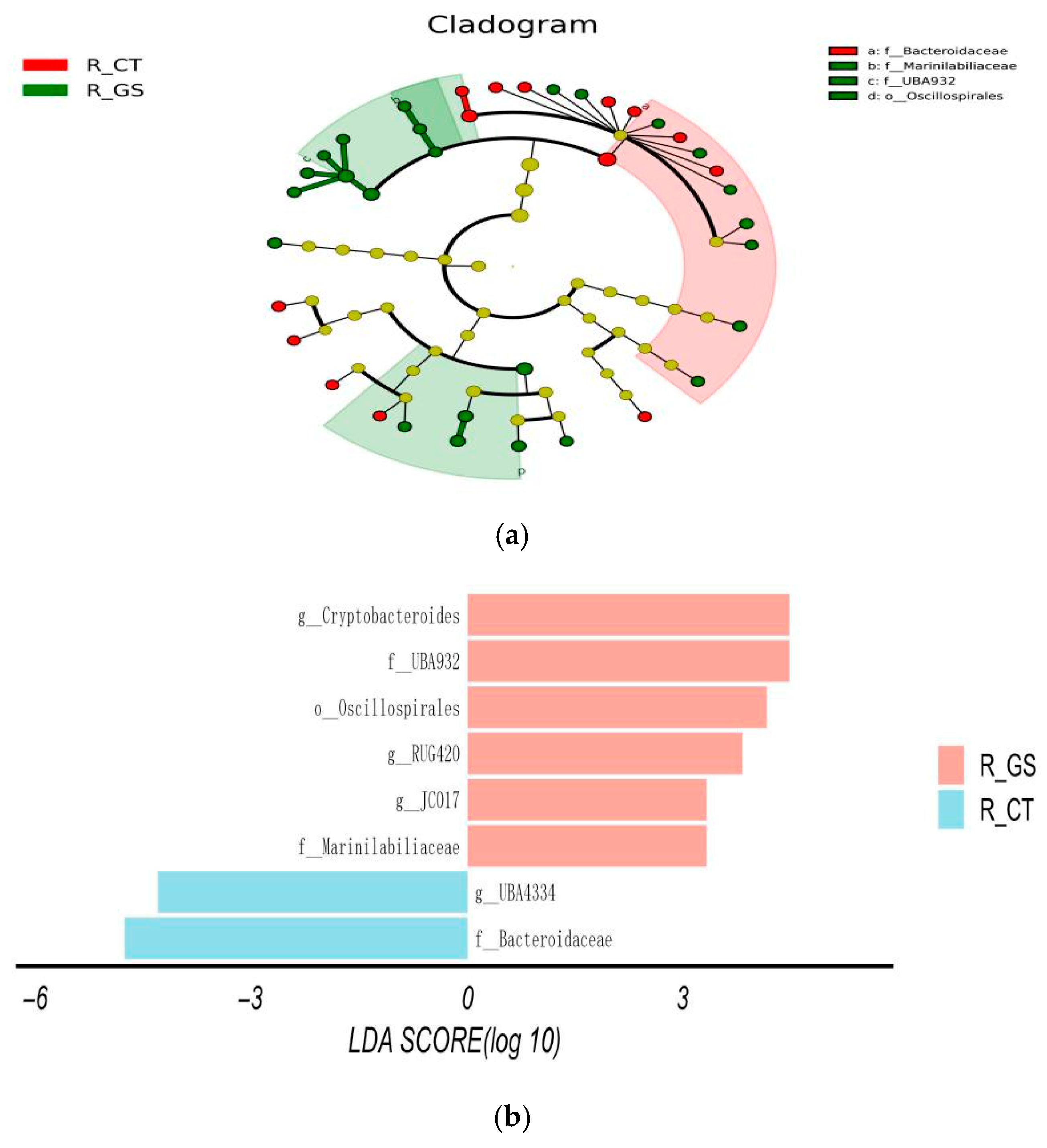
3.3.4. LEfSe Analysis of Rumen Fluid Microorganisms
3.4. Effects of Feeding HMC on Rumen Metabolomics in Kazakh Rams
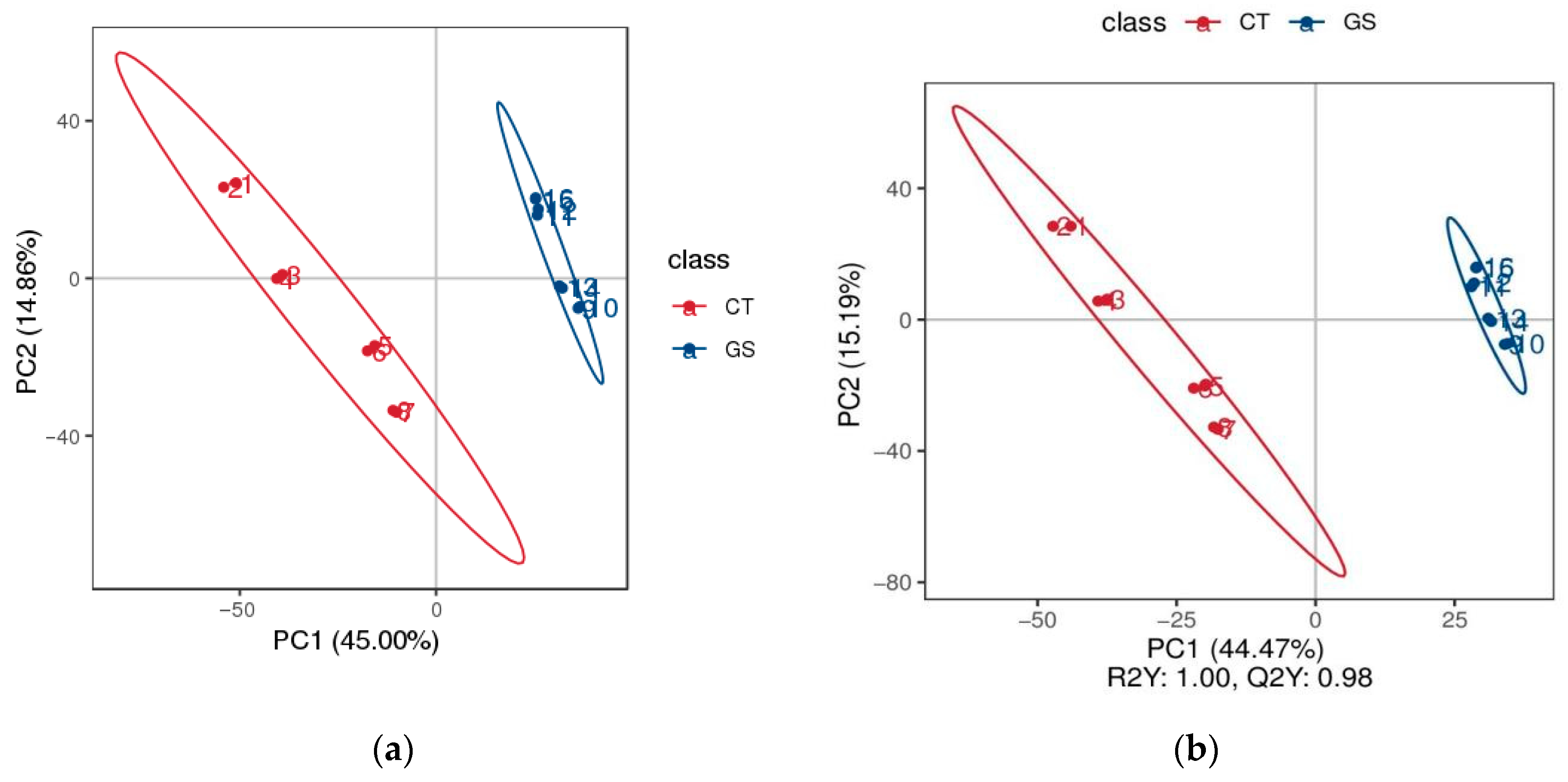
3.4.1. Principal Component Analysis
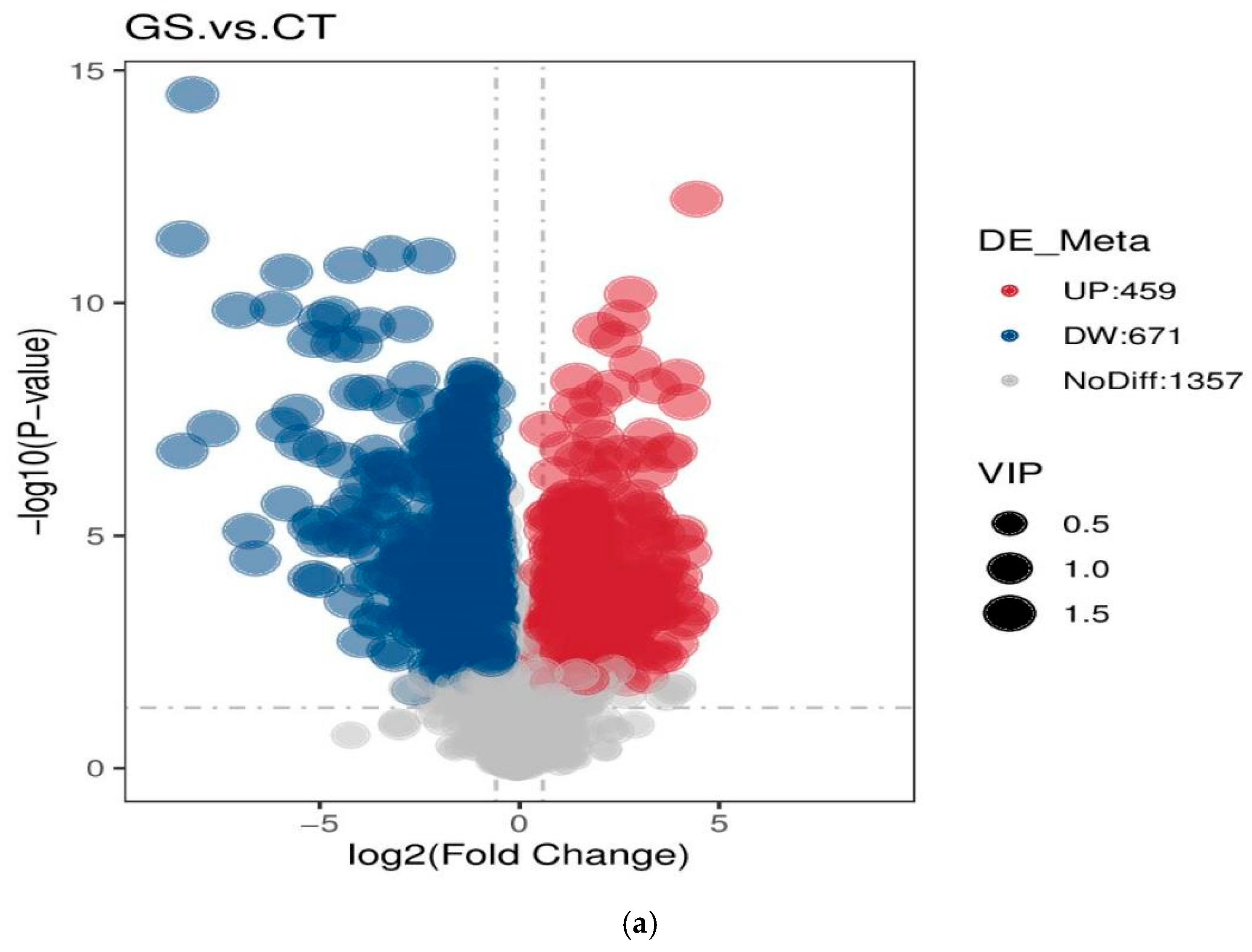
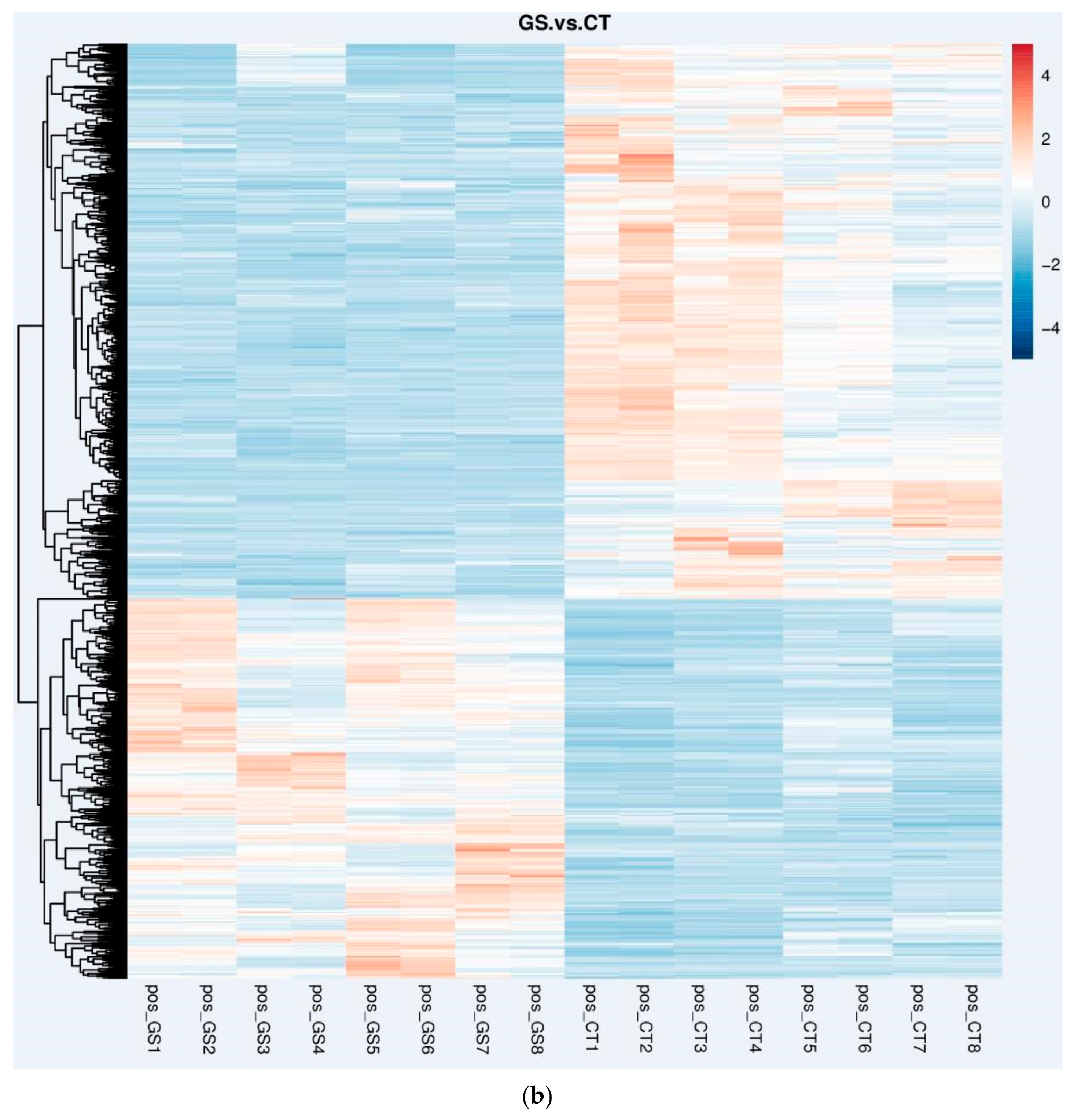
3.4.2. Screening and Analysis of Differential Metabolites
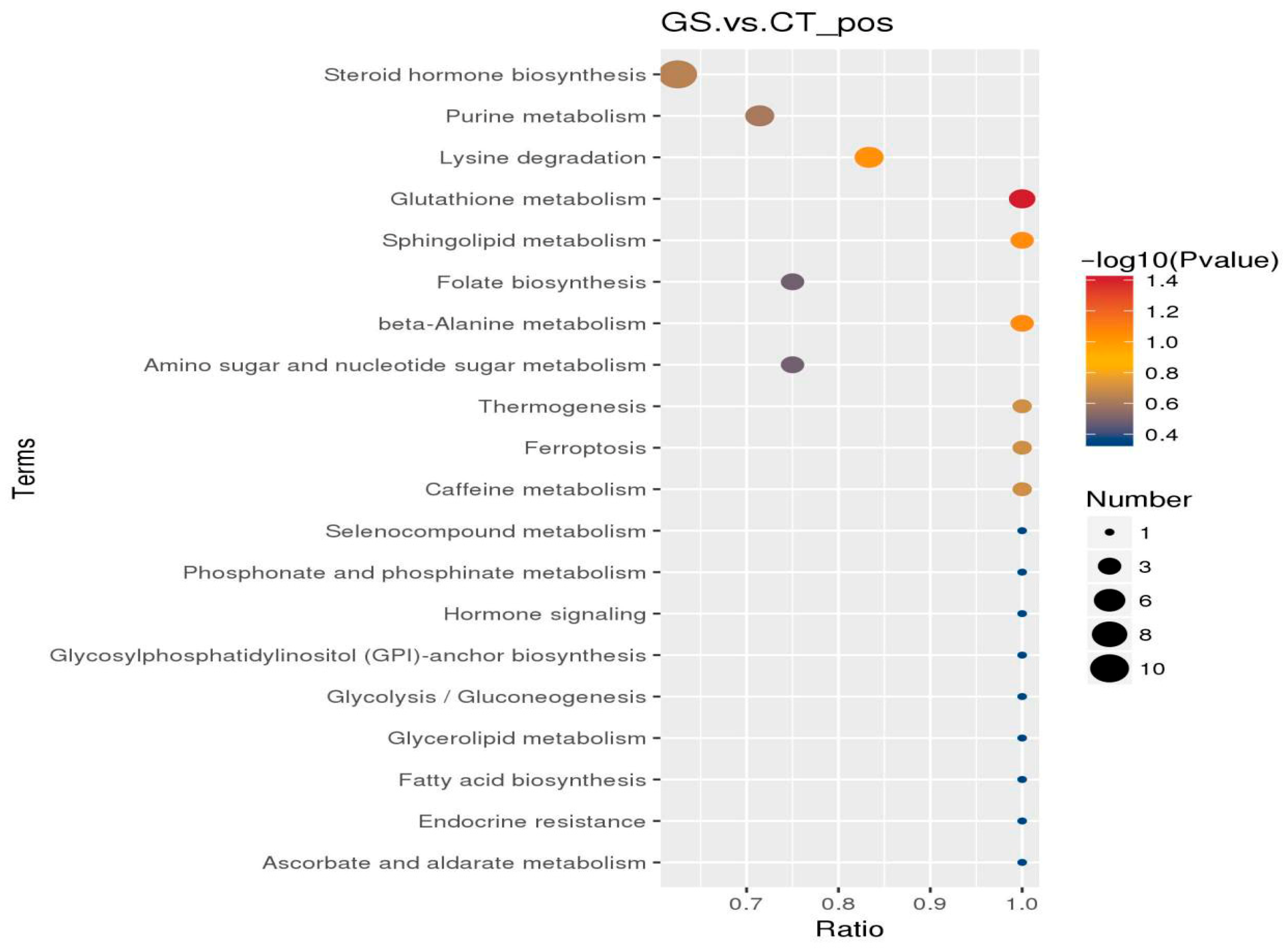
3.4.3. KEGG Enrichment Analysis of Pathways for Differential Metabolites
3.4.4. Screening Results of Differential Metabolites
4. Discussion
4.1. Effects of Feeding HMC on Weight Performance of Kazakh Rams
4.2. Effects of Feeding HMC on Blood Indices of Kazakh Rams
4.3. Effects of Feeding HMC on Rumen Fluid Fermentation and Microbial Diversity in Kazakh Rams
4.4. Effects of Feeding HMC on Rumen Metabolomics in Kazakh Rams
5. Conclusions
Author Contributions
Funding
Institutional Review Board Statement
Informed Consent Statement
Data Availability Statement
Acknowledgments
Conflicts of Interest
Abbreviations
| HMC | High Moisture Corn |
| CT | Control Group (diet with only ordinary crushed corn) |
| GS | Experimental Group (diet with 50% ordinary crushed corn + 50% HMC) |
| GE | Gross Energy |
| Ca | Calcium |
| P | Phosphorus |
| EE | Ether Extract |
| ADF | Acid Detergent Fiber |
| NDF | Neutral Detergent Fiber |
| IBW | Initial Body Weight |
| FBW | Final Body Weight |
| ADG | Average Daily Gain |
| ADFI | Average Daily Feed Intake |
| DM | Dry Matter |
| F/G | Feed-to-Gain Ratio |
| IgA | Immunoglobulin A |
| IgG | Immunoglobulin G |
| IgM | Immunoglobulin M |
| IL-1β | Interleukin-1β |
| TNF-α | Tumor Necrosis Factor-α |
| SOD | Superoxide Dismutase |
| MDA | Malondialdehyde |
| CAT | Catalase |
| T-AOC | Total Antioxidant Capacity |
| VFA | Volatile Fatty Acid |
| KEGG | Kyoto Encyclopedia of Genes and Genomes |
| GSH | Glutathione metabolism |
| γ-GCT | γ-glutamyl transpeptidase |
| Vc | vitamin C |
| CAZymes | carbohydrate-active enzymes |
References
- Elmhadi, M.E.; Ali, D.K.; Khogali, M.K.; Wang, H. Subacute ruminal acidosis in dairy herds: Microbiological and nutritional causes, consequences, and prevention strategies. Anim. Nutr. 2022, 10, 148–155. [Google Scholar] [CrossRef] [Scilit] [PubMed]
- Coulson, C.A.; Boyd, B.M.; Troyer, B.C.; McPhillips, L.J.; Norman, M.M.; Woita, N.M.; Wilson, H.C.; Butterfield, K.M.; Spore, T.J.; Erickson, G.E. Impact of different corn milling methods for high-moisture and dry corn on finishing cattle performance, carcass characteristics, and nutrient digestion. J. Anim. Sci. 2023, 101, skac385. [Google Scholar] [CrossRef] [Scilit]
- Ferraretto, L.F.; Crump, P.M.; Shaver, R.D. Effect of cereal grain type and corn grain harvesting and processing methods on intake, digestion, and milk production by dairy cows through a meta-analysis. J. Dairy Sci. 2013, 96, 533–550. [Google Scholar] [CrossRef] [Scilit] [PubMed]
- Wu, Z.; Luo, Y.; Bao, J.; Luo, Y.; Yu, Z. Additives affect the distribution of metabolic profile, microbial communities and antibiotic resistance genes in high-moisture sweet corn kernel silage. Bioresour. Technol. 2020, 315, 123821. [Google Scholar] [CrossRef] [Scilit]
- Guo, K.J.; Shang, S.L.; Li, J.J.; Dou, J.H. Progress of high moisture corn process technique and its application. Chin. J. Anim. Nutr. 2022, 34, 6436–6443. (In Chinese) [Google Scholar] [CrossRef]
- Han, J.; Song, L.; Zhang, C.; Zhang, J.; Liu, K. Effects of feeding high-moisture ensiled corn on production performance and feeding cost of dairy cows. Feed Ind. 2018, 39, 19–22. (In Chinese) [Google Scholar] [CrossRef]
- Zhang, H.W.; Yang, X.Y.; Yu, B.; Ren, D.X.; Du, H.R.; Lin, S.; Guo, J.J. Progress in making high moisture wet storage corn and its application in dairy (meat) cattle production. Cereal Feed Ind. 2024, 53–55, 59. (In Chinese) [Google Scholar] [CrossRef]
- Carey, R.E.; Paddock, Z.D.; Ribeiro, G.O.; McAllister, T.A.; Penner, G.B. Digestibility of western Canadian finishing beef cattle diets when short-season, high-moisture shelled corn and snaplage partially replace dry-rolled barley grain and barley silage. Can. J. Anim. Sci. 2023, 103, 223–233. [Google Scholar] [CrossRef] [Scilit]
- Purwin, C.; Opyd, P.M.; Baranowska, M.; Borsuk-Stanulewicz, M. The effect of diets containing high-moisture corn or triticale grain on animal performance and the fatty acid composition of lamb muscles. Animals 2022, 12, 3130. [Google Scholar] [CrossRef] [Scilit]
- Li, Z.Q. Study on the Growth and Development Patterns of Kazakh Sheep and Their Crossbred Progeny. Master’s Thesis, Xinjiang Agricultural University, Urumqi, China, 2020. (In Chinese) [Google Scholar] [CrossRef]
- Qi, G. Nutritional requirements of meat sheep. Mod. Anim. Husb. Sci. Technol. 2016, 5, 60. (In Chinese) [Google Scholar] [CrossRef]
- Lebret, B.; Lhuisset, S.; Labussière, E.; Louveau, I. Combining pig genetic and feeding strategies improves the sensory, nutritional and technological quality of pork in the context of relocation of feed resources. Meat Sci. 2023, 197, 109074. [Google Scholar] [CrossRef] [Scilit]
- GB 19489-2008; Laboratories—General Requirements for Biosafety. Standardization Administration of China: Beijing, China, 2008.
- Krupová, Z. Economic weights of current and new breeding objective traits in Aberdeen Angus. Czech J. Anim. Sci. 2020, 65, 77–85. [Google Scholar] [CrossRef] [Scilit]
- Stock, R.A.; Sindt, M.H.; Cleale, R.M., IV; Britton, R.A. High-moisture corn utilization in finishing cattle. J. Anim. Sci. 1991, 69, 1645–1656. [Google Scholar] [CrossRef] [Scilit]
- Hopfauf, S.M.; Boyd, B.M.; McPhillips, L.J.; Erickson, G.E. Impact of feeding Aspergillus subspecies (ssp.) blend and different corn processing methods on finishing beef cattle performance and carcass characteristics. J. Anim. Sci. 2020, 98, 136–137. [Google Scholar] [CrossRef] [Scilit]
- Fan, Y.; Li, S.L.; Kong, F.L.; Wang, W. Influencing factors of nutritional value of high moisture corn and its application in dairy production. Chin. J. Anim. Nutr. 2022, 34, 6873–6880. (In Chinese) [Google Scholar] [CrossRef]
- Tang, F.; Li, J.A.; Dai, G.C.; Ou, D.Y.; Xiong, F.L.; Yao, H.Y. Effects of chicory polysaccharide on growth performance, immune function, and intestinal microbiota in immunosuppressed broilers. Chin. J. Anim. Sci. 2023, 59, 314–322. (In Chinese) [Google Scholar] [CrossRef]
- Wang, J.Q.; Yin, F.G.; Zhu, C.; Yu, H.; Niven, S.J.; de Lange, C.F.M.; Gong, J. Evaluation of probiotic bacteria for their effects on the growth performance and intestinal microbiota of newly-weaned pigs fed fermented high-moisture maize. Livest. Sci. 2012, 145, 79–86. [Google Scholar] [CrossRef] [Scilit]
- Wang, J.F.; Yang, G.Y.; Fan, Z.H.; Liu, Q.; Zhang, P.C.; Ren, Y.S.; Zhang, C.X. Effects of whole plant corn silage ratio in diet on growth performance, rumen fermentation, nutrient digestibility and serological parameters of Dorper×Hu crossbred female lambs. Sci. Agric. Sin. 2021, 54, 831–844. (In Chinese) [Google Scholar] [CrossRef]
- Sharma, N.; Ranjitkar, S.; Sharma, N.K.; Engberg, R.M. Influence of feeding crimped kernel maize silage on the course of subclinical necrotic enteritis in a broiler disease model. Anim. Nutr. 2017, 3, 392–398. [Google Scholar] [CrossRef] [Scilit]
- Pickworth, C.L.; Loerch, S.C.; Kopec, R.E.; Schwartz, S.J.; Fluharty, F.L. Concentration of pro-vitamin A carotenoids in common beef cattle feedstuffs. J. Anim. Sci. 2012, 90, 1553–1561. [Google Scholar] [CrossRef] [Scilit]
- Jin, L.; Yan, S.; Shi, B.; Bao, H.; Gong, J.; Guo, X.; Li, J. Effects of vitamin A on the milk performance, antioxidant functions and immune functions of dairy cows. Anim. Feed Sci. Technol. 2014, 192, 15–23. [Google Scholar] [CrossRef] [Scilit]
- Sakamoto, T.; Imai, H. Hydrogen peroxide produced by superoxide dismutase SOD-2 activates sperm in Caenorhabditis elegans. J. Biol. Chem. 2017, 292, 14804–14813. [Google Scholar] [CrossRef] [Scilit]
- Shang, S.L.; Li, T.; Li, J.J.; Hu, T.T.; Chen, Y.D.; Li, D.; Liu, G.F.; Guo, K.J. Effects of high moisture ear corn on performance, serum biochemical indices, immune function and antioxidant capacity of dairy cows. Chin. J. Anim. Nutr. 2023, 35, 5226–5235. (In Chinese) [Google Scholar] [CrossRef]
- Fang, Z.; Xue, B.; Liu, L.Z.; Yang, Y. Free radical types in cells and generation mechanism. J. Anhui Agric. Sci. 2015, 43, 20–22+40. (In Chinese) [Google Scholar] [CrossRef]
- Gao, D.; Gao, Z.; Zhu, G. Antioxidant effects of Lactobacillus plantarum via activation of transcription factor Nrf2. Food Funct. 2013, 4, 982–989. [Google Scholar] [CrossRef] [Scilit]
- Plaizier, J.C.; Li, S.; Danscher, A.M.; Derakshani, H.; Andersen, P.H.; Khafipour, E. Changes in microbiota in rumen digesta and feces due to a grain-based subacute ruminal acidosis (SARA) challenge. Microb. Ecol. 2017, 74, 485–495. [Google Scholar] [CrossRef] [Scilit]
- Peng, S.Y.; Qu, Y.L.; Gao, W.X.; Qu, J.C.; Liu, H.Z.; Miao, R.F. Effects of different combination ratios of ordinary crushed corn and wet-stored corn on rumen in vitro fermentation parameters in dairy cows. Chin. J. Anim. Sci. 2022, 58, 221–225. (In Chinese) [Google Scholar] [CrossRef]
- Knowlton, K.F.; Glenn, B.P.; Erdman, R.A. Performance, ruminal fermentation, and site of starch digestion in early lactation cows fed corn grain harvested and processed differently. J. Dairy Sci. 1998, 81, 1972–1984. [Google Scholar] [CrossRef] [Scilit] [PubMed]
- Bergman, E.N. Energy contributions of volatile fatty acids from the gastrointestinal tract in various species. Physiol. Rev. 1990, 70, 567–590. [Google Scholar] [CrossRef] [Scilit] [PubMed]
- Xie, B.; Zhang, N.F.; Zhang, C.X.; Diao, Q.Y. Effects of roughage on rumen development in young ruminants and its mechanism. Chin. J. Anim. Nutr. 2018, 30, 1245–1252. (In Chinese) [Google Scholar] [CrossRef]
- Bach, A.; Joulie, I.; Chevaux, E.; Elcoso, G.; Ragués, J. Milk performance and rumen microbiome of dairy cows as affected by the inclusion of corn silage or corn shredlage in a total mixed ration. Animal 2021, 15, 100014. [Google Scholar] [CrossRef] [Scilit] [PubMed]
- Arowolo, M.A.; He, J. Use of probiotics and botanical extracts to improve ruminant production in the tropics: A review. Anim. Nutr. 2018, 4, 241–249. [Google Scholar] [CrossRef] [Scilit] [PubMed]
- Lavelle, A.; Sokol, H. Gut microbiota-derived metabolites as key actors in inflammatory bowel disease. Nat. Rev. Gastroenterol. Hepatol. 2020, 17, 223–237. [Google Scholar] [CrossRef] [Scilit] [PubMed]
- Yi, S.; Dai, D.; Wu, H.; Chai, S.; Liu, S.; Meng, Q.; Zhou, Z. Dietary concentrate-to-forage ratio affects rumen bacterial community composition and metabolome of yaks. Front. Nutr. 2022, 9, 927206. [Google Scholar] [CrossRef] [Scilit]
- Gao, Y. Effects of Feeding High-Moisture Corn on Growth, Serum Biochemistry, and Rumen Metabolism in Young Simmental-Crossbred Bulls. Master’s Thesis, Xinjiang Agricultural University, Urumqi, China, 2025. (In Chinese) [Google Scholar] [CrossRef]
- Jami, E.; Israel, A.; Kotser, A.; Mizrahi, I. Exploring the bovine rumen bacterial community from birth to adulthood. ISME J. 2013, 7, 1069–1079. [Google Scholar] [CrossRef] [Scilit]
- Evans, N.J.; Brown, J.M.; Murray, R.D.; Getty, B.; Birtles, R.J.; Hart, C.A.; Carter, S.D. Characterization of novel bovine gastrointestinal tract Treponema isolates and comparison with bovine digital dermatitis treponemes. Appl. Environ. Microbiol. 2011, 77, 138–147. [Google Scholar] [CrossRef] [Scilit]
- Ukhanova, M.; Culpepper, T.; Baer, D.; Gordon, D.; Kanahori, S.; Valentine, J.; Neu, J.; Sun, Y.; Wang, X.; Mai, V. Gut microbiota correlates with energy gain from dietary fibre and appears to be associated with acute and chronic intestinal diseases. Clin. Microbiol. Infect. 2012, 18, 62–66. [Google Scholar] [CrossRef] [Scilit]
- Tett, A.; Pasolli, E.; Masetti, G.; Ercolini, D.; Segata, N. Prevotella diversity, niches and interactions with the human host. Nat. Rev. Microbiol. 2021, 19, 585–599. [Google Scholar] [CrossRef] [Scilit]
- Deng, Y.C. Effects of Different Proportions of Brewer’s Grains on Lactation Performance, Nutrient Digestibility and Rumen Microorganisms in Dairy Buffaloes. Master’s Thesis, Guangxi University, Nanning, China, 2024. (In Chinese) [Google Scholar] [CrossRef]
- Northwest Plateau Institute of Biology. New Breakthroughs in the Genetic Evolution of Gut Microbiota in Ungulates on the Northwest Plateau. 2024. Available online: http://lzb.cas.cn/kyjz/202411/t20241107_7435559.html (accessed on 10 March 2026).
- Uemura, T.; Matsunaga, M.; Yokota, Y.; Takao, K.; Furuchi, T. Inhibition of polyamine catabolism reduces cellular senescence. Int. J. Mol. Sci. 2023, 24, 13397. [Google Scholar] [CrossRef] [Scilit]
- Ivanova, O.N.; Gavlina, A.V.; Karpenko, I.L.; Zenov, M.A.; Antseva, S.S.; Zakirova, N.F.; Elliston, V.; Krasnov, G.S.; Fedyakina, I.T.; Vorobyev, P.O.; et al. Polyamine catabolism revisited: Acetylpolyamine oxidase plays a minor role due to low expression. Cells 2024, 13, 1134. [Google Scholar] [CrossRef] [Scilit]
- Kind, S.; Wittmann, C. Bio-based production of the platform chemical 1,5-diaminopentane. Appl. Microbiol. Biotechnol. 2011, 91, 1287–1296. [Google Scholar] [CrossRef] [Scilit]
- Song, Y.H.; Hu, W.J. Application of microbial ecological agent in dairy cows. J. Xichang Coll. (Nat. Sci. Ed.) 2008, 22, 51–53. (In Chinese) [Google Scholar] [CrossRef]
- Bachhawat, A.K.; Yadav, S. The glutathione cycle: Glutathione metabolism beyond the γ-glutamyl cycle. IUBMB Life 2018, 70, 585–592. [Google Scholar] [CrossRef] [Scilit] [PubMed]
- Bai, L.; Xie, Z.L.; Wang, Z.W.; Hu, L.Y.; He, Y.K.; Wu, G.Q. Therapeutic effect of vitamin C on inflammation. J. Clin. Pathol. Res. 2021, 41, 2973–2979. (In Chinese) [Google Scholar] [CrossRef]
- Yang, X.D. Study on the application of scientific feeding management and breeding techniques and the optimization of disease prevention and control measures in sheep. Friends Farmers Get Rich 2026, 2, 114–116. (In Chinese) [Google Scholar] [CrossRef]



| Items | Treatment (1) | |
|---|---|---|
| CT | GS | |
| Concentrate ingredients,% (2) | ||
| Whole plant corn silage | 30 | 30 |
| Cotton residu | 30 | 30 |
| Ordinary crushed corn | 24 | 12 |
| High-moisture corn | 0 | 12 |
| Cottonseed meal | 5 | 5 |
| Soybean meal | 5 | 5 |
| Wheat bran | 3.2 | 3.2 |
| Premix (3) | 2 | 2 |
| NaCl | 0.4 | 0.4 |
| NaHCO3 | 0.4 | 0.4 |
| Total | 100 | 100 |
| Nutritional level (4) | ||
| Gross Energy GE (MJ/kg) | 15.81 | 15.83 |
| Crude protein CP (%) | 13.05 | 13.07 |
| Crude fat EE (%) | 4.21 | 4.34 |
| Acid Detergent Fiber ADF (%) | 25.35 | 26.19 |
| Neutral Detergent Fiber NDF (%) | 67.25 | 68.01 |
| Ash (%) | 8.35 | 8.64 |
| Calcium Ca (%) | 0.66 | 0.67 |
| Phosphorus P (%) | 0.34 | 0.35 |
| Nutrient Component | Ordinary Crushed Corn | HMC |
|---|---|---|
| Crude protein CP | 8.12 | 8.45 |
| Crude fat EE | 4.13 | 4.32 |
| Neutral Detergent Fiber NDF | 22.15 | 20.60 |
| Acid Detergent Fiber ADF | 7.72 | 6.14 |
| Items | Treatment (1) | p-Value | |
|---|---|---|---|
| CT | GS | ||
| IBW/kg (2) | 35.19 ± 4.68 | 35.81 ± 3.27 | 0.27 |
| FBW/kg (3) | 59.23 ± 9.21 | 61.94 ± 9.99 | 0.97 |
| Net weight gain/kg | 24.04 ± 5.28 | 26.13 ± 6.84 | 0.17 |
| ADG (kg/d) (4) | 0.20 ± 0.04 | 0.22 ± 0.07 | 0.17 |
| ADFI (kg/d) (5) | 2.28 ± 0.49 | 2.14 ± 0.04 | 0.09 |
| F/G (6) | 8.55 ± 0.09 a | 7.29 ± 0.17 b | 0.01 |
| Items | Times | Treatment | p-Value | |
|---|---|---|---|---|
| CT | GS | |||
| IgA (g/L) (1) | 0 d | 0.93 ± 0.11 | 1.04 ± 0.06 | 0.11 |
| 40 d | 0.93 ± 0.11 B | 1.18 ± 0.05 A | <0.01 | |
| 80 d | 1.20 ± 0.11 | 1.25 ± 0.05 | 0.79 | |
| 120 d | 1.18 ± 0.19 | 1.28 ± 0.05 | 0.28 | |
| IgG (g/L) (2) | 0 d | 15.75 ± 2.03 | 16.53 ± 1.05 | 0.42 |
| 40 d | 16.12 ± 2.57 | 17.45 ± 1.65 | 0.31 | |
| 80 d | 16.99 ± 3.06 | 17.22 ± 0.85 | 0.87 | |
| 120 d | 17.42 ± 2.35 | 17.93 ± 0.38 | 0.62 | |
| IgM (g/L) (3) | 0 d | 0.58 ± 0.11 | 0.67 ± 0.03 | 0.12 |
| 40 d | 0.58 ± 0.09 b | 0.69 ± 0.03 a | 0.03 | |
| 80 d | 0.64 ± 0.07 b | 0.72 ± 0.02 a | 0.04 | |
| 120 d | 0.67 ± 0.05 b | 0.74 ± 0.03 a | 0.02 | |
| IL-1β (pg/mL) (4) | 0 d | 31.24 ± 6.71 | 31.84 ± 4.31 | 0.86 |
| 40 d | 25.40 ± 2.21 | 26.15 ± 2.17 | 0.54 | |
| 80 d | 24.05 ± 2.51 | 24.81 ± 0.59 | 0.58 | |
| 120 d | 22.58 ± 1.79 | 23.27 ± 1.78 | 0.66 | |
| TNF-α (pg/mL) (5) | 0 d | 67.18 ± 12.53 | 69.61 ± 2.36 | 0.72 |
| 40 d | 62.23 ± 14.52 | 63.50 ± 7.51 | 0.85 | |
| 80 d | 53.44 ± 6.74 | 55.34 ± 6.82 | 0.71 | |
| 120 d | 49.45 ± 5.98 | 48.71 ± 1.49 | 0.85 | |
| Items | Times | Treatment | p-Value | |
|---|---|---|---|---|
| CT | GS | |||
| SOD (U/mL) (1) | 0 d | 53.36 ± 12.32 | 50.54 ± 6.54 | 0.63 |
| 40 d | 71.20 ± 13.18 | 71.06 ± 7.70 | 0.98 | |
| 80 d | 66.13 ± 13.67 | 83.69 ± 14.11 | 0.05 | |
| 120 d | 71.74 ± 9.68 B | 89.89 ± 5.01 A | <0.01 | |
| MDA (nmol/mL) (2) | 0 d | 4.94 ± 0.51 | 4.70 ± 0.62 | 0.49 |
| 40 d | 4.38 ± 0.68 | 4.13 ± 0.62 | 0.53 | |
| 80 d | 4.08 ± 0.67 | 3.79 ± 0.48 | 0.4 | |
| 120 d | 3.71 ± 0.56 | 3.31 ± 0.37 | 0.18 | |
| CAT (U/mL) (3) | 0 d | 30.40 ± 3.30 | 34.37 ± 3.03 | 0.06 |
| 40 d | 31.94 ± 4.59 B | 39.14 ± 2.83 A | <0.01 | |
| 80 d | 31.21 ± 5.22 B | 43.74 ± 4.55 A | <0.01 | |
| 120 d | 31.90 ± 4.74 B | 47.71 ± 4.14 A | <0.01 | |
| T-AOC (U/mL) (4) | 0 d | 11.84 ± 2.61 | 9.19 ± 0.15 | 0.09 |
| 40 d | 9.44 ± 2.16 | 9.76 ± 0.86 | 0.82 | |
| 80 d | 11.51 ± 3.11 | 9.29 ± 0.19 | 0.29 | |
| 120 d | 9.14 ± 2.04 | 9.31 ± 0.39 | 0.85 | |
| Items | Treatment | p-Value | |
|---|---|---|---|
| CT | GS | ||
| pH (1) | 6.39 ± 0.21 | 6.76 ± 0.17 | 0.07 |
| Acetic (mmol/L) | 69.54 ± 7.33 | 61.04 ± 4.54 | 0.16 |
| Propioni (mmol/L) | 23.49 ± 2.89 | 19.56 ± 1.15 | 0.09 |
| Butyric (mmol/L) | 21.51 ± 0.55 A | 16.22 ± 1.21 B | <0.01 |
| Isobutyric (mmol/L) | 0.79 ± 0.08 | 1.16 ± 0.27 | 0.09 |
| 2-Methylbutyrate (mmol/L) | 0.39 ± 0.05 b | 0.88 ± 0.24 a | 0.03 |
| Valeric (mmol/L) | 1.52 ± 0.13 b | 1.85 ± 0.11 a | 0.03 |
| Isovaleric (mmol/L) | 0.71 ± 0.07 | 1.01 ± 0.19 | 0.06 |
| Hexanoic acid (mmol/L) | 1.14 ± 0.11 | 1.42 ± 0.22 | 0.13 |
| Acetic Acid/Propionic Acid Ratio | 2.96 ± 2.54 | 3.12 ± 3.96 | 0.18 |
| TVFA (2) | 117.56 ± 11.05 | 100.84 ± 7.74 | 0.26 |
| Metabolic Pathway | p-Value | Differential Metabolites | VIP | p-Value |
|---|---|---|---|---|
| Glutathione metabolism | 0.03 | Spermidine ↓ | 1.48 | <0.01 |
| Cadaverine ↓ | 1.01 | 0.01 | ||
| Dehydroascorbic acid ↑ | 1.24 | <0.01 | ||
| 5-oxoproline ↑ | 1.29 | <0.01 | ||
| Beta-Alanine metabolism | 0.08 | Vitamin B5 ↑ | 1.05 | <0.01 |
| Anserine ↓ | 1.27 | <0.01 | ||
| Spermidine ↓ | 1.49 | <0.01 | ||
| Sphingolipid metabolism | 0.08 | Sphinganine ↓ | 1.06 | <0.01 |
| Phosphorylethanolamine ↑ | 1.17 | <0.01 | ||
| Psychosine ↑ | 1.08 | <0.01 | ||
| Lysine degradation | 0.09 | deoxycarnitine ↑ | 1.01 | <0.01 |
| L-Saccharopine ↑ | 1.41 | <0.01 | ||
| L-A-HYDROXYGLUTARIC ACID DISODIUM) ↑ | 1.14 | <0.01 | ||
| Cadaverine ↓ | 1.01 | 0.01 | ||
| L-Pipecolic acid ↑ | 1.21 | <0.01 |
Disclaimer/Publisher’s Note: The statements, opinions and data contained in all publications are solely those of the individual author(s) and contributor(s) and not of MDPI and/or the editor(s). MDPI and/or the editor(s) disclaim responsibility for any injury to people or property resulting from any ideas, methods, instructions or products referred to in the content. |
© 2026 by the authors. Licensee MDPI, Basel, Switzerland. This article is an open access article distributed under the terms and conditions of the Creative Commons Attribution (CC BY) license.
Share and Cite
Maimaitimin, B.; Li, T.; Abuduli, S.; Abudureyimu, K.; Song, L.; Yang, L.; Shao, W.; Ren, W. Effects of High Moisture Corn Feeding on Weight Performance, Serum Immune Indices, Rumen Fermentation, and Metabolomics in Kazakh Rams. Animals 2026, 16, 1030. https://doi.org/10.3390/ani16071030
Maimaitimin B, Li T, Abuduli S, Abudureyimu K, Song L, Yang L, Shao W, Ren W. Effects of High Moisture Corn Feeding on Weight Performance, Serum Immune Indices, Rumen Fermentation, and Metabolomics in Kazakh Rams. Animals. 2026; 16(7):1030. https://doi.org/10.3390/ani16071030
Chicago/Turabian StyleMaimaitimin, Buweiaizhaer, Tong Li, Subinuer Abuduli, Kadeliya Abudureyimu, Linhai Song, Liang Yang, Wei Shao, and Wanping Ren. 2026. "Effects of High Moisture Corn Feeding on Weight Performance, Serum Immune Indices, Rumen Fermentation, and Metabolomics in Kazakh Rams" Animals 16, no. 7: 1030. https://doi.org/10.3390/ani16071030
APA StyleMaimaitimin, B., Li, T., Abuduli, S., Abudureyimu, K., Song, L., Yang, L., Shao, W., & Ren, W. (2026). Effects of High Moisture Corn Feeding on Weight Performance, Serum Immune Indices, Rumen Fermentation, and Metabolomics in Kazakh Rams. Animals, 16(7), 1030. https://doi.org/10.3390/ani16071030