Article

Study on the Effect of N-Carbamylglutamate (NCG) on Reproductive Performance and Regulation Mechanism of Primary Lake Sheep

School of Life Science and Engineering, Northwest Minzu University, Lanzhou 730030, China
*
Author to whom correspondence should be addressed.
These authors contributed equally to this work.
Animals 2026, 16(3), 464; https://doi.org/10.3390/ani16030464
Submission received: 22 October 2025 / Revised: 17 December 2025 / Accepted: 18 December 2025 / Published: 2 February 2026
(This article belongs to the Section Animal Reproduction)

Simple Summary

This study investigated the effects and molecular mechanisms of 0.11% N-carbamoylglutamic acid (NCG) supplementation during early pregnancy (0–90 days) on reproductive performance and fetal development in first-time calving Hu sheep. Twenty-two standard-compliant 10-month-old ewes were randomly divided into two groups: a control group receiving basal feed and an NCG group supplemented with 0.11%NCG for 90 consecutive days. By analyzing uterine/fetal indicators, maternal plasma biochemical parameters and amino acid levels, evaluating cotyledon characteristics, and performing placental transcriptome sequencing, the results indicated that early-pregnancy NCG supplementation may improve reproductive performance and fetal development through optimizing the uterine environment, promoting endogenous arginine synthesis, and increasing plasma nitric oxide (NO)/amino acid levels.

Abstract

The aim of this study was to investigate the effects of dietary supplementation with 0.11% N-carbamylglutamate (NCG) during early pregnancy (0–90 days) on reproductive performance and fetal development, and to elucidate the underlying placental regulatory mechanisms in primiparous Hu sheep. Twenty-two 10-month-old sexually mature primiparous Hu sheep meeting the mating criteria were randomly assigned to two groups. The control group was fed a basal diet, while the NCG group received the basal diet supplemented with 0.11% NCG, with both feeding regimens maintained for 90 days. By measuring uterine and fetal growth indices, maternal plasma biochemical parameters, and amino acid levels, as well as assessing cotyledon indices and observing cotyledon morphology and histological structure, basic data related to placental function and fetal growth in pregnant ewes was collected. Combined with transcriptomic sequencing of maternal placental tissue, the mechanism by which NCG influences placental function and fetal growth and development in pregnant ewes was further investigated. The supplementation of NCG could increase the number of fetuses, total weight of fetuses, the number of corpus luteum and the ratio of fetuses to corpus luteum, but the difference was not significant (p > 0.05). The levels of plasma NO, inducible Nitric Oxide Synthase (iNOS) and several amino acids were significantly increased (p < 0.05). In ewes’ uteri, the average uterine weight, number of uterine glands, total cotyledon weight, and average weight per cotyledon were significantly increased (p < 0.05), whereas uterine mucosal thickness was markedly decreased. The Quantitative Real-time PCR (q-PCR) results for differentially expressed genes were consistent with those of transcriptomic analysis, showing significant changes in the expression levels of certain differentially expressed genes in maternal placental tissues. These changes regulated pathways such as vascular endothelial growth factor (VEGF), insulin-like growth factor (IGF), phosphatidylinositol 3-kinase–protein kinase B (PI3K–AKT) signaling pathways and Mitogen-Activated Protein Kinase (MAPK) pathway, which are involved in angiogenesis, energy supply and metabolism, and somatic growth and development. Dietary supplementation with NCG during early pregnancy can significantly improve the reproductive performance of primiparous Hu sheep, optimize the intrauterine environment and nutrient supply, and thereby facilitate pregnancy maintenance and fetal development. The underlying mechanism may involve promoting endogenous arginine synthesis in ewes, increasing plasma levels of NO, arginine, and certain amino acids, which collectively validate the positive effects of NCG on the reproductive performance and growth of Hu sheep during early pregnancy at the molecular level.

1. Introduction

China boasts a rich diversity of sheep and goat breeds, among which Hu sheep—a renowned multiparous breed [1]—have garnered significant attention due to their superior meat quality and high reproductive rate [2]. However, Hu sheep ewes are prone to issues such as intrauterine growth restriction (IUGR) owing to their small body size, high fecundity, and early mating age, which in turn impairs reproductive efficiency. Arginine (Arg), a functional amino acid, plays a pivotal role in animals. Studies have reported that L-arginine supplementation can improve semen quality and fertility after thawing in rams [3]. It serves as a precursor for the synthesis of proteins, nitric oxide (NO), polyamines, and other substances in the body [4]. As a signaling molecule, NO can enhance vascular dilation, thereby increasing blood flow [5], and exerts positive effects on somatic growth and development, intestinal immunity, and hormone regulation. Arginine also contributes positively to maternal placental development and maternal–fetal material exchange [6,7]. However, the widespread application of arginine is limited by its relatively high cost and susceptibility to degradation by rumen microorganisms in ruminant diets [8]. Thus, identifying a cost-effective and efficient arginine substitute is of particular importance.
N-carbamylglutamate (NCG), as an activator of carbamyl phosphate synthetase-1 (CPS-I), an essential cofactor for endogenous Arg synthesis [9], can promote endogenous Arg production. Compared with Arg, NCG is more cost-effective, less susceptible to degradation by digestive enzymes, and exerts significant effects even at low doses. Studies in monogastric animals have demonstrated that dietary NCG supplementation during pregnancy can reduce embryonic mortality [10], improve pregnancy rates and litter sizes [11], enhance placental vascular function [12], and facilitate the provision of more nutrients and oxygen by the mother to fetal tissues [13], thereby improving reproductive performance. In ruminants, studies have also shown that NCG can significantly increase the birth weight and growth performance of newborn lambs [14], exerting a positive impact on reproductive outcomes. In the preliminary trial, 0.05%, 0.08% and 0.11% NCG were screened, and the results showed that 0.11%NCG produced the best results, with 0.59 more lambs per litter and 0.68 live lambs per litter for the first group of ewes [15].
In order to investigate the effects of this formulation on reproductive performance and fetal development during early pregnancy (0–90 days), we administered 0.11% NCG to first-parity ewes. The comprehensive analysis included measuring uterine and fetal development indicators to reflect pregnancy outcomes and fetal growth status, plasma biochemical and amino acid profiles to reveal maternal metabolism and the state of NO and arginine pathways, hematoxylin-eosin (HE) staining to evaluate decidual structure and uterine gland/mucosal adaptation, and RNA-seq technology to identify differentially expressed genes (DEGs) in maternal placental tissues. These genes were enriched in pathways such as VEGF, IGF, PI3K-AKT, and MAPK, which are central to angiogenesis, nutrient transport, and fetal growth. Representative DEGs were also validated through q-PCR to confirm sequencing reliability and reveal the molecular pathways underlying these physiological changes.

2. Materials and Methods

2.1. Animals and Design

The experiment was conducted at Wanshan Cooperative in Qilihe District, Lanzhou City. Twenty-two ewes with normal estrus cycles and good health were selected for the trial. These twenty-two ewes were randomly divided into two groups: the control group received the basal diet (formulated according to NRC (2004) nutritional requirements for ewes weighing 40 kg during early pregnancy), and the experimental group received the basal diet supplemented with 0.11% NCG. The composition and nutritional levels of the experimental diet are shown in Table 1. The pre-feeding period lasted 10 days, followed by a 90-day feeding period. All ewes were synchronized through estrus induction and artificial insemination. The protocol was as follows: On day of 1, a CIDR device was inserted vaginally at 9:00 AM, with 3 mL of vitamin AD administered intramuscularly to each ewe. On day of 12, 250 units of PMSG were intramuscularly injected at 9:00 AM, followed by device removal at 6:00 PM. On day of 13, rams were introduced for estrus testing, with ewes standing and rams mounting as the estrus indicator, and estrus records were maintained. Fresh semen from healthy rams was collected daily, diluted with standard commercial semen diluent, and administered via the cervical canal in three consecutive doses, with a 12 h interval between each dose. The mating date was defined as day 0. The initial body weight of the ewes was 41.46 ± 4.72 kg. A total of 22 ewes underwent estrus synchronization and artificial insemination. Pregnancy diagnosis at day 35 showed that 20 out of 22 ewes were pregnant, yielding a pregnancy rate of 90.91%.

2.2. Measurement of Uterine and Fetal Indices

On day 90 of gestation, the ewes were euthanized by electrical stunning following venous blood collection. After excising the uterus, the following indices were measured and recorded: total cotyledon weight, withers height, fetal length, amniotic fluid volume, weights of various organs such as brain, liver, lung, kidney and stomach, average uterine weight, total litter weight, average individual cotyledon weight, fetal-to-corpus luteum ratio, and relative weights of fetal organs (relative to fetal body weight).

2.3. Blood Index Measurement

On day 90 of pregnancy, blood samples were collected from the jugular vein into Heparin sodium tubes. Samples were placed on ice and immediately centrifuged at 3500× g for 10 min at 4 °C. Serum was separated and stored at −80 °C until analysis. The NO, nitric oxide synthase (NOS), blood ammonia, estrogen (E2), and progesterone (PROG) were analyzed using ELISA kits from Nanjing Jiancheng (Nanjing, China), and the amino acid content was also measured by S-433D type automatic amino acid analyzerfrom Nanjing Jiancheng (Nanjing, China).

2.4. Cotyledon HE Staining Index Measurement

Cotyledons from each ewe’s placenta were randomly cut and fixed in 4% polyformaldehyde solution, embedded and cut into 5 micron slices. After fixation, the samples were transferred to 70% ethanol for long-term storage until subsequent treatment. Voracicular tissue of placenta was selected from the middle region of the pregnant uterine horn of each ewe, and four representative areas were selected for HE staining, including villous branches, mesenchyma, chorionic vessels and maternal cavity. The morphology of the placenta was observed by HE staining to ensure that both fetal and maternal parts were covered. The histological analysis was performed by measuring capillary density, thickness of uterine mucosa and number of uterine glands.

2.5. Transcriptome Sequencing Analysis

After slaughtering the sheep on day 90, maternal placental tissue from the uterus was quickly collected. Maternal placental tissue at the base of the small curvature of the uterine horn was cut with sterilized surgical scissors into 5–10 mm3 pieces, washed with PBS, placed in cryotubes, and stored in liquid nitrogen.
Three female sheep samples were randomly selected from both the NCG experimental group and the control group for transcriptome sequencing using the BGISEQ500 platform (BGI, Shenzhen, China). The 260/280 OD values of samples between 1.8 and 2.0 were selected for further analysis. Qualified RNA was used for library construction, and the transcriptome data were sequenced using BGI DNBSEQ platform (BGI, Shenzhen, China) for statistical analysis. The sequencing length was PE150, and the data were filtered by SOAPnuke 1.5.6 software. Raw reads were firstly processed using fastp and the low-quality reads were removed. The indexes based on Burrows–Wheeler transform and Ferragina–Manzini (FM) adopt two forms of genome-wide and local genome indexes to efficiently compare clean reads. The genome was compared using Hierarchical Indexing for Spliced Alignment of Transcripts (HISAT 2.2.1) [16] and Bowtie2 2.3.4.3 software [17]. Gene expression levels of each sample were calculated using RSEM v1.2.28 software. Differential expression analysis was performed between the NCG experimental group and the control group using DESeq2 1.40.2 software [18]. Differentially expressed genes (DEGs) were identified using the criteria of adjusted p-value (padj) < 0.05 and |log2 (fold change)| ≥ 1. Gene Ontology (GO) and Kyoto Encyclopedia of Genes and Genomes (KEGG) [19] pathway enrichment analysis of DEGs were, respectively, performed using R based on the hypergeometric distribution. Genes with p-value < 0.05 and fold changes (FC) > 1.5 were considered differentially expressed.

2.6. Real-Time Quantitative PCR

Quantitative real-time-PCR (RT-qPCR) was used to detect the mRNA levels of twelve genes. The same RNA samples were used for reverse transcription using a reverse transcriptase kit to synthesize first-strand cDNA. Primer Express Software v2.0 were used to design the primers and are detailed in Table 2. The housekeeping gene GAPDH was used as the standardized reference gene, and the relative expression level was calculated by 2−ΔΔCt.

2.7. Data Statistics and Analysis

Experimental data were statistically analyzed using SPSS 23.0, and intergroup differences were tested by t-test. Data are presented as means ± SEM. p < 0.05 was considered statistically significant. Mucosal thickness and uterine gland area and perimeter were calculated using Image-Pro plus 6.0. Transcripts with FC > 1.5 and p < 0.05 between the two groups were classified as DEGs.

3. Results

3.1. Effects of NCG Supplementation on Uterine and Fetal Index Development in Ewes During Early Pregnancy

As shown in Table 3, no significant differences were observed between the two groups in terms of average uterine weight, number of fetuses, birth weight, average fetal weight, number of corpora lutea, or fetal-corpus luteum ratio (p > 0.05). Notably, all indices except for average fetal weight exhibited an increasing trend relative to the control group, suggesting that NCG may promote fetal development in the uterus of ewes.
The data are presented as mean ± standard deviation, with a significance level of p < 0.05, The same applies to the table below.
As presented in Table 4, no significant differences (p > 0.05) were detected between the NCG-treated group and the control group with respect to fetal body dimensions or organ weights. These findings indicate that dietary supplementation with NCG during early pregnancy does not exert an influence on fetal body size parameters or internal organ weights.

3.2. Effects of Dietary NCG Supplementation on Blood Biochemical Indices and Amino Acid Content in Ewes During Early Pregnancy

As depicted in Table 5, the plasma levels of NO and inducible nitric oxide synthase (iNOS) in ewes from the NCG-treated group were significantly higher than those in the control group (p < 0.05), while progesterone levels in the treated group exhibited an increasing trend relative to the control group. No significant differences were observed between the two groups in terms of blood ammonia, estradiol, total nitric oxide synthase (TNOS), or endothelial nitric oxide synthase (eNOS) levels (p > 0.05). These results indicate that dietary supplementation with NCG during early pregnancy can significantly increase plasma concentrations of NO and iNOS in ewes.
As presented in Table 6, the plasma concentrations of glutamic acid, alanine, leucine, arginine, and proline were significantly higher in the NCG-treated group compared to the control group (p < 0.05). No significant differences were noted between the two groups with respect to the levels of other amino acids (p > 0.05). These findings suggest that dietary supplementation with NCG during early pregnancy can influence the plasma concentrations of certain amino acids in ewes.

3.3. Effects of NCG Supplementation on Cotyledon and HE Staining Indices in Ewes During Early Pregnancy

As illustrated in Table 7, amniotic fluid volume in the NCG-treated group exhibited an increasing trend relative to the control group. No significant difference was observed between the NCG-treated group and the control group in terms of cotyledon number (p > 0.05). However, both total cotyledon weight and average individual cotyledon weight in the NCG-treated group were significantly higher than those in the control group (p < 0.05). These results suggest that NCG can enhance cotyledon development.
As demonstrated in Table 8, the uterine mucosal thickness in the NCG-treated group was significantly lower than that in the control group (p < 0.05). No significant differences were found between the two groups in terms of capillary count, uterine gland area, or uterine gland perimeter (p > 0.05). However, the number of uterine glands in the NCG-treated group was significantly higher than that in the control group (p < 0.05).

3.4. Observation of Cotyledon Structure in Ewes on Day 90 of Pregnancy and Effects of NCG Supplementation on Its Development

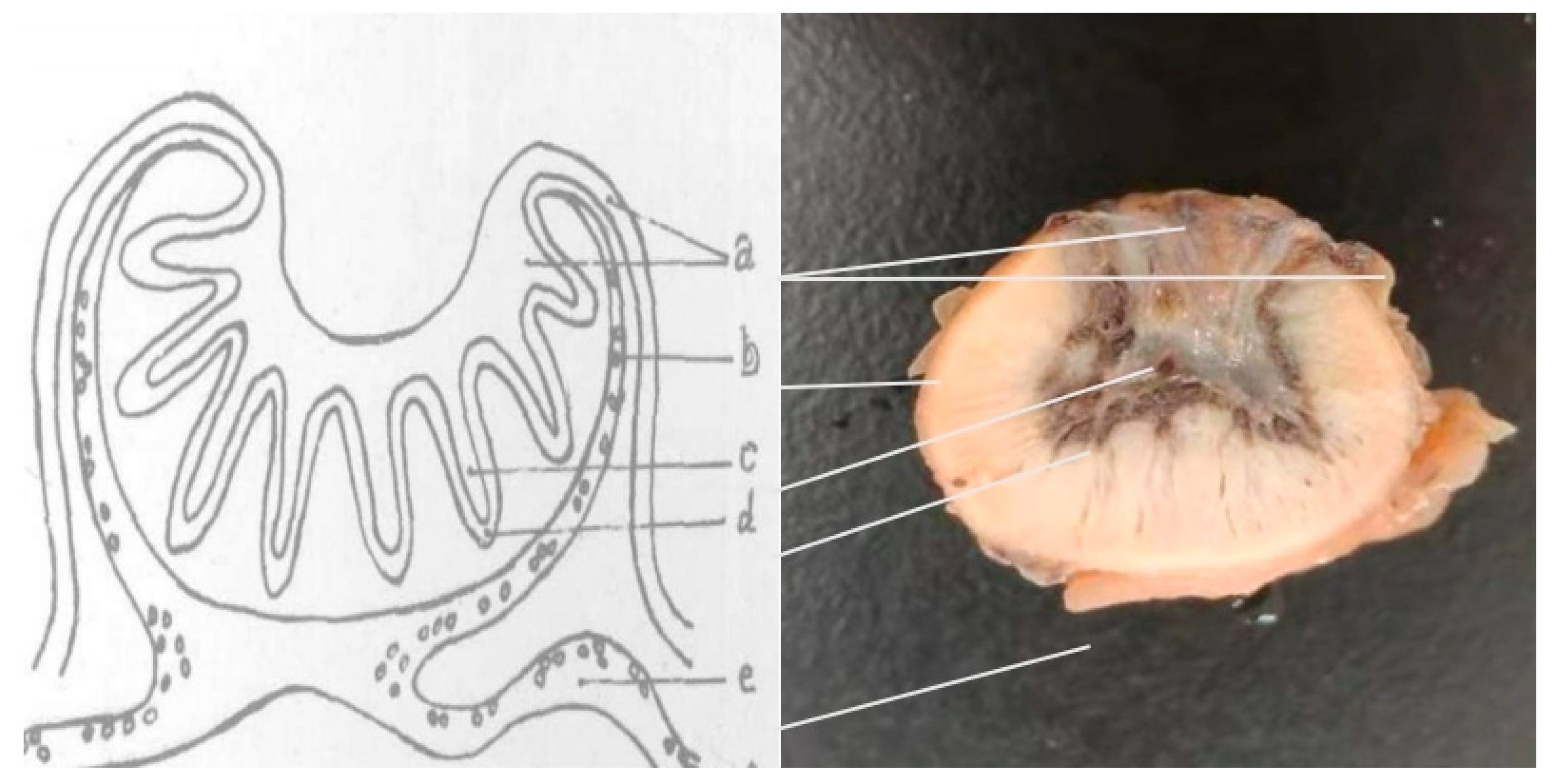
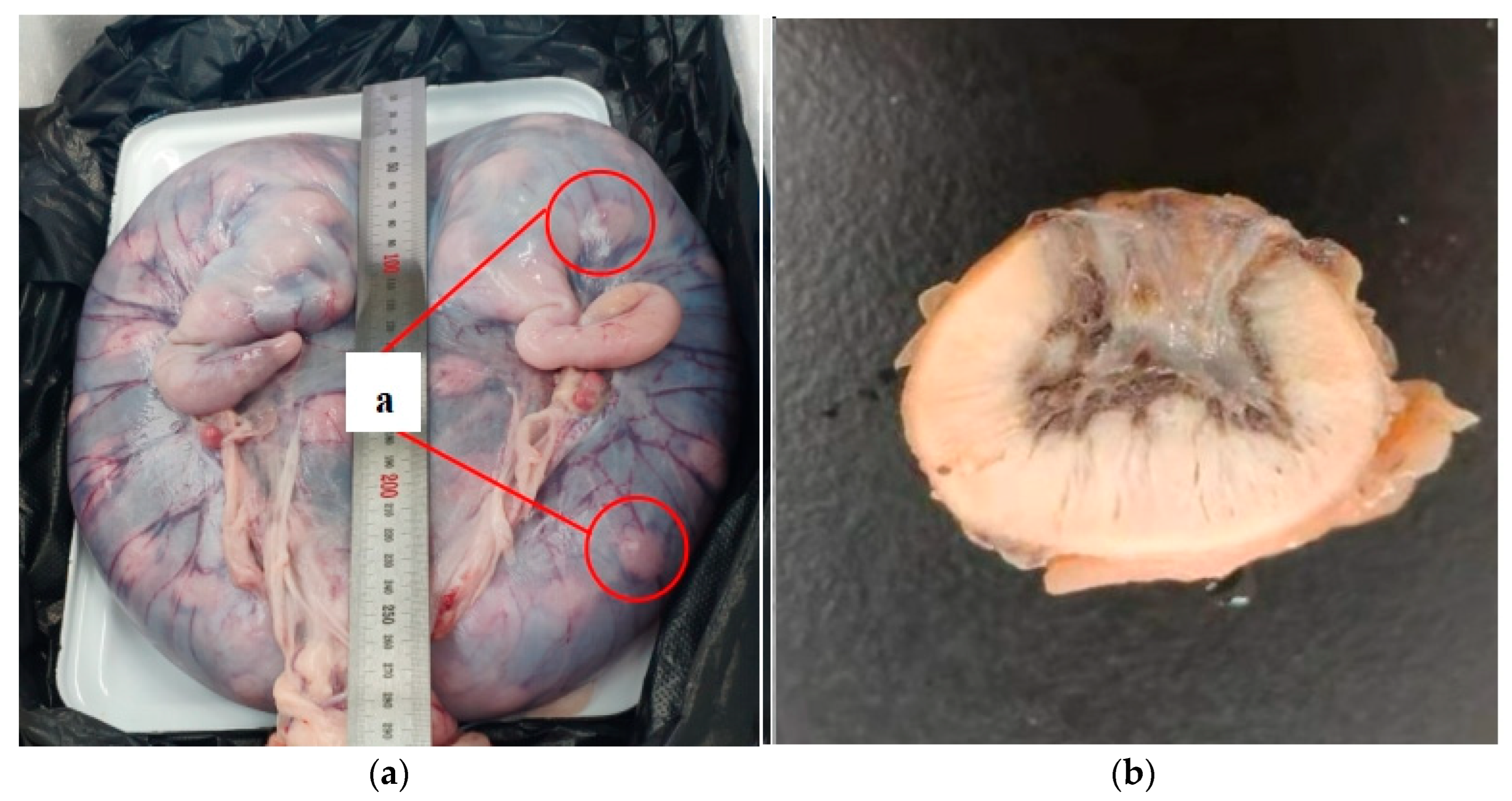
The anatomical features of the placenta and uterus in 90 pregnant ewes are illustrated in Figure 1a. Hu sheep, as a multiparous breed, possess a cotyledonary placenta. The cotyledons are interconnected via an extensive network of uterine blood vessels, and maternal–fetal material exchange occurs through these cotyledon structures. The histological structure observation of cotyledon tissue in Hu Sheep in the 90th of pregnancy was observed as shown in Figure 1b.
As depicted in Figure 2, panel a shows the fetal placental component, while panels b and e represent the maternal placental components. Villi of the fetal allantochorion converge into villous clusters that are embedded within the maternal uterine mucosa. A key characteristic is that during pregnancy, cotyledons serve as the site of maternal–fetal material exchange, whereas the surfaces between cotyledons are generally smooth.
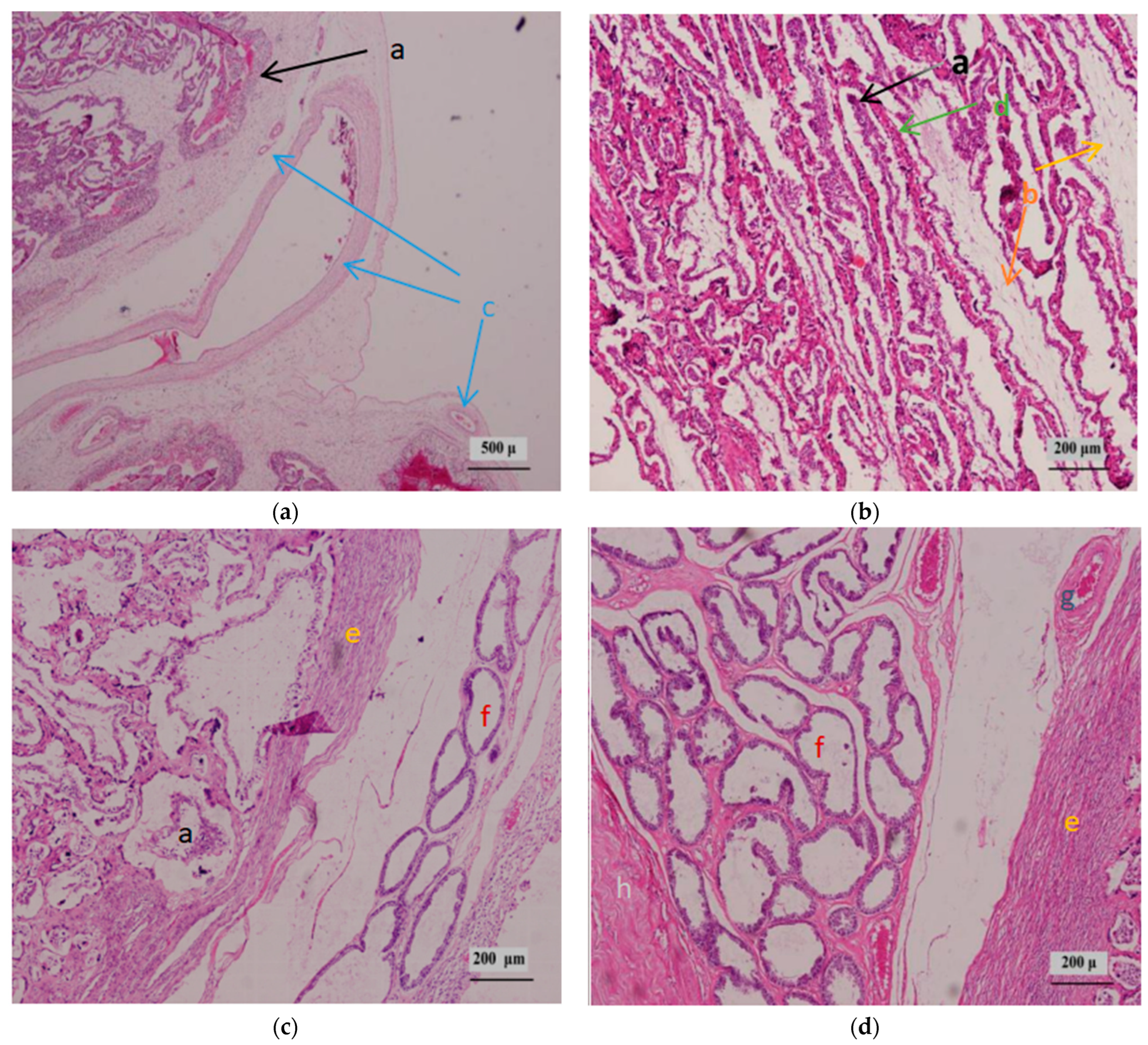
As shown in Figure 1b, four different cotyledon tissue parts (a, b, c and d) were selected for HE staining observation, and the results of HE staining are shown in Figure 3.
Chorionic blood vessels: The cotyledons on day 90 contained a rich network of chorionic blood vessels, within which numerous red blood cells were visible. Vascular branches extended into the villous branches of the maternal placenta. Additionally, some underdeveloped blood vessels in the mesenchyme were small and remained in a closed state.
Mesenchyme: The mesenchyme, distributed between chorionic blood vessels and the chorionic epithelium, consists of cells with star-shaped cytoplasmic processes and columnar or elliptical nuclei. These cells are interconnected to form a network structure.
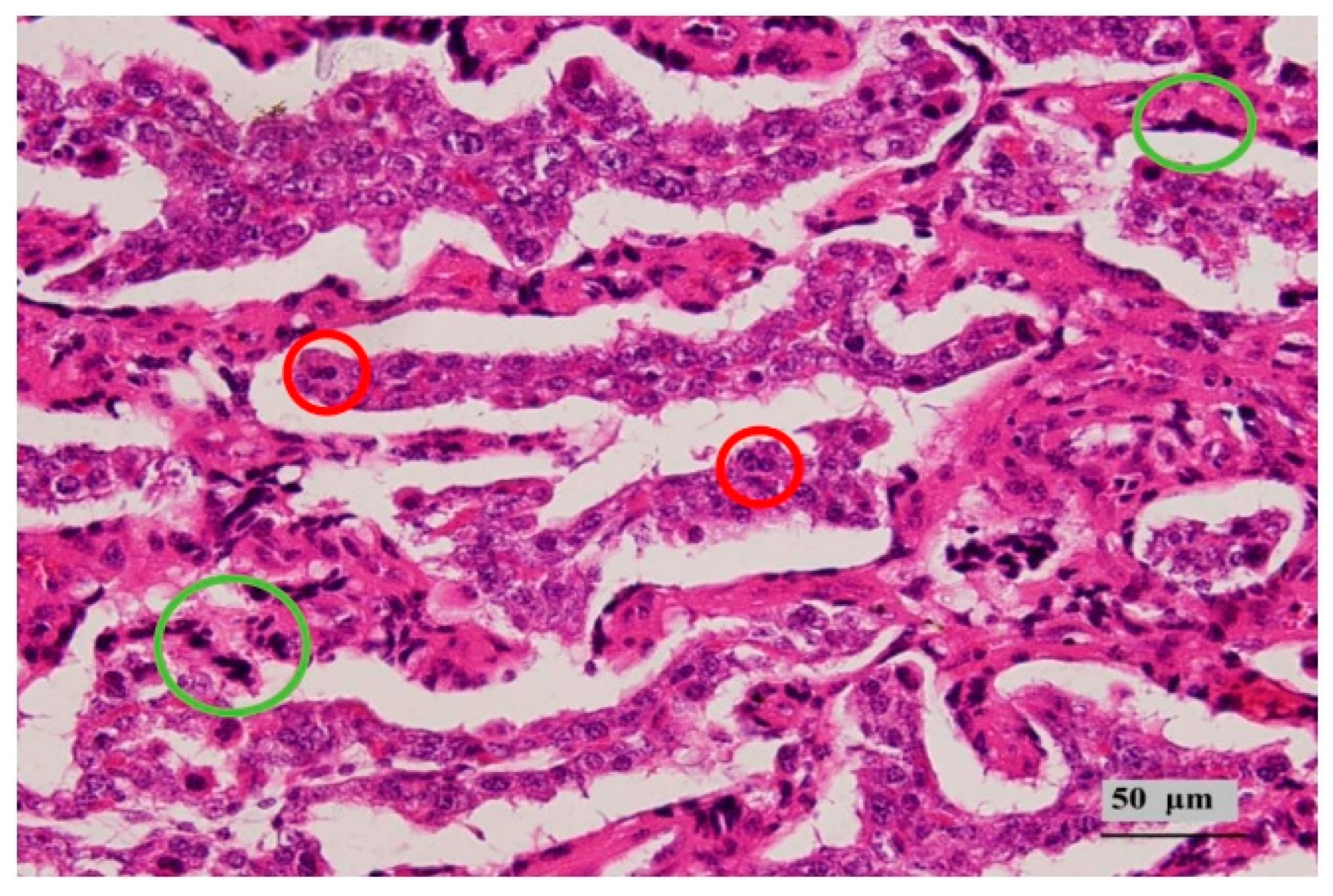
Chorionic epithelium: The chorionic epithelium is primarily composed of two cell types—binucleate cells and cuboidal cells—located on the surface of villous branches. In the cotyledonary chorionic epithelium of Hu sheep at 90 days of pregnancy, a large number of binucleate cells are widely distributed (Figure 4). Together, these cells form the surface structure of the fetal placenta, serving as a barrier between the fetus and the mother.
Uterine lacunar epithelium: At 90 days of pregnancy, the nuclei of the uterine lacunar epithelial cells are small, and the cells are flattened with obvious nuclear clustering (Figure 4). It has been suggested that this structure arises from the fusion of chorionic epithelial binucleate cells and uterine lacunar epithelial cells [19], and it plays a crucial role in maintaining pregnancy.
Uterine connective tissue: As branching of the uterine lacunar epithelium increases, the connective tissue becomes sparsely distributed and forms narrow structures. In the uterine mucosal layer adjacent to the uterine wall, connective tissue fibers are densely packed and neatly arranged, with numerous uterine glands distributed throughout.
Uterine blood vessels: In the cotyledons of Hu sheep at 90 days of pregnancy, uterine blood vessels are extensively distributed around the uterine mucosa and uterine glands, extending to the cup-like opening of the cotyledons. An abundance of uterine blood vessels is essential for ensuring normal fetal development.

3.5. Sequencing Quality Control and Comparison Analysis

The average data output per sample was 6.55 Gb. The average alignment rate of samples to the genome was 89.21%, with an average alignment rate of 63.90% to the gene set. Following quality control of the sequencing data, the average Q20 and Q30 values were 95.67% and 89.98%, respectively. These results demonstrate that the sequencing data are of high quality, high coverage, and reliability, making them suitable for subsequent differential analysis.

3.6. Quantitative Analysis of Gene Expression Levels

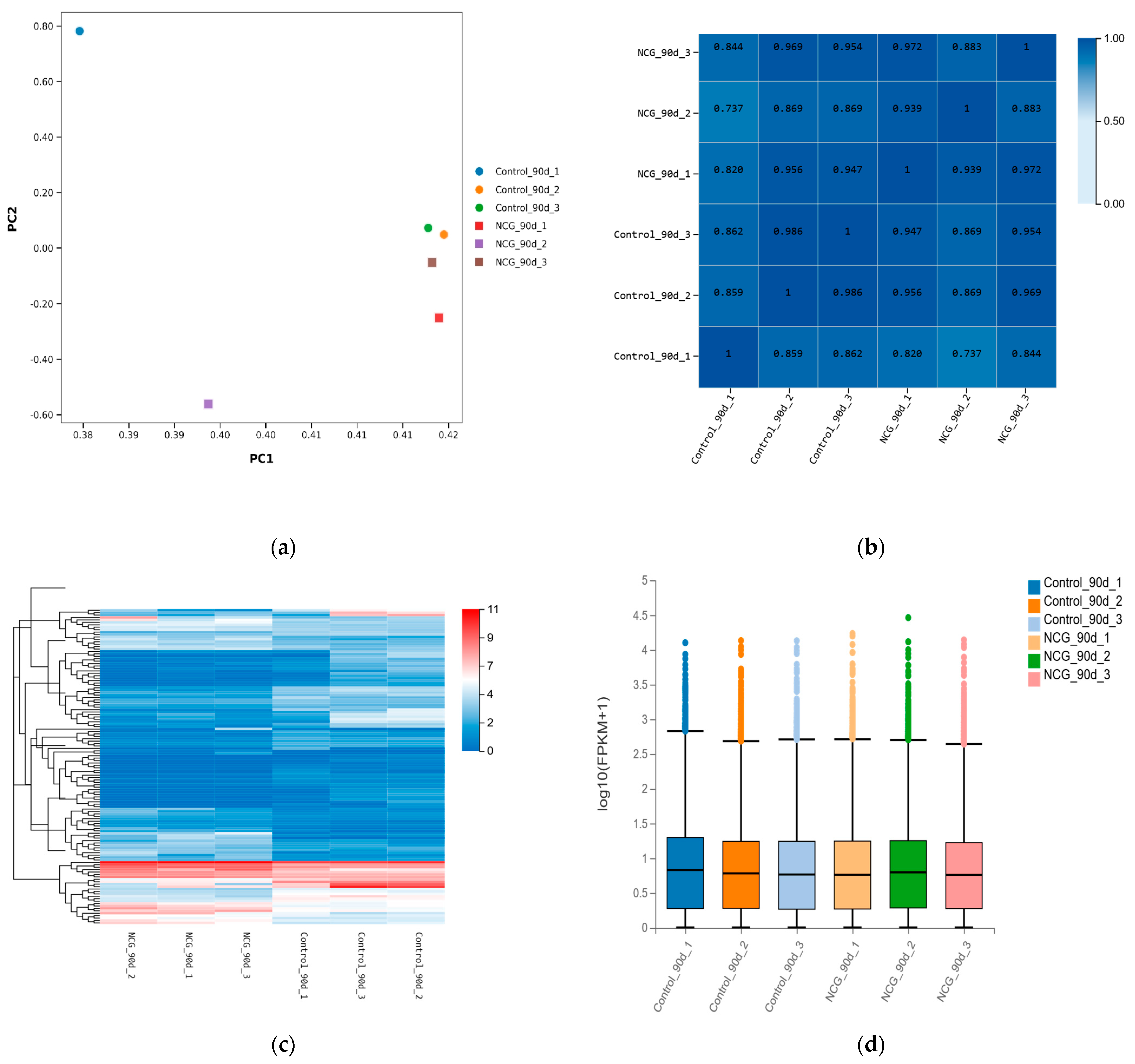
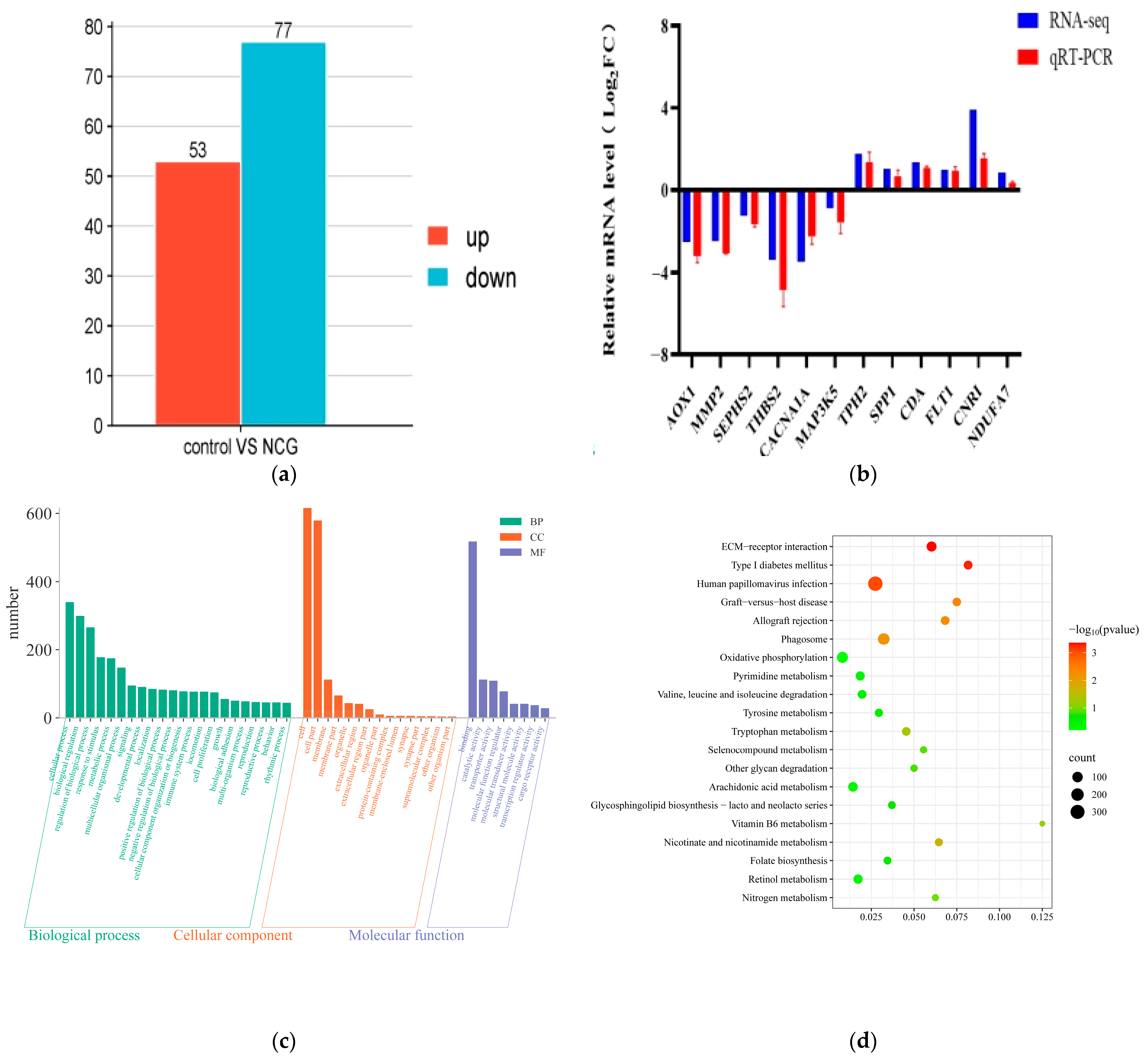
Based on the alignment results, a total of 14,174 genes were detected in the control group, while 14,127 genes were identified in the NCG-treated group. The distribution of gene expression levels (FPKM/TPM) across different samples is presented in a boxplot (Figure 5d), which illustrates the median and interquartile range of expression values. As shown in Figure 5b, the intra-group correlation of samples in both the control group and NCG-treated group was analyzed. The results revealed that the correlation coefficient (R2) within each group exceeded 0.7 and approached 1, indicating good experimental reproducibility and validating the reliability of subsequent analyses.

3.7. Screening of Differentially Expressed Genes

In the visualization (Figure 6a), significantly upregulated genes are depicted in red, downregulated genes in blue, and non-significantly differentially expressed genes in gray. A total of 130 DEGs were identified, comprising 53 upregulated and 77 downregulated genes.

3.8. Gene Ontology Enrichment Analysis of Differentially Expressed Genes

As illustrated in Figure 6c, GO functional enrichment analysis was conducted on the DEGs identified between the control group and the NCG-treated group. A total of 45 significantly enriched GO terms were detected (p < 0.05), encompassing 22 biological processes (BPs), 15 cellular components (CCs), and 8 molecular functions (MFs). The BPs were primarily enriched in cellular processes, regulation of biological processes, responses to stimuli, and metabolic processes; the CCs were enriched in cells, cellular parts, membranes, and extracellular regions; and the MFs were enriched in binding, catalytic activity, transport activities, and molecular function regulators.

3.9. Kyoto Encyclopedia of Genes and Genomes Enrichment Analysis of Differentially Expressed Genes

As shown in Figure 6d, the KEGG pathway analysis listed the top 20 significantly enriched pathways associated with the identified DEGs, sorted by adjusted p-value (padj < 0.05). These pathways were found to include ECM-receptor interaction, oxidative phosphorylation, folate biosynthesis, and other processes related to organismal growth, development, nutrient supply, angiogenesis, vasodilation, fetal development, and signal transduction. Among the enriched pathways, the VEGF, Notch, Wnt/β-catenin, and PI3K-AKT signaling pathways are involved in processes such as cell growth and death, transport and catabolism, signal transduction, and amino acid metabolism.

3.10. Transcriptomic q-PCR Validation

To validate the RNA-seq results, 12 differentially expressed genes (DEGs) identified between the control group and the NCG treated group, including 6 upregulated and 6 downregulated genes, were randomly selected for q-PCR analysis. As shown in Figure 6b, the mRNA expression trends of all 12 validated genes were consistent with the RNA-seq data. Compared with the control group, the expression levels of AOX1, MMP2, SEPHS2, THBS2, CACNA1A, and MAP3K5 were significantly downregulated in the NCG treated group, whereas those of TPH2, SPP1, CDA, FLT1, CNR1, and NDUFA7 were significantly upregulated. These validation results confirm the reliability of the transcriptomic sequencing data, supporting that the identified DEGs accurately reflect the gene expression differences between the two groups.

4. Discussion

4.1. Effects of NCG Supplementation on Uterine and Fetal Development Indices in Ewes During Early Pregnancy

The results of this study showed that in the experiment when there was no significant change in fetal body size, relative organ weight and other indicators between the two groups, the NCG trial group was higher than the control group in uterine weight, fetal number, fetal weight per litter, fetal weight and other values. These findings suggest that dietary supplementation with NCG enhances maternal reproductive performance without exerting adverse effects on fetal development. The observed increase in uterine weight indicates more pronounced uterine growth, which may help reduce the incidence of IUGR during late gestation. Interestingly, although the average fetal weight in the NCG group did not differ significantly from that in the control group, a notable upward trend was detected in amniotic fluid volume. Nakano et al. [20] reported that this phenomenon may be attributed to NCG-induced alterations in amniotic fluid metabolism, which is consistent with previous reports by Wu [21]. Such metabolic modifications are likely to enhance nutrient supply in the maternal uterine environment, ensuring adequate nourishment for both the fetus and the mother, thereby improving embryonic survival rates.

4.2. Effects of NCG Supplementation on Blood Indices in Ewes During Early Pregnancy

Functional amino acids (FAAs) play critical roles in placental angiogenesis and development [22]. Among the most extensively studied FAAs involved in placental vascular regulation are arginine-family amino acids (including arginine, glutamic acid, proline, citrulline, and ornithine), leucine, and sulfur-containing amino acids. Notably, arginine exerts multifaceted biological functions, including promoting angiogenesis, enhancing nitrogen metabolism, stimulating lactation and growth, and improving reproductive performance in animals [23]. In this study, dietary supplementation with NCG significantly increased the concentrations of arginine, glutamic acid, proline and leucine in the plasma of ewes. Previous experimental results also demonstrated that the increase in amino acid concentrations did not adversely affect the fetus. This finding supports the hypothesis that NCG, as a structural analog of N-acetylglutamate (NAG), activates the key enzyme CPS-I, thereby enhancing endogenous Arg synthesis [24]. These results are consistent with previous work by Zhang [13], who reported that supplementing 20 g/d rumen-protected Arg (RP-Arg) and 5 g/d NCG under 50% feed restriction significantly increased plasma amino acid concentrations in Hu sheep. The observed elevation in amino acid levels may reflect synergistic interactions within the NCG metabolic pathway, which ultimately exert beneficial effects on the growth and physiological status of ewes.
The NO, hormones, and amino acids in maternal plasma play pivotal roles in regulating placental function and fetal development during pregnancy. The NOS catalyzes the production of NO, with iNOS—a key isoform—capable of generating substantial NO levels under immune stimulation. As a potent vasodilator, NO is critical for maintaining placental vascular function and optimizing nutrient delivery to the fetus [25]. Elevated NO levels may thus enhance maternal growth and reproductive performance by improving uterine blood flow and nutrient supply. In the present study, the NCG-supplemented group exhibited significantly higher plasma concentrations of NO and iNOS compared to the control group. These findings are consistent with previous reports by Wang [26], who observed a significant increase in plasma NO levels in lactating goats supplemented with 2 g/d NCG at 21 and 42 days postpartum. Furthermore, Zhang [27] demonstrated that NCG supplementation elevated plasma iNOS levels in IUGR lactating lambs, providing additional support for our results. Collectively, these data suggest that NCG enhances NO synthesis, potentially via iNOS activation, thereby improving placental vascular function and maternal–fetal nutrient exchange.

4.3. Effects of NCG Supplementation on Cotyledon and HE Staining Indices in Ewes During Early Pregnancy

Uterine glands are critical anatomical structures responsible for histotroph secretion and maternal–fetal material transport [28], playing an indispensable role in embryonic nutrition. Our experimental results showed that the number of uterine glands in the NCG-supplemented group was significantly greater than that in the control group. This observation is consistent with previous findings by Pramod [29], who reported that increased uterine gland density enhances nutrient secretory capacity, thereby supporting fetal development. The secretory function of uterine glands is mediated by glandular epithelial cells, with secretory capacity being directly proportional to the number of epithelial cells [30]. Although no significant differences were observed in the perimeter or cross-sectional area of individual glands between the two groups, the increased count of uterine glands in NCG-treated ewes suggests a corresponding increase in the total number of glandular epithelial cells. This histological adaptation likely facilitates enhanced nutrient exchange at the maternal–fetal interface.
Cattle and sheep both possess a cotyledonary placenta, yet their structural organization differs significantly [31]. Whereas bovine placentation follows a “fetus-enveloping-mother” pattern, ovine placentation exhibits an inverse “mother-enveloping-fetus” architecture, characterized by maternal caruncles forming bowl-shaped structures that encapsulate fetal cotyledons. Hematoxylin-eosin (HE) staining revealed that cotyledonary villous branches were highly abundant in Hu sheep at 90 days of gestation, with a complex internal structure. Maternal placental lacunae and villous branches were alternately nested, with distinct staining patterns: the maternal cotyledonary components appeared redder, while the fetal components were purple. Consistent with anatomical descriptions [32], the complete barrier structure of the cotyledonary tissue in Hu sheep comprises six layers from fetus to mother: chorionic blood vessels, mesenchyme, chorionic epithelium, uterine lacunar epithelium, uterine connective tissue, and uterine blood vessels. The first three layers form the fetal placenta, and the latter three constitute the maternal placenta. There is no direct blood contact between the mother and fetus; instead, they are connected via interlaced maternal lacunae and villous branches, which serve as the primary sites for nutrient supply, gas exchange, and metabolite excretion [33]. A large number of syncytiotrophoblasts are distributed within the maternal lacunae, a structure formed by the migration of fetal binucleate cells [34].
In this experiment, the average thickness of the uterine mucosa in the NCG-treated group was significantly lower than that in the control group. Cotyledons play a key role in embryonic development by expanding the effective maternal–fetal exchange area [35], which is determined by the number of fetal villous branches and their degree of embedding into the endometrium—with more branches and deeper embedding leading to an increased exchange area. Under the same conditions, a thinner maternal uterine mucosa allows for deeper chorionic embedding and more intensive material exchange within the cotyledons [36]. Given that elevated NO levels during pregnancy positively regulate extravillous trophoblast invasion [37], and that NCG supplementation increased NO content in the present study, it is suggested that NCG may enhance chorionic invasion into the maternal endometrium via NO-mediated pathways, thereby facilitating maternal–fetal communication.

4.4. Transcriptomic Sequencing and qPCR Validation of Maternal Placental Tissue

Through GO and KEGG enrichment analyses, differential expression analysis of upregulated and downregulated genes revealed that significantly upregulated genes were primarily enriched in pathways related to IGF binding, VEGF-A/B, PLGF, and VEGF receptor activity, while downregulated genes were enriched in pathways associated with heparin binding, Roundabout binding, and PGI synthase activity.
The VEGF is widely recognized as a key regulator of angiogenesis [38]. Its family members, including VEGF-A/B/C/D and PLGF [39], exhibit high homology [40]. As a potent endothelial growth factor, VEGF induces vasodilation and enhances blood flow by increasing NO production, while PLGF, commonly known as placental growth factor-1, acts as a strong enhancer of endothelial permeability. The VEGF shows high nutritional sensitivity. Previous studies have demonstrated that when nutrient intake transitions from adequate to inadequate, the expression of placental VEGF mRNA in cotyledons increases, which correlates with elevated maternal progesterone levels [41]. This aligns with our findings, indicating that the increased VEGF mRNA expression in cotyledons of NCG-supplemented pregnant Hu sheep may be directly mediated by progesterone. In placental lobules, nutrient restriction leads to increased FLT1 mRNA expression [42], which is consistent with our observations in ewes. This is likely because FLT1 functions as a receptor for VEGF [43]. The VEGF participates in neovascularization via the PI3K-AKT signaling pathway [44]. This pathway regulates fundamental cellular functions such as translation, proliferation, and growth arrest [44,45]. The KEGG pathway analysis further revealed close associations between the PI3K-AKT signaling pathway and VEGF. During angiogenesis and vascular network formation, blood flow within vessels induces shear stress on endothelial cells. This activates the KLF2 transcription factor, which responds to shear stress on the endothelial cell membrane, leading to increased expression of NOS regulatory proteins. This is supported by the elevated plasma NO and iNOS levels observed in our study, which ultimately regulate vascular endothelial growth factor receptor (VEGFR). Research has demonstrated that KLF2 regulation is mediated through the PI3K-AKT signaling pathway [46].
The CNR1 gene regulates food intake and fat content in the hypothalamus [47]. CNR1 and CNR2 are members of the cannabinoid receptor (CNR) family. Schwartz’s team found that this gene is expressed in the central nervous system (including the hypothalamus) and is involved in appetite regulation [48]. Furthermore, CNR1 can positively regulate the MAPK signaling pathway, which is crucial for cellular functions such as growth, differentiation, and apoptosis. It also promotes the early differentiation of skeletal progenitor cells into osteoblasts and accelerates bone mineralization [49]. Notably, the high expression of CNR1 in the NCG group may be closely associated with the regulation of the MAPK pathway and cellular growth/differentiation.
Insulin-like growth factor (IGF) exerts biological activity by binding to cell surface receptors [50]. As a broad-spectrum growth promoter, IGF plays a crucial role in embryonic development [51]. The IGF-binding proteins (IGFBPs) exhibit diverse physiological functions [52], specifically, IGFBP3 is involved in cell proliferation, differentiation, and apoptosis [53]. Gadd observed lower IGFBP3 expression in uterine glands of adolescents with intrauterine growth restriction in high/medium dose groups, which aligns with our findings that NCG promotes uterine development in Hu sheep by enhancing IGFBP3 expression [54].
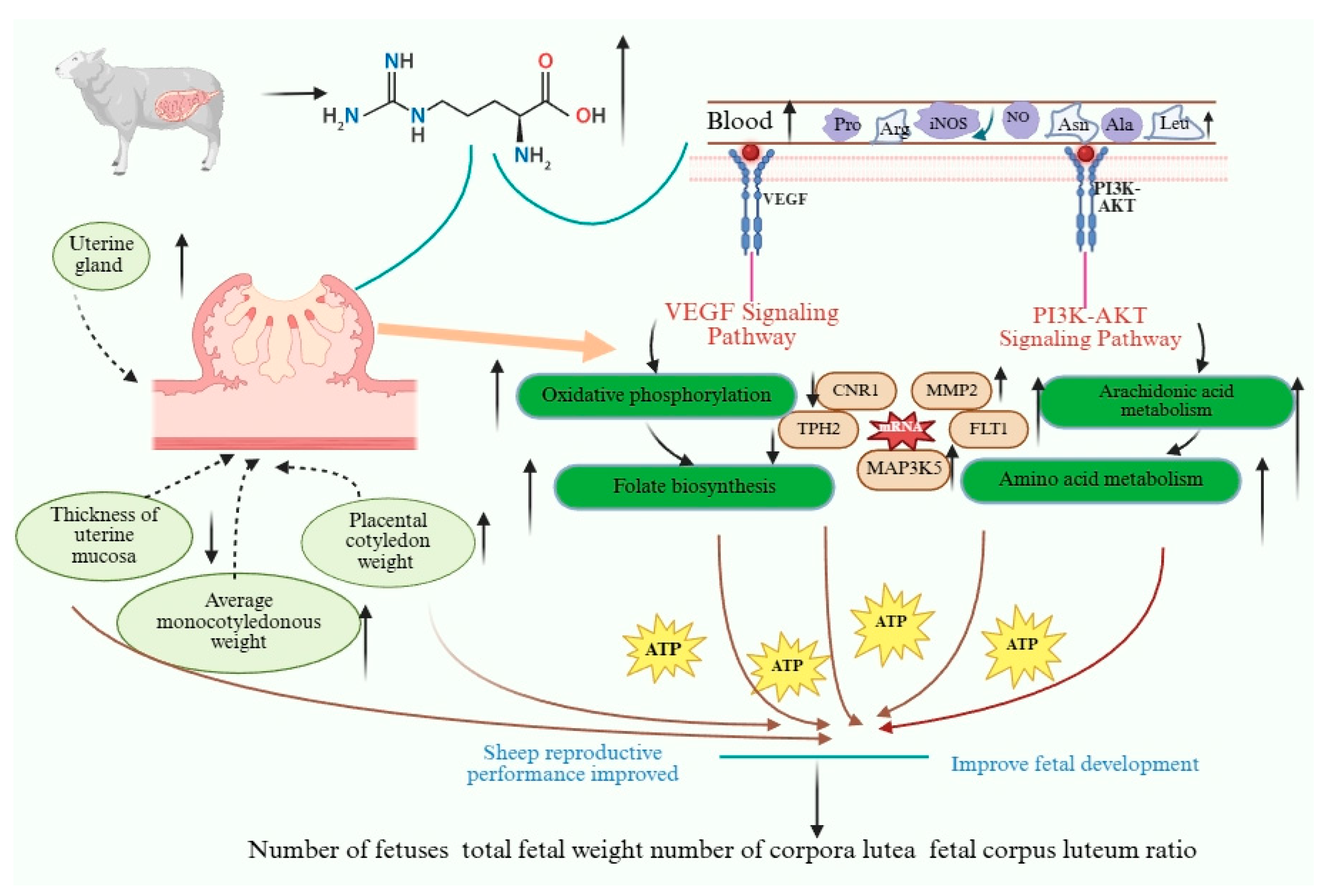
Among the upregulated differentially expressed genes, TPH2 was significantly increased in the NCG group. This gene catalyzes the conversion of L-tryptophan to 5-hydroxy-L-tryptophan (5-HT), thereby regulating levels of gonadotropin-releasing hormone (GnRH) and luteinizing hormone (LH) to support pregnancy maintenance and placental development. For downregulated differentially expressed genes, MAP3K5 was significantly enriched in KEGG pathways, participating in MAPK signaling and endoplasmic reticulum protein processing. The MAP3K5, a mitogen-activated protein kinase kinase kinase, belongs to the MAP3K5 family [55] and regulates intercellular junctions and the actin cytoskeleton [56]. In mammals, knockout of MAP3K5 impairs brown adipose tissue function, accelerates energy expenditure, reduces fat accumulation, and induces metabolic disorders [57]. The upregulation of CNR1 and downregulation of MAP3K5 in uterine tissues are both associated with the MAPK signaling pathway. This suggests that NCG may influence fat deposition and energy metabolism in pregnant ruminants. Figure 7 shows the effect of dietary NCG on placental development in pregnant ewes during the first three months of gestation and the mechanism by which changes in VEGF and PI3K-AKT pathways improve reproductive performance.

5. Conclusions

This study demonstrated that dietary supplementation with 0.11% NCG in pregnant ewes (days 0–90 of gestation) significantly improved endometrial parameters in primiparous Hu sheep, including total endometrial weight, average individual cotyledon weight, mucosal thickness, and uterine gland count. The treatment enhanced reproductive performance by promoting endogenous arginine synthesis, increasing plasma levels of NO, arginine, and specific amino acids, and altering the expression patterns of genes such as CNR1, TPH2, FLT1, and MAP3K5, as well as signaling pathways related to angiogenesis, energy metabolism, and growth regulation. These changes optimized the uterine microenvironment and nutrient supply, thereby creating favorable conditions for maintaining pregnancy and supporting fetal development.

Author Contributions

Conceptualization, Y.C.; Methodology, Y.C., T.G., C.L., J.Z. and Y.Z.; Software, T.G., R.Z., H.L., Y.Y., S.L., X.S. and C.H.; Validation, C.L.; Formal analysis, Y.C., T.G. and C.L.; Investigation, T.G., C.L., Y.C., Y.Z., R.Z., H.L., Y.Y., S.L., X.S. and C.H.; Resources, Y.C.; Data curation, Y.C., T.G. and C.L.; Writing—original draft, T.G. and C.L.; Writing—review and editing, T.G. and J.Z.; Supervision, Y.C.; Project administration, Y.C.; Funding acquisition, Y.C. All authors have read and agreed to the published version of the manuscript.

Funding

This research was funded by the 14th Five-Year Plan Key R&D Program, grant number 2024YFD1301002, Lanzhou Science and Technology Plan Project, grant number 2021-1-171 and Central University Basic Research Fund, grant number 31920240045.

Institutional Review Board Statement

All animal experiments in this study were fully approved by the Animal Ethics Committee of the School of Life Science and Engineering, Northwest Minzu University in June 2021 (xbmu-sm-2021060).

Informed Consent Statement

All animal experiments in this study were approved by Lanzhou Qilihe Wanshan Cooperative Company.

Data Availability Statement

The data requested by your journal has been submitted to the GSA database at the National Center for Biotechnology Information (NCBI), with the login number PRJNA1302455.

Acknowledgments

This study is grateful to the animal owner Lanzhou Qilihe Wanshan Cooperative for their support and the authors for their efforts. The authors have reviewed and edited the output and take full responsibility for the content of this publication.

Conflicts of Interest

The authors declare no conflicts of interest.

References

  1. Li, Y.; Chen, Z.; Fang, Y.; Cao, C.; Zhang, Z.; Pan, Y.; Wang, Q. Runs of Homozygosity Revealed Reproductive Traits of Hu Sheep. Genes 2022, 13, 1848. [Google Scholar] [CrossRef]
  2. Zhao, F.; Xie, R.; Fang, L.Z.; Xiang, R.D.; Yuan, Z.H.; Liu, Y.; Wang, L.X. Analysis of 206 whole-genome resequencing reveals selection signatures associated with breed-specific traits in Hu sheep. Evol. Appl. 2024, 17, e13697. [Google Scholar] [CrossRef] [PubMed]
  3. Daniel Ionut, B.; Blaga-Petrean, A.; Bogdan, I.; Bogdan, S.; Tamas-Krumpe, O.M.; Cimpean, R.; Pall, E.; Nap, M.E.; Bogdan, L.M. Effect of L-arginine and Eugenol on Ram Semen Kinematic Parameters and Post Thawed Fertility Rate after Trans-cervical Artificial Insemination. Indian J. Anim. Res. 2022, 57, 552–557. [Google Scholar] [CrossRef]
  4. Appleton, J. Arginine: Clinical potential of a semi-essential amino acid. Altern. Med. Rev. 2002, 7, 512–522. [Google Scholar]
  5. Ignarro, L.J. Nitric oxide as a unique signaling molecule in the vascular system: A historical overview. J. Physiol. Pharmacol. 2002, 53, 503–514. [Google Scholar]
  6. Wu, G.; Bazer, F.W.; Hu, J.; Johnson, G.A.; Spencer, T.E. Polyamine synthesis from proline in the developing porcine placenta. Polyamine synthesis from proline in the developing porcine placenta. Biol. Reprod. 2005, 72, 842–850. [Google Scholar] [CrossRef]
  7. Wilkinson, D.L.; Bertolo, R.F.; Brunton, J.A.; Shoveller, A.K.; Pencharz, P.B.; Ball, R.O. Arginine synthesis is regulated by dietary arginine intake in the enterally fed neonatal piglet. Am. J. Physiol. Endocrinol. Metab. 2004, 287, E454–E462. [Google Scholar] [CrossRef][Green Version]
  8. Peine, J.L.; Jia, G.; Van Emon, M.L.; Neville, T.L.; Kirsch, J.D.; Hammer, C.J.; O’Rourke, S.T.; Reynolds, L.P.; Caton, J.S. Effects of maternal nutrition and rumen-protected arginine supplementation on ewe performance and postnatal lamb growth and internal organ mass. J. Anim. Sci. 2018, 96, 3471–3481. [Google Scholar] [CrossRef]
  9. Wu, G.; Knabe, D.A.; Kim, S.W. Arginine nutrition in neonatal pigs. J. Nutr. 2004, 134, 2783S–2797S. [Google Scholar] [CrossRef] [PubMed]
  10. Wu, G.Y.; Bazer, F.E.; Davis, T.A.; Kim, S.W.; Li, P.; Rhoads, J.M.; Satterfield, M.C.; Smith, S.B.; Spencer, T.E.; Yin, Y.L. Arginine metabolism and nutrition in growth, health and disease. Amino Acids 2009, 37, 153–168. [Google Scholar] [CrossRef]
  11. Li, X.; Bazer, F.W.; Johnson, G.A.; Burghardt, R.C.; Frank, J.W.; Dai, Z.; Wang, J.; Wu, Z.; Shinzato, I.; Wu, G. Dietary supplementation with L-arginine between days 14 and 25 of gestation enhances embryonic development and survival in gilts. Amino Acids 2014, 46, 375–384. [Google Scholar] [CrossRef]
  12. Wu, X.; Yin, Y.L.; Liu, Y.Q.; Liu, X.D.; Liu, Z.Q.; Li, T.J.; Huang, R.L.; Ruan, Z.; Deng, Z.Y. Effect of dietary arginine and N-carbamoylglutamate supplementation on reproduction and gene expression of eNOS, VEGFA and PlGF1 in placenta in late pregnancy of sows. Anim. Reprod. Sci. 2012, 132, 187–192. [Google Scholar] [CrossRef]
  13. Zhang, H.; Sun, L.; Wang, Z.; Deng, M.; Nie, H.; Zhang, G.; Ma, T.; Wang, F. N-carbamylglutamate and L-arginine improved maternal and placental development in underfed ewes. Reproduction 2016, 151, 623–635. [Google Scholar] [CrossRef]
  14. Zhang, H.; Zhang, Y.; Ma, Y.; Elsabagh, M.; Wang, H.; Wang, M. Dietary rumen-protected L-arginine or N-carbamylglutamate attenuated fetal hepatic inflammation in undernourished ewes suffering from intrauterine growth restriction. Anim. Nutr. 2021, 7, 1095–1104. [Google Scholar] [CrossRef]
  15. Cai, Y.; Tian, J.H.; Wang, D.; Luo, Y.Z.; Weng, S.Q.; Li, C.Y. Improving lambing performance in ewes through dietary supplementation of N-carbamoylglutamic acid at different levels during early gestation. J. Anim. Husb. Vet. Med. 2021, 52, 126–134. (In Chinese) [Google Scholar]
  16. Kim, D.; Langmead, B.; Salzberg, S.L. HISAT: A fast spliced aligner with low memory requirements. Nat. Methods 2015, 12, 357–360. [Google Scholar] [CrossRef]
  17. Langmead, B.; Salzberg, S.L. Fast gapped-read alignment with Bowtie 2. Nat. Methods 2012, 9, 357–359. [Google Scholar] [CrossRef]
  18. Love, M.I.; Huber, W.; Anders, S. Moderated estimation of fold change and dispersion for RNA-seq data with DESeq2. Genome Biol. 2014, 15, 550. [Google Scholar] [CrossRef]
  19. Kanehisa, M.; Araki, M.; Goto, S.; Hattori, M.; Hirakawa, M.; Itoh, M.; Katayama, T.; Kawashima, S.; Okuda, S.; Tokimatsu, T.; et al. KEGG for linking genomes to life and the environment. Nucleic Acids Res. 2008, 36, D480–D484. [Google Scholar] [CrossRef]
  20. Nakano, H.; Shimada, A.; Imai, K.; Takahashi, T.; Hashizume, K. The cytoplasmic expression of E-cadherin and beta-catenin in bovine trophoblasts during binucleate cell differentiation. Placenta 2005, 26, 393–401. [Google Scholar] [CrossRef]
  21. Wu, G.; Meininger, C.J.; Knabe, D.A.; Bazer, F.W.; Rhoads, J.M. Arginine nutrition in development, health and disease. Curr. Opin. Clin. Nutr. Metab. Care 2000, 3, 59–66. [Google Scholar] [CrossRef] [PubMed]
  22. Wu, G.; Bazer, F.W.; Johnson, G.A.; Herring, C.; Seo, H.; Dai, Z.; Wang, J.; Wu, Z.; Wang, X. Functional amino acids in the development of the pig placenta. Mol. Reprod. Dev. 2017, 84, 870–882. [Google Scholar] [CrossRef]
  23. Chacher, B.; Liu, H.; Wang, D.; Liu, J. Potential role of N-carbamoyl glutamate in biosynthesis of arginine and its significance in production of ruminant animal. J. Anim. Sci. Biotechnol. 2013, 4, 303–308. [Google Scholar] [CrossRef] [PubMed]
  24. Ma, W.; Yuan, M.; Chang, S.; Wang, C. N-carbamylglutamate supplementation regulates hindgut microbiota composition and short-chain fatty acid contents in Charollais and Small Tail Han crossbred sheep. Front. Vet. Sci. 2023, 10, 1230190. [Google Scholar] [CrossRef]
  25. Jin, M.; Cao, B.; Lin, C.; Li, J.; Xu, Q.; Ren, Q.; Xu, S.; Tang, C. Tianma Gouteng Decoction Exerts Pregnancy-Protective Effects Against Preeclampsia via Regulation of Oxidative Stress and NO Signaling. Front. Pharmacol. 2022, 13, 849074. [Google Scholar] [CrossRef]
  26. Wang, Z.; Wang, R.; Meng, C.; Ji, Y.; Sun, L.; Nie, H.; Mao, D.; Wang, F. Effects of dietary supplementation of N-carbamylglutamate on lactation performance of lactating goats and growth performance of their suckling kidlets. Small Rumin. Res. 2019, 175, 142–148. [Google Scholar] [CrossRef]
  27. Zhang, H.; Jin, Y.; Wang, M.; Loor, J.J.; Wang, H. N-Carbamylglutamate and l-arginine supplementation improve hepatic antioxidant status in intrauterine growth-retarded suckling lambs. RSC Adv. 2020, 10, 11173–11181. [Google Scholar] [CrossRef]
  28. Bazer, F.W.; Spencer, T.E.; Johnson, G.A.; Burghardt, R.C.; Wu, G. Comparative aspects of implantation. Reproduction 2009, 138, 195–209. [Google Scholar] [CrossRef]
  29. Dhaka, L.P.; Kelleher, A.M.; Behura, S.K.; Spencer, T.E. Sexually dimorphic effects of forkhead box a2 (FOXA2) and uterine glands on decidualization and fetoplacental development. Proc. Natl. Acad. Sci. USA 2020, 117, 23952–23959. [Google Scholar] [CrossRef]
  30. Wang, C.K.; Robinson, R.S.; Flint, A.P.; Mann, G.E. Quantitative analysis of changes in endometrial gland morphology during the bovine oestrous cycle and their association with progesterone levels. Reproduction 2007, 134, 365–371. [Google Scholar] [CrossRef][Green Version]
  31. Johnson, G.A.; Bazer, F.W.; Seo, H.; Burghardt, R.C.; Wu, G.; Pohler, K.G.; Cain, J.W. Understanding placentation in ruminants: A review focusing on cows and sheep. Reprod. Fertil. Dev. 2023, 36, 93–111. [Google Scholar] [CrossRef]
  32. Rai, A.; Cross, C.J. Development of the hemochorial maternal vascular spaces in the placenta through endothelial and vasculogenic mimicry. Dev. Biol. 2014, 387, 131–141. [Google Scholar] [CrossRef]
  33. Ballasy, N.; Apantaku, I.; Dean, W.; Hemberger, M. Off to a good start: The importance of the placental exchange surface—Lessons from the mouse. Dev. Biol. 2025, 517, 248–264. [Google Scholar] [CrossRef]
  34. Rozemarijn, J.B.; Koen, F.; Soraya, S.; Jelmer, R.P.; Michael, E.G. The immunological intrigue of microchimerism: Tracing fetal and maternal cells throughout the body. J. Reprod. Immunol. 2023, 159, 104049. [Google Scholar] [CrossRef]
  35. Kamal, M.M.; Van Eetvelde, M.; Vandaele, L.; Opsomer, G. Environmental and maternal factors associated with gross placental morphology in dairy cattle. Reprod. Domest. Anim. 2017, 52, 251–256. [Google Scholar] [CrossRef]
  36. Wooding, F.B.; Morgan, G.; Adam, C.L. Structure and function in the ruminant synepitheliochorial placenta: Central role of the trophoblast binucleate cell in deer. Microsc. Res. Tech. 1997, 38, 88–99. [Google Scholar] [CrossRef]
  37. Poniedziałek-Czajkowska, E.; Marciniak, B.; Kimber-Trojnar, Z.; Leszczyńska-Gorzelak, B.; Oleszczuk, J. Nitric oxide in normal and preeclamptic pregnancy. Curr. Pharm. Biotechnol. 2011, 12, 743–749. [Google Scholar] [CrossRef]
  38. Graupera, M.; Claret, M. Endothelial Cells: New Players in Obesity and Related Metabolic Disorders. Trends Endocrinol. Metab. 2018, 29, 781–794. [Google Scholar] [CrossRef]
  39. Shibuya, M. Vascular endothelial growth factor and its receptor system: Physiological functions in angiogenesis and pathological roles in various diseases. J. Biochem. 2013, 153, 13–19. [Google Scholar] [CrossRef] [PubMed]
  40. Calvo, P.M.; Hernández, R.G.; Pastor, A.M.; de la Cruz, R.R. VEGF and Neuronal Survival. Neuroscientist 2024, 30, 71–86. [Google Scholar] [CrossRef]
  41. Luther, J.; Milne, J.; Aitken, R.; Matsuzaki, M.; Reynolds, L.; Redmer, D.; Wallace, J. Placental growth, angiogenic gene expression, and vascular development in undernourished adolescent sheep. Biol. Reprod. 2007, 77, 351–357. [Google Scholar] [CrossRef]
  42. Lekatz, L.A.; Ward, M.A.; Borowicz, P.P.; Taylor, J.B.; Redmer, D.A.; Grazul-Bilska, A.T.; Reynolds, L.P.; Caton, J.S.; Vonnahme, K.A. Cotyledonary responses to maternal selenium and dietary restriction may influence alterations in fetal weight and fetal liver glycogen in sheep. Anim. Reprod. Sci. 2010, 117, 216–225. [Google Scholar] [CrossRef] [PubMed]
  43. Li, J.; Wu, X.; Gong, J.; Yang, J.; Leng, J.; Chen, Q.; Xu, W. Vascular endothelial growth factor induces multidrug resistance-associated protein 1 overexpression through phosphatidylinositol-3-kinase/protein kinase B signaling pathway and transcription factor specificity protein 1 in BGC823 cell line. Acta Biochim. Biophys. Sin. 2013, 45, 656–663. [Google Scholar] [CrossRef]
  44. Xue, C.; Li, G.; Lu, J.; Li, L. Crosstalk between circRNAs and the PI3K/AKT signaling pathway in cancer progression. Signal Transduct. Target. Ther. 2021, 6, 400. [Google Scholar] [CrossRef]
  45. Savova, M.S.; Mihaylova, L.V.; Tews, D.; Wabitsch, M.; Georgiev, M.I. Targeting PI3K/AKT signaling pathway in obesity. Biomed. Pharmacother. 2023, 159, 114244. [Google Scholar] [CrossRef] [PubMed]
  46. Li, Z.; Antila, S.; Nurmi, H.; Chilov, D.; Korhonen, E.A.; Fang, S.; Karaman, S.; Engelhardt, B.; Alitalo, K. Blockade of VEGFR3 signaling leads to functional impairment of dural lymphatic vessels without affecting autoimmune neuroinflammation. Sci. Immunol. 2023, 8, eabq0375. [Google Scholar] [CrossRef] [PubMed]
  47. Pei, S.J.; Zhu, H.Y.; Guo, J.H.; Zhang, X.; Deng, Z.J. Knockout of CNR1 prevents metabolic stress-induced cardiac injury through improving insulin resistance (IR) injury and endoplasmic reticulum (ER) stress by promoting AMPK-alpha activation. Biochem. Biophys. Res. Commun. 2018, 503, 744–751. [Google Scholar] [CrossRef]
  48. Schwartz, M.W.; Woods, S.C.; Porte, D., Jr.; Seeley, R.J.; Baskin, D.G. Central nervous system control of food intake. Nature 2000, 404, 661–671. [Google Scholar] [CrossRef]
  49. Greenblatt, M.B.; Shim, J.H.; Bok, S.; Kim, J.M. The Extracellular Signal-Regulated Kinase Mitogen-Activated Protein Kinase Pathway in Osteoblasts. J. Bone Metab. 2022, 29, 11–15. [Google Scholar] [CrossRef]
  50. Baxter, R.C. Signaling Pathways of the Insulin-like Growth Factor Binding Proteins. Endocr. Rev. 2023, 44, 753–778. [Google Scholar] [CrossRef]
  51. Okawa, E.R.; Gupta, M.K.; Kahraman, S.; Goli, P.; Sakaguchi, M.; Hu, J.; Duan, K.; Slipp, B.; Lennerz, J.K.; Kulkarni, R.N. Essential roles of insulin and IGF-1 receptors during embryonic lineage development. Mol. Metab. 2021, 47, 101164. [Google Scholar] [CrossRef]
  52. Forbes, B.E.; Blyth, A.J.; Wit, J.M. Disorders of IGFs and IGF-1R signaling pathways. Mol. Cell. Endocrinol. 2020, 518, 111035. [Google Scholar] [CrossRef] [PubMed]
  53. Li, H.B.; Wang, D.; Zhang, Y.; Shen, D.; Che, Y.Q. IGFBP3 Enhances Treatment Outcome and Predicts Favorable Prognosis in ABC-DLBCL. J. Oncol. 2023, 2023, 1388041. [Google Scholar] [CrossRef] [PubMed]
  54. Gadd, T.S.; Aitken, R.P.; Wallace, J.M.; Wathes, D.C. Effect of a high maternal dietary intake during mid-gestation on components of the utero-placental insulin-like growth factor (IGF) system in adolescent sheep with retarded placental development. J. Reprod. Fertil. 2000, 118, 407–416. [Google Scholar] [CrossRef] [PubMed][Green Version]
  55. Pu, L.; Zhang, L.C.; Zhang, J.S.; Song, X.; Wang, L.G.; Liang, J.; Zhang, Y.B.; Liu, X.; Yan, H.; Zhang, T.; et al. Porcine MAP3K5 analysis: Molecular cloning, characterization, tissue expression pattern, and copy number variations associated with residual feed intake. Genet. Mol. Res. 2016, 15, 10.4238. [Google Scholar] [CrossRef] [PubMed]
  56. Rolf, M.M.; Taylor, J.F.; Schnabel, R.D.; McKay, S.D.; McClure, M.C.; Northcutt, S.L.; Kerley, M.S.; Weaber, R.L. Genome-wide association analysis for feed efficiency in Angus cattle. Anim. Genet. 2012, 43, 367–374. [Google Scholar] [CrossRef]
  57. Moody, L.; Shao, J.; Chen, H.; Pan, Y.X. Maternal Low-Fat Diet Programs the Hepatic Epigenome despite Exposure to an Obesogenic Postnatal Diet. Nutrients 2019, 11, 2075. [Google Scholar] [CrossRef]
Figure 1. (a) Uterine diagram of hu sheep at 90 d of gestation, a, cotyledon; (b) Diagram of the anatomical characteristics of the Hu sheep.
Animals 16 00464 g001
Figure 2. Model of cotyledon structure of sheep during pregnancy and corresponding anatomical characteristics of Hu sheep. a: Allantoic chorion. b: Uterine gland. c: Chorionic branch. d: Placental lacuna. e: Uterine mucosa.
Animals 16 00464 g002
Figure 3. HE staining of sites (ad). a, Villous branches. b, Mesenchyme c, Chorionic blood vessels. d, Maternal placental lacunae. e, Endometrium. f, Uterine glands. g, Uterine blood vessels. h, Myometrium.
Animals 16 00464 g003
Figure 4. Syncytial and binuclear cells. The red circle is labeled as a double nucleus cell, and the green circle is labeled as a syncytium.
Animals 16 00464 g004
Figure 5. Integration of multidimensional statistical analysis and visualization technology. (a) PCA diagram, (b) correlation analysis, (c) heat map, (d) box plot.
Animals 16 00464 g005
Figure 6. (a) Bar chart of differentially expressed genes between the two groups, (b) Comparison of qPCR and sequencing results of differential genes, (c) Gene Ontology (GO) enrichment classification of differentially expressed genes, (d) Kyoto Encyclopedia of Genes and Genomes (KEGG) pathway enrichment bubble diagram of differentially expressed genes.
Animals 16 00464 g006
Figure 7. The addition of 0.11% in early-pregnancy diet regulated the reproductive performance and fetal development of ewes. ↑: Gene and pathway expression enhancement or promotion. ↓: Gene and pathway expression weakening or reduction.
Animals 16 00464 g007
Table 1. Composition and nutrient levels of diets (dry matter basis).
ItemsIngredient (%)
Corn9.84
Wheat bran2.53
Soybean meal4.26
Salt0.08
Premix0.39
NaHCO30.08
CaHPO40.08
Alfalfa44.86
Whole corn silage37.88
Total100
Nutrient levels
DE(MJ·kg−1)10.98
CP16.08
Ca1.30
TP0.34
Premix provided per kg of diet: VA: 1637.21 IU, VD3: 388.84 IU, VE: 15.35 IU, niacin: 4.91 mg, Fe: 40.93 mg, Cu: 6.14 mg, Zn: 24.56 mg, Mn: 30.70 mg, I: 0.29 mg, Se: 0.10 mg, Co: 0.03 mg, Mg: 102.33 mg, Ca: 1023.26 mg, TP: 204.65 mg, NaCl: 1023.26 mg.
Table 2. Primer information.
Q-PCR PrimersThe Sequence(5′-3′)TM
AOX1-FTGTGCTGGTGACTCACGGTG59
AOX1-RCCCGGAGGTGGATACTGGAC
TPH2-FTCTGCTGACGAAACACTGCG59
TPH2-RTCCCGAGGACTCAGGTACCC
MMP2-FCGGCATCTCTCAGATCCGTG59
MMP2-RCTTTTCCGGTAGCTCAGGCC
SPP1-FCCAAGGAGGAAAGCAAGCAT59
SPP1-RGGATTTTCAGGCGCTTGTCT
CDA-FGTTGCTGCTGTCCTGCCAAG59
CDA-RTTGCACCCGGAGAAGATCCT
SEPHS2-FCTCCTGCGTCATACCCCTGA59
SEPHS2-RCGATGCGCCCCATCATATAG
FLT1-FGCCTGCCGAGCTAGGAACAT59
FLT1-RGTGCGGTCACTGAGGTTTCG
THBS2-FCGACCTCTTCAGCCTCAGCA59
THBS2-RTAGTCAAAGCGGACGAAGCG
CACNA1A-FGTTTGAGAAAGATTGCCGCG59
CACNA1A-RGCCCACAGCACGTTGTCATA
MAP3K5-FGTCAGGTCCAGGTGGTGCTC59
MAP3K5-RCCGCCTTTCGGATGATACTG
CNR1-FCTCGGACTGCCTGCACAAAC59
CNR1-RAGACATGGTCACCTTGGCGA
NDUFA7-FGAGACTTGCAGGCGAAACTG59
NDUFA7-RGTTGGAGAGTCTGTGGCTGG
Table 3. Effects of NCG on uterine weight, fetal index, and corpus luteum index.
ItemsControl GroupNCG Group
Uterine average weight3.54 ± 0.854.21 ± 0.62
Number of fetuses1.80 ± 0.452.17 ± 0.41
litter fetal weight918.99 ± 241.091084.21 ± 196.58
Fetal average weight525.14 ± 62.38500.40 ± 38.90
Corpus Luteum Count2.20 ± 0.842.33 ± 0.52
Fetal luteal ratio0.87 ± 0.180.94 ± 0.14
Table 4. Effects of NCG on fetal body size and organ weight.
ItemsNCG GroupControl Group
body length16.25 ± 0.7616.80 ± 0.84
withers height17.07 ± 1.2216.97 ± 1.05
Brain weight ratio27.34 ± 1.6226.43 ± 2.45
Gastric weight ratio14.61 ± 1.7214.87 ± 1.32
Liver compared to61.49 ± 2.8961.64 ± 3.98
Kidney ratio12.38 ± 1.2612.58 ± 0.88
Lung size ratio37.72 ± 3.0438.11 ± 3.01
Table 5. Effects of NCG on plasma NO, NOS, ammonia, and hormone contents in ewes on day 90.
ItemsNCG GroupControl Group
NO (µmol·L−1)14.69 ± 2.29 a11.51 ± 2.09 b
blood ammonia (µmol·L−1)128.12 ± 9.68120.43 ± 14.83
PROG (ng·mL−1)5.22 ± 0.334.86 ± 0.25
E2 (ng·L−1)33.22 ± 2.0032.06 ± 1.96
TNOS (U·mL−1)15.76 ± 1.4616.80 ± 1.05
eNOS (U·mL−1)12.62 ± 1.5511.76 ± 1.90
iNOS (U·mL−1)10.50 ± 1.06 a8.64 ± 0.90 b
Note: Different lowercase letters in the column data indicate that the difference is significant (p < 0.05), and the same letters indicate that the difference is not significant (p > 0.05).
Table 6. Effects of NCG on plasma amino acid content in ewes on day 90.
Items (µmol/L)NCG GroupControl Group
Asp12.44 ± 9.177.27 ± 1.27
Thr62.68 ± 28.4639.70 ± 7.97
Ser87.21 ± 14.7875.92 ± 25.47
Asn65.70 ± 14.9450.05 ± 12.06
Glu149.82 ± 21.50 a119.96 ± 19.64 b
Gly613.62 ± 100.39522.81 ± 89.83
Ala356.55 ± 33.92 a308.93 ± 13.01 b
Cit184.20 ± 54.09195.76 ± 38.79
Val146.09 ± 41.23141.04 ± 16.47
Met45.59 ± 5.2041.85 ± 2.23
Ile101.85 ± 10.7287.57 ± 13.15
Leu143.93 ± 14.73 a122.05 ± 9.98 b
Tyr74.85 ± 9.3070.17 ± 14.31
Phe30.68 ± 5.9129.33 ± 3.81
His59.68 ± 11.4251.16 ± 6.80
Trp600.05 ± 49.37596.12 ± 60.53
Orn70.24 ± 23.4953.52 ± 11.27
Lys285.61 ± 42.33272.05 ± 34.54
Arg207.81 ± 27.21 a167.55 ± 29.46 b
Pro146.96 ± 19.18 a123.90 ± 7.06 b
Asp12.44 ± 9.177.27 ± 1.27
Note: Different lowercase letters in the column data indicate that the difference is significant (p < 0.05), and the same letters indicate that the difference is not significant (p > 0.05).
Table 7. Effects of NCG on amniotic fluid volume and cotyledon indices.
ItemsNCG GroupControl Group
Amniotic fluid volume566.42 ± 40.76526.40 ± 35.96
Number of cotyledons88.67 ± 14.0988.00 ± 15.43
total weight of cotyledons777.50 ± 79.98 a641.00 ± 74.53 b
average weight of monocotyledons8.84 ± 0.77 a7.38 ± 0.85 b
Note: Different lowercase letters in the column data indicate that the difference is significant (p < 0.05), and the same letters indicate that the difference is not significant (p > 0.05).
Table 8. Effects of NCG on mucosal thickness, capillary, and uterine gland indices in cotyledon.
ItemsNCG GroupControl Group
thickness of the endometrial lining256.59 ± 94.59 b422.76 ± 116.18 a
Number of capillaries11.17 ± 1.7210.50 ± 1.87
Number of uterine adenoma26.33 ± 3.06 a19.00 ± 2.65 b
area of uterine glands47,283.32 ± 5694.1743,454.43 ± 5281.84
perimeter of uterine glands923.11 ± 94.35955.25 ± 97.80
Note: Different lowercase letters in the column data indicate that the difference is significant (p < 0.05), and the same letters indicate that the difference is not significant (p > 0.05).
Disclaimer/Publisher’s Note: The statements, opinions and data contained in all publications are solely those of the individual author(s) and contributor(s) and not of MDPI and/or the editor(s). MDPI and/or the editor(s) disclaim responsibility for any injury to people or property resulting from any ideas, methods, instructions or products referred to in the content.