Dietary Artemisia argyi Inclusion Modulates Gastrointestinal Morphology, Immune-Related Indicators, and Bacterial Community Composition in Hu Sheep
by
 , ,
, ,
Beibei Chen
1,2,†, 
Huixiang Wang
1,2,†,
Yiliyaer Abulajiang
1,2,
Xiaoxue Chen
1,2,
Yaqi Cui
1,2,
Min Ren
3,
Ruiping She
4,
Xuna Ding
1,2 and
Haihong Jiao
1,2,* 1
College of Animal Science and Technology, Tarim University, Alaer 843301, China
2
Key Laboratory of Livestock and Forage Resources Utilization around Tarim, Ministry of Agriculture and Rural Areas, Alaer 843300, China
3
Key Laboratory of Conservation and Utilization of Biological Resources in the Tarim Basin, School of Biological Sciences, Tarim University, Alaer 843301, China
4
Laboratory of Animal Pathology and Public Health, Key Laboratory of Zoonosis of Ministry of Agriculture, College of Veterinary Medicine, China Agricultural University, Beijing 100107, China
*
Author to whom correspondence should be addressed.
†
These authors contributed equally to this work.
Animals 2026, 16(18), 2904; https://doi.org/10.3390/ani16182904
Submission received: 6 August 2026
/
Revised: 5 September 2026
/
Accepted: 9 September 2026
/
Published: 15 September 2026
(This article belongs to the Topic Advances in Animal Nutrition and Immunity)
Simple Summary
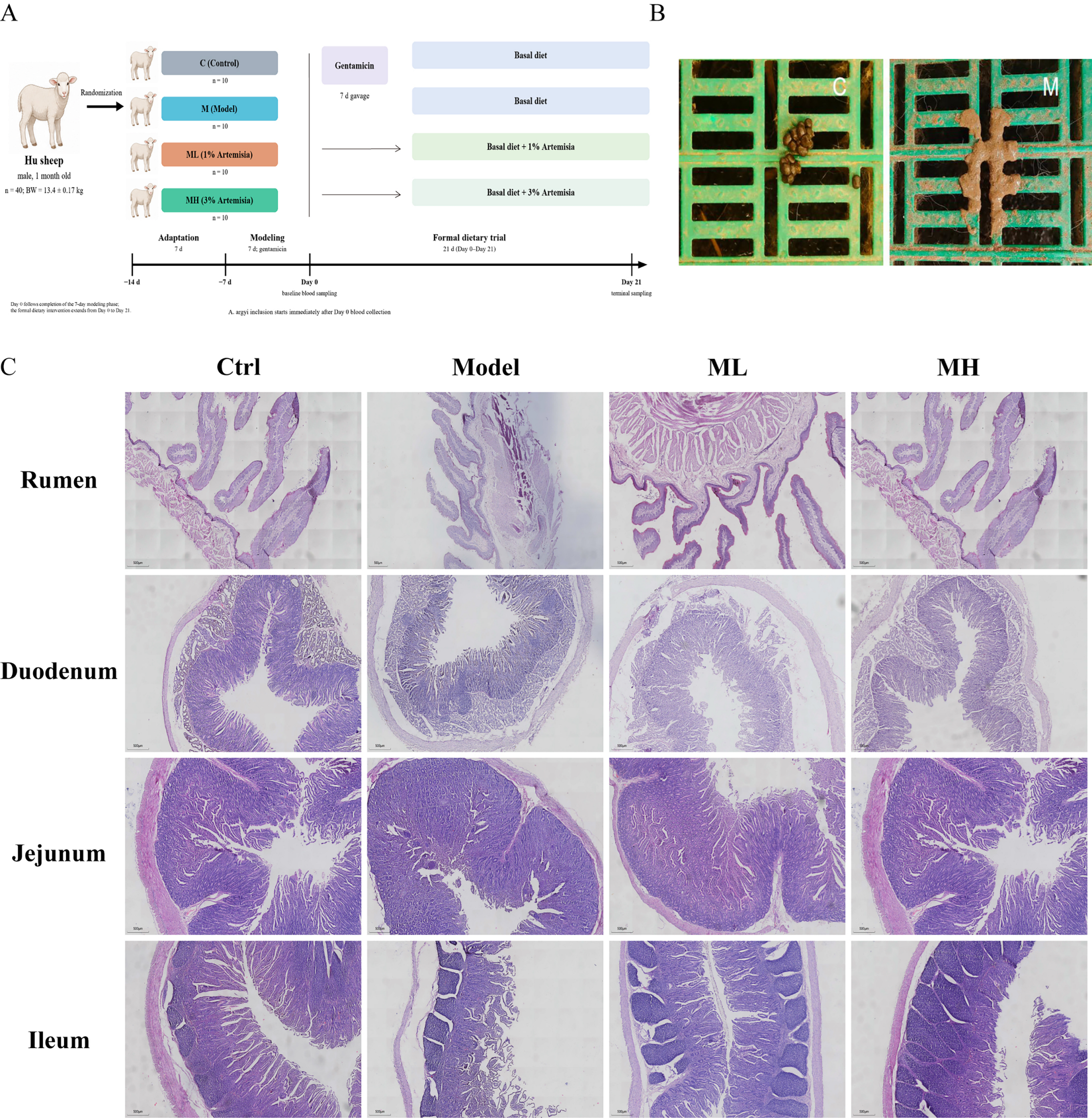
The health of the gastrointestinal tract is important for growth and productivity in sheep. Antibiotic exposure can disrupt gastrointestinal microbial homeostasis and alter mucosal structure and host responses. This study evaluated whether dietary inclusion of Artemisia argyi could mitigate gentamicin-associated gastrointestinal alterations in young Hu sheep. Forty one-month-old male Hu sheep were allocated to four treatment groups (n = 10 per group). After a 7-day gentamicin modeling phase in the Model, ML, and MH groups, gentamicin was discontinued, and the 21-day dietary intervention began (day 0). The ML and MH diets contained 1% and 3% A. argyi, respectively, whereas the Ctrl and Model groups received the basal diet. Blood samples were collected from all enrolled sheep on days 0, 7, 14, and 21, providing n = 10 animals per group for longitudinal serum analyses. Terminal laboratory outcomes based on euthanized animals used n = 3 biological replicates per group. A. argyi inclusion was associated with segment- and endpoint-specific morphological and immune-related responses and with differences in selected rumen and colonic bacterial taxa; however, global genus-level community separation was not significant in the PCoA analyses. These findings support further evaluation of A. argyi as a natural feed additive while emphasizing the limited terminal analytical replication and the need for functional validation.
Abstract
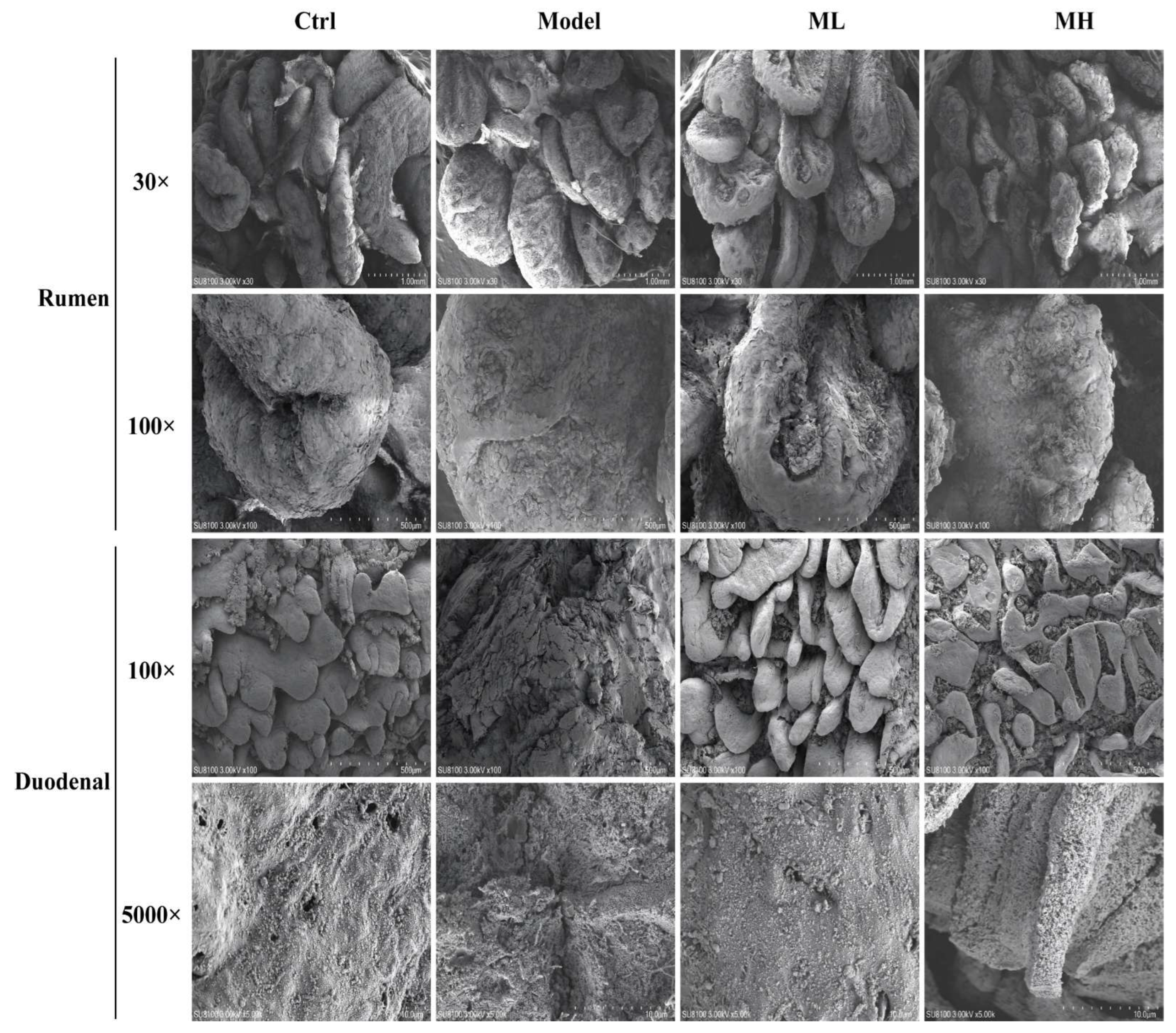
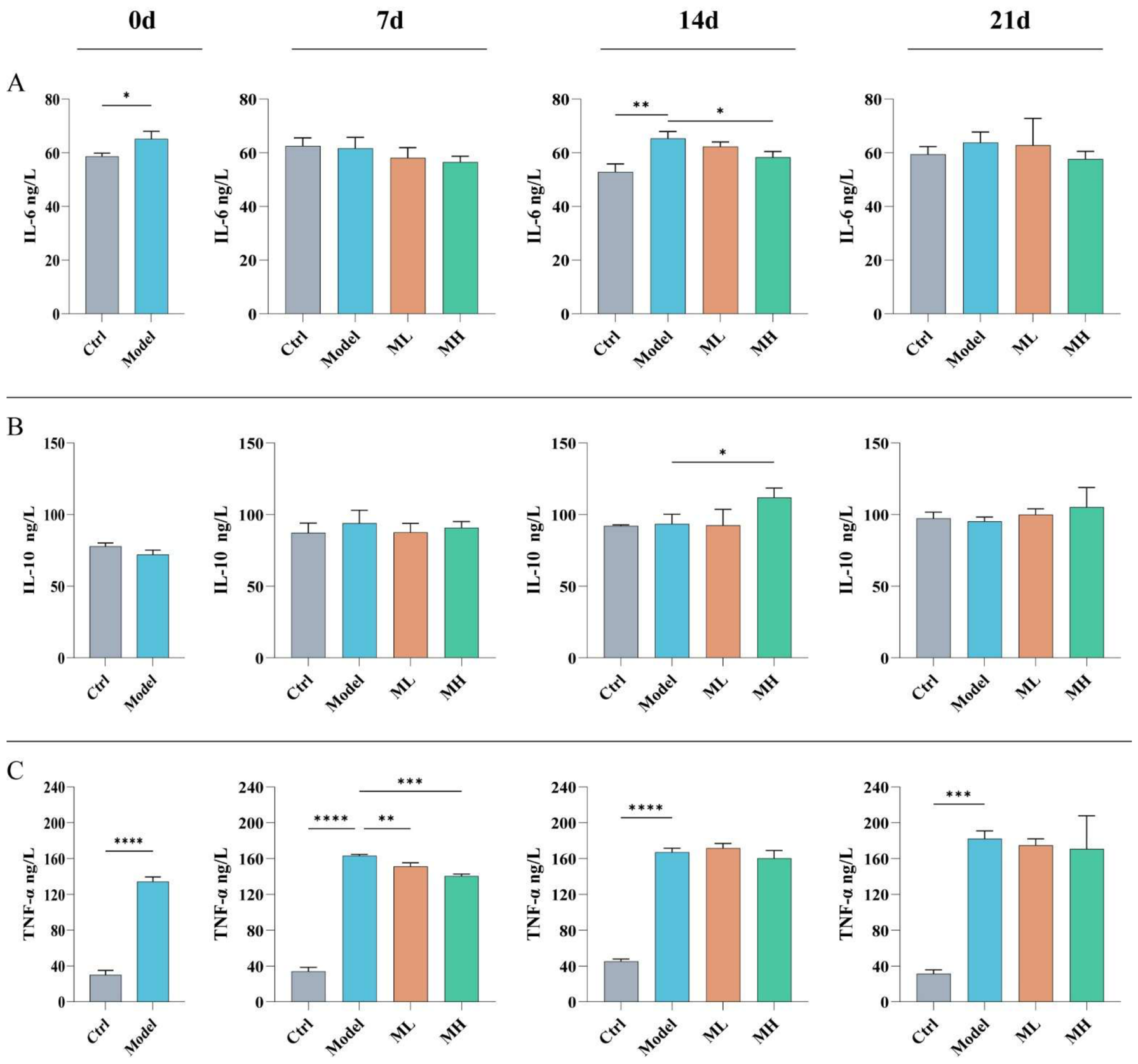
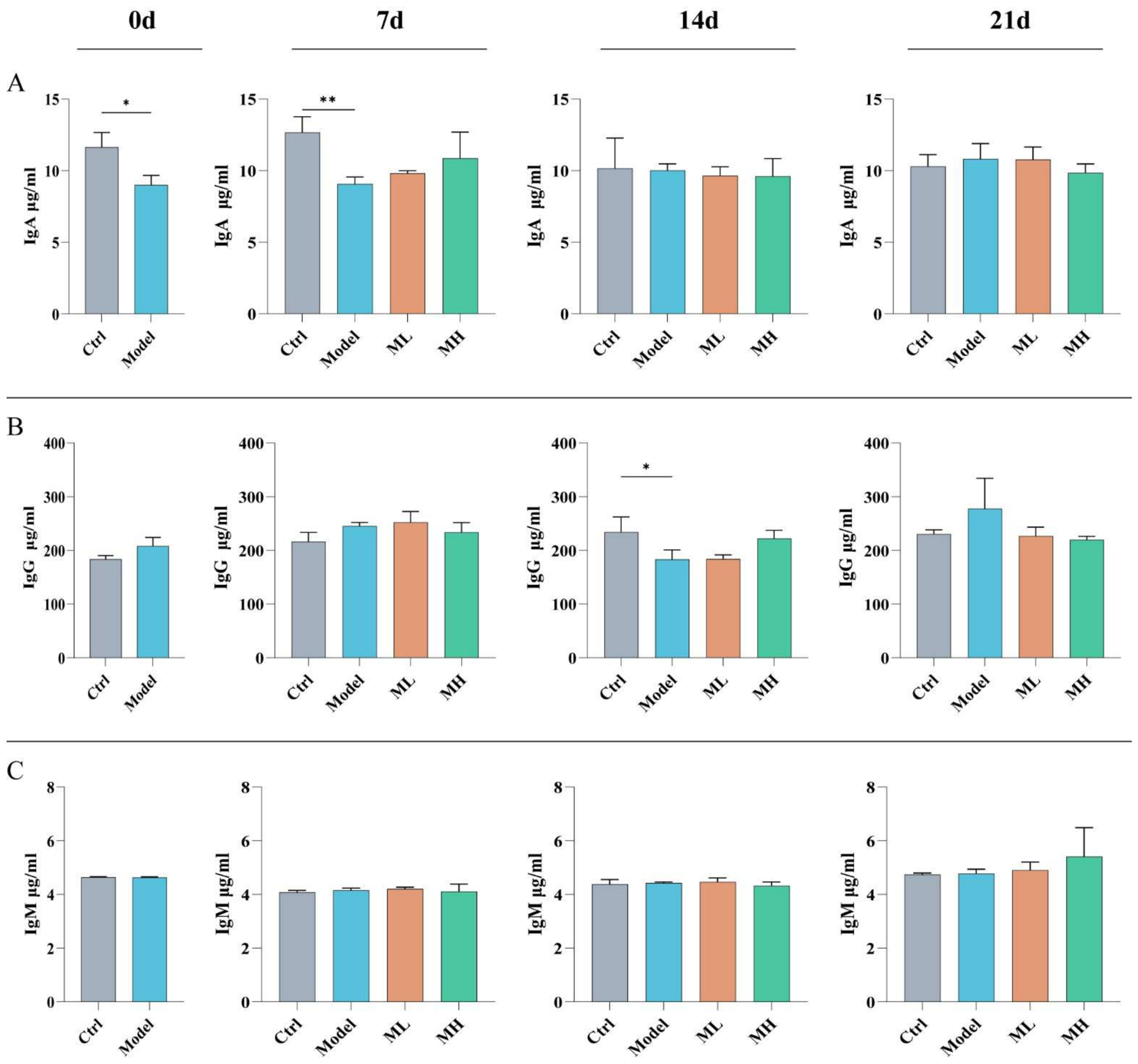
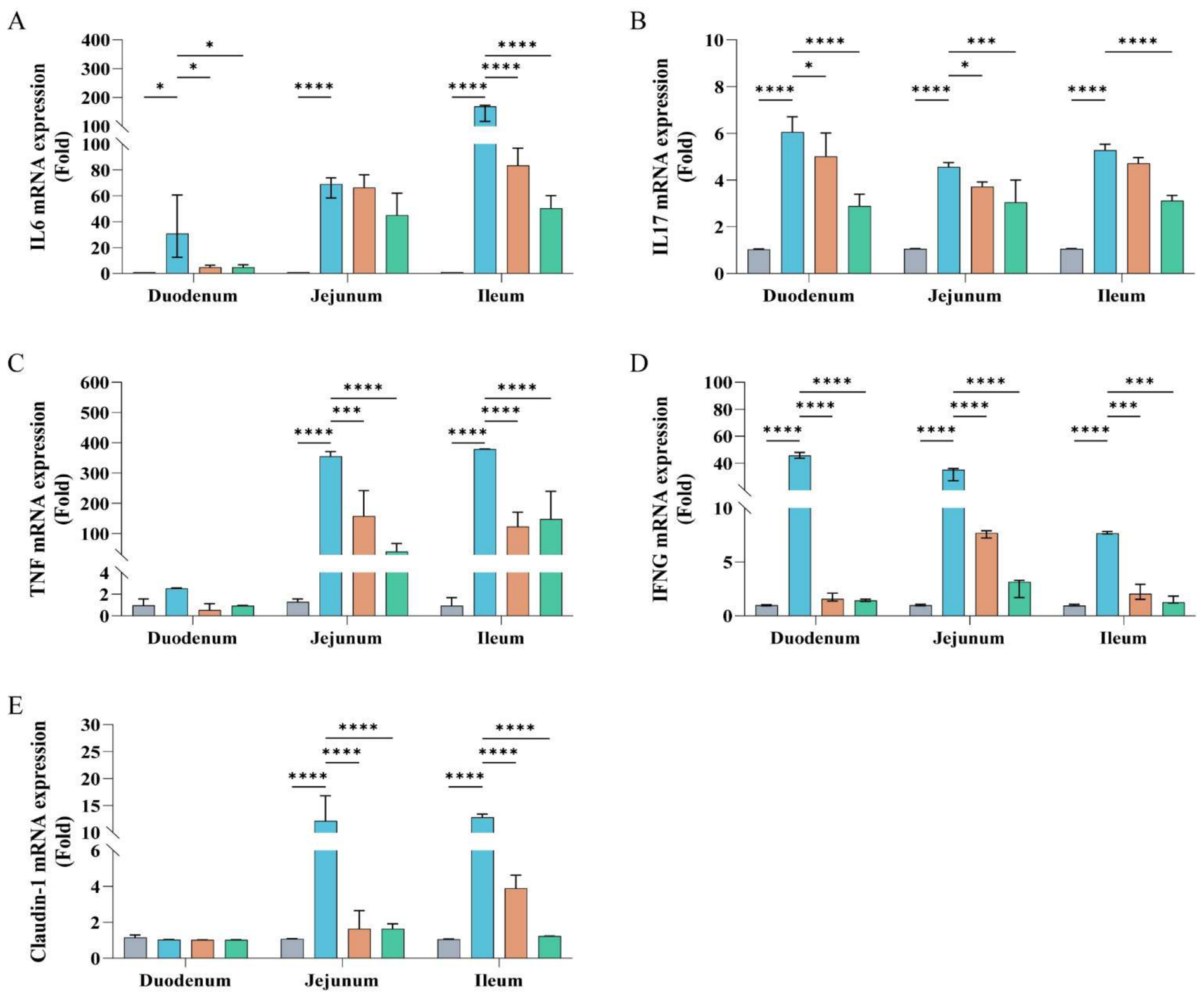
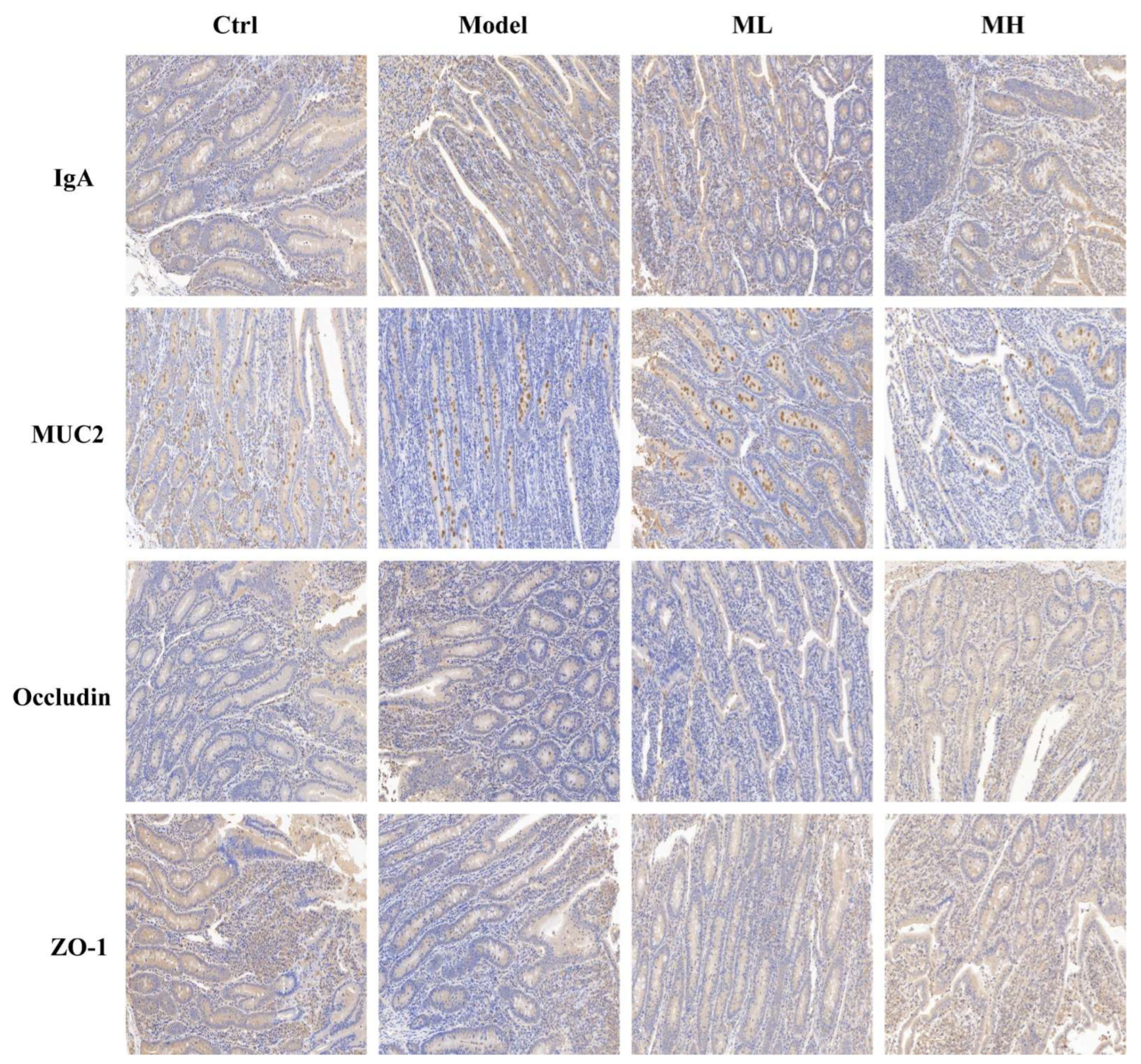
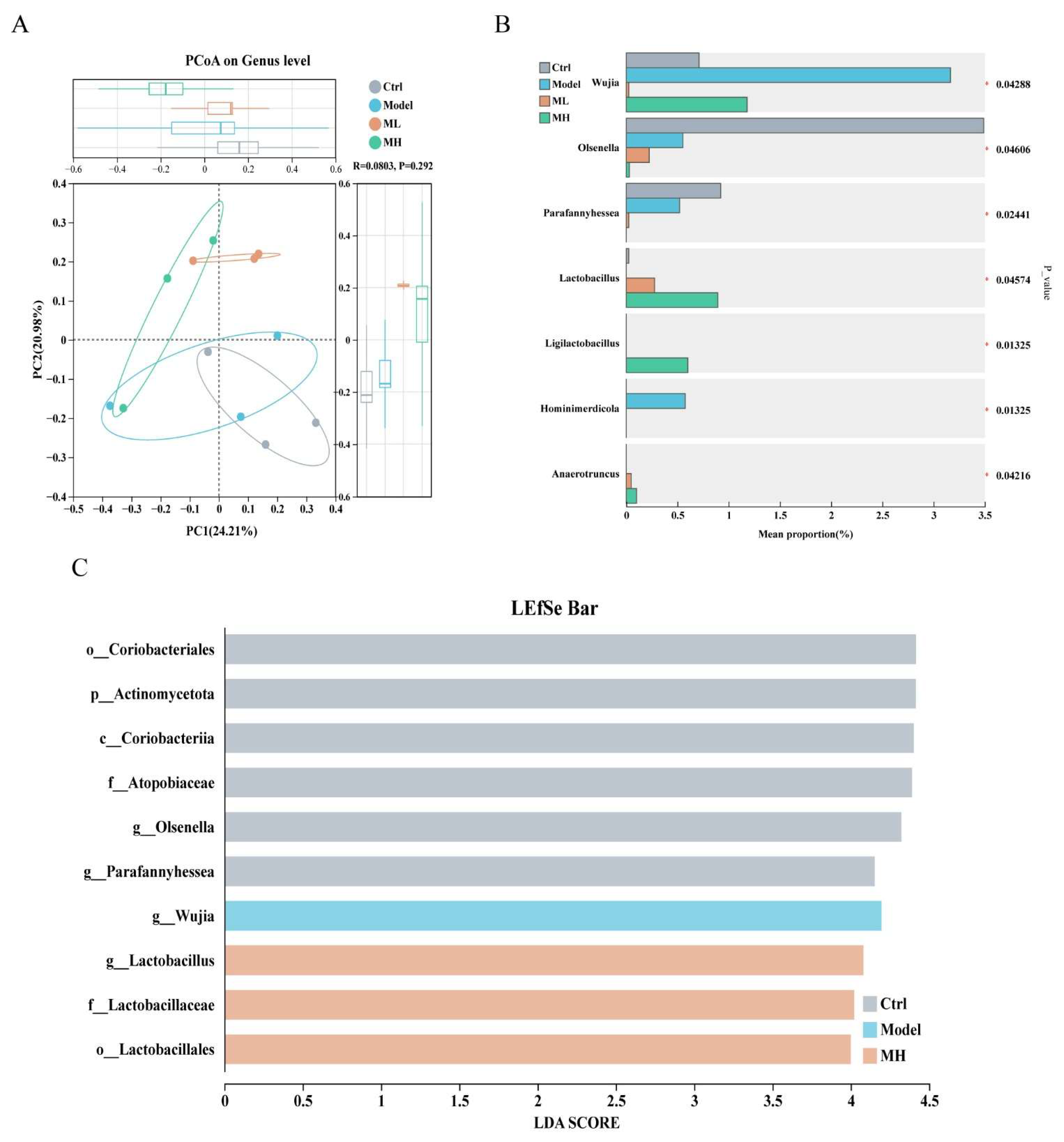
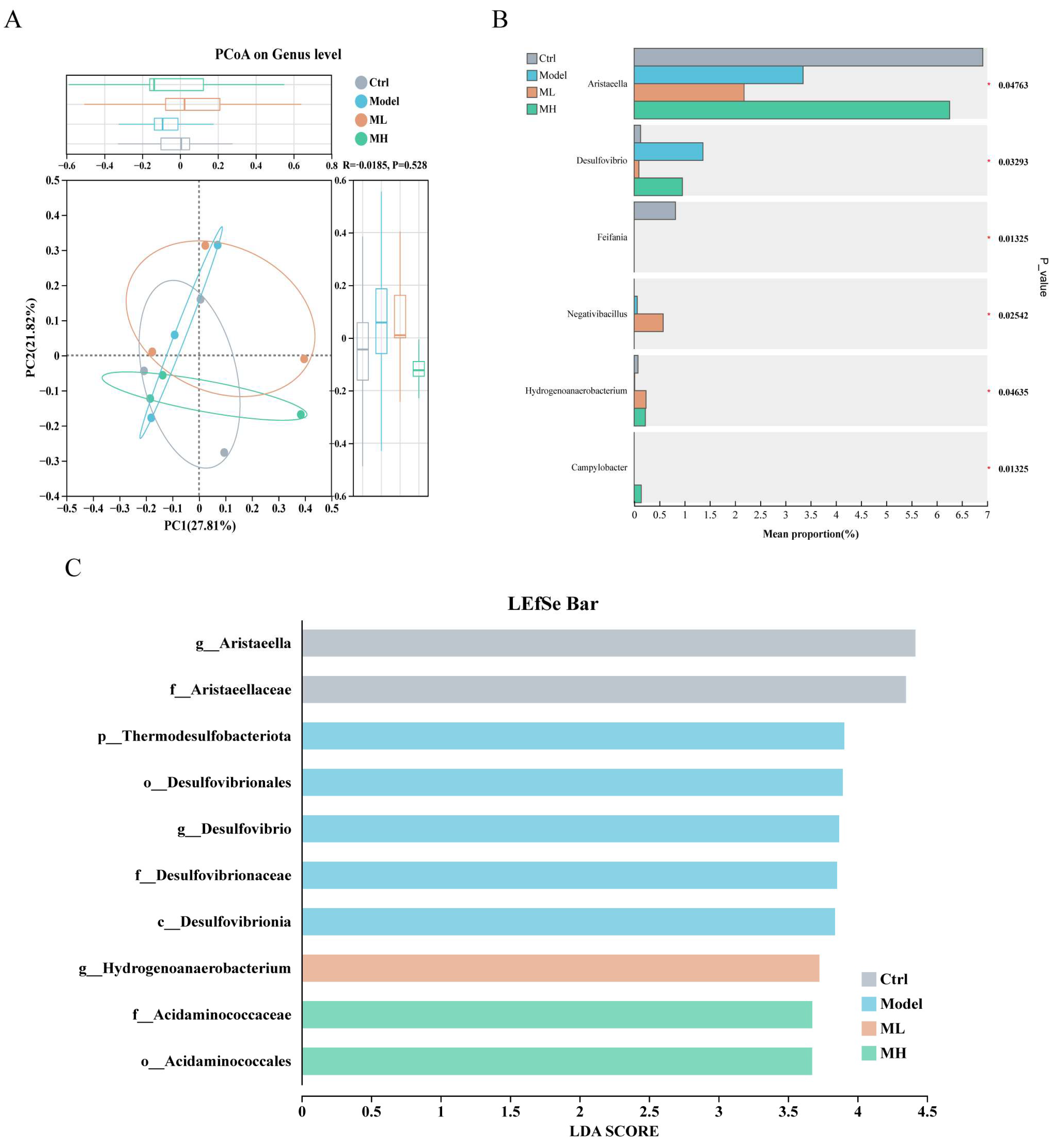
Antibiotic-associated gastrointestinal dysbiosis can compromise microbial homeostasis and mucosal health, creating a need for natural feed additives that support gastrointestinal resilience. Artemisia argyi contains bioactive compounds with antimicrobial, antioxidant, and immunomodulatory properties, but its integrated effects on the gastrointestinal tract of ruminants remain insufficiently characterized. This study evaluated whether dietary A. argyi inclusion after a gentamicin-associated gastrointestinal disturbance modifies gastrointestinal morphology, serum immune-related indicators, intestinal inflammatory and barrier-related markers, and rumen and colonic bacterial communities in young Hu sheep. Forty one-month-old male Hu sheep were randomly allocated to four groups (n = 10 per group): control (Ctrl), gentamicin-challenge model (Model), low-inclusion A. argyi (ML, 1%), and high-inclusion A. argyi (MH, 3%). Following a 7-day modeling phase, during which Model, ML, and MH received gentamicin, and Ctrl did not, gentamicin administration was discontinued. Day 0 was defined as the baseline sampling point immediately after completion of the modeling phase. Blood was collected from all four groups on Day 0; immediately after this baseline collection, the 21-day dietary intervention began. During the intervention, Ctrl and Model received the basal diet, whereas ML and MH received the basal diet containing 1% and 3% A. argyi, respectively. Blood samples were subsequently collected from all sheep on intervention days 7, 14, and 21; therefore, serum analyses used n = 10 animals per group and repeated measurements from the same animals. Terminal tissue- and content-based laboratory analyses used n = 3 euthanized sheep per group. Dietary A. argyi inclusion was associated with improvements in selected gastrointestinal morphological indices, although responses differed by segment and inclusion level. Serum immunoglobulins and cytokines showed time- and treatment-associated patterns rather than a uniform response. Intestinal qPCR responses were gene- and segment-specific, and immunohistochemical effects differed according to marker and quantitative metric. For microbiota, selected taxa differed among groups, whereas the genus-level PCoA analyses presented in the manuscript did not detect significant global separation in either rumen (R = 0.0803, p = 0.292) or colonic (R = −0.0185, p = 0.528) communities. Overall, dietary A. argyi inclusion was associated with selected host and microbial responses after gentamicin exposure, but the effects were not uniformly dose-dependent and did not establish generalized gastrointestinal recovery or microbial functional restoration. Larger analytical sample sizes and direct functional measurements are required for confirmation.
Keywords:
Artemisia argyi; Hu Sheep; mucosal barrier; gut microbiota; immune function