Review

Male Dromedary Reproductive Emergencies: Clinical Presentation, Diagnosis, Management and Prognosis


Department of Clinical Sciences, College of Veterinary Medicine, Qassim University, Buraydah 51452, Saudi Arabia
*
Author to whom correspondence should be addressed.
Animals 2026, 16(12), 1843; https://doi.org/10.3390/ani16121843 (registering DOI)
Submission received: 18 May 2026 / Revised: 4 June 2026 / Accepted: 10 June 2026 / Published: 15 June 2026
(This article belongs to the Collection Clinical Pathology in Animals)

Simple Summary

Male dromedary camels can suffer from sudden and serious reproductive problems that threaten their fertility, health, and even their lives. These emergencies include injuries to the testicles, penis, or prepuce, spermatic cord torsion, priapism, phimosis, paraphimosis, orchitis, pizzle rot, urethral obstruction, complications after castration, scrotal hernias, and problems caused by hormone or drug use. Many of these conditions are not well described in camels, and information is often borrowed from horses, cattle, or humans. Early diagnosis using clinical examination and ultrasound is critical. Treatment may include medications, surgery, or removal of the affected testicle or part of the penis. If treated quickly, some camels can recover and continue breeding. However, delayed treatment often leads to permanent infertility or death. Because camels are economically and culturally important in desert regions, veterinarians and camel owners must recognize these emergencies early and act promptly. This review provides a practical guide to help veterinarians diagnose and manage these urgent reproductive conditions in male camels.

Abstract

Reproductive emergencies in male dromedary camels (Camelus dromedarius) threaten fertility, health, and welfare but remain poorly documented. This review consolidates knowledge on the diagnosis, management, and prognosis of acute reproductive pathologies, including traumatic injuries (testicular trauma, penile hematoma, and preputial laceration), obstructive conditions (urethral obstruction, phimosis, and paraphimosis), vascular emergencies (spermatic cord torsion, priapism), inflammatory diseases (orchitis, epididymitis, pizzle rot), congenital anomalies (persistent frenulum), iatrogenic complications, and pharmacologic-induced dysfunction. Systematic breeding soundness examination and ultrasonography are indispensable for assessing testicular perfusion and guiding intervention. Given the scarcity of camel-specific literature, this narrative clinical review integrates evidence from published camelid studies, relevant reports from other domestic species, and representative clinical observations documented by the authors to provide a practical framework for diagnosis and management. Field constraints, the stoic nature of camels, and harmful ethnoveterinary practices often delay diagnosis and compromise outcomes. Prognosis varies considerably depending on the condition and timeliness of intervention; early aggressive management can preserve reproductive function, while delayed treatment frequently results in permanent infertility or death. Given the economic and cultural importance of camels in arid regions, improving outcomes for reproductive emergencies is essential for sustaining breeding programs and enhancing animal welfare. This narrative clinical review integrates published literature with representative clinical observations and retrospective field cases to summarize the diagnosis, management, and prognosis of reproductive emergencies in male dromedary camels. It also provides a structured clinical framework to support veterinarians in managing these acute conditions and highlights critical gaps requiring further research.

1. Introduction

Reproductive emergencies in male dromedary camels (Table 1) represent a critical and often under-recognized domain of camelid medicine, posing significant threats to fertility, systemic health, and animal welfare. Unlike elective disorders, these emergencies demand immediate intervention to mitigate irreversible damage to reproductive structures and preserve breeding potential [1,2]. The economic and cultural importance of camels in arid regions further underscores the necessity of timely management. Infertility in male dromedaries arises from multiple causes requiring systematic investigation [3]. Despite their clinical significance, these emergencies remain poorly documented, with much knowledge extrapolated from equine, bovine, and small animal medicine. This gap highlights an urgent need for species-specific clinical guidelines tailored to the unique anatomical and physiological characteristics of the camel reproductive system [4,5,6].
Male camels are susceptible to a wide array of acute reproductive pathologies, categorized as traumatic, obstructive, inflammatory, vascular, and iatrogenic emergencies. Spermatic cord torsion, though rare, is a vascular catastrophe resulting from rotation of the spermatic cord, leading to ischemia and potential testicular loss if not corrected within hours, as reported in horses [7], humans [8,9], and camelids [4]. Testicular trauma and hematoma frequently occur due to bites or mounting injuries, presenting with acute scrotal swelling and possible rupture of the tunica albuginea [10]. While torsion of the appendix testis is more common in small animals, its occurrence in camels should not be dismissed.
The conditions reviewed in this article differ in their degree of urgency and clinical consequences. For clarity, they can be categorized into three groups: (i) true reproductive emergencies requiring immediate intervention to preserve life, welfare, or reproductive function (e.g., testicular torsion, priapism, severe penile or preputial trauma, and acute orchitis); (ii) urgent reproductive disorders that may rapidly compromise fertility, breeding ability, or animal welfare if left untreated (e.g., phimosis, paraphimosis, urethral obstruction, pizzle rot, and acute scrotal hernia); and (iii) breeding-soundness disorders with important reproductive implications but variable clinical urgency (e.g., persistent frenulum and reproductive dysfunction associated with performance-enhancing medications or hormonal treatments). This classification is intended to assist clinicians in prioritizing diagnosis and intervention according to the severity and immediacy of each condition (Table 2).
Vascular and hemorrhagic emergencies include spermatic cord hemorrhage, which may follow trauma or castration, and penile hematoma (“amputated penis”), resulting from rupture of the tunica albuginea during erection in horses and camels [11,12]. Such conditions can lead to significant blood loss and permanent impotence if not managed surgically. Priapism, a persistent painful erection unrelated to sexual stimulation, represents a neurovascular dysfunction requiring prompt intervention to prevent ischemic damage [2].
Obstructive urogenital emergencies are particularly prevalent, with urethral obstruction and urolithiasis (“water belly”) representing life-threatening conditions [6,13]. Calculi formation can lead to bladder rupture and death if not relieved. Paraphimosis, the inability to retract the protruded penis, is another common emergency resulting from trauma or edema and can progress to penile necrosis if not reduced promptly in humans and animals [14,15].
Traumatic injuries to the external genitalia are frequent in breeding camels. Penile trauma may include lacerations or fractures, while preputial lacerations often occur during copulation [9,12]. Acute scrotal hernia, though uncommon, can present as a painful scrotal enlargement requiring emergency herniorrhaphy. Inflammatory emergencies such as acute epididymitis and orchitis are typically bacterial, presenting with fever and scrotal swelling, and can lead to infertility if not treated aggressively [5].
Iatrogenic and management-related emergencies include post-castration complications such as hemorrhage and infection [9,10,16]. Pharmacologic emergencies can arise from improper use of reproductive hormones, resulting in prolonged anatomical and physiological dysfunction [17,18]. The diagnosis relies on clinical history, physical examination, and imaging such as ultrasonography, which are invaluable for assessing testicular perfusion and detecting hematomas [6,19,20,21,22]. However, field conditions and the camel’s stoic nature often complicate early intervention.
Because published information on reproductive emergencies in male dromedary camels remains scarce, the present article integrates evidence from peer-reviewed camelid literature with selected information from other domestic species when relevant. In addition, several sections include representative clinical observations and documented field cases encountered by the authors during routine veterinary practice. These observations are presented to illustrate clinical presentations and management approaches for conditions that remain poorly documented in the scientific literature and should not be interpreted as evidence equivalent to controlled clinical studies. It also consolidates current knowledge on the diagnosis and management of these emergencies, aiming to improve outcomes for affected animals worldwide.

2. Literature Search Strategy and Scope of the Review

The literature search was conducted using trustworthy search engines (PubMed, Google Scholar, etc.) and relevant veterinary textbooks to identify publications related to reproductive disorders and emergencies in male camelids. Search terms included combinations of consistent and appropriate keywords. The search primarily focused on publications available between 1980 and 2026.
Priority was given to peer-reviewed publications involving dromedary camels and other camelid species. However, because species-specific literature on male reproductive emergencies in camels remains scarce, relevant information from equine, bovine, small ruminant, and human medical literature was incorporated when it provided useful diagnostic, pathophysiological, or therapeutic insights applicable to camel practice. Additional information was derived from the authors’ documented clinical cases and more than two decades of clinical and research experience in camel reproduction. These observations were included primarily to illustrate rarely reported conditions and clinical presentations encountered in field practice.
To improve transparency, information presented throughout this review was categorized according to its source. Data derived from peer-reviewed publications are explicitly referenced, whereas observations originating from the authors’ documented clinical cases and long-term field experience are identified as clinical observations or field experiences. Such observations are included primarily to provide practical insights into conditions for which published camel-specific evidence remains limited.
The objective of this review was not to perform a systematic review or meta-analysis but rather to provide a practical, clinically oriented synthesis of the available evidence and expert experience. Consequently, formal systematic review methodologies, including PRISMA reporting, risk-of-bias assessment, and quantitative evidence synthesis, were not applied. Whenever possible, the strengths and limitations of the available evidence are highlighted throughout the manuscript.
The therapeutic recommendations presented are intended to provide general clinical guidance rather than prescriptive treatment protocols. Specific drug selection, dosage regimens, anesthetic techniques, surgical approaches, and postoperative management should be tailored to the individual animal, the severity of the condition, available facilities, and applicable veterinary regulations (Table 2).

3. Spermatic Cord Torsion

Testicular torsion, the rotation of the testis and spermatic cord causing vascular ischemia, is a critical urogenital emergency. While well described in humans, dogs, and horses, its occurrence in camelids is less defined but poses a significant threat to fertility in animals [6,23].
Clinical signs stem from acute vascular occlusion. In stallions, this manifests as colic, tachycardia, and unilateral scrotal swelling. A unique chronic case involved recurrent swelling over three years before infarction [7]. In camelids, classic torsion is rarely reported; acute scrotal swelling is more commonly linked to trauma, orchitis, or heat stress, mimicking torsion [10,24].
Diagnosis integrates physical exam and imaging. Palpation may reveal a firm, painful testis. Ultrasonography is essential for assessing parenchymal echotexture and, with Doppler, vascular flow [6,21]. Recent work [25] demonstrated that Doppler waveform alterations in the supratesticular artery correlate with semen biomarkers in infertile male dromedaries, providing a non-invasive prognostic tool. It differentiates torsion from hematomas or abscesses [26]. Exploratory surgery provides a definitive diagnosis [27].
Treatment is surgical. Orchiectomy is standard for necrotic or chronically compromised testes and is recommended for severe testicular pathology in camelids [1,24]. Orchiopexy is a salvage option only in acute, viable cases but is seldom advised. Prognosis depends on timing. Unilateral orchiectomy often yields good fertility if the contralateral testis is healthy [27]. However, an underlying anatomical predisposition can lead to contralateral torsion. In camelids, delayed treatment of scrotal swelling may risk permanent testicular degeneration [28].

4. Orchitis/Epididymitis

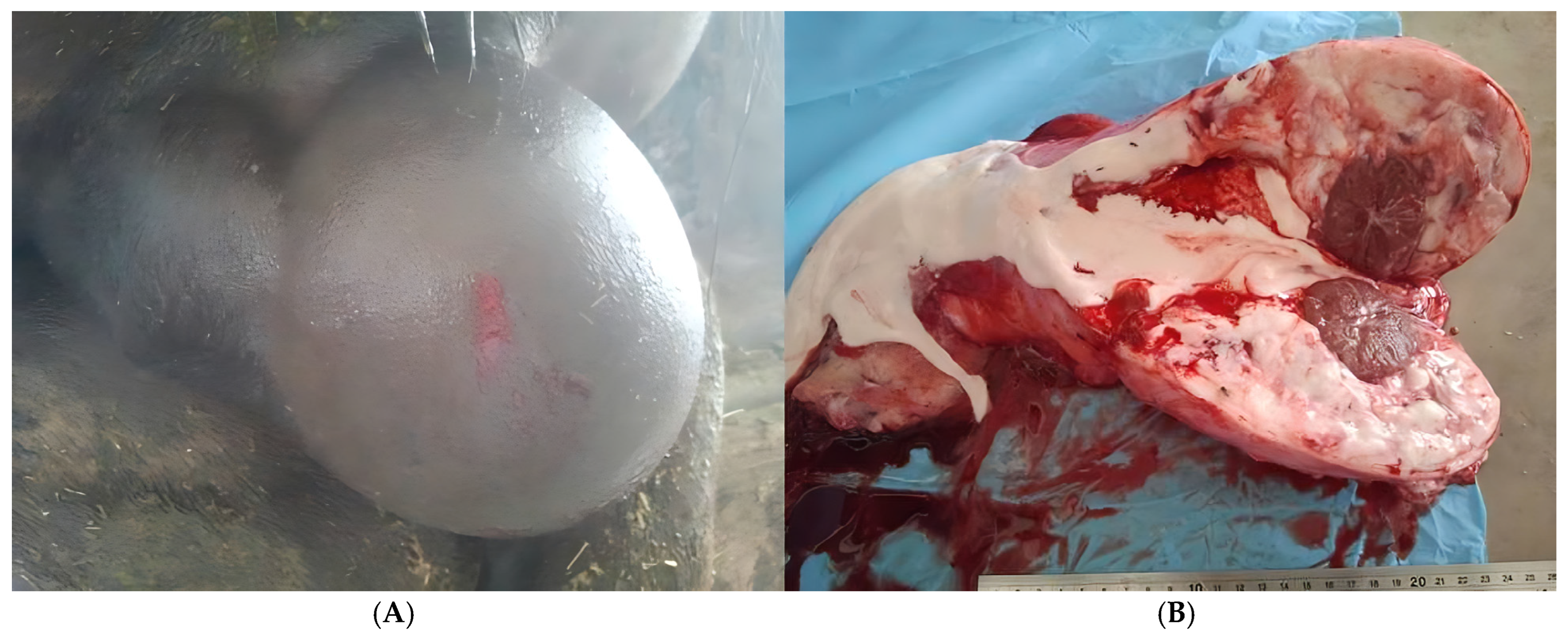
Acute epididymitis and orchitis (Figure 1) are significant reproductive emergencies in the dromedary camel due to their rapid progression and potential to cause irreversible testicular damage. These conditions may arise from ascending infections, hematogenous spread, or traumatic injury during the rutting season. Infectious agents such as Brucella spp. have been implicated [5].
Clinically, affected animals present with the sudden onset of unilateral or bilateral scrotal swelling, increased testicular size, and marked pain. The scrotal skin is often warm and edematous. Behavioral changes include decreased libido and refusal to mate. Systemic signs such as fever and anorexia may accompany severe infections. If not promptly addressed, acute inflammation may progress to chronic degeneration [6].
Diagnosis combines clinical examination, ultrasonography, and laboratory testing. Ultrasonography allows visualization of parenchymal changes such as hypoechoic areas, fluid accumulation, and abscess formation [6]. Color Doppler ultrasonography can detect hyperemia associated with acute inflammation. Laboratory evaluation may reveal leukocytosis [5]. Differential diagnoses include testicular torsion, hematoma, and scrotal hernia [29].
Management requires immediate aggressive intervention. Broad-spectrum antimicrobial therapy should be initiated, ideally based on culture. Anti-inflammatory drugs are essential to reduce pain and secondary injury. Supportive management includes strict sexual rest. In cases with abscess formation, surgical drainage or unilateral orchiectomy may be required [24].
Prognosis depends on severity and duration. Early diagnosis and treatment are associated with a more favorable outcome, particularly in unilateral cases. Bilateral involvement often carries a guarded prognosis. Complications include testicular atrophy, fibrosis, and obstruction of sperm transport [5].

5. Testicular Trauma/Hematoma

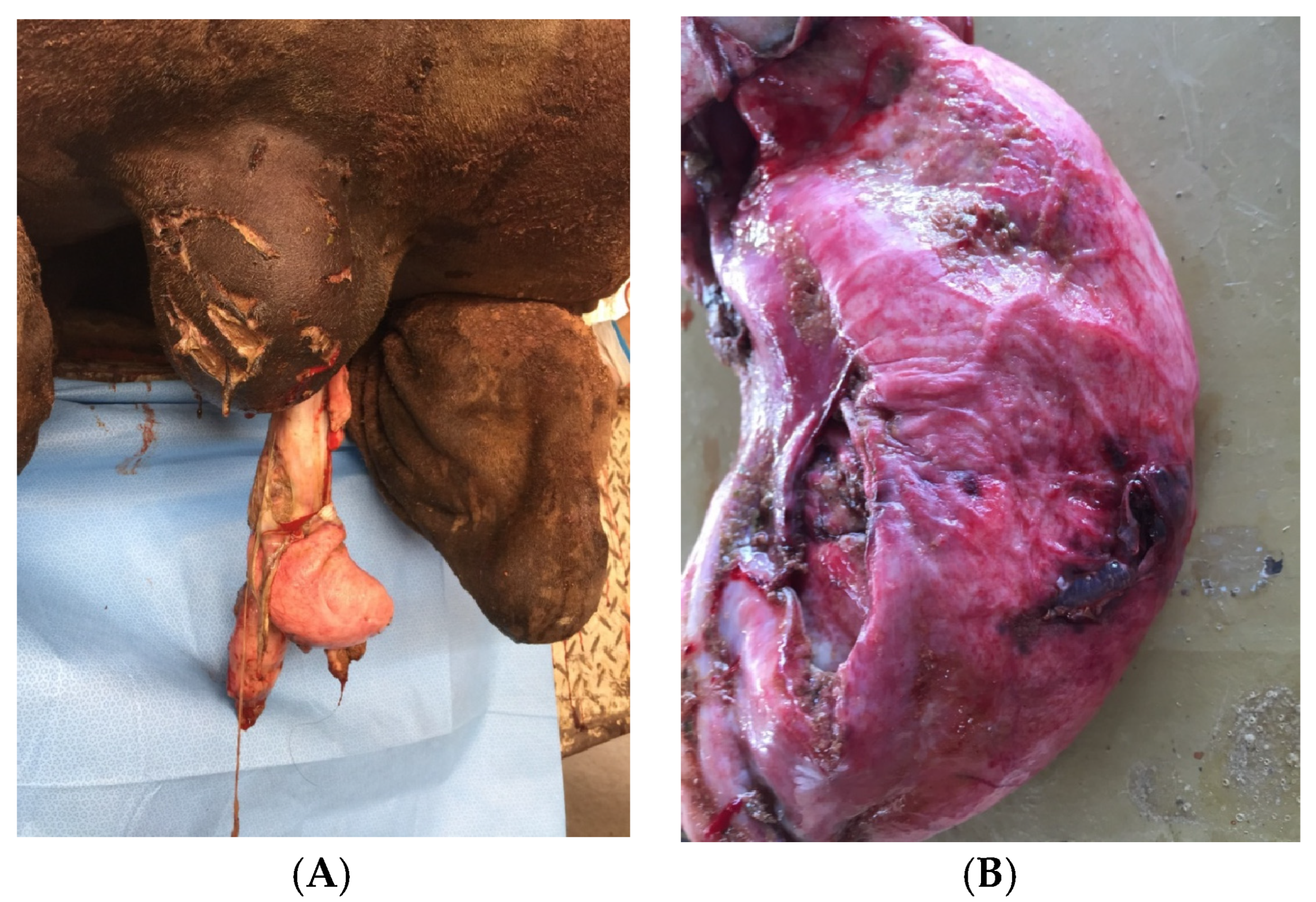
Testicular trauma and associated hematoma formation (Figure 2) represent true reproductive emergencies in the dromedary camel due to the risk of irreversible testicular degeneration. These conditions most commonly occur during the rutting season from aggressive behavior, mounting attempts, or bites [15,29]. Affected camels present with acute unilateral or bilateral scrotal enlargement, pain on palpation, and reluctance to move. Local hyperthermia and edema are common. Chronic cases may present later with testicular atrophy or subfertility, particularly during the rutting season when the testes are highly vascularized in humans [30] and animals [27,31].
Diagnosis relies on clinical examination and advanced imaging. Palpation allows differentiation between edema and hematoma, though pain may limit assessment. Ultrasonography is the modality of choice, providing real-time evaluation of testicular parenchyma and tunica albuginea integrity [6,32]. Color Doppler ultrasonography is critical for assessing testicular perfusion, as compromised blood flow predicts a poor prognosis [27]. Differential diagnoses include orchitis, scrotal hernia, and neoplasia [5,6].
Immediate intervention aims to minimize hemorrhage and secondary damage. Conservative management for mild cases includes strict sexual rest, cold hydrotherapy, non-steroidal anti-inflammatory medications (NSAIDs), and antimicrobials [10]. Surgical intervention is warranted for progressive enlargement, tunica albuginea rupture, or compromised perfusion and may require partial or complete orchiectomy [11,24].
Prognosis depends on severity and rapidity of intervention. Mild unilateral hematomas may resolve with restoration of function. However, moderate to severe trauma frequently results in testicular fibrosis and permanent infertility, even unilaterally, due to thermoregulatory disruption and immune-mediated damage [27,31,33]. Complications include chronic orchitis, abscess formation, and reduced libido.

6. Penile Trauma

Penile trauma is an important reproductive emergency in male dromedary camels, particularly during the rutting season when aggressive interactions between competing males frequently result in genital injuries. Unlike in bulls, where rupture of the tunica albuginea with subsequent hematoma formation (“broken penis”) is more commonly reported, penile trauma in camels is more often characterized by lacerations caused by biting and fighting among rutting males [5,10,24]. These injuries may initially remain undetected because external swelling is often minimal, and affected animals may continue to exhibit normal libido. In many cases, the lesion is discovered only incidentally during attempted copulation when failure of penile protrusion or intromission becomes evident, often due to secondary phimosis caused by edema, fibrosis, a short amputated penis or cicatricial adhesion at the injury site [34,35]. Clinically, affected camels may present with impaired penile extension, pain during erection, unsuccessful mating attempts, and occasionally visible scar tissue or deformity.
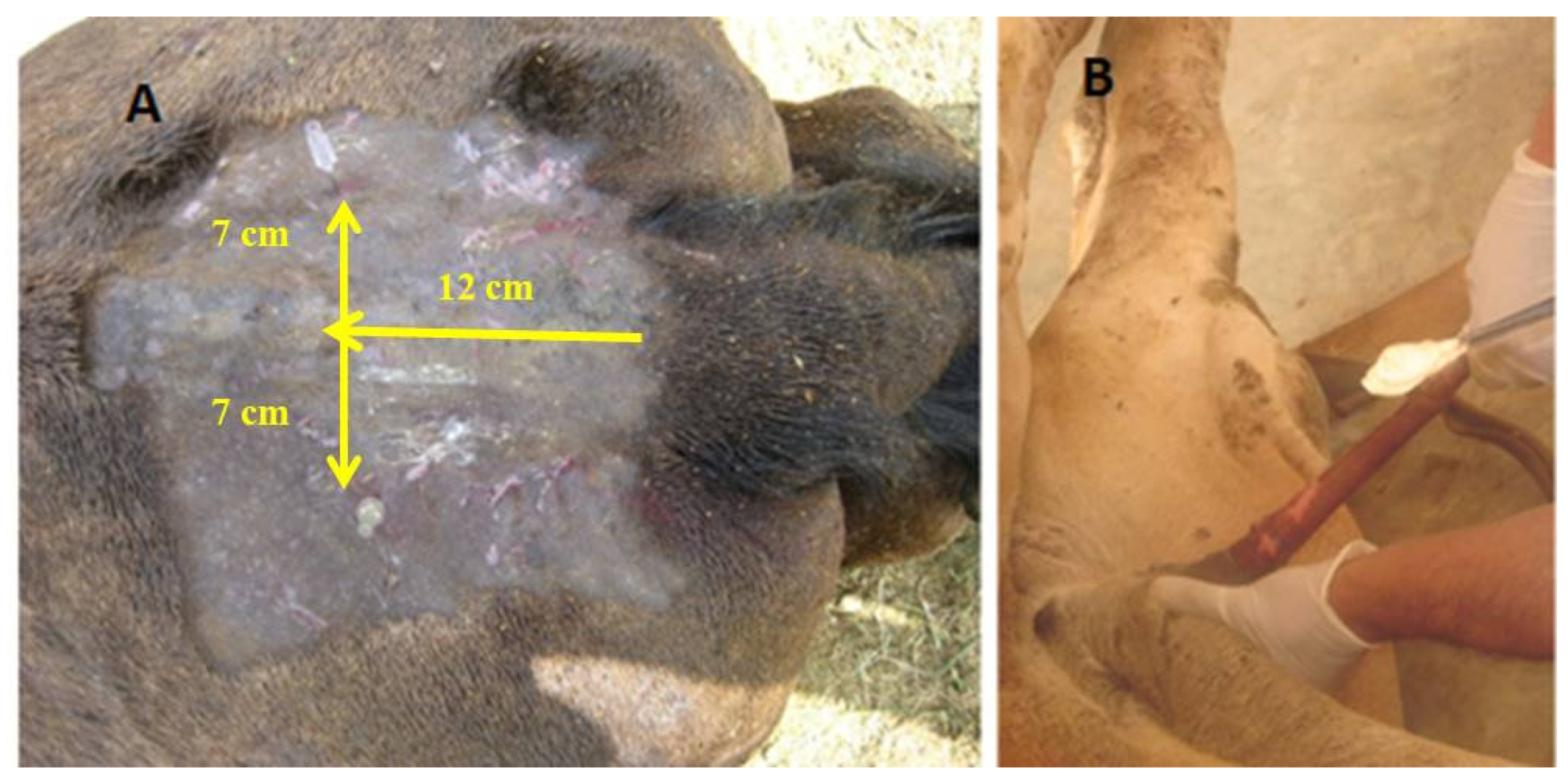
Diagnosis is based on clinical history and physical examination, supported by ultrasonography. A history of acute injury during fighting, with rapid penile and preputial hemorrhage, is highly suggestive. Pudendal nerve block [36] and extraction of the penis (Figure 3) using blunt long-handled forceps enable visualization of hematoma formation and disruption of the tunica albuginea. Differential diagnoses include preputial edema and urethral injury [11].
Management depends on severity. Mild cases may be managed conservatively with sexual rest and anti-inflammatory therapy, though this carries a risk of fibrosis. Surgical intervention is often recommended for moderate to severe cases, allowing evacuation of the hematoma and repair of the rupture site [11,24]. Males with amputated penis are advised to be discarded from breeding. Prognosis is highly dependent on the timing of intervention; early diagnosis and surgical management are associated with a more favorable outcome.

7. Priapism

Priapism, defined as a persistent and often painful penile erection lasting more than four hours in the absence of sexual stimulation, constitutes a true urological emergency in male dromedary camels. This condition results from dysregulation of normal detumescence and, if not promptly managed, leads to ischemic injury, penile fibrosis, and permanent loss of breeding ability [37,38]. In camels, priapism is rarely reported, but based on the authors’ experience, it occurs most frequently during the rutting season and is often associated with prolonged sexual excitement, neurologic dysfunction, or administration of pharmacologic agents [2].
Clinically, affected camels present with a fully erect, non-retractable penis that remains protruded for an extended duration. The glans and penile shaft appear engorged, firm, and often cyanotic. Animals may show distress, including restlessness, straining, and reluctance to move. In advanced cases, the penis becomes cold and darkened, indicating impending necrosis [2].
The etiology is classified into low-flow (ischemic) and high-flow (non-ischemic) priapism. Low-flow priapism, the more common and dangerous form, results from venous outflow obstruction leading to hypoxia and necrosis. It may be triggered by prolonged mating, spinal cord lesions, or sedatives such as acepromazine or xylazine [37,39]. High-flow priapism, caused by unregulated arterial inflow due to penile trauma, is less common but should be considered following injury [40,41].
Diagnosis is based on clinical presentation and penile examination. Differentiation between low-flow and high-flow is critical. In low-flow priapism, the penis is rigid, painful, and dark, with absent blood flow on Doppler ultrasonography. In high-flow priapism, the penis is partially tumescent, often painless, with normal or increased flow [21,42]. Ultrasonography with color Doppler is the diagnostic modality of choice [6,32]. Blood gas analysis of cavernosal aspirate confirms ischemia in low-flow priapism [38].
Management requires immediate intervention. In low-flow priapism, initial treatment focuses on pain relief, sedation, and attempted manual reduction. If unsuccessful, intracavernosal aspiration followed by irrigation with dilute phenylephrine may be attempted [37,38]. If medical therapy fails or necrosis is evident, surgical intervention is required, including cavernosal–spongiosal shunts or partial penectomy [24,43]. In high-flow priapism, conservative management may suffice, but persistent cases may require arterial embolization [40,41].
Complications are frequent and severe. Prolonged ischemia leads to cavernosal fibrosis, erectile dysfunction, and permanent loss of breeding capability [38,44]. Recurrent priapism (stuttering priapism) has been described in humans and may occur in camels [9]. Prognosis is guarded to poor, particularly in low-flow cases with delayed treatment beyond 12–24 h [2]. Early recognition offers the best chance of preserving function. Priapism must be regarded as a true reproductive emergency in the dromedary camel.

8. Persistent Frenulum

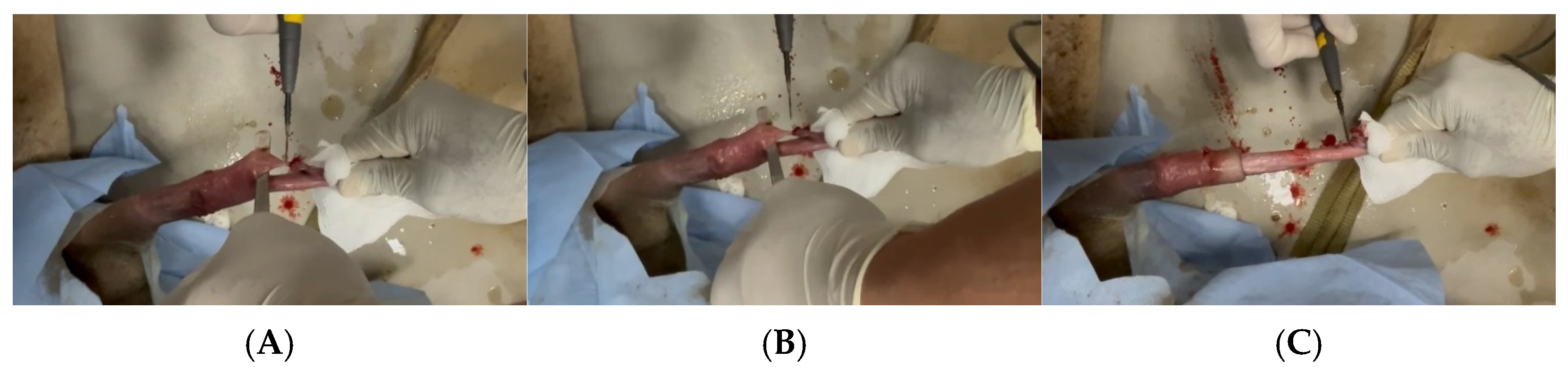
Persistent penile frenulum (Figure 4) is a congenital developmental anomaly characterized by failure of complete separation between the penis and prepuce after puberty. Consequently, affected males are commonly discouraged from breeding, and castration has been recommended in some species to prevent transmission of the defect to future generations [42]. However, in dromedary camels, the importance of this condition is not limited to its potential genetic implications. During the early breeding life of affected males, the persistent frenulum interferes with normal penile extension and intromission, resulting in repeated mating failure, animal frustration, and reduced reproductive efficiency [15,27]. Therefore, this condition should be considered a reproductive emergency that warrants timely surgical intervention to restore normal copulatory function and breeding performance [12]. While recognized in other species, it has not previously been documented in dromedary camels. The authors encountered two mature male camels with repeated unsuccessful mating attempts, failed penile protrusion, and sexual frustration. Both exhibited clinical signs consistent with phimosis, including incomplete extrusion and ventral deviation, raising concerns for breeding soundness and welfare.
Diagnosis is primarily clinical and relies on careful penile examination under controlled protrusion. Manual extrusion revealed a distinct fibrous band restricting full glans extension, paralleling descriptions in cattle and small animals [42,45,46]. Differentiation from true phimosis and inflammatory balanoposthitis is essential [47]. The congenital nature of the condition and its characteristic appearance support the diagnosis.
Surgical intervention is definitive. In the two camel cases, correction was performed using thermo-cauterization under analgesia. Following penile extrusion, the frenular band was transected, allowing immediate release. Thermo-cauterization minimized hemorrhage [48]. Postoperative management included sexual rest, local wound care, and anti-inflammatory therapy. Both animals showed uncomplicated healing.

9. Paraphimosis

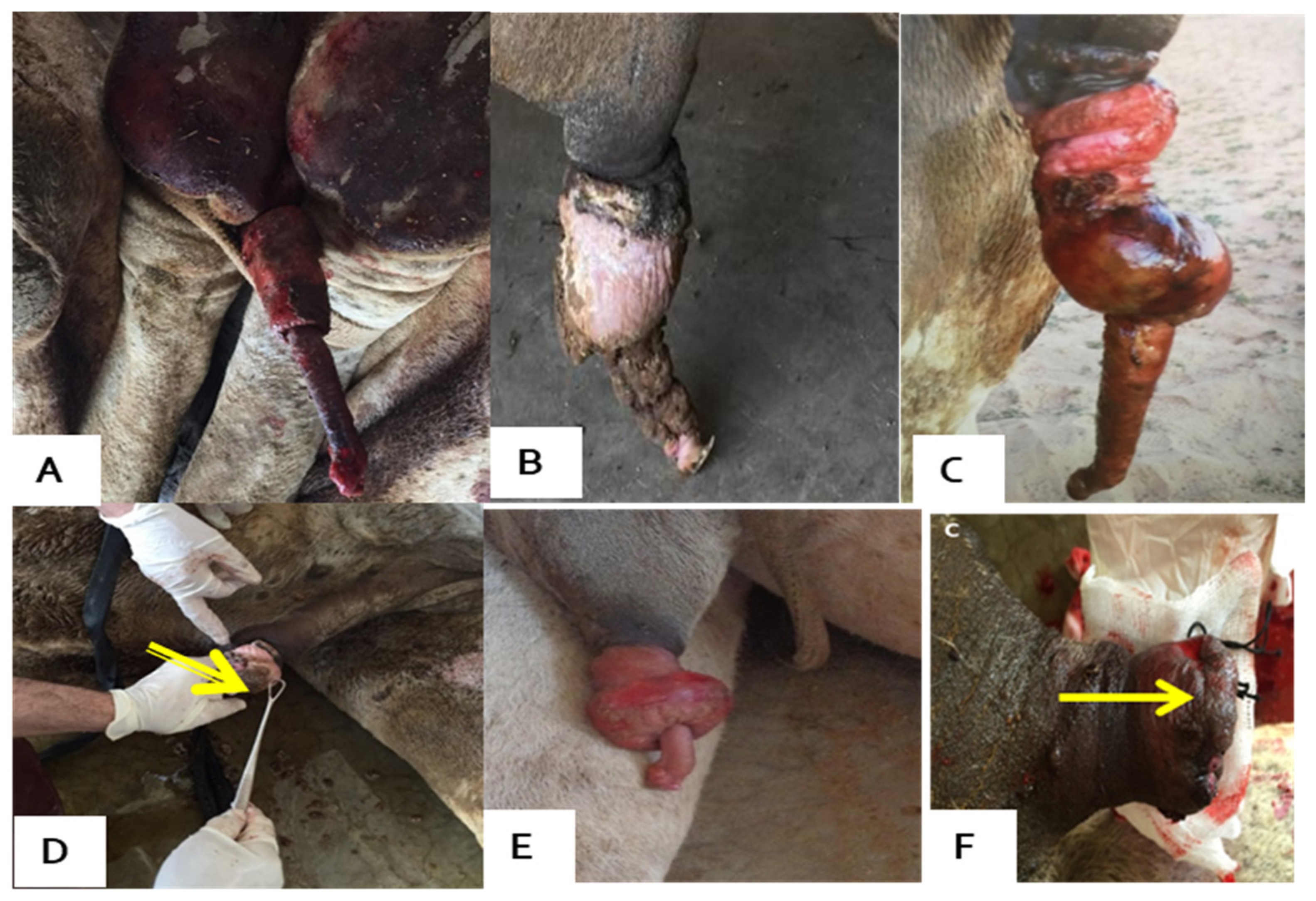
Paraphimosis (Figure 5) is a true urological emergency characterized by the inability to retract the protruded penis into the preputial sheath, with the prepuce forming a constricting ring behind the glans [14,15,49]. In camelids, this presents as an acute, painful state with signs of distress including colic, restlessness, and a stiff gait [10]. The hallmark is a visibly prolapsed, swollen, and edematous penis that appears dark red to purple due to venous congestion [24,34]. Common etiologies include traumatic injuries during copulation or fighting, complications of sand masturbation, iatrogenic causes, and strangulation from preputial rings [4]. As the condition progresses, ischemia can lead to coldness and black discoloration of the glans, indicating impending necrosis. The condition worsens with neglect and delayed intervention.
Diagnosis is immediate based on the acute clinical presentation and history. Direct examination confirms the prolapsed state and degree of vascular compromise [10]. Differentiating between viable and non-viable penile tissue is critical for determining intervention.
Management is an acute emergency focused on reducing edema and replacing the organ before ischemic damage occurs. Initial first aid involves protecting the exposed penis with saline-soaked bandages [1]. Definitive treatment requires sedation and analgesia. Manual reduction is preceded by efforts to reduce severe edema using osmotic agents like granulated sugar or hypertonic solution-soaked gauze [24]. Surgical intervention is necessary if manual reduction fails or if necrosis is present. An emergency dorsal slit relieves pressure [15], and if gangrene is evident, partial penectomy is required. To prevent recurrence, placement of a purse-string suture while maintaining an adequate opening for urine passage is essential during the procedure. Sexual excitation without going through the mounting process is crucial to prevent expected penile–preputial adhesions.
Prognosis is guarded to poor and directly correlated with the duration prior to treatment. Prompt reduction offers the best chance of recovery, though some fibrosis is common. Delaying treatment leading to necrosis necessitates penectomy, resulting in permanent infertility [10].

10. Phimosis

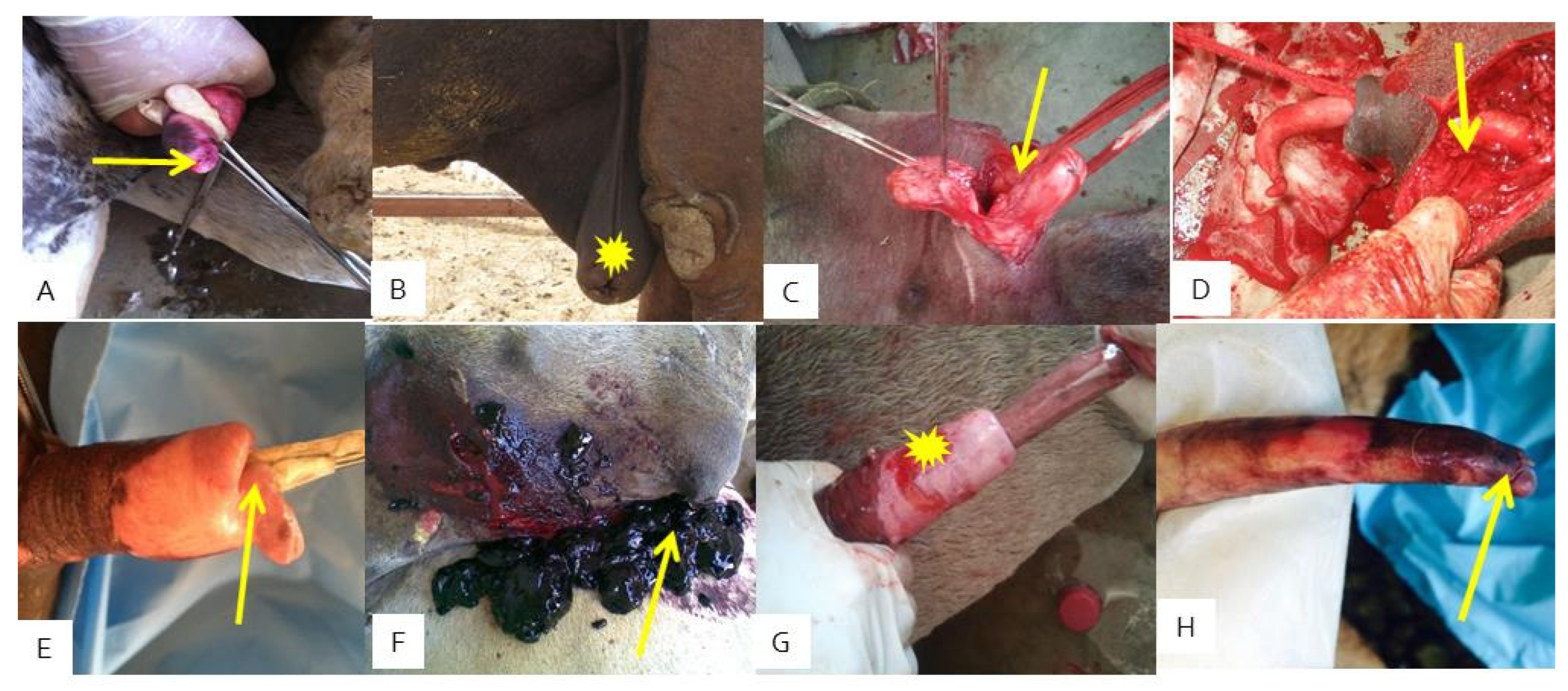
Phimosis (Figure 6), the inability to protrude the penis from the prepuce, is a significant reproductive disorder in male camelids that directly impairs breeding ability (impotentia coeundi). In dromedary camels, this condition manifests as failure to achieve intromission during the rutting season, leading to observable infertility [5,35,47,49].
A critical distinction is between congenital and acquired forms. While congenital phimosis from preputial stenosis is noted, the majority of cases are acquired secondary to preputial or penile pathology [12,35,47]. Affected animals typically have a prior history of successful breeding, with the condition arising following trauma or inflammation from aggressive behaviors such as fighting [1,10,24,34]. In some cases, adhesions or strictures following injury can also lead to a non-retractable prepuce [35]. Affected males may show signs of discomfort or dysuria, particularly if complicated by urinary calculi. Erectile dysfunction is a common form of phimosis in camels that directly compromises breeding ability and may result in substantial economic losses during the limited breeding season. Similar impotentia generandi patterns in male dromedaries correlate clinical findings with semen characteristics and testicular histopathology [19,50]. Affected camels exhibit an inability to achieve or maintain penile erection, often accompanied by altered serum concentrations of nitric oxide metabolites, cardiac troponin I, and testosterone, indicating underlying vascular, muscular, and endocrine disturbances [51].
Diagnosis is primarily clinical, anchored in a systematic breeding soundness examination and history [6]. The definitive step involves careful exteriorization of the penis under sedation or pudendal nerve block [26] to identify obstructive lesions. Supportive diagnostics include hematology revealing inflammation [35,51], and elevated serum nitric oxide metabolites (NOMs) as a marker of tissue damage. Using computer-assisted sperm analysis, epididymal sperm quality in camels with penile and preputial pathologies showed significant impairments in sperm motility parameters [12]. Testosterone concentrations typically remain normal, indicating an anatomic or inflammatory rather than an endocrine etiology [35]. In complex cases, histopathological examination is definitive [52].
Management is dictated by the underlying cause. Initial medical management for active infection employs systemic antibiotics and NSAIDs alongside topical wound care [10,24]. Sexual rest is mandatory. However, surgical intervention is frequently required for chronic fibrosis or adhesions [10]. Options include preputioplasty or circumcision (posthetomy), with resection of obstructive masses as needed.
Prognosis for future breeding soundness is guarded to fair and highly dependent on early diagnosis and successful surgical intervention [1,34]. If untreated, the condition leads to permanent infertility. Chronic cases risk progression to paraphimosis, ascending urinary tract infections, and secondary testicular degeneration [35].

11. Preputial Laceration/Prolapse

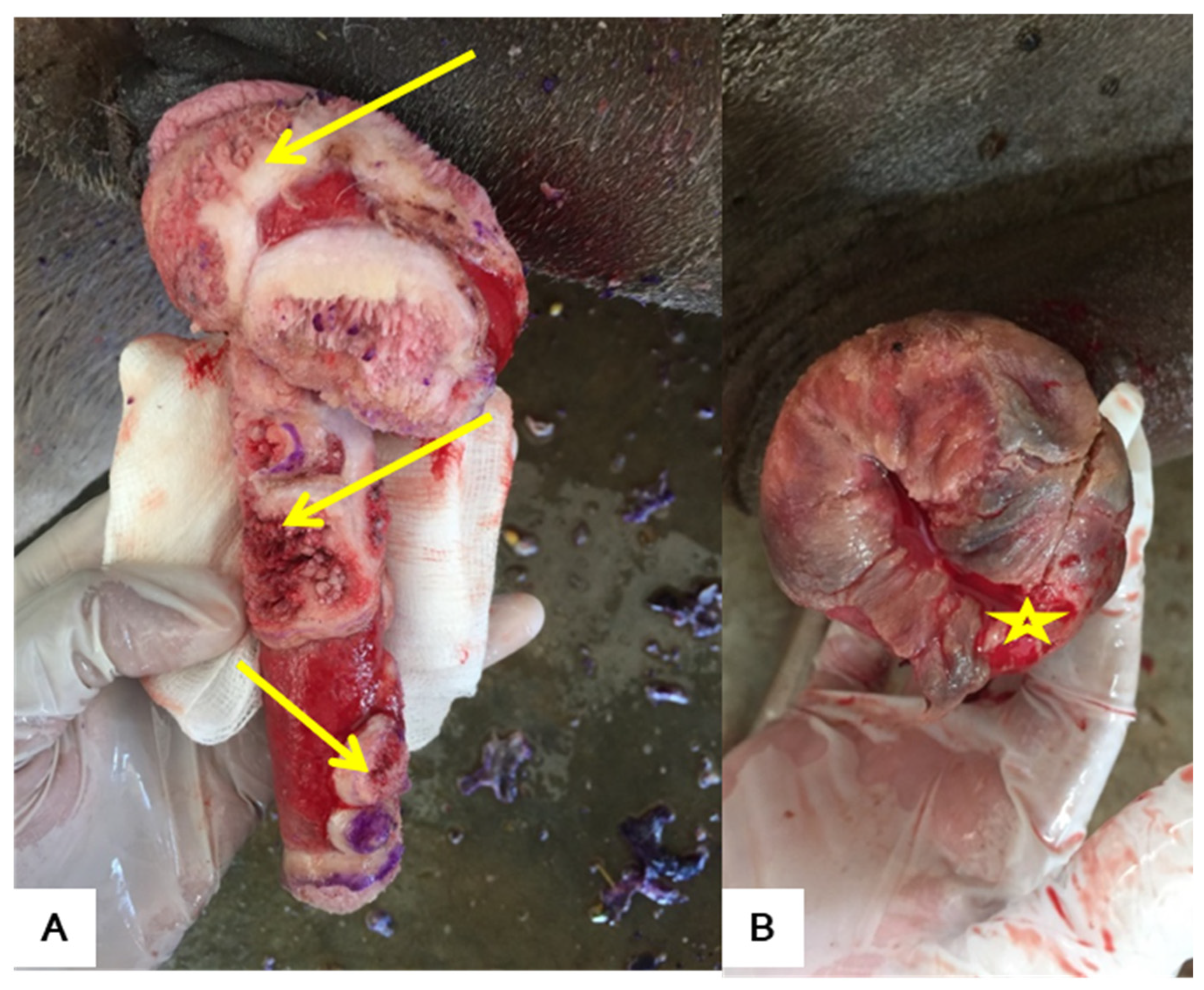
Preputial laceration and prolapse (Figure 7) are important reproductive emergencies in male dromedary camels, particularly during the rutting season. These conditions arise from forced intromission, accidental injuries, or improper handling. Clinically, affected camels present with preputial swelling, protrusion of the mucosa, and visible lacerations [10,24].
In prolapse cases, the preputial lining becomes edematous, congested, and susceptible to contamination. Lacerations are accompanied by hemorrhage and pain. Secondary signs include dysuria and reduced libido. Severe cases may lead to necrosis and systemic signs due to secondary infection. Chronic cases may present with fibrosis and impaired penile protrusion [15,29].
Diagnosis is based on clinical examination and direct visualization under adequate restraint. Ultrasonography may be useful for assessing deeper tissue involvement. Differential diagnoses include balanoposthitis and urethral obstruction [11]. Management requires prompt intervention. Initial treatment focuses on reducing inflammation, controlling hemorrhage, and protecting exposed tissues. Simple prolapse may be managed with manual reduction and retention sutures. Moderate to severe lacerations require surgical debridement and reconstruction [24].
Prognosis depends on severity and timeliness of intervention. Early management of mild to moderate cases is associated with favorable outcomes, while severe or neglected cases often result in permanent structural damage and impaired fertility.

12. Urethral Obstruction/Calculi (“Water Belly”)

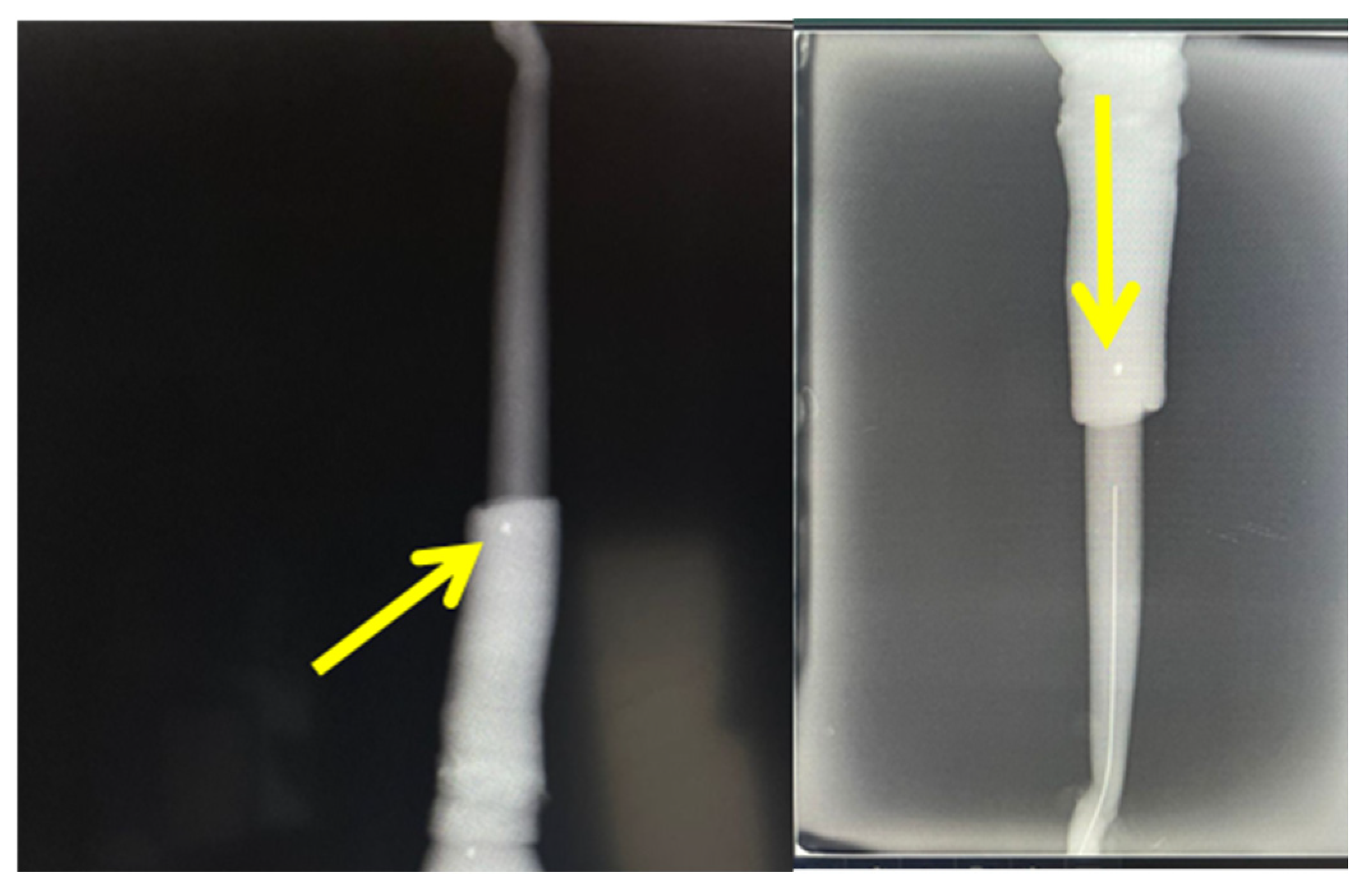
Urethral obstruction (Figure 8) in the dromedary camel constitutes a true reproductive and medical emergency due to rapid progression toward metabolic derangements, bladder rupture, and death. Clinically, affected males present with progressive dysuria, stranguria, and signs of abdominal discomfort. As obstruction persists, animals develop restlessness, bruxism, and dehydration. In advanced cases, rupture of the urethra or bladder leads to urine extravasation and ventral abdominal edema (“water belly”) [53]. A considerable proportion of cases are associated with penile ulceration and strictures following mating, particularly in camels treated with ethnoveterinary caustic substances.
Diagnosis is based on clinical findings, ultrasonographic evaluation, and laboratory assessment. Ultrasonography and radiography are indispensable, allowing detailed assessment of the urinary bladder, kidneys, and urethra, as well as detection of uroliths and urine leakage [53,54]. Sonographic findings may include hyperechoic calculi with acoustic shadowing and hydronephrosis [13,55]. Laboratory investigations reveal azotemia and evidence of oxidative stress [56]. Differential diagnoses include urethral rupture and cystitis [57].
Management requires immediate intervention to relieve urinary outflow. Initial care includes analgesia, anti-inflammatory therapy, and antimicrobials. Urethral catheterization is often challenging, though recent advances have demonstrated novel techniques [53,58]. When catheterization fails, tube cystostomy has been successfully employed as a lifesaving procedure [53,59]. Long-term management focuses on dietary modification and treatment of concurrent penile lesions.
Prognosis depends on the duration of obstruction. Early detected cases have a favorable outcome, whereas delayed presentation is associated with high morbidity and mortality. Complications include urethral rupture, uroperitoneum, hydronephrosis, and chronic urethral strictures [53,56].

13. Post-Castration Emergencies

Castration in the dromedary camel may be associated with acute postoperative complications that can progress into life-threatening emergencies. Clinical presentation includes hemorrhage, scrotal swelling, and systemic signs of distress [60]. Acute hemorrhage may present as continuous bleeding from the surgical site, leading to hypovolemic shock [10].
Scrotal edema frequently develops and may be accompanied by local heat and pain. In cases complicated by infection, animals may exhibit fever and purulent discharge. More severe presentations include evisceration and septic funiculitis [1,10,24,34]. Diagnosis is based on clinical examination. Ultrasonography provides information regarding fluid accumulation, hematoma, or abscess formation. Differential diagnoses include inguinal hernia [11].
Management requires rapid targeted intervention. Hemorrhage should be addressed through ligation of the spermatic cord. Scrotal edema can be managed conservatively with anti-inflammatory drugs and cold hydrotherapy. Evisceration constitutes a surgical emergency requiring immediate correction [24].
Complications include hemorrhagic shock, severe infection, and evisceration, all with high mortality risk if not treated promptly. Prognosis depends on the type and severity of the complication and the timeliness of intervention.

14. Scrotal Hernia

The male dromedary camel possesses distinctive reproductive anatomical features that influence scrotal hernia presentation. Unlike other livestock, the camel scrotum is non-pendulous and situated high in the perineal region, with the testes directed caudo-dorsally [28]. Acute scrotal hernia occurs when abdominal contents protrude through the inguinal canal into the scrotal cavity, potentially compromising testicular soundness.
Male camels with acute scrotal hernia typically present with sudden-onset scrotal enlargement, often accompanied by abdominal pain. The clinical history frequently reveals recent physical exertion or straining. On examination, the affected hemiscrotum is asymmetrically enlarged. Palpation may reveal a soft, reducible mass in omental herniation, whereas incarcerated intestinal loops are firm and non-reducible. The non-pendulous scrotum can initially obscure the diagnosis [10,61].
Accurate diagnosis requires clinical evaluation complemented by imaging. Ultrasonography is particularly valuable for differential diagnosis [6,61], revealing hyperechoic omental or intestinal segments adjacent to the testicular parenchyma. Doppler ultrasonography can assess testicular viability. Differential diagnoses include hydrocele and orchitis [6].
Prompt surgical intervention is indicated, especially when strangulation is suspected. Preoperative stabilization includes fluid therapy. Surgical management involves herniorrhaphy via an inguinal approach. If testicular viability is compromised, unilateral orchiectomy may be necessary. Postoperative management includes antimicrobials and restricted activity.
Prognosis depends on the duration of herniation and testicular viability at surgery. Cases with intact perfusion carry a favorable prognosis for return to breeding soundness.

15. Persistent Genital Arousal Disorder

To the authors’ knowledge, this condition has not previously been described in veterinary species. The following description is based primarily on a documented clinical case encountered by the authors and is supplemented by information available from the human medical literature.
Persistent genital arousal disorder (PGAD) is a rare condition characterized by spontaneous, intrusive, and persistent genital arousal in the absence of sexual desire. While documented in human medicine as a sexual health disorder with significant implications [62,63,64], its occurrence in veterinary species has remained largely unreported. In this report, the authors present the first documented case, covering presentation, diagnosis, attempted management, and prognosis in a male dromedary camel.
The clinical manifestation in the reported male dromedary was acute and progressive. The subject developed symptoms abruptly after mating with an estrous female treated with some sort of ethnoveterinary prescription. Primary signs included continuous pelvic thrusting, persistent penile erection, and repeated attempts to ejaculate without external stimuli. This was compounded by systemic illness: recumbence, anorexia, hyperthermia, dehydration, and intense muscular seizures. This presentation aligns with human PGAD descriptions, though the systemic collapse appeared more extreme [65,66].
Diagnosis was primarily based on distinctive clinical signs, as no confirmatory test exists in animals. A comprehensive breeding soundness examination, including scrotal palpation and ultrasonography, revealed no structural abnormalities [6,64]. Hematology showed dehydration and leukocytosis indicative of systemic inflammation [35,64]. Biochemistry revealed elevated creatinine (acute renal dysfunction) and amylase (possible pancreatic involvement), highlighting severe multi-organ sequelae.
Management was symptomatic and supportive. Initial emergency treatment with flunixin meglumine failed. The therapeutic plan included aggressive fluid therapy, analgesics, and muscle relaxants. Unfortunately, the animal died during treatment, underscoring the refractory nature of the condition. Based on this single case, the prognosis for advanced PGAD appears grave. The relentless muscular activity led to exhaustion, hyperthermia, and likely rhabdomyolysis, contributing to acute kidney injury [65]. The exact cause of death remained unresolved as the owner disapproved necropsy.

16. Pizzle Rot

Pizzle rot (Figure 9) is classically described in cattle as a necrotizing infection of the distal penis and prepuce; however, to the authors’ knowledge, this condition has not previously been reported in dromedary camels. Based on clinical observations and closely related reported cases [67], pizzle rot should be recognized as a severe reproductive emergency in this species. Based on the authors’ clinical observations, affected camel bulls may present during the rutting season with acute penile swelling, foul-smelling discharge, hemorrhage, and inability to protrude the penis. The condition is frequently preceded by mating-related trauma and aggravated by inappropriate ethno-veterinary interventions, including topical caustic substances.
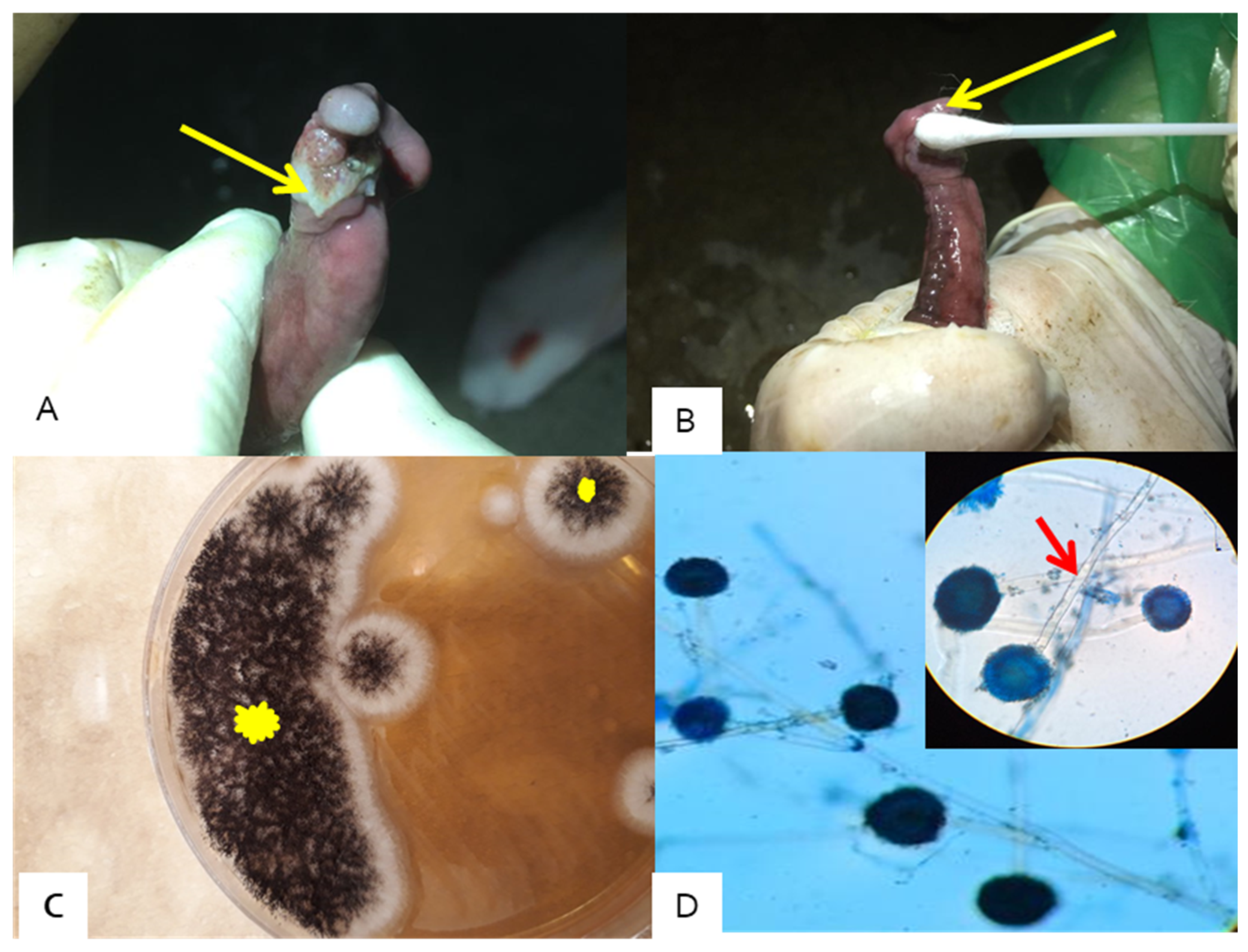
Diagnosis is primarily clinical but requires full exteriorization of the penis under sedation. Gross findings of necrotizing balanoposthitis are highly suggestive. Microbiological confirmation is essential, as mixed infections appear central. In the representative case illustrated in Figure 9, samples were collected from ulcerative penile lesions using sterile swabs and submitted for microbiological examination. Samples were cultured on Sabouraud dextrose agar and incubated under standard laboratory conditions. Colony morphology was evaluated macroscopically, and fungal elements were examined microscopically following routine staining procedures. The presence of Aspergillus spp. and Candida albicans was confirmed based on characteristic colony appearance and microscopic morphology. These findings supported the diagnosis of mycotic balanoposthitis associated with pizzle rot [68,69,70]. Differential diagnoses include traumatic balanitis and urethral obstruction.
Pizzle rot requires immediate aggressive intervention. Initial management focuses on analgesia, anti-inflammatory therapy, topical antimycotics, and local wound care. Necrotic tissue should be debrided, and systemic antifungal therapy instituted when mycotic infection is confirmed [71]. Sexual rest is mandatory. Owner education is critical, as continued application of caustic ethnoveterinary remedies worsens lesions.
Complications include progressive penile necrosis, deep fibrosis, phimosis, and complete loss of breeding ability. Prognosis depends on the stage at presentation. Early, aggressively treated cases may recover partial function, whereas advanced necrotic cases carry a guarded prognosis.
Prognosis following surgical correction is excellent, with most animals returning to normal sexual function [45,48]. Given the potential hereditary component suggested in other species, affected animals should be monitored closely.

17. Performance-Enhancing Medications and Hormonal Treatments

The use of performance-enhancing medications, including anabolic-androgenic steroids and exogenous testosterone, is increasingly recognized as a contributor to reproductive dysfunction in male dromedary camels. Clinically, affected animals often present with reduced libido and decreased breeding efficiency. In some cases, transient hypersexual behavior may be observed, followed by a decline in sexual performance [15,29,72].
Testicular changes include reduced size, softening, and impaired spermatogenesis. Field observations indicate that racing camels treated with anabolic steroids frequently exhibit testicular degeneration and subfertility [73,74]. Semen abnormalities include decreased sperm motility and increased morphological defects. Behavioral alterations such as aggression may accompany endocrine disruption [75].
Diagnosis relies on clinical history, reproductive examination, and laboratory evaluation. Breeding soundness examination reveals abnormalities in testicular consistency and semen quality. Endocrine profiling plays a central role. Administration of exogenous androgens suppresses the hypothalamic–pituitary–gonadal axis, resulting in decreased LH and FSH [17]. Affected camels may exhibit low endogenous gonadotropins despite normal or elevated testosterone [18]. Semen evaluation often reveals reduced motility, consistent with endocrine-mediated disruption of spermatogenesis.
Management is primarily based on cessation of the offending agent. Discontinuation of anabolic steroids is essential. Gradual recovery of the axis may occur over weeks to months [17]. Supportive management includes optimizing nutrition and reducing stressors. Hormonal therapy to restore gonadotropin secretion may be considered, though its efficacy in camels is undocumented.
Complications are significant. Chronic suppression leads to testicular atrophy and long-term infertility. Histological changes include degeneration of the seminiferous tubules [40,41]. Prognosis is guarded, especially in heavily treated animals. Early recognition and preventive education are essential to preserve reproductive efficiency.
The quantity and quality of evidence available for reproductive emergencies in male dromedary camels (Table 3) vary considerably among conditions. While disorders such as orchitis, epididymitis, phimosis, paraphimosis, and urethral obstruction are supported by published camel-specific studies and clinical reports, several other conditions rely primarily on isolated case reports, extrapolation from other domestic species, or the authors’ documented clinical observations. To improve transparency, Table 3 summarizes the evidence supporting the diagnosis, treatment, and prognosis for each condition and highlights areas where additional camel-specific research is needed.
This review is inherently limited by the profound scarcity of species-specific literature on reproductive emergencies in male dromedary camels. Despite the economic and cultural importance of camels in arid regions [3,76], most current knowledge is extrapolated from other domestic species or derived from isolated case reports and the authors’ long-standing clinical experience. Field constraints—including limited veterinary infrastructure, the stoic nature of camels, which masks early clinical signs, harmful ethnoveterinary practices that complicate presentations, and cultural prohibitions against necropsy—severely hamper data collection and research progress [35,60]. Fundamental gaps exist for nearly every condition reviewed: the true prevalence and risk factors are unknown; standardized diagnostic protocols are lacking, particularly for poorly documented conditions such as persistent genital arousal disorder and pizzle rot; optimal medical and surgical management strategies have not been validated through controlled trials; and long-term reproductive outcomes following intervention remain unevaluated [19,77]. The potential roles of infectious agents, including trypanosomiasis and mycotic pathogens, in precipitating reproductive emergencies require further investigation [67]. Future research must prioritize prospective multicenter studies, advanced imaging research including standardized Doppler ultrasonographic evaluation of testicular perfusion [25], and educational initiatives to discourage harmful traditional practices. Only through such efforts can an evidence-based framework be established to improve diagnostic accuracy, guide effective management, and preserve the reproductive sustainability of this invaluable species.
An additional limitation of this review is that, for several conditions, camel-specific evidence is restricted to isolated case reports or the authors’ documented clinical observations. Consequently, some diagnostic and therapeutic recommendations are based on expert clinical experience and extrapolation from related species rather than on controlled studies in dromedary camels. These recommendations should therefore be interpreted as practical clinical guidance rather than definitive evidence-based protocols.
Not all conditions discussed in this review constitute classical surgical emergencies. Some, such as persistent frenulum and drug-induced reproductive dysfunction, are primarily breeding-soundness disorders, whereas others, including testicular torsion, priapism, severe penile trauma, and post-castration complications, require immediate intervention. Recognition of these distinctions is essential for appropriate clinical prioritization and management.

18. Conclusions

Male reproductive emergencies in dromedary camels represent a diverse and often life-threatening group of conditions that demand immediate recognition and intervention. From traumatic, obstructive, and vascular pathologies to inflammatory and iatrogenic emergencies, these conditions pose significant threats to fertility and animal welfare. The unique anatomical characteristics of the camel necessitate a tailored clinical approach. By consolidating current knowledge and highlighting gaps, this review underscores the urgent need for a structured, evidence-based framework to improve diagnostic accuracy, guide effective management, preserve valuable genetic resources, and safeguard the reproductive sustainability of camels.

Author Contributions

Conceptualization, D.D. and A.A.; literature review and data curation, D.D.; clinical case collection and field investigation, A.A.; writing—original draft preparation, D.D. (Section 3, Section 4, Section 5, Section 6, Section 7, Section 8 and Section 9) and A.A. (Section 10, Section 11, Section 12, Section 13, Section 14, Section 15, Section 16 and Section 17); writing—review and editing, D.D. and A.A.; table and figure preparation, D.D.; validation and critical revision, A.A.; supervision and project administration, D.D. and A.A. All authors have read and agreed to the published version of the manuscript.

Funding

The Researchers would like to thank the Deanship of Graduate Studies and Scientific Research at Qassim University (www.qu.edu.sa) for financial support (QU-APC-2026).

Institutional Review Board Statement

The clinical photographs and case descriptions included in this review originated from retrospective documentation of cases examined and treated during routine veterinary practice. These cases were incorporated solely for illustrative educational purposes and were not analyzed as a formal retrospective research dataset. Owner consent was obtained for the use of clinical records and images in scientific publication.

Informed Consent Statement

Not applicable.

Data Availability Statement

The raw data supporting the conclusions of this article will be made available by the authors, without undue reservation.

Conflicts of Interest

The authors declare no conflicts of interest.

References

  1. Pearson, L.K.; Tibary, A. Infertility of camelids. In Proceedings of the UC Davis Camelid Symposium, Davis, CA, USA, 14–15 January 2012. [Google Scholar]
  2. Derar, D.; Ali, A.; Al-Zaggafy, M.; Al-Moghazy, H. Non-ischemic priapism in male dromedary: A case report. Reprod. Domest. Anim. 2022, 57, 13. [Google Scholar] [CrossRef]
  3. Al-Qarawi, A.A. Infertility in the dromedary bull: A review of causes, relations and implications. Anim. Reprod. Sci. 2005, 87, 73–92. [Google Scholar] [CrossRef] [PubMed]
  4. Pearson, L.K.; Rodriguez, J.S.; Tibary, A. Infertility and subfertility in the male. In Llama and Alpaca Care: Medicine, Surgery, Reproduction, Nutrition, and Herd Health; Cebra, C., Anderson, D., Tibary, A., Saun, R.J.V., Johnson, L.W., Eds.; WB Saunders: Philadelphia, PA, USA, 2014; pp. 194–216. [Google Scholar]
  5. Ali, A.; Derar, D.R.; Almundarij, T.I. Aetiological analysis and diagnosis of reproductive disorders in male dromedary camels. Reprod. Domest. Anim. 2021, 56, 1267–1273. [Google Scholar] [CrossRef]
  6. Sghiri, A.; Waqas, M.S.; Ciccarelli, M.; Anouassi, A.; Tibary, A. Advances in the diagnosis of reproductive disorders in male camelids. Animals 2025, 15, 2931. [Google Scholar] [CrossRef]
  7. Threlfall, W.R.; Carleton, C.L.; Robertson, J.; Rosol, T.; Gabel, A. Recurrent torsion of the spermatic cord and scrotal testis in a stallion. J. Am. Vet. Med. Assoc. 1990, 196, 1641–1643. [Google Scholar] [CrossRef] [PubMed]
  8. Rakha, E.; Puls, F.; Saidul, I.; Furness, P. Torsion of the testicular appendix: Importance of associated acute inflammation. J. Clin. Pathol. 2006, 59, 831–834. [Google Scholar] [CrossRef]
  9. Abdeen, B.M.; Leslie, S.W. Stuttering priapism (recurrent or intermittent priapism). In StatPearls; StatPearls Publishing: Treasure Island, FL, USA, 2024. [Google Scholar]
  10. Tibary, A.; Rodriguez, J.; Sandoval, S. Reproductive emergencies in camelids. Theriogenology 2008, 70, 515–534. [Google Scholar] [CrossRef]
  11. Perkins, N.R.; Frazer, G.S. Reproductive emergencies in the stallion. Vet. Clin. N. Am. Equine Pract. 1994, 10, 671–683. [Google Scholar] [CrossRef]
  12. Ali, M.E.; Gao, M.; Essawi, W.M.; Osman, A.Y.M.; Hussein, M.K.; Abdelrahman, M.; Al-Saeed, F.A.; Hussein, H.A.; Liu, Y.-b.; Mohamed, R.H. Computer-assisted sperm analysis of the epididymal spermatozoa in dromedary camels suffering from penile and preputial pathological problems. Front. Vet. Sci. 2025, 12, 1537708. [Google Scholar] [CrossRef]
  13. Gutierrez, C.; Corbera, J.A.; Doreste, F.; Padrón, T.R.; Morales, M. Silica urolithiasis in the dromedary camel in a subtropical climate. Vet. Res. Commun. 2002, 26, 437–442. [Google Scholar] [CrossRef]
  14. Hayashi, Y.; Kojima, Y.; Mizuno, K.; Kohri, K. Prepuce: Phimosis, paraphimosis, and circumcision. Sci. World J. 2011, 11, 289–301. [Google Scholar] [CrossRef]
  15. Ali, A.; Derar, R. Comparative Theriogenology; Qassim University: Buraydah, Saudi Arabia, 2015. [Google Scholar]
  16. Picha, Y.; Sandoval, S.; Pearson, L.K.; Elzawam, A.; Alkar, A.; Tibary, A. Evaluation of stress response to electroejaculation in anesthetized alpacas (Vicugna pacos). Clin. Theriogenology 2011, 3, 380. [Google Scholar]
  17. El Osta, R.; Almont, T.; Diligent, C.; Hubert, N.; Eschwège, P.; Hubert, J. Anabolic steroids abuse and male infertility. Basic Clin. Androl. 2016, 26, 2. [Google Scholar] [CrossRef]
  18. Mulawkar, P.M.; Maheshwari, P.N.; Gauhar, V.; Agrawal, S.G.; Mohammed, T.O.; Singh, A.G.; Tak, G.R.; Shah, U.S.; Shukla, D.P.; Mamankar, D. Use of anabolic-androgenic steroids and male fertility: A systematic review and meta-analysis. J. Hum. Reprod. Sci. 2023, 16, 268–285. [Google Scholar] [CrossRef] [PubMed]
  19. Waheed, M.M.; Ghoneim, I.M.; Hassieb, M.M.; Alsumait, A.A. Evaluation of the breeding soundness of male camels (Camelus dromedarius) via clinical examination, semen analysis, ultrasonography and testicular biopsy: A summary of 80 clinical cases. Reprod. Domest. Anim. 2014, 49, 790–796. [Google Scholar] [CrossRef] [PubMed]
  20. Samir, H.; ElSayed, M.I.; Radwan, F.; Hedia, M.; Hendawy, H.; Hendawy, A.O.; Elbadawy, M.; Watanabe, G. An updated insight on testicular hemodynamics: Environmental, physiological, and technical perspectives in farm and companion animals. Vet. Res. Commun. 2023, 47, 323–345. [Google Scholar] [CrossRef]
  21. Derar, D.; Ali, A.; Alshanbari, F.A.; Elzagafi, M.H. Doppler waveform alterations of the supratesticular artery and associated semen biomarkers in infertile male dromedary camels. Animals 2026, 16, 319. [Google Scholar] [CrossRef]
  22. Tibary, A.; Ruiz, A. Investigation of male infertility in llamas and alpacas. Spermova 2018, 8, 33–48. [Google Scholar] [CrossRef]
  23. Bekele, Y. Review on gross testicular and scrotal abnormalities in bulls. J. Vet. Sci. Med. Diagn. 2022, 11, 7. [Google Scholar]
  24. Tibary, A.; Pearson, L. Reproductive emergencies in camelids. Clin. Theriogenology 2014, 6, 579–592. [Google Scholar] [CrossRef] [PubMed]
  25. Amin, Y.A.; Nour, A.H.M.; Mohamed, R.H. Impotentia generandi and testicular degeneration in male dromedary camels: The role of inflammatory cytokines and proapoptotic protein in the induction of testicular degeneration and their association with clinical findings and semen characteristics. Reprod. Domest. Anim. 2026, 61, e70171. [Google Scholar] [CrossRef]
  26. Tibary, A.; Vaughan, J. Reproductive physiology and infertility in male South American camelids: A review and clinical observations. Small Rumin. Res. 2006, 61, 283–298. [Google Scholar] [CrossRef]
  27. Ali, A.; Derar, R. Atlas of Reproduction in Dromedary Camels; Qassim University: Buraydah, Saudi Arabia, 2017. [Google Scholar]
  28. Ebiloglu, T.; Bulut, N.G.; Sarıkaya, S.; Coguplugil, A.E.; Çınar, Ö.; Sicimli, C.; İnal, H.G.; Bedir, S. A new grading system for testicular trauma and one-year follow-up results on male testicular function: Gülhane Grading System. Ulus. Travma Acil Cerrahi Derg. 2024, 30, 868–874. [Google Scholar] [CrossRef]
  29. Ali, F.; Mohamed, R.H.; Abd-Elkareem, M.; Hassan, M.S. Serological and histolomorphological investigation of camel bulls testes (Camelus dromedaries) during the rutting and non-rutting seasons. BMC Vet. Res. 2024, 20, 265. [Google Scholar] [CrossRef]
  30. Waqas, M.-S.; Arroyo, E.; Tibary, A. Diagnostic approach to equine testicular disorders. Vet. Sci. 2024, 11, 243. [Google Scholar] [CrossRef]
  31. Migbaru, K.; Sisay, G.; Kasa, T. Study on gross testicular disorders of bulls slaughtered at Addis Ababa abattoirs enterprise. J. Reprod. Infertil. 2014, 5, 45–49. [Google Scholar]
  32. Pearson, L.K.; Tibary, A. Research update on the male breeding soundness examination. In Proceedings of the International Camelid Health Conference Veterinary, Columbus, OH, USA, 1–3 August 2014; The Ohio State University: Columbus, OH, USA, 2014. [Google Scholar]
  33. Ali, A.; Derar, D.; Al-Sobyil, F.A.; Zeitoun, M.M.; Hassanein, K.M.A.; Al-Howas, A. Phimosis in male dromedary camels: Clinical findings and changes in the hemogram, nitric oxide metabolites, and testosterone concentrations. Theriogenology 2016, 85, 1576–1581. [Google Scholar] [CrossRef]
  34. Ahmed, A.F.; Al-Sobayil, F.A.; Al-Halag, M.A. Topographical anatomy and desensitization of the pudendal nerve in adult male dromedary camels. Theriogenology 2011, 76, 772–777. [Google Scholar] [CrossRef] [PubMed]
  35. Rochat, M.C. Priapism: A review. Theriogenology 2001, 56, 713–722. [Google Scholar] [CrossRef] [PubMed]
  36. Pang, K.H.; Alnajjar, H.M.; Lal, A.; Muneer, A. An update on mechanisms and treatment options for priapism. Nat. Rev. Urol. 2025, 22, 826–845. [Google Scholar] [CrossRef]
  37. van der Harst, M.R.; van der Velden, M.A.; Ensink, J.M. Priapism in the stallion. Tijdschr. Diergeneeskd. 2002, 127, 746–751. [Google Scholar]
  38. Bivalacqua, T.J.; Allen, B.K.; Brock, G.B.; Broderick, G.A.; Chou, R.; Kohler, T.S.; Mulhall, J.P.; Oristaglio, J.; Rahimi, L.L.; Rogers, Z.R.; et al. The diagnosis and management of recurrent ischemic priapism, priapism in sickle cell patients, and non-ischemic priapism: An AUA/SMSNA guideline. J. Urol. 2022, 208, 43–52. [Google Scholar] [CrossRef]
  39. Dursun, M.; Kalkanlı, A.; Tantekin, S.A.; Sevinç, A.H.; Kaçan, T.; Ercan, C.C.; Kadıoğlu, A. The role of the urologist in managing high flow priapism. Int. J. Impot. Res. 2025. [Google Scholar] [CrossRef]
  40. Bertolotto, M.; Serafini, G.; Savoca, G.; Liguori, G.; Calderan, L.; Gasparini, C.; Mucelli, R.P. Color Doppler US of the postoperative penis: Anatomy and surgical complications. Radiographics 2005, 25, 731–748. [Google Scholar] [CrossRef][Green Version]
  41. Schumacher, J.; Hardin, D.K. Surgical treatment of priapism in a stallion. Vet. Surg. 1987, 16, 193–196. [Google Scholar] [CrossRef] [PubMed]
  42. Hudnall, M.; Reed-Maldonado, A.B.; Lue, T.F. Advances in the understanding of priapism. Transl. Androl. Urol. 2017, 6, 199–206. [Google Scholar] [CrossRef] [PubMed]
  43. Garcia, J.C.J.; da Silva, M.F.; Angrimani, D.d.S.R. Persistence of congenital penile frenulum in male cat: Case report. Braz. J. Vet. Res. Anim. Sci. 2019, 56, e151959. [Google Scholar] [CrossRef]
  44. Jatav, M.; Chouraisa, R.; Verma, P.; Sachan, R. Diseases transmitted through semen in bovine and its preventive measures. Int. J. Vet. Sci. Anim. Husb. 2025, 10, 163–167. [Google Scholar] [CrossRef]
  45. Derar, D.; Ali, A.; Saeed, E.; Al-Zagafi, M.; Al-Boti, Y.; Al-Samri, A. Phimosis due to mycotic balanitis in male dromedary. J. Camel Health 2020, 1, 1–5. [Google Scholar]
  46. Kumar, A.; Rohilla, S. Surgical correction for persistence of congenital penile frenulum in a dog: A case report. Int. J. Vet. Sci. Anim. Husb. 2024, 9, 93–95. [Google Scholar] [CrossRef]
  47. Mohamed, R.H.; Essawi, W.M.; Osman, A.Y.; Hussein, M.K.; Ali, M.E.; Hussein, H.A. Penile and preputial pathological problems and their impact on reproductive organ biometry and epididymal sperm quality in dromedary camels. Egypt. J. Vet. Sci. 2025. [Google Scholar] [CrossRef]
  48. Derar, D.; Ali, A.; Tharwat, M.; Al-Sobayil, F.; Zeitoun, M.M. Erectile dysfunction in male dromedary camels: Clinical findings and changes in the nitric oxide metabolite, cardiac troponin I and testosterone concentrations. Theriogenology 2017, 89, 201–205. [Google Scholar] [CrossRef] [PubMed]
  49. Foster, R.A. Male genital system. In Jubb, Kennedy & Palmer’s Pathology of Domestic Animals, 3rd ed.; Elsevier: Amsterdam, The Netherlands, 2016; Volume 3, pp. 465–510.e1. [Google Scholar] [CrossRef]
  50. Tharwat, M.; Elmoghazy, H.M.M.; Almundarij, T.I. Red urine syndrome in dromedary camels: Clinical, etiological, hematobiochemical, sonographic, and pathologic findings. Open Vet. J. 2024, 14, 2463–2474. [Google Scholar] [CrossRef]
  51. Tharwat, M.; Elmoghazy, H.M.M. Ongoing evolution of urinary tract disorders in dromedary camels (Camelus dromedarius): A comprehensive illustrated sonographic overview. Front. Vet. Sci. 2025, 12, 1638275. [Google Scholar] [CrossRef] [PubMed]
  52. Kojouri, G.A.; Nourani, H.; Sadeghian, S.; Imani, H.; Raisi, A. Pathological findings of slaughtered camels’ (Camelus dromedaris) kidneys in Najaf-Abad, Iran. Vet. Res. Forum 2014, 5, 231–235. [Google Scholar]
  53. Almundarij, T.I.; Tharwat, M. Impact of intestinal and urinary tracts obstruction on oxidative stress biomarkers in dromedary camels. Int. J. Vet. Sci. 2023, 12, 422–427. [Google Scholar] [CrossRef]
  54. Schregel, J.; Kleinschmidt, S.; von Altrock, A.; Hoeltig, D.; Ganter, M.; Wagener, M.G. Case report: Urolithiasis, nephrolithiasis and a urinary bladder malformation in a seven-month-old alpaca cria. Front. Vet. Sci. 2022, 9, 1038642. [Google Scholar] [CrossRef]
  55. Marzok, M.; Almubarak, A.I.; Alkhodair, K.M.; Nazih, M.A.; Tharwat, M.; El-Sherif, M.W. A novel approach for urethral catheterization in dromedary camels: A preclinical study. BMC Vet. Res. 2025, 21, 291. [Google Scholar] [CrossRef]
  56. Rosser, J.M.; Jacob, S.I.; Brounts, S.H. Use of tube cystostomy in the surgical management of obstructive urolithiasis in a Bactrian camel. J. Am. Vet. Med. Assoc. 2019, 254, 868–873. [Google Scholar] [CrossRef] [PubMed]
  57. Bishnoi, P.; Gahlot, T.K. Surgical disorders of reproductive tract in male camel (Camelus dromedarius). Intas Polivet 2004, 5, 275–278. [Google Scholar]
  58. Statham, J.M.E. Differential diagnosis of scrotal enlargement in bulls. Practice 2010, 32, 200–206. [Google Scholar] [CrossRef]
  59. Kamatchi, R.; Ashley-Smith, A. Persistent genital arousal disorder in a male: A case report and analysis of the cause. CPD Bull. Clin. Biochem. 2018, 3, 1–3. [Google Scholar]
  60. Hrynko, M.; Kotas, R.; Pokryszko-Dragan, A.; Nowakowska-Kotas, M.; Podemski, R. Persistent genital arousal disorder-a case report. Psychiatr. Pol. 2017, 51, 117–124. [Google Scholar] [CrossRef]
  61. Menchete, T.T.; Bertoli, R.S.; Loureiro, A.A.; Japur de Sá, A.C.; Silva, R.; Dach, F.; Troncon, J.K.; Cantelli, D.A.L.; Lara, L.A. Management of persistent genital arousal disorder: A case report. Glob. Transl. Med. 2023, 2, 2341. [Google Scholar] [CrossRef]
  62. Fiala, L.; Lenz, J. Case Report: Development of persistent genital arousal disorder due to a possible combination of medications. Front. Psychiatry 2025, 16, 1709728. [Google Scholar] [CrossRef]
  63. Yan, J.; Ouyang, D. Persistent genital arousal disorder (PGAD) characterized by recurrent and spontaneous orgasmic experience: A case report. AME Case Rep. 2025, 9, 89. [Google Scholar] [CrossRef]
  64. Li, B.K.; Wang, X.; Ding, Q. A case report of severe Aspergillus flavus penile infection. Asian J. Androl. 2009, 11, 638–640. [Google Scholar] [CrossRef]
  65. Aridogan, I.A.; Izol, V.; Ilkit, M. Superficial fungal infections of the male genitalia: A review. Crit. Rev. Microbiol. 2011, 37, 237–244. [Google Scholar] [CrossRef]
  66. Egbuta, M.A.; Mwanza, M.; Babalola, O.O. Health risks associated with exposure to filamentous fungi. Int. J. Environ. Res. Public Health 2017, 14, 719. [Google Scholar] [CrossRef]
  67. Tharwat, M.; Ali, A.; Al-Sobayil, F.; Derar, R.; Al-Hawas, A. Influence of stimulation by electroejaculation on myocardial function, acid-base and electrolyte status, and hematobiochemical profiles in male dromedary camels. Theriogenology 2014, 82, 800–806. [Google Scholar] [CrossRef]
  68. Fatnassi, M.; Padalino, B.; Monaco, D.; Khorchani, T.; Lacalandra, G.M.; Hammadi, M. Effects of two different management systems on hormonal, behavioral, and semen quality in male dromedary camels. Trop. Anim. Health Prod. 2021, 53, 275. [Google Scholar] [CrossRef]
  69. Tibary, A.; Anouassi, A. Reproductive disorders in male camelidae. In Theriogenology in Camelidae: Anatomy, Physiology, Pathology and Artificial Breeding; Tibary, A., Anouassi, A., Eds.; Abu Dhabi Food Control Authority: Abu Dhabi, United Arab Emirates, 2021. [Google Scholar]
  70. MSD Manual. Anabolic Steroids and Their Effects on Male Reproductive Function. MSD Manual Professional Version. 2025. Available online: https://www.msdmanuals.com (accessed on 18 May 2026).
  71. Houssou, H.; Djeddi, K.; Djeddou-Benabid, A.; Ouchtati, D. Review on the role of dromedary bulls on infertility of camel herds. Sci. J. 2025, 43, 90. [Google Scholar]
  72. Tibary, A.; Campbell, A.; Rodriguez, J.S.; Ruiz, A.J.; Patino, C.; Ciccarelli, M. Investigation of male and female infertility in llamas and alpacas. Reprod. Fertil. Dev. 2021, 33, 20–30. [Google Scholar] [CrossRef]
  73. Abdel-Hakeem, S.S.; Megahed, G.; Al-Hakami, A.M.; Tolba, M.E.M.; Karar, Y.F.M. Impact of trypanosomiasis on male camel infertility. Front. Vet. Sci. 2025, 11, 1506532. [Google Scholar] [CrossRef] [PubMed]
  74. Ali, A.; Derar, R.; Al-Sobayil, F.; Mehana, S.; Al-Hawas, A. Impotentia generandi in male dromedary camels: Clinical findings, semen characteristics, and testicular histopathology. Theriogenology 2014, 82, 890–896. [Google Scholar] [CrossRef] [PubMed]
  75. Sprayberry, K.A.; Lu, K.G. Managing reproduction emergencies in the field. Vet. Clin. N. Am. Equine Pract. 2021, 37, 339–366. [Google Scholar] [CrossRef]
  76. Goyal, S.K.; Gupta, S.; Gupta, S. Double-penile frenulum: An unusual developmental anomaly. Curr. Med. Issues 2020, 18, 332–333. [Google Scholar] [CrossRef] [PubMed]
  77. Tibary, A.; Pearson, L.K. Male fertility attributes. In Proceedings of the University Minnesota Camelid Health Conference, St. Paul, MN, USA, 14–15 January 2012. [Google Scholar]
Figure 1. Acute orchitis (A) and testicular abscess (B) in dromedary camel.
Animals 16 01843 g001
Figure 2. Fighting with other males during the rut season is frequently associated with testicular insults (A) or traumatic testicular avulsion (B).
Animals 16 01843 g002
Figure 3. Pudendal nerve block in male dromedary camels carried out to ease the release of the penis from the prepuce according to Ahmed et al. (2011) [34]. (A) The site for anaethetic injection and (B) the manual extraction of the penis with blunt protective forceps for examination.
Animals 16 01843 g003
Figure 4. Persistent frenulum of the penis in 5 year-old male dromedary camel affected with phimosis just before thermo-cauterization (A), during surgery (B) and after surgery (C).
Animals 16 01843 g004
Figure 5. Paraphimosis in camel may be admitted at varying durations after occurrence relatively fresh (A), relatively old (B) and old (C). Handling old Paraphimosis with curetting (arrow) (D), cold douches and cleaning (E) and placement of a purse-string suture (arrow) to prevent recurrence (F).
Animals 16 01843 g005
Figure 6. Phimosis in camels associated with different penile and preputial affections ranging from amputated (arrow) penis (A), posthitis (star) (B), penile fibroma (arrow) (C), penile adhesion (arrow) along the shaft of the penis (D), adhesions (arrow) at the glans (E), penile trauma (arrow) and hematoma (F), preputial lacerations (star) (G), and a scalded (arrow) penis (H).
Animals 16 01843 g006
Figure 7. Preputial and penile necrotic lesions after curation and washing (arrows) (A) and preputial laceration (star) and insults (B) in a camel.
Animals 16 01843 g007
Figure 8. Urine retention due to urolithiasis (arrows) is not uncommon in male camels.
Animals 16 01843 g008
Figure 9. Pizzle rot in a male dromedary camel. (A) Ulcerative and necrotic lesions (arrow) affecting the glans penis following prolonged inflammation; (B) collection of microbiological samples from ulcerative lesions using sterile swabs (arrow); (C) black fungal colonies isolated from lesion samples following culture (stars); and (D) microscopic appearance of fungal hyphae (arrow) consistent with Aspergillus niger.
Animals 16 01843 g009
Table 1. Reproductive Emergencies in Male Dromedary Camels.
Affected Organ/SystemEmergency ConditionMain Clinical SignsDiagnostic ToolsPossible ConsequencesMain ManagementEvidence SourceEvidence Level
Testis and EpididymisTesticular torsionAcute scrotal pain, swelling, sudden onsetUltrasonography, palpationIschemia, rapid necrosis, infertilityEmergency orchiectomy/detorsionCamelid reports, equine and bovine literatureLimited camel-specific evidence + extrapolation
Orchitis/Epididymitis (Acute)Fever, painful scrotal enlargement, lamenessUS, CBC, cultureTesticular degeneration, infertilityAntibiotics, anti-inflammatory; unilateral castration if severe Camel clinical studies, breeding soundness investigationsModerate camel-specific evidence
Testicular Trauma/HematomaScrotal enlargement, hemorrhage, pain, potential ruptureUltrasonography, clinical examTesticular rupture, degeneration, atrophy Conservative management (cold packs, NSAIDs) or surgery/drainage Camel clinical reports, reproductive case series, comparative veterinary literatureModerate camel-specific evidence
PenisPenile Trauma/amputated/hematoma (Broken penis)Sudden swelling, bruising, inability to breed after matingClinical exam, USFibrosis, hematoma, impotenceSurgical repair; medical management for small hematomasCamel case reports, bovine and equine literatureLimited camel-specific evidence + extrapolation
PriapismPersistent erection unrelieved by ejaculationClinical examIschemic necrosis, fibrosisSedation, analgesics; surgical shunting if prolongedPublished camel case reports, human and equine literatureModerate camel-specific evidence
Persistent frenulumDeviation of penis during copulation, inability to intromitBreeding soundness examBreeding failureSurgical correction (frenulotomy)Authors’ documented clinical cases, canine and feline case reports, bovine reproductive literaturePrimarily clinical observations + extrapolation
PrepuceParaphimosisInability to retract penis into sheath; protrusionClinical examNecrosis, drying, trauma of glansCleaning, lubricants, reduction; surgery if severe Camel case reports, camelid literature, equine literatureModerate camel-specific evidence
PhimosisInability to protrude penis from sheathClinical examInfertility (failure to breed)Surgical correction of preputial orifice Published camel clinical studies and case seriesStrong camel-specific evidence
Preputial Laceration/ProlapseEdema, hemorrhage, visible tissue damageClinical examinationAdhesions, strictures, breeding failureSurgical repair, debridement, antibiotics Camel clinical reports and case observationsLimited camel-specific evidence
Pizzle rot (Ulcerative Posthitis)Necrotic, ulcerative scabs at preputial opening; malodor, dysuriaClinical exam, ruling out urolithiasisUrethral stricture, phimosis, septicemiaDietary change (reduce protein), topical antibiotics, debridement Authors’ documented clinical cases, fungal culture findings, bovine literatureClinical observations + limited comparative evidence
Urethra and Urinary TractUrethral Obstruction/Calculi (“Water belly”)Stranguria, anuria, abdominal pain, ventral edemaUS, catheterization, chemistry (azotemia)Bladder rupture, uremia, death Emergency urethrostomy, relief of obstruction, fluid therapy Camel clinical reports, ultrasonographic studies, surgical case reportsModerate camel-specific evidence
Spermatic Cord/VascularPost-Castration EmergenciesHemorrhage (shock, bleeding), eventration (tissue protruding)Clinical evaluationHemorrhagic shock, peritonitis, deathLigation of vessels, hernia repair, transfusion, antibioticsCamelid literature, camel clinical observations, reproductive surgery referencesLimited camel-specific evidence
Inguinal RegionAcute Scrotal HerniaEnlarged, painful, non-reducible scrotumUS, palpationStrangulation of intestineEmergency herniorrhaphyCamel case reports and comparative livestock literatureLimited camel-specific evidence + extrapolation
Neurologic/BehavioralPersistent genital arousal disorderPersistent sensation of genital arousal without desire; restlessnessHistory, behavioral assessment, rule-out organic causesExhaustion, self-trauma, infertilityEnvironmental management, analgesics, behavioral modificationAuthors’ documented clinical case, human medical literatureSingle clinical observation + extrapolation
Iatrogenic/PharmacologicPerformance-Enhancing Medications and Hormonal TreatmentsAbnormal libido (excessive or suppressed), erectile dysfunction, testicular atrophyHistory of drug administration, hormone assayReproductive dysfunction, infertilityDrug withdrawal; supportive therapy; GnRH/hCG for hormonal stimulation Camel reproductive studies, endocrinology literature, human infertility literatureModerate camel-specific evidence + extrapolation
Evidence classification: Strong camel-specific evidence = supported by multiple camel studies or case series; Moderate camel-specific evidence = supported by limited camel studies, case reports, or clinical investigations; Limited camel-specific evidence = primarily supported by isolated camel reports and extrapolation from other species; Clinical observations = based predominantly on the authors’ documented field cases and clinical experience supplemented by comparative literature.
Table 2. Clinical classification and emergency stabilization of the reproductive emergencies in male dromedary camels.
ConditionClinical ClassificationEmergency StabilizationDefinitive Treatment
Testicular traumaTrue reproductive emergencyAnalgesia, anti-inflammatory therapy, stabilization of systemic injuries, ultrasonographic evaluationConservative management for minor injuries; surgical exploration or orchiectomy for severe trauma or non-viable testes
Testicular torsionTrue reproductive emergencyImmediate analgesia, fluid therapy if indicated, assessment of systemic statusEmergency surgical exploration with detorsion or orchiectomy depending on testicular viability
Orchitis/Epididymitis (acute)True reproductive emergencyAnalgesia, anti-inflammatory therapy, antimicrobial treatment when infection is suspectedTargeted antimicrobial therapy, supportive care, unilateral orchiectomy in severe or chronic irreversible cases
Penile hematomaTrue reproductive emergencyAnalgesia, restriction of breeding activity, control of inflammationConservative management in mild cases or surgical repair of tunica albuginea rupture in severe cases
Preputial lacerationTrue reproductive emergencyHemorrhage control, wound cleansing, analgesia, antimicrobial coverageSurgical reconstruction, debridement, and postoperative wound management
ParaphimosisTrue reproductive emergencyReduction in edema, lubrication, protection of exposed penile tissues, analgesiaManual reduction, preputial reconstruction, or surgical correction when necessary
PriapismTrue reproductive emergencyAnalgesia, anti-inflammatory therapy, assessment of tissue viability and hydration statusMedical management in early cases; surgical intervention in persistent or irreversible cases
Urethral obstructionUrgent reproductive disorder with systemic consequencesCorrection of dehydration and electrolyte imbalances, pain management, urinary decompression when possibleUrethral catheterization, tube cystostomy, urethrostomy, or other surgical procedures according to lesion severity
Post-castration emergenciesTrue reproductive emergencyControl of hemorrhage, fluid therapy, analgesia, management of shock when presentLigation of bleeding vessels, surgical correction of evisceration, drainage or treatment of infection as indicated
Acute scrotal herniaUrgent reproductive disorderPatient stabilization, fluid therapy, pain management, assessment of intestinal viabilityHerniorrhaphy with reduction in herniated contents; orchiectomy if testicular viability is compromised
PhimosisUrgent reproductive disorderControl of inflammation and secondary infection, analgesiaSurgical correction of preputial stenosis and restoration of penile protrusion
Pizzle rotUrgent reproductive disorderAnalgesia, wound cleansing, control of infection, prevention of further traumaDebridement of necrotic tissue, antimicrobial/antifungal therapy, and long-term wound management
Persistent frenulumBreeding-soundness disorder with reproductive implicationsNo specific emergency stabilization usually required; breeding restrictionSurgical transection of the persistent frenulum and postoperative sexual rest
Performance-enhancing medications/hormonal treatmentsBreeding-soundness disorder with reproductive implicationsDiscontinuation of offending agents, supportive care, reproductive assessmentLong-term endocrine recovery, breeding management, and monitoring of reproductive function
Persistent genital arousal disorder (PGAD)Rare reproductive disorder with emergency presentationSupportive care, fluid therapy, analgesia, management of hyperthermia and systemic complicationsNo established definitive treatment; symptomatic management based on clinical presentation
Emergency stabilization refers to the immediate measures required to preserve animal welfare, life, or reproductive function before definitive therapy. Definitive treatment refers to the primary medical or surgical intervention directed at correcting the underlying condition.
Table 3. Summary of the available evidence supporting diagnosis, treatment, and prognosis of reproductive emergencies and urgent reproductive disorders in male dromedary camels.
ConditionCamel-Specific EvidenceExtrapolated EvidenceEvidence TypeDiagnostic CertaintyTreatment EvidencePrognostic Evidence
Testicular TraumaYesLimitedCase reports and clinical studiesHighModerateModerate
Testicular TorsionLimitedEquine and bovine literatureCase reportsHighModerateLimited
Orchitis and EpididymitisYesLimitedClinical studies and case reportsHighModerateModerate
Penile HematomaLimitedEquine and bovine literatureCase reportsHighModerateLimited
Penile and Preputial TraumaYesLimitedClinical reports and case observationsHighModerateLimited
PhimosisYesLimitedClinical studies and case reportsHighModerateModerate
ParaphimosisYesEquine literatureClinical studies and case reportsHighModerateModerate
PriapismLimitedEquine and human literatureCase reportsModerate–HighLimitedLimited
Urethral ObstructionYesSmall-ruminant and bovine literatureClinical studies and case reportsHighModerateModerate
Post-Castration EmergenciesLimitedGeneral veterinary surgical literatureClinical observations and case reportsHighModerateLimited
Acute Scrotal HerniaLimitedEquine and bovine literatureCase reportsHighModerateLimited
Persistent FrenulumLimitedBovine, canine, and feline literatureClinical observations and case reportsHighHighHigh after surgical correction
Pizzle RotLimitedBovine literatureClinical observations and microbiological findingsModerateLimited–ModerateLimited
Persistent Genital Arousal Disorder (PGAD)No published camel reportsHuman medical literatureAuthors’ clinical observationModerateVery LimitedUnknown
Performance-Enhancing Medications and Hormonal TreatmentsLimitedHuman and veterinary endocrinology literatureExperimental studies and clinical observationsModerateLimitedLimited
Disclaimer/Publisher’s Note: The statements, opinions and data contained in all publications are solely those of the individual author(s) and contributor(s) and not of MDPI and/or the editor(s). MDPI and/or the editor(s) disclaim responsibility for any injury to people or property resulting from any ideas, methods, instructions or products referred to in the content.