Case Report

Arterial Thromboembolism in a Seven-Month-Old Cat with Acute Myocardial Injury

by
Raluca Murariu
1,
Alexandra Cofaru
1,*,
Romelia Pop
2,
Alexandru-Flaviu Tabaran
2 and
Iuliu Calin Scurtu
1
1
Department of Small Animal Internal Medicine, University of Agricultural Sciences and Veterinary Medicine, Calea Mănăștur 3-5, 400372 Cluj-Napoca, Romania
2
Department of Pathology, University of Agricultural Sciences and Veterinary Medicine, Calea Mănăștur 3-5, 400372 Cluj-Napoca, Romania
*
Author to whom correspondence should be addressed.
Animals 2026, 16(12), 1816; https://doi.org/10.3390/ani16121816
Submission received: 5 May 2026 / Revised: 1 June 2026 / Accepted: 10 June 2026 / Published: 12 June 2026
(This article belongs to the Section Veterinary Clinical Studies)

Simple Summary

Transient myocardial thickening is a reversible cardiac condition in cats that mimics hypertrophic cardiomyopathy. It is often associated with congestive heart failure but generally carries a favorable long-term prognosis. The occurrence of transient myocardial thickening with subsequent arterial thromboembolism has been reported only once in the literature, with a favorable outcome. This case report describes a cat with myocardial injury with transient myocardial thickening-like presentation, characterized by acute progression, subsequent arterial thromboembolism, and an unfavorable outcome. This report highlights that myocardial damage may follow a fulminant evolution and present with subtle or atypical echocardiographic changes upon arrival. Post-mortem findings support that acute myocardial injury should not be excluded from the differential diagnoses in similar cases, even when imaging findings are inconclusive.

Abstract

Transient myocardial thickening is an acute myocardial disease characterized by reversible left ventricular wall thickening that mimics hypertrophic cardiomyopathy and is frequently associated with congestive heart failure. Arterial thromboembolism, a well-recognized complication of hypertrophic cardiomyopathy, has been reported only once in association with transient myocardial thickening. The current report describes a 7-month-old male British Shorthair cat that developed dyspnea 36 h after castration, followed by an acute onset of hindlimb paralysis. On clinical examination, the cat exhibited the classical signs of arterial thromboembolism. Echocardiography revealed a mildly dilated left atrium with ventricular walls of normal thickness, while thoracic ultrasonography identified confluent B-lines. Despite intensive medical management, the clinical condition deteriorated rapidly, and the cat died after approximately 34 h after the onset of paralysis. Post-mortem examination confirmed the presumptive diagnosis of acute myocardial injury. To the authors’ knowledge, this is the first reported case of acute myocardial damage with transient myocardial thickening-like presentation, developing within 36 h after a stressful event, with normal ventricular wall thickness on the initial echocardiography, complicated by arterial thromboembolism, and confirmed post-mortem.

1. Introduction

Arterial thromboembolism (ATE) is an acute condition in cats associated with high morbidity and mortality. Its estimated prevalence in the feline population is approximately 0.3%, with a median age at diagnosis of 12 years [1]. Most cases occur secondary to underlying cardiomyopathy and are initiated by the sudden dislodgement of a left atrial (LA) thrombus into the systemic circulation. Approximately 10% of cases have non-cardiogenic causes, most commonly neoplasia, followed by infectious or inflammatory diseases, hyperthyroidism, and corticosteroid or progesterone administration. Clinically, ATE presents acutely with severe pain and sudden paresis or paralysis and is associated with an unfavorable prognosis [2].
Transient myocardial thickening (TMT) has been described as an acute and reversible myocardial condition primarily affecting young cats. It is characterized by transient left ventricle (LV) wall thickening that mimics hypertrophic cardiomyopathy (HCM) and is frequently associated with congestive heart failure (CHF), yet generally carries an excellent long-term prognosis. Transient myocardial thickening is typically suspected in young cats, with a median age of 2 years, presenting with an HCM-like phenotype, particularly when preceded by an antecedent event. Such events are defined as occurring within 14 days prior to the onset of CHF, with general anesthesia being the most commonly reported trigger. Echocardiographic diagnosis relies on serial examinations demonstrating regression of the hypertrophic phenotype. It has been observed that TMT is often associated with milder echocardiographic changes, including less pronounced LV wall thickening and smaller left atrial dimensions [3].
The available literature on TMT remains limited compared to HCM. Transient myocardial thickening has been previously described in two larger cohorts [3,4] and several case reports [5,6,7,8,9,10]. In these studies, necropsy and histopathological examinations were not performed, as affected cats showed normalization of echocardiographic findings and survived.
Although TMT is generally associated with a favorable prognosis [3], data on cases complicated by ATE are scarce. To date, only one case of TMT associated with ATE has been reported, with a favorable outcome [11].
The aim of this report is to describe a case of acute myocardial injury with TMT-like presentation, complicated by ATE, with such fulminant evolution that echocardiographic findings did not meet conventional diagnostic thresholds for TMT, but the presence of myocardial damage was confirmed post-mortem.

2. Detailed Case Description

2.1. History and Clinical Examination

A seven-month-old, indoor, castrated male British Shorthair cat, weighing 3.7 kg, was referred for emergency cardiological evaluation due to sudden-onset paralysis. The cat had a history of dyspnea, that started approximately 36 h after castration and ameliorated with diuretic therapy prescribed by a primary-care veterinarian. Five hours after discharge, the cat developed acute onset hindlimb paralysis. Upon presentation to our cardiology unit (approximately 3 h after the onset of paralysis), the cat was dyspneic with a respiratory rate of 68 breaths/min, tachycardic (200 beats/min) and a gallop rhythm was auscultated. The hind limbs were cold and pulseless, with absent proprioception and were painful. Blood flow was assessed using an EICKEMEYER® Doppler device (Eickemeyer Medizintechnik für Tierärzte KG, Tuttlingen, Germany), and no pulse was detected in both hind limb digital arteries. Rectal temperature was 37.6 °C. Blood glucose concentration was 100 mg/dL in the forelimbs and 20 mg/dL in the pelvic limbs (reference interval, 80–120 mg/dL). Bloodwork abnormalities included azotemia (urea 89.9 mg/dL, reference 30–66 mg/dL), increased alanine aminotransferase (114.4 U/L, reference <60 U/L), increased aspartate aminotransferase (313.4 < 35 U/L) and hyperproteinemia (8 g/dL, reference 5.5–7 g/dL). The blood analysis was performed using a Stat Profile Prime Plus VET Critical Care Blood Gas Analyzer (Nova Group Investment S.R.L., Bucharest, Romania).

2.2. Diagnostic Imaging

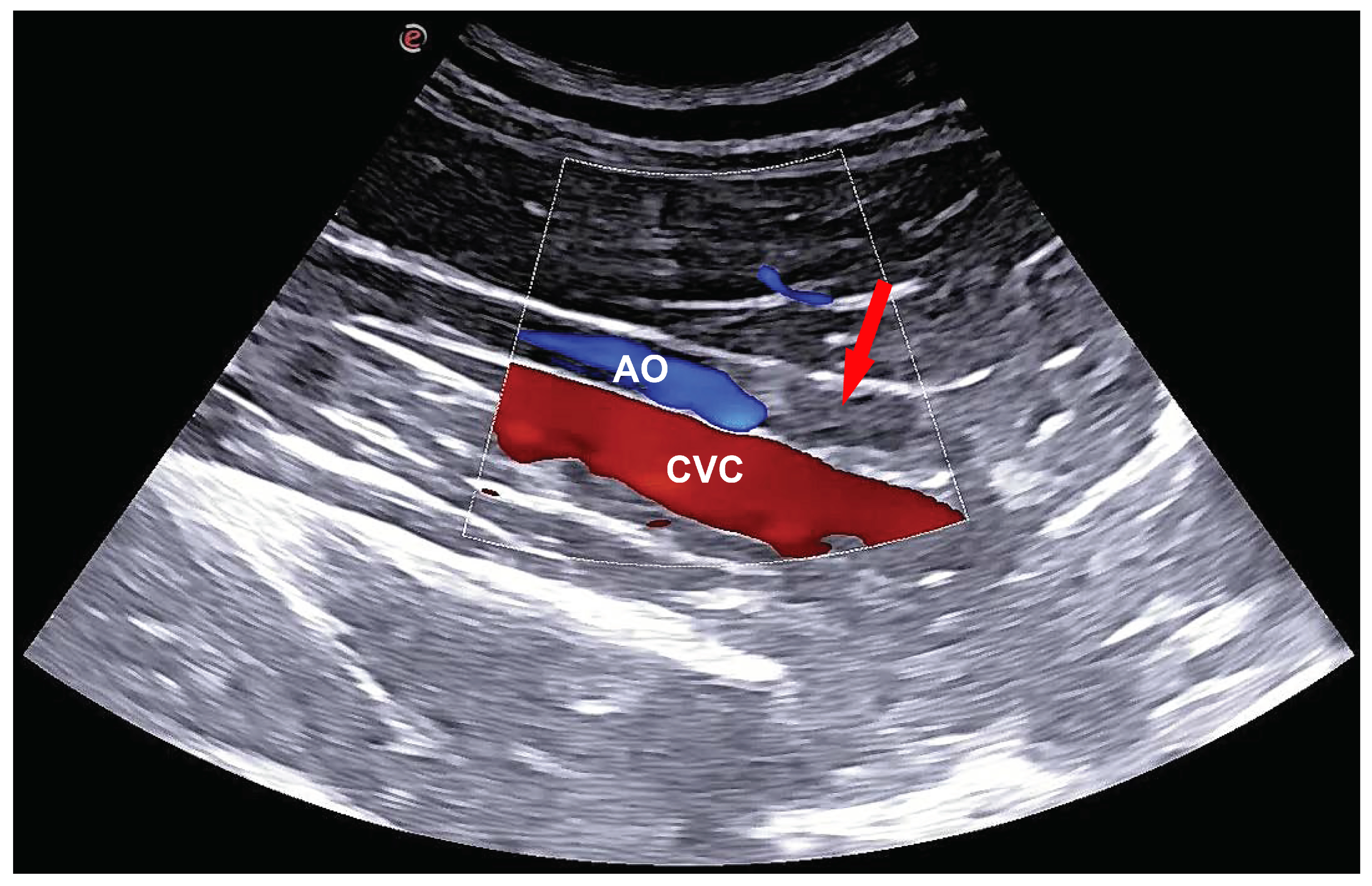
Electrocardiography, performed using a Poly-Spectrum-8/V veterinary digital ECG system (Neurosoft Ltd., Ivanovo, Russia), revealed sinus tachycardia with a heart rate of 220 beats/min. Echocardiography, performed using an Esaote MyLabX8 Vet unit equipped with a dedicated phased array probe for cats, P5-13 (Esaote SpA, Genova, Italy), identified mild LA dilation, with a maximum anteroposterior LA diameter of 18.1 mm [12], a left atrium-to-aorta ratio of 1.7 [13] (Figure 1a,b) and LA fractional shortening of 15.5% while pulmonary veins were dilated. No spontaneous echo contrast or intracardiac thrombus was detected. The maximum interventricular septal thickness was 4.7 mm, and the maximum LV free wall thickness was 4.4 mm. Subjectively, the papillary muscles appeared prominent (Figure 1c). Fused B-lines were observed in both hemithoraces, but no evidence of free fluid. Abdominal ultrasonography of the aorta, performed using the same ultrasound unit with an mC 3–11 curved-array probe, revealed a hypoechoic intraluminal structure (Figure 2) causing luminal obstruction, consistent with ATE. Based on the diagnostic findings, the cat was diagnosed with an acute form of cardiac decompensation with pulmonary edema, complicated by ATE. Given the recent surgical history, myocarditis was strongly suspected.
Therapeutic management included anticoagulant medication (enoxaparin; 0.75 mg/kg q8h SC), platelet inhibition (clopidogrel; 18.75 mg/cat q24h, PO), analgesia (buprenorphine; 0.02 mg/kg q6h, IV), diuretic therapy (furosemide; 2 mg/kg q8h, IV), and oxygen supplementation. The following day, appetite was present and the respiratory rate had improved (42 breaths/min), allowing discontinuation of oxygen administration. Ten hours after admission, repeat thoracic ultrasound demonstrated a reduction in B-lines. Echocardiography revealed stable LV wall thickness and a slight reduction in the maximum LA diameter, measuring 16.3 mm, with similar fractional shortening (14.7%) and no evidence of LA thrombus. The slight reduction in LA size is a consequence of diuretic therapy, rather than an improvement of the ongoing disease. No improvement in the pelvic limb function was observed, although intermittent twitching and limb extension were noted. Rectal temperature fluctuated minimally (36.7–37.6 °C). Overnight, the patient’s condition deteriorated rapidly, and death occurred early on the second day of hospitalization.

2.3. Histopathological Findings

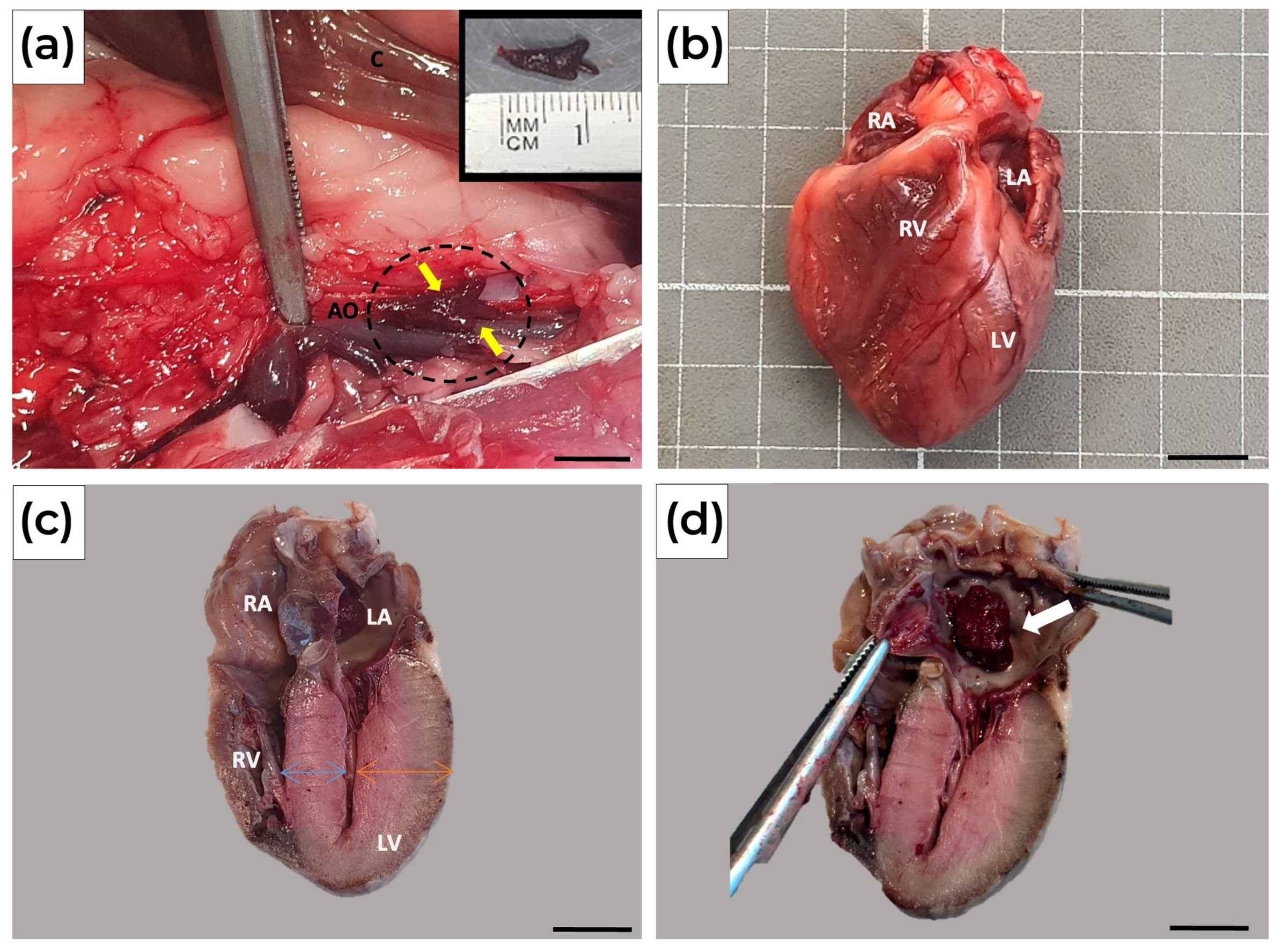
Necropsy, performed with owner consent, revealed a moderately rounded heart weighing 17 g (Figure 3b). The lungs were heavy and wet, consistent with severe, diffuse, bilateral pulmonary edema. A firm, red-brown thrombus (~1 cm) was present at the bifurcation of the abdominal aorta into the iliac arteries (Figure 3a). The liver was diffusely enlarged and dark red, consistent with severe, diffuse hepatic congestion. Both kidneys exhibited mild, diffuse, bilateral congestion, with otherwise unremarkable external morphology. Following fixation, the heart was sectioned using the four-chamber technique. Gross examination revealed marked thickening of the LV posterior wall and the interventricular septum (Figure 3c). Upon opening the LA, a large thrombus was identified within the atrial lumen (Figure 3d).
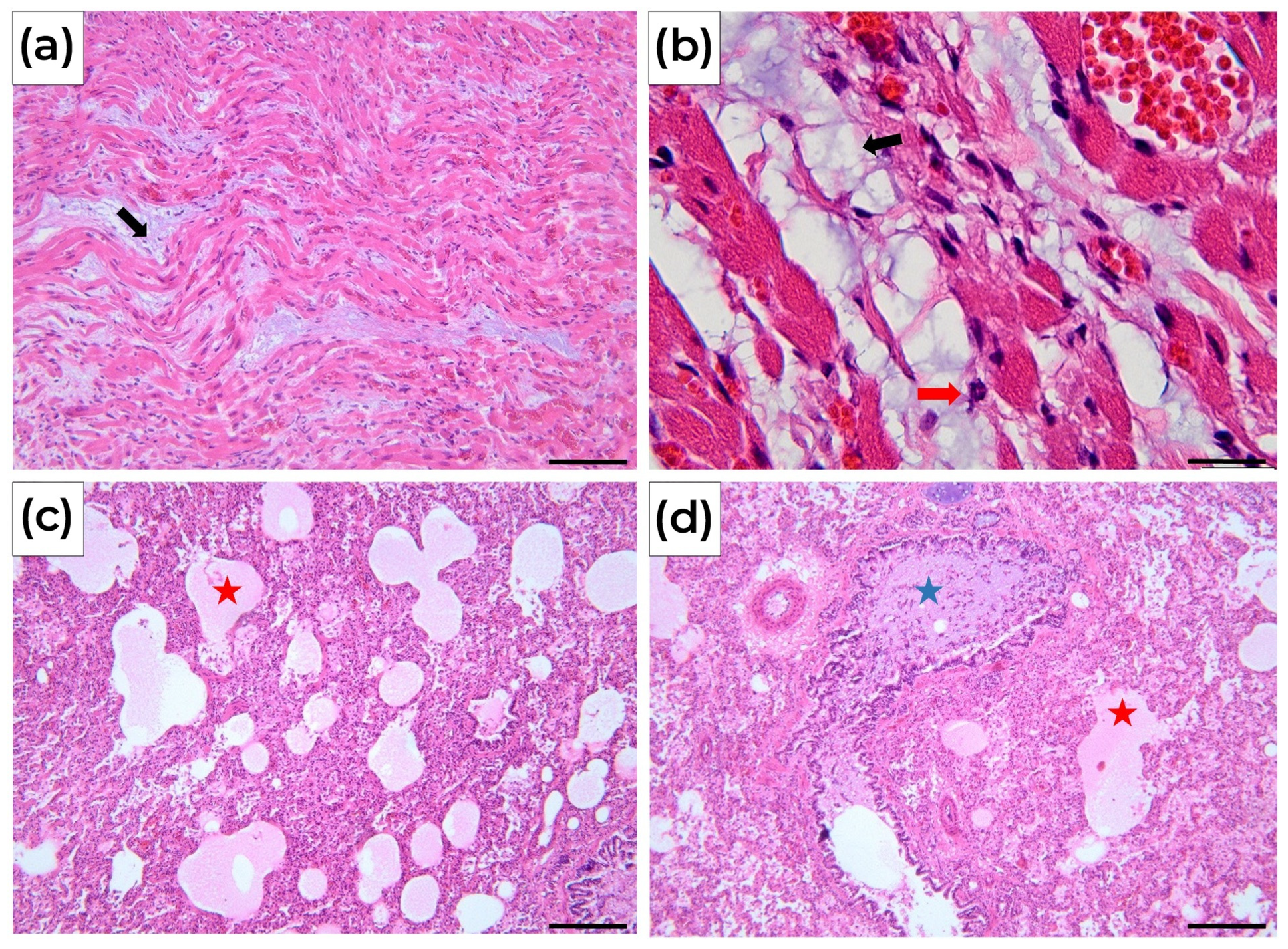
Microscopic examination of the heart revealed diffuse interstitial myocardial edema affecting both ventricle and atrium. The myocardial fibers exhibited a wavy morphology and were separated by a pale-basophilic edema (Figure 4a,b). Few inflammatory cells represented by lymphocytes and neutrophils, were observed within the interstitium. No myofiber necrosis or fibrosis was identified. Examination of the lungs demonstrated severe, diffuse pulmonary edema, characterized by extensive accumulation of eosinophilic, proteinaceous fluid within alveolar spaces (Figure 4c,d). In addition, marked edema was present within bronchial and bronchiolar walls, with expansion of the submucosa and peribronchial tissues. Alveolar septa were congested and mildly thickened, with compression of air spaces and associated vascular engorgement.

3. Discussion

Transient myocardial thickening is usually considered as a differential diagnosis in young cats presenting with an HCM phenotype, particularly when preceded by an identifiable antecedent event. The reported median age at presentation is approximately 2 years, although cases have been described in cats as young as 5 months. Antecedent events are defined as occurring within 14 days prior to the onset of CHF [3], with general anesthesia representing the most commonly reported trigger [4]. Other reported precipitating factors include infectious diseases (bartonellosis [5], toxoplasmosis [6], feline immunodeficiency [9], feline infectious peritonitis [10]), fever of unknown origin, vaccination [3], and cholangiohepatitis [8]. In the largest study to date, the median interval between the antecedent event and clinical presentation was 5 days, with the shortest reported interval being 3 days [7]. In the present case, disease progression was notably more rapid, with CHF developing within 36 h of anesthesia.
A gallop rhythm was detected on thoracic auscultation. Gallop sounds are commonly associated with HCM and have been reported in 2.6–8.7% of cats with subclinical disease [14]. Based on their underlying pathophysiology, namely rapid LV filling in the setting of volume overload and forceful atrial contraction against a non-compliant ventricle, gallop sounds could also theoretically occur in cases of TMT or acute myocarditis. However, to our knowledge, gallop rhythms have not previously been reported in affected cats.
Cardiac biomarkers may aid diagnostic orientation by indicating the presence of myocardial injury. In cats, N-terminal pro-B-type natriuretic peptide (NT-proBNP) has proven to be a more reliable marker for distinguishing cardiac from respiratory causes of dyspnea, serving as a surrogate indicator of cardiac enlargement. Moreover, NT-proBNP has demonstrated superior performance compared with cardiac troponin I in detecting occult cardiomyopathy, but its accuracy is decreased in mild or early-stage disease. Therefore, echocardiography remains preferable for screening early stages [15]. Cardiac troponin I is a sensitive and specific cardiac biomarker of myocardial injury. It is rapidly and persistently released from cardiomyocytes into the bloodstream following myocardial damage and may support the diagnosis of acute myocarditis [11,16]. Unfortunately, in the present case, no cardiac biomarkers were evaluated.
The pathophysiology of TMT remains incompletely understood and unfortunately, postmortem confirmation is rarely available. Transient myocardial interstitial edema secondary to myocarditis is strongly suspected, as described in humans [17]. These histopathological findings of inflammation and edema were also identified in the present case, supporting the evolution of an acute myocardial injury with a TMT-like presentation due to the context of recent stressful event (neutering). Alternatively, TMT may result from a catecholamine surge triggered by emotional or physical stress, analogous to stress-induced (Takotsubo) cardiomyopathy in humans [18]. However, antecedent stressful events have also been reported in approximately 29% of cats with HCM that did not subsequently demonstrate regression of cardiac dimensions [3]. Several infectious agents, including Bartonella henselae, Toxoplasma gondii, feline immunodeficiency virus and feline coronavirus, have also been associated with TMT [5,6,9,10]. Unfortunately, due to the patient’s rapid clinical deterioration, further diagnostic investigations in this regard could not be performed.
Definitive diagnosis of TMT requires a minimum of two serial echocardiographic examinations demonstrating regression to normalization of left ventricle wall thickness (LVWT) and LA size and function. In HCM, increased LVWT reflects cardiomyocyte hypertrophy and interstitial fibrosis, with chronic diastolic dysfunction leading to progressive LA enlargement [19]. In contrast, in TMT, myocardial thickening is attributed to transient interstitial oedema and inflammatory infiltration and, due to its acute onset, is typically associated with milder echocardiographic changes, including less severe thickening of LV walls (compared to HCM) and smaller LA dimensions. However, substantial overlap in LVWT between the two conditions limits its diagnostic utility and echocardiographic differentiation between HCM and TMT is not possible [3]. In the present case, echocardiography performed at presentation revealed normal LV wall thickness, but acute myocarditis was suspected based on the presence of CHF and anamnesis. The diagnosis of myocardial injury was ultimately confirmed post-mortem based on gross and histopathological findings. The discrepancy between echocardiographic findings (normal wall thickness and absence of LA thrombus) and the necropsy findings (LV hypertrophy and presence of a thrombus) may indicate an ongoing pathological process with remarkably rapid progression, given the 21 h interval between last echocardiographic examination and death. The discrepancy may also reflect methodological differences between echocardiographic and post-mortem assessment; however, this is unlikely given the observed microscopic changes.
We propose that the cat experienced at least two distinct episodes of thrombus formation. The first episode occurred at the onset of paralysis. Although echocardiographic evaluation at that time did not reveal a thrombus within the left atrium, abdominal ultrasonography identified findings consistent with the presence of an aortic thrombus. The second episode developed subsequent to the echocardiographic assessment, and a thrombus within the left atrium was later confirmed during necropsy. Considering the recent surgical intervention, it cannot be entirely excluded that the initial aortic thrombosis was associated with a postoperative inflammatory state rather than a primary cardiac origin. Nevertheless, the cat exhibited clear signs of cardiac decompensation, which improved following diuretic therapy. Furthermore, necropsy revealed a left atrial thrombus that had not been detected on prior echocardiography. We hypothesize that the echocardiographic examination was performed during the early phase of myocardial injury, which may explain the absence of abnormal myocardial wall thickness at that time. As the disease progressed, necropsy demonstrated increased myocardial wall thickness, and histopathological examination confirmed findings consistent with myocardial damage.
Despite often mild LA enlargement, approximatively 90% of cats with TMT develop pulmonary edema, either in association with cavitary effusions or as an isolated finding, as observed in the present case [3,4]. This likely reflects an acute myocardial insult that limits atrial adaptation to increased filling pressures, resulting in a rapid rise in LA and pulmonary capillary pressures. Left atrial fractional shortening, an echocardiographic index of LA function, has been shown to be reduced in both TMT and HCM, reflecting impaired atrial function even in cases with minimal LA enlargement, as observed here [3].
Given the echocardiographic findings at presentation, restrictive cardiomyopathy (RCM) could have also been considered. Recent reports have described transient forms of RCM associated with antecedent events, reversible cardiac remodeling, and favorable outcomes, similar to TMT. However, histopathological examination in this case did not reveal lesions consistent with RCM, such as endomyocardial fibrosis or endomyocarditis, but instead supported a diagnosis of acute myocardial injury [20].
Reported studies and case series of TMT did not include necropsy or histopathological examination, as affected cats typically demonstrate normalization of echocardiographic parameters and survive the disease. Conversely, in cats that die or are euthanized with a presumptive diagnosis of HCM and acute CHF, TMT may remain unrecognized in the absence of post-mortem examination [21]. Therefore, the true prevalence of TMT may be underestimated.
Cardiomyopathy is the most common primary cause of ATE in cats. Other potential etiological factors include neoplasia, infectious or inflammatory diseases, hyperthyroidism, and corticosteroid or progesterone administration [2]. The pathogenesis of ATE involves the classic triad of platelet activation, blood stasis, and endocardial damage. Feline ATE is most frequently located at the aortic trifurcation, accounting for up to 90% of cases [22]. It carries a poor prognosis and has been associated with high euthanasia rates. Survival is highly dependent on prognostic indicators. Bilateral pelvic limb paralysis represents the most significant negative prognostic factor and is associated with an approximately 25% survival-to-discharge rate. In contrast, cats presenting with preserved motor function or involvement of only one limb may achieve survival-to-discharge rates of up to 70%. Additional prognostic factors influencing outcome include rectal temperature at admission, limb lactate concentrations, and the interval between the thromboembolic event and initiation of treatment [2].
In association with TMT, ATE has been reported only once previously. Despite the generally poor prognosis associated with ATE, that case had a favorable outcome with complete resolution of clinical signs [11]. In contrast, the present case showed rapid progression to death. The patient exhibited bilateral limb paralysis, a recognized negative prognostic indicator [2], and showed no improvement in perfusion or locomotor function during hospitalization.
Although TMT is generally associated with an excellent long-term prognosis [3], data on cases complicated by ATE remain extremely limited. Only two such cases, including the present one, have been reported, with markedly different clinical courses. Additional reports are needed to better characterize therapeutic approaches, prognostic indicators, and both short- and long-term outcomes.
This case report has several limitations, including the absence of cardiac biomarkers evaluation and the lack of specific diagnostics to exclude other potential causes of myocardial injury. No pre-anesthetic cardiac screening was performed prior to castration in our patient; therefore, the presence of pre-existing cardiac abnormalities cannot be completely excluded. However, given the patient’s young age, any pre-existing cardiac condition would most likely have been congenital in origin and, therefore, would likely have been identified during echocardiographic examination or at necropsy.

4. Conclusions

This report describes a cat with acute myocardial injury complicated by ATE with an echocardiographic phenotype distinct from typical presentations, as hypertrophy and reversibility were not documented echocardiographically. Post-mortem findings indicate that the pathological process may be sufficiently acute to preclude LVWT from attaining conventional diagnostic thresholds; consequently, serial echocardiographic reassessment at 24-h intervals is recommended. Therefore, acute myocardial injury should not be excluded from the differential diagnoses in similar cases, when imaging findings are inconclusive.

Author Contributions

Conceptualization, R.M., A.-F.T. and I.C.S.; methodology, A.-F.T. and I.C.S.; investigation, R.M., A.C. and R.P.; writing—original draft preparation, R.M., A.C. and R.P.; writing—review and editing, A.-F.T. and I.C.S. All authors have read and agreed to the published version of the manuscript.

Funding

This research received no external funding.

Institutional Review Board Statement

Ethical review and approval were waived for the present article as we report a case referred to us for hospital care. All the investigations underwent by our patient were for medical diagnostic reasons and medical treatment only and not for any experimental purposes.

Informed Consent Statement

Informed consent was obtained from the owner of the animal.

Data Availability Statement

Data are contained within the article. Further inquiries can be directed to the corresponding author.

Conflicts of Interest

The authors declare no conflicts of interest.

Abbreviations

The following abbreviations are used in this manuscript:
ATEArterial thromboembolism
CHFCongestive heart failure
HCMHypertrophic cardiomyopathy
LALeft atrium
LVLeft ventricle
LVWTLeft ventricle wall thickness
TMTTransient myocardial thickening

References

  1. Borgeat, K.; Wright, J.; Garrod, O.; Payne, J.R.; Fuentes, V.L. Arterial Thromboembolism in 250 Cats in General Practice: 2004–2012. J. Vet. Intern. Med. 2014, 28, 102–108. [Google Scholar] [CrossRef]
  2. Guillaumin, J. Feline Aortic Thromboembolism: Recent Advances and Future Prospects. J. Feline Med. Surg. 2024, 26, 1098612X241257878. [Google Scholar] [CrossRef]
  3. Novo Matos, J.; Pereira, N.; Glaus, T.; Wilkie, L.; Borgeat, K.; Loureiro, J.; Silva, J.; Law, V.; Kranjc, A.; Connolly, D.J.; et al. Transient Myocardial Thickening in Cats Associated with Heart Failure. J. Vet. Intern. Med. 2018, 32, 48–56. [Google Scholar] [CrossRef] [PubMed]
  4. Romito, G.; Elmi, A.; Guglielmini, C.; Poser, H.; Valente, C.; Castagna, P.; Mazzoldi, C.; Cipone, M. Transient Myocardial Thickening: A Retrospective Analysis on Etiological, Clinical, Laboratory, Therapeutic, and Outcome Findings in 27 Cats. J. Vet. Cardiol. 2023, 50, 51–62. [Google Scholar] [CrossRef]
  5. Joseph, J.L.; Oxford, E.M.; Santilli, R.A. Transient Myocardial Thickening in a Bartonella Henselae–Positive Cat. J. Vet. Cardiol. 2018, 20, 198–203. [Google Scholar] [CrossRef]
  6. Romito, G.; Fracassi, F.; Cipone, M. Transient Myocardial Thickening Associated with Acute Myocardial Injury and Congestive Heart Failure in Two Toxoplasma gondii-Positive Cats. J. Feline Med. Surg. Open Rep. 2022, 8, 20551169221131266. [Google Scholar] [CrossRef]
  7. Wang, Y.; Seo, J. Transient Myocardial Thickening after Routine Ovariohysterectomy in a 15-month-old Ragdoll Cat. J. Small Anim. Pract. 2024, 65, 648–652. [Google Scholar] [CrossRef] [PubMed]
  8. Kim, B.-J.; Park, M.-K.; Song, K.-H. Case Report: Transient Myocardial Thickening in a Cat Secondary to Acute Cholangiohepatitis. Front. Vet. Sci. 2026, 12, 1703872. [Google Scholar] [CrossRef] [PubMed]
  9. Rolim, V.M.; Casagrande, R.A.; Wouters, A.T.B.; Driemeier, D.; Pavarini, S.P. Myocarditis Caused by Feline Immunodeficiency Virus in Five Cats with Hypertrophic Cardiomyopathy. J. Comp. Pathol. 2016, 154, 3–8. [Google Scholar] [CrossRef]
  10. Ernandes, M.A.; Cantoni, A.M.; Armando, F.; Corradi, A.; Ressel, L.; Tamborini, A. Feline Coronavirus-Associated Myocarditis in a Domestic Longhair Cat. J. Feline Med. Surg. Open Rep. 2019, 5, 2055116919879256. [Google Scholar] [CrossRef]
  11. Vollmar, C.; Mitropoulou, A.; Hassdenteufel, E.; Hildebrandt, N.; Schneider, M. Arterial Thromboembolism in a Cat with Transient Myocardial Thickening. J. Vet. Cardiol. 2024, 52, 14–18. [Google Scholar] [CrossRef]
  12. Schober, K.E.; Chetboul, V. Echocardiographic Evaluation of Left Ventricular Diastolic Function in Cats: Hemodynamic Determinants and Pattern Recognition. J. Vet. Cardiol. 2015, 17, S102–S133. [Google Scholar] [CrossRef] [PubMed]
  13. Abbott, J.A.; MacLean, H.N. Two-Dimensional Echocardiographic Assessment of the Feline Left Atrium. J. Vet. Intern. Med. 2006, 20, 111–119. [Google Scholar] [CrossRef]
  14. Fox, P.R.; Keene, B.W.; Lamb, K.; Schober, K.A.; Chetboul, V.; Luis Fuentes, V.; Wess, G.; Payne, J.R.; Hogan, D.F.; Motsinger-Reif, A.; et al. International Collaborative Study to Assess Cardiovascular Risk and Evaluate Long-term Health in Cats with Preclinical Hypertrophic Cardiomyopathy and Apparently Healthy Cats: The REVEAL Study. J. Vet. Intern. Med. 2018, 32, 930–943, Correction in J. Vet. Intern. Med. 2018, 32, 2310. https://doi.org/10.1111/jvim.15285. [Google Scholar] [CrossRef]
  15. Borgeat, K.; Connolly, D.J.; Luis Fuentes, V. Cardiac Biomarkers in Cats. J. Vet. Cardiol. 2015, 17, S74–S86. [Google Scholar] [CrossRef]
  16. Langhorn, R.; Willesen, J.L. Cardiac Troponins in Dogs and Cats. J. Vet. Intern. Med. 2016, 30, 36–50. [Google Scholar] [CrossRef]
  17. Zagrosek, A.; Wassmuth, R.; Abdel-Aty, H.; Rudolph, A.; Dietz, R.; Schulz-Menger, J. Relation between Myocardial Edema and Myocardial Mass during the Acute and Convalescent Phase of Myocarditis—A CMR Study. J. Cardiovasc. Magn. Reson. 2008, 10, 19. [Google Scholar] [CrossRef]
  18. Wittstein, I.S.; Thiemann, D.R.; Lima, J.A.C.; Baughman, K.L.; Schulman, S.P.; Gerstenblith, G.; Wu, K.C.; Rade, J.J.; Bivalacqua, T.J.; Champion, H.C. Neurohumoral Features of Myocardial Stunning Due to Sudden Emotional Stress. N. Engl. J. Med. 2005, 352, 539–548. [Google Scholar] [CrossRef] [PubMed]
  19. Linney, C.J.; Dukes-McEwan, J.; Stephenson, H.M.; López-Alvarez, J.; Fonfara, S. Left Atrial Size, Atrial Function and Left Ventricular Diastolic Function in Cats with Hypertrophic Cardiomyopathy. J. Small Anim. Pract. 2014, 55, 198–206. [Google Scholar] [CrossRef] [PubMed]
  20. Poissonnier, C.; Guigo, P.; Foulex, P.; Passavin, P.; Fouhety, A.; Douay, T.; Le Gall, C.; Kartout, K.; Bomassi, É.; Chetboul, V. Transient Restrictive Cardiomyopathy in Cats: First Reported Case Series. Front. Vet. Sci. 2025, 12, 1607384. [Google Scholar] [CrossRef]
  21. Janus-Ziółkowska, I.; Bubak, J.; Ciaputa, R.; Kandefer-Gola, M.; Noszczyk-Nowak, A. The Pathological and Histopathological Findings in Cats with Clinically Recognised Hypertrophic Cardiomyopathy Are Related to the Severity of Clinical Signs and Disease Duration. Animals 2025, 15, 703. [Google Scholar] [CrossRef] [PubMed]
  22. Eberlé, O.; Pouzot-Nevoret, C.; Thomas-Cancian, A.; Lurier, T.; Nectoux, A.; Ségard-Weisse, E. Ultrasonographic Findings of Feline Aortic Thromboembolism. J. Feline Med. Surg. 2022, 24, e588–e594. [Google Scholar] [CrossRef] [PubMed]
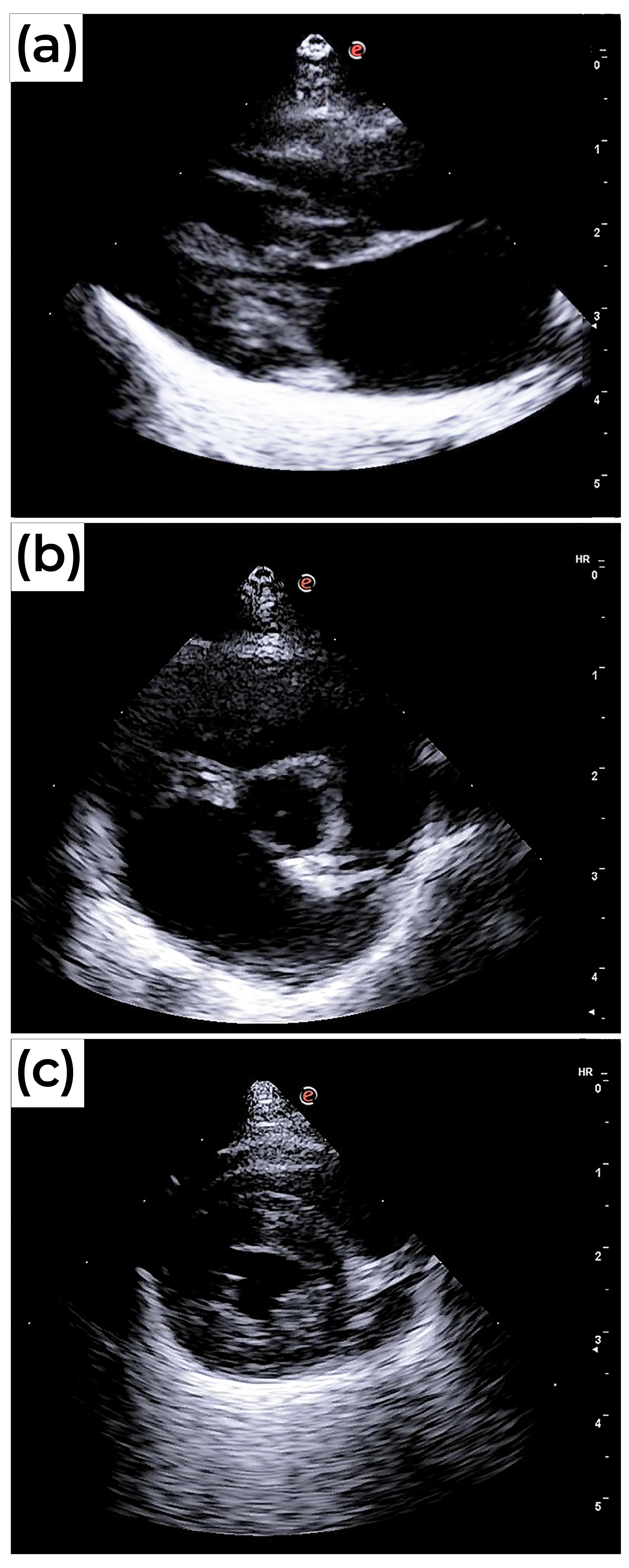
Figure 1. Echocardiographic aspects from a 7-month-old cat suspected of transient myocardial thickening upon arrival. (a) Right-parasternal long-axis view showing a mildly dilated left atrium (LA). (b) Right-parasternal short-axis view at base of the heart at end-systole showing a mildly increased left atrium-to-aorta ratio. (c) Right-parasternal short-axis view at the level of papillary muscles at end-diastole showing normal left ventricle (LV) wall thickness, with subjectively prominent papillary muscles.
Animals 16 01816 g001
Figure 2. Abdominal ultrasonography on a 7-month-old cat suspected of arterial thromboembolism. Color Doppler interrogation of the aorta revealed a filling defect consistent with the presence of a thrombus (red arrow) (CVC: caudal vena cava; AO: aorta).
Animals 16 01816 g002
Figure 3. Gross pathological findings associated with cardiomyopathy and systemic thrombosis. (a) Abdominal cavity demonstrating a large, firm, dark-red thrombus lodged at the aortic bifurcation and extending into the iliac arteries (dashed outline and yellow arrows), consistent with aortic thromboembolism. (b) External appearance of the heart showing mild generalized cardiomegaly with a rounded cardiac silhouette. (c) Longitudinal section of the heart revealing marked concentric thickening of the left ventricular free wall (orange arrow) and interventricular septum (blue arrow), compatible with myocardial hypertrophy. (d) Opened left atrium exposing a large adherent intraluminal thrombus occupying the atrial lumen (white arrow). Scale bars = 1 cm (AO: aorta; C: colon; LA: left atrium; LV: left ventricle; RA: right atrium; RV: right ventricle).
Animals 16 01816 g003
Figure 4. Histopathological lesions observed in the myocardium and lungs. (a) Myocardial tissue showing diffuse interstitial edema separating cardiomyocytes (black arrow), associated with mild disruption of myocardial architecture. (b) Higher magnification of the myocardium demonstrating interstitial edema (black arrow), scattered inflammatory cells (red arrow), and cardiomyocytes with a wavy appearance suggestive of myocardial injury. (c) Pulmonary parenchyma exhibiting severe diffuse pulmonary edema characterized by abundant pale eosinophilic fluid accumulation within alveolar spaces (red star). (d) Pulmonary section showing marked peribronchiolar and interstitial inflammatory infiltrates (blue star) associated with severe intra-alveolar edema (red star). H&E stain. Scale bars = 100 µm; (a,c) 10× objective, (b,d) 40× objective.
Animals 16 01816 g004
Disclaimer/Publisher’s Note: The statements, opinions and data contained in all publications are solely those of the individual author(s) and contributor(s) and not of MDPI and/or the editor(s). MDPI and/or the editor(s) disclaim responsibility for any injury to people or property resulting from any ideas, methods, instructions or products referred to in the content.