Metagenomic and Metabolomic Analysis of Intestinal Excrement Differences Between Natural Hatching and Artificial Peeling out of the Shell in Nipponia nippon
 and
and
Simple Summary
Abstract
1. Introduction
2. Materials and Methods
2.1. Materials and Experimental Design
2.2. Microbial Diversity Analysis
2.3. Metabolome Profiling Analysis
2.4. Statistical Analyses
3. Results
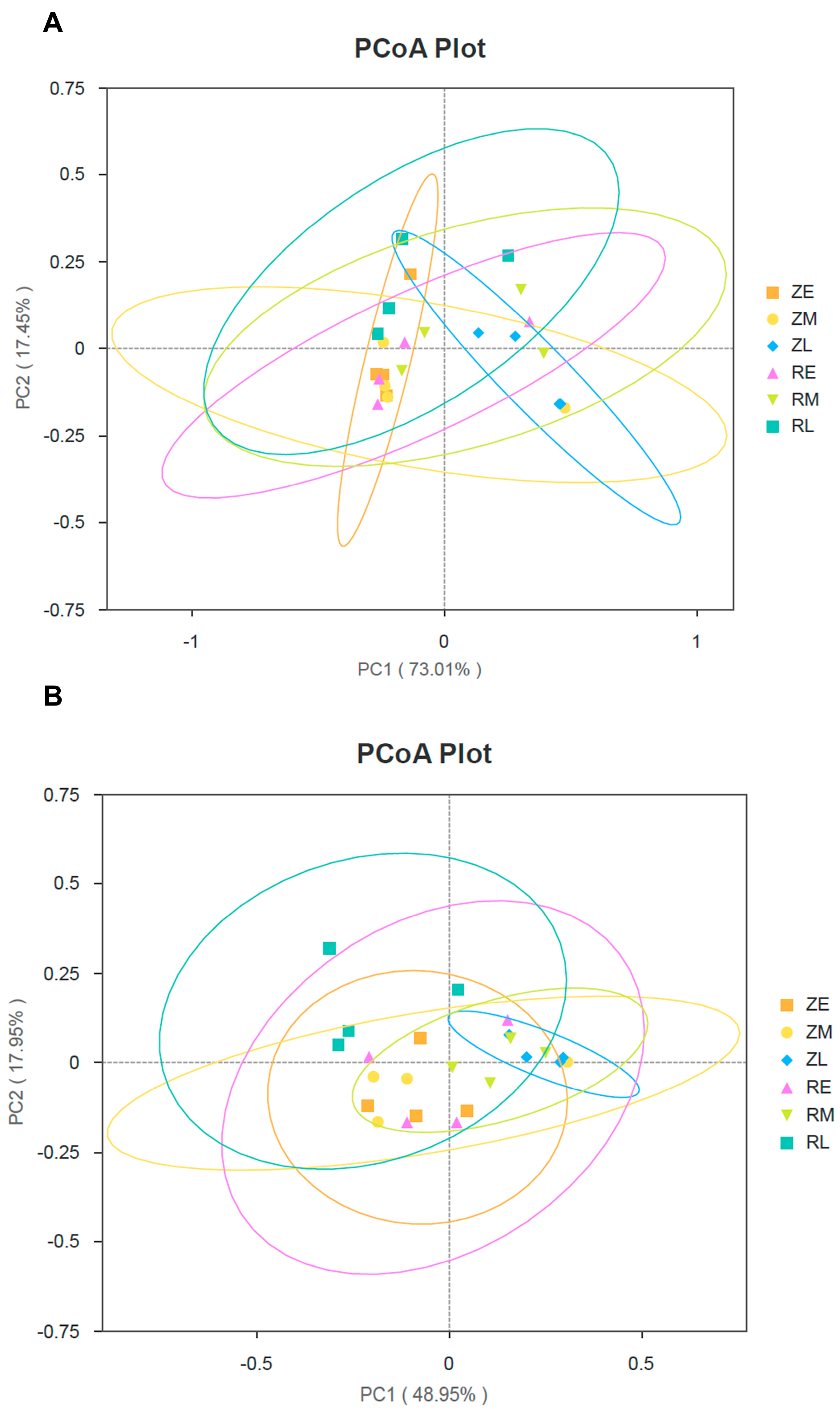
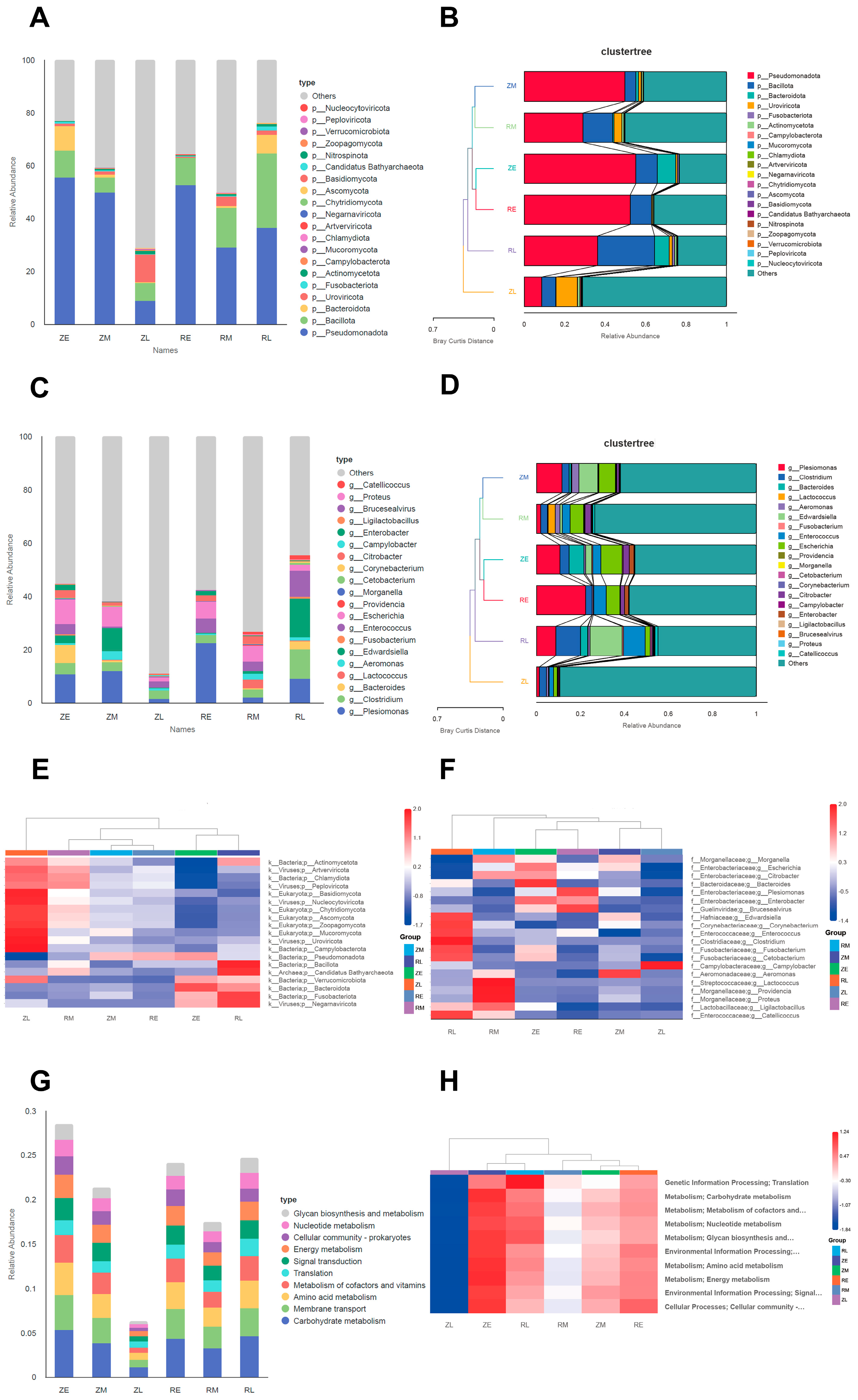
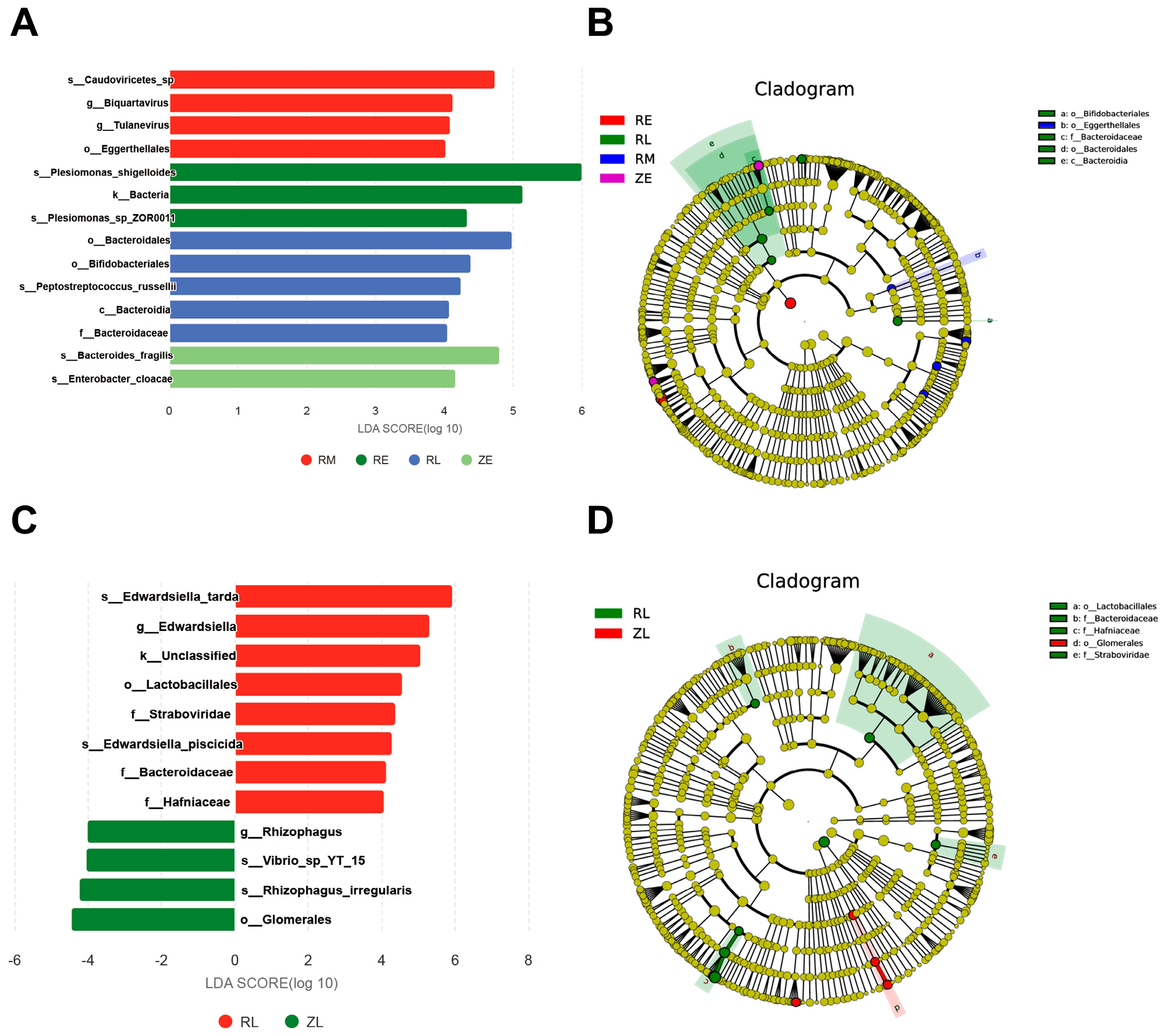
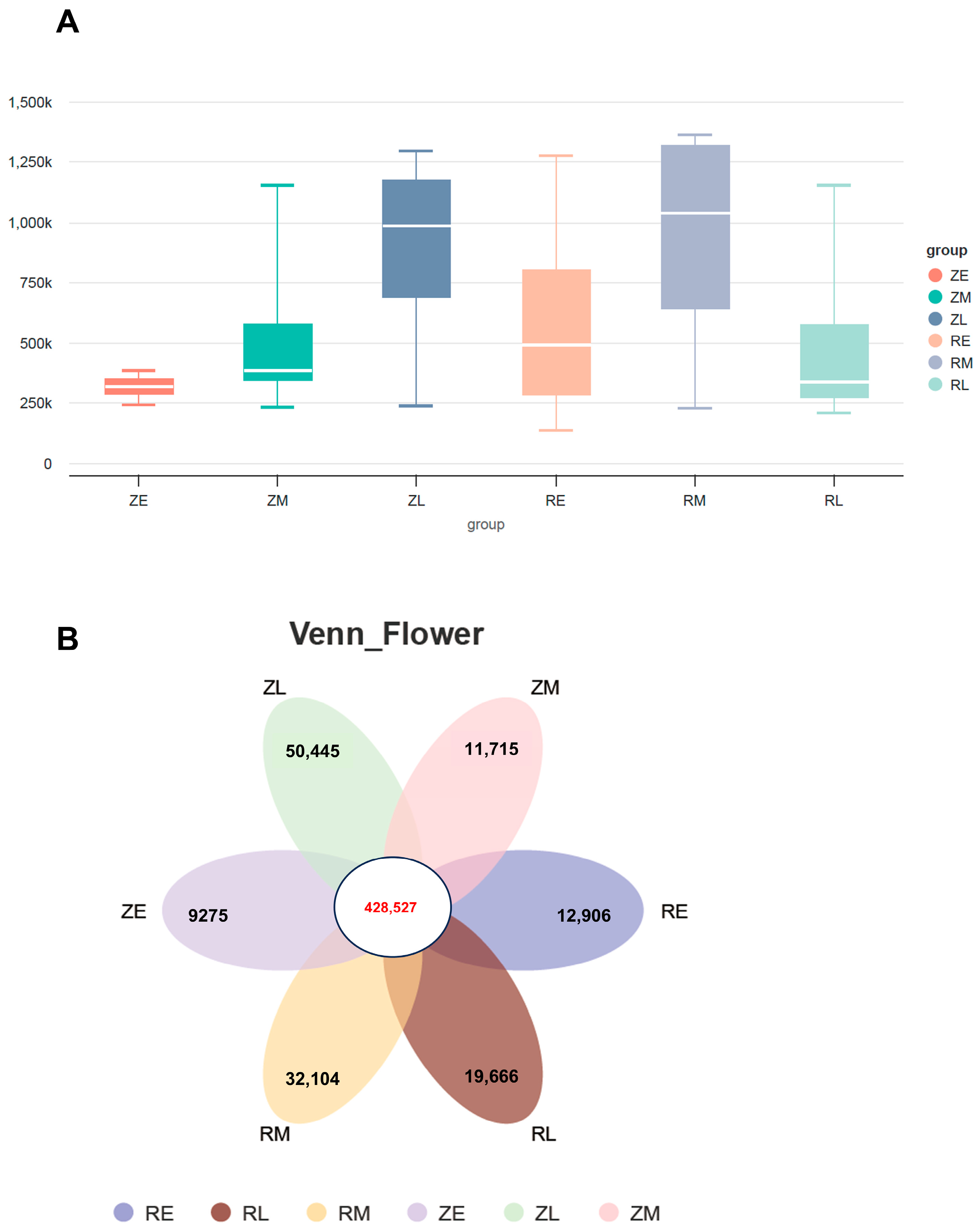
3.1. Gut Microbial Composition and Diversity
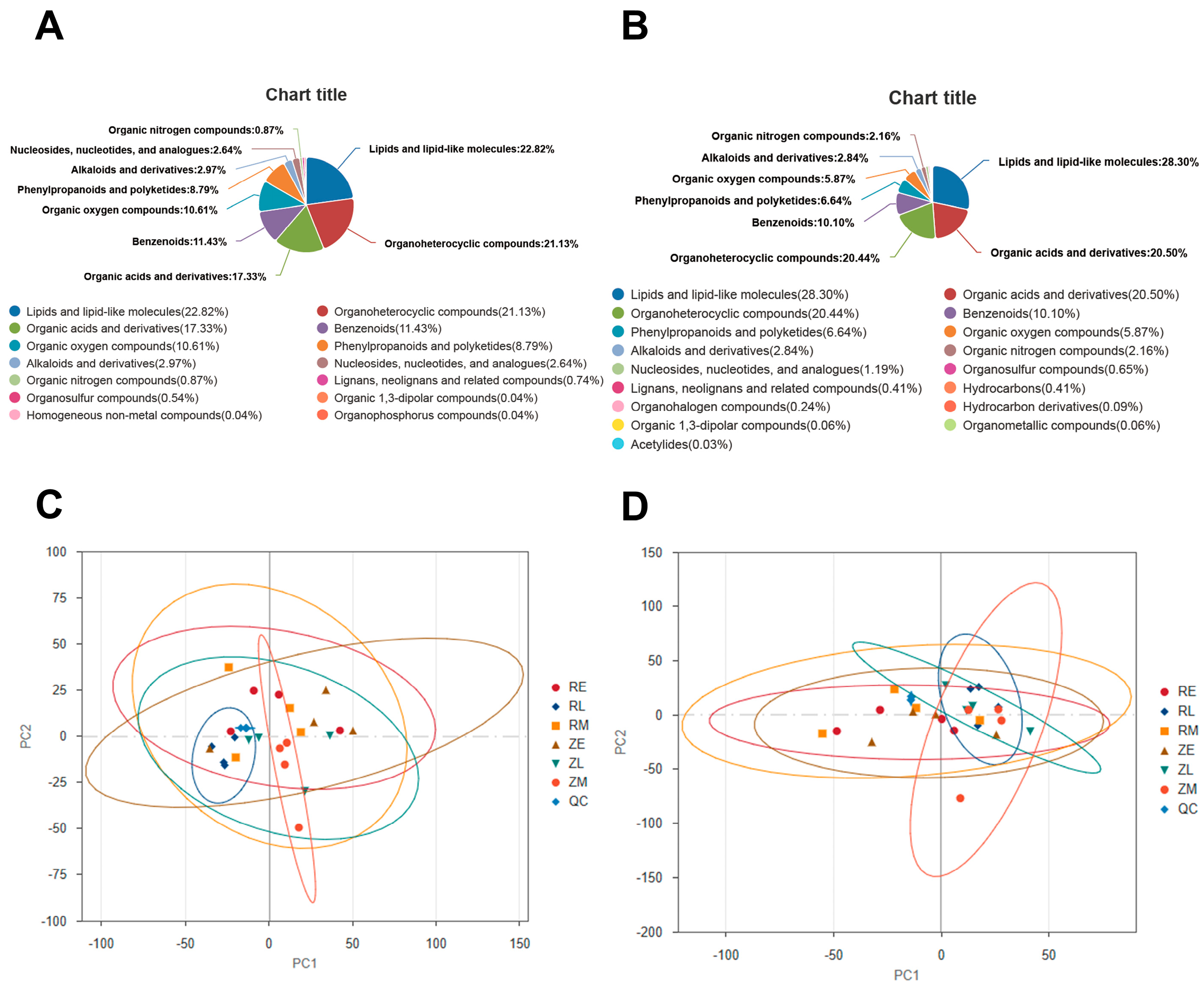
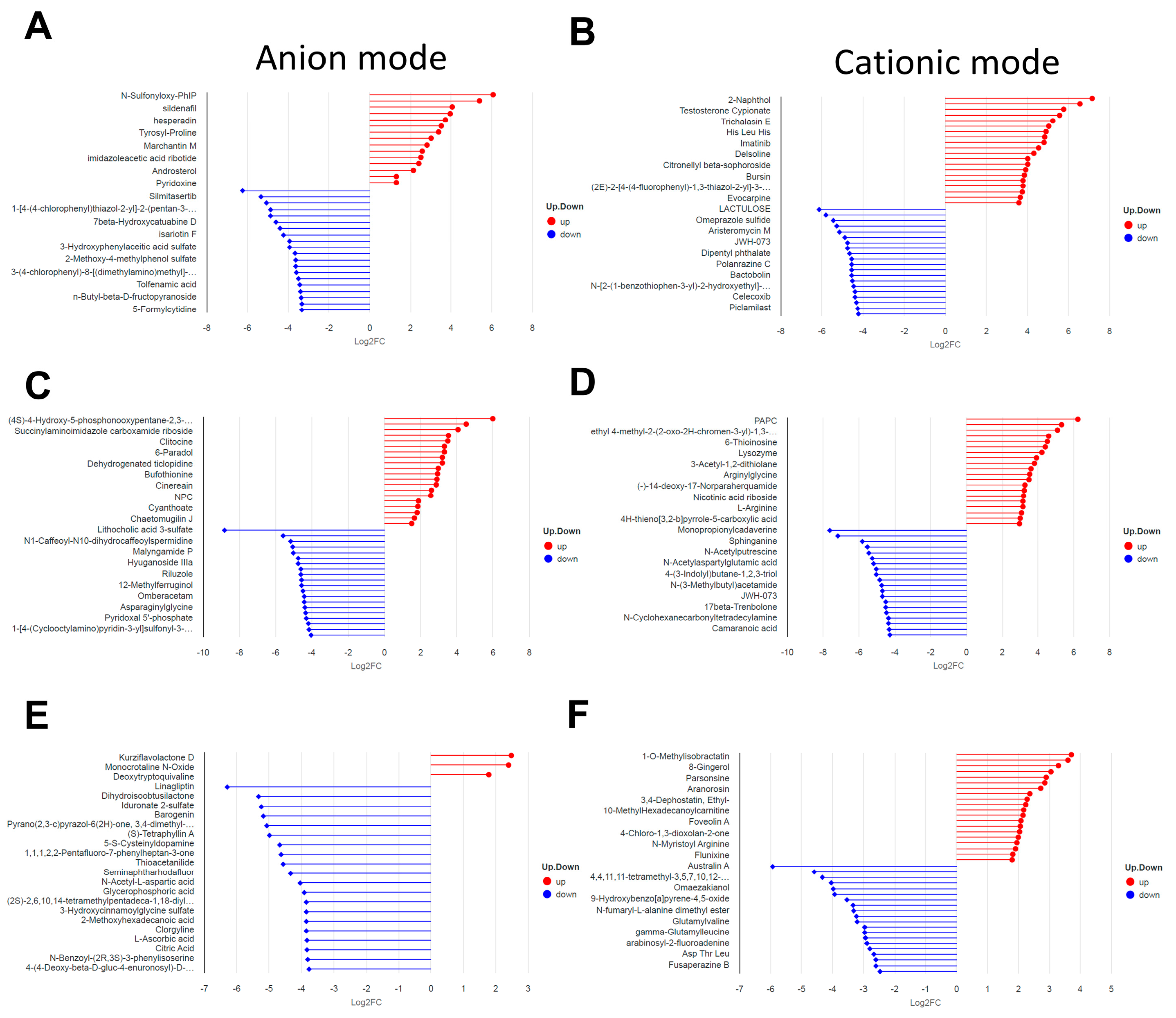
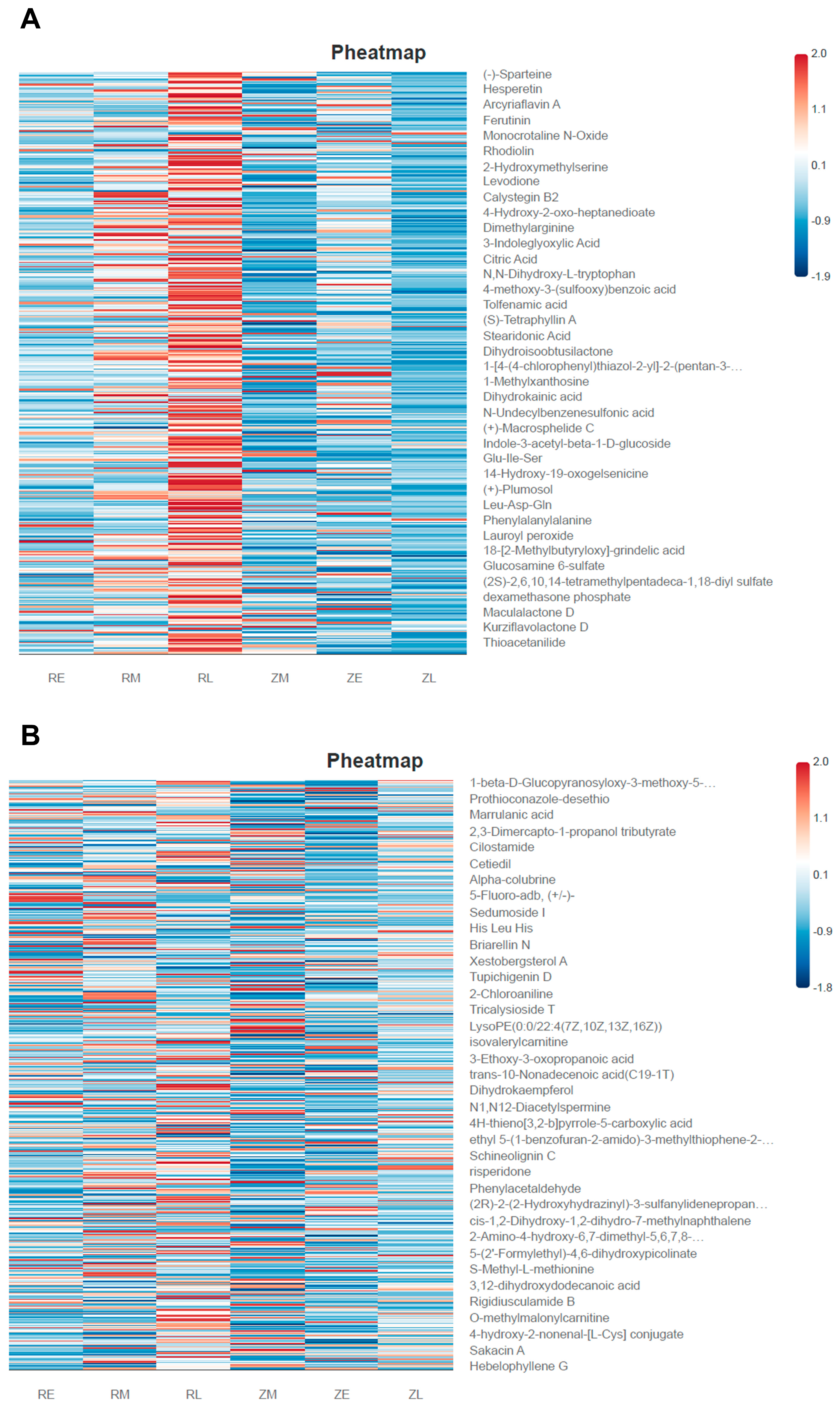
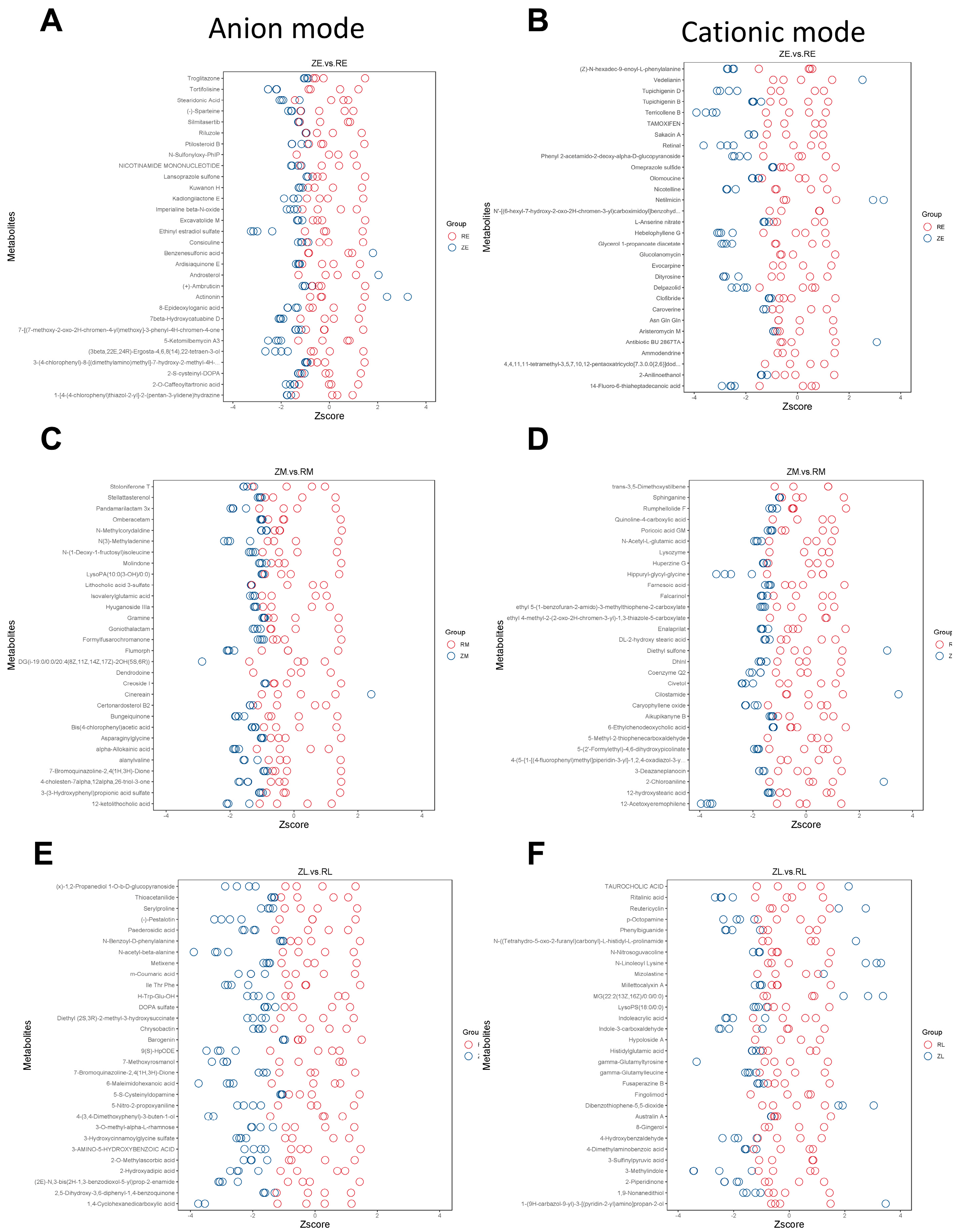
3.2. Compositions and Differential Untargeted Metabolites in the Intestine of Crested Ibis
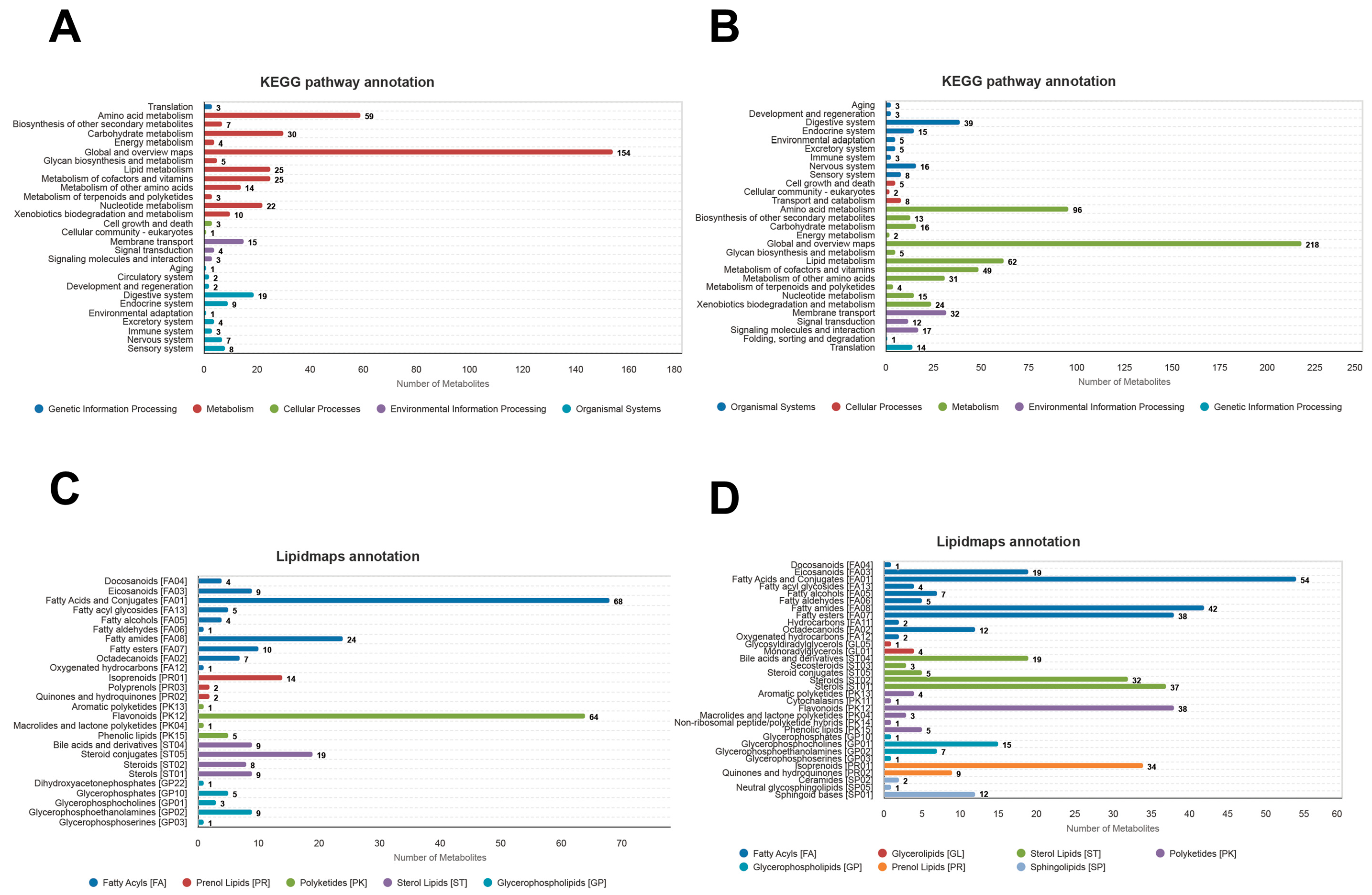
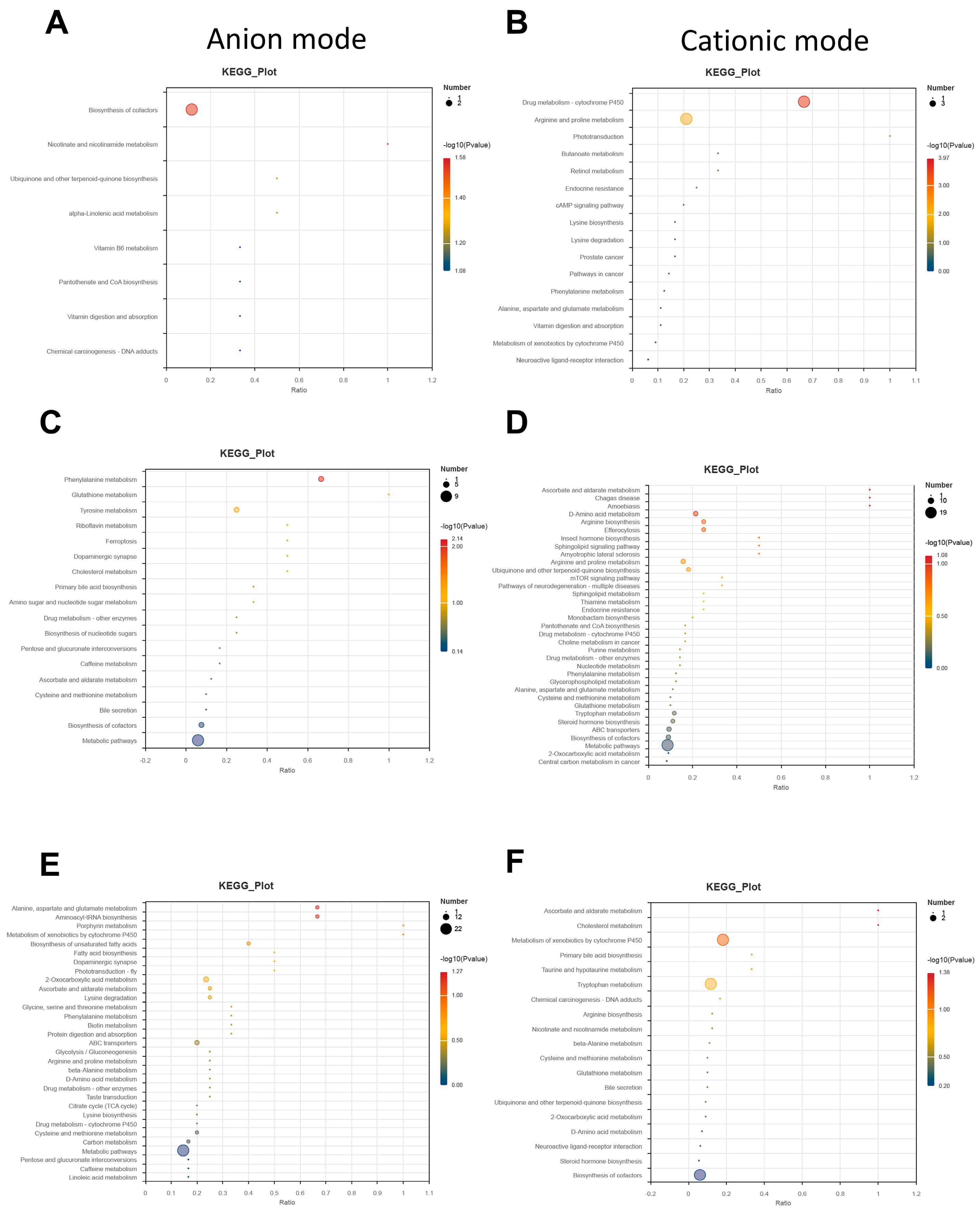
3.3. Metabolic Pathway Analysis
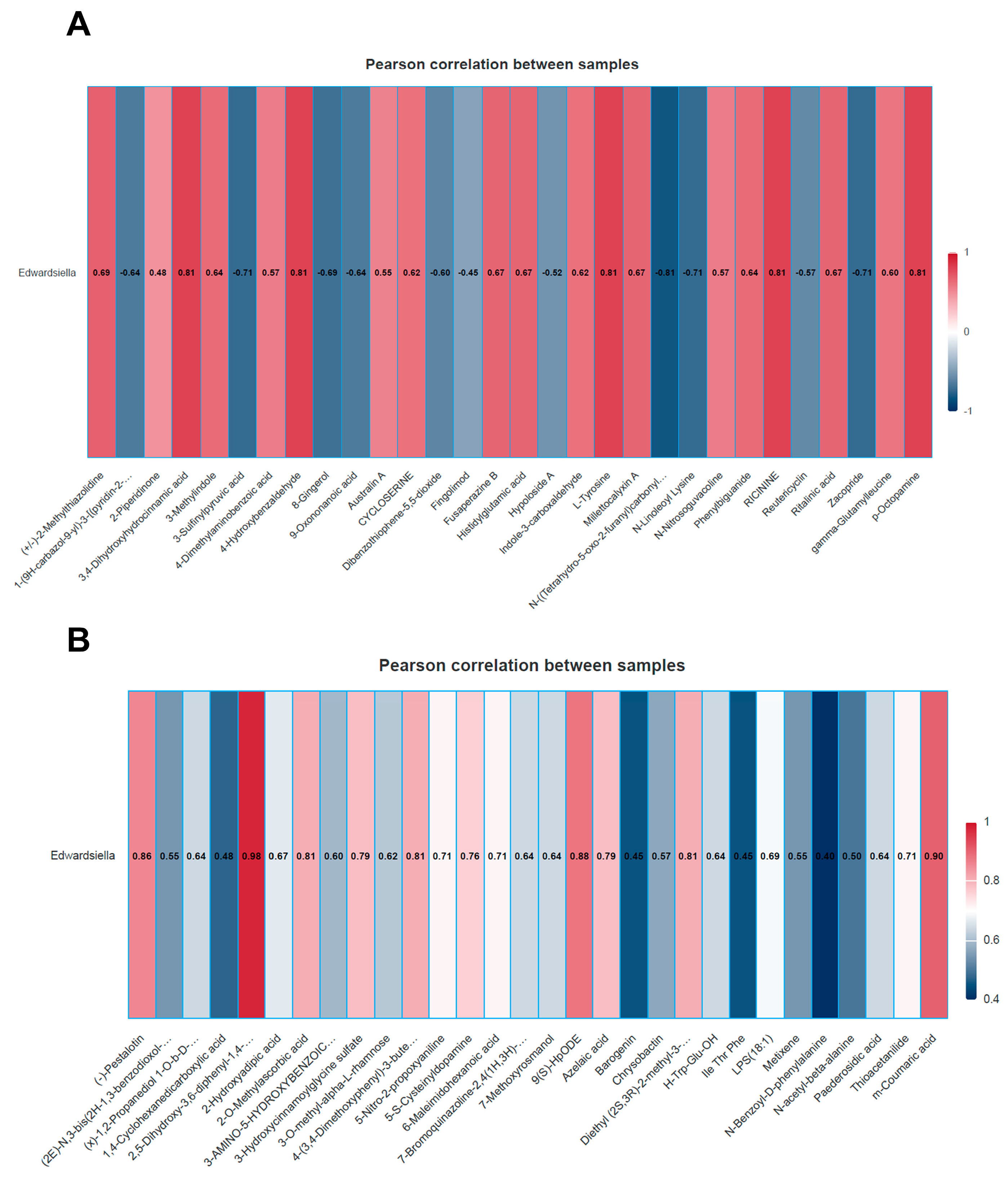
3.4. Correlations Between Intestinal Microbes and Metabolites
4. Discussion
5. Conclusions
Supplementary Materials
Author Contributions
Funding
Institutional Review Board Statement
Informed Consent Statement
Data Availability Statement
Conflicts of Interest
References
- Li, Y.; Zhuang, Y.; Dong, J.; Liu, H.; Ding, J.; Wright, A.; Qiu, C. Red-crowned Cranes (Grus japonensis) habitat changes in China from 1980 to 2020: Spatio-temporal distribution. J. Environ. Manag. 2025, 376, 124501. [Google Scholar] [CrossRef] [PubMed]
- Liu, D.; Gu, C.; Lu, C.; Wu, Q.; Kuca, K.; Wu, W. Red-Crowned Crane (Grus japonensis) Reproduction Was Improved by Inhibiting Mycotoxins with Montmorillonite in Feed. Toxins 2020, 12, 191. [Google Scholar] [CrossRef]
- Borwompinyo, S.; Brake, J.; Mozdziak, P.E.; Petitte, J.N. Culture of chicken embryos in surrogate eggshells. Poult. Sci. 2005, 84, 1477–1482. [Google Scholar] [CrossRef] [PubMed]
- Yang, H.; Lee, B.R.; Lee, S.; Ock, S.A.; Oh, K.B.; Jo, Y.J.; Lee, P.; Lee, H.; Han, J.Y.; Byun, S.J. Improved surrogate eggshell incubation system for assisted reproductive technologies such as cloning, genome modification, and de-extinction efforts. Sci. Rep. 2024, 14, 20796. [Google Scholar] [CrossRef]
- Marshall, A.F.; Balloux, F.; Hemmings, N.; Brekke, P. Systematic review of avian hatching failure and implications for conservation. Biol. Rev. Camb. Philos. Soc. 2023, 98, 807–832. [Google Scholar] [CrossRef]
- Tahara, Y.; Obara, K. Ex Ovo Culture System for Avian Embryos and its Application. J. Poult. Sci. 2021, 58, 1–4. [Google Scholar] [CrossRef] [PubMed]
- Xie, Y.; Xia, P.; Wang, H.; Yu, H.; Giesy, J.P.; Zhang, Y.; Mora, M.A.; Zhang, X. Effects of captivity and artificial breeding on microbiota in feces of the red-crowned crane (Grus japonensis). Sci. Rep. 2016, 6, 33350. [Google Scholar] [CrossRef] [PubMed]
- Amaretti, A.; Gozzoli, C.; Simone, M.; Raimondi, S.; Righini, L.; Pérez-Brocal, V.; García-López, R.; Moya, A.; Rossi, M. Profiling of protein degraders in cultures of human gut microbiota. Front. Microbiol. 2019, 10, 2614. [Google Scholar] [CrossRef]
- Olivares, M.; Schüppel, V.; Hassan, A.M.; Beaumont, M.; Neyrinck, A.M.; Bindels, L.B.; Benítez-Páez, A.; Sanz, Y.; Haller, D.; Holzer, P. The potential role of the dipeptidyl peptidase-4-like activity from the gut microbiota on the host health. Front. Microbiol. 2018, 9, 1900. [Google Scholar] [CrossRef]
- Maki, J.J.; Bobeck, E.A.; Sylte, M.J.; Looft, T. Eggshell and environmental bacteria contribute to the intestinal microbiota of growing chickens. J. Anim. Sci. Biotechnol. 2020, 11, 60. [Google Scholar] [CrossRef]
- Trudeau, S.; Thibodeau, A.; Côté, J.C.; Gaucher, M.L.; Fravalo, P. Contribution of the Broiler Breeders’ Fecal Microbiota to the Establishment of the Eggshell Microbiota. Front. Microbiol. 2020, 11, 666. [Google Scholar] [CrossRef] [PubMed]
- Wang, W.L.; Xu, S.Y.; Ren, Z.G.; Tao, L.; Jiang, J.W.; Zheng, S.S. Application of metagenomics in the human gut microbiome. World J. Gastroenterol. 2015, 21, 803–814. [Google Scholar] [CrossRef]
- Li, X.; Lu, H. Enhanced metagenomic strategies for elucidating the complexities of gut microbiota: A review. Front. Microbiol. 2025, 16, 1626002. [Google Scholar] [CrossRef]
- Reda, F.M.; El-Saadony, M.T.; El-Rayes, T.K.; Farahat, M.; Attia, G.; Alagawany, M. Dietary effect of licorice (Glycyrrhiza glabra) on quail performance, carcass, blood metabolites and intestinal microbiota. Poult. Sci. 2021, 100, 101266. [Google Scholar] [CrossRef]
- Abd El-Hack, M.E.; El-Saadony, M.T.; Alqhtani, A.H.; Swelum, A.A.; Salem, H.M.; Elbestawy, A.R.; Noreldin, A.E.; Babalghith, A.O.; Khafaga, A.F.; Hassan, M.I.; et al. The relationship among avian influenza, gut microbiota and chicken immunity: An updated overview. Poult. Sci. 2022, 101, 102021. [Google Scholar] [CrossRef] [PubMed]
- Chuai, H.; Li, G.; Tao, L.; Ouyang, L.; Ruan, R.; Wei, Z.; Whalen, J.; Nielsen, U.N.; Liu, T.; Li, H. Pseudomonadota bridge cross-trophic interactions to suppress plant pathogens. ISME J. 2026, 20, wrag011. [Google Scholar] [CrossRef]
- Mandic-Mulec, I.; Stefanic, P.; van Elsas, J.D. Ecology of Bacillaceae. Microbiol. Spectr. 2015, 3, Tbs-0017-2013. [Google Scholar] [CrossRef]
- Endress, M.-G.; Chen, R.; Blagodatskaya, E.; Blagodatsky, S. The coupling of carbon and energy fluxes reveals anaerobiosis in an aerobic soil incubation with a Bacillota-dominated community. Soil Biol. Biochem. 2024, 195, 109478. [Google Scholar] [CrossRef]
- Xia, J.; Shao, L.; Chen, X.; Ji, Y.; Ma, W.; Chen, K.; Qiu, G.; Song, H.; Yang, Y. First report of multidrug-resistant and pathogenic Plesiomonas shigelloides from endangered crested ibis (Nipponia nippon). BMC Vet. Res. 2025, 21, 299. [Google Scholar] [CrossRef] [PubMed]
- Matsuyama, R.; Kuninaga, N.; Morimoto, T.; Shibano, T.; Sudo, A.; Sudo, K.; Asano, M.; Suzuki, M.; Asai, T. Isolation and antimicrobial susceptibility of Plesiomonas shigelloides from great cormorants (Phalacrocorax carbo hanedae) in Gifu and Shiga prefectures, Japan. J. Vet. Med. Sci. 2015, 77, 1179–1181. [Google Scholar] [CrossRef]
- Zhang, L.; Zhou, E.; Liu, C.; Tian, X.; Xue, B.; Zhang, K.; Luo, B. Avian influenza and Gut microbiome in poultry and humans: A “One Health” perspective. Fundam. Res. 2024, 4, 455–462. [Google Scholar] [CrossRef]
- Huang, T.; Peng, X.-Y.; Gao, B.; Wei, Q.-L.; Xiang, R.; Yuan, M.-G.; Xu, Z.-H. The effect of Clostridium butyricum on gut microbiota, immune response and intestinal barrier function during the development of necrotic enteritis in chickens. Front. Microbiol. 2019, 10, 2309. [Google Scholar] [CrossRef]
- Liu, M.; Uyanga, V.A.; Cao, X.; Liu, X.; Lin, H. Regulatory effects of the probiotic Clostridium butyricum on gut microbes, intestinal health, and growth performance of chickens. J. Poult. Sci. 2023, 60, 2023011. [Google Scholar] [CrossRef]
- Tang, X.; Zeng, Y.; Li, M. Clostridium butyricum: A promising approach to enhancing intestinal health in poultry. Front. Vet. Sci. 2025, 12, 1544519. [Google Scholar] [CrossRef] [PubMed]
- Zahra, A.; Zhang, G.; Wang, M.; Gong, J.; Wang, Z.; Jiang, Y. Prevention of Clostridium perfringens induced chicken necrotic enteritis by probiotics: A review. Anim. Zoonoses 2025, 1, 366–374. [Google Scholar] [CrossRef]
- Wilson, J.; Tice, G.; Brash, M.; Hilaire, S.S. Manifestations of Clostridium perfringens and related bacterial enteritides in broiler chickens. World’s Poult. Sci. J. 2005, 61, 435–449. [Google Scholar] [CrossRef]
- Reichley, S.R.; Ware, C.; Steadman, J.; Gaunt, P.S.; García, J.C.; LaFrentz, B.R.; Thachil, A.; Waldbieser, G.C.; Stine, C.B.; Buján, N. Comparative phenotypic and genotypic analysis of Edwardsiella isolates from different hosts and geographic origins, with emphasis on isolates formerly classified as E. tarda, and evaluation of diagnostic methods. J. Clin. Microbiol. 2017, 55, 3466–3491. [Google Scholar] [CrossRef] [PubMed]
- Leung, K.Y.; Wang, Q.; Zheng, X.; Zhuang, M.; Yang, Z.; Shao, S.; Achmon, Y.; Siame, B.A. Versatile lifestyles of Edwardsiella: Free-living, pathogen, and core bacterium of the aquatic resistome. Virulence 2022, 13, 5–18. [Google Scholar] [CrossRef]
- Liu, X.; Chang, X.; Wu, H.; Xiao, J.; Gao, Y.; Zhang, Y. Role of intestinal inflammation in predisposition of Edwardsiella tarda infection in zebrafish (Danio rerio). Fish Shellfish Immunol. 2014, 41, 271–278. [Google Scholar] [CrossRef] [PubMed]
- Farooqui, T. Review of octopamine in insect nervous systems. Open Access Insect Physiol. 2012, 4, 1–17. [Google Scholar] [CrossRef]
- Hicks, T.P. The possible role of octopamine as a synaptic transmitter: A review. Can. J. Physiol. Pharmacol. 1977, 55, 137–152. [Google Scholar] [CrossRef] [PubMed]
- Cheng, J.-T.; Hsieh-Chen, S.-C. Octopamine relaxes rabbit jejunal smooth muscle by selective activation of dopamine D1 receptors. Naunyn-Schmiedeberg’s Arch. Pharmacol. 1988, 338, 373–378. [Google Scholar] [CrossRef]
- Rand, D.; Knebel, D.; Ayali, A. The effect of octopamine on the locust stomatogastric nervous system. Front. Physiol. 2012, 3, 288. [Google Scholar] [CrossRef]
- Jeong, W.; Bae, S.H.; Toledano, M.B.; Rhee, S.G. Role of sulfiredoxin as a regulator of peroxiredoxin function and regulation of its expression. Free Radic. Biol. Med. 2012, 53, 447–456. [Google Scholar] [CrossRef]
- Bonifácio, V.D.; Pereira, S.A.; Serpa, J.; Vicente, J.B. Cysteine metabolic circuitries: Druggable targets in cancer. Br. J. Cancer 2021, 124, 862–879. [Google Scholar] [CrossRef] [PubMed]
- Riedijk, M.A.; Stoll, B.; Chacko, S.; Schierbeek, H.; Sunehag, A.L.; van Goudoever, J.B.; Burrin, D.G. Methionine transmethylation and transsulfuration in the piglet gastrointestinal tract. Proc. Natl. Acad. Sci. USA 2007, 104, 3408–3413. [Google Scholar] [CrossRef] [PubMed]
- Rohr, M.; Narasimhulu, C.A.; Keewan, E.a.; Hamid, S.; Parthasarathy, S. The dietary peroxidized lipid, 13-HPODE, promotes intestinal inflammation by mediating granzyme B secretion from natural killer cells. Food Funct. 2020, 11, 9526–9534. [Google Scholar] [CrossRef]
- Quaranta, A.; Revol-Cavalier, J.; Wheelock, C.E. The octadecanoids: An emerging class of lipid mediators. Biochem. Soc. Trans. 2022, 50, 1569–1582. [Google Scholar] [CrossRef]
- Kimura, H.; Yokota, K. Characterization of metabolic pathway of linoleic acid 9-hydroperoxide in cytosolic fraction of potato tubers and identification of reaction products. Appl. Biochem. Biotechnol. 2004, 118, 115–132. [Google Scholar] [CrossRef]
- Carter, W.A.; DeMoranville, K.J.; Pierce, B.J.; McWilliams, S.R. The effects of dietary linoleic acid and hydrophilic antioxidants on basal, peak, and sustained metabolism in flight-trained European starlings. Ecol. Evol. 2020, 10, 1552–1566. [Google Scholar] [CrossRef]
- Konishi, Y.; Kobayashi, S. Microbial metabolites of ingested caffeic acid are absorbed by the monocarboxylic acid transporter (MCT) in intestinal Caco-2 cell monolayers. J. Agric. Food Chem. 2004, 52, 6418–6424. [Google Scholar] [CrossRef]
- Tasaki, I.; Takahashi, N. Absorption of amino acids from the small intestine of domestic fowl. J. Nutr. 1966, 88, 359–364. [Google Scholar] [CrossRef]
- Kubasova, T.; Kollarcikova, M.; Crhanova, M.; Karasova, D.; Cejkova, D.; Sebkova, A.; Matiasovicova, J.; Faldynova, M.; Pokorna, A.; Cizek, A. Contact with adult hen affects development of caecal microbiota in newly hatched chicks. PLoS ONE 2019, 14, e0212446. [Google Scholar] [CrossRef] [PubMed]
- van Veelen, H.P.J.; Salles, J.F.; Tieleman, B.I. Microbiome assembly of avian eggshells and their potential as transgenerational carriers of maternal microbiota. ISME J. 2018, 12, 1375–1388. [Google Scholar] [CrossRef] [PubMed]
- Ran, J.; Wan, Q.-H.; Fang, S.-G. Gut microbiota of endangered crested ibis: Establishment, diversity, and association with reproductive output. PLoS ONE 2021, 16, e0250075. [Google Scholar] [CrossRef] [PubMed]


Disclaimer/Publisher’s Note: The statements, opinions and data contained in all publications are solely those of the individual author(s) and contributor(s) and not of MDPI and/or the editor(s). MDPI and/or the editor(s) disclaim responsibility for any injury to people or property resulting from any ideas, methods, instructions or products referred to in the content. |
© 2026 by the authors. Licensee MDPI, Basel, Switzerland. This article is an open access article distributed under the terms and conditions of the Creative Commons Attribution (CC BY) license.
Share and Cite
Qiu, G.; Bai, H.; Shi, J.; Xue, Y.; Wang, T.; Qin, S.; Zhou, X.; He, K. Metagenomic and Metabolomic Analysis of Intestinal Excrement Differences Between Natural Hatching and Artificial Peeling out of the Shell in Nipponia nippon. Animals 2026, 16, 1472. https://doi.org/10.3390/ani16101472
Qiu G, Bai H, Shi J, Xue Y, Wang T, Qin S, Zhou X, He K. Metagenomic and Metabolomic Analysis of Intestinal Excrement Differences Between Natural Hatching and Artificial Peeling out of the Shell in Nipponia nippon. Animals. 2026; 16(10):1472. https://doi.org/10.3390/ani16101472
Chicago/Turabian StyleQiu, Guoqiang, Hongqing Bai, Jian Shi, Yu Xue, Tao Wang, Shidi Qin, Xiaolong Zhou, and Ke He. 2026. "Metagenomic and Metabolomic Analysis of Intestinal Excrement Differences Between Natural Hatching and Artificial Peeling out of the Shell in Nipponia nippon" Animals 16, no. 10: 1472. https://doi.org/10.3390/ani16101472
APA StyleQiu, G., Bai, H., Shi, J., Xue, Y., Wang, T., Qin, S., Zhou, X., & He, K. (2026). Metagenomic and Metabolomic Analysis of Intestinal Excrement Differences Between Natural Hatching and Artificial Peeling out of the Shell in Nipponia nippon. Animals, 16(10), 1472. https://doi.org/10.3390/ani16101472