1. Introduction
Pseudomonas plecoglossicida is a Gram-negative, short rod-shaped bacterium widely distributed in seawater, freshwater, and soils, and it poses a major threat to the sustainable aquaculture of freshwater and marine fish species [
1]. It is an aerobic, non–spore-forming, and noncapsulated organism [
2]; on Luria–Bertani (LB) agar, it forms smooth-edged, circular, and semi-translucent yellowish-white colonies [
3]. Recent studies have established
P. plecoglossicida as the primary etiological agent of visceral white spot disease in farmed large yellow croaker (
Larimichthys crocea) in Fujian and Zhejiang provinces, China [
4,
5,
6]. Experimental infections further demonstrated that
P. plecoglossicida can induce characteristic visceral white spot lesions in orange-spotted grouper (
Epinephelus coioides) [
7],
Nibea albiflora [
8], and
Lates calcarifer [
9]. In the early stages of infection, affected fish often exhibit lethargy and inappetence with few external signs and low mortality; as the disease progresses, mass mortality may occur, and necropsy typically reveals variably sized white nodules distributed on the spleen, liver, and kidney [
2,
10]. Numerous studies have also explored prevention and therapeutic measures against
P. plecoglossicida-associated visceral white spot disease [
11,
12,
13]. Furthermore, genomic and comparative analyses indicate that its virulence involves multilayered regulatory networks and complex host–pathogen interactions encompassing adhesion, invasion, metabolic reprogramming, and immune evasion [
1,
14,
15,
16,
17]. Therefore, identifying upstream regulatory nodes is essential for elucidating the pathogenic mechanisms and developing anti-virulence strategies.
The
luxR gene encodes a transcriptional regulator that plays a pivotal role in bacterial quorum sensing (QS). First identified in
Vibrio fischeri,
luxR controls the bacterial bioluminescence system [
18]. The LuxR protein functions as a central transcription factor within the QS regulatory network and modulates diverse biological processes, including light production, virulence factor secretion, and biofilm formation [
19]. In our previous study, RNA interference (RNAi) was employed to silence
luxR in
P. plecoglossicida. The pathogenicity of the
luxR-RNAi strain was compared with that of the wild type, and the host immune responses were analyzed in artificially infected striped grouper. The
luxR-silenced mutant exhibited an approximately 30% reduction in mortality compared with the wild-type strain. Transcriptomic profiling further revealed that infection with the
luxR-RNAi strain induced marked alterations in the grouper’s immune defense, with significant transcriptional changes concentrated in the Nod-like receptor (NLR) signaling pathway. These findings demonstrate that
luxR is a critical determinant of host–pathogen interactions: reduced
luxR expression weakens QS signaling while enhancing
IL-1β expression within the host NLR pathway. This likely triggers a compensatory proinflammatory response, thereby strengthening the host’s immune defense against infection [
20].
Small RNAs (sRNAs) are non-coding RNA molecules, typically 50–500 nucleotides in length, which play widespread roles in regulating bacterial gene expression [
21,
22,
23]. By sensing environmental changes and acting at the post-transcriptional level, sRNAs modulate the expression of target genes and thereby influence bacterial virulence and host immune responses [
24,
25,
26]. Post-transcriptional regulation by sRNAs represents an efficient and economical strategy that enables pathogens to adapt to host environments and fine-tune virulence gene expression [
27,
28,
29]. In recent years, sRNAs have been recognized as key mediators of bacterial adaptation to environmental stress and as crucial determinants of virulence-associated phenotypes. Classic studies demonstrated that the LuxR protein functions as a positive regulator by binding acyl-homoserine lactone (AHL) signals to activate downstream gene expression [
30,
31]. Subsequent work revealed that the Qrr sRNA family base-pairs with
luxR mRNA, promoting its degradation or blocking its translation—thereby uncovering an indirect sRNA-mediated mechanism controlling
luxR [
32,
33,
34]. This interaction typically depends on the RNA chaperone Hfq, which facilitates and stabilizes sRNA–mRNA pairing [
35,
36]. Nevertheless, major gaps remain: (i) the complexity of sRNA regulatory networks—particularly their interactions with other regulators—has not been fully elucidated; (ii) sRNA functions are often species-specific, and many remain undiscovered; (iii) functional analyses have relied mainly on in vitro systems, with limited validation under host-like conditions; and (iv) the temporal dynamics of sRNA regulation remain poorly characterized. Further elucidation of the regulatory relationship between sRNAs and
luxR will not only advance understanding of quorum-sensing circuitry and bacterial behavioral control but also provide promising targets for the development of antivirulence and antimicrobial strategies.
In
Pseudomonas species, several small RNAs have been shown to modulate quorum sensing, biofilm formation and virulence by targeting global regulators and signaling components, underscoring the importance of post-transcriptional control in pathogen adaptation. For example, the sRNAs PhrS, AmiL, PrrF1/2, ReaL and RsmY/RsmZ/RsmW in
Pseudomonas aeruginosa participate in the regulation of quorum sensing networks, biofilm development and multiple virulence factors [
37,
38,
39,
40,
41]. However, sRNA-mediated regulation of
luxR-type transcriptional regulators in
P. plecoglossicida has not yet been explored, and the contribution of such sRNAs to visceral white spot disease remains unclear.
This study aimed to elucidate the impact of the luxR gene on P. plecoglossicida, with particular emphasis on the role of small RNAs (sRNAs) in its post-transcriptional regulation. We computationally predicted sRNAs targeting luxR and constructed a P. plecoglossicida mutant lacking the candidate sRNA, systematically examining its effects on luxR expression and on downstream regulatory pathways, phenotypes, and functions. Using in vitro bacterial assays and a host infection model, we validated the regulatory influence of this sRNA on virulence factor secretion and host immune responses. At the systems level, this work clarifies the regulatory logic underlying P. plecoglossicida pathogenesis and, from an antivirulence perspective, provides a theoretical foundation and potential molecular targets for controlling visceral white spot disease in large yellow croaker (Larimichthys crocea).
2. Materials and Methods
2.1. Bacterial Strains, Plasmid Construction and Cultivation Conditions, and Experimental Fish
The highly pathogenic
P. plecoglossicida strain NZBD9 was isolated from the spleen of
Larimichthys crocea exhibiting visceral white spot disease [
2].
E. coli strains DH5α and TOP10 (Tsingke Biotech, Beijing, China) were used for plasmid propagation and mutant construction.
P. plecoglossicida and
E. coli were cultured at 18 °C and 37 °C, respectively, with shaking at 220 rpm in Luria–Bertani (LB) broth or on LB agar plates (1.5% agar; Guangdong Huankai Microbial Sci. & Tech. Co., Ltd., Guangzhou, China). When necessary, the medium was supplemented with antibiotics: ampicillin (Amp, 50 μg/mL), kanamycin (Kan, 50 μg/mL), or tetracycline (Tet, 10 μg/mL) (all from Xilong Scientific Co., Ltd., Shantou, China). Amp was used for routine culture of
P. plecoglossicida, Kan for selection of deletion mutants, and Tet for selection of complemented strains.
Healthy E. coioides (♀ × ♂; approximately 14 cm in total length and 50 g in body weight) were obtained from a marine aquaculture farm in Zhangpu, Fujian Province, China. The fish were acclimated for two weeks in an indoor recirculating seawater system before experimental infection. During acclimation, continuous aeration was provided, the water temperature was maintained at 18 ± 1 °C, and the fish were fed once daily with a commercial grouper diet.
2.2. Prediction of sRNAs in P. plecoglossicida
2.3. Construction of the ΔsRNA0024 Mutant in P. plecoglossicida
Based on bioinformatic predictions, we identified a small RNA putatively targeting
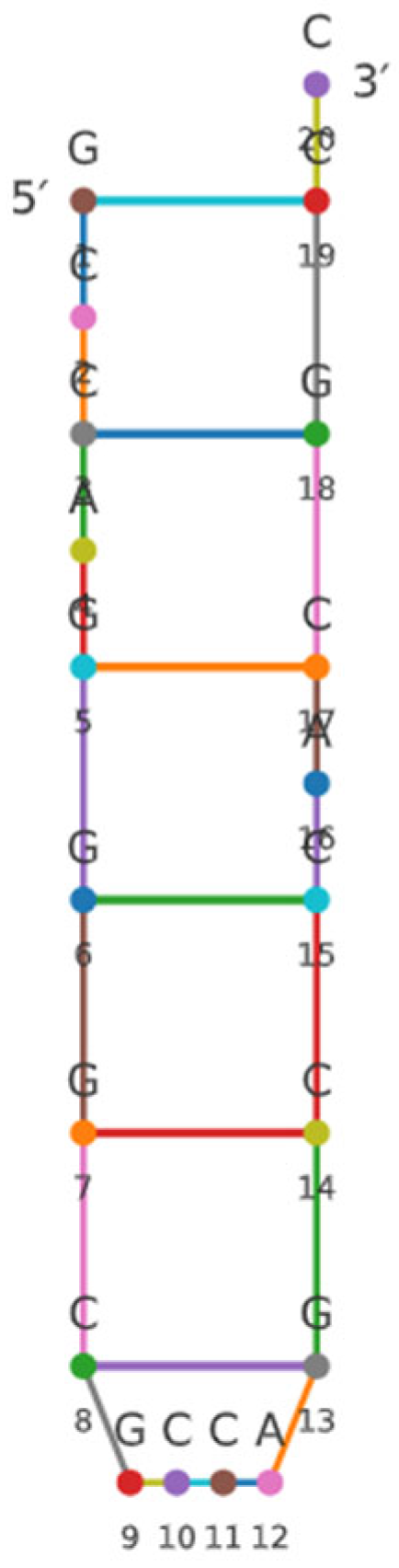
luxR mRNA, designated sRNA0024; its nucleotide sequence is presented in Results
Section 3.1. Using the sRNA0024 locus as reference, two primer pairs (UA-F/UA-R and DA-F/DA-R) were designed to amplify the upstream (330 bp) and downstream (656 bp) homologous arms for allelic exchange. The primer sequences were as follows: sRNA0024-up-F, 5′-TACGGAGCGGGTTGCGCGAG-3′; sRNA0024-up-R, 5′-GCGCTCCCGTCGCGCGGTGC-3′; sRNA0024-down-F, 5′-TGCTCACGCCGCAGGCTCTG-3′; and sRNA0024-down-R, 5′-CTGCAGGAAATCGTCCGGCC-3′. A two-step allelic exchange strategy was performed using the suicide plasmid pK18mobsacB [
46]. Genomic DNA of
P. plecoglossicida served as the PCR template, and the upstream and downstream homologous arms were amplified separately with primer pairs sRNA0024-up-F/R and sRNA0024-down-F/R, respectively. The PCR mixture (25 μL) contained 1.0 μL template DNA (105.2 μg/mL), 1.0 μL of each primer (10 μmol/L), 12.5 μL of 2× Pfu Master Mix (Beijing Lanbo Biotech Co., Ltd., Beijing, China), and nuclease-free water to a final volume of 25 μL. The PCR cycling conditions were as follows: initial denaturation at 94 °C for 3 min; 34 cycles of 94 °C for 30 s, 60 °C for 30 s, and 72 °C for 1 min; and a final extension at 72 °C for 5 min, yielding the expected upstream and downstream fragments of the sRNA0024 locus.
Subsequently, the upstream and downstream homologous arms were combined at a 1:1 molar ratio, and 1 μL of the mixture was used as the template for fusion PCR. The reaction was performed with primers sRNA0024-up-F and sRNA0024-down-R. The 50 μL PCR mixture contained 1 μL each of the upstream and downstream homologous arm fragments, 2.0 μL of each primer (10 μmol/L), 25 μL of 2× Pfu Master Mix (Beijing Lanbo Biotech Co., Ltd., Beijing, China), and nuclease-free water to a final volume of 50 μL. The amplification program consisted of an initial denaturation at 94 °C for 3 min, followed by 34 cycles of 94 °C for 30 s, 60 °C for 30 s, and 72 °C for 90 s, yielding the final fusion PCR product.
The pK18mobsacB vector was digested with restriction enzymes
EcoR I and
Xba I (Beijing Baori Yi Biotechnology Co., Ltd., Beijing, China) at 37 °C for 5 h to generate a linearized plasmid backbone. This step was part of a two-step allelic exchange procedure employing the suicide plasmid pK18mobsacB [
47]. The purified fusion PCR fragment was then ligated into the digested vector using a seamless cloning kit (NuoWeizhan Biotechnology Co., Ltd., Shanghai, China, catalog no. C112) at 16 °C for 12 h, yielding the recombinant plasmid construct.
The recombinant plasmid was introduced into competent P. plecoglossicida cells by electroporation at 2.4 kV with a pulse duration of 4.3 ms. The transformed cells were plated on LB agar containing kanamycin (50 μg/mL) and incubated at 28 °C for 16 h to obtain single colonies representing the primary homologous recombinants. These primary recombinants were subsequently streaked on LB agar supplemented with 10% (w/v) sucrose and incubated at 28 °C for 16 h to select single colonies corresponding to the secondary homologous recombinants.
PCR validation of the secondary homologous recombinants was performed by extracting total genomic DNA from selected colonies and amplifying it with verification primers sRNA0024-up-F and sRNA0024-down-R. The 10 μL PCR mixture contained 1.0 μL template DNA, 1.0 μL of each primer (10 μmol/L), 5 μL of 2× Pfu Master Mix (Beijing Lanbo Biotech Co., Ltd., Beijing, China), and nuclease-free water to a final volume of 10 μL. The amplification program consisted of an initial denaturation at 94 °C for 3 min, followed by 28 cycles of 94 °C for 30 s, 60 °C for 30 s, and 72 °C for 90 s. Sanger sequencing of the resulting amplicon spanning the deletion junction confirmed successful deletion of the sRNA0024 locus, and the verified mutant was designated ΔsRNA0024.
2.4. Construction of the sRNA0024-Complemented Strain in P. plecoglossicida
The complemented strain C-ΔsRNA0024 of
P. plecoglossicida was constructed with slight modifications to previously described methods [
48]. A 986 bp fragment encompassing the sRNA0024 locus was amplified from the genomic DNA of
P. plecoglossicida NZBD9 using primers C_sRNA0024-F and C_sRNA0024-R. Both the amplified fragment and the plasmid pCM130/tac were digested with
BsrGI and
NsiI (New England Biolabs, Ipswich, MA, USA) and subsequently ligated using T4 DNA ligase (Beijing Baori Yi Biotechnology Co., Ltd., Beijing, China). The ligation mixture was transformed into
Escherichia coli DH5α competent cells by heat shock, and transformants carrying the recombinant plasmid pCM130/tac-C-sRNA0024 were selected on LB agar containing tetracycline (10 μg/mL). The verified plasmid was then introduced into the ΔsRNA0024 mutant strain of
P. plecoglossicida by electroporation, and successful complementation was confirmed by PCR using primers sRNA0024-F and sRNA0024-R, as well as by testing for tetracycline resistance.
2.5. RT-qPCR Validation of the ΔsRNA0024 and C-ΔsRNA0024strains of P. plecoglossicida
Total RNA was extracted from P. plecoglossicida NZBD9, ΔsRNA0024, and C-ΔsRNA0024 strains using a bacterial RNA extraction kit (Beijing Quanshijin Biotechnology Co., Ltd., Beijing, China) according to the manufacturer’s instructions. First-strand cDNA was synthesized from total RNA using TransScript® All-in-One First-Strand cDNA Synthesis SuperMix (TransGen Biotech, Beijing, China). Quantitative real-time PCR (RT-qPCR) was performed with primers RT-sRNA0024-F and RT-sRNA0024-R. The NZBD9 wild-type strain was used as the calibrator, 16S rRNA served as the internal reference, and the relative expression level of sRNA0024 in ΔsRNA0024 and C-ΔsRNA0024 was calculated using the 2–ΔΔCt method. Each 20 μL reaction contained 10 μL of PerfectStart® Green qPCR SuperMix (TransGen Biotech, Beijing, China), 1 μL each of the forward and reverse primers (RT-sRNA0024-F/RT-sRNA0024-R or RT-16S-F/RT-16S-R), 2 μL of cDNA template, and 6 μL of RNase-free water. Thermal cycling conditions were as follows: 94 °C for 30 s, followed by 40 cycles of 94 °C for 5 s and 60 °C for 30 s.
2.6. Biological Characterization of P. plecoglossicida NZBD9, ΔsRNA0024, and C-ΔsRNA0024 Strains
2.6.1. Measurement of Bacterial Growth Curves
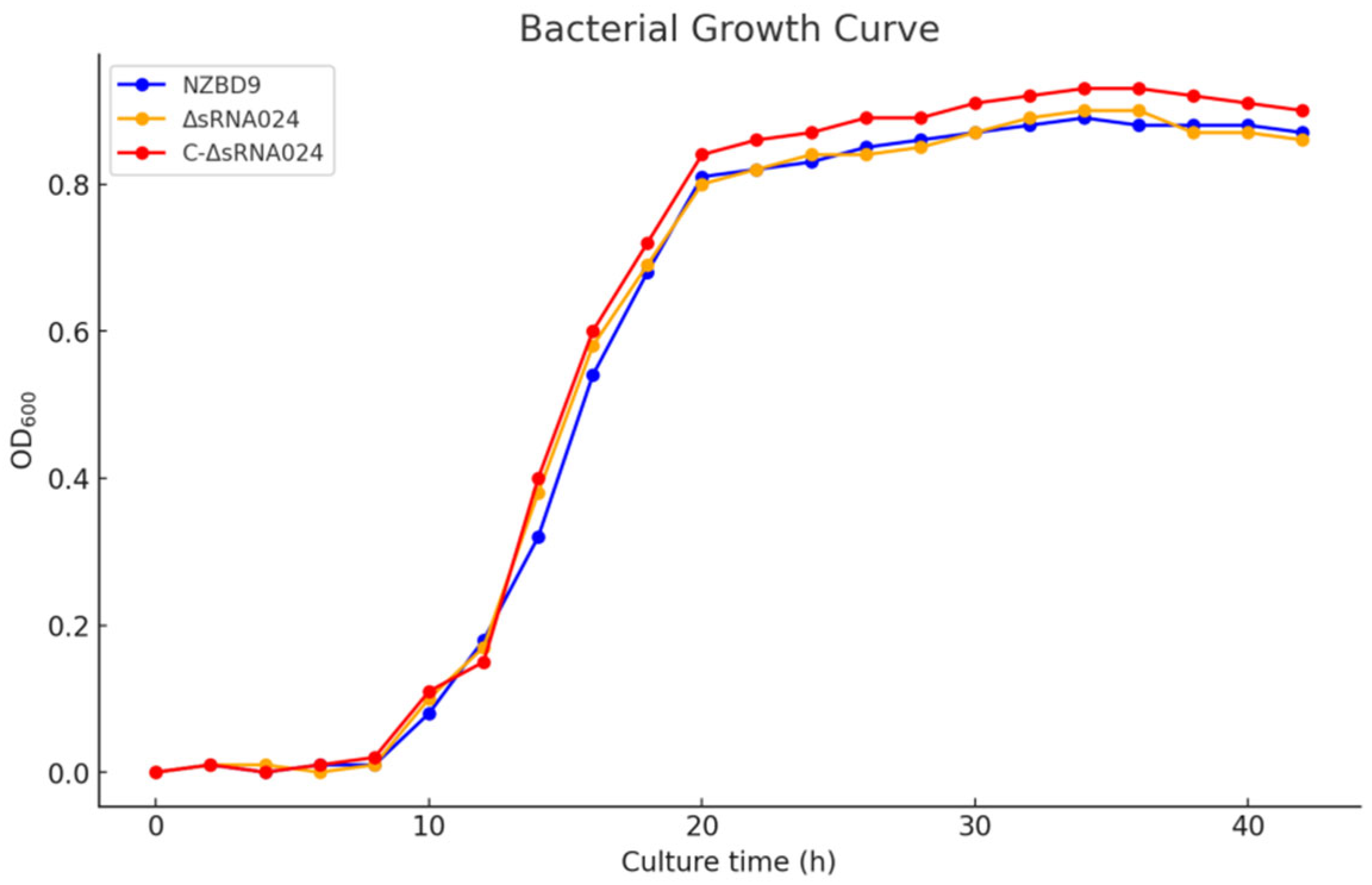
Single colonies of NZBD9, ΔsRNA0024, and C-ΔsRNA0024 were inoculated into LB broth and cultured overnight at 18 °C with shaking at 220 rpm until the optical density at 600 nm (OD600) reached approximately 0.5. The cultures were then adjusted with fresh LB medium to an initial OD600 of 0.20 ± 0.01 and further diluted 105-fold. After thorough mixing, 200 μL of each bacterial suspension was transferred into individual wells of a 96-well microtiter plate (eight technical replicates per strain), while 200 μL of sterile LB served as the blank control. The OD600 values were measured at 18 °C over a 48 h period using a multimode microplate reader, and bacterial growth curves were plotted accordingly. All experiments were performed in triplicate.
2.6.2. Assessment of Biofilm Formation
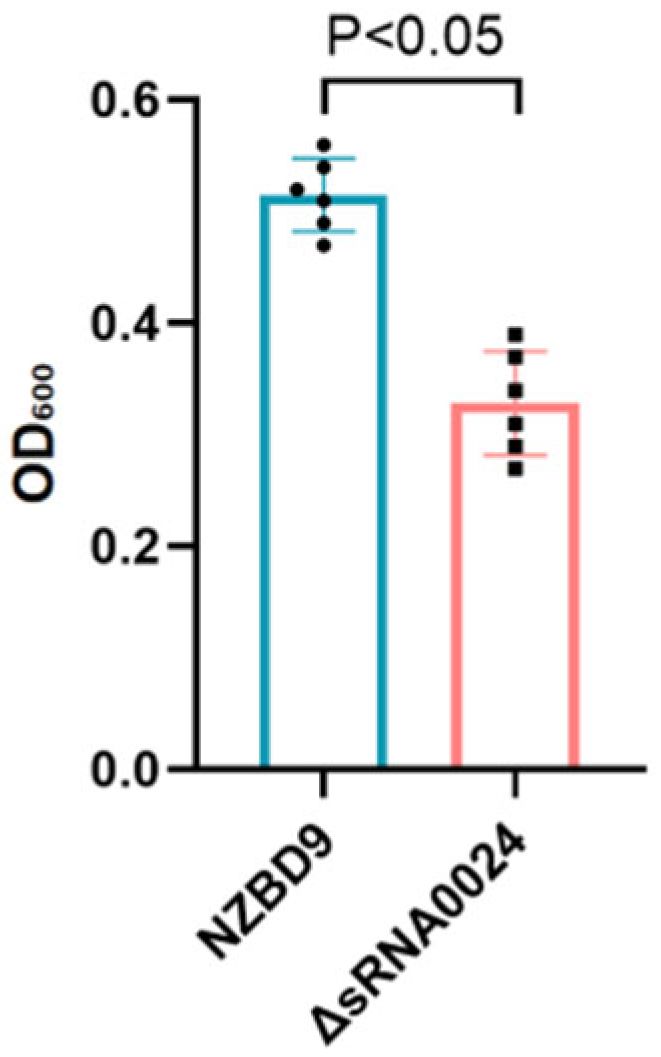
Biofilm formation was quantified using the microtiter plate crystal violet assay. Single colonies of NZBD9 and ΔsRNA0024 were inoculated into LB broth and cultured overnight at 18 °C with shaking at 220 rpm until reaching the mid-logarithmic phase (OD600 ≈ 0.5). The cultures were adjusted with fresh LB medium to an initial OD600 of 0.30 ± 0.01, thoroughly mixed, and dispensed into 96-well microtiter plates (100 μL per well; eight technical replicates per strain). LB medium (100 μL) served as the blank control. The plates were incubated statically at 18 °C for 24 h. The medium was then removed, and the wells were gently rinsed twice with sterile PBS (200 μL per wash) to remove planktonic cells, followed by drying at 60 °C. Biofilms were stained with 0.1% (w/v) crystal violet (100 μL per well) for 10 min, the excess dye was removed, and the wells were washed twice with 200 μL of sterile PBS and air-dried. The bound dye was solubilized with 200 μL of 33% (v/v) acetic acid, and absorbance was measured at 600 nm using a microplate reader to quantify biofilm biomass. All experiments were performed in triplicate.
2.6.3. In Vitro Adhesion Assay
- (1)
Preparation of mucus
Body-surface mucus from
E. coioides was gently scraped with glass slides. The collected mucus was kept overnight at 4 °C and then centrifuged at 4000×
g for 30 min at 4 °C. The supernatant was sequentially filter-sterilized through 0.45 μm and 0.22 μm membranes [
49] and stored at −80 °C until use.
- (2)
Adhesion assay
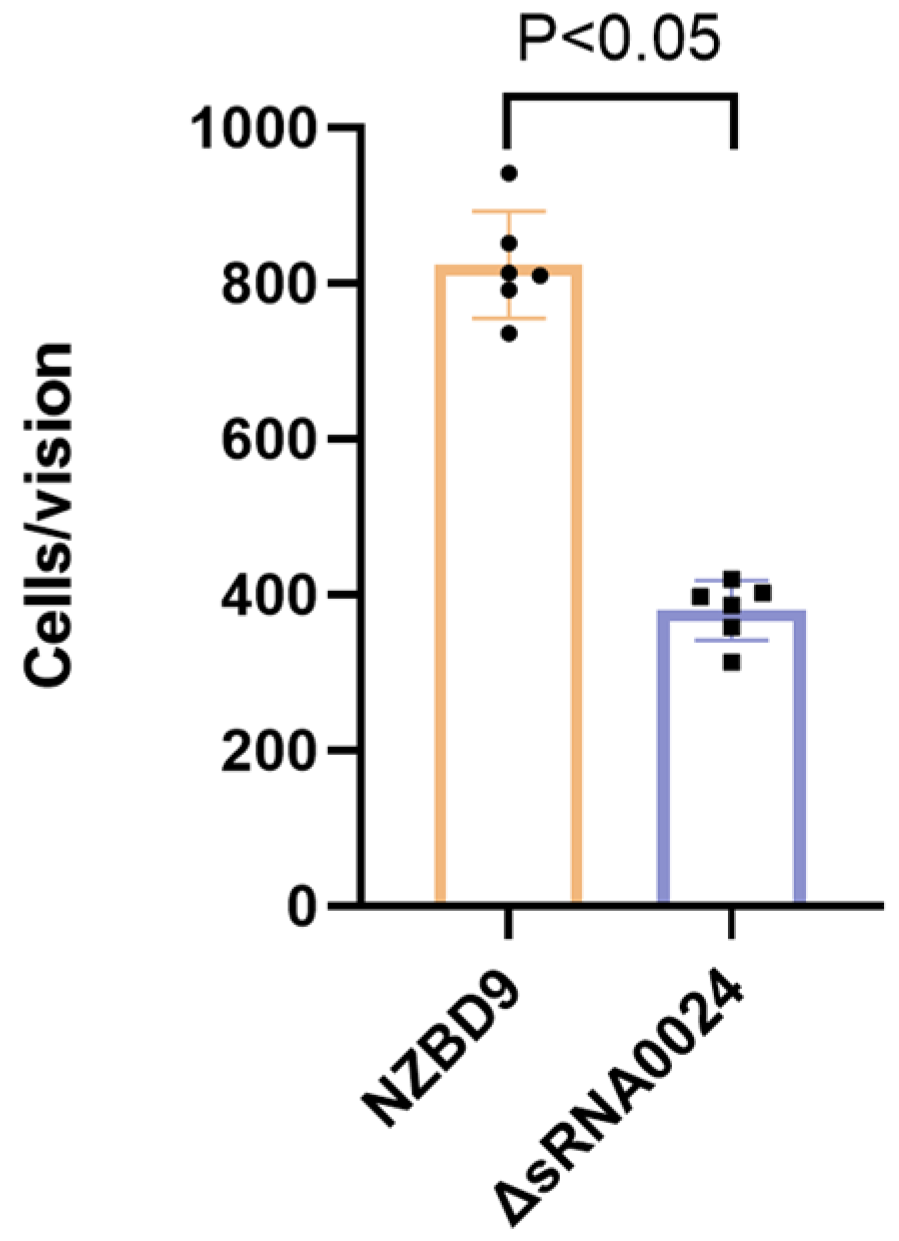
Mucus (20 μL) was evenly spread on glass slides (25 mm × 75 mm) and air-dried overnight. The surface was then fixed with 4% methanol (200 μL) for 30 min. Overnight cultures of NZBD9 and ΔsRNA0024 were adjusted to an OD600 of approximately 0.3. After methanol evaporation, 200 μL of each bacterial suspension was applied to the slides and incubated statically at 18 °C for 2 h. The slides were gently rinsed with sterile PBS to remove nonadherent cells and fixed again with 4% methanol (200 μL). Following methanol evaporation, the attached bacteria were stained with 0.1% (w/v) crystal violet for 3 min, rinsed with sterile PBS to remove excess dye, and air-dried at room temperature. Adherent cells were observed under a light microscope, and 30 random fields were imaged and counted per slide. Three independent biological replicates were performed for each strain, and the entire experiment was repeated three times.
2.7. RNA-Seq Analysis of P. plecoglossicida NZBD9 and ΔsRNA0024 Strains
2.7.1. Preparation of Transcriptome Samples
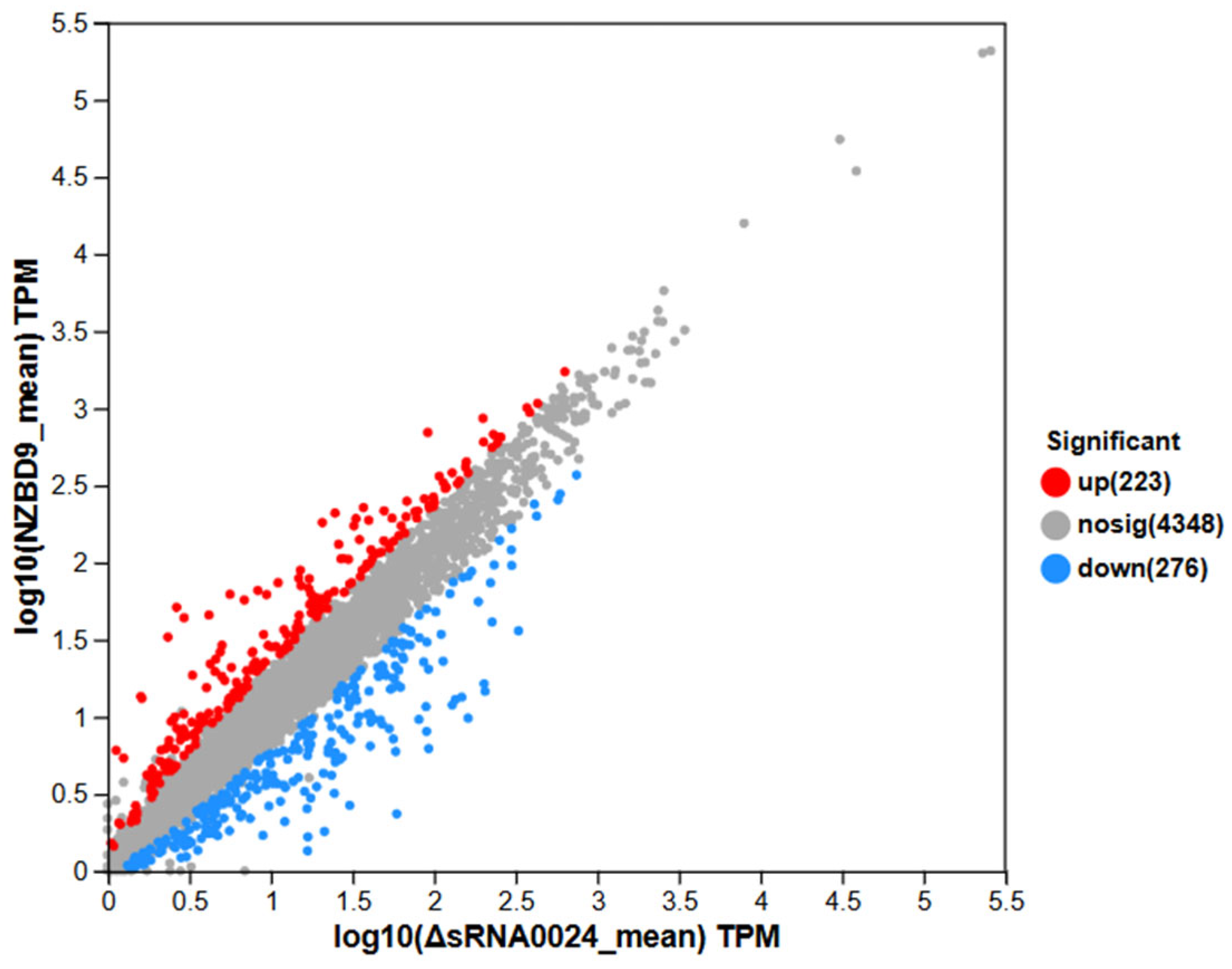
Cells of P. plecoglossicida NZBD9 and ΔsRNA0024 cultured for 24 h on LB plates containing 0.5% agar were harvested by centrifugation at 4000× g for 10 min at 4 °C for transcriptomic analysis. Three independent biological replicates were prepared for each strain. The collected bacterial pellets were sent to Shanghai Majorbio Bio-Pharm Technology Co., Ltd. (Shanghai, China) for RNA sequencing (RNA-seq).
2.7.2. Read Alignment to the Reference Genome
Clean reads were aligned to the
P. plecoglossicida reference genome (NCBI assembly accession no. GCF_003391255.1) using the read alignment software Bowtie2 (version 2.5.1;
http://bowtie-bio.sourceforge.net/index.shtml (15 June 2025)), which applies the Burrows–Wheeler transform (BWT) algorithm. The resulting mapped reads were retained for downstream analyses.
2.7.3. Gene Expression Quantification and Differential Expression Analysis
Gene expression levels were quantified using RSEM and expressed as TPM (transcripts per million, normalized counts per one million mapped reads). Differential expression analysis between groups was performed with DESeq2, and genes with Benjamini–Hochberg-adjusted p values (Padj) < 0.05 and|log2(fold change)| ≥ 1 were considered significantly differentially expressed.
2.7.4. GO and KEGG Enrichment Analyses of Differentially Expressed Genes
Functional enrichment analysis of differentially expressed genes (DEGs) between comparison groups was conducted using GOATOOLS (version 1.5.2;
https://github.com/tanghaibao/goatools (accessed 15 June 2025)) for Gene Ontology (GO) enrichment and KOBAS (version 3.0;
http://bioinfo.org/kobas; (accessed on 15 June 2025)) for KEGG pathway enrichment. Fisher’s exact test was employed to evaluate statistical significance, and GO terms or KEGG pathways with Benjamini–Hochberg-adjusted
p values (Padj) < 0.05 were considered significantly enriched.
2.7.5. RT-qPCR Validation of RNA-Seq Data
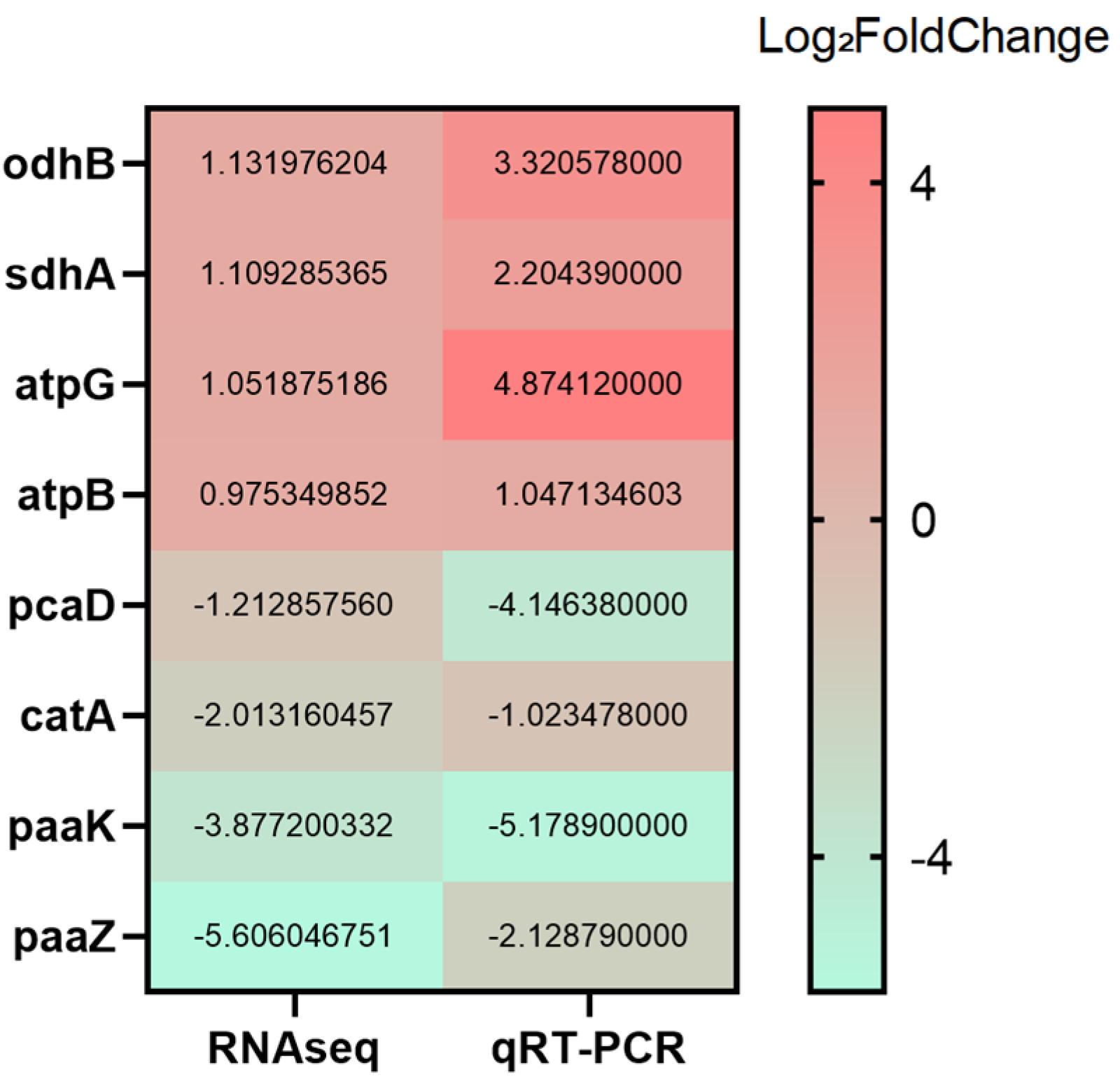
To validate the RNA-seq results, total RNA was extracted from the NZBD9 wild-type and ΔsRNA0024 mutant strains and reverse-transcribed into cDNA. Using the synthesized cDNA as template, RT-qPCR was performed to quantify the transcript levels of the differentially expressed genes
atpG,
atpB,
catA,
pcaD,
sdhA,
odhB,
paaZ, and
paaK (full gene names are listed in
Supplementary Table S1). The 16S rRNA gene was used as the internal reference, and relative transcript levels were calculated using the 2
−ΔΔCt method. Gene-specific primers were designed for RT-qPCR, and their sequences are listed in
Supplementary Table S1.
2.8. Experimental Infection of E. coioides
2.8.1. Preparation of Bacterial Suspensions
Freshly cultured P. plecoglossicida wild-type (NZBD9) and ΔsRNA0024 strains were grown in broth medium as described above to the exponential growth phase. Bacterial cells were then adjusted spectrophotometrically to an optical density at 600 nm (OD600) corresponding to approximately 1 × 10⁸ CFU/mL. The cultures were subsequently serially diluted in sterile phosphate-buffered saline (PBS, pH 7.4) to obtain the desired final concentration of 2.5 × 10⁵ CFU/mL for intraperitoneal injection. Because achieving this inoculum required a large dilution factor, the final suspensions contained only a minimal proportion of spent culture medium. The actual bacterial concentrations in the inocula were verified by spread plating on agar plates and counting colony-forming units (CFU) after incubation. The bacterial suspensions were maintained on ice and used within 2 h.
2.8.2. Survival Analysis
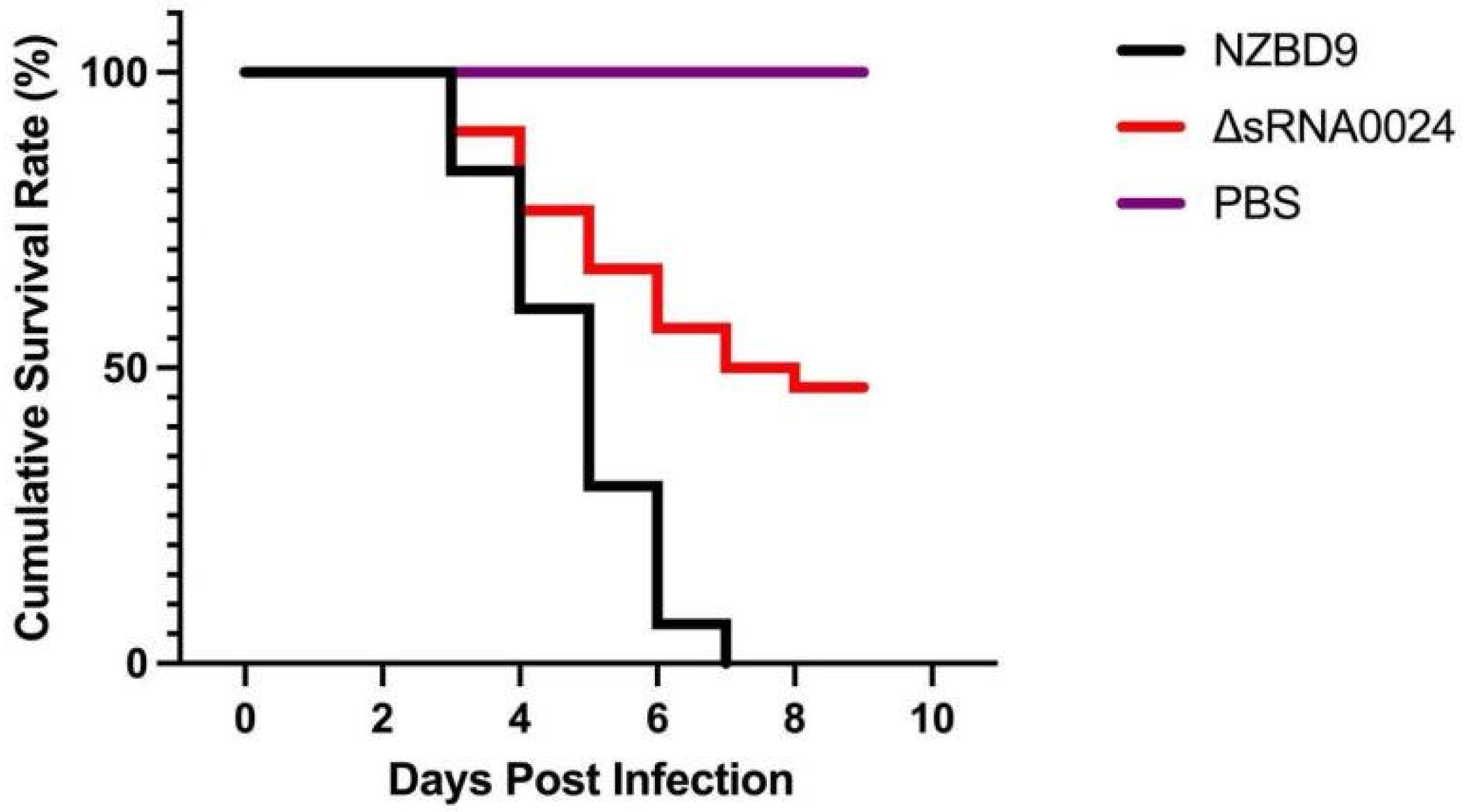
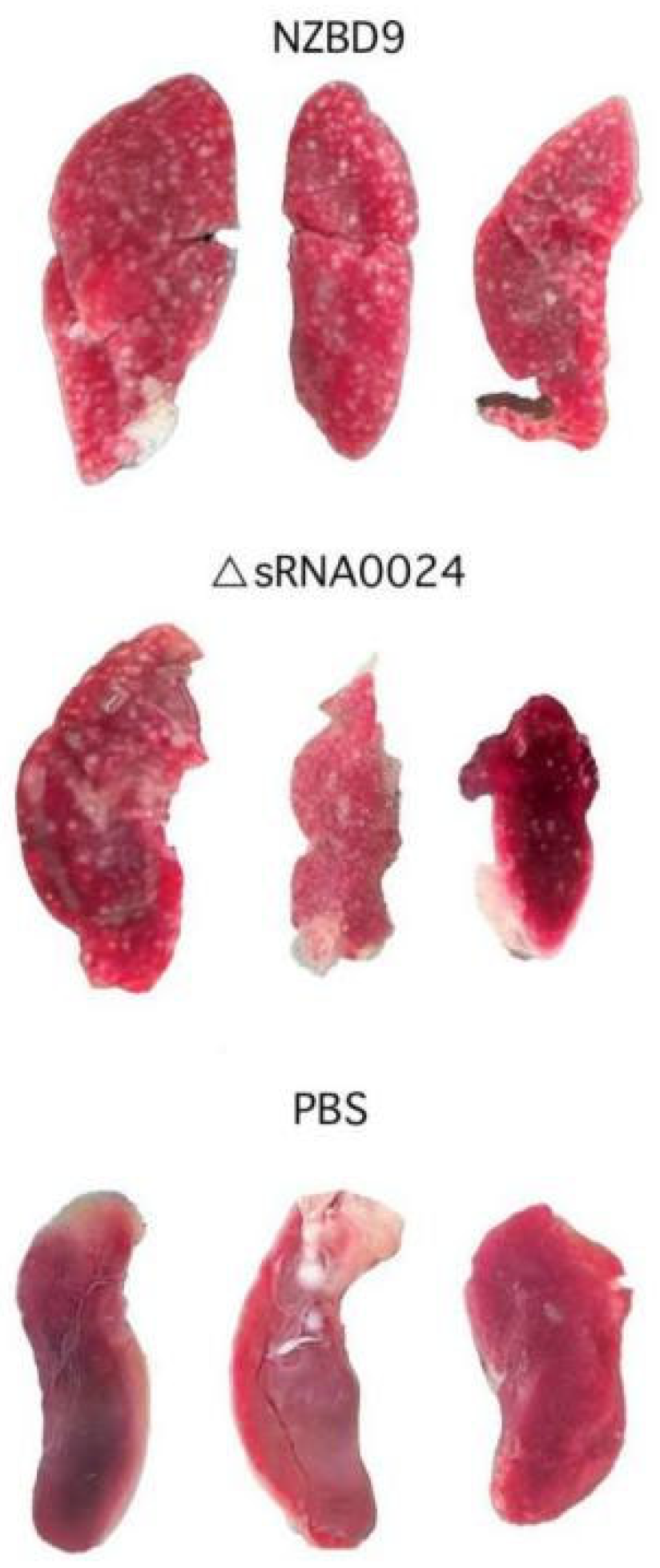
Ninety E. coioides individuals were randomly divided into three groups (n = 30 per group): NZBD9 infection, ΔsRNA0024 infection, and PBS-injected control. Fish in the infection groups were intraperitoneally injected with 0.2 mL of bacterial suspension containing 5 × 10⁴ CFU per fish, while control fish received 0.2 mL of sterile PBS. Mortality was recorded daily for 10 days post-challenge, and necropsies were conducted to examine spleens for infection-associated gross lesions.
2.8.3. Determination of the Median Lethal Dose (LD50)
Fish were randomly divided into 16 groups (10 individuals per group) and intraperitoneally injected with 200 μL of the corresponding bacterial suspension, while PBS was used as the blank control. To determine the median lethal dose (LD50) of P. plecoglossicida NZBD9 and ΔsRNA0024 in E. coioides, bacterial suspensions were prepared as 10-fold serial dilutions and administered at five concentrations ranging from 5.0 × 10⁶ to 5.0 × 10² CFU per fish. Mortality was recorded daily for 10 days post-infection (dpi), and the LD50 value at 10 dpi was calculated using SPSS version 22.0 (SPSS Inc., Chicago, IL, USA).
2.8.4. Sample Collection
A cohort of 270
E. coioides from the same batch was randomly divided into three groups: NZBD9 infection, ΔsRNA0024 infection, and PBS-injected control, following the infection procedures described in
Section 2.8.2. At 4 days post-infection (dpi), spleen tissues were collected for histopathological examination, RNA-seq analysis, and gene expression assays. This time point was chosen based on preliminary challenge trials and survival kinetics, which indicated that 4 dpi corresponds to an early acute phase in which typical clinical signs and splenic lesions are evident in NZBD9-infected fish, while most individuals remain alive, allowing robust comparisons between infection groups. The spleen was selected for detailed histopathological and transcriptomic analyses because it is the primary target organ in visceral white spot disease and a central immune organ in teleost fish that orchestrates systemic innate and adaptive immune responses. Samples for histopathology were fixed in tissue fixative, whereas the remaining spleen samples were snap-frozen in liquid nitrogen and stored at −80 °C until use. Three biological replicates were prepared for each group.
2.8.5. Histopathology
Spleen tissues were fixed in 4% paraformaldehyde (PFA) for at least 24 h at room temperature and then rinsed three times with 70% ethanol. Samples were dehydrated through a graded ethanol series (70%, 85%, and 95%; 20 min each), followed by two changes of 100% ethanol (10 min each). The tissues were transferred to a 1:1 mixture of absolute ethanol and xylene for 10 min and subsequently cleared in xylene (two changes, approximately 5 min each; durations adjusted as needed). Paraffin infiltration was performed at 65 °C for at least 1 h, and tissues were then embedded in paraffin wax. Serial sections (7 μm thick) were floated on prewarmed ultrapure water (45 °C) to flatten, mounted on glass slides, and dried overnight at 45 °C. Sections were dewaxed in xylene (two changes, 10 min each) and rehydrated through a graded ethanol series (100% to 70%; 2 min each). Hematoxylin–eosin (H&E) staining was performed according to the manufacturer’s instructions, with staining times adjusted based on tissue characteristics. After staining, slides were dehydrated through 70–100% ethanol, cleared in xylene, and mounted with a neutral resin sealing medium. Histopathological alterations were examined and imaged under a light microscope.
2.8.6. RNA-Seq Analysis of Spleen Samples
Preparation of Spleen Transcriptome Samples
For the RNA-seq experiment, all orange-spotted grouper (Epinephelus coioides) were obtained from the same commercial hatchery batch and maintained in a single recirculating seawater system under identical environmental conditions during acclimation and throughout the infection trial. Prior to infection, fish were randomly allocated to the PBS control, NZBD9, and ΔsRNA0024 groups by drawing individuals at random from the holding tank and distributing them into the corresponding tanks at equal stocking densities. For host transcriptome analysis, three biological replicates per group were used, with each replicate consisting of spleen tissue from a single fish. At 4 dpi, fish for sampling were randomly selected from each group, and dissections were performed in a randomized order to reduce handling bias. Total RNA extraction and library preparation for all samples were carried out in a single batch by the same operator, using the same lot of reagents and the same protocol, and all libraries were sequenced together on the same platform and run to minimize technical batch effects. The spleen samples were submitted to Shanghai Majorbio Bio-Pharm Technology Co., Ltd. (Shanghai, China) for transcriptome sequencing.
Expression Quantification and Differential Expression Analysis
Gene- and transcript-level abundances were estimated using RSEM and expressed as transcripts per million (TPM). Differential expression analysis between groups was performed with DESeq2 based on the raw count matrices. Genes meeting both criteria—a Benjamini–Hochberg false discovery rate (FDR) < 0.05 and an absolute log2(fold change) ≥ 1—were defined as significantly differentially expressed.
GO and KEGG Enrichment Analyses
Gene Ontology (GO) enrichment analysis was performed using GOATOOLS with Fisher’s exact test. p-values were adjusted for multiple comparisons using the Benjamini–Hochberg (BH) method, and GO terms with adjusted p (Padj) ≤ 0.05 were considered significantly enriched. Kyoto Encyclopedia of Genes and Genomes (KEGG) pathway enrichment analysis was conducted using KOBAS, also employing Fisher’s exact test followed by BH correction. Pathways with Padj ≤ 0.05 were regarded as significantly enriched among the differentially expressed genes (DEGs).
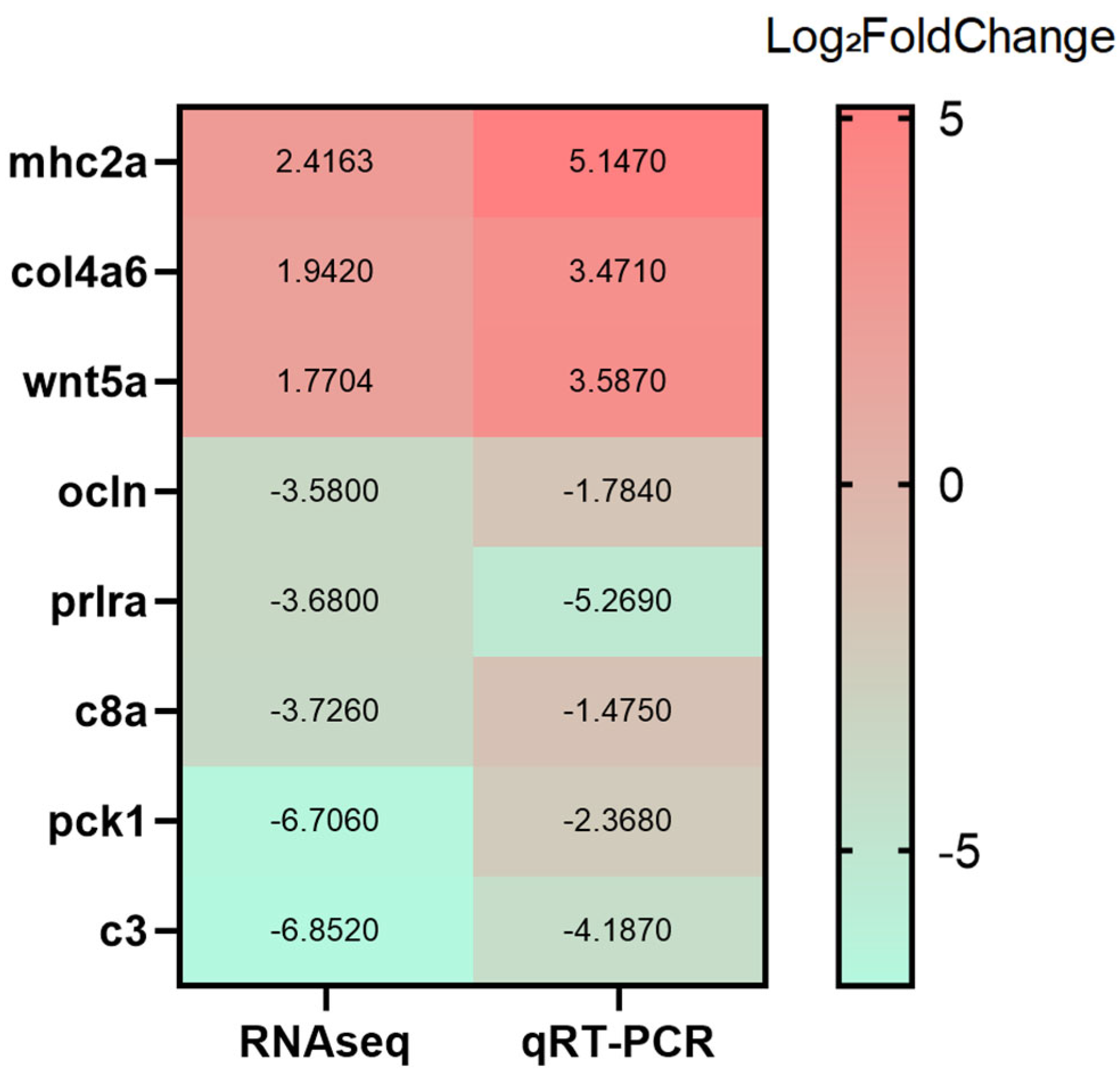
RT-qPCR Validation
Expression levels of spleen genes
c3,
pck1,
wnt5a,
c8a,
prlra,
col4a6,
ocln, and
mhc2a (full gene names are listed in
Supplementary Table S1) in
E. coioides were quantified by RT-qPCR. Total RNA was extracted from fish infected with the NZBD9 wild-type or ΔsRNA0024 mutant strain and reverse-transcribed into cDNA. The β-actin gene was used as the internal reference, and relative expression levels were calculated using the 2
−ΔΔCt method. Primer sequences used in this study are listed in
Supplementary Table S1.
2.9. Statistical Analysis and Data Deposition
Experimental data are presented as the mean ± standard deviation (SD). Data normality was evaluated using the Shapiro–Wilk test. One-way analysis of variance (ANOVA) was conducted in GraphPad Prism version 8.0 (GraphPad Software, San Diego, CA, USA), followed by Tukey’s post hoc multiple-comparisons test. Differences were considered statistically significant at p < 0.05.
The raw RNA-seq reads for P. plecoglossicida NZBD9 and ΔsRNA0024 have been deposited in the NCBI Sequence Read Archive (SRA) under BioProject accession number PRJNA1128240. The spleen RNA-seq data from E. coioides infected with NZBD9 or ΔsRNA0024 have been deposited in the NCBI SRA under BioProject accession number PRJNA1161588.
4. Discussion
In recent years, the roles of small RNAs (sRNAs) in bacterial gene regulation and virulence have garnered considerable attention [
50,
51,
52,
53]. To elucidate upstream regulation of
luxR in
P. plecoglossicida, we used in silico prediction to identify a candidate sRNA targeting
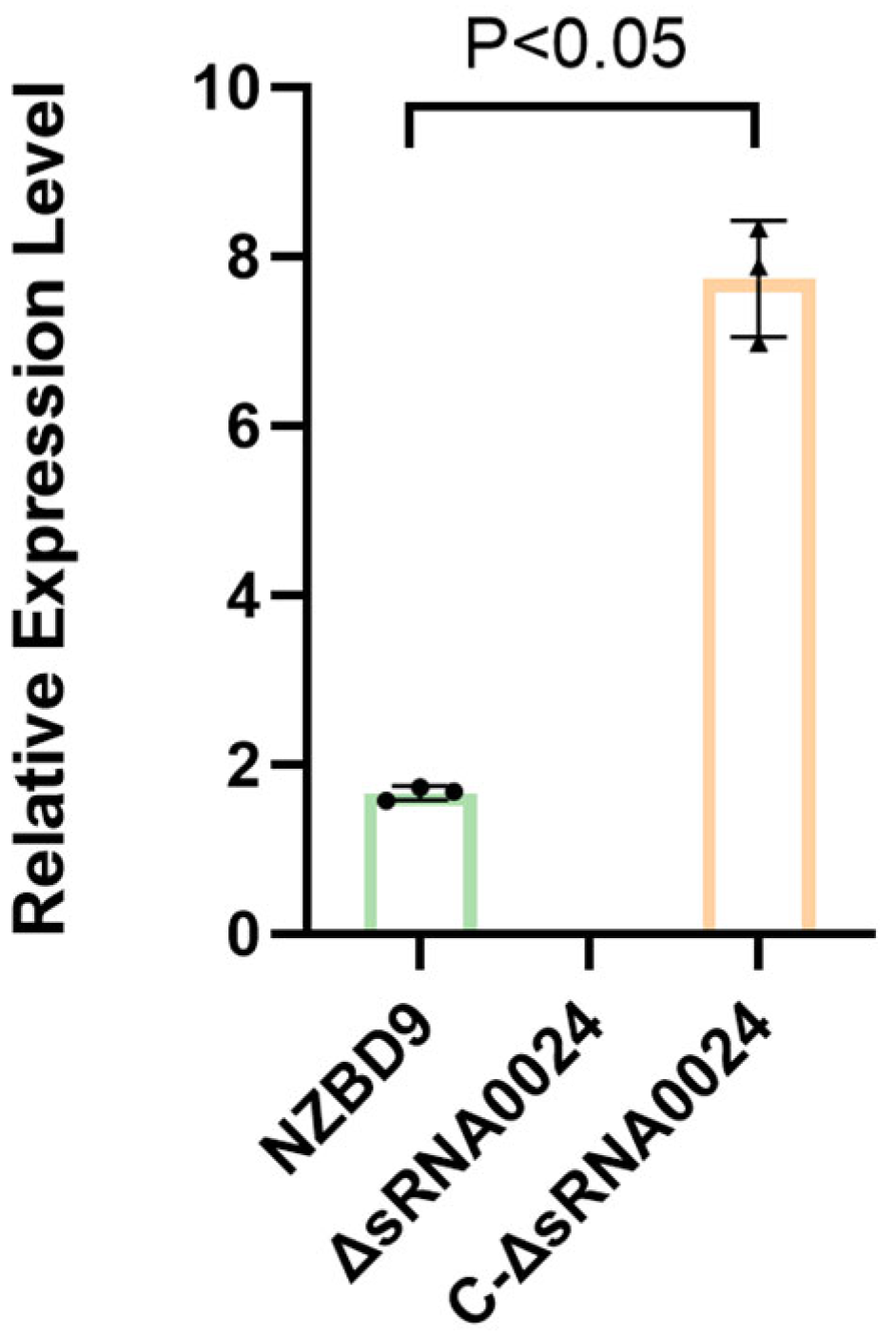
luxR mRNA, designated sRNA0024. A deletion mutant (ΔsRNA0024) was constructed by double-crossover homologous recombination, and a complemented strain (C-ΔsRNA0024) was generated in the same background. Using cDNA from NZBD9, ΔsRNA0024, and C-ΔsRNA0024 as templates, we assayed sRNA0024 transcripts by RT-qPCR: specific amplification was detected in NZBD9 and C-ΔsRNA0024 but absent in ΔsRNA0024, confirming successful deletion and complementation. A limitation of this study is that we did not experimentally demonstrate a direct base-pairing interaction between sRNA0024 and
luxR mRNA; at present, this proposed interaction is inferred only from base-pairing prediction and transcriptomic data, and future studies will employ reporter assays and mutational analyses of the predicted binding site to validate this mechanism.
Growth-curve analysis showed no significant difference in in vitro proliferation between the ΔsRNA0024 mutant and the wild-type NZBD9, whereas biofilm formation and adhesion were both reduced in ΔsRNA0024 relative to the wild type. These phenotypes support a model in which the sRNA0024–
luxR module maintains the steady-state level of
luxR mRNA post-transcriptionally—likely via effects on stability and/or translation—thereby influencing LuxR abundance and the LuxR-dependent outputs of biofilm formation, secretion, and virulence. On this basis, the sRNA0024 node may represent an upstream component of the LuxR-family regulatory network and a potential integration point for QS-like signaling. This inference is consistent with observations in
P. plecoglossicida NB2011, where deletion of the LuxR-solo homolog PplR reduces biofilm formation, providing within-species corroboration [
15]. Taken together, our results indicate that loss of sRNA0024, while not altering growth in vitro, down-modulates QS-linked outputs by post-transcriptionally affecting
luxR/LuxR, in line with the view that QS preferentially governs “costly/public-goods” traits and consistent with the observed attenuation in vivo [
54].
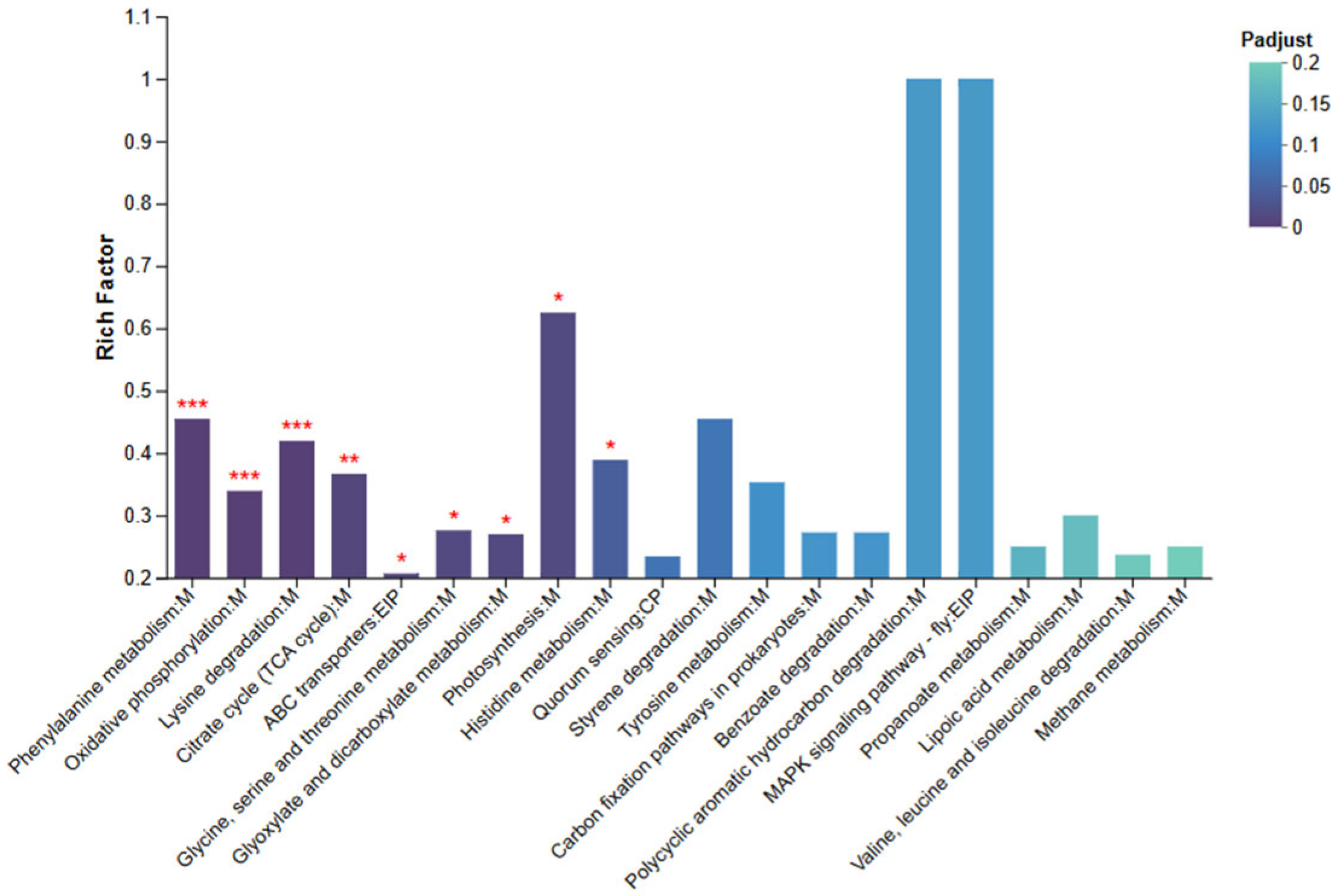
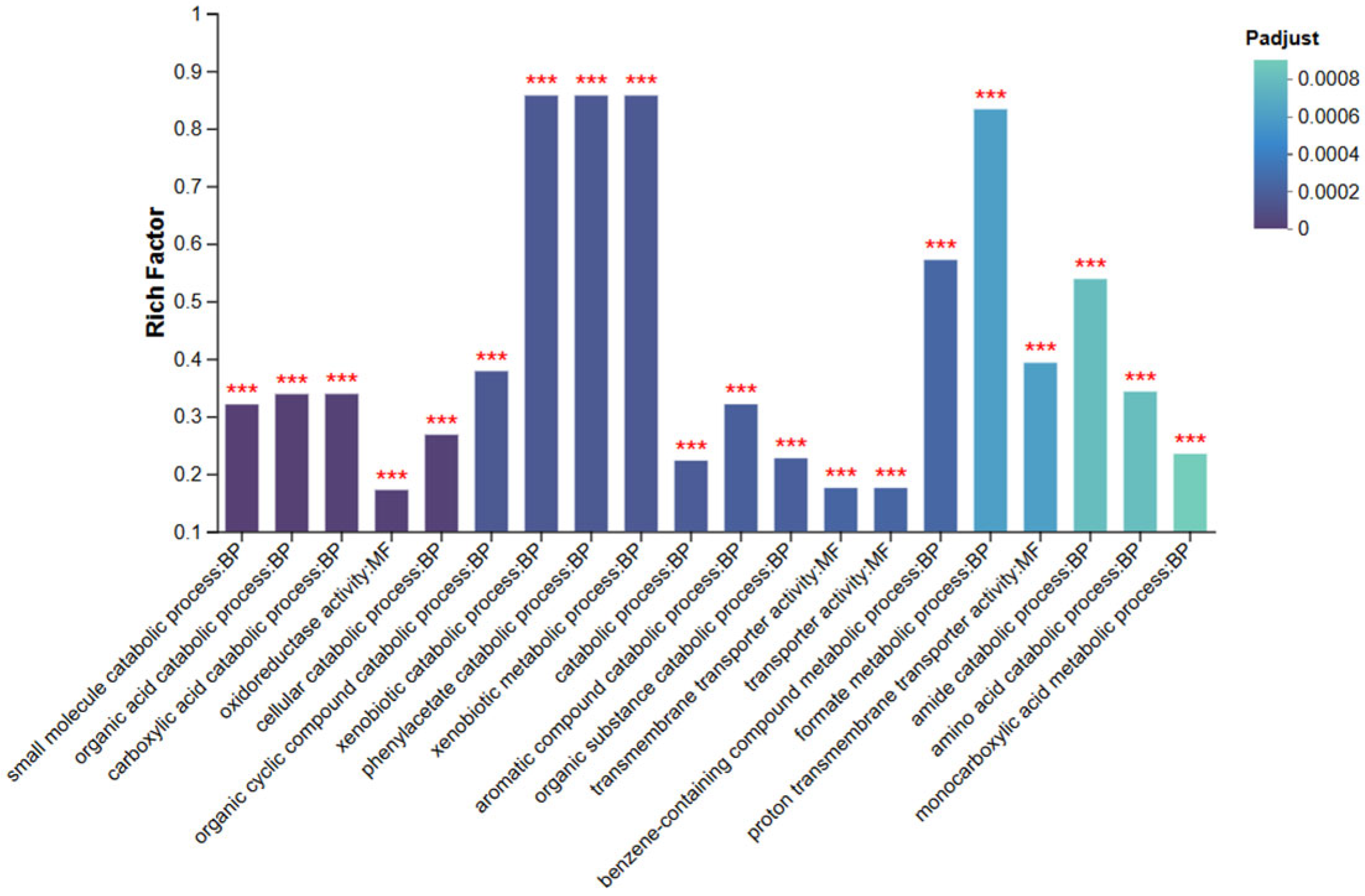
Comparative transcriptomics between the NZBD9 wild type and the ΔsRNA0024 mutant revealed DEGs significantly enriched in the tricarboxylic acid (TCA) cycle, oxidative phosphorylation, and amino-acid/aromatic-compound metabolism, alongside enrichment of ABC transporters. This pattern, consistent with the observed repression of
luxR in the knockout, supports a model in which the sRNA0024–
luxR module maintains the steady-state level of
luxR mRNA and/or promotes its translation, thereby sustaining LuxR abundance and coordinately tuning a “metabolism–membrane transport–virulence” network; accordingly, adhesion and biofilm-related phenotypes are attenuated downstream. Our results therefore support a positive role of sRNA0024 in maintaining
luxR to ensure QS output. Notably, this contrasts with the canonical negative regulation of
luxR/
hapR by Qrr sRNAs in
Vibrio (although Qrr3 can positively activate
aphA) [
55,
56,
57], suggesting a species-specific sRNA–LuxR regulatory scheme in
P. plecoglossicida.
Artificial infection assays showed that the LD50 of the ΔsRNA0024 mutant was ~3.83-fold higher than that of the wild type, and at an equivalent inoculum the 10-dpi survival rate was 46% (versus 0% for NZBD9), with markedly slower mortality kinetics in the mutant group. Together with the in vitro phenotypes and transcriptomic enrichments (remodeling of the TCA cycle, oxidative phosphorylation, and ABC transporters), these data indicate that sRNA0024 maintains the steady-state luxR transcript to sustain quorum-sensing–dependent virulence outputs such as adhesion and biofilm formation. Loss of sRNA0024 reallocates energy metabolism and transmembrane transport, resulting in a pronounced attenuation of in vivo virulence.
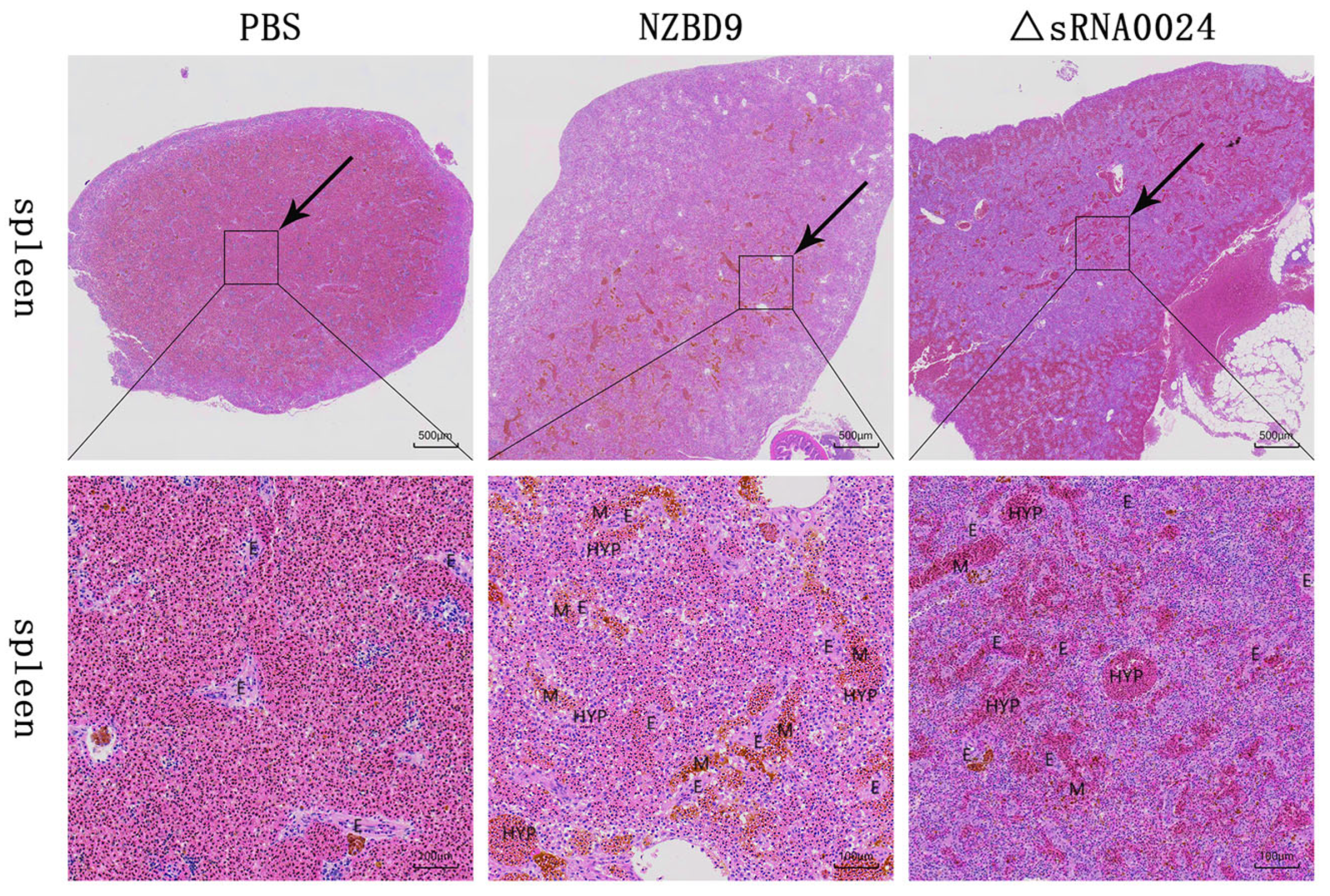
Histopathological examination of spleens from hosts infected with the wild type versus the ΔsRNA0024 mutant demonstrated markedly attenuated in vivo virulence of ΔsRNA0024, with reduced tissue injury. These findings further support a model in which sRNA0024 maintains the luxR transcript and quorum-sensing (QS) activity to sustain multifactorial virulence traits (adhesion, biofilm). Upon sRNA0024 deletion, virulence is significantly diminished and host histologic damage is mitigated—characterized by less necrosis and pronounced hyperemia.
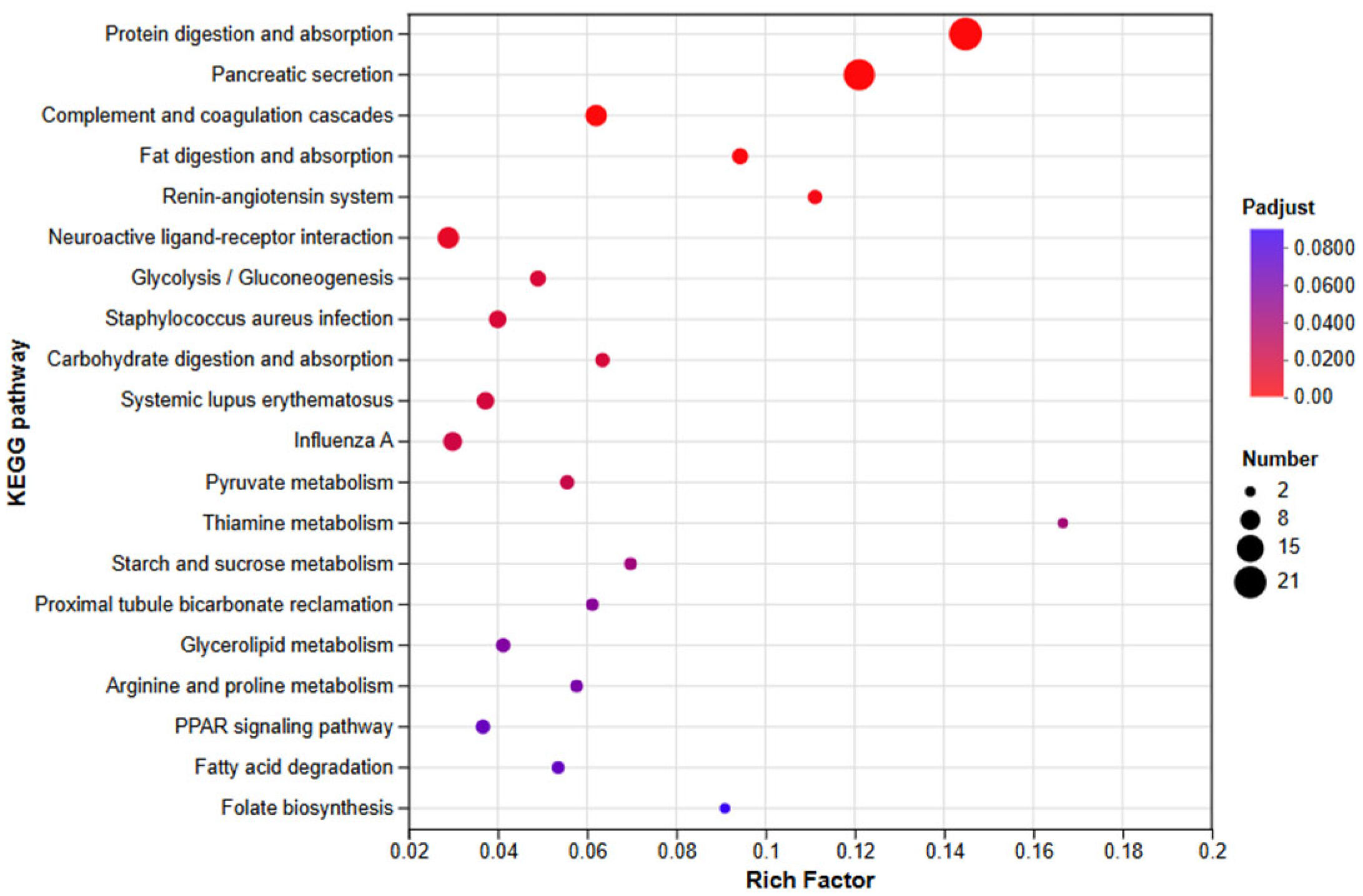
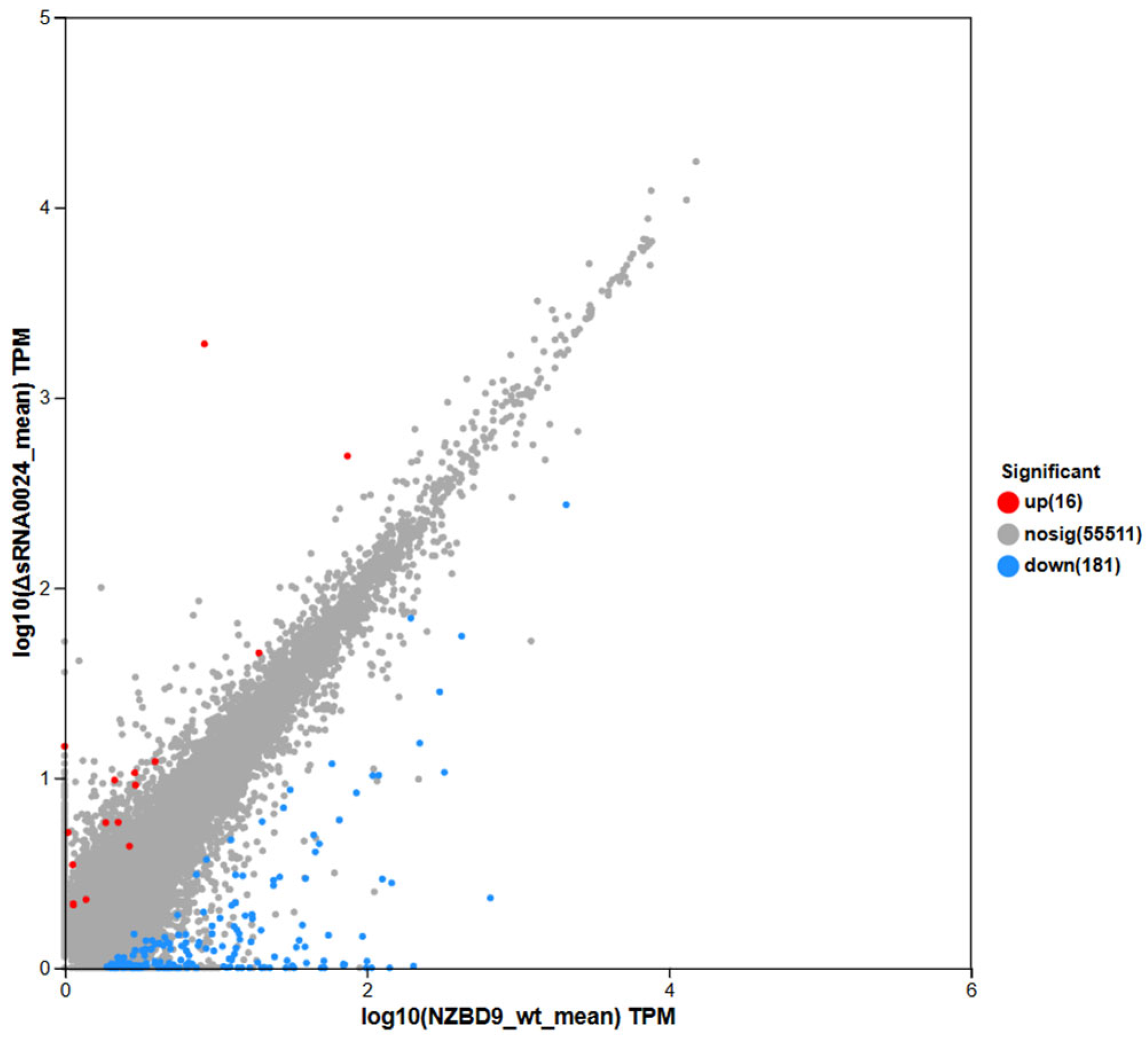
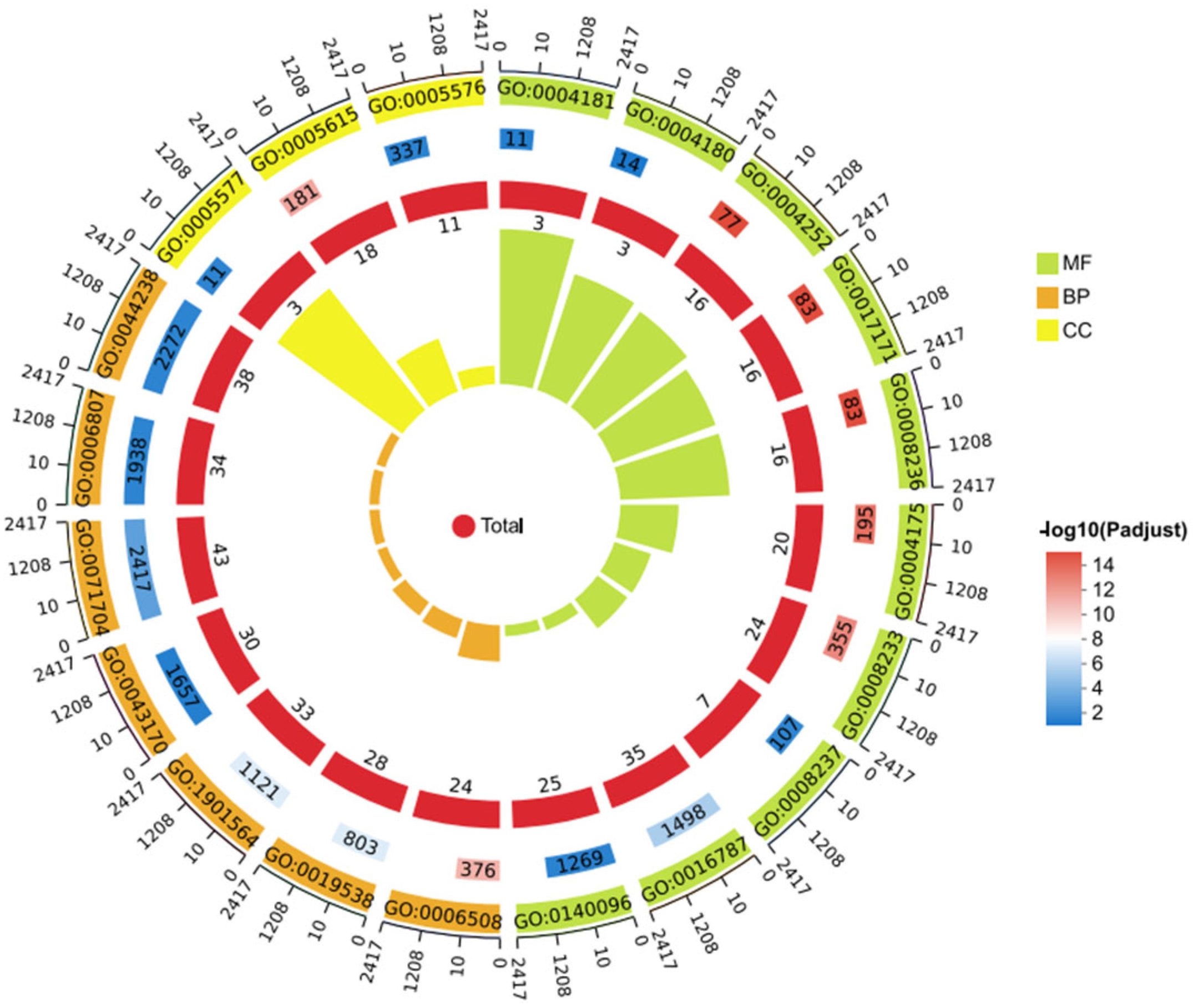
Comparative spleen transcriptomes from hosts infected with the wild type versus the ΔsRNA0024 mutant yielded 197 DEGs (16 upregulated, 181 downregulated). GO enrichment highlighted terms related to extracellular proteolysis and peptidase activity, the fibrinogen complex, and the extracellular region. KEGG analysis further indicated significant enrichment of innate-immunity and hemostasis pathways—complement and coagulation cascades, platelet activation, neutrophil extracellular trap (NET) formation, leukocyte transendothelial migration, and the chemokine signaling pathway—as well as adaptive-immunity pathways including antigen processing and presentation and Th1/Th2/Th17 cell differentiation. Multiple inflammation–metabolism signaling axes (PI3K–Akt, mTOR, JAK–STAT, HIF-1, AMPK) were also enriched. Given the predominance of downregulated DEGs, these data indicate that, relative to wild-type infection, ΔsRNA0024 elicits a generally blunted host immune–inflammatory and complement–coagulation amplification response, with a downward shift in the inflammatory–metabolic signaling set point. This aligns with histology (less necrotizing damage and pronounced hyperemia) and in vivo attenuation (higher LD50, improved survival). Mechanistically, the pattern is consistent with reduced luxR transcript and QS activity upon loss of sRNA0024, leading to diminished virulence-effector output and weaker inflammatory triggers.
Host transcriptomic and histopathological evidence indicates that infection with the ΔsRNA0024 mutant suppresses amplification of the coagulation–complement and protease networks, dampens neutrophil recruitment and neutrophil extracellular trap (NET) formation, and lowers the burden on inflammation–metabolism signaling axes (PI3K–Akt, JAK–STAT, HIF-1/mTOR, AMPK), accompanied by contraction of ECM/adhesion and cytokine–receptor interaction modules. Overall, the response shifts from the broad hyperactivation observed with the wild type to a lower-amplitude immune reaction with mitigated tissue damage. This causal chain—QS attenuation → reduced colonization/secretion/extracellular enzyme output → avoidance of overactivation of immune cascades—is consistent with the concept of quorum sensing as a virulence amplifier [
58,
59].
Most bacterial sRNAs regulate target-gene expression by masking or exposing the ribosome-binding site (RBS), altering 5′-UTR secondary structure, or recruiting/occluding ribonucleases [
60,
61]. In our study, the
luxR transcript was downregulated in the ΔsRNA0024 mutant and restored by complementation, supporting a model in which sRNA0024 positively regulates
luxR post-transcriptionally—potentially via Hfq-mediated base pairing that stabilizes
luxR mRNA and/or enhances its translation [
62]. Accordingly, the sRNA0024–
luxR module constitutes an upstream node in quorum-sensing (QS) control. By maintaining high
luxR transcript levels, sRNA0024 sustains QS-dependent virulence traits, including adhesion, biofilm formation, and chemotaxis. Deletion of sRNA0024 triggers broad rewiring of metabolism and transmembrane transport, mitigates host tissue injury (less necrosis and pronounced hyperemia), and results in attenuated virulence in vivo, as evidenced by an increased LD
50 and improved host survival.
From a prevention and ecological-application standpoint, Pseudomonas plecoglossicida can trigger outbreaks of visceral white spot disease in large yellow croaker (Larimichthys crocea), indicating a high outbreak risk within the environment–host–pathogen triad. Our data suggest that the sRNA0024–luxR axis may function as an upstream regulatory node that couples metabolism, quorum sensing (QS), and virulence—on the one hand promoting in vivo colonization and tissue injury, and on the other providing an actionable anti-virulence target. In practical terms, this axis could be exploited by developing sequence-specific antisense oligonucleotides or RNA mimics that interfere with sRNA0024 or its interaction with luxR mRNA, or by screening small molecules that destabilize sRNA0024 or inhibit luxR activity, thereby dampening QS-associated virulence without directly killing the bacteria. In addition, ΔsRNA0024 or luxR-attenuated strains with stable loss of virulence could be further evaluated as candidates for live-attenuated vaccines or for competitive exclusion in farming systems. Implementing such anti-virulence strategies, in combination with optimized husbandry practices (elevated dissolved oxygen, rational stocking density and feeding, improved water circulation and microbiota management), could attenuate pathogenicity while reducing selection for antimicrobial resistance, thereby alleviating host hypoxia/coagulation and inflammatory stress and interrupting the “metabolism–QS–virulence–tissue injury” amplification loop. Taken together, our evidence suggests that the post-transcriptional sRNA0024–luxR circuitry may represent an upstream control node in P. plecoglossicida virulence, with potential as an anti-virulence intervention target and a translatable, eco-friendly route for precision control of aquaculture diseases.