Diversity and Composition of Gut Microbiota in Different Developmental Stages of the Tibetan Toad (Bufo tibetanus)
1
Department of Ecology, College of Life Sciences, Henan Normal University, Xinxiang 453007, China
2
Puyang Field Scientific Observation and Research Station for Yellow River Wetland Ecosystem, Puyang 457183, China
*
Author to whom correspondence should be addressed.
Animals 2025, 15(12), 1742; https://doi.org/10.3390/ani15121742
Submission received: 11 April 2025
/
Revised: 21 May 2025
/
Accepted: 9 June 2025
/
Published: 12 June 2025
(This article belongs to the Section Herpetology)
Simple Summary
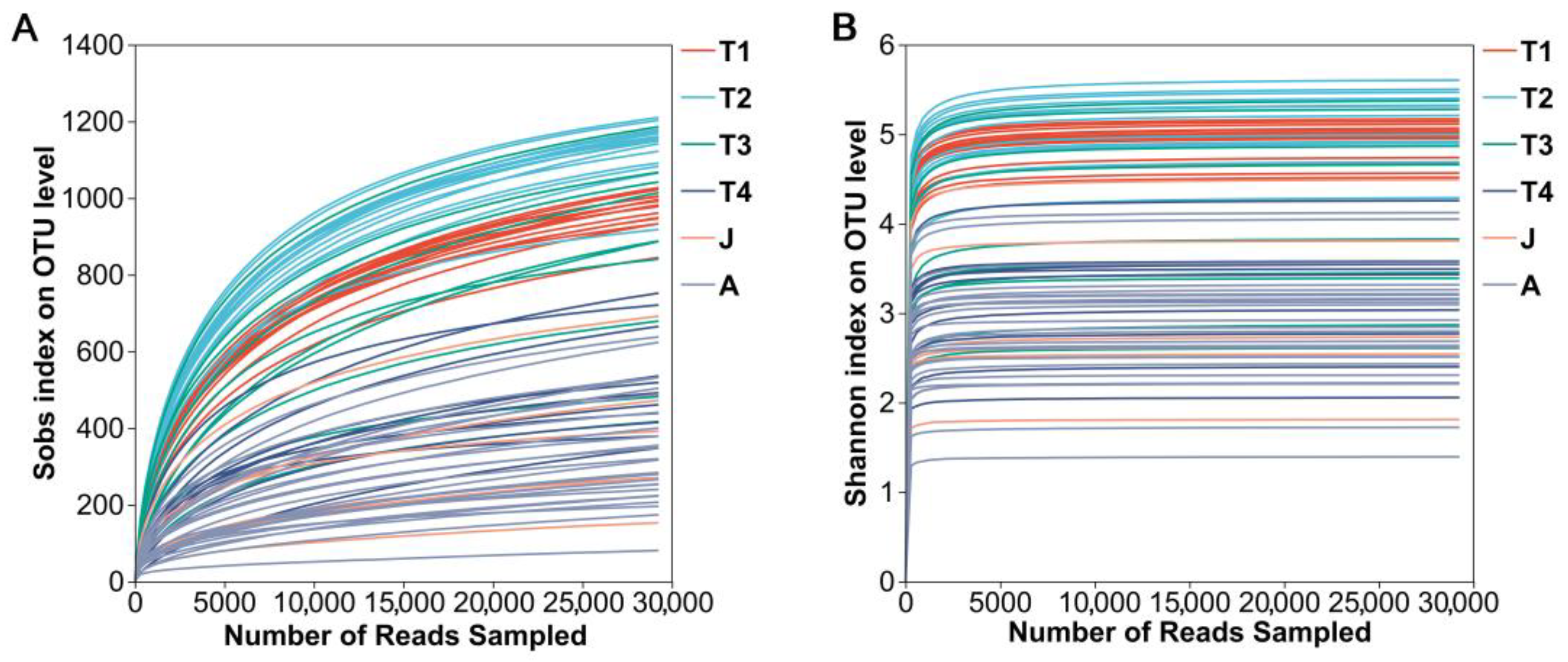
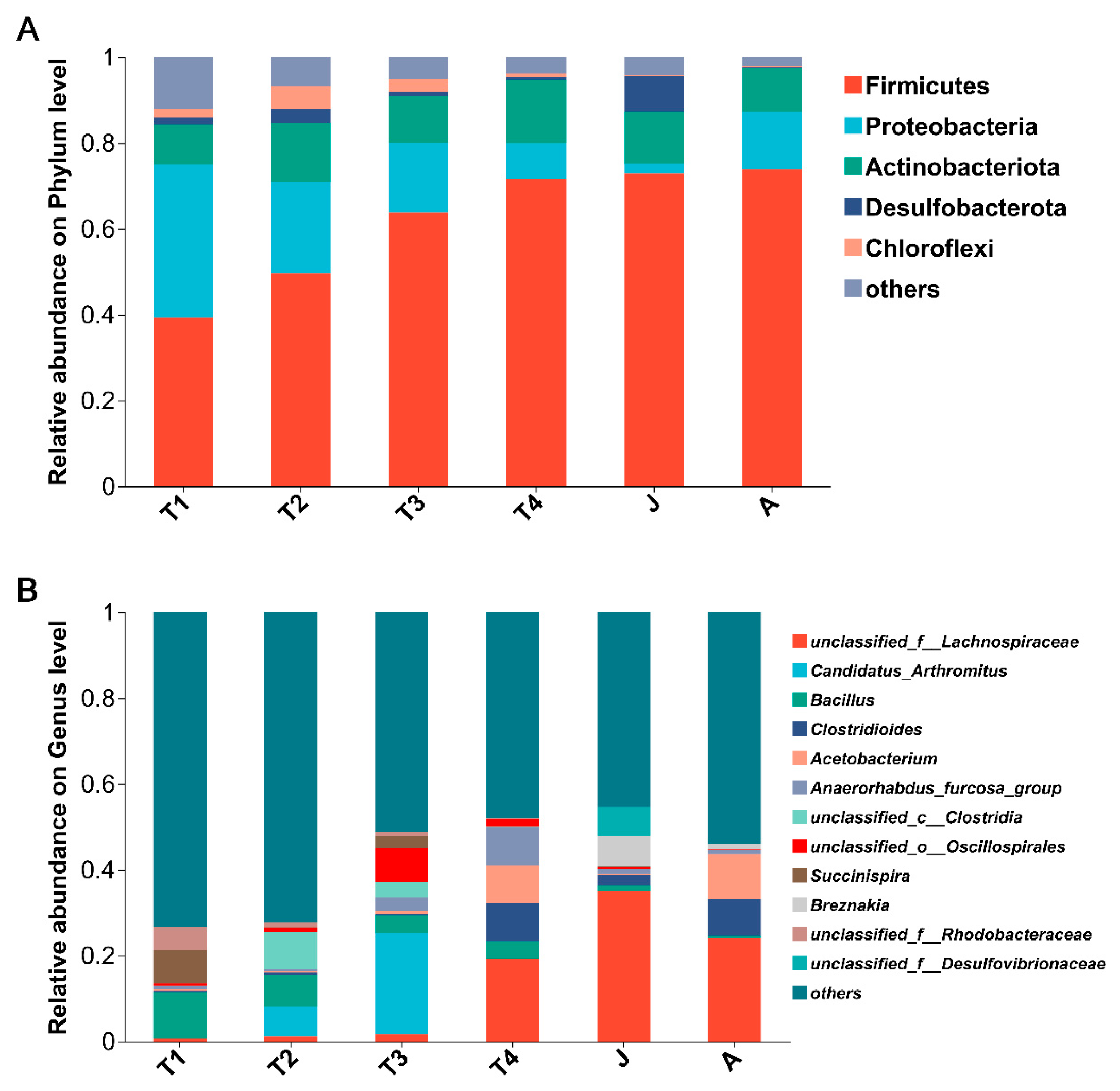
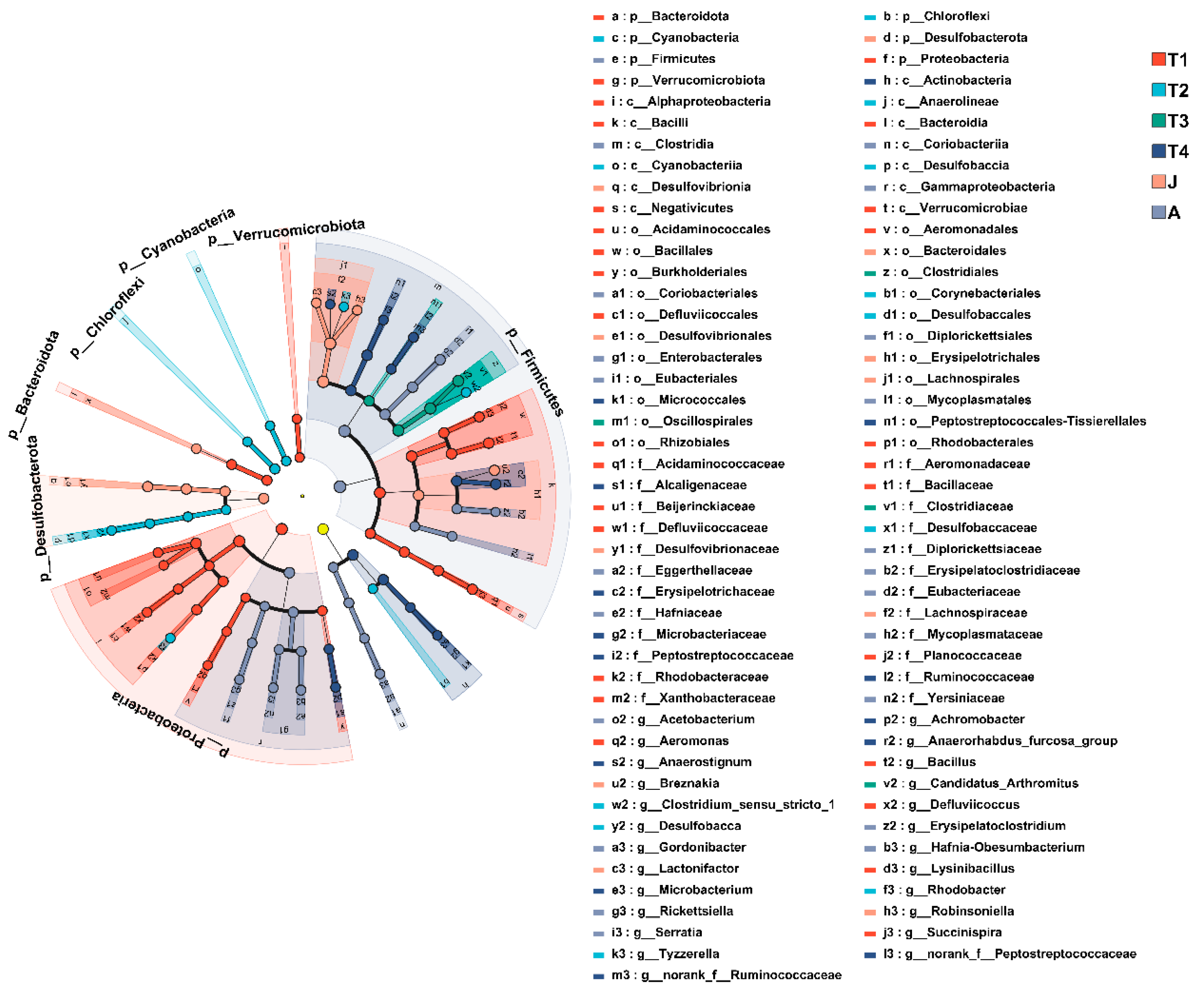
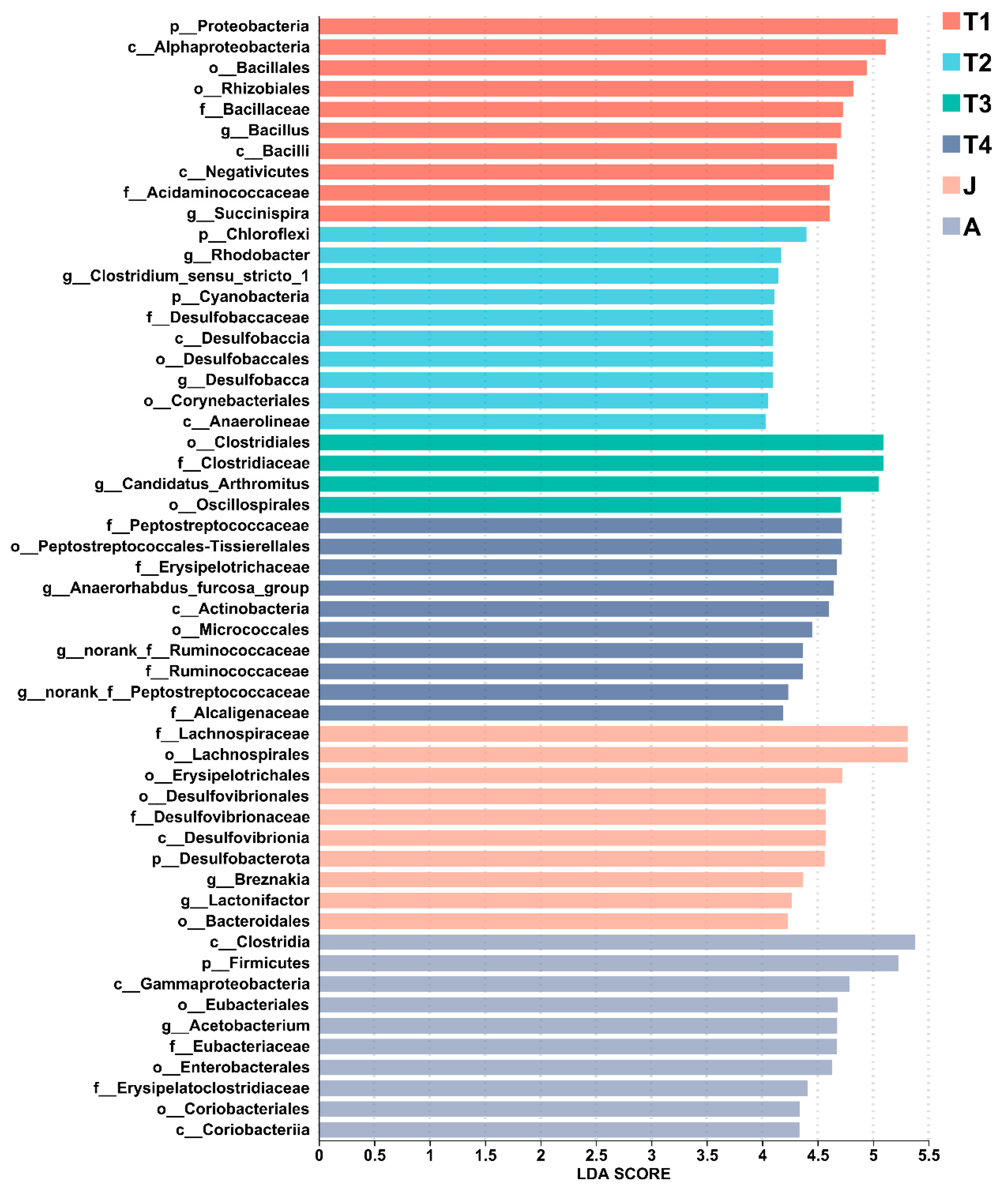
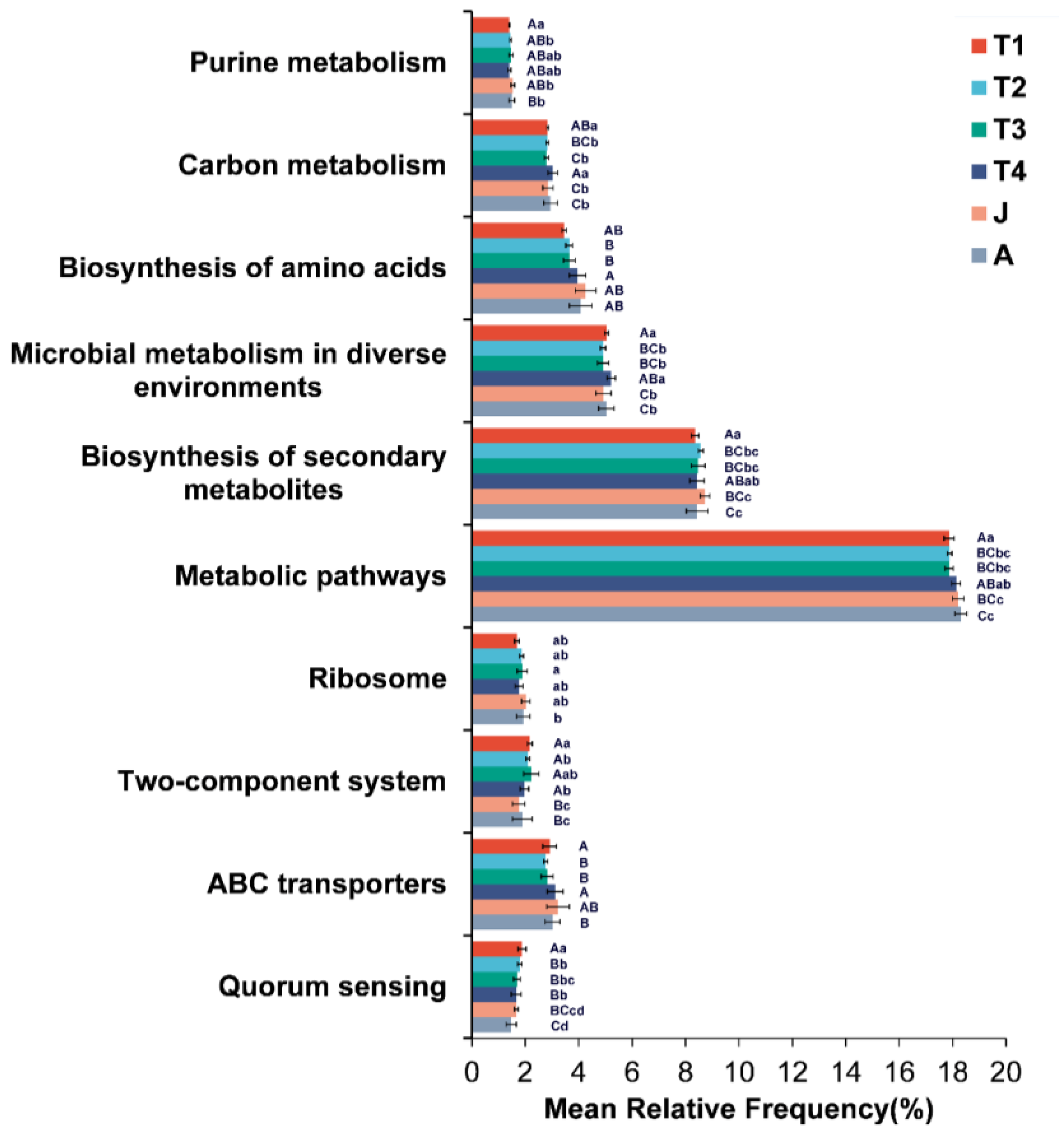
We studied the intestinal microbiota of Bufo tibetanus at different growth and development stages. Through 16S rRNA sequencing and bioinformatics analysis, significant differences were found in gut microbiota diversity (alpha and beta diversity) at different growth stages. The relative abundance of Firmicutes increased continuously with the growth of toads, reaching its maximum in the adult group, and Desulfobacterota was the most abundant phylum in the juvenile group. Bacillus and Succinispira had the highest relative abundance values at Gosner 18 to 31 stages. An LEfSe analysis identified specific gut microbiota at different stages, such as Proteobacteria at Gosner 18 to 31 stages, Desulfobacterota in the juvenile group, and Firmicutes in the adult group. A functional prediction analysis illustrated that the metabolic pathways and the biosynthesis of secondary metabolites were significant enrichment in all stages. These results indicated that the intestinal microbiota of B. tibetanus had adaptive changes at different growth stages, which provided insights for future research on the intestinal microbiota of amphibians.
Abstract
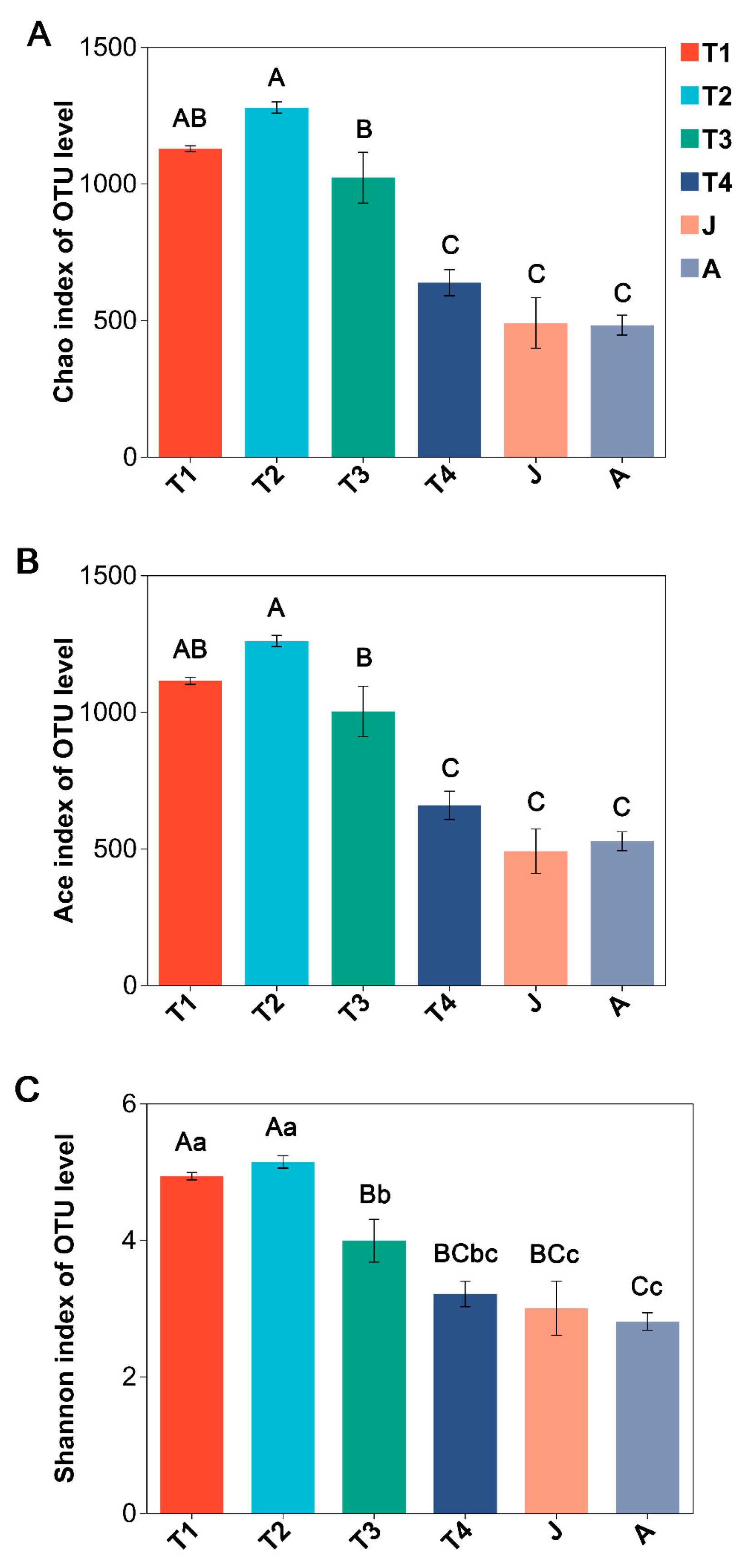
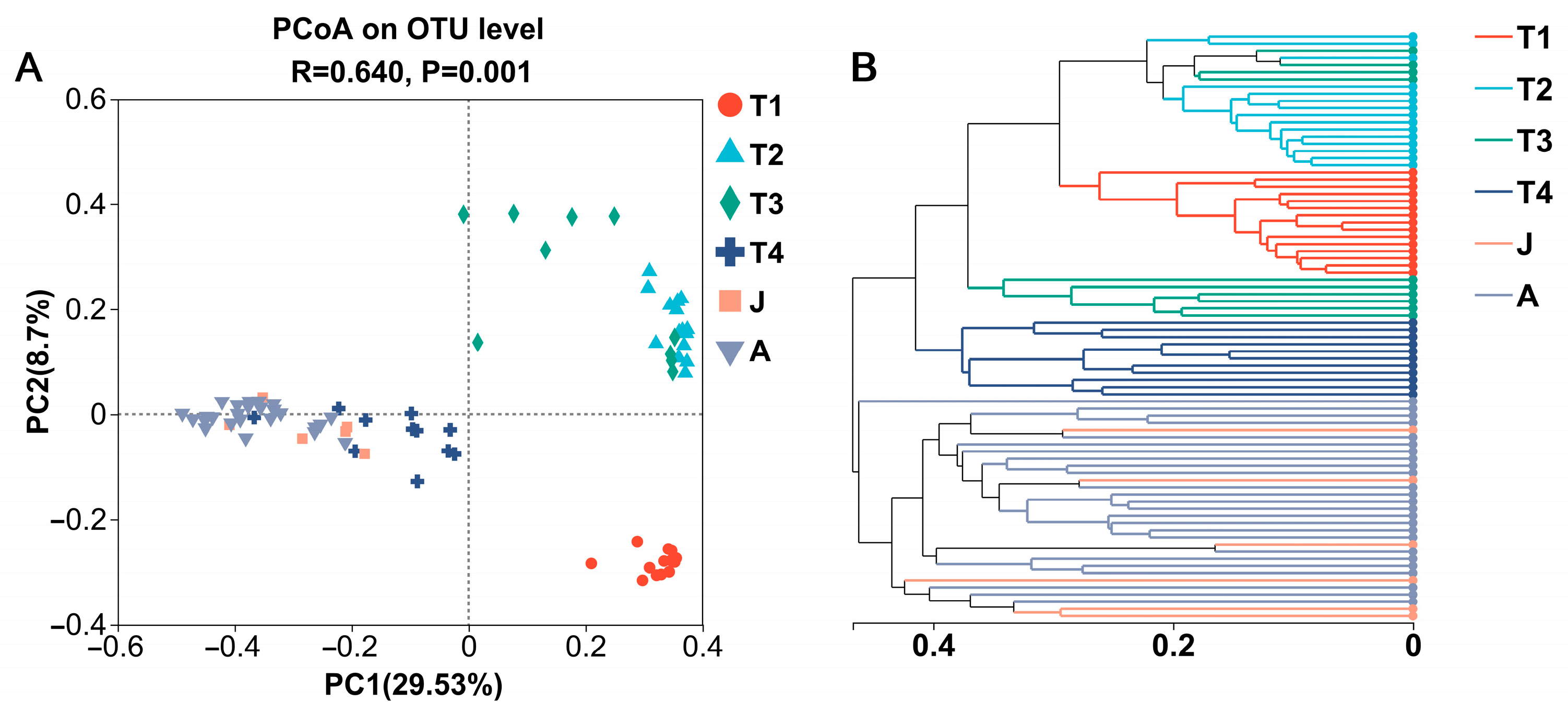
The intestinal microbiota is vital for host immunity and metabolism, and its changes are associated with the development stage of hosts. However, little is known regarding how growth and development of anurans affect the diversity of their microbiota, which has a complex life cycle. The Tibetan toad (Bufo tibetanus) is a wild population in the high-altitude area of southwest China, which has special adaptability to the environment. Here, the microbial community of the Tibetan toad at six developmental stages (from the tadpole at Gosner stage 18 to the 8-year-old adult) was assessed using high-throughput 16S rRNA sequencing. The alpha diversity index analysis showed that the Chao, Ace, and Shannon indices were highest at Gosner stage 32 and decreased as development progressed, and their alpha diversity remained unchanged over time in adult stages. Beta diversity revealed that the gut microbiota structure differed significantly from Gosner stages 18 to 31, and it became similar to adult toads from Gosner stages 45 to 46 and in juvenile groups. At the phylum level, Firmicutes, Proteobacteria, and Actinobacteria were dominant phyla in tadpoles and adults. The relative abundance of Firmicutes and Proteobacteria in the adult group was significantly higher and lower than that of tadpoles, respectively. The linear discriminant analysis effect size (LEfSe) analysis identified seven phyla exhibiting significant differences during life stages: Verrucomicrobiota, Bacteroidota, and Proteobacteria (Gosner 18 to 31), Cyanobateria and Chloroflexi (Gosner 32 to 41), Actinobacteriota (Gosner 45 to 46), Desulfobacterota (juvenile group), and Firmicutes (adult group). A pathway enrichment analysis revealed that the metabolism and biosynthesis of secondary metabolites were significantly enriched across all developmental stages. This research unveiled variations in the intestinal microbiota composition during development in anurans. Factors such as developmental stage, habitat type and feeding habit jointly affected the gut microbial diversity and community composition in the Tibetan toad. The findings of this study can provide information for understanding the influence of historical developments on the intestinal microbiota and provide protection information for anurans.