Exploring Bile-Acid Changes and Microflora Profiles in Chicken Fatty Liver Disease Model

1
Department of Animal Science and Technology, National Taiwan University, Taipei City 106, Taiwan
2
Institute of Biotechnology, National Taiwan University, Taipei City 106, Taiwan
3
Bachelor Program of Biotechnology and Food Nutrition, National Taiwan University, Taipei City 106, Taiwan
*
Author to whom correspondence should be addressed.
†
These authors contributed equally to this work.
Animals 2024, 14(7), 992; https://doi.org/10.3390/ani14070992
Submission received: 6 March 2024
/
Revised: 21 March 2024
/
Accepted: 21 March 2024
/
Published: 23 March 2024
(This article belongs to the Special Issue The Animal Microbiome in Health and Disease)
Simple Summary
In this study, we investigated the impact of a high-cholesterol, low-choline diet on non-alcoholic fatty liver disease (NAFLD) in laying hens, a condition known to decrease egg production. Our research focused on bile-acid metabolism as a potential avenue for addressing NAFLD. Using 7-week-old ISA female chickens, we induced NAFLD through a 6-week diet intervention, analyzed serum and cecal bile acids through LC/MS, and conducted 16S rRNA sequencing on cecal digesta DNA. The results revealed significant differences in bile-acid distribution between healthy and diet-induced NAFLD chickens. Notably, the diet led to alterations in both serum and cecal bile-acid profiles, affecting synthesis enzymes in the liver. Microbiota analysis demonstrated distinct differences in abundance and composition between the two groups. This study sheds light on the changes in bile acid and microflora associated with a chicken NAFLD model, contributing valuable insights into fatty liver disease metabolism and offering potential targets for intervention.
Abstract
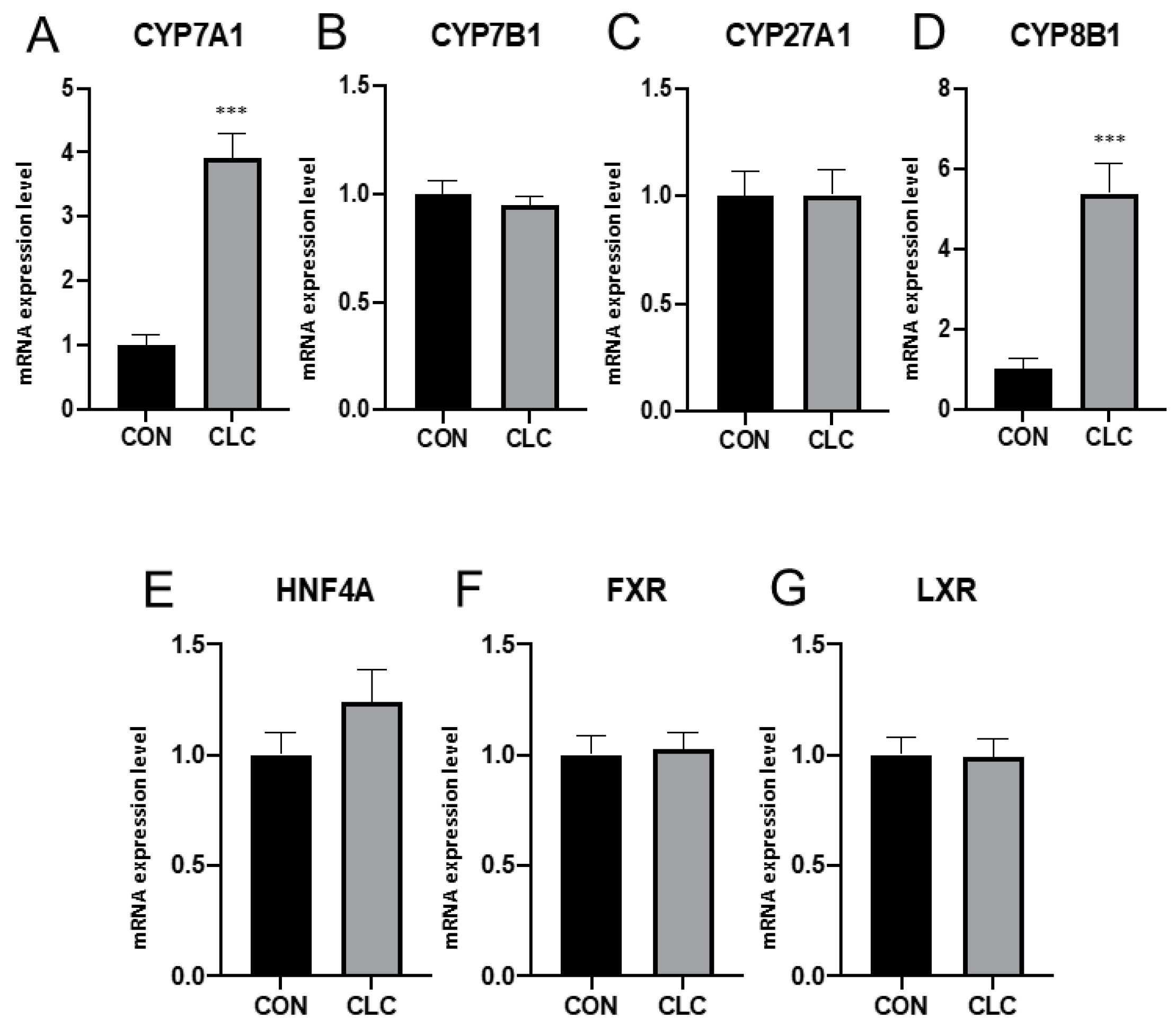
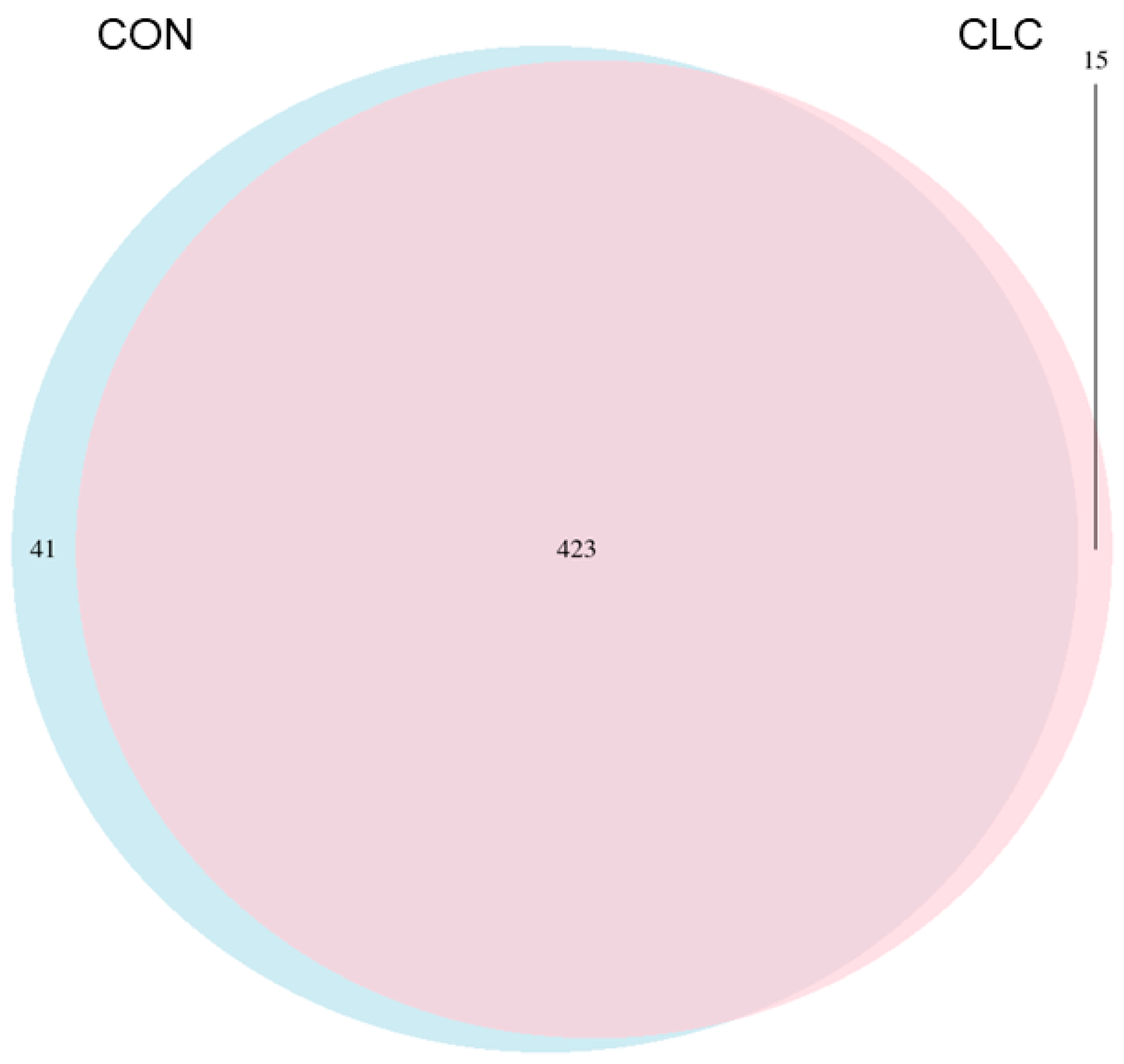
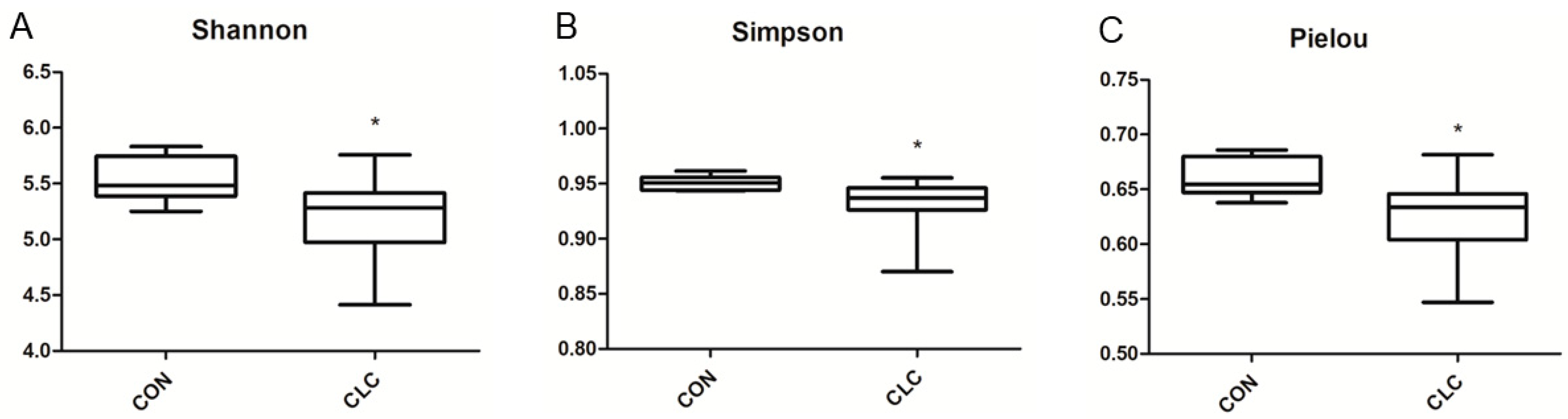
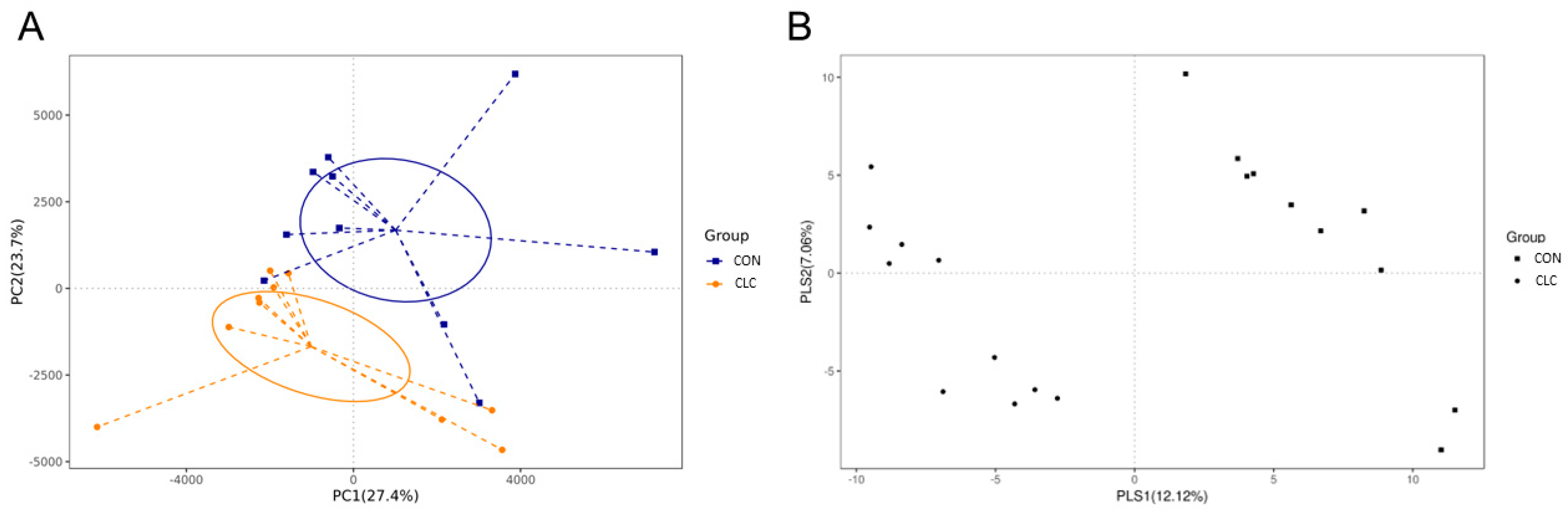
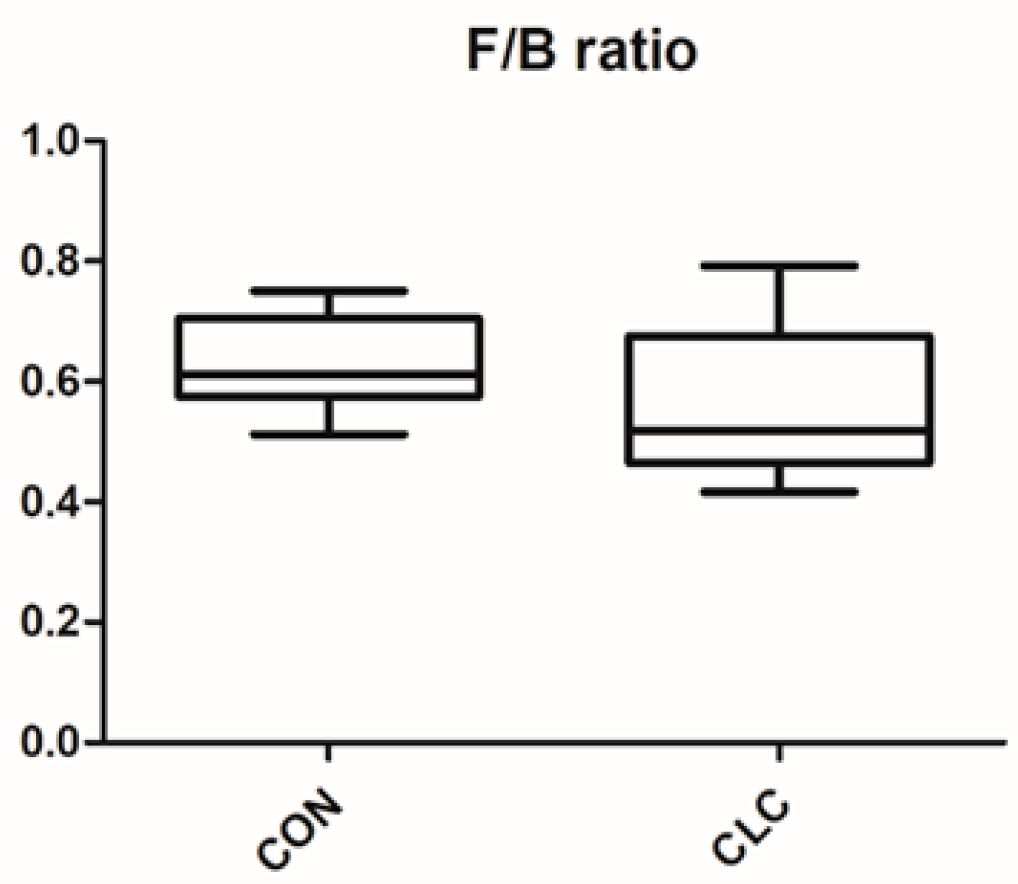
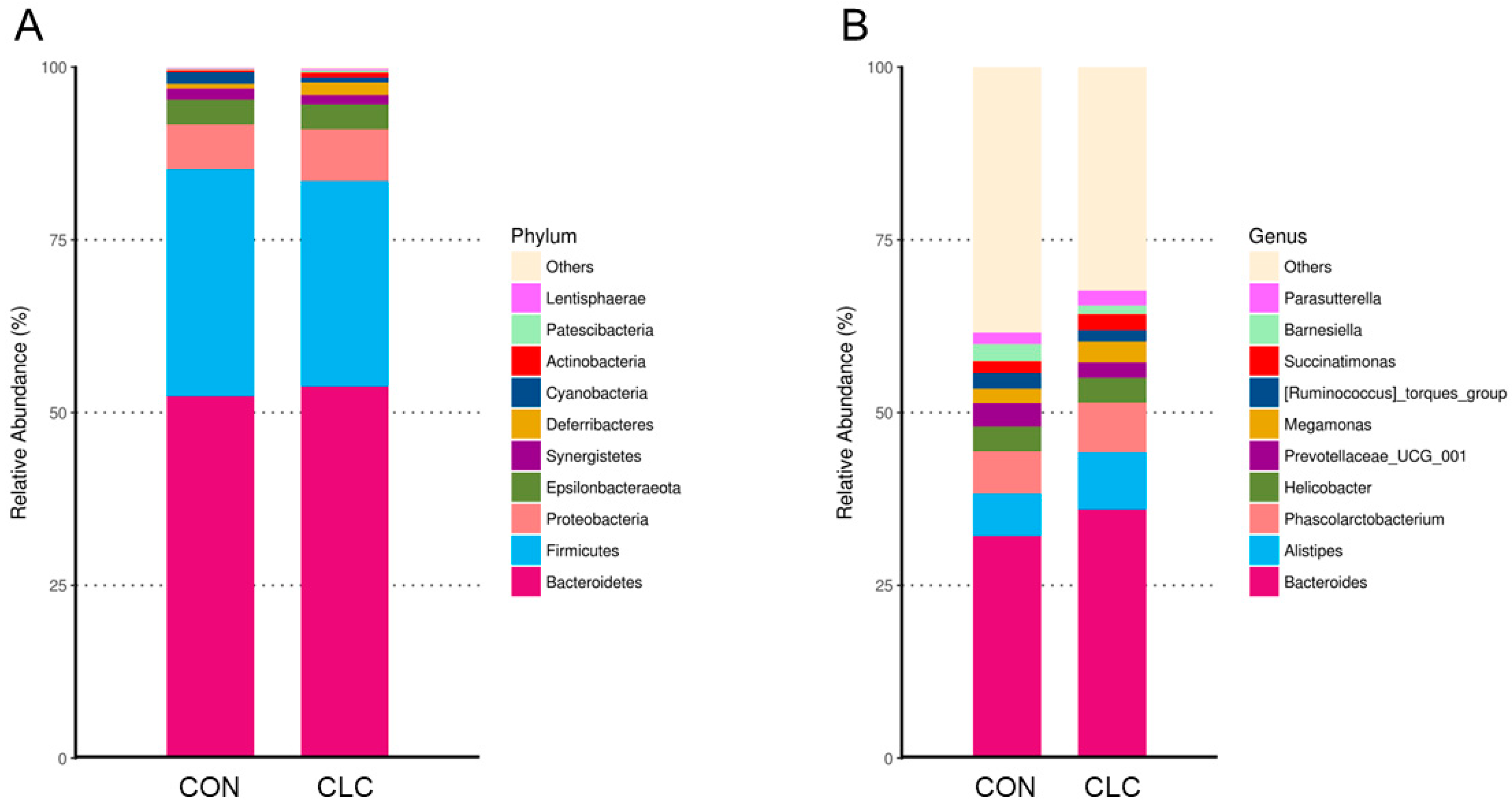
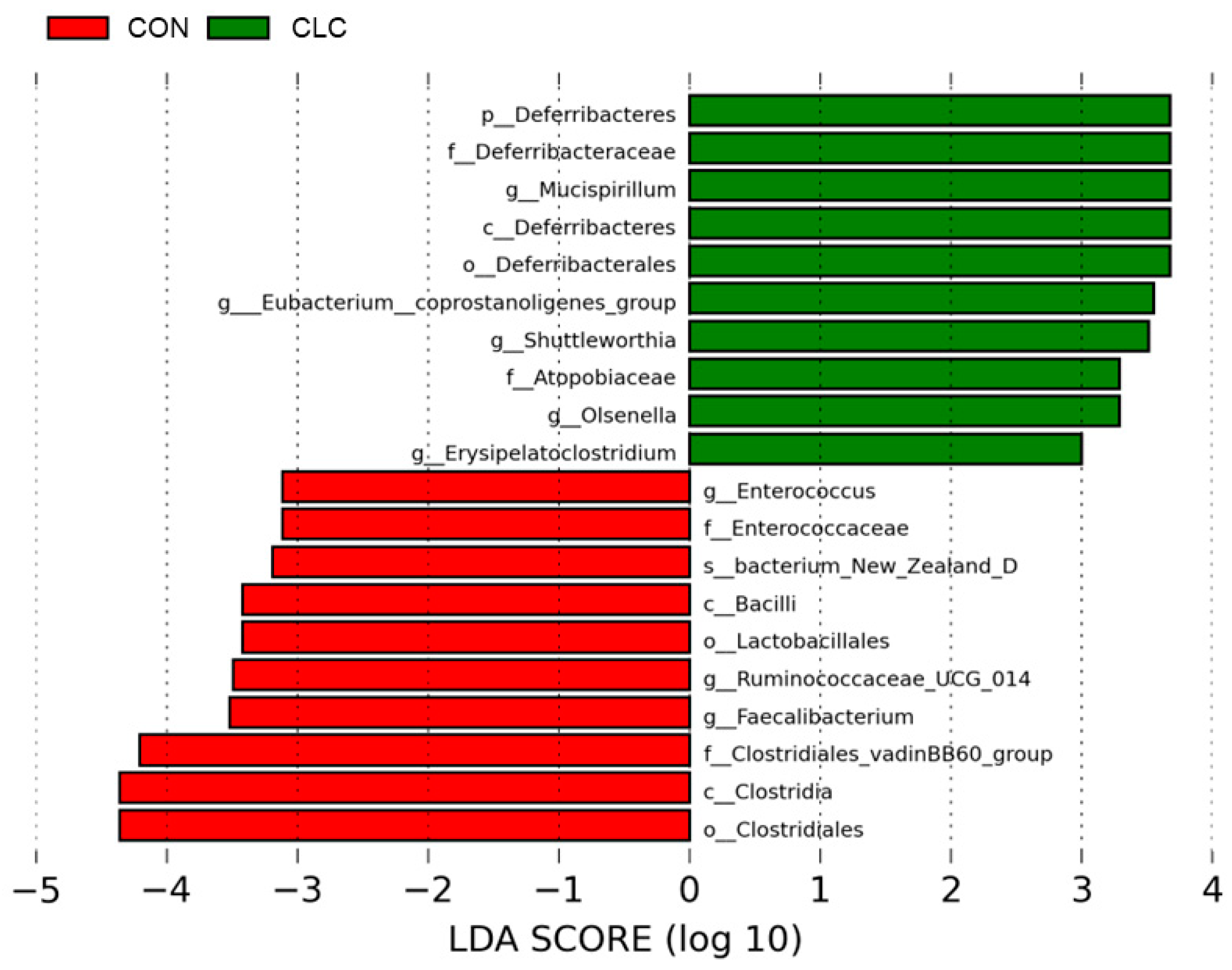
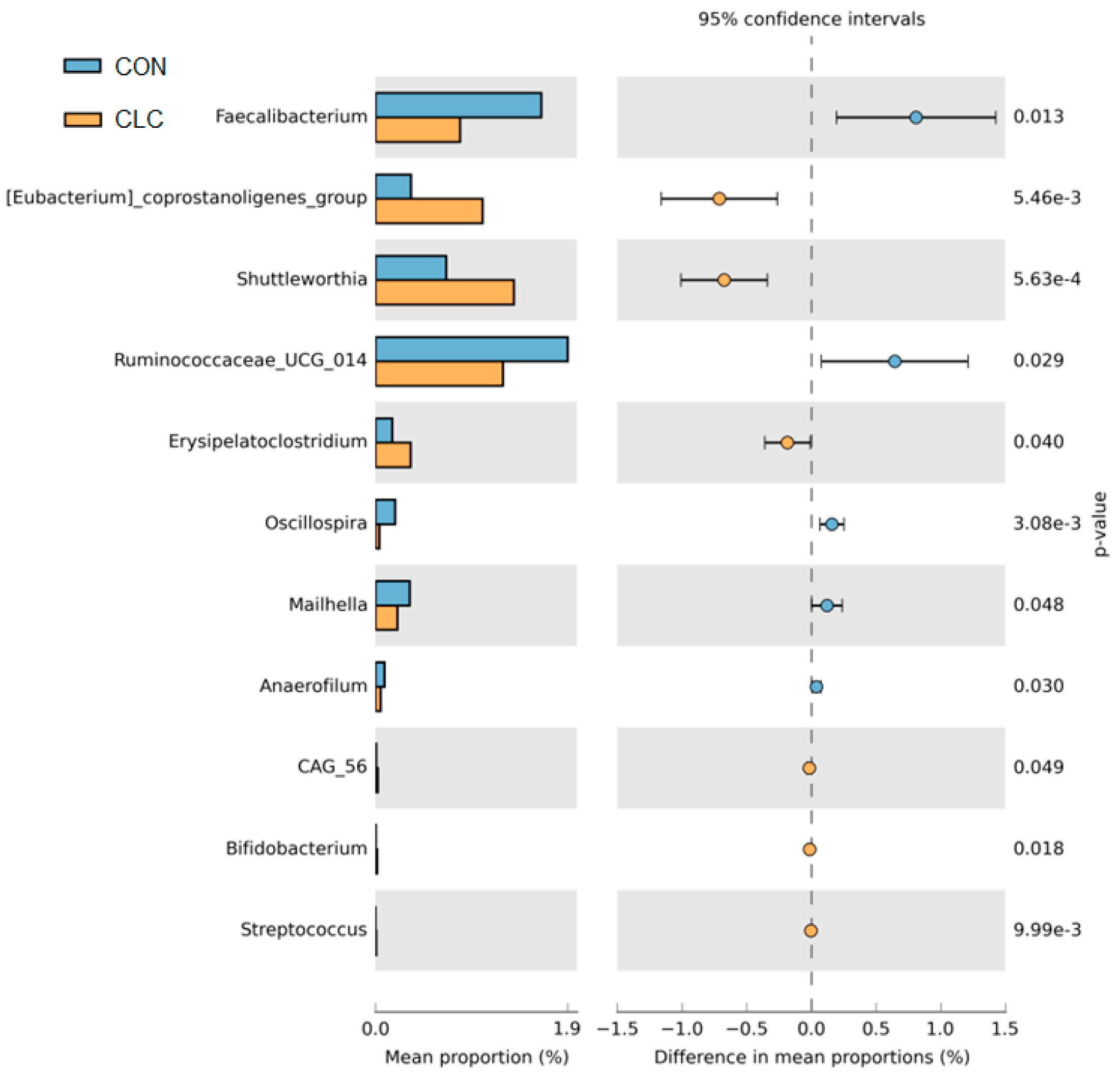
Excessive liver fat causes non-alcoholic fatty liver disease (NAFLD) in laying hens, reducing egg production. Addressing NAFLD via bile-acid metabolism is gaining attention. We induced NAFLD in 7-week-old ISA female chickens with a high-cholesterol, low-choline diet (CLC) for 6 weeks. LC/MS was used to analyze serum and cecal bile acids, while cecal digesta DNA underwent 16S rRNA sequencing. The distribution of bile acid varied in healthy (CON) and CLC-fed chickens. CLC increased secondary bile acids (TLCA, TUDCA, THDCA, TDCA) in serum and primary bile acids (CDCA, TCDCA, isoDCA) in serum, as well as glycochenodeoxycholic acid (GCDCA) in cecal contents. CLC upregulated bile-acid synthesis enzymes (CYP7A1, CYP8B1) in the liver. Bile-acid receptor gene expression (HNF4A, FXR, LXR) was similar between groups. Microbiota abundance was richer in CON (alpha-diversity), with distinct separation (beta-diversity) between CON and CLC. The Firmicutes/Bacteroidetes ratio slightly decreased in CLC. Taxonomic analysis revealed higher Bacteroides, Alistipes, Megamonas in CLC but lower Barnesiella. CLC had more Mucispirillum, Eubacterium_coprostanoligenes_group, Shuttleworthia, and Olsenella, while CON had more Enterococcus, Ruminococcaceae_UCG_014, and Faecalibacterium. This study unveils bile-acid and microflora changes in a chicken NAFLD model, enhancing our understanding of fatty liver disease metabolism and aiding targeted interventions.