Stereoselective Pharmacokinetics of Ketamine Administered at a Low Dose in Awake Dogs
by
 , ,
, ,
Gwenda Pargätzi
1,2,
Alessandra Bergadano
3,
Claudia Spadavecchia
1,
Regula Theurillat
4,5,
Wolfgang Thormann
4 and
Olivier L. Levionnois
1,* 1
Section of Anaesthesiology and Pain Therapy, Department of Clinical Veterinary Medicine, Vetsuisse Faculty, University of Bern, 3012 Bern, Switzerland
2
Clinic for Small Animals, Vetsuisse Faculty, University of Zurich, 8057 Zurich, Switzerland
3
Section of Occupational Safety, Health Protection and Environmental Safety, Department for Biomedical Research, University of Bern, 3008 Bern, Switzerland
4
Institute for Infectious Diseases, University of Bern, 3001 Bern, Switzerland
5
Department of Clinical Chemistry, Inselspital, Bern University Hospital, 3010 Bern, Switzerland
*
Author to whom correspondence should be addressed.
Animals 2024, 14(7), 1012; https://doi.org/10.3390/ani14071012
Submission received: 14 December 2023
/
Revised: 12 March 2024
/
Accepted: 20 March 2024
/
Published: 27 March 2024
(This article belongs to the Special Issue Anaesthesia and Analgesia in Companion Animals)
Simple Summary
Ketamine is commonly recommended as an adjunct to analgesic drugs, particularly in the postoperative care of hospitalized patients. Utilizing low doses is advised to target antinociceptive concentrations and obtain anti-hyperalgesia while minimizing undesirable effects. Infusion rates typically range from 0.002 to 0.2 mg/kg/min, largely based on human studies. However, there is evidence suggesting that plasma concentrations in dogs may be lower compared to humans under similar administration regimens. This study explores the stereoselective pharmacokinetics of ketamine administered alone at a low dose in dogs. The findings support the hypothesis that higher infusion rates may be necessary to achieve plasma concentrations comparable to those providing antinociception in humans, potentially leading to behavioural side effects. Significantly higher plasma concentrations were observed for S-norketamine compared to R-norketamine, while no difference was observed for the parent enantiomers.
Abstract
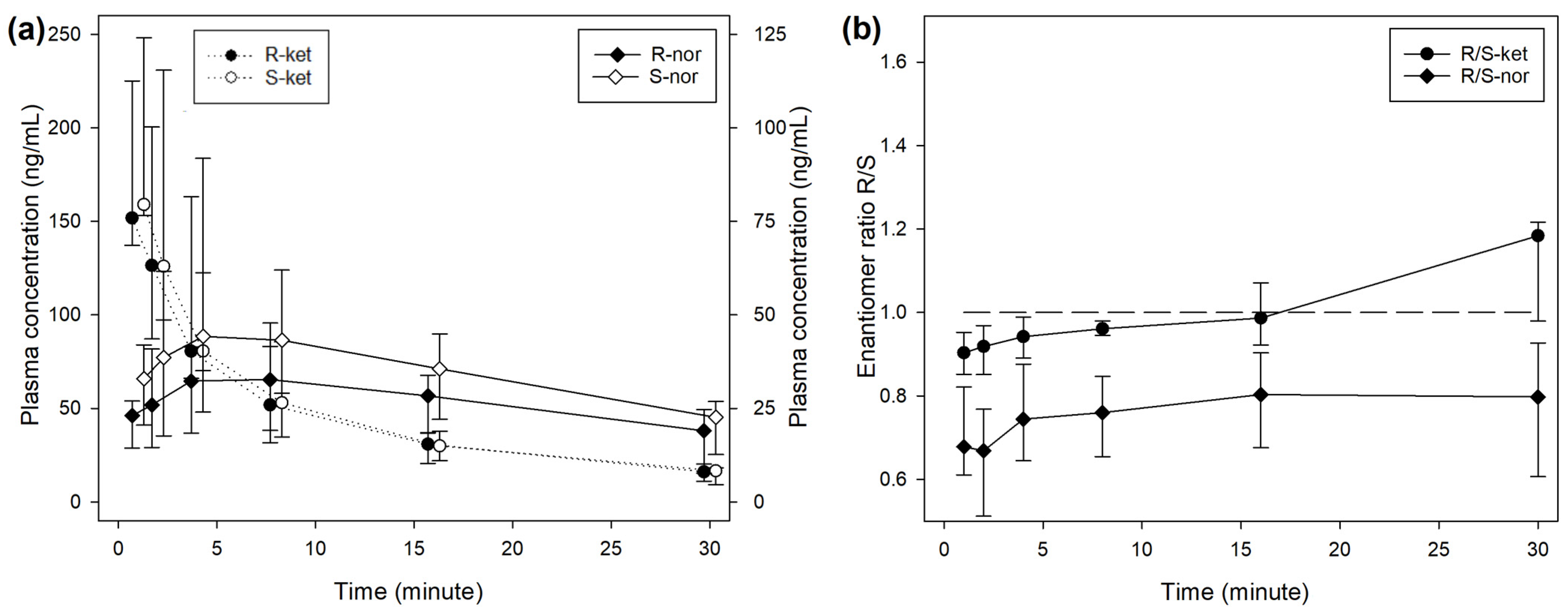
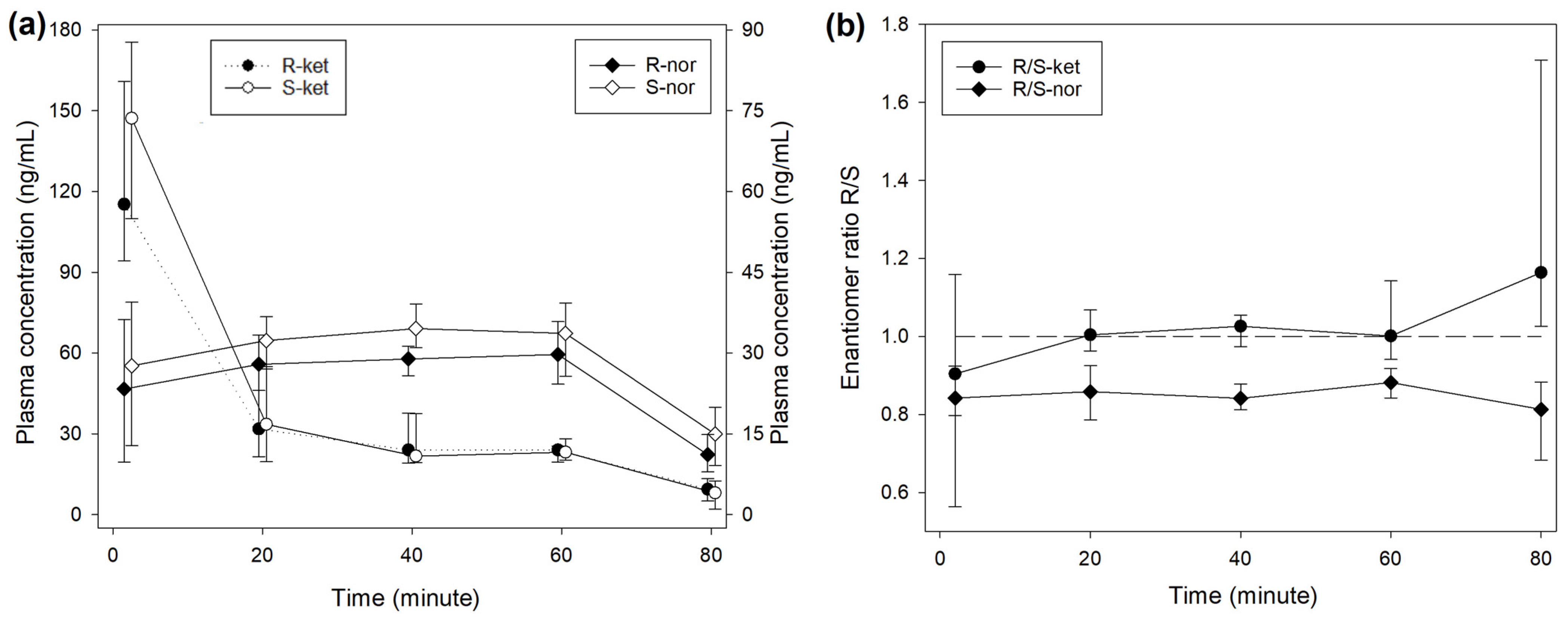
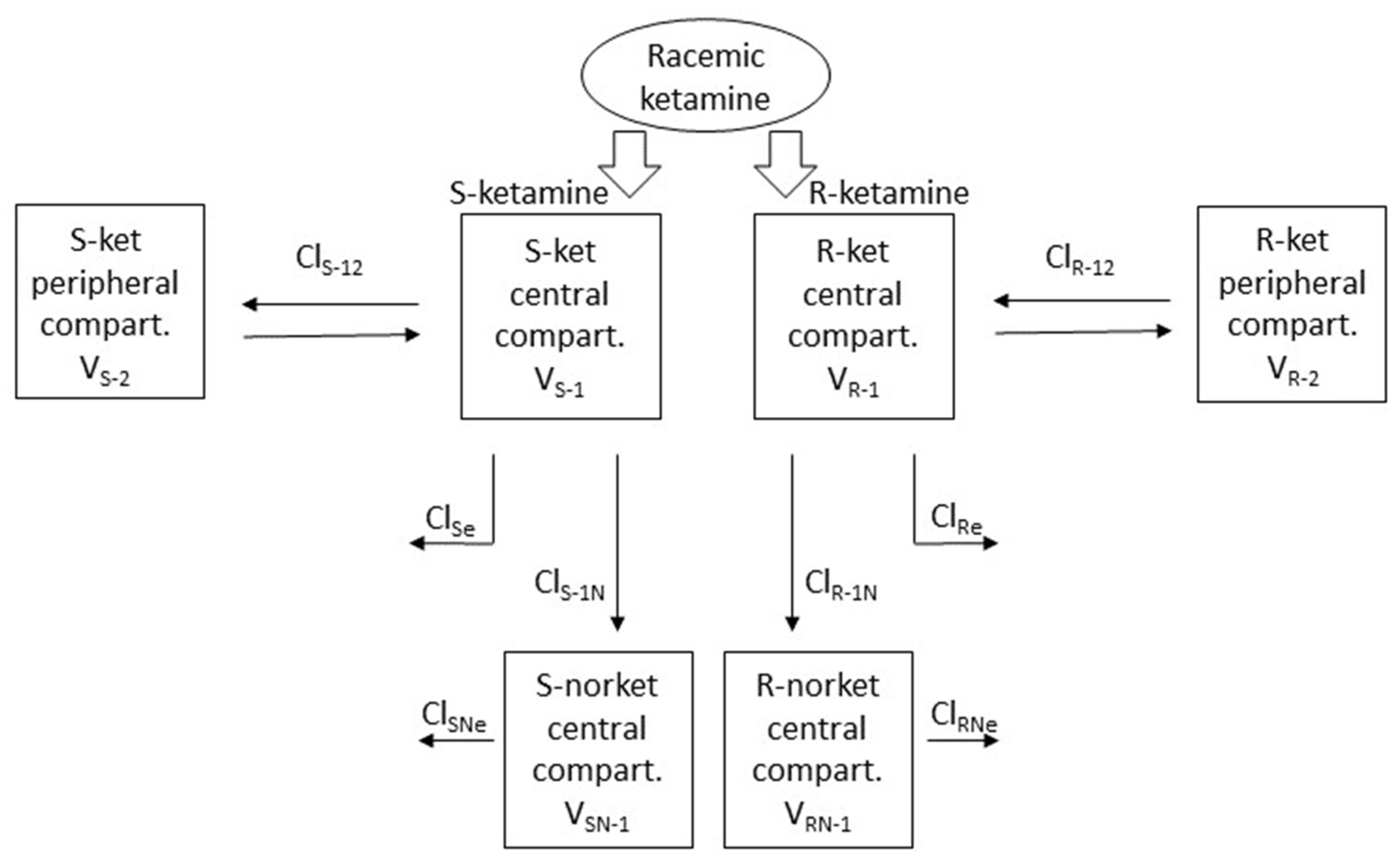
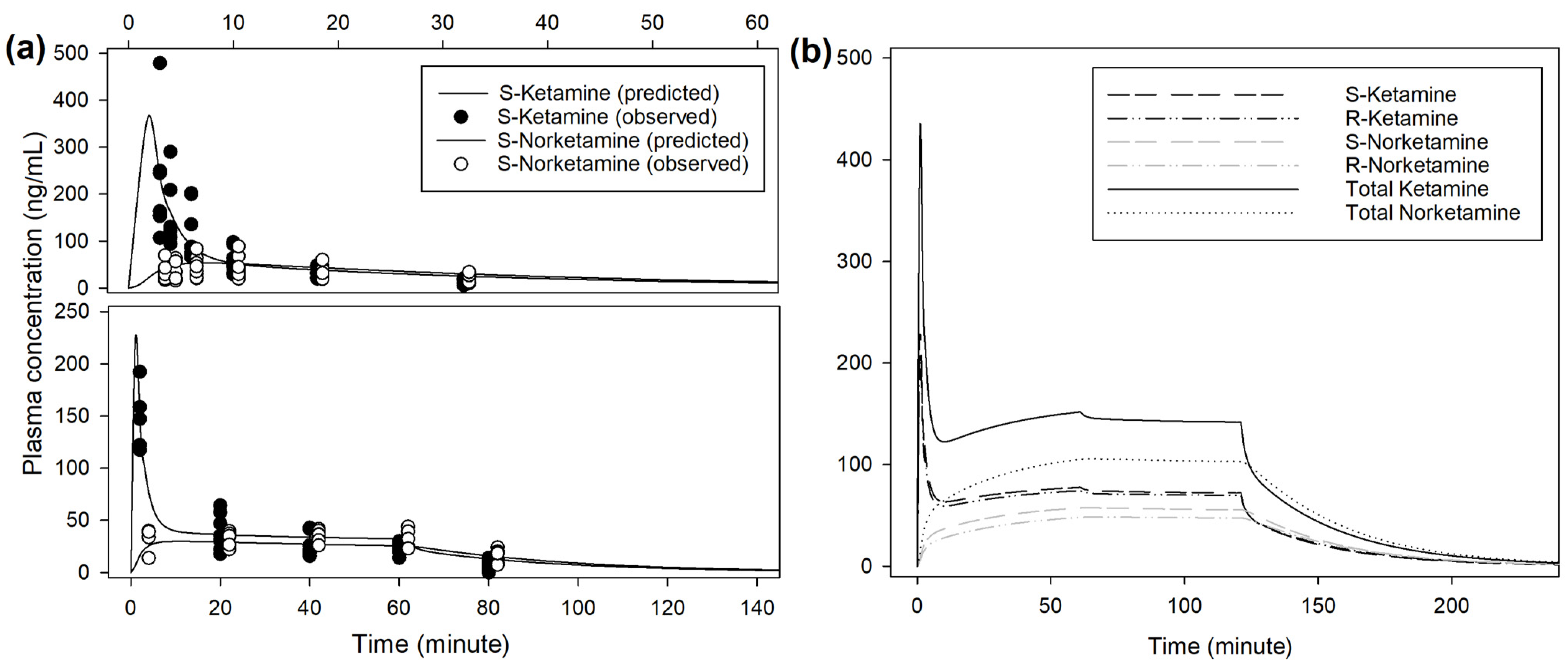
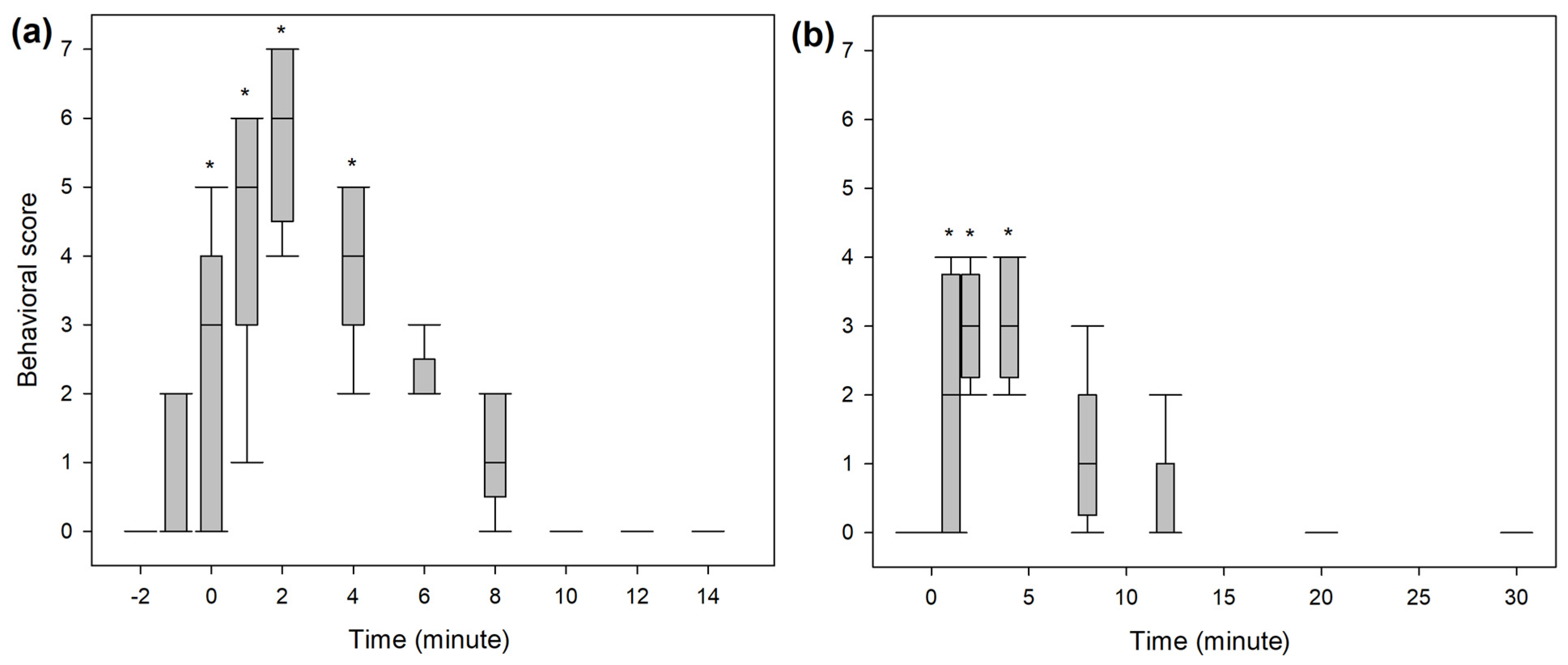
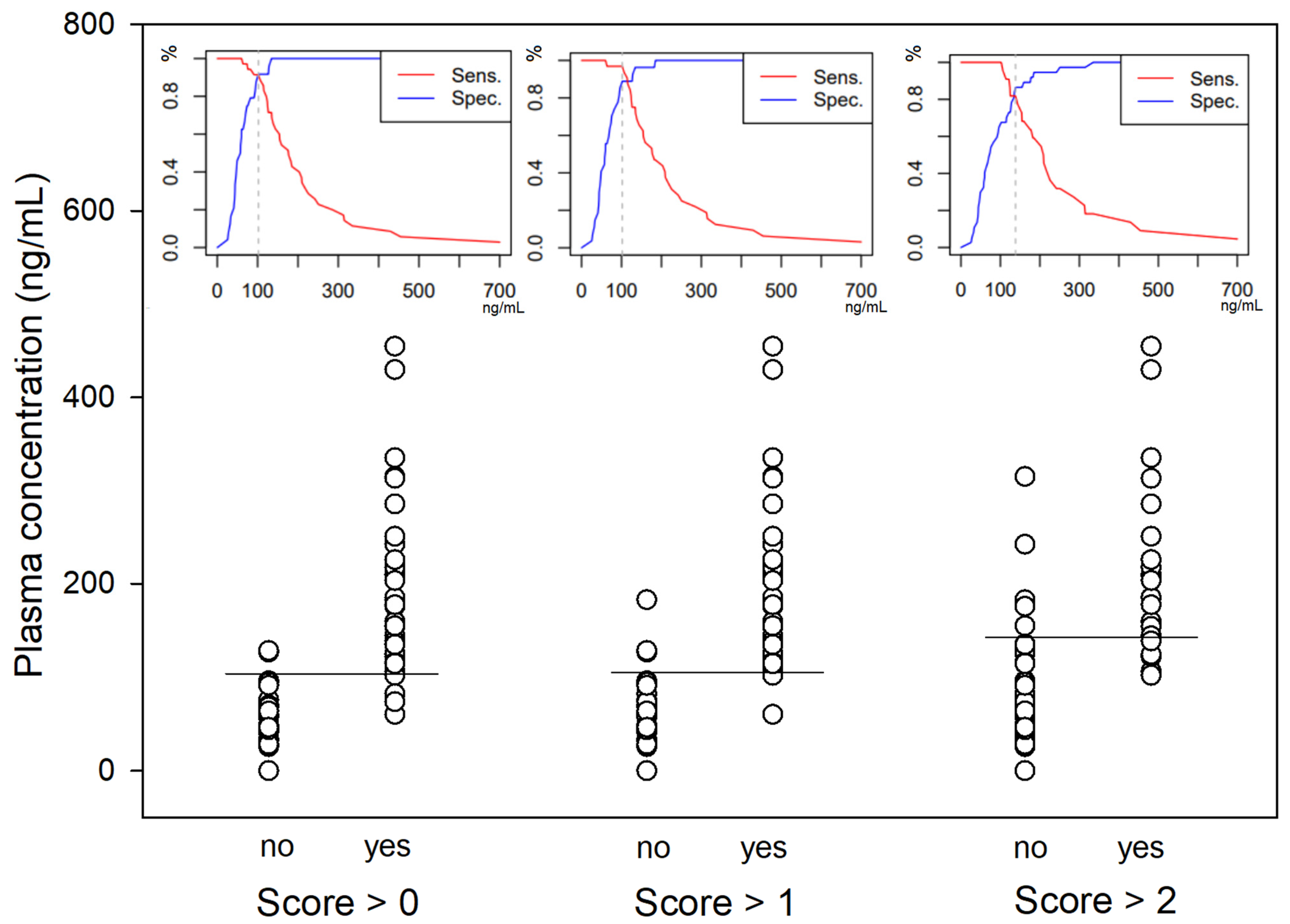
The present study aimed to examine the stereoselective pharmacokinetics of racemic ketamine in dogs at low doses. The secondary aims were to identify associated behavioural effects and propose a ketamine infusion rate. The study was conducted on nine intact male beagles, with each dog undergoing two treatments (BOL and INF). For treatment BOL, an intravenous bolus of 1 mg/kg was administered over 2 min. The treatment INF involved an initial bolus of 0.5 mg/kg given over 1 min, followed by an infusion at 0.01 mg/kg/min for 1 h. Blood samples were collected for pharmacokinetic analysis. The median R/S enantiomer ratio of ketamine remained close to 1 throughout the study. Levels of S-norketamine were significantly higher than those of R-norketamine across all time points. Based on the collected data, the infusion rate predicted to achieve a steady-state racemic ketamine plasma concentration of 150 ng/mL was 0.028 mg/kg/min. Higher scores for behavioural effects were observed within the first five minutes following bolus administration. The most common behaviours observed were disorientation, head movements and staring eyes. Furthermore, employing ROC curve analysis, a racemic ketamine plasma concentration of 102 ng/mL was defined as the cut-off value, correlating with the occurrence of undesirable behavioural patterns.
Keywords:
dog; ketamine; norketamine; pharmacokinetic; stereoselective