Mitigation of Aerosol and Microbial Concentration in a Weaning Piggery by Spraying Nanobubble Ozone Water with an Ultrasonic Sprayer
1
Graduate Schools, Utsunomiya University; 350 Minemachi, Utsunomiya 321-8505, Japan
2
Department of Environmental Engineering, Faculty of Agriculture, Utsunomiya University, 350 Minemachi, Utsunomiya 321-8505, Japan
*
Author to whom correspondence should be addressed.
Animals 2024, 14(5), 657; https://doi.org/10.3390/ani14050657
Submission received: 8 December 2023
/
Revised: 25 January 2024
/
Accepted: 30 January 2024
/
Published: 20 February 2024
(This article belongs to the Special Issue Nutritional Strategies and Management Methods to Improve Survival, Health and Growth Performance of Weaning Piglets)
Simple Summary
Elevating biosecurity in livestock housing is vital in ensuring the safety of animal products. In Japan, approximately 70% of post-weaning mortality is attributable to respiratory pathogens. Microorganisms, including viruses and bacteria, do not float independently but depend on aerosols for transmission. Hence, controlling aerosols is crucial in reducing pathogens and enhancing livestock production. This study aimed to decrease aerosol and microbial concentrations, along with airborne viruses, by employing ozone solution spraying. Experiments were conducted in an integrated management farm in Fukushima Prefecture, involving nanobubble ozone water sprayed with an ultrasonic sprayer. Results showed a substantial reduction in microbial concentrations and aerosol mass, indicating its effectiveness.
Abstract
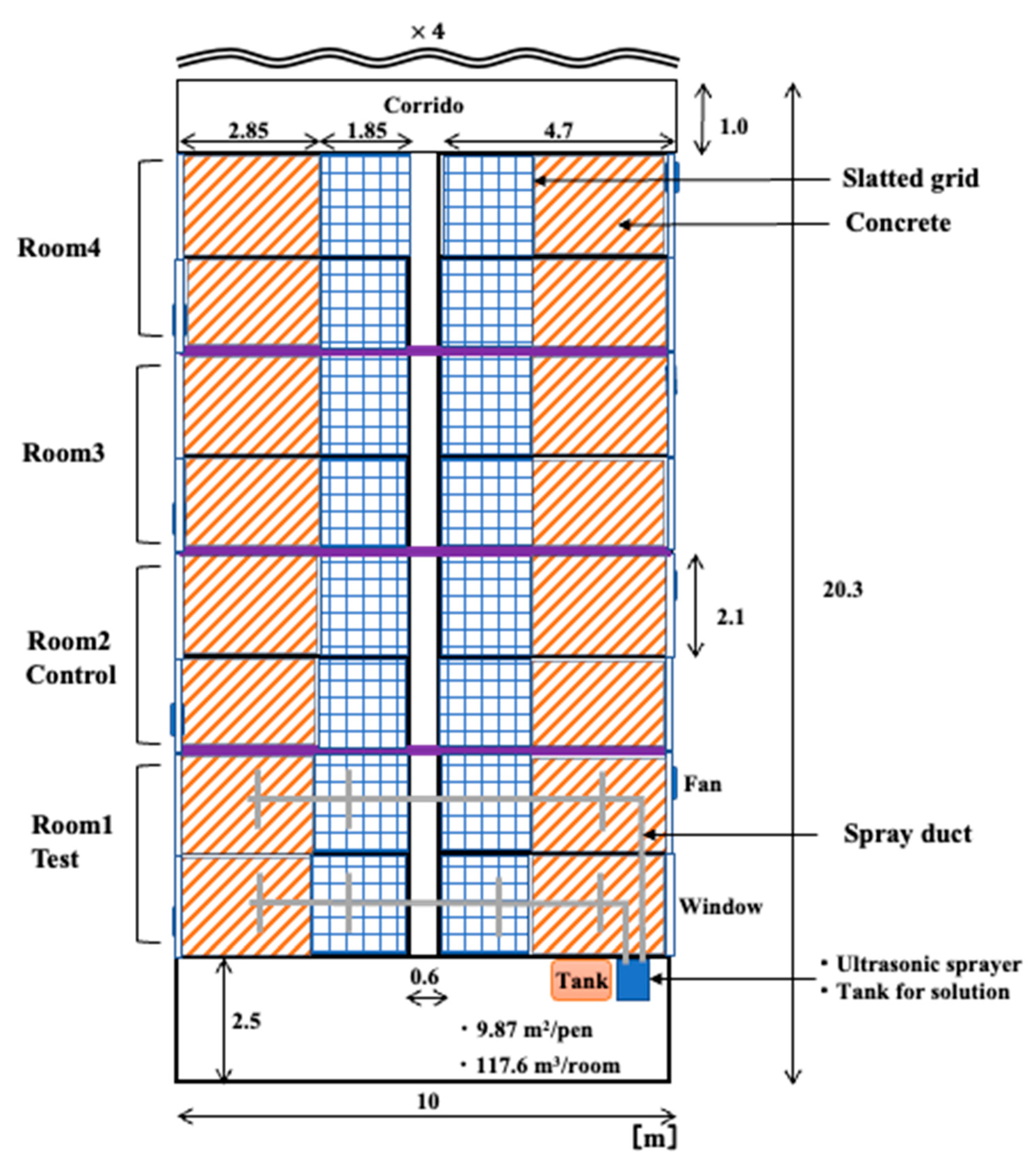
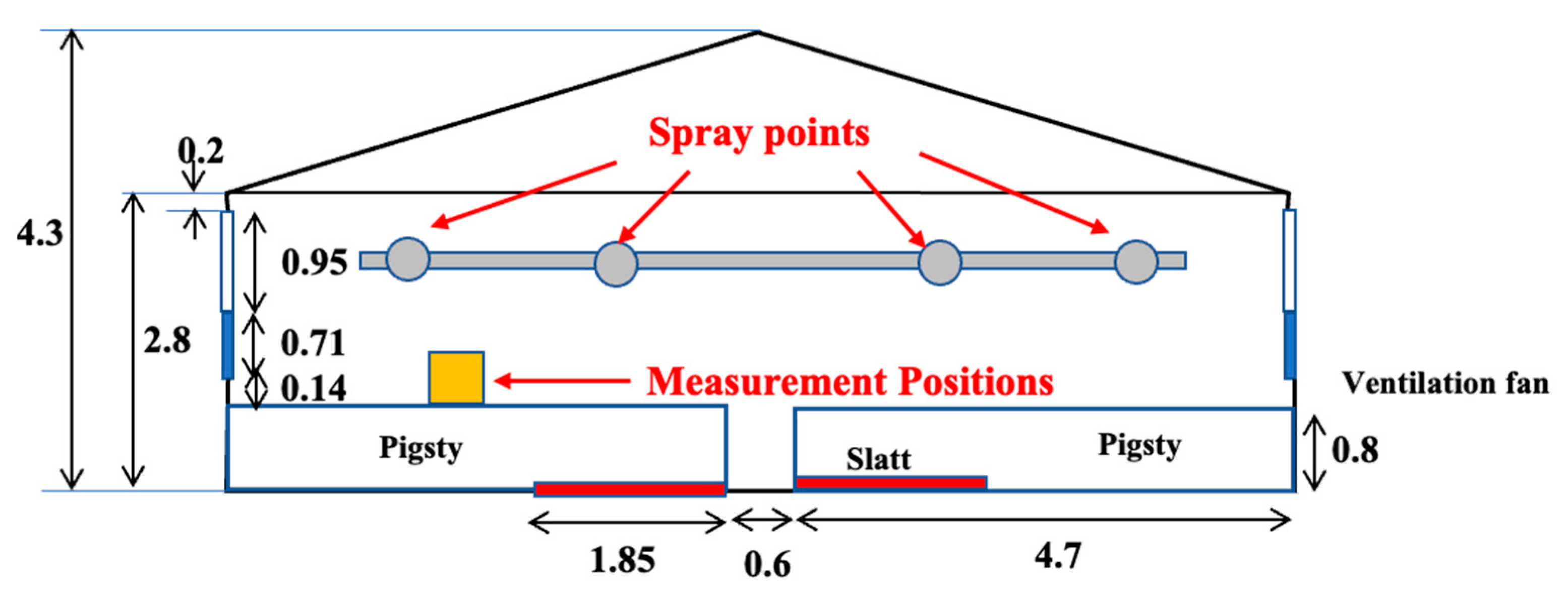
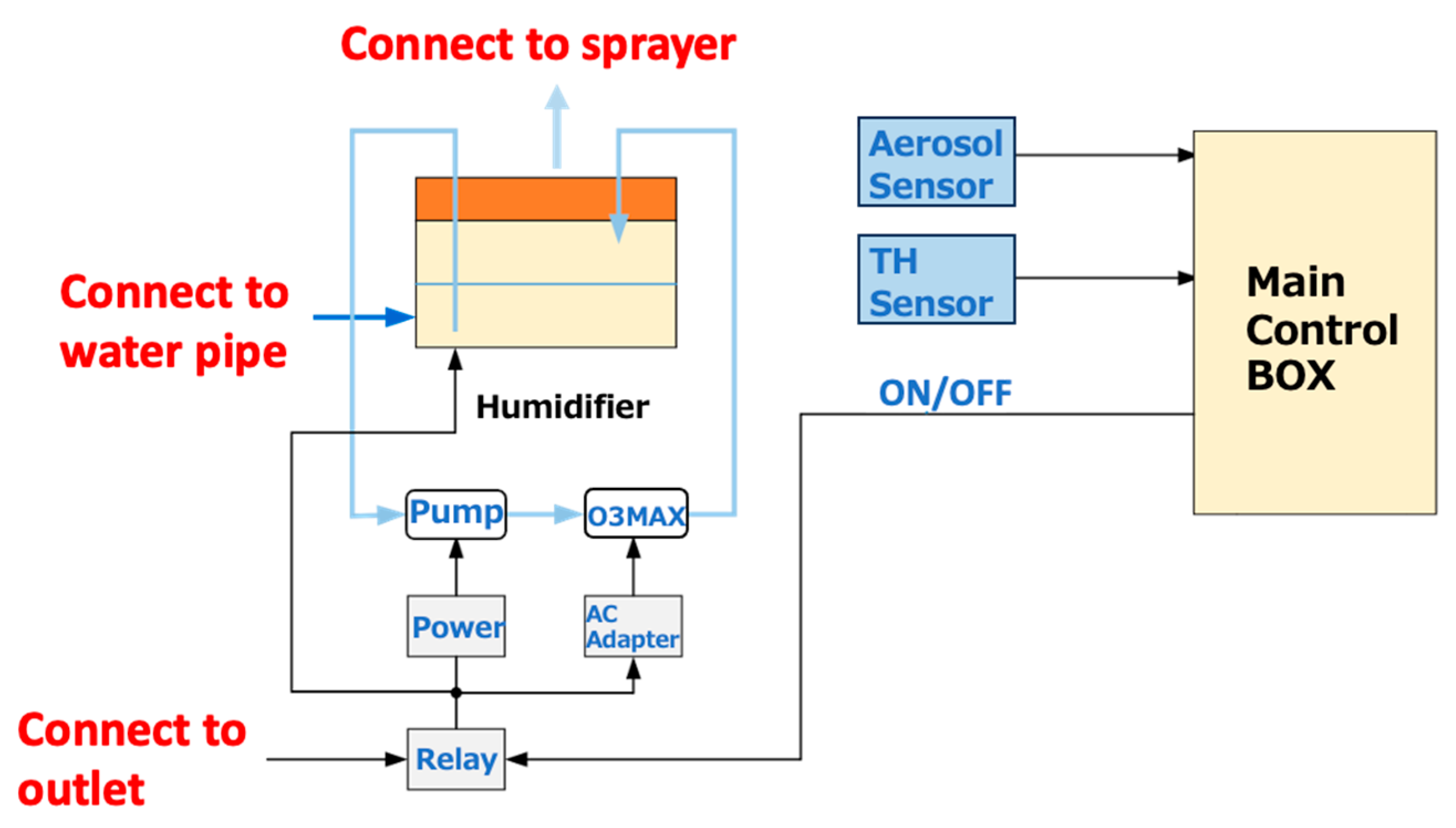
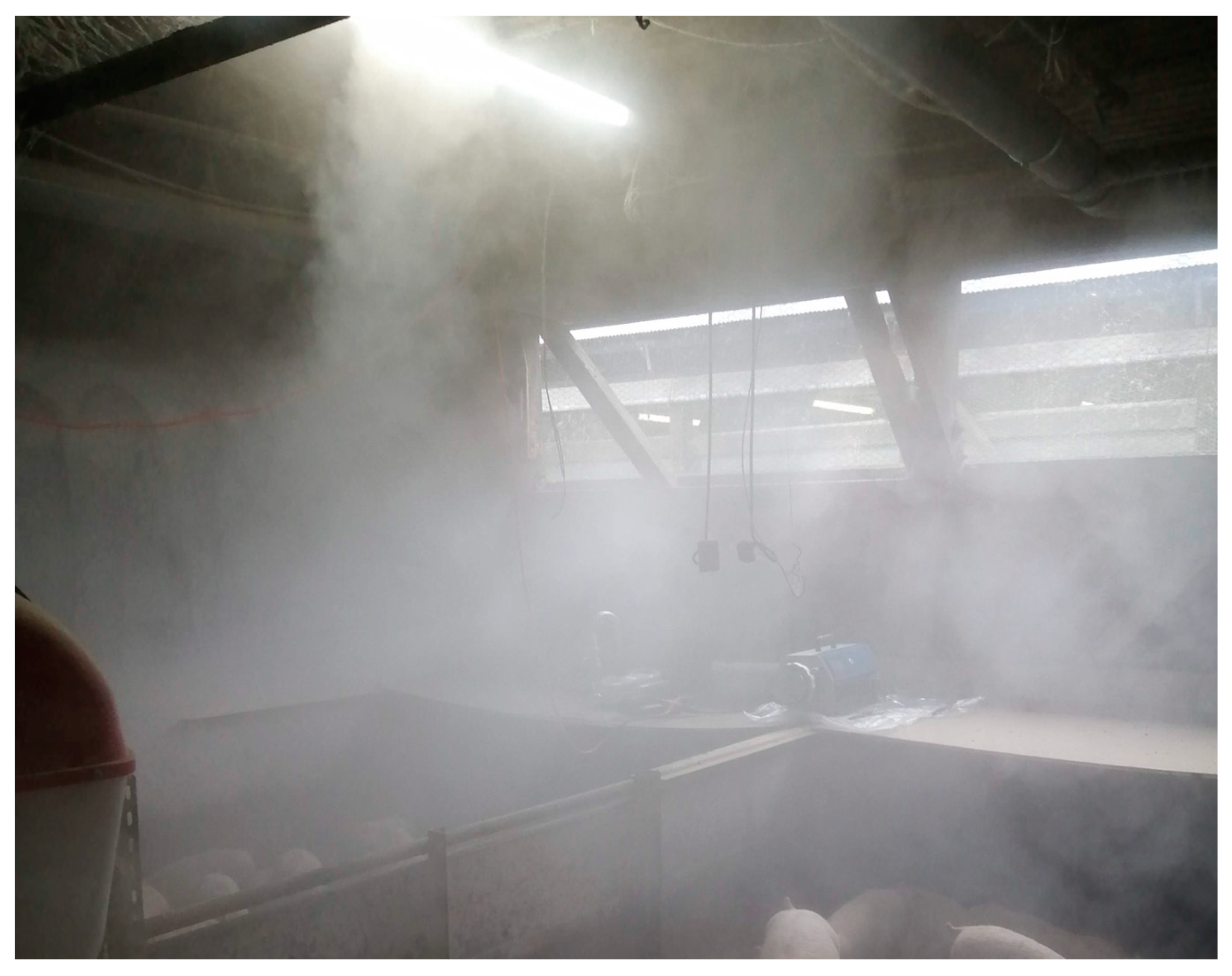
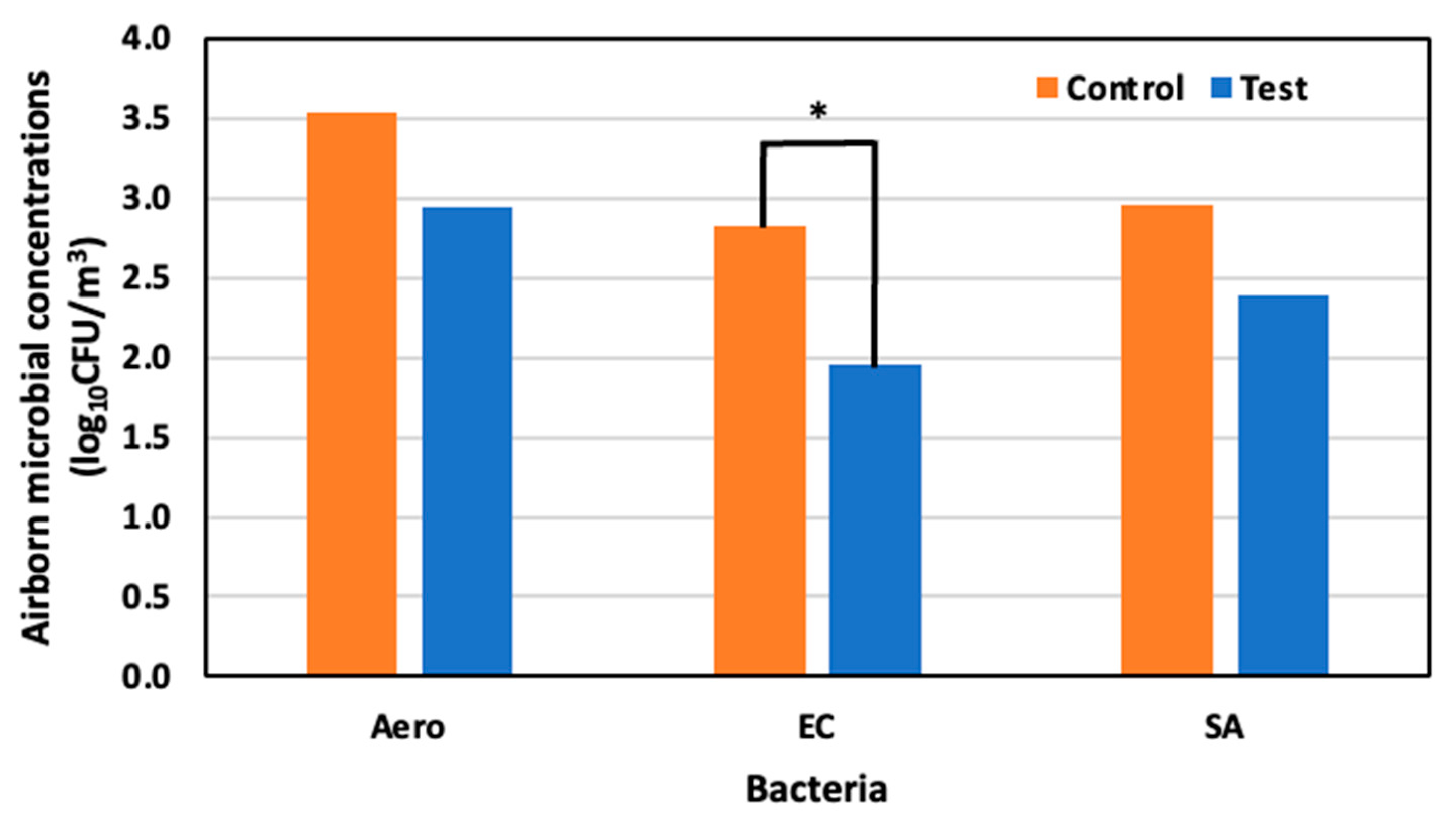
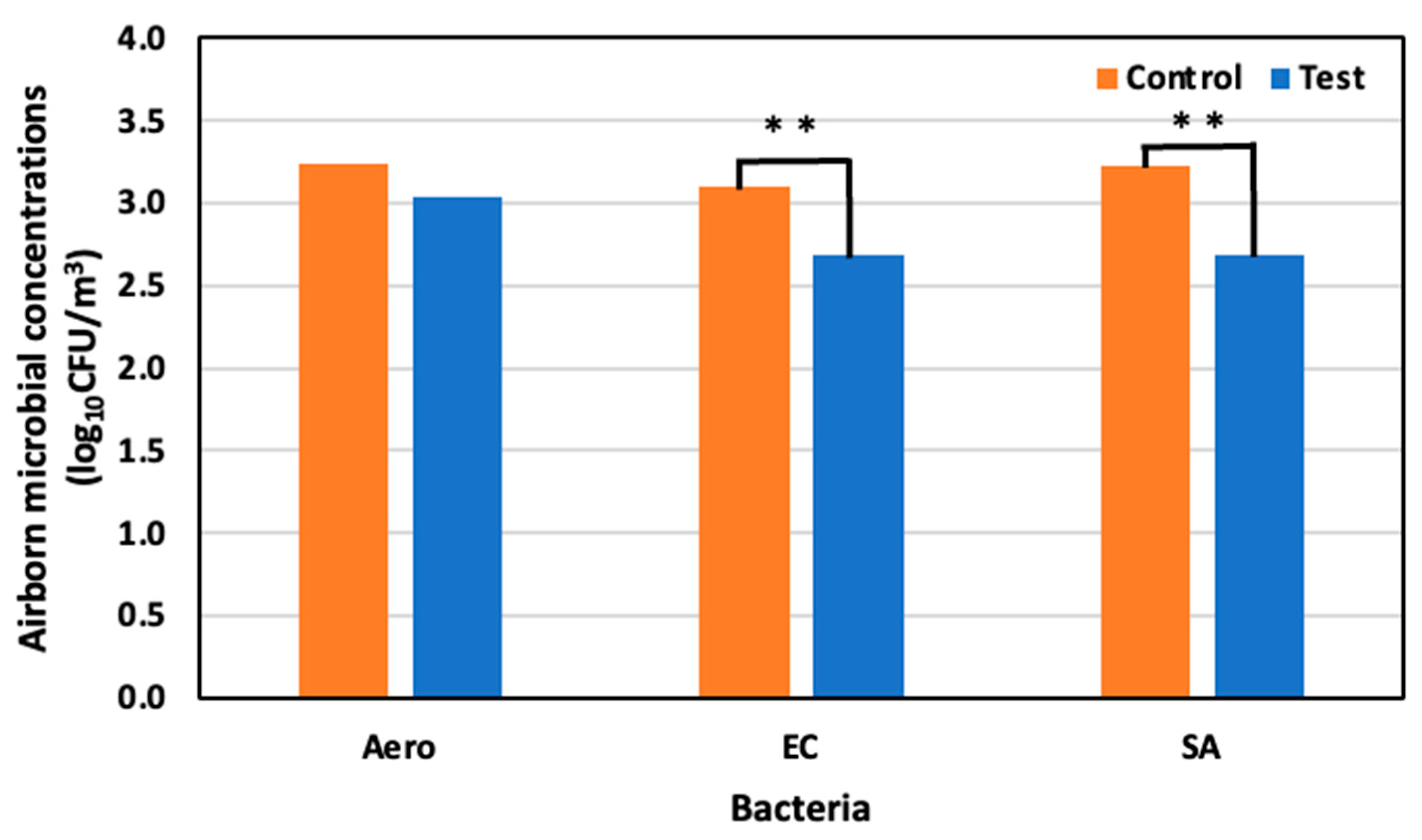
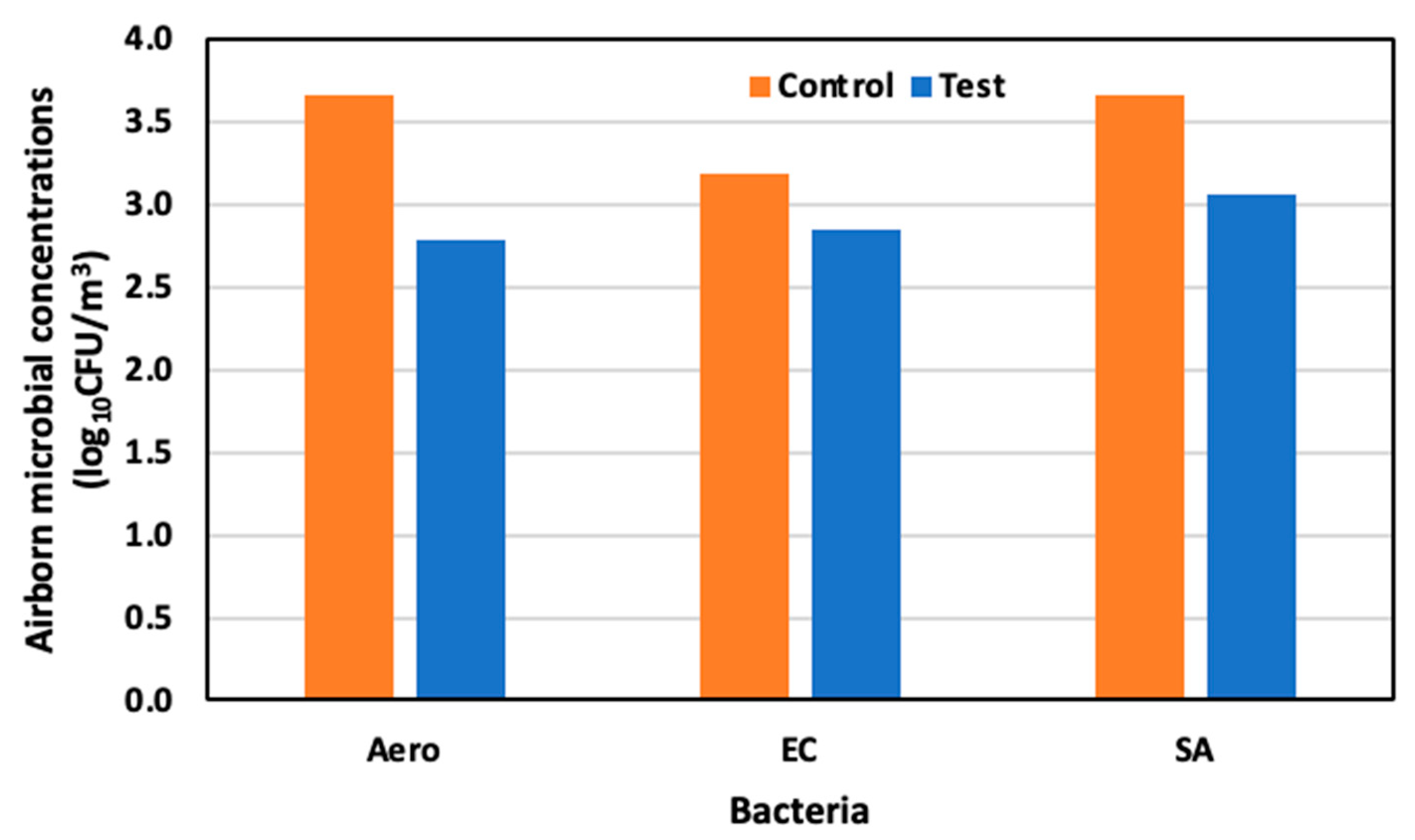
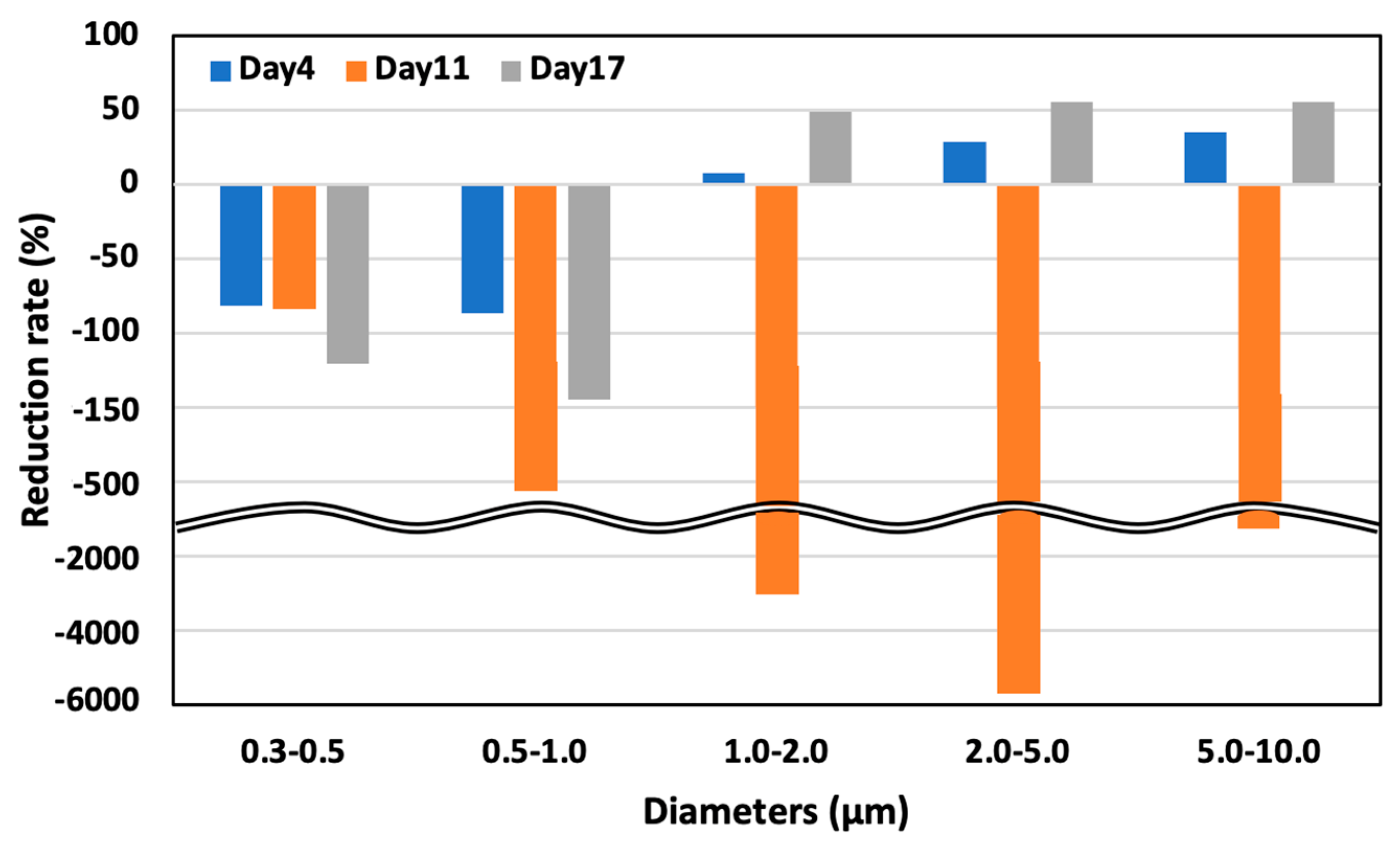
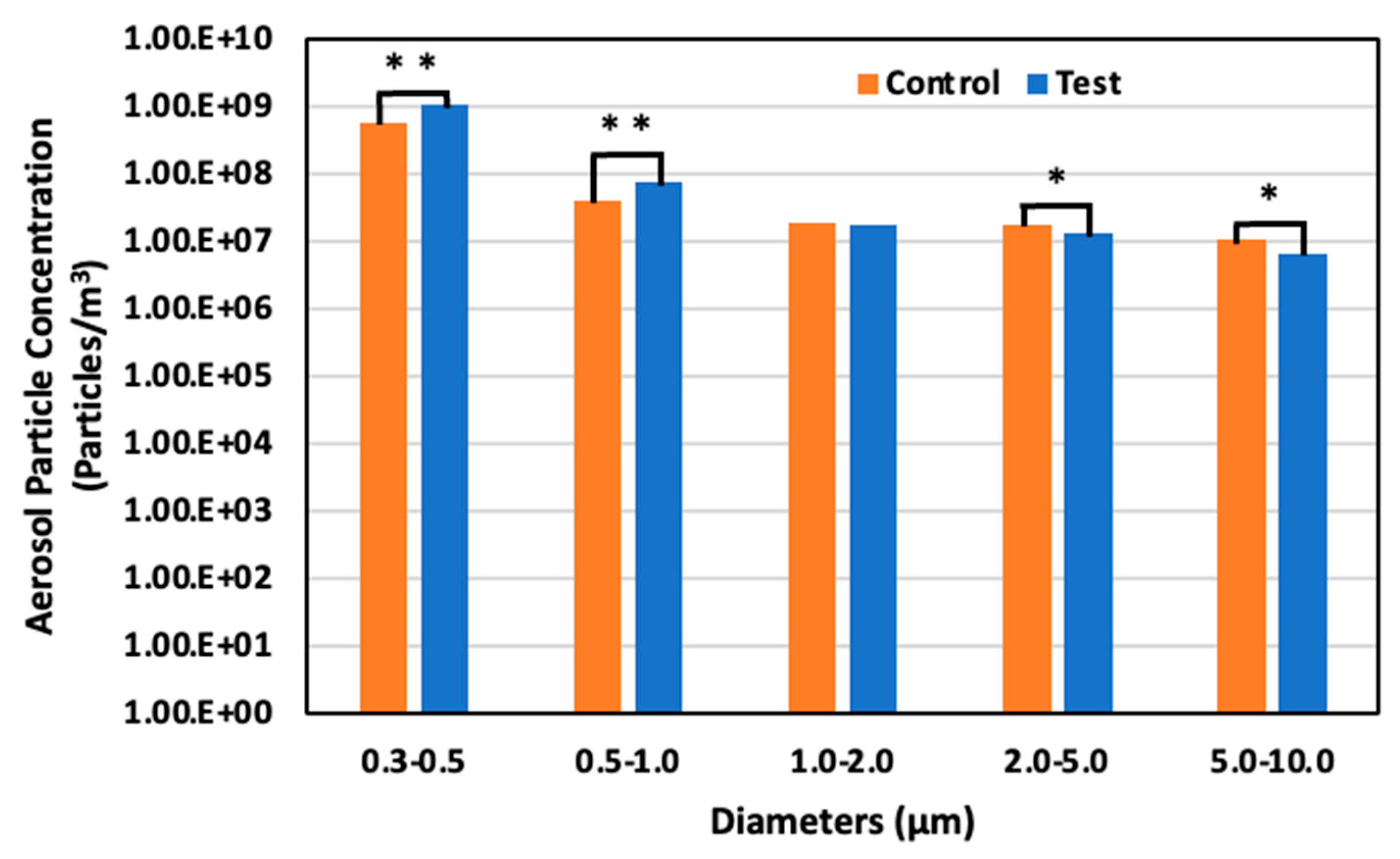
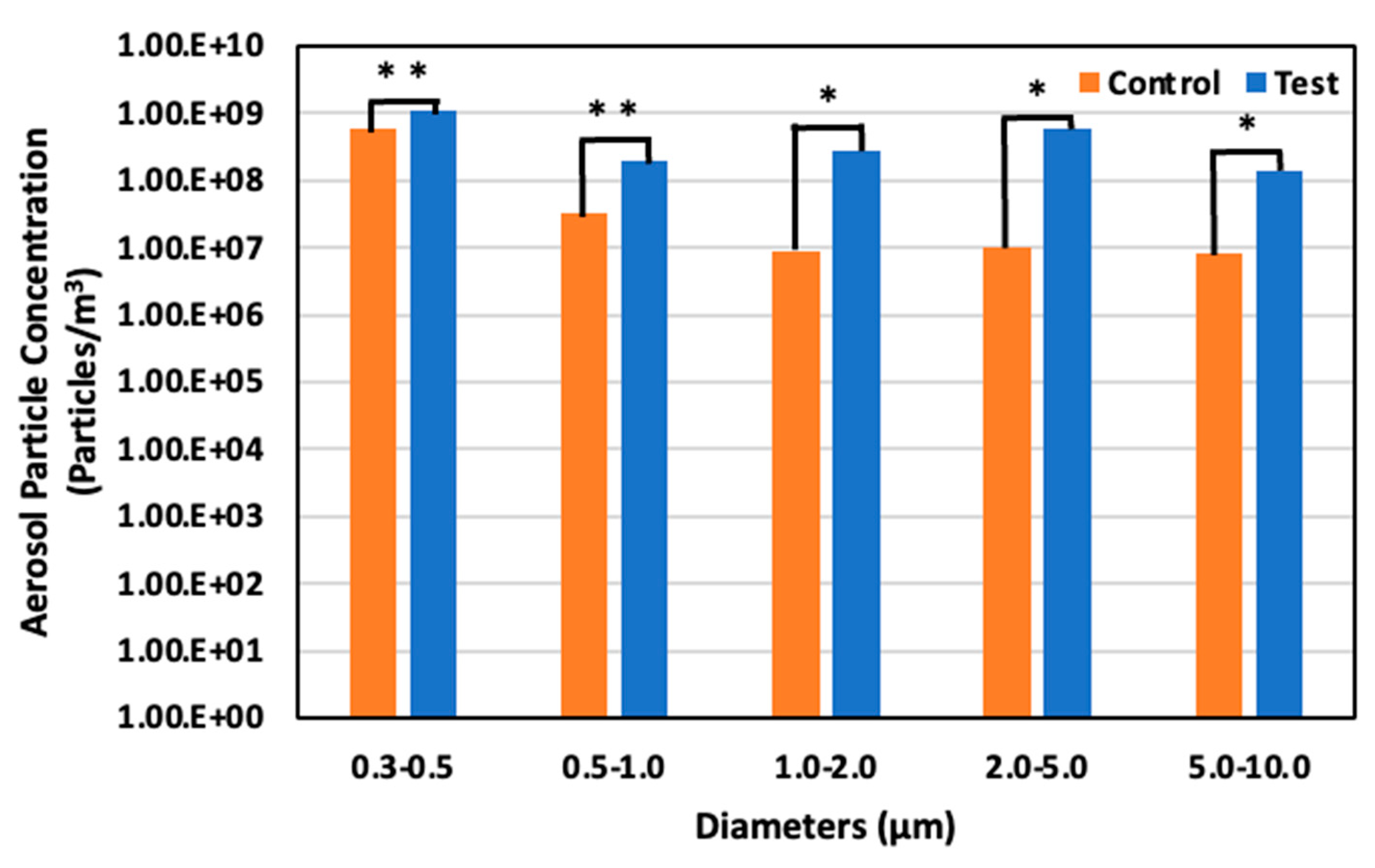
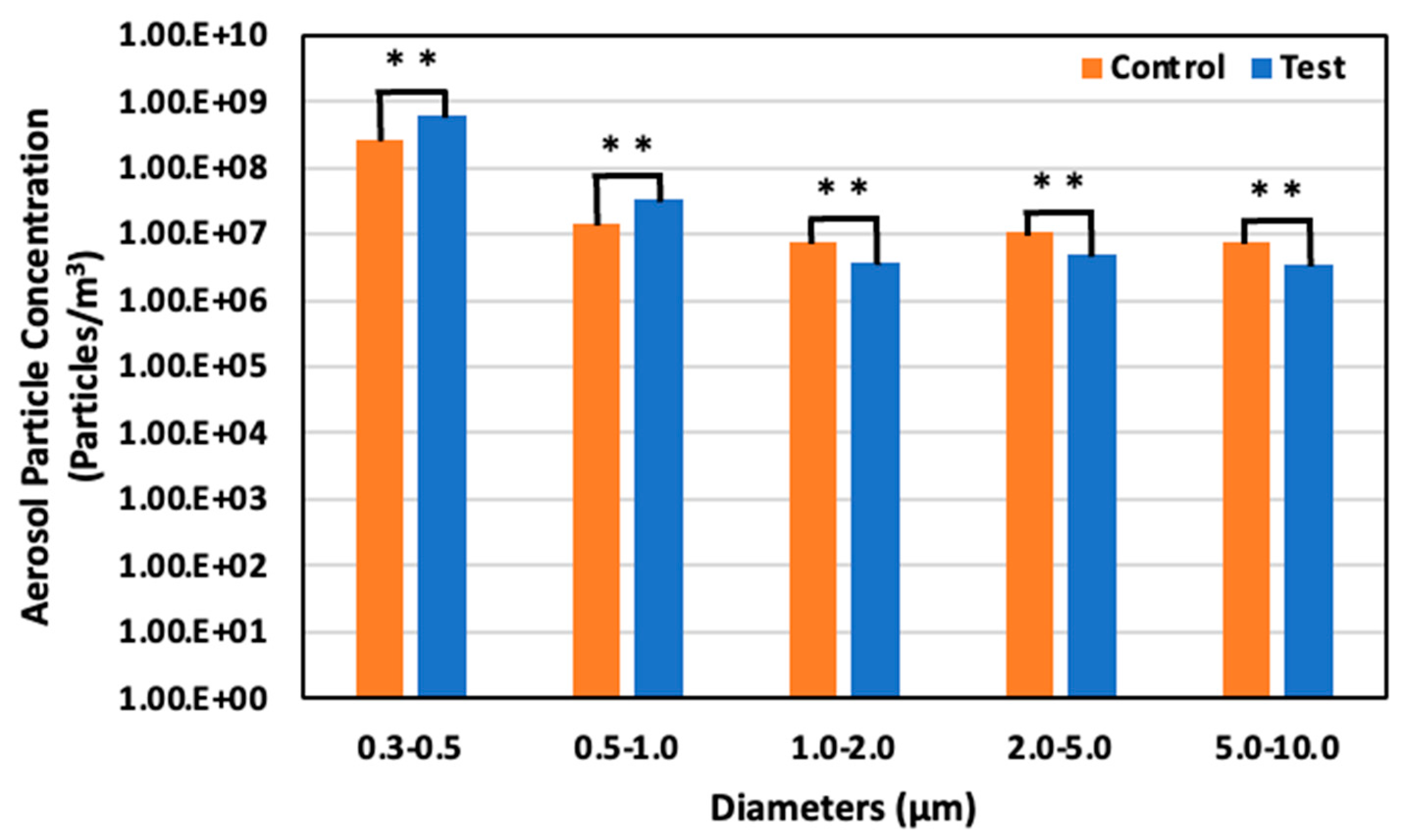
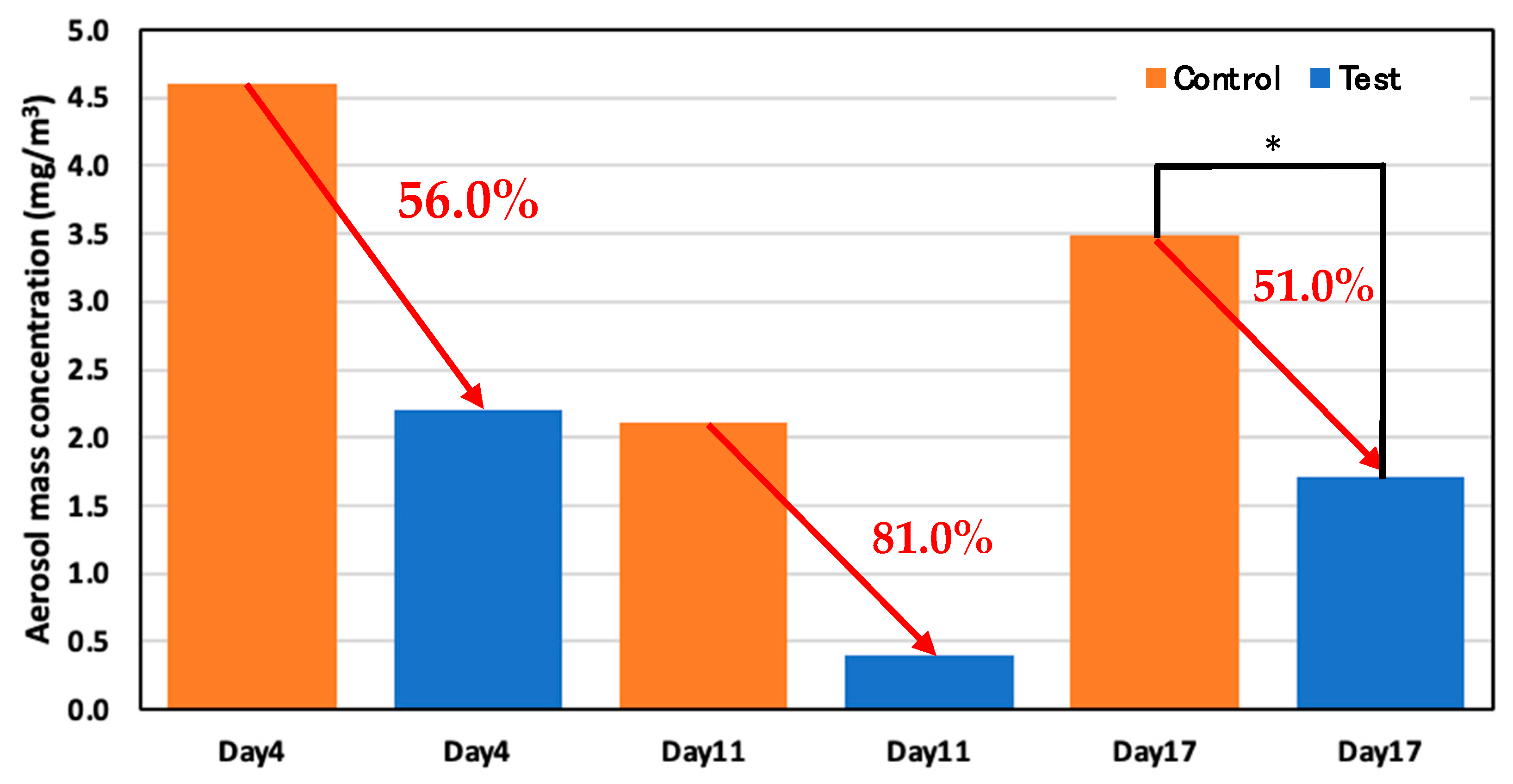
Enhancing biosecurity measures in livestock is an essential prerequisite for producing animal products with the highest levels of safety and quality. In Japan, 70% of the mortalities post-weaning are attributed to respiratory pathogens. The research has shown that microorganisms, including both viruses and bacteria, do not merely float in the air independently. Instead, they spread by adhering to aerosols. Therefore, improving the control of aerosol dissemination becomes a critical strategy for reducing pathogenic loads and boosting the overall efficiency of livestock production. This study focused on reducing concentrations of aerosol particles, airborne microbial concentrations, and airborne mass concentrations by spraying ozone solution with an ultrasonic sprayer. The experiments were conducted at a farm in Fukushima Prefecture, Japan, known for its integrated management system, overseeing a herd of 200 sows. Nanobubble ozone water particles were dispersed using an ultrasonic sprayer, which allowed the particles to remain airborne significantly longer than those dispersed using a standard nozzle, at a rate of 30 mL per weaning pig 49 days old, for a 10 min period. This procedure was followed by a 10 min pause, and the cycle was repeated for 17 days. Measurements included concentrations of airborne bacteria, aerosol mass, and aerosol particles. The findings demonstrated a substantial reduction in airborne microbial concentrations of Escherichia coli and Staphylococcus aureus in the treated area compared to the control, with reductions reaching a peak of 85.7% for E. coli and 69.5% for S. aureus. Aerosol particle sizes ranging from 0.3–0.5 µm, 0.5–1.0 µm, 1.0–2.0 µm, 2.0–5.0 µm, to 5.0–10.0 µm were monitored, with a notable decrease in concentrations among larger particles. The average aerosol mass concentration in the test area was over 50% lower than in the control area.