Assessment of the Impact of Dietary Supplementation with Epigallocatechin Gallate (EGCG) on Antioxidant Status, Immune Response, and Intestinal Microbiota in Post-Weaning Rabbits


College of Animal Science and Veterinary Medicine, Shenyang Agricultural University, Shenyang 110866, China
*
Author to whom correspondence should be addressed.
Animals 2024, 14(20), 3011; https://doi.org/10.3390/ani14203011
Submission received: 18 September 2024
/
Revised: 12 October 2024
/
Accepted: 15 October 2024
/
Published: 18 October 2024
(This article belongs to the Section Animal Physiology)
Simple Summary
Investigating strategies to mitigate weaning stress in rabbits holds considerable relevance for the rabbit breeding industry. Epigallocatechin gallate (EGCG), the predominant polyphenol in green tea, is recognized for its extensive health benefits. This study aimed to investigate the impact of dietary supplementation with EGCG on the antioxidant status, immune response, and intestinal microbiota in post-weaning rabbits. The results indicated that EGCG could effectively alleviate oxidative stress induced by weaning, as evidenced by enhanced antioxidant capacity, reduced peroxide generation, increased antioxidant enzymatic activity, improved intestinal morphology, decreased intestinal inflammation, and modulated intestinal microbiota flora. This information is essential for rabbit breeders seeking effective methods to mitigate post-weaning stress.
Abstract
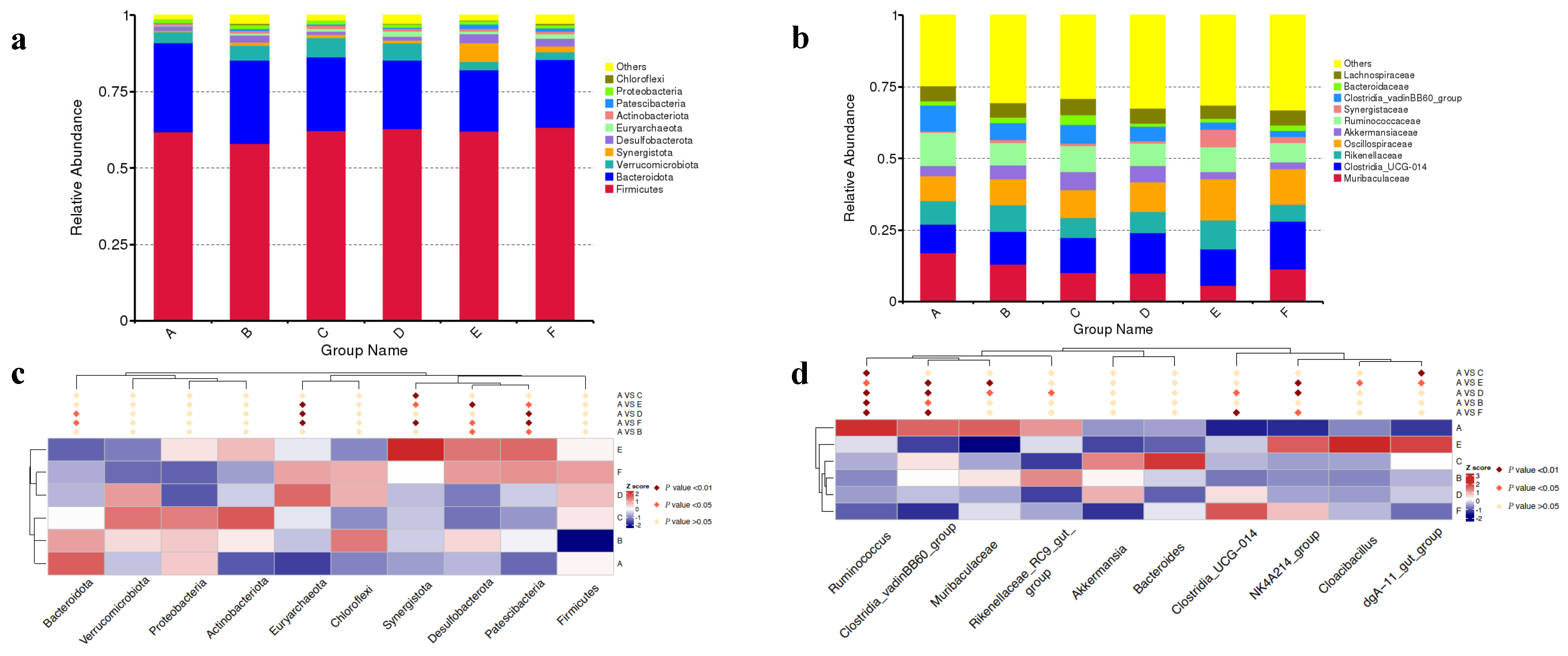
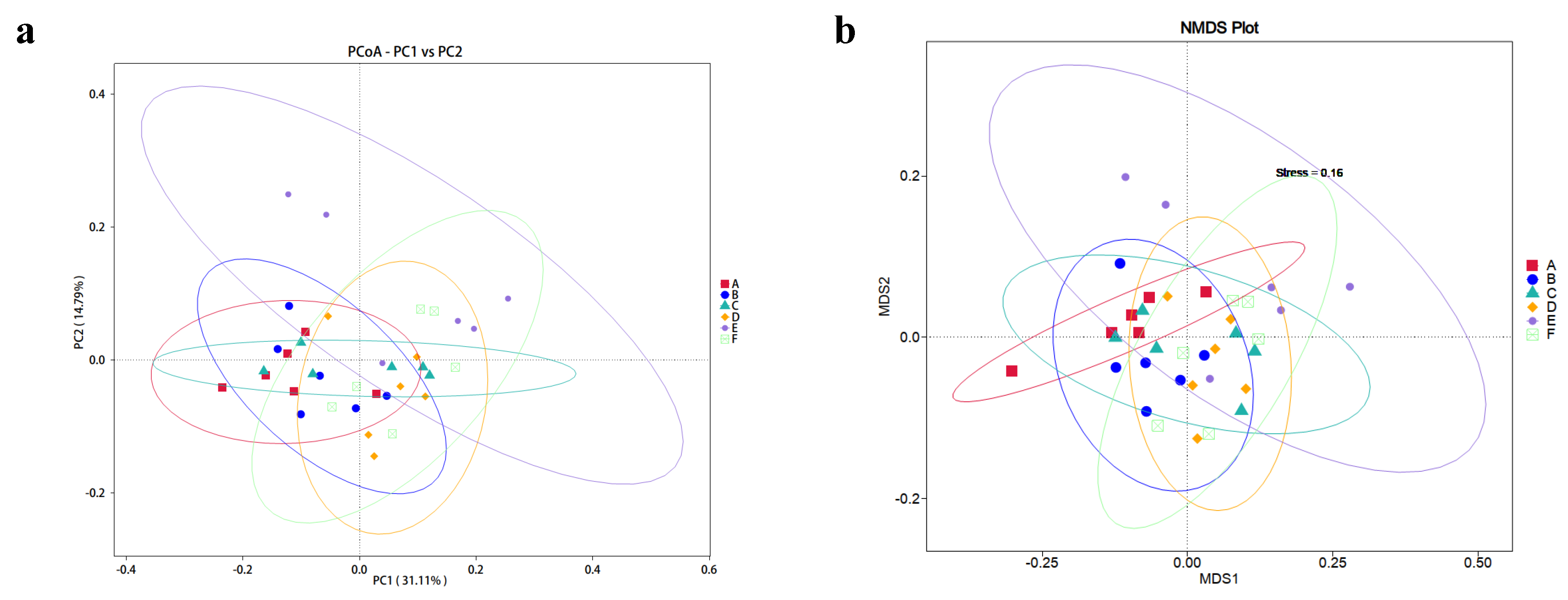
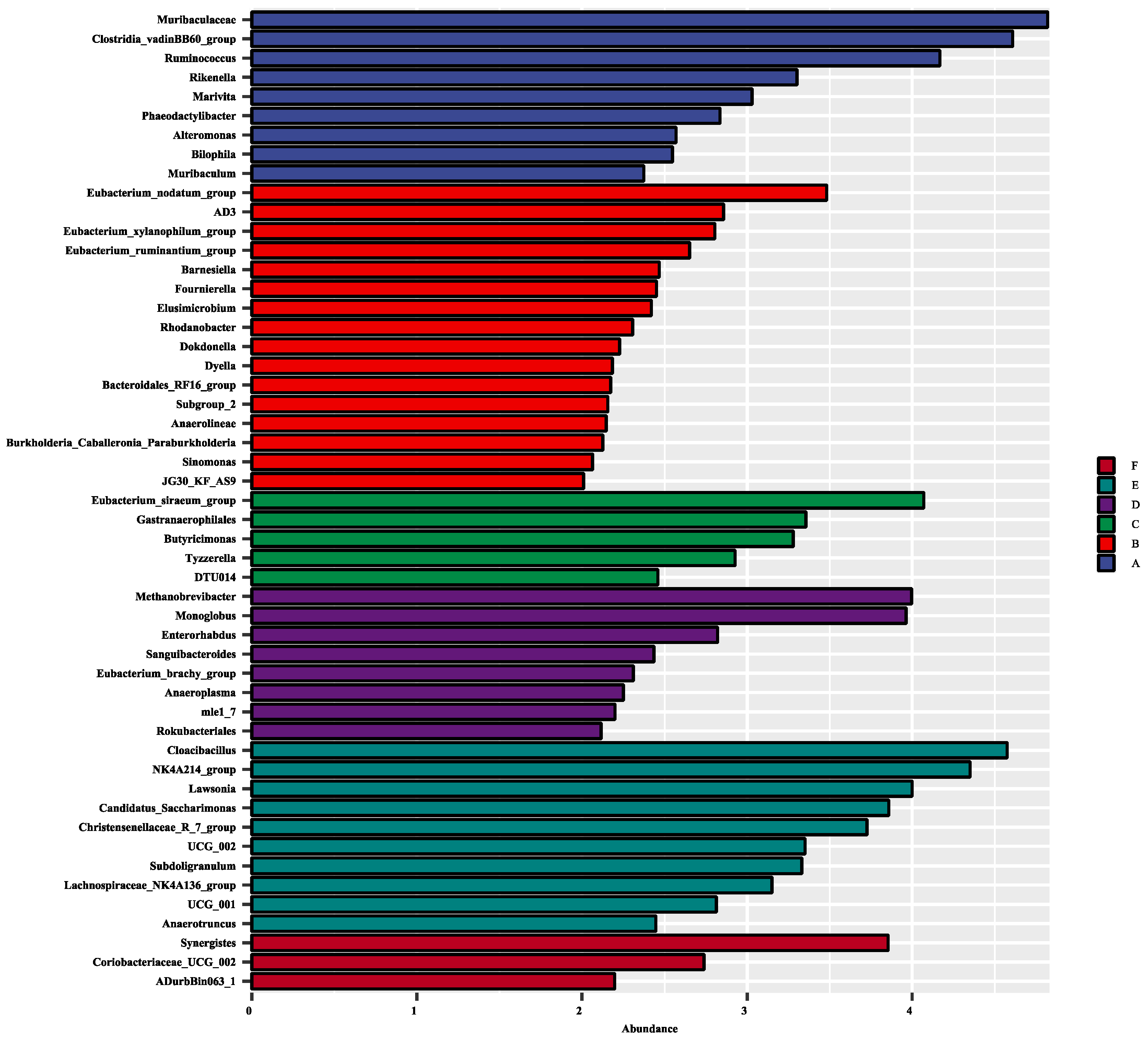
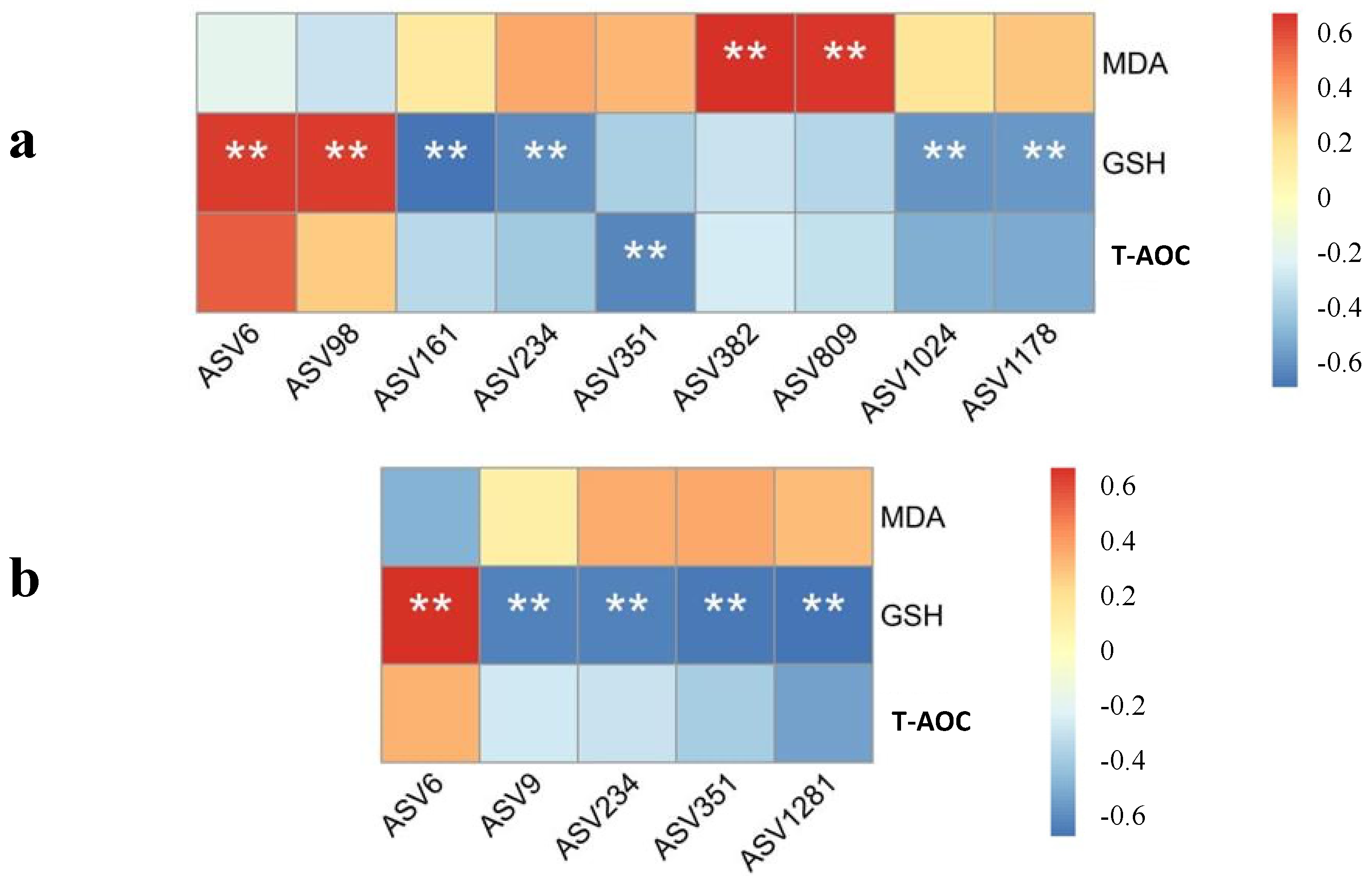
This study was conducted to investigate the impact of EGCG on antioxidant stress, immune response, and intestinal microbiota flora in post-weaning rabbits. A total of 144 40 d Ira rabbits (equally divided by sex), were randomly allocated to six treatments. with five groups receiving doses of 200, 400, 600, 800, and 1000 mg/kg of EGCG, while one group served as a control without EGCG. Over 48 days, this study the assessed growth performance, antioxidant capacity, immune system, intestinal morphology, and cecal microbiota in the rabbits. The results showed that EGCG did not affect growth performance; however, significant linear and quadratic correlations were observed between the MDA, T-AOC, and GSH-Px activities in the liver and jejunum (p < 0.05). Quadratic effects were observed for the spleen and thymus indexes and serum IgG levels with increasing EGCG dosages (p < 0.05). Additionally, positive linear and quadratic effects were found on the ileal villus height and the villus height/crypt depth ratio. The relative abundances of Euryarchaeota, Patescibacteria, and Synergistota were significantly enriched in rabbits fed with high dosages (600–1000 mg/kg) of EGCG. Conclusively, the addition of large doses of EGCG (400–800 mg/kg) can effectively suppress oxidative stress and alleviate weaning stress, thereby contributing to the protection of post-weaning rabbits.
Keywords:
weaning stress; antioxidant capacity; microbiota; rabbits; EGCG