Effect of Bile Acids Supplementation in Fatty Liver Hemorrhagic Syndrome, Production Performance, Physiological and Quality Characteristics of Laying Hen Eggs
by
 and
and
Wen Li
1,2,†,
Yu Zhang
1,2,†,
Jingyi Yang
1,2,
Hao Xu
1,2,
Ruiqi Ye
1,2,
Jiale Wu
1,2,
Mixia Cao
1,2,3,
Chunfang Zhao
1,2,3,
Bing Yang
1,2,3,
Chang Liu
1,2,3,* and
Lei Li
1,2,3,* 1
College of Animal Science, Anhui Science and Technology University, Fengyang 233100, China
2
Anhui Province Key Laboratory of Animal Nutritional Regulation and Health, Fengyang 233100, China
3
Key Laboratory of Quality & Safety Control for Pork, Ministry of Agriculture and Rural, Fengyang 233100, China
*
Authors to whom correspondence should be addressed.
†
These authors contributed equally to this work.
Animals 2024, 14(13), 1910; https://doi.org/10.3390/ani14131910
Submission received: 27 May 2024
/
Revised: 23 June 2024
/
Accepted: 25 June 2024
/
Published: 28 June 2024
(This article belongs to the Section Poultry)
Simple Summary
Bile acids (BAs) are metabolic byproducts of cholesterol in liver cells and play an important role in fat metabolism. Intensive and high-density feeding practices can impose a heavy burden on animal livers, and even lead to liver diseases such as fatty liver, cirrhosis, and liver toxicity. Therefore, this study investigated the effect of bile acid supplementation in fatty liver hemorrhagic syndrome, production performance, and physiological and quality characteristics of laying hen eggs. In summary, BA supplementation significantly improves the production performance and egg quality in high-fat diet (HFD)-treated laying hens, by enhancing antioxidant capacity, modulating the inflammatory response, as well as altering the intestinal microbiota composition. These findings underscore the multifaceted benefits of BAs supplementation in poultry nutrition, offering a promising strategy to optimize egg production and hen health.
Abstract
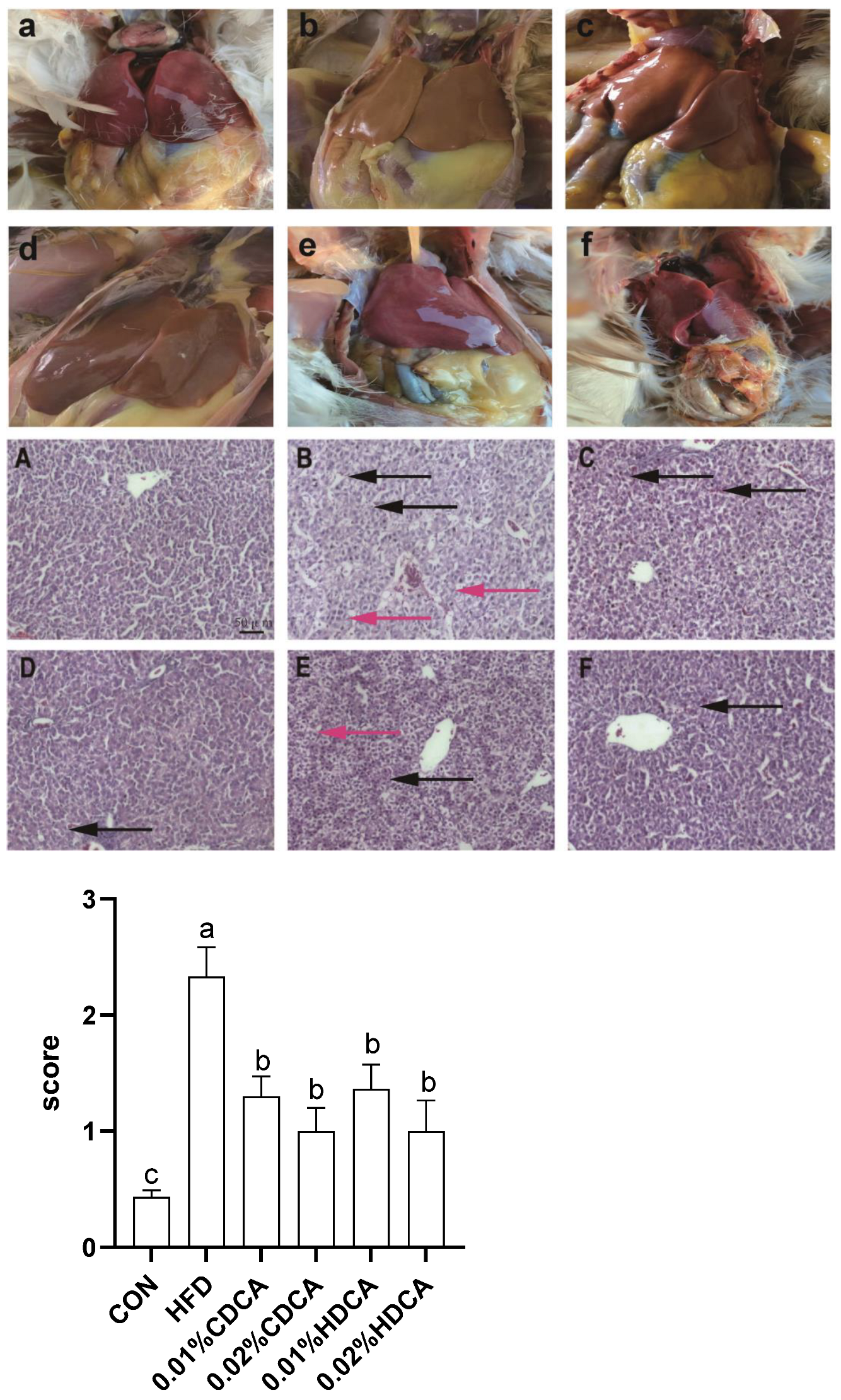
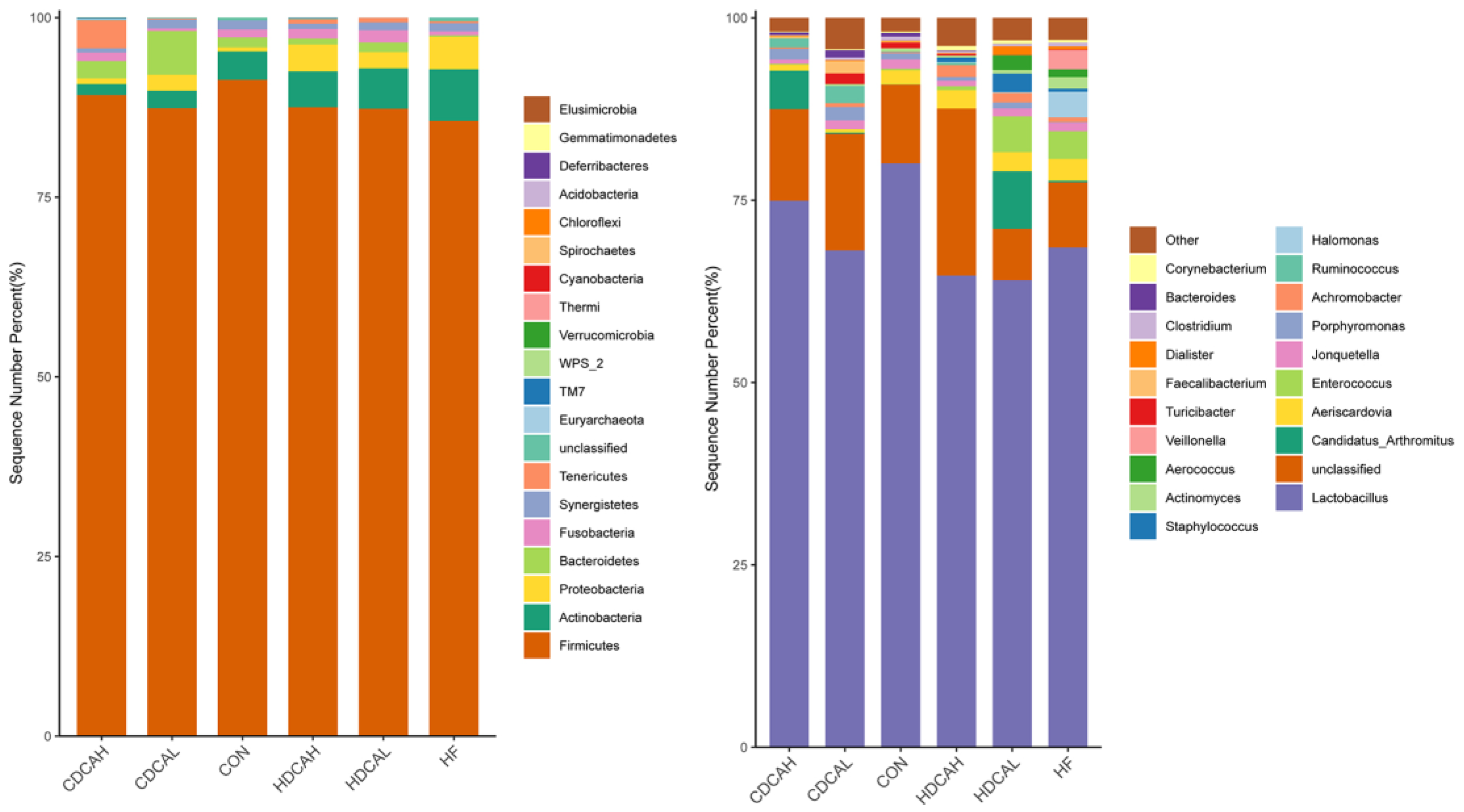
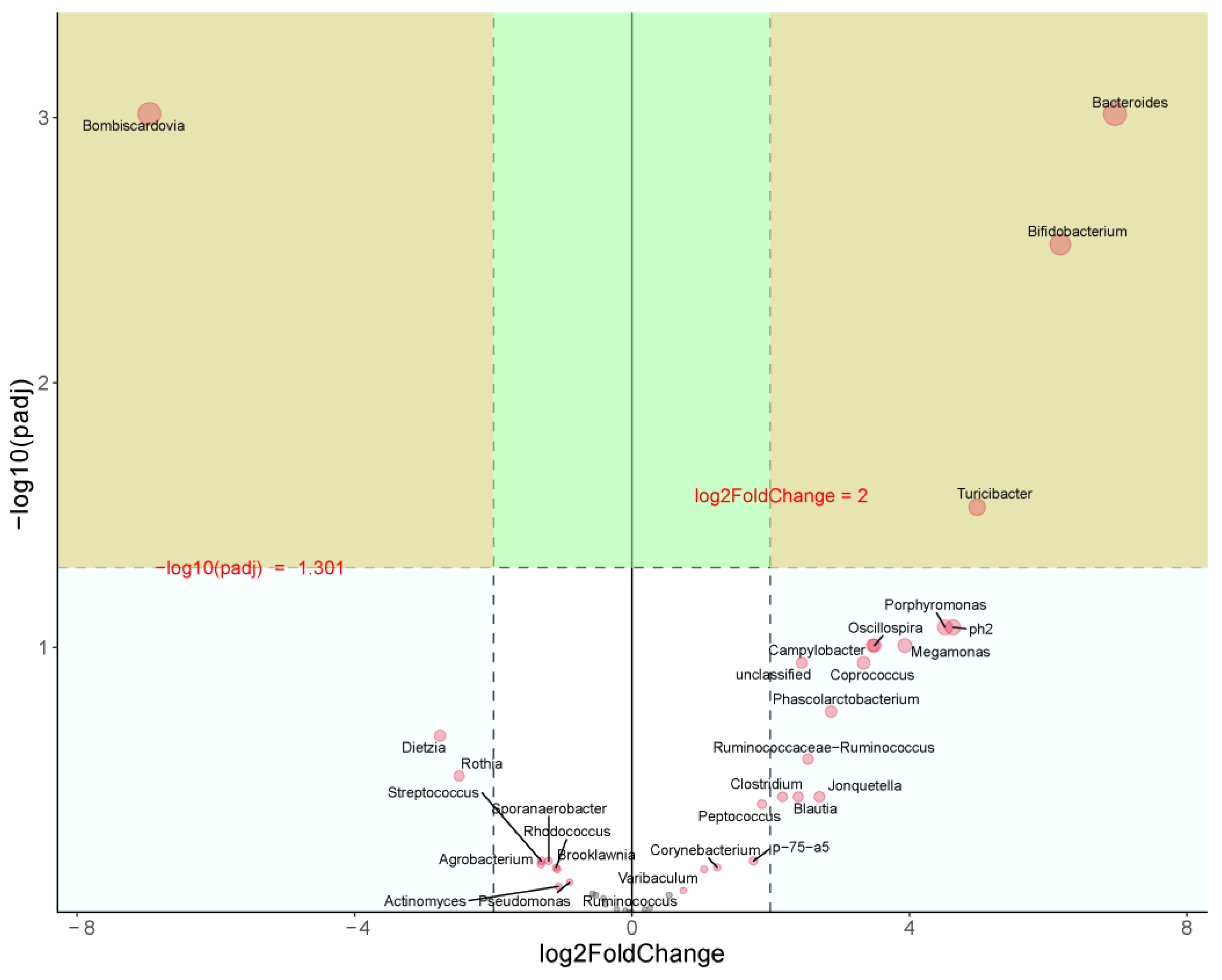
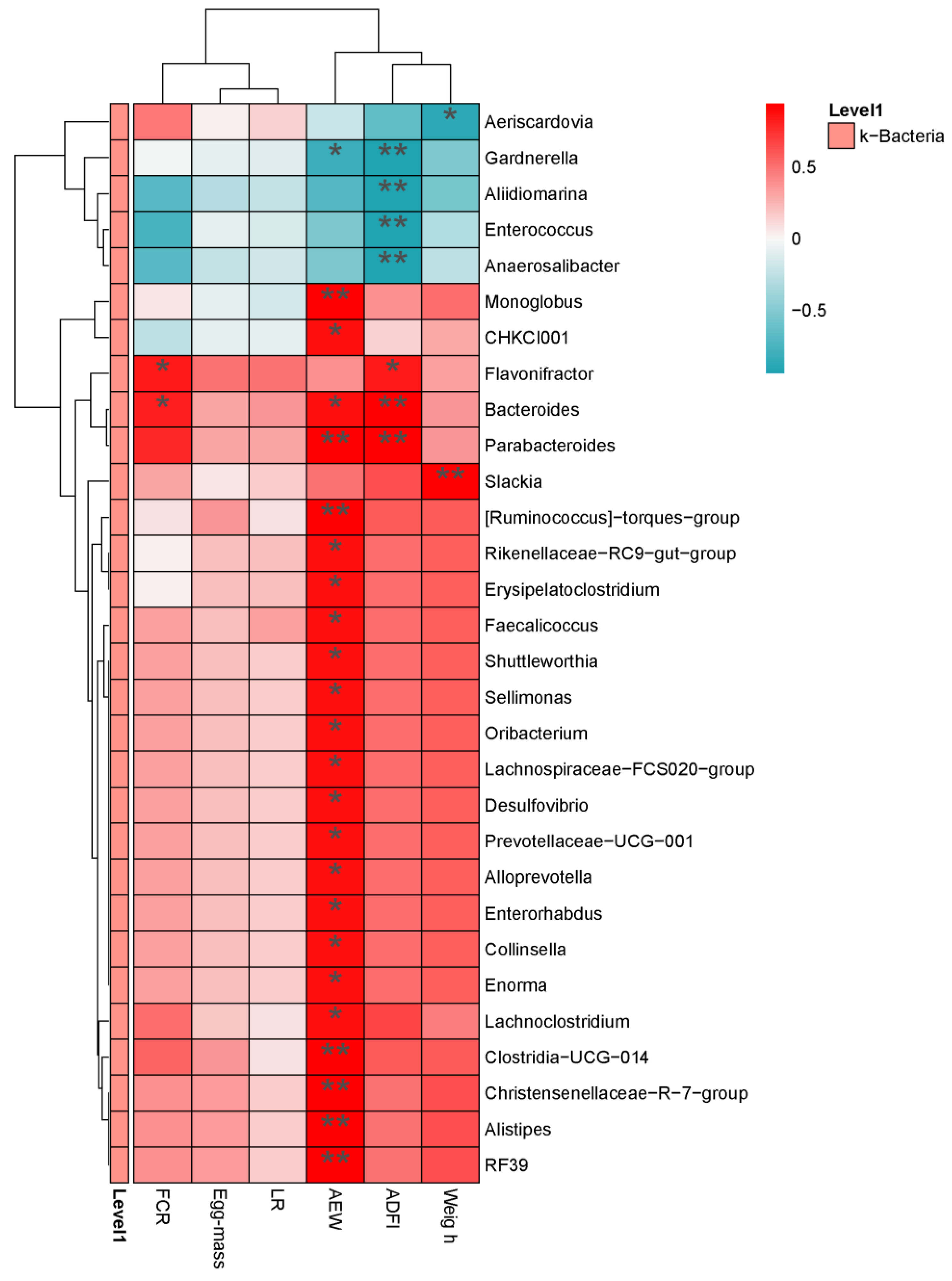
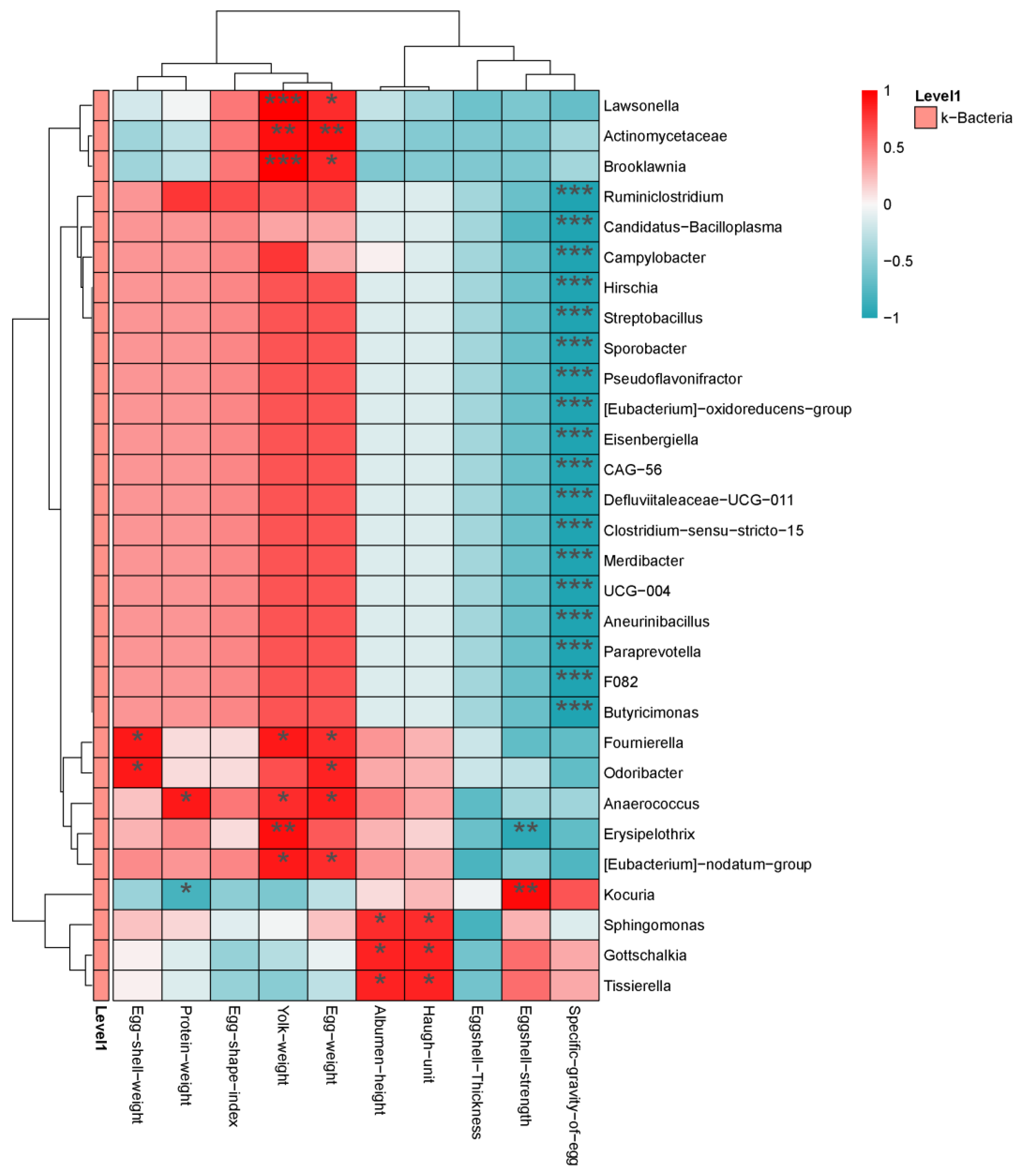
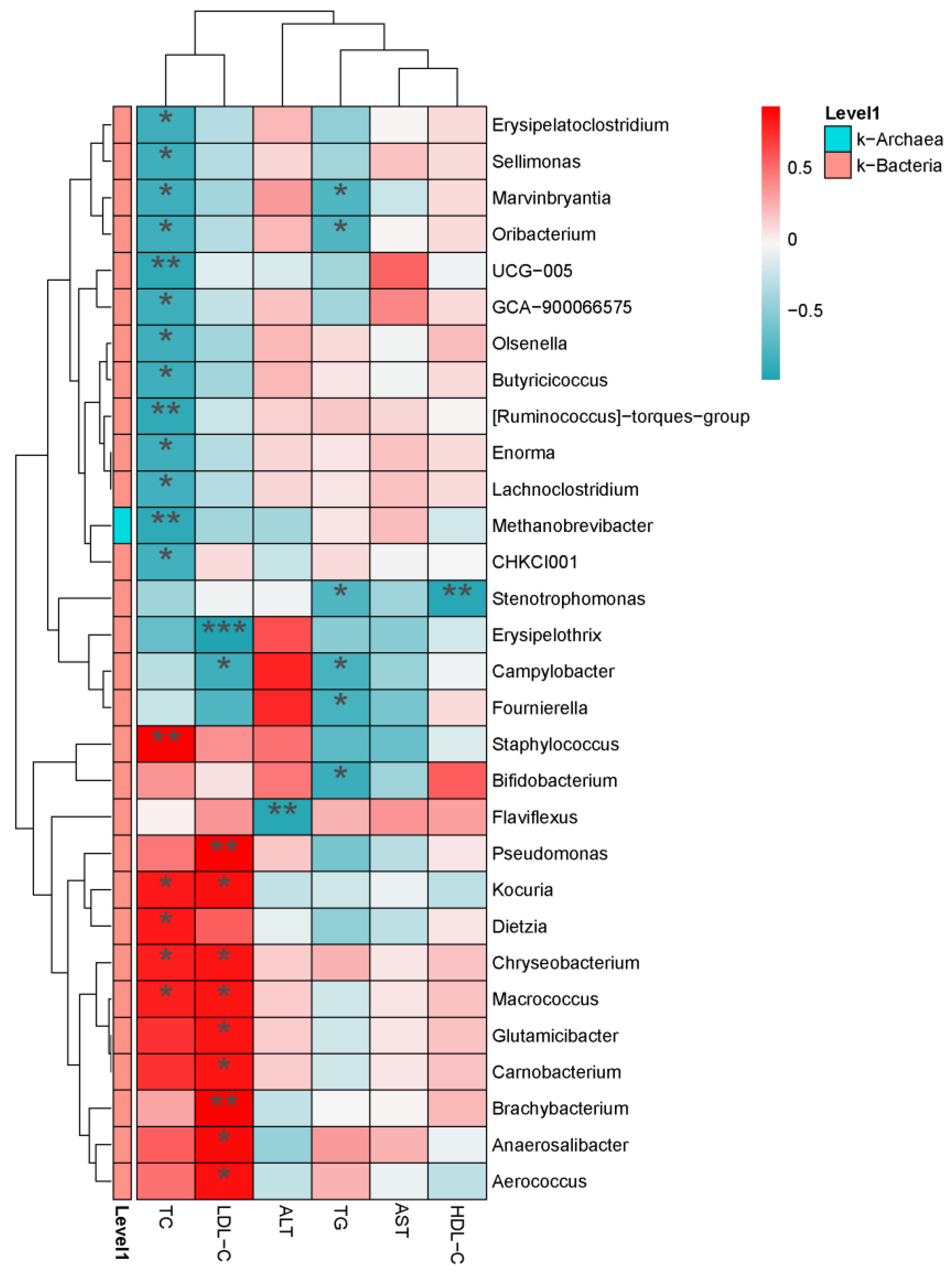
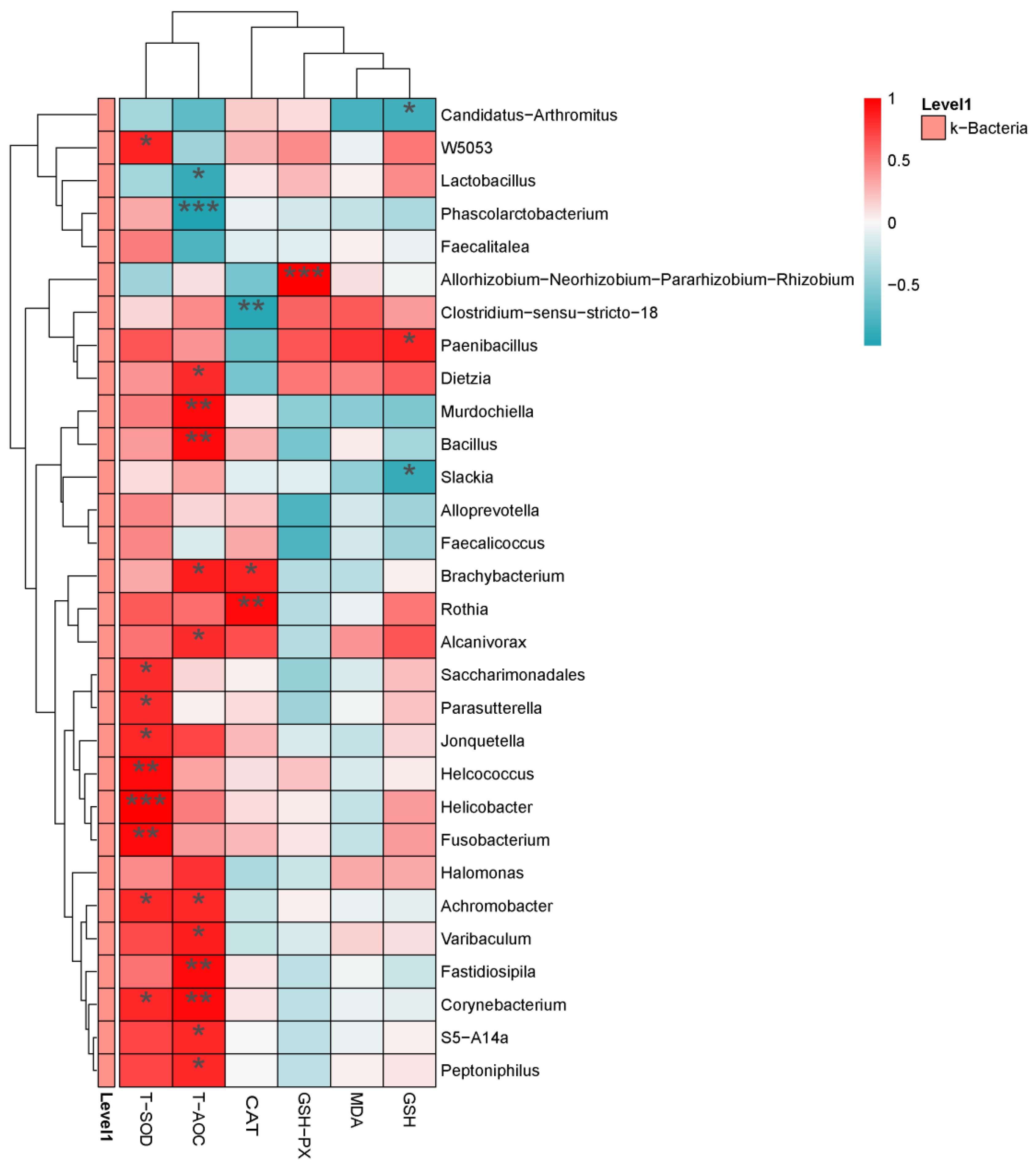
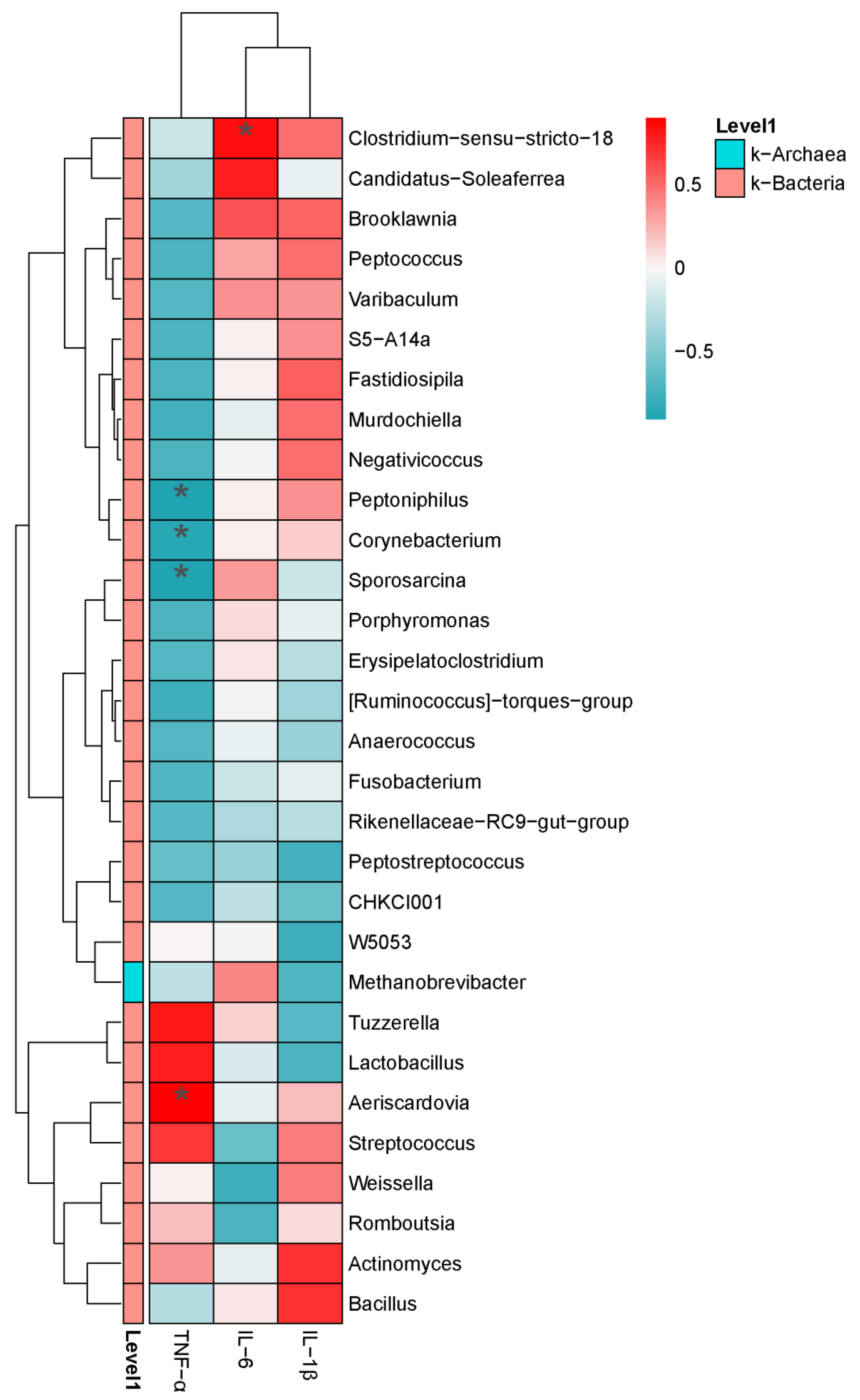
This study aimed to investigate the effects of bile acids (BAs) supplementation on fatty liver hemorrhagic syndrome (FLHS), production performance, and physiological and quality characteristics of laying hen eggs. Sixty Sanhuang laying hens, aged 28 weeks, were randomly allocated to six dietary treatments over a 4-week period, including the control (CON) group (feeding basal diet), the high-fat diet (HFD)-treated group (basal diet containing 10% soybean oil), and HFD supplemented with 0.01% and 0.02% of chenodeoxycholic acid (CDCA) or hyodeoxycholic acid (HDCA) groups. Production performance, egg quality, liver morphology, serum biochemical indexes, antioxidant capacity, proinflammatory cytokines, and intestinal microbiota were evaluated. The average body weight in 0.01% CDCA was larger than in the HFD group (p < 0.05). Eggshell Thickness in the CON group was greater than in the HFD, 0.01% CDCA, and HDCA groups (p < 0.05). Albumen height in the 0.02% HDCA group was higher than the HFD group (p < 0.05). Eggshell weight in the HFD group was less than the CON group (p < 0.05). Haugh unit (HU) in the HDCA group was larger than the HFD group (p < 0.05). Albumen weight in the 0.02% HDCA group was greater than the CON and HFD groups (p < 0.05). In the HFD group, the levels of triglyceride (TG), total cholesterol (TC), and low-density lipo-protein cholesterol (LDL-C) were surpassing the other groups (p < 0.05). The levels of catalase (CAT) and total superoxide dismutase (T-SOD) in the HFD group was smaller than the other groups (p < 0.05). The level of malondialdehyde (MDA) in the HFD group was higher than in the other groups (p < 0.05). Tumor necrosis factor-α (TNF-α) levels were larger in the HFD group than in the other groups (p < 0.05). The 16S rRNA sequencing analysis indicated significant variations in the relative abundance of specific bacterial populations among the different treatment groups. The treatment and CON groups exhibited a higher presence of bacteria that inhibit host energy absorption or promote intestinal health such as Firmicutes, Bacteroidetes, and Ruminococcus, whereas the HFD group showed an increased prevalence of potentially pathogenic or deleterious bacteria, such as Desulfovibrio spp. In conclusion, the supplementation of BAs in poultry feed has been demonstrated to effectively mitigate the detrimental effects of FLHS in laying hens. This intervention regulates lipid metabolism, bolsters antioxidant defenses, reduces inflammation, and modulates the gut microbiota, offering a novel perspective on the application of BAs in the poultry industry.
Keywords:
bile acids; 16S rRNA sequencing; intestinal microbiota; fatty liver; laying hens