Expression of DAZL Gene in Selected Tissues and Association of Its Polymorphisms with Testicular Size in Hu Sheep

1
State Key Laboratory of Grassland Agro-Ecosystems, Key Laboratory of Grassland Livestock Industry Innovation, Ministry of Agriculture and Rural Affairs, Engineering Research Center of Grassland Industry, Ministry of Education, College of Pastoral Agriculture Science and Technology, Lanzhou University, Lanzhou 730020, China
2
Engineering Laboratory of Sheep Breeding and Reproduction Biotechnology in Gansu Province, Minqin 733300, China
*
Author to whom correspondence should be addressed.
†
These authors contributed equally to this work.
Animals 2020, 10(4), 740; https://doi.org/10.3390/ani10040740
Submission received: 9 March 2020
/
Revised: 17 April 2020
/
Accepted: 20 April 2020
/
Published: 23 April 2020
(This article belongs to the Section Small Ruminants)
Simple Summary
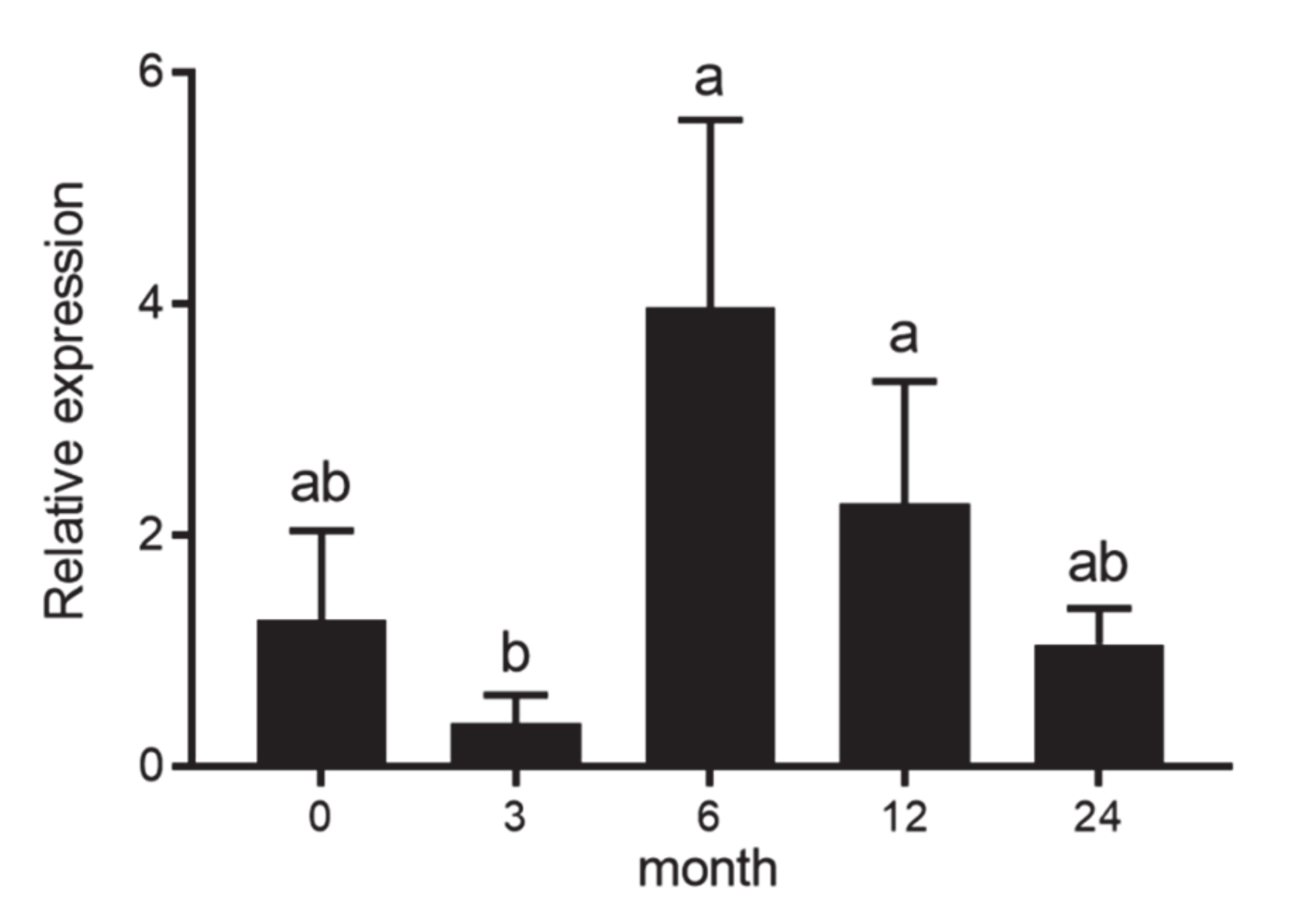
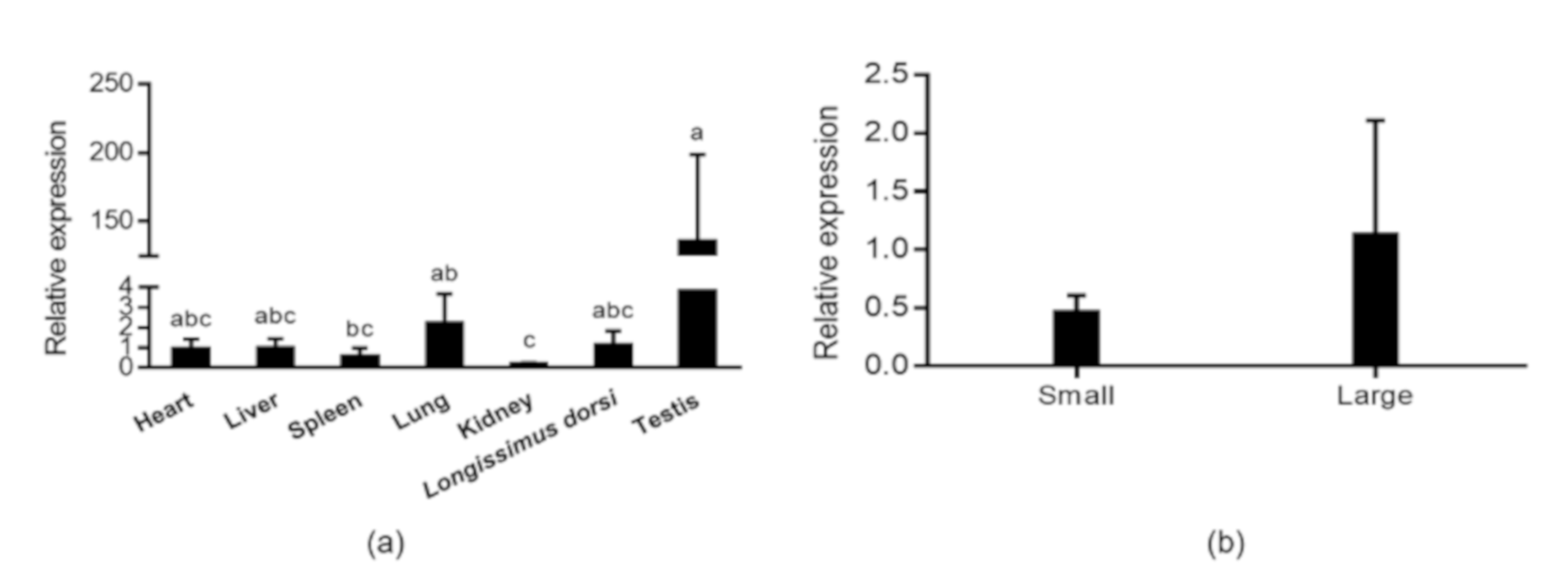
The deleted in azoospermia-like (DAZL) is an RNA binding protein coding gene in autosomal, playing important roles in testicular development and gametogenesis. In this paper, we found that DAZL is extremely highly expressed in testis compared with other organs and reaches to a peak at sex maturity (6-month old) in testis. Two single nucleotide polymorphisms (SNPs) within DAZL were found to have significant effect on the variation coefficient between left and right epididymis weight.
Abstract
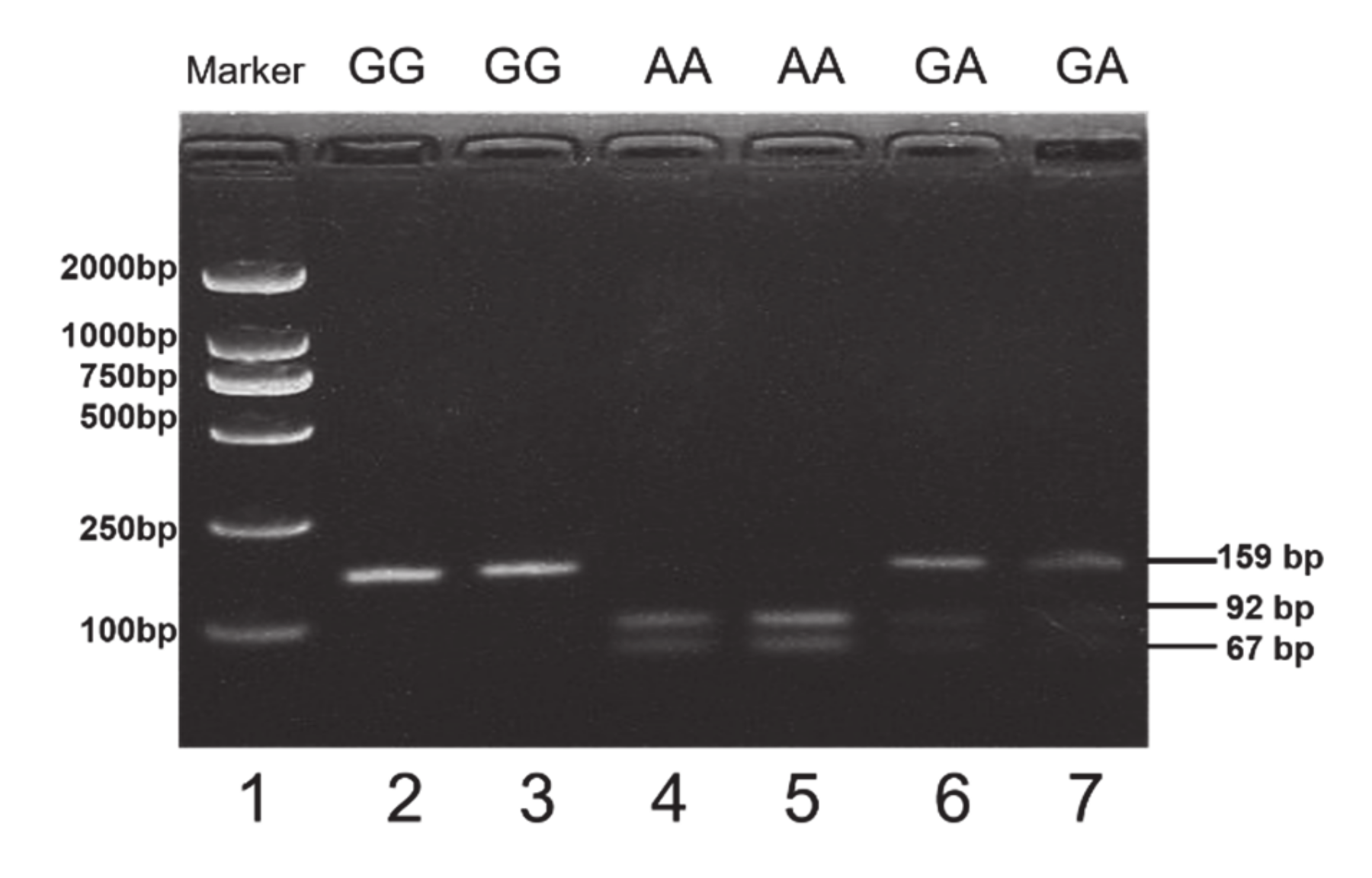
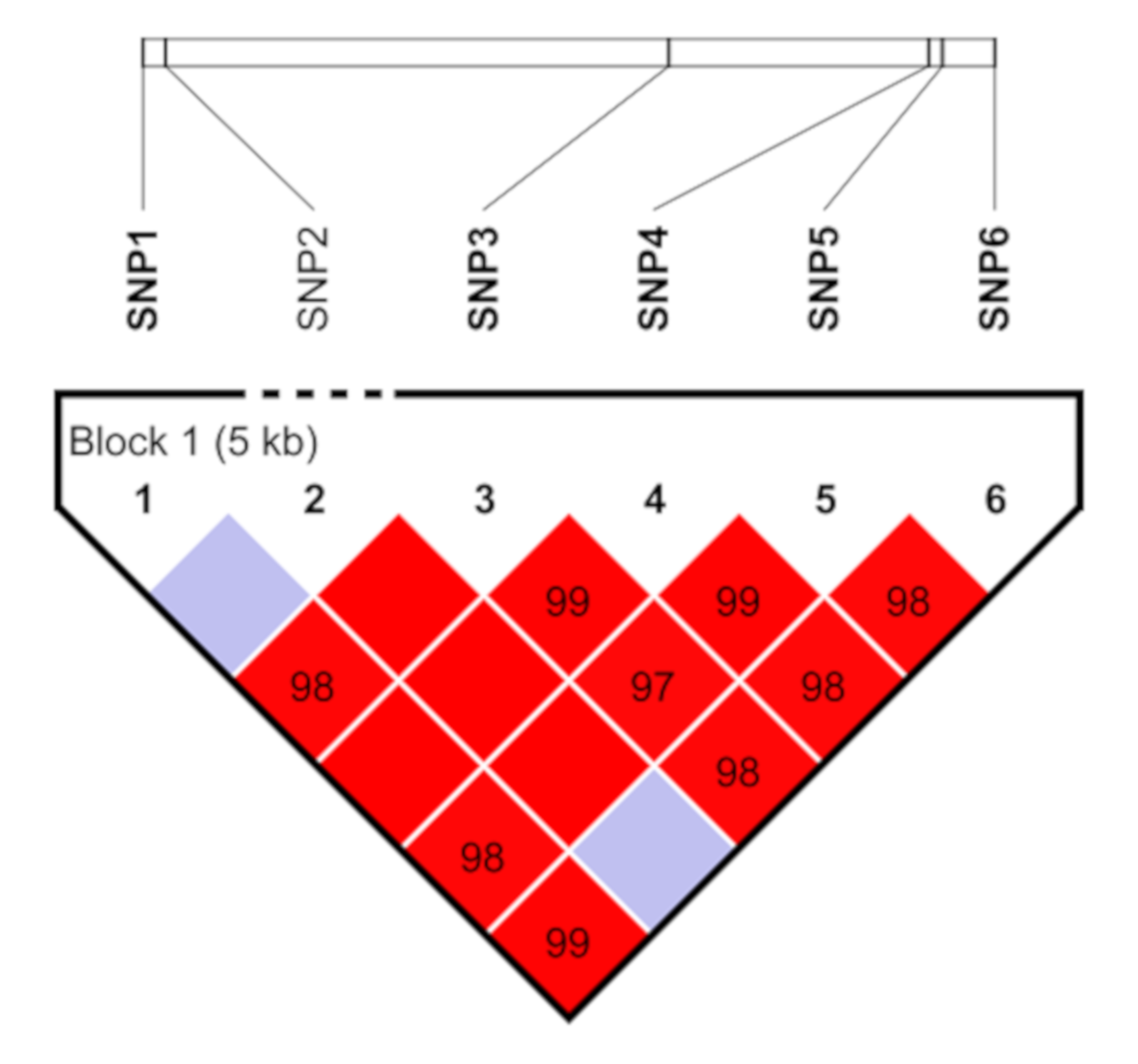
The deleted in azoospermia-like (DAZL) gene encoding an RNA binding protein is pivotal in gametogenesis in lots of species and also acts as a pre-meiosis marker. The current study was conducted to detect expression profiles and single nucleotide polymorphisms (SNPs) of DAZL in sheep using qPCR, DNA-pooled sequencing, improved multiplex ligase detection reaction (iMLDR®) and restriction fragment length polymorphism (RFLP) methods. The results confirmed that ovine DAZL showed the highest expression level at six-months of age across five developmental stage. At six-month stage, DAZL expressed primarily in testis across seven tissues analyzed. The abundance of DAZL in the large-testis group is higher than that in the small-testis group although it is not significant. In addition, six SNPs (SNP1-SNP6) were identified in DAZL. Of those, SNP1 (p < 0.05) and SNP6 (p < 0.01) were significantly correlated with the variation coefficient between left and right epididymis weight (VCTW). The current study implies DAZL may play important roles in testicular development and its SNPs are associated with testicular parameters, which supply important indicators for ram selection at early stage.
Keywords:
DAZL; expression; Hu sheep; polymorphism; testis