Article

PeaT1 and PeBC1 Microbial Protein Elicitors Enhanced Resistance against Myzus persicae Sulzer in Chili Capsicum annum L.

1
Department of Plant Pathology, Agriculture College, Guizhou University, Guiyang 550025, China
2
Department of Environmental Science, PMAS-Arid Agriculture University, Rawalpindi 46000, Pakistan
3
Department of Surgery (Surgical Unit 1 HFH), Rawalpindi Medical University, Rawalpindi 46000, Pakistan
4
Department of Clinical studies, Pir Mehr Ali Shah-Arid Agriculture University, Rawalpindi 46300, Pakistan
5
Department of Entomology, PMAS-Arid Agriculture University, Rawalpindi 46000, Pakistan
6
Rothamsted Research, West Common, Harpenden AL5 2JQ, UK
*
Author to whom correspondence should be addressed.
Microorganisms 2021, 9(11), 2197; https://doi.org/10.3390/microorganisms9112197

Submission received: 29 September 2021 / Revised: 8 October 2021 / Accepted: 11 October 2021 / Published: 21 October 2021
(This article belongs to the Special Issue Future Use of Antibacterial Compounds of Plant Origin)

Abstract

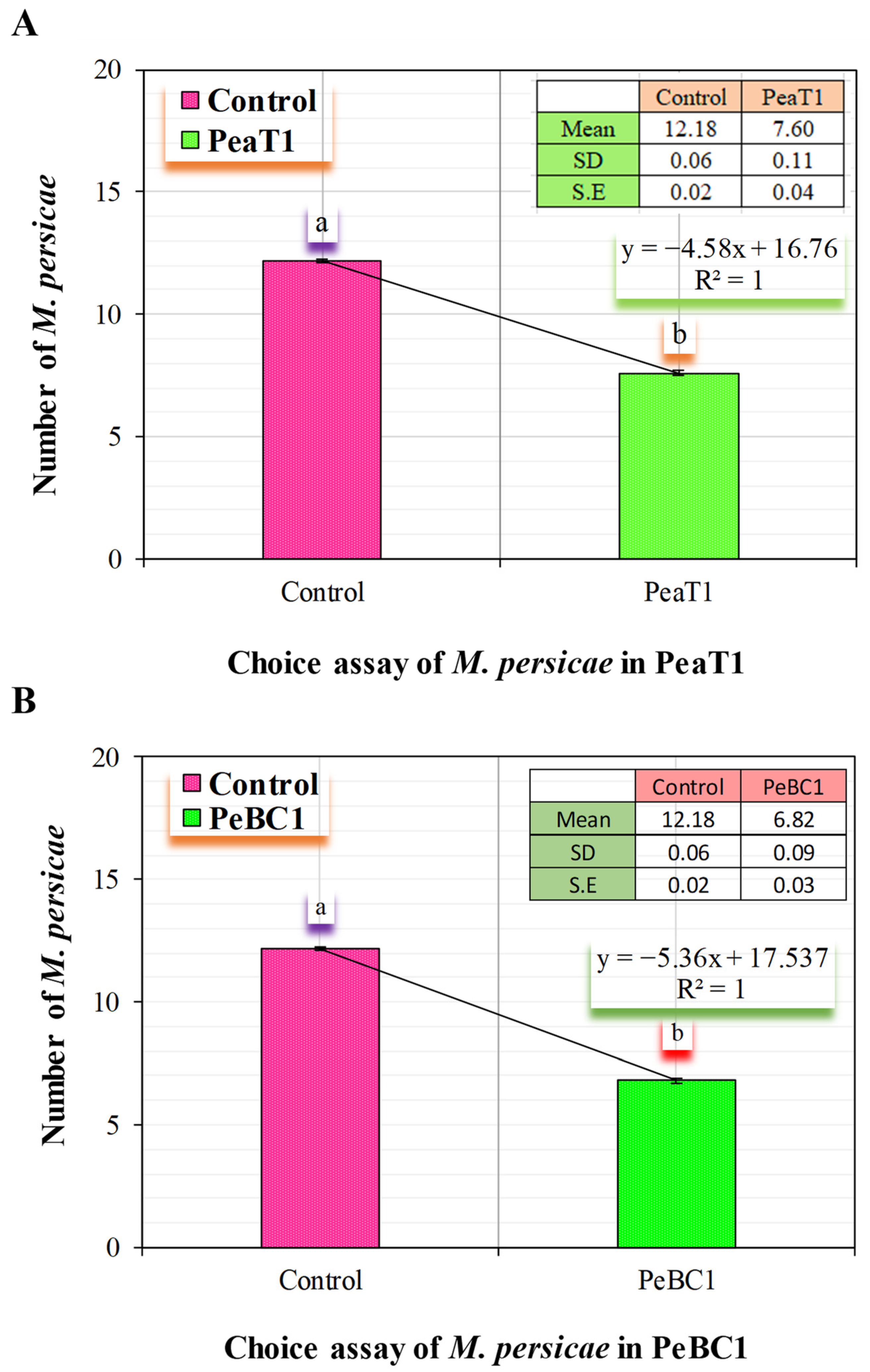
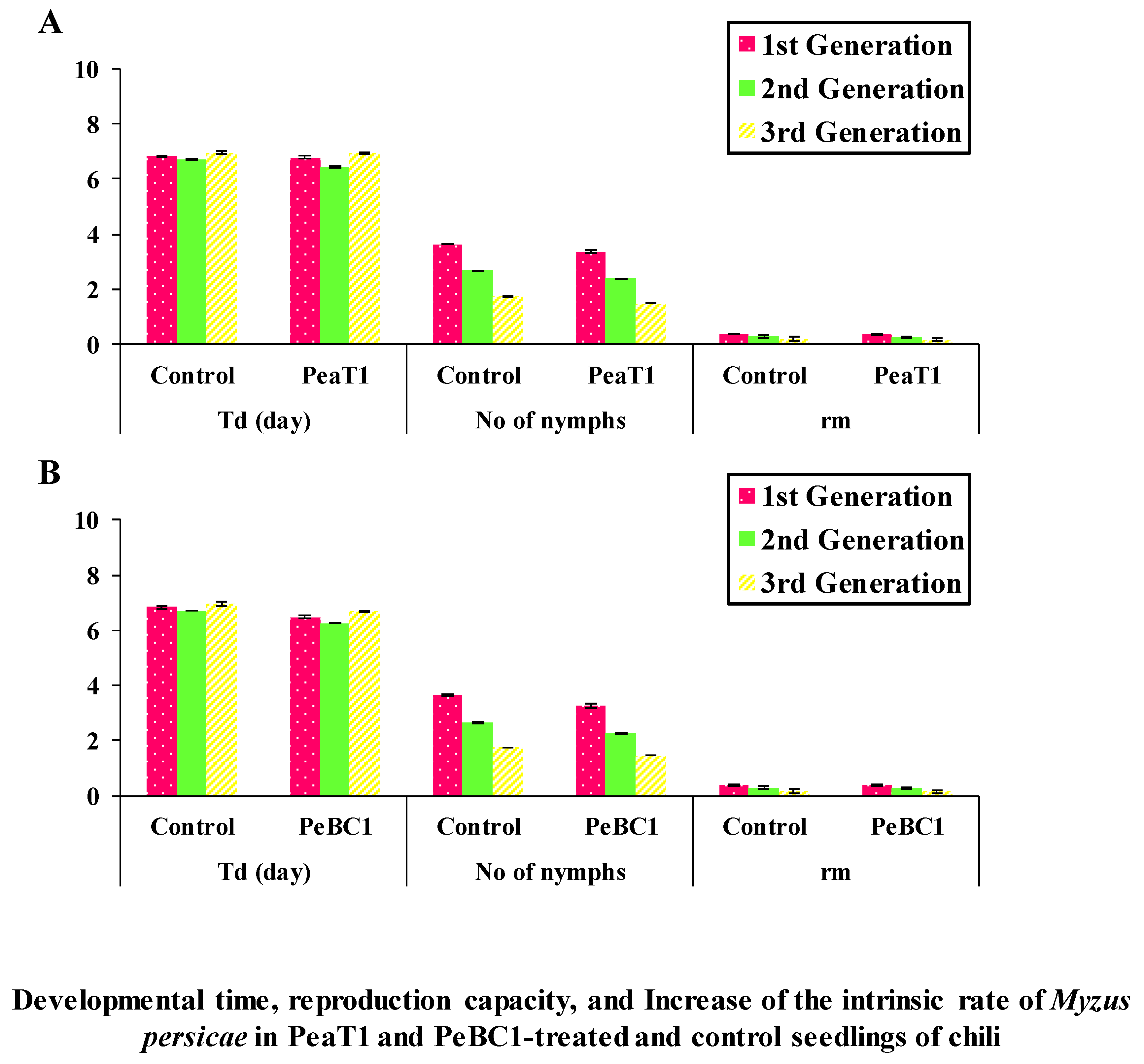
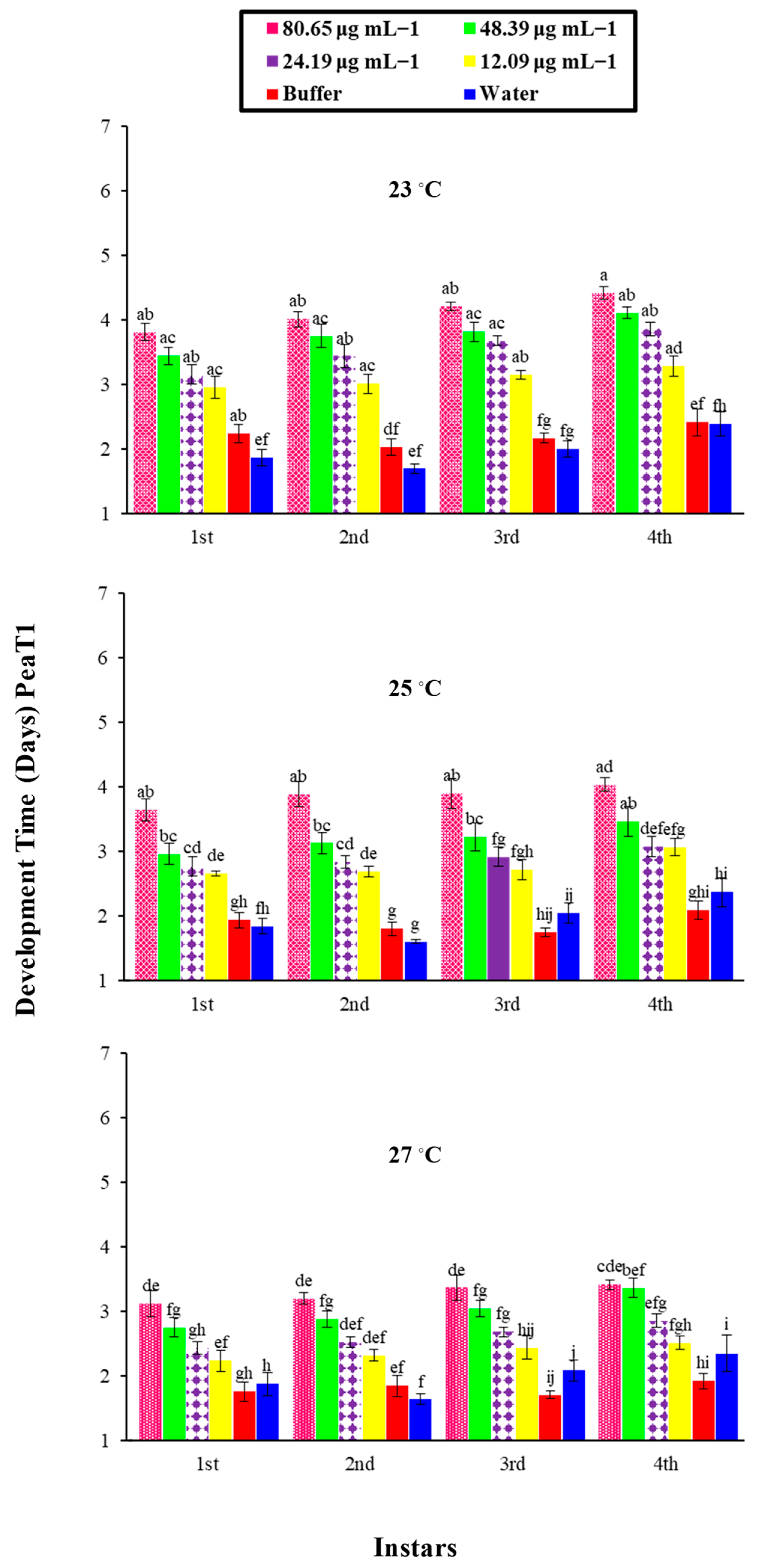
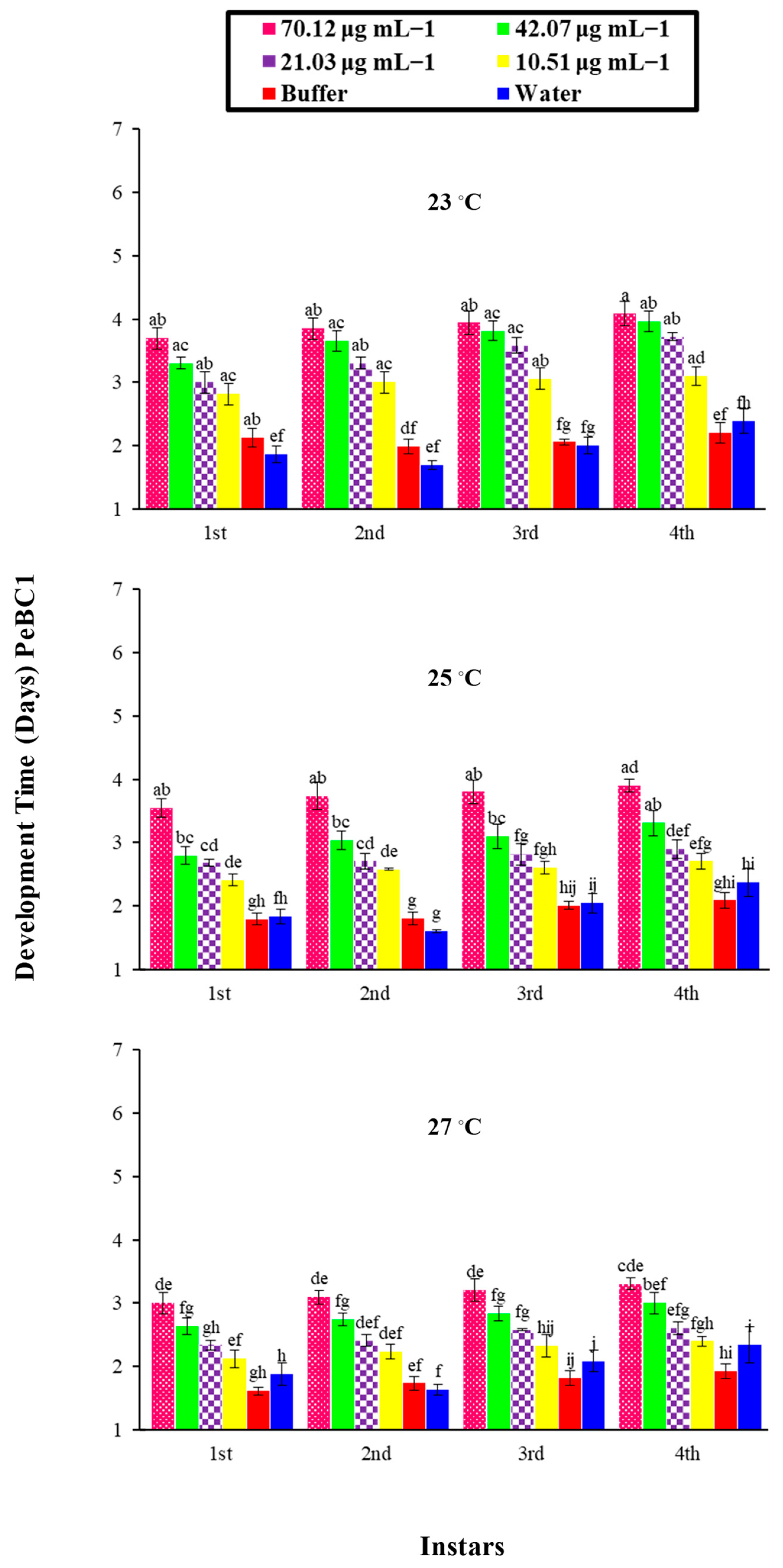
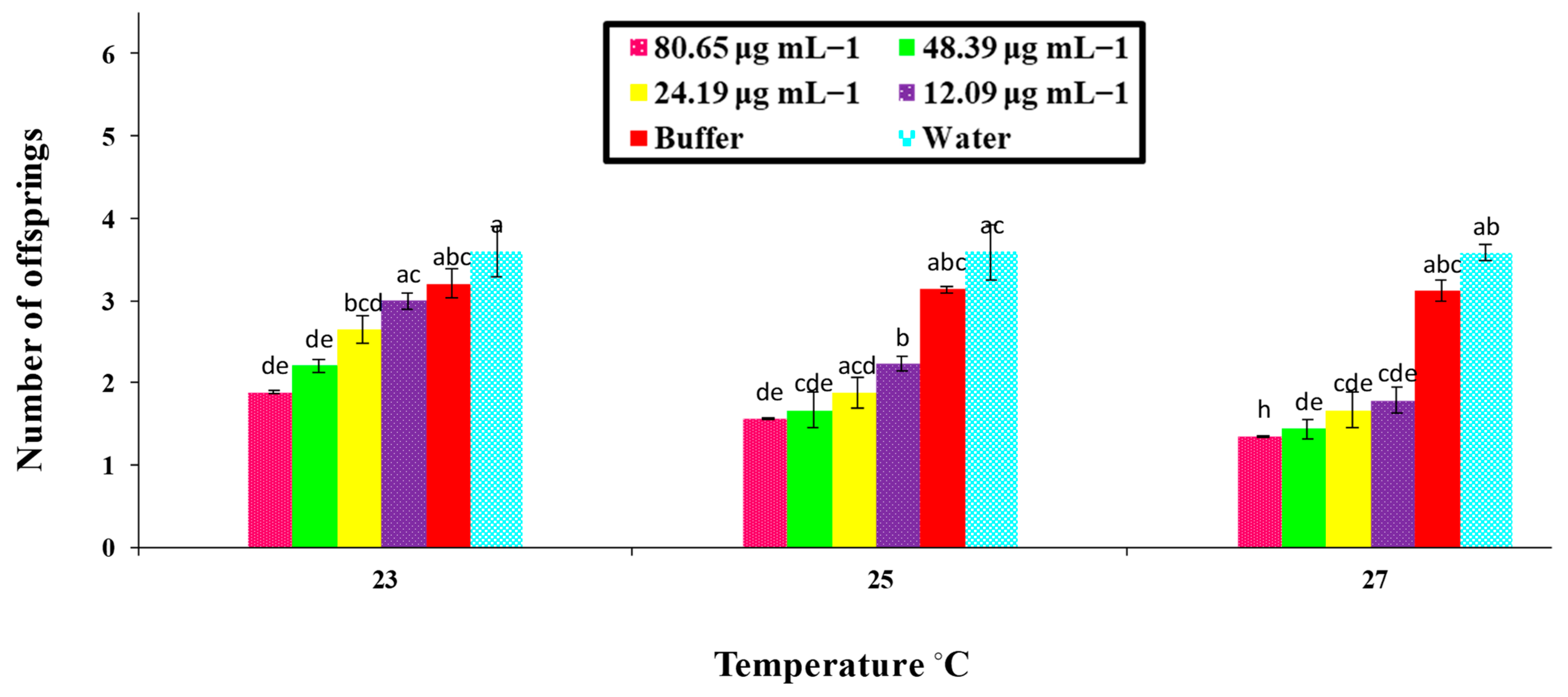
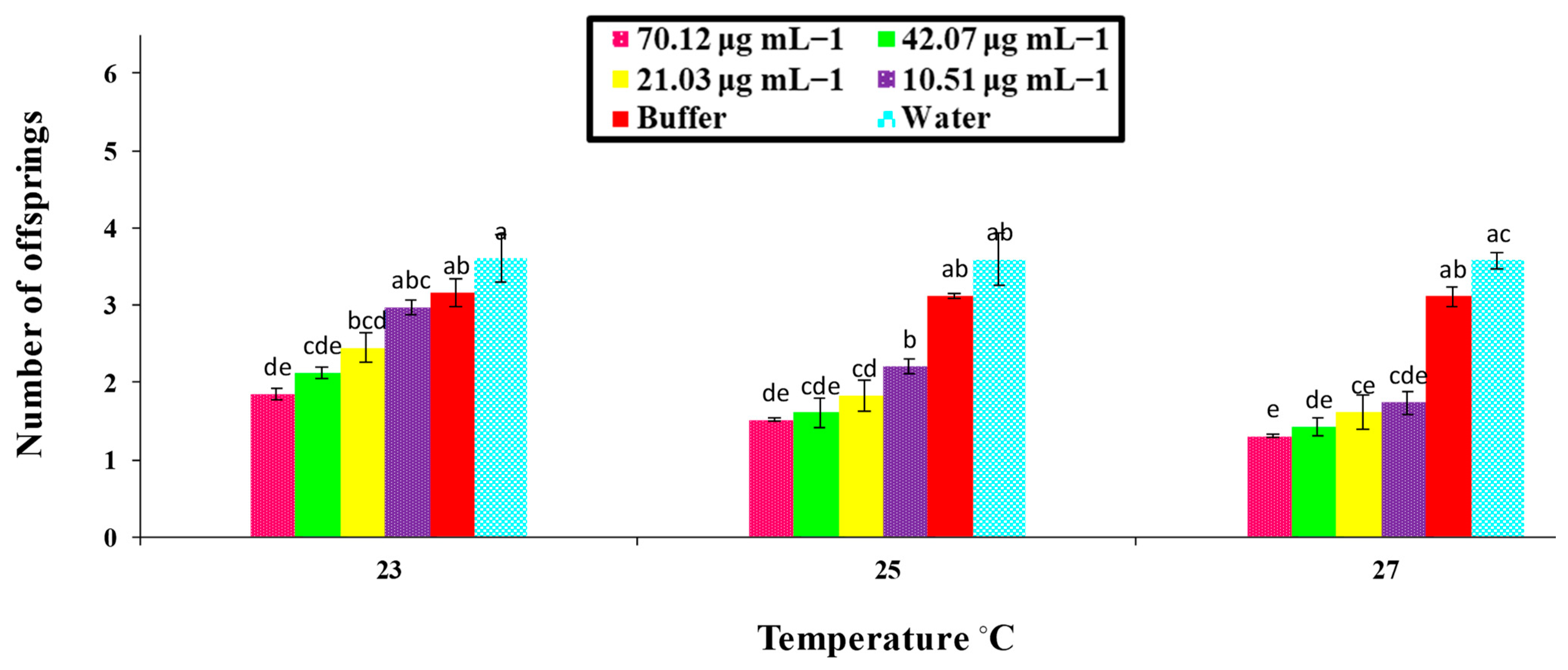
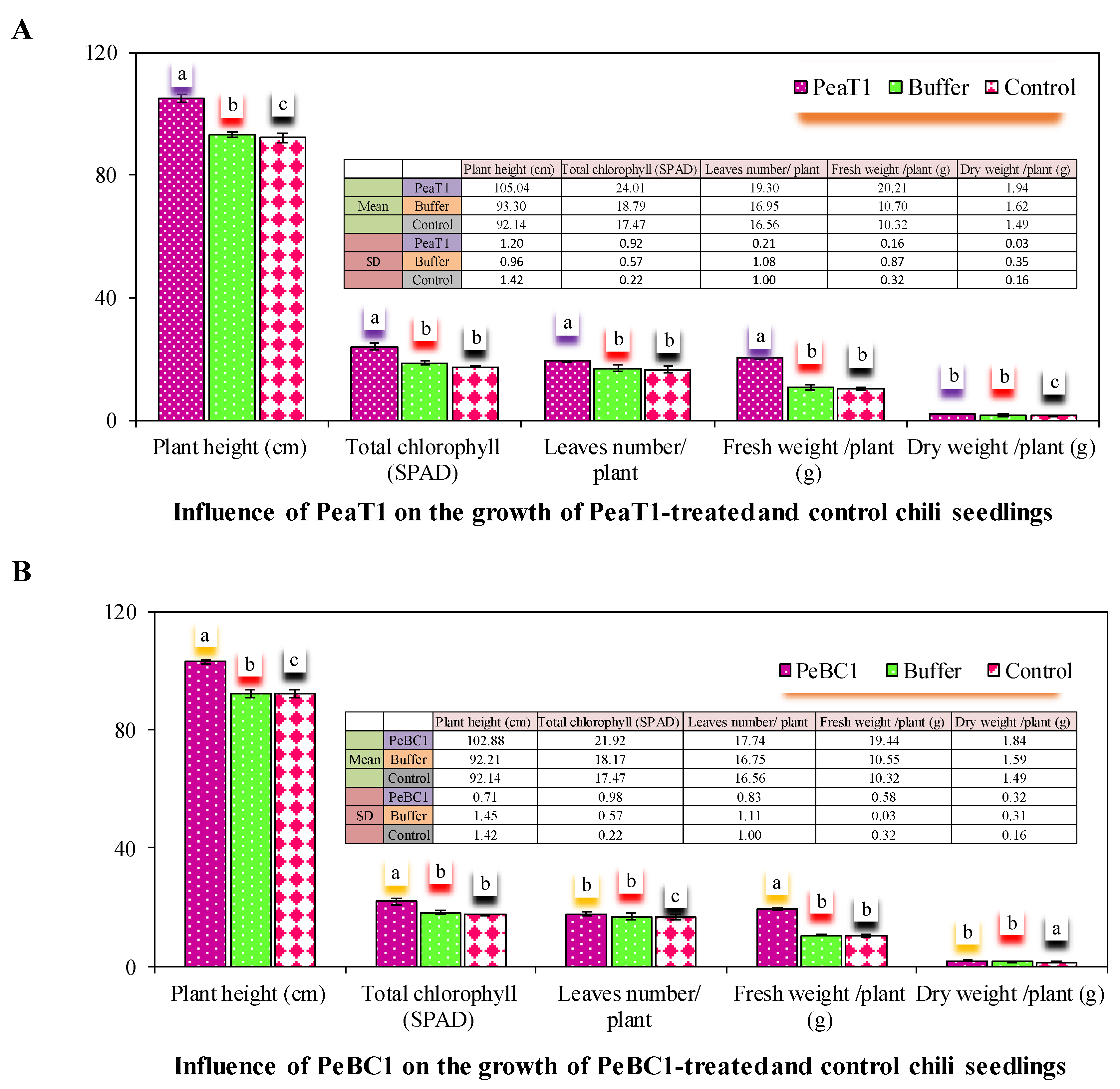
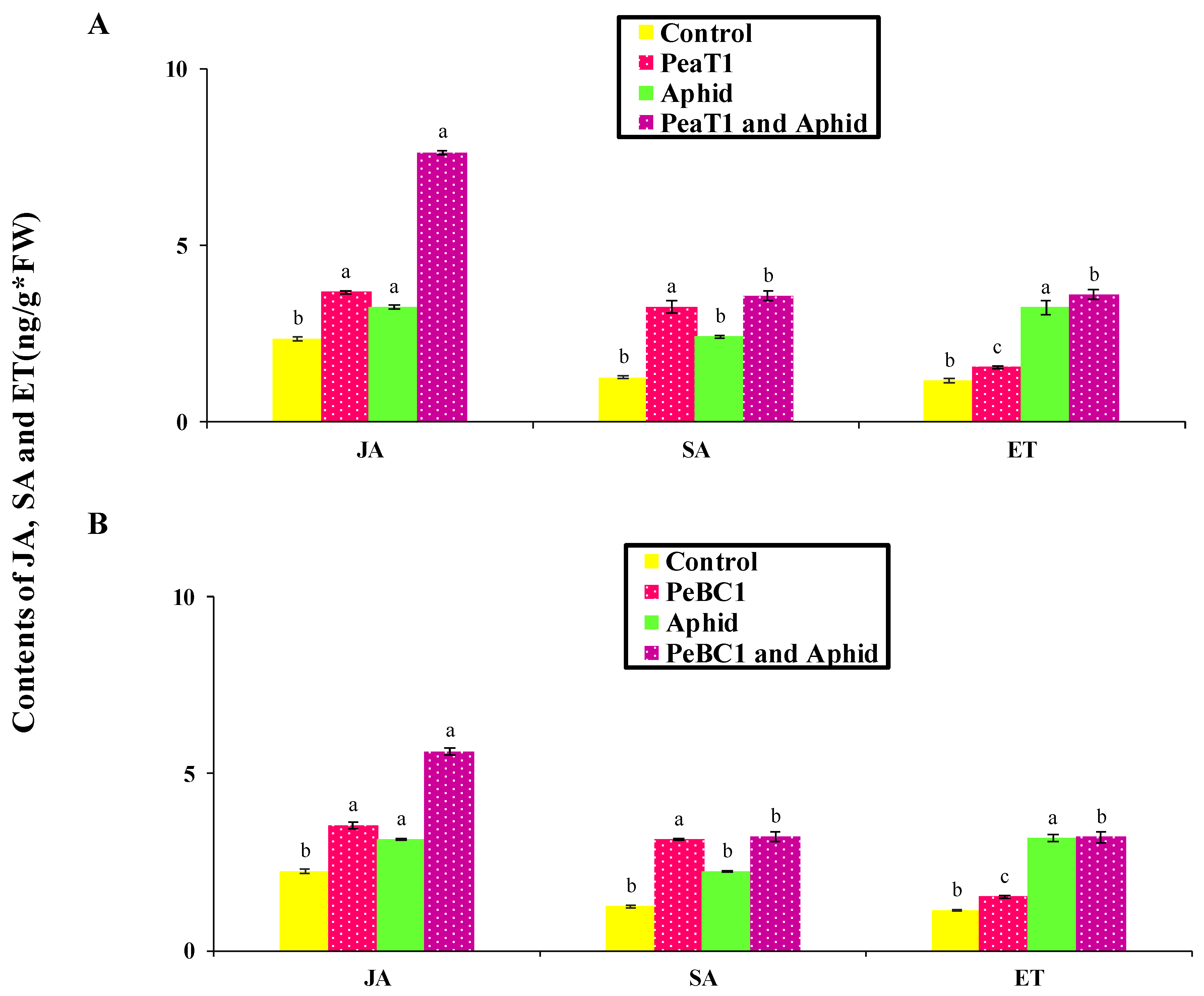
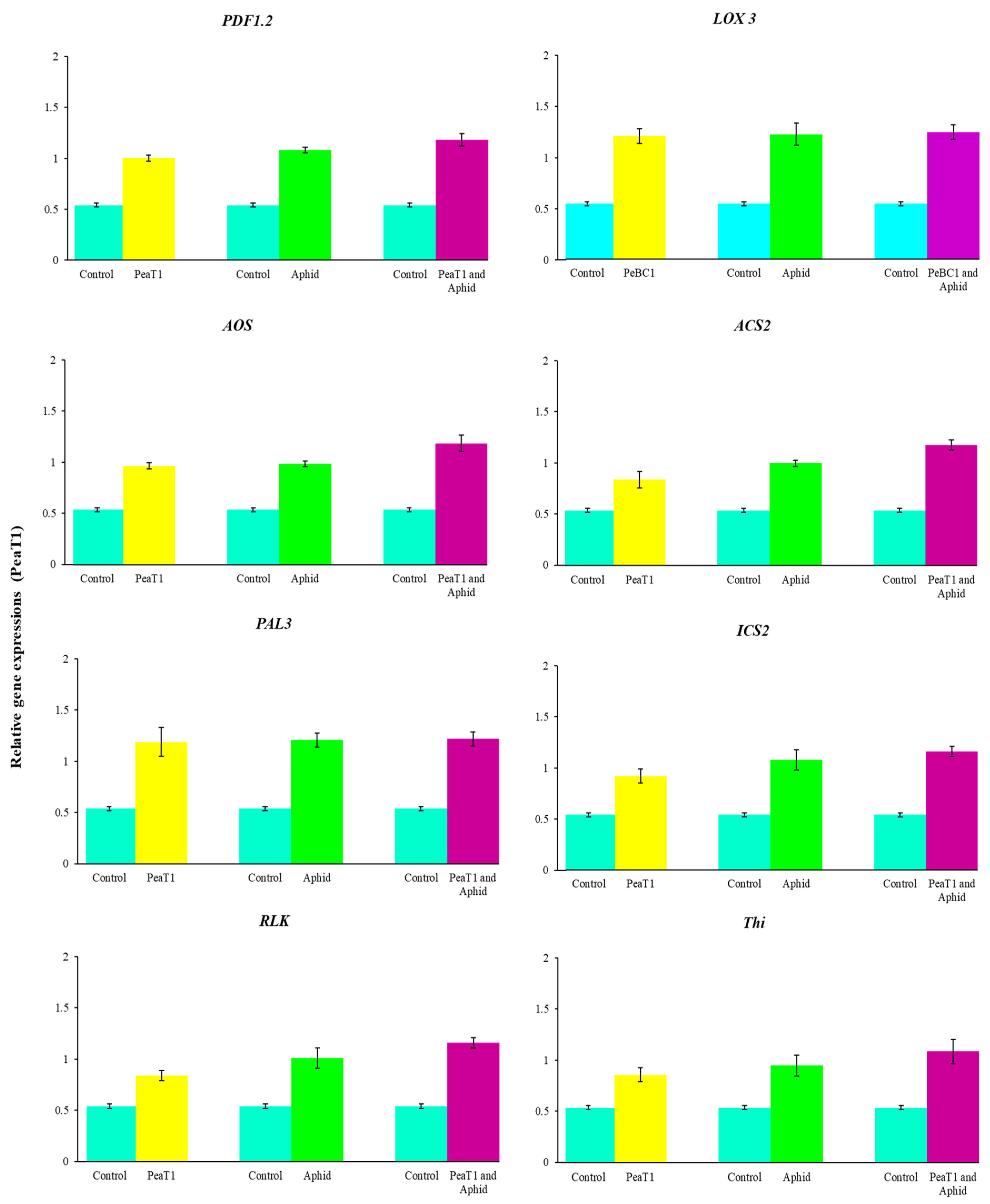
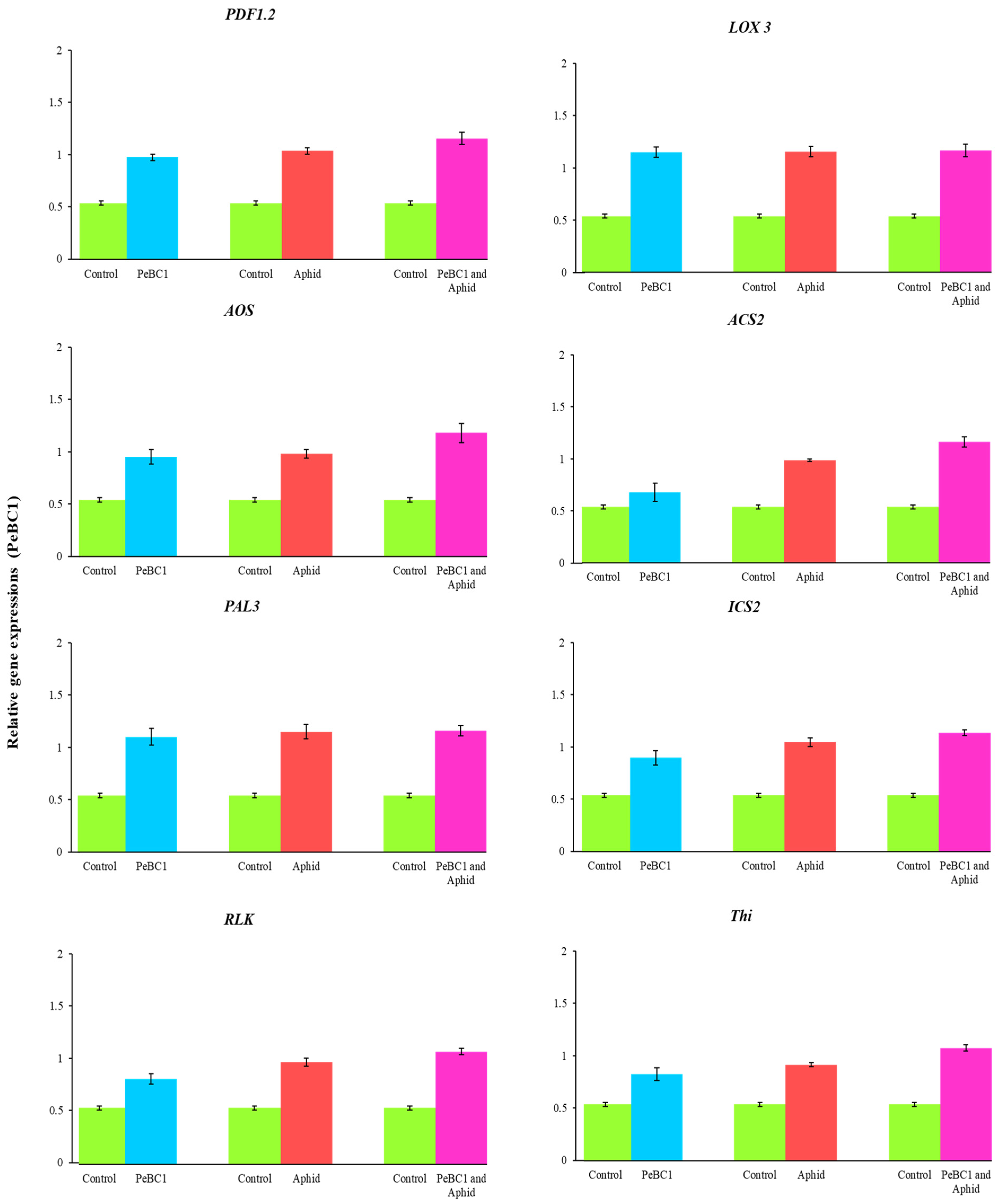
The green peach aphid (Myzus persicae Sulzer), a major and harmful chili aphid usually managed using chemical pesticides, is responsible for massive annual agricultural losses. The efficacy of two protein elicitors, PeaT1 and PeBC1, to stimulate a defensive response against M. persicae in chili was studied in this study. When compared to positive (water) and negative (buffer, 50 mM Tris-HCl, pH 8.0) controls, the rates of population growth (intrinsic rate of increase) of M. persicae (second and third generations) were lower with PeaT1- and PeBC1-treated chilli seedlings. M. persicae demonstrated a preference for colonizing control (12.18 ± 0.06) plants over PeaT1- (7.60 ± 0.11) and PeBC1 (6.82 ± 0.09) treated chilli seedlings in a host selection assay. Moreover, PeaT1- and PeBC1-treated chilli seedlings, the nymphal development period of the M. persicae was extended. Similarly, fecundity was lowered in the PeaT1- and PeBC1-treated chilli seedlings, with fewer offspring produced compared to the positive (water) and negative controls (50 mM Tris-HCl, pH 8.0). The trichomes and wax production on the PeaT1 and PeBC1-treated chilli leaves created a disadvantageous surface environment for M. persicae. Compared to control (30.17 ± 0.16 mm−2), PeaT1 (56.23 ± 0.42 mm−2) and PeBC1 (52.14 ± 0.34 mm−2) had more trichomes. The levels of jasmonic acid (JA), salicylic acid (SA), and ethylene (ET) were significantly higher in the PeaT1- and PeBC1-treated chili seedlings, indicating considerable accumulation. PeaT1 and PeBC1 significantly affected the height of the chili plant and the surface structure of the leaves, reducing M. persicae reproduction and preventing colonization, according to the data. The activation of pathways was also part of the defensive response (JA, SA, and ET). This present research findings established an evidence of biocontrol for the utilization of PeaT1 and PeBC1 in the defence of chili plants against M. persicae.
Keywords: PeaT1; PeBC1; M. persicae; induced plant resistance against aphids; defense pathways; EPG PeaT1; PeBC1; M. persicae; induced plant resistance against aphids; defense pathways; EPG