Article

Effects of Plasma-Activated Water on Skin Wound Healing in Mice


1
State Key Laboratory of Electrical Insulation and Power Equipment, Centre for Plasma Biomedicine, Xi’an Jiaotong University, Xi’an 710049, China
2
The school of Life Science and Technology, Xi’an Jiaotong University, Xi’an 710049, China
3
Frank Reidy Center for Bioelectrics, Old Dominion University, Norfolk, VA 23508, USA
4
Department of Electrical and Computer Engineering, Old Dominion University, Norfolk, VA 23529, USA
*
Authors to whom correspondence should be addressed.
These authors contributed equally to this work.
Microorganisms 2020, 8(7), 1091; https://doi.org/10.3390/microorganisms8071091

Submission received: 4 June 2020 / Revised: 16 July 2020 / Accepted: 16 July 2020 / Published: 21 July 2020
(This article belongs to the Section Medical Microbiology)

Abstract

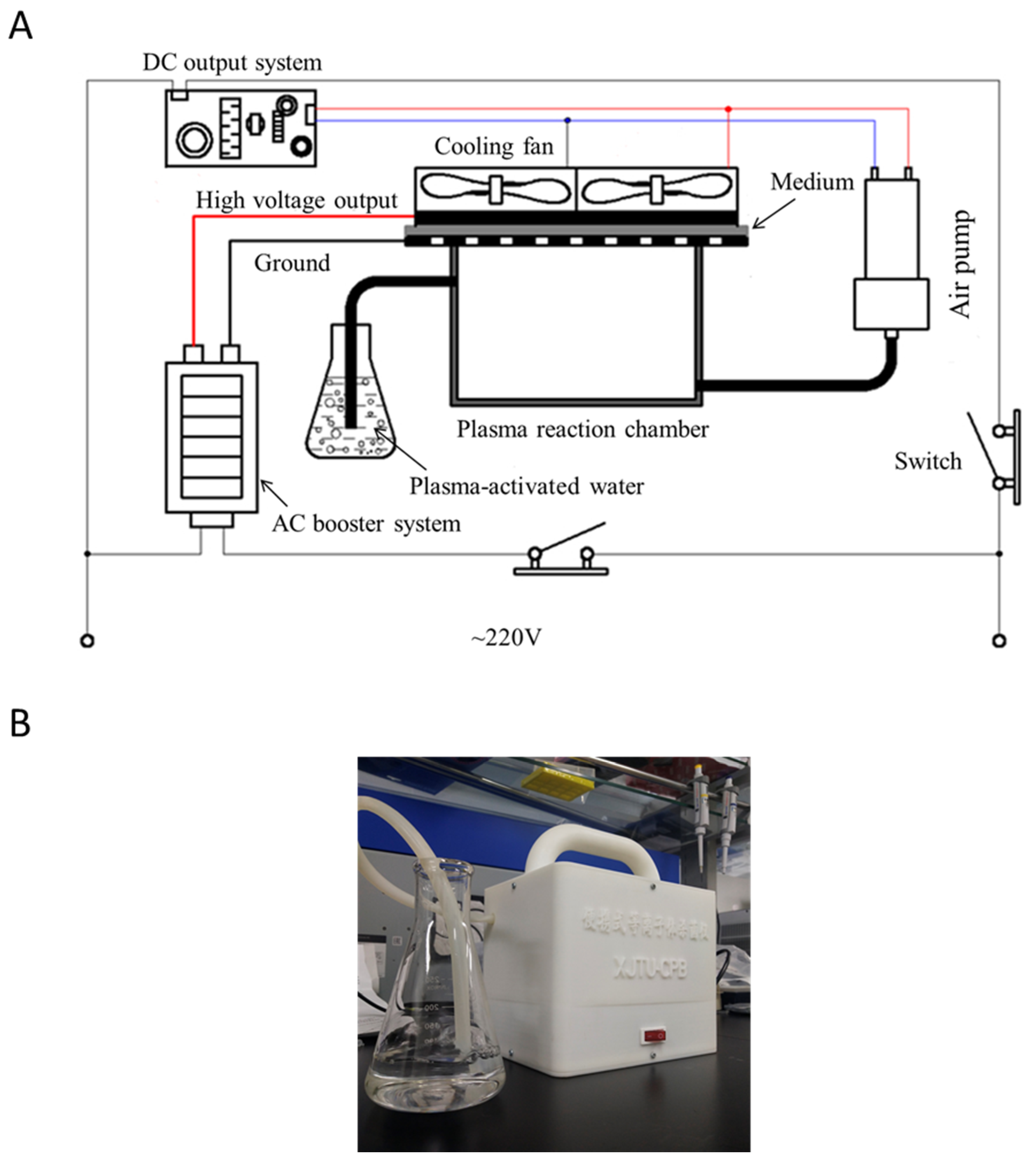
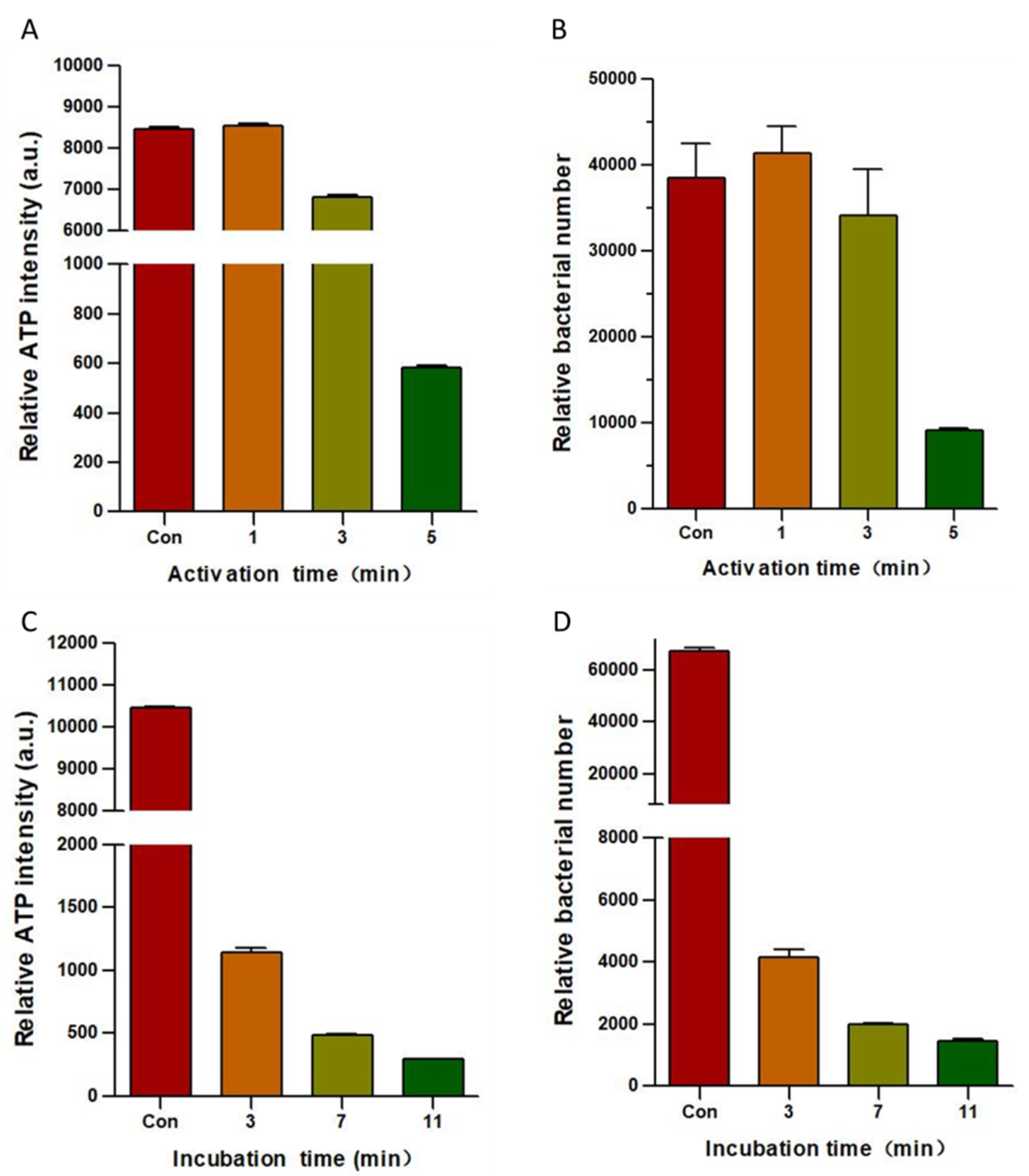
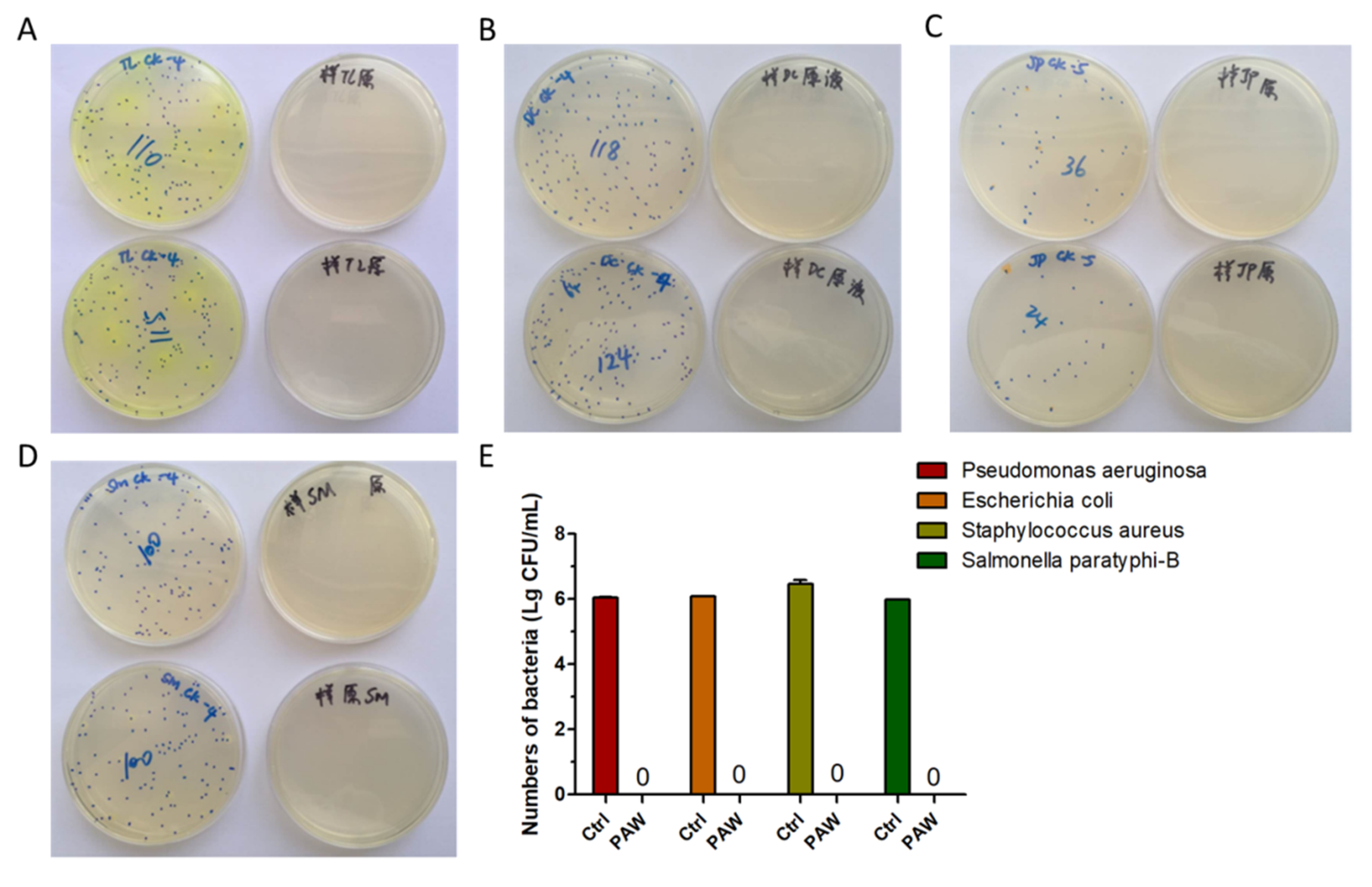
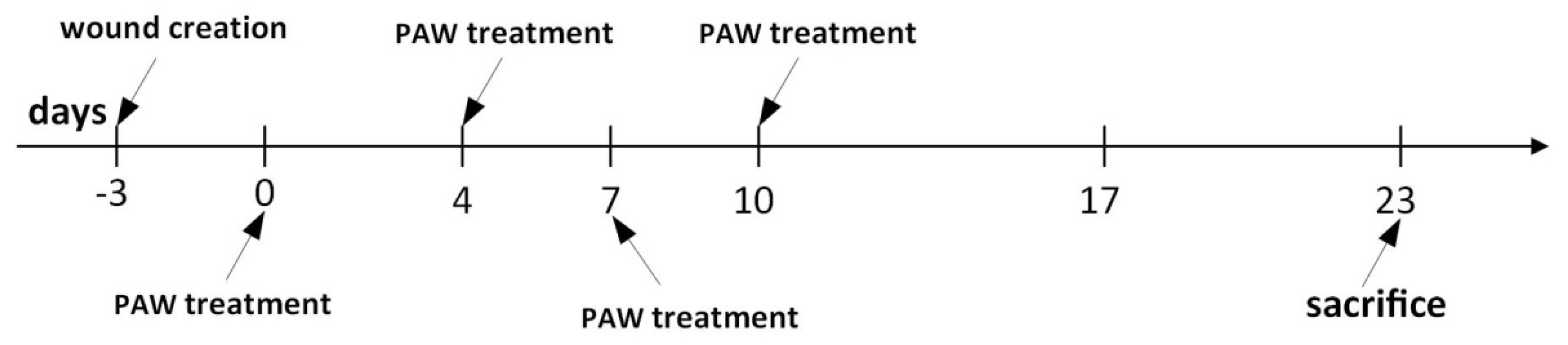
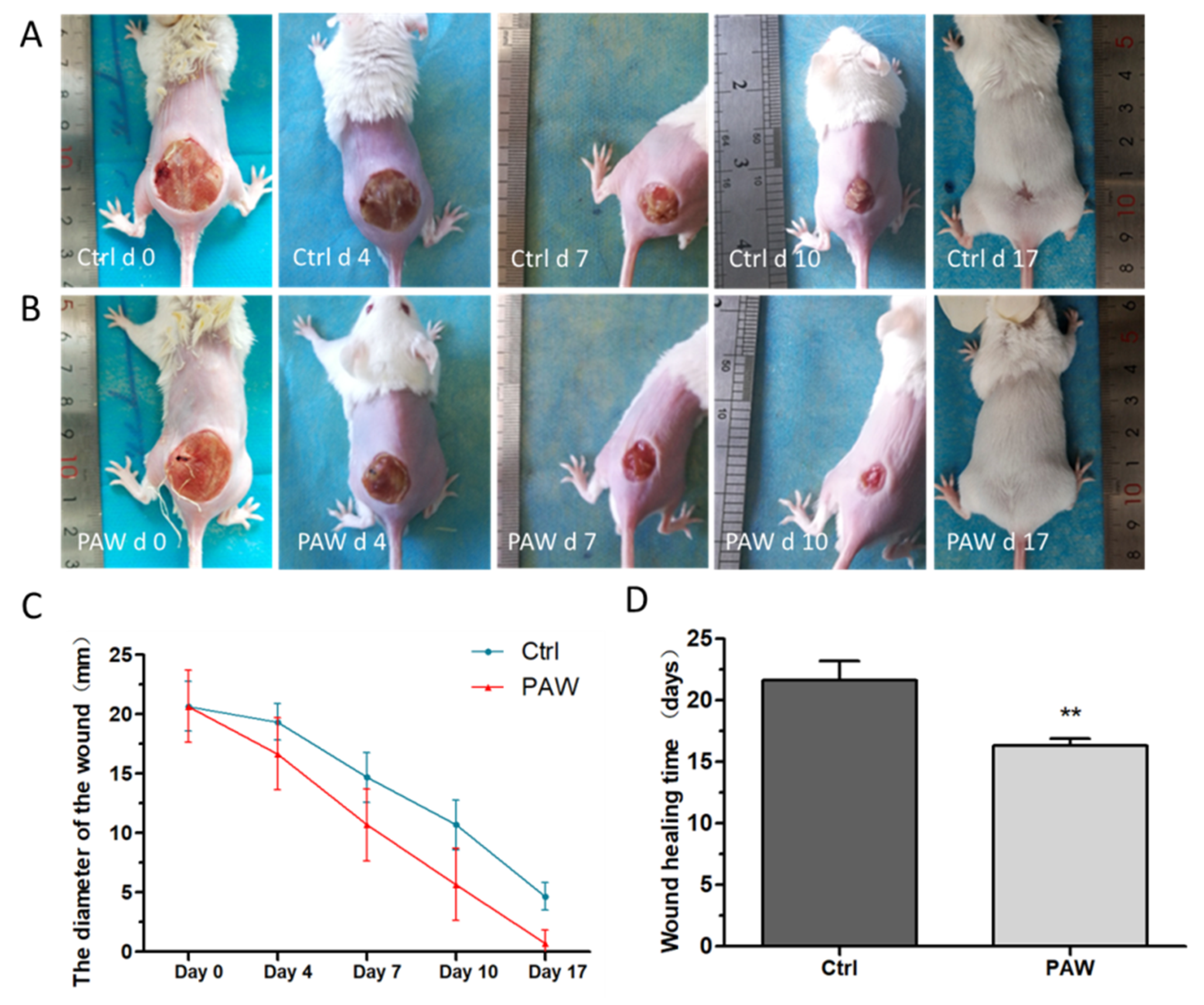
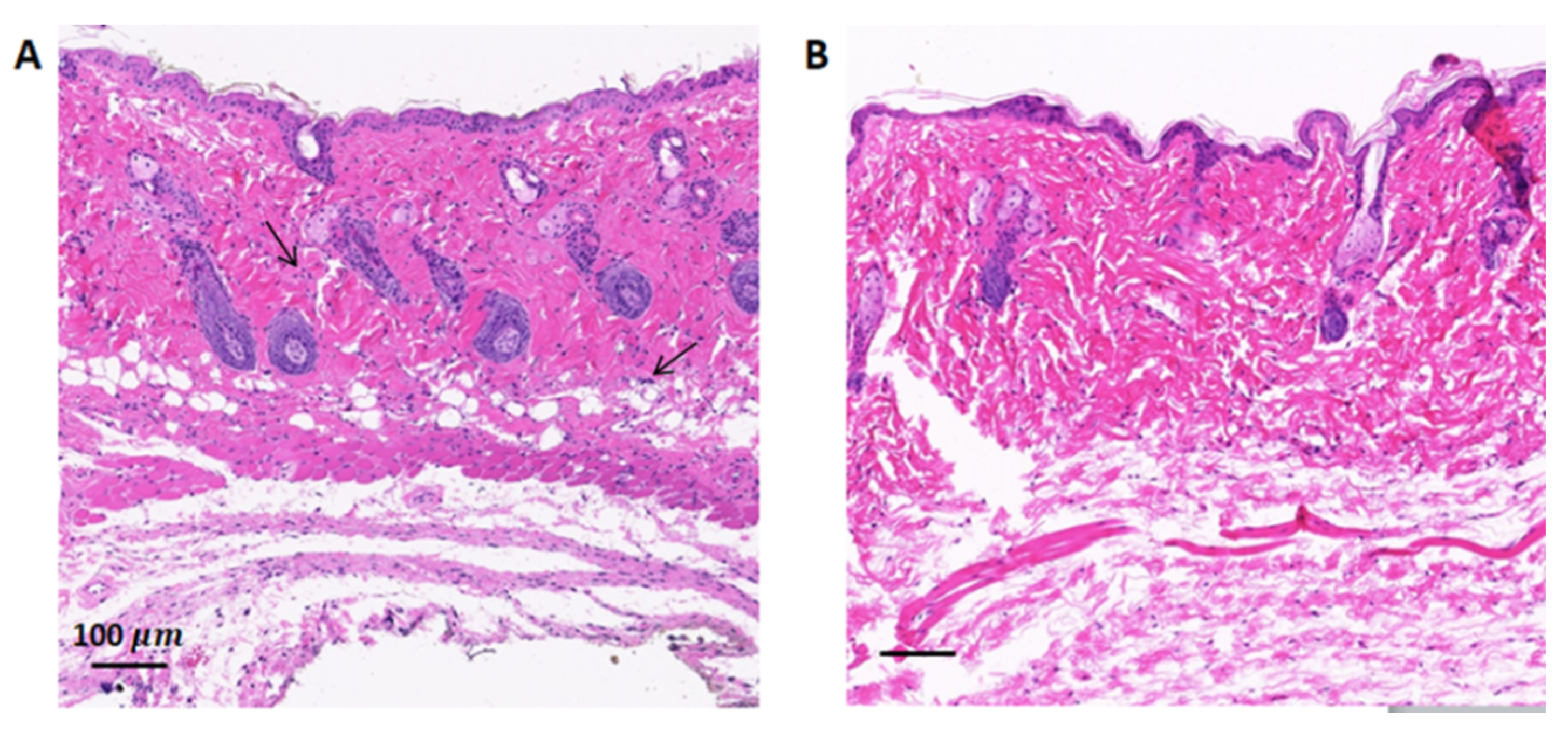
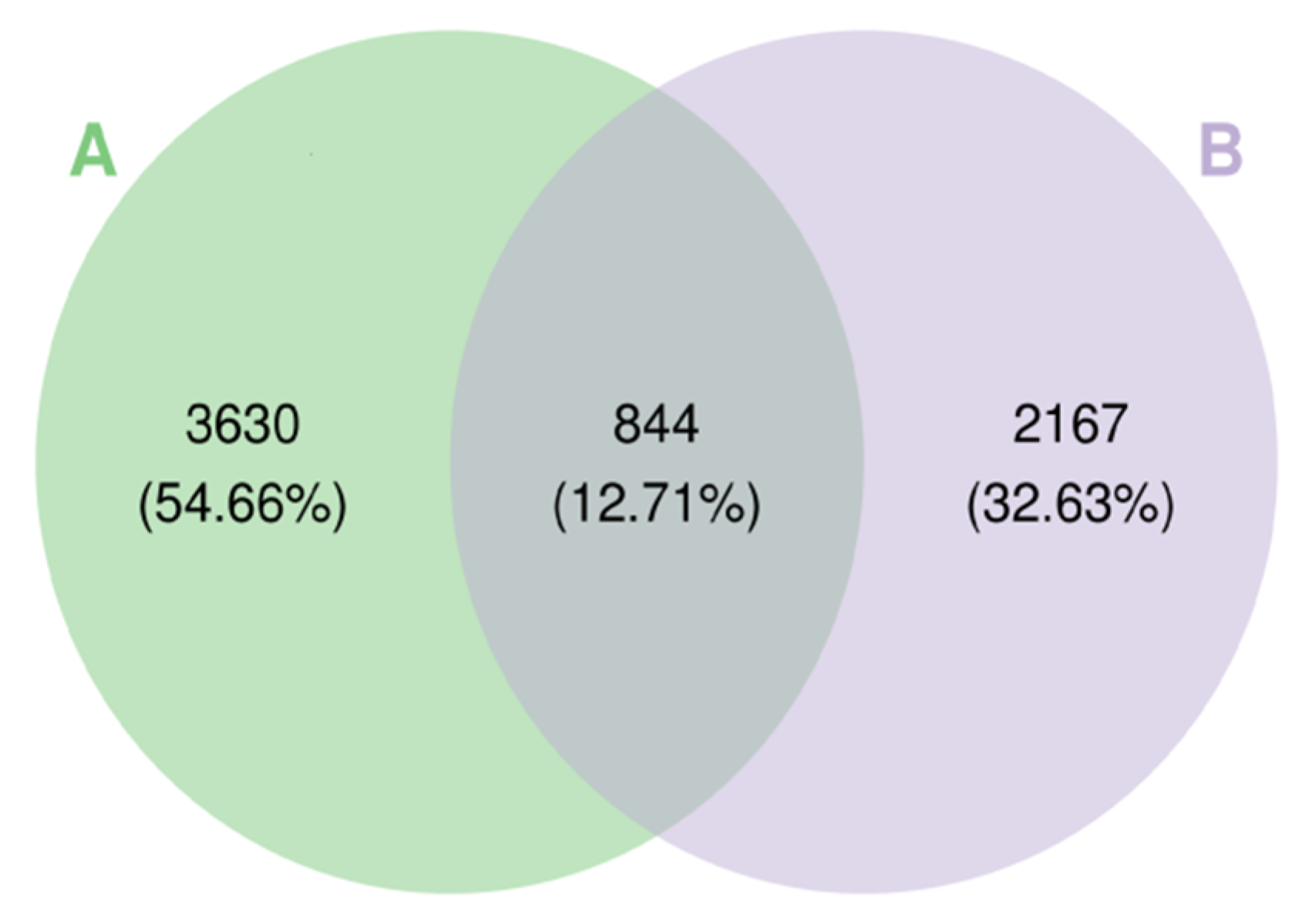
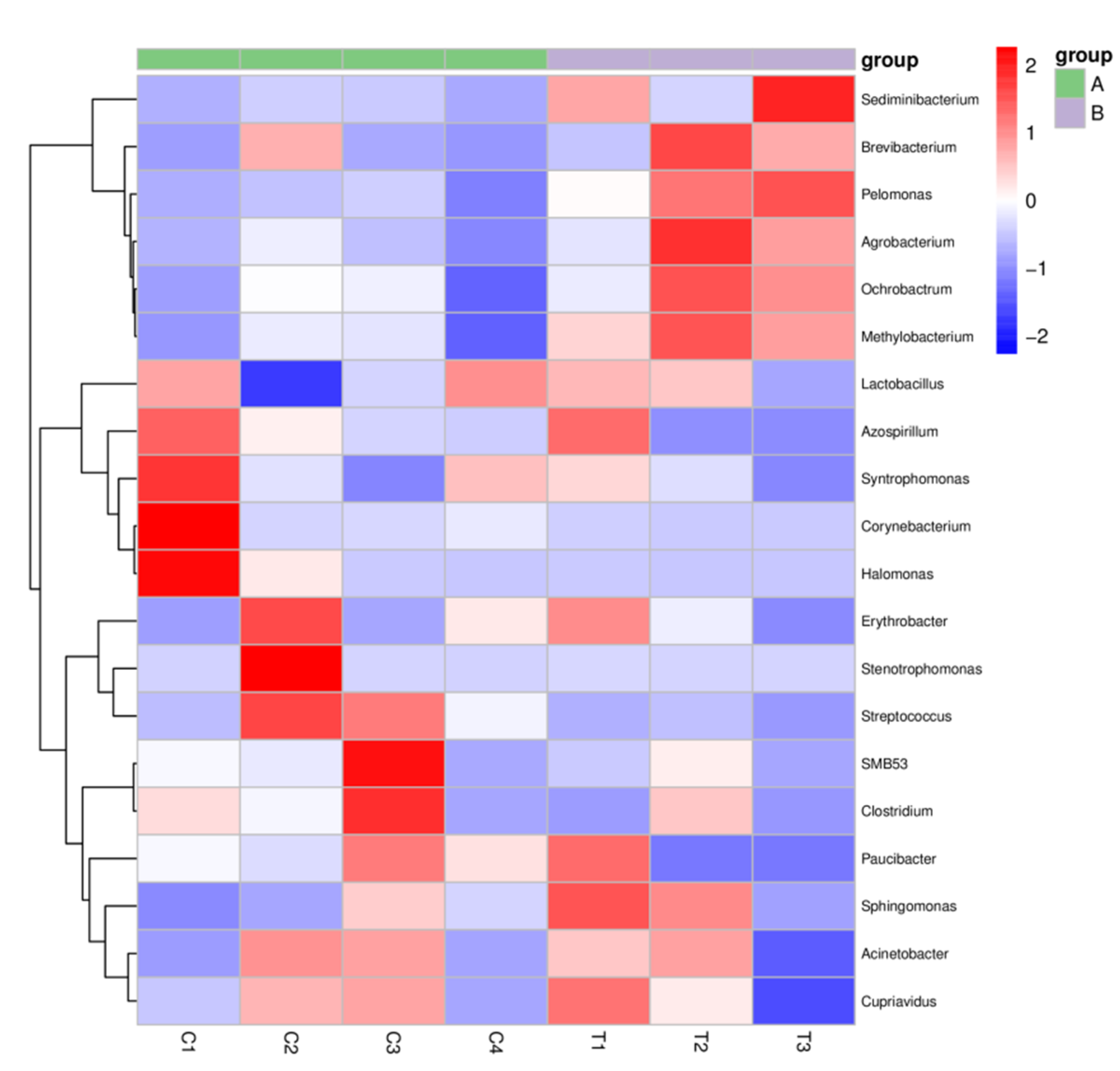
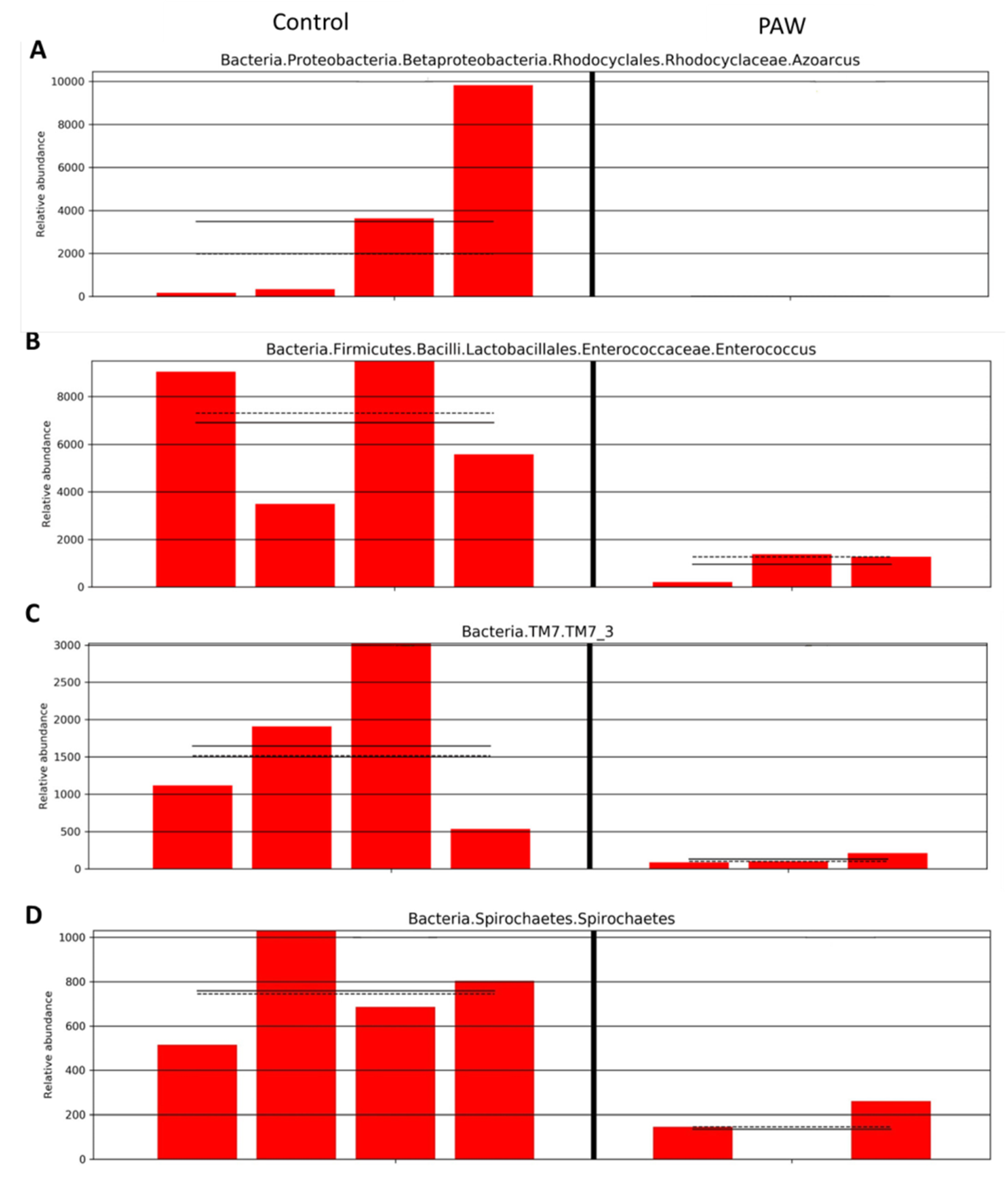
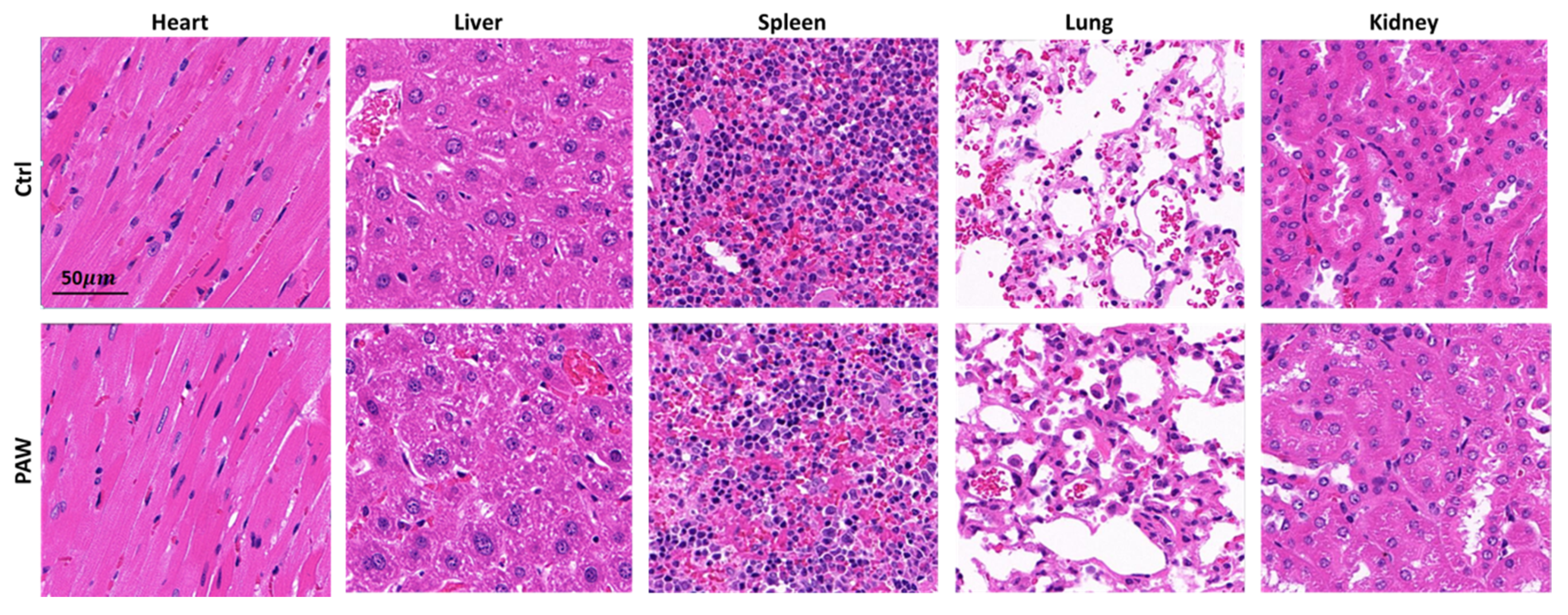
Cold atmospheric plasma (CAP) has been widely used in biomedicine during the last two decades. While direct plasma treatment has been reported to promote wound healing, its application can be uneven and inconvenient. In this study, we first activated water with a portable dielectric barrier discharge plasma device and evaluated the inactivation effect of plasma-activated water (PAW) on several kinds of bacteria that commonly infect wounds. The results show that PAW can effectively inactivate these bacteria. Then, we activated tap water and examined the efficacy of PAW on wound healing in a mouse model of full-thickness skin wounds. We found that wound healing in mice treated with PAW was significantly faster compared with the control group. Histological analysis of the skin tissue of mice wounds showed a significant reduction in the number of inflammatory cells in the PAW treatment group. To identify the possible mechanism by which PAW promotes wound healing, we analyzed changes in the profiles of wound bacteria after PAW treatment. The results show that PAW can significantly reduce the abundance of wound bacteria in the treatment group. The results of biochemical blood tests and histological analysis of major internal organs in the mice show that PAW had no obvious side effects. Taken together, these results indicate that PAW may be a new and effective method for promoting wound healing without side effects.
Keywords: plasma-activated water; bacterial inactivation; wound healing plasma-activated water; bacterial inactivation; wound healing