Review

Metschnikowia pulcherrima and Related Pulcherrimin-Producing Yeasts: Fuzzy Species Boundaries and Complex Antimicrobial Antagonism

by
Matthias Sipiczki
Department of Genetics and Applied Microbiology, University of Debrecen, 4032 Debrecen, Hungary
Microorganisms 2020, 8(7), 1029; https://doi.org/10.3390/microorganisms8071029

Submission received: 29 June 2020 / Revised: 8 July 2020 / Accepted: 10 July 2020 / Published: 12 July 2020
(This article belongs to the Special Issue Non-Conventional Yeasts)

Abstract

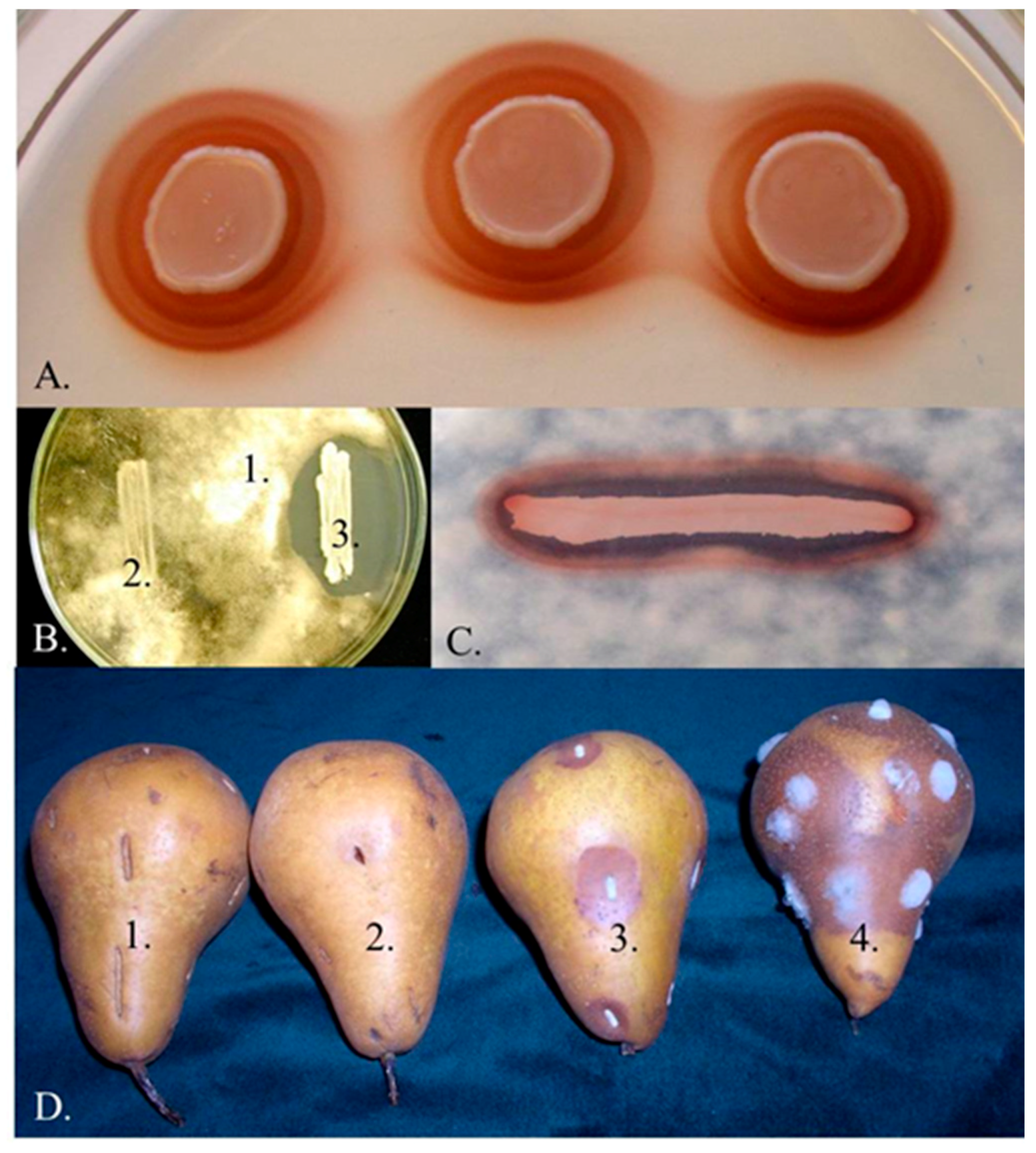
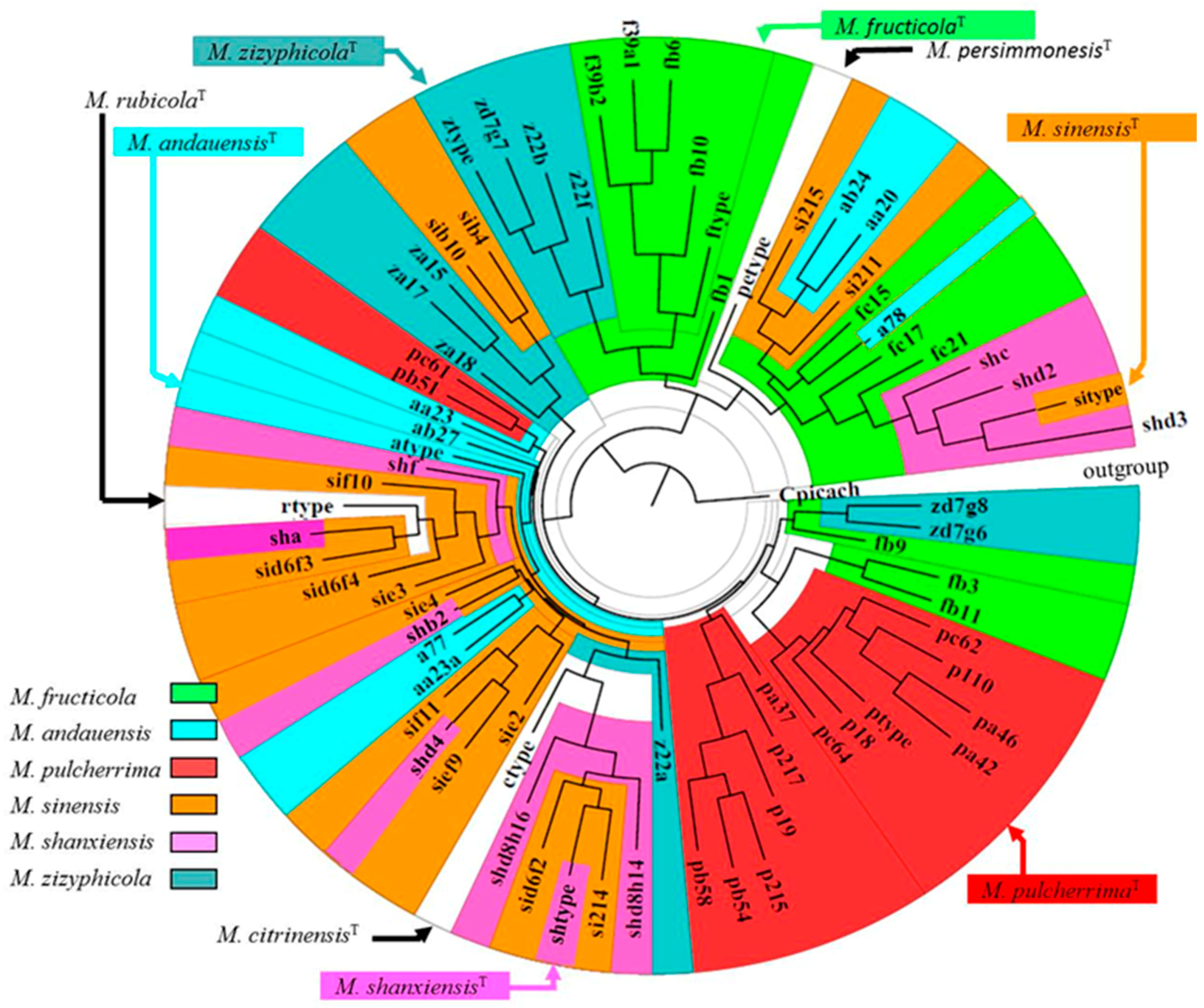
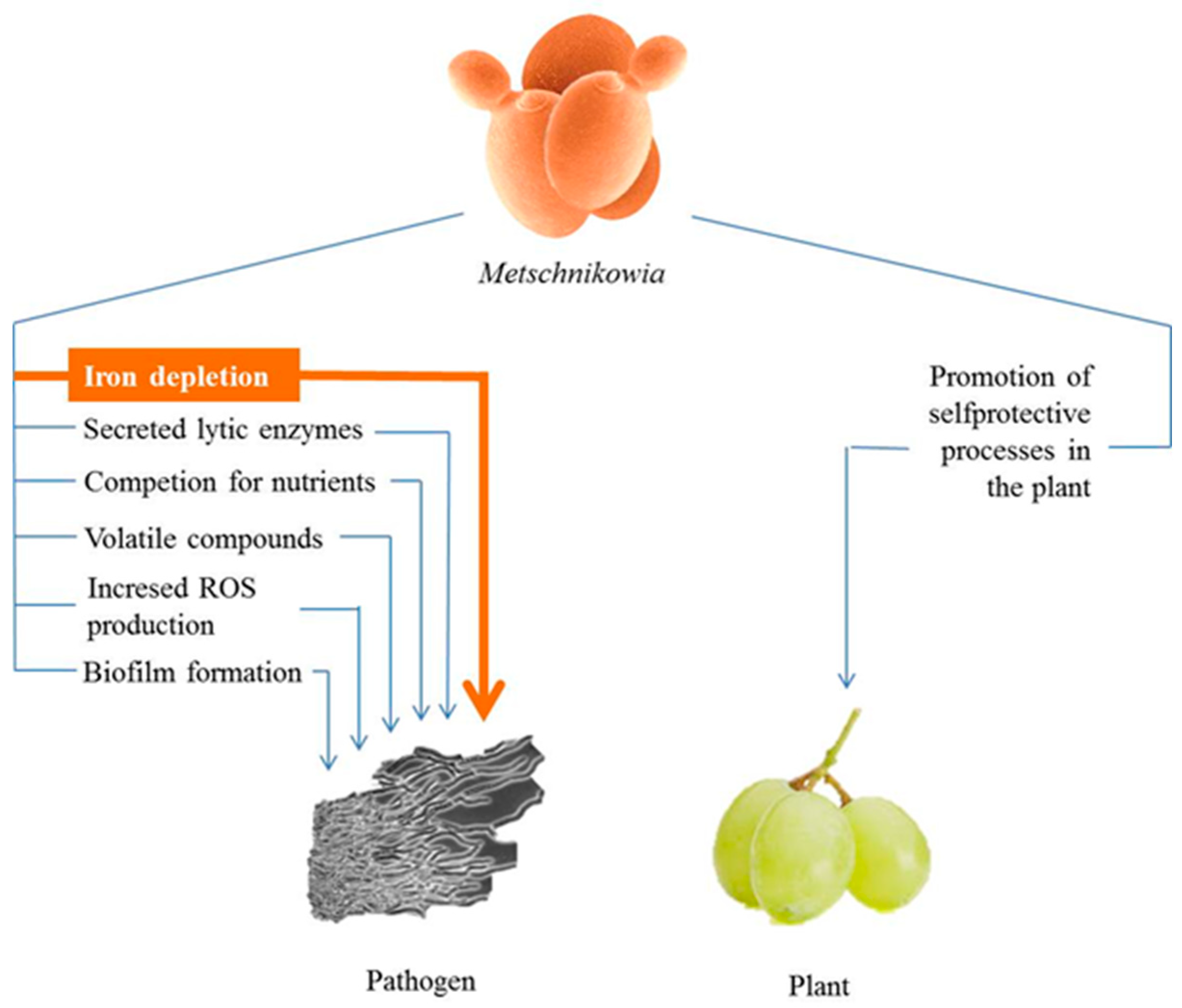
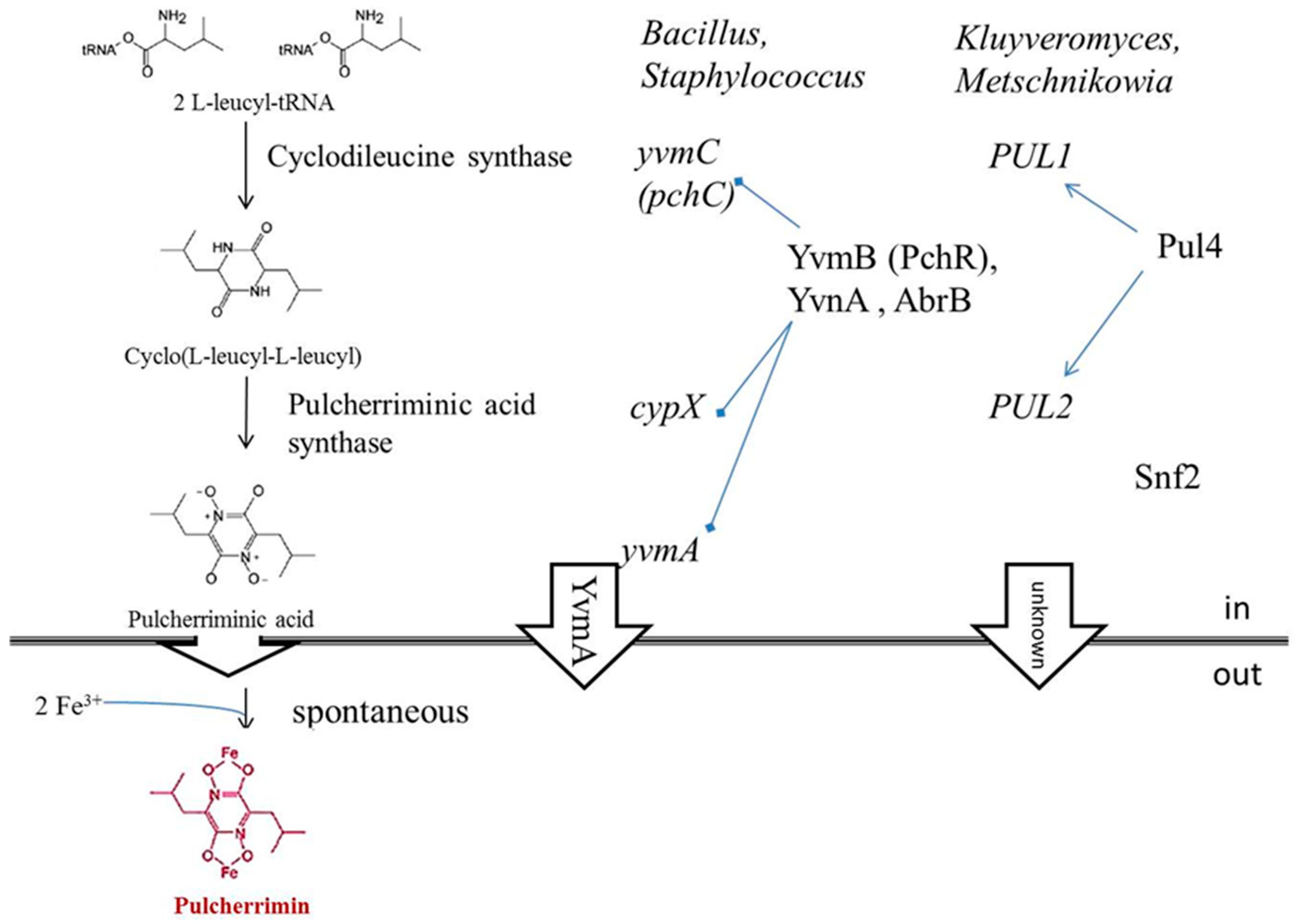
Yeasts affiliated with the Metschnikowia pulcherrima clade (subclade) of the large ascomycetous genus Metschnikowia frequently turn out to produce the characteristic maroon-red pulcherrimin when tested for pigment production and prove to exert antagonistic effects on many types of microorganisms. The determination of the exact taxonomic position of the strains is hampered by the shortage of distinctive morphological and physiological properties of the species of the clade and the lack of rDNA barcode gaps. The rDNA repeats of the type strains of the species are not homogenized and are assumed to evolve by a birth-and-death mechanism combined with reticulation. The taxonomic division is further hampered by the incomplete biological (reproductive) isolation of the species: certain type strains can be hybridized and genome sequencing revealed chimeric genome structures in certain strains that might have evolved from interspecies hybrids (alloploid genome duplication). Various mechanisms have been proposed for the antimicrobial antagonism. One is related to pulcherrimin production. The diffusible precursor of pulcherrimin, the pulcherriminic acid is secreted by the cells into the environment where it forms the insoluble pulcherrimin with the ferric ions. The lack of free iron caused by the immobilization of ferric ions inhibits the growth of many microorganisms. Recent results of research into the complexity of the taxonomic division of the pulcherrimin-producing Metschnikowia yeasts and the mechanism(s) underlying their antimicrobial antagonism are discussed in this review.
Keywords: Metschnikowia; taxonomy; barcodes; genome; reticulation; antagonism; pulcherrimin; iron-depletion; bioprotection Metschnikowia; taxonomy; barcodes; genome; reticulation; antagonism; pulcherrimin; iron-depletion; bioprotection