1. Introduction
Panax notoginseng is a rare and highly valued traditional Chinese medicinal plant, with its primary production area located in Wenshan Prefecture, Yunnan Province, China. The annual output value of the
P. notoginseng industry exceeds 10 billion yuan, reflecting its considerable economic and medicinal significance [
1]. The roots of
P. notoginseng are rich in bioactive compounds, including saponins and polysaccharides, which serve as key raw materials for over 400 pharmaceutical products, such as Xuesaitong capsules and Yunnan Baiyao [
2]. However, continuous cultivation of
P. notoginseng has caused severe disturbances to the soil micro-ecosystem, resulting in “continuous cropping obstacles”. Among these, root rot is the most destructive disease. This complex disease is caused by the combined activity of multiple soil-borne pathogens, including fungi such as
Fusarium oxysporum [
3], bacteria [
4], and nematodes. This disease can cause the leaves of the growing-stage
Panax notoginseng plants to wither and the roots to rot, resulting in annual yield losses of 5–20%, while severe outbreaks can cause losses exceeding 70% or even complete crop failure, thereby constituting a major bottleneck restricting the sustainable development of the
P. notoginseng industry. Previous studies on root rot of
P. notoginseng have primarily focused on fungal pathogens, particularly
Fusarium oxysporum [
3,
5,
6]. In recent years, however, accumulating evidence has highlighted the significant role of bacterial pathogens in disease development. Notably,
Chryseobacterium indologenes MA9 has been identified as an independent bacterial pathogen responsible for root rot in
P. notoginseng, challenging the long-standing assumption that bacteria act solely as secondary or synergistic agents [
7,
8,
9]. Studies have shown that disease incidence and severity are substantially increased when
Pseudomonas,
Fusarium, and nematodes coexist, with bacterial involvement markedly exacerbating disease progression [
10]. Although at least six bacterial pathogens associated with
P. notoginseng root rot have been reported, investigations into the pathogenic mechanisms and effective control strategies specifically targeting MA9 remain limited [
9].
Current management of
P. notoginseng root rot relies predominantly on chemical fungicides and antibiotics. However, these approaches present several notable limitations. First, the accumulation of pesticide residues in the soil disrupts the native microbial community, leading to environmental contamination and long-term ecological imbalance [
11]. Second, the emergence of antimicrobial resistance poses a significant challenge; for instance,
Chryseobacterium indologenes MA9 exhibits resistance rates of 95–100% to cephalosporins and carbapenems, with only limited susceptibility to compound sulfamethoxazole (resistance rate of 16.7%) [
12]. Third, conventional chemical treatments typically target individual pathogens and are insufficient to address the multifactorial nature of root rot, which involves complex interactions among fungi, bacteria, and nematodes. These limitations highlight the urgent need for novel, effective, and environmentally sustainable strategies for controlling
P. notoginseng root rot.
Phages have emerged as environmentally friendly, cost-effective, and sustainable agents for managing bacterial plant diseases [
13]. For example, the
Ralstonia solanacearum phage RsoM1USA, isolated from tomato fields in Florida, represents a novel species within the family Peduoviridae and effectively delays wilting in tomato plants at a multiplicity of infection of 0.01 [
14]. Similarly, the myovirus PHB09 exhibits potent lytic activity against
Pseudomonas syringae pv. actinidiae both in vitro and in vivo, demonstrating its potential as a biocontrol agent to mitigate crop losses [
15]. Moreover, phage-based combination therapies can effectively suppress bacterial wilt in tomato, and soil microbiome analyses conducted before and after phage treatment revealed that phages may enhance plant health by modulating the relative abundance of pathogens and phage-resistant strains, providing mechanistic insight into phage-mediated suppression of bacterial diseases [
16].
The widespread misuse of antibiotics has accelerated the emergence and dissemination of resistant pathogens, highlighting the urgent need for alternative antibacterial strategies. Phage therapy has emerged as a particularly promising approach due to several advantages. First, phages exhibit high diversity, inhabiting nearly all ecosystems and constituting a vast natural reservoir for therapeutic development [
17]. Second, phages display high specificity and safety, as most infect only a single bacterial species without adversely affecting non-target microbes or host cells [
18,
19]. Third, phages offer high efficacy, with rapid replication and large burst sizes enabling effective pathogen suppression at relatively low dosages. Fourth, phages demonstrate adaptability, as long-term coevolution with their bacterial hosts drives reciprocal modifications in bacterial receptors and phage adsorption or DNA-modification mechanisms [
20,
21]. Although phage therapy has been explored for the control of several plant bacterial diseases, its application against
Chryseobacterium indologenes-induced root rot in
P. notoginseng has not been reported. Moreover, the interactions between phages and this pathogen remain poorly understood.
C. indologenes MA9 is a bacterial pathogen capable of independently causing severe root rot disease in P. notoginseng. Although conventional control measures, such as pesticides and antibiotics, can effectively suppress the disease, their extensive use often results in chemical residues and the emergence of antibiotic-resistant bacterial populations, thereby posing increasing challenges for sustainable disease management. Consequently, phages, owing to their high specificity, strong bactericidal efficacy, and capacity for self-amplification, have emerged as a promising alternative for the biological control of bacterial plant diseases. In the present study, we investigated root rot of P. notoginseng caused by Chryseobacterium indologenes MA9 and, for the first time, explored a phage-based biocontrol strategy targeting this pathogen. Pathogenicity assays were conducted to confirm the virulence of MA9 in two-year-old P. notoginseng plants. Subsequently, lytic bacteriophages specific to MA9 were isolated from sewage samples and characterized biologically to evaluate their infectivity, lytic activity, and host specificity. To assess their disease control potential, both individual phage treatments and phage cocktail formulations were evaluated in greenhouse pot experiments. Particular emphasis was placed on determining whether phage cocktail therapy could achieve synergistic effects, resulting in greater disease suppression than that obtained with individual phages alone.
Furthermore, whole-genome analyses of the isolated phages were performed to identify genes potentially involved in phage-host interactions, including receptor-binding proteins and lysis-related systems. These analyses provide preliminary insights into the molecular mechanisms underlying phage-mediated suppression of P. notoginseng root rot. In this study, we evaluated the potential of phage-based treatments, including phage cocktail formulations, for the biocontrol of P. notoginseng root rot caused by Chryseobacterium indologenes MA9. We further investigated whether combined phage application could improve disease suppression compared with single-phage treatments.
2. Materials and Methods
2.1. Experimental Materials
The host strain
Chryseobacterium indologenes MA9 (GenBank accession no. CP075170) was provided by Professor Ji’s team at the College of Plant Protection, Yunnan Agricultural University. Phage MA9V-2 was isolated from a sewage sample collected in the sewer at the First People’s Hospital of Yunnan Province. Phage MA9V-1, screened with
C. indologenes MA9 as host strain, is a myovirus phage with strong lytic ability previously obtained in the early stage of this study [
22]. The sampled
P. notoginseng plants were healthy two-year-old specimens. The sampling site was located in Shilin Yi Autonomous County, Kunming, Yunnan Province (103°15′40.576″ E, 24°44′25.004″ N).
2.2. Phage Isolation, Purification, and Enrichment
Initial screening for phages targeting
C. indologenes MA9 was conducted using viral enrichment and the double-layer agar method from four different sample sources [
23]. Ultimately, a phage named MA9V-2 was successfully isolated from the hospital sewage sample [
24]. The protocol was as follows: sewage samples were first filtered using a 0.22 μm membrane filter (Beijing Lanjieke Technology Co., Ltd., Beijing, China). Then, 50 mL of the filtrate was mixed with 50 mL of SM buffer (100 mM NaCl, 10 mM MgSO
4, 50 mM Tris-HCl at pH 7.5, and 0.01% gelatin, 1 L) in a 250 mL Erlenmeyer flask and left undisturbed for 12 h. Subsequently, 40 mL of the clarified liquid was combined with 30 mL of SM buffer, 25 mL of Nutrient Broth medium with a modification (NB, peptone 5 g, beef extract 3 g, yeast extract powder 1 g, 1 L), and 2 mL of
C. indologenes MA9 culture, followed by overnight incubation on a horizontal rotating oscillator (Kylin-Bell Lab Instruments Co., Ltd., Nantong, China) at 28 °C and 160 rpm. The mixture was then centrifuged at 15,000×
g for 15 min at 4 °C (Xiangyi Centrifuge Instrument Co., Ltd., Changsha, China), and the supernatant was filtered again using a 0.22 μm membrane. For enrichment, 5 mL of the filtrate was added to 50 mL of log-phase
C. indologenes MA9 culture (OD
600 = 0.6–0.8) and incubated for 24 h. This enrichment process was repeated 2–3 times. Subsequently, 200 μL of phage suspension was serially diluted with SM buffer, and each dilution was mixed with 300 μL of
C. indologenes MA9, incubated at 28 °C for 20 min, and added to 4.5 mL of semi-solid NB medium. The mixture was poured over solid NB plates for plaque formation.
The methods for enriching and purifying phages are as follows [
22]: From NB double-layer agar plates incubated overnight at 28 °C, single clear plaques were picked and placed into 1 mL SM buffer, vortexed for 30 s, and filtered through a 0.22 μm membrane. This purification step was repeated 2–3 times to obtain a pure MA9V-2 phage stock. The phage titer was determined to be 10
10 PFU/mL using the double-layer agar method and stored at 4 °C.
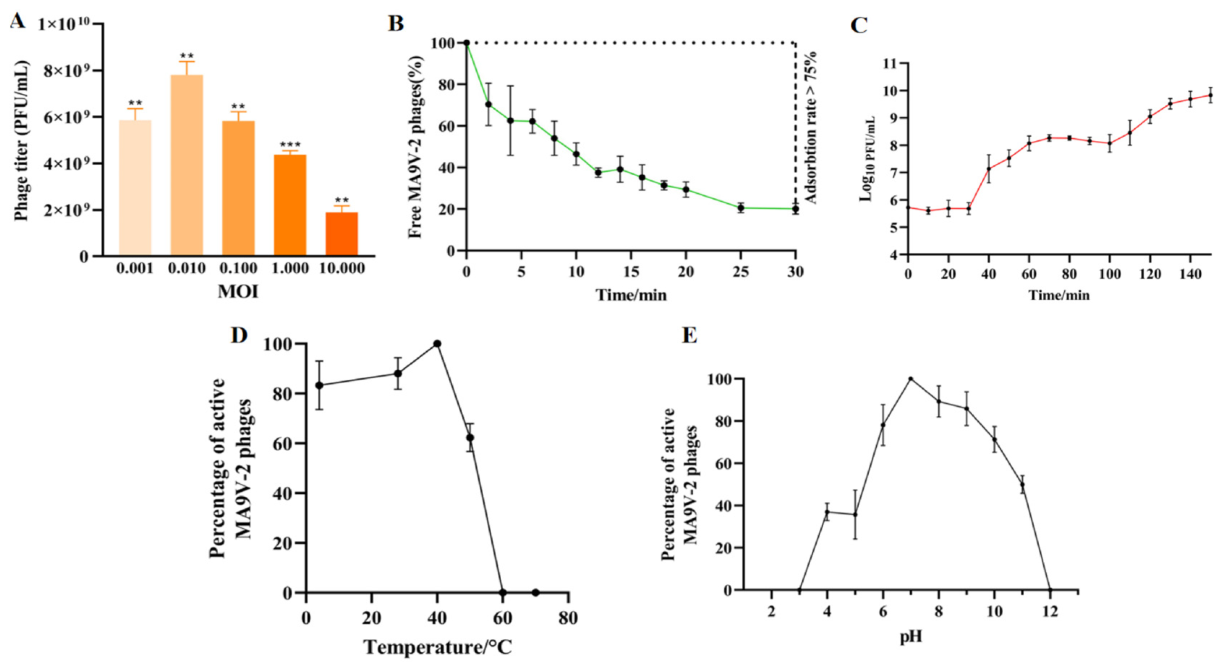
2.3. Optimal Multiplicity of Infection
The optimal multiplicity of infection (MOI) was defined as the ratio of phage particles to host bacterial cells at the time of infection [
25]. Log-phase
C. indologenes MA9 cultures were serially diluted to 10
−4, 10
−5, and 10
−6, and the CFU/mL was calculated using the dilution plating method. Different MOI values (0.001, 0.01, 0.1, 1, and 10) were tested by mixing known titers of MA9V-2 phage with MA9 host cells in log phase and incubating the mixtures at 28 °C on a shaker at 180 rpm for 12 h. After incubation, the cultures were centrifuged at 15,000×
g for 15 min at 4 °C and filtered through 0.22 μm membranes. Phage titers were determined using the double-layer agar method. Each experiment was conducted in triplicate. A one-way analysis of variance (ANOVA) was applied for statistical analysis in this study.
2.4. Adsorption Rate Assay
To determine the adsorption kinetics of MA9V-2 to its host [
26], 1 mL of diluted phage suspension (10
6 PFU/mL) was mixed with 9 mL of log-phase
C. indologenes MA9 (OD
600 = 0.6–0.8) at an MOI of 0.01. The mixture was incubated at 28 °C. Samples (approximately 100 μL) were taken every 2 min, immediately added to 1.9 mL of pre-chilled NB medium in sterile tubes, vortexed for 10–15 s, and centrifuged at 15,000×
g for 15 min at 4 °C to remove adsorbed phages. The number of unadsorbed (free) phages in the supernatant was quantified using the double-layer agar method. Each experiment was conducted in triplicate.
2.5. One-Step Growth Curve
To determine the latent period and burst size of MA9V-2, one-step growth assays were performed [
27]. Log-phase
C. indologenes MA9 cultures (10
8 CFU/mL) were centrifuged at 11,000×
g for 8 min at 4 °C, and the pellet was resuspended in 2 mL of fresh NB medium. MA9V-2 phage was added at MOI = 0.01, in which the host bacteria were determined using the plate count method, and the phage titer was measured using the double-layer agar plate method, and the mixture was incubated at 28 °C for 15 min to allow adsorption. The mixture was then centrifuged to remove unadsorbed phages and washed twice with fresh NB medium. The pellet was resuspended in 10 mL NB medium and incubated at 28 °C with shaking at 180 rpm. Samples were taken every 10 min, centrifuged at 15,000×
g for 3 min, and titers were determined using the double-layer agar method. Burst size was calculated as the ratio of total phage particles released to the initial number of infected host cells. Each experiment was conducted in triplicate.
2.6. Thermal and pH Stability Assays
To assess thermal stability [
25], 1 mL of MA9V-2 lysate (10
10 PFU/mL) was incubated at various temperatures (4 °C, 28 °C, 40 °C, 50 °C, 60 °C, and 70 °C) for 1 h. Phage viability was determined by plaque assay. For pH stability, 100 μL of phage suspension was added to 900 μL of buffer solutions with pH values ranging from 3 to 12 (prepared with sodium citrate, potassium dihydrogen phosphate, Tris-HCl, and sodium carbonate). After 1 h of incubation at 30 °C, phage titers were determined as above. Each experiment was conducted in triplicate.
2.7. Host Range Assays
The host range of MA9V-2 was assessed using the spot assay against 11 bacterial strains, including
C. indologenes (
n = 7, 6 strains were selected from soil, sewage and mud),
Bacillus cereus (
n = 1),
Pseudomonas syringae (
n = 1), and
Escherichia coli (
n = 1). Three strains (
C. indologenes ATCC 29897,
P. syringae CGMCC 1.3070, and
E. coli ATCC 11303) were purchased from the strain preservation center, and the others were preserved by our laboratory. For each test, 300 μL of bacterial culture was mixed with 200 μL of serially diluted MA9V-2 (10
−1 to 10
−7), then added to 4.5 mL of semi-solid medium and poured onto NB agar plates. After overnight incubation at 28 °C, the presence of plaques was observed. In addition, a double-layer culture plate without adding phages was used as the negative control, while the susceptible host strain
C. indologenes MA9 was used as the positive control. Each experiment was conducted in triplicate. The calculation method of efficiency of plating is as follows:
2.8. Phage Transmission Electron Microscopy
Phages were purified by CsCl density gradient centrifugation as follows [
22]: (1) Using SM buffer as the solvent, three CsCl solutions with different densities (1.45, 1.50, and 1.70 g/mL) were prepared. A total of 1.5 mL of each CsCl solution was sequentially layered from highest to lowest density into an ultracentrifuge tube. (2) The volume of the extracted aqueous phase was measured, and CsCl was added at a ratio of 0.5 g/mL. The mixture was gently stirred with a pipette tip until the CsCl was completely dissolved, and 4.5 mL of the solution was carefully layered onto the top of the gradient. (3) After centrifugation at 4 °C and 150,000×
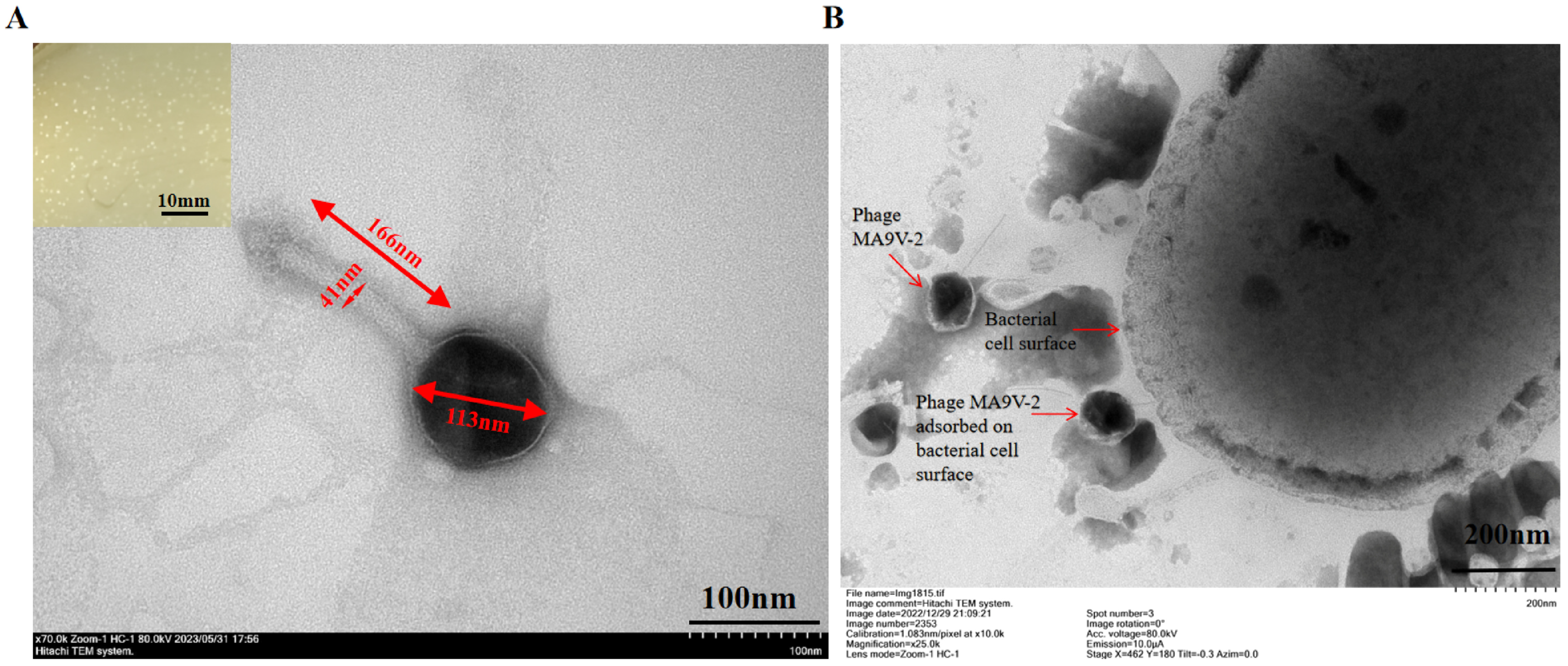
g for 10 h, a distinct white opalescent band was observed. Approximately 0.5–1 mL of the phage-containing band was collected using a 1 mL syringe inserted through the side of the centrifuge tube and transferred to a 2 mL microcentrifuge tube, sealed with parafilm, and stored at 4 °C. Phage particles purified by density gradient centrifugation were adsorbed onto carbon-coated copper grids by spotting 10 μL of sample. After 10 min of adsorption, grids were negatively stained with 1% phosphotungstic acid. The morphology of MA9V-2 was observed using a transmission electron microscope (Hitachi HT7820, Tokyo, Japan) at 120 kV [
28].
2.9. Genome Sequencing, Annotation, and Bioinformatic Analysis
To improve genome purity, 2.5 μL of DNase I (1 U/μL) and 0.5 μL of RNase A (1 mg/mL) were added to 500 μL of phage stock to eliminate host nucleic acids. The purified DNA was extracted using a phenol-chloroform protocol. DNA concentration was measured using a NanoDrop spectrophotometer (BIO-DL, Shanghai, China), and quality was assessed by 1% agarose gel electrophoresis [
29].
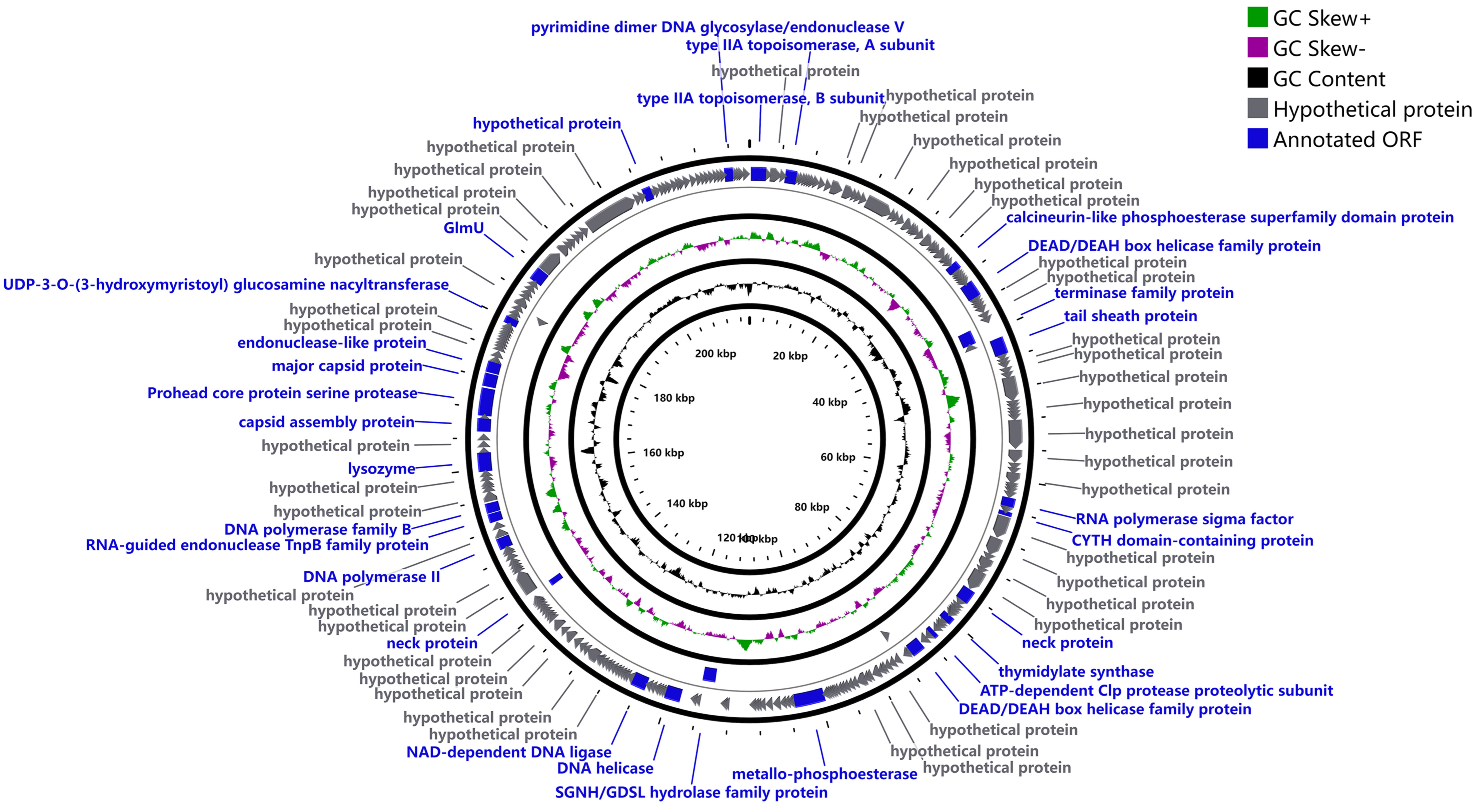
Whole-genome sequencing of the phage was performed using the Illumina NovaSeq PE150 platform (Huada Intelligent Manufacturing Technology Co., Shenzhen, China). Genome assembly and analysis were conducted using multiple bioinformatics tools. Proksee was used to construct the circular genomic maps. HHpred was applied to predict open reading frames (ORFs) and annotate their biological functions. Comparative analyses were conducted with NCBI databases using ClustalW v2.1 [
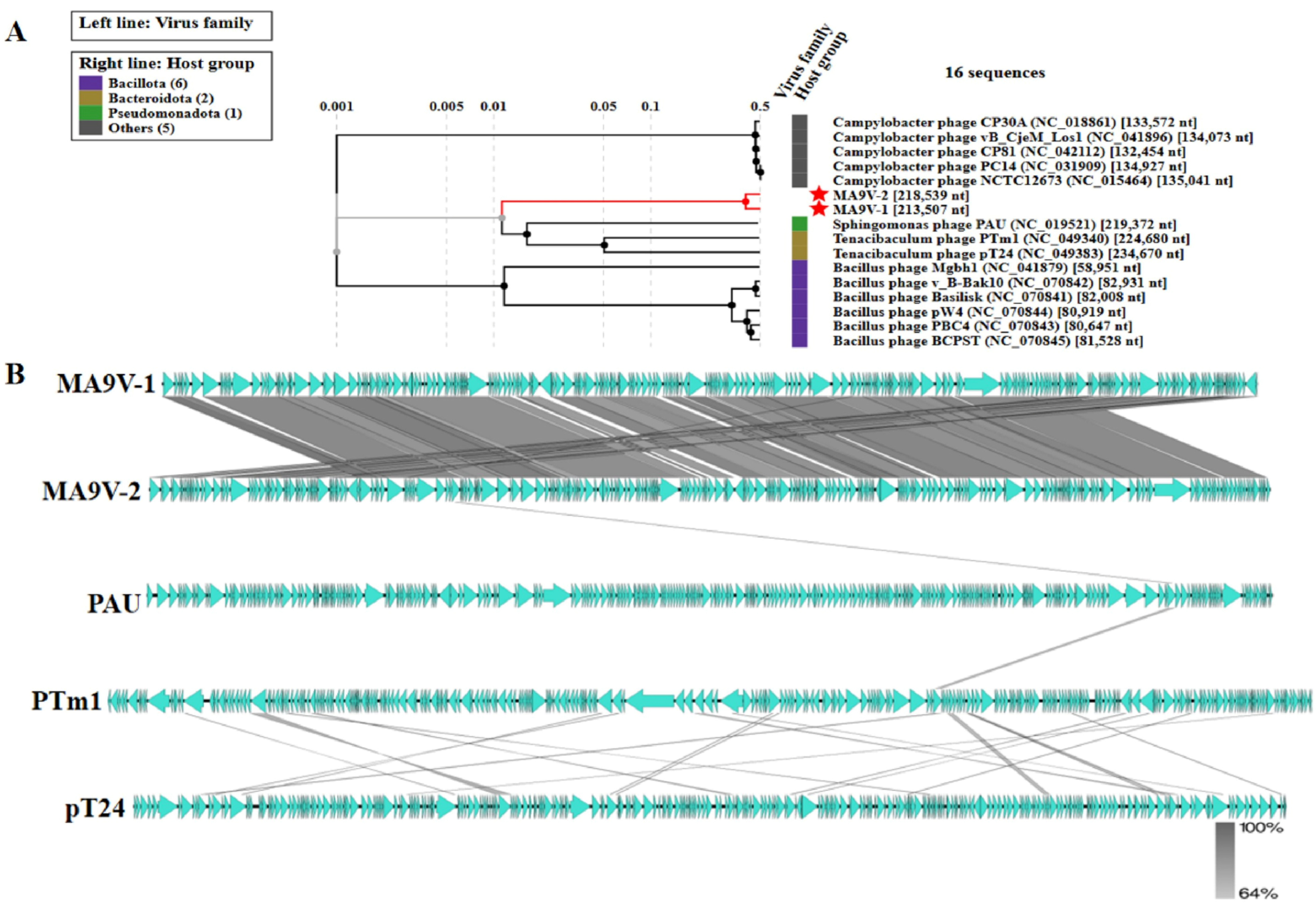
30]. Phylogenetic trees were generated using ViPTree v1.9 (for proteomic trees) and MEGA v11 (for specific ORFs) [
31,
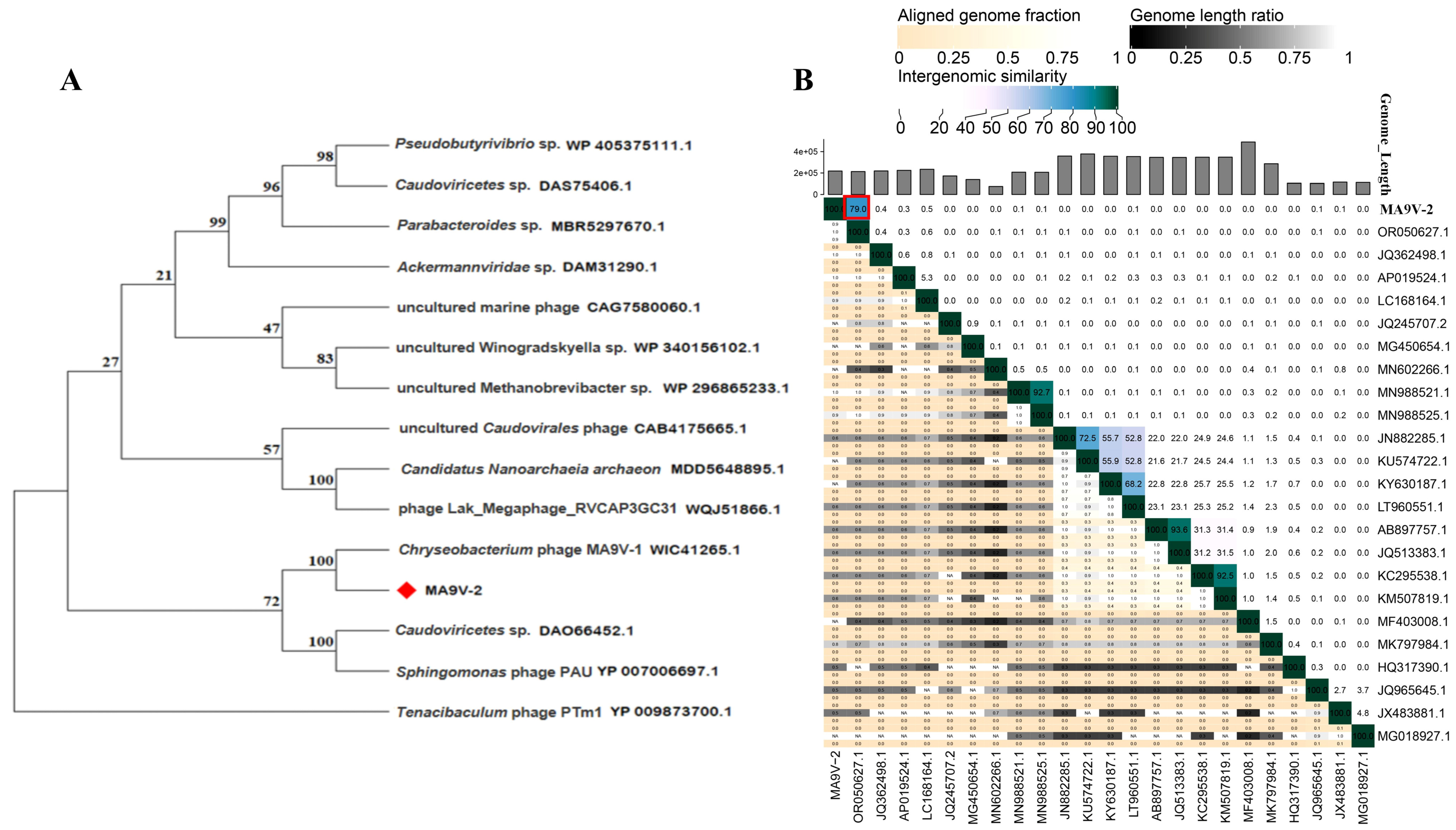
32]. Easyfig v2.2 was used for multiple genome alignment and homology visualization, and VIRIDIC(v1.1) was applied to calculate genomic similarity between MA9V-1 and MA9V-2 [
33,
34]. Finally, the presence of virulence factors and antibiotic resistance genes was screened using relevant online databases to evaluate biosafety for phage application [
35].
2.10. Pathogenicity Analysis, Disease Scoring and Pathogenicity Assessment of C. indologenes MA9
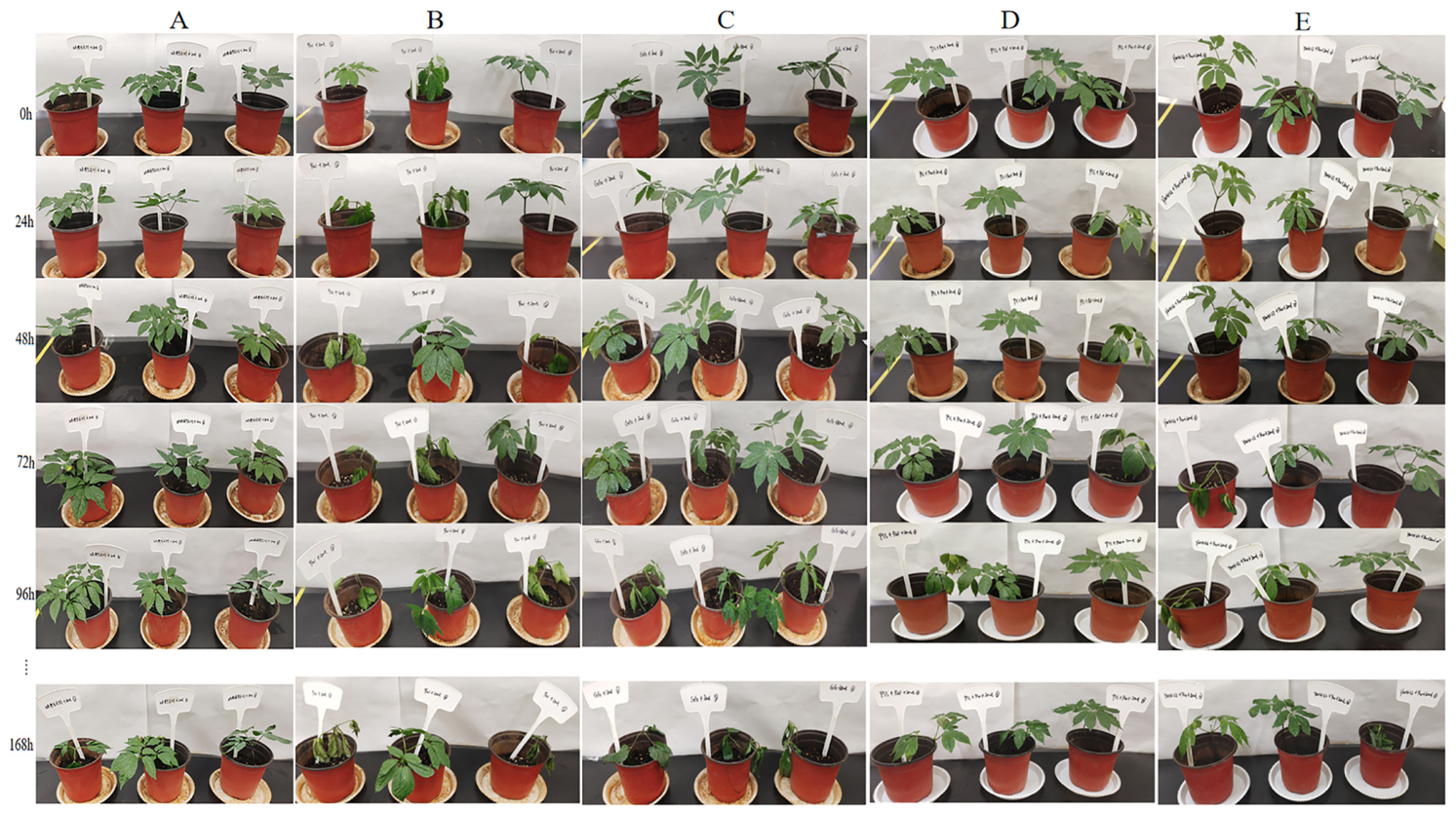
Healthy two-year-old P notoginseng seedlings at the vegetative growth stage, approximately 35–50 cm in height, were transplanted into pots (17 cm × 15 cm, 3.4 L). The seedlings were then covered with a commercial potting substrate amended with perlite and zirconite (Lingshou Ningbo Mineral Products Co., Ltd., Shijiazhuang, Hebei, China), with the substrate filling approximately two-thirds of the pot volume. Placing the potted plants in a room temperature environment (25 °C), with a relative humidity (RH) of 40–60%, and were grown under a 16 h light/8 h dark photoperiod (Light intensity ranges from 160 μmol·m−2·s−1 to 300 μmol·m−2·s−1.). After 7 days of growth, the conditions should remain stable. The negative control group was treated with NB medium, and the positive group was inoculated with C. indologenes MA9 in its logarithmic phase. Two different inoculation methods, root drenching (GG) and foliar spraying (PW), were employed with three volumes of bacterial suspension (10 mL, 20 mL, and 50 mL) (5.0 × 10⁸ CFU/mL). Spraying was selected to simulate practical field conditions, as it allows phages to come into contact with aerial parts that may indirectly influence root infection and mirrors methods commonly used in agricultural applications. Root drenching was included to directly target soil-borne pathogens within the rhizosphere and ensure uniform exposure of the roots to phages, which are the primary infection sites for root rot. By comparing these two application methods, we were able to assess both the preventive and curative potential of phage therapy and determine the most effective delivery strategy. Two additional bacterial strains, Pseudomonas syringae PSS (a pathogenic bacterium) and Bacillus subtilis BYM 41-22 (a non-pathogenic strain), were used as controls. The plants were inoculated with the bacterial suspensions every 24 h, and after 7 days, the plants were examined for disease symptoms. Each treatment group consisted of 3 independent pots, with one P. notoginseng plant per pot. All measurements were performed on each individual plant. Therefore, the experiment included 3 biological replicates, with each measurement conducted in technical triplicate. This design was consistently applied in all subsequent pot experiments to ensure the reliability and reproducibility of the results. All treatment groups included three replicate plants, which were randomly selected, and the positions of the pots were randomly rearranged every 24 h to minimize environmental variation.
The degree of leaf wilting was used to categorize the severity of disease in plants into five levels, with scores ranging from 0 to 4: 0 = no symptoms; 1 = mild wilting (1% to 25% of leaves affected, with possible recovery); 2 = moderate wilting (26% to 50% of leaves affected, with partial recovery possible); 3 = severe wilting (51% to 75% of leaves affected); 4 = extensive wilting (more than 75% of leaves affected, leading to leaf death and plant mortality). The definition of the term “partial recovery” is that after the appearance of disease symptoms, the use of the pathogenic bacteria suspension treatment is stopped, allowing the plant to have the possibility of stopping the delay of the lesion, stopping the lesion, and even restoring its own healing ability to the initial growth state.
Disease incidence (DI) was calculated as:
where i represents the disease level, ni is the number of plants at disease level i, N is the total number of plants, and iMAX is the maximum disease level.
2.11. Phage Prevention and Biocontrol of P. notoginseng Root Rot in Pot
The pot experiment for phage prevention of root rot included five treatment groups: (1) A blank control group with 20 mL of NB medium; (2) A positive control group where plants were treated with 20 mL C. indologenes MA9 in its logarithmic phase; (3) MA9V-1 (1.25 × 10¹⁰ PFU/mL) at MOI = 0.01 mixed with 20 mL C. indologenes MA9, after mixing with the pathogen, the phage was incubated in a 28 °C constant temperature incubator for 15 min, and then the spraying treatment was carried out, subsequent processing is the same.; (4) MA9V-2 (9.84 × 10⁹ PFU/mL) at MOI = 0.01 mixed with 20 mL C. indologenes MA9; (5) A combination of MA9V-1 and MA9V-2 at MOI = 0.01 mixed in a 1:1 ratio, the mixture was mixed with 20 mL C. indologenes MA9. In the post-infection biocontrol experiment, plants were first inoculated with 20 mL C. indologenes MA9 and, after 3 days, treated with either MA9V-1 (MOI = 0.01), MA9V-2 (MOI = 0.01), or the combination of both phages in a 1:1 ratio. Each experimental group was treated at 9:00 a.m, and the treatment was repeated every 24 h for 7 consecutive days. Plant growth and disease development were monitored throughout the experiment to evaluate disease outcomes.
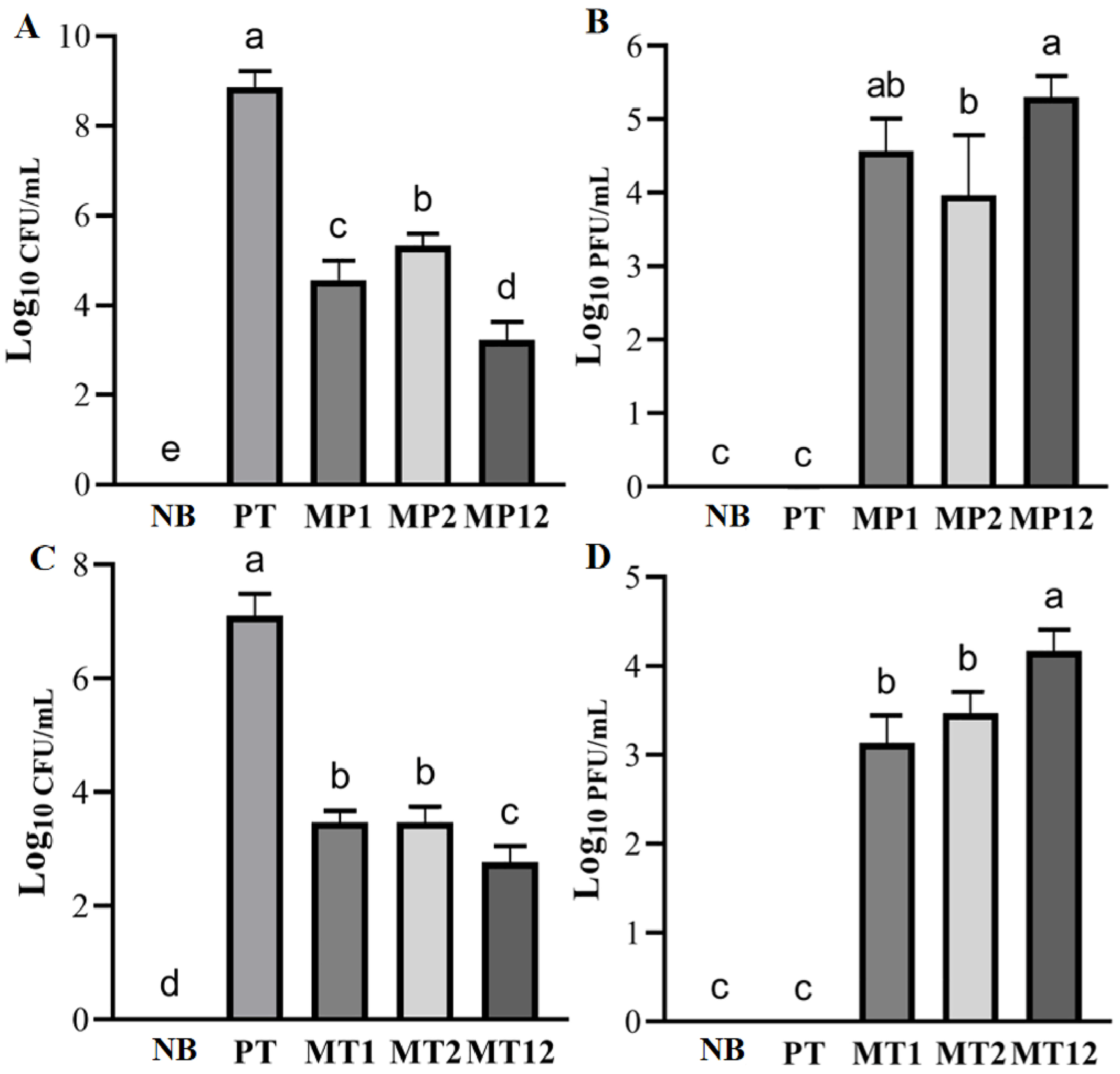
Three diseased and necrotic leaves were randomly collected from each P. notoginseng plant in each treatment group. All leaf samples were ground in a sterile mortar and pestle and then added to 50 mL of NB medium. The suspensions were incubated in a shaking incubator at 28 °C and 180 rpm for 2 h. After incubation, the cultures were diluted and spread onto NB agar plates. After 12 h of incubation, colony-forming units (CFUs) were counted, and the bacterial load was calculated based on the dilution factor. In addition, Necrotic leaves were also collected from each group, ground using sterile mortars, and the homogenates were suspended in 10 mL of SM buffer. The suspension was incubated at 28 °C and 180 rpm for 2 h, then left to stand at room temperature for 2 h. The supernatant was collected, centrifuged at 15,000× g for 15 min at 4 °C, and filtered through 0.22 μm membranes. The filtrate was serially diluted, and the phage titers were determined using the double-layer agar method after overnight incubation at 28 °C. Plaques were counted to calculate phage concentration.
2.12. Statistical Analysis of Disease Incidence and Biocontrol Efficacy
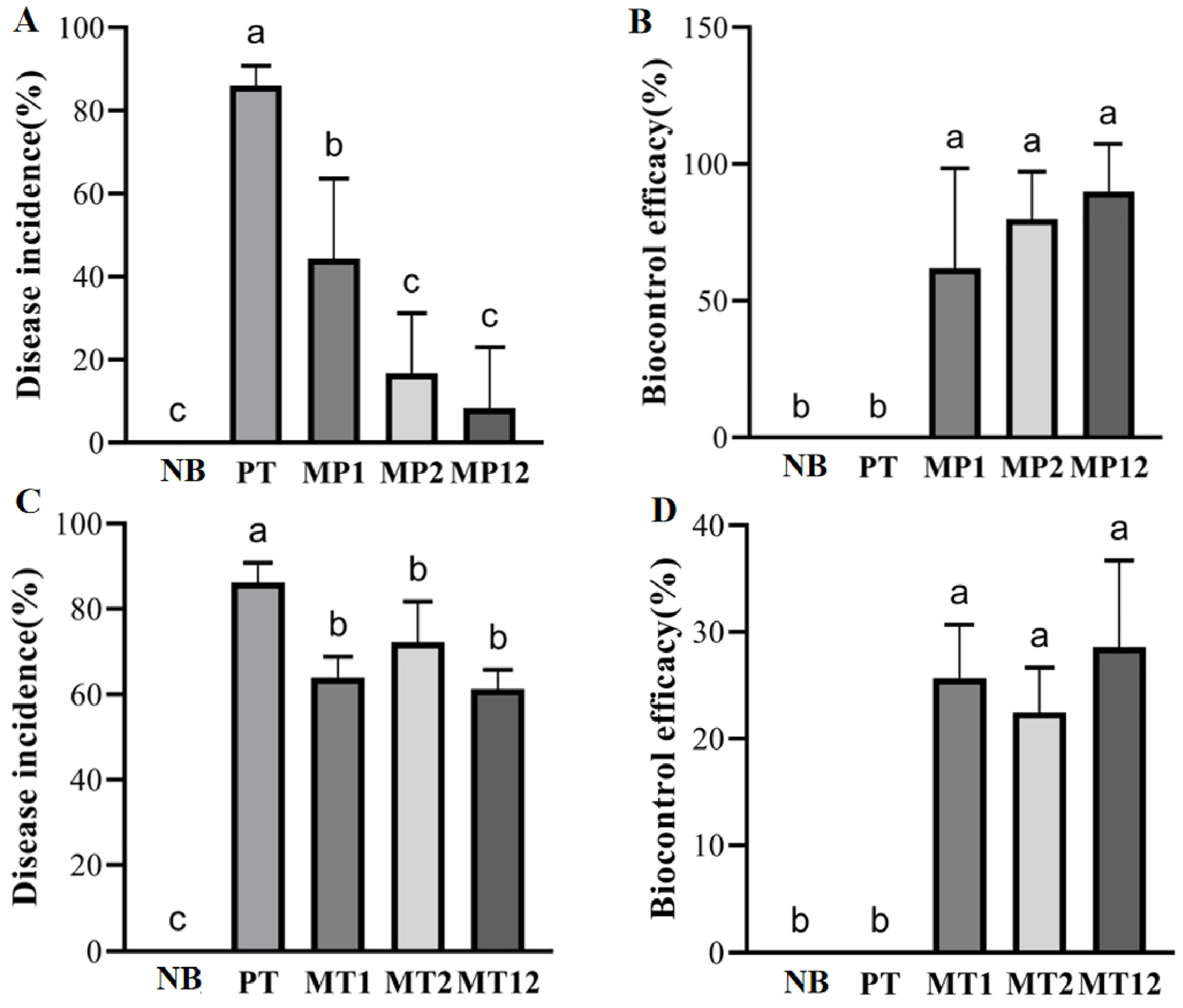
All statistical analyses were performed using GraphPad Prism 9.0. Data are presented as mean ± standard deviation. Differences among multiple treatment groups, including single- and combined-phage treatments, pathogen CFU counts, phage titers, and disease incidence, were evaluated using one-way ANOVA followed by Tukey’s post hoc test for normally distributed data, with normality and homogeneity of variance verified prior to analysis. Statistical significance was set at p < 0.05.
Disease incidence (DI) was calculated as described in
Section 2.10. Biocontrol efficacy (BCE) was determined using the following formula:
where t is the experimental group, DIck is the disease incidence in the control group, and DIt is the disease incidence in the treatment group.
4. Discussion
Panax notoginseng is a high-value medicinal crop in Yunnan Province, and root rot caused by Chryseobacterium indologenes MA9 poses a critical threat to its cultivation, often leading to yield losses exceeding 70% and even total crop failure. While previous studies have focused primarily on fungal pathogens, our results emphasize the significant role of bacterial pathogens in disease progression. Pathogenicity assays confirmed the high virulence of MA9, with disease incidence reaching 83.3% under optimized inoculation conditions (20 mL of 5.0 × 10⁸ CFU/mL). Leaf spraying was selected as the infection route to reflect practical field conditions and enable reproducible assessment of disease progression and severity. It is worth noting that this study included only three biological replicates (independent pots) in the pathogen infection and phage treatment experiments, which somewhat limits the statistical robustness of conclusions regarding disease incidence and biocontrol efficacy. Although the number of biological replicates per treatment was limited, the experimental results still demonstrated clear treatment differences, providing a reference for subsequent large-scale greenhouse and field experiments, as well as guidance for further studies on P. notoginseng root rot disease.
A new lytic phage, vB_CinP_MA9V-2, was isolated using
C. indologenes MA9 as the host. During initial screening, plaque formation was inconsistent, often disappearing during enrichment. Optimization of culture conditions using glucose-free NA medium restored stable plaque formation, highlighting the importance of host physiological state in phage screening. MA9V-2, along with phages such as
Clostridium perfringens IME-JL8,
Vibrio FE11P, and
Pseudomonas aeruginosa PPAY, was isolated from sewage, highlighting that sewage is a rich resource for phages [
36,
37,
38]. MA9V-2 forms small plaques with a diameter of 0.4–1.4 mm on the
C. indologenes MA9 biofilm, smaller than those formed by
Enterococcus faecalis EFap02 and
Vibrio parahaemolyticus GHSM17 (approximately 2 mm). Morphologically,
C. indologenes MA9 phages are similar to
T. maritimum phages PTm1 and PTm5, with an icosahedral “head,” contractile “tail,” and relatively short “neck”. Interestingly, although all these phages belong to the Myoviridae family, TEM imaging clearly showed flexible fibrous appendages of about 50–100 nm in length on the upper region of the heads of PTm1 and PTm5, which were absent in MA9V-2 [
39]. In addition, the contractile tail undergoes a conformational change when the phage attaches to the host cell, forming a channel through which the phage genome can be injected into the host cytoplasm [
40]. Phage specificity, as demonstrated by the host lysis spectrum, is one of the key factors in applying phages as alternatives to antibiotics, medical formulations and agricultural biocontrol. This characteristic ensures that phage therapy does not directly affect the density, richness, and survival of other microorganisms in the microecosystem.
Phage genome analysis is an important means to understand the phage at the genetic level. Genomic safety analysis is also crucial for phage research [
41]. The whole-genome sequencing results show that the MA9V-2 genome is 218,539 bp in length, with a GC content of 36.23%, and contains 269 ORFs, encoding 50 known functional proteins. The MA9V-2 genome is shorter than that of
Pseudomonas phage D6 (307,402 bp), which causes tomato wilt [
42], and longer than that of
Xanthomonas phage (44,044 bp) that causes black rot in cabbage [
43]. Based on the detailed functional annotation of phage proteins (
Supplementary Table S1), several of the proteins encoded by the phage genome are involved in DNA replication, which likely explains its ability to infect and replicate. Additionally, most of the ORFs in the phage genome are hypothetical proteins with unknown functions, possibly due to a lack of records for such phage-related functional genes in viral databases. Bioinformatic analyses, including VIPtree circular and rectangular phylogenetic tree construction, genome multiple linear alignments, and VIRIDIC similarity heatmaps, indicate that although MA9V-1 and MA9V-2 are new phage groups targeting
C. indologenes MA9, there are differences in their infection abilities. Studies have shown that phages are natural carriers for the transfer of virulence and antibiotic resistance genes [
44]. Therefore, comprehensive genome analysis of the phages in this study using VFDB software(v2024) found no virulence or antibiotic resistance genes, indicating that MA9V-1 and MA9V-2 have potential use in biocontrol without introducing risks associated with these genes.
In vitro experiments demonstrated that the optimal MOI of 0.01 allowed both phages to efficiently infect
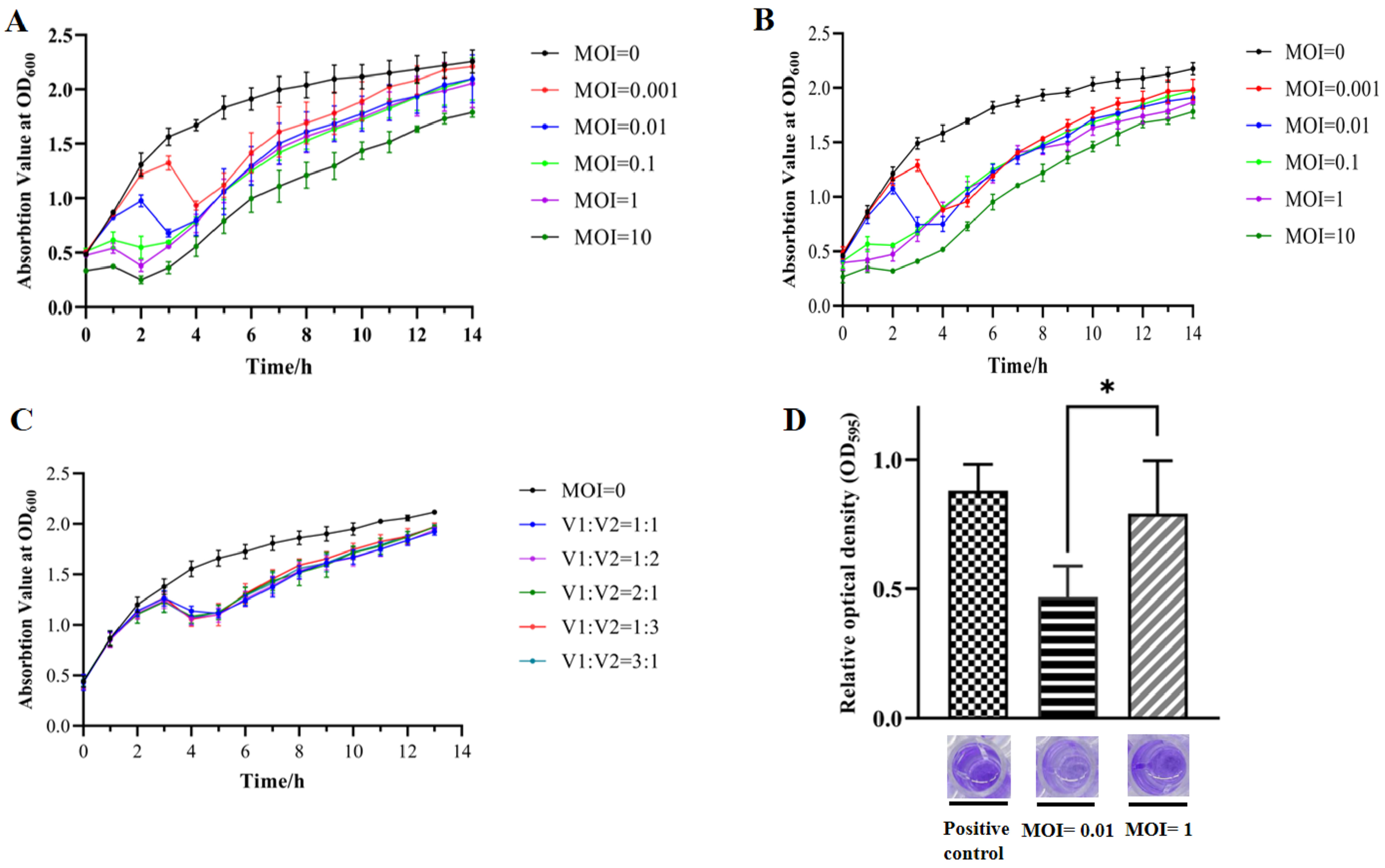
C. indologenes MA9, with MA9V-2 achieving 75% adsorption within 25 min and a burst size of ~100 PFU per cell. The combined application of MA9V-1 and MA9V-2 (1:1 ratio) slowed bacterial growth more effectively than single-phage treatments (
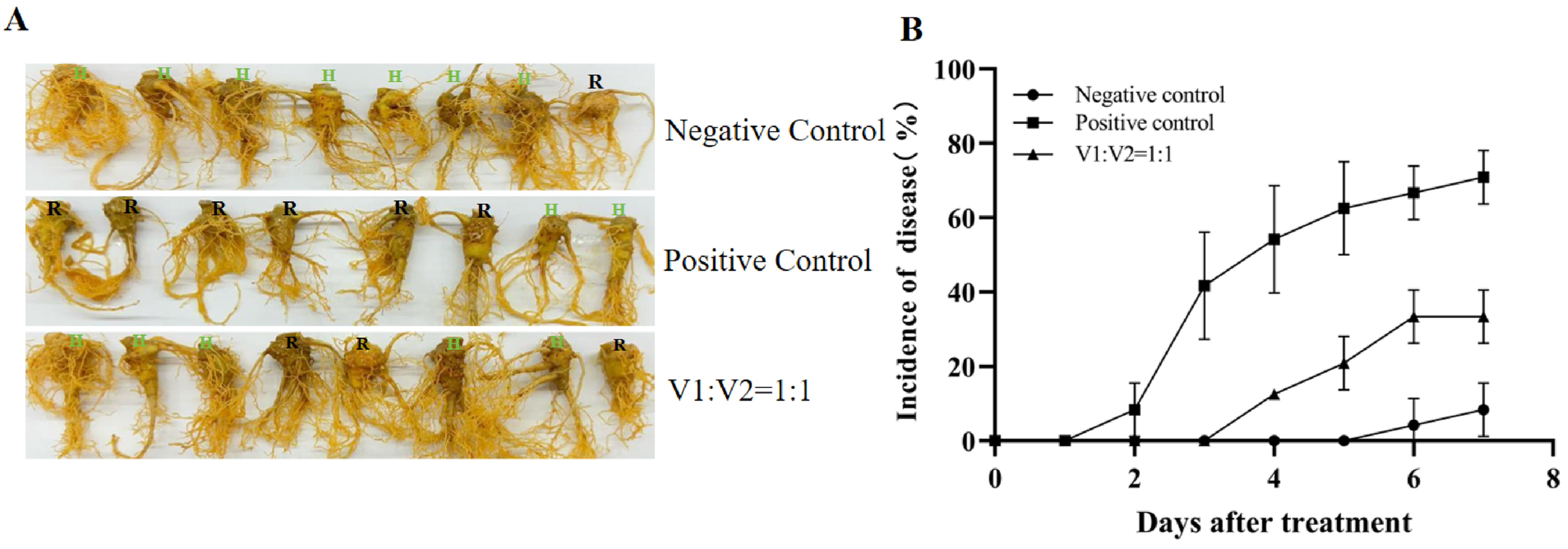
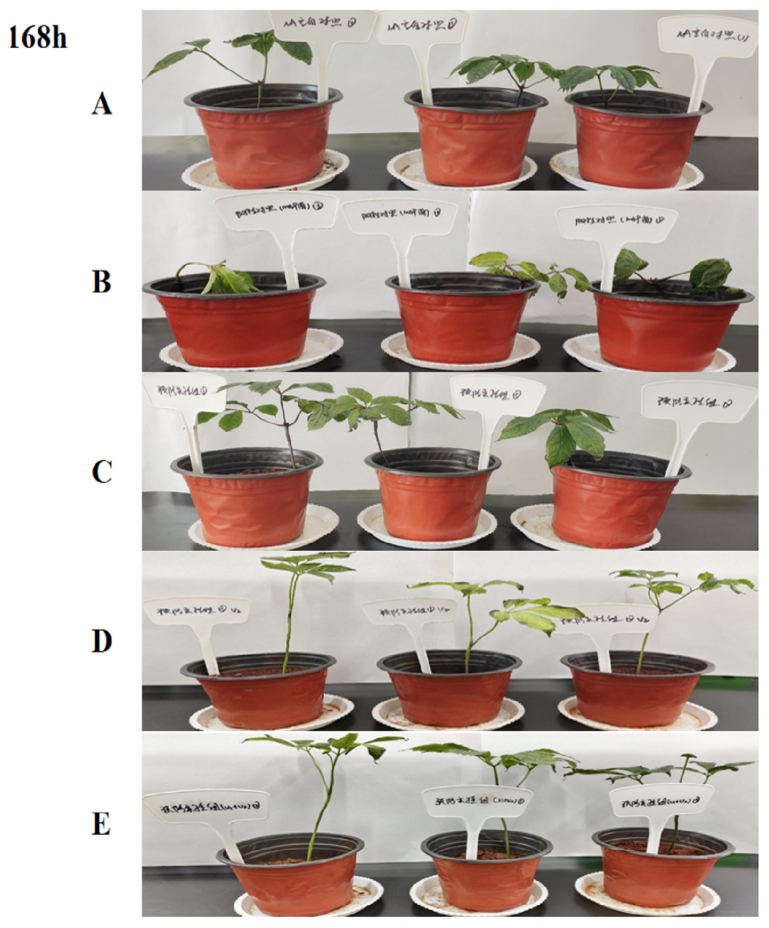
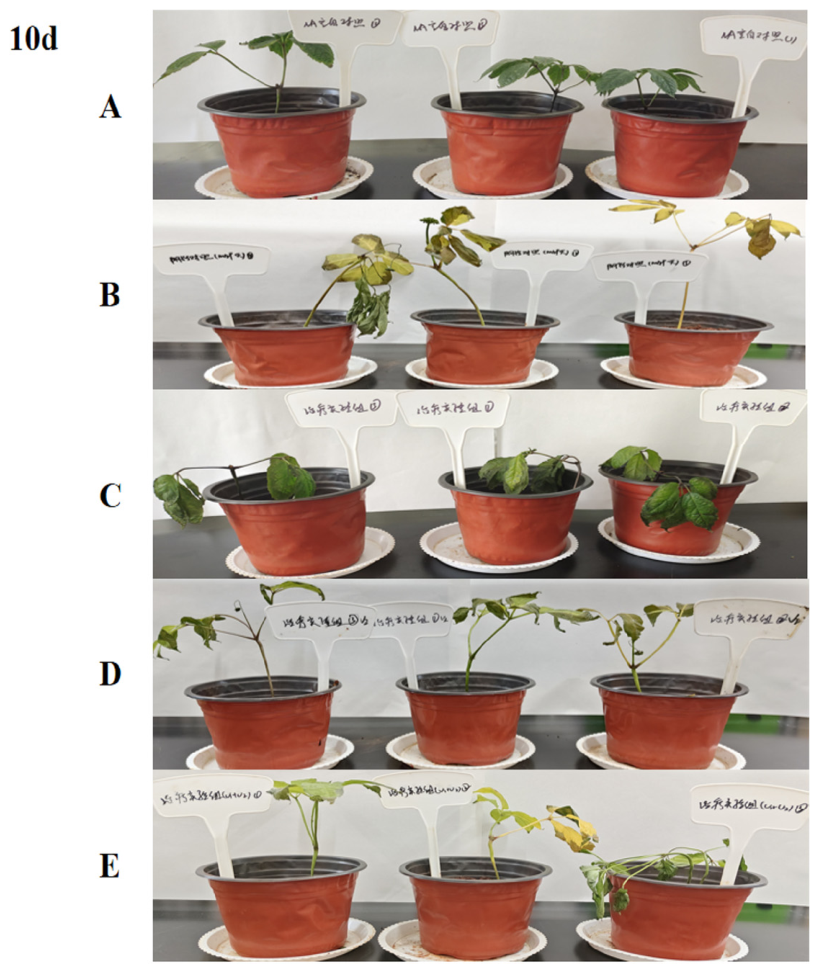
Figure 7B–D) and inhibited biofilm formation to a greater extent, indicating a synergistic effect. Pot experiments further confirmed these findings: preventive application of the phage cocktail reduced disease incidence by ~10–25% compared to single-phage treatments and delayed symptom progression (
Figure 8,
Figure 9,
Figure 10,
Figure 11 and
Figure 12). Compared with other phage therapy experiments, the treatment effect was better. For example, phages like RsoM1USA, isolated from tomato fields in Florida, have effectively slowed the wilting of
Ralstonia solanacearum-infected tomato plants [
14]. CFU counts showed that preventive treatments significantly reduced pathogen loads in leaves within 15 min of phage application (
Figure 11A,C), demonstrating that timely host–phage interactions are critical for maximizing biocontrol efficacy. While severely infected plants could not be fully restored, phage treatment effectively delayed disease development, highlighting its potential as a preventive strategy.
It is worth noting that, for the following reasons, this paper selects the leaf spraying method as the means of treating the plants: (1) In the experiment, we found that whether the plants were treated by spraying or by root irrigation, the degree of lesion and the incidence rate of the disease of
P. notoginseng were very close. Considering that in order to ensure that the liquid containing pathogenic bacteria is evenly covered on the sample to eliminate experimental errors. Therefore, spraying was chosen as the treatment method for the plants. And experiments have shown that the related substances of the experiment have a systemic movement within the plants [
45], which may also be the cause of the correlation between leaf and root rot lesions; (2) Due to its ease of use and scalability, foliar spraying is often the preferred application method in agricultural settings. Demonstrating efficacy through foliar application enhances the practical relevance of the study’s findings. The study by Gouveia et al. showed that foliar application of potassium phosphonate can prevent root infection by root rot pathogens, providing direct experimental evidence supporting the use of foliar sprays to control soil-borne root rot diseases [
46].
Several critical challenges still need to be addressed before large-scale application can be achieved. First, host defense barriers remain a major obstacle. For instance, the capsule-thickening mechanism observed in MA9, which is induced under nutrient-rich conditions, can inhibit phage adsorption and lead to unstable infection. Notably, this mechanism was reported for the first time in the present study. Second, the mechanistic understanding remains insufficient. Although the functions of the 269 ORFs in MA9V-2, including ORF192 encoding DNA polymerase, were predicted bioinformatically, more than 90% of the putative proteins have not yet been experimentally validated, and their interaction networks with the host remain unclear. In addition, the application scenarios investigated in this study were relatively limited. Only the spraying method was evaluated, while other agronomic approaches, such as root irrigation and seed coating, were not assessed for their feasibility or efficacy. Furthermore, ecological evaluations were lacking. Specifically, the long-term effects of phage release on rhizosphere microbial communities, including antagonistic microorganisms such as Bacillus subtilis strain Pn1, were not monitored, and no environmental safety assessment was conducted regarding the persistence of residual phage genes in soil ecosystems. Overall, through interdisciplinary collaboration among synthetic biology, microbiome science, and smart agriculture, phage therapy holds great promise as a solution for overcoming the continuous cropping obstacles in Panax notoginseng cultivation, thereby promoting the green and sustainable transformation of the medicinal plant industry.