1. Introduction
Urinary tract infections (UTIs) are among the most common bacterial infections worldwide and represent a substantial public health burden. It is estimated that approximately 150 million people develop UTIs each year, making them one of the leading causes of healthcare visits and antimicrobial use globally [
1]. UTIs result from the invasion and multiplication of pathogenic microorganisms within the urinary tract, most commonly following bacterial entry through the urethra into the bladder. Although a wide range of uropathogens may be involved,
Escherichia coli remains the predominant causative organism, followed by
Klebsiella pneumoniae and other Gram-negative bacteria. UTIs occur far more frequently in females than in males, largely because of anatomical and physiological factors, including a shorter urethra, proximity of the urethral opening to the anal orifice, and the absence of prostatic secretions, all of which facilitate ascending infection [
1].
Among UTI-associated pathogens,
K. pneumoniae has emerged as an important opportunistic organism of major clinical concern. This Gram-negative bacterium is widely distributed and is associated with both community-acquired and healthcare-associated infections, including UTIs, pneumonia, bacteraemia, liver abscess, and other invasive infections, particularly among patients with underlying comorbidities [
2]. Over the past two decades,
K. pneumoniae has become the second most common aetiological agent of community-acquired UTIs after
E. coli. Its significance has been further amplified by its growing role in antimicrobial resistance, prompting the World Health Organization to include it among priority antibiotic-resistant pathogens of international concern [
3].
A major contributor to the clinical significance of
K. pneumoniae is its ability to produce extended-spectrum β-lactamases (ESBLs), enzymes that hydrolyse penicillins, extended-spectrum cephalosporins, and aztreonam, thereby markedly reducing the efficacy of commonly used β-lactam antibiotics [
4,
5,
6]. ESBL-producing
K. pneumoniae has become a major cause of β-lactam resistance among Gram-negative bacilli in both hospital and community settings [
5,
7,
8]. The spread of ESBL-producing organisms presents serious therapeutic challenges, as these infections are associated with prolonged hospitalisation, increased healthcare costs, limited treatment options, and poorer clinical outcomes [
9,
10,
11].
The genetic basis of ESBL-mediated resistance is often plasmid-borne, which facilitates horizontal transfer of resistance determinants between bacterial species and accelerates the dissemination of multidrug resistance. The most common ESBL-encoding genes include
blaTEM,
blaSHV, and
blaCTX-M, although other genes such as
blaOXA also contribute to β-lactam resistance in
K. pneumoniae. Nearly 300 ESBL variants have been described, reflecting the considerable genetic diversity of these enzymes [
12,
13]. Historically, TEM- and SHV-derived ESBLs were dominant; however, CTX-M-type enzymes have rapidly emerged as the most prevalent ESBLs in many parts of the world and are now regarded as a major driver of resistance among
Enterobacteriaceae [
4,
14,
15]. Their rapid dissemination has substantial clinical implications because it narrows treatment options, increases morbidity and mortality, and complicates empirical therapy.
Several regional and international studies have documented the growing epidemiological importance of ESBL-producing
K. pneumoniae. In Jordan, Al-Sheboul, Al-Madi [
16] reported high rates of antimicrobial resistance and frequent detection of
blaSHV and
blaCTX-M among ESBL-producing
K. pneumoniae isolates from clinical samples. Similarly, Gharaibeh, Alyafawi [
17] demonstrated a high prevalence of multidrug-resistant and ESBL-producing
K. pneumoniae isolates in Jordanian patients, in addition to detecting carbapenemase genes and the first report of the mcr-1 gene in the country. Aqel, Giakkoupi [
18], Aqel, Findlay [
19] further documented the emergence of
blaOXA-48-like,
blaNDM-1, and
blaVIM-4 carbapenemase-producing
K. pneumoniae isolates in Jordanian hospitals, highlighting the ongoing expansion of clinically relevant resistance determinants. More recently, Swedan, Alabdallah [
20] reported high rates of non-susceptibility to aminoglycosides and quinolones among clinical
K. pneumoniae isolates from northern Jordan, together with considerable genetic diversity and multiple associated resistance genes. Collectively, these studies underscore the rapid evolution of
K. pneumoniae as a multidrug-resistant nosocomial and community pathogen in Jordan.
Evidence from other settings also supports the increasing prevalence of ESBL-associated resistance in UTI pathogens. Mohammedkheir, Gaafar [
21] reported high resistance rates and frequent detection of
blaTEM,
blaCTX-M, and
blaSHV among Gram-negative uropathogens in Sudan, while Pereira, Volcão [
22] found that ESBL-producing
Klebsiella spp. were significantly associated with higher resistance rates than non-ESBL-producing isolates in both inpatient and outpatient UTI settings. Likewise, Ghenea, Zlatian [
23] reported a predominance of
blaCTX-M-15 among resistant
K. pneumoniae isolates, further emphasising the global rise in CTX-M-type β-lactamases. These findings collectively suggest that ESBL production in
K. pneumoniae is not only widespread but also epidemiologically dynamic, with important regional variation in prevalence and gene distribution.
Despite the growing body of evidence on antimicrobial resistance in Jordan, data specifically addressing the epidemiology and molecular characteristics of ESBL-producing K. pneumoniae causing UTIs across multiple Jordanian regions remain limited. Given the clinical burden of UTIs, the increasing prevalence of ESBL production, and the potential for geographic variation in resistance patterns, there is a need for regionally representative data to support infection control and antimicrobial stewardship strategies.
Therefore, the present study aimed to investigate the epidemiology and molecular profiles of ESBL-producing K. pneumoniae isolated from UTI patients across Jordanian hospitals. Specifically, the study sought to determine the prevalence of ESBL-producing isolates, assess their antimicrobial resistance patterns, and identify key ESBL-associated resistance genes, particularly blaCTX-M and blaOXA. The findings of this study are expected to contribute to a better understanding of the molecular epidemiology of ESBL-producing K. pneumoniae in Jordan and to support evidence-based interventions for the control of antimicrobial resistance.
2. Material and Methods
2.1. Study Design and Sample Collection
This prospective, multicentre, cross-sectional laboratory-based investigation was conducted in three hospitals located in the northern, central, and southern regions of Jordan: Al-Mafraq Governmental Hospital, Islamic Hospital in Amman, and Ma’an Governmental Hospital. The study included 450 non-duplicate clinical isolates of K. pneumoniae obtained from fresh midstream urine samples collected from hospitalised patients with urinary tract infections in nephrology departments. Samples were collected over a seven-month period, from November 2023 to May 2024. Ethical approval was granted by the Jordanian Ministry of Health (Approval No. 6001; dated 20 May 2024) and the Institutional Review Board of Zarqa University (IRB/ZU/2023/1).
The study enrolled hospitalised patients aged 6 days to 80 years with a clinical diagnosis of urinary tract infection who attended the nephrology departments of the participating hospitals during the study period. Fresh midstream urine samples were collected from eligible patients. Patients with a history of antibiotic use prior to sample collection were excluded. To avoid duplication, only non-duplicate K. pneumoniae isolates were included, and only the first isolate recovered from each patient was analysed.
2.2. Clinical Isolate Culture
Clinical isolates were subcultured on MacConkey agar and incubated aerobically at 37 °C for 18–24 h. Identification of K. pneumoniae was performed based on colony morphology, lactose fermentation characteristics, and standard biochemical tests subsequently confirmed using the VITEK® 2 automated identification system. In addition, molecular confirmation was performed by PCR targeting ESBL-associated genes (blaCTX-M and blaOXA).
2.3. Antimicrobial Susceptibility Testing
Antimicrobial susceptibility testing was performed using the modified Kirby–Bauer disc diffusion method on Mueller–Hinton agar, in accordance with Clinical and Laboratory Standards Institute (CLSI) guidelines [
24].
A bacterial suspension equivalent to 0.5 McFarland turbidity standard was prepared. The turbidity was verified using a spectrophotometer at 625 nm to ensure accurate standardization before inoculation. The standardized suspension was then inoculated onto Mueller–Hinton agar plates using sterile swabs. The following antibiotic discs were tested: Amoxicillin-Clavulanic acid (20/10 μg), Cefotaxime (30 μg), Ceftriaxone (30 μg), Ceftazidime (30 μg), Gentamicin (10 μg), Amikacin (30 μg), Ciprofloxacin (5 μg), Imipenem (10 μg), Amoxicillin (30 μg), Cephalexin (30 μg), Cefuroxime (30 μg), Co-trimoxazole (25 μg), Meropenem (10 μg), and Doxycycline (30 μg). The antimicrobial disks used in this study were obtained from Oxoid Ltd., Basingstoke, UK. After incubation at 37 °C for 18–24 h, inhibition zone diameters were measured and interpreted as susceptible, intermediate, or resistant according to CLSI breakpoints.
Quality control for disk diffusion susceptibility testing was performed using Escherichia coli ATCC 25922, in accordance with CLSI recommendations. For ESBL-related phenotypic testing, Klebsiella pneumoniae ATCC 700603 was used as a supplemental quality control strain.
2.4. ESBL Phenotypic Identification by Double Disk Synergy Test
ESBL production was confirmed using the double-disc synergy test (DDST). A lawn culture of
K. pneumoniae was prepared on Mueller–Hinton agar. An amoxicillin–clavulanic acid disc (20/10 μg) was placed at the centre of the plate, and cefotaxime (30 μg), ceftriaxone (30 μg), and ceftazidime (30 μg) discs were positioned 20 mm apart edge-to-edge, which corresponds approximately to standard centre-to-centre spacing recommended by CLSI [
24].
Following incubation at 37 °C for 18–24 h, a ≥5 mm increase in the zone of inhibition towards the clavulanic acid-containing disc indicated ESBL production.
K. pneumoniae ATCC 700603 was used as the positive control, and Escherichia coli ATCC 25922 served as the negative control.
Prepared CHROM agar ESBL plates (CHROM agar, Paris, France) were used for the phenotypic detection of ESBL-producing isolates. Each bacterial strain was inoculated onto CHROM agar ESBL and incubated aerobically at 37 °C for 18–24 h. ESBL-producing colonies displayed species-specific colours, with
E. coli appearing dark pink to reddish and
Klebsiella spp. appearing metallic blue. In contrast, non-ESBL-producing isolates produced colourless colonies or showed no growth on CHROM agar ESBL [
5].
2.5. DNA Extractions
Genomic DNA was extracted from cultured isolates by alkaline lysis, as previously described [
5,
25]. Briefly, a single bacterial colony was suspended in 20 μL of lysis buffer (0.25% sodium dodecyl sulfate, 0.05 N NaOH) and heated at 95 °C for 15 min. The lysate was then diluted with 180 μL of sterile distilled water and centrifuged at 16,000×
g for 5 min to remove residual debris. The resulting supernatant was collected and used as the DNA template for polymerase chain reaction (PCR) or stored at −20 °C until further analysis. DNA concentration and purity were measured using a PG/T60 UV–visible spectrophotometer (PG Instruments Limited, Beijing, China). DNA quality was confirmed by successful downstream amplification.
Genomic DNA was extracted using the GF-1 Bacterial DNA Extraction Kit (Vivantis Technologies, Subang Jaya, Malaysia) according to the manufacturer’s instructions. DNA was eluted according to the kit protocol.
2.6. Polymerase Chain Reaction (PCR)
PCR amplification of
blaOXA and
blaCTX-M genes was performed using a Veriti Thermal Cycler (Applied Biosystems, San Francisco, CA, USA). Primers (10 μM) were synthesised by a commercial oligonucleotide manufacturer (sequences shown in
Table 1).
For detection of the blaOXA gene, each PCR was carried out in a total volume of 20 µL, containing 2 µL of extracted DNA, 0.6 µL of forward primer, 0.6 µL of reverse primer, 4 µL of master mix, and 12.8 µL of nuclease-free water (NFW). The amplification conditions consisted of 30 cycles of denaturation at 95 °C for 30 s, annealing at 57 °C for 30 s, and extension at 72 °C for 30 s.
For amplification of the blaCTX-M gene, PCR was performed under similar conditions using forward and reverse primers (10 µM; SOLIS BIODYNE, FIREPol®, Helsinki, Finland). Each 20 µL reaction mixture contained 2 µL of extracted DNA, 0.6 µL of each primer, 4 µL of master mix, and 12.8 µL of nuclease-free water. The cycling conditions included 30 cycles of denaturation at 95 °C for 30 s, annealing at 60 °C for 30 s, and extension at 72 °C for 30 s.
A previously characterised clinical isolate known to harbour the target resistance gene was included as positive control in each PCR run. A blaCTX-M-positive K. pneumoniae isolate was used as the positive control for blaCTX-M amplification, while a sequencing-confirmed blaOXA-positive isolate was used as the positive control for blaOXA amplification. Nuclease-free water was included as a negative control.
2.7. Gel Electrophoresis
PCR products were analysed using electrophoresis on 1.5% low-melting agarose gel (Vivantis, Shah Alam, Malaysia), which is suitable for resolving fragments in the 550–816 bp range. Electrophoresis was conducted at 100 V for 50 min using an electrophoresis apparatus (Thistle Scientific Ltd., Edinburgh, UK).
DNA bands were visualised under a UV transilluminator. Both 100 bp and 1000 bp DNA ladder (GeneDireX, Taoyuan City, Taiwan) were used to accurately estimate fragment sizes, with the 100 bp ladder for smaller fragments and the 1000 bp ladder for larger fragments.
2.8. Statistical Analysis
Statistical analysis was performed using IBM SPSS Statistics version 23 (IBM Corp., Armonk, NY, USA). Descriptive statistics were used to summarise the distribution of ESBL-producing K. pneumoniae isolates and resistance genes across study variables. Frequencies and percentages were calculated for categorical variables, while means and standard deviations were generated for numerical or coded variables. Differences between two groups were analysed using the independent-samples t-test, whereas comparisons among multiple groups were assessed using one-way ANOVA, followed by Tukey and Duncan post hoc tests when appropriate. Associations between categorical variables were evaluated using the chi-square test or Fisher’s exact test where required. Correlations were assessed using Pearson’s and Spearman’s correlation coefficients. Statistical significance was set at p < 0.05.
4. Discussion
This multicentre study provides insight into the epidemiology and molecular characteristics of ESBL-producing
K. pneumoniae among patients with urinary tract infections (UTIs) in Jordan. Of the 450 urinary
K. pneumoniae isolates examined, 72 (16%) were confirmed as ESBL producers, indicating that ESBL-mediated resistance represents a substantial proportion of
K. pneumoniae-associated UTIs in the participating hospitals. This finding is clinically important because ESBL production compromises the activity of key β-lactam agents, particularly oxyimino-cephalosporins such as cefotaxime, ceftriaxone, and ceftazidime, thereby limiting therapeutic options and increasing the risk of treatment failure [
27,
28]. The growing burden of ESBL-producing Gram-negative bacteria in both healthcare and community settings has been recognised as a major therapeutic and public health challenge worldwide [
7,
10,
11].
All ESBL-producing isolates in the present study were resistant to third-generation cephalosporins, which is consistent with the recognised phenotype of ESBL-producing Enterobacterales. ESBL enzymes hydrolyse penicillins, aztreonam, and extended-spectrum cephalosporins, rendering these antibiotics ineffective and complicating empirical treatment strategies [
4,
6,
28]. This pattern suggests that resistance in the current isolates is not sporadic, but more likely reflects sustained antimicrobial selection pressure in clinical settings. Inappropriate antibiotic use, overuse of broad-spectrum antimicrobials, and inadequate stewardship are well-established drivers of such resistance [
29,
30]. In this context, the present findings reinforce the need for routine phenotypic detection of ESBLs in hospital microbiology laboratories and for more judicious use of cephalosporins in UTI management.
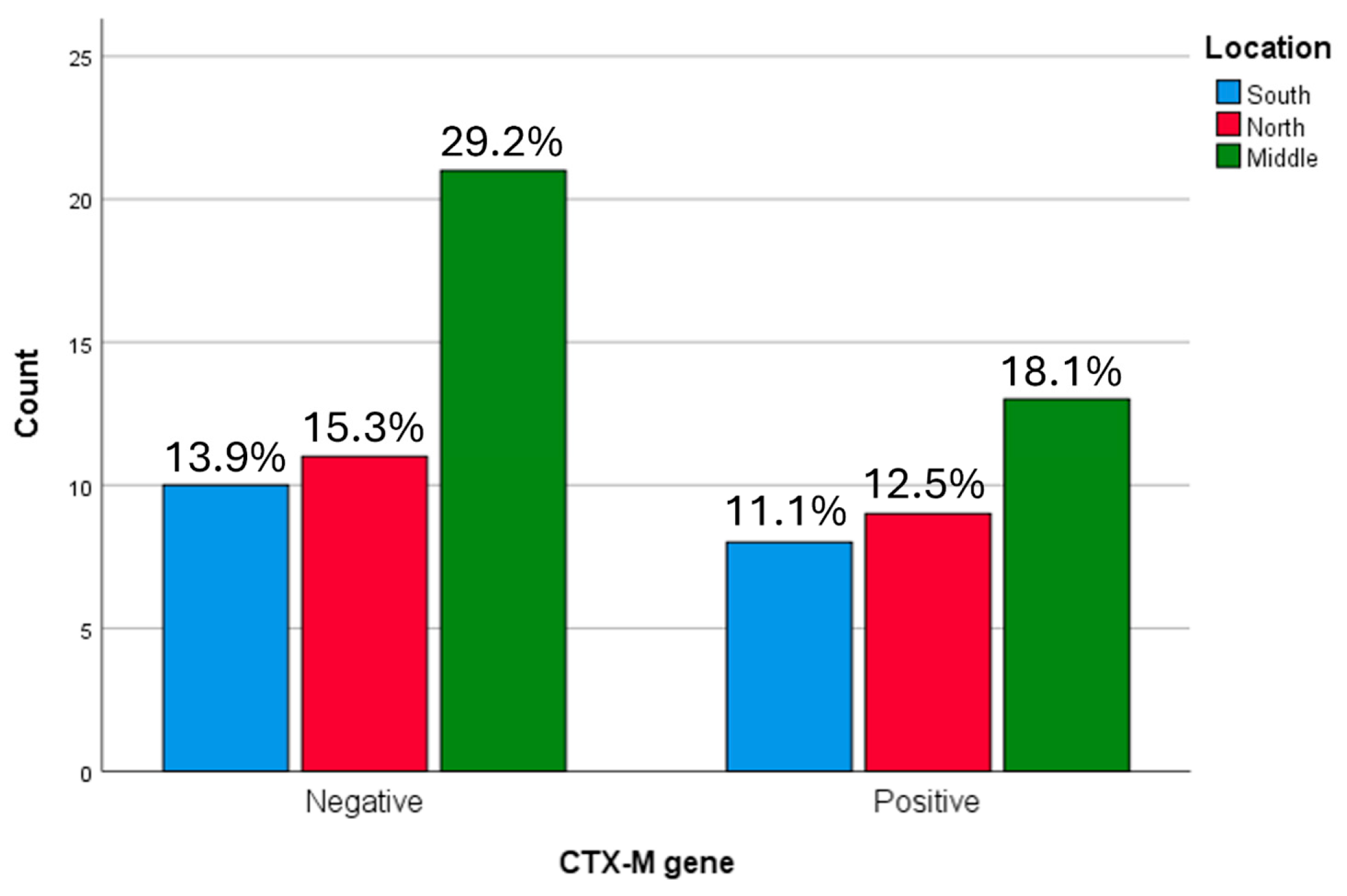
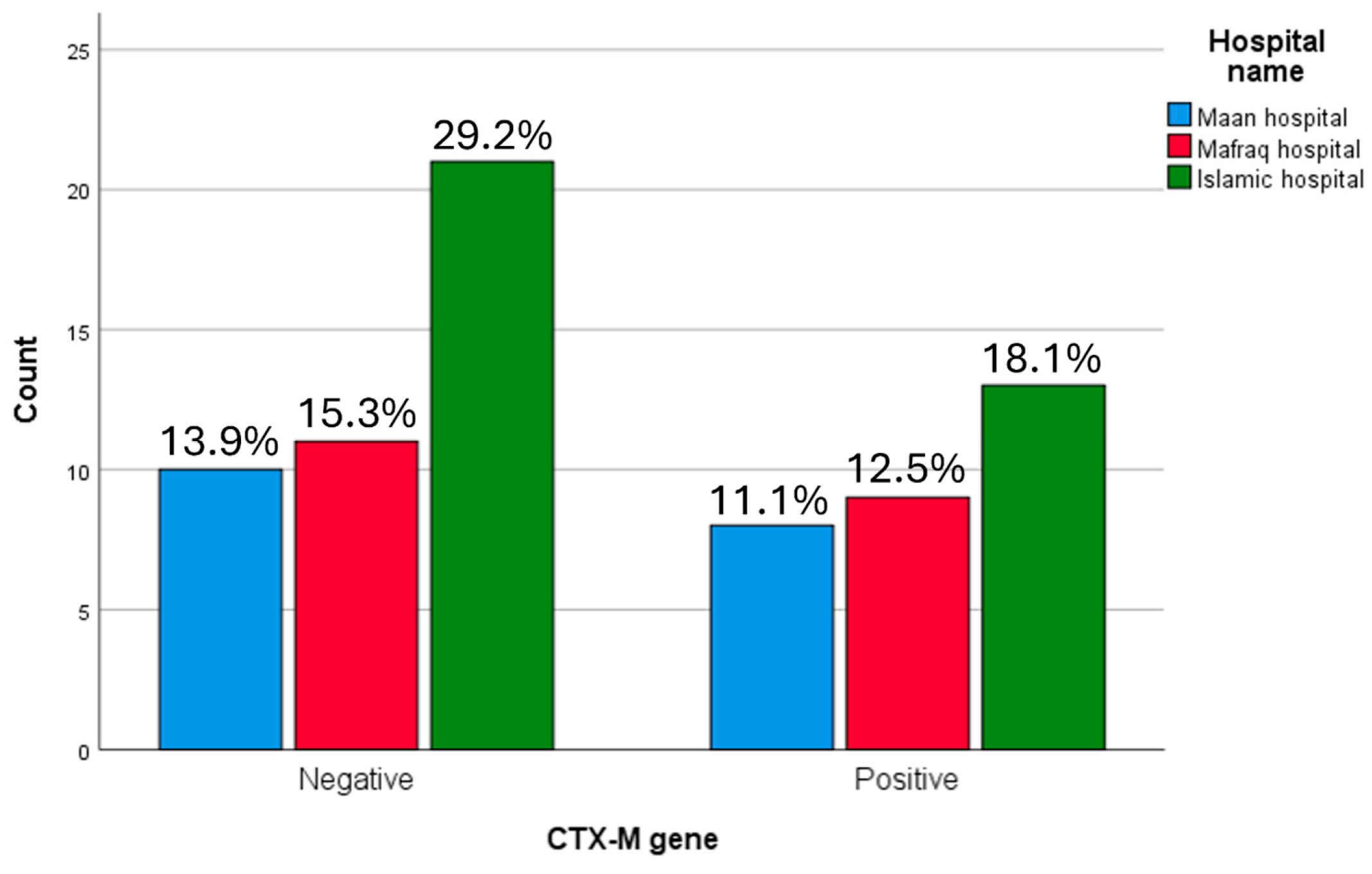
At the molecular level,
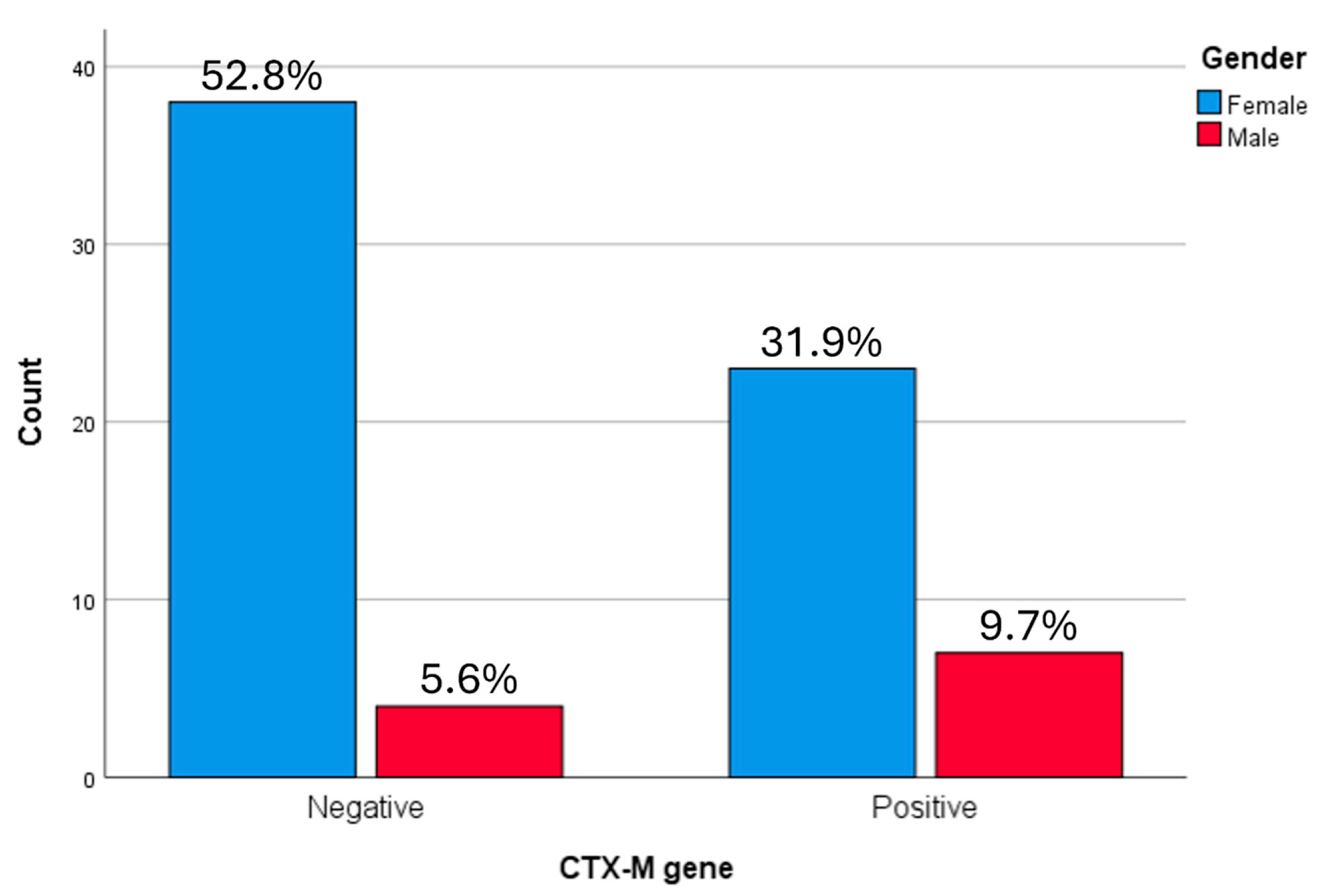
blaCTX-M was detected more frequently than
blaOXA among ESBL-producing isolates, indicating that CTX-M-type enzymes are likely to be the dominant ESBL determinants in this setting. This observation is consistent with previous studies showing the global emergence and rapid dissemination of CTX-M enzymes among Enterobacterales [
4,
14,
15]. CTX-M β-lactamases have increasingly replaced TEM- and SHV-derived ESBLs in many parts of the world and are now regarded as the predominant non-TEM, non-SHV ESBL family [
12,
13]. Their epidemiological success is largely attributable to plasmid-mediated transmission, which facilitates rapid intra- and inter-species spread of resistance genes [
27]. Therefore, the predominance of
blaCTX-M in the present study may reflect the broader global shift towards CTX-M-mediated resistance and suggests that transferable resistance elements are likely contributing to the local dissemination of ESBL-producing
K. pneumoniae.
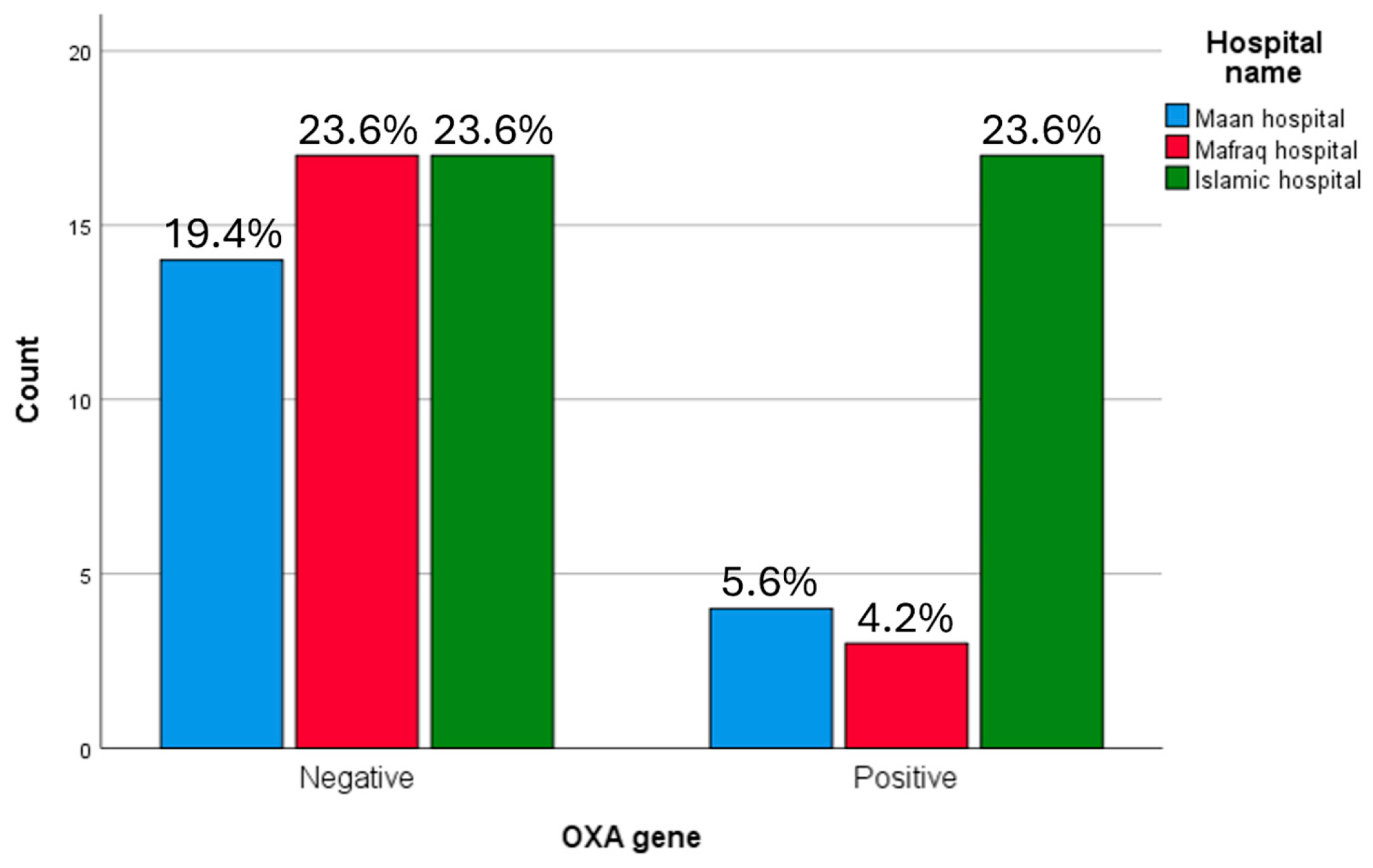
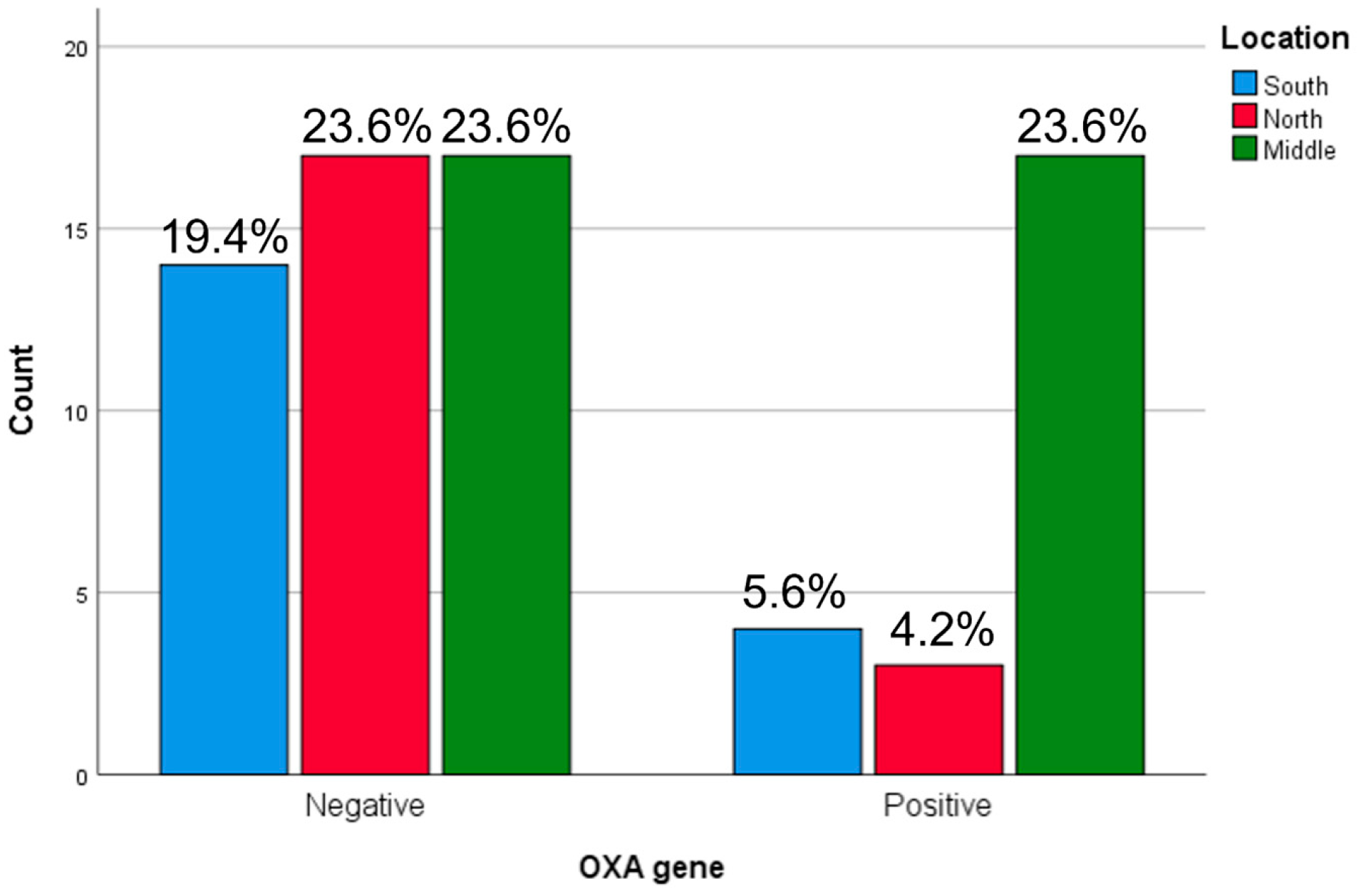
The detection of
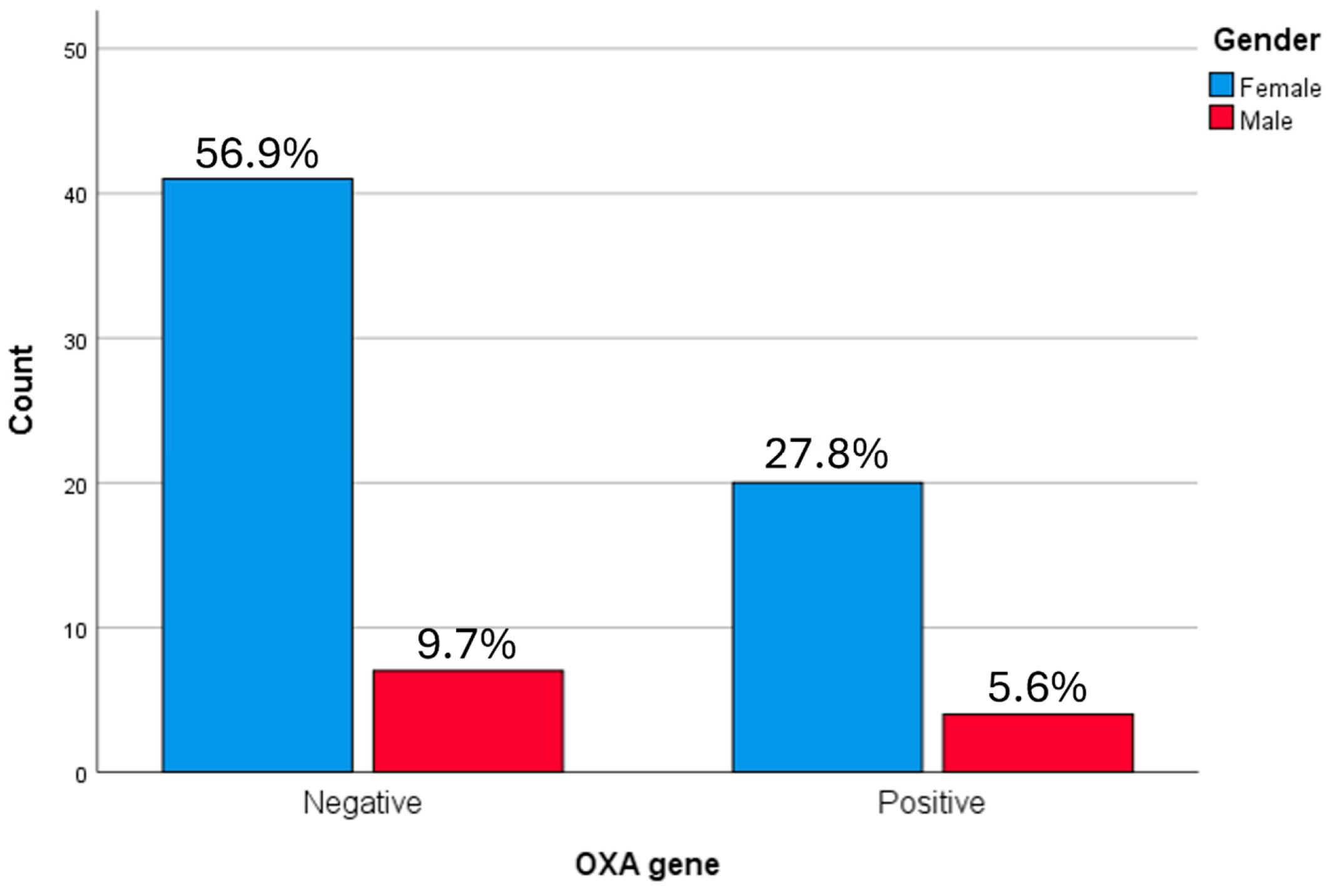
blaOXA in one-third of ESBL-producing isolates is also noteworthy. Although
blaOXA is more commonly discussed in relation to carbapenem resistance, OXA-type β-lactamases have also been reported in multidrug-resistant
K. pneumoniae and may coexist with other resistance determinants, thereby contributing to more complex resistance phenotypes [
18,
19]. The coexistence of multiple β-lactamase genes within the same bacterial background has important clinical implications, as it may enhance resistance breadth and reduce the effectiveness of standard treatment regimens [
31]. While only
blaCTX-M and
blaOXA were investigated in the current study, the observed resistance profile suggests that additional ESBL-associated genes, such as
blaSHV and
blaTEM, may also be present but were not captured in the current analysis. This interpretation is supported by prior studies from Jordan and elsewhere, which documented frequent detection of
blaSHV,
blaCTX-M, and
blaTEM among clinical
K. pneumoniae isolates [
16,
21].
The regional distribution of ESBL-producing isolates in this study showed the highest proportion in the central region, followed by the north and south. Although these data are descriptive, they may reflect differences in population density, healthcare utilisation, referral patterns, hospital case complexity, and antimicrobial exposure. Urban and central hospitals often receive a larger and more clinically complex patient population, which may increase opportunities for antimicrobial selection pressure and nosocomial transmission. Similar geographic variation in resistance burden has been observed in other settings and has been linked to disparities in prescribing practices, infection control infrastructure, and antibiotic accessibility [
23,
32]. Moreover, the significant association observed between
blaOXA distribution and geographic region in the present study suggests that local ecological or healthcare-related factors may influence the circulation of specific resistance determinants. Although geographic and gender differences were observed, the present study was not designed to determine the factors underlying these distributions. In the absence of data on prior antibiotic exposure, healthcare-associated risk factors, catheter use, and comorbidities, no causal inference can be made regarding the observed patterns.
By contrast, no consistent statistically significant associations were found between most resistance genes and demographic variables such as age, sex, hospital, or region. These negative findings are still informative. They suggest that once ESBL-producing
K. pneumoniae becomes established within a healthcare environment, resistance genes may spread across a broad patient population rather than remaining confined to a specific subgroup. Such dissemination is compatible with plasmid-mediated transmission and with the broad circulation of resistant strains in both hospital and community interfaces [
27,
29]. Nevertheless, the lack of statistical significance should be interpreted cautiously, as the number of ESBL-producing isolates available for subgroup analysis may have limited the power to detect modest associations.
The pronounced predominance of female patients among ESBL-producing UTI cases in the present study is in keeping with the established epidemiology of UTIs. Women are known to be more susceptible to UTIs because of anatomical and physiological factors, including a shorter urethra, proximity of the urethral opening to the anal orifice, hormonal influences, and certain reproductive or sexual health-related exposures [
1,
33]. The higher proportion of female cases observed here therefore most likely reflects the greater baseline burden of UTI in women, rather than a sex-specific tendency to acquire ESBL genes. This distinction is important, as it suggests that female predominance in the present cohort should be interpreted as a feature of disease epidemiology rather than evidence of a different molecular resistance mechanism.
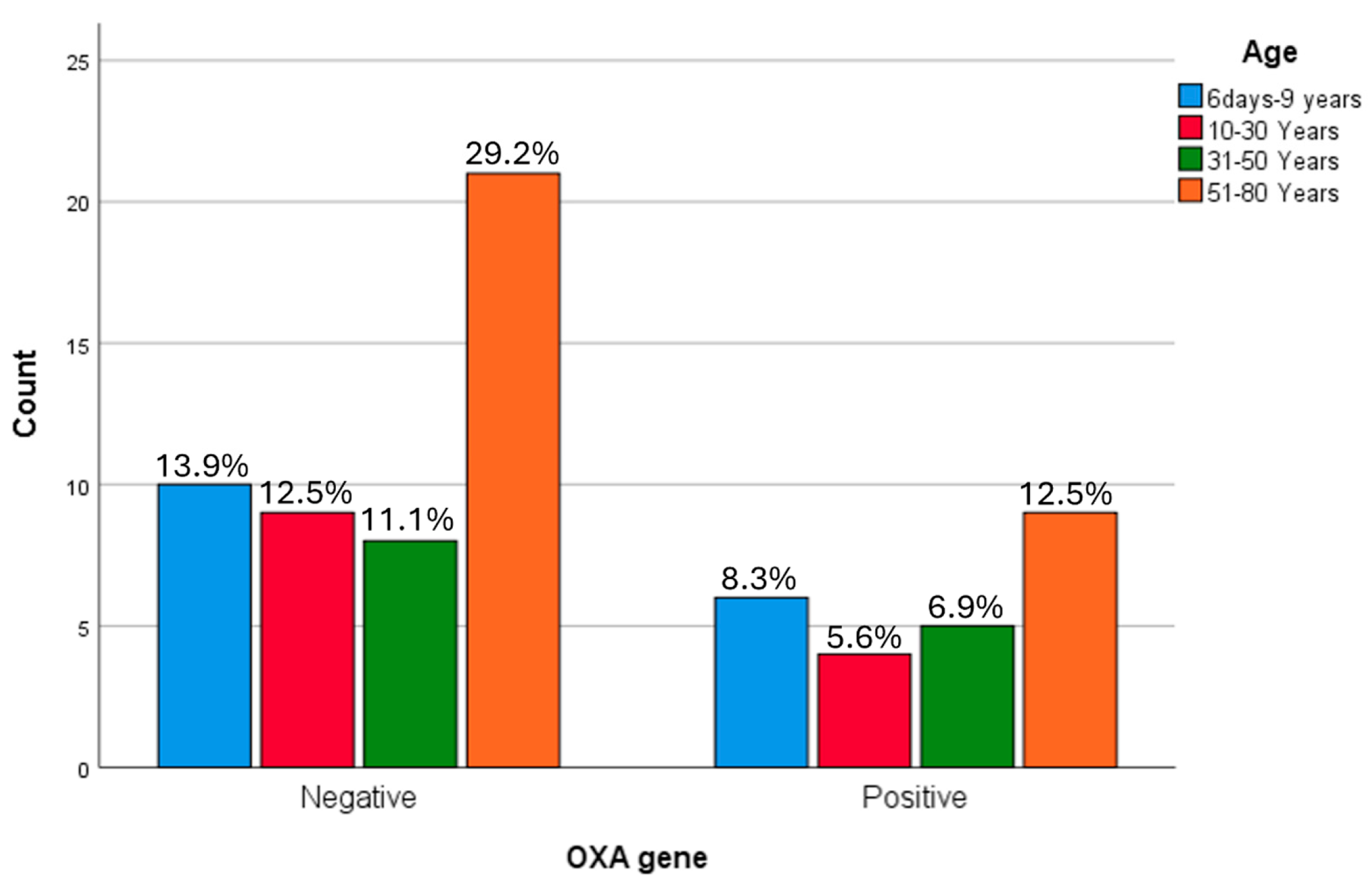
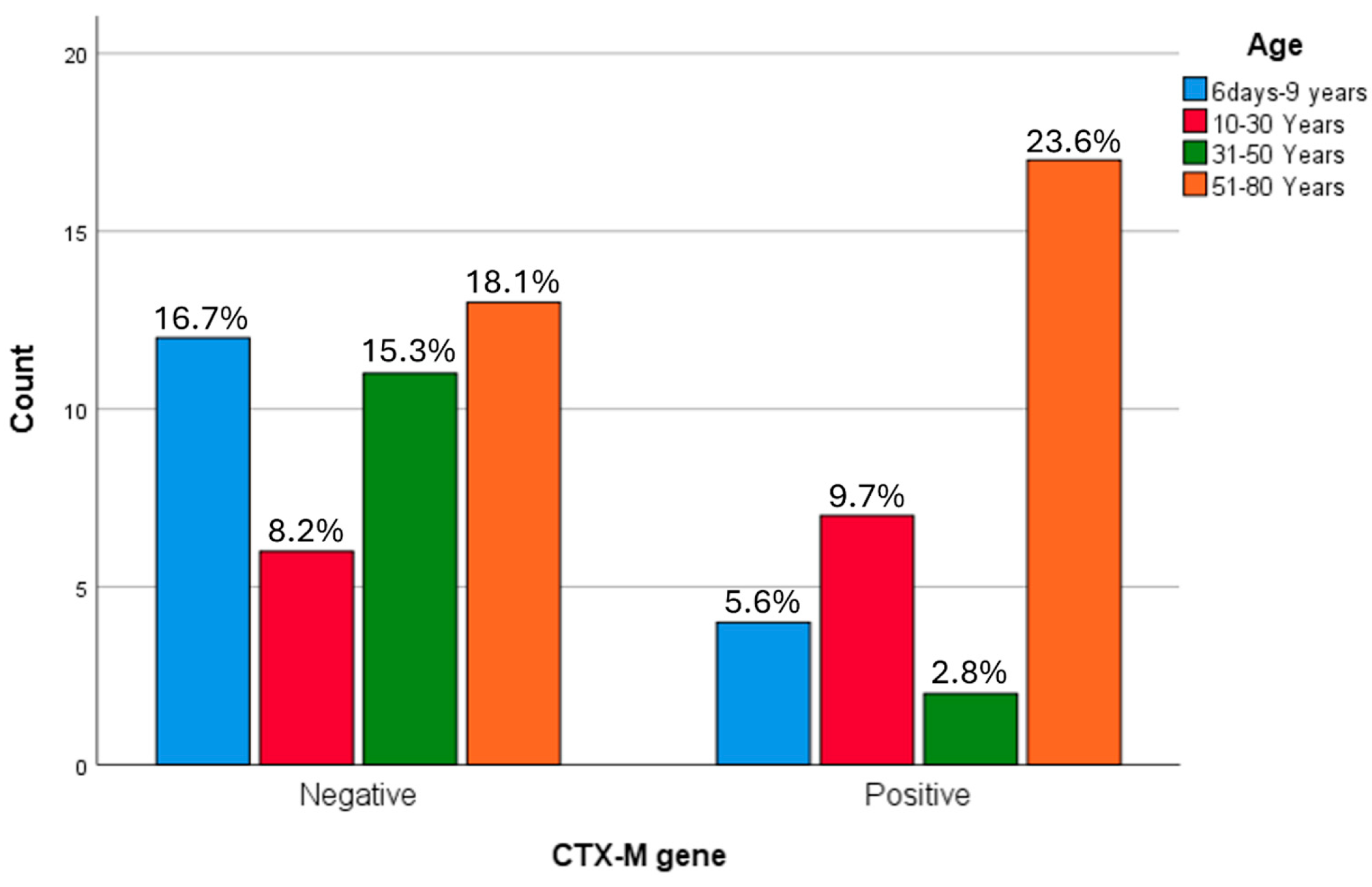
Similarly, the greater frequency of ESBL-producing isolates in older patients is clinically plausible. Advanced age is often associated with increased healthcare contact, repeated antibiotic exposure, urinary catheterisation, chronic comorbidities, and recurrent or complicated UTIs, all of which can increase the risk of infection with resistant organisms. Previous studies have also reported greater UTI burden and higher frequencies of resistant isolates among older adults [
21]. Therefore, the higher proportion of ESBL-producing
K. pneumoniae in older age groups in the present study is likely to reflect cumulative exposure to healthcare-associated and antimicrobial-related risk factors rather than age as an isolated biological determinant.
The present findings are broadly consistent with previous studies from Jordan and other regions. In Jordan, Al-Sheboul, Al-Madi [
16] reported high rates of ESBL-producing
K. pneumoniae carrying
blaSHV and
blaCTX-M, while Gharaibeh, Alyafawi [
17] documented a high prevalence of multidrug resistance and ESBL production among clinical
K. pneumoniae isolates. Aqel, Giakkoupi [
18,
19] also demonstrated the emergence of clinically significant β-lactamase genes, including
blaOXA-48-like and
blaNDM-1, in Jordanian hospitals, underscoring the dynamic and expanding resistance landscape in the country. Internationally, studies from Sudan, Romania, and Brazil have likewise shown that
blaCTX-M is a frequent determinant among ESBL-producing uropathogens and that ESBL-positive isolates exhibit higher resistance rates across multiple antimicrobial classes [
21,
22,
23]. Taken together, these findings position the current study within a wider pattern of increasing CTX-M-associated resistance among clinically important Enterobacterales.
The clinical implications of these findings are considerable. ESBL-producing
K. pneumoniae can limit the usefulness of empirical β-lactam therapy and force reliance on broader-spectrum or reserve agents, thereby increasing treatment cost and potentially accelerating resistance selection to last-line drugs. In children and other vulnerable patients, ESBL-associated UTI has been linked to hospitalisation, delayed appropriate therapy, and difficulty in selecting effective prophylactic or empirical treatment [
9]. The burden identified in the current study therefore supports the need for regular local surveillance, hospital-specific antibiograms, and stewardship interventions tailored to Jordanian healthcare settings. Because resistance patterns may vary between institutions and regions, locally generated data are essential for guiding empirical treatment policies.
Overall, the present study highlights that ESBL-producing
K. pneumoniae is an important cause of UTI in Jordanian hospitals, with
blaCTX-M emerging as the predominant detected ESBL-associated gene and
blaOXA also contributing to the resistance profile. These findings support the view that plasmid-mediated resistance dissemination, antibiotic selection pressure, and healthcare-associated transmission are likely to be key drivers of the observed patterns. Strengthening laboratory detection capacity, implementing continuous molecular surveillance, and reinforcing antimicrobial stewardship and infection prevention programmes are therefore critical steps in limiting the further spread of ESBL-producing
K. pneumoniae in Jordan [
17,
20,
29].
This study was limited by its inclusion of only three hospitals and urine isolates from hospitalised UTI patients, which may restrict the generalisability of the findings to other healthcare settings and community-acquired infections. Molecular analysis was confined to blaCTX-M and blaOXA, and other relevant resistance genes were not investigated. In addition, no sequencing or molecular typing was performed, preventing assessment of clonal relatedness and transmission dynamics. The absence of detailed clinical risk factor data and MIC-based susceptibility testing further limited comprehensive evaluation of resistance determinants and their clinical significance.
Recommendations
The findings of this study, particularly the high prevalence of blaCTX-M-mediated resistance in K. pneumoniae isolates from nephrology patients, highlight the urgent need to strengthen laboratory infrastructure and implement standardised protocols for continuous surveillance of antimicrobial resistance, Surveillance strategies should prioritize departments and patient populations showing the highest burden of ESBL-producing isolates, such as nephrology and catheterized patients, as identified in this study. Routine phenotypic and molecular monitoring of resistant isolates should be integrated into hospital diagnostic workflows to enable timely detection and guide targeted antimicrobial therapy based on local resistance patterns observed in this cohort.
In addition, robust antimicrobial stewardship programmes must be reinforced to minimise inappropriate antibiotic prescribing and reduce selection pressure. Educational initiatives targeting healthcare professionals, microbiologists, and the general public are essential to improve awareness of antimicrobial resistance and promote responsible antibiotic use. Furthermore, strict adherence to infection prevention and control measures, including improved hygiene practices within healthcare settings, is imperative to limit the transmission of ESBL-producing strains. This study has some limitations. First, isolates were collected exclusively from nephrology departments, which may introduce selection bias and limit the generalizability of the findings to the broader population of UTI patients.




 ,
,