Article

Biological Characteristics and Fungicide Screening of Bipolaris oryzae Causing Leaf Spot on Banana in China


1
Hainan Provincial Key Laboratory of Pests Detection and Control for Tropical Agriculture, Environment and Plant Protection Institute, Chinese Academy of Tropical Agricultural Sciences, Haikou 571101, China
2
State Key Laboratory of Green Pesticide, Key Laboratory of Green Pesticide and Agricultural Bioengineering, Ministry of Education, Center for R&D of Fine Chemicals, Guizhou University, Guiyang 550025, China
3
College of Plant Science and Technology, Huazhong Agricultural University, Wuhan 430070, China
*
Authors to whom correspondence should be addressed.
These authors contributed equally to this work.
Microorganisms 2025, 13(6), 1285; https://doi.org/10.3390/microorganisms13061285

Submission received: 29 April 2025 / Revised: 25 May 2025 / Accepted: 26 May 2025 / Published: 30 May 2025
(This article belongs to the Special Issue Fungal Biology and Interactions, 2nd Edition)

Abstract

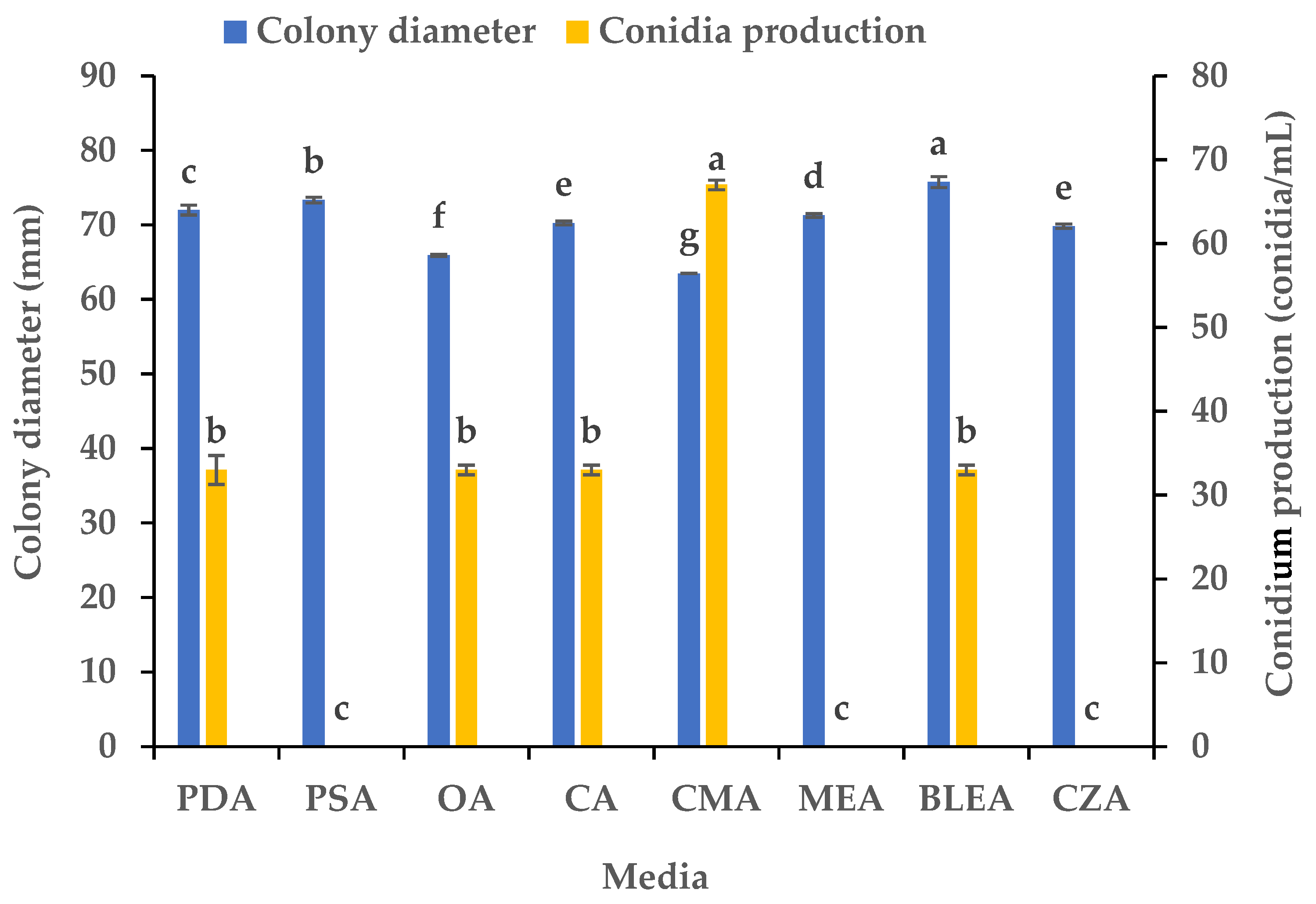
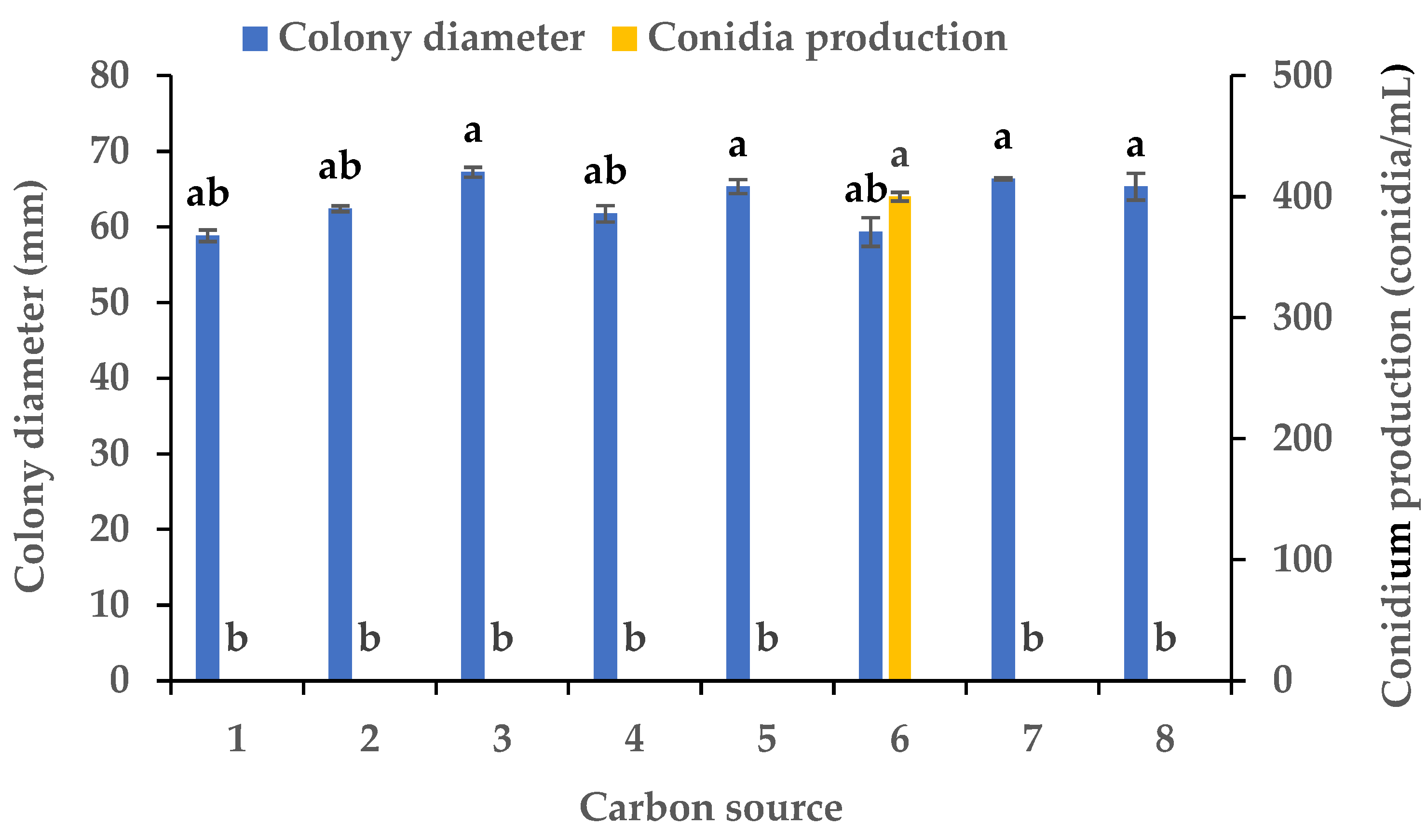
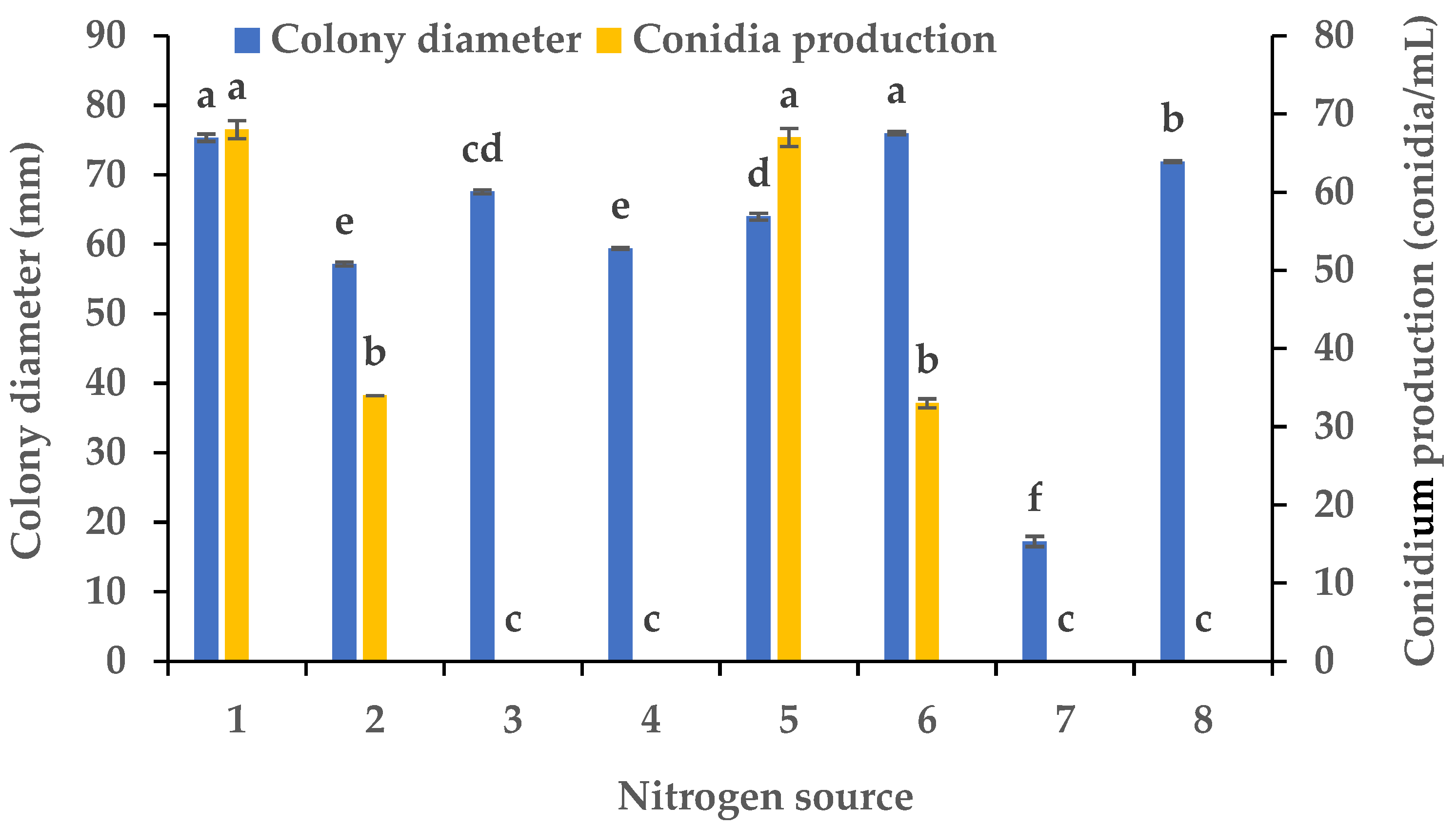
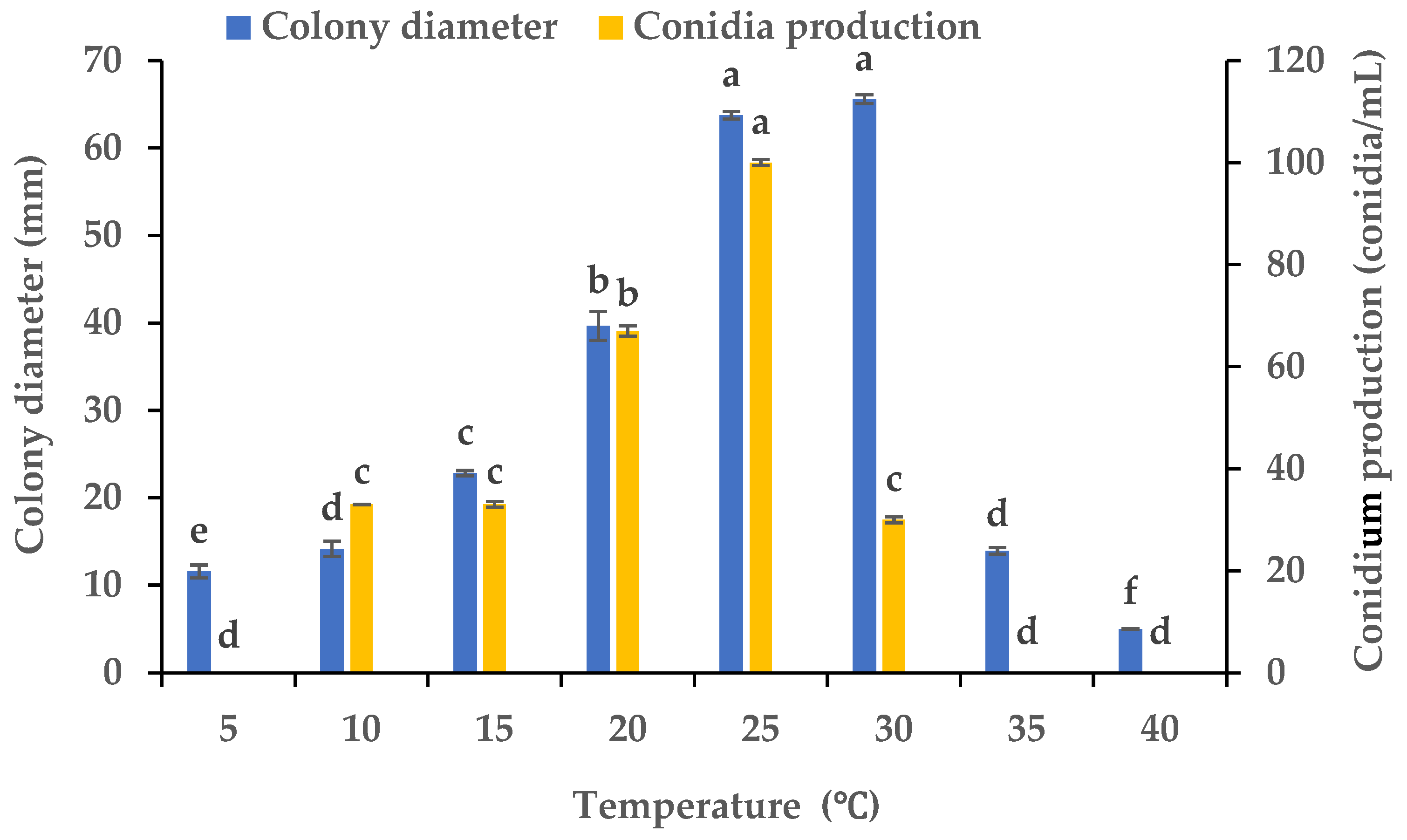
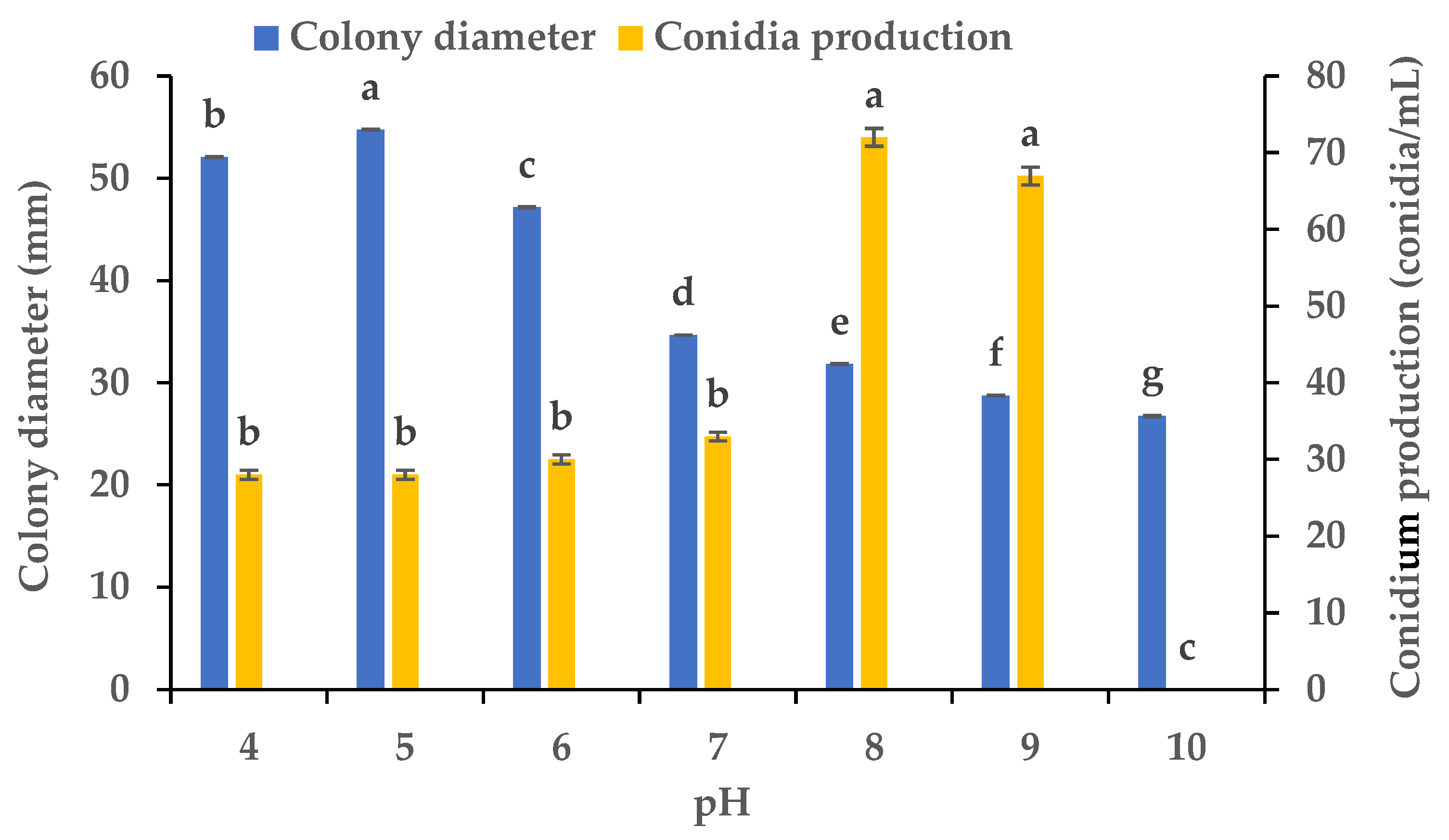
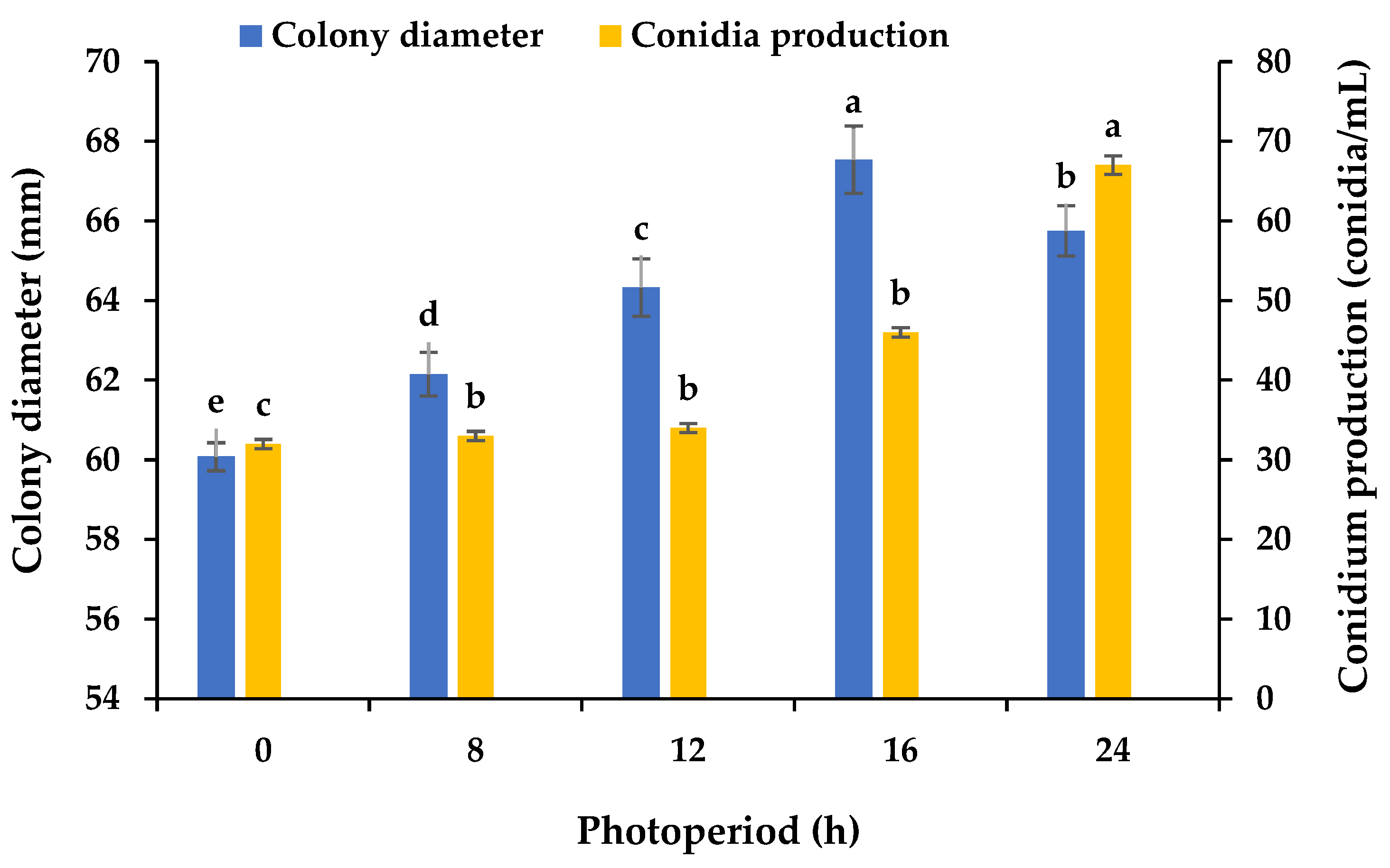
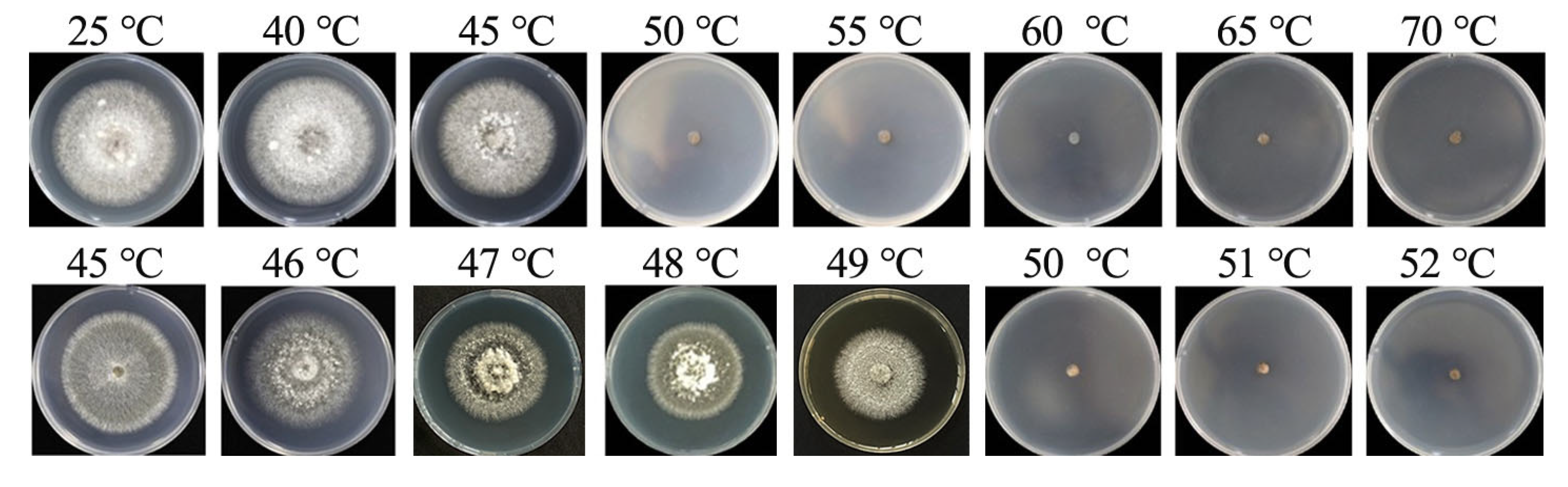
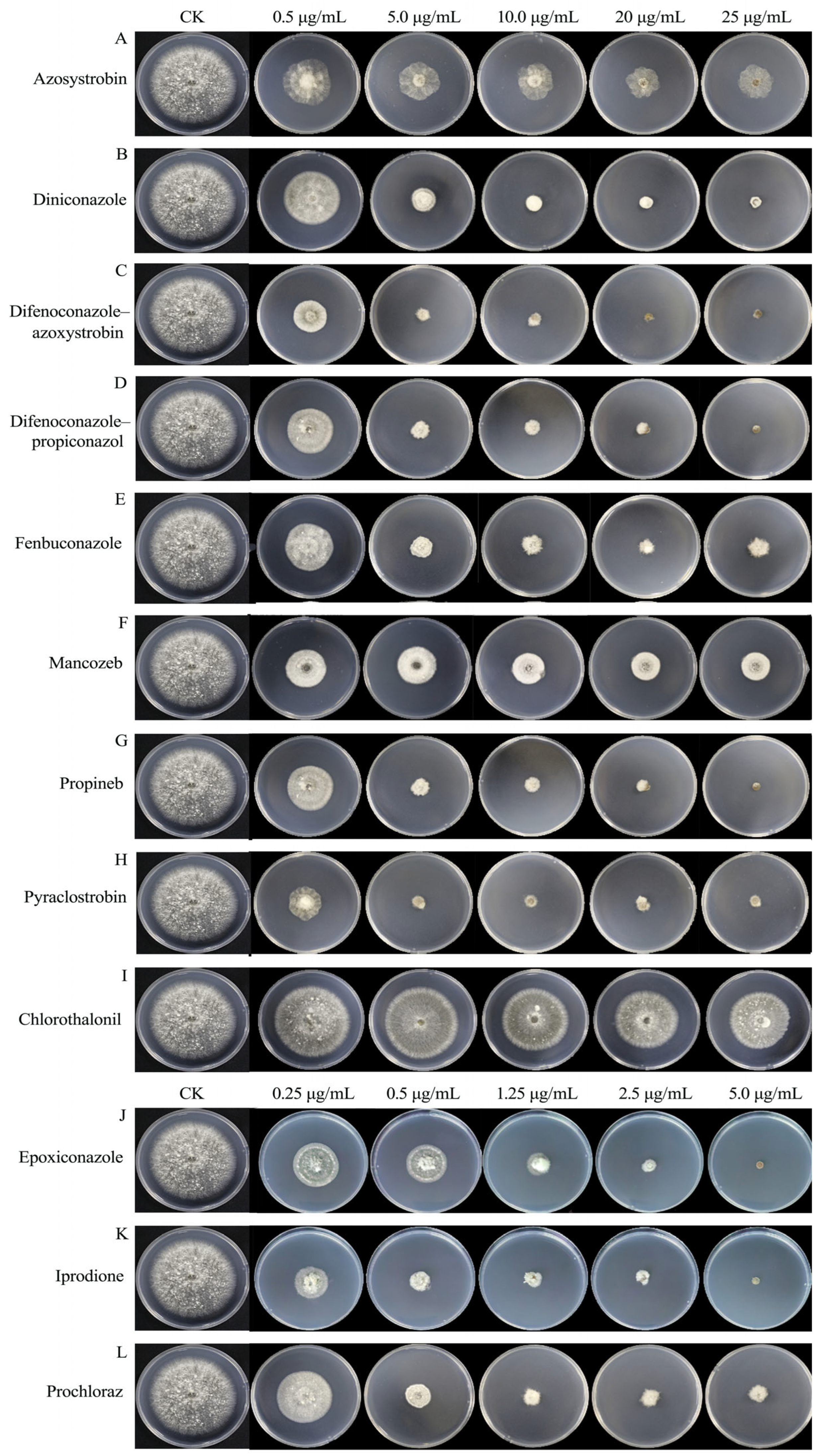
Foliar diseases caused by various fungi severely affect the yield and quality of banana crops. This study was conducted to clarify the biological characteristics of Bipolaris oryzae (teleomorph: Cochliobolus miyabeanus), a pathogen reported in 2023 as a new etiological agent of leaf spot in the banana variety ‘Pisang Mas’ (Musa acuminata, AA group) in Hainan Province, China, and to screen effective fungicides for its control. The results indicated that banana leaf extract agar (BLEA) and cornmeal agar (CMA) were the best media for the growth and sporulation of the pathogen, respectively. The pathogen grew best on a Czapek’s agar (CZA) medium with sucrose as a carbon source and yeast extract as a nitrogen source, while the optimal carbon and nitrogen sources for sporulation were lactose and beef extract, respectively. The pathogen could grow within a temperature range from 5 °C to 35 °C, and the optimal temperatures for growth and sporulation were 30 °C and 25 °C, respectively. Exposure to 50 °C for 10 min was lethal. Additionally, the pathogen could grow and sporulate within pH ranges of 4 to 10 and 4 to 9, respectively, and the optimal pH values for growth and sporulation were 5 and 8, respectively. The optimal photoperiods for growth and sporulation were 16 h light/8 h dark and 24 h light, respectively. Among the 12 tested fungicides, 500 g/L of iprodione SC showed the highest toxicity against B. oryzae, with an EC50 value of 0.08 μg/mL, followed by 30% difenoconazole-azoxystrobin SC and 125 g/L of epoxiconazole SC, with EC50 values of 0.13 μg·mL−1 and 0.20 μg/mL, respectively. A fungicide containing 40% chlorothalonil SC had the poorest fungicidal activity, with an EC50 value of 155.98 μg/mL. An artificial inoculation pot experiment showed that 125 g/L of epoxiconazole SC at 250 μg/mL, 500 g/L of iprodione SC at 1667 μg/mL, and 30% difenoconazole-azoxystrobin SC at 250 μg/mL provided a protective control efficacy of 100% against B. oryzae, while 125 g/L of epoxiconazole SC at 250 μg/mL and 500 g/L of iprodione SC at 1667 μg/mL provided a curative control efficacy of greater than 60%. This study clarified the optimal conditions for the mycelial growth and sporulation of B. oryzae isolated from banana and screened out fungicides with effective inhibitory activities. These results can provide guidance for field applications and the management of leaf spot caused by B. oryzae in banana.
Keywords: banana leaf spot; Bipolaris oryzae; biological characteristics; antifungal activity banana leaf spot; Bipolaris oryzae; biological characteristics; antifungal activity