


Abstract
Cell cultures are an essential tool for laboratory diagnosis of porcine viral infections. However, interpreting the results requires considering the species and tissue origin of cell lines as well as the specific virus replication characteristics (cytopathic effect). This guide discusses the development of techniques for the primary isolation of viruses from biological material and provides recommendations for culturing viruses in different cell types. According to the World Organization for Animal Health, laboratory diagnosis should aim to isolate the virus in cell culture. We have studied the evolution of virus isolation methods for various diseases affecting pigs, including African swine fever virus (ASFV), classical swine fever virus (CSFV), porcine reproductive and respiratory syndrome virus (PRRSV), pseudorabies virus (Aujeszky’s disease, PRV), rotaviruses (RV), teschoviruses (PTVs), swine pox virus (SwPV), swine influenza A virus (IAVs), parvovirus (PPV), coronaviruses, circoviruses (PCVs), diseases with vesicular syndrome, and others. During our analysis of the literature and our own experience, we found that the porcine kidney (PK-15) cell line is the most suitable for isolating most viral porcine pathogens. For ASFV and PRRSV, the porcine alveolar macrophages (PAMs) continue to remain the primary model for isolation. These findings can serve as a starting point for virological reference laboratories to select optimal conditions for cultivating, obtaining field isolates, and strain adaptation.
Keywords:
porcine viruses; primary cell culture; continuous cell lines; virus isolation; ASFV; CSFV; PRRSV; PCV; PAM; PK-15 1. Introduction
Pig farming is a rapidly developing branch of agriculture. Experts project that global meat demand will surpass 400 million tons by 2025. Pork production will hit record growth rates with demand expected to exceed 148 million tons this year [1].
The rising demand for pork products has driven a shift from extensive production systems (e.g., family-operated farms, small commercial farms) to intensive production models (e.g., fattening sites in large-scale industrial pig farms). Industry restructuring has altered the epidemiological patterns of porcine infectious diseases while increasing the economic burden associated with their diagnosis, prevention, and eradication [2].
Diagnostic testing plays a critical role in the system of anti-epidemic measures. The detection of viral infections is possible in three general ways: virological, serological, and molecular methods [3].
The virological method of virus isolation relies on propagating the virus in susceptible biological models (naturally susceptible or laboratory animals, cell cultures, and chicken embryos) [4]. Primary and continuous cell cultures are usually used for the detection of porcine viruses. A key challenge in virus isolation is result interpretation, as many pathogens fail to induce cytopathic effects (CPE) or instead cause non-specific changes (typically cell detachment or destruction), complicating the isolation of pure virus populations. The advantage of the method is its high sensitivity (when supported by additional identification techniques), which ensures the reliability of a positive diagnostic result. The primary drawbacks include substantial costs, high labor requirements, and prolonged processing duration [5].
The serological method evaluates immune responses by studying antibody–antigen interactions [6]. Key advantages of this test include its capacity to detect chronic disease in persistently infected animals and to assess both individual and population-level serological status and seroprevalence [7]. This method has two main drawbacks: (1) it provides indirect evidence of etiology by detecting host immune responses rather than the pathogen itself; (2) diagnosis is often delayed due to the kinetics of antibody production [8,9].
Molecular methods detect viral genomes through various techniques, including the following: polymerase chain reaction (PCR) and its modifications; isothermal amplification methods (e.g., loop-mediated isothermal amplification [LAMP] and nucleic acid sequence-based amplification [NASBA]); fluorescent in situ hybridization (FISH); and genotyping assays [10]. Polymerase chain reaction is a highly sensitive, specific, and easily reproducible molecular biological method [11]. It is a technique that uses enzymes to repeatedly copy (amplify) a specific DNA region in a test tube (in vitro) [12]. Unfortunately, the potential of the method is limited due to its inability to detect the infectious activity of the virus. The limitations of PCR include the risk of false-negative results due to reaction inhibitors in the sample, as well as a high contamination risk during sample preparation, nucleic acid extraction, or amplification [13]. Moreover, molecular studies, as well as virus isolation, require strict adherence to the protocol for the delivery and storage of biological material at −20 °C. An increase in storage temperature results in the degradation of nucleic acids (especially RNA) and destruction of infectious viral particles.
Genotyping, particularly in the context of viruses, involves identifying and differentiating between various genetic variants of a virus by analyzing differences in their DNA or RNA sequences. Key advantages include outbreak investigation, surveillance of sylvatic endemic zones, discrimination between vaccine and wild-type strains, genome certification, and phylogenetic analysis [14]. The resolution of genotyping increases with NGS (next-generation sequencing). This requires a high content of the viral genome, which often requires the preliminary isolation and reproduction of the virus in biological models (naturally susceptible animals, cell cultures, and chicken embryos) [15].
According to the recommendations of the World Organization for Animal Health (WOAH), laboratory diagnostics should be aimed at virus isolation in cell cultures for African swine fever, classical swine fever, porcine reproductive and respiratory syndrome, swine influenza, teschovirus encephalomyelitis, and transmissible gastroenteritis. Moreover, the isolation and subsequent deposition of viral strains for biological characterization can only be achieved using virological methods in reference laboratories and research institutes. In the absence of reference strains in scientific and production settings, developing targeted vaccines for specific prevention becomes virtually impossible [16,17,18,19,20,21].
This review aims to systematize current knowledge and methodologies for isolating field strains of porcine viruses during cultivation. By analyzing published literature and incorporating the authors’ expertise in primary pathogen isolation, the paper provides consolidated recommendations to serve as a reference for researchers, graduate students, and veterinary diagnostic laboratory personnel.
2. Sample Preparation for Virus Isolation
Samples for testing should be collected from organs and tissues demonstrating both viral tropism and characteristic postmortem lesions, as these represent the primary sites of viral localization. Clinical material from live animals should be collected from sites exhibiting the most pronounced changes: oronasal swabs in respiratory syndrome cases, rectal swabs in intestinal syndrome cases, the contents of aphthae, vesicles, and pustules in cases of skin and mucosal inflammation, and blood samples in cases of fever and generalized infection. Table 1 presents optimal recommendations for collecting biological material to facilitate porcine virus isolation [16,17,18,19,20,21,22,23,24,25,26,27,28,29].
Table 1.
The recommended biological materials for optimal virus isolation.
For the accuracy of the diagnosis, it is necessary to select various organs from carcasses and biological fluids from live pigs in an amount determined by local regulations. After collecting the samples in sterile containers and tubes, they are frozen (−20 °C) and delivered to the laboratory. If it is not possible to store samples at −20 °C, they must be delivered in a thermo-container with refrigerants. It is not recommended to freeze the swabs; they should be stored in a transport medium at 4 °C. Unfrozen samples must be delivered to the laboratory within 2–3 days. Frozen samples should be delivered within a week.
Prior to processing, pathological specimens or blood clots are placed in homogenization tubes containing grinding balls, secured in the adapter, and homogenized by mechanical shaking. If a homogenizer is not available, the material can be ground in a porcelain mortar with a pestle: prior to processing, the material is washed with FBS (pH 7.4–7.6), blotted dry with filter paper, transferred to a porcelain mortar, and manually homogenized using a pestle until a uniform consistency is achieved. However, this method increases the likelihood of laboratory contamination [21].
Then, sterile saline solution is added to the homogenized material or whole blood until a 10% suspension is obtained.
The suspension is transferred to sterile tubes, vortexed, and clarified by centrifugation (1000× g, 10 min). The resulting supernatant is collected and filtered through 0.45 μm sterile filters to remove bacterial contaminants. Antibiotics are added to the filtered material (penicillin 500 U/cm3, streptomycin 500 mg/cm3, or gentamicin sulfate 500 μg/cm3). Then, the sample is incubated at 2 to 8 ° C for 60 ± 10 min [18].
Serum, vesicular or pustular fluid, and nasopharyngeal swabs do not need any preparation. The liquid is filtered through 0.45 μm sterile filters to remove any mechanical impurities and bacterial cells. If the swab was delivered to the laboratory without a transport medium, then before collecting the material, the smear is kept in a saline solution for 15 min, then centrifuged at 3000 rpm for 3 min, and then the supernatant from the arrangements is sent for testing.
The biological material remaining after sample preparation is placed in sterile tubes and stored at −10 to −30 °C until the test completion. It is recommended to keep a collection of archived biological samples in laboratories.
If virus-containing material is not used for further testing, it should be treated with virucidal disinfectants effective against the relevant pathogens, then autoclaved at 131 °C (2 bar) for 90 min before disposal.
3. African Swine Fever Virus
African swine fever (ASF) is a contagious, transboundary disease that causes huge economic losses to agriculture in many countries of the world [30]. The clinical and pathoanatomical signs of ASF were first described by R. Montgomery in 1921 in African domestic pigs. He noted splenomegaly, generalized hemorrhagic lymphadenitis, and hemorrhagic syndrome [31]. In 1957, the ASF genotype I virus was introduced to Portugal, after which it spread to neighboring European countries (Spain and France) [32]. After prolonged eradication of ASF, the epidemic in Europe stopped only in the 1990s. However, in 2007, a virulent genotype II virus was introduced from Africa into Georgia, causing the current largest ASF pandemic in Eurasia and the Caribbean [33]. To date, this disease is the most devastating for pig farming [34].
African swine fever (ASF) is caused by the African swine fever virus (ASFV), a large, enveloped, double-stranded DNA virus. ASFV is the only member of the Asfarviridae family and the Asfivirus genus, and it is also the only known DNA arbovirus [35]. During replication in porcine macrophages, ASFV demonstrates a natural phenomenon of hemadsorption [36].
The initial biological models for ASFV isolating relied on the “hemadsorption” phenomenon. This led to the use of cultures of mononuclear macrophage cells, specifically blood leukocytes and porcine bone marrow (PBM) macrophages [37,38]. The continuous cell lines (PK-2a, PK-15, PK-13, IB-RS-2) and primary porcine kidney cells (PK) required extended ASFV adaptation through serial passages (8 to 73) to achieve high viral loads and consistent cytopathic effects (CPEs) [39,40,41,42,43]. While monolayer cultures of porcine kidney cells, chicken embryo fibroblasts, and baby hamster kidney (BHK-21) cells were useful for studying the morphology and ASFV replication cycle using electron microscopy and plaque assays, they were not suitable for the primary isolation and identification of field isolates [43,44,45,46,47,48]. A comparative analysis of the permittivity of 16 different cell cultures showed the ability of ASFV replication in cells of pigs (alveolar macrophages, swine testicular (ST) cell line), green monkeys (Vero, CV2, COS-1), and rhesus macaques (LLC MK2), and no replication in cell cultures of hamsters (BHK-21, CHO), humans (HeLa, Sh-SY5Y), mice (A 9, 3T6, NP3, L 929), dogs (MDCK), and fall armyworm (Sf9) [49]. Thus, in the second half of the 20th century, it was established that ASFV has a narrow specificity for propagation in specialized cells (macrophages) of the Suidae family [50].
A little later, tropism of ASFV to primary cultures of pig endothelial cells was discovered after trypsinization of the thoracic aorta [51,52]. However, obtaining monolayer endothelial cultures is an inefficient and costly process, so it was abandoned in favor of macrophage cultures.
Despite ongoing efforts to identify ASFV-sensitive cell lines, the microtitration technique using primary porcine bone marrow (PBM) cells remained the standard method for virus detection and viral load quantification in biological samples for an extended period [53]. However, beginning in the early 1980s, primary cultures of porcine alveolar macrophages (PAMs) gradually replaced pig bone marrow cells due to their lower cost, easier preparation, and ability to be cultured in roller bottles, which enabled higher ASFV titers compared to a stationary culture system [54]. In addition, alveolar macrophages were successfully used in plaque assays [55]. However, due to frequent fungal contamination and low cell yield, PAMs failed to meet initial expectations. Consequently, researchers developed genetically engineered immortalized porcine cell lines (3D4, IPAM, WSL, and ZMAC-4) from these macrophages that demonstrated permissivity to ASFV field isolates [56,57,58]. The method consists of transfecting primary macrophages with plasmids that contain a large T-antigen of the SV40 virus. This suppresses the activation of anti-oncogenes and apoptosis (p53 and pRb). The malignant transformation of macrophages occurs as a result of immortalization. A study comparing ASFV protein expression in primary pig macrophage cells and the WSL-R cell line showed no significant differences in their sequence, structure, or synthesis levels. This finding is crucial for the initial identification of ASFV isolates and their subsequent storage in collections [59].
In addition to PAMs, tissue macrophage cell cultures have also successfully demonstrated their ability to isolate ASFV. The primary trypsinized porcine splenocyte (PS) culture demonstrated superior performance in comparative studies, achieving high viral titers (>6.5 lg HAD50/mL) and the shortest ASFV replication cycle (12–24 h) when contrasted with PBMC (48 h), PK (48 h), and ST cells (48–72 h). These data highlight the diagnostic potential of PS for ASFV [60]. Porcine renal macrophages are also permissive to ASFV. Recently, Masujin K. et al. obtained a porcine renal macrophage cell culture (IPKM) that was permissive to virulent strains of various genotypes [61,62].
Since the total yield of monocytes from porcine peripheral blood mononuclear cells is low, this technique has not been used in the preparation of cell cultures in laboratories specializing in ASFV. However, in Russia, a transferable A4C2/9k line was obtained by hybridization of SPEV (porcine embryonic kidney line) and porcine primary leukocytes. All field isolates of the ASF virus obtained in Russia from 2008 to 2013 were replicated in these cells [63].
Although existing continuous cell lines of non-macrophagal origin have shown limited success in viral cultivation, researchers are pursuing novel experimental strategies to bypass the cell-type tropism that constrains viral replication to specific cellular hosts [56]. Hurtado C. et al. found that COS-1 cells, derived from CV-1 cells immortalized with SV40, are susceptible to various virulent strains of ASFV [64]. However, the viral load in COS-1 was lower than in primary porcine macrophages, which affected its local and rare use in laboratories. While the MA-104 cell line derived from African green monkey kidney cells demonstrates permissivity to ASFV field isolates with a Ct value of 22.14, its viral load is significantly lower compared to PAMs [65,66]. In addition, when ASFV adapts to African green monkey kidney cell lines, the titer critically decreases after a series of passages. This requires the so-called “intermittent passage”, where the viral material obtained from a low-permissivity culture (Vero, MA-104, CV-1) is inoculated into a high-permissivity primary cell culture (PBM, PAM, PS), to increase the infectious dose in subsequent passages. This process helps to prevent the loss of titer during virus adaptation.
The potential applications of porcine cell subcultures remain poorly characterized, highlighting the need for enhanced virological methods in ASF research [67]. The porcine synovial membrane (PSM) subculture obtained from the carpal articular surface is not widely used for ASF diagnosis due to low viral load (4.0 lgHAD50/mL), which restricts the sensitivity of the method [68].
Thus, ASFV isolation in primary pig cells is still a relevant method. The diagnostic utility of permissive continuous cell lines (WSL-R, COS-1, A4C2/9k, MA-104, and others) remains controversial and requires further validation. And, since the gold standard for ASF diagnosis according to the WOAH involves isolating the virus in permissive cell cultures and then identifying it using the hemadsorption (HAD) test, the use of this method in reference laboratories is essential [16]. And, despite the widespread use of PCR in routine diagnostics, virus isolation remains an important stage for subsequent scientific research. Thus, the study of the strain’s biological properties becomes possible only after its isolation [69]. In addition, to understand the comprehensive view of ASFV genotypes circulating, it is necessary to conduct whole-genome analysis using second- and third-generation sequencing (NGS or HTS). ASFV isolation and accumulation are necessary for the purpose of preparing samples of genomic DNA and obtaining high genome coverage during assembly [70].
However, it is worth remembering that during the ASFV genotypes I and II circulation in Eurasia, non-hemadsorbing strains (for example, Lv/17/WB/Rie1) were also isolated. This requires the PCR study of culture material obtained in the final passage (3–5) [71]. The lack of confirmation of virus isolation by PCR carries risks associated with false-negative results at diagnosis and “omission” of non-hemabsorbing ASFV variants. In addition, the phenomenon of hemadsorption is characteristic not only of ASFV but also of some others (for example, paramyxoviruses). Therefore, identifying ASFV by PCR after each passage is always preferable. A quick guide to ASFV isolation from biological material is shown in Figure 1.
Figure 1.
A brief history of the development of virological methods for ASFV isolation and practical recommendations for laboratory personnel. The guide was designed using BioRender Poster Builder.
4. Classical Swine Fever Virus
Classical swine fever (CSF) is a highly contagious disease of pigs characterized by hemorrhagic syndrome, fibrinous pneumonia, colitis, and high mortality (70–100%) [72]. The first CSF outbreaks were reported in Ohio (USA) in 1833. In the 1860s, the virus was introduced into Great Britain and then spread throughout Europe, Asia, and Oceania, as well as Latin America [73]. However, in the second half of the 20th century, vaccine strains were developed (Rovac and C, and their derivatives), which have proven to be effective and safe [74]. Nevertheless, despite widespread vaccination against CSF in China, Russia, India, Japan, and Latin America, new subgenotype 2.1 is able to infect pigs vaccinated with live vaccines derived from strain C [75]. In this regard, the epidemic situation continues to be one of the most significant threats to pig farming.
The CSF etiological agent is the enveloped +RNA Pestivirus suis, a member of the genus Pestivirus, family Flaviviridae [76]. Most CSFV isolates and strains do not exhibit CPE during propagation in cell cultures [77,78,79]. This may be attributed to the RNase activity of glycoprotein Erns. However, this is just a hypothesis that has not been reliably confirmed subsequently. Notably, deletion of this glycoprotein has been shown to reduce CSFV virulence in domestic pigs [80,81,82].
For a long time, CSFV was isolated and propagated using naturally susceptible animals (domestic pigs) [83,84]. The first attempts to adapt the virus to growth in primary porcine embryo or PK cell culture were unsuccessful [85,86].
In the absence of effective methods for CSFV identification in cell cultures, an indirect END (exaltation of Newcastle disease virus) method was used [87]. For that, ST cells were inoculated with CSFV, and on day 4 post-inoculation, 6.0 lg PFU (plaque-forming units) of Newcastle disease virus were added to the culture medium. The CSFV-positive samples exhibited a characteristic CPE on days 3–4 after combined cultivation, while CSFV-negative samples developed CPE on days 5–6. The method was subjected to multiple modifications; its sensitivity significantly increased, and it is now comparable to that of the porcine bioassay [88,89,90].
The problem of CPE detection can be addressed by employing the dome disappearance method in FS-L3 cells [91]. Following CSFV infection of a confluent monolayer of cells shaped as proximally located large domes, complete cell degeneration and disappearance occur by day 5 post-infection. The accumulation titer is 6.8–6.9 lg TCID50/mL [92].
The development of electron microscopy and serological techniques (direct immunofluorescence assay (DIF) later made it possible to detect the CSFV replication and, thereby, determine the permissiveness of cell cultures to CSFV [93,94,95]. Thus, it has been proven that CSFV demonstrates high replication activity in cells of the spleen, bone marrow, blood leukocytes, macrophages, monocytes, and lymphocytes [96,97]. A correlation has also been identified between the permissivity of cell cultures to the CSFV and the activity of non-specific esterases [98].
In the diagnosis of CSF, continuous cell lines of porcine origin (PK-15, SK-6, CPK-NS) or primary cultures of porcine testicular cells (ST) are mainly used [77,78,79,99,100,101,102,103]. The titer is expressed in cell culture infectious dose (CCID) units.
PK-15 cells are widely recognized as the most extensively studied and commonly utilized cell culture for CSFV diagnosis [79,99,100]. However, already in the 1990s, heterogeneity in the permissive properties of different PK-15 cell sublines was noted, probably due to cross-contamination (by cells of other lines or organisms) in laboratories. As a result, cells with the highest sensitivity to CSFV were cloned, such as clone PK(15)A, obtained at the European Reference Laboratory for CSF, and clone PK-15/B5, obtained in Russia. These clones are recommended for use in diagnostic studies for CSF [104,105].
The continuous porcine kidney cell line SK-6 is also widely employed as a cellular substrate for CSFV isolation [106,107,108]. The continuous kidney cell line of newborn piglet (CPK-NS) has also proved to be promising. Notably, specific CPE were observed following infection with both cytopathic and non-cytopathic strains of CSFV. The accumulation titer reached 6.9–7.3 lg TCID50/mL and correlated well with the immunoperoxidase technique (IPT) results [78].
The highest level of CSFV replication is achieved in primary trypsinized cell culture ST (up to 7.5 log CCID50/mL), which seems to be more optimal for diagnosing the disease in a virology laboratory [79,101,105]. Some other primary cell cultures (PS, PK, PBMC, cell subcultures and diploid cell strains (PSM), swine spleen (SSs), continuous cell lines (pig embryonic kidney (PEK)), hybrid of porcine embryo kidney (SPEV) and porcine lymphocytes (A4C2), porcine kidney (IB-RS-2), and Siberian ibex kidney (PSGK) of porcine origin, as well as a subculture derived from sheep testicles) are permissive to CSFV, but low viral titers of field isolates (<5.0 lg CCID50/mL) may yield unreliable results, making them unsuitable for precise diagnosis [67,68,98,101,109,110,111,112,113,114,115].
Viral isolation with subsequent confirmation by means of various detection assays represents the optimal diagnostic approach for reference laboratories and research institutes. This method is issued by the WOAH as a reference standard and demonstrates superior sensitivity and specificity compared to alternative techniques for CSFV isolation and accumulation, while also enabling the deposition of viral isolates into state collections [116]. However, the routine use of viral isolation assays for CSF diagnosis is limited by several factors: high costs associated with cell culture maintenance, stringent sterile conditions, the need for additional virus identification methods (due to the absence of CPE), and prolonged duration (up to 3 weeks). Furthermore, similar to other pestiviruses, CSFV poses significant contamination risks in continuous cell line cultures due to a lack of cytopathic activity when co-cultured with other viral pathogens [117,118]. Viruses that cause bovine viral diarrhea (BVDVs) are often found in fetal bovine serum and can contaminate cell lines. It is therefore important to conduct intralaboratory monitoring to identify such serum samples and eliminate them promptly. All these circumstances require the competent use of additional methods for CSFV identification, including IF (immunofluorescence assay) and IPM (immunoperoxidase method), as well as PCR. A quick guide to CSFV isolation from biological material is shown in Figure 2.
Figure 2.
A brief history of the development of virological methods for CSFV isolation and practical recommendations for laboratory personnel. The guide was designed using BioRender Poster Builder.
5. Pseudorabies Virus
Aujeszky’s disease (pseudorabies) is a persistent viral infection affecting multiple animal species, primarily pigs. In 1813, a disease causing severe itching was first reported in the United States [119]. In 1902, Aladár Aujeszky presented a scientific justification for the disease, describing the successful isolation of the virus in bulls, dogs, cats, pigs, and rabbits [120,121,122]. Due to the lack of accurate diagnosis methods in 1947, the virus spread to pig farms in China [123]. The disease has zoonotic potential; the first reports of human disease were recorded in 1914 with clinical signs such as fever, weakness, and dysphagia [124]. In 2017, China reported the first case of human endophthalmitis caused by the pseudorabies virus (PRV) [125]. To date, there have been increasing numbers of cases of people infected with this disease in several provinces in China. Interestingly, all of these patients were associated with working with pigs or had injuries while working with affected animals or pork products [124]. Thus, it is necessary to conduct systematic laboratory monitoring of pseudorabies mainly in pigs in order to exclude the infection of pig breeding workers with PRV.
The causative agent is Varicellovirus suidalpha 1, an enveloped, double-stranded DNA virus belonging to the genus Varicellovirus, subfamily Alphaherpesvirinae, family Orthoherpesviridae. The infection predominantly targets the respiratory tract and central nervous system of pigs [126]. Unlike many porcine-specific viruses, pseudorabies virus (PRV) exhibits pantropism—characteristic herpesviral features—along with a wide host range including rabbits, rodents (mice, rats, ferrets), equids, bovines, canines, felines, and other homoiothermal animals [127,128,129,130,131,132,133,134,135,136]. High levels of PRV replication have been demonstrated in dolphin kidney cell cultures, suspended duck and quail embryonic fibroblasts, mink lung cells, and many other continuous cell cultures, which indicates high adaptability and highlights a wide range of possibilities of the virological method in disease diagnosis [137,138,139].
In 1946, Buchnev et al. proposed a live vaccine from a virulent strain of the Aujeski disease virus, weakened more than 800 times by passage in a cell culture of chicken embryos, and named it Bucharest [BUK]-dl3 [140]. After that, isolation in primary cultures and continuous cell lines of chicken embryo fibroblasts (CEF) is recognized as the gold standard for PRV isolation. The high permissivity established since the early 1960s enabled the prolonged use of this method for PRV propagation in both adhesion and suspension systems, as well as in the modified plaque assay protocol [138,141,142,143]. In 1961, Adorján Bartha described a low-virulence field strain, Bartha-K61, obtained by serial passage on kidney epithelial cells from calves and pigs, as well as on chicken embryos, marking the beginning of an era in pig vaccination against Aujeszky’s disease [144,145]. Furthermore, several studies demonstrate that chicken embryo fibroblasts offer superior advantages over primary porcine kidney cells for the laboratory diagnosis of Aujeszky’s disease [146]. CEF cultures are prepared using Hanks’ balanced salt solution supplemented with 0.5% lactalbumin hydrolysate and 5–10% serum (equine, bovine, or avian origin), offering a cost-effective alternative [143,147].
Despite domestic pigs being the primary natural reservoir for PRV, porcine epithelial cell cultures do not show increased viral replication capacity, with ST primary cultures reaching a maximum titer of only 4.38 lg TCID50/mL [139,146]. While the newborn pig kidney (NPK) cell line demonstrated permissivity to PRV, it never gained diagnostic relevance [148]. Nevertheless, high replicative activity was observed in two continuous porcine cell lines: NSK (newborn swine kidney) and NPTr (newborn piglet tracheal mucosa), achieving final titers of 7.5 lg and 7.74 lg TCID50/mL, respectively [149]. The high sensitivity of continuous porcine alveolar macrophages (IPAM) to PRV (accumulation titer of more than 7 lg TCID50/mL) was also demonstrated. However, the high cost of the RPMI-1640 medium required for IPAM cell growth and maintenance, as well as the substantial fetal bovine serum content requirement (up to 15%), significantly increases diagnostic expenses. These factors diminish the prospects of this model compared to simpler cultivation systems for diagnosis [57].
At the same time, PRV is not replicated in all cultures. A few attempts to isolate PRV using BT cell culture (bovine turbinate tissue cells), which is quite popular in virological studies, have demonstrated limited success, achieving only low viral titers (~2.63 lg TCID50/mL) [139,150]. While not commonly employed for primary isolation, both mouse peritoneal cells (MPC) and bovine kidney cells (MDBK) have demonstrated permissivity to PRV replication [151,152].
Cultures of non-porcine origin can also be successfully used for PRV isolation. Thus, a high cytopathic activity was shown after six passages of PRV adaptation to BHK-21, with titers of infectious activity reaching 6.5–7.25 lg TCID50/mL [153]. The most well-characterized Vero cell line shows potential as a substrate for PRV propagation [154,155,156].
In recent decades, progress in the study of PRV genetics and molecular biology has allowed researchers to identify the main virulence factors and prove that the gene gE is responsible for neurovirulence in pigs [157,158,159]. Using genetic engineering, Quint et al. successfully deleted the gE-coding sequence from the genome of a highly virulent field strain, NIA-3, in the United States and created an attenuated “marker” vaccine strain 2.4N3A [160]. A monolayer continuous baby hamster kidney cell culture (BHK-21) has been recommended as an in vitro model for cultivating vaccine gE-negative strains included in marked vaccines [161,162,163,164].
Currently, researchers are working to improve existing vaccines and simplify the immunization process by creating genetically engineered vaccines. These vaccines provide protection and do not cause any clinical signs in pigs [165].
PK-15 is the most studied and recommended cell culture for PRV isolation from biological material [22]. At the same time, depending on the multiplicity of infection (MOI), the total viral load in titers varies from 4.0 lg to 8.5 lg TCID50/mL [139,150,166]. A lower priority alternative to PK-15 may be SK-6 [167,168]. CPE can be recorded in 18–72 h post-infection and is characterized by increased optical cell density, symplasts and syncytia formation, complete monolayer detachment, and degradation. Since PRV-like CPE may occur during infection with other viruses, pathogen identification should be confirmed by means of an IPT, indirect immunofluorescence assay (IFA), or virus neutralization test (VNT) [22]. A quick guide to PRV isolation is shown in Figure 3.
Figure 3.
A brief history of the development of virological methods for PRV isolation and practical recommendations for laboratory personnel. The guide was designed using BioRender Poster Builder.
6. Porcine Rotaviruses
Porcine rotavirus infection is an acute, highly contagious disease affecting newborn piglets that is characterized by vomiting and diarrhea. Porcine rotavirus (RV) was first identified via electron microscopy in 1975; it was derived from the intestinal contents of piglets that died with diarrhea [24]. In subsequent years, infection was reported in humans, cattle, ferrets, and recently dogs [169,170,171,172]. The World Health Organization (WHO) estimates that rotavirus infection causes approximately 450,000 deaths among humans each year, with more than 90% of these deaths occurring in developing countries in Asia and Africa [173]. In addition, porcine rotaviruses have zoonotic potential [174].
The virus has become widespread, causing economic losses due to reduced productivity among piglets. Researchers have proven that 70–85% of the blood sera studied from animals in France and Japan contain antibodies to rotavirus. In all cases, in selected sera from adult pigs using the enzyme-linked immunosorbent assay (ELISA), anti-rotaviral antibodies were detected in Denmark and farms in Venezuela [175,176].
The causative agents are porcine rotaviruses belonging to the genus Rotavirus within the family Sedoreoviridae. Based on the VP6 gene, groups A, B, C, E, and H are considered pathogenic to pigs [177]. While RVA, RVB, and RVC are ubiquitous, RVE has only been circulating in the United Kingdom, and RVH has circulated in Brazil, the USA, and Japan since at least 2002. The genome consists of 11 segments, resulting in the constant reassortment of rotavirus within the group [174]. Two different VP3 lineages have been identified in humans and the human VP6 lineage in pigs, indicating reassortment between rotaviruses in pigs and humans [178,179]. Genotyping within each group is based on segments of outer capsid proteins VP7 (G-types) and VP4 (P-types), with other segments being used less frequently for genotyping as virus-neutralizing antibodies form specifically against VP7 and VP4 [174].
Porcine rotaviruses replicate intensively in small intestine epithelial cells and, to a lesser extent, in cells of the caecum and colon [180]. Despite its characteristic localization in the small intestine, rotavirus replicates well in pig kidney cell cultures. Therefore, for the first time, a rotavirus was isolated in primary PK cell culture in 1977 [181]. Rotavirus accumulation and passaging exhibited a moderately pronounced cytopathic effect, and therefore, the IFA was applied for the virus infectious activity control [181,182]. It is also demonstrating efficient replication in SPEV cells under roller cultivation, with the viral titers reaching 8.0 lg TCID50/mL within 24 h post-inoculation, which indicates the high sensitivity of this method [183]. When the IPEC-J2 cells (porcine small intestinal epithelial cells–jejunum 2) were infected with the OSU rotavirus strain at a multiplicity of infection (MOI) of 20 PFU/cell, the rotavirus titer was 6–7 lg PFU/mL [184].
It was noted that RV field isolates are successfully adapted to grow in a continuous MA-104 cell line with CPE. Within 18 h post-infection, infected cells exhibit granularity, loss of adhesion, and nuclear pyknosis, which indicates profound rotavirus-induced alterations at the cellular level. Since the 1980s, most laboratories have isolated rotaviruses using MA-104 [185]. Rotavirus HN03 strain demonstrated efficient reproductive properties in MA-104 cells, inducing CPE in >80% of the cell monolayer by day 5 post-inoculation, while the virus titers varied from 7.1 lg to 8.1 lg TCID50/mL in passages 4–10. The maximum viral titer of 8.1 lg TCID50/mL was recorded 27 h post-inoculation [186].
These findings demonstrate that the MA-104, SPEV, IPEC-J2, and PK cell lines are permissive to rotavirus infection and represent suitable systems for RV isolation and in vitro propagation.
Due to the higher viral load, we recommend isolating porcine rotaviruses in the MA-104 cell line. The most optimal option is pre-sample preparation—incubation of a viral suspension with trypsin (10 µg/mL) or another proteolytic enzyme (for example, pancreatin). The enzyme cleaves the capsid protein VP4 into VP5 and VP8, which increases the infectivity of rotavirus [187]. Also, during cultivation, a high concentration of trypsin in the medium (25–30 µg/mL) should be maintained to increase the viral load. A quick guide to porcine rotavirus isolation is shown in Figure 4.
Figure 4.
A brief history of the development of virological methods for porcine rotavirus isolation and practical recommendations for laboratory personnel. The guide was designed using BioRender Poster Builder.
7. Swine Influenza Virus
Swine influenza is a highly contagious acute disease that causes epidemics in most regions of the world. It causes high morbidity (up to 100%) and low mortality (10–15%) among infected pigs, resulting in significant economic damage to pig farms due to decreased meat production [188]. Swine influenza control mainly consists of vaccinating sows to protect their piglets with colostral antibodies [189]. In recent decades, controlling swine influenza has become more difficult through vaccination due to virus evolution, which has led to a reduced effectiveness of existing vaccines. Commercial swine influenza vaccines that are effective against homologous strains provide cross-protection, but they have become less effective against evolving viruses.
The causative agent, influenza A virus, belongs to the genus Alphainfluenzavirus within the family Orthomyxoviridae, and it is an enveloped RNA virus with an eight-segmented genome, where each of these segments is associated with proteins to form a helical nucleocapsid. Virus subtypes are classified according to the hemagglutinin (HA) and neuraminidase (NA). These are the most important glycoproteins of the influenza virus, which affect its virulence. The virus enters target cells via receptor-dependent endocytosis by binding hemagglutinin to sialic acid [190,191]. Antibodies to HA are virus-neutralizing. NA cleaves the bond between sialic acid and HA during virion exocytosis from the target cell.
Influenza was first recognized as a respiratory disease of pigs during the human Spanish flu pandemic in 1918 and was classified as H1N1 [192]. In 1979, swine influenza appeared in Belgium and Germany [193]. This virus has been circulating steadily among pigs and spread to many European countries as well as China and Korea [194]. Seasonal reassortment of avian and human influenza viruses with endemic swine influenza virus H1N1 resulted in multiple subtypes of H3 and H1. It turns out that in 1978, the avian H1N1 virus overcame the interspecies barrier, passing from wild ducks to pigs in Europe and transferring the hemagglutinin segment of lineage 1C [195]. In the late 1990s, a new triplet reassortment H3N2 appeared in North America and became dominant among pig populations [196]. Thus, currently there are three subtypes circulating: H1N1, H1N2, and H3N2.
In 1931, researchers were able to isolate the virus from infected pigs with clinical signs of respiratory tract damage. Selected nasal discharge was used to inoculate ferrets, and in 1937, the virus was isolated in chicken embryonated eggs (CEE) [197]. The high permissivity and viral load of the influenza virus in the CEE model showed a significant advantage over cell cultures. This model limited the study of the permissivity of various continuous lines to the virus because it was not practical. So, in comparison to biological systems for H1N1 virus isolation, such as CEEs and the continuous Madin–Darby canine kidney (MDCK) cell line, CEEs demonstrated significantly higher susceptibility that was confirmed by the McNemar test, where the significant difference between isolation methods was determined at levels p ≤ 0.001) [198]. This data highlights CEE’s critical role in laboratory diagnosis of swine influenza. Analysis of viral cultivation time after inoculation into CEEs also revealed some deviations: the maximum viral load occurred 3–5 days post-inoculation, with approximately 75% of samples yielding positive results, whereas by day 7, only 15% of samples retained infectious activity. These findings underscore the importance of optimizing cultivation time, as it critically impacts viral isolation efficiency [198]. The H1N1 influenza virus replicates efficiently in chicken embryonated eggs (CEEs) following inoculation into either the allantoic or amniotic cavity, without causing embryo mortality. CEE-adapted strains induce spot-like lesions on the chorioallantoic membrane (CAM). When CEEs are infected via the allantoic cavity, hemorrhages appear on the body of the embryos. Cultivation is usually performed in 10–11-day-old CEEs. The maximum virus accumulation occurs in 48–72 h post-inoculation, and its titer in allantoic or amniotic fluid usually reaches 10 lg EID50/mL (embryonic infectious doses) [199].
Since 1968, MDCK has also been used to isolate swine influenza viruses (IAVs) [200]. In 1975, it was found that adding trypsin (20 µg/mL) to the medium increased the viral load during IAVs replication in MDCK, making it possible to conduct virological research in laboratories that were not equipped to work with CEE [201]. However, because of the reduced sensitivity of MDCK cells to swine viruses compared to CEE, this model is not used for vaccine production.
Studies of viral replication across different cell lines revealed significant variations in both susceptibility and replication. Thus, clones derived from the human colon CaCo-2(2) line exhibited a significantly higher H1N1 virus replication level compared to the CaCo-2(1) clone, highlighting the importance of cell line differentiation when optimizing viral cultivation conditions [202]. The continuous newborn pig trachea (NPTr) cell line showed high permissivity to the swine influenza virus (IAVs), with stable viral replication over 12–48 h and an average titer of 5.03 lg TCID50/mL. In contrast, when replicated in PAMs, influenza virus titers peaked at 24 h post-inoculation (hpi), averaging 2.70 lg TCID50/mL [203].
Thus, IAVs are capable of replicating in various biological systems, including chicken embryonated eggs, continuous canine kidney cell lines, human colon adenocarcinoma cells, and newborn pig trachea cells. CEEs exhibit a higher susceptibility to the virus compared to cell cultures and remain the preferred biological model for isolating IAVs. If the laboratory does not have the facilities and equipment for working with CEEs, then it is acceptable to use MDCK. The isolation of new IAV genovariants plays a crucial role in the continuous improvement of inactivated vaccines. It is worth noting that work involving IAVs should be performed in BSL-2 laboratories with some elements of BSL-3 (BSL-2 enhanced conditions). A quick guide to swine influenza virus isolation in CEEs is shown in Figure 5.
Figure 5.
A brief history of the development of virological methods for swine influenza virus isolation and practical recommendations for laboratory personnel. The guide was designed using BioRender Poster Builder.
8. Porcine Reproductive and Respiratory Syndrome Virus
Porcine reproductive and respiratory syndrome (PRRS) is a contagious viral disease characterized by reproductive failure in breeding stock (including late-term abortions and stillbirths) and respiratory disease in young pigs.
The causative agent is a single-stranded positive-sense RNA virus of the family Arteriviridae, genus Betaarterivirus. The pathogen is classified into two major species (autonomous species): European (subgenus Eurpobartevirus, species Betaarterivirus europensis (with the prototypical strain Lelystad) and American (subgenus Ampobartevirus, species Betaarterivirus americense (with the prototypical strain VR-2332). The origin of PRRSV has not yet been determined. European and American PRRSV isolates cause similar clinical signs, but are two different species whose genomes differ by about 40% [204]. Researchers hypothesized that the lactate dehydrogenase-elevating virus (LDV) and PRRSV originated from a common ancestor. It was hypothesized that LDV evolved into PRRSV and that wild boars acted as intermediate hosts [205,206]. LDV was first isolated from laboratory mice with tumors but was later found to be endemic in domestic mouse populations, causing an asymptomatic course of disease. LDV replicates in a subpopulation of macrophages that removes excess lactate dehydrogenases from the blood flow [205,207]. Researchers have been making assumptions about the occurrence of RRRSV since 1912, when 14 wild boars were imported into North Carolina (USA). Some of these animals were infected with a precursor to the current RRRSV [208].
70 years later, the virus evolved independently in the pig population, with a common ancestor [208]. In 1987, a disease with reproductive disorders in sows was identified in Canada and the USA. By 1990 an outbreak of similar clinical signs in pigs was reported in Germany, and by 1991, the virus had spread across Europe [209,210,211]. The etiology of the disease was established in 1993 in the Netherlands when the Lelystad strain of PRRSV was isolated from primary alveolar macrophages (PAM) [209,210,212]. In the USA (1992), a virus with similar clinical manifestations was also isolated. It was named VR-2332. As it later turned out, it is a new species—American PRRSV [213].
American and European PRRSV strains exhibit similar genome organization, with key differences localized primarily in the 5′ and 3′ non-coding regions, as well as in the ORF1a and ORF1b coding regions (proteins Nsp2 and CP4, respectively) [214]. When PRRS virulence was assessed in farrow sows, the European isolate (CBNU0495) demonstrated high replicative activity. Whereas the American isolate (K07-2273) induced more pronounced reproductive disorders in sows, despite reduced replication in fetal cells. Notably, viral load and histopathological alterations showed no correlation [215].
PAMs are considered to be the most reliable biological model for PRRSV replication, as their cell surface expresses the CD163 receptor, essential for mediating virion adsorption. Notably, PAMs remain the only non-genetically modified porcine cells suitable for efficient virus cultivation, despite attempts to utilize alternative cell lines such as blood monocytes or monocyte-derived dendritic cells [216,217,218]. CPE caused by the European PRRSV (Lelystad strain) is typically observed in PAMs 3–4 days post-inoculation, manifesting as cell de-adhesion and cytolysis. The European strain of PRRSV isolated from a domestic pig in China (HLJB1) in 2011, accumulated in PAMs at a titer of 5.0 lg TCID50/mL [219]. When assessing the permissivity of macrophages from suckling piglets, young and adult pigs to PRRSV, observations confirmed that viral replication correlated more strongly with the donor’s metabolic state than with age. Although the proportion of macrophages was significantly lower in adult pigs compared to young ones, the percentage of CD163-receptor-positive cells in suckling piglets and young pigs did not differ, consistently reaching 90–100% of the total PAM population [220].
The assessment of the MARC-145 cell line’s permissivity to PRRSV demonstrated its promising potential for primary virus isolation. At an MOI of 0.1 TCID50/cell, the titer of the Lelystad strain reached 5.04 lg TCID50/mL by 96 h post-inoculation (hpi), indicating high infectious activity. Viral accumulation increased progressively over time, confirming efficient replication in this cell line. Furthermore, the data showed an increasing trend across the first three passages, reaching 5.51 lg TCID50/mL [221].
Other cell cultures did not demonstrate high permissivity to PRRSV and were not subsequently used for isolation. In contrast, viral titers declined in both PK-15 and Vero cell cultures with successive passages:
PK-15: Decreased from 5.05 lg TCID50/mL (passage 1) to 4.97 lg TCID50/mL (passage 3).
Vero: Decreased from 4.61 lg TCID50/mL (passage 1) to 4.39 lg TCID50/mL (passage 3) [221].
The St. Jude pig lung (SJPL) cell line is a continuous cell line derived from the ciliated epithelium of the porcine respiratory tract, which was used to study PRRSV replication. When infected with the American IAF-Klop strain at an MOI of 1 TCID50/cell, SJPL cells exhibited an uncharacteristic CPE 72 h post-inoculation (hpi), differing significantly from values obtained in the MARC-145 culture. Notably, the CPE severity in SJPL cells at 120 hpi was comparable to that in MARC-145 cells at 72 hpi, indicating delayed viral replication kinetics. The PRRSV titer in SJPL cells was significantly different between passages: 3.3 lg TCID50/mL at passage 1 and 6.6 lg TCID50/mL at passage 5. This increase in titer demonstrates that the SJPL cell line, like MARC-145, is susceptible to PRRSV [222]. However, this method is not yet widely used in the practice of virus isolation due to the difficulty of its implementation in global cell culture collections.
It is also important to note that other cell lines, for example, porcine trophectoderm (PTr2), which express specific markers for porcine trophoblast, also showed moderate accumulation levels when infected with the American PRRSV. Infected PTr2 cells developed CPE by 72 hpi, demonstrating their permissivity to PRRSV. Immunofluorescence assay (IFA) detected viral antigen in infected cells at all examined time points (24, 48, and 72 hpi). Flow cytometry revealed an MOI-dependent infection rate: at an MOI of 1 TCID50/cell, the number of infected cells decreased to 4.65% by 72 hpi, while at an MOI of 5 TCID50/cell, the number of infected cells was significantly higher (12.80%) [223].
Thus, despite exhibiting strict tropism for specific cells within porcine macrophages, PRRSV can replicate efficiently in several continuous cell lines derived from diverse animal tissues (MARC-145, SJPL, and PTr2) [224]. It is preferable to use PAMs and, less preferably, MARC-145 for PRRSV isolation. It is important to correctly identify PRRSV after each passage. For indirect methods of assessing viral replication, it is better to use quantitative PCR (qPCR) than titration, as with each passage, including final dilution testing, PRRSV tends to reduce viral load and therefore produce unreliable results. A quick guide to PRRSV isolation is shown in Figure 6.
Figure 6.
A brief history of the development of virological methods for porcine reproductive and respiratory syndrome virus isolation and practical recommendations for laboratory personnel. The guide was designed using BioRender Poster Builder.
9. Porcine Circoviruses
Porcine circovirus infection is a persistent secondary multi-syndromic disease.
Porcine circovirus infections are caused by small, non-enveloped viruses with single-stranded circular DNA that belong to the Circovirus genus within the Circoviridae family. The first identified species, porcine circovirus 1 (PCV-1), was discovered in 1974 by German researchers as a non-pathogenic contaminant of the PK-15 pig kidney cell line and was not recognized as a pathogen at the time of its discovery [225,226].
In 1982, a group of researchers isolated a circovirus (PCV-2) from infected pigs that was genetically different from the cell culture contaminant [227]. Retrospective analysis of archived sera revealed PCV-2 had circulated long before its identification: in Belgium since 1969, Great Britain since 1970, Northern Ireland since 1973, and Canada and the USA since 1985 [228]. In 1991, Canada reported outbreaks of a severe, previously unknown disease causing high mortality in 5–12 week-old piglets. This condition was subsequently named post-weaning multi-systemic wasting syndrome (PMWS) [229,230]. The etiological agent, porcine circovirus 2 (PCV-2), was isolated in 1997 and confirmed as the cause of PMWS [231].
Porcine circovirus 3 (PCV-3) was first described in 2015 in North Carolina (USA), with increased mortality and decreased fertility reported in sow herds [232].
Porcine circovirus 4 (PCV-4) is a newly emerging virus, with both PCV-4 genomic DNA and specific antibodies detected in swine herds in several provinces in China and South Korea. Although first isolated in 2019 from China’s Hunan Province, retrospective studies identified PCV-4 DNA in serum samples dating back to 2012 [233]. This indicates the long-term persistence of PCV-4 in pigs.
Among porcine circoviruses, PCV-2 remains the most significant veterinary pathogen, associated with a wide spectrum of clinical syndromes. These include PMWS, porcine dermatitis and nephropathy syndrome (PDNS), necrotizing lymphadenitis, granulomatous enteritis, reproductive failure, congenital tremor, pneumonia, and systemic lesions affecting multiple organ systems [29,234].
PCV-2 was first isolated from tissues of PMWS-affected piglets in a PCV-1-free continuous PK-15 cell culture and accumulated at a titer of 4.3–5.5 lg CCID50/mL. Since the virus did not exhibit CPE, the detection of PCV-2 replication was registered in IFA [235]. An experiment was also conducted using clones of the PK-15-Cl and PK-15-A2 cell lines to assess PCV-2 viral load via indirect IFA. In the PK-15-Cl clone monolayer, the maximum virus titer reached 8.0 lg CCID50/mL after several passages, significantly exceeding the lower titer of 5.0 lg CCID50/mL observed in the original PK-15 (ATCC-CCL31) cell line. Moreover, viral accumulation in PK-15-A2 cells never exceeded 2.0 lg CCID50/mL [236]. This once again indicates the heterogeneity of PK-15 sublines in terms of virus permissivity, as is the case with CSFV.
PCV-2 isolates are generally considered non-cytopathic. Nevertheless, researchers use diverse cell lines to characterize the replication kinetics of viral isolates. Quantitative assessment is carried out using IFA and qPCR. For example, infection of CPK-NS cells resulted in pronounced cell de-adhesion after inoculation and high viral titers (>4.5 lg TCID50/mL). Thus, the suggestion was made that these cells are highly permissive to PCV-2 and would allow the detection of an infectious active virus in biological material even when viral load is very low. PPK-3F (piglet lung fibroblasts) also demonstrated susceptibility to PCV-2 (qPCR at passage 3 revealed higher PCV-2 genome copy numbers in PPK-3F cells (14.8 copies/μL) compared to CPK-NS cells (8.9 copies/μL), indicating greater replication efficiency in PPK-3F cells) [237].
Further analysis showed that PCV2-like CPE could still be induced in cell cultures. It was characterized by increased intercellular spaces and cell elongation in both POMECs (primary porcine oral mucosal epithelial cells) and hTERT-POMECs (human telomerase-expressing POMECs). These changes became apparent 24 h post-inoculation (hpi) and intensified as incubation time increased. Pronounced CPE was reported 72 hpi. PCV-2 titers reached 7.1 lg TCID50/mL in POMECs and 6.9 lg TCID50/mL in hTERT-POMECs. These values significantly exceed those reported for the PK-15 cell line, which is widely used for circovirus cultivation [238]. The fetal porcine retinal cell line (VR1BL) was assessed for permissivity to porcine circoviruses. Results demonstrated that VR1BL cells are highly susceptible to PCV-2. At MOI of 0.5 TCID50/cell, the viral titer in VR1BL culture suspension reached 6.0 lg TCID50/mL, which is significantly higher than when cultured in PK-15 (2.0 lg TCID50/mL). VR1BL shows promise as a diagnostic model, especially taking into account replication stability (the “plateau” effect for the virus titer) 24–36 hpi [239].
Despite the widely recognized lack of cytopathogenicity in porcine circoviruses, recent studies demonstrate that PCV-2 can induce characteristic CPE in a number of primary and continuous porcine cell lines. Specified cell lines can serve as effective and valuable models for studying the circovirus replication cycle. Clonal PK-15 sublines are recommended for primary PCV isolation, selected based on their highest permissivity to porcine circoviruses. Viral replication within cell cultures should be identified and quantified using established methods such as IFA or qPCR. A quick guide to PCV isolation is shown in Figure 7.
Figure 7.
A brief history of the development of virological methods for porcine circoviruses isolation and practical recommendations for laboratory personnel. The guide was designed using BioRender Poster Builder.
10. Porcine Parvoviruses
Porcine parvovirus infection is a contagious disease that is clinically manifested only in pregnant sows and is characterized by embryonic death.
Porcine parvovirus was first isolated in Germany in 1965 as a contaminant of primary pig cell culture [240]. As early as 1981, frequent resumption of estruation, abortions, a decrease in the number of offspring, and mummified fetuses were noted on pig farms in England. After examining sera, antibodies to porcine parvovirus were detected, leading to the assumption that parvovirus infection had occurred [241]. In the USSR (1984), the disease was discovered by isolating parvovirus from fetuses of aborting sows [242]. In 1985, parvovirus infection was reported in the United States, and a year later in the United Kingdom [243].
Porcine parvovirus infection is caused by viruses from the family Parvoviridae, including genera Protoparvovirus, Tetraparvovirus, Copiparvovirus, and Chaphamaparvovirus [244]. The classic PPV-1 virus belongs to the Protoparvovirus genus. Subsequently, PPV-2 and PPV-3 were assigned to the genus Tetraparvovirus. In 2010, signs of PMWS were detected in pigs in the United States, and after sequencing, it was found that the disease was caused by a new type of PPV-4 similar to bovine parvovirus (BPV-2), which belongs to the Copiparvovirus genus [245]. In 2013, a new unclassified PPV-5 was identified in the United States. In 2014, DNA samples similar to the parvovirus genome were identified in aborted pig fetuses in China. The virus was named PPV-6 (the Copiparvovirus genus) [246,247]. In 2016, PPV-7 belonging to the Chaphamaparvovirus genus was detected in the rectal swabs of healthy pigs using metagenomic sequencing [248]. In 2021, a novel parvovirus, designated as PPV-8 (the Protoparvovirus genus), was discovered in the respiratory system of infected pigs in China [249]. Thus, the diversity of porcine parvoviruses is great, and there are at least 8 species. This indicates the rapid molecular evolution of this pathogen. At the same time, the current epidemic situation requires permanent laboratory monitoring and improvement of existing inactivated vaccines. This is impossible without isolating relevant strains.
Continuous porcine kidney PK-15 and SK-6 cell lines are most often used to isolate porcine parvovirus (PPV) from biological material. The typical parvovirus-induced cytopathic changes are manifested on permissive cultures no earlier than 72 h post-infection and include cell rounding, increased cytoplasmic granulation, chromatin condensation, and formation of intracellular ‘spider-like’ aggregates [26]. The optimal cultivation period for achieving maximum PPV accumulation in PK-15 cell monolayer is 48–96 h, with a multiplicity of infection of 0.2–1.0 TCID50/cell. The virus infectivity, measured by titration in the PK-15 cell line, reaches 5.0 lg TCID50/mL, and the hemagglutinating activity, detected in HA, is 7–8 log2 HAU/0.05 mL [244]. It is preferable to use PCR to detect the virus genome in infected cell lines [27]. As a comparative analysis of the virus replication across various cell lines shows, the PK-15 cell line is ranked number one due to its high permissivity. Thus, in PK-15 cells, the titer reached 5.0 lg TCID50/mL, whereas the titer in the continuous porcine embryonic kidney cell line (PPES) was significantly lower, i.e., 3.5–4.0 lg TCID50/mL. At the same time, hemagglutinating activity also varied: in PK-15 cell lines, it was 8–9 log2 HAU/0.05 mL, while in PPES it was 6.0–7.0 log2 HAU/0.05 mL, which demonstrates the high permissivity of PK-15 to PPV and its good prospects for use in the laboratory diagnosis [26].
There is extremely insufficient information about the replication of other porcine parvoviruses (except PPV-1) in cell cultures. Recent data show that primary cell culture can be used to isolate and adapt PPV-5. Thus, the strain Moscow-4060 (2021) was isolated in Russia relatively recently [250].
Thus, porcine cell cultures, primarily the continuous porcine kidney cell line PK-15, are a highly sensitive system for isolating PPV-1 in vitro. Other porcine cell cultures, such as primary and continuous embryonic kidney cells, are also permissive to PPV, but they ensure its accumulation at lower titers compared to PK-15. A quick guide to PPV isolation is shown in Figure 8.
Figure 8.
A brief history of the development of virological methods for porcine parvoviruses isolation and practical recommendations for laboratory personnel. The guide was designed using BioRender Poster Builder.
11. Porcine Teschoviruses
Teschovirus encephalomyelitis (porcine poliomyelitis, endemic porcine encephalomyelitis) is a contagious viral disease characterized by lesions of the central nervous system. In 1929, the first outbreak of teschovirus encephalomyelitis occurred in Czechoslovakia, characterized by damage to the central nervous system [251,252]. In 1957, a similar disease was observed in Wales, caused by a low-virulence virus and named Talfan disease [253]. In 2009, a high-mortality outbreak of teschovirus encephalomyelitis was recorded in Haiti [254]. Despite the fact that teschovirus encephalomyelitis is a rare disease, it is occasionally found in Japan, Canada, Spain, Brazil, Russia, and China [255,256,257,258,259].
The causative agent is a virus belonging to the genus Teschovirus of the Picornaviridae family. The main causative agents of the disease are porcine tesoviruses 1 and 11 (PTV-1 and PTV-11). Other teschovirus serotypes, such as PTV2-10 and PTV12-19, cause less pronounced clinical forms of encephalomyelitis [260,261].
Primary cell lines from various porcine tissues, such as kidneys, testicles, and continuous PK-15 and SPEV lines, are used to isolate PTV in the laboratory [260].
Strain KNM, isolated in western Slovakia, is a good example of successful PTV isolation. After nine passages in naturally susceptible animals with intracerebral infection, this strain demonstrated high infectivity, reaching a titer of 4 lg LD50/g, which indicates its ability to actively replicate in the nervous tissue of pigs. After four passages in PK, the KNM strain reached a titer of 5–6 lg TCID50/mL, demonstrating its high adaptability to various culture systems [262].
During PTV cultivation in PK-15 cell culture, CPE appeared after 48 h, and the cell monolayer destruction occurred within the next 48–72 h. A subsequent three to five viral passages in cell cultures further accelerate CPE manifestation, thereby increasing the viral load. At the same time, virus strains adapted to replication in cell culture, as a rule, reach titers of 6–7 lg TCID50/mL, which confirms their high infectious activity and significant potential for further use for diagnosis and research purposes [260].
The successful isolation of PTV field isolates was observed in a continuous ST cell line; CPE was observed 96–120 h post-infection, and virus accumulation accounted for 3.0 to 3.75 lg TCID50/mL. Adaptation of the isolates was studied in PSGK-30 to obtain virus-containing culture material with high infectious activity. The accumulated viral titer reached 6.0–7.5 lg TCID50/mL, and CPE appeared 24–36 h later [263].
Summarizing the data given, various primary and continuous porcine cell cultures, including kidney and testicle cells, as well as embryo kidneys, can be recommended to isolate PTV from pathological material. CPE is characterized by small foci of rounded, shrinking cells. It should be borne in mind that PTV-induced CPE in sensitive cultures is manifested by monolayer destruction, which intensifies with longer incubation times and a higher number of serial virus passages. A quick guide to PPV isolation is shown in Figure 9.
Figure 9.
A brief history of the development of virological methods for porcine teschoviruses isolation and practical recommendations for laboratory personnel. The guide was designed using BioRender Poster Builder.
13. Swine Vesicular Diseases
Vesicular syndrome is characterized by the formation of vesicles (blisters) of various localizations on the skin and mucous membranes. The most significant diseases in this group include foot-and-mouth disease, swine vesicular disease, vesicular exanthema of swine, vesicular stomatitis, and senecavirus infection in pigs. Despite certain differences in etiology, these diseases have similar clinical signs and require differential diagnosis.
The most dangerous for pigs is foot-and-mouth disease virus (FMDV). It is a serious epidemic disease that threatens livestock production. In 1546, Hieronymus Francastorio described an unusual disease in cattle near Verona, Italy [312]. F. Loeffler and P. Frosch, in 1897 [313], presented a brief report on research on salivary and maxillary diseases. They described the causative agent of FMD as a filtering agent [313]. In 1922, several serotypes of FMDV were identified. In France, H. Valley and H. Carre described serotypes O and A, while in 1926, O. Waldmann and K. Trautwein described serotype C [314,315]. Three new serotypes were also identified in South Africa in 1948 (SAT 1, 2, and 3) [316]. In the early 1950s, the seventh serotype, Asia 1, was isolated in India and Pakistan [317]. Currently, 6 of 7 serotypes of FMDV are circulating. Serotype C has been considered eradicated.
For pig farms around the world, the disease causes great losses. In 1997, serotype O originated in Taiwan and caused the death of more than 3.5 million pigs [318]. In the UK, 2030 cases were registered in 2001 [319]. In 2015, 180 pig farms in South Korea suffered a total financial loss of US $25.2 million [320].
The FMD clinical manifestation in pigs involves fever, depression, anorexia, and the formation of vesicles in the mouth, on the tongue, snout, and extremities, especially on the coronary band and interdigital cleft [321]. Comparative studies of the domestic and wild pig susceptibility to FMDV A-24 Cruzeiro demonstrated that pigs were highly susceptible both to intradermal infection and contact infection due to the virus transmission from infected animals. In the domestic pigs, the FMD clinical signs developed in a shorter timeframe after contact with the diseased animals (24 h) compared with the wild pigs (48 h). Nevertheless, the dynamics of the virus accumulation and excretion were similar in both groups of animals, with maximum virus titer in oral swabs collected on days 2–4 post-infection [322].
The most sensitive system for FMDV isolation is primary bovine thyroid cells (BTY), but they are seldom used due to the difficulties in sourcing the tissues and their relatively short lifespan [323].
To isolate and quantify the swine FMDV, porcine cell cultures are generally used: PK and IB-RS-2. During replication in these cell cultures, the FMDV viral load reaches 8.5 lg TCID50/mL [324]. To detect the FMDV reproduction in certain porcine cells, samples of the tissues were collected where visible lesions were most often detected (i.e., tissue samples from the dorsal part of the soft palate) in order to derive and culture the cells. The virus titer on the dorsal soft palate (DSP) cell culture ranged from 5.2 to 6.7 lg TCID50/mL [325].
Cell cultures of non-porcine origin can also be permissive to FMDV. The BHK-21 cell culture-adapted FMDV strain, O UKG 34/2001 BTY1/F1, derived from clinical samples of infected pigs, can achieve a titer of up to 7.6 lg TCID50/mL [326]. The fetal goat tongue cell line (ZZ-R 127) demonstrated good permissivity to replication of various FMDV strains, with accumulation titers at hour 48 ranging from 5.9 to 8.6 lg TCID50/mL. The virus CPE was visible as early as 24 h after the virus inoculation. In comparison, the titer of the virus accumulation on IB-RS-2 at 48 h after infection ranged from 4.8 to 6.7 lg TCID50/mL [327].
Swine vesicular disease virus (SVDV) belongs to the family Picornaviridae, genus Enterovirus.
Outbreaks caused by the virus were reported in Italy in 1966, in Hong Kong in 1971, and in Great Britain in 1972 [328,329,330].
The causative agent of SVD is a cytopathogenic virus that is prone to a rapid replication cycle. When observing the changes after the PK cell infection, vacuolar dystrophy of cytoplasm and intense nucleus basophilia were reported as early as the fourth hour. After eight hours, karyopycnosis followed by karyorexis was observed in the cytoplasm. The complete degeneration of the cellular monolayer was reported after 18–24 h. Therefore, replication of the SVDV in cell cultures can be analyzed on a real-time basis by detecting the CPE and recording changes in the cell proliferation index [331]. However, despite the presence of SVDV-replication in primary porcine kidney cell culture, it was not possible to adapt SVDV isolates to serial replication during passage dynamics [332,333].
Nevertheless, SVDV is able to adapt to other cultures. Thus, after SVDV infection with PK-15 culture, CPE was detected in the cell culture after 24–48 h. Light-reflecting rounded cells typically appeared throughout the monolayer with the subsequent formation of grape-like clusters, which then detach from the glass surface [333]. The virus also reaches high titers in the continuous IB-RS-2 and PSGK-30 cell lines. During the first passages in cell culture, 100% CPE most often appears 48 h after infection, and by the third passage, complete monolayer destruction is reduced to 18 h, and the virus is accumulated in the material over the next five passages in titer ranging from 6.98 to 7.8 lg TCID50/0.05 mL [334].
The virus demonstrated high replicative capacities in porcine cell cultures derived from NSK and NPTr; the virus titer amounted to 7.50 and 7.24 lg TCID50/mL, respectively [149].
Primary cell cultures of calf kidney, chicken embryonated eggs, continuous sheep adrenal cell culture, and BHK-21 were found to be non-permissive to the SVDV [335].
Vesicular exanthema of swine virus (VESV) is an RNA virus of the genus Vesivirus, family Caliciviridae. The disease was first discovered in California in 1932 and spread throughout the United States until 1952, before a ban on feeding pigs with untreated meat waste was introduced [336]. American researcher Traum demonstrated the disease’s distinct etiology and established its viral nature in 1936 [337,338]. The VESV was first discovered and described by Madin and Traum in 1953. Currently, 13 serotypes of VESV are identified, among which types B and D are pathogenic exclusively for pigs, while the remaining serotypes are capable of causing infection in horses and sea lions [339].
Effective systems for vesicular exanthema virus isolation from the pathological material include primary PK cell culture and continuous IB-RS-2 cell line [339]. The dynamics of propagation and the nature of CPE in VESV are the same as in SVDV. Therefore, virus typing should be carried out after each passage in PCR.
The group of diseases with porcine vesicular syndrome also includes vesicular stomatitis (VSV). It was first identified after an outbreak in the USA in 1916 [340]. The disease is endemic from South America to the south of Mexico, and it is represented by two serotypes, named after the American states where they were identified: New Jersey (VSNJV) and Indiana (VSIV). These serotypes mainly cause the disease in horses and cattle, but pigs can also exhibit clinical signs [341,342]. The virus has zoonotic potential and can be transmitted to humans. Between 2004 and 2006, there were 751 outbreaks of vesicular stomatitis reported in the US, and in 2019, there were 1144 reported outbreaks in eight US states [343,344].
Vesicular stomatitis is caused by an RNA virus of the genus Vesiculovirus, family Rhabdoviridae. In general, VSV has a wide range of specific cellular hosts and can be replicated in a variety of cell cultures. This virus usually does not cause difficulties in selecting permissive cell cultures and cultivation conditions. This is due to the fact that low-density lipoproteins (LDL), which are present in most cells of the animal and human organism, act as a receptor for the attachment of VSVG-protein on the surface of susceptible cells [345].
Continuous African green monkey kidney cell line (Vero), baby hamster kidney cell line (BHK-21), bovine kidney cell line (MDBK), and primary PK are used for VSV isolation and cultivation. The highest viral load was demonstrated at 9.8 lg TCID50/mL in BHK-21 [346].
Senecavirus A (SVA), an RNA virus of the genus Senecavirus, Picornaviridae family, has been relatively recently included in the group of porcine diseases with vesicular syndrome. In 2002, the SVV-001 strain was discovered by chance in cell culture. Then, it was found again in infected pigs in 2008 and 2012 with idiopathic vesicular disease [347]. SVA has zoonotic potential like VSV and can be transmitted to humans. Since 2015, there has been a significant increase in the number of senecavirus outbreaks in pigs in various countries of the world, including the USA, Canada, Thailand and Brazil [348,349,350,351,352].
Senecavirus causes a representative cytopathic effect in PK-15, manifested by the cell rounding, reduction in size, and detachment from the substrate. The senecavirus field isolates obtained in China (SVA-GD5-2018 and SVA-GDSZ-2018) demonstrated a high replication rate in PK-15 cells, and they were capable of reaching as high titer of 10.5 lg TCID50/mL within 24 h after the monolayer infection [353]. Thus, the universal PK-15 cell line is the preferred model for virus isolation.
To summarize, we can conclude that for laboratory diagnostics and study of the biological properties of the viruses causing porcine diseases with vesicular syndrome, the continuous cell lines derived from kidney tissues of naturally susceptible and laboratory animals, including pigs (IB-RS-2, PK-15), rodents (BHK-21), and monkeys (Vero) are used. These viruses are characterized by a wide range of specific cellular hosts, rapid accumulation dynamics, and the achievement of high titers (up to 10.30 lg TCD50/mL) within 1–2 days after infection, and they do not present significant difficulties to isolation in cell cultures. However, due to similar CPEs and lack of selective culture, viruses that cause porcine vesicular disease should always be tested for PCR using biological and cultural materials for differentiation, including for cross-contamination. A quick guide to isolating porcine viruses causing vesicular syndrome is provided in Figure 11.
Figure 11.
Simplified recommendations for isolating porcine viruses with vesicular syndrome. The guide was designed using BioRender Poster Builder.
14. Other Viruses
Swine pox virus (SPV) is the only member of the genus Suipoxvirus, which belongs to the subfamily Chordopoxvirinae, family Poxviridae. This virus causes a disease of pigs characterized by the formation of a papular–pustular rash on the skin and mucous membranes [25,354].
Primary and continuous pig kidney and testicular cell cultures are commonly used for SPV isolation and cultivation. PK-15 cell line (ATCC line) is widely used for SPV replication and exhibits infectious activity of 6.5 lg TCID50/mL [355]. Primary STs were also found to support successful SPV isolation and accumulation: the titer was 6.0 lg TCID50/mL at the fifth passage [356].
It should be noted that the SPV replicability in cell cultures derived from tissues of other animal species is significantly limited as compared to cells of porcine origin. Thus, attempts to adapt SPV to MDBK cells, continuous bovine kidney cell line, were unsuccessful [357].
Porcine adenoviruses (PAdVs) belong to the genus Mastadenovirus, family Adenoviridae, and include three species: PAdV-A, PAdV-B, and PAdV-C [358,359,360,361,362]. Adenoviruses are non-enveloped viruses with double-stranded DNA that are able to infect both dividing and non-dividing cells, which makes them promising vectors for delivering genetic material to target cells [358]. The first PAdV isolates were obtained from a rectal swab collected from the piglet with diarrhea by its inoculation on primary PK in 1964 [363]. Transformed cell lines of various tissue origins, including VIDO R1 (porcine retina cells transfected with human adenovirus E1 genes), PK-15, ST and VR1BL (porcine retina), are used for PAdV cultivation in the laboratory. PAdV accumulates to the highest virus titer (up to 8.5 lg TCID50/mL) when it is reproduced in VR1BL cells [364,365].
Torque teno sus viruses (TTSuV), another group of viruses belonging to the fmily Anelloviridae, are widespread among domestic pigs and wild boars and cause Torque-teno syndrome. TTSuV are small viruses (up to 50 nm) with single-stranded circular DNA and are divided into two genera: Iotatorquevirus (including the species TTSuV1a and TTSuV1b) and Kappatorquevirus (species TTSuVk2a and TTSuVk2b) [366,367]. TTSuV prevalence in pig populations is determined using molecular methods, in particular with PCR [368,369]. According to the literature data, there are no virological methods for virus isolation and cultivation.
Inclusion body rhinitis is caused by porcine cytomegalovirus (porcine herpesvirus type 2, SuHV-2), which belongs to the subfamily Betaherpesvirinae, family Orthoherpesviridae, and causes latent infection in pigs, sometimes manifested by rhinitis with inclusion bodies in piglets and reproductive disorders in sows [370,371]. SuHV-2 is detected in porcine ovarian tissues, follicular fluid, and oocytes using real-time PCR [372]. According to the literature, there are no virological methods for isolating and cultivating this virus.
Porcine gamma herpesviruses (PLHV-1, PLHV-2, and PLHV-3), belonging to the genus Macavirus of the subfamily Gammaherpesvirinae, family Orthoherpesviridae, are highly prevalent in domestic and wild pig populations, but their significance for porcine pathology remains poorly understood [373,374,375]. No virological methods are described; however, it is recommended to use virus isolation methods similar to those used for PRV isolation.
Menangle virus, a member of the Pararubulavirus genus within the Paramyxoviridae family, is an important RNA virus. This virus, identified in 1997 in Australia, can cause significant reproductive issues in sows. It primarily impacts pregnant sows, causing embryonic and fetal death at different stages of gestation. In immature pigs and non-pregnant sows, the infection is typically asymptomatic [376]. The description of Menangle virus isolation methods using cell cultures has not been publicly released in readily available sources up to this moment.
Porcine encephalomyocarditis (EMCV), caused by a Cardiovirus, and porcine kobuvirus (PKoV) are members of the Picornaviridae family and are associated with infectious diseases in pigs. EMCV is a virus that can cause severe health issues in pigs, particularly myocarditis and encephalitis in piglets, leading to sudden death due to cardiac failure, and reproductive problems in sows. To isolate EMCV, the continuous cell lines BHK-21, HeLa (human cervical carcinoma), and Vero are used, as the virus can accumulate in these cell cultures to titers of up to 8.5 lg TCID50/mL [377,378]. When PKoV was cultured on RD (human rhabdomyosarcoma) cells, no significant CPE was observed, and viral RNA levels in the medium declined over serial passages. The potential for PKoV replication in Vero and HeLa cell lines requires further investigation [379,380].
Porcine sapovirus (PSaV) is a non-enveloped virus with a single-stranded, positive-sense RNA genome, belonging to the genus Sapovirus within the Caliciviridae family [381]. PSaV replication in LLC-PK pig kidney cells is dependent on the presence of bile acids. Sapovirus infection of LLC-PK cells leads to a decrease in transepithelial electrical resistance and an increase in paracellular permeability in the early stages of the infection process [382,383]. Transient expression of occludin in nonpermissive CHO cells conferred susceptibility to PSaV, but only for a limited time [384,385].
Hepatitis E virus (HEV) is a single-stranded, positive-sense RNA virus, classified within the genus Hepevirus of the family Hepeviridae [386]. The difficulty of cultivating hepatitis E virus (HEV) in cell culture limits research into its replication mechanisms in vitro, necessitating reliance on animal models and molecular biology approaches.
Influenza C virus, isolated from pigs, is classified within the Orthomyxoviridae family and specifically belongs to the genus Gammainfluenzavirus [387,388]. The virus is isolated in ST cells, where a CPE develops by 3 days post-infection, reaching a peak titer of up to 6.9 lg TCID50/mL. Swine influenza C virus (strain C/OK) can replicate in MDCK, MARC-145, HRT-18G (human rectal tumor), and A549 (human lung carcinoma) cell lines [389,390].
Atypical porcine pestivirus virus (APPV), belonging to the Pestivirus K species, is not a cytopathic virus and can be detected by IFA or PCR [391]. The ability of this virus to replicate in continuous porcine kidney cell lines was noted. M. Beer et al., for example, observed the APPV replication in porcine embryonic kidney cell culture (SPEV) [392]. Virus replication with qPCR detection was also observed after three “blind” passages in PK-15 [393]. The virus RNA was also found in the supernatant after APPV cultivation in SK-L cell lines [394].
Porcine orthorubulavirus causes blue eye disease in pigs and belongs to the genus Orthorubulavirus and the family Paramyxoviridae. The disease is mainly found in central Mexico [395]. The virus replication has been noted in sheep choroid plexus cultures [396]. A study of the permissivity of porcine (nasal concha, PK, IB-RS-2, PK-15, choroid plexus), bovine (nasal concha, kidney, testicles) and monkey (Vero, green monkey kidney) cell cultures showed that high titers of porcine orthorubulavirus were recorded in porcine choroid plexus—9.0 lg TCID50/mL; PK-15 and IB-RS-2—7.0 lg TCID50/mL. In Vero, the titer was 5.0 lg TCID50/mL [397].
Nipah virus (NiV) belongs to the genus Henipavirus of the family Paramyxoviridae, and this is a zoonotic virus with a high mortality rate in humans [398]. In pigs, this disease manifests as a respiratory syndrome and clinical signs of damage to the central nervous system [399]. It has been established that the first cases of human Nipah virus infection were associated with pig contact. It has also been found that NiV can be isolated from primary porcine concha and oropharynges [400]. The brain microvascular endothelial cells are the main target cells for NiV [401,402]. The NiV replication has been noted in Vero [403,404]. Within 120 h, an increase in the number of NiV RNA in the supernatant of porcine stable kidney cells (PS) was observed from 3.6 to 8.3 lg PFU/mL [405]. NiV CPE was observed 48 h after inoculation in primary porcine bronchial epithelial cells [406].
In summary, viruses from multiple taxonomic groups—including DNA viruses (Adenoviridae, Anelloviridae, Orthoherpesviridae) and RNA viruses (Picornaviridae, Paramyxoviridae, Caliciviridae, Hepeviridae, Orthomyxoviridae, Flaviviridae)—serve as etiological agents for diverse porcine infectious diseases. Primary and continuous cell cultures derived from porcine tissues (kidney, testes, retina) and other species (hamsters, monkeys, dogs) are utilized for virus isolation and the characterization of biological properties. Many of the studied viruses exhibit a distinct CPE and efficient replication in permissive cell lines, achieving titers of up to 8.5 lg TCID50/mL. Currently, optimal in vitro culture systems remain unavailable for several viruses, including TTSuV, SuHV-2, PLHVs, PKoV, PSaV, and HEV. This limitation significantly impedes the investigation of their replication cycles and pathogenesis mechanisms.
15. Conclusions
Thus, the pathogens of the porcine viral diseases can be isolated both from homologous (porcine cell cultures) and heterologous (embryonated chicken eggs, continuous green monkey kidney cell lines (Vero, MARC-145, MA-104), baby hamster kidney cell line BHK-21, etc.) biological models.
Cell cultures serve as a valuable tool for the laboratory diagnosis of swine viral infections; however, result interpretation requires consideration of species- and tissue-specific origins of cell lines as well as unique replication characteristics of individual viruses.
The development of NGS (next-generation sequencing) and metagenomics analysis technologies may contribute to the discovery of new porcine viral pathogens. This requires systematic studies of nasopharyngeal swabs, rectal smears, blood, and nervous tissue from pigs, both healthy and those with clinical signs. Understanding the viral nature of swine pathology and subsequent biotechnological research (development of diagnostics and vaccines) will contribute to intensifying pig farming and enhancing food security in countries producing pork.
The authors’ findings, combined with synthesized data from other research groups, can serve as a foundational framework for laboratory practice, facilitating the optimization of culture conditions, obtaining field isolates, and strain adaptation.
Author Contributions
Conceptualization: D.M. and R.C.; Data and analysis: D.M., R.C., N.K. and V.G.; Writing—original draft preparation: D.M. and R.C.; Writing—review and editing: R.C. and N.K.; Supervision: A.I. All authors have read and agreed to the published version of the manuscript.
Funding
This research was funded by the Federal Centre for Animal Health as a part of research activities in “Veterinary Welfare”.
Institutional Review Board Statement
Not applicable.
Informed Consent Statement
Not applicable.
Data Availability Statement
No new data were created or analyzed in this study. Data sharing is not applicable to this article.
Acknowledgments
The authors thank Elena P. Baborenko, Dmitriy A. Biryuchenkov, Dmitriy Varvashenko, Danila Mikhailov, Alina Soloshenko for assistance in providing photos.
Conflicts of Interest
The authors declare no conflicts of interest.
References
- Prudnikov, S.I. Multifactorial Infectious Diseases of Swine and Their Prevention. Sib. Her. Agric. Sci. 2007, 6, 74–80. [Google Scholar]
- Oganesyan, A.S.; Shibayev, M.A.; Petrova, O.N.; Baskakova, N.Y.; Karaulov, A.K. Situational analysis on porcine diseases: General risk assessment and prioritization of epizootic threats to biosecurity systems of pig establishments in the Russian Federation. Veter. Sci. Today 2024, 13, 282–291. [Google Scholar] [CrossRef] [Scilit]
- Dronina, J.; Samukaite-Bubniene, U.; Ramanavicius, A. Advances and insights in the diagnosis of viral infections. J. Nanobiotechnol. 2021, 19, 348. [Google Scholar] [CrossRef] [Scilit]
- Sang, Y.; Miller, L.C.; Nelli, R.K.; Giménez-Lirola, L.G. Harness Organoid Models for Virological Studies in Animals: A Cross-Species Perspective. Front. Microbiol. 2021, 12, 725074. [Google Scholar] [CrossRef] [Scilit]
- Dolskiy, A.A.; Grishchenko, I.V.; Yudkin, D.V. Cell Cultures for Virology: Usability, Advantages, and Prospects. Int. J. Mol. Sci. 2020, 21, 7978. [Google Scholar] [CrossRef] [Scilit]
- Abdisa, T. Serological and immunological test. Int. J. Vet. Sci. Res. 2018, 1, 78–83. [Google Scholar] [CrossRef] [Scilit]
- Arnaudova, K.S.; Kopylova, M.R.; Zharkova, Z.V.; Genatullin, G.N. Modern serological and immunological tests for diagnosis of viral diseases. Casp. J. Med. Pharm. 2022, 1, 15–19. [Google Scholar]
- Haselbeck, A.H.; Im, J.; Prifti, K.; Marks, F.; Holm, M.; Zellweger, R.M. Serology as a Tool to Assess Infectious Disease Landscapes and Guide Public Health Policy. Pathogens 2022, 11, 732. [Google Scholar] [CrossRef] [Scilit] [PubMed]
- Shotaevna, A.K.; Romanovna, K.M.; Zharkova, Z.V.; Nailevna, G.G. Scientific reviews review article modern serological and immunological tests for the diagnosis of viral diseases. Caspianjournalof Med. Pharm. 2022, 1, 15. [Google Scholar] [CrossRef]
- Wong, Y.P.; Othman, S.; Lau, Y.L.; Radu, S.; Chee, H.Y. Loop-mediated isothermal amplification (LAMP): A versatile technique for detection of microorganisms. J. Appl. Microbiol. 2018, 124, 626–643. [Google Scholar] [CrossRef] [Scilit]
- Cassedy, A.; Parle-McDermott, A.; O’Kennedy, R. Virus Detection: A Review of the Current and Emerging Molecular and Immunological Methods. Mol. Biosci. 2021, 8, 637559. [Google Scholar] [CrossRef] [Scilit]
- Zhu, H.; Zhang, H.; Xu, Y.; Laššáková, S.; Korabečná, M.; Neužil, P. PCR past, present and future. Biotechniques 2020, 69, 317–325. [Google Scholar] [CrossRef] [Scilit] [PubMed]
- Gasperskaja, E.; Kučinskas, V. The most common technologies and tools for functional genome analysis. Acta Med. Litu. 2017, 24, 1–11. [Google Scholar] [CrossRef] [Scilit]
- Yang, Y.; Wang, J.; Wen, H.; Liu, H. Comparison of two suspension arrays for simultaneous detection of five biothreat bacterial in powder samples. J. Biomed. Biotechnol. 2012, 2012, 831052. [Google Scholar] [CrossRef] [Scilit] [PubMed]
- Blomqvist, S.; Paananen, A.; Savolainen-Kopra, C.; Hovi, T.; Roivainen, M. Eight years of experience with molecular identification of human enteroviruses. J. Clin. Microbiol. 2008, 46, 2410–2413. [Google Scholar] [CrossRef] [Scilit]
- WOAH—World Organization for Animal Health. Terrestrial Manual. Chapter 3.8.1. African Swine Fever (Infection with African Swine Fever Virus). Available online: https://www.woah.org/fileadmin/Home/eng/Health_standards/tahm/3.08.01_ASF.pdf (accessed on 21 February 2024).
- WOAH—World Organization for Animal Health. Terrestrial Manual. Chapter 3.9.3. Classical Swine Fever (Infection with Classical Swine Fever Virus). Available online: https://www.woah.org/fileadmin/Home/eng/Animal_Health_in_the_World/docs/pdf/Disease_cards/CLASSICAL_SWINE_FEVER.pdf (accessed on 14 November 2024).
- WOAH—World Organization for Animal Health. Terrestrial Manual. Chapter 3.9.8. Porcine Reproductive and Respiratory Syndrome (Infection with Porcine). Available online: https://www.woah.org/fileadmin/Home/fr/Health_standards/tahm/3.09.06_PRRS.pdf (accessed on 25 April 2025).
- WOAH—World Organization for Animal Health. Terrestrial Manual. Chapter 3.9.9. Teschovirus Encephalomyelitis. Available online: https://www.woah.org/fileadmin/Home/fr/Health_standards/tahm/3.09.09_TESCHOVIRUS_ENCEPH.pdf (accessed on 15 June 2025).
- WOAH—World Organization for Animal Health. Terrestrial Manual. Chapter 3.9.7. Porcine Influenza Viruses. Available online: https://www.woah.org/fileadmin/Home/fr/Health_standards/tahm/3.09.07_INF_A_SWINE.pdf (accessed on 1 July 2025).
- WOAH—World Organization for Animal Health. Terrestrial Manual. Swine Vesicular Disease. Available online: https://www.woah.org/app/uploads/2021/03/swine-vesicular-disease.pdf (accessed on 25 July 2025).
- NB: Version Adopted by the OIE World Assembly of Delegates in May 2012, Chapter 3.1.2 Aujeszky’s Disease. Available online: https://www.woah.org/fileadmin/Home/fr/Health_standards/tahm/3.01.02_AUJESZKYS.pdf (accessed on 1 August 2025).
- McCaw, M.B.; Xu, J.; Correa, M.T. Survival of pseudorabies virus on swabs maintained under standard field sample shipping conditions. J. Vet. Diagn. Investig. 1995, 7, 56–59. [Google Scholar] [CrossRef] [Scilit]
- Rodger, S.M.; Craven, J.A.; Williams, I. Letter: Demonstration of reovirus-like particles in intestinal contents of piglets with diarrhoea. Aust. Veter. J. 1975, 51, 536. [Google Scholar] [CrossRef] [Scilit] [PubMed]
- Kaiser, F.K.; Wiedemann, A.; Kühl, B.; Menke, L.; Beineke, A.; Baumgärtner, W.; Wohlsein, P.; Rigbers, K.; Becher, P.; Peters, M.; et al. Swinepox Virus Strains Isolated from Domestic Pigs and Wild Boar in Germany Display Altered Coding Capacity in the Terminal Genome Region Encoding for Species-Specific Genes. Viruses 2021, 13, 2038. [Google Scholar] [CrossRef] [Scilit]
- Belikova, N.A. Adaptation of porcine parvovirus to continuous cell cultures. In Current Challenges of Infectious Animal Diseases and Their Solutions, Proceedings of the International Scientific-Practical Conference Dedicated to the Day of Belarusian Science and the 95th Anniversary of the Department of Epizootology and Infectious Diseases, 15–16 December 2022; Vitebsk State Academy of Veterinary Medicine, Belikova, N.A., Bogomolova, O.A., Eds.; VGAVM: Vitebsk, Belarus, 2023; pp. 133–135. [Google Scholar]
- Soares, R.M.; Durigon, E.L.; Bersano, J.G.; Richtzenhain, L.J. Detection of porcine parvovirus DNA by the polymerase chain reaction assay using primers to the highly conserved nonstructural protein gene, NS-1. J. Virol. Methods 1999, 78, 191–198. [Google Scholar] [CrossRef] [Scilit]
- WOAH—World Organization for Animal Health. Terrestrial Manual. Chapter 3.9.10. Transmissible Gastroenteritis. Available online: https://www.woah.org/fileadmin/Home/fr/Health_standards/tahm/3.09.10_TRANSMISS_GASTRO.pdf (accessed on 17 November 2025).
- Orlyankin, B.G.; Mishin, A.M. Porcine circovirus diseases. Pig Farming 2010, 5, 50–53. [Google Scholar]
- Petrova, O.N.; Karaulov, A.K. Comparative analysis of economic damage resulting from spread of highly dangerous animal diseases in the Russian Federation (2018–2020), with projections for 2021. BIO 2021, 248, 12–19. [Google Scholar]
- Montgomery, R.E. On A Form of Swine Fever Occurring in British East Africa (Kenya Colony). J. Comp. Pathol. 1921, 34, 159–191. [Google Scholar] [CrossRef] [Scilit]
- Cwynar, P.; Stojkov, J.; Wlazlak, K. African Swine Fever Status in Europe. Viruses 2019, 11, 310. [Google Scholar] [CrossRef] [Scilit]
- Beltrán-Alcrudo, D.; Lubroth, J.E.; Depner, K.; De, S.; Rocque, L.L. African Swine Fever in the Caucasus; Food and Agriculture Organization: Rome, Italy, 2008. [Google Scholar]
- Dixon, L.K.; Stahl, K.; Jori, F.; Vial, L.; Pfeiffer, D.U. African Swine Fever Epidemiology and Control. Annu. Rev. Anim. Biosci. 2020, 8, 221–246. [Google Scholar] [CrossRef] [Scilit]
- Galindo, I.; Alonso, C. African Swine Fever Virus: A Review. Viruses 2017, 9, 103. [Google Scholar] [CrossRef] [Scilit]
- Malmquist, W.A.; HAY, D. Hemadsorption and cytopathic effect produced by African Swine Fever virus in swine bone marrow and buffy coat cultures. Am. J. Vet. Res. 1960, 21, 104–108. [Google Scholar]
- Hess, W.R.; DeTray, D.E. The use of leukocyte cultures for diagnosing African swine fever (ASF). Bull. Office Intern. Epizoot. 1960, 8, 317–320. [Google Scholar]
- Wardley, R.C.; Wilkinson, P.J.; Hamilton, F. African swine fever virus replication in porcine lymphocytes. J. Gen. Virol. 1977, 37, 425–427. [Google Scholar] [CrossRef] [Scilit]
- Malmquist, W.A. Propagation, modification, and hemadsorption of African swine fever virus in cell cultures. Am. J. Vet. Res. 1962, 23, 241–247. [Google Scholar] [PubMed]
- Hess, W.; Cox, B.; Heuschele, W.; Stone, S. Propagation and Modification of African Swine Fever Virus in Cell Cultures. Am. J. Vet. Res. 1965, 26, 141–146. [Google Scholar]
- Greig, A.S.; Boulanger, P.; Bannister, G.L. African swine fever. V. Cultivation of the virus in primary pig kidney cells. Can. J. Comp. Med. Vet. Sci. 1967, 31, 24–31. [Google Scholar]
- Decastro, M.P. Compartamento do Virus Aftoso em Cultura de Celulas: Susceptibilidade da Rinhagem de Celulas Swinas IB-RS-2; Archivos do Instituto Biologico: Sao Paulo, Brazil, 1964; Volume 31, pp. 63–78. [Google Scholar]
- Breese, S.S.; Stone, S.S.; DeBoer, C.J.; Hess, W.R. Electron microscopy of the interaction of African swine fever virus with ferritin-conjugated antibody. Virology 1967, 31, 508–513. [Google Scholar] [CrossRef] [Scilit]
- Breese, S.S.; DeBoer, C.J. Electron microscope observations of African swine fever virus in tissue culture cells. Virology 1966, 28, 420–428. [Google Scholar] [CrossRef] [Scilit]
- Almeida, J.D.; Waterson, A.P.; Plowright, W. The morphological characteristics of African swine fever virus and its resemblance to tipula iridescent virus. Arch. Gesamte Virusforsch. 1967, 20, 392–396. [Google Scholar] [CrossRef] [Scilit]
- Dardiri, A.H.; Bachrach, H.L.; Heller, E. Inhibition by rifampin of African swine fever virus replication in tissue culture. Infect. Immun. 1971, 4, 34–36. [Google Scholar] [CrossRef] [Scilit]
- Cox, B.F.; Hess, W.R. Note on the African swine fever investigation in Nysaland. Bull. Epizoot. Dis. Afr. 1962, 10, 439–440. [Google Scholar]
- Gil-Fernandez, C.; García-Gancedo, A.; Vilas-Minondo, P. Plaque formation by African swine fever virus in chick embryo fibroblasts in the absence of CO2 atmosphere. Arch. Virol. 1976, 52, 207–216. [Google Scholar] [CrossRef] [Scilit] [PubMed]
- Carrascosa, A.L.; Bustos, M.J.; Galindo, I.; Viñuela, E. Virus-specific cell receptors are necessary, but not sufficient, to confer cell susceptibility to African swine fever virus. Arch. Virol. 1999, 144, 1309–1321. [Google Scholar] [CrossRef] [Scilit]
- Beltrán-Alcrudo, D.; Arias, M.; Gallardo, C.; Kramer, S.; Penrith, M.L. African Swine Fever: Detection and Diagnosis—A Manual for Veterinarians; FAO: Rome, Italy, 2017. [Google Scholar]
- Wilkinson, P.J.; Wardley, R.C. The replication of African swine fever virus in pig endothelial cells. Br. Vet. J. 1978, 134, 280–282. [Google Scholar] [CrossRef] [Scilit] [PubMed]
- Vallée, I.; Tait, S.W.; Powell, P.P. African swine fever virus infection of porcine aortic endothelial cells leads to inhibition of inflammatory responses, activation of the thrombotic state, and apoptosis. J. Virol. 2001, 75, 10372–10382. [Google Scholar] [CrossRef] [Scilit]
- Greig, A. The use of a microtitration technique for the routine assay of African swine fever virus. Brief Report. Arch. Virol. 1975, 47, 287–289. [Google Scholar] [CrossRef] [Scilit]
- Carrascosa, A.L.; Santarén, J.F.; Viñuela, E. Production and titration of African swine fever virus in porcine alveolar macrophages. J. Virol. Methods 1982, 3, 303–310. [Google Scholar] [CrossRef] [Scilit] [PubMed]
- Bustos, M.J.; Nogal, M.L.; Revilla, Y.; Carrascosa, A.L. Plaque assay for African swine fever virus on swine macrophages. Arch. Virol. 2002, 147, 1453–1459. [Google Scholar] [CrossRef] [Scilit]
- Carrascosa, A.L.; Bustos, M.J.; de Leon, P. Methods for growing and titrating African swine fever virus: Field and laboratory samples. Curr. Protoc. Cell Biol. 2011, 53, 26.14.1–26.14.25. [Google Scholar] [CrossRef] [Scilit]
- Weingartl, H.M.; Sabara, M.; Pasick, J.; van Moorlehem, E.; Babiuk, L. Continuous porcine cell lines developed from alveolar macrophages: Partial characterization and virus susceptibility. J. Virol. Methods 2002, 104, 203–216. [Google Scholar] [CrossRef] [Scilit]
- Portugal, R.; Goatley, L.C.; Husmann, R.; Zuckermann, F.A.; Dixon, L.K. A porcine macrophage cell line that supports high levels of replication of OURT88/3, an attenuated strain of African swine fever virus. Emerg. Microbes Infect. 2020, 9, 1245–1253. [Google Scholar] [CrossRef] [Scilit]
- Wöhnke, E.; Fuchs, W.; Hartmann, L.; Blohm, U.; Blome, S.; Mettenleiter, T.C.; Karger, A. Comparison of the Proteomes of Porcine Macrophages and a Stable Porcine Cell Line after Infection with African Swine Fever Virus. Viruses 2021, 13, 2198. [Google Scholar] [CrossRef] [Scilit] [PubMed]
- Sharypova, D.V.; Zhukov, I.Y.; Vlasova, N.N.; Puzankova, O.S.; Gavrilova, V.L.; Igolkin, A.S.; Koropova, N.V.; Zhbanova, I.V. Comparative analysis of propagation properties of ASFV Odintsvo 02/14 isolate in primary cell cultures. Vet. Sci. Today 2017, 1, 10–12. [Google Scholar]
- Masujin, K.; Kitamura, T.; Kameyama, K.-; Okadera, K.; Nishi, T.; Takenouchi, T.; Kitani, H.; Kokuho, T. An immortalized porcine macrophage cell line competent for the isolation of African swine fever virus. Sci. Rep. 2021, 11, 4759. [Google Scholar] [CrossRef] [Scilit] [PubMed]
- Takenouchi, T.; Kitani, H.; Suzuki, S.; Nakai, M.; Fuchimoto, D.I.; Tsukimoto, M.; Shinkai, H.; Sato, M.; Uenishi, H. Immortalization and Characterization of Porcine Macrophages That Had Been Transduced with Lentiviral Vectors Encoding the SV40 Large T Antigen and Porcine Telomerase Reverse Transcriptase. Front. Vet. Sci. 2017, 4, 132. [Google Scholar] [CrossRef] [Scilit]
- Balysheva, V.I.; Prudnikova, E.Y.; Galnbek, T.V.; Balyshev, V.M. Continuous cell subline A4C2/9K and its application to the african swine fever virus study. Vopr. Virusol. 2015, 60, 43–47. [Google Scholar]
- Hurtado, C.; Bustos, M.J.; Carrascosa, A.L. The use of COS-1 cells for studies of field and laboratory African swine fever virus samples. J. Virol. Methods 2010, 164, 131–134. [Google Scholar] [CrossRef] [Scilit] [PubMed]
- Rai, A.; Pruitt, S.; Ramirez-Medina, E.; Vuono, E.A.; Silva, E.; Velazquez-Salinas, L.; Carrillo, C.; Borca, M.V.; Gladue, D.P. Identification of a Continuously Stable and Commercially Available Cell Line for the Identification of Infectious African Swine Fever Virus in Clinical Samples. Viruses 2020, 12, 820. [Google Scholar] [CrossRef] [Scilit]
- Kwon, H.-I.; Do, D.T.; Van Vo, H.; Lee, S.-C.; Kim, M.H.; Nguyen, D.T.T.; Tran, T.M.; Le, Q.T.V.; Ngo, T.T.N.; Nguyen, N.M.; et al. Development of optimized protocol for culturing African swine fever virus field isolates in MA104 cells. Can. J. Vet. Res. 2022, 86, 261–268. [Google Scholar] [PubMed]
- Manin, B.L.; Trofimova, E.A.; Gavrilova, V.L.; Puzankova, O.S. Biological, cytomorphological and karyological heterogeneity of transformed cell lines derived from domestic pig (Sus scrofa L.) organs. Vet. Sci. Today 2023, 12, 13–22. [Google Scholar] [CrossRef] [Scilit]
- Kolbasova, O.L.; Yurkov, S.G.; Neverovskaya, N.S.; Lyska, V.M.; Dmitrenko, V.V. Isolation biological properties of porcine synovial membrane cell culture. Vet. Med. 2011, 6, 58–60. [Google Scholar]
- Shotin, A.R.; Chernyshev, R.S.; Morozova, E.O.; Igolkin, A.S.; Gruzdev, K.N.; Kolbin, I.S.; Lavrentiev, I.A.; Mazloum, A. Molecular and biological properties of the African swine fever virus (Asfarviridae: Asfivirus) isolate ASF/Tatarstan 20/WB-12276. Vopr. Virusol. 2023, 68, 302–314. [Google Scholar] [CrossRef] [Scilit]
- Chernyshev, R.; Mazloum, A.; Zinyakov, N.; Kolbin, I.; Shotin, A.; Korennoy, F.I.; Sprygin, A.V.; Chvala, I.A.; Igolkin, A. Unique Nucleotide Polymorphism of African Swine Fever Virus Circulating in East Asia and Central Russia. Viruses 2024, 16, 1907. [Google Scholar] [CrossRef] [Scilit]
- Gallardo, C.; Soler, A.; Rodze, I.; Nieto, R.; Cano-Gómez, C.; Fernandez-Pinero, J.; Arias, M. Attenuated and non-haemadsorbing (non-HAD) genotype II African swine fever virus (ASFV) isolated in Europe, Latvia 2017. Transbound. Emerg. Dis. 2019, 66, 1399–1404. [Google Scholar] [CrossRef] [Scilit]
- Moennig, V.; Floegel-Niesmann, G.; Greiser-Wilke, I. Clinical signs and epidemiology of classical swine fever: A review of new knowledge. Vet. J. 2003, 165, 11–20. [Google Scholar] [CrossRef] [Scilit]
- Dahle, J.; Liess, B. A review on classical swine fever infections in pigs: Epizootiology, clinical disease and pathology. Comp. Immunol. Microbiol. Infect. Dis. 1992, 15, 203–211. [Google Scholar] [CrossRef] [Scilit]
- Zhou, W.; Gao, S.; Podgórska, K.; Stadejek, T.; Qiu, H.J.; Yin, H.; Drew, T.; Liu, L. Rovac is the possible ancestor of the Russian lapinized vaccines LK-VNIVViM and CS strains but not the Chinese strain (C-strain) vaccine against classical swine fever. Vaccine 2014, 32, 6639–6642. [Google Scholar] [CrossRef] [Scilit]
- Luo, Y.; Ji, S.; Lei, J.L.; Xiang, G.T.; Liu, Y.; Gao, Y.; Meng, X.Y.; Zheng, G.; Zhang, E.Y.; Wang, Y.; et al. Efficacy evaluation of the C-strain-based vaccines against the subgenotype 2.1d classical swine fever virus emerging in China. Vet. Microbiol. 2017, 201, 154–161. [Google Scholar] [CrossRef] [Scilit]
- Blome, S.; Staubach, C.; Henke, J.; Carlson, J.; Beer, M. Classical Swine Fever-An Updated Review. Viruses 2017, 9, 86. [Google Scholar] [CrossRef] [Scilit]
- Chen, N.; Tong, C.; Li, D.; Wan, J.; Yuan, X.; Li, X.; Peng, J.; Fang, W. Antigenic analysis of classical swine fever virus E2 glycoprotein using pig antibodies identifies residues contributing to antigenic variation of the vaccine C-strain and group 2 strains circulating in China. Virol. J. 2010, 7, 378. [Google Scholar] [CrossRef] [Scilit] [PubMed]
- Sakoda, Y.; Hikawa, M.; Tamura, T.; Fukusho, A. Establishment of a serum-free culture cell line, CPK-NS, which is useful for assays of classical swine fever virus. J. Virol. Methods 1998, 75, 59–68. [Google Scholar] [CrossRef] [Scilit] [PubMed]
- Kosmidou, A.; Büttner, M.; Meyers, G. Isolation and characterization of cytopathogenic classical swine fever virus (CSFV). Arch. Virol. 1998, 143, 1295–1309. [Google Scholar] [CrossRef] [Scilit] [PubMed]
- Hulst, M.M.; Panoto, F.E.; Hoekman, A.; van Gennip, H.G.; Moormann, R.J. Inactivation of the RNase activity of glycoprotein E(rns) of classical swine fever virus results in a cytopathogenic virus. J. Virol. 1998, 72, 151–157. [Google Scholar] [CrossRef] [Scilit]
- Meyers, G.; Saalmüller, A.; Büttner, M. Mutations abrogating the RNase activity in glycoprotein E (rns) of the pestivirus classical swine fever virus lead to virus attenuation. J. Virol. 1999, 73, 10224–10235. [Google Scholar] [CrossRef] [Scilit]
- Gallei, A.; Blome, S.; Gilgenbach, S.; Tautz, N.; Moennig, V.; Becher, P. Cytopathogenicity of classical Swine Fever virus correlates with attenuation in the natural host. J. Virol. 2008, 82, 9717–9729. [Google Scholar] [CrossRef] [Scilit]
- Cole, C.G.; Henley, R.R.; Hubbard, E.D. Concentration of hog-cholera virus in the blood of artificially infected swine at different stages of the disease. J. Am. Vet. Med. Assoc. 1946, 108, 143–147. [Google Scholar]
- Weide, K.D.; Waxler, G.L.; Whitehair, C.K.; Morill, C.C. Hog cholera in gnotobiotic pigs. Clinical signs and gross pathologic findings in germfree and monocontaminated pigs. J. Am. Vet. Med. Assoc. 1962, 140, 1056–1061. [Google Scholar]
- Gustafson, D.P.; Pomerat, C.M. Cytopathogenic effects of hog cholera virus on embryonic swine tissues in vitro. Am. J. Vet. Res. 1957, 18, 473–480. [Google Scholar] [PubMed]
- Gillespie, J.H.; Sheffy, B.E.; Baker, J.A. Propagation of hog cholera virus in tissue culture. Proc. Soc. Exp. Biol. Med. 1960, 105, 679–681. [Google Scholar] [CrossRef] [Scilit]
- Kumagai, T.; Shimizu, T.; Matumoto, M. Detection of hog cholera virus by its effect on Newcastle disease virus in swine tissue culture. Science 1958, 128, 366. [Google Scholar] [CrossRef] [Scilit] [PubMed]
- Kumagai, T.; Shimizu, T.; Ikeda, S.; Matumoto, M. A new in vitro method (END) for detection and measurement of hog cholera virus and its antibody by means of effect of HC virus on Newcastle disease virus in swine tissue culture. I. Establishment of standard procedure. J. Immunol. 1961, 87, 245–256. [Google Scholar] [CrossRef] [Scilit] [PubMed]
- Sato, U.; Hanaki, T.; Nobuto, K. Attenuation of the hog cholera virus by continuous cell-virus propagation. Growth interference of Newcastle disease virus by attenuated hog cholera virus and its application to virus titration and the neutralization test. Arch. Gesamte Virusforsch. 1969, 26, 1–10. [Google Scholar] [CrossRef] [Scilit]
- Komaniwa, H.; Fukusho, A.; Shimizu, Y. Micro method for performing titration and neutralization test of hog cholera virus using established porcine kidney cell strain. Natl. Inst. Anim. Health Q. (Tokyo) 1981, 21, 153–158. [Google Scholar]
- Sakoda, Y.; Fukusho, A. Establishment and characterization of a porcine kidney cell line, FS-L3, which forms unique multicellular domes in serum-free culture. Vitr. Cell. Dev. Biol. Anim. 1998, 34, 53–57. [Google Scholar] [CrossRef] [Scilit]
- Sakoda, Y.; Yamaguchi, O.; Fukusho, A. A new assay for classical swine fever virus based on cytopathogenicity in porcine kidney cell line FS-L3. J. Virol. Methods 1998, 70, 93–101. [Google Scholar] [CrossRef] [Scilit]
- Mayr, A.; Bachmann, P.A.; Sheffy, B.E.; Siegl, G. Electron optical and buoyant density studies of hog cholera virus. Arch. Gesamte Virusforsch. 1967, 21, 113–119. [Google Scholar] [CrossRef] [Scilit]
- Mengeling, W.L. A fluorescent micro-plaque assay for hog cholera virus. Localization of infection with homologous antiserum. Arch. Gesamte Virusforsch. 1968, 23, 27–39. [Google Scholar] [CrossRef] [Scilit]
- Ritchie, A.E.; Fernelius, A.L. Direct immuno-electron microscopy and some morphological features of hog cholera virus. Arch. Gesamte Virusforsch. 1968, 23, 292–298. [Google Scholar] [CrossRef] [Scilit] [PubMed]
- Jamin, A.; Gorin, S.; Cariolet, R.; Le Potier, M.F.; Kuntz-Simon, G. Classical swine fever virus induces activation of plasmacytoid and conventional dendritic cells in tonsil, blood, and spleen of infected pigs. Vet. Res. 2008, 39, 7. [Google Scholar] [CrossRef] [Scilit] [PubMed]
- Korn, G.; Lorenz, R.J. The propagation of swine fever virus in cultures of macrophages and lymphocytes of normal and immune pigs (author’s transl). Albl. Bakteriol. Orig. A 1976, 236, 150–162. [Google Scholar]
- Yurkov, S.G.; Kolbasova, O.L.; Kushnir, S.D.; Kurinnov, V.V.; Chermashentseva, N.A.; Neverovskaya, N.S. Esterase activity of cells in continuous cell lines with varying sensitivity to classical swine fever virus (CSFV). In Proceedings of the International Scientific and Practical Conference “Diagnostics, Prevention and Measures Taken to Combat Highly Dangerous and Exotic Animal Diseases, Zooanthroponoses”, Voronezh, Russia, 26–27 November 2019; Collection of articles. pp. 181–183. [Google Scholar]
- Thür, B.; Hofmann, M.A. Comparative detection of classical swine fever virus in striated muscle from experimentally infected pigs by reverse transcription polymerase chain reaction, cell culture isolation and immunohistochemistry. J. Virol. Methods 1998, 74, 47–56. [Google Scholar] [CrossRef] [Scilit]
- Kaden, V.; Hübert, P.; Strebelow, G.; Lange, E.; Steyer, H.; Steinhagen, P. Comparison of laboratory diagnostic methods for the detection of infection with the virus of classical swine fever in the early inspection phase: An experimental study. Berl. Munch. Tierarztl. Wochenschr. 1999, 112, 52–57. [Google Scholar]
- Kolbin, I.S.; Igolkin, A.S.; Gavrilova, V.L.; Puzankova, O.S.; Aronova, Y.E.V.; Yelsukova, A.A.; Vlasova, N.N. Determination of reproductive properties of virulent and vaccine classical swine fever virus strains in primary and continuous cell cultures. Vet. Sci. Today 2022, 11, 149–155. [Google Scholar] [CrossRef] [Scilit]
- Mittelholzer, C.; Moser, C.; Tratschin, J.D.; Hofmann, M.A. Analysis of classical swine fever virus replication kinetics allows differentiation of highly virulent from avirulent strains. Vet. Microbiol. 2000, 74, 293–308. [Google Scholar] [CrossRef] [Scilit]
- Aoki, H.; Ishikawa, K.; Sakoda, Y.; Sekiguchi, H.; Kodama, M.; Suzuki, S.; Fukusho, A. Characterization of classical swine fever virus associated with defective interfering particles containing a cytopathogenic subgenomic RNA isolated from wild boar. J. Vet. Med. Sci. 2001, 63, 751–758. [Google Scholar] [CrossRef] [Scilit]
- Kolbasova, O.L. Karyological and Cytochemical Characterization of Continuous Cell Lines Permissive and Nonpermissive (Resistant) to Classical Swine Fever Virus. Ph.D. Thesis, Federal Research Center for Virology and Microbiology (FRCVM), Vladimir Region, Russia, 2000; 21p. [Google Scholar]
- Grummer, B.; Fischer, S.; Depner, K.; Riebe, R.; Blome, S.; Greiser-Wilke, I. Replication of classical swine fever virus strains and isolates in different porcine cell lines. Dtsch. Tierarztl. Wochenschr. 2006, 113, 138–142. [Google Scholar]
- Kasza, L.; Shadduck, J.A.; Christofinis, G.J. Establishment, viral susceptibility and biological characteristics of a swine kidney cell line SK-6. Res. Vet. Sci. 1972, 13, 46–51. [Google Scholar] [CrossRef] [Scilit] [PubMed]
- Mittelholzer, C.; Moser, C.; Tratschin, J.D.; Hofmann, M.A. Generation of cytopathogenic subgenomic RNA of classical swine fever virus in persistently infected porcine cell lines. Virus Res. 1997, 51, 125–137. [Google Scholar] [CrossRef] [Scilit]
- Eymann-Häni, R.; Leifer, I.; McCullough, K.C.; Summerfield, A.; Ruggli, N. Propagation of classical swine fever virus in vitro circumventing heparan sulfate-adaptation. J. Virol. Methods. 2011, 176, 85–95. [Google Scholar] [CrossRef] [Scilit] [PubMed]
- Kolbin, I.S.; Vlasova, N.N.; Igolkin, A.S.; Yelsukova, A.A.; Gavrilova, V.L.; Puzankova, O.S. Methodological Guidelines for Isolation of Classical Swine Fever Virus in Primary Cell Cultures with Pathogen Identification in Real-Time Polymerase Chain Reaction with Fluorescent Hybridization Detection; FGBI “ARRIAH” Federal Research Centre for Virology and Microbiology (FRCVM): Vladimir, Russia, 2021. [Google Scholar]
- Gavrilova, V.L.; Igolkin, A.S.; Manin, B.L. Isolation of classical and African swine fever viruses from porcine spleen samples in various cell cultures. Proc. Fed. Cent. Anim. Health 2016, 14, 77–88. [Google Scholar]
- Neverovskaya, N.S.; Yurkov, S.G.; Dmitryenko, V.V.; Kolbasova, O.L. Permissiveness of lamb testicular cell cultures at different passage levels to classical swine fever virus (CSFV). In Challenges in Prevention and Control of Highly Dangerous, Exotic, and Understudied Infectious Animal Diseases; Federal Research Centre for Virology and Microbiology (FRCVM): Vladimir, Russia, 2008; pp. 209–211. [Google Scholar]
- Gavrilova, V.L.; Igolkin, A.S.; Manin, B.L.; Zhbanova, T.V. Studying cultural properties of classical swine fever virus isolates recovered. Proc. Fed. Cent. Anim. Health 2016, 14, 62–76. [Google Scholar]
- Balysheva, V.I. Continuous PSGK cell culture and CSF/B virus. In Issues of Veterinary Virology, Microbiology and Epizootology: Abstracts of the Scientific Conference VNIIVViM; Balysheva, V.I., Churbanova, G.N., Zhesterev, V.I., Eds.; All-Russian Scientific Research Institute of Veterinary Virology and Microbiology of the Russian Academy of Sciences: Pokrov, Ukraine, 1992; pp. 119–120. [Google Scholar]
- Loan, R.W.; Gustafson, D.P. Cultivation of hog cholera virus in subculturable swine buffy coat cells. Am. J. Vet. Res. 1961, 22, 741–745. [Google Scholar] [PubMed]
- Popov, V.I.; Rudobel’skiĭ, E.V.; Sergeev, V.A. Vyrashchivanie virusa chumy svienĭ v kul’ture kletok testikul iagniat [Growing hog cholera virus in a culture of lamb testicle cells]. Veterinariia 1969, 46, 19–22. [Google Scholar]
- WOAH. The Terrestrial Animal Health Code; Article 3-8-3.pdf (woah.org) 2019; WOAH: Paris, France, 2019. [Google Scholar]
- Shimizu, Y.; Furuuchi, S.; Hayashi, S.; Kumagai, T.; Sasahara, J. Porcine kidney cell line persistently contaminated with avirulent swine fever virus. J. Gen. Virol. 1969, 4, 625–628. [Google Scholar] [CrossRef] [Scilit]
- Oliveira, T.F.P.; AFJúnior, A.; Oliveira, A.M.; Camargos, M.F.; Heinemann, M.B. Constant testing for Pestivirus in cell lines reveals different routes of contamination. An. Acad. Bras. Cienc. 2023, 95, e20220309. [Google Scholar]
- Hanson, R.P. The history of pseudorabies in the United States. J. Am. Vet. Med. Assoc. 1954, 124, 259–261. [Google Scholar]
- Aujeszky, A. Ueber eine neue Infektionskrankheit bei Haustieren. Cbl. Bakteriol Infektionskrankh. Parasitenkde 1902, 32, 353–357. [Google Scholar]
- Gustafson, D.P.; Leman, A.D.; Glock, R.D.; Mengeling, W.L.; Penny, R.H.C.; Scholl, E.; Straw, B. Pseudorabies. In Diseases of swine, 6th ed.; Iowa State University Press: Ames, Iowa, 1986; pp. 209–223. [Google Scholar]
- Wittmann, G.; Rziha, H.J. Aujeszky’s Disease (Pseudorabies) in Pigs. Dev. Vet. Virol. 1989, 9, 230–325. [Google Scholar] [CrossRef] [Scilit]
- Zhou, S.U.; San, L.S. Diagnostic conclusion on pseudo-madness (Aujesky’s disease) Jim Husb. Vet. Med. 1957, 2, 77–86. [Google Scholar]
- Wong, G.; Lu, J.; Zhang, W.; Gao, G.F. Pseudorabies virus: A neglected zoonotic pathogen in humans. Emerg. Microbes Infect. 2019, 8, 150–154. [Google Scholar] [CrossRef] [Scilit]
- Ai, J.W.; Weng, S.S.; Cheng, Q.; Cui, P.; Li, Y.J.; Wu, H.L.; Zhu, Y.M.; Xu, B.; Zhang, W.H. Human Endophthalmitis Caused By Pseudorabies Virus Infection, China. Emerg. Infect. Dis. 2018, 24, 1087–1090. [Google Scholar] [CrossRef] [Scilit]
- Zheng, H.H.; Fu, P.F.; Chen, H.Y.; Wang, Z.Y. Pseudorabies Virus: From Pathogenesis to Prevention Strategies. Viruses 2022, 14, 1638. [Google Scholar] [CrossRef] [Scilit] [PubMed]
- Horyna, B.; Kabelík, V. Porovnání vnímavosti laboratorních zvírat a tkánových kultur k infekci virem Aujeszkého choroby [Comparison of the sensitivity of laboratory animals and tissue cultures to infection with Aujeszky’s disease virus]. Vet. Med. (Praha) 1975, 20, 29–36. [Google Scholar] [PubMed]
- Chong, Y.C.; Förster, U. Relative rates of Aujeszky’s disease virus attenuation, as assessed in mice. Veter. Microbiol. 1987, 15, 249–256. [Google Scholar] [CrossRef] [Scilit] [PubMed]
- Bijok, U.; Dimpfel, W.; Habermann, E.; Ludwig, H. Normal and pseudorabies virus infected primary nerve cell cultures in scanning electron microscopy. Med. Microbiol. Immunol. 1979, 167, 117–126. [Google Scholar] [CrossRef] [Scilit]
- Trowbridge, R.S.; Lehmann, J.; Brophy, P. Establishment and characterization of ferret cells in culture. Vitr. Cell. Dev. Biol. Plant 1982, 18, 952–960. [Google Scholar] [CrossRef] [Scilit]
- Kimman, T.G.; Binkhorst, G.J.; van den Ingh, T.S.; Pol, J.M.; Gielkens, A.L.; Roelvink, M.E. Aujeszky’s disease in horses fulfils Koch’s postulates. Veter. Rec. 1991, 128, 103–106. [Google Scholar] [CrossRef] [Scilit]
- Somogyiová, J. Persistent pseudorabies virus infection of primary calf kidney cell cultures. Acta Virol. 1965, 9, 557. [Google Scholar] [PubMed]
- Ulbrich, F. Aujeszkyvirus als “pick up” in Kälberhodenzellkulturen (Kurzmitteilung [Aujezsky’s disease virus as a “pick up” in calf testicular cell culture (short communication)]. Arch. Exp. Veterinarmed. 1971, 25, 937–941. [Google Scholar]
- Biancifiori, F.; Gialletti, L.; Frescura, T.; Morozzi, A. Presence of Aujeszky’s disease virus in organs and materials from experimentally infected dogs. Vet. Lat. 1977, 7, 174–178. [Google Scholar]
- Glass, C.M.; McLean, R.G.; Katz, J.B.; Maehr, D.S.; Cropp, C.B.; Kirk, L.J.; McKeirnan, A.J.; Evermann, J.F. Isolation of pseudorabies (Aujeszky’s disease) virus from a Florida panther. J. Wildl. Dis. 1994, 30, 180–184. [Google Scholar] [CrossRef] [Scilit]
- Hagemoser, W.A.; Kluge, J.P.; Hill, H.T. Studies on the pathogenesis of pseudorabies in domestic cats following oral inoculation. Can. J. Comp. Med. 1980, 44, 192–202. [Google Scholar]
- Kadoi, K.; Mochizuki, A.; Ikeda, T.; Kamata, H.; Yukawa, M.; Inoue, Y. Susceptibility of a line of dolphin kidney cell culture to several herpesviruses. J. Basic Microbiol. 1992, 32, 227–232. [Google Scholar] [CrossRef] [Scilit]
- Osidze, D.F.; Fisenko, S.A.; Khor’kov, L.A.; Nochevnyĭ, V.T.; Timakina, K.T. Development of a production method of reproducing the Aujeszky’s disease virus. Veterinariia 1975, 10, 39–42. [Google Scholar]
- Onyekaba, C.; Bueon, L.; King, P.; Fahrmann, J.; Goyal, S.M. Susceptibility of various cell culture systems to pseudorabies virus. Comp. Immunol. Microbiol. Infect. Dis. 1987, 10, 163–166. [Google Scholar] [CrossRef] [Scilit] [PubMed]
- Wijsmuller, J.M. Aujeszky’s disease: Vaccination problems and vaccination advice. Tijdschr. Diergeneeskd. 1980, 105, 108–111. [Google Scholar]
- Albrecht, P.; Blaskovic, D.; Jakubik, J.; Lesso, J. Demonstration of pseudorabies virus in chick embryo cell cultures and infected animals by the fluorescent antibody technique. Acta Virol. 1963, 7, 289–296. [Google Scholar]
- Skoda, R.; Jamrichova, O. Small Plaque Variants of Pseudorabies Virus in Chick Embryo Cell Cultures. Acta Virol. 1965, 9, 94. [Google Scholar]
- Kadoi, K. Establishment of two chicken embryonic cell lines in a newly developed nutrient medium. New Microbiol. 2010, 33, 393–397. [Google Scholar]
- Bartha, A. Experimental reduction of virulence of Aujeszky’s disease virus. Mag. Allatorv. Lapja. 1961, 16, 42–45. [Google Scholar]
- Kit, S.; Sheppard, M.; Ichimura, H.; Kit, M. Second-generation pseudorabies virus vaccine with deletions in thymidine kinase and glycoprotein genes. Am. J. Vet. Res. 1987, 48, 780–793. [Google Scholar] [CrossRef] [Scilit]
- Motovski, A.; Kunev, Z.H. Comparative studies of methods for the diagnosis of Aujeszkh’s disease. Vet. Med. Nauki. 1976, 13, 99–102. [Google Scholar]
- Peshev, R.; Bostandjieva, R.; Haralambiev, H. Interference activity of bovine herpes virus 1 strains against Aujeszky’s disease virus in cell cultures. Comp. Immunol. Microbiol. Infect. Dis. 1997, 20, 171–175. [Google Scholar] [CrossRef] [Scilit]
- Ferrari, M.; Losio, M.N.; Gualandi, G.L.; Di Lernia, R.; Manocchio, I. General characteristics and viral susceptibility of a newborn pig kidney (NPK) continuous culture. Microbiologica 1989, 12, 329–334. [Google Scholar]
- Ferrari, M.; Scalvini, A.; Losio, M.N.; Corradi, A.; Soncini, M.; Bignotti, E.; Milanesi, E.; Ajmone-Marsan, P.; Barlati, S.; Bellotti, D.; et al. Establishment and characterization of two new pig cell lines for use in virological diagnostic laboratories. J. Virol. Methods 2003, 107, 205–212. [Google Scholar] [CrossRef] [Scilit]
- Tahir, R.A.; Goyal, S.M. Rapid detection of pseudorabies virus by the shell vial technique. J. Vet. Diagn. Investig. 1995, 7, 173–176. [Google Scholar] [CrossRef] [Scilit]
- Kadoi, K.; Kamata, H.; Morita, M. Viral susceptibility of a newly established cell line derived from the peritoneal cavity of BALB/C mouse. New Microbiol. 1997, 20, 149–154. [Google Scholar]
- Tulman, E.R.; Garmendia, A.E. Pseudorabies virus infectivity for swine skin characterized in vitro. Arch. Virol. 1994, 136, 149–159. [Google Scholar] [CrossRef] [Scilit]
- Baborenko, E.P. Immunobiological Properties of Aujeszky’s Disease (AD) Virus Strains. Ph.D. Thesis, Federal State Budget Scientific Institution “Federal Scientific Center VIEV”, Moscow, Russia, 1996; p. 108. [Google Scholar]
- Müller, T.F.; Teuffert, J.; Zellmer, R.; Conraths, F.J. Experimental infection of European wild boars and domestic pigs with pseudorabies viruses with differing virulence. Am. J. Vet. Res. 2001, 62, 252–258. [Google Scholar] [CrossRef] [Scilit]
- Iglesias, G.; Pijoan, C.; Molitor, T. Effects of pseudorabies virus infection upon cytotoxicity and antiviral activities of porcine alveolar macrophages. Comp. Immunol. Microbiol.Infect. Dis. 1992, 15, 249–259. [Google Scholar] [CrossRef] [Scilit] [PubMed]
- Hill, H.T.; Crandell, R.A.; Kanitz, C.L.; McAdarragh, J.P.; Seawright, G.L.; Solorzano, R.F.; Stewart, W.C. Recommended Minimum Standards for Diagnostic Tests Employed in the Diagnosis of Pseudorabies (Aujeszky’s Disease). In Proceedings of the 20th Annual Meeting of the American Association of Veterinary Laboratory Diagnosticians, Aurora, CO, USA, 30 October–3 November 2025; pp. 375–390. [Google Scholar]
- Kritas, S.K.; Pensaert, M.B.; Mettenleiter, T.C. Role of envelope glycoproteins gI, gp63 and gIII in the invasion and spread of Aujeszky’s disease virus in the olfactory nervous pathway of the pig. J. Gen. Virol. 1994, 75, 2319–2327. [Google Scholar] [CrossRef] [Scilit]
- Lomniczi, B.; Watanabe, S.; Ben-Porat, T.; Kaplan, A.S. Genetic basis of the neurovirulence of pseudorabies virus. J. Virol. 1984, 52, 198–205. [Google Scholar] [CrossRef] [Scilit]
- Mettenleiter, T.C.; Zsak, L.; Kaplan, A.S.; Ben-Porat, T.; Lomniczi, B. Role of a structural glycoprotein of pseudorabies in virus virulence. J. Virol. 1987, 61, 4030–4032. [Google Scholar] [CrossRef] [Scilit] [PubMed]
- Newcomb, W.W.; Juhas, R.M.; Thomsen, D.R.; Homa, F.L.; Burch, A.D.; Weller, S.K.; Brown, J.C. The UL6 gene product forms the portal for entry of DNA into the herpes simplex virus capsid. J. Virol. 2001, 75, 10923–10932. [Google Scholar] [CrossRef] [Scilit]
- Baborenko, E.P. Study of postvaccinal immunity after use of marked strain-based vaccine against Aujeszky’s disease in pigs. Vet. Sci. Today 2016, 4, 49–52. [Google Scholar]
- Sydiskis, R.J. Compartmentalization of pseudorabies virus and subvirion components in BHK-21 cells and in the extracellular fluid. J. Virol. 1970, 6, 280–285. [Google Scholar] [CrossRef] [Scilit] [PubMed]
- Slivac, I.; Srcek, V.G.; Radosevic, K.; Kmetic, I.; Kniewald, Z. Aujeszky’s disease virus production in disposable bioreactor. J. Biosci. 2006, 31, 363–368. [Google Scholar] [CrossRef] [Scilit] [PubMed]
- Darlington, R.W.; Moss, L.H. Herpesvirus envelopment. J. Virol. 1968, 2, 48–55. [Google Scholar] [CrossRef] [Scilit]
- Zhou, M.; Abid, M.; Cao, S.; Zhu, S. Recombinant Pseudorabies Virus Usage in Vaccine Development against Swine Infectious Disease. Viruses 2023, 15, 370. [Google Scholar] [CrossRef] [Scilit]
- Csabai, Z.; Tombácz, D.; Deim, Z.; Snyder, M.; Boldogkői, Z. Analysis of the Complete Genome Sequence of a Novel, Pseudorabies Virus Strain Isolated in Southeast Europe. Can. J. Infect. Dis. Med. Microbiol. 2019, 2019, 1806842. [Google Scholar] [CrossRef] [Scilit]
- Hanssens, F.P.; Nauwynck, H.J.; Pensaert, M.B. Involvement of membrane-bound viral gly-coproteins in adhesion of pseudorabies virus-infected cells. J. Virol. 1993, 67, 4492–4496. [Google Scholar] [CrossRef] [Scilit]
- Van Minnebruggen, G.; Favoreel, H.W.; Jacobs, L.; Nauwynck, H.J. Pseudorabies virus US3 protein kinase mediates actin stress fiber breakdown. J. Virol. 2003, 77, 9074–9080. [Google Scholar] [CrossRef] [Scilit]
- Chang, K.O.; Nielsen, P.R.; Ward, L.A.; Saif, L.J. Dual infection of gnotobiotic calves with bovine strains of group A and porcine-like group C rotaviruses influences pathogenesis of the group C rotavirus. J. Virol. 1999, 73, 9284–9293. [Google Scholar] [CrossRef] [Scilit]
- Gabbay, Y.B.; Borges, A.A.; Oliveira, D.S.; Linhares, A.C.; Mascarenhas, J.D.; Barardi, C.R.; Simões, C.M.; Wang, Y.; Glass, R.I.; Jiang, B. Evidence for zoonotic transmission of group C rotaviruses among children in Belém, Brazil. J. Med. Virol. 2008, 80, 1666–1674. [Google Scholar] [CrossRef] [Scilit] [PubMed]
- Mawatari, T.; Taneichi, A.; Kawagoe, T.; Hosokawa, M.; Togashi, K.; Tsunemitsu, H. Detection of a bovine group C rotavirus from adult cows with diarrhea and reduced milk production. J. Vet. Med. Sci. 2004, 66, 887–890. [Google Scholar] [CrossRef] [Scilit]
- Otto, P.; Schulze, P.; Herbst, W. Demonstration of group C rotaviruses in fecal samples of diarrheic dogs in Germany. Arch. Virol. 1999, 144, 2467–2473. [Google Scholar] [CrossRef] [Scilit] [PubMed]
- Sadiq, A.; Bostan, N.; Yinda, K.C.; Naseem, S.; Sattar, S. Rotavirus: Genetics, pathogenesis and vaccine advances. Rev. Med. Virol. 2018, 28, e2003. [Google Scholar] [CrossRef] [Scilit]
- Vlasova, A.N.; Amimo, J.O.; Saif, L.J. Porcine Rotaviruses: Epidemiology, Immune Responses and Control Strategies. Viruses 2017, 9, 48. [Google Scholar] [CrossRef] [Scilit]
- Burtilkin, B.V.; Brem, A.K. Formation of local immunity in newborn piglets. Tech. Byll. IEVS Vashnil. 1982, 13, 16–20. [Google Scholar]
- Utrera, K.; Gorziglia, M.; Espanzu, J. Epidemiologicol aspects of porcine rotavirus unfection in Venezuclla. Res. Vet. Sci. 1984, 36, 310–315. [Google Scholar] [CrossRef] [Scilit] [PubMed]
- Attui, H.; Mertens, P.P.S.; Bekel, J. Genus Ronavirus. Viral taxonomy. In The ninth report of the International Committee on Taxomatics of Viruses; King, A.M.Q., Adams, M.J., Karsten, E.B., Levkowitz, E.J., Eds.; Elsevier Academic Press: Amsterdam, The Netherlands, 2012; pp. 603–613. [Google Scholar]
- Kattoor, J.J.; Saurabh, S.; Malik, Y.S.; Sircar, S.; Dhama, K.; Ghosh, S.; Bányai, K.; Kobayashi, N.; Singh, R.K. Unexpected detection of porcine rotavirus C strains carrying human origin VP6 gene. Veter. Q. 2017, 37, 252–261. [Google Scholar] [CrossRef] [Scilit]
- Yamamoto, D.; Ghosh, S.; Kuzuya, M.; Wang, Y.H.; Zhou, X.; Chawla-Sarkar, M.; Paul, S.K.; Ishino, M.; Kobayashi, N. Whole-genome characterization of human group C rotaviruses: Identification of two lineages in the VP3 gene. J. Gen. Virol. 2011, 92, 361–369. [Google Scholar] [CrossRef] [Scilit]
- Wode, C.N.; Bohl, E.N. Porcine rotavirus infection. In Disenses of swine; Wiley: Hoboken, NJ, USA, 1991; pp. 310–322. [Google Scholar]
- Theil, K.W.; Bohl, E.H.; Agnes, A.G. Cell culture propagation of porcine rotavirus (reovirus-like agent). Am. J. Vet. Res. 1977, 38, 1765–1768. [Google Scholar] [CrossRef] [Scilit]
- Theil, K.W.; Bohl, E.H. Porcine rotaviral infection of cell culture: Effects of certain enzymes. Am. J. Vet. Res. 1980, 41, 140–143. [Google Scholar] [CrossRef] [Scilit]
- Rukhadze, G.G.; A Sergeev, V.; Orliankin, B.G.; I Mogil’Nyĭ, I. Isolation and cultivation of a swine rotavirus. Virusol 1987, 32, 74–80. [Google Scholar]
- Liu, F.; Li, G.; Wen, K.; Bui, T.; Cao, D.; Zhang, Y.; Yuan, L. Porcine small intestinal epithelial cell line (IPEC-J2) of rotavirus infection as a new model for the study of innate immune responses to rotaviruses and probiotics. Viral Immunol. 2010, 23, 135–149. [Google Scholar] [CrossRef] [Scilit]
- Fukusho, A.; Shimizu, Y.; Ito, Y. Isolation of cytopathic porcine rotavirus in cell roller culture in the presence of trypsin. Arch. Virol. 1981, 69, 49–60. [Google Scholar] [CrossRef] [Scilit]
- Wang, Z.; Lv, C.; Xu, X.; Li, X.; Yao, Y.; Gao, X.; Sun, Z.; Wang, Y.; Sun, Y.; Xiao, Y.; et al. The dynamics of a Chinese porcine G9P[23] rotavirus production in MA-104 cells and intestines of 3-day-old piglets. J. Ve.t Med. Sci. 2018, 80, 790–797. [Google Scholar] [CrossRef] [Scilit]
- Chang, K.O.; Saif, L.J.; Kim, Y. Reoviruses (Rotaviruses and Reoviruses). In Diseases of Swine; Wiley-Blackwell: Hoboken, NJ, USA, 2012; pp. 621–634. [Google Scholar]
- Smith, A.M.; Adler, F.R.; McAuley, J.L.; Gutenkunst, R.N.; Ribeiro, R.M.; McCullers, J.A.; Perelson, A.S. Effect of 1918 PB1-F2 expression on influenza A virus infection kinetics. PLoS Comput. Biol. 2011, 7, e1001081. [Google Scholar] [CrossRef] [Scilit] [PubMed]
- Thacker, E.; Janke, B. Swine influenza virus: Zoonotic potential and vaccination strategies for the control of avian and swine influenzas. J. Infect. Dis. 2008, 197 (Suppl. 1), S19–S24. [Google Scholar] [CrossRef] [Scilit]
- Webster, R.G.; Bean, W.J.; Gorman, O.T.; Chambers, T.M.; Kawaoka, Y. Evolution and ecology of influenza A viruses. Microbiol. Rev. 1992, 56, 152–179. [Google Scholar] [CrossRef]
- David, E.S.; David, L.S.; Leslie, D.S. Influenza. In Diseases of Poultry; John Wiley & Sons: Hoboken, NJ, USA, 2020; pp. 210–256. [Google Scholar]
- Koen, J. A practical method for field diagnosis of swine disease. Am. J. Vet. Med. 1919, 14, 468–470. [Google Scholar]
- Pensaert, M.; Ottis, K.; Vandeputte, J.; Kaplan, M.M.; Bachmann, P.A. Evidence for the natural transmission of influenza A virus from wild ducts to swine and its potential importance for man. Bull. World Health Organ. 1981, 59, 75–78. [Google Scholar] [PubMed]
- Zell, R.; Scholtissek, C.; Ludwig, S. Genetics, evolution, and the zoonotic capacity of European Swine influenza viruses. Curr. Top Microbiol. Immunol. 2013, 370, 29–55. [Google Scholar] [CrossRef] [Scilit] [PubMed]
- Stech, J.; Xiong, X.; Scholtissek, C.; Webster, R.G. Independence of evolutionary and mutational rates after transmission of avian influenza viruses to swine. J. Virol. 1999, 73, 1878–1884. [Google Scholar] [CrossRef] [Scilit]
- Vincent, A.L.; Ma, W.; Lager, K.M.; Janke, B.H.; Richt, J.A. Swine influenza viruses a North American perspective. Adv Virus Res 2008, 72, 127–154. [Google Scholar] [CrossRef] [Scilit]
- Shope, R.E. Swine influenza, III: Filtration experiments and etiology. J. Exp. Med. 1931, 54, 373–385. [Google Scholar] [CrossRef] [Scilit]
- Clavijo, A.; Tresnan, D.B.; Jolie, R.; Zhou, E.M. Comparison of embryonated chicken eggs with MDCK cell culture for the isolation of swine influenza virus. Can. J. Vet. Res. 2002, 66, 117–121. [Google Scholar]
- Goryushev, O.Y. Technology of Production of an Inactivated Emulsified Vaccine Against Swine Influenza Type A Subtype H1N1. Ph.D. Thesis, Federal State-Financed Institution «Federal Centre for Animal Health» (FGBI «ARRIAH»), Vladimir, Russia, 2013; 26p. [Google Scholar]
- Gaush, C.R.; Smith, T.F. Replication and plaque assay of influenza virus in an established line of canine kidney cells. Appl. Microbiol. 1968, 16, 588–594. [Google Scholar] [CrossRef] [PubMed]
- Tobita, K.; Sugiura, A.; Enomote, C.; Furuyama, M. Plaque assay and primary isolation of influenza A viruses in an established line of canine kidney cells (MDCK) in the presence of trypsin. Med. Microbiol. Immunol. 1975, 162, 9–14. [Google Scholar] [CrossRef] [Scilit] [PubMed]
- Chiapponi, C.; Zanni, I.; Garbarino, C.; Barigazzi, G.; Foni, E. Comparison of the usefulness of the CACO-2 cell line with standard substrates for isolation of swine influenza A viruses. J. Virol. Methods 2010, 163, 162–165. [Google Scholar] [CrossRef] [Scilit]
- Grevelinger, J.; Bourry, O.; Meurens, F.; Perrin, A.; Hervet, C.; Dubreil, L.; Simon, G.; Bertho, N. Impact of swine influenza A virus on porcine reproductive and respiratory syndrome virus infection in alveolar macrophages. Front. Vet. Sci. 2024, 11, 1454762. [Google Scholar] [CrossRef] [Scilit]
- Nelsen, C.J.; Murtaugh, M.P.; Faaberg, K.S. Porcine reproductive and respiratory syndrome virus comparison: Divergent evolution on two continents. J. Virol. 1999, 73, 270–280. [Google Scholar] [CrossRef] [Scilit] [PubMed]
- Plagemann, P.; Fields, B.N.; Knipe, D.M.; Howley, P.M. Lactate dehydrogenase-elevating virus and related viruses. In Virology, 3rd ed.; Raven Press: New York, NY, USA, 1996; pp. 1105–1120. [Google Scholar]
- Dea, S.; Gagnon, C.A.; Mardassi, H.; Pirzadeh, B.; Rogan, D. Current knowledge on the structural proteins of porcine reproductive and respiratory syndrome (PRRS) virus: Comparison of the North American and European isolates. Arch. Virol. 2000, 145, 659–688. [Google Scholar] [CrossRef] [Scilit]
- Rowson, K.E.; Mahy, B.W. Lactic dehydrogenase virus. Virol. Monogr. 1975, 13, 1–121. [Google Scholar] [CrossRef] [Scilit]
- Plagemann, P.G. Porcine reproductive and respiratory syndrome virus: Origin hypothesis. Emerg. Infect. Dis. 2003, 9, 903–908. [Google Scholar] [CrossRef] [Scilit]
- Wensvoort, G.; Terpstra, C.; Pol, J.M.; ter Laak, E.A.; Bloemraad, M.; de Kluyver, E.P.; Kragten, C.; van Buiten, L.; den Besten, A.; Wagenaar, F. Mystery swine disease in The Netherlands: The isolation of Lelystad virus. Vet. Q. 1991, 13, 121–130. [Google Scholar] [CrossRef] [Scilit]
- Yuzhakov, A.G.; Raev, S.A.; Skrylev, A.N.; Mishin, A.M.; Grebennikova, T.V.; Verkhovsky, O.A.; Zaberezhny, A.D.; Trus, I.; Nauwynck, H.J.; Aliper, T.I. Genetic and pathogenic characterization of a Russian subtype 2 PRRSV-1 isolate. Vet. Microbiol. 2017, 211, 22–28. [Google Scholar] [CrossRef] [Scilit]
- Zimmerman, J.J.; Yoon, K.J.; Wills, R.W.; Swenson, S.L. General overview of PRRSV: A perspective from the United States. Vet. Microbiol. 1997, 55, 187–196. [Google Scholar] [CrossRef] [Scilit]
- Wills, R.W.; Zimmerman, J.J.; Yoon, K.J.; Swenson, S.L.; Hoffman, L.J.; McGinley, M.J.; Hill, H.T.; Platt, K.B. Porcine reproductive and respiratory syndrome virus: Routes of excretion. Vet. Microbiol. 1997, 57, 69–81. [Google Scholar] [CrossRef] [Scilit]
- Collins, J.E.; Benfield, D.A.; Christianson, W.T.; Harris, L.; Hennings, J.C.; Shaw, D.P.; Goyal, S.M.; McCullough, S.; Morrison, R.B.; Joo, H.S. Isolation of swine infertility and respiratory syndrome virus (isolate ATCC VR-2332) in North America and experimental reproduction of the disease in gnotobiotic pigs. J. Vet. Diagn. Investig. 1992, 4, 117–126. [Google Scholar] [CrossRef] [Scilit] [PubMed]
- Allende, R.; Lewis, T.L.; Lu, Z.; Rock, D.L.; Kutish, G.F.; Ali, A.; Doster, A.R.; Osorio, F.A. North American and European porcine reproductive and respiratory syndrome viruses differ in non-structural protein coding regions. J. Gen. Virol. 1999, 80 Pt 2, 307–315. [Google Scholar] [CrossRef] [Scilit]
- Gray, D.K.; Dvorak, C.M.T.; Robinson, S.R.; Murtaugh, M.P. Characterization of age-related susceptibility of macrophages to porcine reproductive and respiratory syndrome virus. Virus Res. 2019, 263, 139–144. [Google Scholar] [CrossRef] [Scilit]
- Voicu, I.L.; Silim, A.; Morin, M.; Elazhary, M.A. Interaction of porcine reproductive and respiratory syndrome virus with swine monocytes. Vet. Rec. 1994, 134, 422–423. [Google Scholar] [CrossRef] [Scilit] [PubMed]
- Wang, X.; Eaton, M.; Mayer, M.; Li, H.; He, D.; Nelson, E.; Christopher-Hennings, J. Porcine reproductive and respiratory syndrome virus productively infects monocyte-derived dendritic cells and compromises their antigen-presenting ability. Arch. Virol. 2007, 152, 289–303. [Google Scholar] [CrossRef] [Scilit] [PubMed]
- Patel, D.; Nan, Y.; Shen, M.; Ritthipichai, K.; Zhu, X.; Zhang, Y.J. Porcine reproductive and respiratory syndrome virus inhibits type I interferon signaling by blocking STAT1/STAT2 nuclear translocation. J. Virol. 2010, 84, 11045–11055, Erratum in J. Virol. 2011, 85, 5705. [Google Scholar] [CrossRef] [Scilit]
- Sun, M.; Ma, Y.; Liu, B.; Lu, H.; Deng, X.; Liu, Q.; Qiao, M.; Chen, X.; Yang, X.; Chen, X. Pathogenic Characterization of European Genotype Porcine Reproductive and Respiratory Syndrome Virus Recently Isolated in Mainland China. Open Virol. J. 2017, 11, 83–89. [Google Scholar] [CrossRef] [Scilit]
- Jeong, C.G.; Nazki, S.; Kim, S.C.; Khatun, A.; Noh, Y.H.; Lee, D.U.; Kang, S.C.; Seo, B.J.; Yang, M.S.; Lee, S.I.; et al. Comparison of the pathogenicity of porcine reproductive and respiratory syndrome virus (PRRSV)-1 and PRRSV-2 in pregnant sows. Arch. Virol. 2022, 167, 425–439. [Google Scholar] [CrossRef] [Scilit] [PubMed]
- Markova, E.; Lyulkova, L.S.; Melnik, R.N.; Popova, V.M. Cultural Properties of the Porcine Reproductive and Respiratory Syndrome Virus (PRRSV) Isolate. Agrar. Bull. Ural. 2020, 4, 71–77. [Google Scholar] [CrossRef] [Scilit]
- Provost, C.; Jia, J.J.; Music, N.; Lévesque, C.; Lebel, M.È.; del Castillo, J.R.; Jacques, M.; Gagnon, C.A. Identification of a new cell line permissive to porcine reproductive and respiratory syndrome virus infection and replication which is phenotypically distinct from MARC-145 cell line. Virol. J. 2012, 9, 267. [Google Scholar] [CrossRef] [Scilit] [PubMed]
- Suleman, M.; Malgarin, C.M.; Detmer, S.E.; Harding, J.C.S.; MacPhee, D.J. The porcine trophoblast cell line PTr2 is susceptible to porcine reproductive and respiratory syndrome virus-2 infection. Placenta 2019, 88, 44–51. [Google Scholar] [CrossRef] [Scilit] [PubMed]
- Kukushkin, S.A.; Dudnikova, N.S.; Baibikov, T.Z. Methodological Recommendations for Isolating the Reproductive and Respiratory Syndrome Virus of Pigs (RRSV) Using Pig Alveolar Macrophages; FGBU “All-Russian Research Institute of Animal Health”: Vladimir, Russia, 2000; 9p. [Google Scholar]
- Bogdanova, V.S. Synthesis and Purification of Recombinant Antigens of Porcine Reproductive and Respiratory Syndrome Virus (PRRSV) and Porcine Circovirus Type 2 (PCV2) and Their Application in Enzyme-Linked Immunosorbent Assay (ELISA). Ph.D. Thesis, Laboratory of Molecular Biology and Immunology Scientific and Production Association CJSC, Schelkovo, Russia, 2007; p. 139. [Google Scholar]
- Malogolovkin, A.S.; Nadtochey, G.A.; Zhigaleva, O.N.; Burdinsky, V.G.; Novikova, M.B. Optimizing polymerase chain reaction for identification of porcine circovirus genomic material. Vet. Pathol. 2007, 2, 49–51. [Google Scholar]
- Tischer, I.; Gelderblom, H.; Vettermann, W.; Koch, M.A. A very small porcine virus with circular single-stranded DNA. Nature 1982, 295, 64–66. [Google Scholar] [CrossRef] [Scilit]
- Palinski, R.; Piñeyro, P.; Shang, P.; Yuan, F.; Guo, R.; Fang, Y.; Byers, E.; Hause, B.M. A Novel Porcine Circovirus Distantly Related to Known Circoviruses Is Associated with Porcine Dermatitis and Nephropathy Syndrome and Reproductive Failure. J. Virol. 2017, 91, e01879-16. [Google Scholar] [CrossRef] [Scilit]
- Clark, E.G.; Harding, E.G. Circovirus an emerging swine pathogen. ISU Swine Dis. Conf. Proc. 1997, 63–64. [Google Scholar]
- Orlyankin, B.G.; Aliper, T.I.; Nepoklonov, E.A. Porcine Circovirus. Vet. Med. 2002, 11, 48–51. [Google Scholar]
- Allan, G.M.; McNeilly, F.; Kennedy, S.; Daft, B.; Clarke, E.G.; Ellis, J.A.; Haines, D.M.; Meehan, B.M.; Adair, B.M. Isolation of porcine circovirus-like viruses from pigs with a wasting disease in the USA and Europe. J. Vet. Diagn. Investig. 1998, 10, 3–10. [Google Scholar] [CrossRef] [Scilit]
- Hou, C.Y.; Zhang, L.H.; Zhang, Y.H.; Cui, J.T.; Zhao, L.; Zheng, L.L.; Chen, H.Y. Phylogenetic analysis of porcine circovirus 4 in Henan Province of China: A retrospective study from 2011 to 2021. Transbound Emerg. Dis. 2022, 69, 1890–1901. [Google Scholar] [CrossRef] [Scilit]
- Tischer, I.; Rasch, R.; Tochtermann, G. Characterization of papovavirus-and picornavirus-like particles in permanent pig kidney cell lines. Zentralbl. Bakteriol. Orig. A 1974, 226, 153–167. [Google Scholar]
- Finsterbusch, T.; Mankertz, A. Porcine circoviruses—Small but powerful. Virus Res. 2009, 143, 177–183. [Google Scholar] [CrossRef] [Scilit] [PubMed]
- Tischer, I.; Mields, W.; Wolff, D.; Vagt, M.; Griem, W. Studies on epidemiology and pathogenicity of porcine circovirus. Arch. Virol. 1986, 91, 271–276. [Google Scholar] [CrossRef] [Scilit]
- Zhu, Y.; Lau, A.; Lau, J.; Jia, Q.; Karuppannan, A.K.; Kwang, J. Enhanced replication of porcine circovirus type 2 (PCV2) in a homogeneous subpopulation of PK15 cell line. Virology 2007, 369, 423–430. [Google Scholar] [CrossRef] [Scilit] [PubMed]
- Hosono, S.; Shiokawa, M.; Kobayashi, T.; Fukusho, A.; Aoki, H. Porcine circovirus type 2 induces a strong cytopathic effect in the serum-free culture cell line CPK-NS. J. Virol. Methods 2019, 273, 113706. [Google Scholar] [CrossRef] [Scilit]
- Cui, H.; Liang, W.; Wang, D.; Guo, K.; Zhang, Y. Establishment and Characterization of an Immortalized Porcine Oral Mucosal Epithelial Cell Line as a Cytopathogenic Model for Porcine Circovirus 2 Infection. Front. Cell. Infect. Microbiol. 2019, 9, 171. [Google Scholar] [CrossRef] [Scilit]
- Dvorak, C.M.; Puvanendiran, S.; Murtaugh, M.P. Cellular pathogenesis of porcine circovirus type 2 infection. Virus Res. 2013, 174, 60–68. [Google Scholar] [CrossRef] [Scilit]
- Streck, A.F.; Canal, C.W.; Truyen, U. Molecular epidemiology and evolution of porcine parvoviruses. Infect. Genet. Evol. 2015, 36, 300–306. [Google Scholar] [CrossRef] [Scilit]
- van Leengoed, L.A.; Vos, J.; Gruys, E.; Rondhuis, P.; Brand, A. Porcine Parvovirus infection: Review and diagnosis in a sow herd with reproductive failure. Vet. Q. 1983, 5, 131–141. [Google Scholar] [CrossRef] [Scilit]
- Orlyankin, B.G.; Kosheleva, L.V.; Savich, O.M. Isolation and study of some biological properties of porcine parvovirus. Bull. Res. 1984, 55, 98–100. [Google Scholar]
- Oh, W.T.; Kim, R.Y.; Nguyen, V.G.; Chung, H.C.; Park, B.K. Perspectives on the Evolution of Porcine Parvovirus. Viruses 2017, 9, 196. [Google Scholar] [CrossRef] [Scilit] [PubMed]
- Krasochko, P.A.; Yastrebov, A.S.; Zgirovskaya, A.A.; Borisovets, D.S.; Krasnikova, Y.L. Methodological Guidelines for Studying Cultural, Antigenic, Genetic Properties and Infectious Activity of Production and Field Strains of Porcine Parvovirus; Minsk, S.N., Ed.; Vyshelessky Institute of Experimental Veterinary Medicine: Minsk, Belarus, 2016; p. 20. [Google Scholar]
- Novosel, D.; Cadar, D.; Tuboly, T.; Jungic, A.; Stadejek, T.; Ait-Ali, T.; Cságola, A. Investigating porcine parvoviruses genogroup 2 infection using in situ polymerase chain reaction. BMC Vet. Res. 2018, 14, 163. [Google Scholar] [CrossRef] [Scilit]
- Xiao, C.T.; Giménez-Lirola, L.G.; Jiang, Y.H.; Halbur, P.G.; Opriessnig, T. Characterization of a novel porcine parvovirus tentatively designated PPV5. PLoS ONE 2013, 8, e65312. [Google Scholar] [CrossRef] [Scilit]
- Ni, J.; Qiao, C.; Han, X.; Han, T.; Kang, W.; Zi, Z.; Cao, Z.; Zhai, X.; Cai, X. Identification and genomic characterization of a novel porcine parvovirus (PPV6) in China. Virol. J. 2014, 11, 203. [Google Scholar] [CrossRef] [PubMed]
- Palinski, R.M.; Mitra, N.; Hause, B.M. Discovery of a novel Parvovirinae virus, porcine parvovirus 7, by metagenomic sequencing of porcine rectal swabs. Virus Genes 2016, 52, 564–567. [Google Scholar] [CrossRef] [Scilit] [PubMed]
- Guo, Y.; Yan, G.; Chen, S.; Han, H.; Li, J.; Zhang, H.; Luo, S.; Liu, M.; Wu, Q.; Li, Q.; et al. Identification and genomic characterization of a novel porcine parvovirus in China. Front. Vet. Sci. 2022, 9, 1009103. [Google Scholar] [CrossRef] [Scilit]
- Anoyatbekova, A.; Komina, A.; Vlasova, N.; Kononova, E.; Gulyukin, A.; Krasnikov, N.; Yuzhakov, A. Molecular Detection of Porcine Parvovirus 5 in Domestic Pigs in Russia and Propagation of Field Isolates in Primary Porcine Testicular Cells. Vet. Sci. 2025, 12, 535. [Google Scholar] [CrossRef] [Scilit]
- Manuelidis, E.E.; Sprinz, H.; Horstmann, D.M. Pathology of Teschen disease; virus encephalomyelitis of swine. Am. J. Pathol. 1954, 30, 567–597. [Google Scholar]
- Trefny, L. Massive illness of swine in Teschen area. ZverolekObz 1930, 23, 235–236. [Google Scholar]
- Harding, J. A transmissible polioencephalomyelitis of pigs (Talfan disease). Vet. Rec. 1957, 69, 824–832. [Google Scholar]
- Deng, M.Y.; Millien, M.; Jacques-Simon, R.; Flanagan, J.K.; Bracht, A.J.; Carrillo, C.; Barrette, R.W.; Fabian, A.; Mohamed, F.; Moran, K.; et al. Diagnosis of porcine teschovirus encephalomyelitis in the Republic of Haiti. J. Vet. Diagn. Investig. 2012, 24, 671–678. [Google Scholar] [CrossRef] [Scilit] [PubMed]
- Possatti, F.; Headley, S.A.; Leme, R.A.; Dall Agnol, A.M.; Zotti, E.; de Oliveira, T.E.S.; Alfieri, A.F.; Alfieri, A.A. Viruses associated with congenital tremor and high lethality in piglets. Transbound Emerg. Dis. 2018, 65, 331–337. [Google Scholar] [CrossRef] [Scilit] [PubMed]
- Yamada, M.; Kozakura, R.; Ikegami, R.; Nakamura, K.; Kaku, Y.; Yoshii, M.; Haritani, M. Enterovirus encephalomyelitis in pigs in Japan caused by porcine teschovirus. Vet. Rec. 2004, 155, 304–306. [Google Scholar] [CrossRef] [Scilit] [PubMed]
- Salles, M.W.; Scholes, S.F.; Dauber, M.; Strebelow, G.; Wojnarowicz, C.; Hassard, L.; Acton, A.C.; Bollinger, T.K. Porcine teschovirus polioencephalomyelitis in western Canada. J. Vet. Diagn. Investig. 2011, 23, 367–373. [Google Scholar] [CrossRef] [Scilit]
- Carnero, J.; Prieto, C.; Polledo, L.; Martinez-Lobo, F.J. Detection of teschovirus type 13 from two swine herds exhibiting nervous clinical signs in growing pigs. Transbound Emerg. Dis. 2018, 65, e489–e493. [Google Scholar] [CrossRef] [Scilit]
- Liang, W.; Wu, X.; Ding, Z.; Zhong, S.; Qian, X.; Ye, P.; Liu, H.; Chen, Z.; Zhang, J.; Cao, H.; et al. Identification of a novel porcine Teschovirus 2 strain as causative agent of encephalomyelitis in suckling piglets with high mortality in China. BMC Vet. Res. 2023, 19, 2. [Google Scholar] [CrossRef] [Scilit]
- Ministry of Agriculture of Russia. Guidelines for Laboratory Diagnosis of Teschen’s Disease; Ministry of Agriculture of Russia: Moscow, Russia, 2002; 13-5-02/0368. [Google Scholar]
- Yang, T.; Lin, A.; Cui, S.; Chen, J.; Wan, H.; Lu, Y.; Li, P.; Zhang, Z.; Li, K.; Guo, M.; et al. Identification of a Novel Porcine Teschovirus Subtype 19 within the Species Teschovirus A. Transbound Emerg. Dis. 2023, 2023, 9977581. [Google Scholar] [CrossRef] [Scilit]
- Watanabe, H.; Pospísil, Z.; Mensík, J. Study on the pigs infected with virulent Teschen disease virus (KNM strain) with special reference to immunofluorescence. Jpn. J. Vet. Res. 1971, 19, 87–102. [Google Scholar]
- Zhigaleva, O.N. Differentiation of Teschen Disease Virus from Porcine Enteroviruses Based on Genomic Analysis. Ph.D. Thesis, Federal Research Center for Virology and Microbiology (FRCVM), Pokrov, Ukraine, 2005; p. 118. [Google Scholar]
- Su, S.; Wong, G.; Shi, W.; Liu, J.; Lai, A.C.K.; Zh ou, J.; Liu, W.; Bi, Y.; Gao, G.F. Epidemiology, Genetic Recombination, and Pathogenesis of Coronaviruses. Trends Microbiol. 2016, 24, 490–502. [Google Scholar] [CrossRef] [Scilit]
- Woo, P.C.; Lau, S.K.; Lam, C.S.; Lau, C.C.; Tsang, A.K.; Lau, J.H.; Bai, R.; Teng, J.L.; Tsang, C.C.; Wang, M.; et al. Discovery of seven novel Mammalian and avian coronaviruses in the genus deltacoronavirus supports bat coronaviruses as the gene source of alphacoronavirus and betacoronavirus and avian coronaviruses as the gene source of gammacoronavirus and deltacoronavirus. J. Virol. 2012, 86, 3995–4008. [Google Scholar] [CrossRef] [Scilit]
- Woo, P.C.Y.; Huang, Y.; Lau, S.K.P.; Yuen, K.Y. Coronavirus genomics and bioinformatics analysis. Viruses 2010, 2, 1804–1820. [Google Scholar] [CrossRef] [Scilit]
- DOYLE, L.P.; HUTCHINGS, L.M. A transmissible gastroenteritis in pigs. J. Am. Vet. Med. Assoc. 1946, 108, 257–259. [Google Scholar] [PubMed]
- Pritchard, G.C.; Paton, D.J.; Wibberley, G.; Ibata, G. Transmissible gastroenteritis and porcine epidemic diarrhoea in Britain. Vet. Rec. 1999, 144, 616–618. [Google Scholar] [CrossRef] [Scilit] [PubMed]
- Williams, R.; Esterhuysen, J.J.; Robinson, J.T. Pseudorabies and transmissible gastroenteritis: A serological survey in South Africa. Onderstepoort J. Vet. Res. 1994, 61, 67–70. [Google Scholar] [PubMed]
- Hu, X.; Li, N.; Tian, Z.; Yin, X.; Qu, L.; Qu, J. Molecular characterization and phylogenetic analysis of transmissible gastroenteritis virus HX strain isolated from China. BMC Vet. Res. 2015, 11, 72. [Google Scholar] [CrossRef] [Scilit]
- Puzankova, O.S. Development of Manufacturing and Quality Control Technology for a Polyvalent Inactivated Vaccine Against Transmissible Gastroenteritis. Ph.D. Thesis, Federal State-Financed Institution «Federal Centre for Animal Health» (FGBI «ARRIAH»), Vladimir, Russia, 2001; p. 157. [Google Scholar]
- WOAH—World Organization for Animal Health. Terrestrial Manual. Chapter Chapter 3.9.10. Transmissible Gastroenteritis; WOAH—World Organization for Animal Health: Paris, France, 2008. [Google Scholar]
- Aliper, T.I. Transmissible Gastroenteritis: Developing Laboratory Diagnostic Methods and Specific Preventive Measures. Ph.D. Thesis, D. I. Ivanovskiy Institute of Virology, Moscow, Russia, 2001; p. 46. [Google Scholar]
- Sharypova, D.V.; Zhukov, I.Y.; Mazlum, A.; Vlasova, N.N.; Puzankova, O.S.; Gavrilova, V.L.; Igolkin, A.S. Poludanum’s effect on reproductive and respiratory syndrome, transmissible gastroenteritis and African swine fever viruses in primary and continuous cell cultures. Vet. Sci. Today 2018, 1, 37–41. [Google Scholar] [CrossRef] [Scilit]
- Laude, H.; Charley, B.; Gelfi, J. Replication of transmissible gastroenteritis coronavirus (TGEV) in swine alveolar macrophages. J. Gen. Virol. 1984, 65 Pt 2, 327–332. [Google Scholar] [CrossRef] [Scilit]
- Hirayama, D.; Iida, T.; Nakase, H. The Phagocytic Function of Macrophage-Enforcing Innate Immunity and Tissue Homeostasis. Int. J. Mol. Sci. 2017, 19, 92. [Google Scholar] [CrossRef] [Scilit]
- Hill, H.T.; Biwer, J.D.; Wood, R.D.; Wesley, R.D. Porcine Respiratory Coronavirus Isolated From Two U.S. Swine Herds. In Proceedings of the 20th American Association of Swine Practitioners, Meeting, Des Moines, IA, USA, 5–7 March 1989; pp. 333–335. [Google Scholar]
- Liu, Q.; Wang, H.Y. Porcine enteric coronaviruses: An updated overview of the pathogenesis, prevalence, and diagnosis. Vet. Res. Commun. 2021, 45, 75–86. [Google Scholar] [CrossRef] [Scilit]
- Turlewicz-Podbielska, H.; Pomorska-Mól, M. Porcine Coronaviruses: Overview of the State of the Art. Virol. Sin. 2021, 36, 833–851. [Google Scholar] [CrossRef] [Scilit]
- Rawal, G.; Yim-Im, W.; Aljets, E.; Halbur, P.G.; Zhang, J.; Opriessnig, T. Porcine Respiratory Coronavirus (PRCV): Isolation and Characterization of a Variant PRCV from USA Pigs. Pathogens 2023, 12, 1097. [Google Scholar] [CrossRef] [Scilit] [PubMed]
- Keep, S.; Carr, B.V.; Lean, F.Z.X.; Fones, A.; Newman, J.; Dowgier, G.; Freimanis, G.; Vatzia, E.; Polo, N.; Everest, H.; et al. Porcine Respiratory Coronavirus as a Model for Acute Respiratory Coronavirus Disease. Front. Immunol. 2022, 13, 867707. [Google Scholar] [CrossRef] [Scilit]
- Pensaert, M.B.; de Bouck, P. A new coronavirus-like particle associated with diarrhea in swine. Arch. Virol. 1978, 58, 243–247. [Google Scholar] [CrossRef] [Scilit] [PubMed]
- Takahashi, K.; Okada, K.; Ohshima, K. An outbreak of swine diarrhea of a new-type associated with coronavirus-like particles in Japan. Nihon Juigaku Zasshi 1983, 45, 829–832. [Google Scholar] [CrossRef] [Scilit]
- Chen, J.F.; Sun, D.B.; Wang, C.B.; Shi, H.Y.; Cui, X.C.; Liu, S.W.; Qiu, H.J.; Feng, L. Molecular characterization and phylogenetic analysis of membrane protein genes of porcine epidemic diarrhea virus isolates in China. Virus Genes 2008, 36, 355–364. [Google Scholar] [CrossRef] [Scilit]
- Chen, J.; Wang, C.; Shi, H.; Qiu, H.J.; Liu, S.; Shi, D.; Zhang, X.; Feng, L. Complete genome sequence of a Chinese virulent porcine epidemic diarrhea virus strain. J. Virol. 2011, 85, 11538–11539. [Google Scholar] [CrossRef] [Scilit]
- Vlasova, A.N.; Marthaler, D.; Wang, Q.; Culhane, M.R.; Rossow, K.D.; Rovira, A.; Collins, J.; Saif, L.J. Distinct characteristics and complex evolution of PEDV strains, North America, May 2013–February 2014. Emerg. Infect. Dis. 2014, 20, 1620–1628. [Google Scholar] [CrossRef] [Scilit] [PubMed]
- Ojkic, D.; Hazlett, M.; Fairles, J.; Marom, A.; Slavic, D.; Maxie, G.; Alexandersen, S.; Pasick, J.; Alsop, J.; Burlatschenko, S. The first case of porcine epidemic diarrhea in Canada. Can. Vet. J. 2015, 56, 149–152. [Google Scholar]
- McCluskey, B.J.; Morrison, R. Another emerging disease: Swine Enteric Coronaviruses. Prev. Vet. Med. 2016, 123, 154. [Google Scholar] [CrossRef] [Scilit]
- Chen, Q.; Li, G.; Stasko, J.; Thomas, J.T.; Stensland, W.R.; Pillatzki, A.E.; Gauger, P.C.; Schwartz, K.J.; Madson, D.; Yoon, K.J.; et al. Isolation and characterization of porcine epidemic diarrhea viruses associated with the 2013 disease outbreak among swine in the United States. J. Clin. Microbiol. 2014, 52, 234–243. [Google Scholar] [CrossRef] [Scilit]
- Li, R.F.; Tian, X.Q.; Liu, Y.; Xu, J.; Liu, D.Y. Isolation and genetic analysis of a variant porcine epidemic diarrhea virus in China. Pol. J. Vet. Sci. 2016, 19, 65–73. [Google Scholar] [CrossRef] [Scilit]
- Hofmann, M.; Wyler, R. Propagation of the virus of porcine epidemic diarrhea in cell culture. J. Clin. Microbiol. 1988, 26, 2235–2239. [Google Scholar] [CrossRef] [Scilit]
- Kong, F.; Wang, Q.; Kenney, S.P.; Jung, K.; Vlasova, A.N.; Saif, L.J. Porcine Deltacoronaviruses: Origin, Evolution, Cross-Species Transmission and Zoonotic Potential. Pathogens 2022, 11, 79. [Google Scholar] [CrossRef] [Scilit]
- Jung, K.; Hu, H.; Saif, L.J. Porcine deltacoronavirus infection: Etiology, cell culture for virus isolation and propagation, molecular epidemiology and pathogenesis. Virus Res. 2016, 226, 50–59. [Google Scholar] [CrossRef] [Scilit]
- Lee, S.; Lee, C. Complete Genome Characterization of Korean Porcine Deltacoronavirus Strain KOR/KNU14-04/2014. Genome Announc. 2014, 2, e01191-14. [Google Scholar] [CrossRef] [Scilit] [PubMed]
- Zhang, M.J.; Liu, D.J.; Liu, X.L.; Ge, X.Y.; Jongkaewwattana, A.; He, Q.G.; Luo, R. Genomic characterization and pathogenicity of porcine deltacoronavirus strain CHN-HG-2017 from China. Arch. Virol. 2019, 164, 413–425. [Google Scholar] [CrossRef] [Scilit] [PubMed]
- Zhou, P.; Fan, H.; Lan, T.; Yang, X.L.; Shi, W.F.; Zhang, W.; Zhu, Y.; Zhang, Y.W.; Xie, Q.M.; Mani, S.; et al. Fatal swine acute diarrhoea syndrome caused by an HKU2-related coronavirus of bat origin. Nature 2018, 556, 255–258. [Google Scholar] [CrossRef] [Scilit] [PubMed]
- Gong, L.; Li, J.; Zhou, Q.; Xu, Z.; Chen, L.; Zhang, Y.; Xue, C.; Wen, Z.; Cao, Y. A New Bat-HKU2-like Coronavirus in Swine, China, 2017. Emerg. Infect. Dis. 2017, 23, 1607–1609. [Google Scholar] [CrossRef] [Scilit]
- Edwards, C.E.; Yount, B.L.; Graham, R.L.; Leist, S.R.; Hou, Y.J.; Dinnon, K.H.; Sims, A.C.; Swanstrom, J.; Gully, K.; Scobey, T.D.; et al. Swine acute diarrhea syndrome coronavirus replication in primary human cells reveals potential susceptibility to infection. Proc. Natl. Acad. Sci. USA 2020, 117, 26915–26925. [Google Scholar] [CrossRef] [Scilit]
- de Nova, P.J.G.; Cortey, M.; Díaz, I.; Puente, H.; Rubio, P.; Martín, M.; Carvajal, A. A retrospective study of porcine epidemic diarrhoea virus (PEDV) reveals the presence of swine enteric coronavirus (SeCoV) since 1993 and the recent introduction of a recombinant PEDV-SeCoV in Spain. Transbound Emerg. Dis. 2020, 67, 2911–2922. [Google Scholar] [CrossRef] [Scilit] [PubMed]
- Li, M.; Guo, L.; Feng, L. Interplay between swine enteric coronaviruses and host innate immune. Front. Vet. Sci. 2022, 9, 1083605. [Google Scholar] [CrossRef] [Scilit]
- Pan, Y.; Tian, X.; Qin, P.; Wang, B.; Zhao, P.; Yang, Y.L.; Wang, L.; Wang, D.; Song, Y.; Zhang, X.; et al. Discovery of a novel swine enteric alphacoronavirus (SeACoV) in southern China. Vet. Microbiol. 2017, 211, 15–21. [Google Scholar] [CrossRef] [Scilit]
- Chang, G.; Chang, T.; Lin, S.; Tsai, S.; Chern, R. Isolation and identification of hemagglutinating enchephalomyelitis virus from pigs in Taiwan. J. Chin. Soc. Vet. Sci. 1993, 19, 147–158. [Google Scholar]
- Greig, A.S.; Johnson, C.M.; Bouillant, A.M. Encephalomyelitis of swine caused by a haemagglutinating virus. VI. Morphology of the virus. Res. Vet. Sci. 1971, 12, 305–307. [Google Scholar] [CrossRef] [Scilit]
- Pensaert, M.B. Hemagglutinating encephalomyelitis virus. In Diseases of Swine, 9th ed.; Straw, B.L., Zimmerman, J.J., D’Allaire, S., Taylor, D.J., Eds.; Blackwell Publishers: Ames, IA, USA, 2006; pp. 353–358. [Google Scholar]
- Roe, C.K.; Alexander, T.J. A Disease of Nursing Pigs Previously Unreported in Ontario. Can. J. Comp. Med. Vet. Sci. 1958, 22, 305–307. [Google Scholar] [PubMed]
- Mitchell, D.; Corner, A.H.; Bannister, G.L.; Greig, A.S. Studies on Pathogenic Porcine Enteroviruses: 1. Preliminary Investigations. Can. J. Comp. Med. Vet. Sci. 1961, 25, 85–93. [Google Scholar]
- Lorbach, J.N.; Wang, L.; Nolting, J.M.; Benjamin, M.G.; Killian, M.L.; Zhang, Y.; Bowman, A.S. Porcine Hemagglutinating Encephalomyelitis Virus and Respiratory Disease in Exhibition Swine, Michigan, USA, 2015. Emerg. Infect. Dis. 2017, 23, 1168–1171. [Google Scholar] [CrossRef] [Scilit] [PubMed]
- Andries, K.; Pensaert, M. Propagation of hemagglutinating encephalomyelitis virus in porcine cell cultures. Zentralbl. Veterinarmed. B 1980, 27, 280–290. [Google Scholar] [CrossRef] [Scilit] [PubMed]
- Hirano, N.; Ono, K.; Takasawa, H.; Murakami, T.; Haga, S. Replication and plaque formation of swine hemagglutinating encephalomyelitis virus (67N) in swine cell line, SK-K culture. J. Virol. Methods 1990, 27, 91–100. [Google Scholar] [CrossRef] [Scilit]
- Mora-Díaz, J.C.; Piñeyro, P.E.; Houston, E.; Zimmerman, J.; Giménez-Lirola, L.G. Porcine Hemagglutinating Encephalomyelitis Virus: A Review. Front. Vet. Sci. 2019, 6, 53. [Google Scholar] [CrossRef] [Scilit] [PubMed]
- Stevenson-Leggett, P.; Keep, S.; Bickerton, E. Treatment with Exogenous Trypsin Expands In Vitro Cellular Tropism of the Avian Coronavirus Infectious Bronchitis Virus. Viruses 2020, 12, 1102. [Google Scholar] [CrossRef] [Scilit]
- Fracastorius, H. De Contagion et Contagiosus Morbis et Curatione, Book 1. Chapter 12. Venecia; G. P. Putnam’s sons: New York City, NY, USA, 1930. [Google Scholar]
- Loeffler, F.; Frosch, P. Summarischer bericht uber die ergebnisse der untersuchungen zur erforschung der maulund klauenseuche. Zentbl. Bakteriol. Parasitenkd. Infekt. Hyg. Abt. I 1897, 22, 257–259. [Google Scholar]
- Vallee, H.; Carre, H. Sur la pluralite du virus aphteux. Comptes. Rendus L’académie Sci. 1922, 174, 1498. [Google Scholar]
- Waldmann, O.; Trautwein, K. Experimentelle untersuchungen ueber die pluralitet des maulund klauenseuche virus. Berl. Und Münchener Tierärztliche Wochenschr. 2003, 91, 3–7. [Google Scholar]
- Brooksby, J.B. The virus of foot-and-mouth disease. Adv. Virus. Res. 1958, 5, 1–37. [Google Scholar] [CrossRef] [Scilit]
- Brooksyby, J.B.; Rogers, J. Methods used in typing the virus of foot-andmouth disease at Pirbright, 1950–1955. In Method of Typing and Cultivation of Foot and Mouth Disease Virus; OEEC: Paris, France, 1957; pp. 31–34. [Google Scholar]
- Yang, P.C.; Chu, R.M.; Chung, W.B.; Sung, H.T. Epidemiological characteristics and financial costs of the 1997 foot-and-mouth disease epidemic in Taiwan. Vet. Rec. 1999, 145, 731–734. [Google Scholar] [CrossRef] [Scilit]
- Ferris, N.P.; King, D.P.; Reid, S.M.; Shaw, A.E.; Hutchings, G.H. Comparisons of original laboratory results and retrospective analysis by real-time reverse transcriptase-PCR of virological samples collected from confirmed cases of foot-and-mouth disease in the UK in 2001. Vet. Rec. 2006, 159, 373–378. [Google Scholar] [CrossRef] [Scilit] [PubMed]
- Yoon, H.; Jeong, W.; Han, J.H.; Choi, J.; Kang, Y.M.; Kim, Y.S.; Park, H.S.; Carpenter, T.E. Financial Impact of Foot-and-mouth disease outbreaks on pig farms in the Republic of Korea, 2014/2015. Prev. Vet. Med. 2018, 149, 140–142. [Google Scholar] [CrossRef] [Scilit]
- Alexandersen, S.; Quan, M.; Murphy, C.; Knight, J.; Zhang, Z. Studies of quantitative parameters of virus excretion and transmission in pigs and cattle experimentally infected with foot-and-mouth disease virus. J. Comp. Pathol. 2003, 129, 268–282. [Google Scholar] [CrossRef] [Scilit]
- Mohamed, F.; Swafford, S.; Petrowski, H.; Bracht, A.; Schmit, B.; Fabian, A.; Pacheco, J.M.; Hartwig, E.; Berninger, M.; Carrillo, C.; et al. Foot-and-mouth disease in feral swine: Susceptibility and transmission. Transbound Emerg. Dis. 2011, 58, 358–371. [Google Scholar] [CrossRef] [Scilit]
- Snowdon, W.A. Growth of foot-and mouth disease virus in monolayer cultures of calf thyroid cells. Nature 1966, 210, 1079–1080. [Google Scholar] [CrossRef] [Scilit] [PubMed]
- Martinsen, J.S. Heterogeneity of foot-and-mouth disease virus: Further studies on plaque formation by two plaque-size variants. Can. J. Comp. Med. 1972, 36, 26–33. [Google Scholar] [PubMed]
- Sarry, M.; Bernelin-Cottet, C.; Michaud, C.; Relmy, A.; Romey, A.; Salomez, A.L.; Renson, P.; Contrant, M.; Berthaud, M.; Huet, H.; et al. Development of a primary cell model derived from porcine dorsal soft palate for foot-and-mouth disease virus research and diagnosis. Front. Microbiol. 2023, 14, 1215347. [Google Scholar] [CrossRef] [Scilit]
- Durand, S.; Murphy, C.; Zhang, Z.; Alexandersen, S. Epithelial distribution and replication of foot-and-mouth disease virus RNA in infected pigs. J. Comp. Pathol. 2008, 139, 86–96. [Google Scholar] [CrossRef] [Scilit]
- Brehm, K.E.; Ferris, N.P.; Lenk, M.; Riebe, R.; Haas, B. Highly sensitive fetal goat tongue cell line for detection and isolation of foot-and-mouth disease virus. J. Clin. Microbiol. 2009, 47, 3156–3160. [Google Scholar] [CrossRef] [Scilit]
- Nardelli, L.; Lodetti, E.; Gualandi, G.L.; Burrows, R.; Goodridge, D.; Brown, F.; Cartwright, B. A foot and mouth disease syndrome in pigs caused by an enterovirus. Nature 1968, 219, 1275–1276. [Google Scholar] [CrossRef] [Scilit]
- Mowat, G.N.; Darbyshire, J.H.; Huntley, J.F. Differentiation of a vesicular disease of pigs in Hong Kong from foot-and-mouth disease. Vet. Rec. 1972, 90, 618–621. [Google Scholar] [CrossRef] [Scilit] [PubMed]
- Dawe, P.S.; Forman, A.J.; Smale, C.J. A preliminary investigation of the swine vesicular disease epidemic in Britain. Nature 1973, 241, 540–542. [Google Scholar] [CrossRef] [Scilit]
- Nielsen, S.C.; Bruhn, C.A.; Samaniego, J.A.; Wadsworth, J.; Knowles, N.J.; Gilbert, M.T. Near-complete genome sequencing of swine vesicular disease virus using the Roche GS FLX sequencing platform. PLoS ONE 2014, 9, e97180. [Google Scholar] [CrossRef] [Scilit]
- Kalinina, E.N. Improving Laboratory Diagnosis of Porcine Vesicular Disease. Ph.D. Thesis, Federal State-Financed Institution «Federal Centre for Animal Health» (FGBI «ARRIAH»), Vladimir, Russia, 2020; p. 160. [Google Scholar]
- Laboratory Diagnosis of Viral Animal Diseases; Baryshnikov, I.I.; Razumovskaya, B.V. Textbook, 2nd ed.; Publishing House “Lan”: St. Petersburg, Russia, 2015; p. 672. [Google Scholar]
- Filatov, A.V. Isolation, Stabilization, and Biological Properties of Wild Animal Tissue Cell Cultures. Ph.D. Thesis, State Research Institute of Veterinary Virology and Microbiology of the Russian Agricultural Academy, Pokrov, Ukraine, 2008; p. 25. [Google Scholar]
- Karpov, G.M.M. Studying Biological Properties of Porcine Vesicular Disease Virus and Developing Tools and Methods for the Disease Laboratory Diagnosis. Ph.D. Thesis, All-Russian Research Institute of Veterinary Virology and Microbiology, Pokrov, Ukraine, 1979; p. 20. [Google Scholar]
- Smith, A.W.; Akers, T.G. Vesicular exanthema of swine. J. Am. Vet. Med. Assoc. 1976, 169, 700–703. [Google Scholar] [CrossRef] [Scilit]
- Mischenko, A.V.; Semakina, V.P.; Mischenko, V.A. Mass outbreaks of porcine diseases with vesicular syndrome. Vet. Med. 2016, 7, 12–15. [Google Scholar]
- Bakulov, I.A.; Makarov, V.V. Emerging porcine vesicular diseases and preventive measures. Int. Agric. J. 1975, 6, 87–90. [Google Scholar]
- Burrows, R.; Mann, J.A.; Goodridge, D. Swine vesicular disease: Comparative studies of viruses isolated from different countries. Epidemiol. Infect. 1974, 73, 109–117. [Google Scholar] [CrossRef] [Scilit]
- Teidebold, T.C.; Mather, C.S.; Merrillat, L.A. Gangrenous glossitis of horses. In Proceedings of the 20th Annual Meeting of the United States Live Stock Sanitary Association, Chicago, IL, USA, 5–7 December 1916; pp. 29–42. [Google Scholar]
- Hanson, R.P. Discussion of the natural history of vesicular stomatitis. Am. J. Epidemiol. 1968, 87, 264–266. [Google Scholar] [CrossRef] [Scilit]
- Rodriguez, L.L.; Bunch, T.A.; Fraire, M.; Llewellyn, Z.N. Re-emergence of vesicular stomatitis in the western United States is associated with distinct viral genetic lineages. Virology 2000, 271, 171–181. [Google Scholar] [CrossRef] [Scilit]
- Perez, A.M.; Pauszek, S.J.; Jimenez, D.; Kelley, W.N.; Whedbee, Z.; Rodriguez, L.L. Spatial and phylogenetic analysis of vesicular stomatitis virus over-wintering in the United States. Prev. Vet. Med. 2010, 93, 258–264. [Google Scholar] [CrossRef] [Scilit] [PubMed]
- Pelzel-McCluskey, A.; Christensen, B.; Humphreys, J.; Bertram, M.; Keener, R.; Ewing, R.; Cohnstaedt, L.W.; Tell, R.; Peters, D.P.C.; Rodriguez, L. Review of Vesicular Stomatitis in the United States with Focus on 2019 and 2020 Outbreaks. Pathogens 2021, 10, 993. [Google Scholar] [CrossRef] [Scilit] [PubMed]
- Tomczyk, T.; Orzechowska, B. Zastosowanie wirusa pęcherzykowatego zapalenia jamy ustnej (VSV) jako wektora szczepionek przeciwwirusowych. Postepy Hig. Med. Dosw. 2013, 67, 1345–1358. [Google Scholar] [CrossRef] [Scilit]
- Velazquez-Salinas, L.; Pauszek, S.J.; Holinka, L.G.; Gladue, D.P.; Rekant, S.I.; Bishop, E.A.; Stenfeldt, C.; Verdugo-Rodriguez, A.; Borca, M.V.; Arzt, J.; et al. A Single Amino Acid Substitution in the Matrix Protein (M51R) of Vesicular Stomatitis New Jersey Virus Impairs Replication in Cultured Porcine Macrophages and Results in Significant Attenuation in Pigs. Front. Microbiol. 2020, 11, 1123. [Google Scholar] [CrossRef] [Scilit]
- Segalés, J.; Barcellos, D.; Alfieri, A.; Burrough, E.; Marthaler, D. Senecavirus A. Vet. Pathol. 2017, 54, 11–21. [Google Scholar] [CrossRef] [Scilit]
- Joshi, L.R.; Fernandes, M.H.V.; Clement, T.; Lawson, S.; Pillatzki, A.; Resende, T.P.; Vannucci, F.A.; Kutish, G.F.; Nelson, E.A.; Diel, D.G. Pathogenesis of Senecavirus A infection in finishing pigs. J. Gen. Virol. 2016, 97, 3267–3279. [Google Scholar] [CrossRef] [Scilit] [PubMed]
- Pahalagedara, A.S.N.W.; Flint, S.; Palmer, J.; Subbaraj, A.; Brightwell, G.; Gupta, T.B. Antimicrobial Activity of Soil Clostridium Enriched Conditioned Media Against Bacillus mycoides, Bacillus cereus, and Pseudomonas aeruginosa. Front. Microbiol. 2020, 11, 608998. [Google Scholar] [CrossRef] [Scilit] [PubMed]
- Leme, R.A.; Alfieri, A.F.; Alfieri, A.A. Update on Senecavirus Infection in Pigs. Viruses 2017, 9, 170. [Google Scholar] [CrossRef] [Scilit]
- Saeng-Chuto, K.; Rodtian, P.; Temeeyasen, G.; Wegner, M.; Nilubol, D. The first detection of Senecavirus A in pigs in Thailand. Transbound. Emerg. Dis. 2018, 65, 285–288. [Google Scholar] [CrossRef] [Scilit]
- Leme, R.A.; Zotti, E.; Alcântara, B.K.; Oliveira, M.V.; Freitas, L.A.; Alfieri, A.F.; Alfieri, A.A. Senecavirus A: An Emerging Vesicular Infection in Brazilian Pig Herds. Transbound Emerg. Dis. 2015, 62, 603–611. [Google Scholar] [CrossRef] [Scilit]
- Jiang, J.; Zha, Y.; Liu, J.; Xing, C.; Mi, S.; Yu, J.; Sun, Y.; Tu, C.; Gong, W.; Lu, Z. Isolation and evolutionary analysis of Senecavirus A isolates from Guangdong province, China. Infect. Genet. Evol. 2021, 91, 104819. [Google Scholar] [CrossRef] [Scilit] [PubMed]
- Delhon, G.A.; Tulman, E.R.; Afonso, C.L.; Rock, D.L. Genus Suipoxvirus. In Poxviruses, Birkhäuser Advances in Infectious Diseases; Mercer, A.A., Schmidt, A., Weber, O.F., Eds.; Birkhäuser: Basel, Switzerland; Boston, MA, USA, 2007; pp. 203–215. [Google Scholar]
- Koltsov, A.; Sukher, M.; Kholod, N.; Namsrayn, S.; Tsybanov, S.; Koltsova, G. Isolation and Characterization of Swinepox Virus from Outbreak in Russia. Animals 2023, 13, 1786. [Google Scholar] [CrossRef] [Scilit]
- Mech, P.; Bora, D.P.; Neher, S.; Barman, N.N.; Borah, P.; Tamuly, S.; Dutta, L.J.; Das, S.K. Identification of swinepox virus from natural outbreaks in pig population of Assam. Virusdisease 2018, 29, 395–399. [Google Scholar] [CrossRef] [Scilit]
- Garg, S.K.; Meyer, R.C. Adaptation of swinepox virus to an established cell line. Appl. Microbiol. 1972, 23, 180–182. [Google Scholar] [CrossRef] [PubMed]
- Harrach, B.B.M.; Both, G.W.; Brown, M.; Davison, A.J.; Echavarría, M.; Hess, M.; Jones, M.S.; Kajon, A.; Lehmkuhl, H.D.; Mautner, V.; et al. Family Adenoviridae. In Virus Taxonomy: Classification and Nomenclature of Viruses—Ninth Report of the International Committee on Taxonomy of Viruses; King, A., Adams, M., Lefkowitz, E., Eds.; Elsevier: San Diego, CA, USA, 2011; pp. 25–41. [Google Scholar]
- Benkö, M.; Harrach, B. Molecular evolution of adenoviruses. Curr. Top Microbiol. Immunol. 2003, 272, 3–35. [Google Scholar] [CrossRef] [Scilit] [PubMed]
- Hess, M.; Blöcker, H.; Brandt, P. The complete nucleotide sequence of the egg drop syndrome virus: An intermediate between mastadenoviruses and aviadenoviruses. Virology 1997, 238, 145–156. [Google Scholar] [CrossRef] [Scilit] [PubMed]
- Kovács, E.R.; Jánoska, M.; Dán, A.; Harrach, B.; Benko, M. Recognition and partial genome characterization by non-specific DNA amplification and PCR of a new siadenovirus species in a sample originating from Parus major, a great tit. J. Virol. Methods 2010, 163, 262–268. [Google Scholar] [CrossRef] [Scilit]
- Kovács, G.M.; LaPatra, S.E.; D’Halluin, J.C.; Benko, M. Phylogenetic analysis of the hexon and protease genes of a fish adenovirus isolated from white sturgeon (Acipenser transmontanus) supports the proposal for a new adenovirus genus. Virus Res. 2003, 98, 27–34. [Google Scholar] [CrossRef] [Scilit]
- Haig, D.A.; Clarke, M.C.; Pereira, M.S. Isolation of An Adenovirus From A Pig. J. Comp. Pathol. 1964, 74, 81–84. [Google Scholar] [CrossRef] [Scilit]
- Zakhartchouk, A.; Zhou, Y.; Tikoo, S.K. A recombinant E1-deleted porcine adenovirus-3 as an expression vector. Virology 2003, 313, 377–386. [Google Scholar] [CrossRef] [Scilit]
- Zhou, Y.; Tikoo, S.K. Analysis of early region 1 of porcine adenovirus type 3. Virology 2001, 291, 68–76. [Google Scholar] [CrossRef] [Scilit]
- Cortey, M.; Macera, L.; Segalés, J.; Kekarainen, T. Genetic variability and phylogeny of Torque teno sus virus 1 (TTSuV1) and 2 (TTSuV2) based on complete genomes. Vet. Microbiol. 2011, 148, 125–131. [Google Scholar] [CrossRef] [Scilit]
- Cadar, D.; Kiss, T.; Ádám, D.; Cságola, A.; Novosel, D.; Tuboly, T. Phylogeny, spatio-temporal phylodynamics and evolutionary scenario of Torque teno sus virus 1 (TTSuV1) and 2 (TTSuV2) in wild boars: Fast dispersal and high genetic diversity. Vet. Microbiol. 2013, 166, 200–213. [Google Scholar] [CrossRef] [Scilit]
- Gallei, A.; Pesch, S.; Esking, W.S.; Keller, C.; Ohlinger, V.F. Porcine Torque teno virus: Determination of viral genomic loads by genogroup-specific multiplex rt-PCR, detection of frequent multiple infections with genogroups 1 or 2, and establishment of viral full-length sequences. Vet. Microbiol. 2010, 143, 202–212. [Google Scholar] [CrossRef] [Scilit]
- Furukawa, A.; Mitarai, S.; Takagi, M.; Yoshida, Y.; Ozawa, M.; Taneno, A.; Deguchi, E. Nationwide prevalence of Torque teno sus virus 1 and k2a in pig populations in Japan. Microbiol. Immunol. 2020, 64, 387–391. [Google Scholar] [CrossRef] [Scilit]
- Cibulski, S.P.; Pasqualim, G.; Teixeira, T.F.; Varela, A.P.M.; Dezen, D.; Holz, C.L.; Franco, A.C.; Roehe, P.M. Porcine cytomegalovirus infection is not associated to the occurrence of post-weaning multisystemic wasting syndrome. Vet. Med. Sci. 2015, 1, 23–29. [Google Scholar] [CrossRef] [Scilit] [PubMed]
- Edington, N.; Plowright, W.; Watt, R.G. Generalized porcine cytomegalic inclusion disease: Distribution of cytomegalic cells and virus. J. Comp. Pathol. 1976, 86, 191–202. [Google Scholar] [CrossRef] [Scilit]
- Hansen, S.; Fischer, K.; Krabben, L.; Rinke Carrapeiro, A.; Klinger, B.; Schnieke, A.; Kaufer, B.; Denner, J. Detection of porcine cytomegalovirus, a roseolovirus, in pig ovaries and follicular fluid: Implications for somatic cells nuclear transfer, cloning and xenotransplantation. Virol. J. 2023, 20, 15. [Google Scholar] [CrossRef] [Scilit] [PubMed]
- Denner, J. Porcine Lymphotropic Herpesviruses (PLHVs) and Xenotranplantation. Viruses 2021, 13, 1072. [Google Scholar] [CrossRef] [Scilit]
- Ehlers, B.; Ulrich, S.; Goltz, M. Detection of two novel porcine herpesviruses with high similarity to gammaherpesviruses. J. Gen. Virol. 1999, 80 Pt 4, 971–978. [Google Scholar] [CrossRef] [Scilit]
- Chmielewicz, B.; Goltz, M.; Franz, T.; Bauer, C.; Brema, S.; Ellerbrok, H.; Beckmann, S.; Rziha, H.J.; Lahrmann, K.H.; Romero, C.; et al. A novel porcine gammaherpesvirus. Virology 2003, 308, 317–329. [Google Scholar] [CrossRef] [Scilit]
- Kirkland, P.D.; Stephano, A.; Weingartl, H.M. Paramyxoviruses: Rubulavirus, Menengle virus, Nipah virus. In Diseases of Swine, 10th ed.; Zimmermann, J.J., Karriker, L.A., Ramirez, A., Schwartz, K.J., Stewenson, G.W., Eds.; Wiley-Blackwell: Hoboken, NJ, USA, 2012; pp. 572–586. [Google Scholar]
- Zhang, H.; Li, S.; Su, J.; Ma, X.; Ali, A.; Xie, J.; Ma, Z.; Feng, R. Construction, expression and assemble of EMCV VLPs and their potency evaluation. Virology 2023, 584, 1–8. [Google Scholar] [CrossRef] [Scilit] [PubMed]
- Zheng, J.; Sun, P.; Sun, N.; Hao, Z.; Fan, K.; Yin, W.; Khan, A.; Guo, J.; Zheng, X.; Li, H. Curcumol inhibits EMCV replication by activating CH25H and inhibiting the formation of ROs. BMC Vet. Res. 2022, 18, 453. [Google Scholar] [CrossRef] [Scilit]
- Reuter, G.; Boldizsár, A.; Kiss, I.; Pankovics, P. Candidate new species of Kobuvirus in porcine hosts. Emerg. Infect. Dis. 2008, 14, 1968–1970. [Google Scholar] [CrossRef] [Scilit]
- Yu, J.M.; Jin, M.; Zhang, Q.; Li, H.Y.; Li, D.D.; Xu, Z.Q.; Li, J.S.; Cui, S.X.; Yang, S.H.; Liu, N.; et al. Candidate porcine Kobuvirus, China. Emerg. Infect. Dis. 2009, 15, 823–825. [Google Scholar] [CrossRef] [Scilit]
- Jones, M.K.; Watanabe, M.; Zhu, S.; Graves, C.L.; Keyes, L.R.; Grau, K.R.; Gonzalez-Hernandez, M.B.; Iovine, N.M.; Wobus, C.E.; Vinjé, J.; et al. Enteric bacteria promote human and mouse norovirus infection of B cells. Science 2014, 346, 755–759. [Google Scholar] [CrossRef] [Scilit]
- Parwani, A.V.; Flynn, W.T.; Gadfield, K.L.; Saif, L.J. Serial propagation of porcine enteric calicivirus in a continuous cell line. Effect of medium supplementation with intestinal contents or enzymes. Arch. Virol. 1991, 120, 115–122. [Google Scholar] [CrossRef] [Scilit]
- Hosmillo, M.; Sorgeloos, F.; Hiraide, R.; Lu, J.; Goodfellow, I.; Cho, K.O. Porcine sapovirus replication is restricted by the type I interferon response in cell culture. J. Gen. Virol. 2015, 96, 74–84. [Google Scholar] [CrossRef] [Scilit]
- Alfajaro, M.M.; Cho, E.H.; Kim, D.S.; Kim, J.Y.; Park, J.G.; Soliman, M.; Baek, Y.B.; Park, C.H.; Kang, M.I.; Park, S.I.; et al. Early Porcine Sapovirus Infection Disrupts Tight Junctions and Uses Occludin as a Coreceptor. J. Virol. 2019, 93, e01773-18. [Google Scholar] [CrossRef] [Scilit]
- Sharif, M.; Baek, Y.B.; Nguyen, T.H.; Soliman, M.; Cho, K.O. Porcine sapovirus-induced RIPK1-dependent necroptosis is proviral in LLC-PK cells. PLoS ONE 2023, 18, e0279843. [Google Scholar] [CrossRef] [Scilit] [PubMed]
- Tam, A.W.; Smith, M.M.; Guerra, M.E.; Huang, C.C.; Bradley, D.W.; Fry, K.E.; Reyes, G.R. Hepatitis E virus (HEV): Molecular cloning and sequencing of the full-length viral genome. Virology 1991, 185, 120–131. [Google Scholar] [CrossRef] [Scilit] [PubMed]
- Palese, P.; Shaw, M.L. Orthomyxoviridae: The viruses and their replication. Fields Virol. 2007, 1647–1690. [Google Scholar]
- Yamashita, M.; Krystal, M.; Palese, P. Evidence that the matrix protein of influenza C virus is coded for by a spliced mRNA. J. Virol. 1988, 62, 3348–3355. [Google Scholar] [CrossRef] [Scilit] [PubMed]
- Hause, B.M.; Ducatez, M.; Collin, E.A.; Ran, Z.; Liu, R.; Sheng, Z.; Armien, A.; Kaplan, B.; Chakravarty, S.; Hoppe, A.D.; et al. Isolation of a novel swine influenza virus from Oklahoma in 2011 which is distantly related to human influenza C viruses. PLoS Pathog. 2013, 9, e1003176. [Google Scholar] [CrossRef] [Scilit] [PubMed]
- Hause, B.M.; Collin, E.A.; Liu, R.; Huang, B.; Sheng, Z.; Lu, W.; Wang, D.; Nelson, E.A.; Li, F. Characterization of a novel influenza virus in cattle and Swine: Proposal for a new genus in the Orthomyxoviridae family. mBio 2014, 5, e00031-14. [Google Scholar] [CrossRef] [Scilit]
- Schwarz, L.; Riedel, C.; Högler, S.; Sinn, L.J.; Voglmayr, T.; Wöchtl, B.; Dinhopl, N.; Rebel-Bauder, B.; Weissenböck, H.; Ladinig, A.; et al. Congenital infection with atypical porcine pestivirus (APPV) is associated with disease and viral persistence. Vet. Res. 2017, 48, 1. [Google Scholar] [CrossRef] [Scilit]
- Beer, M.; Wernike, K.; Dräger, C.; Höper, D.; Pohlmann, A.; Bergermann, C.; Schröder, C.; Klinkhammer, S.; Blome, S.; Hoffmann, B. High Prevalence of Highly Variable Atypical Porcine Pestiviruses Found in Germany. Transbound Emerg. Dis. 2017, 64, e22–e26. [Google Scholar] [CrossRef] [Scilit]
- Song, H.; Gao, X.; Fu, Y.; Li, J.; Fan, G.; Shao, L.; Zhang, J.; Qiu, H.J.; Luo, Y. Isolation and Molecular Characterization of Atypical Porcine Pestivirus Emerging in China. Viruses 2023, 15, 2149. [Google Scholar] [CrossRef] [Scilit]
- Shiokawa, M.; Morita, Y.; Nagai, M.; Haritani, M.; Aoki, H. Isolation and artificial production of atypical porcine pestivirus, using the swine-kidney-derived cell line SK-L. Arch. Virol. 2023, 168, 294. [Google Scholar] [CrossRef] [Scilit]
- Rima, B.; Balkema-Buschmann, A.; Dundon, W.G.; Duprex, P.; Easton, A.; Fouchier, R.; Kurath, G.; Lamb, R.; Lee, B.; Rota, P.; et al. Ictv Report Consortium. ICTV Virus Taxonomy Profile: Paramyxoviridae. J. Gen. Virol. 2019, 100, 1593–1594. [Google Scholar] [CrossRef] [Scilit]
- Albarrán-Rodriguez, R.R.; Castillo-Juarez, H.; Rivera-Benítez, F.; Campos-Montes, G.R.; Espinosa, B.; Madrigal-Valencia, T.L.; Jimenez, E.N.S.; Ramírez-Mendoza, H. Assessment of the hemagglutinating activity of the Porcine orthorubulavirus. Comp. Immunol. Microbiol. Infect. Dis. 2022, 80, 101736. [Google Scholar] [CrossRef] [Scilit] [PubMed]
- Moreno-López, J.; Correa-Girón, P.; Martinez, A.; Ericsson, A. Characterization of a paramyxovirus isolated from the brain of a piglet in Mexico. Arch. Virol. 1986, 91, 221–231. [Google Scholar] [CrossRef] [Scilit] [PubMed]
- Chua, K.B.; Bellini, W.J.; Rota, P.A.; Harcourt, B.H.; Tamin, A.; Lam, S.K.; Ksiazek, T.G.; Rollin, P.E.; Zaki, S.R.; Shieh, W.; et al. Nipah virus: A recently emergent deadly paramyxovirus. Science 2000, 288, 1432–1435. [Google Scholar] [CrossRef] [Scilit]
- Mohd Nor, M.N.; Gan, C.H.; Ong, B.L. Nipah virus infection of pigs in peninsular Malaysia. Rev. Sci. Tech. 2000, 19, 160–165. [Google Scholar] [CrossRef] [Scilit]
- Enserink, M. New virus fingered in Malaysian epidemic. Science 1999, 284, 407, 409–410. [Google Scholar] [CrossRef] [Scilit] [PubMed]
- Freitag, T.C.; Maisner, A. Early Activation of Primary Brain Microvascular Endothelial Cells by Nipah Virus Glycoprotein-Containing Particles. J. Virol. 2015, 90, 2706–2709. [Google Scholar] [CrossRef] [Scilit]
- Erbar, S.; Maisner, A. Nipah virus infection and glycoprotein targeting in endothelial cells. Virol. J. 2010, 7, 305. [Google Scholar] [CrossRef] [Scilit]
- Hyatt, A.D.; Zaki, S.R.; Goldsmith, C.S.; Wise, T.G.; Hengstberger, S.G. Ultrastructure of Hendra virus and Nipah virus within cultured cells and host animals. Microbes Infect. 2001, 3, 297–306. [Google Scholar] [CrossRef] [Scilit] [PubMed]
- AbuBakar, S.; Chang, L.Y.; Ali, A.R.; Sharifah, S.H.; Yusoff, K.; Zamrod, Z. Isolation and molecular identification of Nipah virus from pigs. Emerg. Infect. Dis. 2004, 10, 2228–2230. [Google Scholar] [CrossRef] [Scilit]
- Chang, L.Y.; Ali, A.R.; Hassan, S.S.; AbuBakar, S. Nipah virus RNA synthesis in cultured pig and human cells. J. Med. Virol. 2006, 78, 1105–1112. [Google Scholar] [CrossRef] [Scilit] [PubMed]
- Elvert, M.; Sauerhering, L.; Heiner, A.; Maisner, A. Isolation of Primary Porcine Bronchial Epithelial Cells for Nipah Virus Infections. Methods Mol. Biol. 2023, 2682, 103–120. [Google Scholar] [CrossRef] [Scilit]
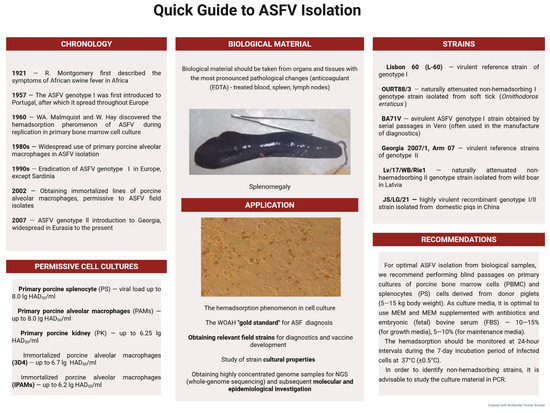
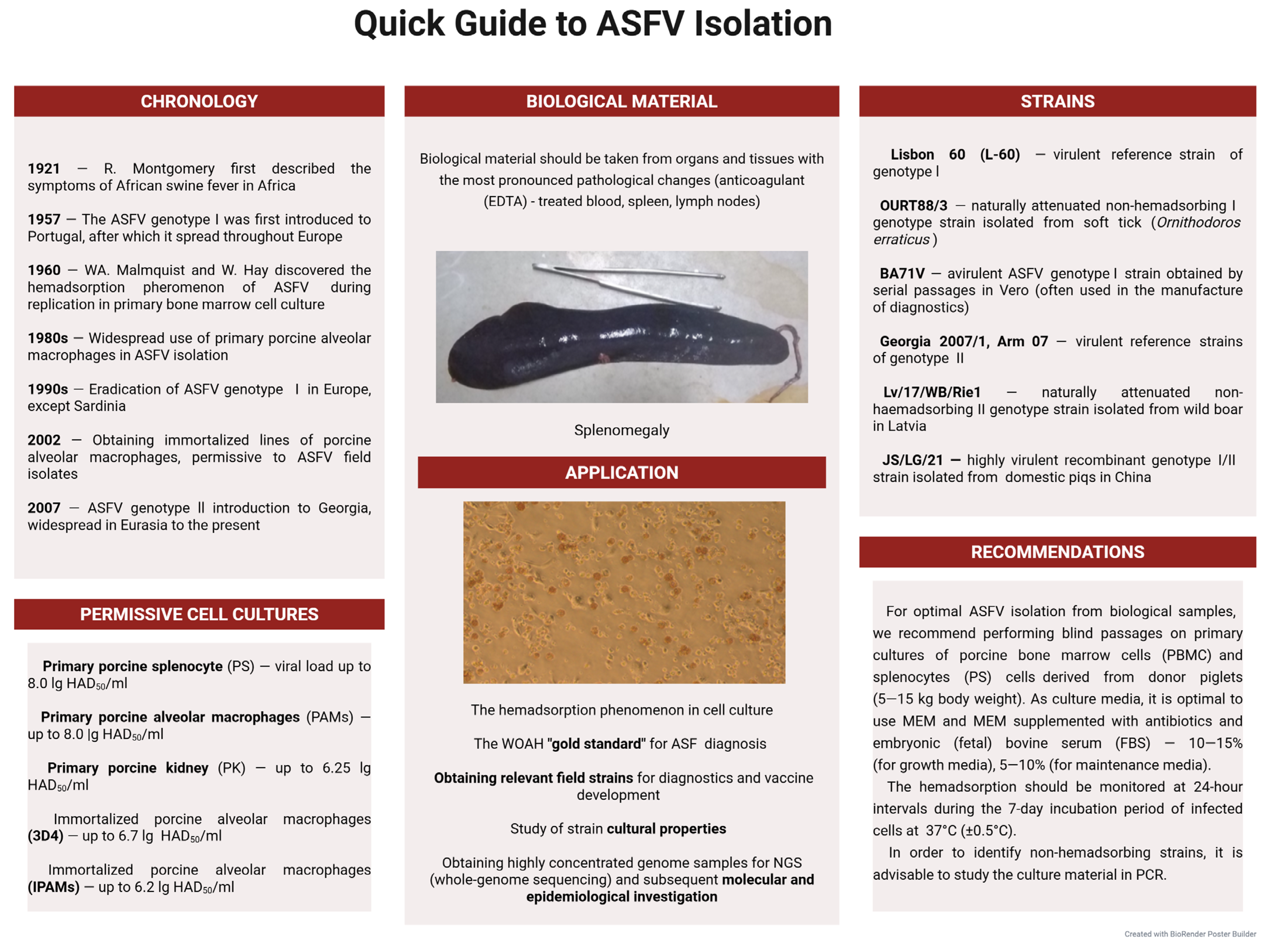
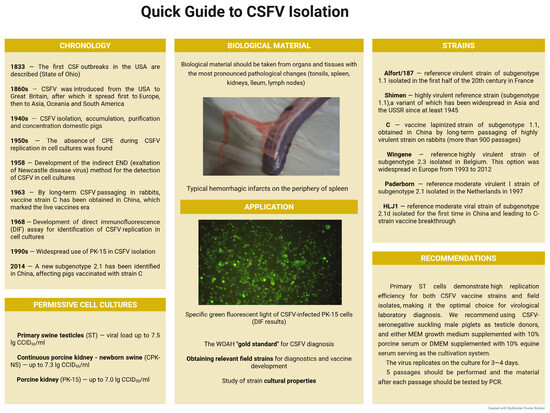
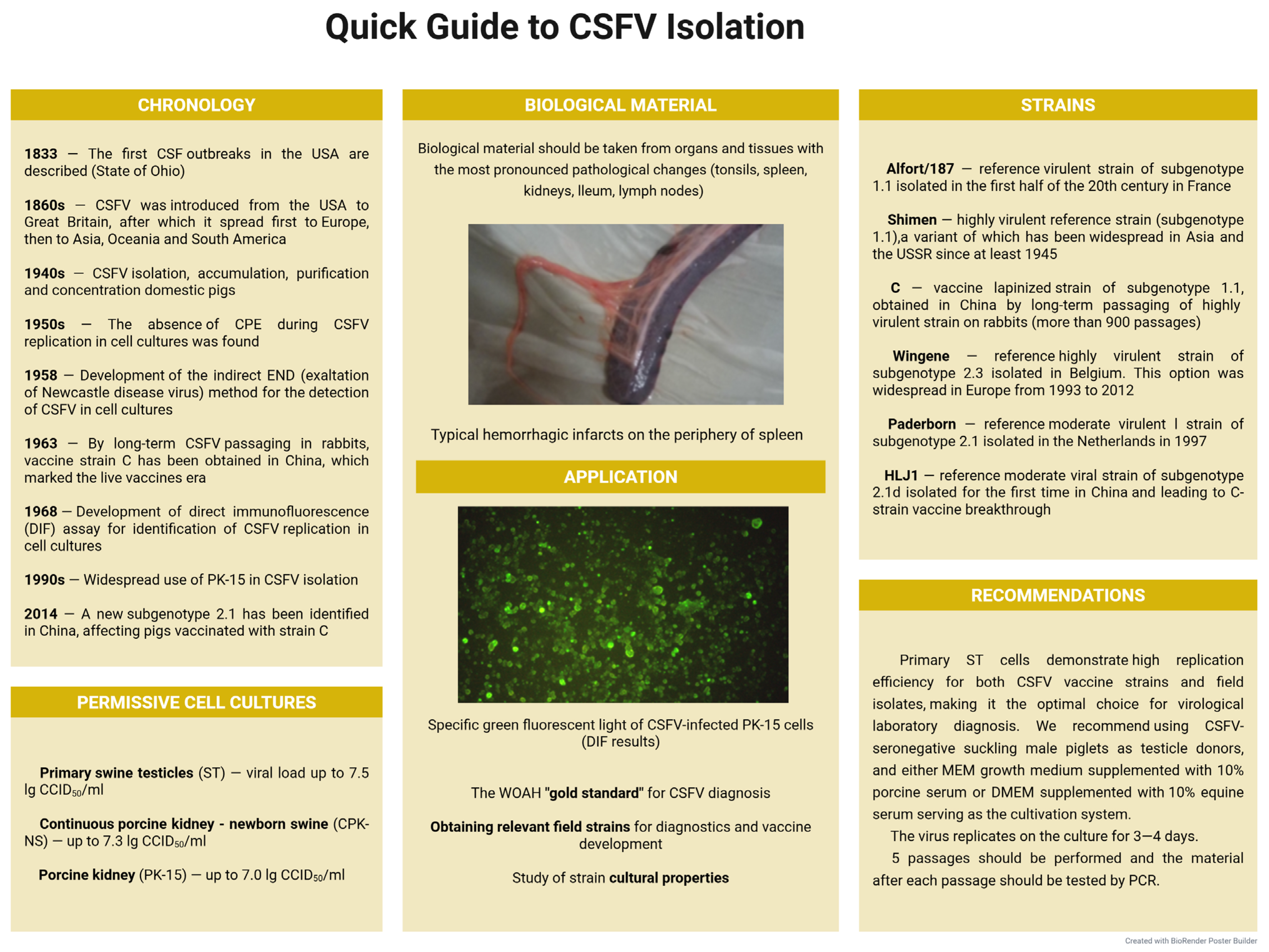
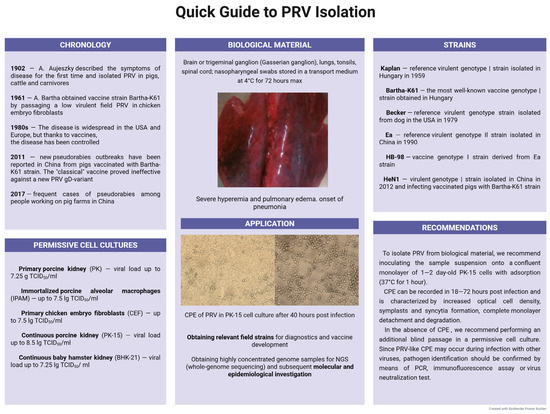
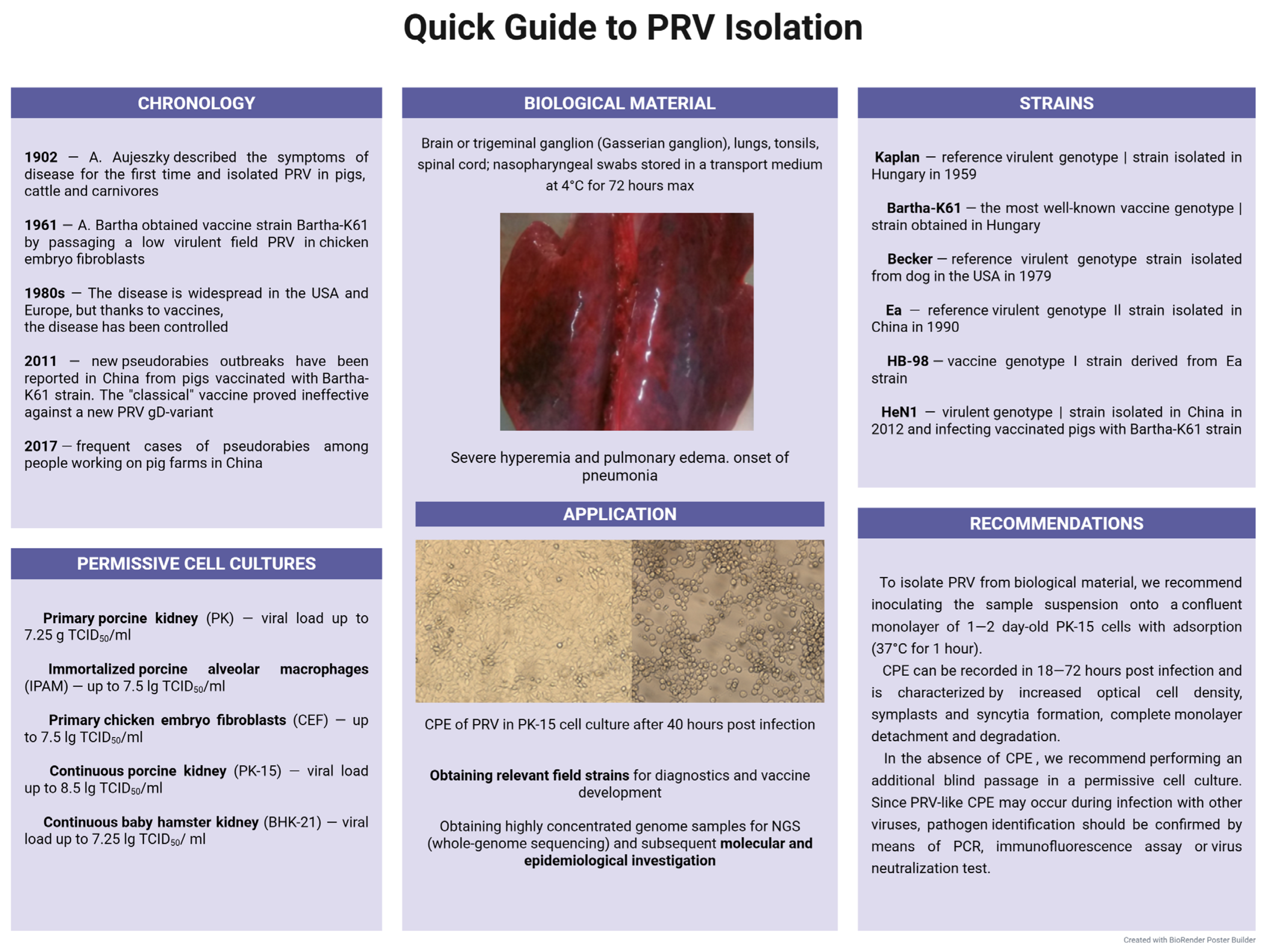
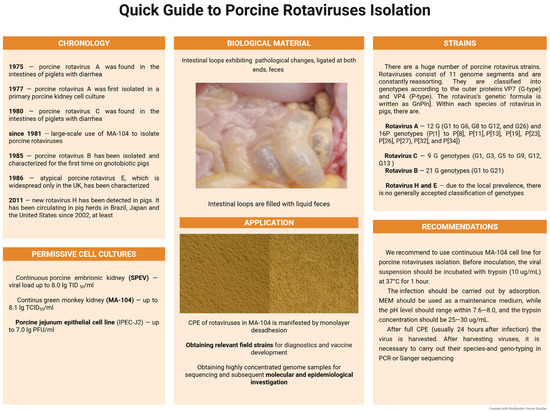
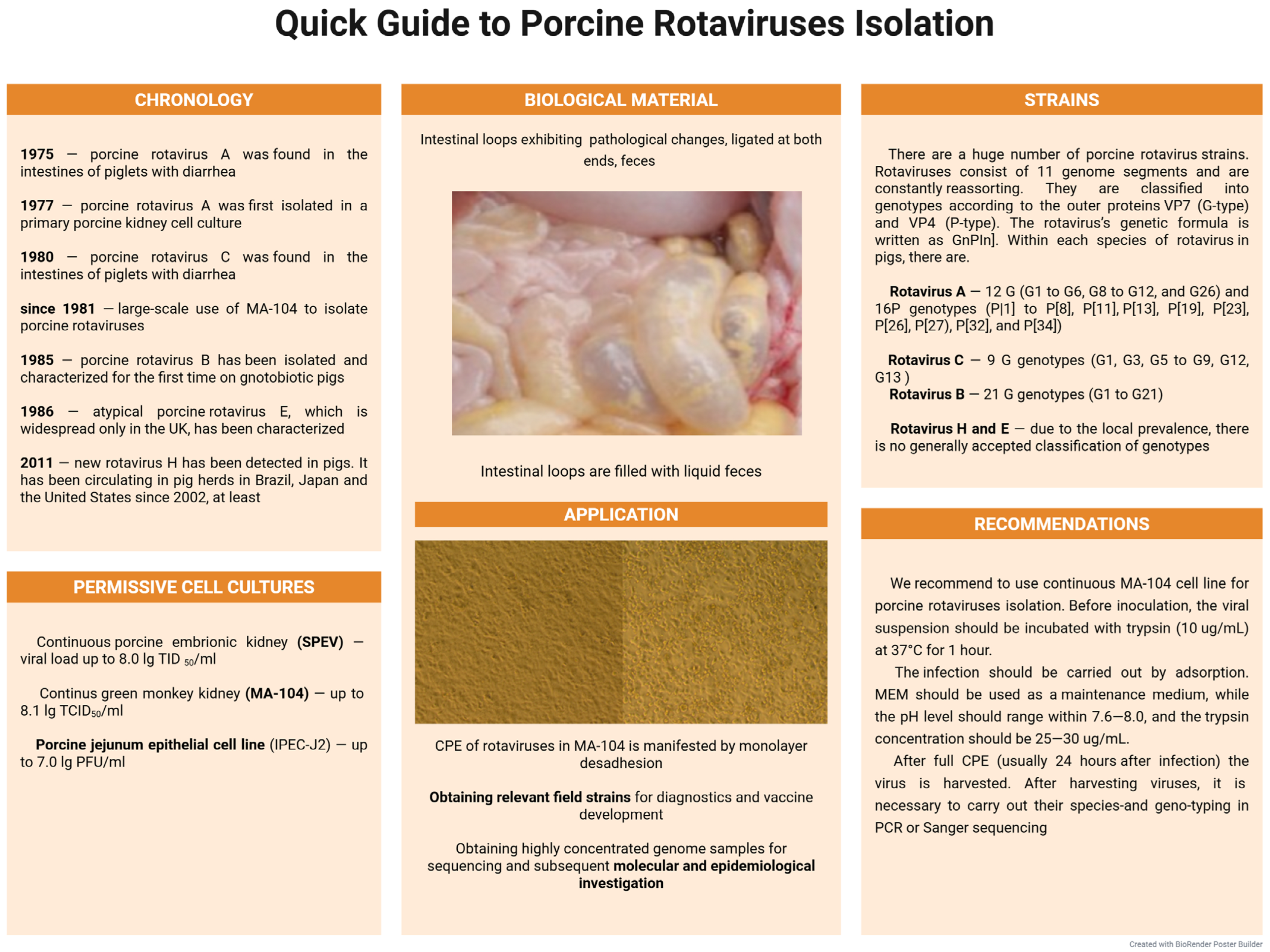
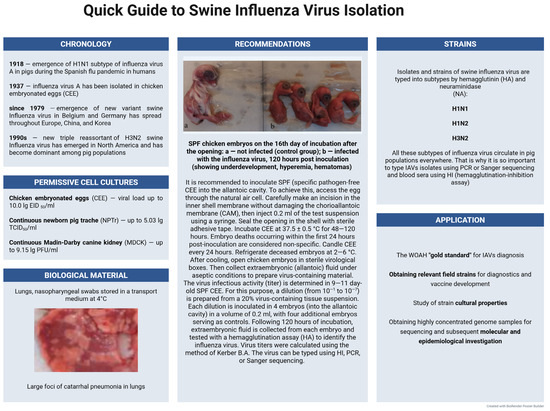
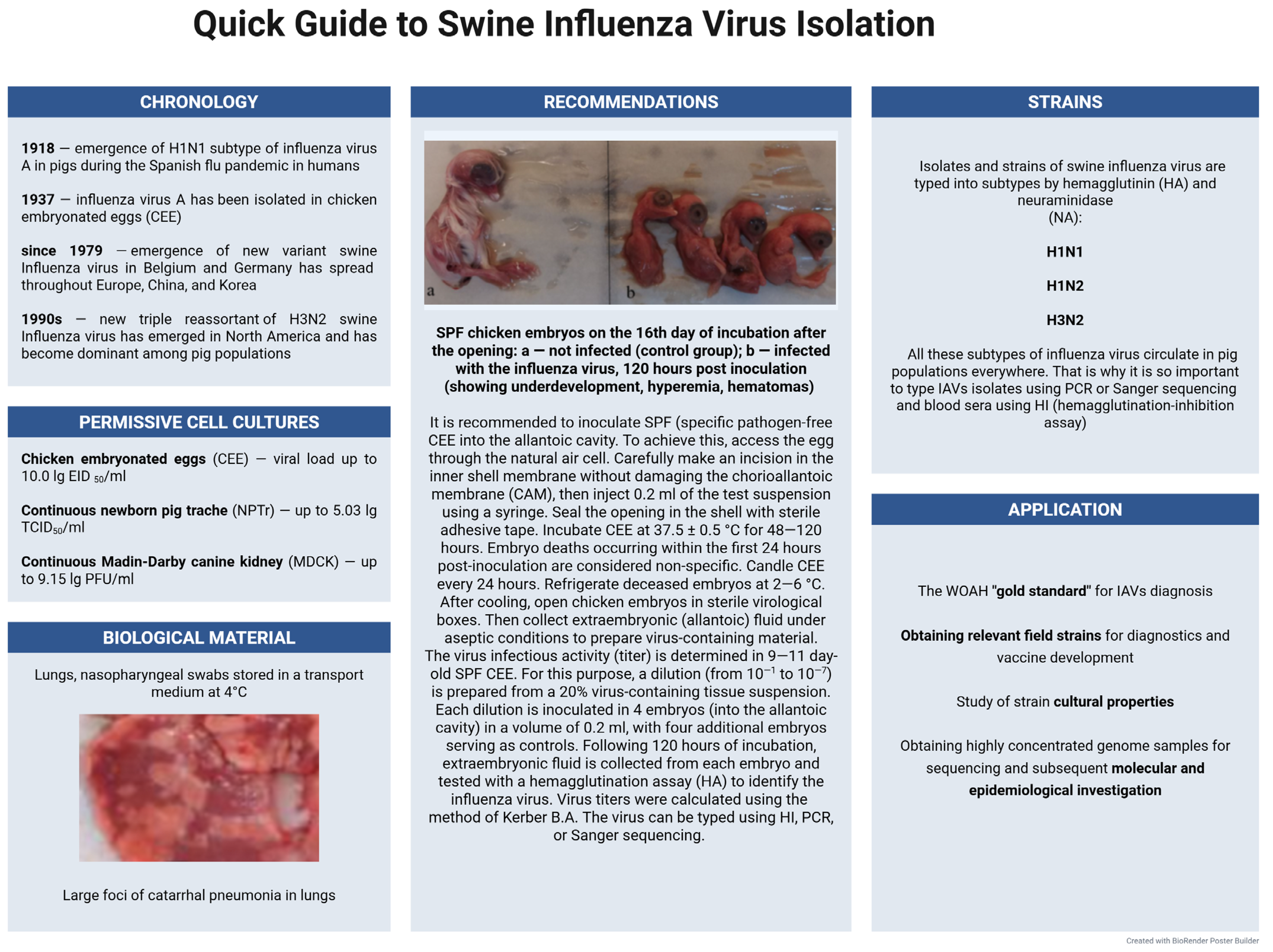
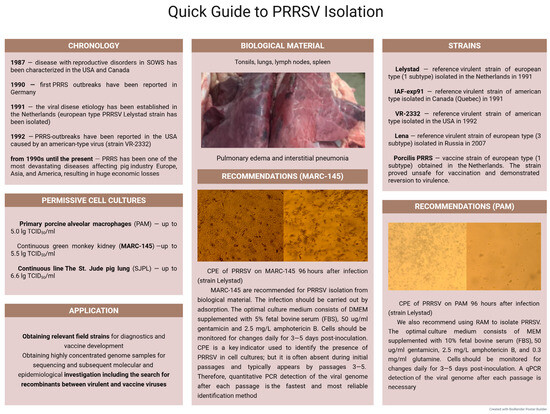
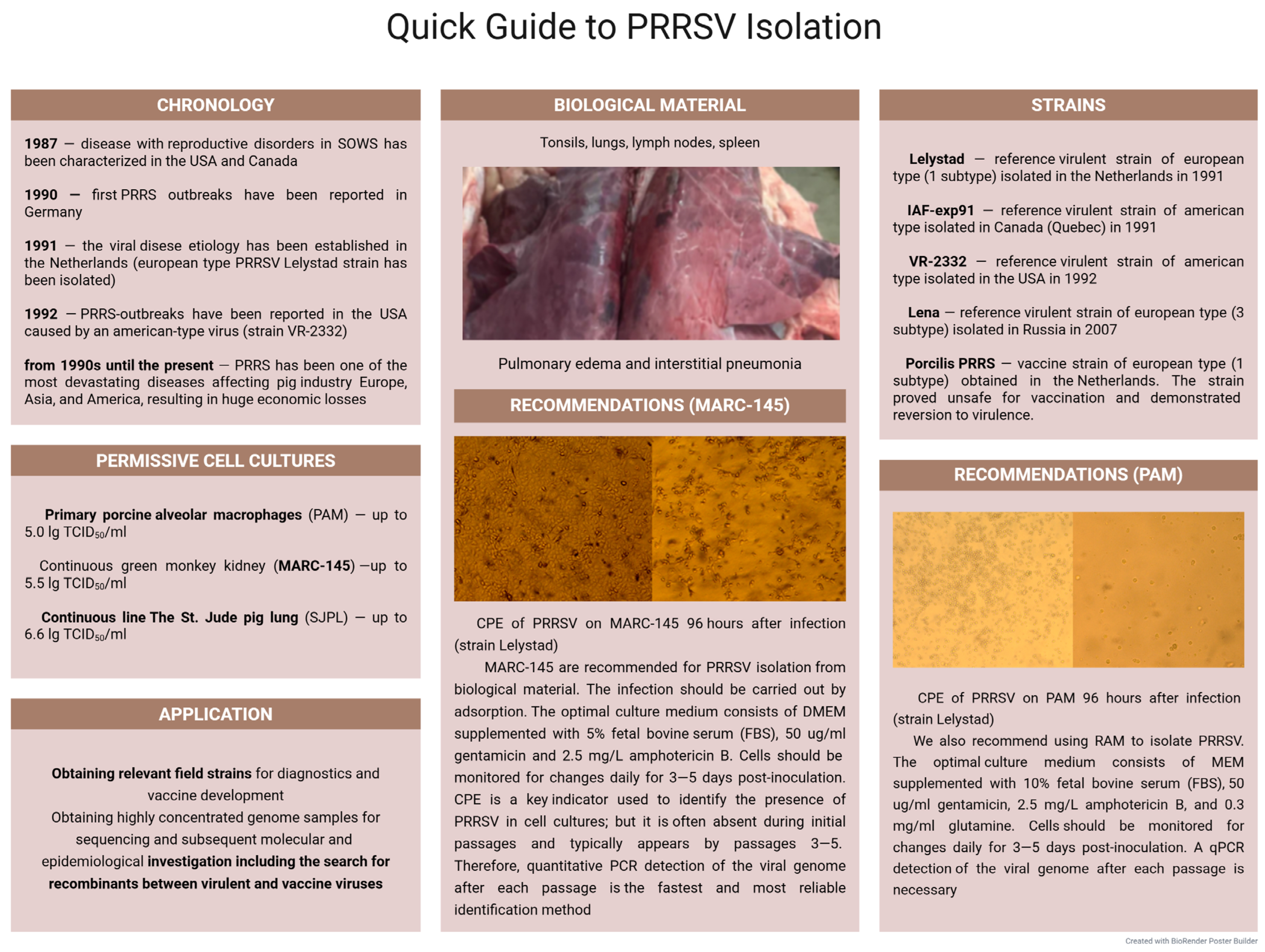
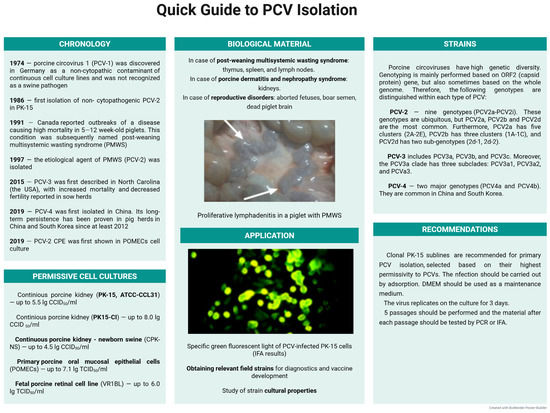
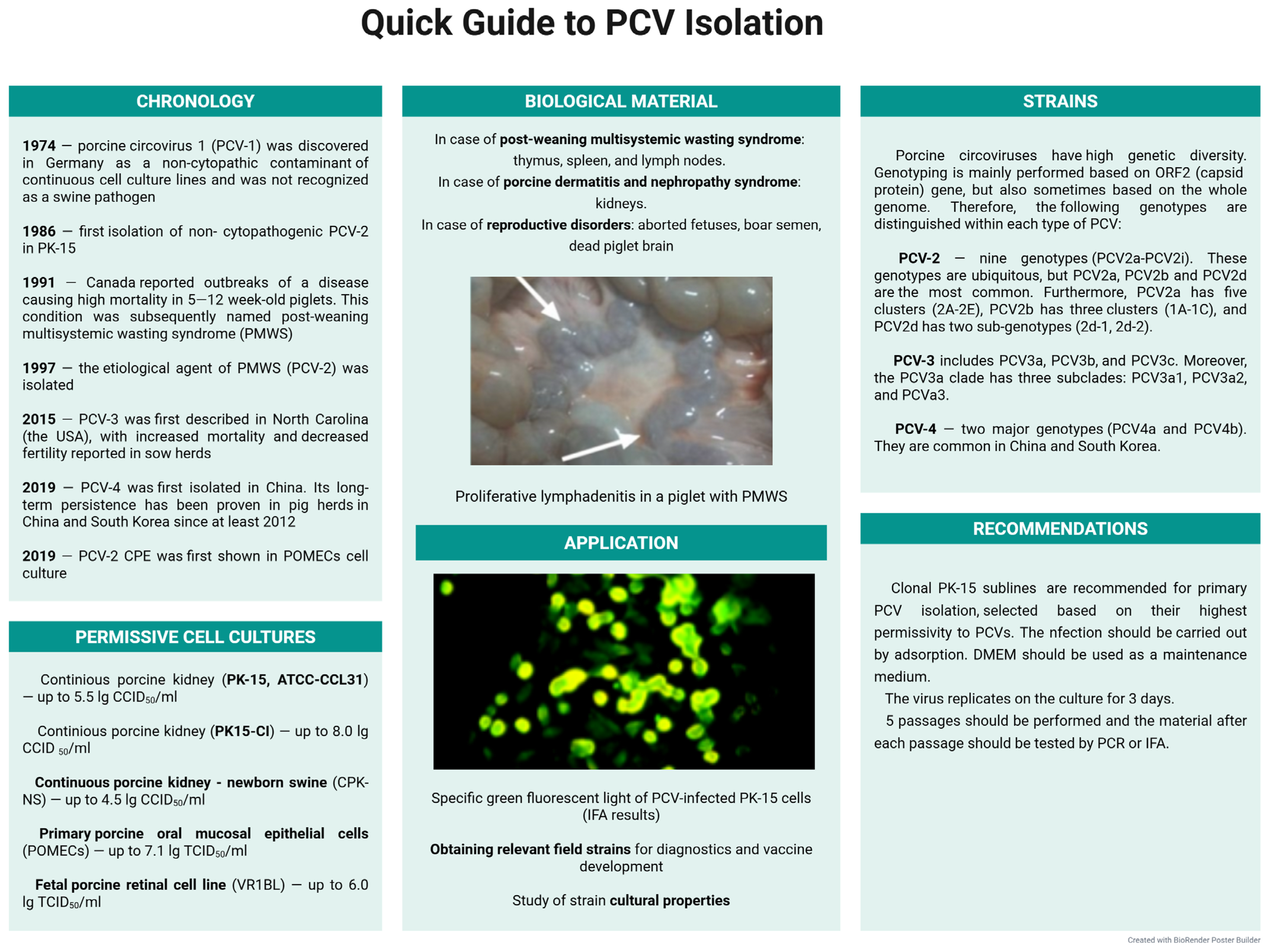
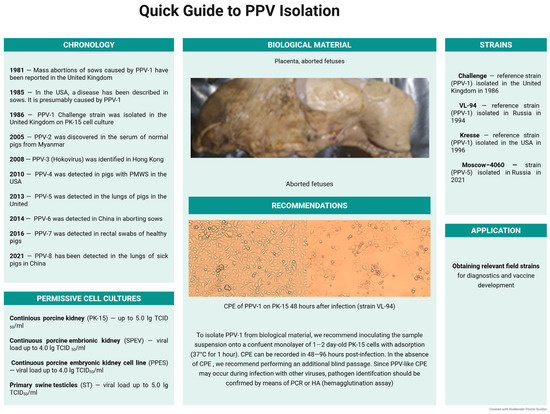
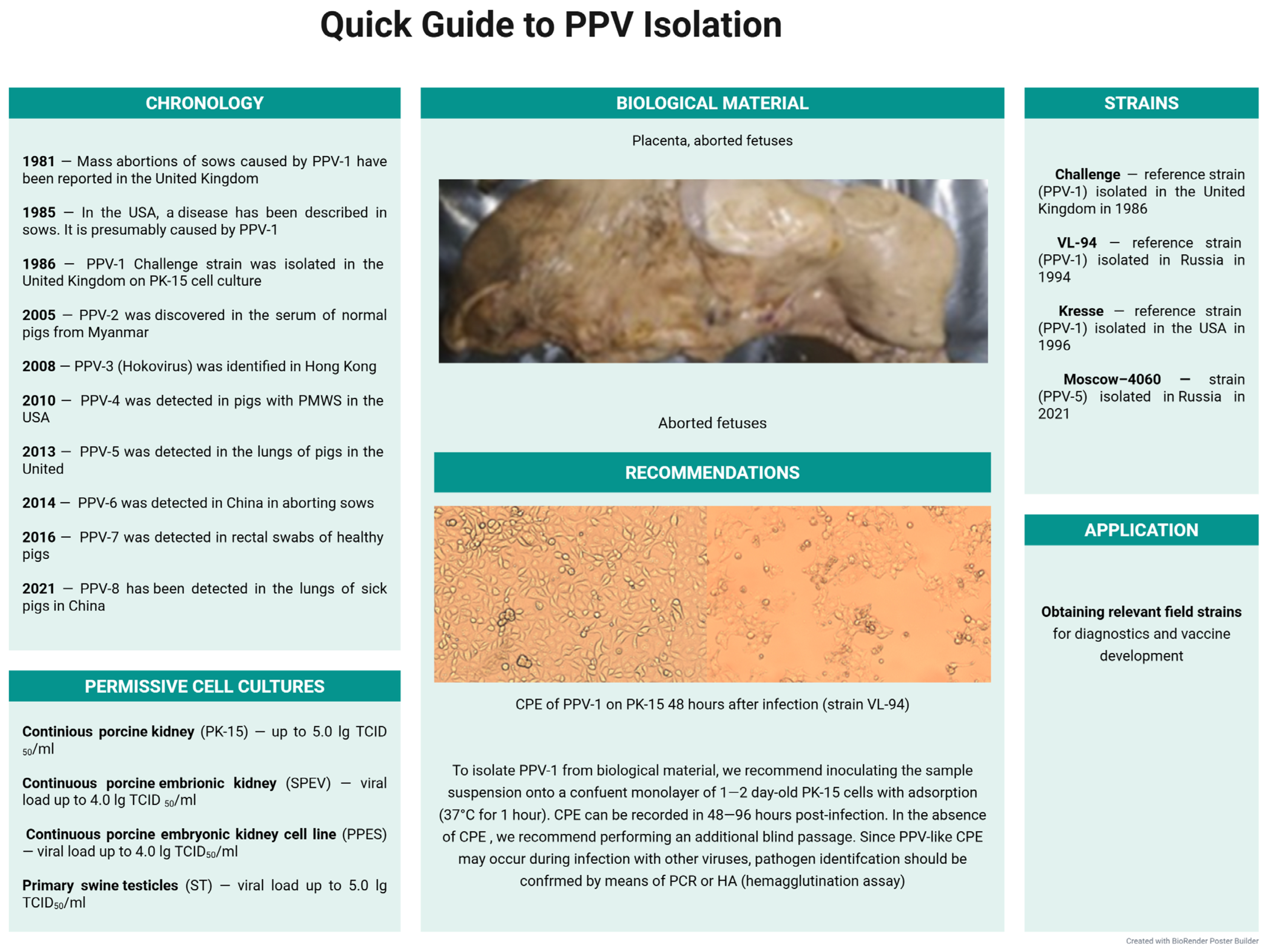
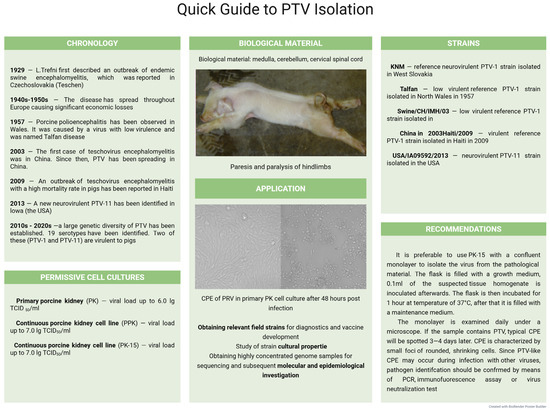
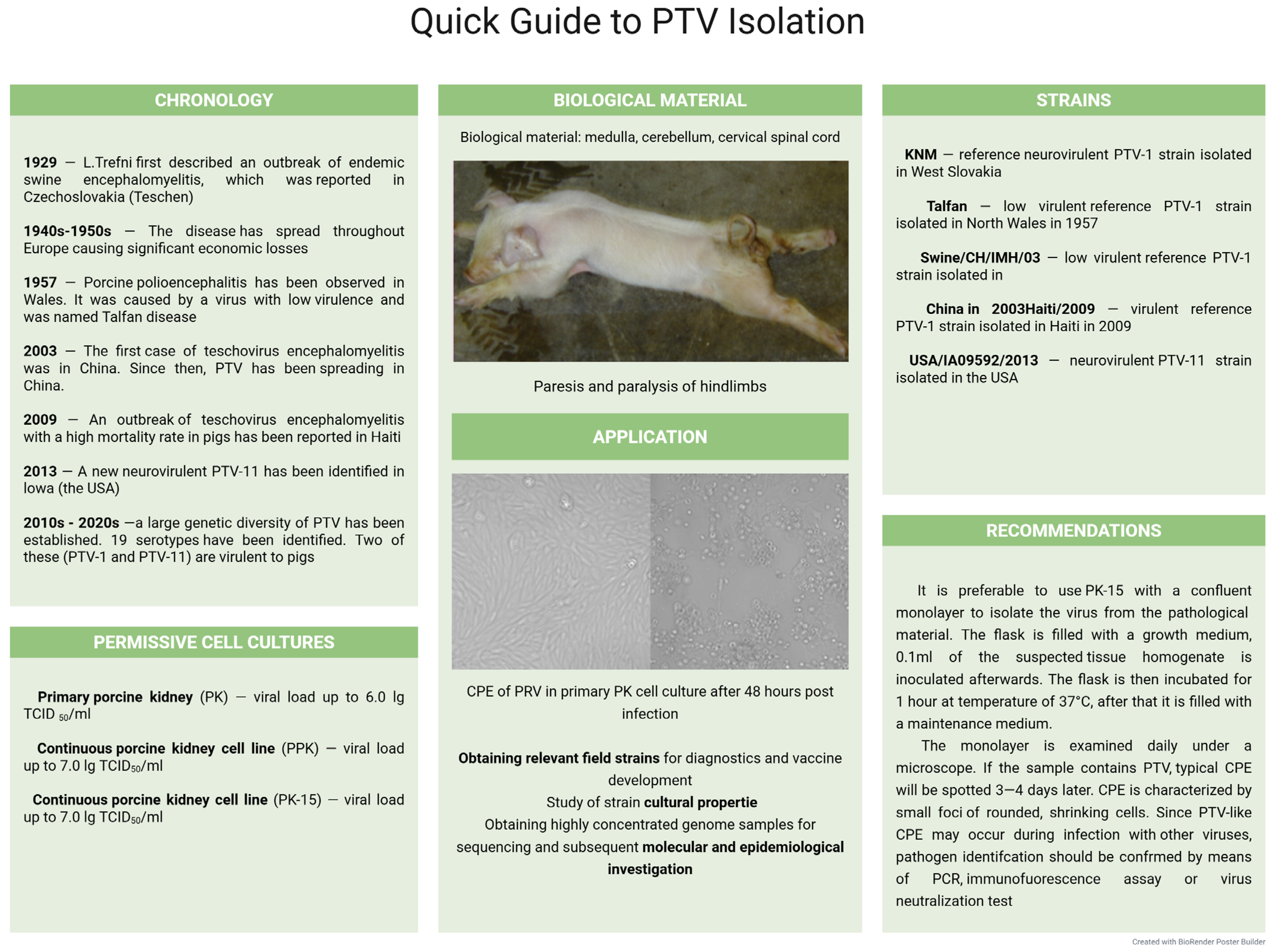
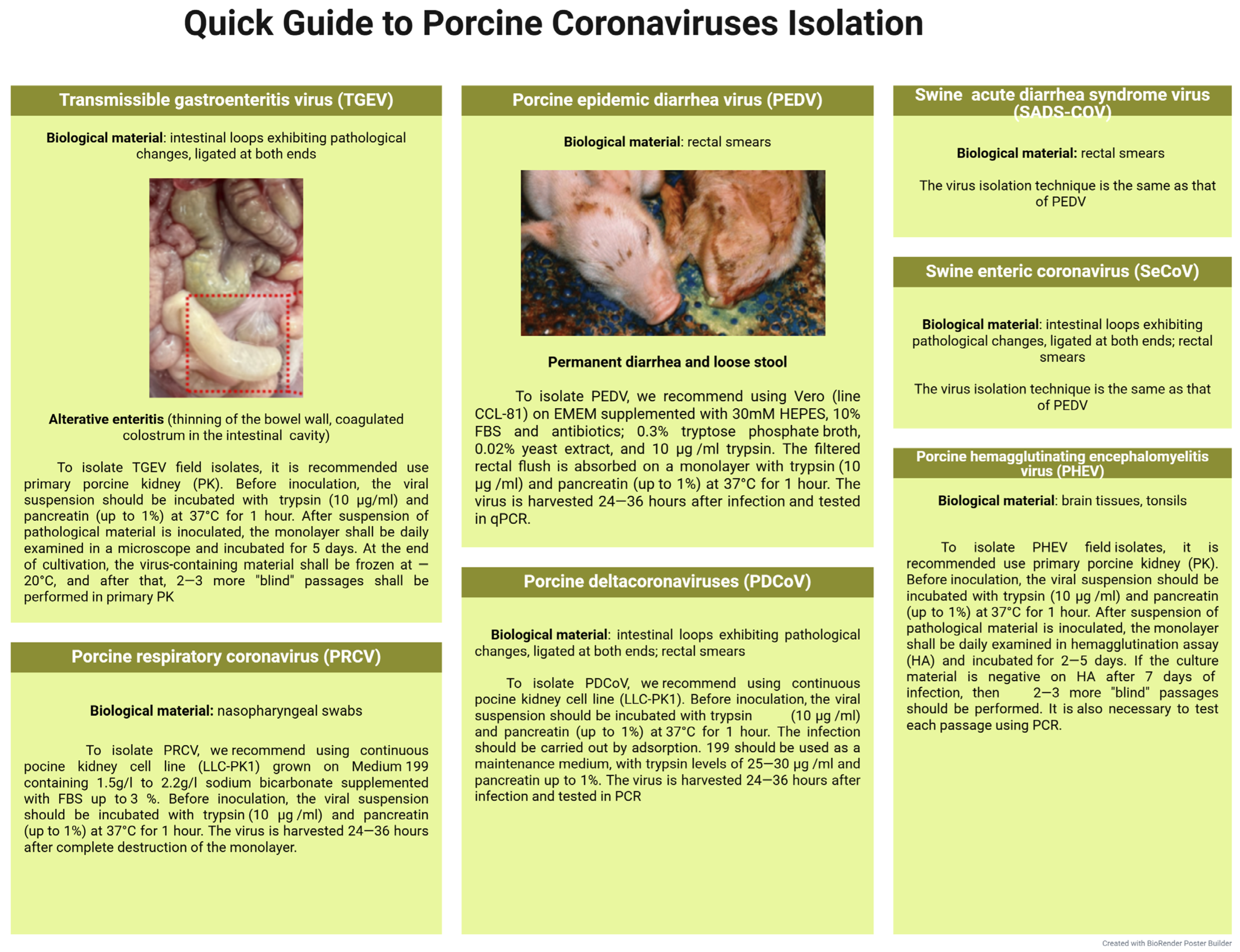
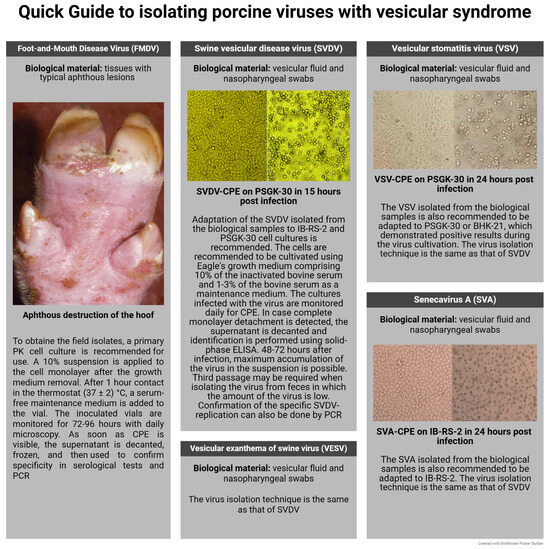
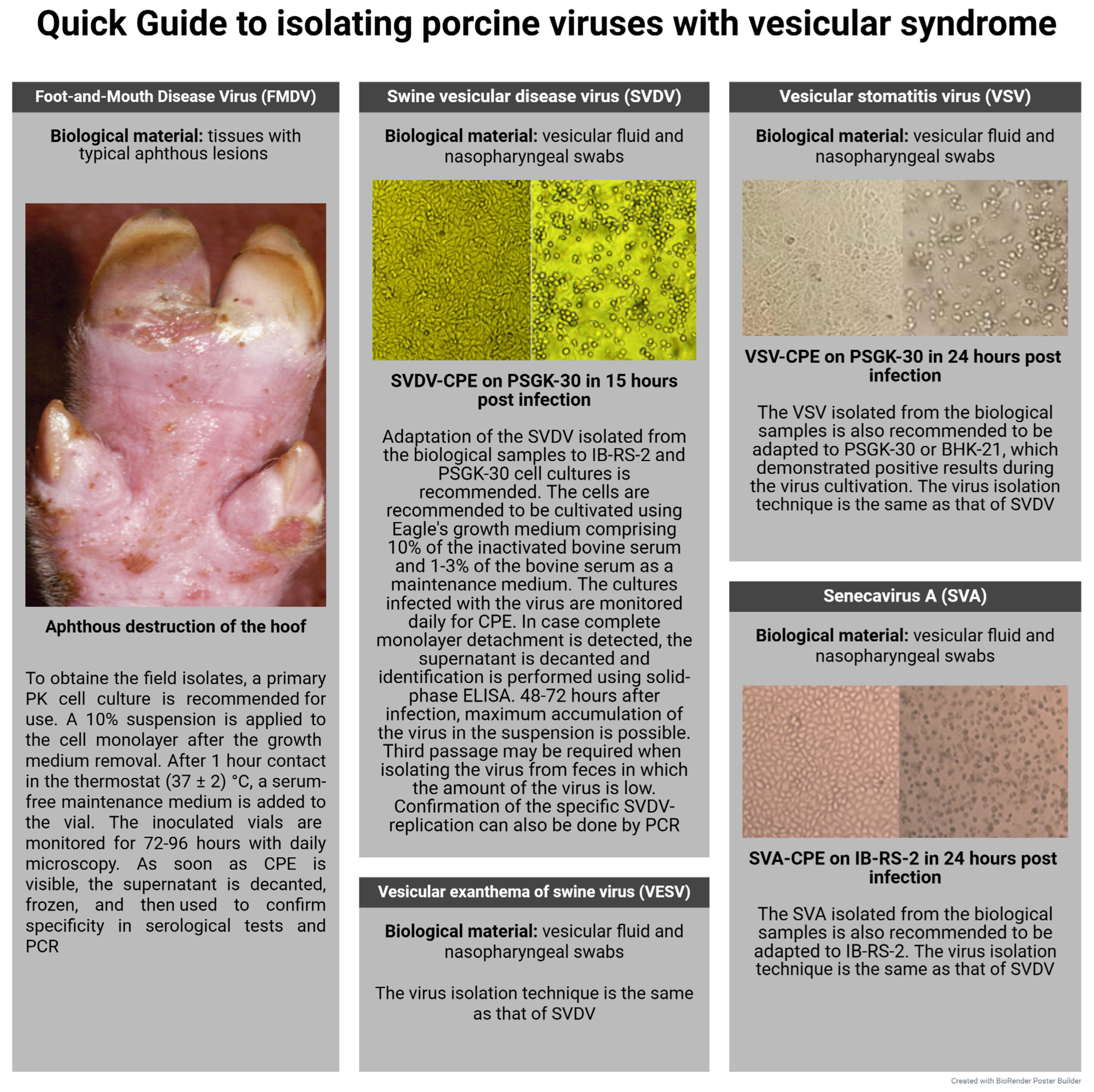

Disclaimer/Publisher’s Note: The statements, opinions and data contained in all publications are solely those of the individual author(s) and contributor(s) and not of MDPI and/or the editor(s). MDPI and/or the editor(s) disclaim responsibility for any injury to people or property resulting from any ideas, methods, instructions or products referred to in the content. |
© 2025 by the authors. Licensee MDPI, Basel, Switzerland. This article is an open access article distributed under the terms and conditions of the Creative Commons Attribution (CC BY) license (https://creativecommons.org/licenses/by/4.0/).