


Abstract
Shellfish are an essential component of the human diet, yet their safety is increasingly compromised by contamination with heavy metals, petroleum hydrocarbons, and pathogenic microorganisms, such as Vibrio, which pose significant health risks. This study examined shellfish samples from seafood markets, assessing the levels of heavy metals (e.g., cadmium, copper) and petroleum hydrocarbons, while isolating and identifying Vibrio species carried by the shellfish. The antimicrobial resistance profiles, resistance genes, and biofilm-forming capacities of these strains were further characterized. Results revealed significant seasonal fluctuations in heavy metal concentrations, with some samples exceeding regulatory limits, indicating potential health risks for long-term consumers. Likewise, Vibrio abundance and resistance varied seasonally, with a notable prevalence of multidrug-resistant strains, likely influenced by antibiotic misuse and environmental pressures in coastal regions. Correlation analyses suggested potential links between heavy metal contamination and Vibrio resistance, as well as biofilm formation, supporting the hypothesis that metal-induced stress may facilitate resistance gene transfer and enhance biofilm-mediated resistance. This study reveals the seasonal dynamics of antimicrobial resistance (AMR) in shellfish-derived Vibrio species and elucidates the dose–response effects of heavy metals and petroleum hydrocarbons, as well as their synergistic selection mechanisms. These findings provide a scientific foundation for assessing shellfish safety, deciphering AMR transmission, and developing ecosystem-based strategies for aquaculture monitoring.
1. Introduction
Antibiotic resistance represents one of the most critical threats to global public health security. The ongoing abuse of antibiotics, coupled with the diversity of microbial resistance mechanisms and the horizontal gene transfer of resistance determinants, continues to exacerbate this crisis, posing a severe challenge to current antibacterial treatment strategies. According to the data from the World Health Organization (WHO), multidrug-resistant pathogens cause more than 700,000 deaths annually, and projections suggest that without timely actions—such as rational antibiotic use and the development of new therapeutic strategies against resistant bacterial infections—this number could rise to 10 million by 2050 [1,2]. Notably, the dissemination of resistant bacteria follows the “One Health” framework, in which resistant strains and their genes can spread across the environment, animals, and humans through the food chain, direct contact, or environmental pollution. For example, the abuse of antibiotics in aquaculture can lead to seafood harboring resistant bacteria, which may subsequently enter the human food chain and exacerbate clinical treatment challenges [3,4].
Shellfish are increasingly recognized as a sustainable source of dietary protein, fueling the global expansion of shellfish aquaculture [5]. Farming sites are typically situated in sheltered estuaries and coastal zones, where organic matter–rich waters supply abundant food resources and provide optimal habitats for shellfish growth [6]. Yet, as filter-feeding organisms, shellfish exhibit a pronounced ability to bioaccumulate environmental contaminants, concentrating heavy metals, organic pollutants, and pathogenic microorganisms from surrounding waters [7]. Among these, Vibrio spp.—Gram-negative pathogens broadly distributed in marine and estuarine ecosystems—pose dual threats: they drive recurrent vibriosis outbreaks in aquaculture with severe economic consequences, and they are major agents of human foodborne disease, causing gastroenteritis, wound infections, and septicemia [8]. Antibiotics remain indispensable for controlling bacterial infections and are extensively applied in aquaculture for disease prevention and treatment. Yet, this heavy reliance frequently drives abuse, accelerating the selection and spread of resistant pathogens. Alarmingly, such resistant strains may enter the human food chain or horizontally transfer resistance determinants to human pathogens via mobile genetic elements, including plasmids and transposons, thereby compounding risks to public health. Mounting evidence indicates that pathogenic vibrios, notably Vibrio parahaemolyticus and Vibrio cholerae, are exhibiting escalating resistance to frontline clinical agents such as β-lactams, aminoglycosides, and fluoroquinolones, with multidrug-resistant isolates being detected at increasing frequency [2].
Beyond antibiotic resistance, the ecological risks posed by marine pollutants demand urgent attention. Rapid industrial and agricultural expansion has introduced vast quantities of toxic substances into marine ecosystems, with heavy metals and petroleum hydrocarbons standing out as dominant contaminants owing to their persistence and potent toxicity [9]. Heavy metals such as Pb, Ni, Fe, Cd, Cr, Mn, and Zn are non-degradable and prone to bioaccumulation, enabling their long-term persistence in aquatic environments and biomagnification through food webs, thereby threatening both aquatic biota and human health [10]. They can enter aquatic organisms via ingestion, gill respiration, or dermal absorption, circulate systemically, and impair host physiology—manifesting as oxidative stress, immunosuppression, reduced growth, or even population collapse [11]. Petroleum hydrocarbons, encompassing complex mixtures of aliphatic and aromatic compounds, largely derive from offshore oil extraction, transport spills, and industrial discharge. Global estimates suggest that roughly 4.63 million tons of petroleum enter the oceans each year [12]. Such inputs disrupt marine ecological balance, restructure biological communities, and bioaccumulate within aquatic organisms, ultimately posing direct risks to human health through seafood consumption. Given the environmental mobility, persistence, and toxicity of heavy metals and hydrocarbons, systematic monitoring and risk assessment are critical for safeguarding marine ecosystems and food safety.
With the escalating global crisis of antibiotic resistance, the study of environmental microbial resistance has emerged as a central theme within the “One Health” framework. Current evidence indicates that resistant bacteria are widespread across diverse environments, with aquatic ecosystems strongly impacted by anthropogenic activities—such as coastal aquaculture zones and urban nearshore waters—harboring particularly high abundances of resistance genes [13]. Of special concern is the role of composite pollution arising from human activity, where the co-occurrence of heavy metals and organic contaminants can foster the development of multidrug resistance through co-selection. Heavy metals may induce cross-resistance in bacterial populations, while certain organic pollutants act as inducers of horizontal gene transfer [14]. Despite notable advances in deciphering the mechanisms of environmental resistance dissemination, our understanding of its key drivers—especially the synergistic interactions of multiple stressors in complex environments—remains limited, and this knowledge gap severely hampers the development of effective resistance mitigation strategies. This work shifts the paradigm from single-metal stress to realistic co-exposure scenarios, systematically dissecting the synergistic effects of heavy metals and petroleum hydrocarbons on host-associated vibrios. We focus on their combined impact on antibiotic resistance and biofilm formation—two coupled phenotypes that critically enhance bacterial fitness and pathogenicity.
To address this issue, the present study adopted a monthly sampling strategy to systematically collect shellfish samples available for sale. The study initially performed antimicrobial susceptibility testing and resistance gene identification on Vibrio strains isolated from the samples. Additionally, inductively coupled plasma mass spectrometry (ICP-MS) was used to quantitatively measure heavy metal (Cd, Cu, etc.) and petroleum hydrocarbon levels. By integrating microbiological, environmental chemical, and molecular biological approaches, the study aims to investigate the following scientific questions: (1) the seasonal variation in antimicrobial resistance of Vibrio strains associated with shellfish; (2) the dose–response relationship between environmental pollutants (heavy metals/petroleum hydrocarbons) and resistance; and (3) the co-selection mechanisms under multi-pollutant exposure conditions. This research links environmental contaminant monitoring with the evolution of microbial resistance, providing novel evidence for understanding the evolutionary dynamics of resistance under complex environmental pressures. More importantly, it offers theoretical support for the development of ecosystem-based aquaculture management strategies and integrated pollution control approaches for coastal zones. The findings have important practical implications for ensuring seafood safety and public health.
2. Materials and Methods
2.1. Collection of Shellfish Samples
In this study, eight representative and economically important shellfish species commonly sold in seafood markets of China, were selected as research subjects: Mytilus galloprovincialis, Monetaria moneta, Sinonovacula constricta, Ruditapes philippinarum, Meretrix meretrix, Mactra antiquata, Magallana gigas, and Mactra quadrangularis. These species constitute the principal shellfish consumed by local residents, bearing both economic significance and implications for food safety.
Systematic sampling was conducted from December 2023 to November 2024, thereby covering a complete annual cycle to assess seasonal variation. Each month, 15 samples were collected from seafood markets, yielding a total of 180 valid specimens. Immediately after collection, each specimen was individually sealed in sterile bags, labeled with metadata including sampling date, location, and species, and transported under refrigerated conditions (4 °C) in dedicated cold-chain containers to the lab within 2 h. This protocol ensured both sample freshness and stability of the microbial community. Upon arrival, samples were promptly subjected to standardized preprocessing, including surface sterilization, dissection of soft tissues, and homogenization, thereby generating uniform material for subsequent analyses. The detailed procedure is described as follows:
A rigorous pretreatment protocol was implemented immediately upon sample receipt to safeguard analytical accuracy by removing surface-derived microbial contamination:
Surface Decontamination: This involved an initial scrub with sterile PBS, a disinfecting rinse with 75% ethanol, and a final triple rinse with sterile PBS to ensure no ethanol carryover, followed by drying with sterile filter paper.
Aseptic Dissection: Conducted within a biosafety cabinet, this step utilized autoclaved tools to open the shell and meticulously extract all soft tissues, which were then collected in a pre-weighed, sterile bag.
Homogenate Preparation: After precise weighing, tissues were homogenized in a 1:3 (w/v) ratio with sterile PBS using a high-throughput homogenizer (Sakezi ×48) (Anhui Shangkezhi Instrument Co., Ltd., Anhui, China) at 60 Hz for 120 s. The resultant homogenate constituted the primary stock for all subsequent culturing analyses.
2.2. Isolation and Identification of Vibrio
Approximately 2 g of shellfish tissue was homogenized in 150 μL of phosphate-buffered saline (PBS; Sangon Biotech, Shanghai, China) using a high-throughput tissue grinder (Sakezi × 48) at 60 Hz for 120 s. The homogenates were serially diluted to 10−3 fold and spread onto thiosulfate–citrate–bile salts–sucrose (TCBS) agar plates (Qindao Hope Bio-Technology Co., Ltd., Qingdao, China). Following gradient dilution (1:1000) and plating of the homogenate on TCBS selective agar, triplicate cultures per sample were incubated at 28 °C for 12 h, after which yellow-green colonies were randomly selected for isolation, cultivation, and species identification to prevent morphological bias and ensure a representative assessment of Vibrio diversity [15]. From each plate, 5–8 representative colonies with typical morphology were randomly selected and inoculated into LB broth (HuanKai Microbial, Guangzhou, China), followed by incubation at 28 °C with shaking for 10–12 h. Genomic DNA was extracted and the 16S rDNA gene was amplified by PCR. The reaction mixture consisted of 12.5 μL of 2× ProTaq Master Mix (AG Bio, Changsha, China), 1 μL each of primers 27F and 1492R (Sangon Biotech, Shanghai, China), and 8.5 μL of ddH2O. Amplifications were performed in an automated thermal cycler (Bio-Rad MY_100). PCR products were sequenced commercially (Sangon Biotech, Shanghai, China), and resulting sequences were compared against the NCBI database for species identification. Purified isolates were preserved by mixing with 50% glycerol (Sangon Biotech, Shanghai, China) at a 1:1 ratio and stored at −80 °C in an ultra-low temperature freezer for long-term use.
2.3. Antimicrobial Susceptibility Testing and Resistance Gene Detection of Vibrio
Antimicrobial susceptibility was assessed using the Kirby–Bauer (K–B) disk diffusion method against 20 antibiotics: tetracycline (TET), gentamicin (GEN), amikacin (AMK), piperacillin (PIP), ampicillin (AMP), ceftazidime (CAZ), cefazolin (CZ), ceftriaxone (CTR), cefuroxime (CXM), cefoperazone (CPZ), penicillin (PEN), polymyxin B (PB), cephalothin (CN), erythromycin (E), mycinomycin (MY), vancomycin (VAN), kanamycin (KAN), streptomycin (S), minocycline (MI), and doxycycline (DO). Frozen isolates were revived in LB broth, and bacterial suspensions were adjusted to 0.5 McFarland standard (≈1.5 × 10⁸ CFU/mL). Sterile cotton swabs were used to evenly spread the suspensions onto Mueller–Hinton (MH) agar plates (Hopebio HB6232, Qingdao, China). Antibiotic disks (BKMAMLAB) were applied to the agar surface, and plates were incubated at 28 °C for 24 h. Zones of inhibition were measured using a multiparameter imaging analyzer (Shineso Sup G1) (Hangzhou Xunshu Technology Co., Ltd., Hangzhou, China), and susceptibility was interpreted as susceptible (S), intermediate (I), or resistant (R) according to the Clinical and Laboratory Standards Institute (CLSI) guidelines [16].
PCR assays were further employed to detect eight common resistance genes in the isolated Vibrio strains, including β-lactamase genes (blaPER-1, blaTEM-1, blaCMY-2, blaNDM-1), aminoglycoside resistance genes (strA, strB), and macrolide resistance genes (ermA, ermB). Primer sequences and expected amplicon sizes are listed in Table S1. Each 25 μL PCR reaction contained 12.5 μL 2× Taq PCR Master Mix (AG Bio, China), 1 μL forward primer (10 μM), 1 μL reverse primer (10 μM), 2 μL template DNA (≈50 ng/μL), and 8.5 μL sterile ddH2O. Amplification was performed in a thermal cycler (Bio-Rad MY_100). Amplicons were separated by electrophoresis on 1.5% agarose gels (120 V, 30 min) and visualized using a gel imaging system (BIO-OI OI 1000) (Guangzhou Guangyi Biotechnology Co., Ltd., Guangzhou, China). Known reference strains carrying the respective resistance genes were used as positive controls, and sterile ddH2O served as the negative control. All PCR assays were conducted in triplicate to ensure reproducibility [17,18,19,20].
2.4. Biofilm Formation Assay
Bacterial suspensions were adjusted to an optical density at 600 nm (OD600) of 0.2. Then, 100 µL of each suspension was aliquoted into a 96-well polystyrene microtiter plate, with six biological replicates per strain. The plate was incubated statically at 28 °C for 24 h. After incubation, the planktonic cells were carefully aspirated, and the adhered biofilms were gently washed twice with sterile phosphate-buffered saline (PBS) and air-dried. The biofilms were then stained with 0.1% crystal violet for 15 min at room temperature. Excess stain was removed by washing three times with sterile PBS, and the plate was air-dried completely. The stained biofilm was dissolved using 33% acetic acid, and the absorbance was measured at 590 nm using a multimodal microplate reader (BioTek Synergy H1) (Boten Instrument Co., Ltd., VT, USA) to quantify biofilm formation [21].
2.5. Detection of Heavy Metals (Cadmium and Copper) and Petroleum Hydrocarbons in Mollusks
The concentrations of cadmium, copper, and petroleum hydrocarbons in mollusks were determined using flame atomic absorption spectrophotometry and fluorescence spectrophotometry, respectively, as outlined in the National Standard of the People’s Republic of China (GB 17378.6-2007). The detailed methodologies are described as follows.
2.5.1. Determination of Copper
Dried bivalve tissues were digested with HNO3–H2O2 and analyzed by flame atomic absorption spectrometry (FAAS) at 324.7 nm.
- (1)
- Calibration: Standard curves were constructed using copper solutions.
- (2)
- Sample preparation: Approximately 0.2 g of dried tissue was digested and diluted to a fixed volume.
- (3)
- Calculation: Copper content (10−6, dry weight) was calculated as follows:
2.5.2. Determination of Cadmium
Samples were digested with HNO3–HClO4 and quantified by FAAS at 228.8 nm.
- (1)
- Calibration: Standard curves were constructed using cadmium solutions.
- (2)
- Sample preparation: Approximately 2 g of dried tissue was digested and diluted to 25 mL.
- (3)
- Calculation: Cadmium content (10−6, dry weight) was calculated as follows:
2.5.3. Determination of Petroleum Hydrocarbons
Samples were subjected to alkaline saponification (NaOH)–dichloromethane extraction, residues were dissolved in petroleum ether, and fluorescence spectrophotometry was performed at 310 nm excitation and 360 nm emission.
- (1)
- Calibration: Standard curves were constructed using petroleum hydrocarbon solutions.
- (2)
- Sample preparation: Two to five grams of tissue were saponified, extracted, and diluted.
- (3)
- Calculation: Hydrocarbon content (10−6, dry weight) was calculated as follows:
2.6. Health Risk Assessment of Heavy Metals in Shellfish
2.6.1. Estimated Daily Intake of Heavy Metals
In this study, the bioaccessibility-adjusted estimated daily intake (EDI) of heavy metals from shellfish was calculated as follows [22]:
where Cmetal represents the concentration of heavy metal in shellfish (in μg/kg wet weight), Wshellfish denotes the daily consumption rate of shellfish by adults (28.82 g/day) [23], and Bw refers to average adult body weight, which was set at 64.87 kg based on data reported by the China National Center for Physical Fitness Surveillance (https://www.sport.gov.cn/n315/n329/c24335066/content.html, accessed on 6 July 2022).
2.6.2. Health Risk Assessment
The target hazard quotient (THQ) for heavy metal exposure through shellfish consumption was evaluated based on the U.S. EPA Region III Risk-Based Concentration Table (US EPA, 2000) using the following equation [24]:
where EFr is the exposure frequency (350 days/year), ED is the exposure duration (70 years, equivalent to the average lifespan), Wshellfish is the daily intake of shellfish (g/day), is the concentration of the individual metal in shellfish (μg/kg wet weight), RfD is the oral reference dose, with values set as follows: Cd = 1 μg kg−1 day−1 (US EPA, 2011), Cu = 40 μg kg−1 day−1 (US EPA, 2011), Bw is the average body weight (kg), and ATn is the average exposure time for non-carcinogens (ED × 365 days/year).
2.6.3. Total Hazard Index (HI) Assessment
For the cumulative risk assessment of multiple heavy metals in shellfish, the total hazard index (HI) was calculated as the sum of the THQ values for all individual metals [25]:
2.7. Statistics
We employed GraphPad Prism 10.0, ArcGIS 10.8.1, and Origin 2024 for data processing, visualization, and multivariate correlation analysis.
3. Results
3.1. Abundance, Seasonal Variation, and Distribution of Vibrio Species
In this study, a total of 180 shellfish samples were systematically collected from major seafood markets in China. These samples originated from eight key mariculture provinces along the coast of China: Guangdong, Fujian, Guangxi, Jiangsu, Liaoning, Shanghai, Zhejiang, and Shandong. Through selective culture and molecular biological identification, 88 Vibrio strains were isolated (Figure 1A). Each strain was designated a unique identifier following the format “V” followed by a number (e.g., V01–V88). Based on 16S rDNA sequence analysis, the isolates were identified as multiple clinically and ecologically significant Vibrio species, including V. alginolyticus, V. harveyi, among others. The species composition and geographical distribution are summarized in Figure 1. A circular phylogenetic tree was constructed using the maximum likelihood method based on 16S rRNA sequences. The root was positioned at the center, with branches radiating outward and terminal leaf nodes (sample labels) arranged along the circumference. Branch lengths correspond to genetic distances, with shorter branches indicating closer phylogenetic relationships and longer branches reflecting higher divergence (as illustrated by cross-color clusters). The tree revealed eight major clades, with samples within each cluster showing high homology, consistent with membership in the same species or subspecies.
Figure 1.
Temporal dynamics and diversity of Vibrio populations. (A) The phylogenetic analysis of Vibrio species isolates derived from shellfish. (B) Seasonal distribution of Vibrio prevalence in shellfish. (C) Monthly dynamics of Vibrio harveyi and Vibrio alginolyticus isolation.
Our results indicated significant seasonal fluctuations in Vibrio isolation rates (Figure 1B). The highest detection rates were observed in May and July (summer), followed by autumn, while spring and winter yields were comparatively lower. This pattern may be correlated with variations in water temperature and metabolic activity of shellfish. Further analysis of the seasonal distribution patterns of the dominant bacterial species (Figure 1C) revealed that V. harveyi demonstrated a pronounced winter enrichment, whereas V. alginolyticus was consistently detected throughout all sampling months.
Among the identified Vibrio species (Figure 2A), V. alginolyticus was the most prevalent, represented by 16 isolates, followed by V. harveyi with 9 isolates. Other species, including V. neocaledonicus, V. mediterranei, and V. parahaemolyticus, were also detected. Forty-two strains remained unclassified at the species level. Geographical distribution analysis revealed that the majority of Vibrio isolates originated from Fujian Province (53 strains), followed by Guangdong (27 strains). Fewer isolates were obtained from Guangxi (6), Jiangsu (1), and Liaoning (1). No Vibrio strains were isolated from samples collected in Shanghai, Shandong, or Zhejiang (Figure 2B). Host-based distribution showed that Mytilus galloprovincialis yielded the highest number of Vibrio isolates (26 strains), followed by Meretrix meretrix (18), Ruditapes philippinarum (15), Magallana gigas (12), and Sinonovacula constricta (9). Lower isolation rates were observed from Mactra antiquata (5), Mactra veneriformis (2), and Monetaria moneta (1) (Figure 2C). Notably, all M. galloprovincialis isolates were derived from Guangdong Province. In contrast, isolates from Fujian Province were associated with a wider range of host species, with R. philippinarum being the primary host, showing significantly higher colonization rates. M. meretrix and M. gigas. also exhibited substantial Vibrio carriage rates (Figure 3A).
Figure 2.
Composition, prevalence, and host distribution of Vibrio communities in shellfish. (A) Profiling of shellfish-associated Vibrio species. (B) Prevalence of Vibrio spp. in shellfish from different geographical origins. (C) Distribution of Vibrio spp. across different bivalve hosts.
Figure 3.
Comparative analysis of host and geographic distribution of Vibrio isolates. (A) Heatmap analysis of the host and geographic distribution of Vibrio spp. isolates. (B) Heatmap analysis of the host and geographic distribution of Vibrio alginolyticus isolates. (C) Heatmap analysis of the host and geographic distribution of Vibrio harveyi isolates.
Furthermore, distribution analysis of the predominant species, V. alginolyticus and V. harveyi, across regions and hosts indicated that V. alginolyticus was detected in samples from Guangdong, Fujian, Guangxi, and Liaoning. The highest positivity rate was observed in M. galloprovincialis from Guangdong. In Fujian, V. alginolyticus was also detected in S. constricta, M. gigas, R. philippinarum, and M. meretrix, with the latter showing particularly high detection rates (Figure 3B). V. harveyi was primarily isolated from shellfish in Guangdong, Fujian, and Guangxi, again with the highest rate in M. galloprovincialis from Guangdong. Elevated carriage rates were also noted in R. philippinarum and M. gigas from Fujian (Figure 3C).
3.2. Antibiotic Resistance and Resistance Gene Detection in Shellfish-Derived Vibrio spp.
The Vibrio isolates obtained from shellfish in this study exhibited notable seasonal variations in antibiotic resistance profiles. From December 2023 to April 2024, the number of antibiotic classes to which the isolates showed resistance consistently increased, peaking in April with an average of 12 resistant classes per isolate. A sharp decline to 5 classes was observed in May, followed by fluctuating resistance levels between June and November 2024. Overall, resistance was more prevalent in spring and summer compared to autumn and winter (Figure 4A).
Figure 4.
Multidimensional analysis of antimicrobial resistance profiles in shellfish-derived Vibrio spp. (A) Seasonal dynamics of antibiotic resistance in shellfish-derived Vibrio isolates. (B) Antimicrobial resistance spectrum of shellfish-associated Vibrio populations. (C) Seasonal variation in Vibrio–antibiotic–host interactions. (D) Species-specific seasonal shifts in V. alginolyticus and V. harveyi interactions with antibiotics and hosts.
Significant monthly variations were observed in the antibiotic resistance spectra of the Vibrio isolates. As shown in Figure 4B, the highest resistance rate was consistently detected against β-lactam antibiotics, followed by resistance to aminoglycosides (except during October–November 2024) and glycopeptides. Notably, a small proportion of isolates resistant to macrolides were detected from January to May and again in July–August.
Table 1 summarizes the antibiotic resistance profiles of shellfish-derived Vibrio isolates against 20 antibiotics across different months. All isolates were resistant to penicillin, ampicillin, vancomycin, lincomycin, piperacillin, and cefalexin throughout the study period. Among these, resistance to penicillin (a β-lactam) was the most prevalent (97.73%). Within the aminoglycoside class, 45.45% of isolates were resistant to streptomycin. Resistance to vancomycin (a glycopeptide) reached 76.14%. In contrast, low resistance rates were observed for tetracycline (4.55%), minocycline (2.27%), and polymyxin (4.55%). It is noteworthy that all tested isolates exhibited resistance to at least two antibiotics, with a multidrug resistance rate as high as 97.73%.
Table 1.
Distribution of antimicrobial resistance phenotypes in Vibrio isolates.
Analysis of host species distribution revealed that M. galloprovincialis accounted for the highest proportion of resistant isolates, followed by R. philippinarum, M. meretrix, M. gigas, and S. constricta. In contrast, lower detection rates of resistant strains were observed in M. veneriformis and M. moneta (Figure 4C).
Species-specific resistance analysis indicated that V. alginolyticus exhibited high resistance to vancomycin (VAN), penicillin (PEN), and ampicillin (AMP), but low resistance to polymyxin B (PB). All V. alginolyticus isolates were sensitive to tetracycline (TET). In comparison, V. harveyi showed high resistance to PEN, cefuroxime (CXM), and AMP, but low resistance to TET, PB, and doxycycline (DO) (Figure 4D).
Detection of antibiotic resistance genes (ARGs) revealed that β-lactamase genes (including blaPER-1, blaTEM-1, blaCMY-2, and blaNDM-1) were most frequently detected between July and September, with blaTEM-1 being the most prevalent in August and September. Aminoglycoside resistance genes strA and strB were more common in May and August, with strA peaking in August and strB primarily detected during these two months. Macrolide resistance genes were most abundant in August (11 detections). The genes ermA and ermB were also predominantly detected between July and September, with the highest number of ermB occurrences in August (5 detections) (Figure 5A,B).
Figure 5.
Comparative analysis of the antimicrobial resistance gene profiles in Vibrio at the genus and species levels. (A) Heatmap of antimicrobial resistance gene prevalence in Vibrio spp. by antibiotic class. (B) Heatmap of the prevalence of diverse antimicrobial resistance genes in Vibrio isolates. (C) Antimicrobial resistance gene profile in Vibrio alginolyticus isolates. (D) Distribution of antimicrobial resistance genes in Vibrio harveyi isolates.
In V. alginolyticus, blaTEM-1 was the dominant ARG in September, while the greatest diversity of ARGs (blaTEM-1, strA, strB) was observed in August. For V. harveyi, ARGs were most frequently detected in May, August, and October. The highest occurrence of blaTEM-1 was recorded in October, and the broadest spectrum of ARGs was observed in August (Figure 5C,D).
3.3. Biofilm Formation Capacity of Vibrio spp.
Beyond antibiotic resistance genes, the capacity for biofilm formation represents a key factor contributing to antimicrobial resistance in Vibrio spp. As shown in Figure 6A, significant temporal variation in biofilm formation was observed among Vibrio strains isolated in 2024. Isolates from July, September, and November predominantly exhibited strong biofilm-forming capacity, whereas those from February showed generally weak activity. Several Vibrio strains isolated from shellfish collected in southeastern coastal regions of China (Guangdong, Fujian, Guangxi, and Jiangsu provinces) demonstrated high biofilm-forming ability. Notable biofilm-forming strains included Vibrio spp. V240407, V240902, and V241105; V. parahaemolyticus V240704 and V241102; V. neocaledonicus V240903 and V241101; and V. alginolyticus V240906 and V241105. These isolates were obtained from hosts including R. philippinarum, M. gigas, S. constricta, and M. galloprovincialis. A clear host-specific pattern was observed, with R. philippinarum being the predominant host for high-biofilm formers, followed by M. gigas and S. constricta.
Figure 6.
Analysis of biofilm formation in Vibrio isolates and heavy metal content in shellfish. (A) Assessment of biofilm formation capacity in Vibrio isolates. (B) Cadmium (Cd) concentration in shellfish tissue. (C) Copper (Cu) concentration in shellfish tissue. (D) Hydrocarbon concentration in shellfish tissue.
3.4. Cadmium, Copper, and Petroleum Hydrocarbon Content in Shellfish
Statistical analysis of cadmium (Figure 6B), copper (Figure 6C), and petroleum hydrocarbon (Figure 6D) levels in shellfish samples across different months and regions revealed significant spatiotemporal variations.
Elevated cadmium and copper concentrations were detected in April 2024 in several shellfish samples (hosts of strains V240402, V240403, V240405, V240406, and V240407). Notable accumulation was also observed in June (hosts of V240602 and V240603), October (host of V241002), and November (host of V241102). The most affected species were M. gigas, with some from M. galloprovincialis; M. gigas were the predominant contaminated hosts. Geographically, samples with high heavy metal levels primarily originated from Fujian and Guangdong provinces, especially Fujian. In contrast, petroleum hydrocarbon levels peaked in September 2024, mainly in R. philippinarum and M. gigas, with the former being the most affected. These samples also largely originated from Fujian Province. Substantial intra-species and spatial variability in heavy metal and petroleum hydrocarbon content was observed even within the same month (e.g., May, June, October, and November 2024).
3.5. Estimation of Daily Heavy Metal Intake
The Estimated Daily Intake (EDI) was used to quantify human exposure to heavy metals through shellfish consumption and assess associated health risks. Based on measured cadmium and copper concentrations (Table 2), EDI values were calculated. The EDI for cadmium ranged from 0.018 μg kg−1 day−1 (at the minimum detected level) to 0.849 μg kg−1 day−1 (at the maximum level), with an average of 0.094 μg kg−1 day−1. For copper, the EDI values were 0.382, 26.568, and 3.349 μg kg−1 day−1 at the minimum, maximum, and average levels, respectively. Thus, the estimated daily intake of cadmium through shellfish consumption ranged from 13.36 μg to 55.07 μg, and that of copper from 24.78 μg to 1723.47 μg, based on an average body weight of 64.87 kg.
Table 2.
Estimated daily intake (EDI) of cadmium (Cd) and copper (Cu).
3.6. Risk Assessment of Heavy Metals in Shellfish
The Target Hazard Quotient (THQ) was employed to evaluate non-carcinogenic health risks associated with individual heavy metals through dietary exposure. This metric compares the estimated daily intake with the reference dose (RfD) to determine the acceptability of risk. The Hazard Index (HI), defined as the sum of THQs for all heavy metals studied, was used to assess the cumulative risk posed by simultaneous exposure to multiple contaminants, reflecting their combined toxic effects. THQ values were calculated based on the minimum, average, and maximum concentrations of heavy metals detected in shellfish (Table 3). For cadmium (Cd) and copper (Cu), a THQ value below 1 indicates acceptable risk with no significant health concerns, whereas a THQ ≥ 1 suggests potential health risks requiring intervention. The HI was derived as the sum of the THQs for Cd and Cu. An HI < 1 indicates low cumulative risk, while an HI ≥ 1 signifies an unacceptable level of combined risk, necessitating prioritized management measures. The calculated THQ values for Cd were as follows: THQmin = 0.057, THQmax = 2.712, THQave = 0.301. For Cu, the values were: THQmin = 0.009, THQmax = 0.637, THQave = 0.053. Thus, across all shellfish samples, the THQ ranged from 0.057 to 2.712 for Cd and from 0.009 to 0.053 for Cu. The resulting HI values ranged from 0.066 to 3.349.
Table 3.
Target hazard quotient (THQ) and hazard index (HI) for cadmium (Cd) and copper (Cu).
3.7. Correlation Analysis of Vibrio Antibiotic Resistance, Biofilm Formation, and Heavy Metal and Petroleum Hydrocarbon Contamination
Integrated analysis of resistance phenotypes, antibiotic resistance genes (ARGs), and biofilm formation capacity revealed a significant positive correlation between biofilm formation and multidrug resistance (Figure 7A). Specifically, isolates with stronger biofilm-forming ability generally exhibited broader antibiotic resistance profiles. Although the number of ARGs carried by a strain was generally proportional to its resistance spectrum, several exceptions were noted. For instance, Vibrio orientalis strain V240603—carrying only one ARG (blaTEM-1)—exhibited resistance to 10 antibiotics (including CN, AMP, PIP, and AMK). In contrast, a Vibrio spp. strain (V240804) carrying three ARGs (blaTEM-1, strA, and ermB) was resistant to only one antibiotic (PEN).
Figure 7.
Correlative interplay between antimicrobial resistance, biofilm formation, and environmental stressors. (A) Correlation analysis of the number of antimicrobial resistance categories, resistance genes, and biofilm formation capacity. (B) Associations among antimicrobial resistance categories, biofilm formation, and cadmium (Cd) contamination levels. (C) Interplay between antimicrobial resistance categories, biofilm formation, and copper (Cu) contamination levels. (D) Relationships of antimicrobial resistance categories and biofilm formation with total petroleum hydrocarbon (TPH) levels.
Heavy metal levels in shellfish showed certain correlations with both the multiplicity of antibiotic resistance and biofilm formation in Vibrio isolates (Figure 7B,C). Increased cadmium and copper concentrations were associated with enhanced multidrug resistance, with a particularly significant positive correlation between Cd levels and the breadth of the resistance spectrum. In contrast, heavy metal contamination appeared to inhibit biofilm formation, as isolates from high Cd/Cu environments generally exhibited reduced biofilm production. Notably, no statistically significant correlation was observed between petroleum hydrocarbon contamination and either antibiotic resistance or biofilm formation capacity (Figure 7D).
Integrative analysis of phenotypic resistance, ARGs, and environmental contaminants (Figure 8) indicated that Vibrio strains carrying multiple ARGs were predominantly isolated from shellfish with lower heavy metal (Cd/Cu) content. Conversely, in environments with substantial heavy metal pollution (particularly Cd and Cu), even strains carrying fewer ARGs displayed broad-spectrum resistance. No clear association was observed between petroleum hydrocarbon levels and either resistance phenotypes or ARG distribution. Collectively, these findings suggest that antibiotic resistance in shellfish-derived Vibrio is governed by a multifactorial mechanism. In addition to intrinsic resistance genes, cooperative effects between biofilm formation capacity and environmental contaminants—especially heavy metals—significantly influence resistance phenotypes.
Figure 8.
Correlations between antimicrobial resistance traits and environmental contaminants. (A) Linking antimicrobial resistance categories, gene abundance, and cadmium (Cd) contamination. (B) Associations among AMR phenotypes, resistance genes, and copper (Cu) levels. (C) Interplay of antimicrobial resistance traits with total petroleum hydrocarbon (TPH) contamination.
4. Discussion
In this study, a total of 88 Vibrio strains were isolated from shellfish samples collected across different seasons from selected areas along the southeastern coast of China. The abundance of Vibrio isolates exhibited noticeable seasonal fluctuations, as well as geographic and host-specific variations. The prevalence of Vibrio in shellfish showed an increasing trend from December 2023 to November 2024, with the highest detection rates observed during the warmer summer months, particularly from May to August. Among all identified Vibrio species, V. alginolyticus and V. harveyi constituted a substantial proportion of the isolates. Notably, V. alginolyticus was detected consistently throughout the sampling period, with the exception of December 2023, indicating its persistent presence in the studied shellfish populations. These findings align with previous reports by Böer et al. [26] in the North Sea of Germany.
It is well established that environmental parameters such as temperature and salinity significantly influence the density and diversity of Vibrio species [27]. Consistent with our observations, studies such as those by Abioye et al. [28] have demonstrated that temperature is a key driver of Vibrio isolation frequency. Numerous investigations across various regions have reported a strong correlation between water temperature and the abundance of Vibrio spp. in seawater and shellfish, as well as the incidence of vibriosis [26,27,28]. Furthermore, predictive regression models developed by Böer et al. [26] indicate that elevated temperatures exert a strong positive effect on most Vibrio species, suggesting a preference of this genus for warmer waters, periods, and seasons. This thermophilic characteristic provides a plausible explanation for the observed seasonal peak in Vibrio prevalence.
Vibrio spp. also exhibited distinct patterns in geographical and host distribution. Geographically, the majority of Vibrio isolates were obtained from shellfish samples collected in Fujian and Guangdong provinces. A higher abundance of isolates was recovered from species such as M. galloprovincialis, R. philippinarum, M. meretrix, and M. gigas. In marine environments, bivalve mollusks serve as natural reservoirs for Vibrionaceae. Vibrio species are commonly present as part of the microbiota of healthy oysters and mussels, which can accumulate these bacteria in their tissues and body fluids, including hemolymph. Fujian and Guangdong, as major shellfish aquaculture regions along the southeastern coast of China, experience a subtropical monsoon climate characterized by high annual temperatures, hot and rainy summers, and frequent typhoon events [29,30]. Heavy rainfall often leads to significant reductions in seawater salinity [31], while extensive high-density aquaculture practices can contribute to water quality deterioration [32]—such as through accumulation of residual feed and benthic hypoxia—which may compromise shellfish immunity. Collectively, these factors, including elevated temperatures, salinity fluctuations, and degraded aquaculture conditions, create a conducive environment for the proliferation and transmission of Vibrio spp.
V. alginolyticus and V. harveyi were the most frequently isolated species in this study, predominantly recovered from M. galloprovincialis samples in Fujian and Guangdong provinces. Their distribution, however, varied across other shellfish species: V. alginolyticus was more frequently detected in M. meretrix, whereas V. harveyi was more common in R. philippinarum and M. gigas. These observations align with previous reports. Maria Emanuela Mancini et al. [33] noted that M. galloprovincialis harbored the highest abundance of Vibrio spp., suggesting that elevated temperatures may impair the bactericidal capacity of hemolymph, thereby facilitating colonization by V. alginolyticus. Similarly, Franciska M. Schets et al. [34] reported that V. alginolyticus accounted for 80% of Vibrio isolates from M. galloprovincialis and Ostreidae. Sabrina Hossain et al. [35] also identified M. galloprovincialis as a major reservoir of vibrios, particularly V. alginolyticus.
Collectively, our findings and existing literature indicate that V. alginolyticus is not only a dominant Vibrio species in aquatic and aquaculture environments but also a frequent opportunistic pathogen and key ecological indicator in shellfish farming [36,37,38]. Furthermore, as filter feeders, oysters (Ostreidae) process large volumes of water to obtain nutrients—more than most other bivalves due to their size [39]—which may lead to accumulation of pathogenic vibrios. This is compounded by the diverse molecular mechanisms employed by Vibrio spp. to infect oysters [40], underscoring their potential role as significant reservoirs for pathogenic strains. Furthermore, comparative analysis of the seasonal distribution patterns of these two dominant Vibrio species revealed that V. harveyi exhibited a pronounced winter enrichment, suggesting a specialized cold-adaptation mechanism. In contrast, V. alginolyticus demonstrated greater environmental adaptability, as evidenced by its persistent detection throughout all sampling months. This disparity indicates that species-specific niche adaptation strategies underlie their distinct seasonal distribution patterns.
Our analysis revealed significant monthly variations in the number of antibiotic classes to which Vibrio spp. were resistant, with higher multi-drug resistance rates observed during summer months. A parallel trend was identified across different antibiotic classes, indicating clear seasonal fluctuations in resistance patterns. These variations correlate with seasonal changes in Vibrio abundance, suggesting that—in addition to bacterial load—environmental factors such as temperature, salinity, and precipitation may also influence resistance profiles [2]. For instance, elevated seawater temperatures in summer promote Vibrio proliferation, leading to intensified antibiotic usage in aquaculture to control infections. This, in turn, exerts sustained selective pressure that favors the emergence of resistant strains [2]. Furthermore, elevated temperatures have been shown to alter bacterial cell physiology and promote biofilm formation, contributing to the development of antibiotic resistance in Vibrio species [41]. In this study, we evaluated resistance to multiple antibiotic classes, including β-lactams, aminoglycosides, tetracyclines, glycopeptides, polymyxin B, and macrolides. The Vibrio isolates exhibited high rates of resistance to β-lactam antibiotics. Specifically, high resistance was observed against penicillin (PEN), ampicillin (AMP), and cephalothin (CN), with resistance to PEN reaching 97.73%. These findings are consistent with reports of high prevalence of β-lactam resistance among Vibrio isolates in multiple countries [42]. Substantial resistance was also detected against aminoglycosides, particularly streptomycin (S), aligning with findings by Dutta et al. [43]. A significant proportion of isolates (76.14%) were resistant to vancomycin (VAN), a glycopeptide, corroborating reports from South Korea [44]. Limited resistance was noted against polymyxin B and tetracyclines (including TET, DO, and MI), consistent with studies from China [45], South Korea [46], and Malaysia [47]. Multidrug resistance (resistance to ≥3 antibiotic classes) was identified in nearly all isolates (97.73%). V. alginolyticus and V. harveyi were among the most prevalent species identified and exhibited high rates of resistance to β-lactam and glycopeptide antibiotics. Resistant strains of these species were predominantly isolated from bivalves such as R. philippinarum and M. gigas. The development of resistance to multiple antibiotic classes in Vibrio spp. is driven not only by environmental factors but also by diverse molecular mechanisms. These include reduced membrane permeability due to alterations in the outer membrane and modifications of the lipid barrier, which decrease lipopolysaccharide (LPS) fluidity and impede the penetration of antibiotics such as tetracyclines, aminoglycosides, and chloramphenicol [43]. In addition, efflux pump systems—including RND, MATE, and ABC transporters—utilize ATP or proton motive force to extrude a wide range of antibiotics, such as penicillins, streptomycin, and tetracyclines, from bacterial cells [48]. Vibrio spp. also confers antibiotic resistance through enzymatic hydrolysis of core antibiotic structures or chemical modification via group transfer to inactivate antimicrobial agents. Among these mechanisms, the hydrolysis of β-lactams by metallo- or serine-β-lactamases is most prevalent [49]. Additionally, enzymatic modification—such as O-nucleotidylation of aminoglycosides mediated by nucleotidyltransferases (ANT)—represents another key resistance strategy [50]. Resistant Vibrio strains were predominantly isolated from bivalves including M. galloprovincialis and R. philippinarum, species previously shown to harbor high Vibrio abundances. Under intensive aquaculture conditions, these shellfish are more susceptible to Vibrio infections, prompting frequent antibiotic use. The resulting antibiotic pressure, combined with high bacterial densities, fosters the emergence of resistant strains. Furthermore, horizontal gene transfer via mobile genetic elements facilitates the spread of resistance genes to susceptible strains, amplifying the abundance of resistant Vibrio within these populations. In summary, as major reservoirs of Vibrio, shellfish under intensive farming face elevated infection risks. Environmental changes—such as fluctuations in temperature and salinity—coupled with chronic antibiotic exposure and diverse bacterial resistance mechanisms, drive the emergence of multidrug-resistant Vibrio. While most β-lactams, aminoglycosides, and glycopeptides exhibit limited efficacy against Vibrio infections, tetracyclines and the antimicrobial peptide polymyxin B remain relatively effective in both prevention and treatment. To further elucidate these resistance mechanisms, we profiled common resistance genes. β-lactamase genes were most frequently detected, with blaTEM-1 identified in 43.18% of isolates. This plasmid-mediated gene, also found in species such as E. coli and P. aeruginosa, confers resistance to ampicillin, cephalosporins, and other β-lactam antibiotics [51]. Aminoglycoside resistance genes were also frequently detected among the Vibrio isolates. Specifically, strA and strB were identified in 25% and 6.82% of strains, respectively. These genes encode streptomycin phosphotransferases: strA encodes APH(3″)-Ib and strB encodes APH(6)-Id, which together confer high-level resistance to streptomycin [52]. In addition, macrolide resistance genes ermA and ermB were detected in 10.23% and 9.09% of the isolates, respectively. The erythromycin ribosomal methylase (Erm) family includes extensively disseminated genes that are often co-located with other resistance determinants on plasmids or transposons (both conjugative and non-conjugative), playing a significant role in resistance to macrolide antibiotics [53]. Furthermore, our study revealed temporal variations in the detection of antibiotic resistance genes (ARGs), both in terms of prevalence and diversity across different months. ARG detection rates were generally higher during the warmer summer months, with August showing the highest prevalence of β-lactamase, aminoglycoside, and macrolide resistance genes compared to other months. This finding is consistent with reports from multiple geographical regions [54]. ARG distribution exhibited marked seasonal dynamics, with higher abundance and detection frequency in summer and lower levels in winter. Several studies suggest that temperature is a key driver governing the seasonal variation of ARGs [55]. Significant monthly variations were observed in the types of detected antibiotic resistance genes (ARGs), indicating that prevention and treatment strategies for Vibrio infections in shellfish aquaculture should be tailored to seasonal patterns and avoid blanket antibiotic use. For instance: During January to March, aminoglycosides and macrolides may serve as effective alternatives or complements to β-lactams for preventing or treating Vibrio outbreaks; From April to June, macrolides alone appear to retain efficacy against prevalent Vibrio strains; In the summer months (July to September), particularly August, β-lactams, aminoglycosides, and macrolides showed reduced effectiveness. Tetracyclines may represent a more reliable option during this period. ARG profiling revealed that in V. alginolyticus, β-lactamase genes were consistently detected from January to June (with the exception of May), while aminoglycoside and macrolide resistance genes were more frequently identified from July to October. In contrast, V. harveyi exhibited lower overall ARG carriage. Resistance genes in this species were predominantly detected in April, May, August, and October, with the highest abundance and diversity observed in August. These temporal and species-specific patterns highlight the need for tailored antibiotic selection or alternative treatment strategies when managing infections caused by V. alginolyticus and V. harveyi in shellfish.
Furthermore, this study revealed a lack of deterministic correlation between the presence of the ARGs tested and their corresponding phenotypic expression in Vibrio isolates. Our investigation focused specifically on resistance to β-lactams, aminoglycosides, and macrolides—antibiotic classes of critical importance in both aquaculture and clinical settings. The corresponding ARGs are thus considered high-priority targets for surveillance in Vibrio populations, which motivated their selection as the primary focus of this work. It is also pertinent to address the observed high prevalence of vancomycin resistance, for which no associated resistance genes (such as van genes) were screened. This omission was deliberate, as vancomycin resistance in Gram-negative bacteria—particularly in Vibrio species—is generally recognized as an intrinsic trait [43,56]. This intrinsic resistance is attributed to the low permeability of the hydrophobic outer membrane, which acts as an effective barrier against antibiotics that primarily target Gram-positive bacteria, such as vancomycin, thereby preventing the drug from reaching its site of action [56]. This mechanism fundamentally differs from the acquired vancomycin resistance mediated by van genes in Gram-positive bacteria such as Enterococcus [57]. Consequently, the present study prioritized the investigation of phenotypically expressed resistance mediated by acquired resistance genes.
Biofilms are structured microbial communities wherein bacterial cells adhere to surfaces and become encased in a self-produced matrix of extracellular polymeric substances (EPS) [58]. These communities demonstrate significantly enhanced resistance compared to planktonic cells, as the EPS matrix acts as a protective barrier that impedes the penetration of antimicrobial compounds and other foreign agents [59]. Consequently, eradicating biofilms using conventional antibiotics presents considerable challenges. The development of antibiotic resistance is driven by both the frequent use of antibiotics and the horizontal transfer of mobile genetic elements, processes that are often facilitated within bacterial biofilms [60]. To evaluate the biofilm-forming capacity of Vibrio isolates, we employed a crystal violet staining assay. Biofilms were stained and subsequently solubilized with 33% acetic acid, followed by measurement of the optical density at 590 nm to quantitatively assess biofilm formation. Our results indicated notable strain-dependent differences in biofilm production; however, no clear seasonal variation was observed across isolates collected in different months.
Cadmium and copper represent two major toxic pollutants in marine environments, capable of inducing oxidative stress, DNA damage, apoptosis, and protein denaturation in various organisms [61]. Bivalves such as mussels have long been employed as effective sentinel organisms due to their ability to accumulate contaminants from the surrounding environment or through the food chain. As filter-feeding organisms, mussels can concentrate metals in their gills and other tissues [62]. Our findings reveal considerable monthly variation in cadmium and copper levels detected in shellfish samples. Notably, elevated concentrations of both metals were observed in April, June, July, October, and November compared to other months. TPH, a priority organic pollutant, constitute a complex mixture comprising alkanes, alkenes, aromatic hydrocarbons, heterocyclic compounds, and other constituents with diverse molecular structures. Anthropogenic activities such as oil spills, shipping operations, direct marine disposal, and industrial waste discharge represent major sources of TPH introduction into marine environments [63]. Once released, TPH can disperse in seawater, adsorb to sediments, and accumulate in biota, eventually being ingested by aquatic organisms such as fish and shellfish [64]. To better understand the accumulation of petroleum hydrocarbons in shellfish and assess potential health risks associated with human consumption, we quantified TPH levels in monthly collected samples. Our results revealed that the highest TPH concentrations occurred in September (autumn), followed by relatively high levels in May, June, July, and August (summer). These findings are consistent with those reported by Xue Wang et al. [65], who also observed elevated TPH levels during autumn and summer. This seasonal pattern may be attributed to reduced riverine input of pollutants during dry seasons and intensified aquaculture activities during rainy periods [66,67]. Based on the detected concentrations of cadmium (Cd) and copper (Cu) in shellfish and the average daily shellfish consumption in China (28.82 g/day), the estimated daily intake (EDI) of Cd and Cu was calculated. The reference dose (RfD) for cadmium is 1.0 μg/kg bw/day, corresponding to a provisional tolerable daily intake of 64.87 μg for an average adult. The daily Cd intake from shellfish consumption in this study ranged from 13.36 μg to 55.07 μg, accounting for 20.60% to 84.89% of the tolerable intake. At the mean Cd concentration, the daily Cd intake was 19.53 μg, representing 30.11% of the RfD—a level considerably higher than that reported by Li et al. [68]. These results suggest that cadmium levels in shellfish may pose potential health risks to consumers. The reference dose (RfD) for copper in this study is 40 μg/kg/day, corresponding to a provisional tolerable daily intake of 2594.8 μg for an average adult. The estimated daily intake (EDI) of copper from shellfish consumption ranged from 24.78 μg to 1723.47 μg, representing 0.95% to 66.42% of the tolerable intake. At the mean concentration, daily copper intake was 142.195 μg, accounting for 5.48% of the RfD—a level higher than that reported by Chai et al. [69]. Substantial variability in metal content was observed among shellfish from different regions and seasons, resulting in significant spatial and temporal differences in daily intake levels. These values indicate an increasing trend compared to earlier studies in China, highlighting the need to monitor heavy metal exposure from shellfish—particularly during late spring, summer, and early winter. The Target Hazard Quotient (THQ) is a comprehensive risk index used to evaluate the non-carcinogenic health risks associated with heavy metal exposure through consumption of contaminated shellfish. The Hazard Index (HI), calculated as the sum of individual THQ values, provides an integrated assessment of the cumulative risk posed by multiple heavy metals. In general, an HI value ≤ 1 suggests no significant adverse health effects, whereas an HI > 1 indicates potential negative health implications. Based on the THQ values derived from varying concentrations of cadmium and copper in the sampled shellfish, the HI ranged from 0.066 to 3.349, with a mean value of 0.354. Substantial variability in heavy metal content was observed across different sampling locations and seasons, resulting in divergent risk levels. Notably, shellfish collected during autumn and summer exhibited elevated metal concentrations, warranting heightened vigilance. Continuous monitoring and risk assessment are essential to prevent excessive heavy metal intake and mitigate potential health hazards. The development of antibiotic resistance in Vibrio species constitutes a complex process involving dynamic environment–organism interactions. This study elucidates the mechanistic interplay among biofilm formation, ARGs, and environmental contaminants. We demonstrated a significant positive correlation between biofilm-forming capacity and antibiotic resistance, consistent with previous reports [70]. Notably, certain strains exhibiting strong biofilm formation displayed broad-spectrum resistance despite carrying few ARGs, suggesting that—in addition to genetically encoded resistance—biofilms may enhance tolerance through physical barriers or quorum-sensing-mediated mechanisms [71]. Environmental heavy metal pollution exerted concentration-dependent dual effects on Vibrio phenotypes. At sub-inhibitory concentrations, cadmium and copper promoted biofilm formation and increased the abundance of ARGs. This aligns with findings by Hennequin et al. [72] on enhanced biofilm formation under sub-inhibitory metal exposure, and supports observations by Sun et al. [73] regarding metal-induced enrichment of ARGs. Conversely, metal concentrations exceeding tolerance thresholds not only suppressed biofilm formation but also reduced ARG abundance, likely through disruption of cellular integrity [74] and alteration of microbial community structure. These results are consistent with reports by Sallami et al. [75] and Navarrete et al. [76], wherein high metal levels impaired bacterial biofilm formation. Such non-linear dose–response relationships explain why strains harboring numerous ARGs in this study were predominantly isolated from low-metal environments. In summary, at sub-inhibitory concentrations, heavy metals can enhance biofilm formation by inducing bacterial cell adhesion or altering the architecture of the EPS matrix [77]. Furthermore, they promote the selection of antibiotic-resistant bacteria [78] through co-selection (co-resistance or cross-resistance) and other potential mechanisms leading to antibiotic resistance [79]. In contrast, when heavy metal concentrations exceed sub-inhibitory levels, they exert inhibitory effects on these processes. Supra-threshold metal concentrations impair biofilm formation and disrupt cellular structural integrity via interactions with bacterial membrane lipids and proteins. This leads to increased membrane permeability, leakage of cellular contents, redox-catalyzed generation of reactive oxygen species (ROS), and disruption of ion homeostasis, DNA integrity, and protein synthesis [80]. Consequently, high concentrations of heavy metals induce bacterial cytotoxicity, compromise cellular function, and ultimately cause cell damage. These alterations disturb the chemical composition, structure, and functionality of microbial communities, resulting in reduced species composition, abundance, and diversity [81]. As a result, the host microorganisms carrying ARGs decline, leading to an overall reduction in ARG abundance.
Notably, a significant synergistic effect on antibiotic resistance was observed when biofilm formation capacity coexisted with heavy metal exposure, resulting in resistance levels substantially higher than those induced by either factor alone. This synergy may stem from the ability of biofilms to provide a protective microenvironment against metal toxicity, while simultaneously, metal stress promotes the evolution of resistance within the biofilm-associated communities. In contrast, petroleum hydrocarbon contamination, within the concentration range tested in this study, did not show a significant correlation with either antibiotic resistance or biofilm formation in Vibrio spp., which may be attributed to its distinct mode of action and selective pressure threshold. These findings provide a novel eco-physiological perspective on the emergence and dissemination of antibiotic resistance in Vibrio species within aquatic environments.
Previous research has primarily focused on the selective pressure exerted by individual heavy metals on antibiotic resistance in free-living bacteria from water or sediments. However, real-world aquaculture environments are often complex systems co-contaminated with heavy metals and petroleum hydrocarbons. Furthermore, shellfish, which are significant accumulators of pollutants and natural reservoirs for foodborne pathogens like Vibrio, may constitute a unique intra-host microenvironment that serves as a hotspot for resistance evolution. Biofilm formation, a key virulence factor in pathogens, is also a crucial element influencing antibiotic resistance.
To address this knowledge gap, our study provides the systematic investigation of the synergistic effects of combined heavy metal and petroleum hydrocarbon pollution on Vibrio species derived from shellfish. This approach more accurately mimics environmental conditions and reveals more complex drivers of resistance and biofilm formation than studies involving single pollutants. We shift the research perspective from traditional focus on bacteria in water and sediments to the critical ecological niche of host-associated vibrios within shellfish, which is highly relevant to human health. Beyond antibiotic resistance, we simultaneously analyzed the response of biofilm-forming capacity to environmental stress.
We found that co-exposure to heavy metals and petroleum hydrocarbons enables sub-inhibitory levels of cadmium and copper to co-select for antibiotic resistance and concurrently alter biofilm formation in vibrios. This phenotypic coupling likely confers a substantial fitness advantage in hostile environments, promoting the horizontal spread of resistance genes and thereby amplifying virulence. Our findings thus redefine the scope of risk posed by environmental pollutants, introducing a new dimension to pathogen evolution.
A key limitation of this study lies in the scope of heavy metals analyzed. While cadmium and copper were thoroughly investigated due to their known prevalence and toxicity, other potentially harmful metals, including lead (Pb), mercury (Hg), and zinc (Zn), were not included in the risk assessment. These metals are common co-contaminants in many environments and possess significant toxicological profiles. Therefore, our findings likely represent a conservative estimate of the total metal-associated risk. Future research should incorporate a broader spectrum of metals to provide a more comprehensive risk characterization.
5. Conclusions
Vibrio infections represent a major constraint to the sustainable development of intensive shellfish aquaculture. Environmental factors—including temperature, precipitation, and extreme climatic events—drive pronounced seasonal fluctuations in Vibrio abundance by modulating their reproductive dynamics and transmission pathways. Although antibiotics have been widely used to prevent and treat vibriosis, their prolonged and unregulated application has intensified selective pressure, leading to the enrichment of resistant strains. It is noteworthy that no deterministic correlation was observed between the presence of antibiotic resistance genes and their phenotypic expression. Regulatory mechanisms involve multiple pathways, such as efflux pump activation, altered membrane permeability, and target site mutations—processes further modulated by environmental stressors. Additionally, contaminants such as heavy metals (e.g., Cu and Cd) in aquaculture environments not only suppress immune function and growth performance in shellfish but also pose potential risks to human health. Sub-inhibitory concentrations of heavy metals can synergize with biofilm formation to enhance antibiotic resistance in Vibrio; however, excessively high metal levels may inhibit biofilm formation and reduce the abundance of resistance genes.
In summary, this study reveals that: (1) Antibiotic resistance in shellfish-derived Vibrio strains displays distinct seasonal dynamics, with generally elevated resistance levels in summer and autumn compared to spring and winter. These warmer seasons are characterized by an expansion in the spectrum of antibiotic classes to which Vibrio isolates exhibit resistance, alongside an increased detection frequency of antibiotic resistance genes. (2) Environmental heavy metals (Cu and Cd) modulate Vibrio antibiotic resistance and biofilm formation in a non-linear, concentration-dependent manner. Specifically, subinhibitory concentrations of heavy metals enhance biofilm formation and elevate the abundance of antibiotic resistance genes, thereby promoting resistance. In contrast, higher metal concentrations suppress biofilm development and reduce resistance gene abundance, leading to diminished resistance. (3) Under co-exposure conditions with heavy metals and petroleum hydrocarbons, heavy metals play a dominant role in shaping Vibrio resistance profiles. No significant association was observed between petroleum hydrocarbons and either antibiotic resistance or biofilm formation capacity.
The transmission of antibiotic-resistant Vibrio and heavy metal contamination through the food chain—particularly via consumption of raw or undercooked contaminated shellfish—poses significant risks to food safety and public health. As filter-feeding organisms, shellfish can accumulate Vibrio species and heavy metals from aquatic environments. When consumed without adequate treatment, they serve as direct vectors for transmitting resistant pathogens to humans, potentially resulting in infections that are more difficult to treat. This pathway underscores an urgent need for integrated risk control strategies to ensure the sustainable development of the shellfish aquaculture industry. Key interventions include: (1) Temperature Management: Maintaining an unbroken cold chain during storage and transport helps suppress Vibrio proliferation. More critically, thorough cooking—such as heating until shells open and an adequate internal temperature is reached—effectively inactivates Vibrio, interrupting this transmission route. (2) Pollution Monitoring and Source Control: Implementing systematic monitoring of heavy metal levels in aquaculture areas is essential. Concurrently, reducing heavy metal discharges into these environments can help curb the emergence and spread of antibiotic-resistant Vibrio at the source. (3) Targeted Awareness Campaigns: It is vital to enhance awareness among consumers and industry stakeholders regarding the health risks associated with consuming raw shellfish, especially those sourced from areas susceptible to anthropogenic pollution.
Collectively, these measures form a multifaceted approach to mitigating the public health threats posed by resistant Vibrio and environmental co-contaminants in shellfish.
Supplementary Materials
The following supporting information can be downloaded at https://www.mdpi.com/article/10.3390/microorganisms13112522/s1. Table S1. Primer sequences and PCR parameters for detection of targeted resistance genes. Table S2. Distribution of antimicrobial resistance phenotypes in Vibrio isolates. Table S3. Estimated daily intake (EDI) of cadmium (Cd) and copper (Cu). Table S4. Target hazard quotient (THQ) and hazard index (HI) for cadmium (Cd) and copper (Cu).
Author Contributions
Investigation, G.L., Y.L. and Y.Q.; writing—original draft preparation, Y.L.; writing—review and editing, L.H., G.C. and T.P.; project administration, L.H. All authors have read and agreed to the published version of the manuscript.
Funding
This research was funded by the Ministry of Science and Technology of the People’s Republic of China (No. 2023YFD2402600), and the National Natural Science Foundation of the China under contract No. 32173016.
Institutional Review Board Statement
The experiments involving animals were conducted in accordance with the “Guide for the Care and Use of Laboratory Animals” proposed by the National Institutes of Health. The protocol involved has been approved by the Animal Ethics Committee of Jimei University (Approval Code: JMULAC201159, Approval Date: 10 September 2023).
Informed Consent Statement
Not applicable.
Data Availability Statement
The original contributions presented in this study are included in the article/Supplementary Material. Further inquiries can be directed to the corresponding authors.
Conflicts of Interest
The authors declare no conflicts of interest.
References
- Parvin, N.; Joo, S.W.; Mandal, T.K. Nanomaterial-based strategies to combat antibiotic resistance: Mechanisms and applications. Antibiotics 2025, 14, 207. [Google Scholar] [CrossRef] [Scilit] [PubMed]
- Li, Y.; Lin, G.; Pengsakul, T.; Yan, Q.; Huang, L. Antibiotic resistance in Vibrio parahaemolyticus: Mechanisms, dissemination, and global public health challenges—A comprehensive review. Rev. Aquac. 2025, 17, e13010. [Google Scholar] [CrossRef] [Scilit]
- Monteiro, H.I.G.; Silva, V.; de Sousa, T.; Calouro, R.; Saraiva, S.; Igrejas, G.; Poeta, P. Antimicrobial resistance in european companion animals practice: A One Health Approach. Animals 2025, 15, 1708. [Google Scholar] [CrossRef] [Scilit]
- Okocha, R.C.; Olatoye, I.O.; Adedeji, O.B. Food safety impacts of antimicrobial use and their residues in aquaculture. Public Health Rev. 2018, 39, 21. [Google Scholar] [CrossRef] [Scilit]
- Krause, G.; Le Vay, L.; Buck, B.H.; Costa-Pierce, B.A.; Dewhurst, T.; Heasman, K.G.; Nevejan, N.; Nielsen, P.; Nielsen, K.N.; Park, K.; et al. Prospects of low trophic marine aquaculture contributing to food security in a net zero-carbon world. Front. Sustain. Food Syst. 2022, 6, 875509. [Google Scholar] [CrossRef] [Scilit]
- Malham, S.K.; Rajko-Nenow, P.; Howlett, E.; Tuson, K.E.; Perkins, T.L.; Pallett, D.W.; Wang, H.; Jago, C.F.; Jones, D.L.; McDonald, J.E. The interaction of human microbial pathogens, particulate material and nutrients in estuarine environments and their impacts on recreational and shellfish waters. Environ. Sci. Process. Impacts 2014, 16, 2145–2155. [Google Scholar] [CrossRef] [Scilit]
- Teplitski, M.; Wright, A.C.; Lorca, G. Biological approaches for controlling shellfish-associated pathogens. Curr. Opin. Biotechnol. 2009, 20, 185–190. [Google Scholar] [CrossRef] [Scilit]
- Letchumanan, V.; Pusparajah, P.; Tan, L.T.H.; Yin, W.-F.; Lee, L.-H.; Chan, K.-G. Occurrence and antibiotic resistance of Vibrio parahaemolyticus from shellfish in Selangor, Malaysia. Front. Microbiol. 2015, 6, 1417. [Google Scholar] [CrossRef] [Scilit]
- Oyibo, J.N.; Wegwu, M.O.; Uwakwe, A.A.; Osuoha, J.O. Analysis of total petroleum hydrocarbons, polycyclic aromatic hydrocarbons and risk assessment of heavy metals in some selected finfishes at Forcados Terminal, Delta State, Nigeria. Environ. Nanotechnol. Monit. Manag. 2018, 9, 128–135. [Google Scholar] [CrossRef] [Scilit]
- Emenike, E.C.; Iwuozor, K.O.; Anidiobi, S.U. Heavy metal pollution in aquaculture: Sources, impacts and mitigation techniques. Biol. Trace Elem. Res. 2022, 200, 4476–4492. [Google Scholar] [CrossRef] [Scilit] [PubMed]
- Choi, J.S.; Park, S.M.; Kim, Y.H.; Oh, S.C.; Lim, E.S.; Hong, Y.-K.; Kim, M.-R. Pathogenic microorganisms, heavy metals, and antibiotic residues in seven Korean freshwater aquaculture species. Food Sci. Biotechnol. 2016, 25, 1469–1476. [Google Scholar] [CrossRef] [Scilit] [PubMed]
- Hu, Y.; Zhou, C.; Xu, K.; Ke, A.; Zheng, Y.; Lu, R.; Xu, J. Pollution level and health risk assessment of the total petroleum hydrocarbon in marine environment and aquatic products: A case of China. Environ. Sci. Pollut. Res. 2022, 29, 86887–86897. [Google Scholar] [CrossRef] [Scilit] [PubMed]
- Di Cesare, A.; Eckert, E.; Corno, G. Co-selection of antibiotic and heavy metal resistance in freshwater bacteria. J. Limnol. 2016, 75, 59–66. [Google Scholar] [CrossRef] [Scilit]
- Singh, C.K.; Sodhi, K.K.; Shree, P.; Nitin, V. Heavy metals as catalysts in the evolution of antimicrobial resistance and the mechanisms underpinning co-selection. Curr. Microbiol. 2024, 81, 148. [Google Scholar] [CrossRef] [Scilit]
- Nishiguchi, M.K. Temperature affects species distribution in symbiotic populations of Vibrio spp. Appl. Environ. Microbiol. 2000, 66, 3550–3555. [Google Scholar] [CrossRef] [Scilit]
- Clinical and Laboratory Standards Institute (CLSI). Performance Standards for Antimicrobial Susceptibility Testing Guideline M100, 34th ed.; Clinical and Laboratory Standards Institute: Wayne, PA, USA, 2024. [Google Scholar]
- Li, R.; Lin, D.; Chen, K.; Wong, M.H.Y.; Chen, S. First detection of AmpC β-lactamase blaCMY-2 on a conjugative IncA/C plasmid in a Vibrio parahaemolyticus isolate of food origin. Antimicrob. Agents Chemother. 2015, 59, 4106–4111. [Google Scholar] [CrossRef] [Scilit]
- Sneha, K.G.; Anas, A.; Jayalakshmy, K.V.; Jasmin, C.; Das, P.V.; Pai, S.S.; Pappu, S.; Nair, M.; Muraleedharan, K.; Sudheesh, K.; et al. Distribution of multiple antibiotic resistant Vibrio spp across Palk Bay. Reg. Stud. Mar. Sci. 2016, 3, 242–250. [Google Scholar] [CrossRef] [Scilit]
- Lou, Y.; Liu, H.; Zhang, Z.; Pan, Y.; Zhao, Y. Mismatch between antimicrobial resistance phenotype and genotype of pathogenic Vibrio parahaemolyticus isolated from seafood. Food Control 2016, 59, 207–211. [Google Scholar] [CrossRef] [Scilit]
- Nahar, N.; Asad, S.; Ahmed, T.; Setu, N.I.; Kayser, M.S.; Islam, M.S.; Islam, M.K.; Rahman, M.M.; Al Aman, D.A.; Rashid, R.B. In silico assessment of the genotypic distribution of virulence and antibiotic resistance genes in Pseudomonas aeruginosa. J. Appl. Pharm. Sci. 2017, 7, 055–061. [Google Scholar]
- Xiu, L.; Li, Q.; Tian, Q.; Li, Y.; Pengsakul, T.; Lin, G.; Yan, Q.; Huang, L. sRNA-enriched outer membrane vesicles of Vibrio alginolyticus: Decisive architects of biofilm assembly. Int. J. Biol. Macromol. 2025, 320, 146102. [Google Scholar] [CrossRef] [Scilit]
- Wu, Y.; Zhang, H.; Liu, G.; Zhang, J.; Wang, J.; Yu, Y.; Lu, S. Concentrations and health risk assessment of trace elements in animal-derived food in southern China. Chemosphere 2016, 144, 564–570. [Google Scholar] [CrossRef] [Scilit] [PubMed]
- Sun, X.; Zhao, L.; Li, J.; Jiang, L.; Liu, Z.; Xu, S.; Zhao, L.; Yin, Z. International comparison, forecast and promotion strategy of shellfish consumption in China. Aquac. Int. 2025, 33, 294. [Google Scholar] [CrossRef] [Scilit]
- Rajan, S.; Ishak, N.S. Estimation of target hazard quotients and potential health risks for metals by consumption of shrimp (Litopenaeus vannamei) in Selangor, Malaysia. Sains Malays. 2017, 46, 1825–1830. [Google Scholar] [CrossRef] [Scilit]
- Zheng, N.; Wang, Q.; Zhang, X.; Zheng, D.; Zhang, Z.; Zhang, S. Population health risk due to dietary intake of heavy metals in the industrial area of Huludao city, China. Sci. Total Environ. 2007, 387, 96–104. [Google Scholar] [CrossRef] [Scilit]
- Böer, S.I.; Heinemeyer, E.A.; Luden, K.; Erler, R.; Gerdts, G.; Janssen, F.; Brennholt, N. Temporal and spatial distribution patterns of potentially pathogenic Vibrio spp. at recreational beaches of the German North Sea. Microb. Ecol. 2013, 65, 1052–1067. [Google Scholar] [CrossRef] [Scilit]
- Kokashvili, T.; Whitehouse, C.A.; Tskhvediani, A.; Grim, C.J.; Elbakidze, T.; Mitaishvili, N.; Janelidze, N.; Jaiani, E.; Haley, B.J.; Lashkhi, N.; et al. Occurrence and diversity of clinically important Vibrio species in the aquatic environment of Georgia. Front. Public Health 2015, 3, 232. [Google Scholar] [CrossRef] [Scilit]
- Abioye, O.E.; Osunla, A.C.; Okoh, A.I. Molecular detection and distribution of six medically important Vibrio spp. in selected freshwater and brackish water resources in Eastern Cape Province, South Africa. Front. Microbiol. 2021, 12, 617703. [Google Scholar] [CrossRef] [Scilit]
- Xie, B.; Qin, J.; Yang, H.; Wang, X.; Wang, Y.-H.; Li, T.-Y. Organic aquaculture in China: A review from a global perspective. Aquaculture 2013, 414, 243–253. [Google Scholar] [CrossRef] [Scilit]
- Fan, J.; Lin, H.; Wang, C.; Bai, L.; Yang, S.; Chu, C.; Yang, W.; Liu, Q. Identifying the high-risk areas and associated meteorological factors of dengue transmission in Guangdong Province, China from 2005 to 2011. Epidemiol. Infect. 2014, 142, 634–643. [Google Scholar] [CrossRef] [Scilit]
- Johnson, C.N. Influence of environmental factors on Vibrio spp. in coastal ecosystems. Microbiol. Spectr. 2015, 3. [Google Scholar] [CrossRef] [Scilit]
- Diana, J.S.; Egna, H.S.; Chopin, T.; Peterson, M.S.; Cao, L.; Pomeroy, R.; Verdegem, M.; Slack, W.T.; Bondad-Reantaso, M.G.; Cabello, F. Responsible aquaculture in 2050: Valuing local conditions and human innovations will be key to success. BioScience 2013, 63, 255–262. [Google Scholar] [CrossRef] [Scilit]
- Martinez-Urtaza, J.; Lozano-Leon, A.; Varela-Pet, J.; Trinanes, J.; Pazos, Y.; Garcia-Martin, O. Environmental determinants of the occurrence and distribution of Vibrio parahaemolyticus in the Rias of Galicia, Spain. Appl. Environ. Microbiol. 2008, 74, 265–274. [Google Scholar] [CrossRef] [Scilit] [PubMed]
- Schets, F.M.; van den Berg, H.H.J.L.; Rutjes, S.A.; Husman, A.M.D.R. Pathogenic Vibrio species in dutch shellfish destined for direct human consumption. J. Food Prot. 2010, 73, 734–738. [Google Scholar] [CrossRef] [Scilit] [PubMed]
- Hossain, S.; Wickramanayake, M.V.K.S.; Dahanayake, P.S.; Heo, G.-J. Occurrence of virulence and extended-spectrum β-lactamase determinants in Vibrio spp. isolated from marketed hard-shelled mussel (Mytilus coruscus). Microb. Drug Resist. 2020, 26, 391–401. [Google Scholar] [CrossRef] [Scilit]
- Mancini, M.E.; Alessiani, A.; Donatiello, A.; Didonna, A.; D’attoli, L.; Faleo, S.; Occhiochiuso, G.; Carella, F.; Di Taranto, P.; Pace, L.; et al. Systematic survey of Vibrio spp. and Salmonella spp. in bivalve shellfish in Apulia region (Italy): Prevalence and antimicrobial resistance. Microorganisms 2023, 11, 450. [Google Scholar] [CrossRef] [Scilit]
- Oberbeckmann, S.; Wichels, A.; Wiltshire, K.H.; Gerdts, G. Occurrence of Vibrio parahaemolyticus and Vibrio alginolyticus in the German Bight over a seasonal cycle. Antonie Leeuwenhoek 2011, 100, 291–307. [Google Scholar] [CrossRef] [Scilit]
- Kang, C.H.; Shin, Y.J.; Jang, S.C.; Jung, Y.; So, J.-S. Antimicrobial susceptibility of Vibrio alginolyticus isolated from oyster in Korea. Environ. Sci. Pollut. Res. 2016, 23, 21106–21112. [Google Scholar] [CrossRef] [Scilit]
- Tian, P.; Bates, A.H.; Jensen, H.M.; Mandrell, R. Norovirus binds to blood group A-like antigens in oyster gastrointestinal cells. Lett. Appl. Microbiol. 2006, 43, 645–651. [Google Scholar] [CrossRef] [Scilit]
- Le Roux, F.; Wegner, K.M.; Polz, M.F. Oysters and vibrios as a model for disease dynamics in wild animals. Trends Microbiol. 2016, 24, 568–580. [Google Scholar] [CrossRef] [Scilit]
- Pepi, M.; Focardi, S. Antibiotic-resistant bacteria in aquaculture and climate change: A challenge for health in the Mediterranean area. Int. J. Environ. Res. Public Health 2021, 18, 5723. [Google Scholar] [CrossRef] [Scilit]
- Haque, Z.F.; Islam, M.S.; Sabuj, A.A.M.; Pondit, A.; Sarkar, A.K.; Hossain, G.; Saha, S. Molecular detection and antibiotic resistance of Vibrio cholerae, Vibrio parahaemolyticus, and Vibrio alginolyticus from shrimp (Penaeus monodon) and shrimp environments in Bangladesh. Aquac. Res. 2023, 2023, 5436552. [Google Scholar] [CrossRef] [Scilit]
- Dutta, D.; Kaushik, A.; Kumar, D.; Bag, S. Foodborne pathogenic vibrios: Antimicrobial resistance. Front. Microbiol. 2021, 12, 638331. [Google Scholar] [CrossRef] [Scilit]
- Jo, S.B.; Shin, C.H.; Shin, Y.J.; Kim, P.H.; Park, J.I.; Kim, M.; Park, B.; So, J.-S. Heavy metal and antibiotic co-resistance in Vibrio parahaemolyticus isolated from shellfish. Mar. Pollut. Bull. 2020, 156, 111246. [Google Scholar] [CrossRef] [Scilit] [PubMed]
- Jiang, Y.; Yao, L.; Li, F.; Tan, Z.; Zhai, Y.; Wang, L. Characterization of antimicrobial resistance of Vibrio parahaemolyticus from cultured sea cucumbers (Apostichopus japonicas). Lett. Appl. Microbiol. 2014, 59, 147–154. [Google Scholar] [CrossRef] [Scilit] [PubMed]
- Kang, C.H.; Shin, Y.J.; Yu, H.S.; Kim, S.; So, J.-S. Antibiotic and heavy-metal resistance of Vibrio parahaemolyticus isolated from oysters in Korea. Mar. Pollut. Bull. 2018, 135, 69–74. [Google Scholar] [CrossRef] [Scilit] [PubMed]
- Vu, T.T.T.; Hoang, T.T.H.; Fleischmann, S.; Pham, H.N.; Lai, T.L.H.; Cam, T.T.H.; Truong, L.O.; Le, V.P.; Alter, T. Quantification and antimicrobial resistance of Vibrio parahaemolyticus in retail seafood in Hanoi, Vietnam. J. Food Prot. 2022, 85, 786–791. [Google Scholar] [CrossRef] [Scilit]
- Morita, Y.; Li, X.Z. Antimicrobial resistance and drug efflux pumps in Vibrio and Legionella. In Efflux-Mediated Antimicrobial Resistance in Bacteria: Mechanisms, Regulation and Clinical Implications; Springer International Publishing: Cham, Switzerland, 2016; pp. 307–328. [Google Scholar]
- Lu, W.J.; Hsu, P.H.; Lin, H.T.V. A novel cooperative metallo-β-lactamase fold metallohydrolase from pathogen Vibrio vulnificus exhibits β-lactam antibiotic-degrading activities. Antimicrob. Agents Chemother. 2021, 65, e0032621. [Google Scholar] [CrossRef] [Scilit]
- Vasanthrao, R.; Chattopadhyay, I. Impact of environment on transmission of antibiotic-resistant superbugs in humans and strategies to lower dissemination of antibiotic resistance. Folia Microbiol. 2023, 68, 657–675. [Google Scholar] [CrossRef] [Scilit]
- Katonge, J.H.; Ally, Z.K. Evolutionary relationships and genetic diversity in the BlaTEM gene among selected gram-negative bacteria. Biochem. Biophys. Rep. 2025, 42, 101985. [Google Scholar] [CrossRef] [Scilit]
- Cain, A.K.; Hall, R.M. Transposon Tn 5393 e carrying the aphA1-containing transposon Tn 6023 upstream of strAB does not confer resistance to streptomycin. Microb. Drug Resist. 2011, 17, 389–394. [Google Scholar] [CrossRef] [Scilit]
- Hu, Y.; Ouyang, L.; Li, D.; Deng, X.; Xu, H.; Yu, Z.; Fang, Y.; Zheng, J.; Chen, Z.; Zhang, H. The antimicrobial activity of cethromycin against Staphylococcus aureus and compared with erythromycin and telithromycin. BMC Microbiol. 2023, 23, 109. [Google Scholar] [CrossRef] [Scilit]
- Lu, X.M.; Lu, P.Z. Seasonal variations in antibiotic resistance genes in estuarine sediments and the driving mechanisms. J. Hazard. Mater. 2020, 383, 121164. [Google Scholar] [CrossRef] [Scilit]
- Guo, X.; Liu, X.; Niu, Z.; Lu, D.-P.; Zhao, S.; Sun, X.-L.; Wu, J.-Y.; Chen, Y.-R.; Tou, F.-Y.; Hou, L.; et al. Seasonal and spatial distribution of antibiotic resistance genes in the sediments along the Yangtze Estuary, China. Environ. Pollut. 2018, 242, 576–584. [Google Scholar] [CrossRef] [Scilit]
- Impey, R.E.; Hawkins, D.A.; Sutton, J.M.; Soares Da Costa, T.P. Overcoming intrinsic and acquired resistance mechanisms associated with the cell wall of gram-negative bacteria. Antibiotics 2020, 9, 623. [Google Scholar] [CrossRef] [Scilit] [PubMed]
- Cetinkaya, Y.; Falk, P.; Mayhall, C.G. Vancomycin-resistant enterococci. Clin. Microbiol. Rev. 2000, 13, 686–707. [Google Scholar] [CrossRef] [PubMed]
- He, R.; Zuo, Y.; Li, Q.; Yan, Q.; Huang, L. Cooperative mechanisms of LexA and HtpG in the regulation of virulence gene expression in Pseudomonas plecoglossicida. Curr. Res. Microb. Sci. 2025, 8, 100351. [Google Scholar] [CrossRef] [Scilit]
- da Silva Trentin, D.; Giordani, R.B.; Macedo, A.J. Biofilmes bacterianos patogênicos: Aspectos gerais, importância clínica e estratégias de combate. Rev. Lib. 2013, 14, 213–236. [Google Scholar] [CrossRef] [Scilit]
- Popa, L.I.; Barbu, I.C.; Chifiriuc, M.C. Mobile genetic elements involved in the horizontal transfer of antibiotic resistance genes. Rom. Arch. Microbiol. Immunol. 2018, 77, 263–276. [Google Scholar]
- Valavanidis, A.; Vlahogianni, T.; Dassenakis, M.; Scoullos, M. Molecular biomarkers of oxidative stress in aquatic organisms in relation to toxic environmental pollutants. Ecotoxicol. Environ. Saf. 2006, 64, 178–189. [Google Scholar] [CrossRef] [Scilit]
- Xu, M.; Jiang, L.; Shen, K.N.; Wu, C.; He, G.; Hsiao, C.-D. Transcriptome response to copper heavy metal stress in hard-shelled mussel (Mytilus coruscus). Genom. Data 2016, 7, 152–154. [Google Scholar] [CrossRef] [Scilit]
- Abbasian, F.; Lockington, R.; Mallavarapu, M.; Naidu, R. A comprehensive review of aliphatic hydrocarbon biodegradation by bacteria. Appl. Biochem. Biotechnol. 2015, 176, 670–699. [Google Scholar] [CrossRef] [Scilit] [PubMed]
- Li, L.; Shen, X.; Jiang, M. Characteristics of total petroleum hydrocarbon contamination in sediments in the Yangtze Estuary and adjacent sea areas. Cont. Shelf Res. 2019, 175, 110–115. [Google Scholar] [CrossRef] [Scilit]
- Wang, X.; Wang, C.; Jiang, W.; Pan, Y.; Li, F.; Tian, H. The occurrence and partition of total petroleum hydrocarbons in sediment, seawater, and biota of the eastern sea area of Shandong Peninsula, China. Environ. Sci. Pollut. Res. 2022, 29, 82186–82198. [Google Scholar] [CrossRef] [Scilit] [PubMed]
- Li, Q.; Huang, L. RNA biopesticides: A cutting-edge approach to combatting aquaculture diseases and ensuring food security. Mod. Agric. 2024, 2, e70006. [Google Scholar] [CrossRef] [Scilit]
- Huang, Y.; Dai, Y.; Huang, Z.; Zhang, M.; Xiu, L.; Zhang, X.; Zhang, Y.; Huang, L. RNA-based biopesticides: Pioneering precision solutions for sustainable aquaculture in China. Anim. Res. One Health 2025, 3, 165–176. [Google Scholar] [CrossRef] [Scilit]
- Li, J.; Huang, Z.Y.; Hu, Y.; Yang, H. Potential risk assessment of heavy metals by consuming shellfish collected from Xiamen, China. Environ. Sci. Pollut. Res. 2013, 20, 2937–2947, Erratum in Environ. Sci. Pollut. Res. 2013, 20, 598. [Google Scholar] [CrossRef] [Scilit]
- Chai, M.; Li, R.; Gong, Y.; Shen, X.; Yu, L. Bioaccessibility-corrected health risk of heavy metal exposure via shellfish consumption in coastal region of China. Environ. Pollut. 2021, 273, 116529. [Google Scholar] [CrossRef] [Scilit]
- Jolivet-Gougeon, A.; Bonnaure-Mallet, M. Biofilms as a mechanism of bacterial resistance. Drug Discov. Today Technol. 2014, 11, 49–56. [Google Scholar] [CrossRef] [Scilit]
- Mirghani, R.; Saba, T.; Khaliq, H.; Mitchell, J.; Do, L.; Chambi, L.; Diaz, K.; Kennedy, T.; Alkassab, K.; Huynh, T.; et al. Biofilms: Formation, drug resistance and alternatives to conventional approaches. AIMS Microbiol. 2022, 8, 239. [Google Scholar] [CrossRef] [Scilit]
- Hennequin, C.; Aumeran, C.; Robin, F.; Traore, O.; Forestier, C. Antibiotic resistance and plasmid transfer capacity in biofilm formed with a CTX-M-15-producing Klebsiella pneumoniae isolate. J. Antimicrob. Chemother. 2012, 67, 2123–2130. [Google Scholar] [CrossRef] [Scilit]
- Sun, F.; Xu, Z.; Fan, L. Response of heavy metal and antibiotic resistance genes and related microorganisms to different heavy metals in activated sludge. J. Environ. Manag. 2021, 300, 113754. [Google Scholar] [CrossRef] [Scilit] [PubMed]
- Wang, J.; Li, Q.; Huang, L. Effect of the zinc transporter ZupT on the virulence mechanisms of mesophilic Aeromonas salmonicida SRW-OG1. Anim. Res. One Health 2023, 1, 30–42. [Google Scholar] [CrossRef] [Scilit]
- Sallami, I.; Turki, Y.; Werheni Ammeri, R.; Khelifi, N.; Hassen, A. Effects of heavy metals on growth and biofilm-producing abilities of Salmonella enterica isolated from Tunisia. Arch. Microbiol. 2022, 204, 225. [Google Scholar] [CrossRef] [Scilit] [PubMed]
- Navarrete, F.; De La Fuente, L. Response of Xylella fastidiosa to zinc: Decreased culturability, increased exopolysaccharide production, and formation of resilient biofilms under flow conditions. Appl. Environ. Microbiol. 2014, 80, 1097–1107. [Google Scholar] [CrossRef] [Scilit]
- de Araújo, L.C.A.; de Oliveira, M.B.M. Effect of heavy metals on the biofilm formed by microorganisms from impacted aquatic environments. In Bacterial Biofilms; IntechOpen: London, UK, 2019. [Google Scholar]
- Kang, C.H.; Shin, Y.J.; Kim, W.R.; Kim, Y.; Song, K.; Oh, E.-G.; Kim, S.; Yu, H.; So, J.-S. Prevalence and antimicrobial susceptibility of Vibrio parahaemolyticus isolated from oysters in Korea. Environ. Sci. Pollut. Res. 2016, 23, 918–926. [Google Scholar] [CrossRef] [Scilit]
- Fang, L.; Li, X.; Li, L.; Li, S.; Liao, X.; Sun, J.; Liu, Y. Co-spread of metal and antibiotic resistance within ST3-IncHI2 plasmids from E. coli isolates of food-producing animals. Sci. Rep. 2016, 6, 25312. [Google Scholar] [CrossRef] [Scilit]
- Nnaji, N.D.; Anyanwu, C.U.; Miri, T.; Onyeaka, H. Mechanisms of heavy metal tolerance in bacteria: A review. Sustainability 2024, 16, 11124. [Google Scholar] [CrossRef] [Scilit]
- Abd Elnabi, M.K.; Elkaliny, N.E.; Elyazied, M.M.; Azab, S.H.; Elkhalifa, S.A.; Elmasry, S.; Mouhamed, M.S.; Shalamesh, E.M.; Alhorieny, N.A.; Elaty, A.E.A.; et al. Toxicity of heavy metals and recent advances in their removal: A review. Toxics 2023, 11, 580. [Google Scholar] [CrossRef] [Scilit]
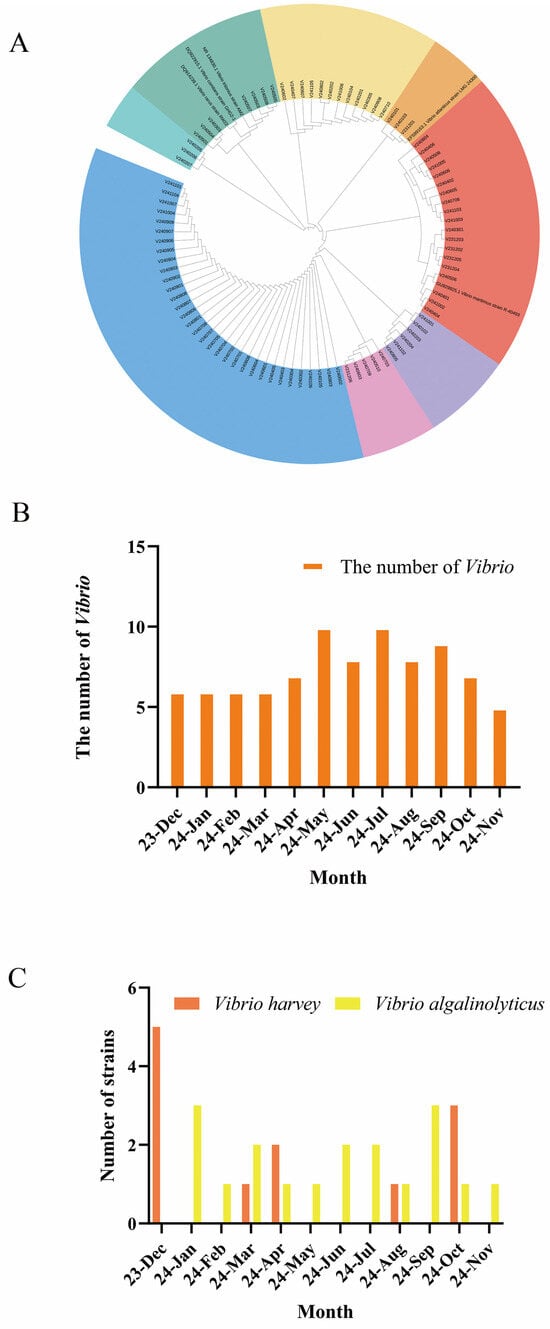
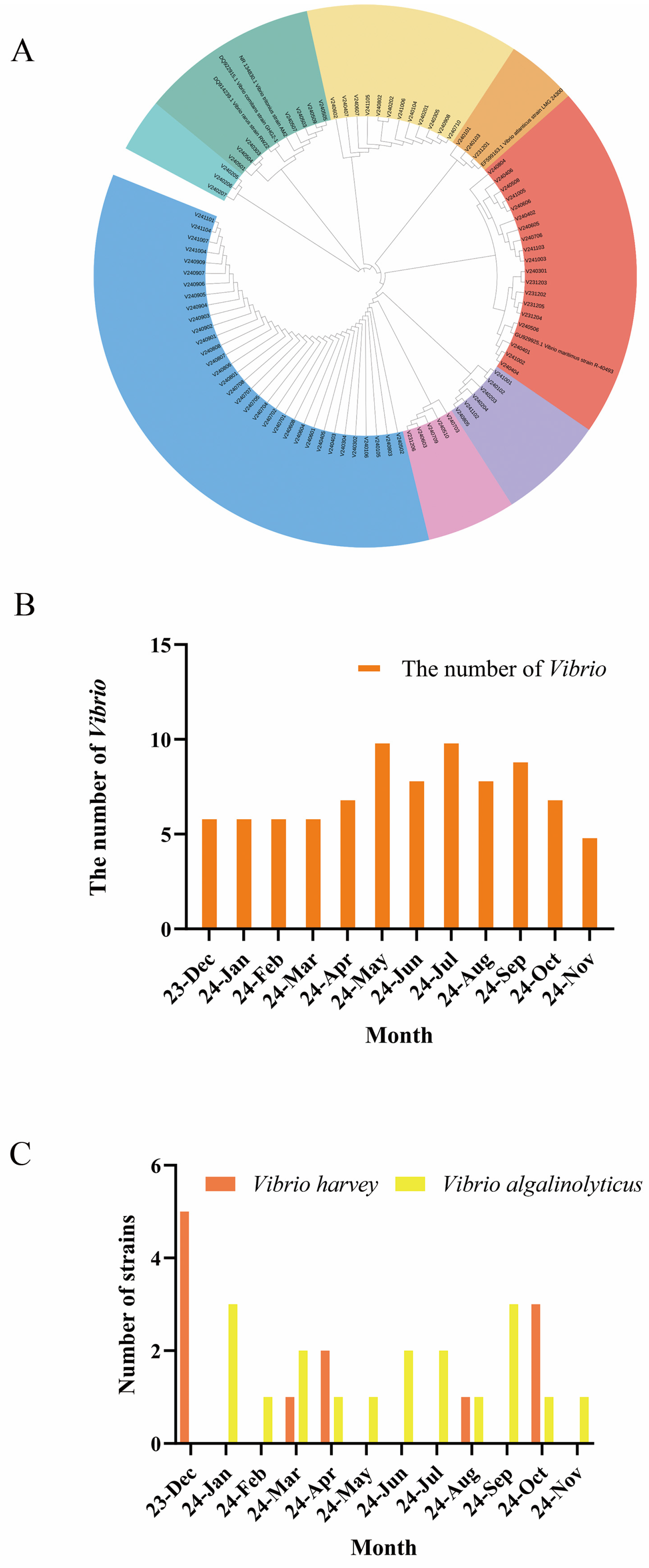
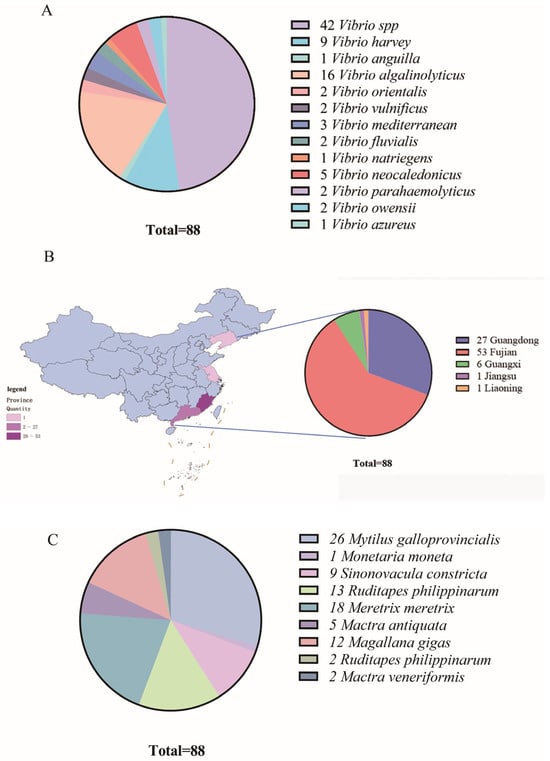
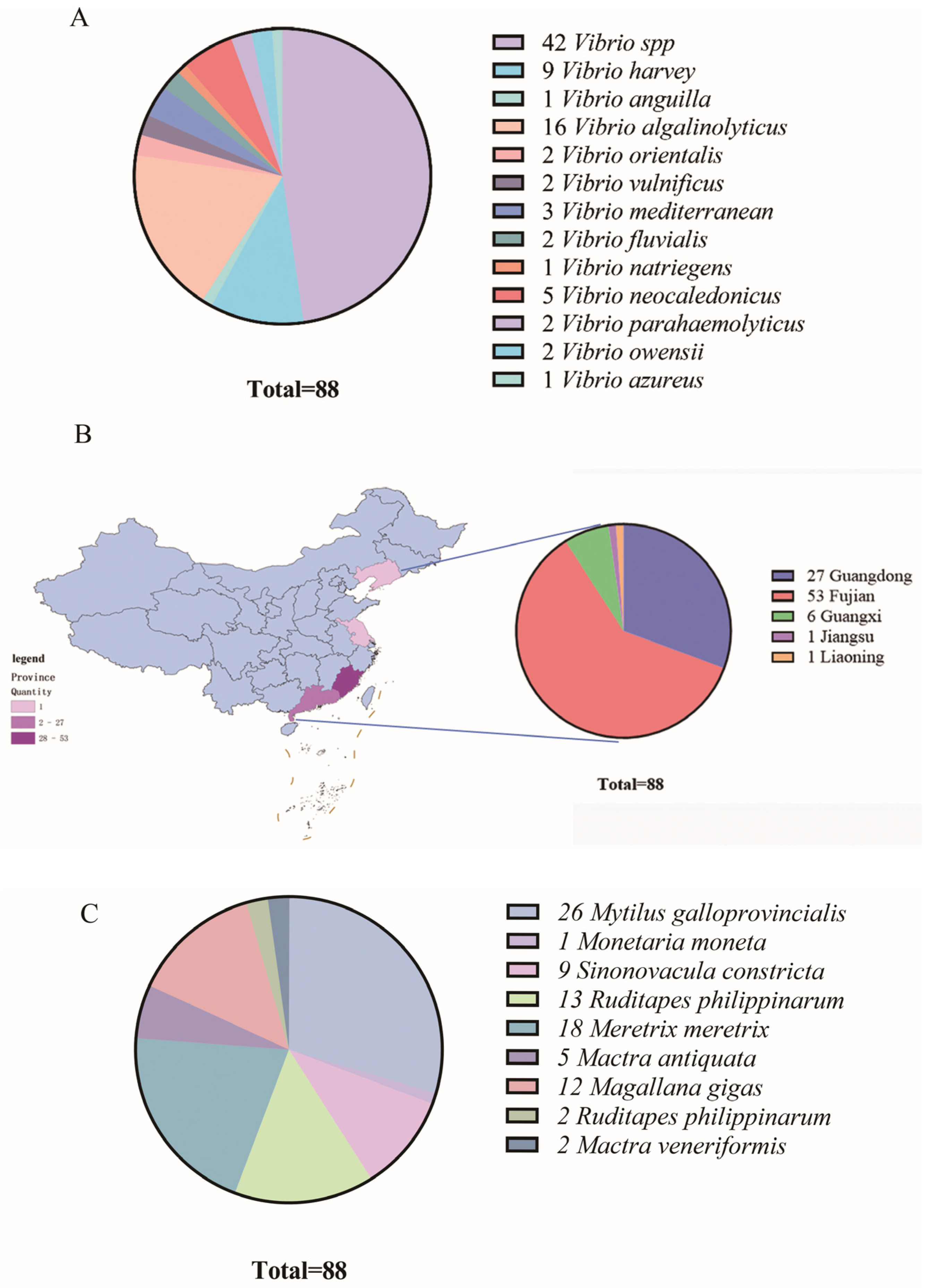
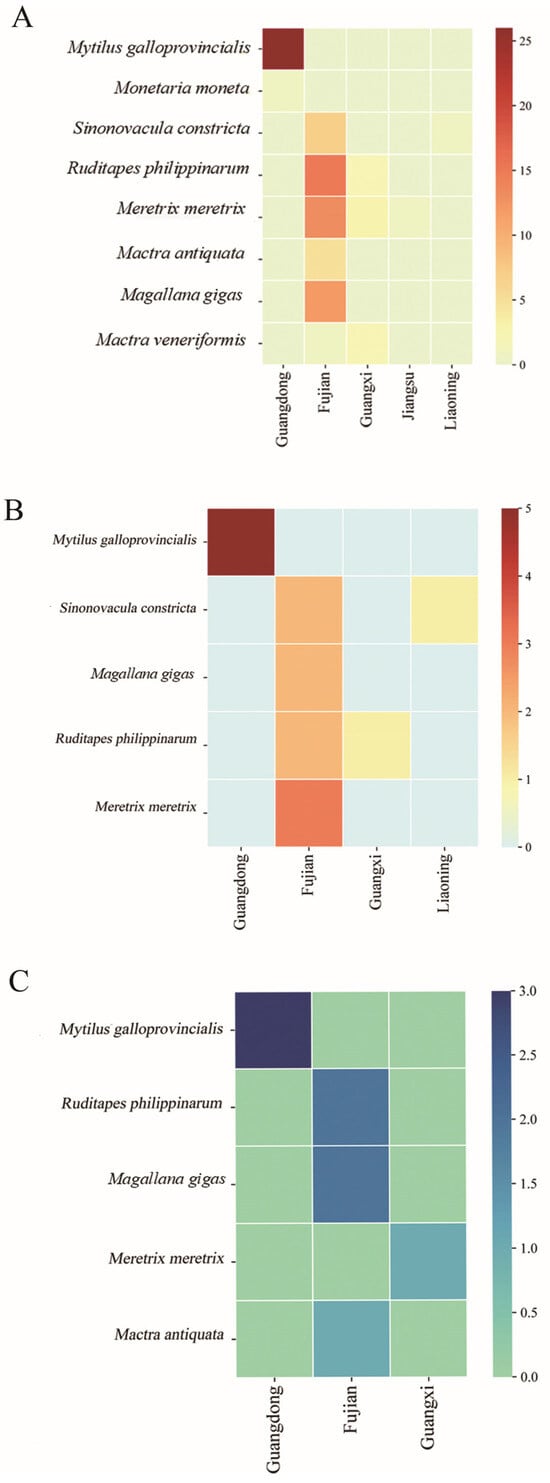
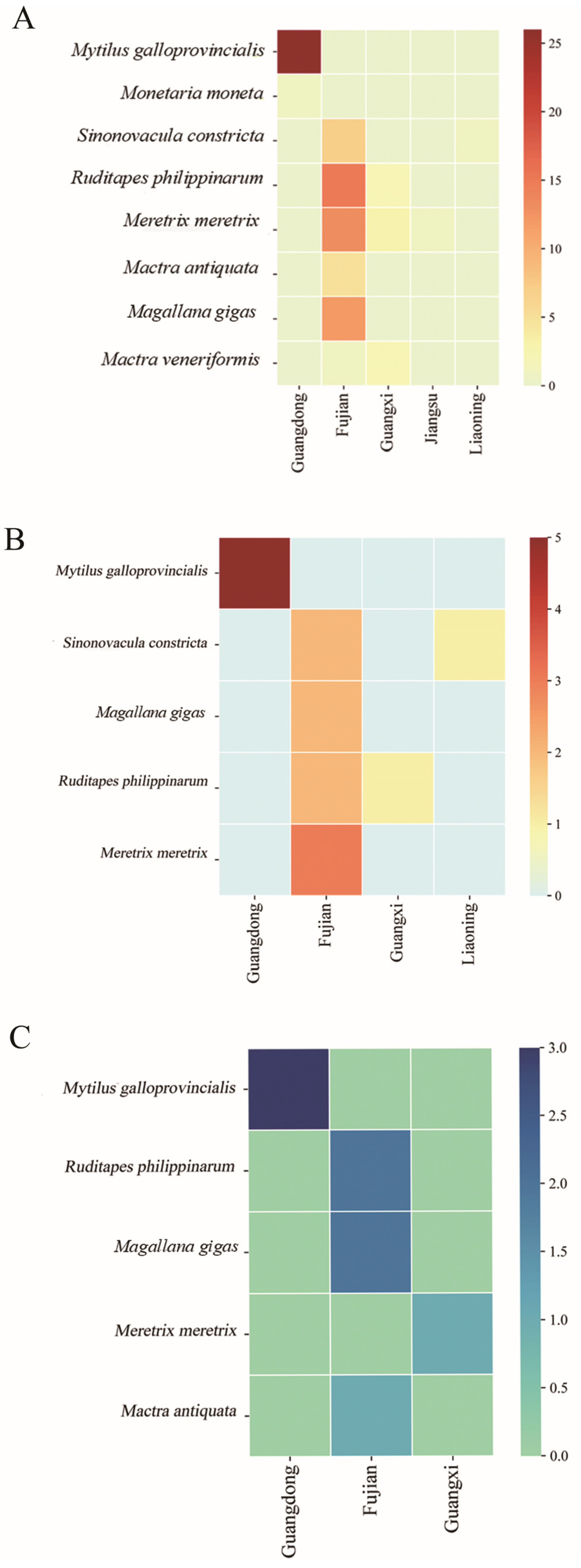
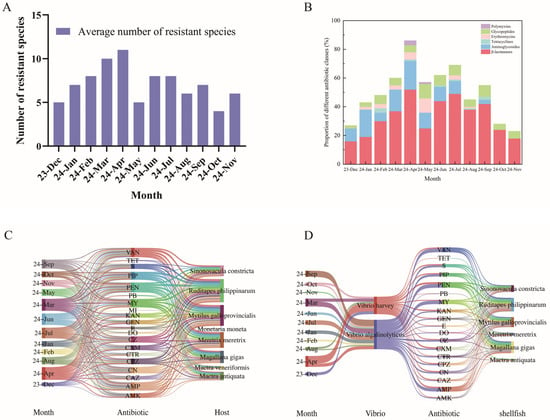
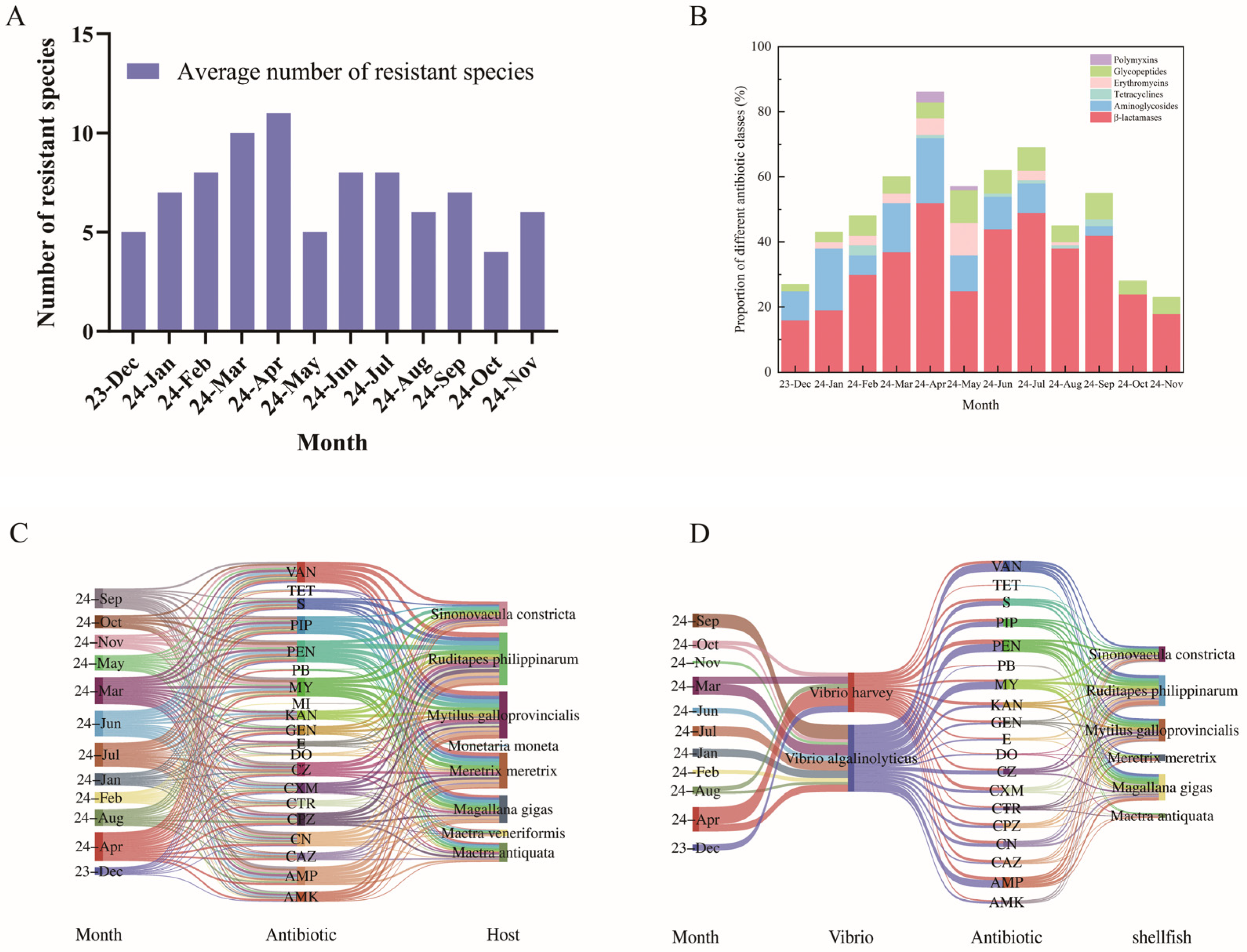
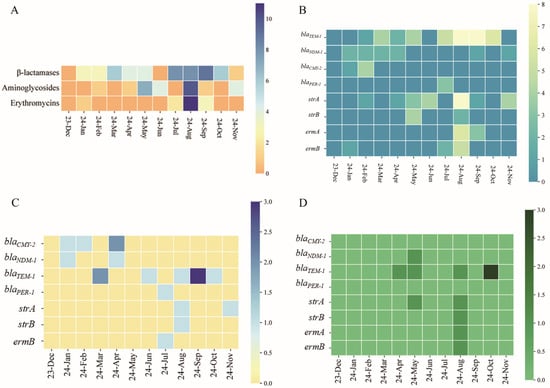
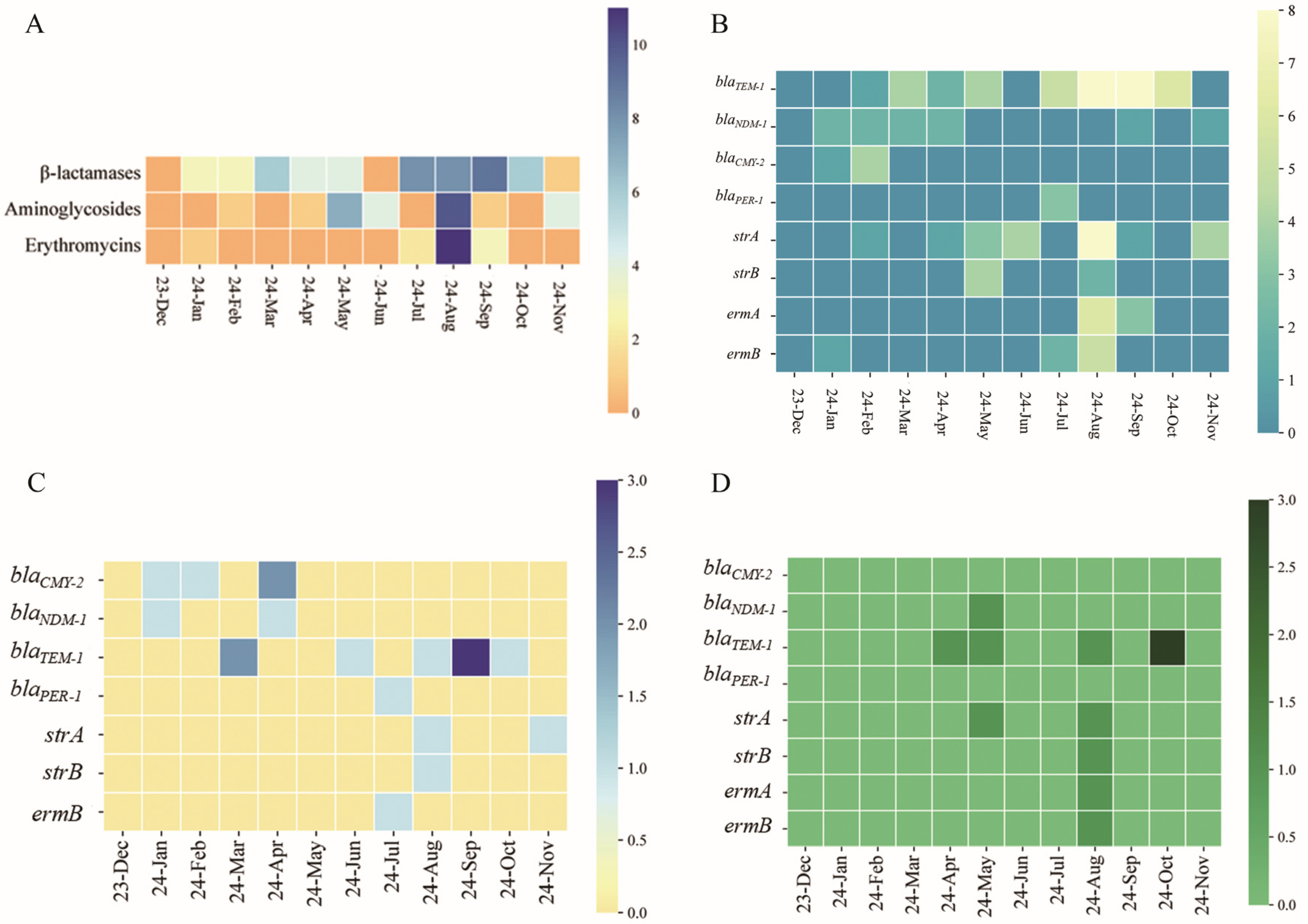
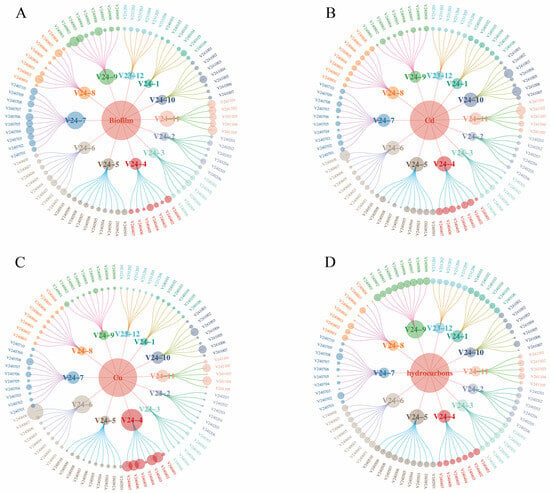
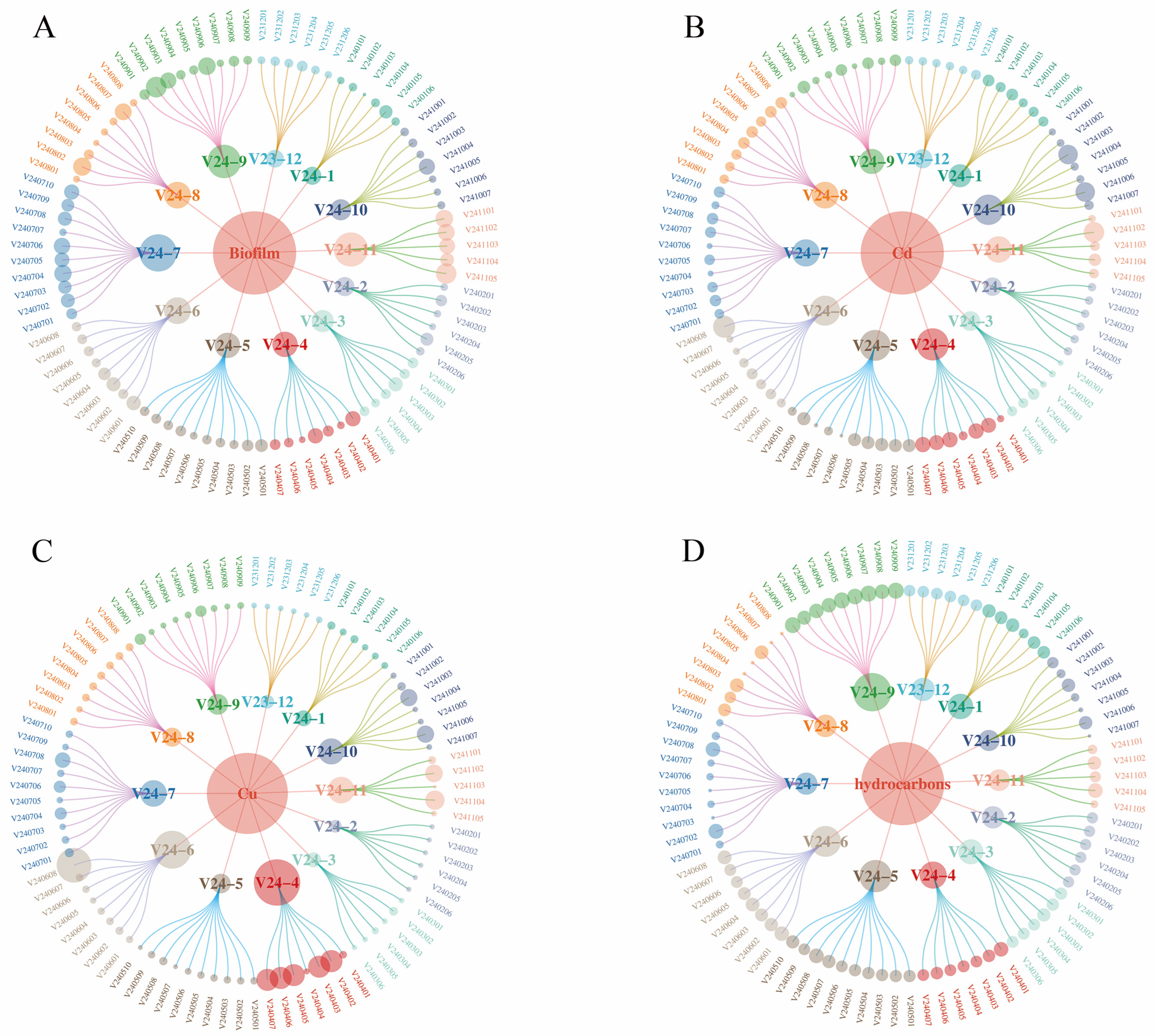
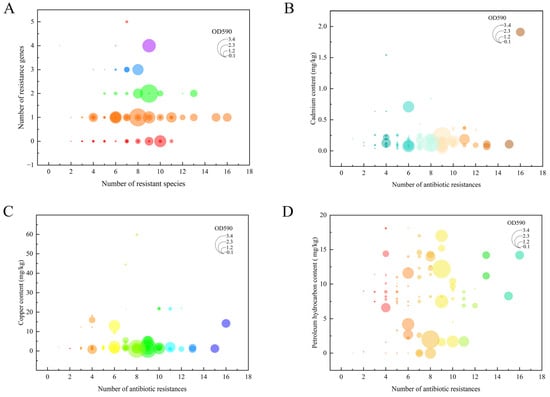
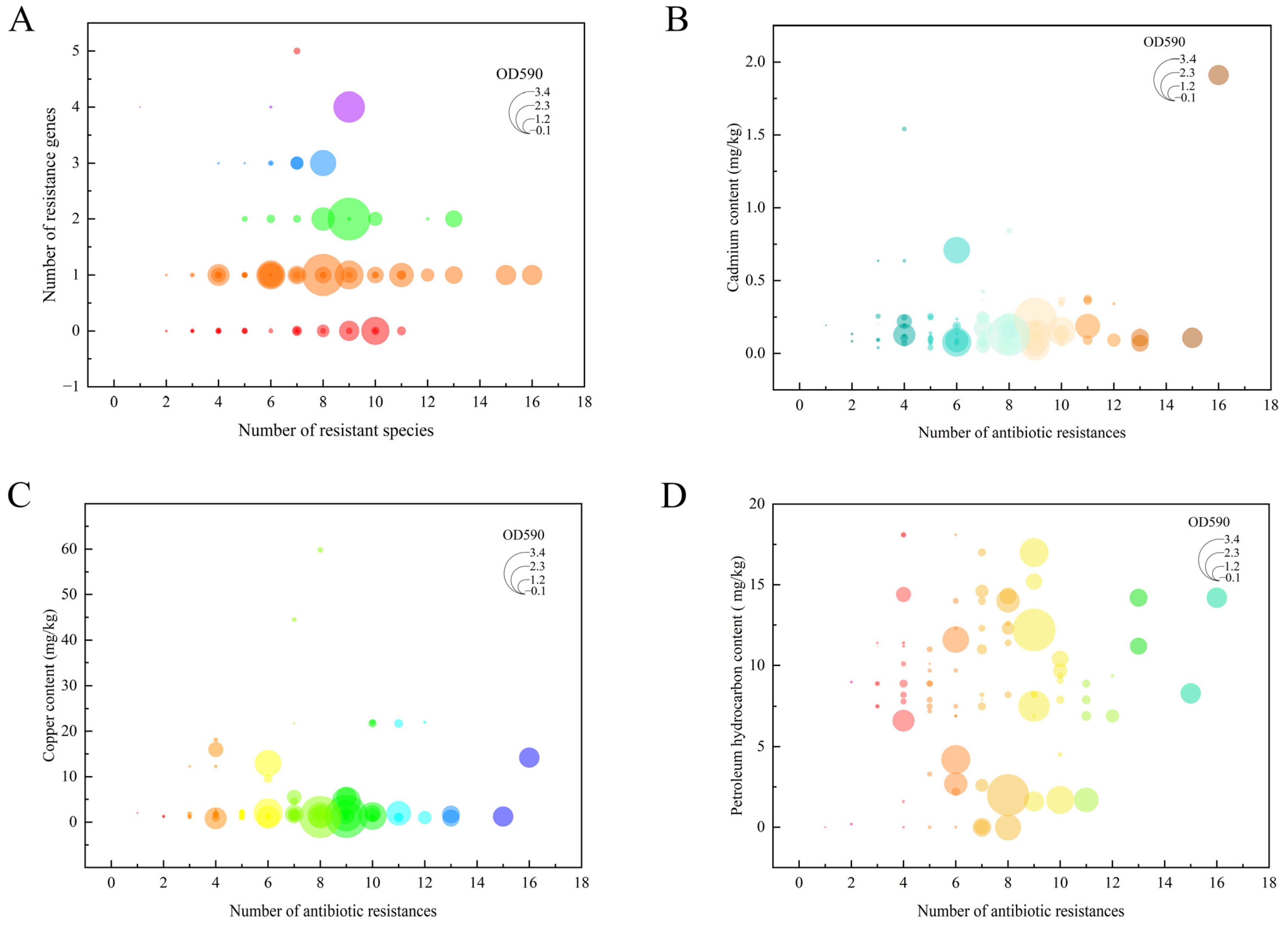
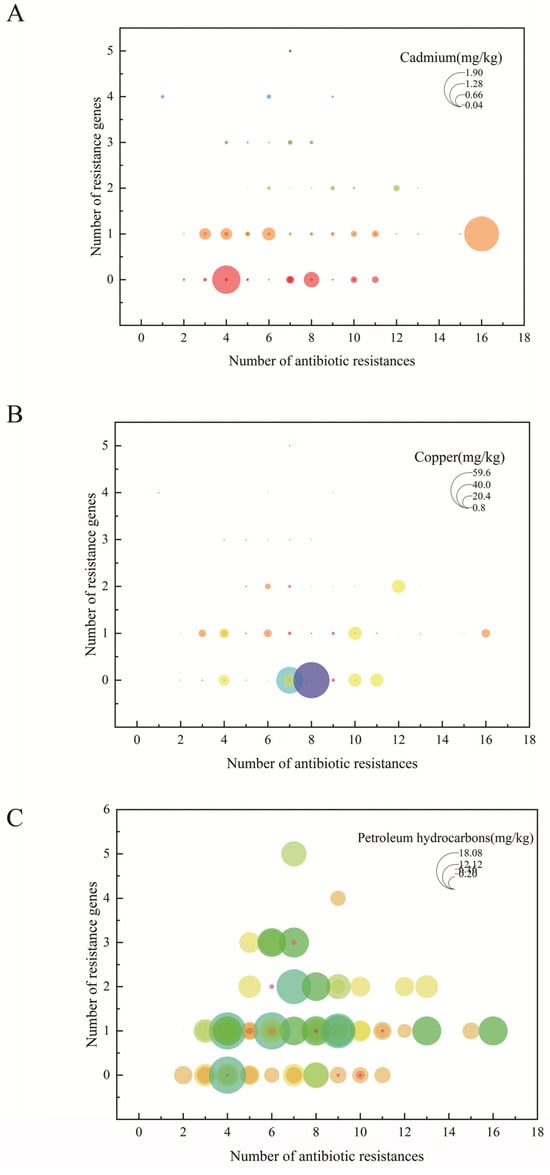
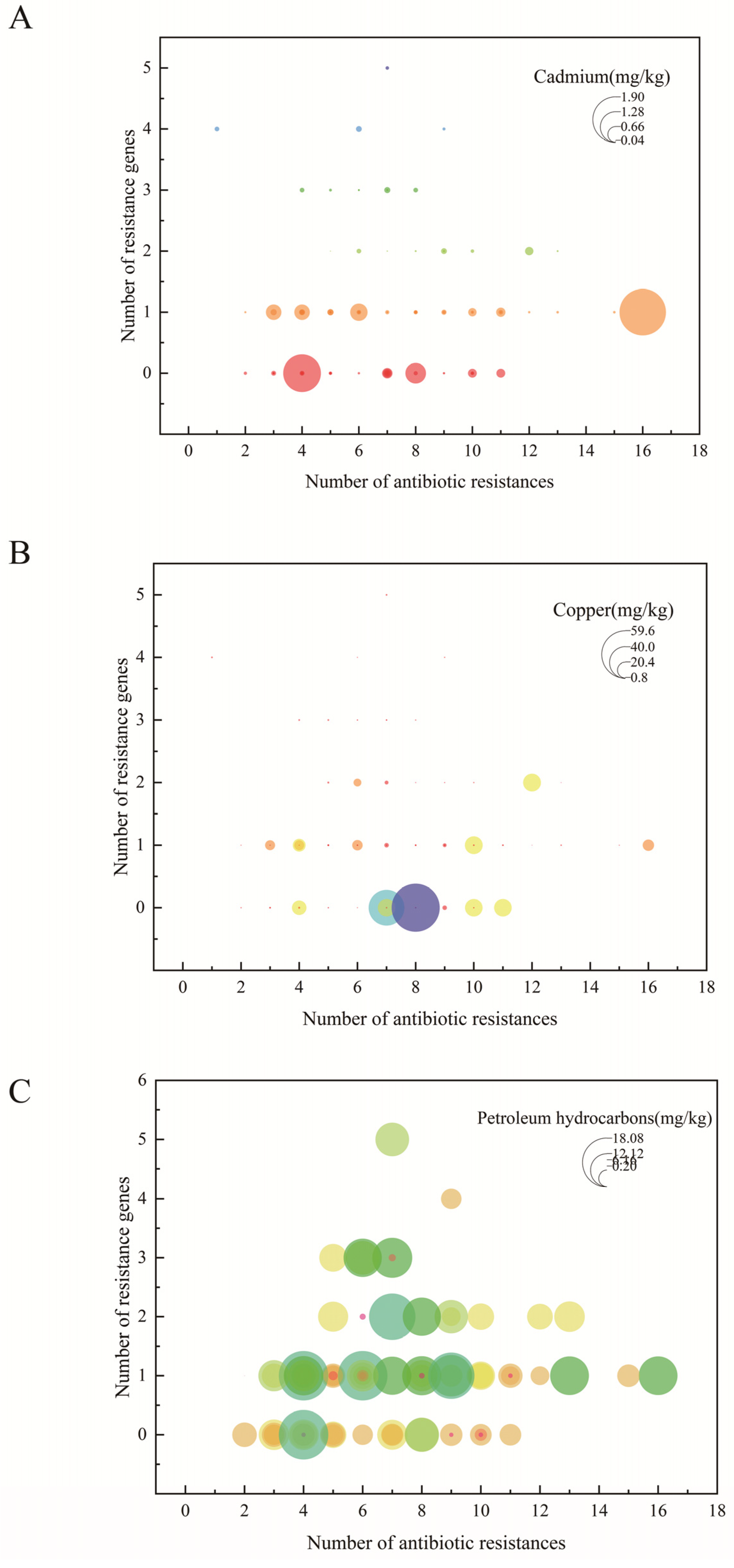

Disclaimer/Publisher’s Note: The statements, opinions and data contained in all publications are solely those of the individual author(s) and contributor(s) and not of MDPI and/or the editor(s). MDPI and/or the editor(s) disclaim responsibility for any injury to people or property resulting from any ideas, methods, instructions or products referred to in the content. |
© 2025 by the authors. Licensee MDPI, Basel, Switzerland. This article is an open access article distributed under the terms and conditions of the Creative Commons Attribution (CC BY) license (https://creativecommons.org/licenses/by/4.0/).