Article

Effects of Mint Oils on the Human Oral Microbiome: A Pilot Study
1
Department of Botany and Microbiology, Faculty of Science, Suez University, Suez 43518, Egypt
2
Department of Microbiology & Immunology, College of Pharmacy, Suez Canal University, Ismailia 43221, Egypt
3
Department of Zoology, Faculty of Science, Suez University, Suez 43533, Egypt
4
dōTERRA International, Pleasant Grove, UT 84062, USA
*
Authors to whom correspondence should be addressed.
Microorganisms 2024, 12(8), 1538; https://doi.org/10.3390/microorganisms12081538

Submission received: 30 May 2024 / Revised: 17 July 2024 / Accepted: 24 July 2024 / Published: 27 July 2024
(This article belongs to the Section Medical Microbiology)

Abstract

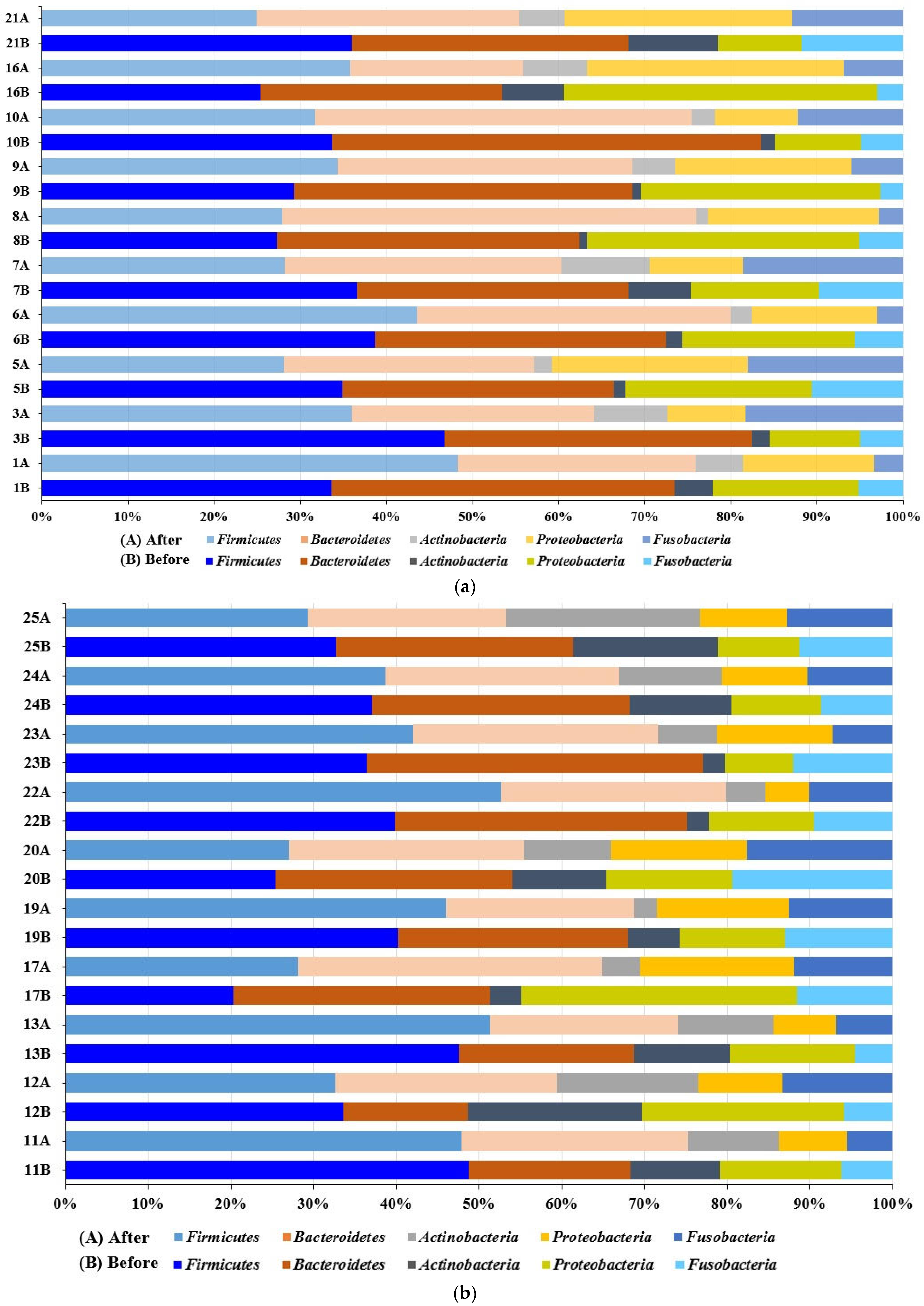
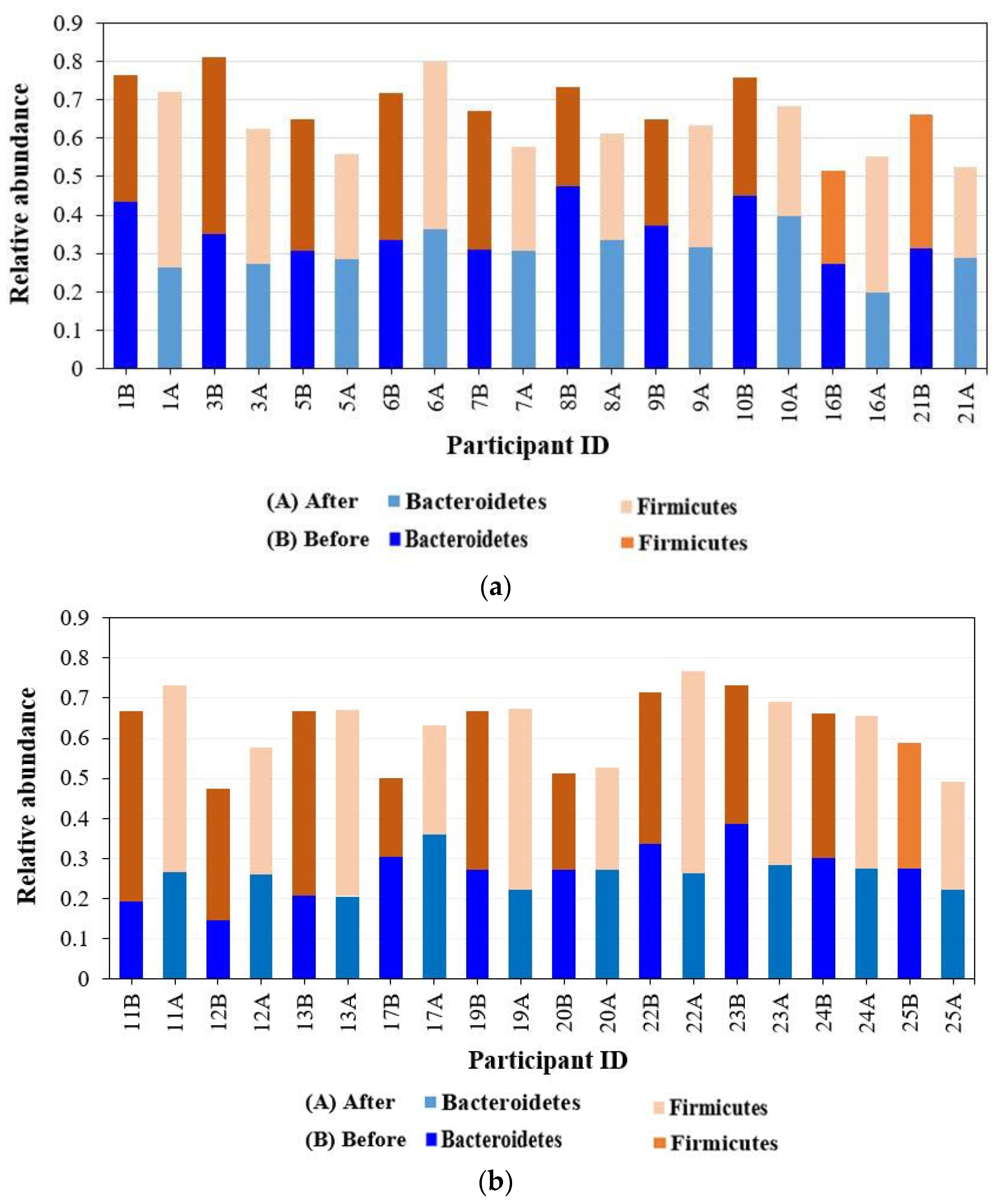
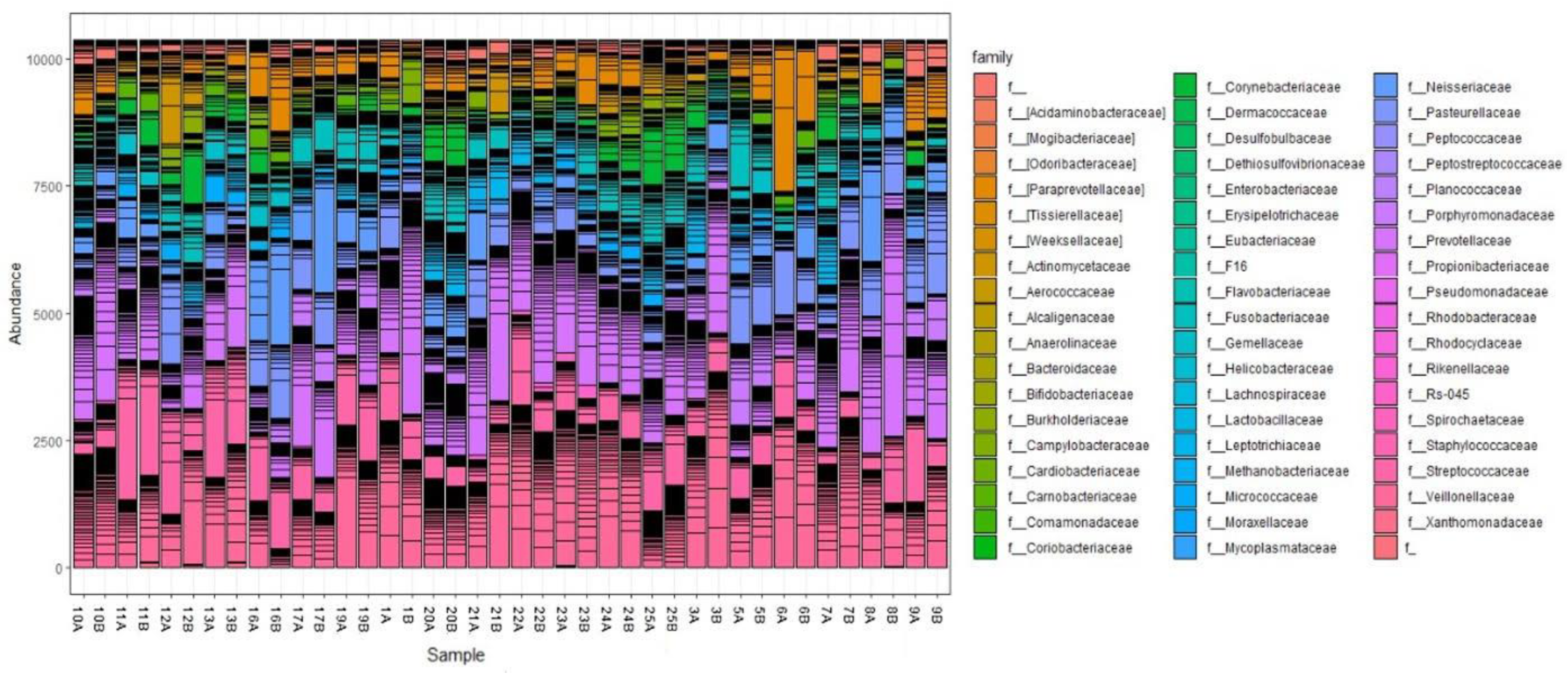
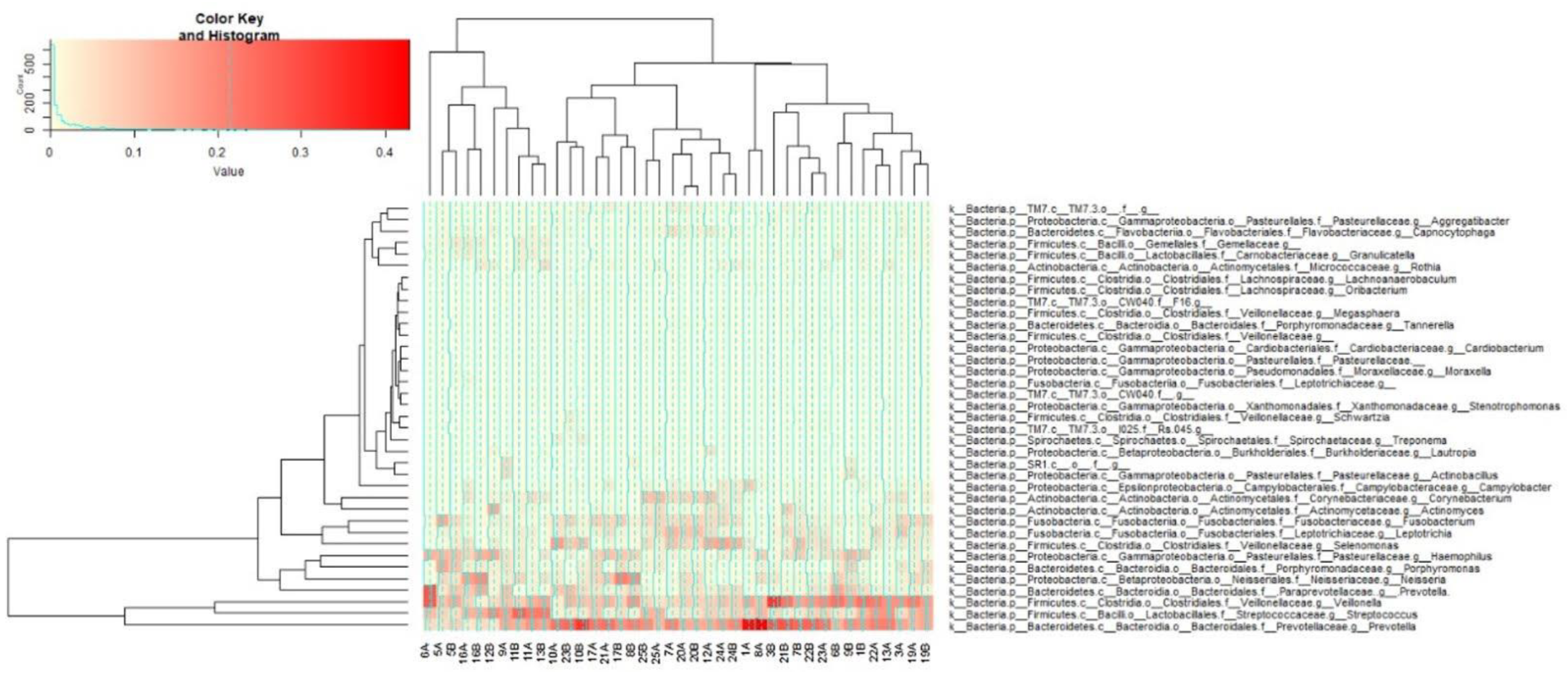
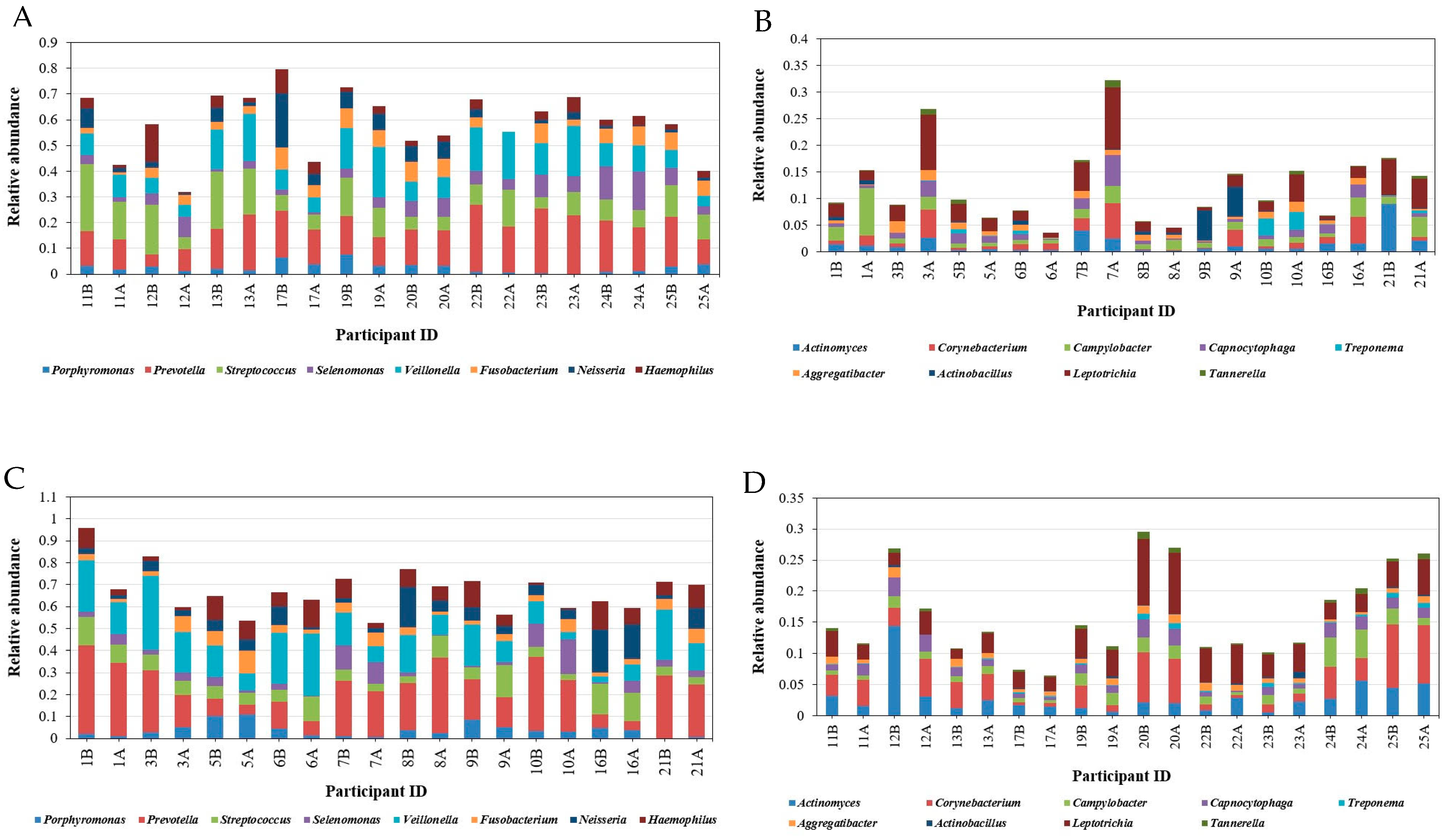
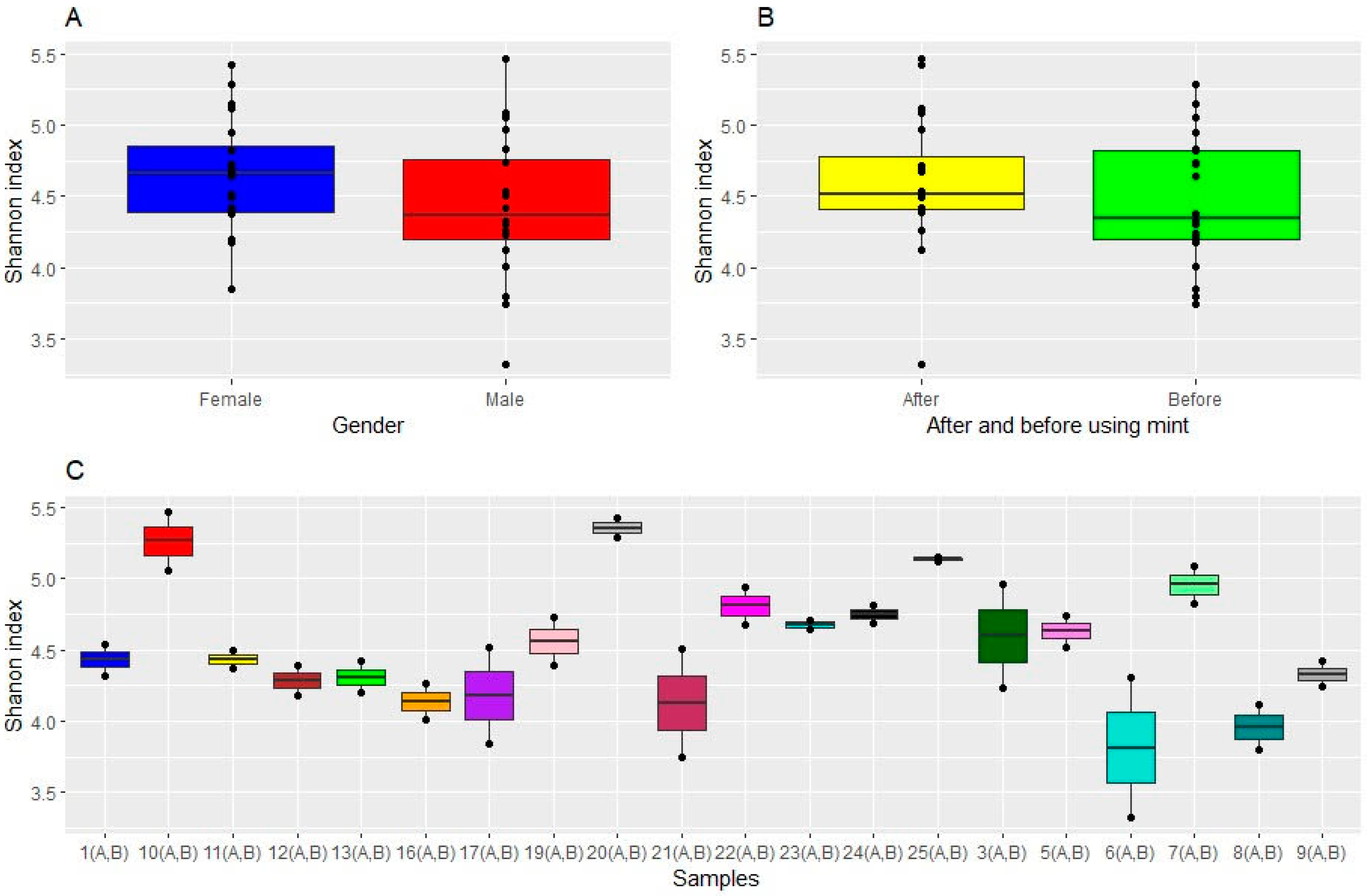
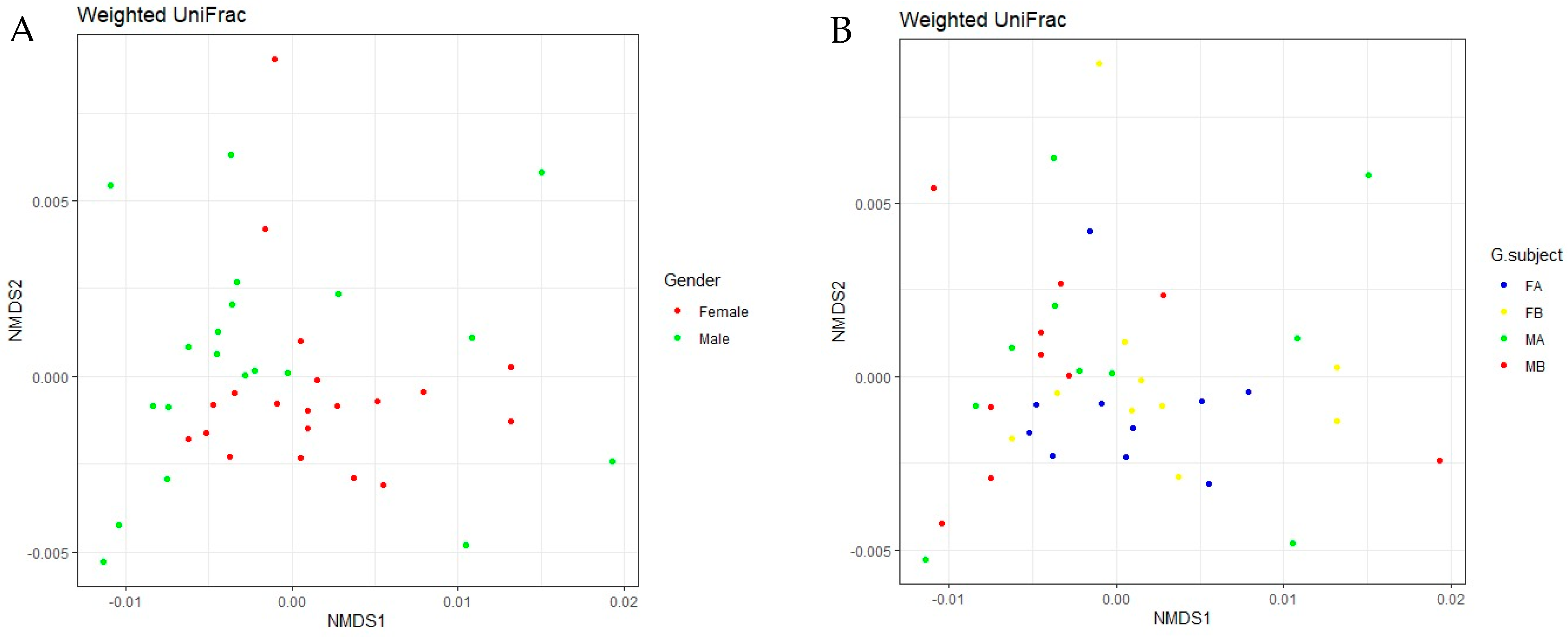
The oral microbiome is a diverse and complex ecosystem essential for maintaining oral and systemic health. Our study is the first to define the oral microbial community in Egyptian young adults and investigate the effects of natural antimicrobials on the oral microbiome. SuperMint (SM) is a proprietary blend of peppermint, Japanese mint, bergamot mint, and spearmint essential oils encapsulated in a tiny soft beadlet. This work aimed to evaluate the effects of SM beadlets on the oral microbiome. This study recruited twenty healthy participants. A baseline investigation of the oral microbiome of the selected participants was performed by collecting saliva and swab samples before treatment. Treatment included chewing four SM beadlets twice a day for 7 days, and then, post-administration saliva and swab samples were collected at the end of treatment. The oral microbiome samples were analyzed by the high-throughput amplicon sequencing of 16S rRNA gene fragments, and the community composition was determined. The results showed that the abundance of some microbial genera and families decreased after using SM, including Prevotella, Streptococcus, Neisseria, and Haemophilus. However, some genera showed inconsistent patterns. We also found that the subject’s gender and SM usage were significantly associated with diverse microbial composition. The results suggest that SM treatment decreased the abundance of several bacteria associated with halitosis and periodontal diseases, such as Actinomyces and Streptococcus. Furthermore, Corynebacterium species increased and Streptococcus decreased after SM usage. More research is needed to fully understand the antimicrobial effects of mint oils and their potential applications in maintaining good oral health.
Keywords: baseline study; halitosis; oral microbiome; periodontal diseases; Mentha piperita EO; Mentha canadensis EO; Mentha citrata EO; Mentha spicata EO baseline study; halitosis; oral microbiome; periodontal diseases; Mentha piperita EO; Mentha canadensis EO; Mentha citrata EO; Mentha spicata EO