Article

Soil Fungal Community Differences in Manual Plantation Larch Forest and Natural Larch Forest in Northeast China


by
Mingyu Wang
1,
Xin Sui
1,*,
Xin Wang
1,*,
Xianbang Zhang
2 and
Xiannan Zeng
3
1
Engineering Research Center of Agricultural Microbiology Technology, Ministry of Education & Heilongjiang Provincial Key Laboratory of Ecological Restoration and Resource Utilization for Cold Region & Key Laboratory of Microbiology, College of Heilongjiang Province & School of Life Sciences, Heilongjiang University, Harbin 150080, China
2
Heilongjiang Zhongyangzhan Black—Billed Capercaillie National Nature Reserve Service Center, Nenjiang 161400, China
3
Institute of Crop Cultivation and Tillage, Heilongjiang Academy of Agricultural Sciences, Harbin 150088, China
*
Authors to whom correspondence should be addressed.
Microorganisms 2024, 12(7), 1322; https://doi.org/10.3390/microorganisms12071322

Submission received: 27 May 2024 / Revised: 12 June 2024 / Accepted: 26 June 2024 / Published: 28 June 2024
(This article belongs to the Special Issue Restoring the Integrated Behaviour of the Soil-Plant-Microbe System)

Abstract

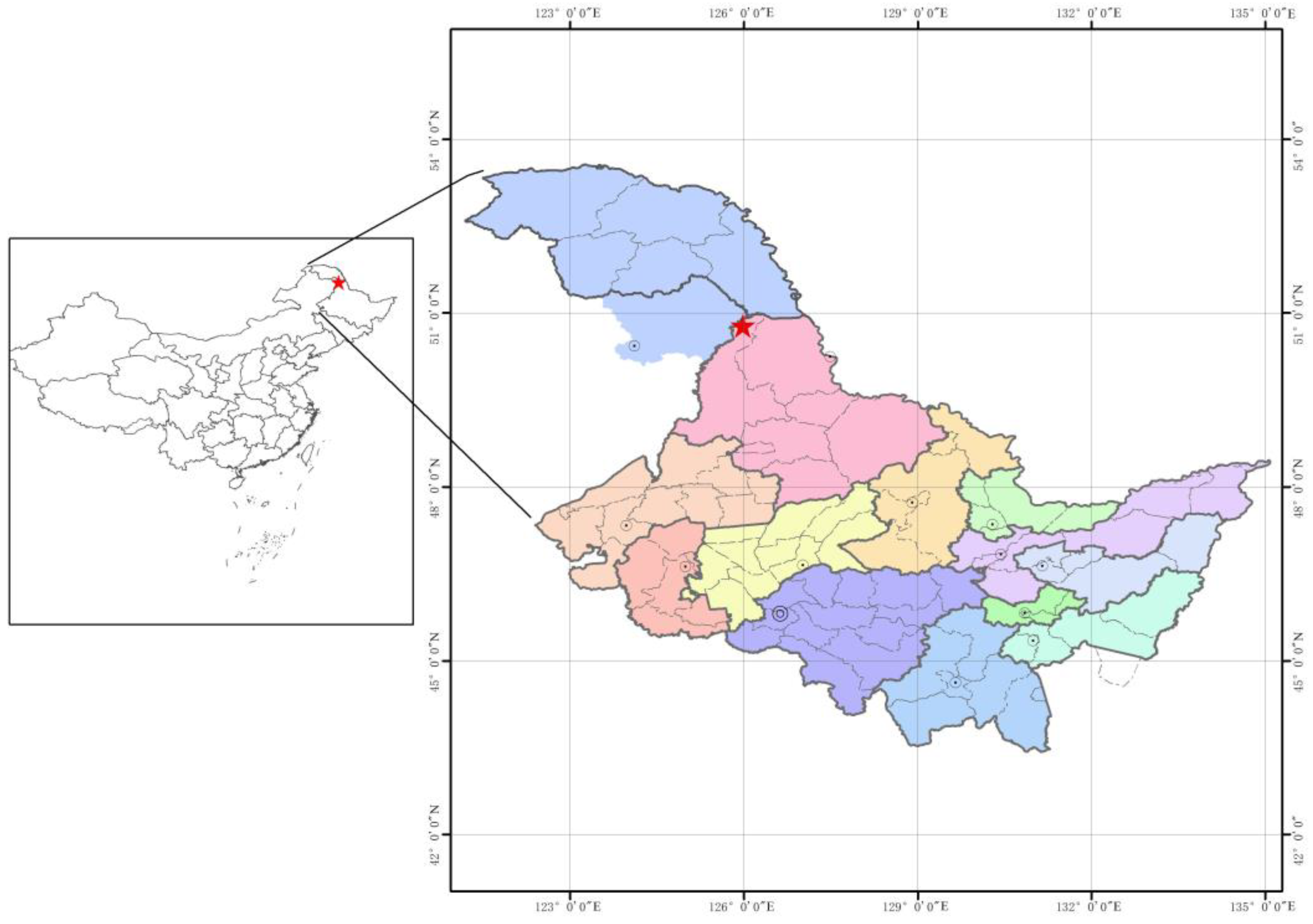
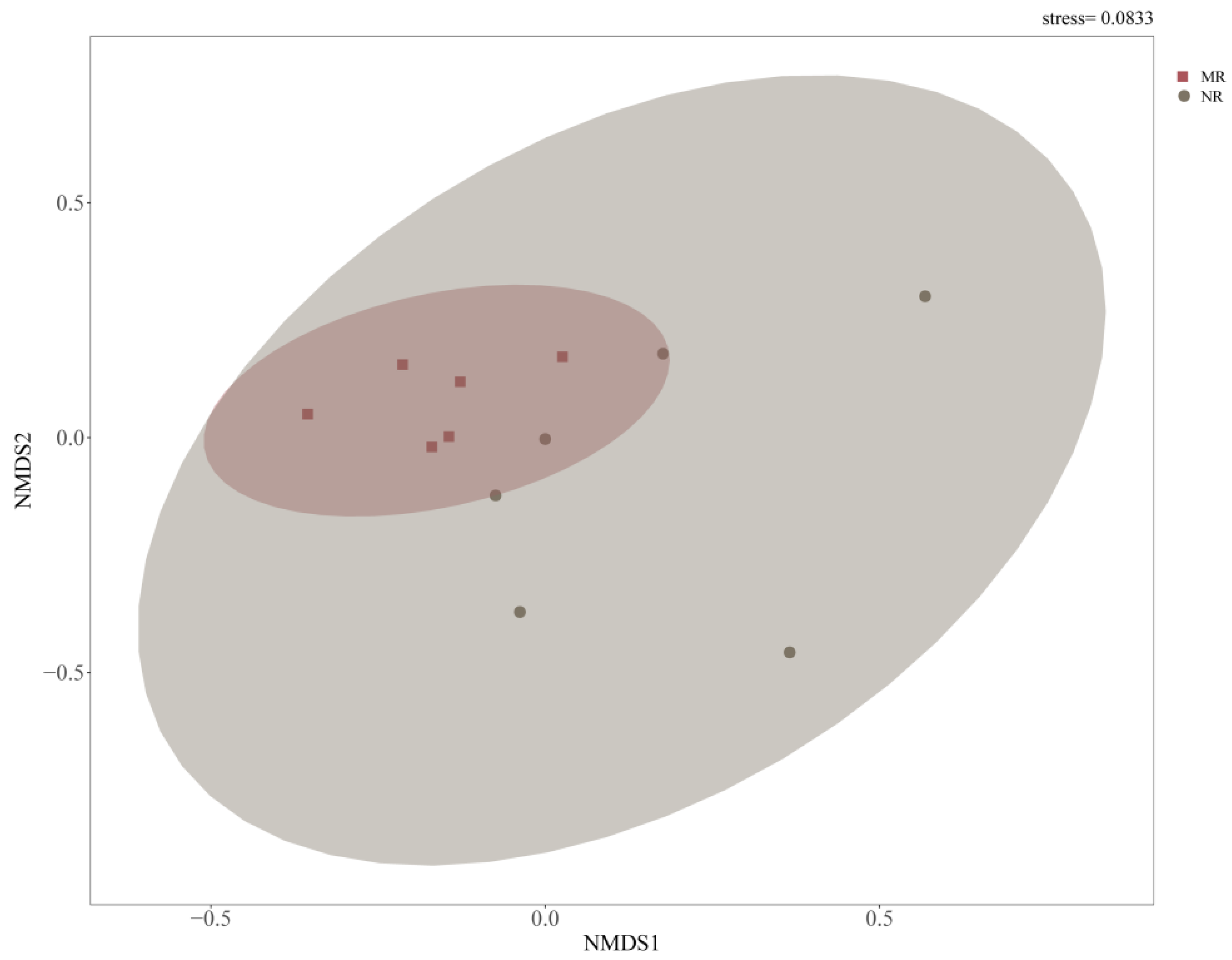
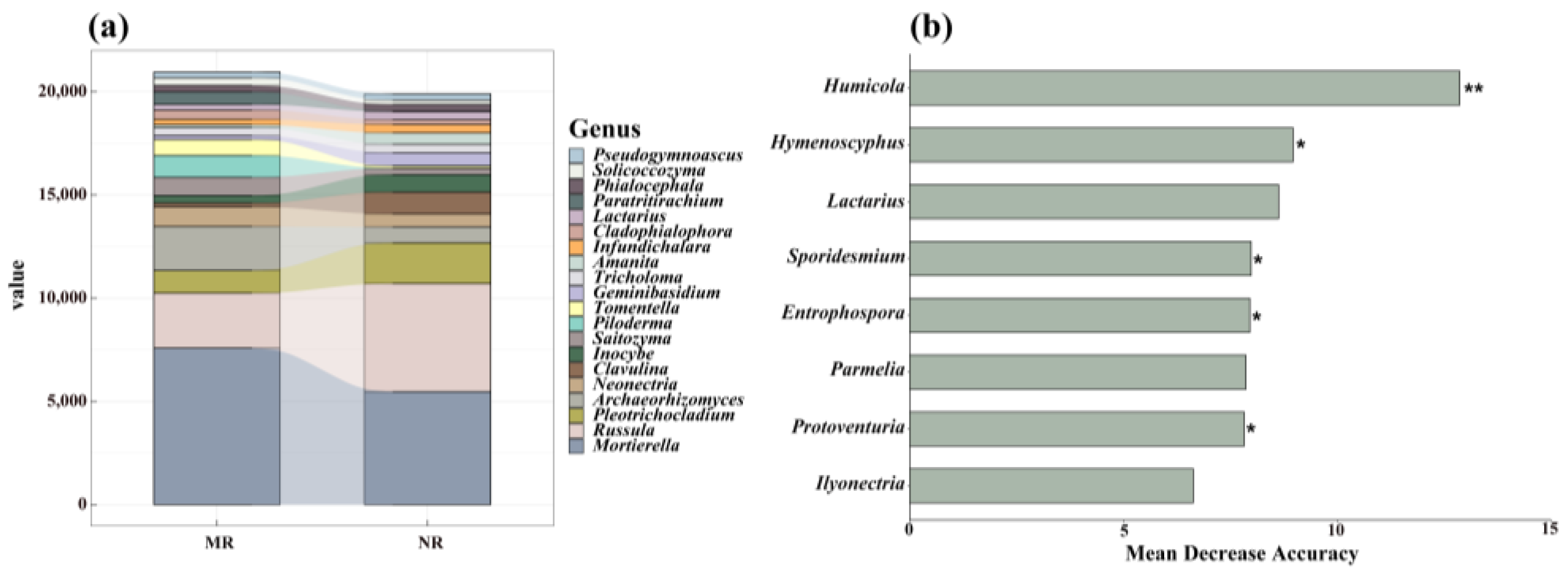
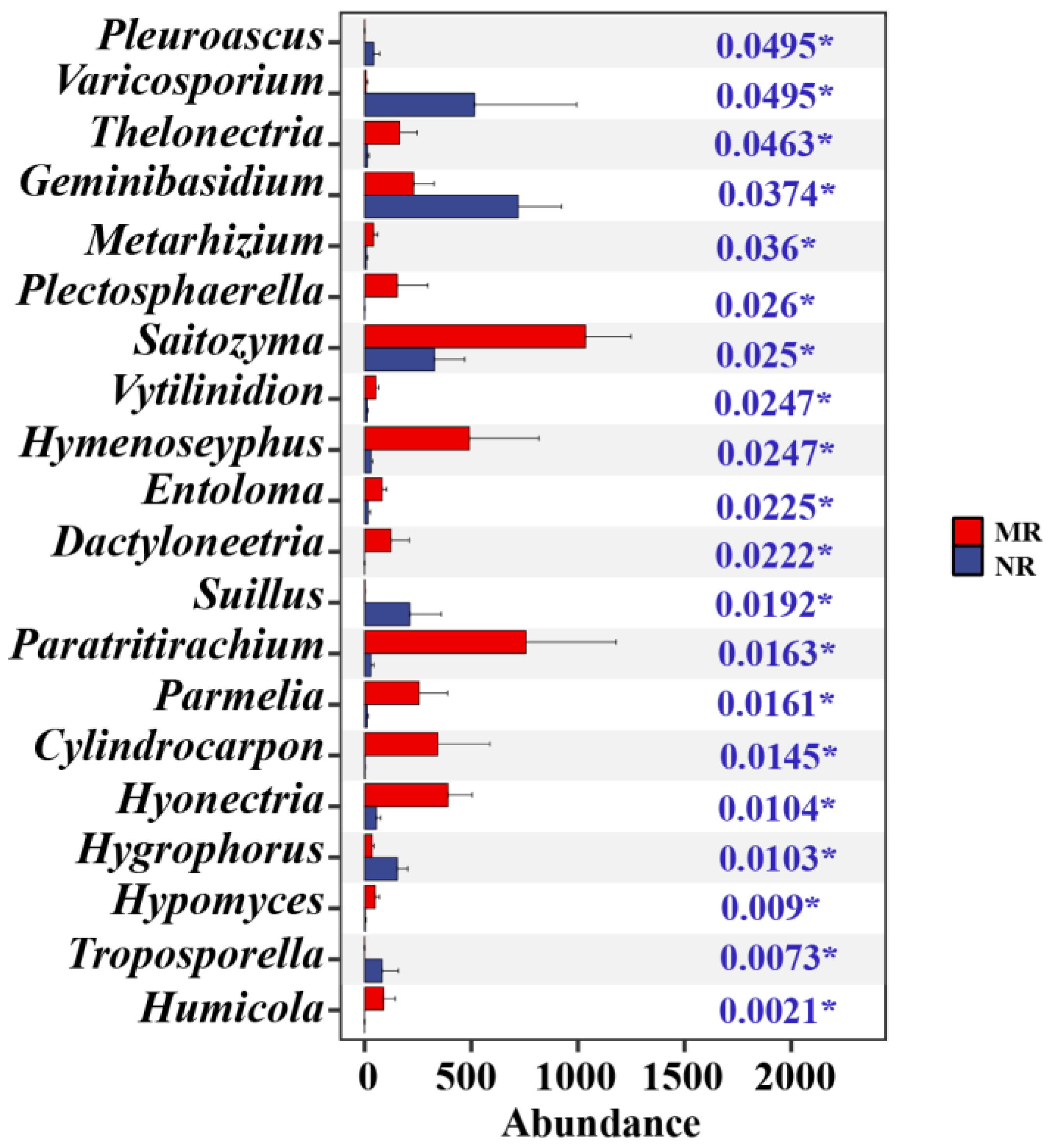
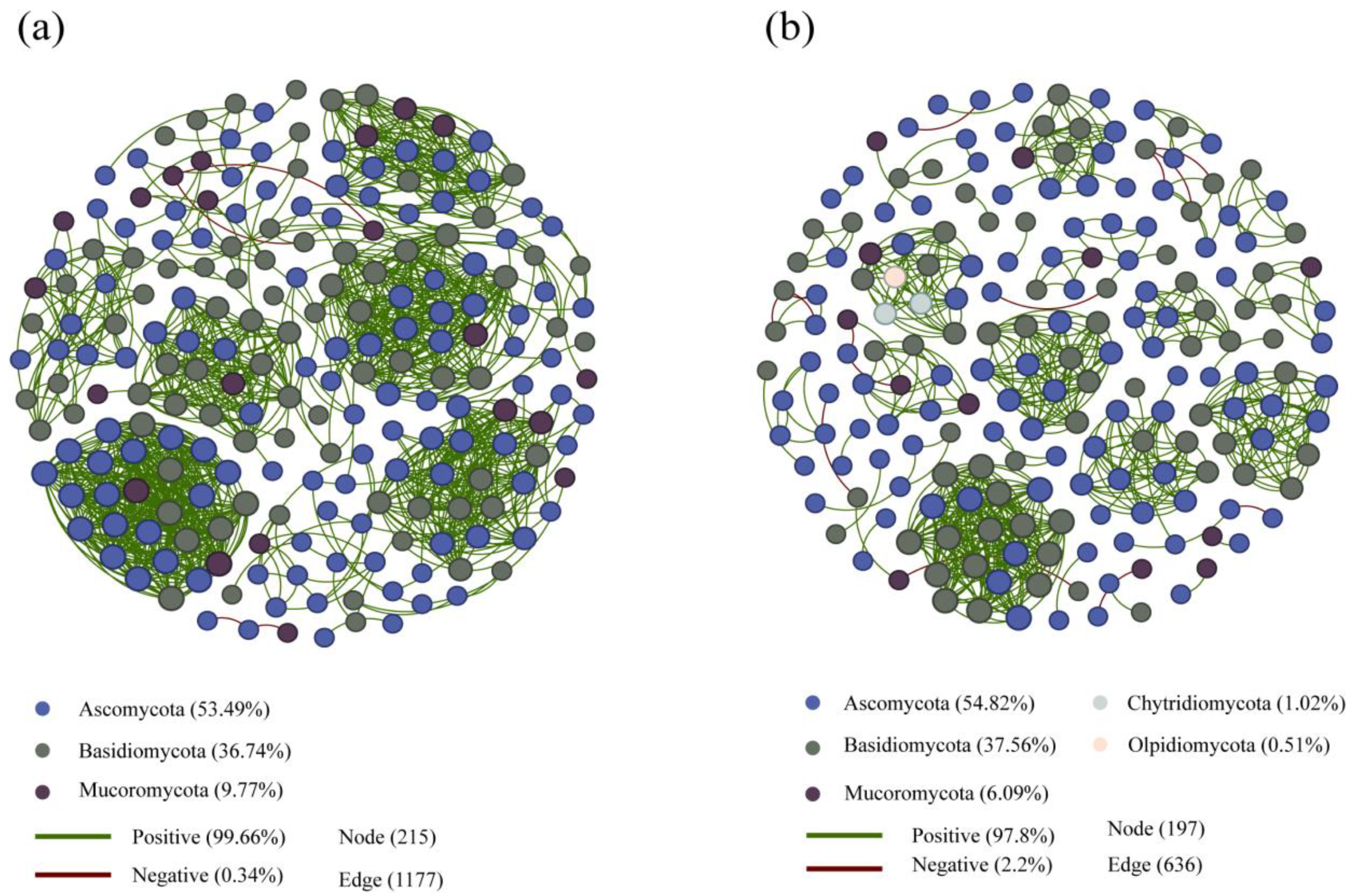
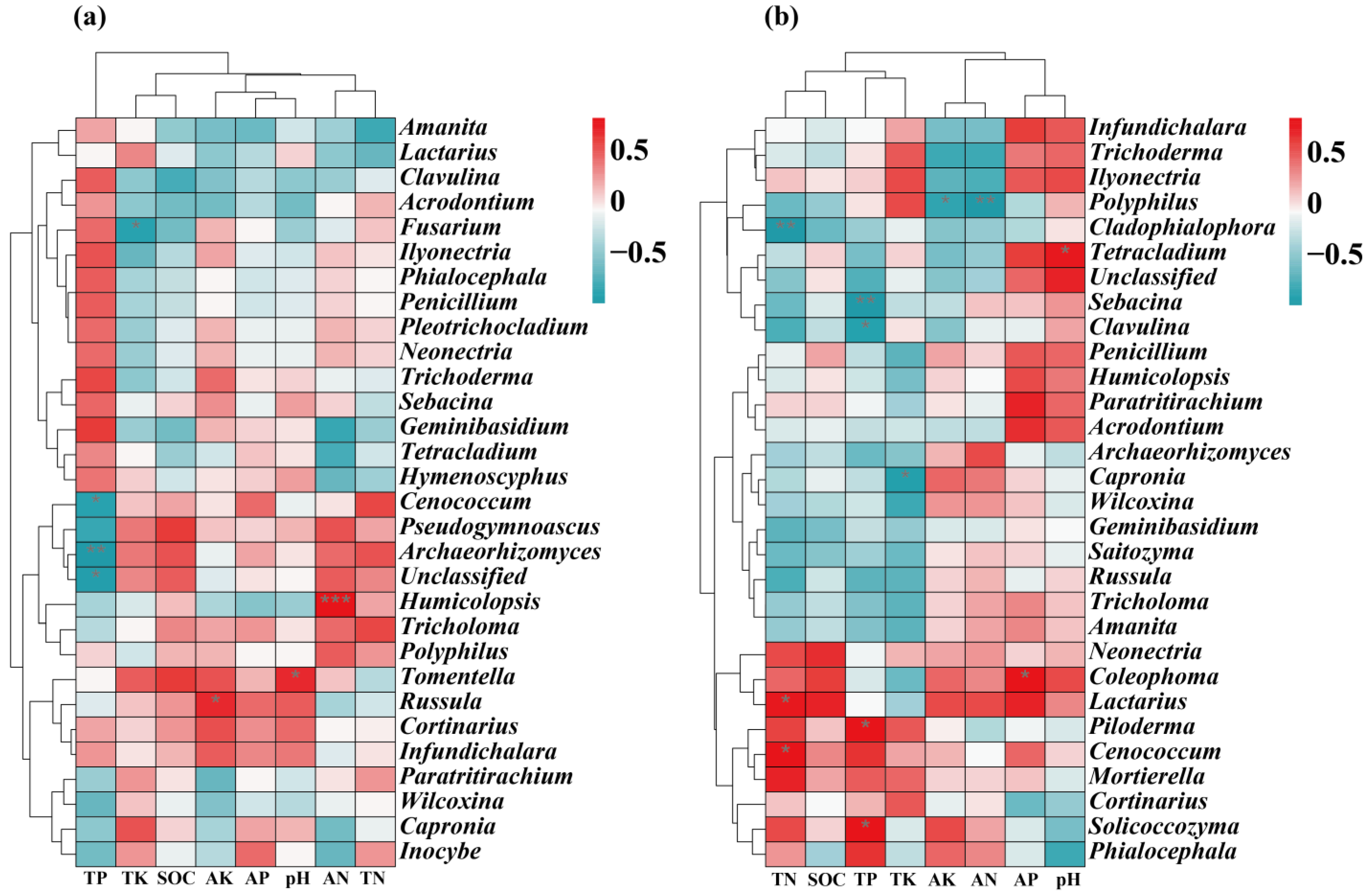
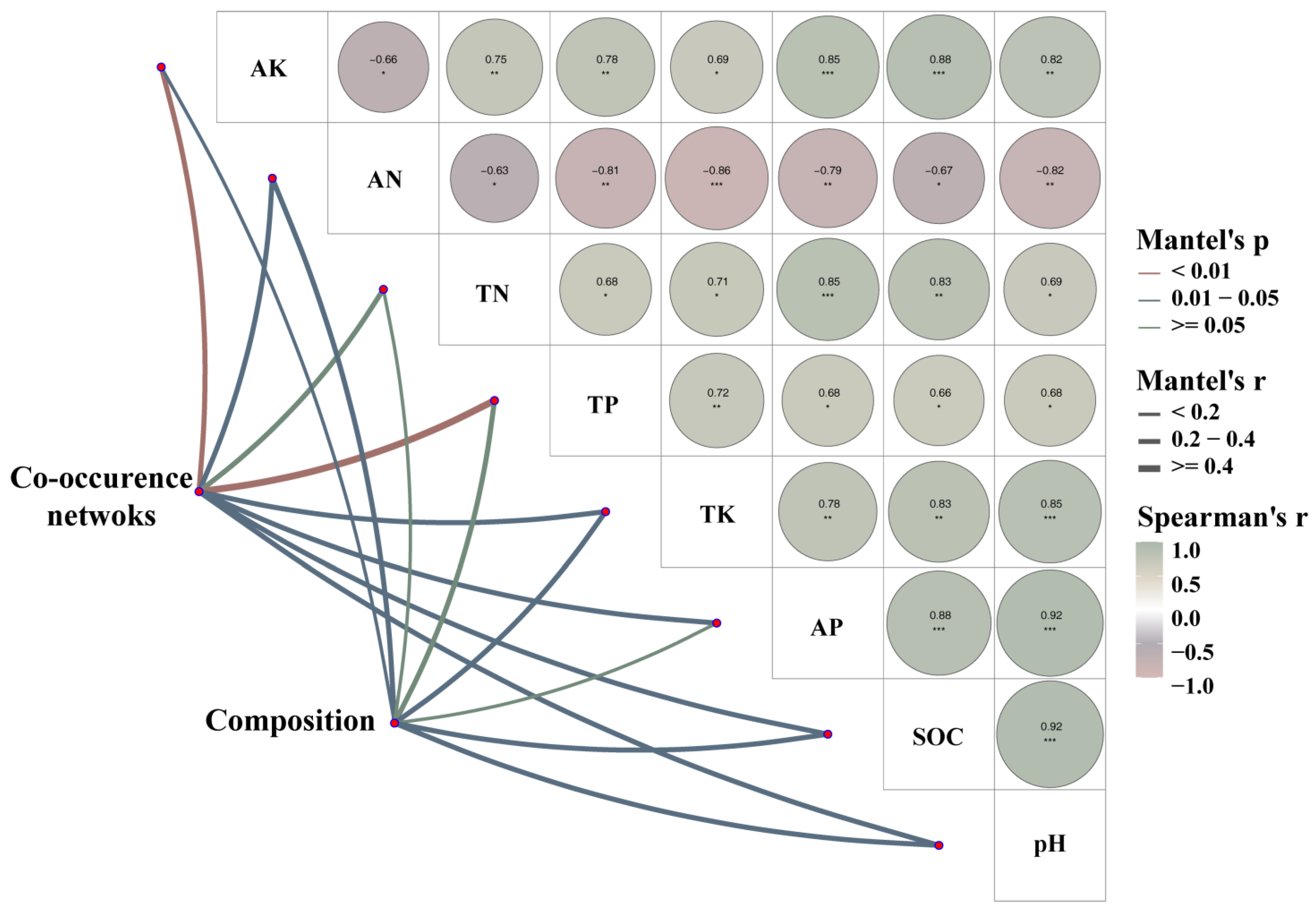
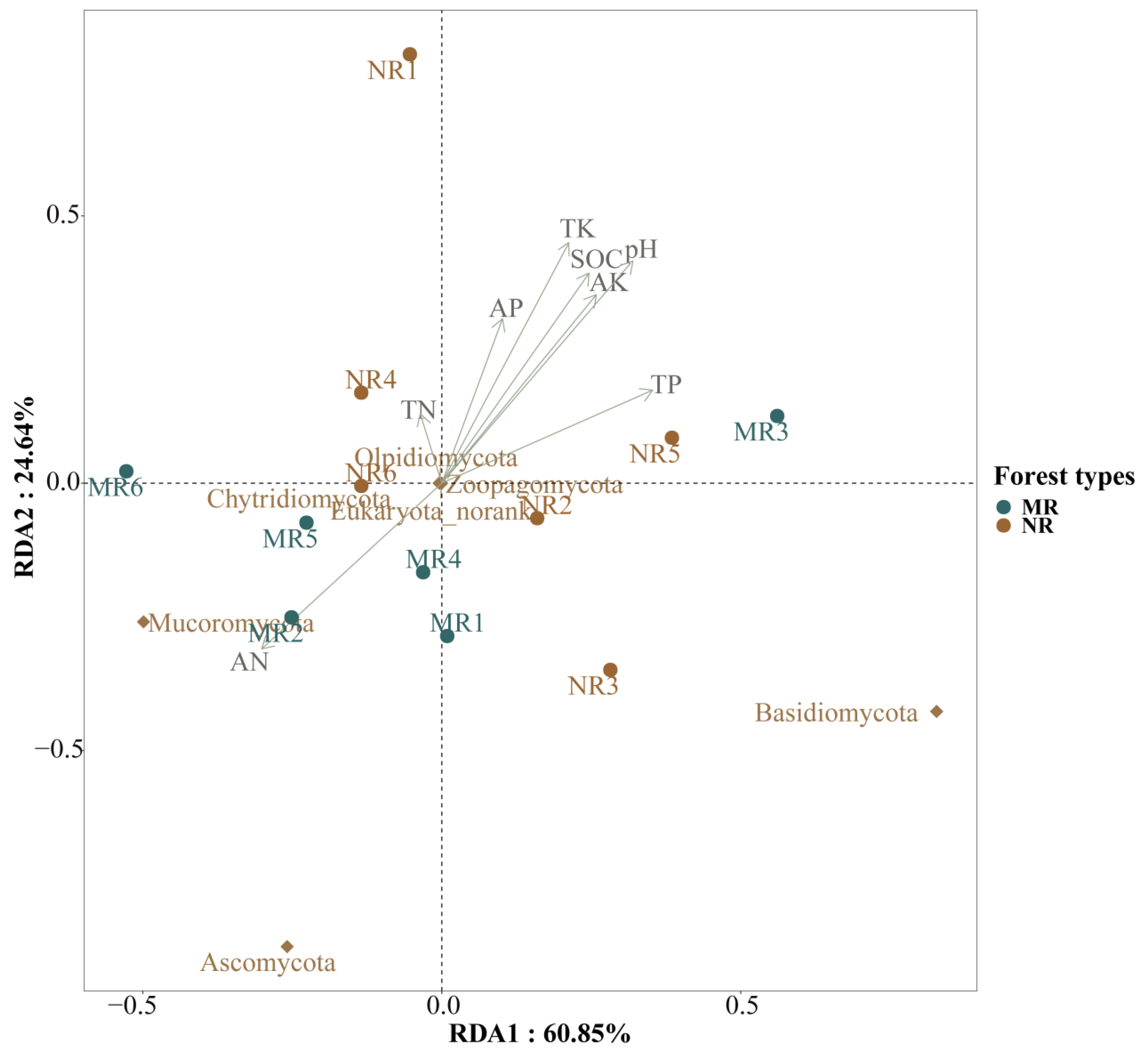
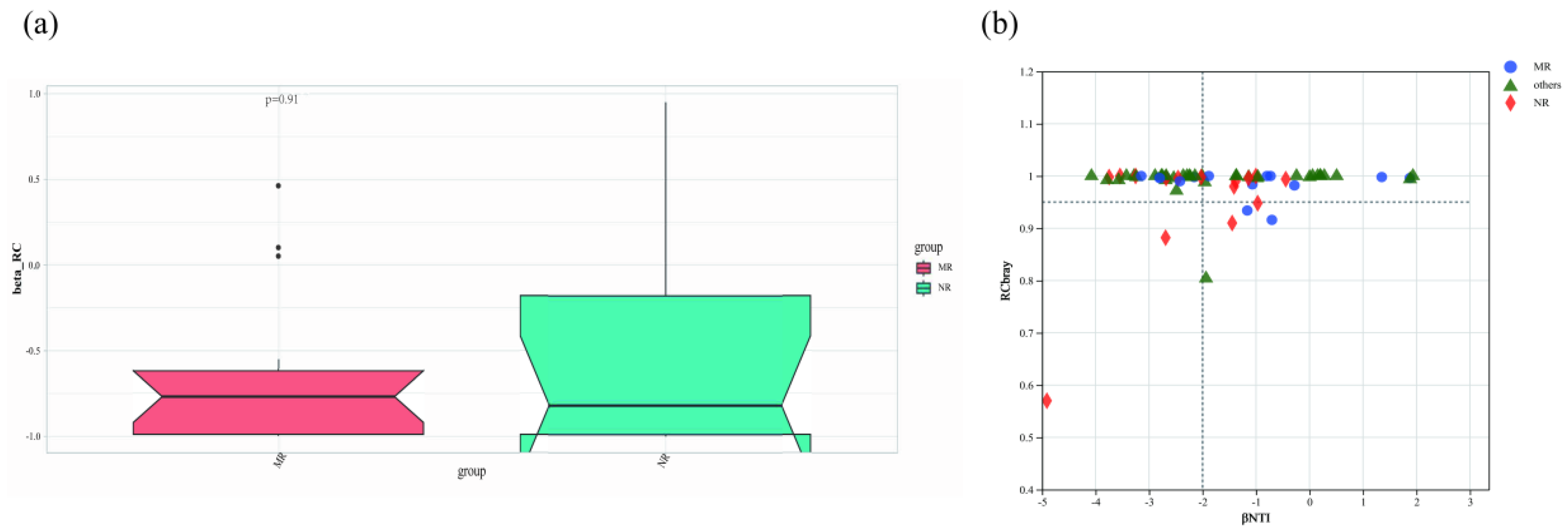
Soil fungal communities are pivotal components in ecosystems and play an essential role in global biogeochemical cycles. In this study, we determined the fungal communities of a natural larch forest and a manual plantation larch forest in Heilongjiang Zhongyangzhan Black-billed Capercaillie Nature Reserve and Gala Mountain Forest using high-throughput sequencing. The interactions between soil fungal communities were analysed utilising a co-occurrence network. The relationship between soil nutrients and soil fungal communities was determined with the help of Mantel analysis and a correlation heatmap. The Kruskal–Wallis test indicated that different genera of fungi differed in the two forest types. The results show that there was a significant change in the alpha diversity of soil fungal communities in both forests. In contrast, nonmetric multidimensional scaling (NMDS) analysis showed significant differences in the soil fungal community structures between the manual plantation larch forest and the natural larch forest. The soil fungal co-occurrence network showed that the complexity of the soil fungal communities in the manual plantation larch forest decreased significantly compared to those in the natural larch forest. A Mantel analysis revealed a correlation between the soil fungal co-occurrence network, the composition of soil fungi, and soil nutrients. The RDA analysis also showed that AN, TK, and pH mainly influenced the soil fungal community. The null model test results showed the importance of stochastic processes in soil fungal community assembly in manual plantation larch forests. Overall, this study enhances our understanding of the differences in soil fungal communities in manual plantation larch forests and natural larch forests, providing insights into their sustainable management. It also serves as a reminder that the ecological balance of natural ecosystems is difficult to restore through human intervention, so we need to protect natural ecosystems.
Keywords: manual plantation larch forest; natural larch forest; soil fungal communities; co-occurrence network; community assembly manual plantation larch forest; natural larch forest; soil fungal communities; co-occurrence network; community assembly