Article

Comparative Analysis of Bisexual and Parthenogenetic Populations in Haemaphysalis Longicornis

1
Shanghai Pudong Hospital, Fudan University Pudong Medical Center, School of Life Sciences, Fudan University, Shanghai 200437, China
2
State Key Laboratory of Integrated Management of Pest Insects and Rodents, Institute of Zoology, Chinese Academy of Sciences, Beijing 100101, China
3
Aulin College, Northeast Forestry University, Harbin 150040, China
*
Authors to whom correspondence should be addressed.
Microorganisms 2024, 12(4), 823; https://doi.org/10.3390/microorganisms12040823

Submission received: 20 March 2024 / Revised: 15 April 2024 / Accepted: 16 April 2024 / Published: 19 April 2024
(This article belongs to the Section Parasitology)

Abstract

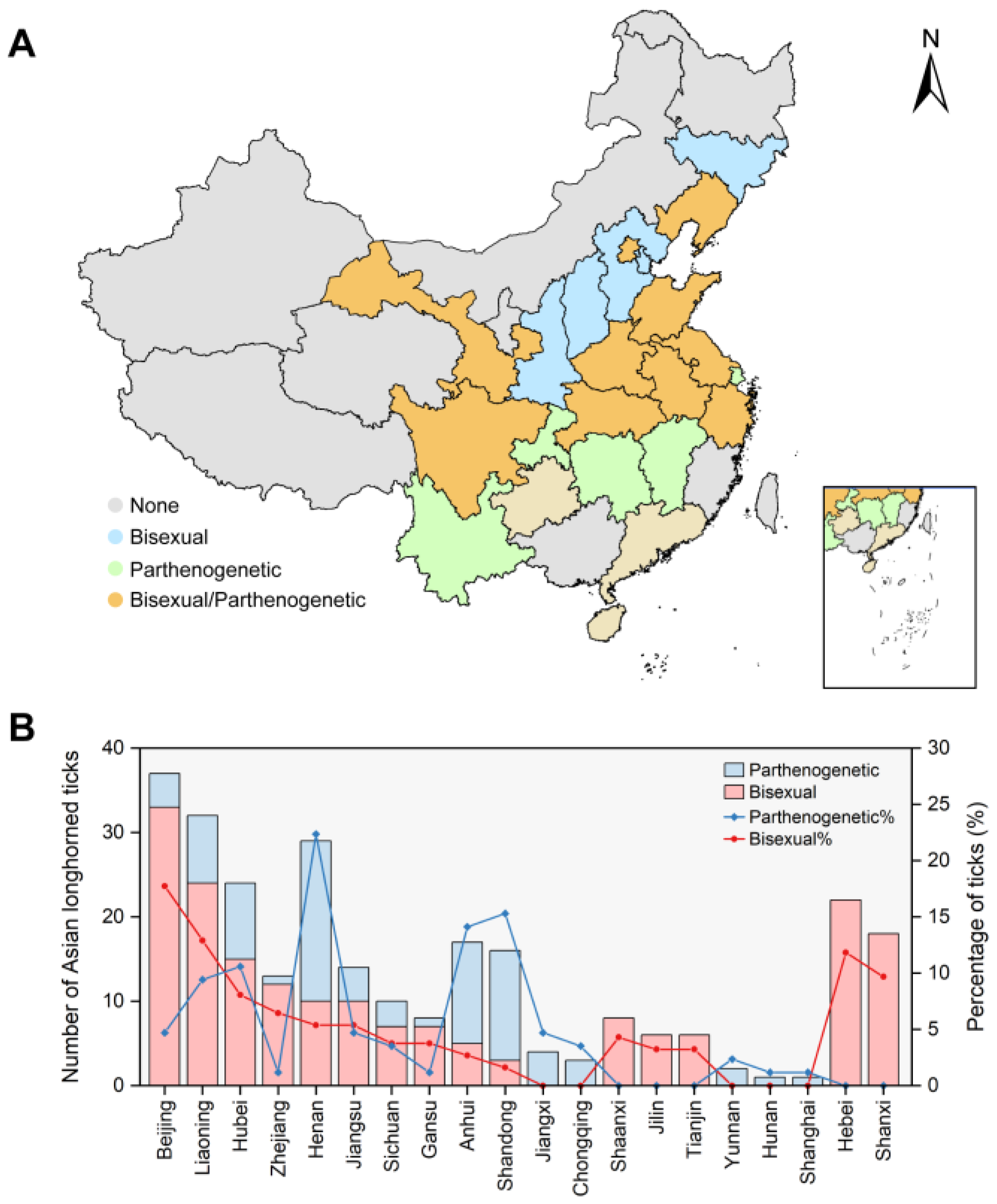
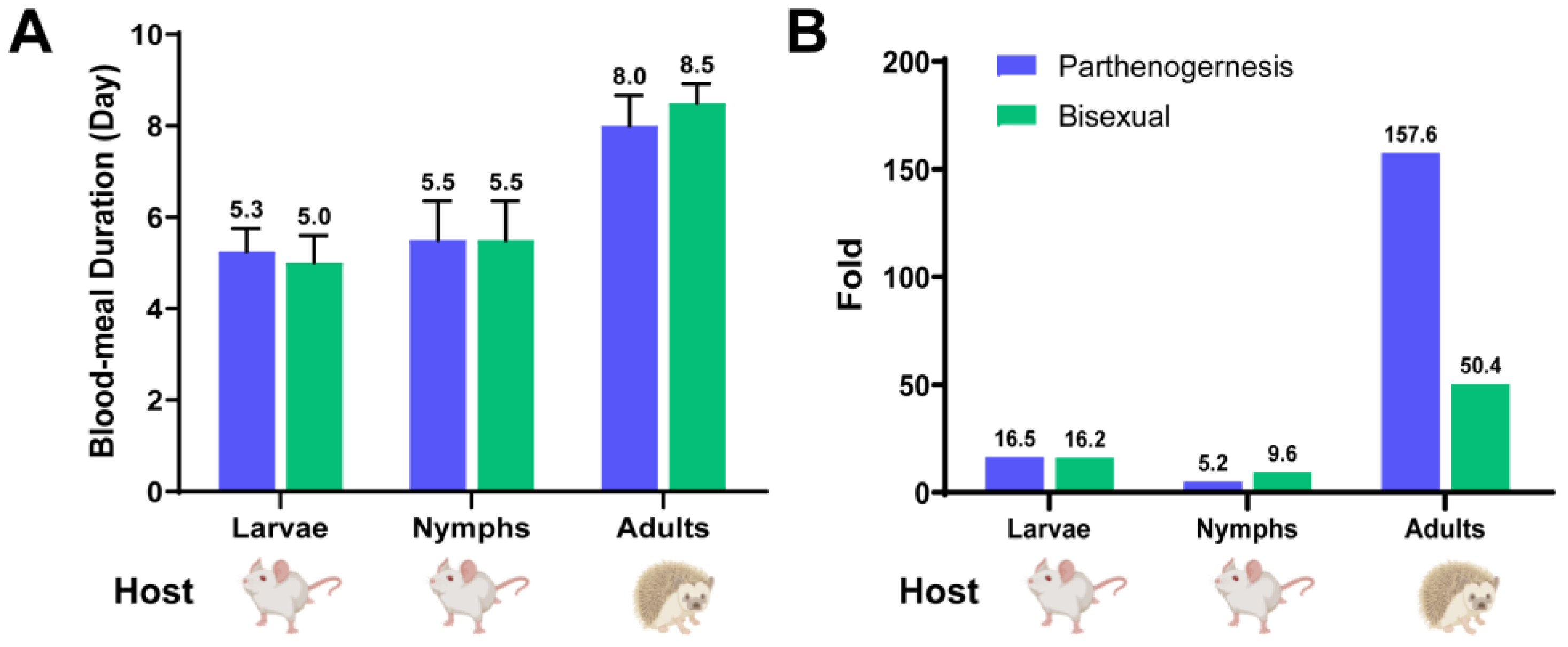
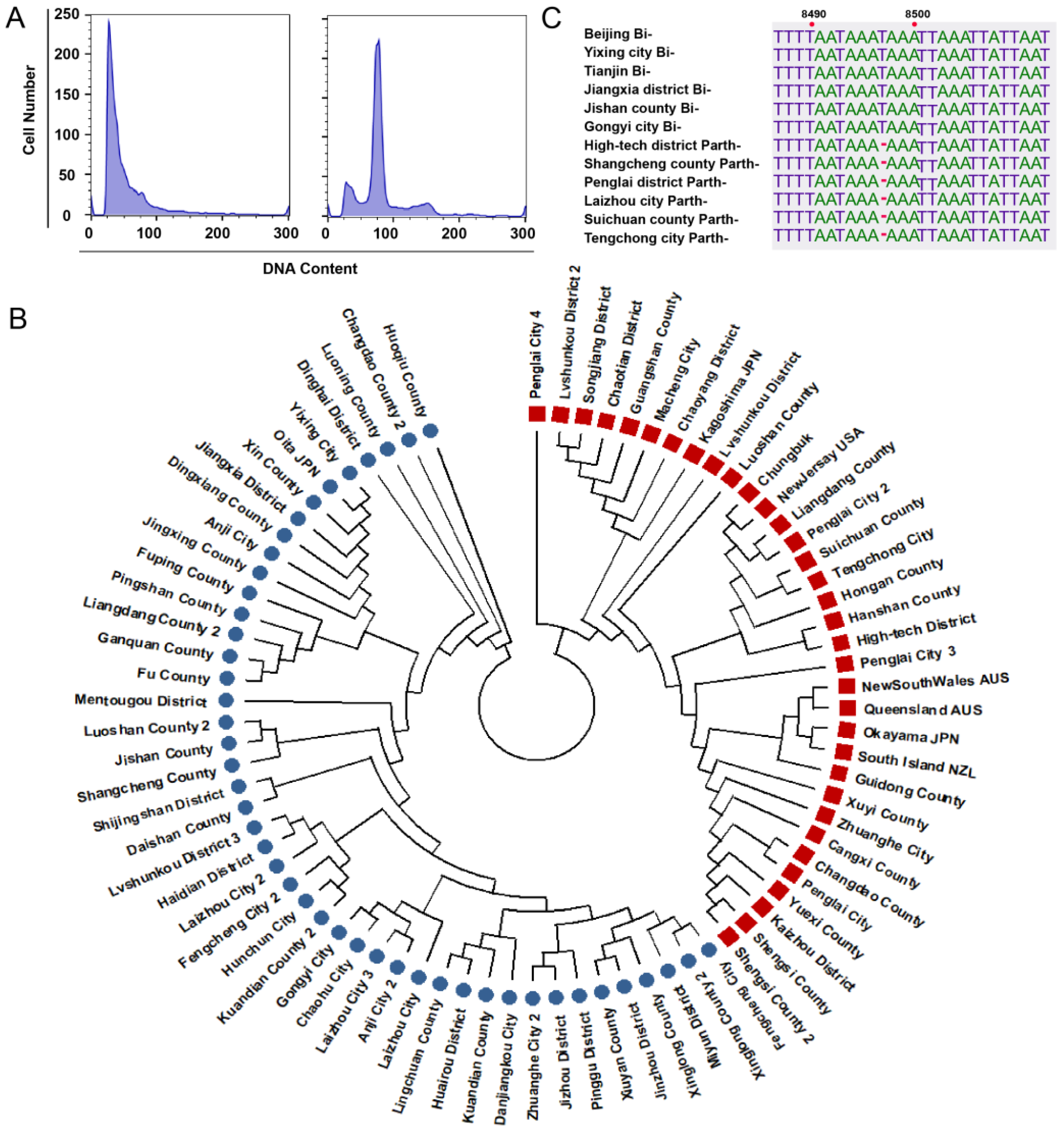
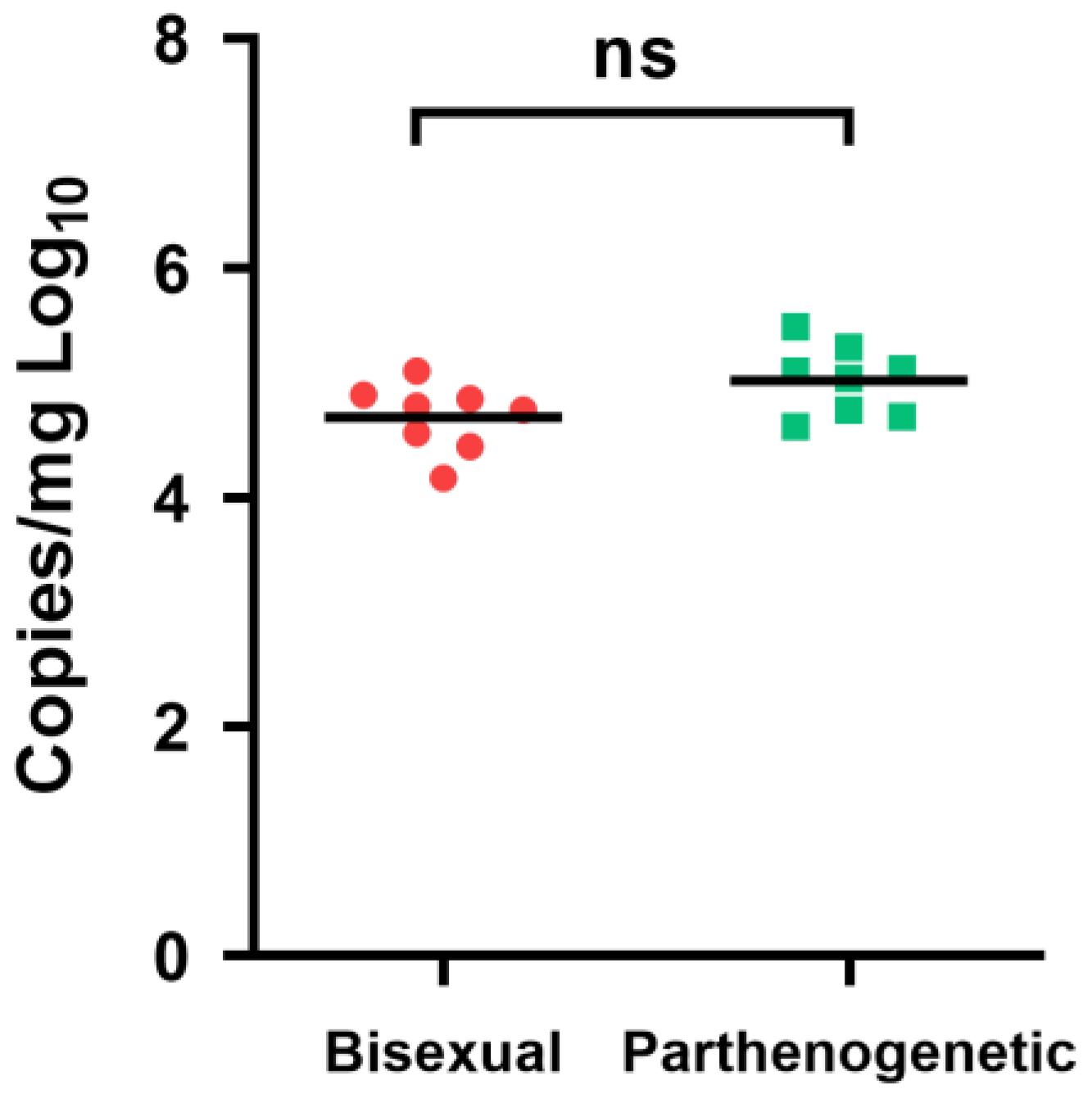
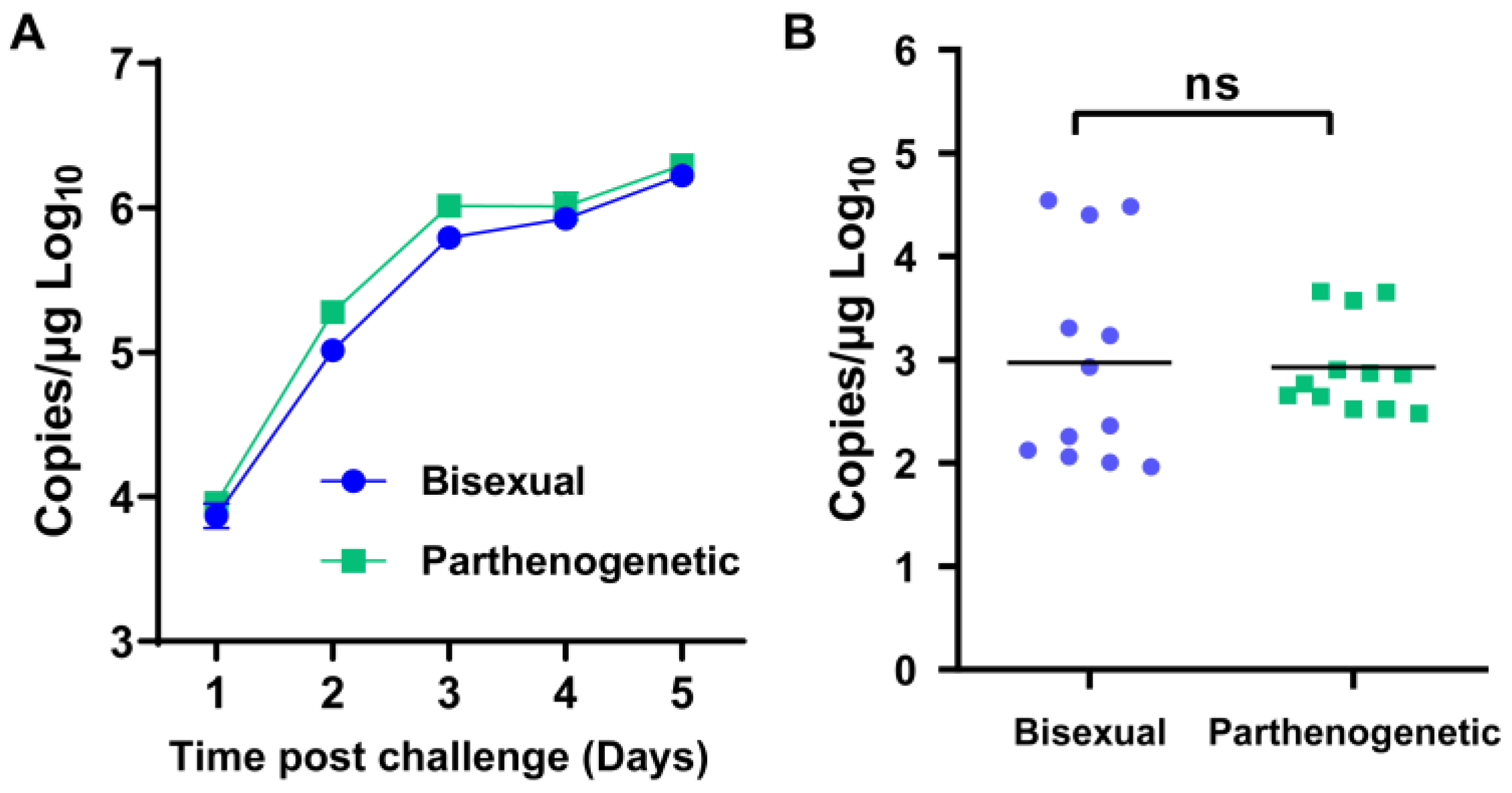
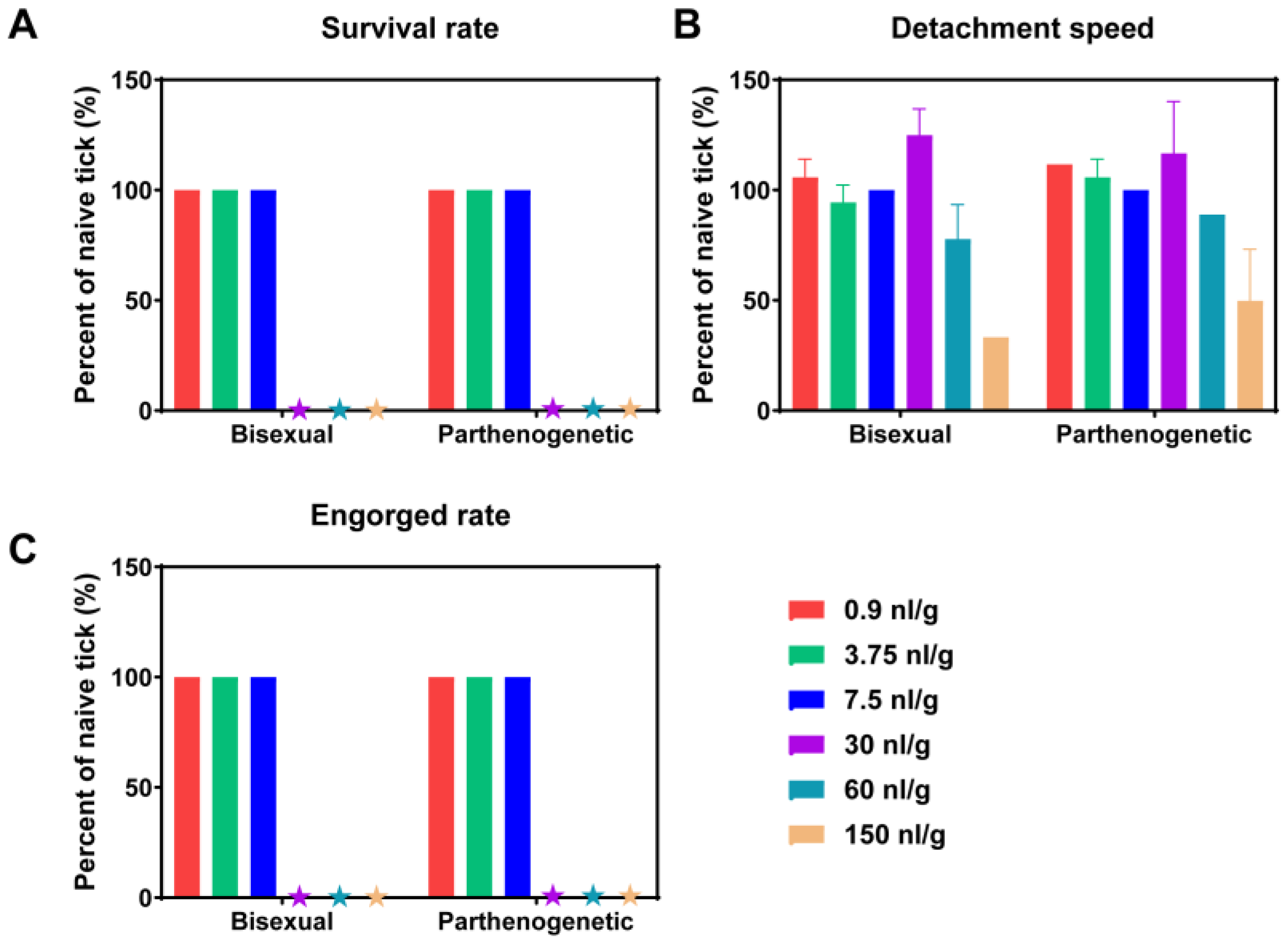
Haemaphysalis longicornis, a three-host tick with a wide host range, is widely distributed in different countries and regions. It stands out among ticks due to its unique feature of having both parthenogenetic and bisexual populations. Despite their morphological resemblance, the characteristics of the parthenogenetic population have been overlooked. In this comprehensive study, we systematically compared the similarities and differences between these two populations. Our investigation revealed that the parthenogenetic H. longicornis, widely distributed in China, was found in ten provinces, surpassing the previously reported distribution. Notably, individuals from the parthenogenetic population exhibited a prolonged blood-feeding duration during the larval and nymph stages compared to their bisexual counterparts. Additionally, the life cycle of the parthenogenetic population was observed to be longer. A flow cytometry analysis indicated a DNA content ratio of approximately 2:3 between the bisexual and parthenogenetic populations. A phylogenetic analysis using whole mitochondrial genome sequences resulted in the separation of the phylogenetic tree into two distinct branches. A molecular analysis unveiled a consistent single T-base deletion at nucleotide 8497 in the parthenogenetic population compared to the bisexual population. Both populations displayed high viral infection capability and significant resistance to ivermectin. Intriguingly, despite these differences, the parthenogenetic population exhibited a similar life cycle to the bisexual population, retaining the ability to transmit pathogens such as Severe fever with thrombocytopenia syndrome virus (SFTSV) and Heartland Virus (HRTV). These findings contribute to a deeper understanding of the distinct characteristics and similarities between different populations of H. longicornis, laying the foundation for future research in this field.
Keywords: Haemaphysalis longicornis; parthenogenetic population; bisexual population; virus; transmission Haemaphysalis longicornis; parthenogenetic population; bisexual population; virus; transmission