Article

Pleiotropic Regulator GssR Positively Regulates Autotrophic Growth of Gas-Fermenting Clostridium ljungdahlii

1
CAS-Key Laboratory of Synthetic Biology, CAS Center for Excellence in Molecular Plant Sciences, Shanghai Institute of Plant Physiology and Ecology, Chinese Academy of Sciences, 300 Fenglin Road, Shanghai 200032, China
2
University of Chinese Academy of Sciences, Beijing 100049, China
*
Authors to whom correspondence should be addressed.
These authors contributed equally to this work.
Microorganisms 2023, 11(8), 1968; https://doi.org/10.3390/microorganisms11081968

Submission received: 4 July 2023 / Revised: 29 July 2023 / Accepted: 30 July 2023 / Published: 31 July 2023
(This article belongs to the Special Issue Physiology, Genetic and Industrial Applications of Clostridia)

Abstract

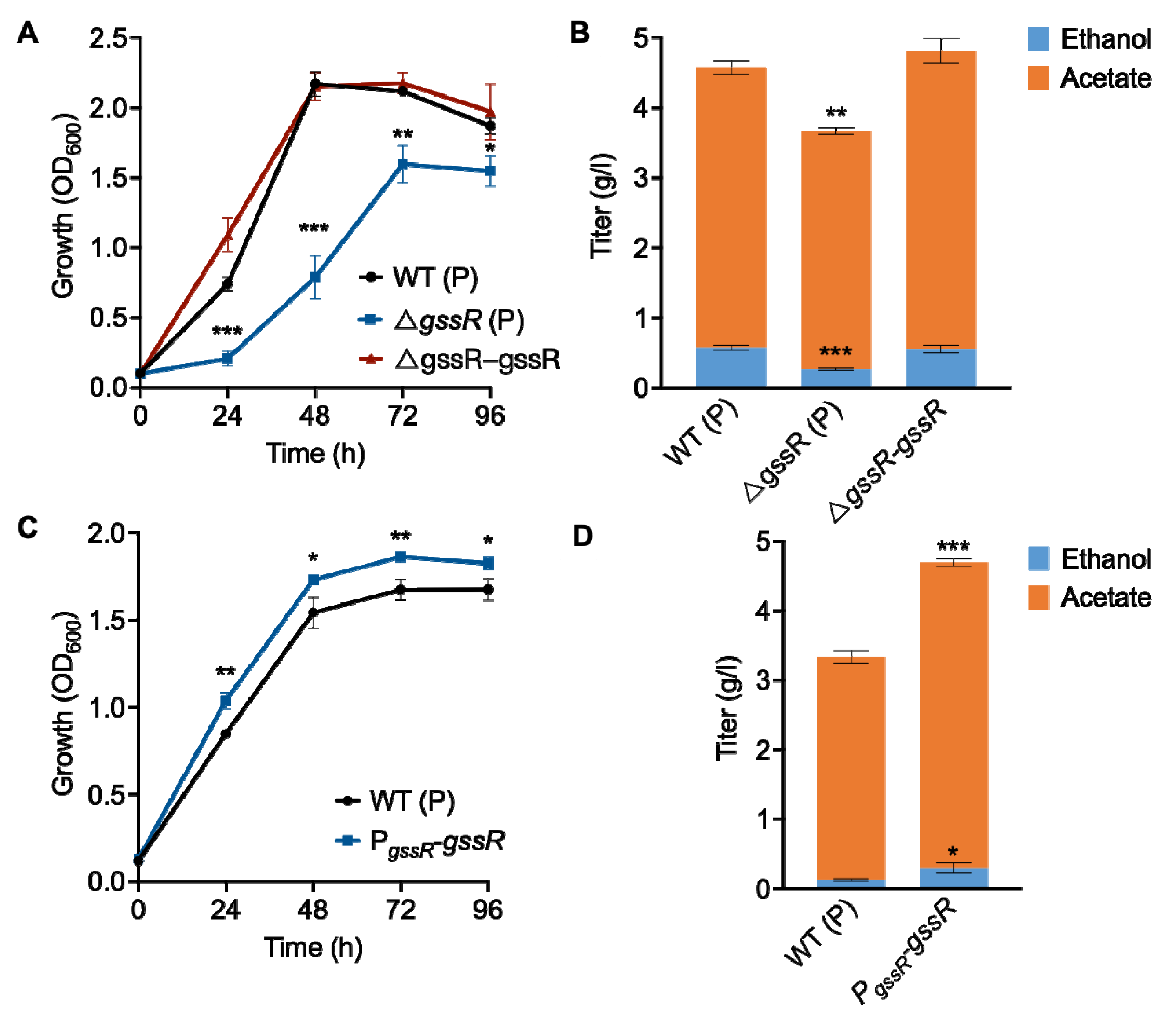
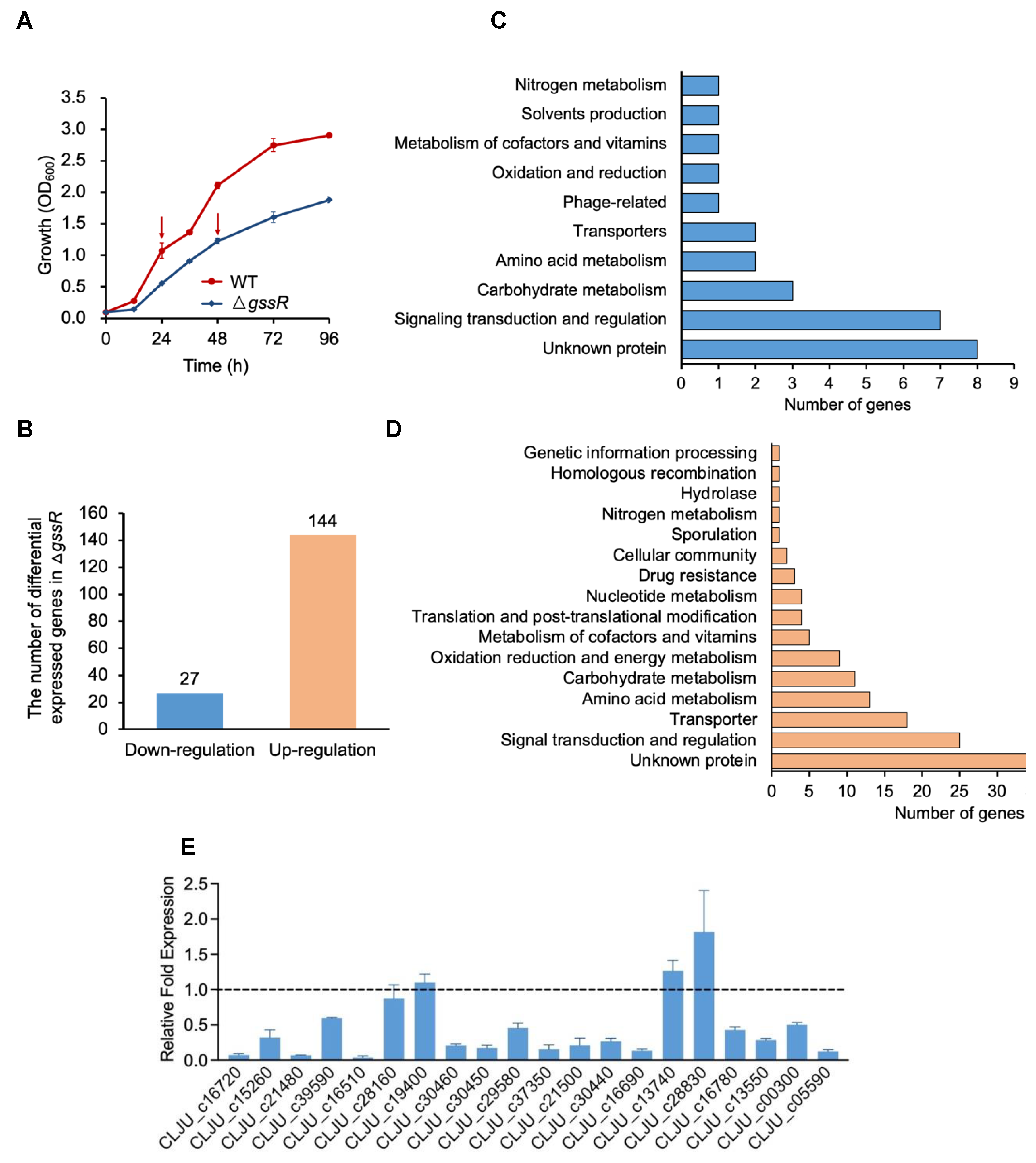
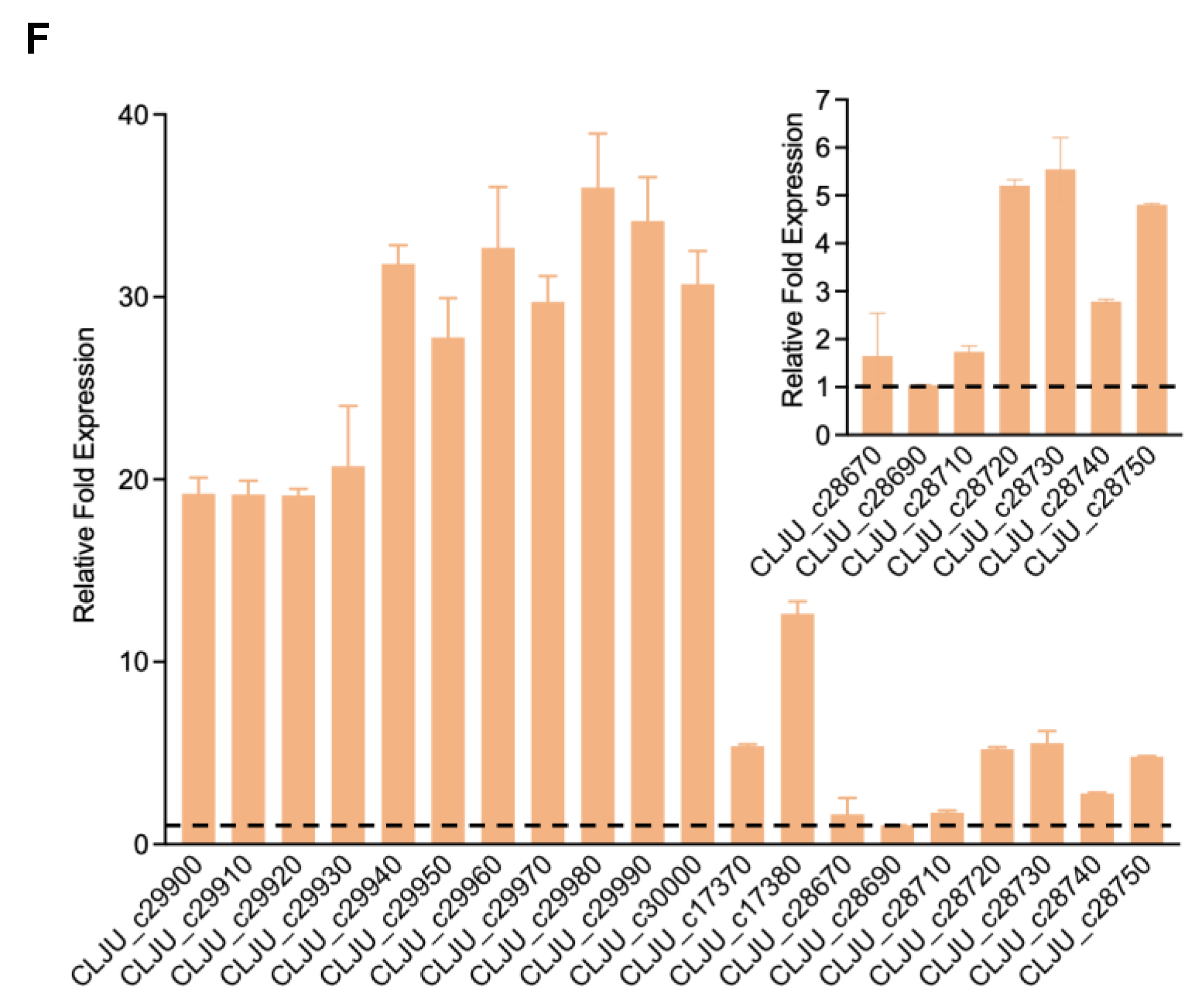
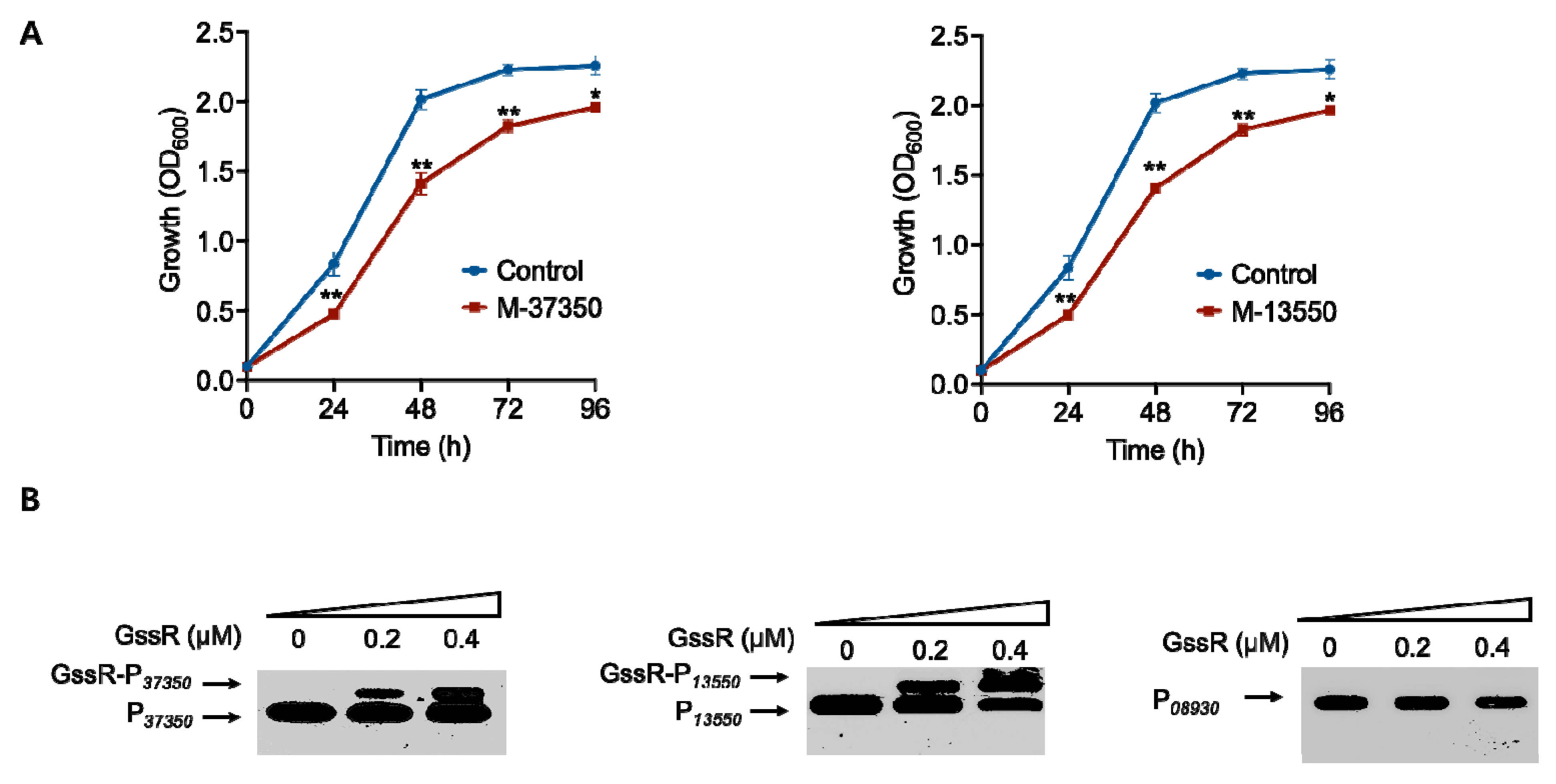
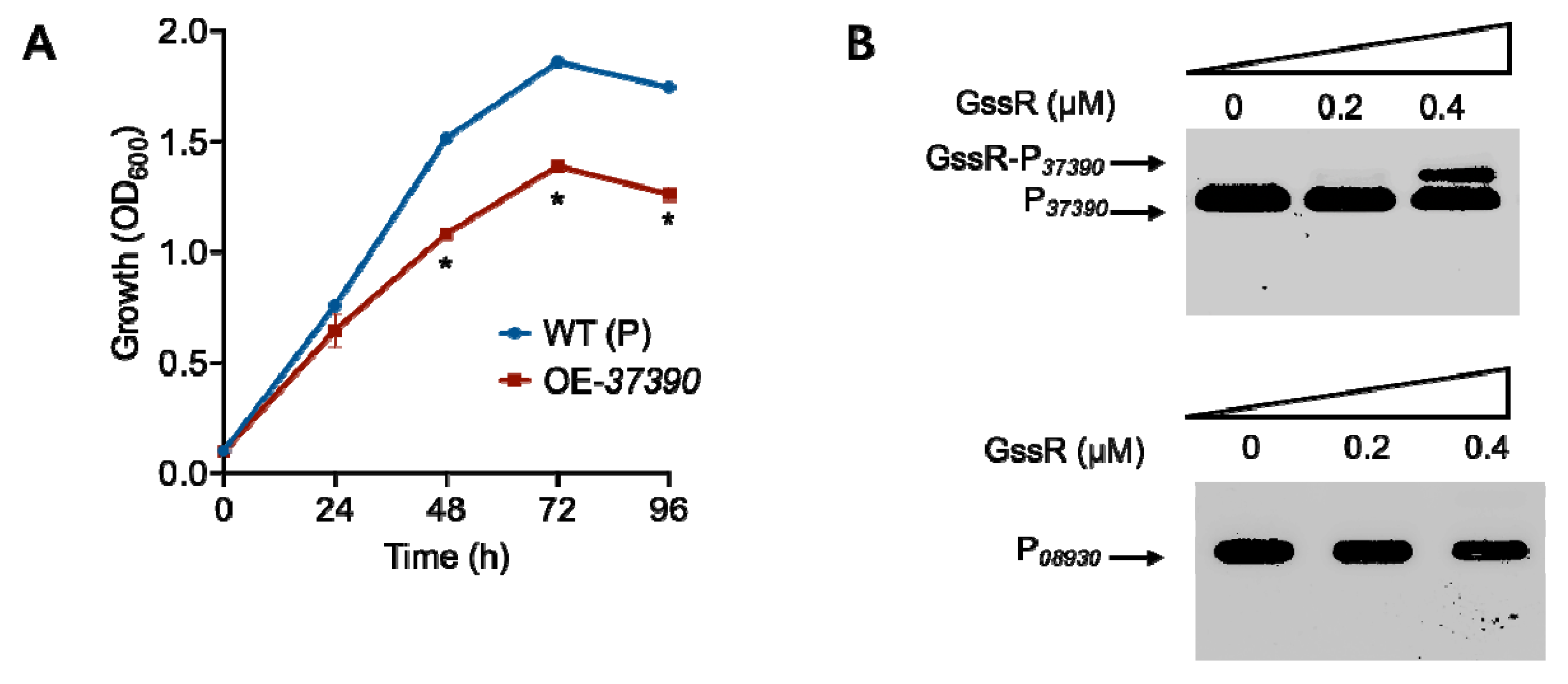
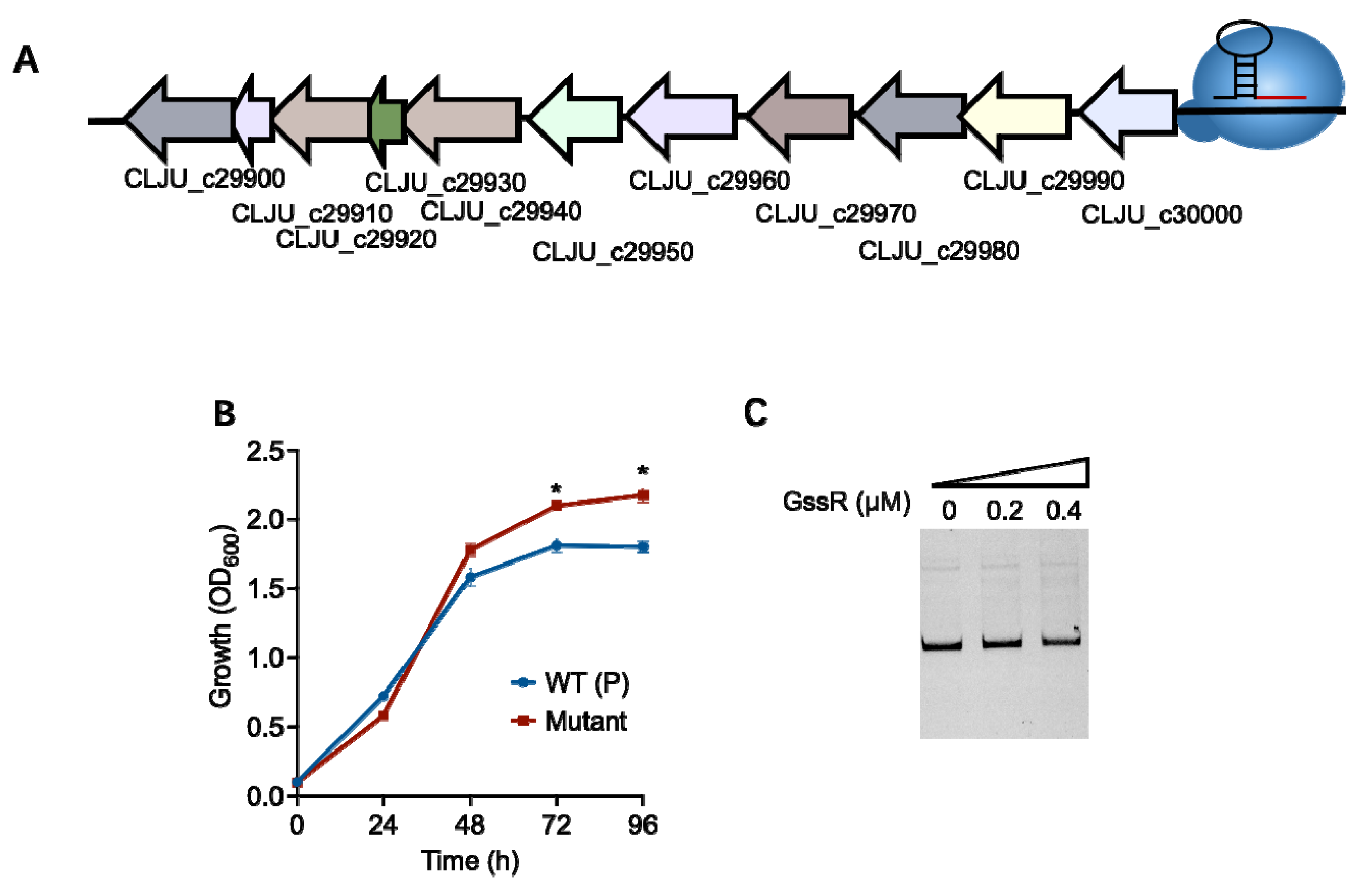
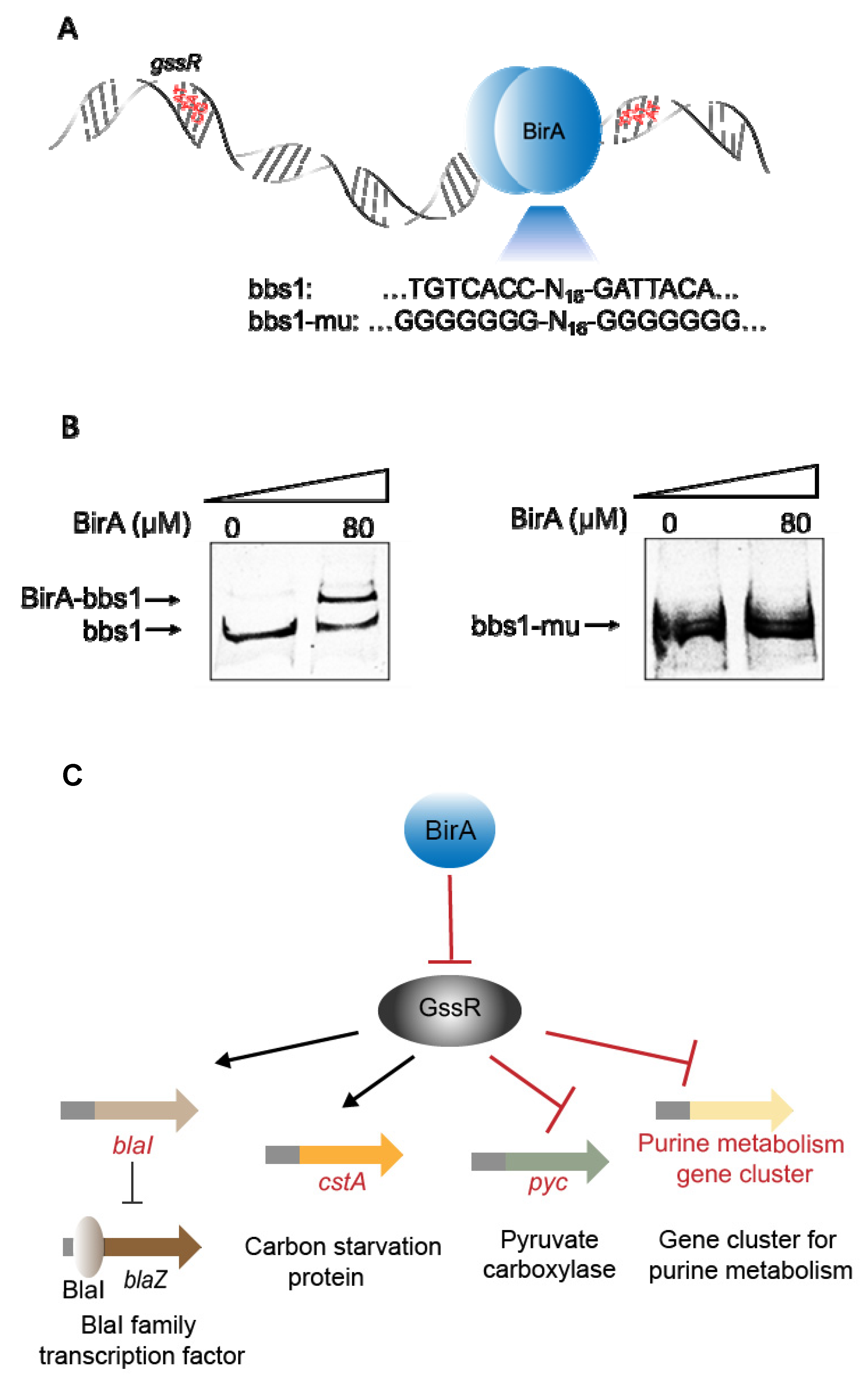
Clostridium ljungdahlii is a representative autotrophic acetogen capable of producing multiple chemicals from one-carbon gases (CO2/CO). The metabolic and regulatory networks of this carbon-fixing bacterium are interesting, but still remain minimally explored. Here, based on bioinformatics analysis followed by functional screening, we identified a RpiR family transcription factor (TF) that can regulate the autotrophic growth and carbon fixation of C. ljungdahlii. After deletion of the corresponding gene, the resulting mutant strain exhibited significantly impaired growth in gas fermentation, thus reducing the production of acetic acid and ethanol. In contrast, the overexpression of this TF gene could promote cell growth, indicating a positive regulatory effect of this TF in C. ljungdahlii. Thus, we named the TF as GssR (growth and solvent synthesis regulator). Through the following comparative transcriptomic analysis and biochemical verification, we discovered three important genes (encoding pyruvate carboxylase, carbon hunger protein CstA, and a BlaI family transcription factor) that were directly regulated by GssR. Furthermore, an upstream regulator, BirA, that could directly bind to gssR was found; thus, these two regulators may form a cascade regulation and jointly affect the physiology and metabolism of C. ljungdahlii. These findings substantively expand our understanding on the metabolic regulation of carbon fixation in gas-fermenting Clostridium species.
Keywords: transcription factors; GssR; metabolic regulation; C. ljungdahlii; gas fermentation transcription factors; GssR; metabolic regulation; C. ljungdahlii; gas fermentation