1. Introduction
With the rapid advancement of artificial intelligence, the Internet of Things, and automation technologies, intelligent mobile platforms have been widely adopted across various domains of production and daily life. Driven by the dual forces of e-commerce and intelligent manufacturing, modern warehouse logistics systems are undergoing profound transformation. As core actuators in smart warehousing, Automated Guided Vehicles (AGVs) have largely replaced manual labor in contexts such as high-bay warehouses, distribution centers, and intelligent production lines, undertaking critical tasks, including pallet handling, order picking, and cross-docking. In such environments, hundreds of AGVs are required to operate collaboratively in complex scenarios characterized by narrow aisles, densely arranged racks, and dynamically interwoven tasks. Their path-planning capability directly determines the system’s throughput efficiency. Therefore, rapidly generating short, smooth, and reliable collision-free paths for many AGVs has become a critical bottleneck, limiting improvements in warehousing efficiency. This challenge also reflects a common issue faced by intelligent agents such as autonomous vehicles and drones operating in dynamic and uncertain environments. These systems must not only perceive the environment but also understand it and generate feasible motion paths efficiently and safely.
Path-planning technology has emerged precisely to address this core challenge, aiming to identify a collision-free trajectory for AGVs from a starting point to a destination within a given warehousing environment, while achieving comprehensive optimization across multiple criteria such as path length, travel time, and energy consumption. As a core algorithm enabling autonomous AGV navigation, path-planning technology has evolved over years of development into a complete spectrum, ranging from classical deterministic methods to modern metaheuristic algorithms. Representative classical algorithms include the Dijkstra Algorithm [
1], A-Star Algorithm [
2], Genetic Algorithm (GA) [
3], and Artificial Potential Field (APF) [
4]. These algorithms perform well in structured environments: Dijkstra guarantees finding the shortest path from a start node to all other nodes in a weighted graph, albeit with extensive computational scope and relatively low efficiency; A-Star introduces a heuristic function to guide the search direction and has be-come one of the most widely applied algorithms in global path planning; APF treats the target as an attractive force and obstacles as repulsive forces, offering a simple structure and strong real-time performance, yet it is prone to becoming trapped in local optima in complex environments.
To further improve path-planning performance in practical warehousing and autonomous navigation scenarios, numerous studies have recently focused on AGV and autonomous mobile robot path-planning problems. As modern large-scale warehousing systems exhibit complex characteristics such as high dimensionality, multiple constraints, and strong nonlinearity, classical algorithms have gradually revealed limitations when applied to such problems, including high computational complexity, susceptibility to local optima, and low efficiency in solution space search. To overcome these shortcomings, researchers have proposed various improvement strategies for traditional path-planning algorithms. For example, Elias Xidias et al. [
5] contributed a novel 3D Bump-Surface concept combined with a modified Genetic Algorithm to simultaneously solve path-planning and task scheduling problems for a fleet of autonomous vehicles in indoor factory environments, optimizing safety, time, and energy consumption. Furthermore, recent review studies have systematically summarized classical and heuristic-based autonomous mobile robot path-planning methods [
6]. Nevertheless, traditional, heuristic methods still suffer from limitations in complex, high-dimensional, and nonlinear environments. Consequently, researchers have increasingly turned to metaheuristic and swarm intelligence optimization algorithms. These algorithms do not rely on gradient information, possess powerful global exploration and local exploitation capabilities, and can effectively address complex non-convex and nonlinear optimization problems. For instance, Nan, Yujie et al. proposed a multi-UAV path-planning algorithm based on an improved ant colony system (PS-ACO-SA) [
7], which integrates ant colony optimization with particle swarm optimization and simulated annealing to address obstacle avoidance path planning for multiple UAVs in complex mountainous environments. Cheng, Qing et al. introduced GS-PSO [
8], a novel multi-stage hybrid framework designed to solve the complex three-dimensional path-planning problem for UAV deployment in constrained environments by sequentially integrating particle swarm optimization (PSO), sparrow search algorithm (SSA), and Genetic Algorithm (GA). Liu, Y. [
9] developed an improved ant colony optimization-based global path-planning method for warehousing AGVs, demonstrating enhanced transportation efficiency and environmental adaptability in complex logistics scenarios. In addition, Fan Ye et al. [
10] proposed a hybrid artificial bee colony algorithm integrated with a genetic augmented exploration mechanism to improve path safety, smoothness, and optimization capability for mobile robot navigation. These studies demonstrate that metaheuristic algorithms not only transcend the inherent limitations of traditional methods but also facilitate multi-objective collaborative optimization, thereby expanding the methodological framework of path planning and establishing themselves as an important research direction in this field.
Among numerous metaheuristic algorithms, a class of emerging algorithms inspired by predatory behavior simulates the efficient hunting strategies of top predators, demonstrating an excellent balance between global and local search capabilities, making them particularly suitable for complex optimization problems, such as AGV path planning, which are high-dimensional and multimodal. For example, Grey Wolf Optimizer (GWO) [
11] simulates social hierarchy and encircling mechanisms, Whale Optimization Algorithm (WOA) [
12] mimics bubble-net hunting behavior, and Harris Hawks Optimization (HHO) models the strategies of surprise pounce, encirclement, and pursuit in cooperative hunting among hawks. Proposed by Heidari et al. in 2019 [
13], HHO leverages an “exploration–transition–exploitation” mechanism that enables dynamic strategy adjustment based on the prey’s state, endowing it with exceptional global search capability and dynamic encircling ability that are particularly well-suited for solving multimodal, combinatorial, and nonlinear problems in path planning. Consequently, numerous researchers have applied HHO to domains related to path planning. However, when applied to high-dimensional and multi-constraint practical scenarios, the original HHO algorithm still encounters several limitations, including insufficient initial population quality, reduced exploration capability in complex obstacle environments, and unstable local search behavior during later iterations. These issues may lead to premature convergence and difficulty in generating globally optimal and smooth trajectories. To enhance the performance of HHO in path-planning applications, different improvement strategies have been investigated in recent studies. Some works focus on enhancing trajectory optimization efficiency through mathematical modeling and interpolation strategies, such as the seventh-degree polynomial interpolation-based IHHO proposed by Xu Jing et al. [
14]. Other studies combine HHO with biologically inspired or neural-network-based mechanisms to improve search adaptability in complex environments, including the BINN-HHO framework developed by Li Sen et al. [
15] for multi-UAV path planning. Chaotic search strategies and regression-based optimization mechanisms have also been incorporated into HHO to strengthen global exploration and avoid local optima in complex terrains [
16]. In addition, hybrid optimization frameworks integrating HHO with other swarm intelligence algorithms, such as HHO-AVOA [
17], have been employed to improve navigation performance for wheeled mobile robots in dynamic environments. Furthermore, multidimensional mission-space modeling and path–cost optimization methods have been introduced to extend HHO-based approaches to three-dimensional UAV path-planning problems [
18].
Nevertheless, existing improvements still share some common limitations. Certain approaches rely on complex hybrid mechanisms, which increase algorithmic complexity while undermining the inherent advantage of HHO’s structural simplicity. Improvements to core parameters such as the energy factor tend to be relatively simplistic, making it difficult to effectively balance global exploration and local exploitation. Moreover, some strategies fail to achieve deep synergy with HHO’s unique mechanisms, thereby compromising the effectiveness of escaping local optima. And, in terms of application, most existing approaches mainly focus on benchmark optimization problems and lack sufficient validation in practical AGV path-planning environments. In addition, the balance between computational efficiency and path quality in warehouse scenarios remains insufficiently discussed.
Based on the above analysis, this paper aims to systematically investigate the application of the Harris Hawks Optimization (HHO) algorithm to path planning problems. To address the shortcomings of the standard algorithm and consider the complex characteristics of path-planning problems, such as multimodality, high dimensionality, and strong nonlinearity, an Enhanced Harris Hawks Optimization (EHHO) algorithm is proposed. Compared with existing AGV and mobile robot path-planning approaches, particularly HHO-based optimization methods, the proposed EHHO algorithm simultaneously considers population diversity, convergence stability, and local optimum avoidance for grid-based AGV path planning. Furthermore, the proposed method is evaluated not only on CEC2022 benchmark functions but also in warehouse grid map simulations and real-world AGV experiments to verify its practical applicability and optimization effectiveness. The main contributions of this paper are as follows:
Mathematical Modeling for AGV Path Planning: A multi-objective optimization model is established for grid-based warehouse environments, considering path length, safety, and smoothness. This provides a structured framework for subsequent algorithmic optimization.
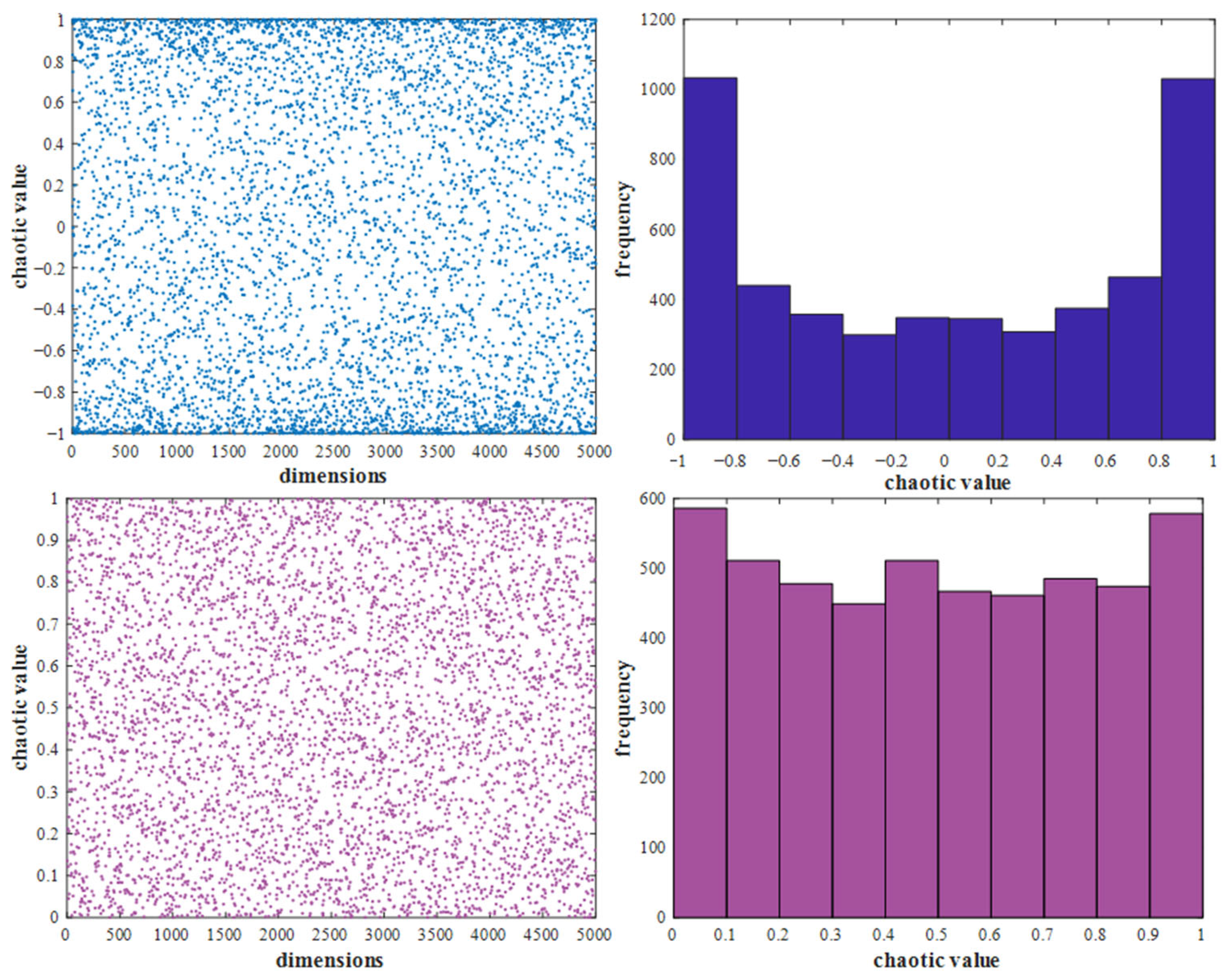
Enhanced Initialization Strategy: An improved sine chaotic mapping is introduced to generate a diverse and uniformly distributed initial population. This ensures smooth, continuous paths and establishes a solid foundation for effective search.
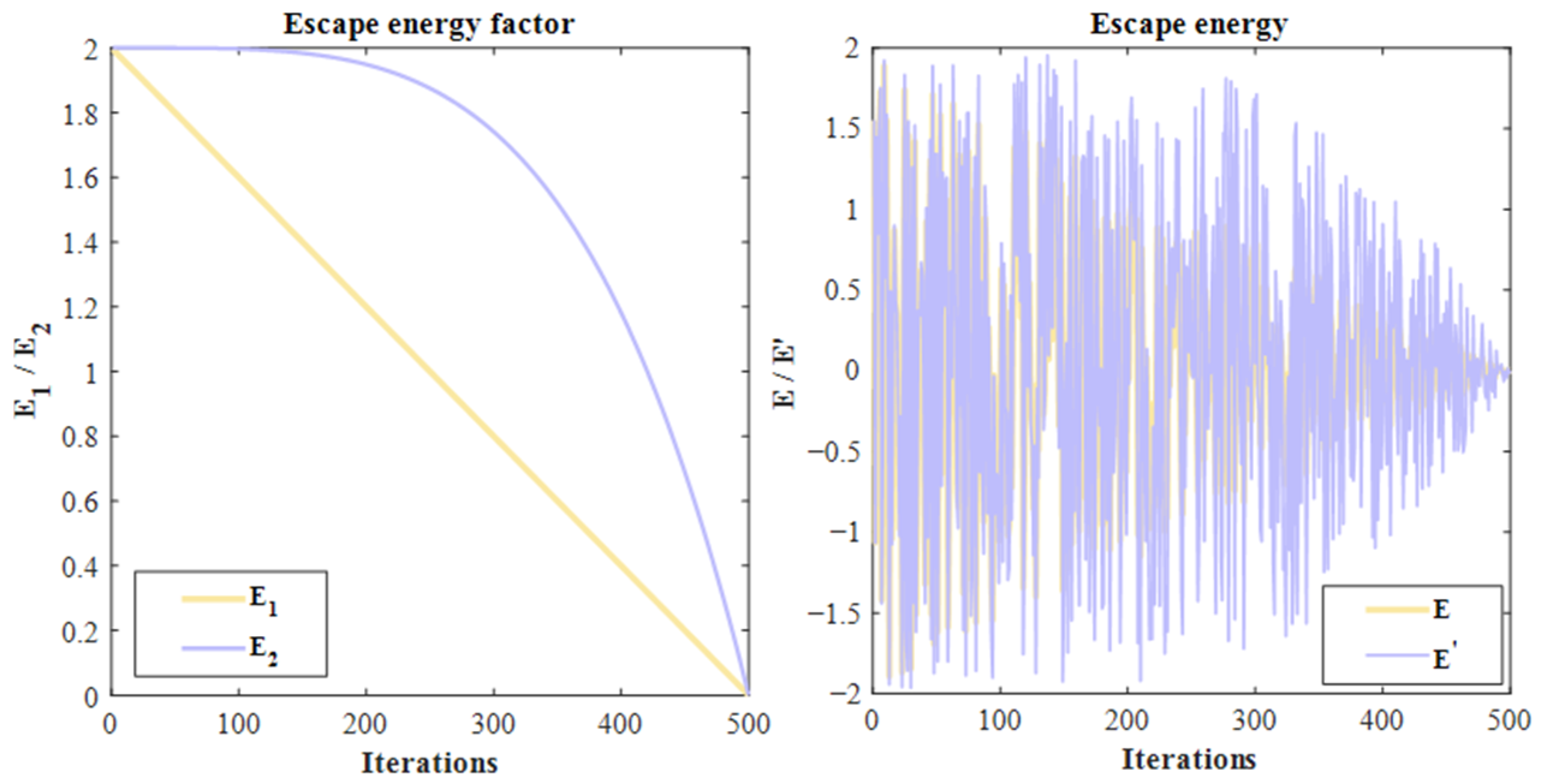
Improved Energy Factor and Escape Mechanism: Modifications to the energy factor and escape energy balance global exploration and local exploitation, improving convergence speed and solution accuracy.
Pinhole Imaging Opposition-Based Learning: A novel opposition-based learning strategy is incorporated to enhance global search capability and prevent the algorithm from becoming trapped in local optima.
These methodological innovations collectively form the enhanced Harris Hawks Optimization framework for efficient and robust AGV path planning.
This paper begins with an introduction that elaborates on the research background and significance of AGV path planning, systematically reviews the current state of classical algorithms and metaheuristic algorithms, identifies the limitations of the existing Harris Hawks Optimization (HHO) algorithm, and thereby introduces the improved algorithm EHHO proposed in this study along with its main contributions.
Section 2 establishes a mathematical model for AGV path planning in warehousing environments, formulating the multi-objective optimization problem based on three core metrics: path length, safety, and smoothness.
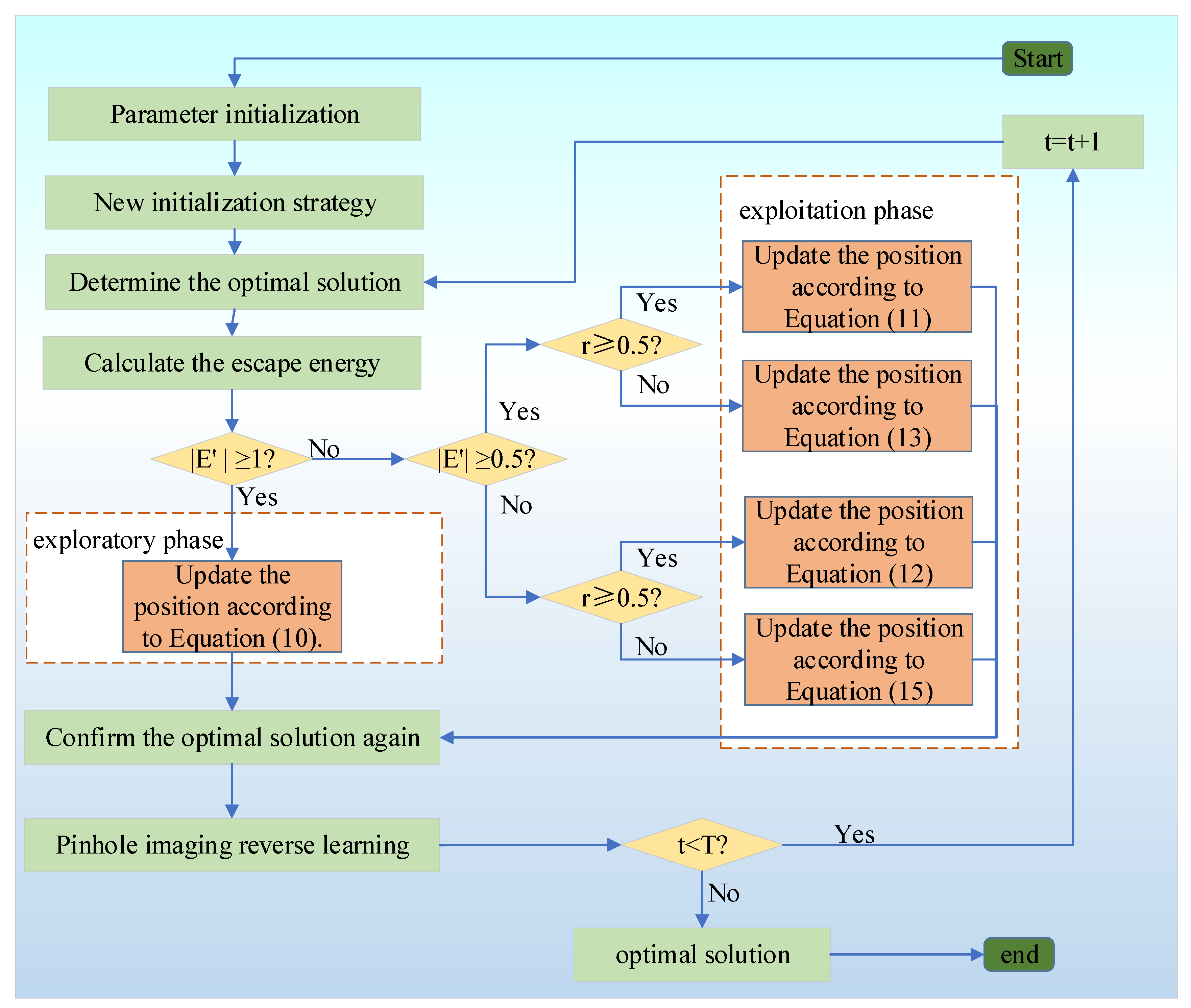
Section 3 details the design and implementation of the EHHO algorithm, sequentially presenting three improvement mechanisms—enhanced sine chaotic mapping initialization, nonlinear escape energy factor and energy, and pinhole imaging opposition-based learning strategy—followed by the algorithm workflow and computational complexity analysis.
Section 4 presents numerical experiments conducted on 12 classical benchmark functions and the CEC2022 test suite, comprehensively comparing the performance of EHHO with several mainstream algorithms to verify its advantages in convergence accuracy, stability, and robustness.
Section 5 applies EHHO to path-planning simulations on grid maps of varying sizes and complexity, compares it with multiple algorithms, and further validates its performance through AGV deployment experiments in real warehousing scenarios. Results demonstrate that EHHO achieves superior performance in terms of path length, smoothness, and runtime. Finally, the conclusion summarizes the work of this paper, discusses the limitations of EHHO, and outlines future research directions.
2. Mathematical Formulation of the AGV Path-Planning Problem
In AGV path-planning problems, constructing an accurate and reasonable mathematical model is the foundation for achieving efficient path search. To simplify the problem and focus on the core optimization objectives, the following basic assumptions are introduced in the modeling process. First, the environment is considered a static discrete configuration space represented by integer coordinates. Second, all obstacles are assumed to be static and remain unchanged over time or due to external factors. Finally, the AGV is abstracted as a point mass within the obstacle-laden map and is assumed to have complete knowledge of the global environmental information.
In the warehouse path-planning problem considered in this study, the AGV is required to autonomously move from a predefined start point to a target destination within a warehouse environment while avoiding collisions with surrounding obstacles and shelves. During the navigation process, the planned trajectory should not only guarantee collision-free motion, but also maintain adequate safety margins and good smoothness to ensure stable AGV operation, reduced actuator wear, and improved transportation efficiency. Therefore, the main objective of this study is to generate a safe, smooth, and feasible path with improved optimization performance under complex warehouse environmental constraints.
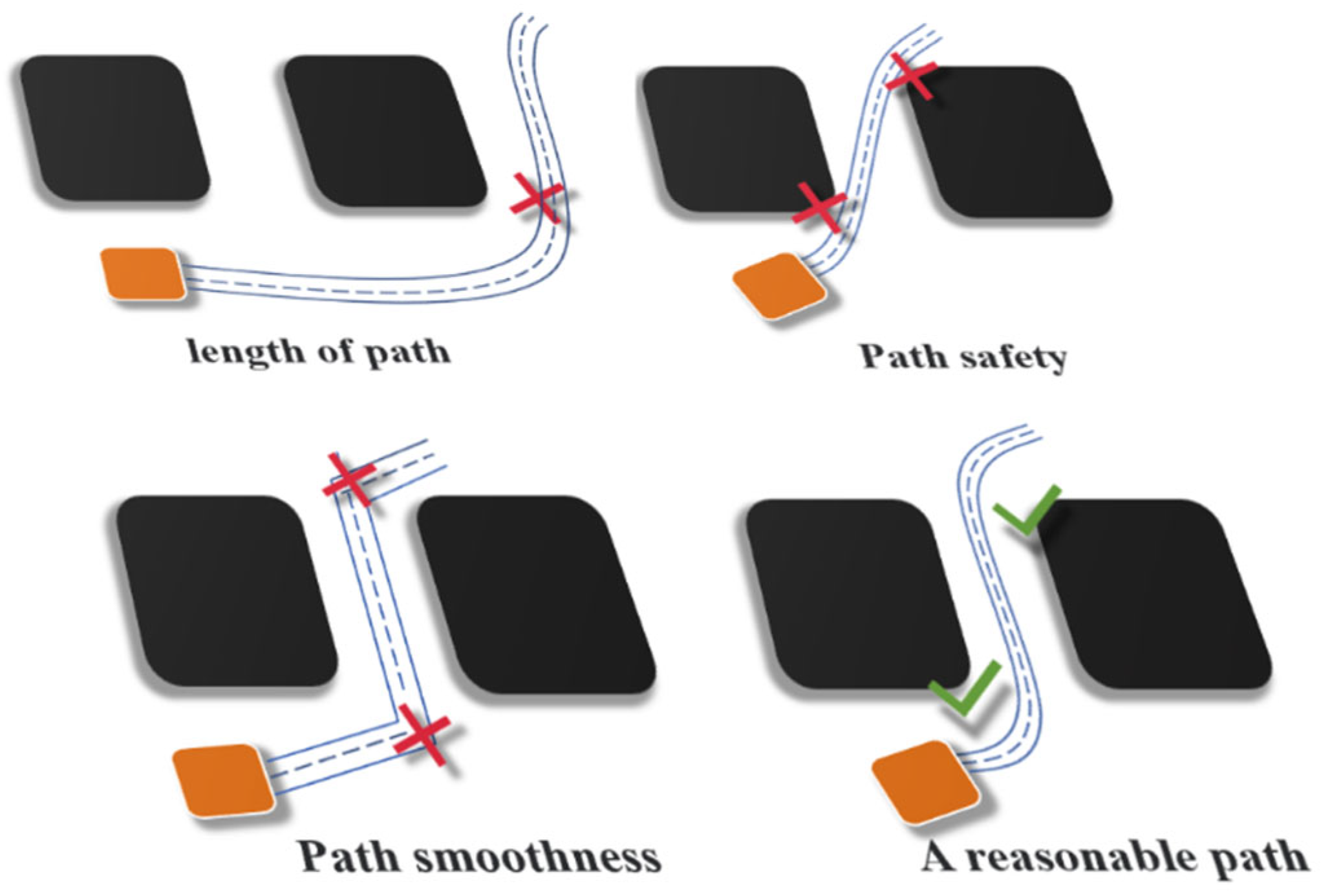
As illustrated in
Figure 1, a high-quality planned path must simultaneously satisfy multiple requirements: the path should be as short as possible to reduce task completion time and energy consumption; it must maintain a safe distance from obstacles to avoid collision risks; and it should be smooth, minimizing sharp turns and abrupt changes to reduce mechanical wear on actuators and control difficulty. Based on the above analysis, this paper constructs a mathematical model for the path-planning problem from the following three aspects.
2.1. Path Length
In path planning for intelligent systems such as autonomous mobile robots and unmanned vehicles, the core objective is not merely to pursue the shortest distance from the start point to the target point, but also to achieve a comprehensive optimum across multiple interdependent dimensions. The shortest path length serves as a direct manifestation of efficiency, closely relating to task completion time and energy consumption. Mathematically, the length of a path segment is typically determined by the Euclidean distance between its two points. Consequently, the total path length is calculated by summing the lengths of all segments that constitute the path.
represents a feasible path, where
denotes the start point and
denotes the target point. The fitness value of the path length can be calculated as follows:
where
represents an intermediate point on the path, and
denotes the Euclidean distance between
and
.
2.2. Path Safety
When operating in warehousing environments, AGVs must not only avoid collisions with obstacles but also maintain a certain safety margin to account for uncertainties such as sensor errors and control deviations. Therefore, path safety constitutes a non-negotiable hard constraint in planning. This implies not merely that the path must be geometrically collision-free with respect to known obstacles, but also emphasizes the proactive maintenance of an adequate safety margin. Accordingly, the fitness value of path safety can be calculated as follows:
where
denotes the minimum distance from point
to the obstacle set
, and
is a very small positive number used to prevent the denominator from being zero.
To prevent numerical instability when path points approach obstacles, the safety function is normalized and a minimum distance threshold is enforced, which corresponds to the minimum safe clearance for the AGV in the warehouse. This threshold can be adjusted according to vehicle dimensions and operational requirements.
2.3. Path Smoothness
Having ensured the safety of the path, another critical metric is path smoothness. A path that is safe yet filled with sharp turns and acute angles forces the AGV to accelerate, decelerate, and steer frequently, which not only increases energy consumption and mechanical wear on the actuators but may also lead to motion instability, reduced control accuracy, and even interference with the normal operation of onboard equipment (such as camera vibration or abnormal sensor data). Therefore, smoothness is introduced as an optimization objective; minimizing this metric effectively suppresses curvature variations along the path, promoting the generation of continuous, gentle, and easily trackable trajectories, thereby enhancing overall motion quality and system reliability. Its mathematical formulation is expressed as the sum of squared second-order differences of three consecutive points along the path:
where
are three consecutive points along the path, and
denotes the Euclidean norm.
2.4. Complete Mathematical Model
While ensuring the obtained path is as short as possible, it is also necessary to guarantee that the path points do not lie on obstacles and remain at a safe distance from them, and that the path line avoids collisions with obstacles while maintaining few turns and good smoothness. Based on the above considerations, the mathematical model for the path planning problem is formulated as follows:
where
and
are customizable weight parameters that can be adjusted according to specific engineering requirements. In this study, the following parameter values are adopted in both the simulations and experiments:
;
denotes the shortest path length;
represents the set of obstacles in the map; and
indicates that the path has no intersection with obstacles, i.e., it is collision-free.
The coefficients , , and were selected based on the relative importance of path length, safety, and smoothness in warehouse operations. A preliminary sensitivity analysis was conducted by varying these coefficients within ±10–20%, and the results show that such variations do not significantly affect the optimized paths, indicating the robustness of the model.
4. Simulation and Experimental Results Analysis
4.1. Classical Functions
All simulation experiments were conducted in MATLAB R2023a on a Windows 11 platform equipped with an Intel(R) Core (TM) i5-9300H processor and 8 GB RAM. To assess the optimization capability of the proposed EHHO algorithm under different search landscapes, twelve representative functions were selected from the CEC benchmark suite. These functions cover several optimization characteristics, including unimodal, multimodal, and composite scenarios. Among them, F1–F5 correspond to unimodal functions with a dimensionality of 30, mainly used to evaluate convergence capability and local exploitation performance. F6–F9 are multimodal functions designed to test the global exploration ability of the algorithms in complex search spaces, while F10–F12 are composite functions that combine multiple landscape features to further examine optimization robustness and overall search performance. The mathematical expressions of the benchmark functions are summarized in
Table 1.
To eliminate the influence of randomness on the test results, these benchmark functions were used to test and compare seven algorithms: the EHHO algorithm, the HHO algorithm, the PSO algorithm, the GGO (Greylag Goose Optimization) algorithm, the GWO (Grey Wolf Optimizer) algorithm, the WOA (Whale Optimization Algorithm), and the GOOSE (Goose Optimization Algorithm). Each algorithm was run independently 30 times on each test function, and the mean, standard deviation, optimal value, and runtime were adopted as performance evaluation metrics. A smaller mean indicates a higher convergence accuracy and stronger optimization capability of the algorithm; a smaller standard deviation indicates lower fluctuation and higher stability. The comparison algorithms were tested against the 12 classical functions listed in
Table 1, with the detailed test results presented in
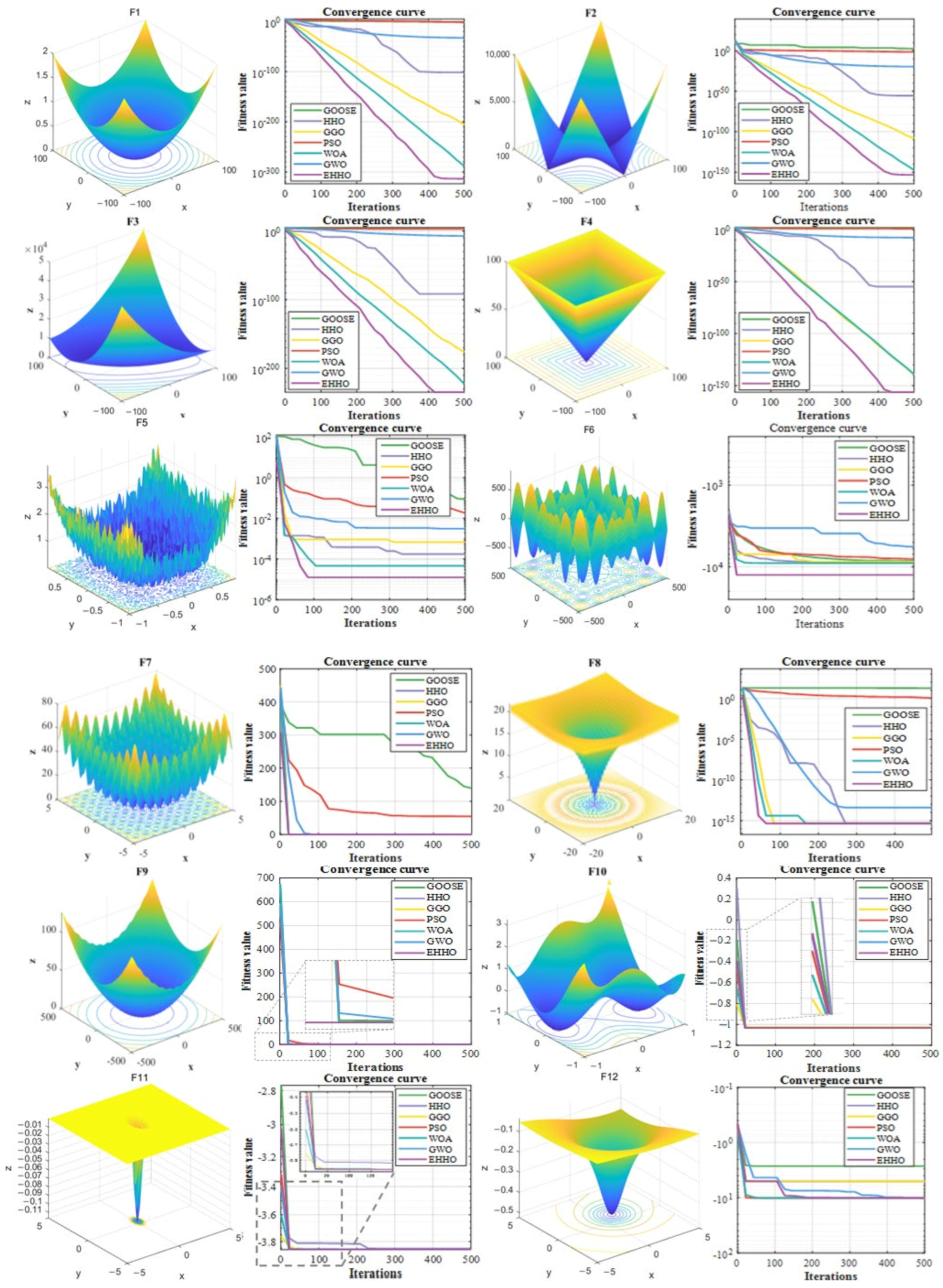
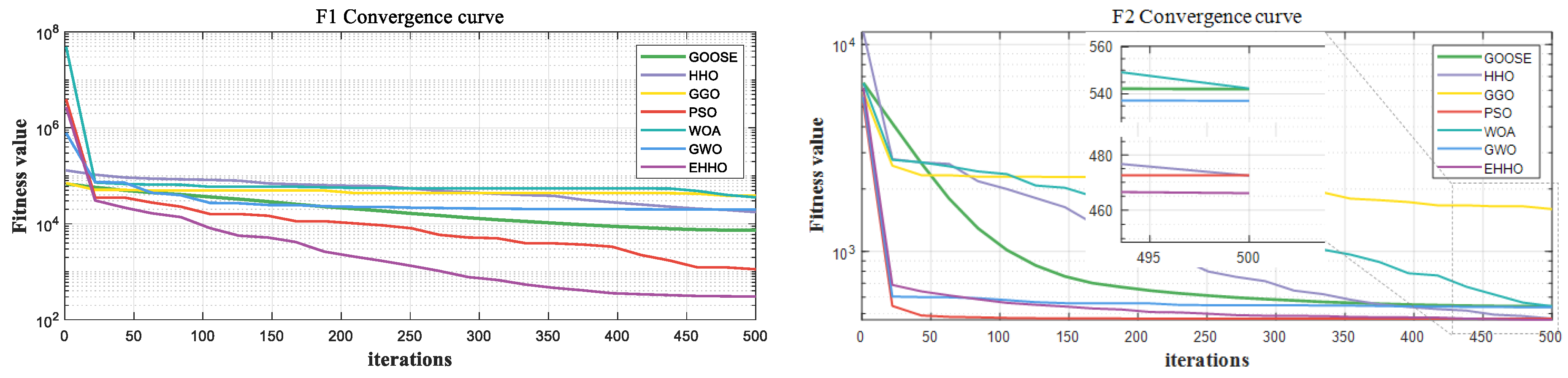
Table 2. The three-dimensional function images and the fitness value convergence curves are shown in
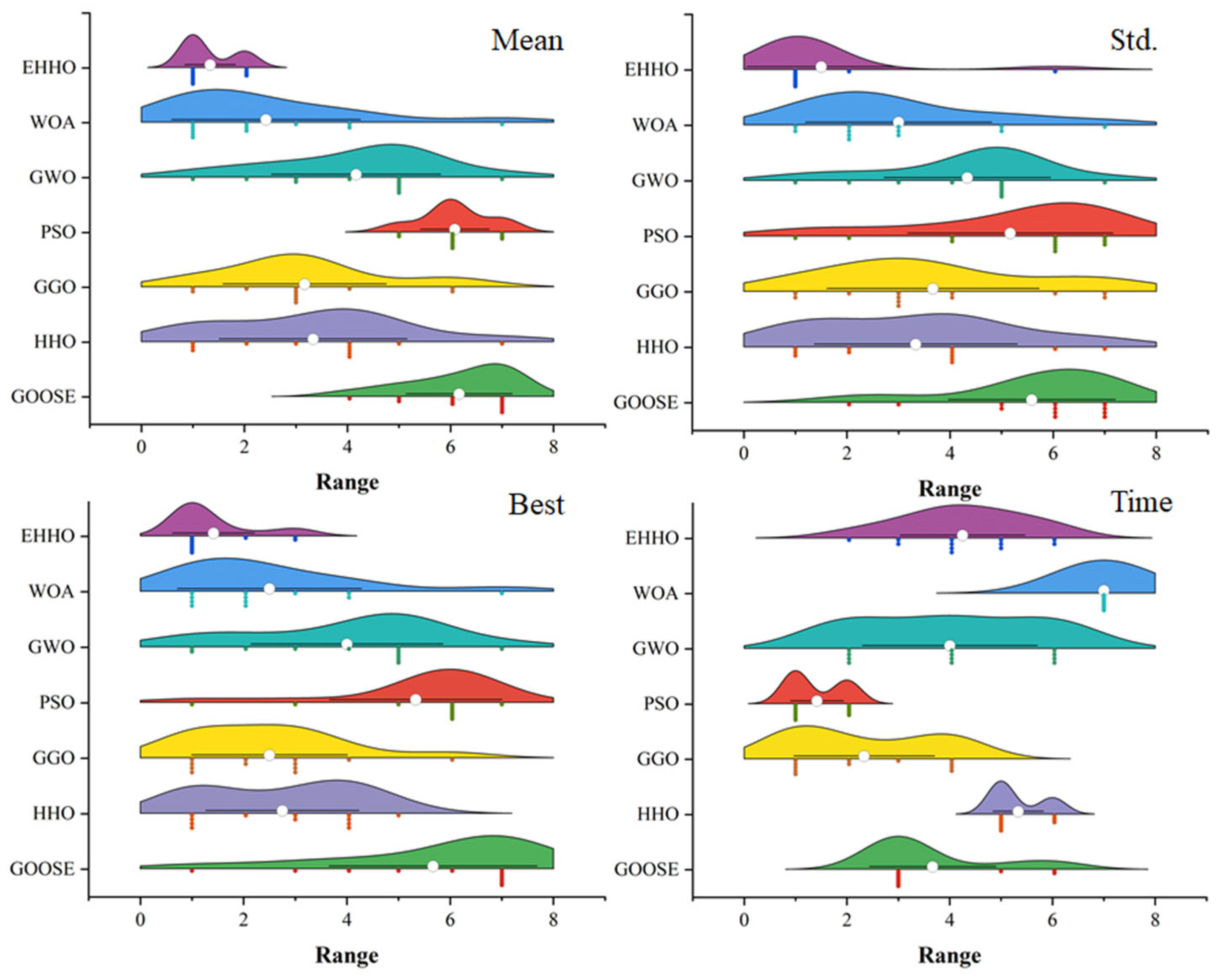
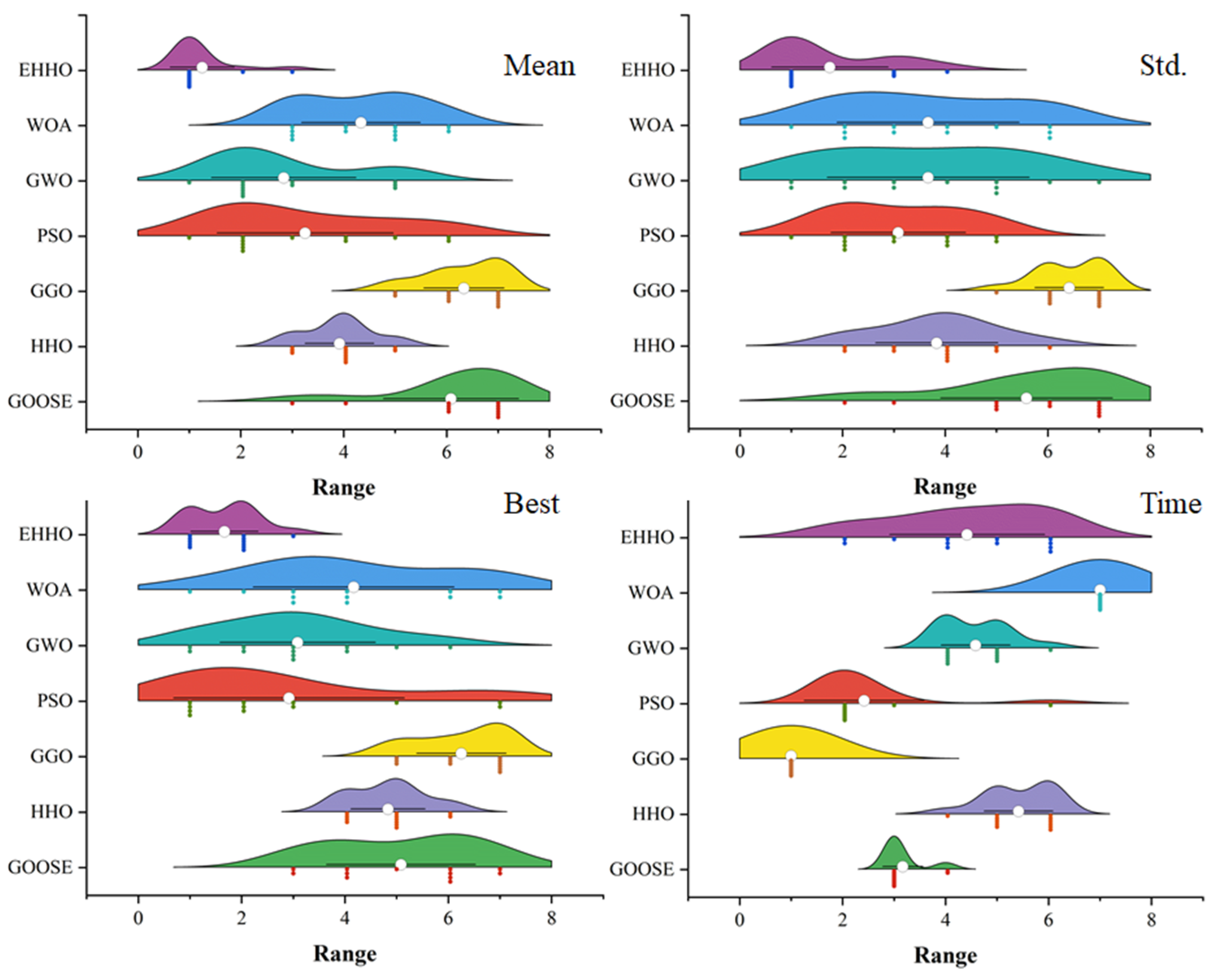
Figure 5. The ranking of performance metrics in the specific simulation experiments is shown in
Figure 6.
Overall, EHHO achieves superior performance in terms of mean value, standard deviation, and best value across most benchmark functions. For unimodal and multimodal functions (e.g., F1–F3, F6–F9), its solution accuracy outperforms that of the comparison algorithms, validating the effectiveness of the nonlinear escape energy factor in balancing global exploration and local exploitation. Its excellent stability benefits from the synergistic effect of hybrid initialization and the opposition-based learning strategy, while its strong global optimization capability reflects the advantage of the pinhole imaging strategy in escaping local optima. In terms of runtime, EHHO achieves shorter computation times than HHO on five functions, including F1, F4, F5, F7, and F8; notably, on F4, its runtime is only 65.1% that of HHO. For most other functions, EHHO incurs a slightly higher runtime than HHO, yet on certain functions it requires less time due to faster convergence. This is attributable to the pinhole imaging opposition-based learning strategy, which introduces additional opposition solution generation and evaluation operations in each iteration, adding a fixed computational overhead. Nevertheless, this marginal increase in runtime is accompanied by a substantial improvement in convergence accuracy and stability (e.g., accuracy improvements of several orders of magnitude on functions F1–F3). The overall performance gain achieved justifies the associated time cost.
4.2. CEC2022 Test Function
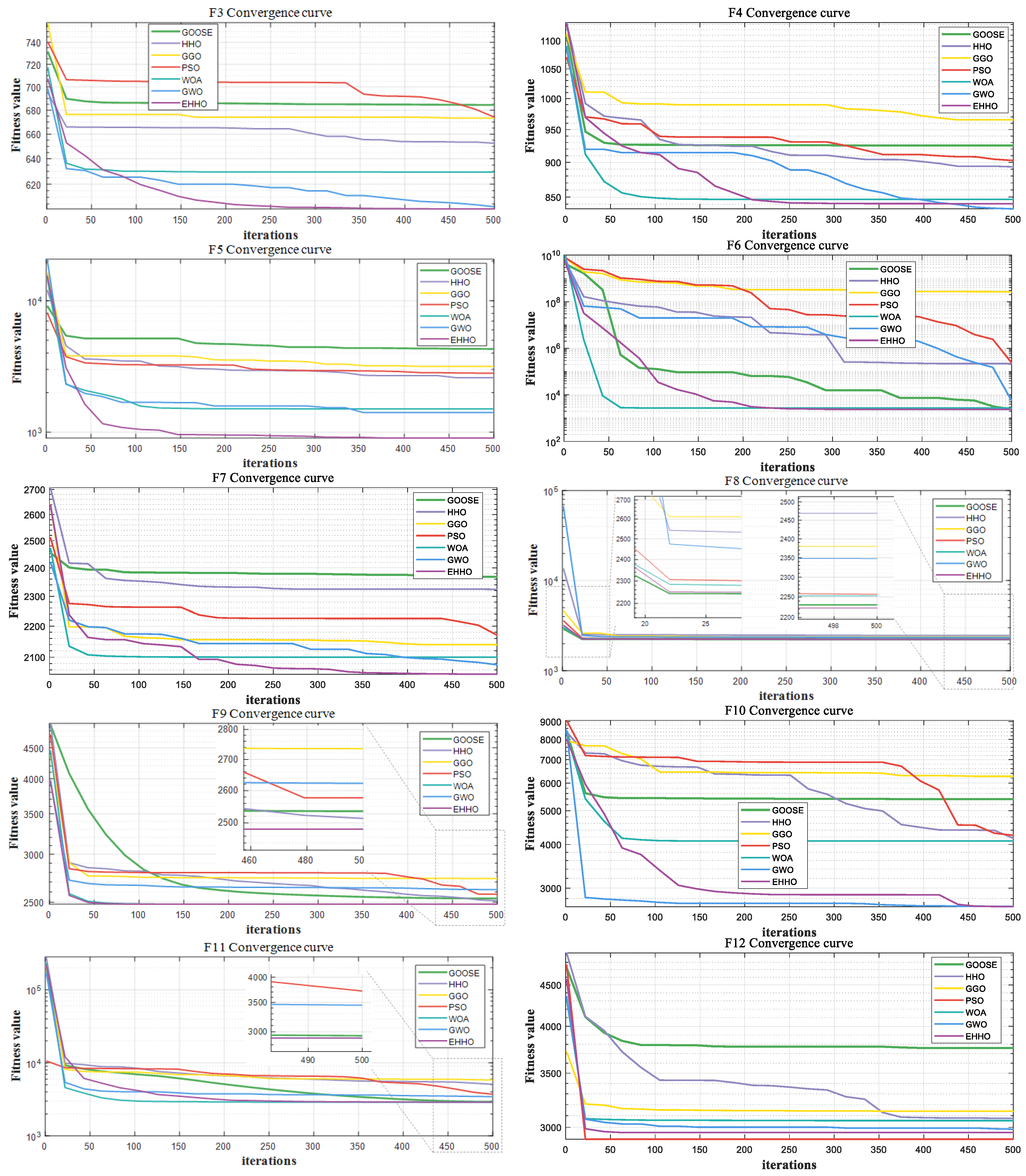
To further validate the optimization performance and robustness of the proposed algorithm on complex benchmark problems, the publicly available CEC2022 benchmark test suite was employed for comparative optimization analysis among seven algorithms under 10-dimensional and 20-dimensional settings. The benchmark suite contains a variety of test functions with different optimization characteristics, and
Table 3 summarizes the relevant information of functions F1–F12, including their categories and dimensional settings. The detailed experimental results are reported in
Table 4 and
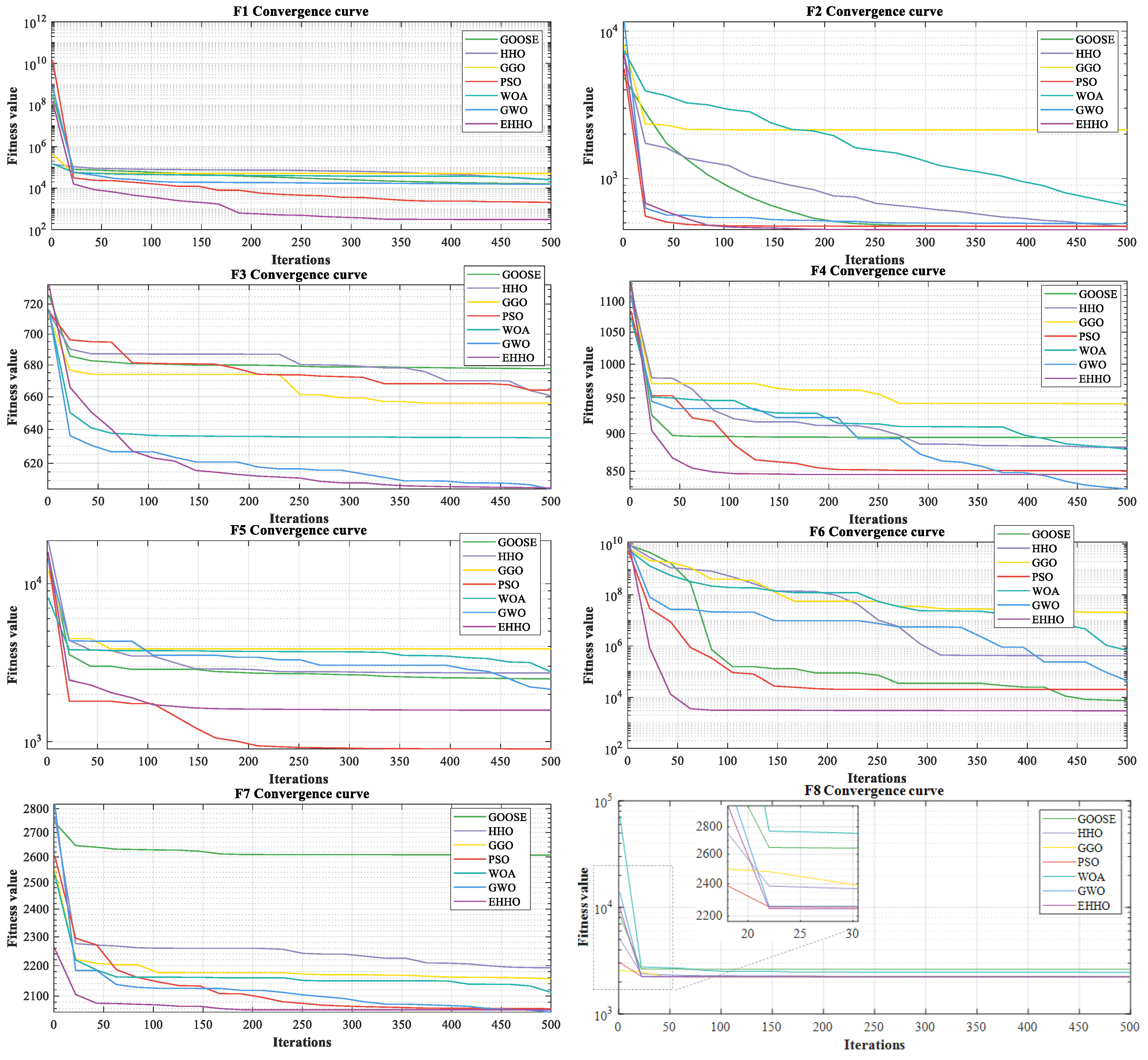
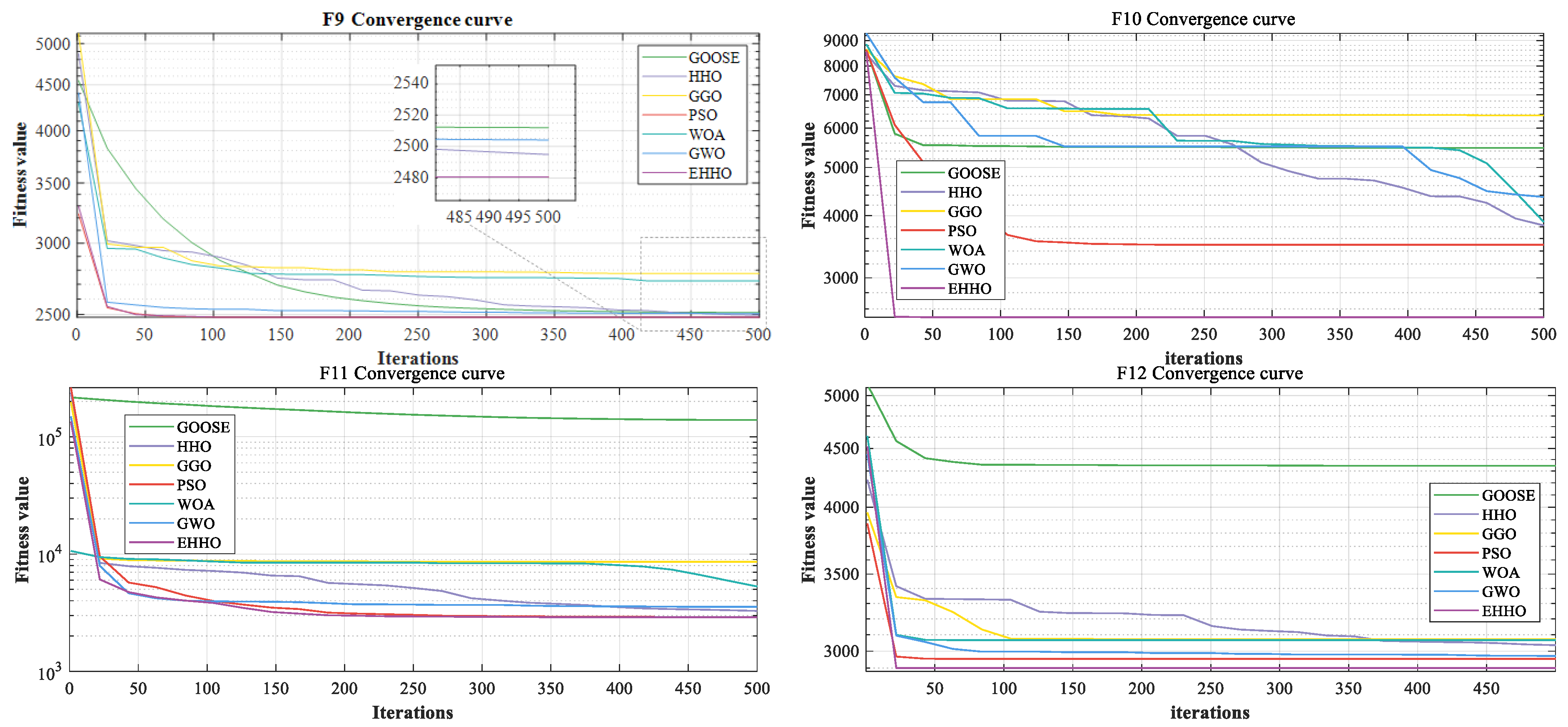
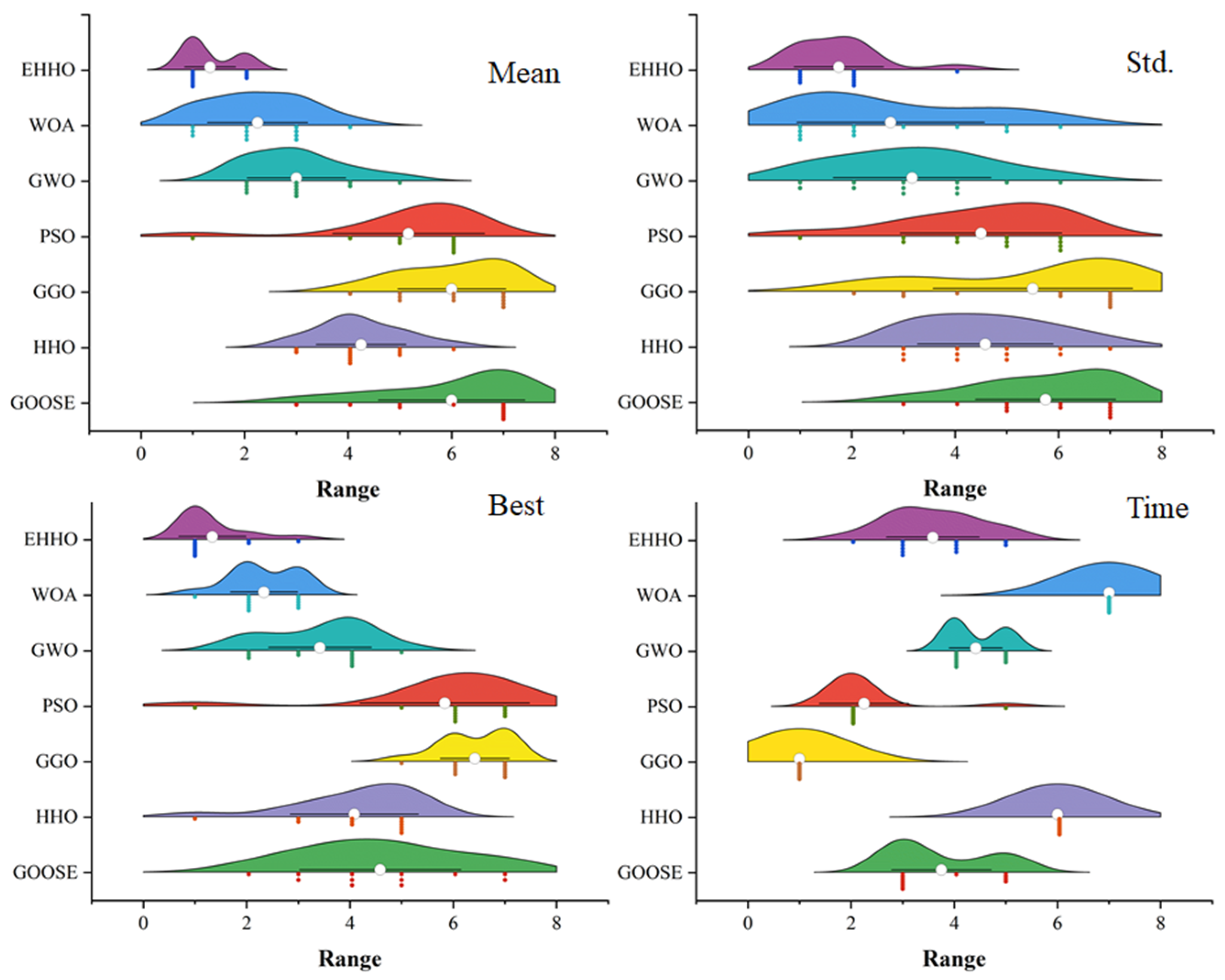
Table 5, while the convergence curves and ranking comparisons of the algorithms are illustrated in
Figure 7,
Figure 8,
Figure 9 and
Figure 10.
Based on the overall experimental results, the improved Harris Hawks Optimization (EHHO) algorithm demonstrates exceptional comprehensive performance. In the 10-dimensional tests, EHHO ranks first in the mean value for 8 out of 12 functions (F1–F3, F5–F9), confirming that the nonlinear escape energy factor enhances convergence accuracy by balancing global exploration and local exploitation. In the 20-dimensional tests, the advantages of EHHO become even more pronounced, ranking first in the mean value for 9 out of 12 functions (F1–F7, F9). In terms of stability, EHHO ranks first in standard deviation for 11 functions (F1–F11) in the 10-dimensional tests and for 8 functions (F1–F6, F8) in the 20-dimensional tests, reflecting the excellent stability ensured by the improved initialization strategy and the pinhole imaging opposition-based learning strategy. Regarding optimization capability, EHHO ranks first in the best value for nine functions (F1–F7, F9–F10) in the 10-dimensional tests and for nine functions (F1–F8, F10) in the 20-dimensional tests, highlighting the unique advantage of the dynamic opposition-based learning mechanism in escaping local optima.
A detailed analysis of time cost reveals a similar trend in computational time comparison between EHHO and HHO. In the 10-dimensional tests, EHHO ranks second in F4 and third in F3 and F5; in the 20-dimensional tests, EHHO ranks third in F3 and F4, and ranks fourth in most other functions. On functions such as F2, F6, and F10, the runtime of EHHO is lower than that of HHO; notably, on the 10-dimensional F2 function, the runtime of EHHO is only 55.6% that of HHO, demonstrating a certain efficiency advantage. For most other functions, EHHO incurs additional computational burden due to the opposition-based learning mechanism, with runtime generally slightly higher than that of HHO and several other algorithms, and, compared with the fastest GGO, considering both 10-D and 20-D functions, EHHO’s average runtime is moderately higher than that of GGO, with an increase of approximately 0.07 s in 10-D and 0.13 s in 20-D. However, in contrast, EHHO consistently obtains better-quality solutions, with average best values lower than those of GGO by approximately 2.03 × 10⁴ across all functions. This indicates a balanced trade-off between computational cost and solution quality: the modest increase in runtime due to additional strategies, such as opposition-based learning and enhanced initialization, is accompanied by notable gains in convergence accuracy and robustness. Therefore, EHHO offers a practical approach for optimization tasks where solution quality and reliability are prioritized alongside reasonable computational efficiency.
4.3. The Application of EHHO Algorithm in Path Planning
4.3.1. Grid Map
The grid method is a spatial partitioning and search strategy commonly used in computer science and engineering, particularly in fields such as path planning and robot navigation. This approach divides continuous space into discrete units or “grids,” each representing a specific region within the space. By doing so, the grid method simplifies the complexity of the environment, enabling path-planning algorithms to operate in a more structured setting. The core idea of the grid method is to treat the entire surrounding environment as a two-dimensional plane and further partition it into multiple equally sized small units, referred to as “grids.” It is simple and effective, effectively reducing the complexity of environmental modeling. Therefore, this paper adopts the grid method to construct the working environment model for mobile robots. In the grid environment, 0 and 1 are used to indicate whether a grid represents an obstacle or a free space.
4.3.2. Path-Planning Simulation Experiment and Results
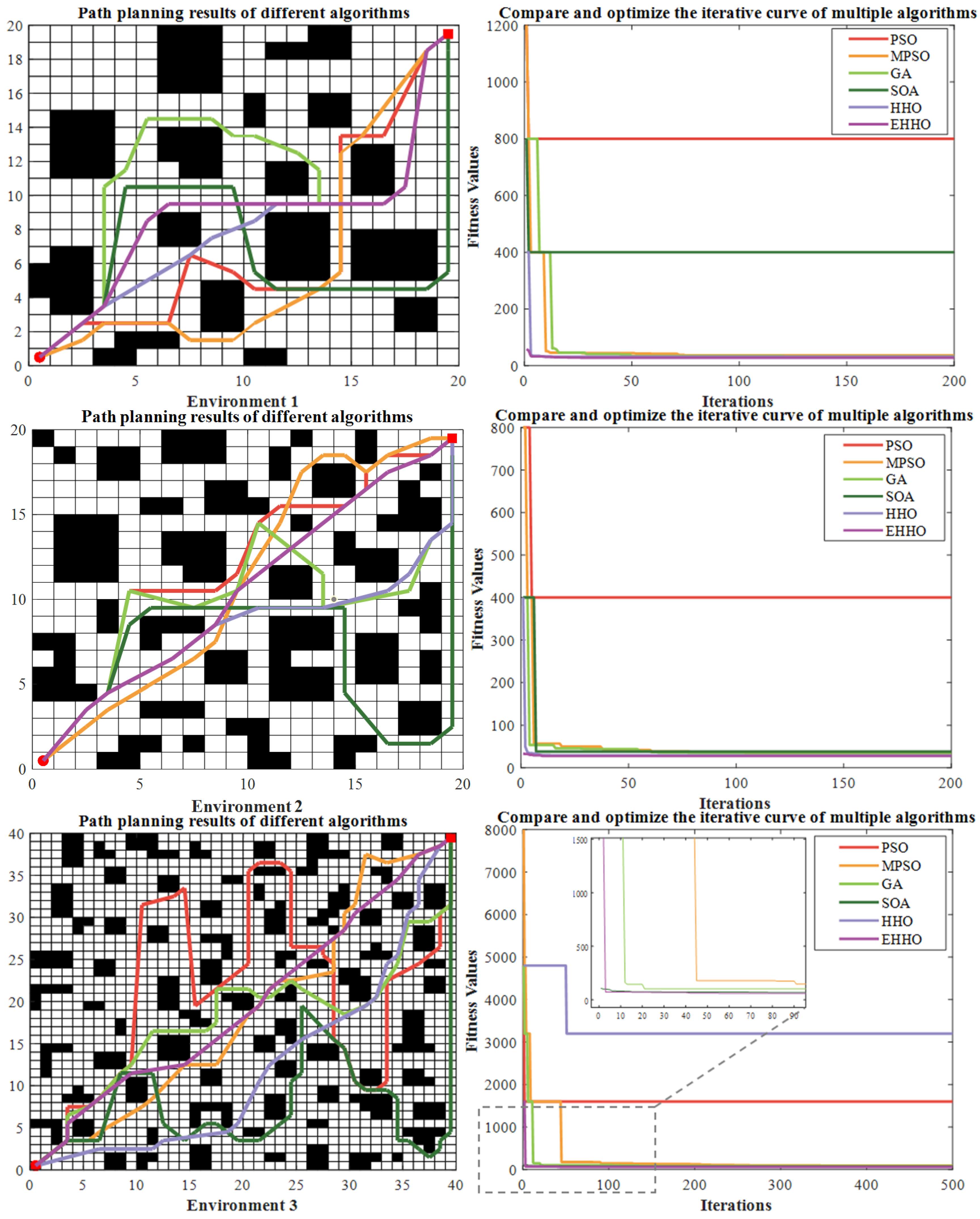
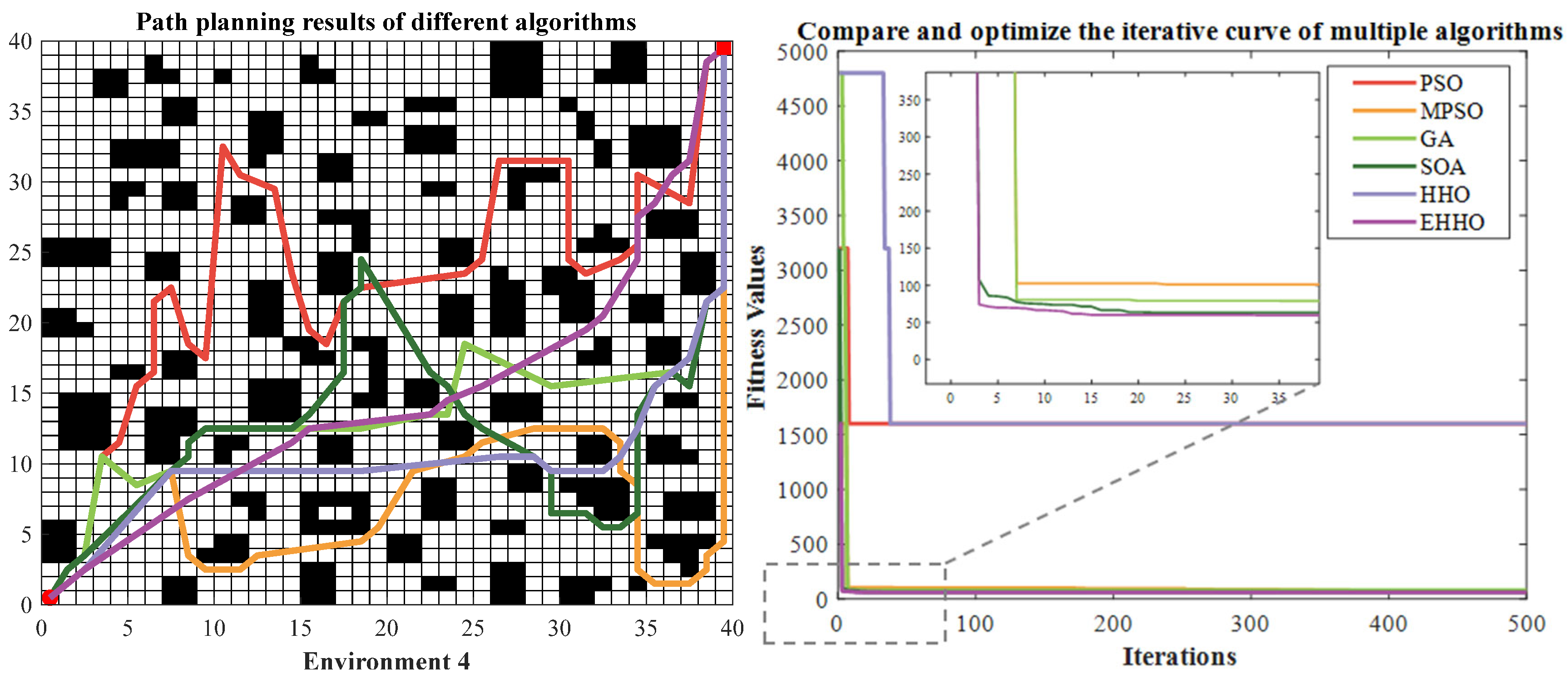
To evaluate the performance of the path-planning algorithms in different scenarios, the simulation environments are categorized into simple and complex types based on obstacle proportion, with two grid sizes of 20 × 20 and 40 × 40, respectively. Map 1 contains a relatively small number of obstacles, which are regularly shaped and sparsely distributed, leaving a sufficiently wide feasible passage between the start and target points. Map 2 features an increased number of obstacles with irregular shapes and dense distribution, presenting multiple narrow passages and greater planning difficulty. Map 3 is larger in size but maintains a similar obstacle proportion to Map 1, primarily serving to test the scalability of the algorithms in larger spaces. Map 4 represents a challenging environment characterized by both large scale and high complexity, with intricate obstacle structures designed to comprehensively evaluate the global planning and local obstacle avoidance capabilities of the algorithms. To validate the effectiveness of the proposed EHHO algorithm in path planning, six algorithms—PSO, MPSO (Multi-Strategy PSO) [
19], GA, SOA (Seagull Optimization Algorithm), and the standard HHO algorithm—are selected for comparison, and simulation experiments are conducted on unified grid maps. The population size and number of iterations for all algorithms are set to 50 and 300, respectively. Ten simulation experiments are performed for each of the six algorithms on the two 20 × 20 maps and the two 40 × 40 maps, and the mean fitness value (mean), standard deviation (std.), best value (best), and algorithm simulation time (time) are adopted as evaluation metrics. The specific simulation results are presented in
Table 6, while the fitness value convergence curves and path comparison graphs are shown in
Figure 11.
This section comprehensively evaluates the performance of the Enhanced Harris Hawks Optimization (EHHO) algorithm through systematic simulation experiments, ranging from benchmark function tests to practical path-planning applications. In the path-planning experiments, EHHO demonstrates advantages across grid maps of varying sizes and complexities. Specifically, on the 20 × 20 map (Map 1), the average path length of EHHO is reduced by 10.29% compared to the original HHO algorithm; on the 20 × 20 map (Map 2), the reduction reaches 29.31%, highlighting the effectiveness of the improved strategies in environments ranging from simple to moderate complexity. On the more complex 40 × 40 maps, EHHO maintains stable performance improvements, with average path length reductions of 7.11% and 5.20% on Map 3 and Map 4, respectively.
In terms of algorithmic stability, EHHO also performs well. Across all test maps, the standard deviation of path length obtained by EHHO is lower than that of HHO and other compared algorithms. For instance, on the 20 × 20 map (Map 2), the standard deviation of EHHO is lower than HHO’s value of 1.5134. Moreover, in terms of the “best value” metric across all maps, EHHO consistently identifies shorter paths than HHO, indicating smaller fluctuations across multiple runs, better robustness, and less sensitivity to the initial random population. Overall, compared to the original HHO, EHHO achieves a 12.98% reduction in average path length while improving stability and reliability.
Regarding computational efficiency in the path-planning simulations, EHHO generally achieves comparable or faster runtimes than the original HHO algorithm, except for the larger 40 × 40 maps, where runtimes are similar. Compared with faster algorithms such as PSO, EHHO’s average runtime is slightly higher—about 0.873 s on average across the four test maps—but it consistently produces shorter paths, with an average reduction of approximately 53.81 m in path length. These results indicate that EHHO achieves a favorable balance between computational efficiency and path quality, providing smoother, safer, and more reliable paths for practical AGV deployment. Considering that warehouse AGV path planning generally emphasizes path safety and stability in addition to computation time, the proposed remains acceptable for practical applications.
These results confirm that the proposed enhanced sine chaotic mapping, nonlinear energy factor, and pinhole imaging opposition-based learning strategy effectively improve algorithm performance in path-planning problems, particularly in solution quality, convergence accuracy, and robustness.
4.4. Real Warehouse Environment Experiment
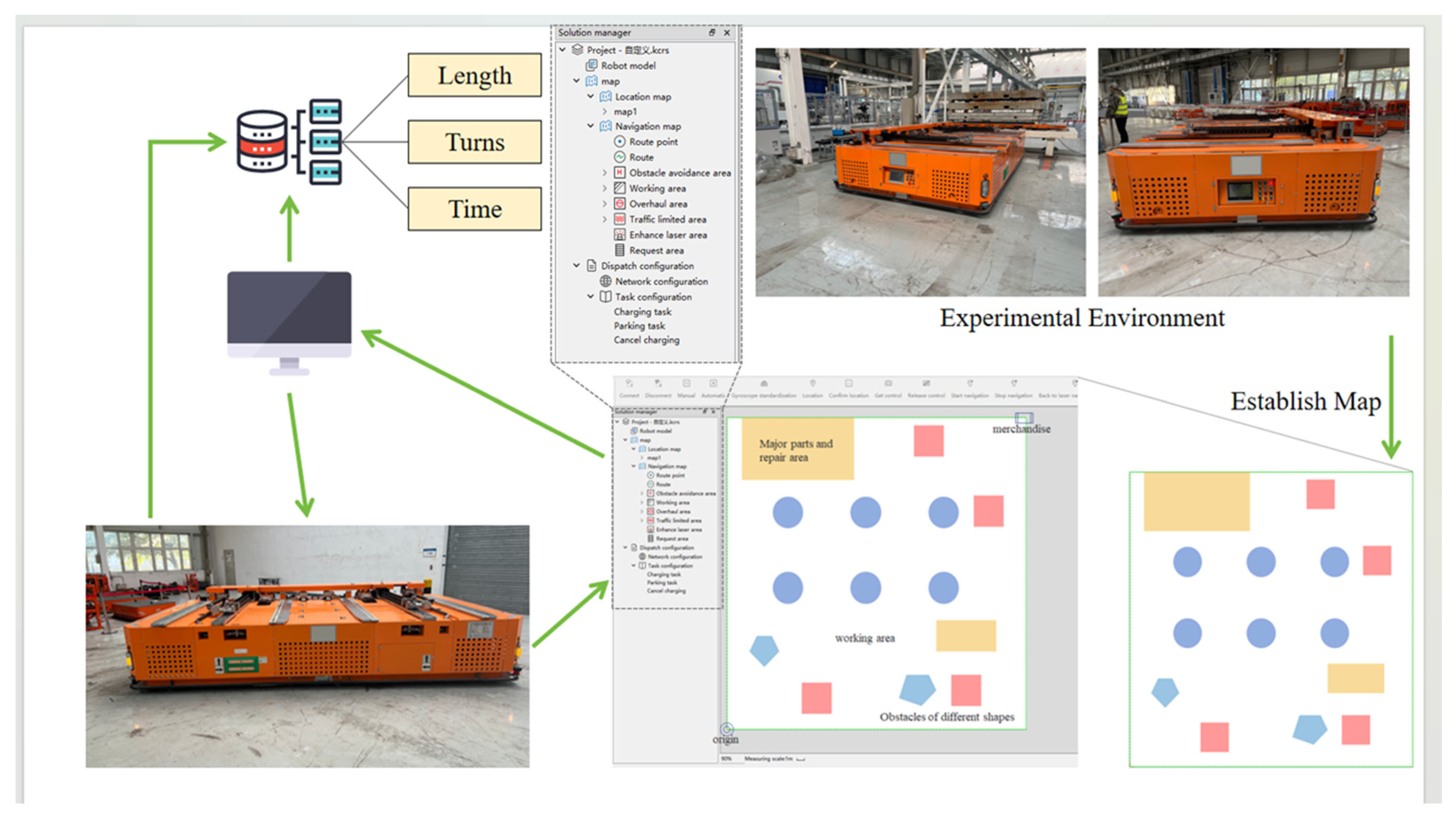
To validate the transferability of the EHHO algorithm in real-world warehousing environments, this study selects a simulated warehouse with an area of approximately 458 square meters as the test scenario. In this scenario, typical obstacles such as shelves and workstations are reasonably arranged to replicate the complex layout of an actual warehousing environment. The corresponding warehouse environment is illustrated in
Figure 12. A 20-ton differential-drive AGV is employed as the experimental platform, The prototype has a size of 5 × 2.7 m and uses a multi-sensor fusion system that integrates light detection and ranging (LiDAR), inertial measurement units (IMUS), infrared laser sensors, and Beidou satellite navigation modules, with a linear velocity set to 0.6 m/s and an angular velocity set to 0.3 m/s to simulate motion characteristics under actual operating conditions.
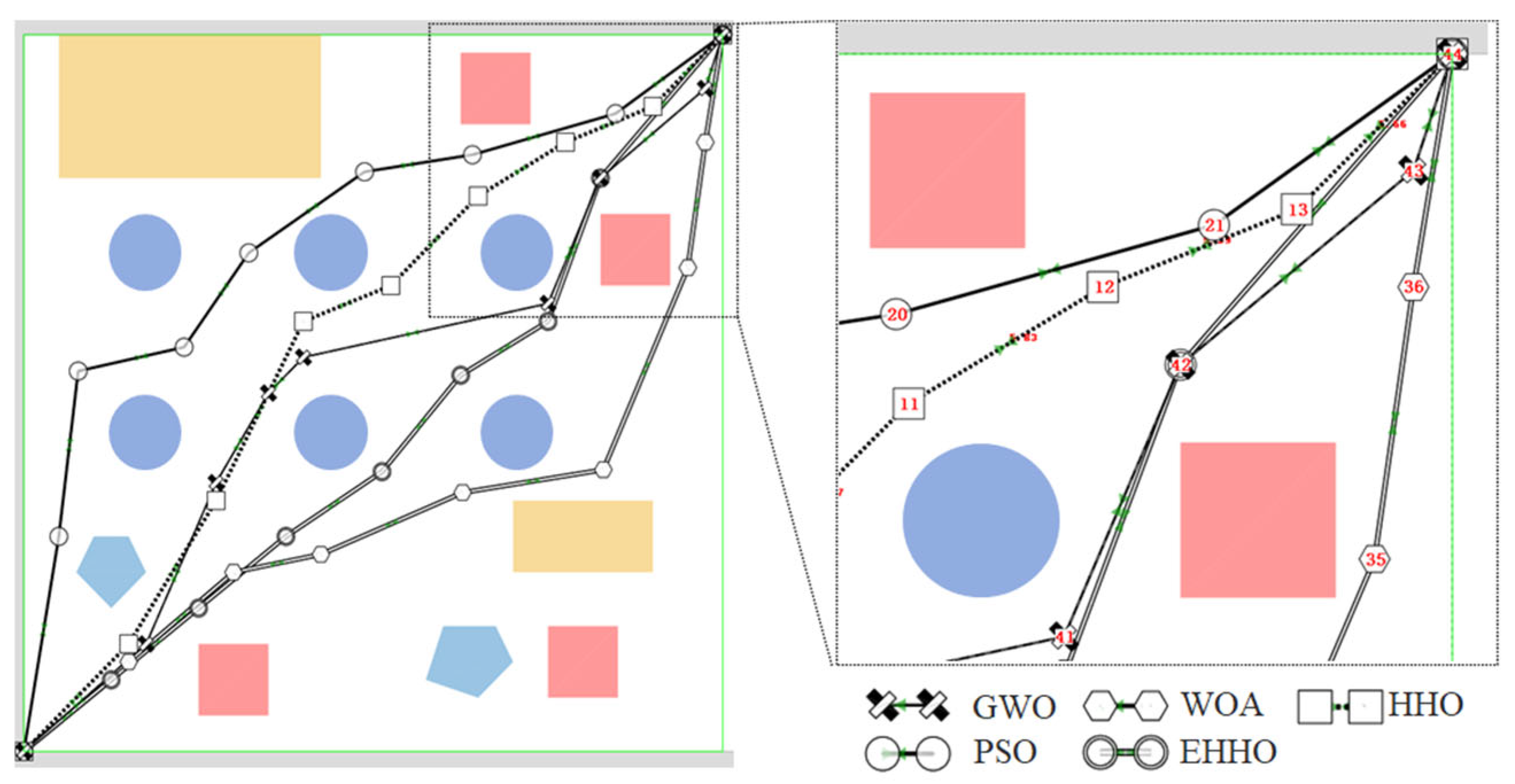
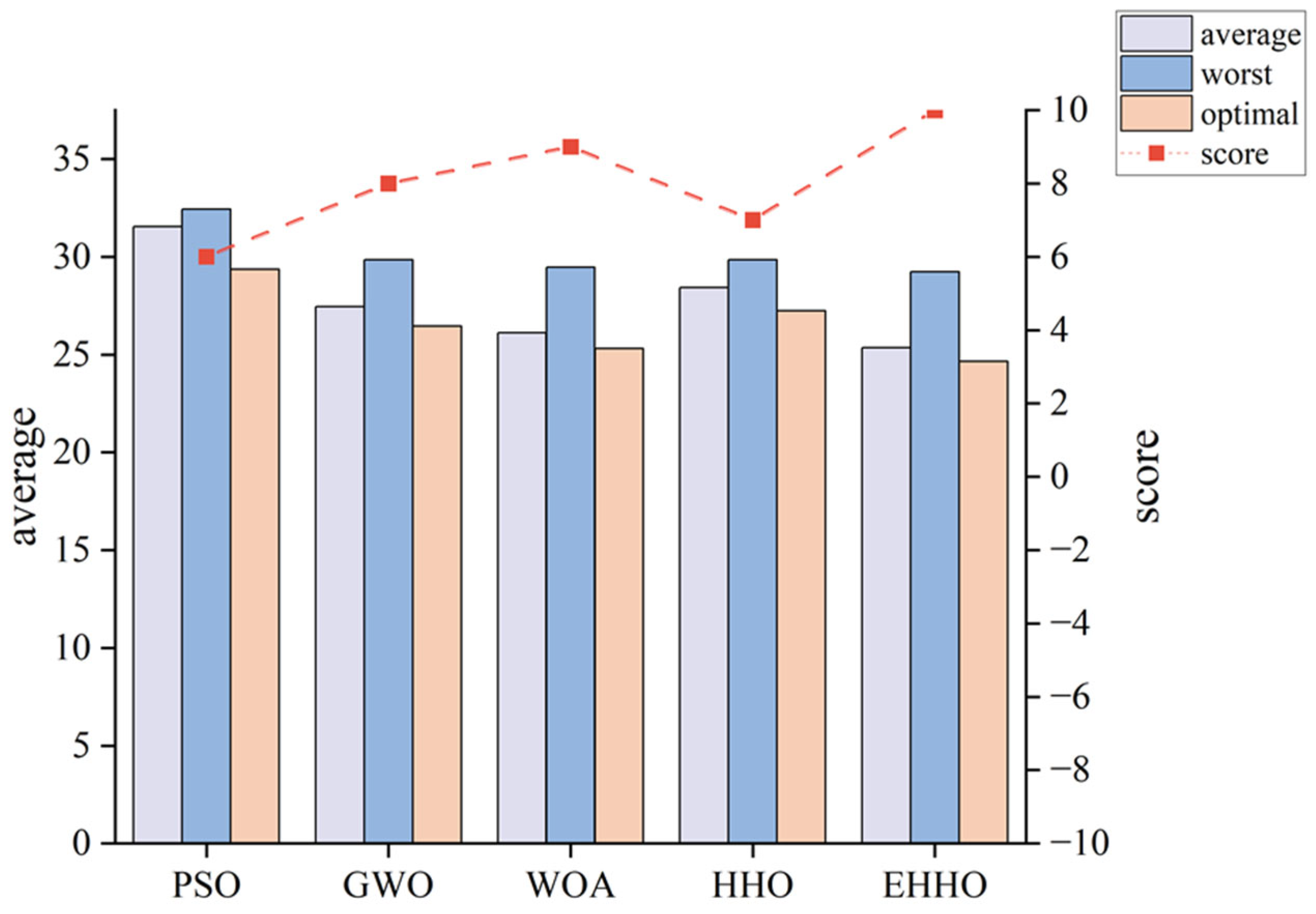
Five path-planning algorithms—namely, EHHO, HHO, PSO, GWO, and WOA—were implemented in the MATLAB environment for comparison. First, a map corresponding to the real warehouse environment was constructed using robot application software. The map was then uploaded to a computer for path-planning computation and waypoint generation. The generated waypoints were transmitted to the AGV control system to execute motion tasks. After task completion, metrics, including path length, travel time, and number of turns, were recorded for performance evaluation. The experimental process is illustrated in
Figure 12. To mitigate the impact of randomness on the experimental results, each algorithm is independently run five times, with the AGV assigned to perform the motion task, and the average value of each metric is taken as the final evaluation criterion. Detailed experimental results are presented in
Table 7,
Figure 13 and
Figure 14.
In the AGV deployment experiments, the EHHO algorithm demonstrated comprehensive performance advantages. Compared with the original HHO algorithm, the average path length planned by EHHO was reduced from 28.42 m to 25.35 m, a decrease of 10.81%; the average travel time was reduced from 104.64 s to 92.15 s, a decrease of 11.94%. Compared with other benchmark algorithms, EHHO also exhibited superior performance: path length was reduced by 19.65% and travel time by 19.62% compared with PSO; path length was reduced by 7.66% and travel time by 7.26% compared with GWO; and path length was reduced by 2.97% and travel time by 4.25% compared with WOA. In terms of path smoothness, EHHO achieved the only breakthrough with zero sharp turns, and the average number of turns was reduced to five, the lowest among all algorithms. Based on a comprehensive ranking of the evaluation metrics, EHHO outperformed the second-ranked WOA and the original HHO. The experimental results fully validate the effectiveness of the EHHO algorithm in real industrial scenarios. Through the synergistic effects of the enhanced sine chaotic mapping initialization, the nonlinear energy factor, and the pinhole imaging opposition-based learning strategy, the algorithm not only enhances global optimization capability but also improves path quality, achieving shorter, smoother, and more energy-efficient trajectories for AGVs, thereby providing reliable algorithmic support for improving the efficiency of intelligent warehousing systems.
5. Conclusions
This paper systematically investigates the application of the Harris Hawks Optimization (HHO) algorithm to AGV path-planning problems. To address three core limitations of the standard HHO algorithm when solving such problems—namely, uneven initial population quality, insufficient balance between exploration and exploitation phases, and a tendency to fall into local optima—a comprehensively enhanced Harris Hawks Optimization (EHHO) algorithm is proposed. EHHO integrates three collaboratively operating core strategies: a hybrid initialization strategy based on enhanced sine chaotic mapping improves the quality and diversity of the initial population, generating initial solutions for path planning that are feasible, continuous, and exploratory; a nonlinear escape energy factor replaces the original linear decay mechanism to dynamically balance global exploration and local exploitation, allowing the algorithm to fully explore the solution space in the early iterations and rapidly converge to high-quality solutions in the later stages; and a pinhole imaging opposition-based learning strategy enhances the algorithm’s ability to escape local optima by dynamically generating opposition solutions, effectively avoiding dead ends or locally optimal paths during the path search process.
Through systematic comparisons on 12 classical benchmark functions and the CEC2022 test suite (10-dimensional and 20-dimensional), the advantages of EHHO in convergence accuracy, stability, and robustness are validated. In the classical function tests, EHHO ranks among the top in mean, standard deviation, and best value across multiple unimodal, multimodal, and composite functions, achieving convergence accuracy improvements of several orders of magnitude compared with HHO. In the CEC2022 tests, EHHO ranks first in mean and standard deviation for most functions, and its advantages become more pronounced as problem dimensionality increases. These results fully demonstrate the effectiveness of the nonlinear escape energy factor in balancing search capability, as well as the synergistic effects of the hybrid initialization and opposition-based learning strategies in ensuring population diversity and escaping local optima.
In the validation of path-planning applications, EHHO was deployed on grid maps of varying sizes and complexities and compared with several mainstream algorithms. Experimental results show that EHHO consistently plans shorter and smoother paths across different obstacle densities and map scales, with particularly notable improvements in path length reduction and stability in complex environments. To further verify the engineering applicability of the algorithm, AGV deployment experiments were conducted in a real warehousing scenario. The results indicate that the paths planned by EHHO outperform those of the compared algorithms in key metrics such as path length, travel time, and smoothness, achieving shorter, smoother, and safer trajectories. These findings confirm that the proposed improvement strategies can be effectively translated into tangible engineering performance enhancements.
Overall, EHHO achieves a significant reduction in average path length compared with the original HHO, while the standard deviation of path length is significantly reduced, and both convergence accuracy and stability are effectively improved. The three improvement strategies proposed in this paper synergistically enhance the comprehensive performance of the algorithm from three aspects—namely, the starting point, the process, and the mechanism of optimization. Their effectiveness and reliability are demonstrated not only through mathematical optimization benchmarks but also through practical path-planning experiments. The proposed method provides a feasible optimization framework for intelligent AGV navigation in structured warehouse environments and has potential applicability in practical logistics automation systems.
Although the EHHO algorithm exhibits excellent performance, it still has certain limitations, including the dependence of optimal control parameter selection on problem characteristics, the lack of a dynamic obstacle response mechanism, and a slight increase in runtime due to the opposition-based learning strategy. Future research can focus on improving the generalization capability of parameter adaptation mechanisms and optimizing convergence speed to reduce computational time.




 ,
,