
Article

Learning-Enhanced Predictive Control and Experimental Validation of an Electro-Hydraulic Track Tensioning System for Tracked Vehicles
1
School of Mechanical and Electrical Engineering, Northeast Forestry University, Harbin 150040, China
2
School of Civil Engineering and Transportation, Northeast Forestry University, Harbin 150040, China
*
Author to whom correspondence should be addressed.
Actuators 2026, 15(6), 292; https://doi.org/10.3390/act15060292
Submission received: 18 April 2026 / Revised: 20 May 2026 / Accepted: 22 May 2026 / Published: 26 May 2026
(This article belongs to the Section Actuators for Surface Vehicles)

Abstract

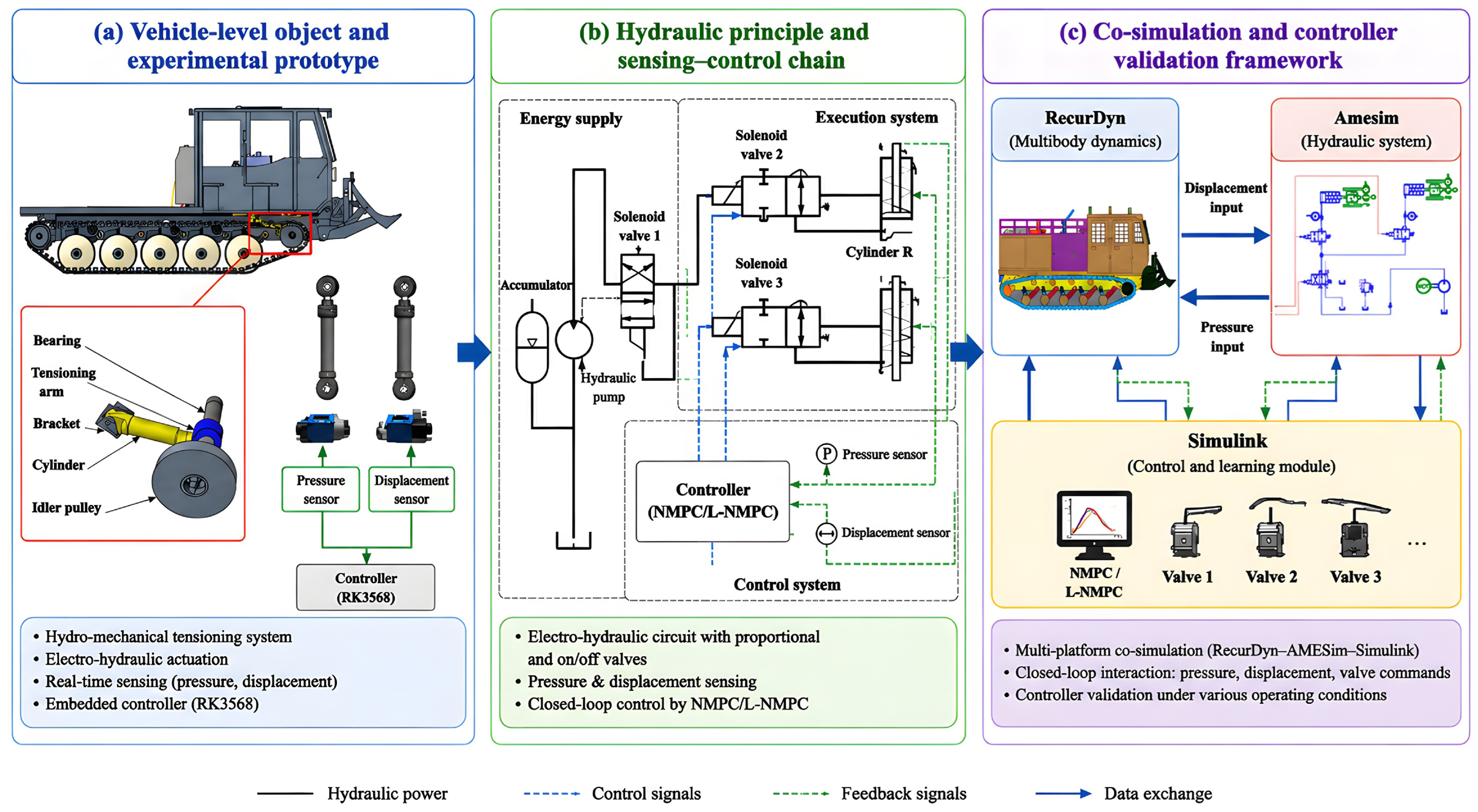
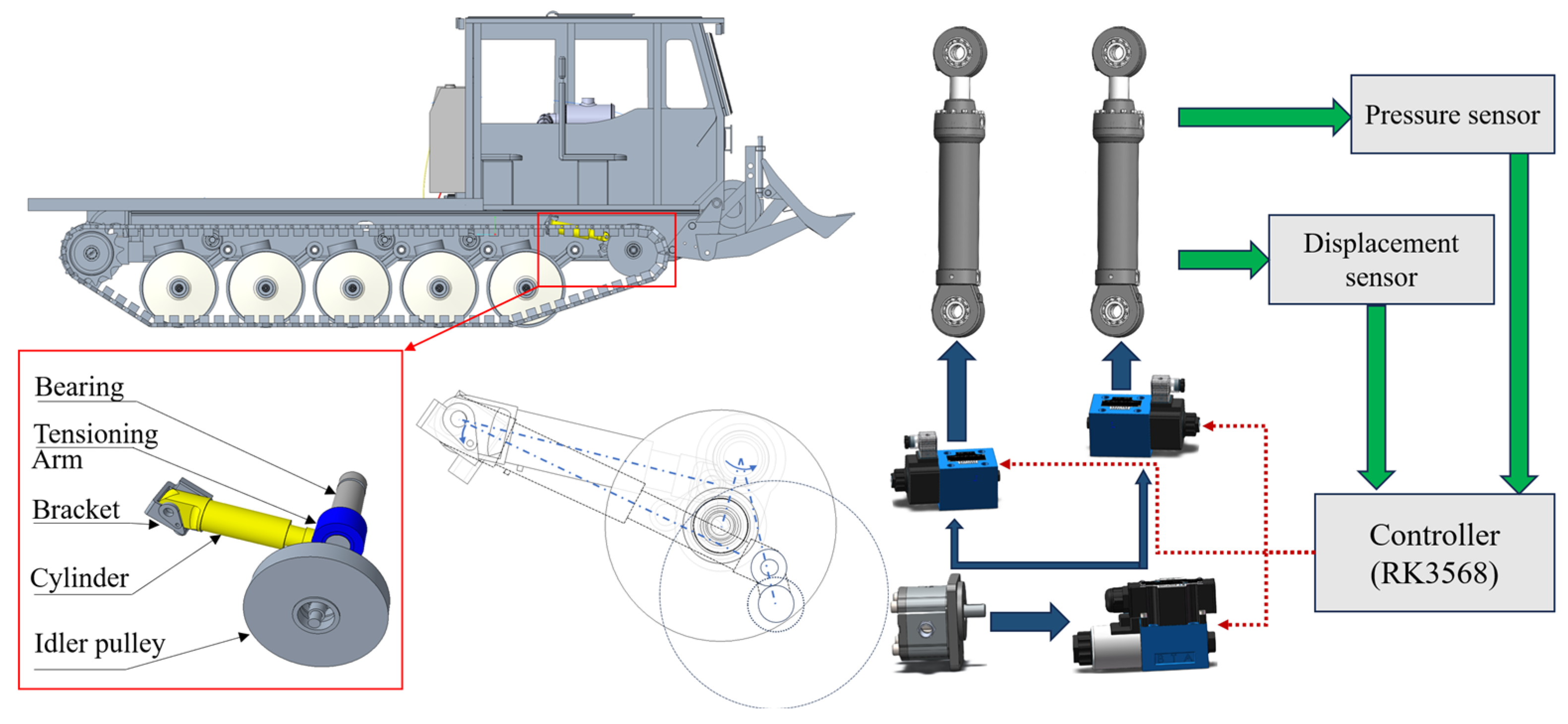
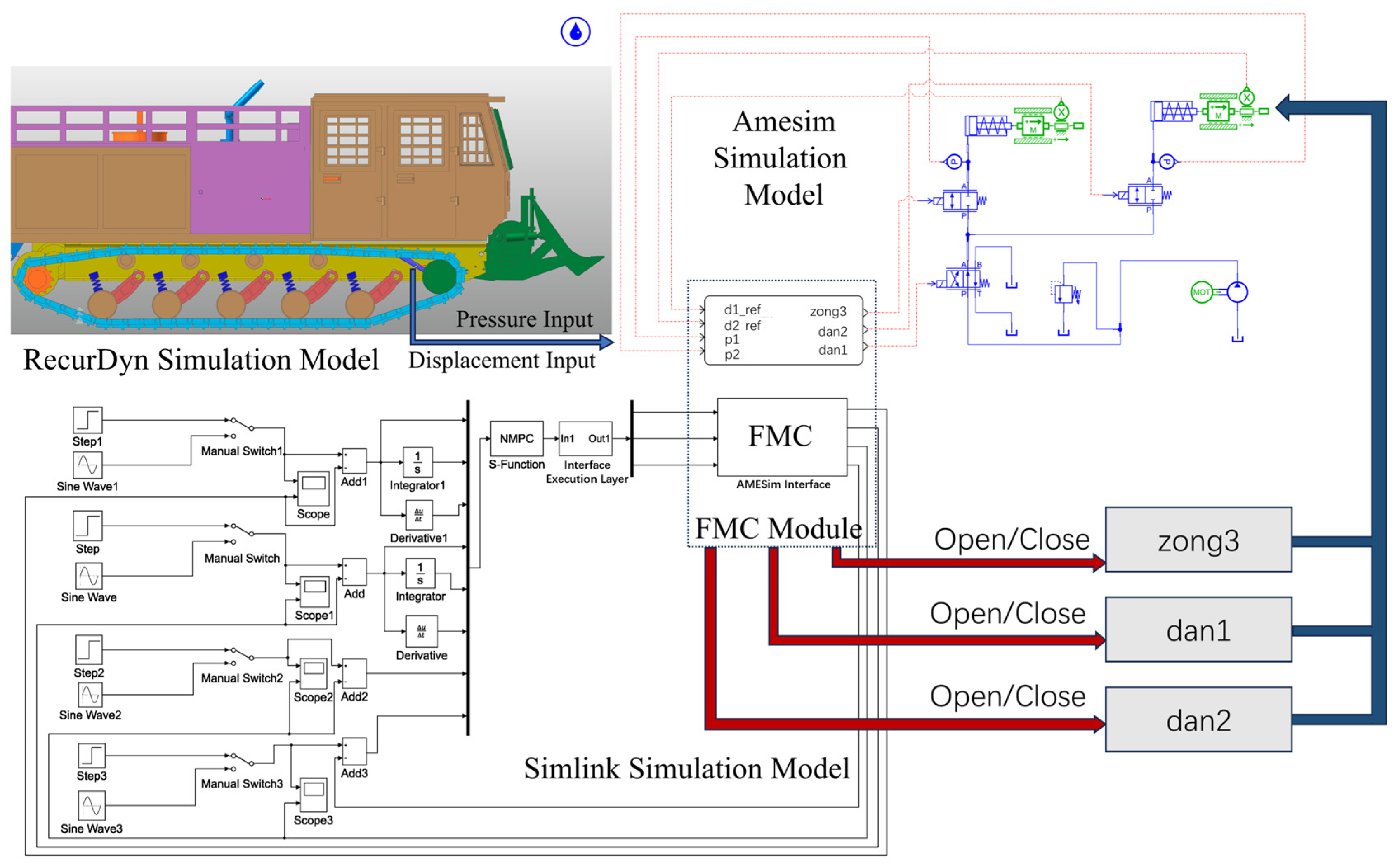
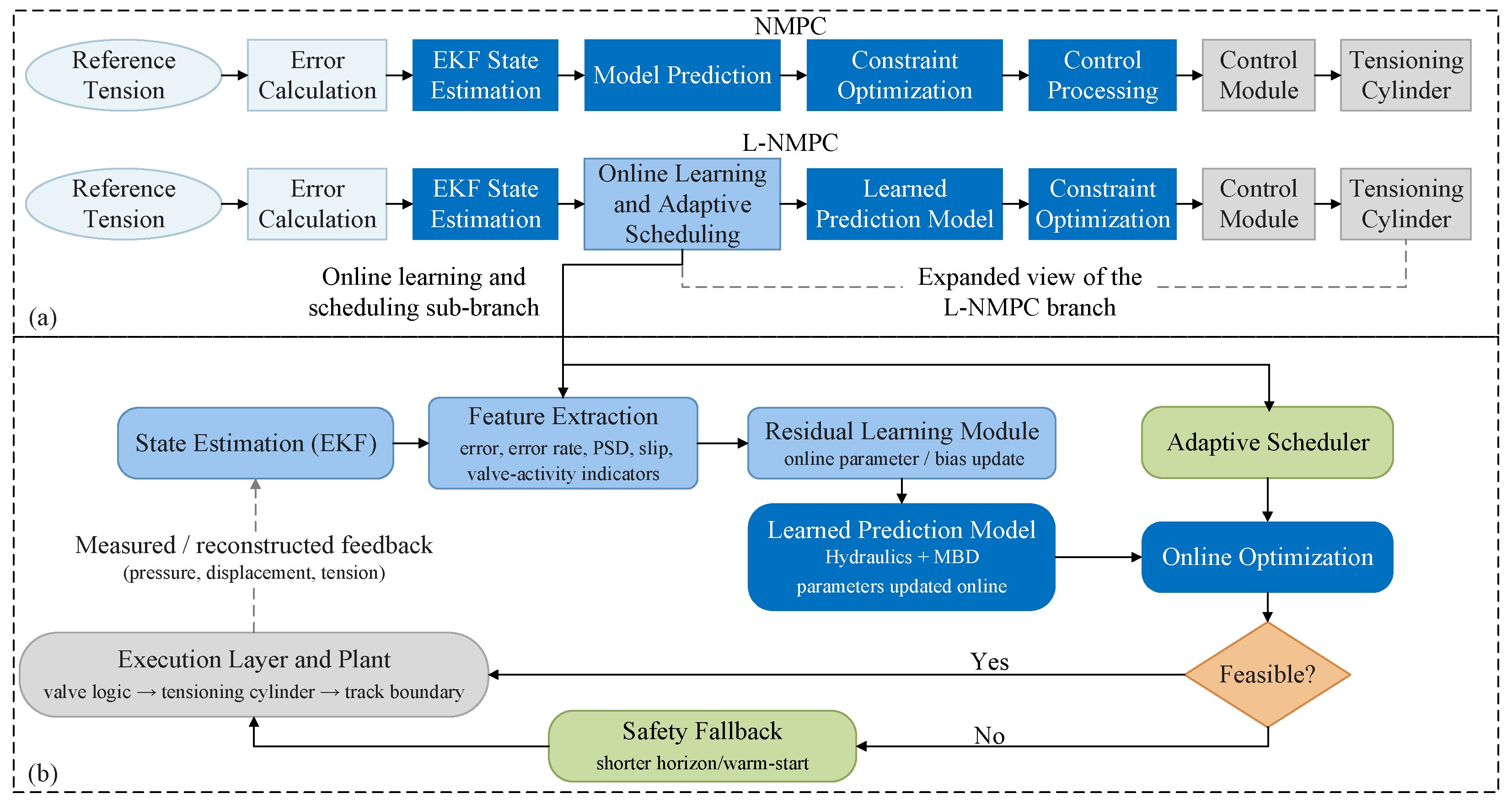
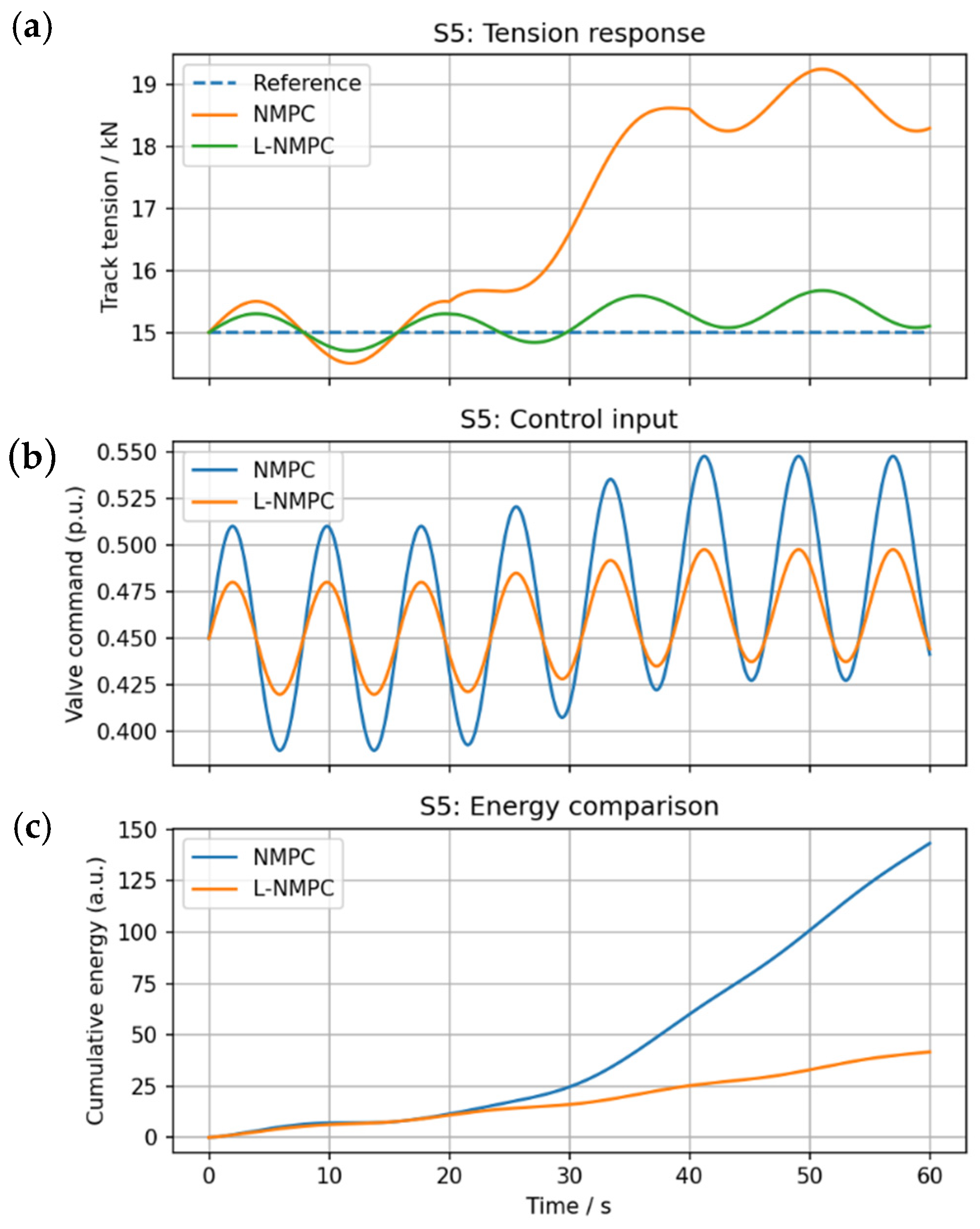
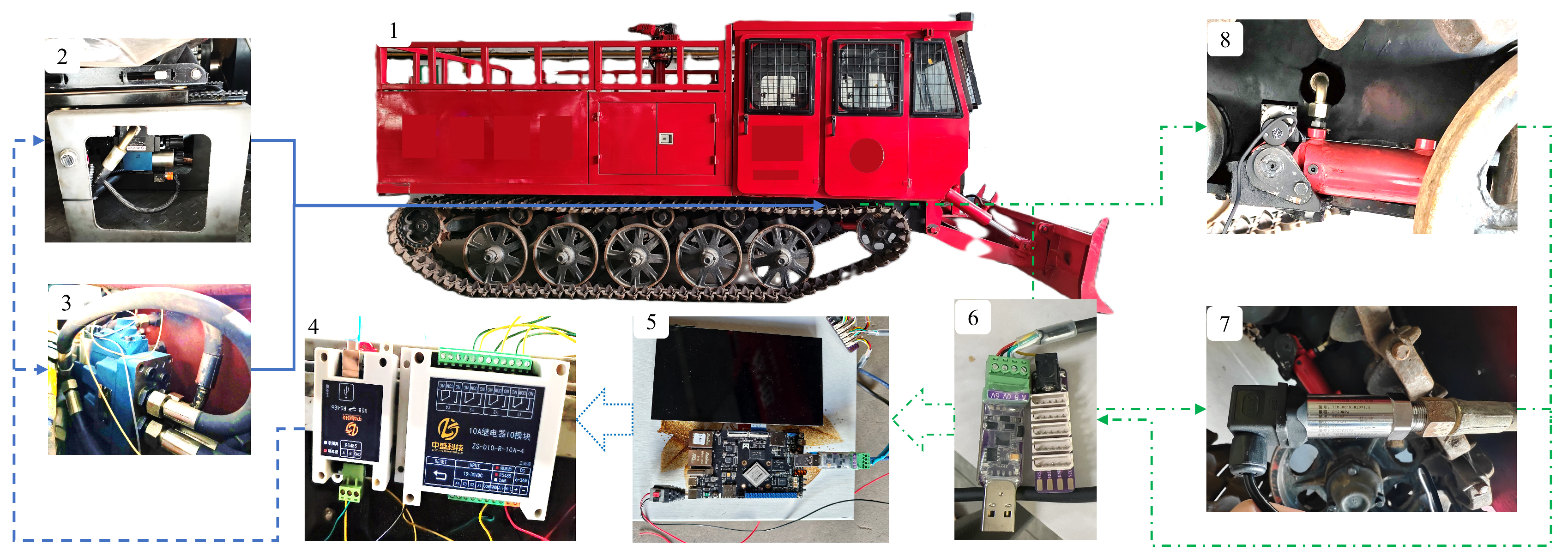
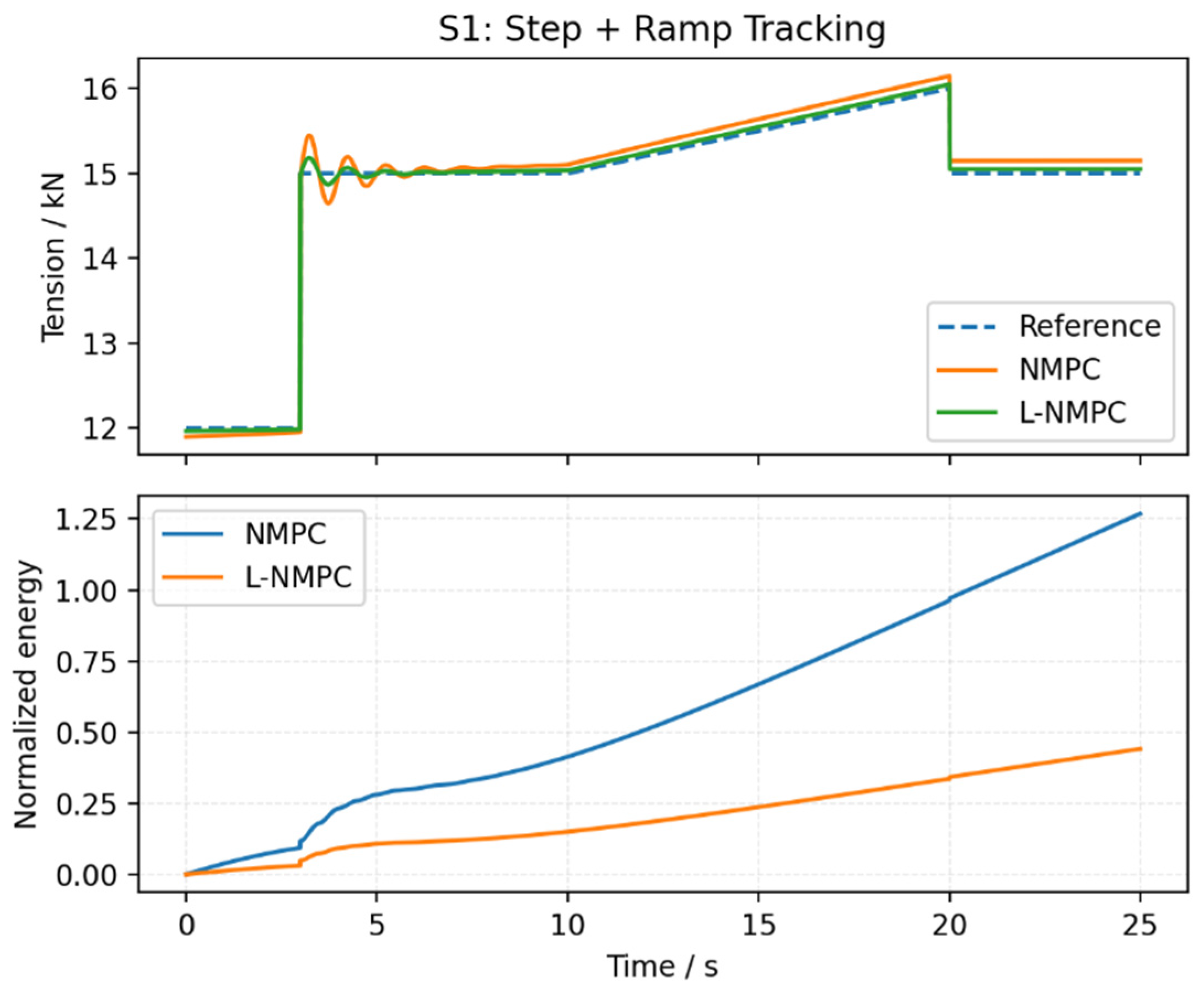
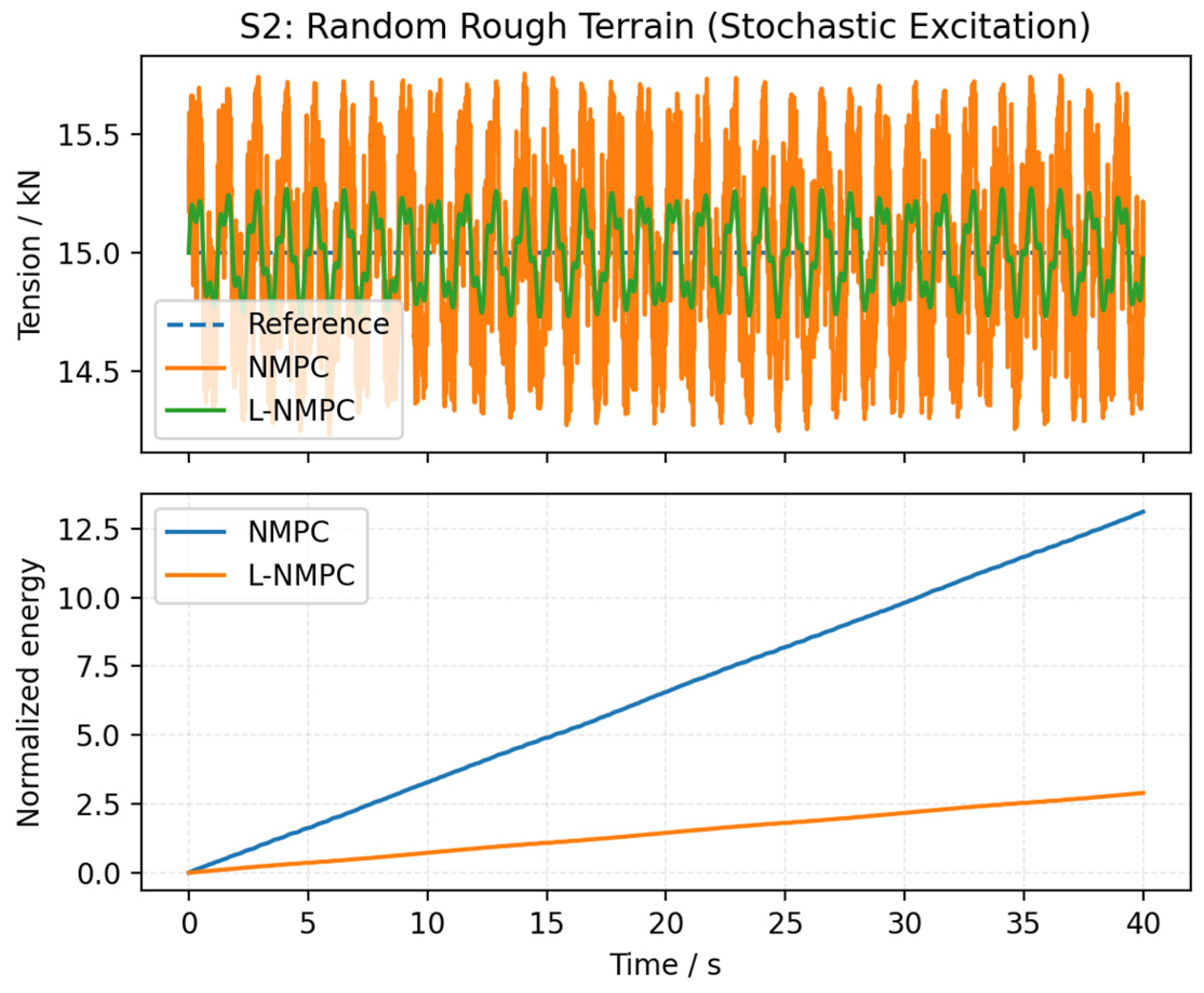
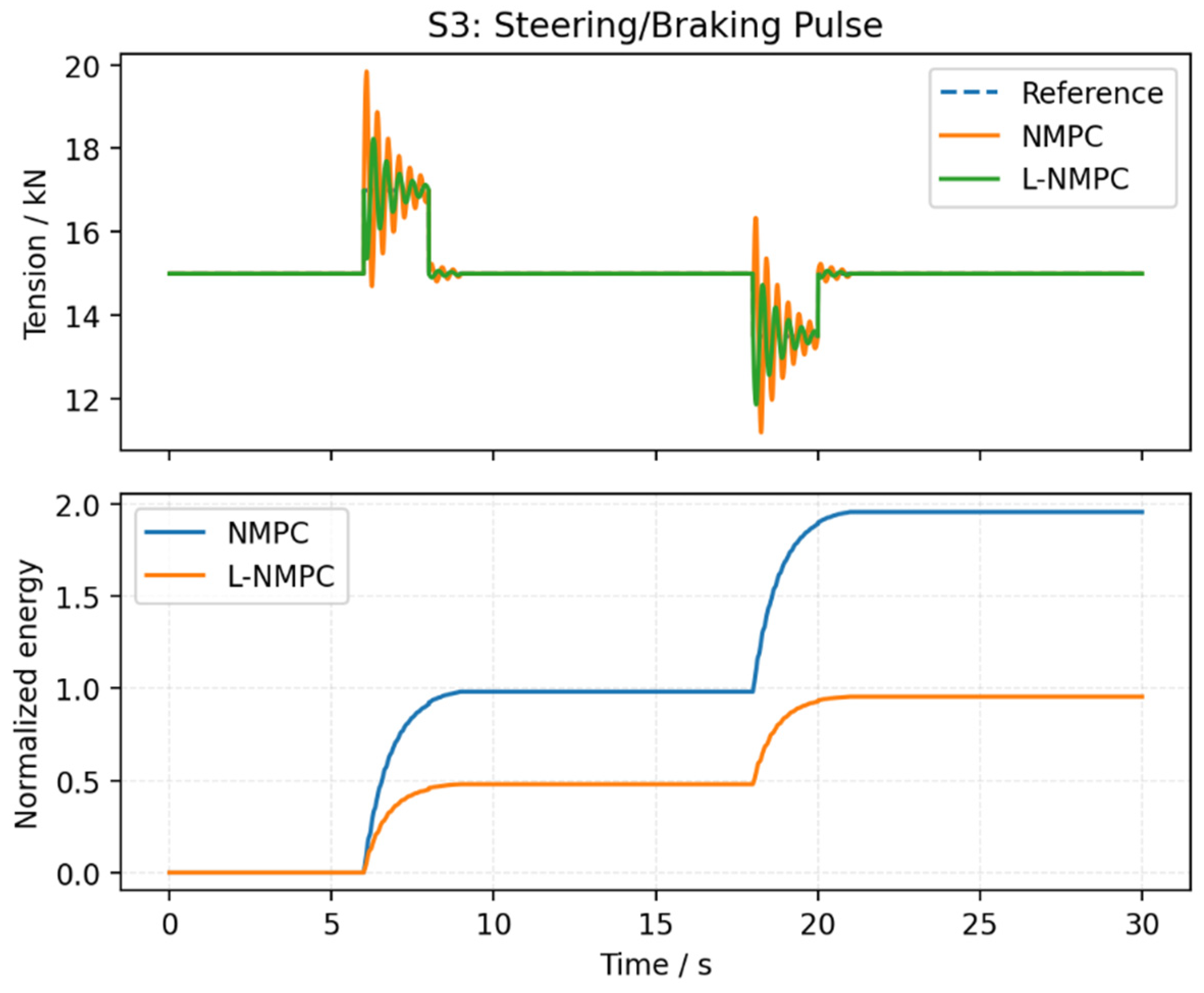
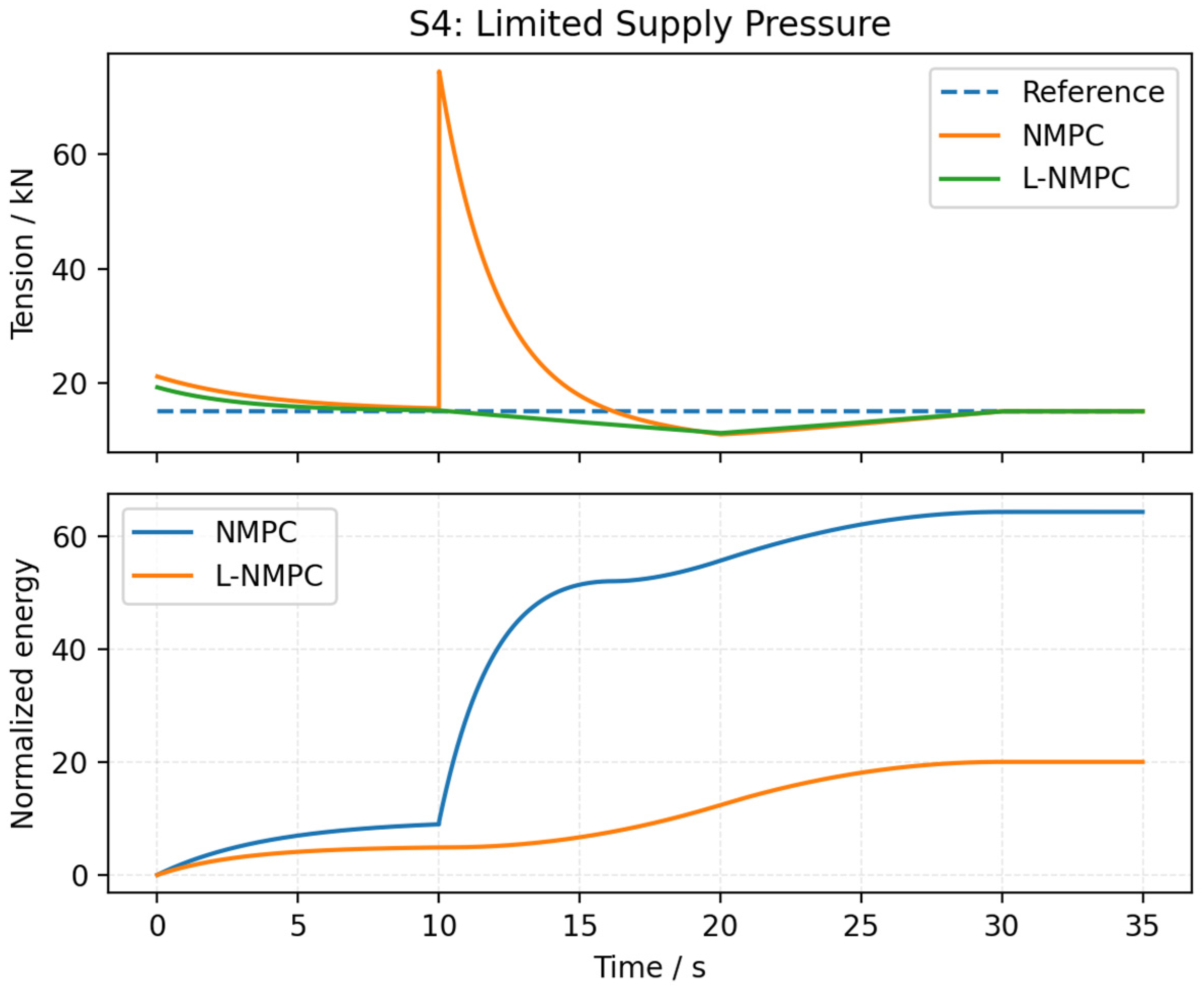
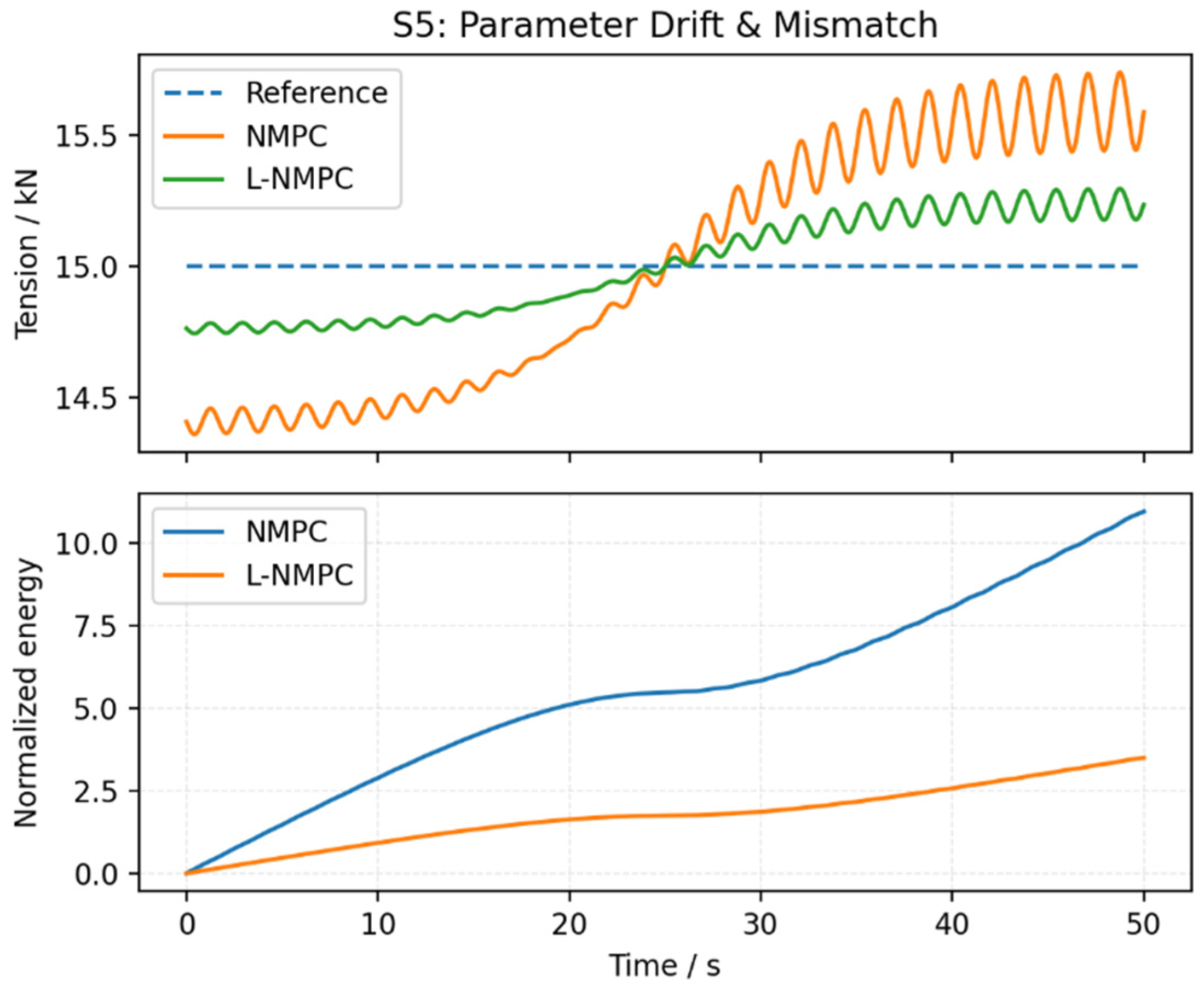
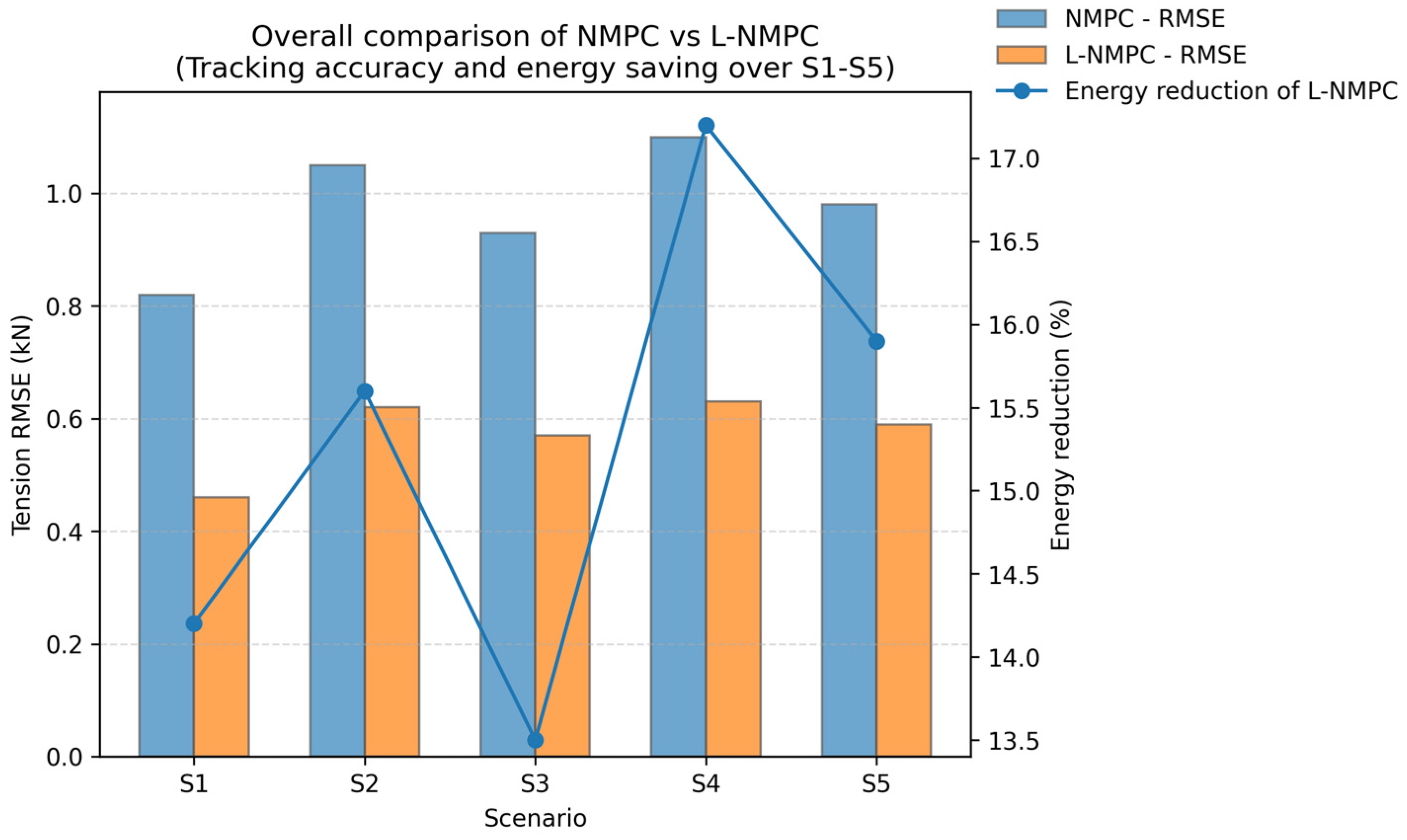
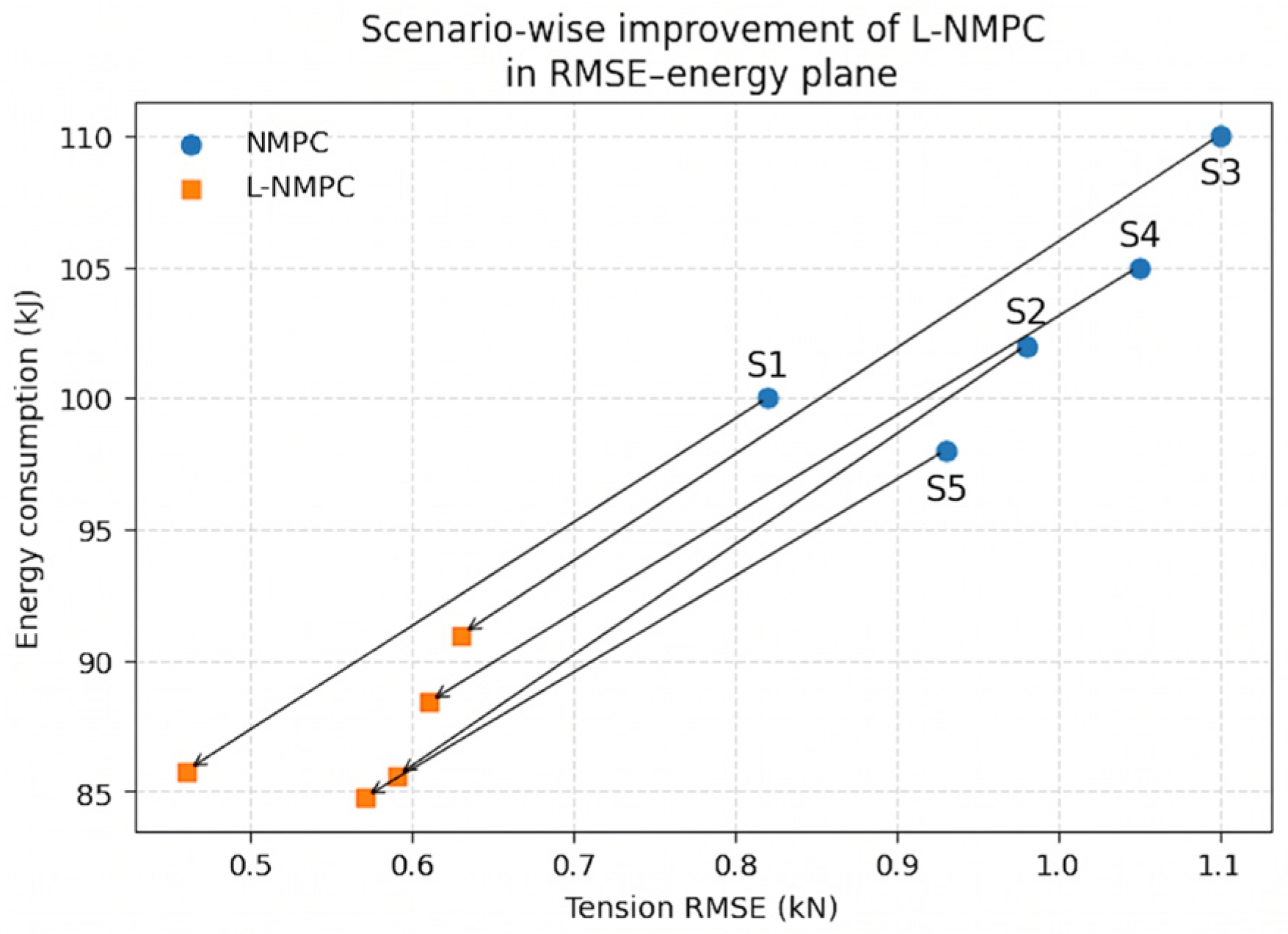
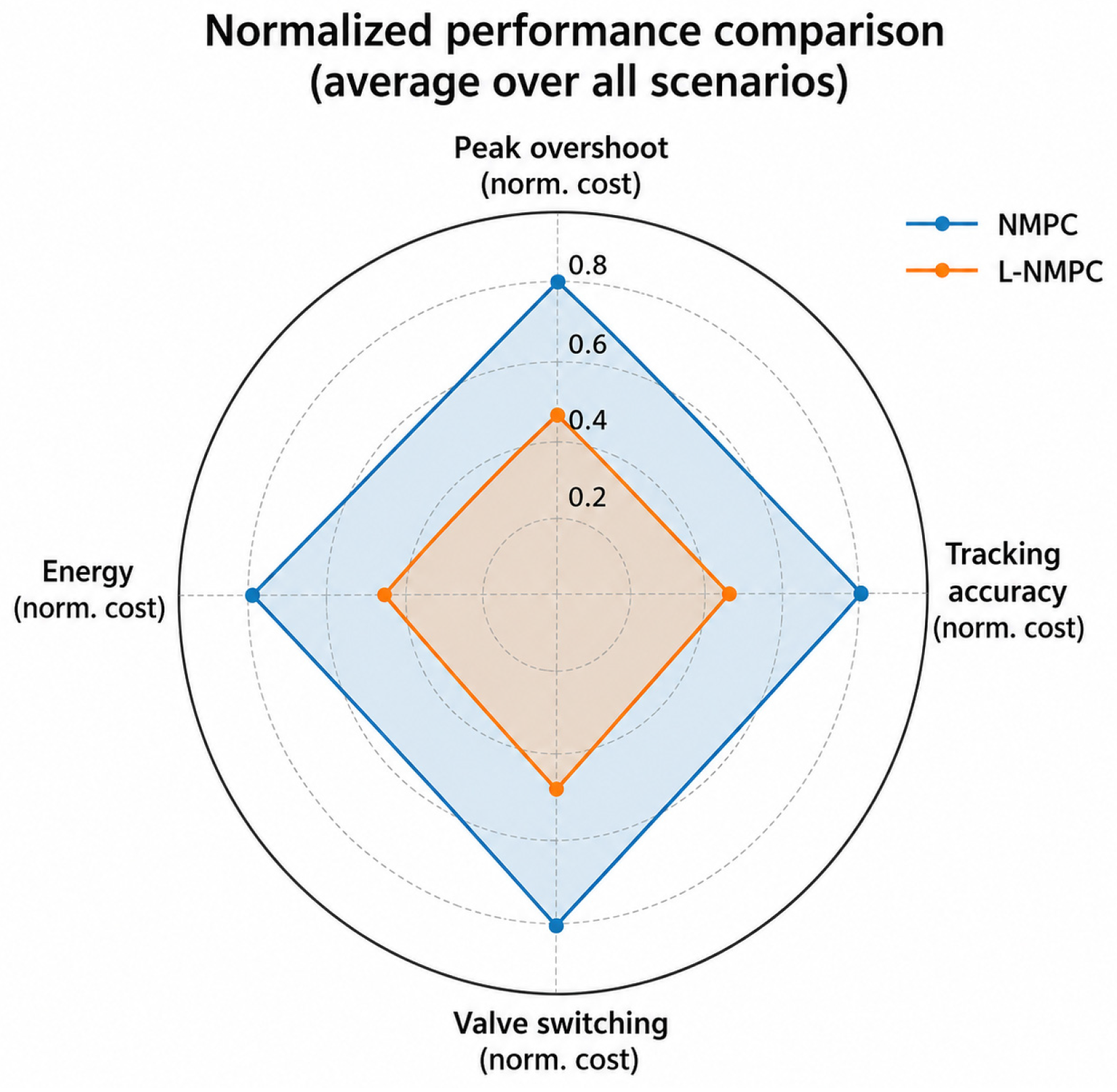
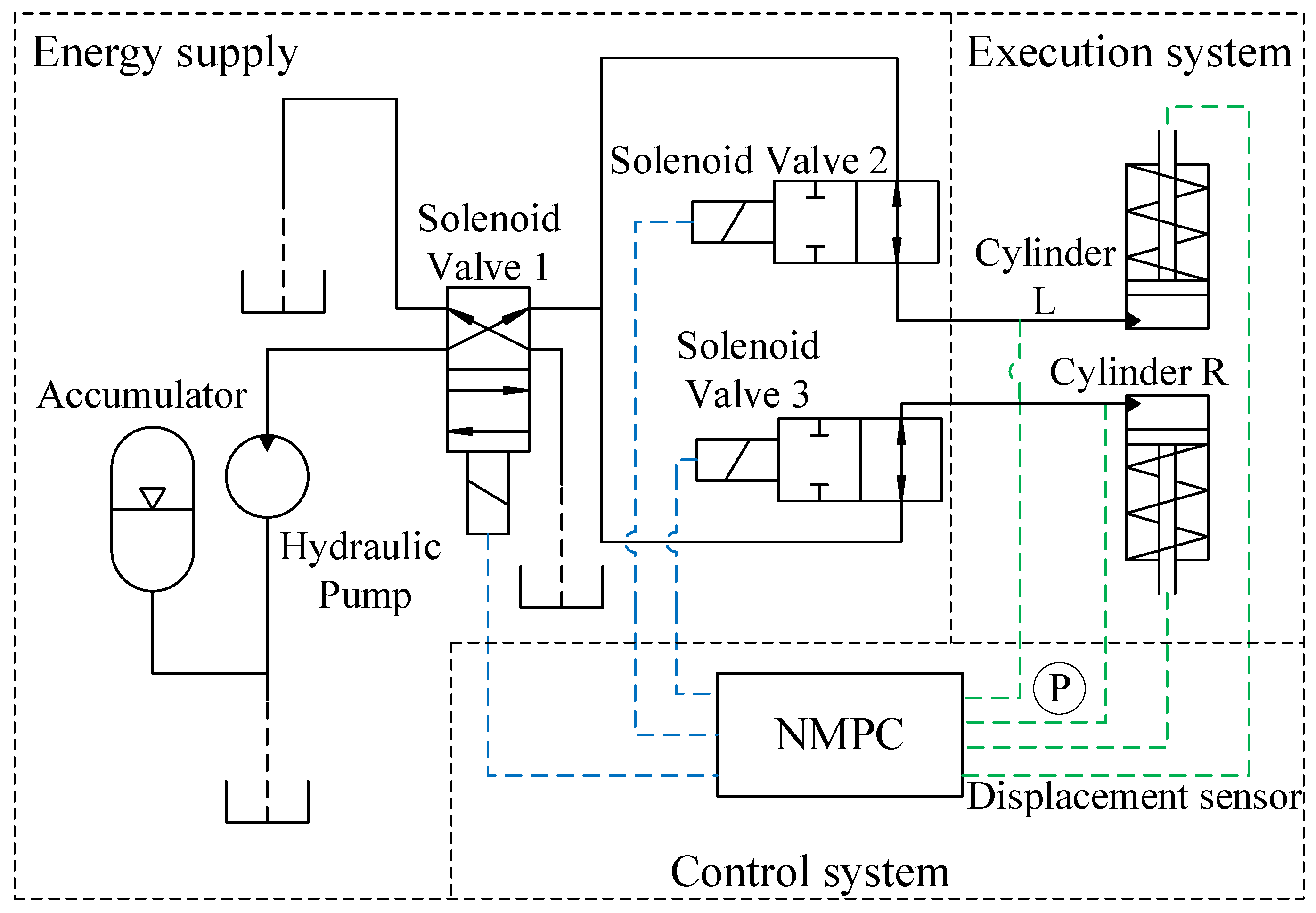
The electro-hydraulic track tensioning system of a tracked vehicle directly affects track engagement stability, vibration response, and energy utilization efficiency under complex terrain and time-varying loads. Accurate and robust control is therefore of great engineering significance. This paper focuses on an electro-hydraulic tensioning system with a composite actuation structure consisting of a proportional main valve and two 2/2 on–off valves and proposes a learning-enhanced nonlinear model predictive control (L-NMPC) method. Residual learning, adaptive weight/constraint scheduling, and execution-layer mode coordination are integrated into a unified predictive control framework. The study is carried out on a strongly coupled Simulink–AMESim–RecurDyn co-simulation model and an LF1352 prototype-vehicle test platform. Comparative evaluations are conducted under steady step-and-ramp tracking, random rough terrain, sudden steering/braking pulses, supply-pressure limitation, and parameter drift/sudden-change conditions. The evaluation indices include track-tension tracking error, peak overshoot, settling time, energy consumption, and stability under parameter mismatch. Compared with conventional nonlinear model predictive control (NMPC), the proposed L-NMPC reduces the root-mean-square error of track tension by 42–58%, decreases peak overshoot by 30–40%, shortens settling time by 25–35%, and achieves a 12–17% reduction in energy consumption at the simulation level. Under ±20% parameter perturbation, the fluctuation in track tension can be constrained within ±1.1 kN. The simulation and real-vehicle results remain consistent in terms of the dominant dynamic trends and performance ranking. This study provides a verifiable implementation path for model–data-fusion control of strongly coupled electro-hydraulic actuation systems and offers an engineering reference for intelligent, energy-efficient, and highly reliable control of tracked-vehicle chassis systems.
Keywords: electro-hydraulic tensioning system; learning enhancement; nonlinear model predictive control; adaptive weighting; co-simulation electro-hydraulic tensioning system; learning enhancement; nonlinear model predictive control; adaptive weighting; co-simulation