Article

Intelligent Multi-Objective Optimization of Structural Parameters for High-Frequency Ultrasonic Transducers


1
School of Physics and Electronic Science, Changsha University of Science and Technology, Changsha 410114, China
2
Hunan Provincial Key Laboratory of Grids Operation and Control on Multi-Power Sources Area, Shaoyang University, Shaoyang 422000, China
3
Hunan Province Higher Education Key Laboratory of Modeling and Monitoring on the Near-Earth Electromagnetic Environments, Changsha University of Science and Technology, Changsha 410114, China
*
Author to whom correspondence should be addressed.
Actuators 2026, 15(4), 191; https://doi.org/10.3390/act15040191
Submission received: 7 February 2026 / Revised: 24 March 2026 / Accepted: 28 March 2026 / Published: 31 March 2026

Abstract

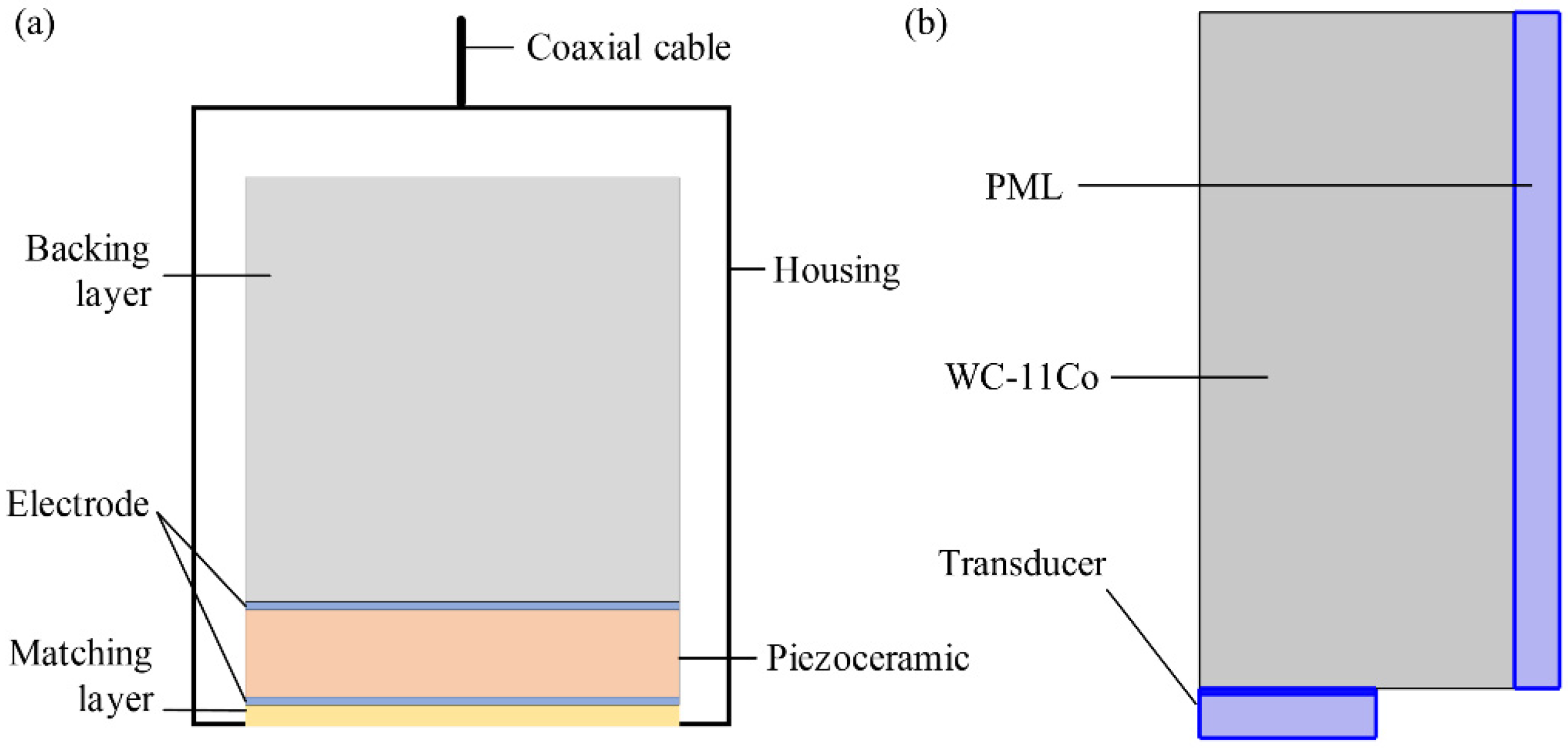
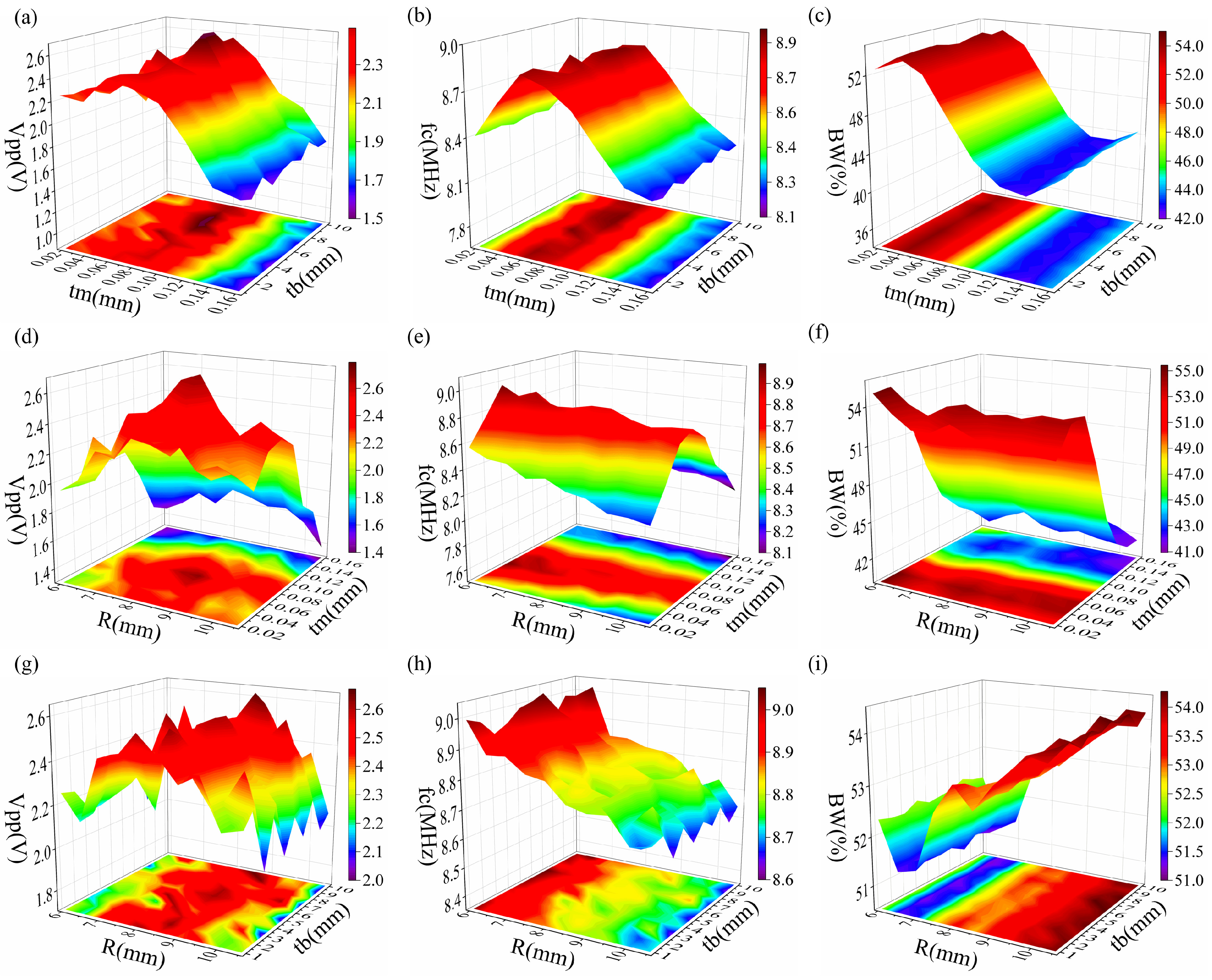
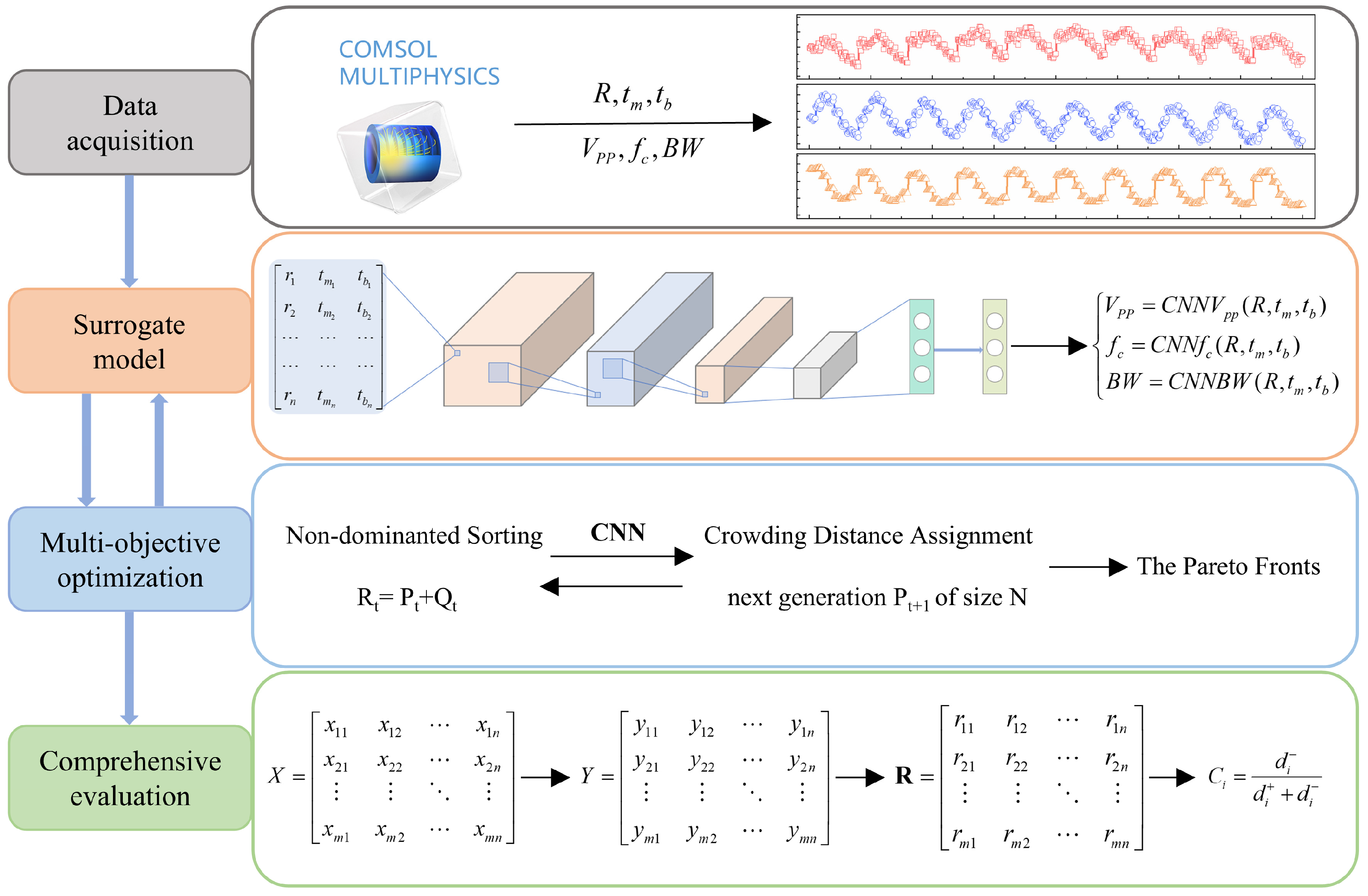
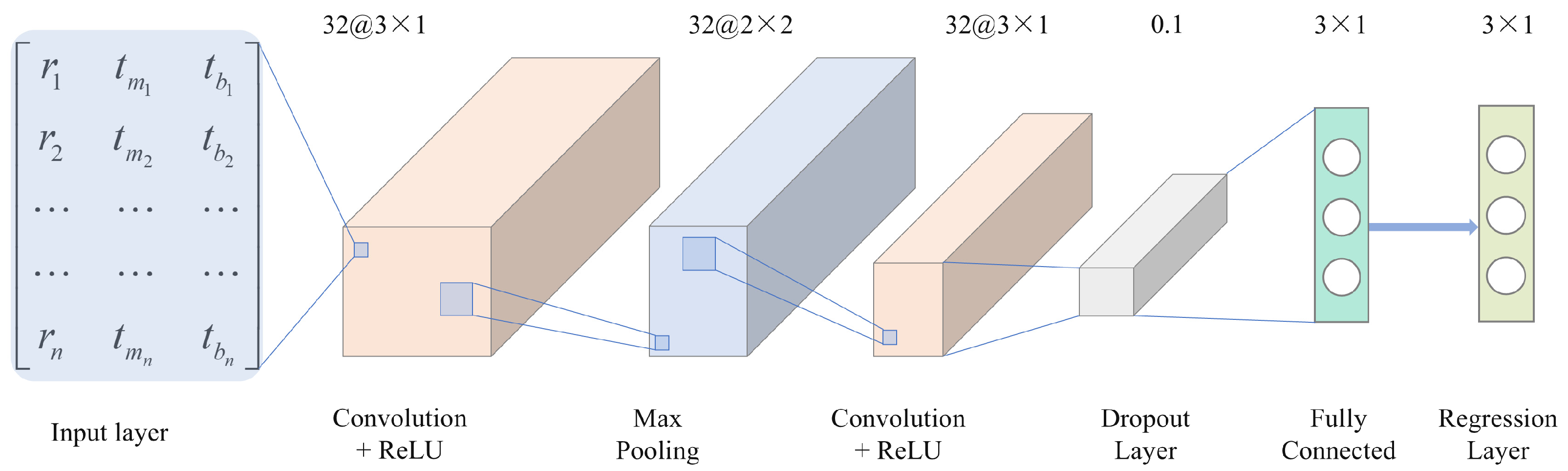
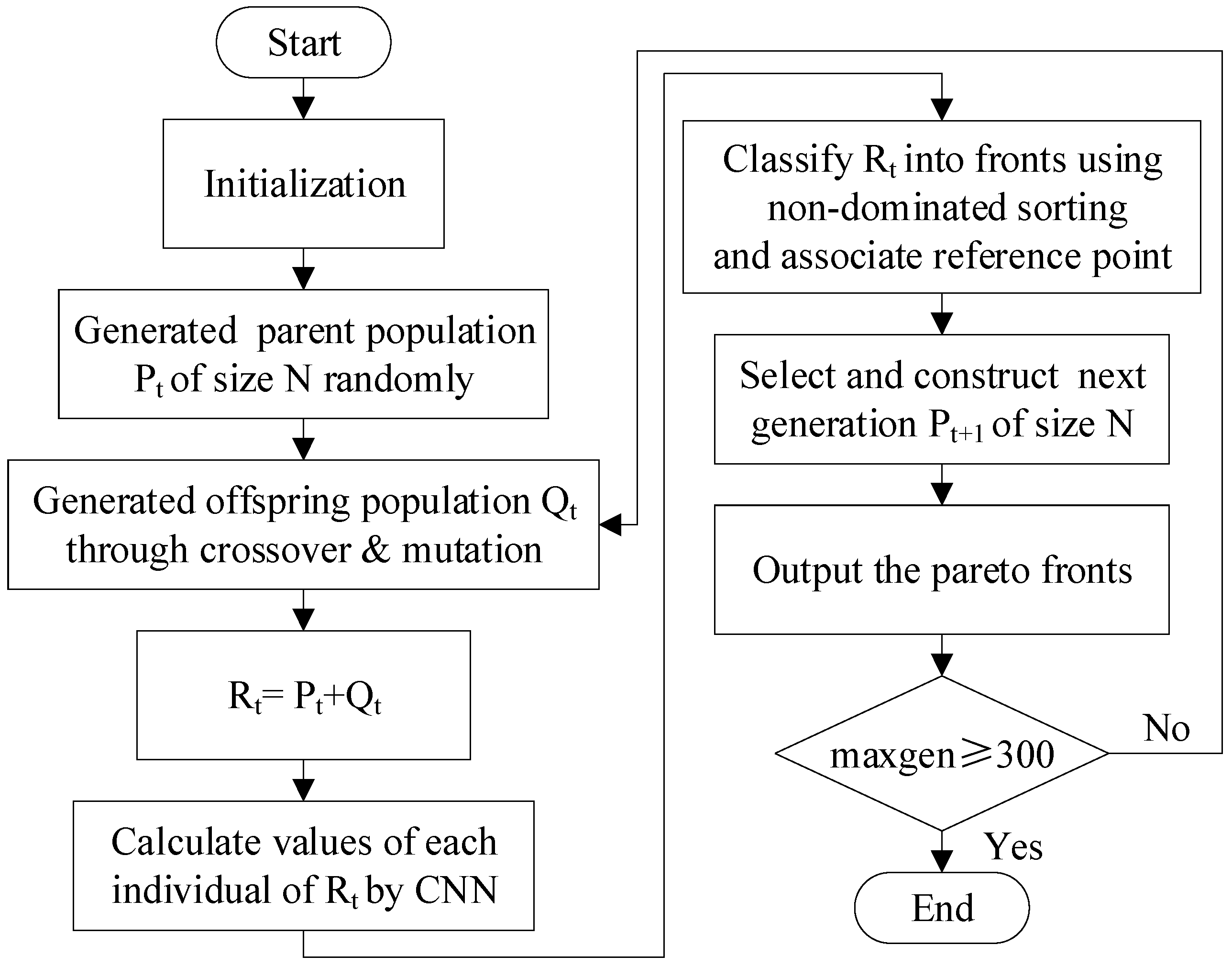
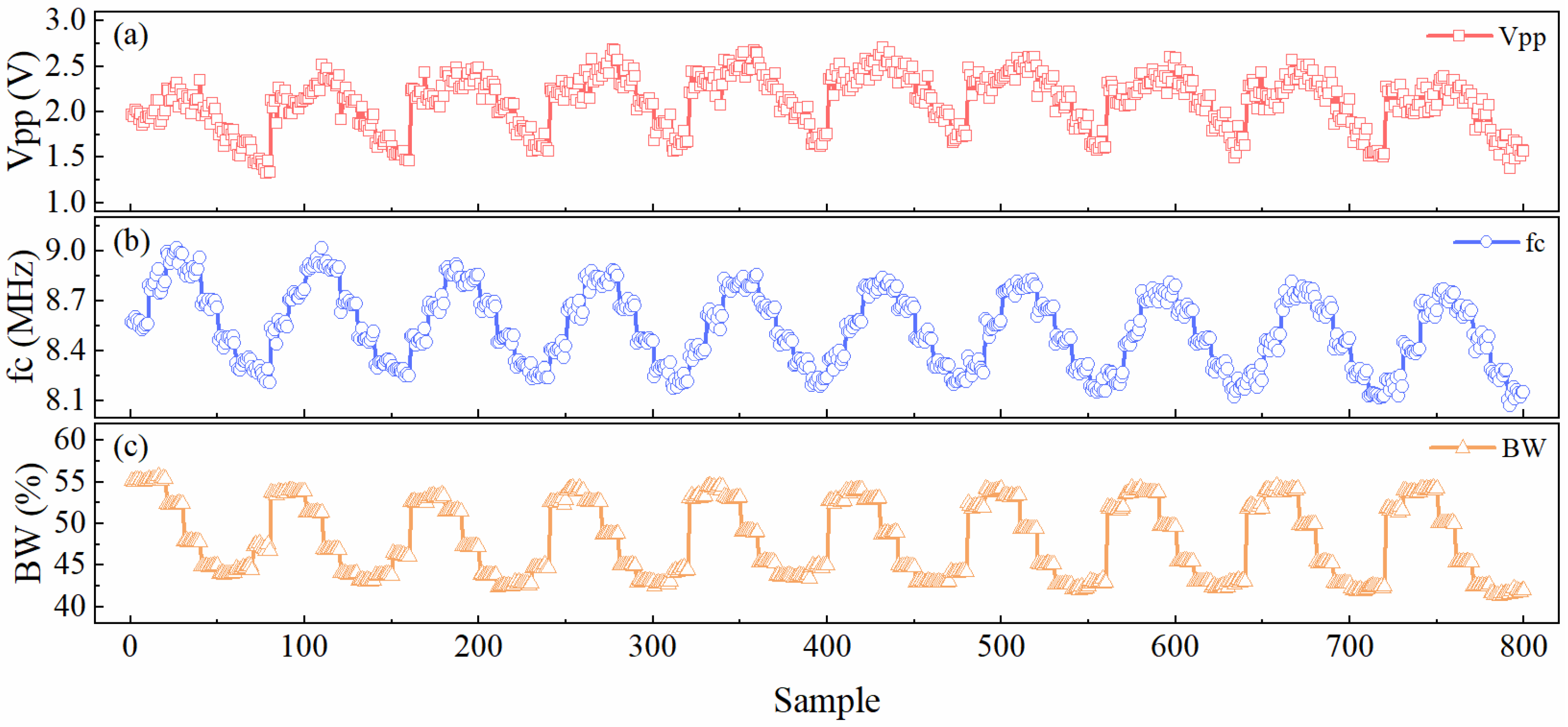
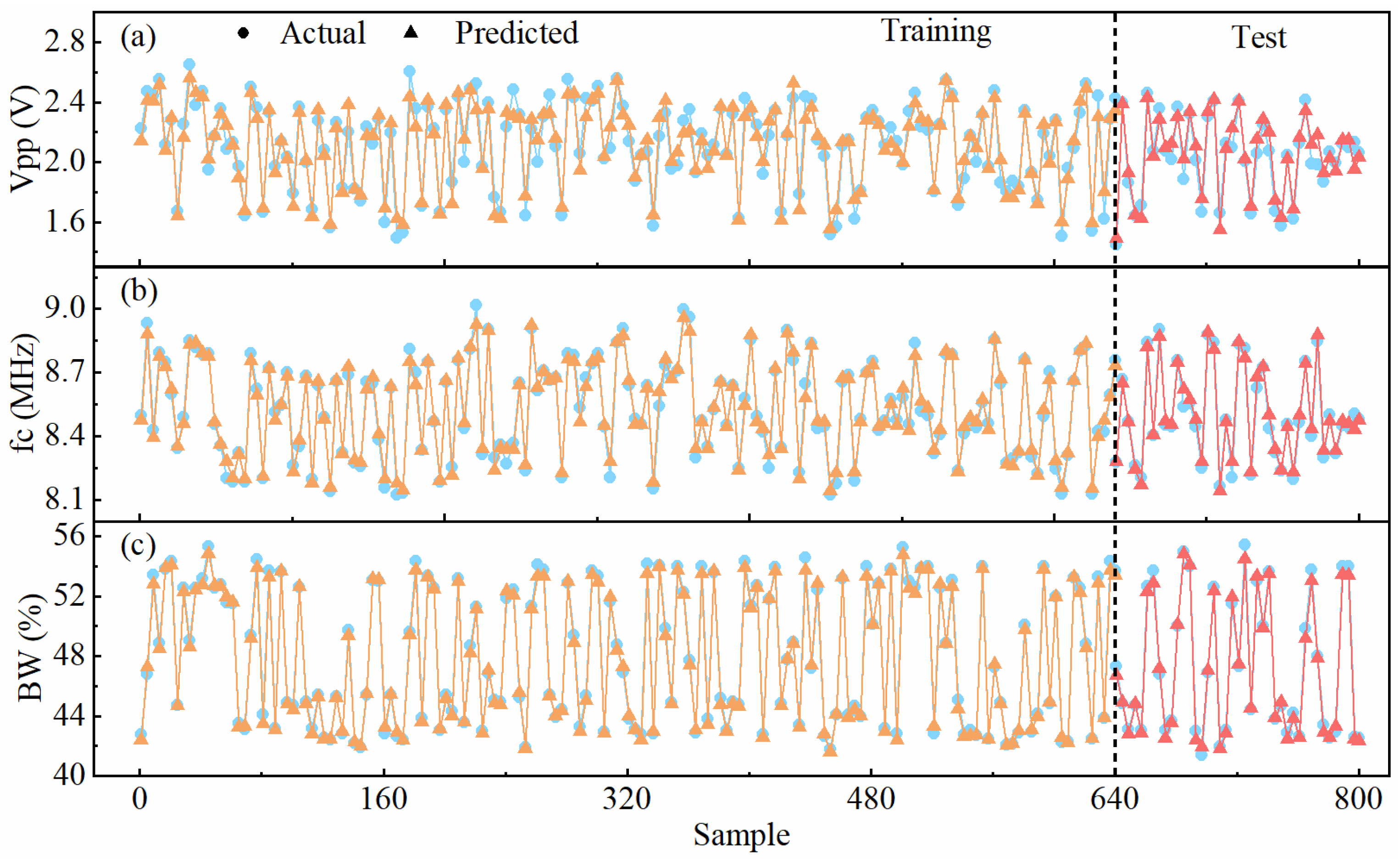
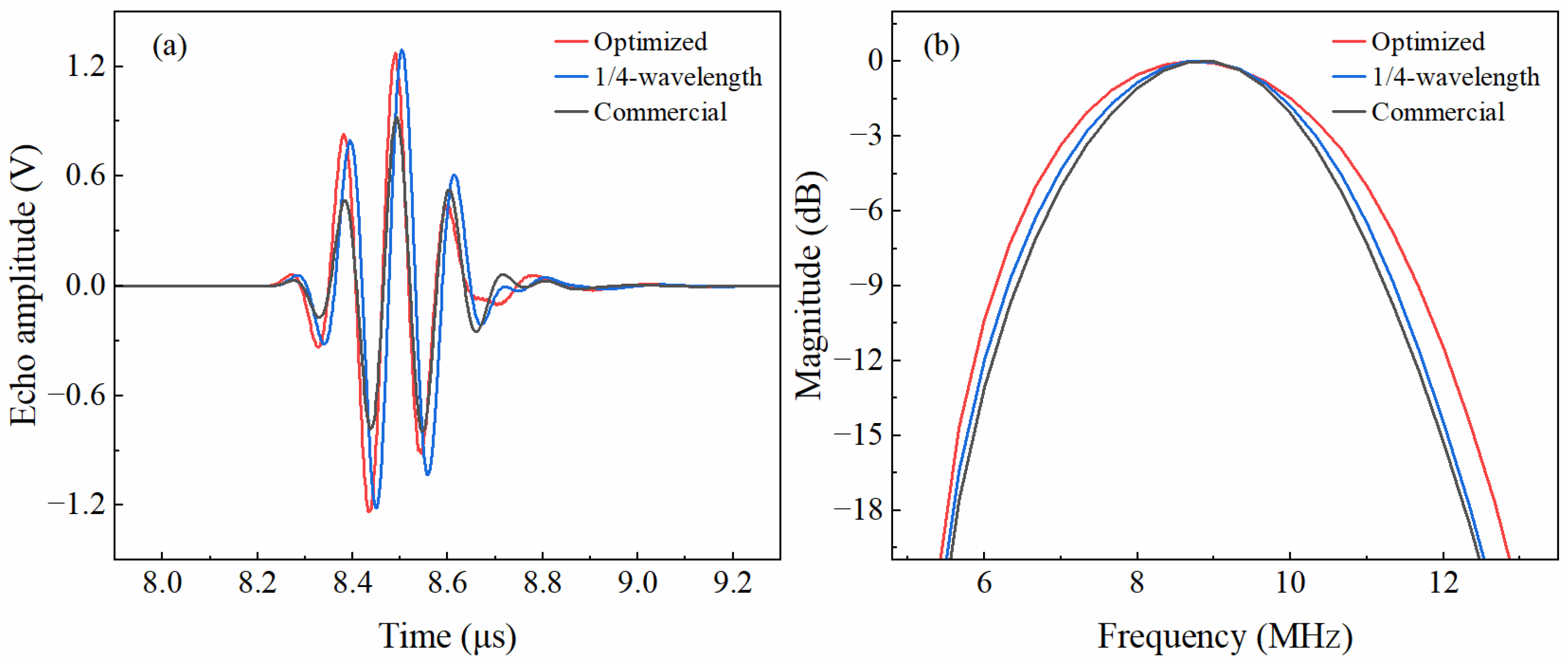
The detection of micro-defects within cemented carbides necessitates a high-frequency, high-sensitivity ultrasonic non-destructive testing transducer (UNDTT), whose performance is highly sensitive to geometric structural parameters. Conventional design approaches rely heavily on empirical trial-and-error, resulting in low efficiency and difficulty in achieving globally optimal solutions. To address this limitation, an intelligent multi-objective optimization method is proposed for transducer structural parameters—namely, radius, matching layer thickness, and backing layer thickness—to simultaneously maximize sensitivity (Vpp), center frequency (fc), and bandwidth (BW). By investigating the relationship between structural parameters and performance metrics, a dataset was constructed and used to develop a convolutional neural network (CNN) surrogate model that captures their nonlinear mapping. The CNN was integrated with the NSGA-III multi-objective optimization algorithm to iteratively generate a Pareto-optimal solution set, from which the best design was selected using the entropy-weighted Technique for Order Preference by Similarity to an Ideal Solution (TOPSIS). Finite element analysis (FEA) validation confirmed prediction errors below 7.0%. Compared to conventional designs, the proposed approach delivers a 46.1% higher sensitivity and a 7.7% broader bandwidth while maintaining a thinner matching layer. These results confirm the effectiveness and practical advantage of the proposed framework. This data-driven approach offers an efficient alternative for designing a high-performance UNDTT.
Keywords: ultrasonic transducer; CNN; NSGA-III; TOPSIS; FEA ultrasonic transducer; CNN; NSGA-III; TOPSIS; FEA