Article

Design Characteristics of Continuum Robots Based on TSA Variable Stiffness Method

1
School of Mechanical Engineering, Jiaxing University, Jiaxing 314000, China
2
Jiaxing Soy Intelligent Technology Co., Ltd., Jiaxing 314000, China
3
College of Mechanical and Electrical Engineering, Xi’an University of Architecture and Technology, Xi’an 710000, China
4
Institute of Automation, Chinese Academy of Sciences, Beijing 100080, China
*
Author to whom correspondence should be addressed.
Actuators 2026, 15(3), 154; https://doi.org/10.3390/act15030154
Submission received: 29 January 2026 / Revised: 26 February 2026 / Accepted: 2 March 2026 / Published: 4 March 2026
(This article belongs to the Section Actuators for Robotics)

Abstract

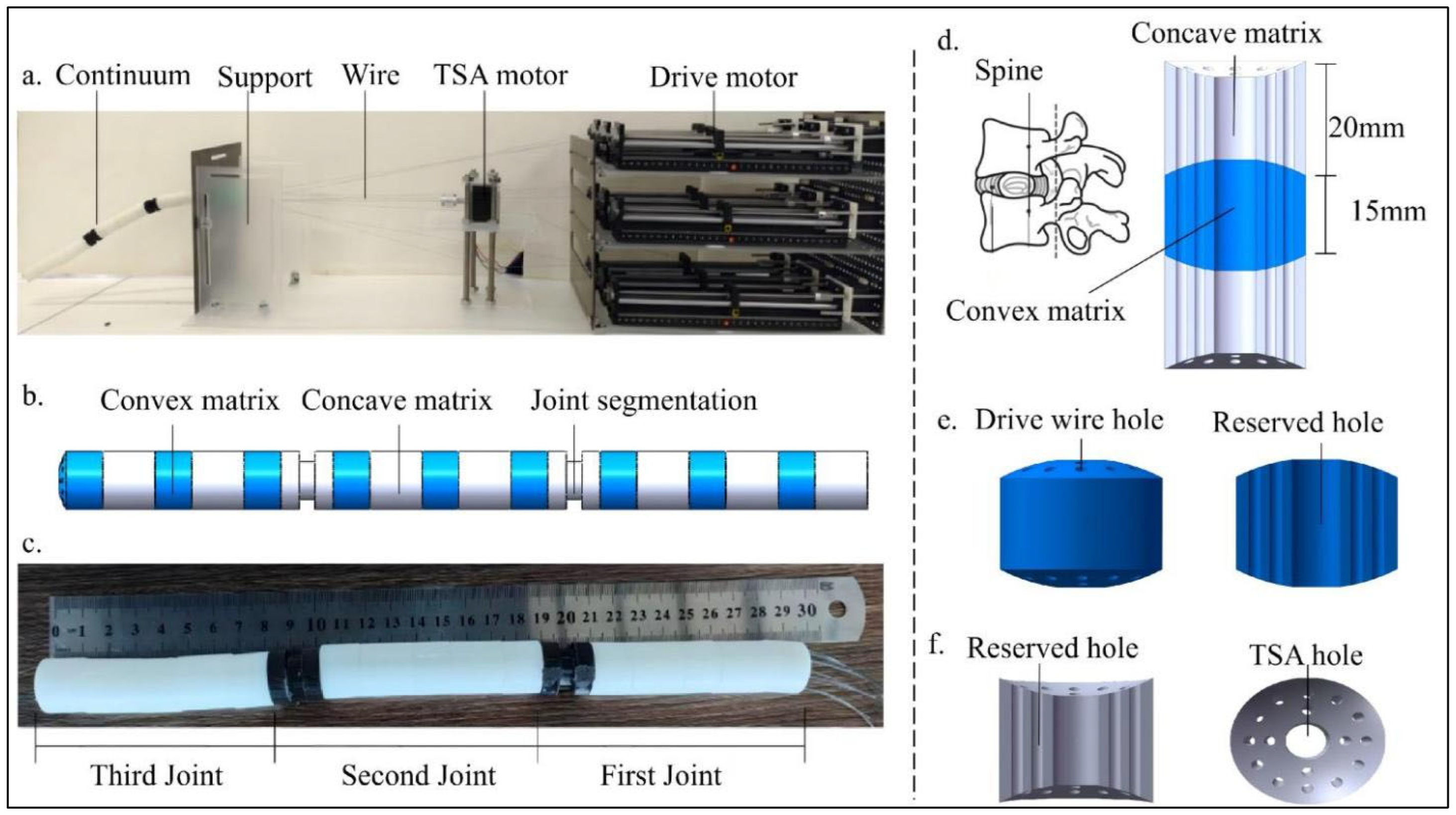
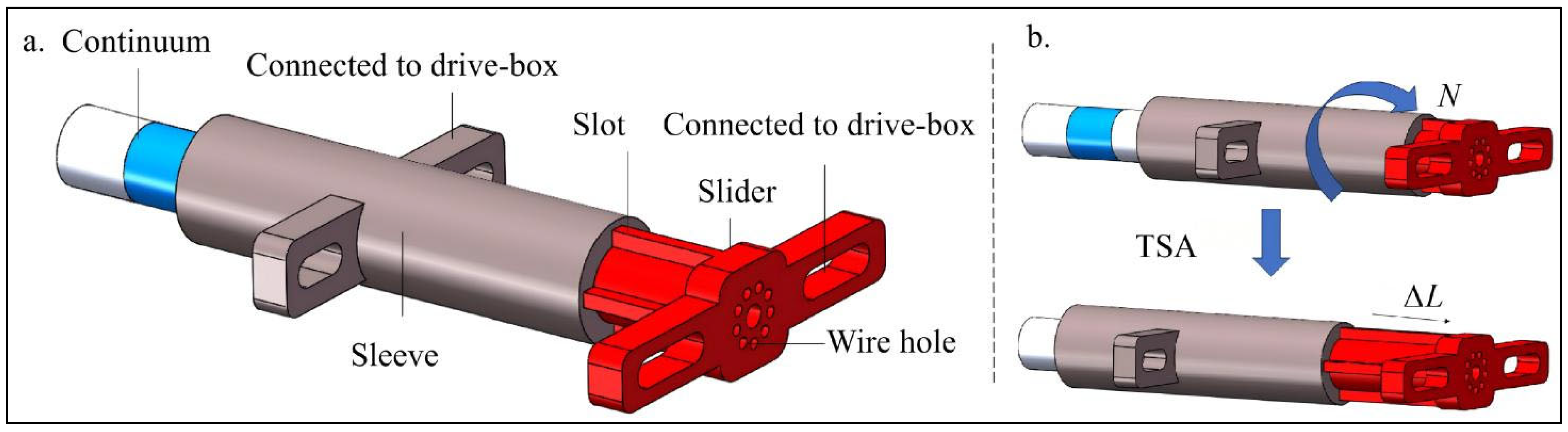
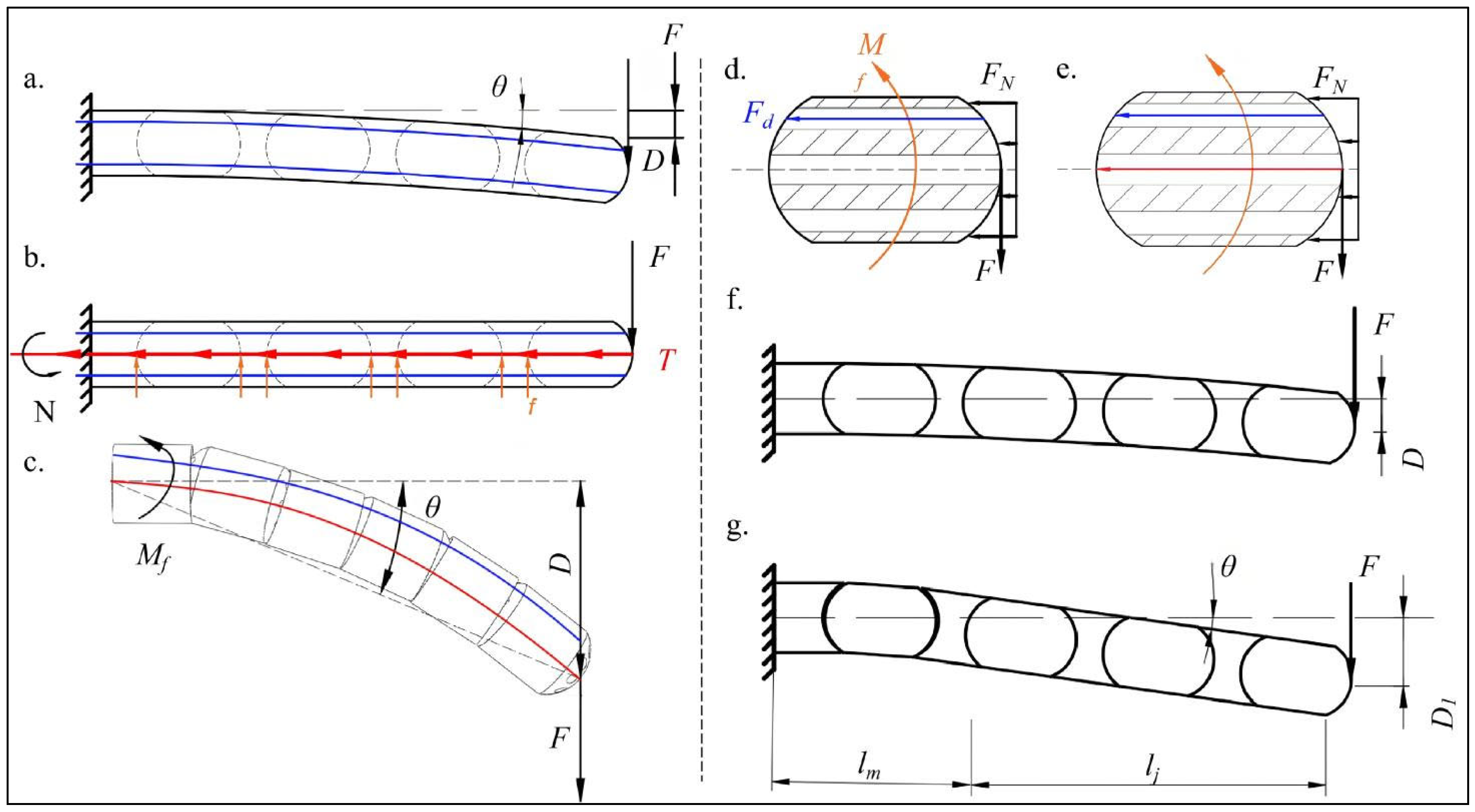
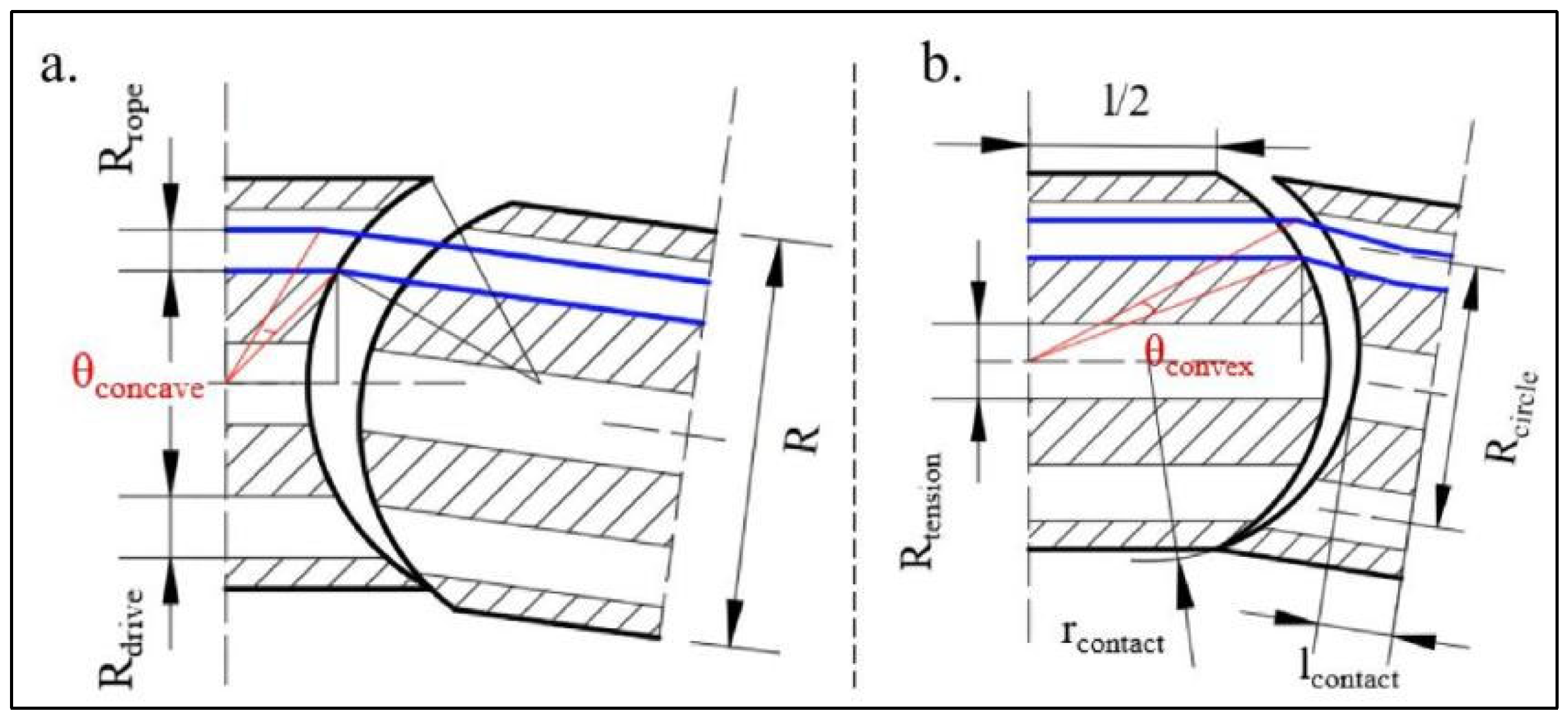
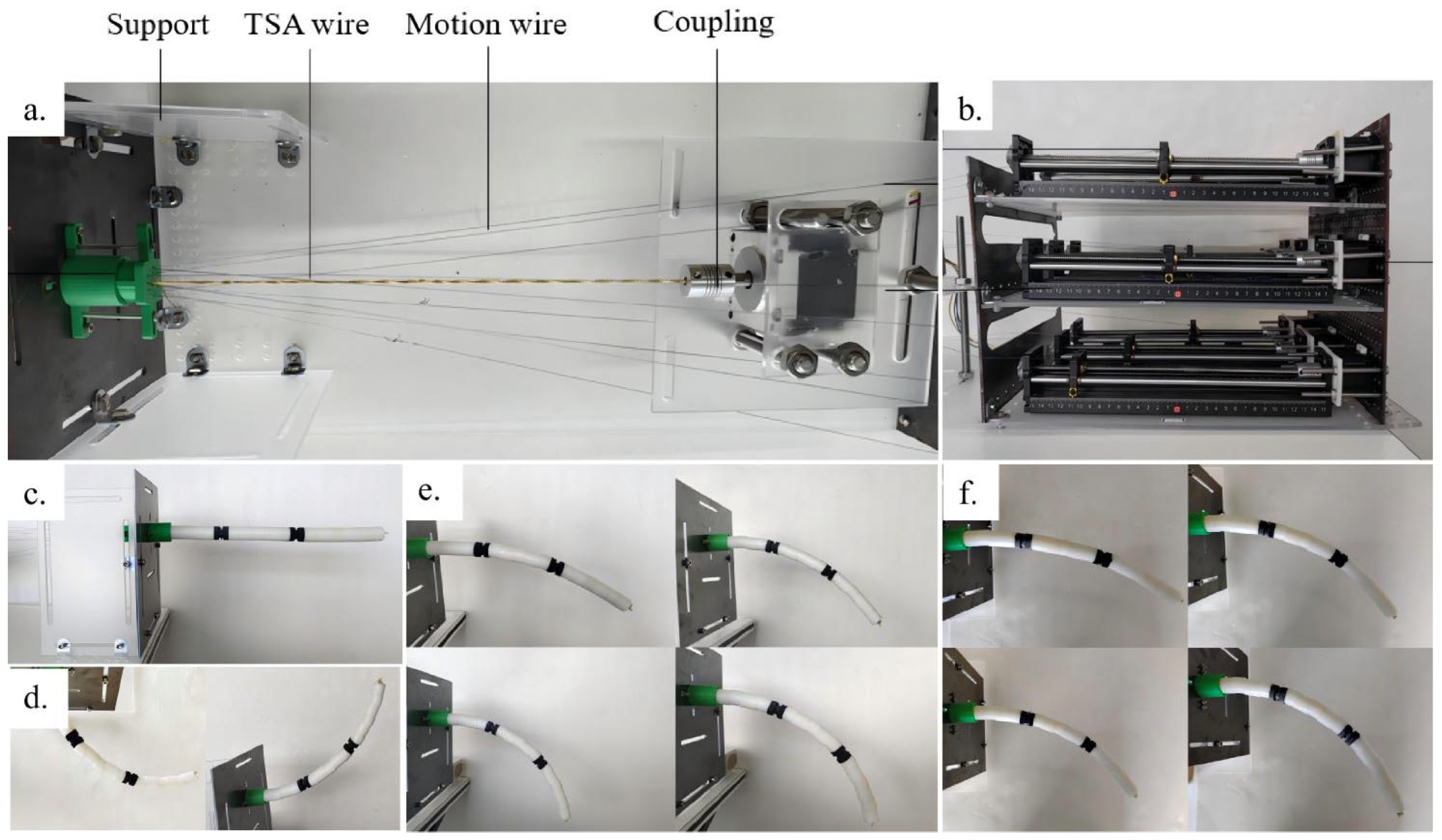
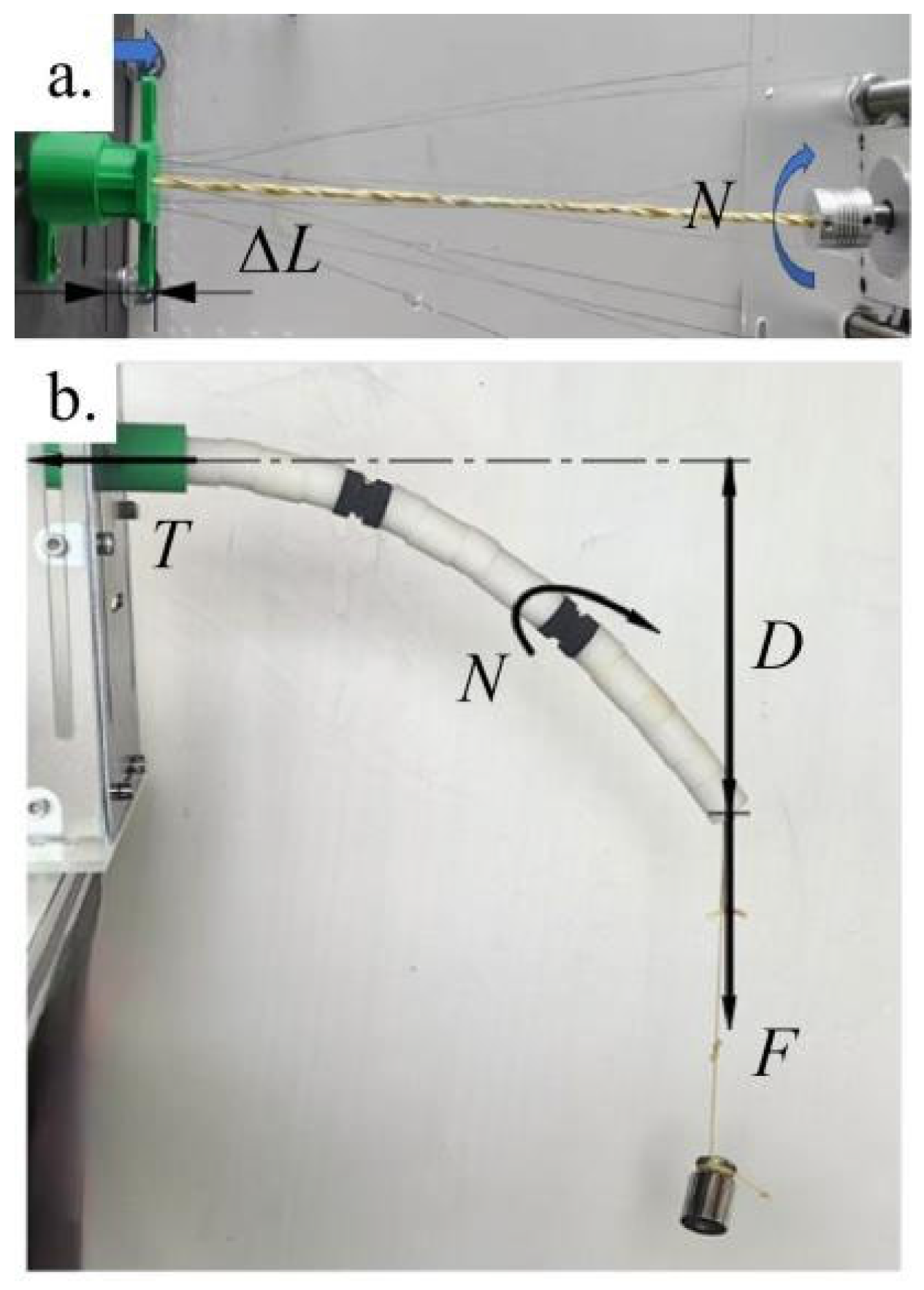
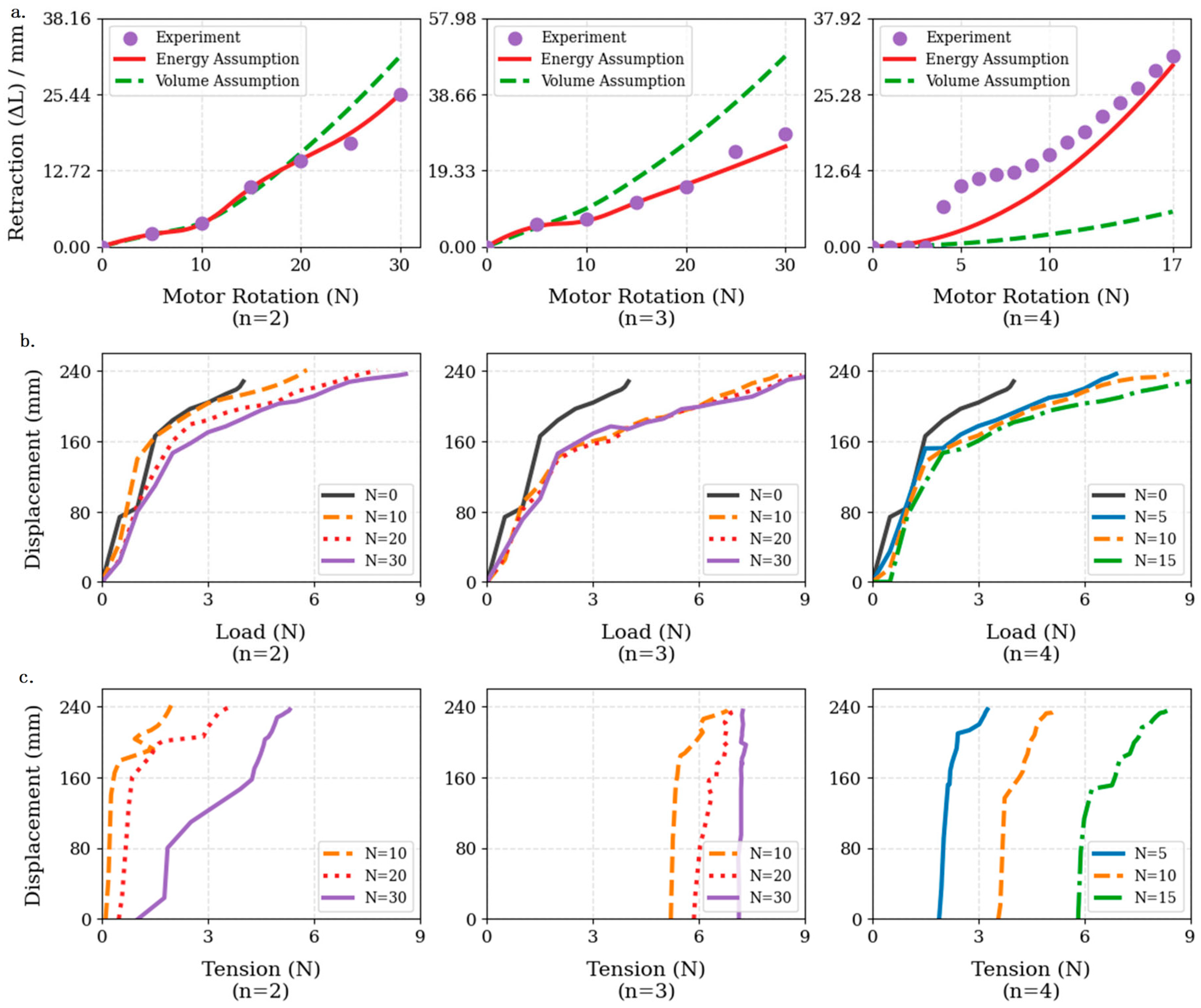
To address the contradiction between high flexibility and low stiffness in continuum robots, as well as the problems of complex structure, slow response, and narrow stiffness adjustment range in existing variable stiffness methods, this paper proposes a variable stiffness approach based on Twisted Multi-String Actuators (hereinafter referred to as TSA) for bionic spine-like continuum robots. Firstly, a bionic spine-like configuration was designed to support the force-locking variable stiffness mechanism. Secondly, the proposed TSA-based variable stiffness method was analyzed theoretically from the perspectives of geometric relationships and stiffness characteristics, laying a foundation for establishing other mathematical models such as that of string-twisting behavior. Finally, an experimental prototype was fabricated and subjected to flexibility tests. Furthermore, TSA variable stiffness experiments were conducted under two-strand, three-strand, and four-strand configurations to investigate the retraction and stiffness performance under different torsion turns and external loads. The results demonstrate that the stiffness of the robot is effectively enhanced by the TSA method, and increasing the number of string strands raises the failure load of the robot. Characteristic curves confirm that the proposed design and model exhibit superior performance to the traditional single-cable force-locking scheme. The design features a simple structure, fast response, and wide stiffness adjustment range, which provides a valuable reference for the stiffness modulation research of continuum robots.
Keywords: continuum robot; variable stiffness; TSA; force-locking; spine-like continuum robot; variable stiffness; TSA; force-locking; spine-like