Article

Research on Stewart Platform Control Method for Wave Compensation Based on BiLSTM Prediction and ADRC


1
School of Artificial Intelligence, Dalian Maritime University, Dalian 116026, China
2
School of Information Science and Technology, Dalian Maritime University, Dalian 116026, China
3
School of Marine Electrical and Engineering, Dalian Maritime University, Dalian 116026, China
4
Jiangsu Automation Research Institute, Lianyungang 222061, China
*
Authors to whom correspondence should be addressed.
Actuators 2026, 15(3), 140; https://doi.org/10.3390/act15030140
Submission received: 17 January 2026 / Revised: 12 February 2026 / Accepted: 20 February 2026 / Published: 2 March 2026
(This article belongs to the Section Control Systems)

Abstract

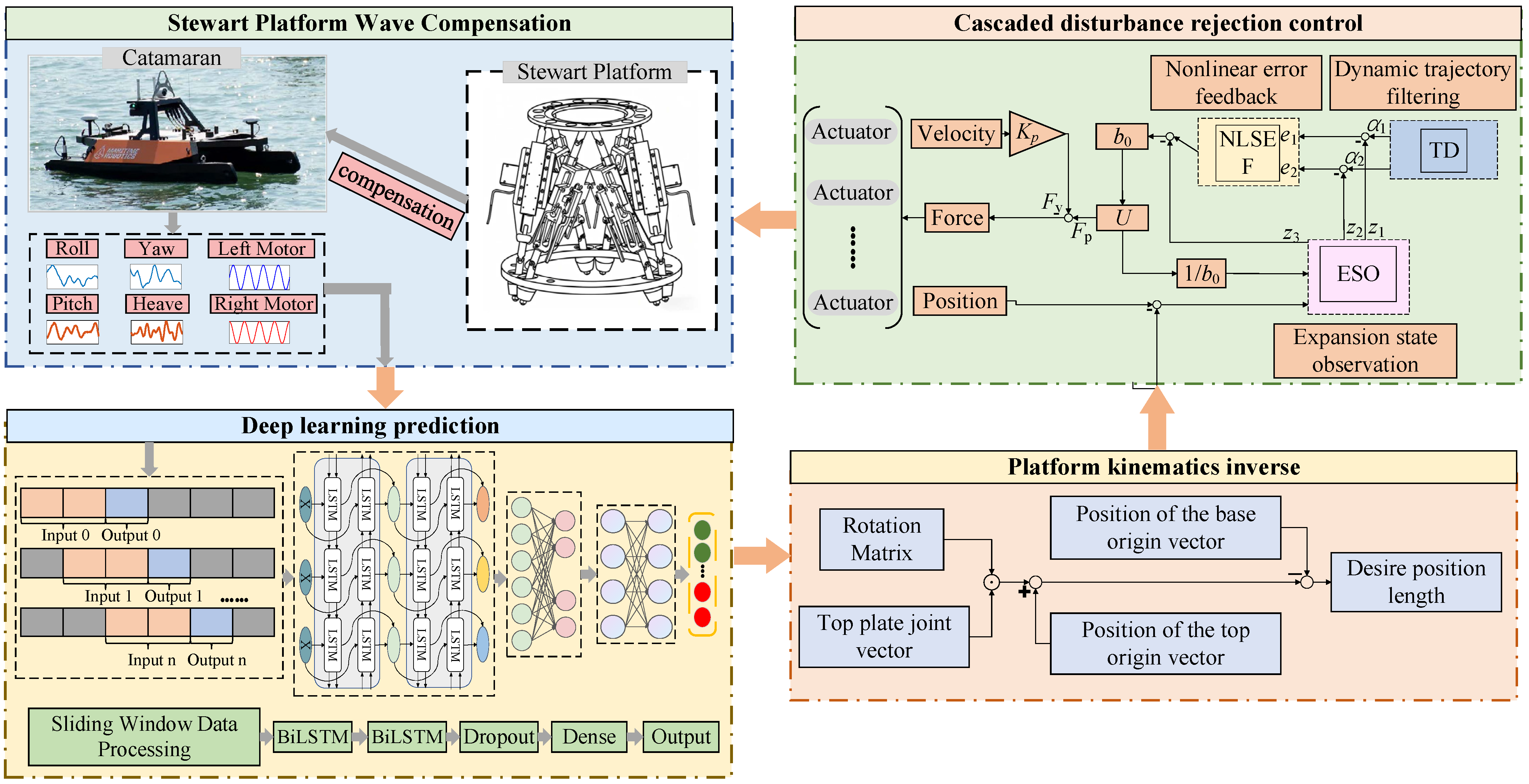
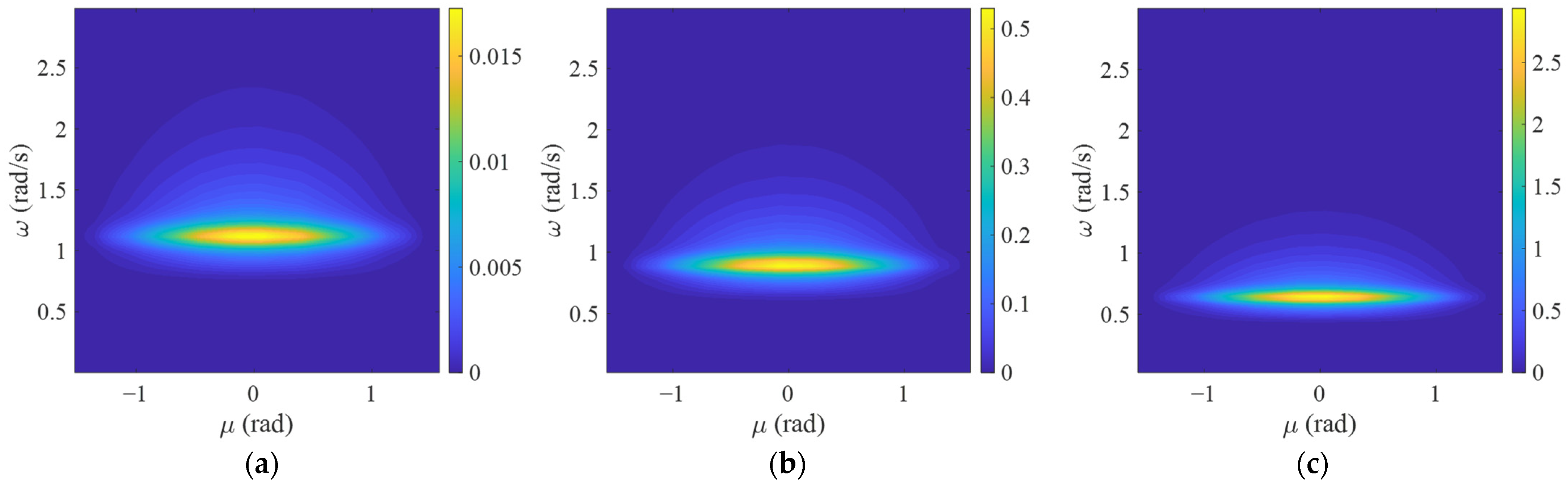
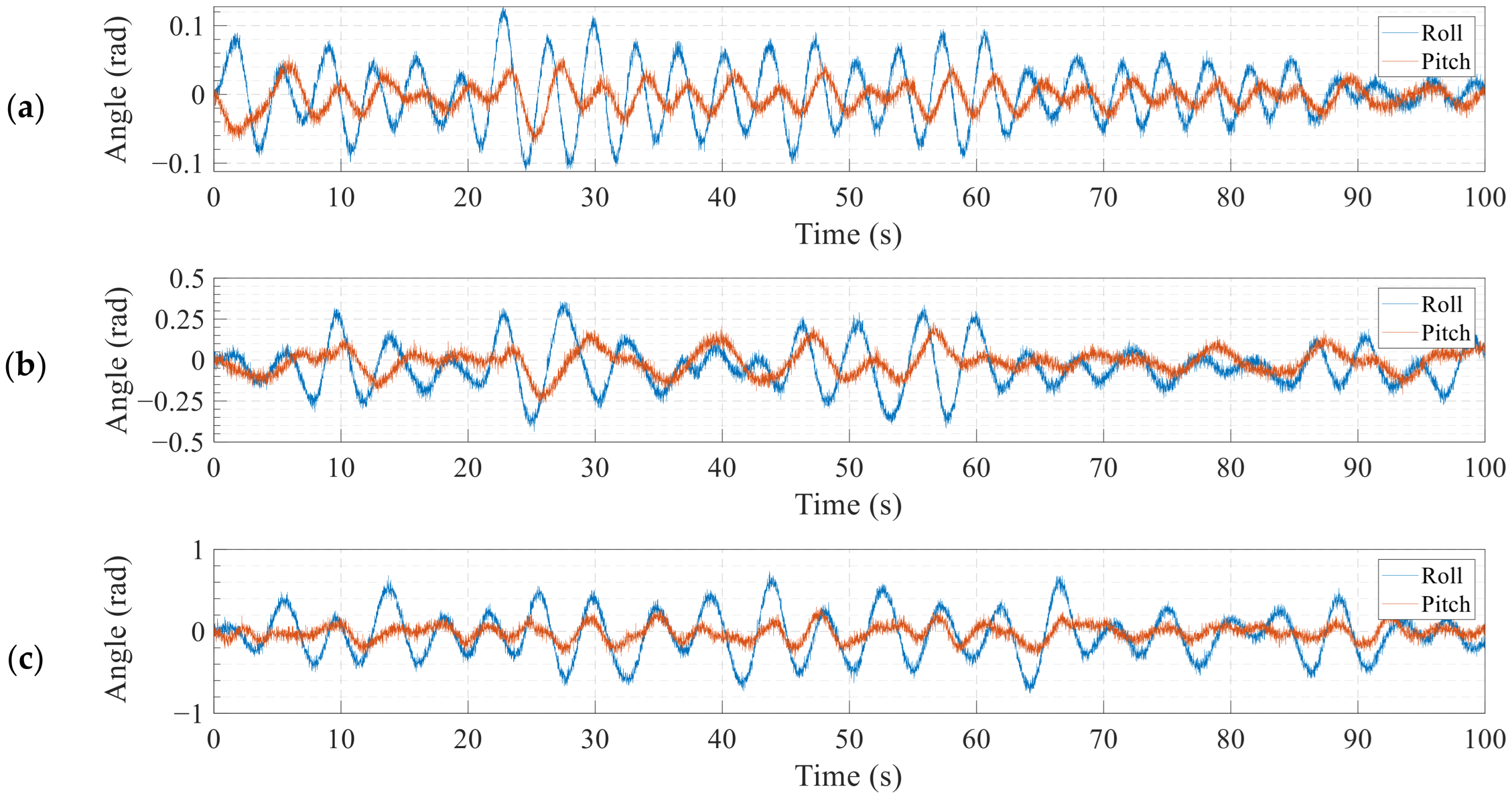
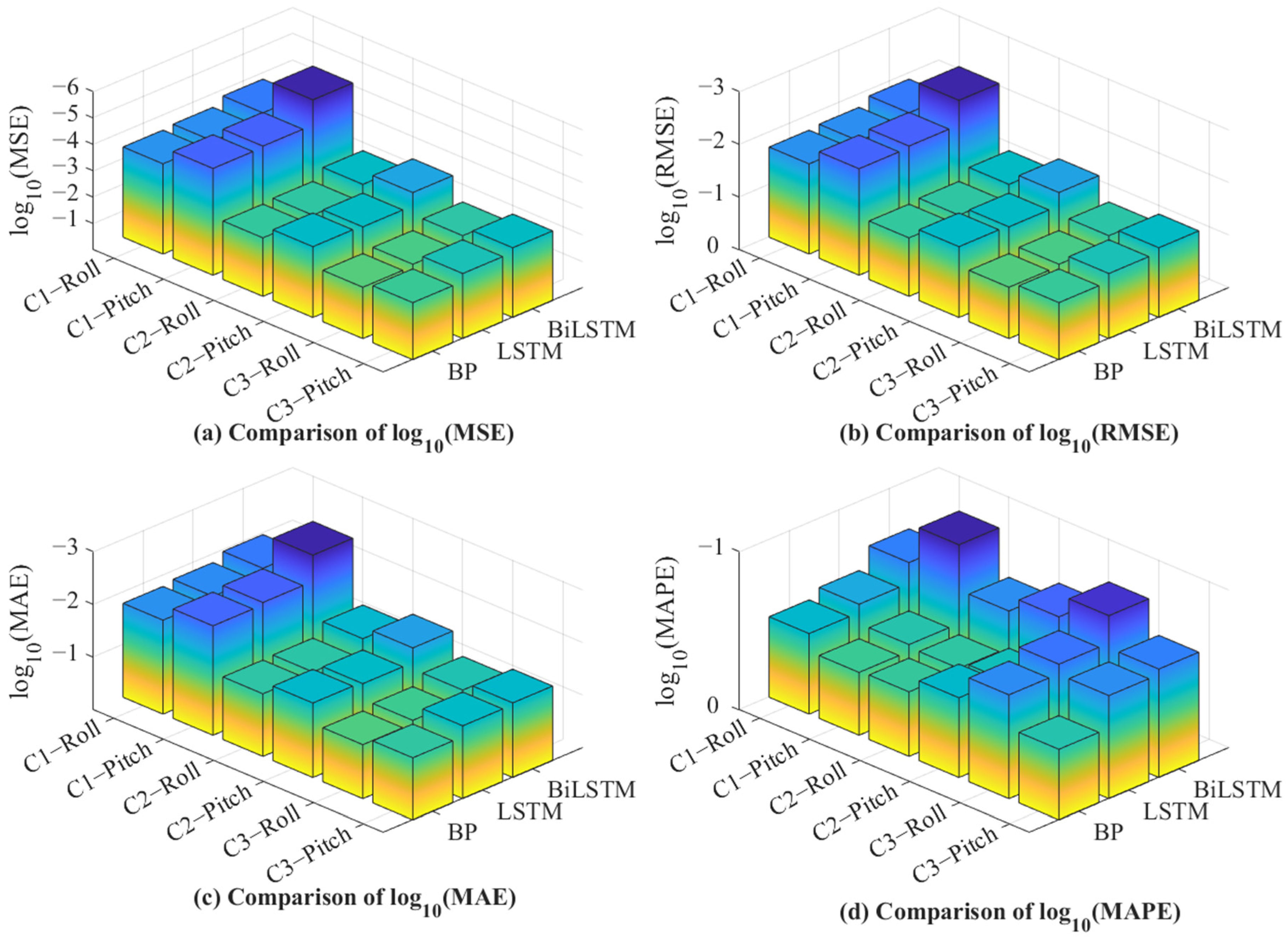
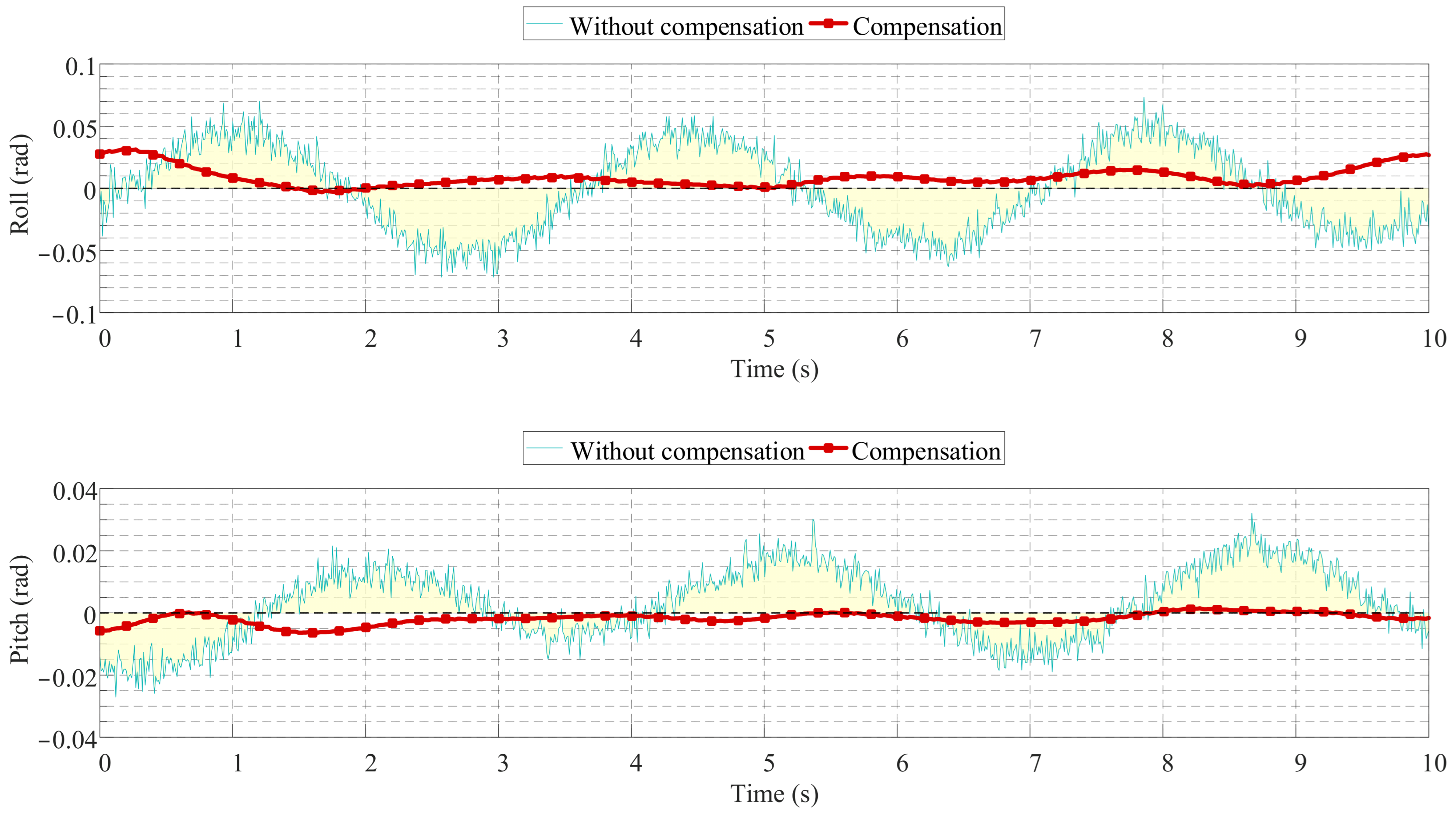
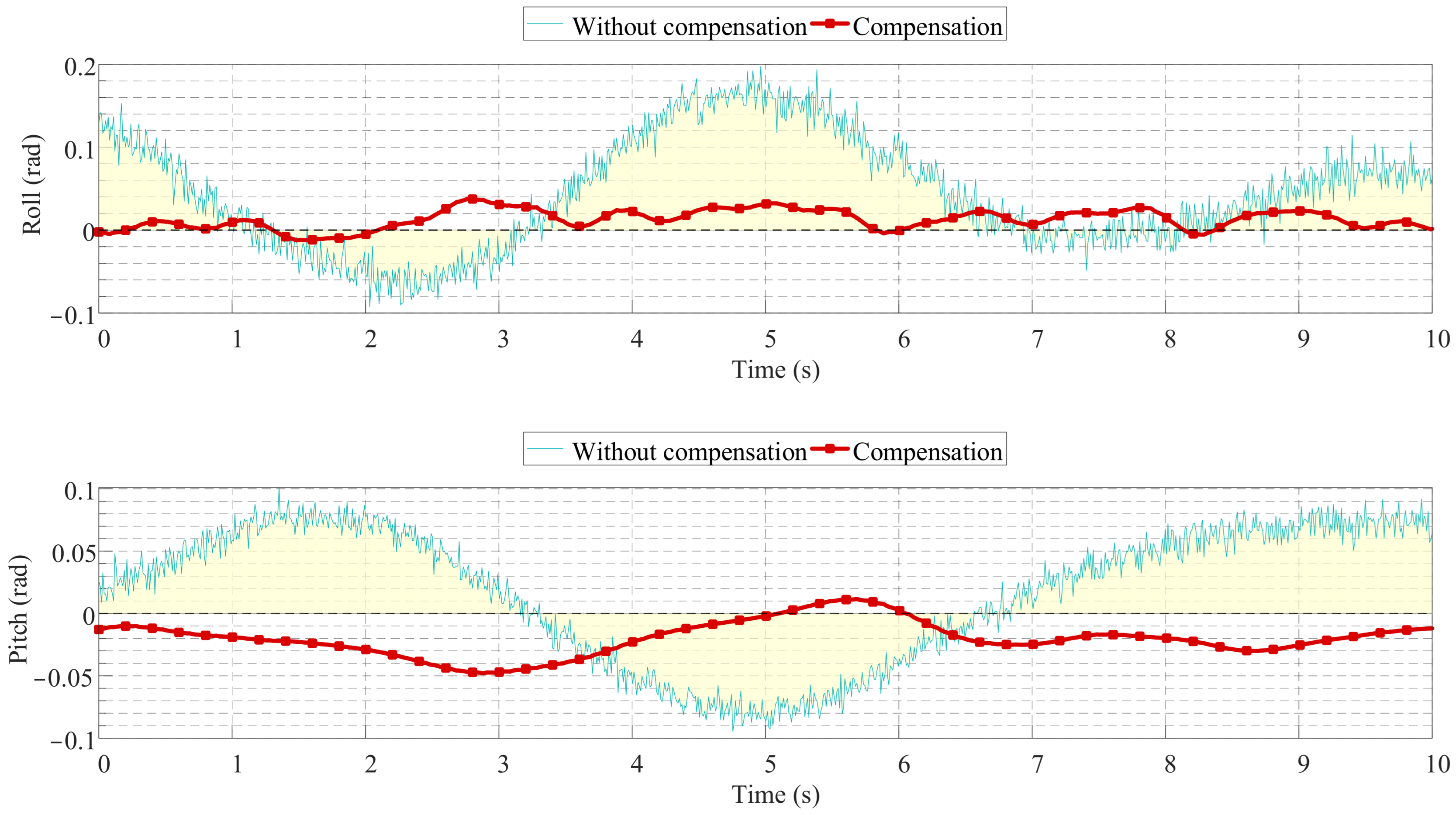
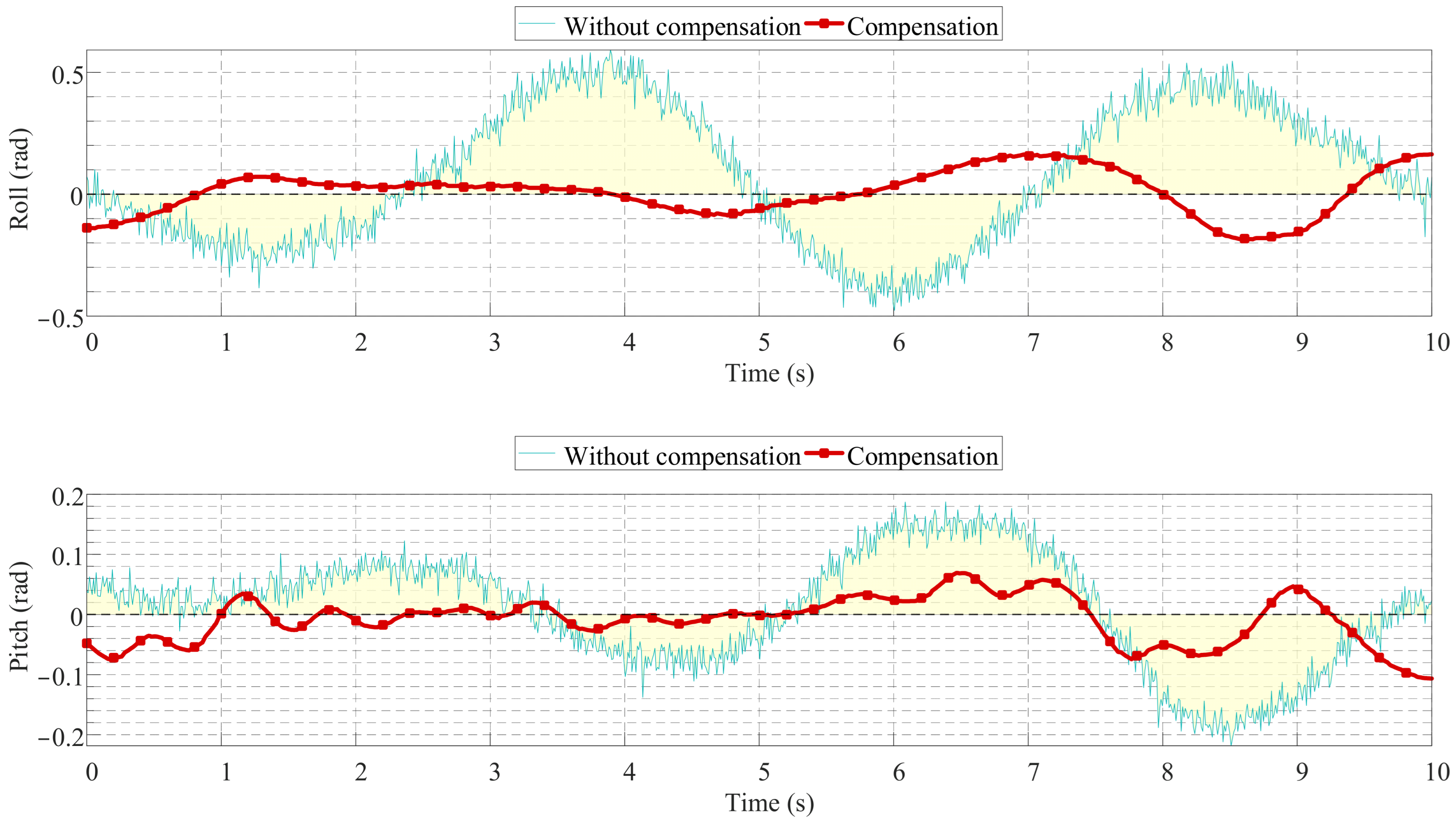
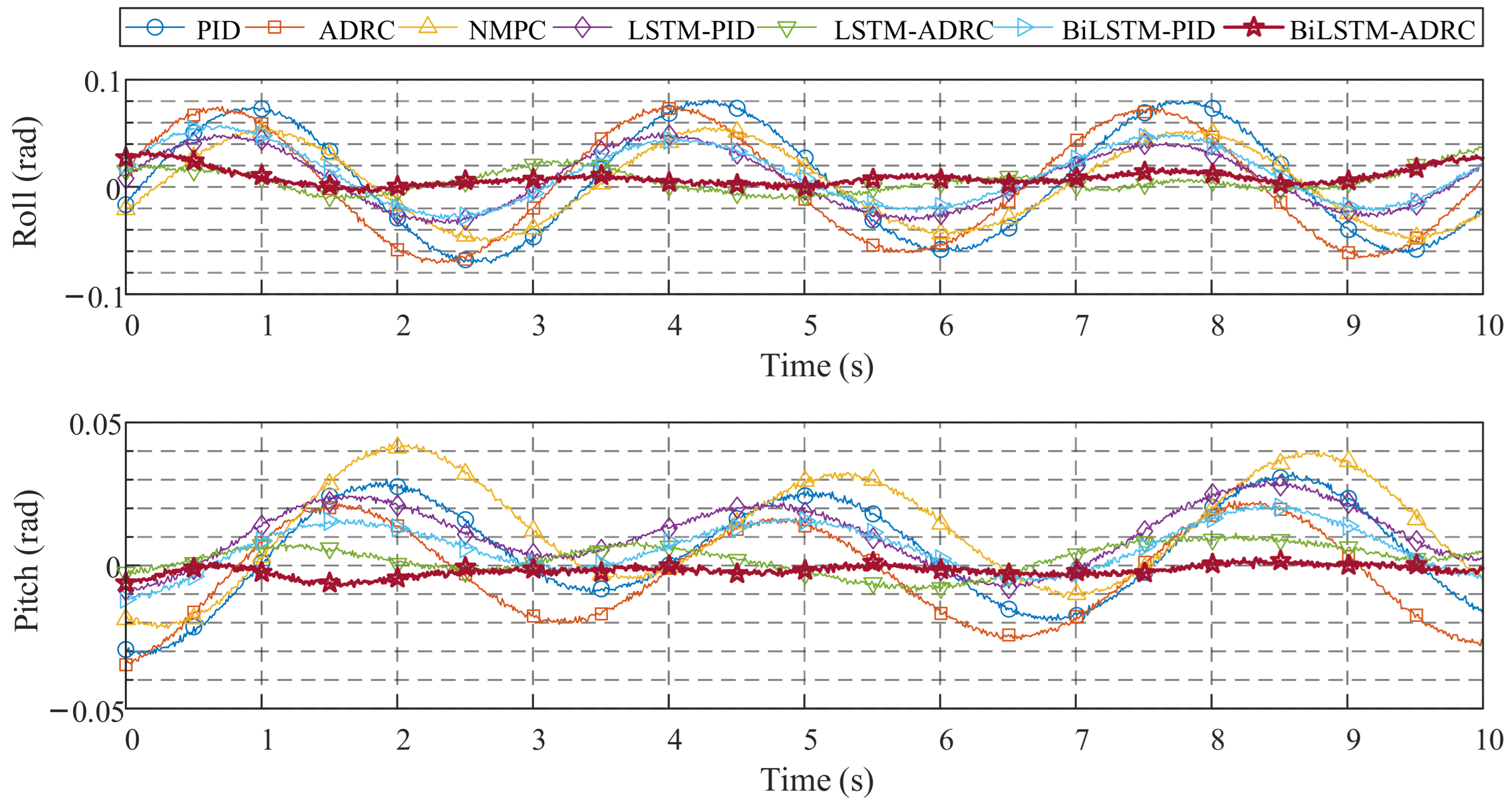
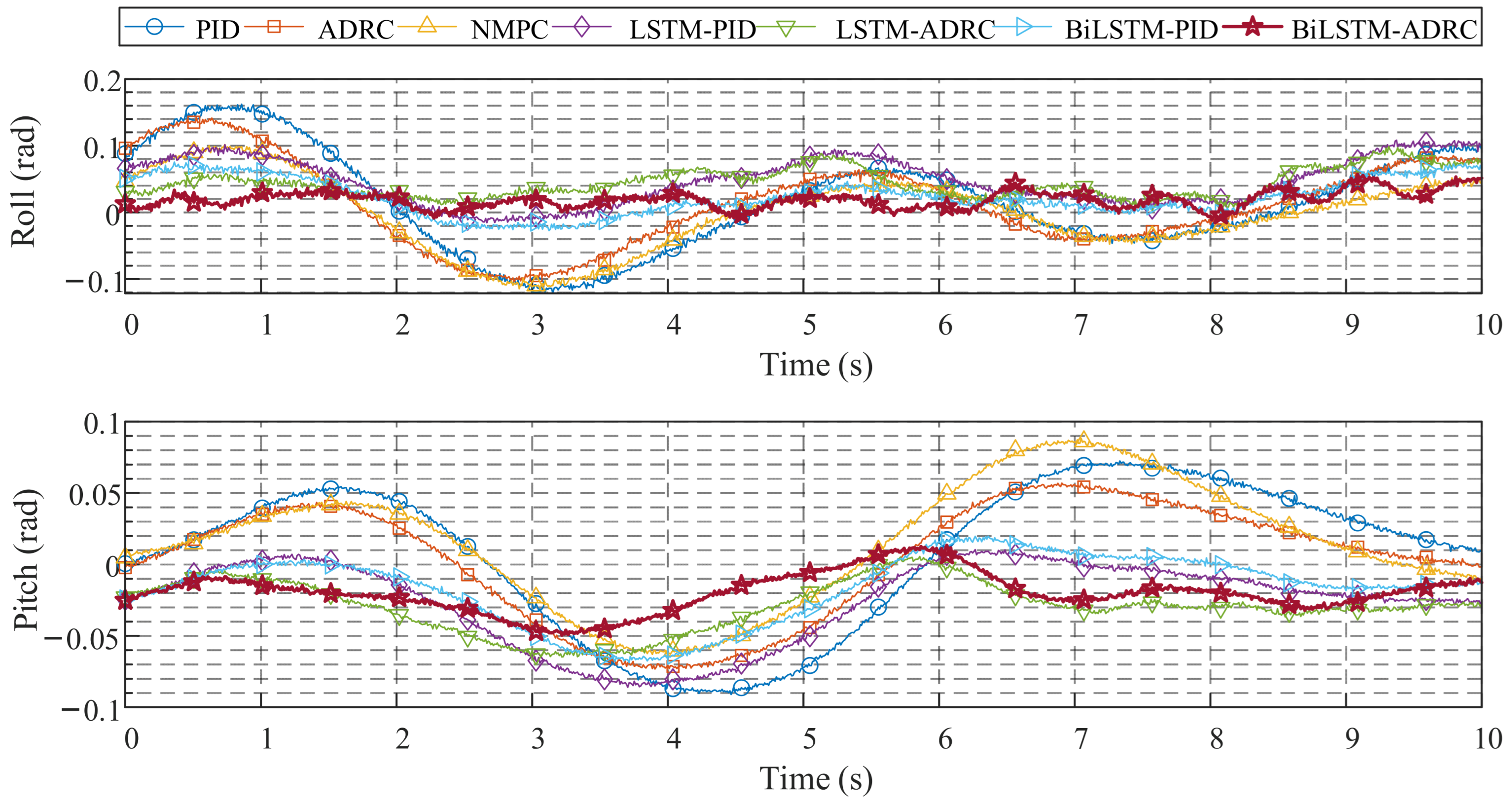
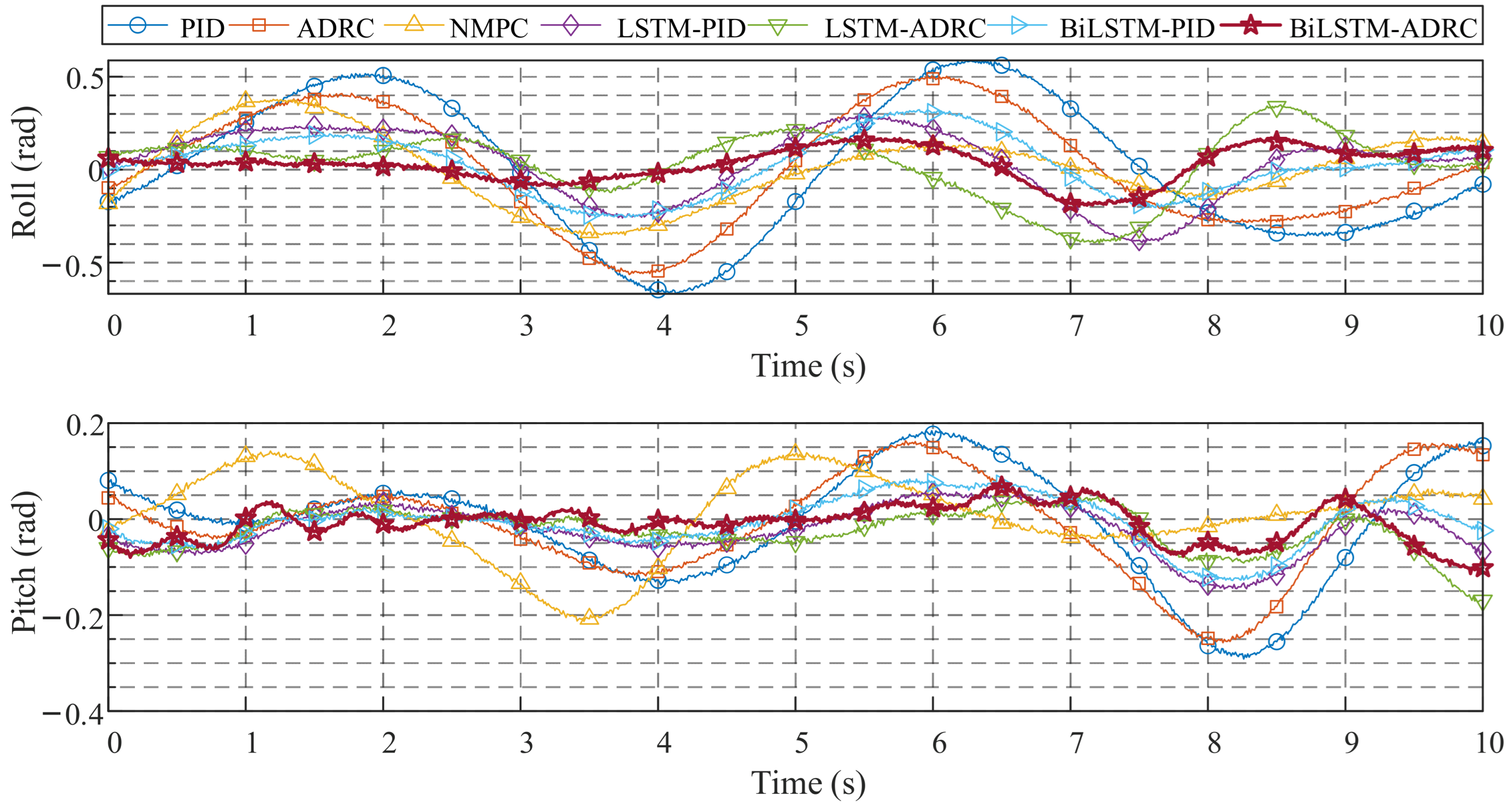
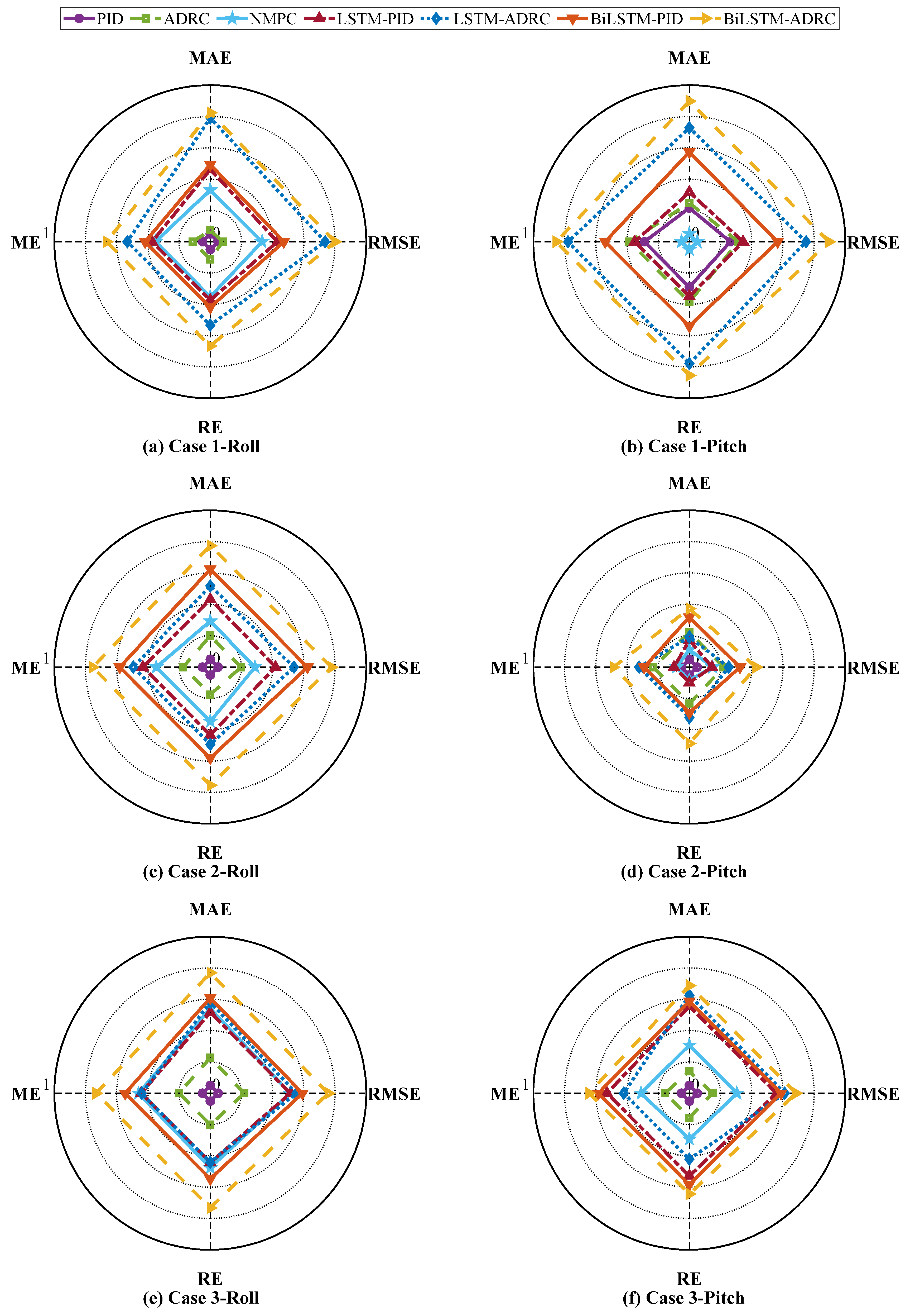
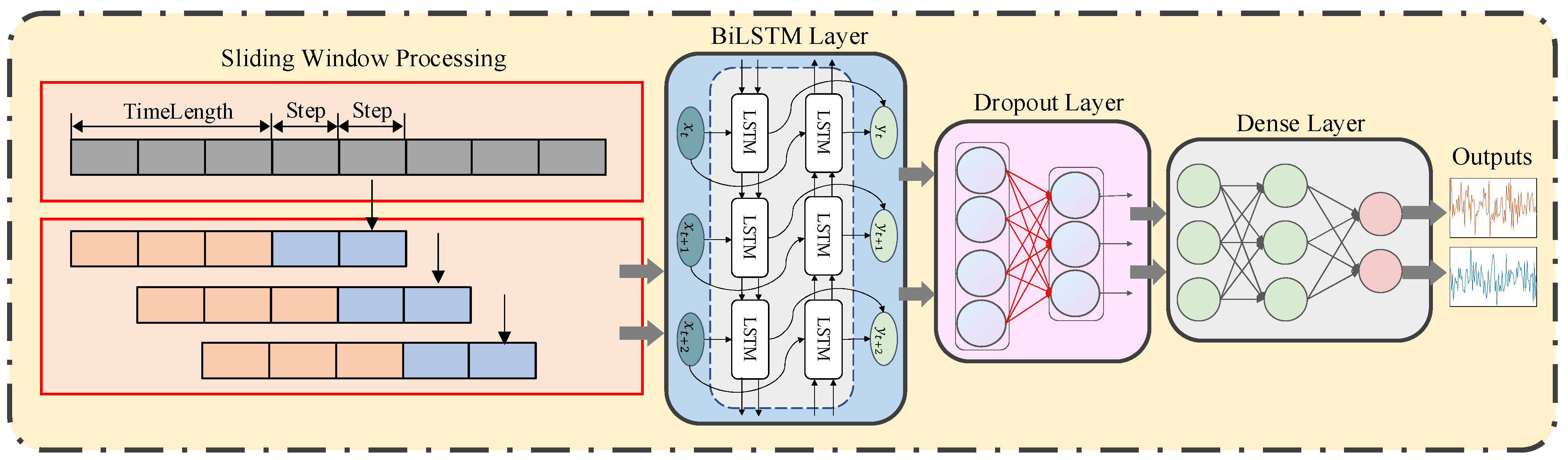
Offshore operational environments are inherently stochastic, with waves, currents, and wind loads exerting a significant influence on vessel attitude and equipment stability. While Stewart platforms enable active motion compensation, conventional control strategies frequently suffer from time delays, actuator lag, and limited disturbance rejection, resulting in inadequate performance under complex sea conditions. To overcome these limitations, this paper presents a wave compensation control strategy for a Stewart platform that integrates deep learning-based prediction with active disturbance rejection control (ADRC). A bidirectional long short-term memory (BiLSTM) network is developed to predict vessel attitude in advance. The predicted attitude is transformed into actuator displacement commands through the inverse kinematics of the Stewart platform. An ADRC-based displacement controller is then designed to achieve fast and robust compensation under wave disturbances. Six-degree-of-freedom (6-DOF) dynamic models of a catamaran and a Stewart platform are established in Simulink and Simscape, and sea states 2, 4, and 6 are simulated using an enhanced Joint North Sea Wave Project (JONSWAP) wave spectrum. The simulation results show that, compared with Proportional–Integral–Derivative (PID) and ADRC methods, the proposed BiLSTM-ADRC strategy reduces the roll root mean squared error (RMSE) by 76.6% and 73.2%, and pitch RMSE by 64.1% and 58.1%, respectively, demonstrating an improved attitude stabilization performance.
Keywords: Stewart platform; wave compensation; delay prediction; active disturbance rejection control; wave spectrum model Stewart platform; wave compensation; delay prediction; active disturbance rejection control; wave spectrum model