
Article

Numerical and Experimental Study of a Flexible Trailing Edge Driving by Pneumatic Muscle Actuators
1
School of Aeronautic Science and Engineering, Beihang University, Beijing 100191, China
2
Chinese Aeronautical Establishment, Beijing 100012, China
3
System Engineering Research Institute, Beijing 100094, China
*
Author to whom correspondence should be addressed.
Actuators 2021, 10(7), 142; https://doi.org/10.3390/act10070142
Submission received: 17 May 2021 / Revised: 10 June 2021 / Accepted: 21 June 2021 / Published: 24 June 2021
(This article belongs to the Special Issue Pneumatic Muscle Actuators)

Abstract

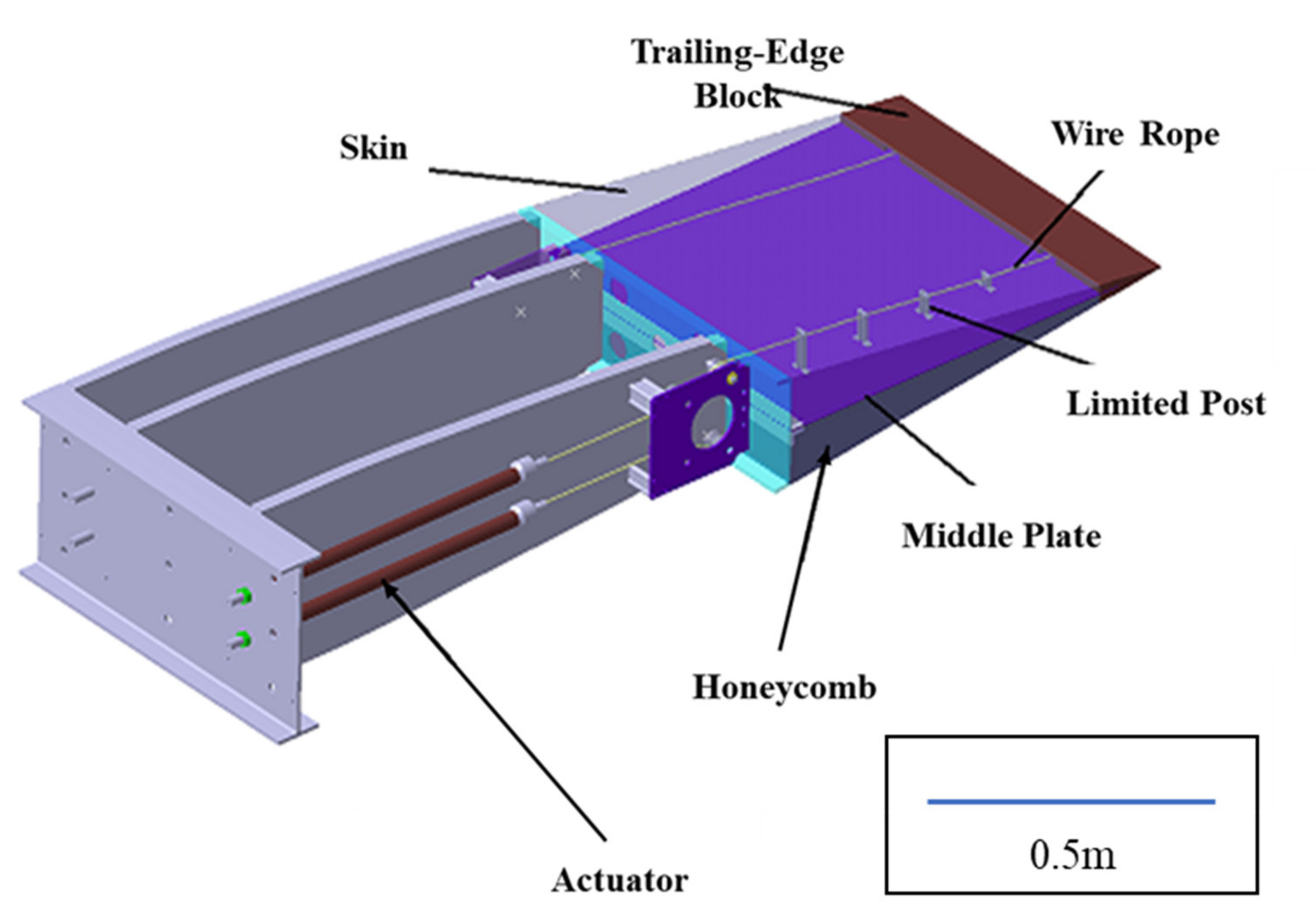
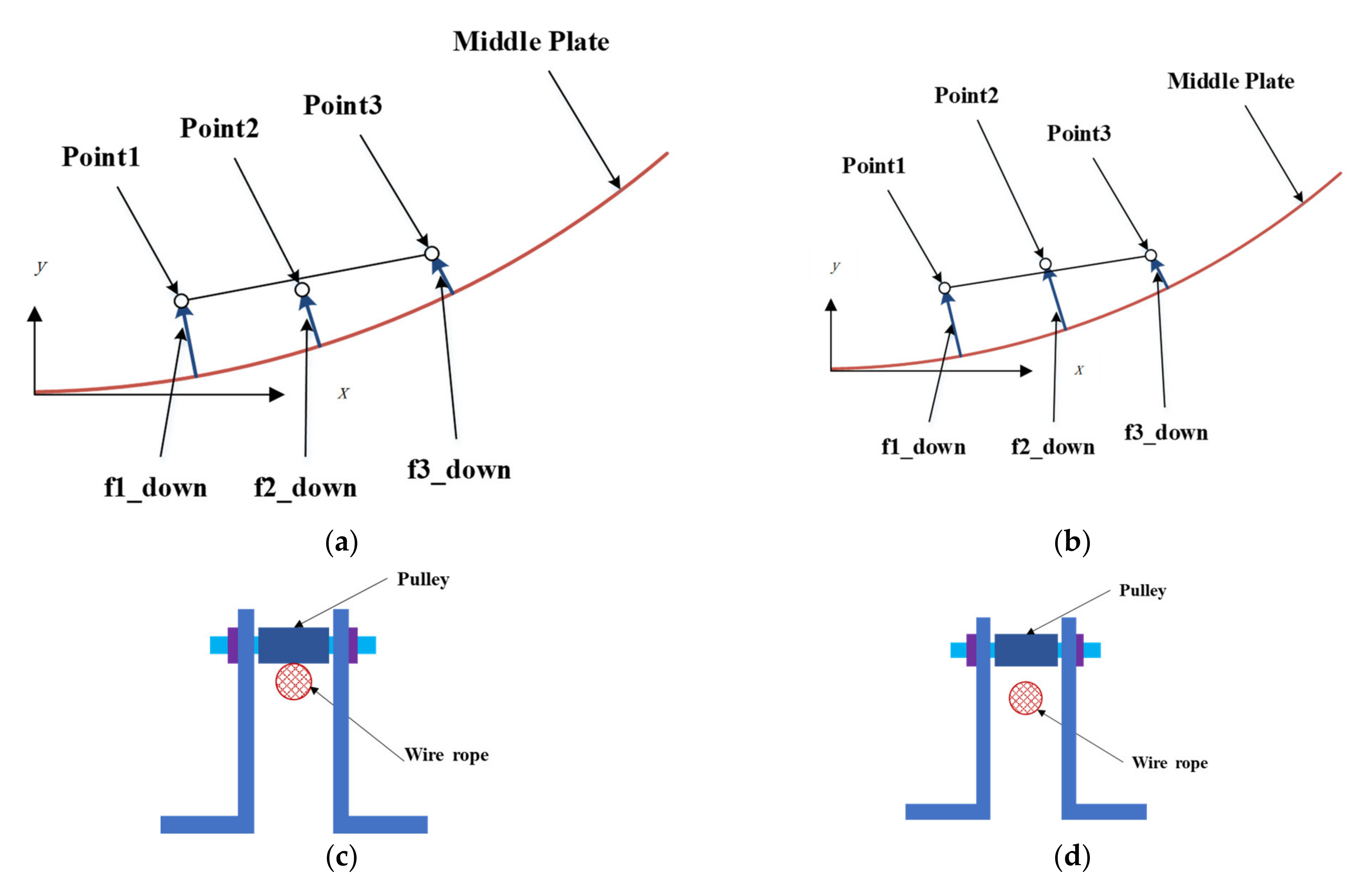
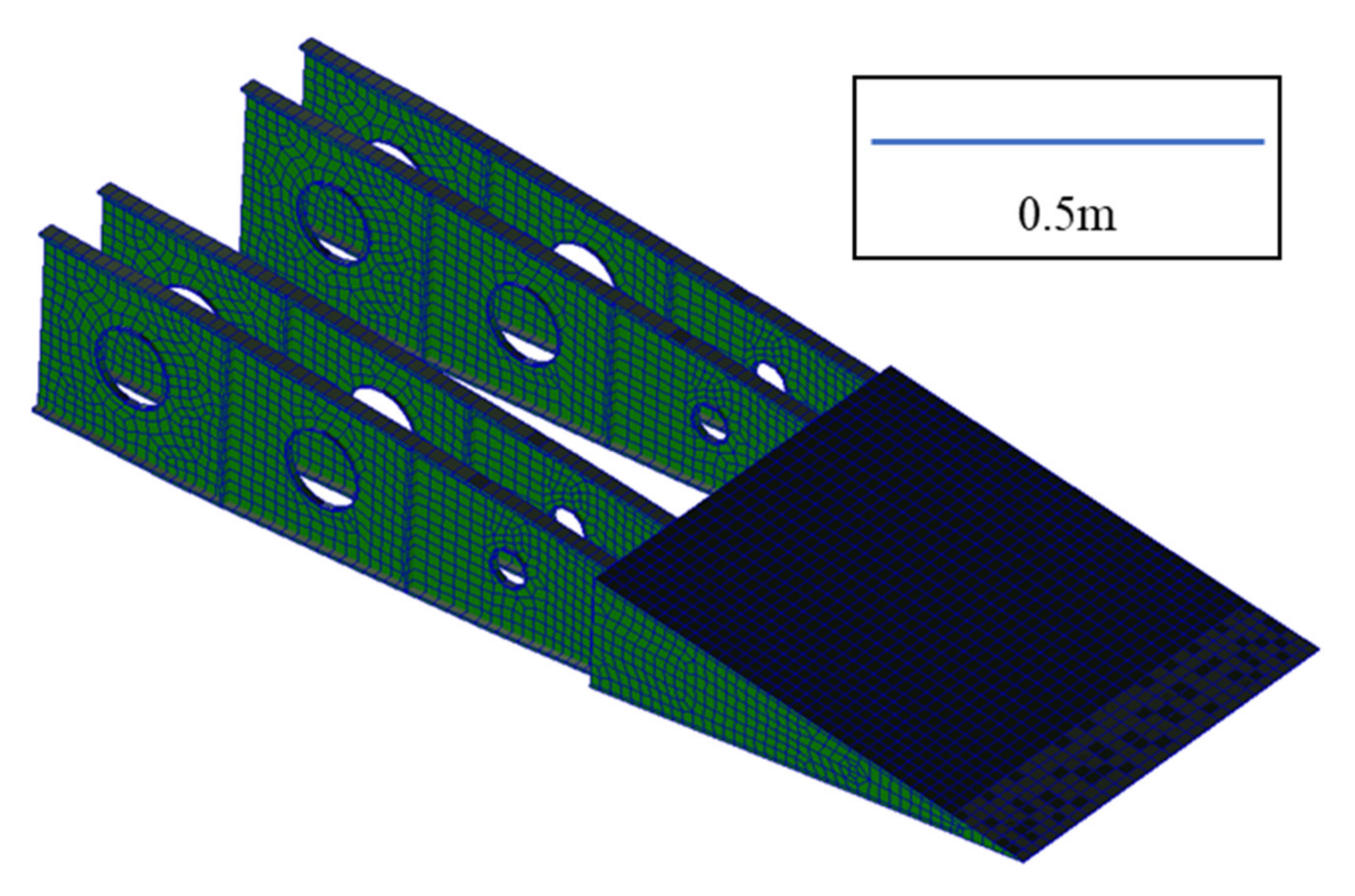
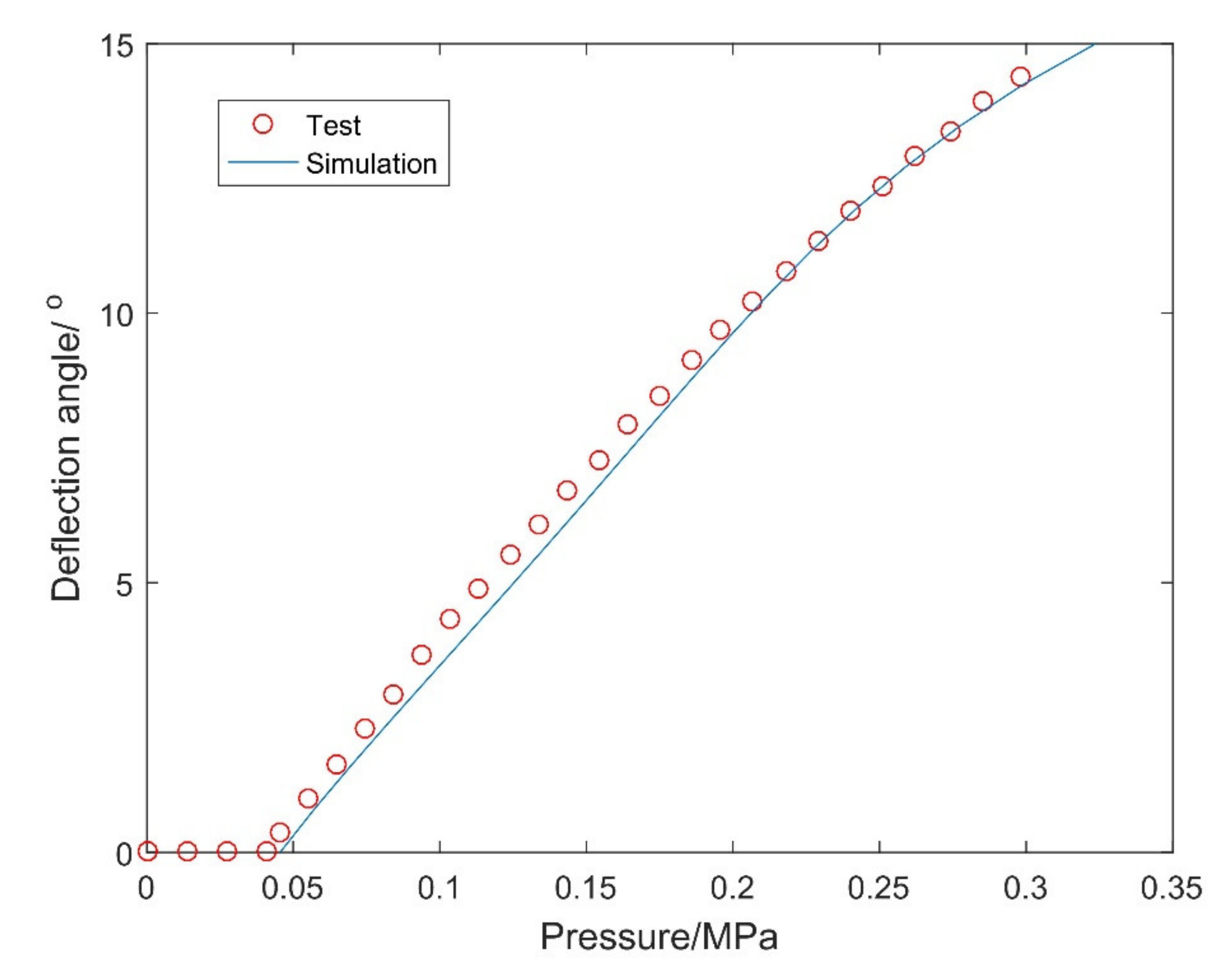
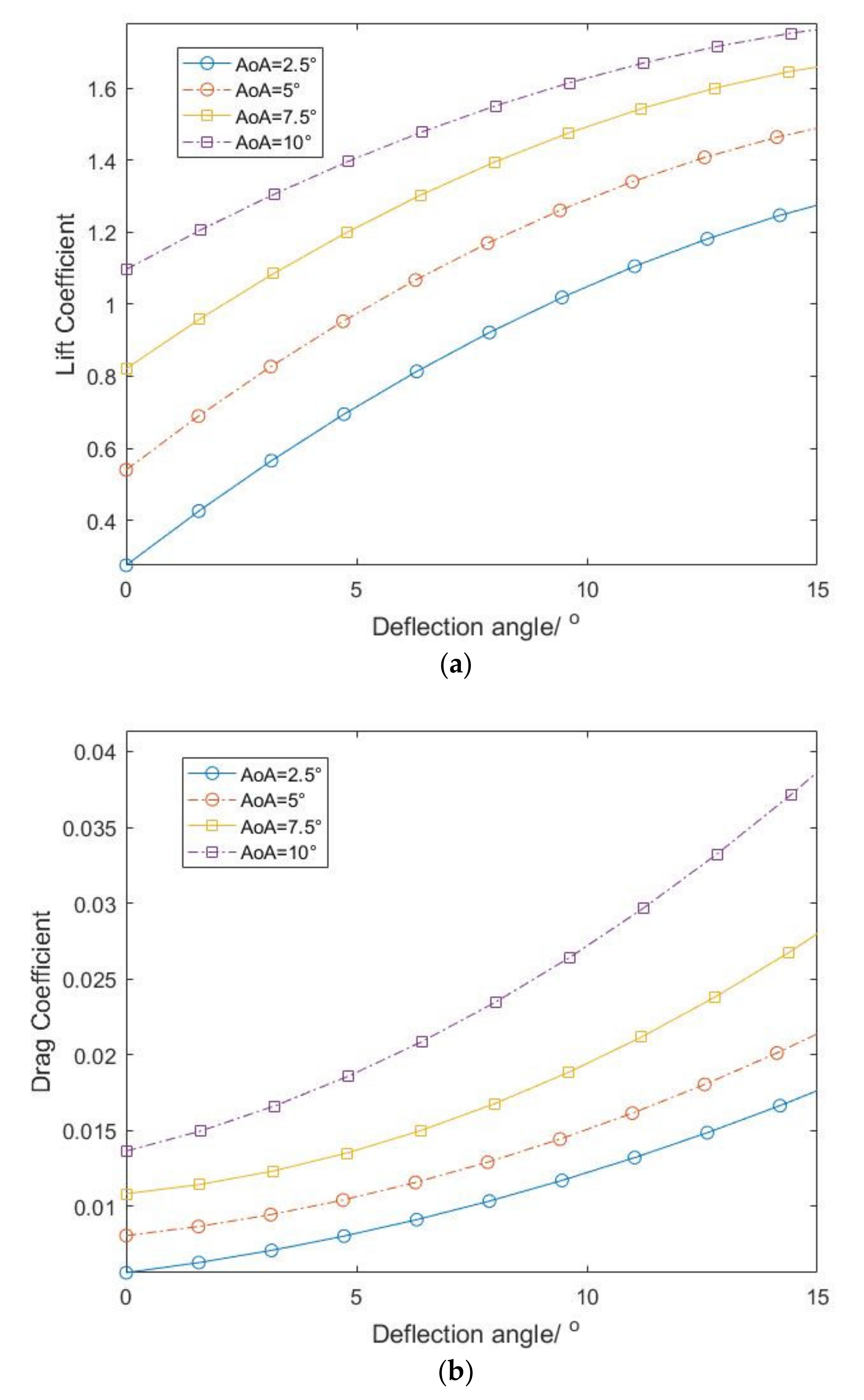
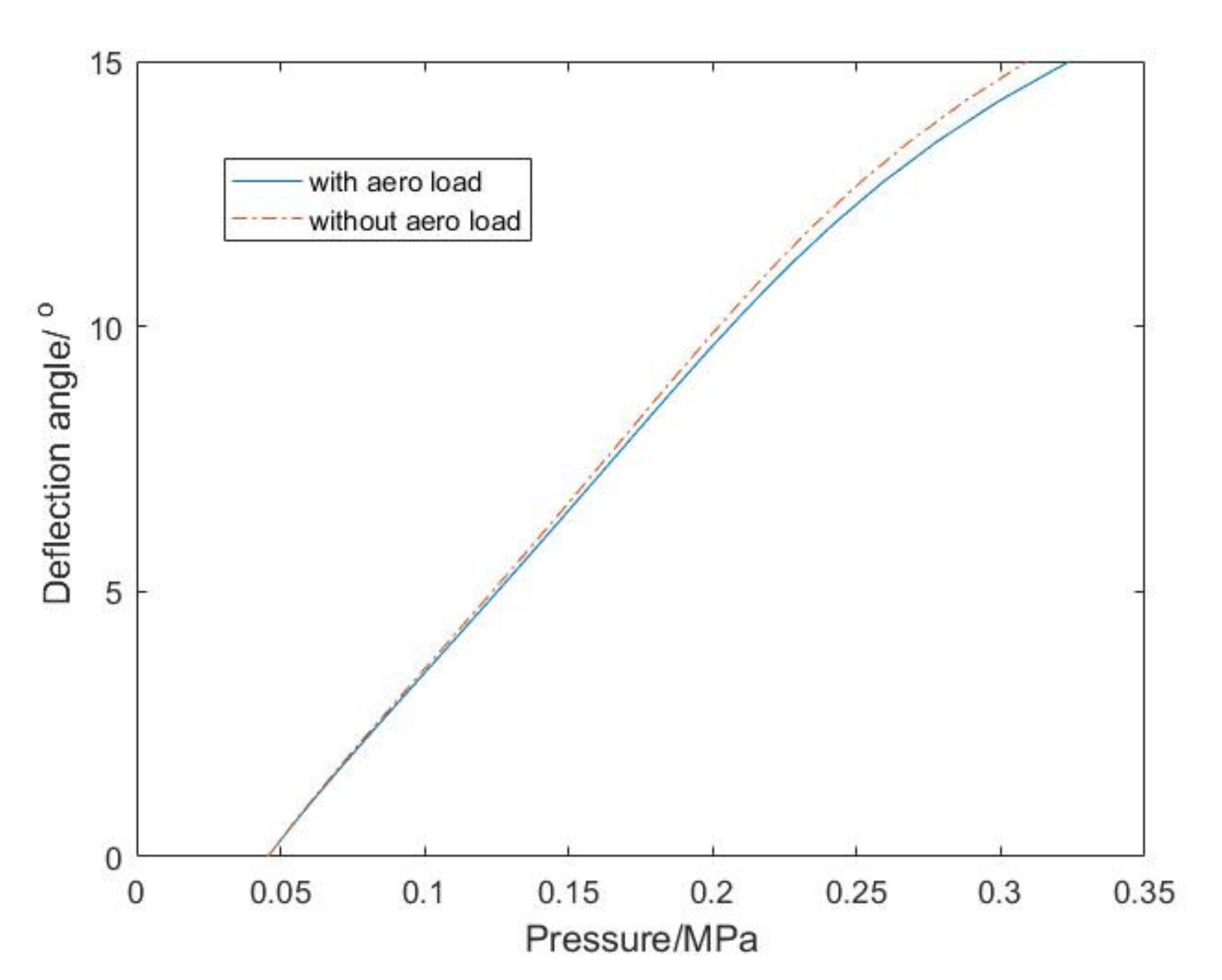
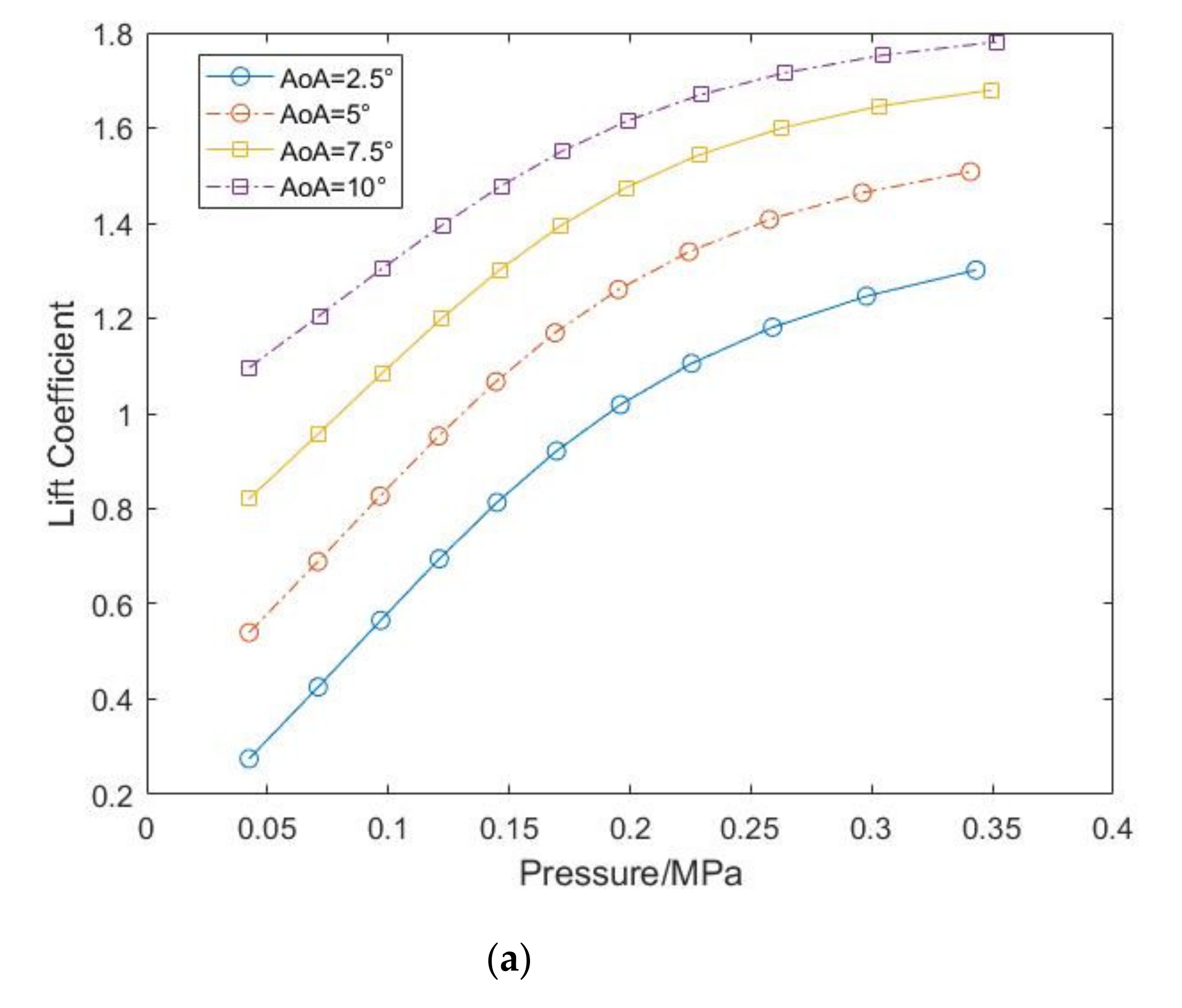
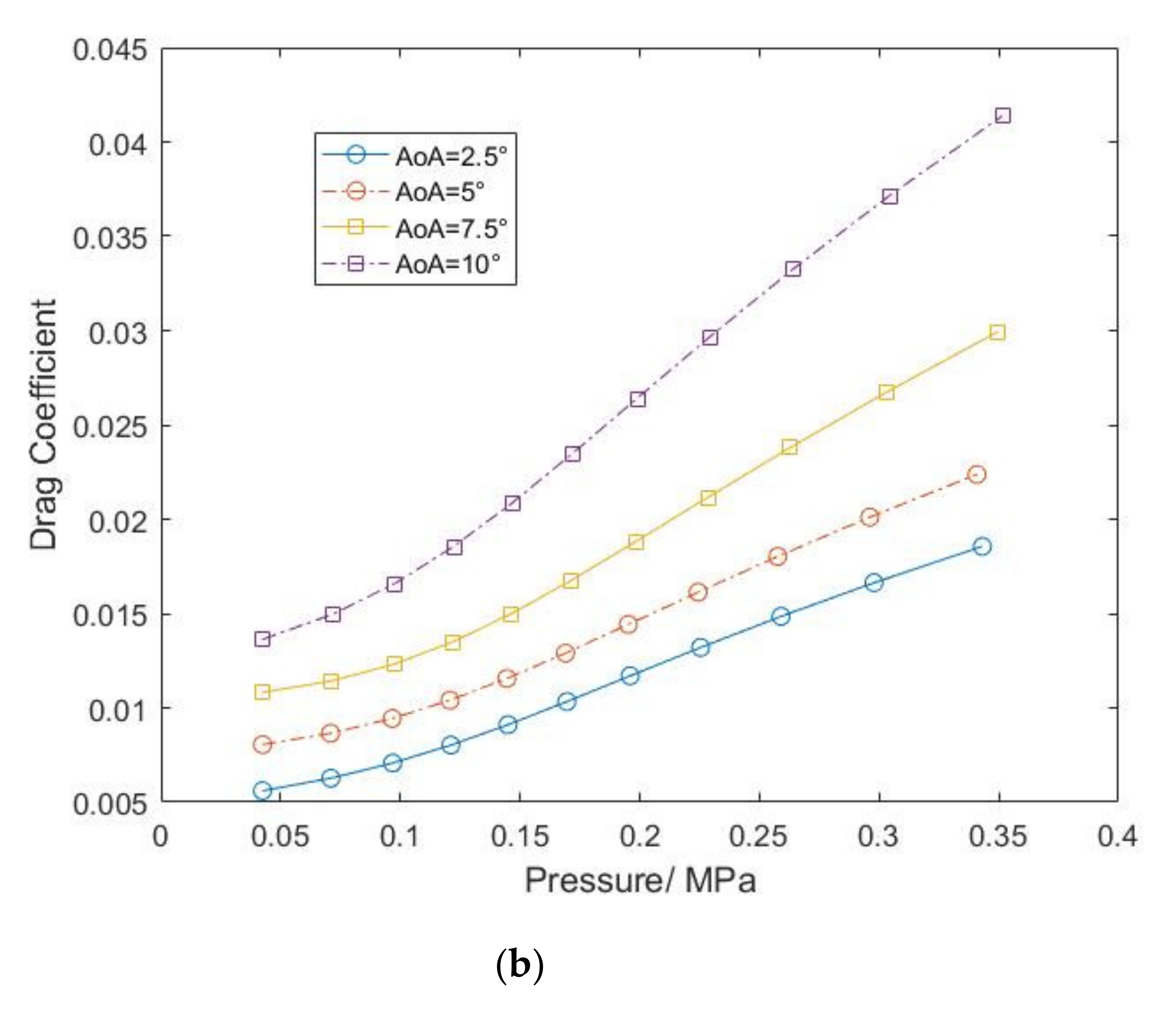
A static aeroelastic analysis of the flexible trailing edge is conducted to calculate the deformed shape, aerodynamic coefficients and corresponding driving pressure. A physical flexible trailing edge model is manufactured using a honeycomb structure, which is measured based on binocular vision. The quadratic response surface method is adopted to establish the pneumatic artificial muscle actuator model. The wire-pulley transmission model is built to identify the existence of equivalent forces and produce the equivalent forces as the substitute of actuation force. A finite element model of the flexible trailing edge is established, which is validated by the test data. A nonlinear relationship is found between the driving pressure and deflection angle. The pressure needed to bear the structural stiffness is found to be much larger than that of the aerodynamic load. With the increase in pressure, the magnitude of the lift coefficient increases less. However, the magnitude of the drag coefficient increases more with the increase in pressure under 0.2 MPa. When the driving pressure exceeds 0.2 MPa, the relationship between them is nearly linear.
Keywords: flexible trailing edge; morphing wing; binocular vision; quadratic response surface method; aeroelastic analysis flexible trailing edge; morphing wing; binocular vision; quadratic response surface method; aeroelastic analysis