Article

Phellodendron amurense Leaf Extract Inhibits Rhabdovirus Infection by Targeting Early Stages of Viral Entry

1
Department of Microbiology, School of Marine and Fisheries Sciences, Pukyong National University, Busan 48513, Republic of Korea
2
Risk Assessment Research Center, Korea Institute of Ocean Science & Technology, Geoje 53201, Republic of Korea
*
Author to whom correspondence should be addressed.
Pathogens 2026, 15(5), 491; https://doi.org/10.3390/pathogens15050491

Submission received: 30 March 2026 / Revised: 25 April 2026 / Accepted: 30 April 2026 / Published: 1 May 2026
(This article belongs to the Special Issue Advances in Virology of Aquatic Animal Viruses)

Abstract

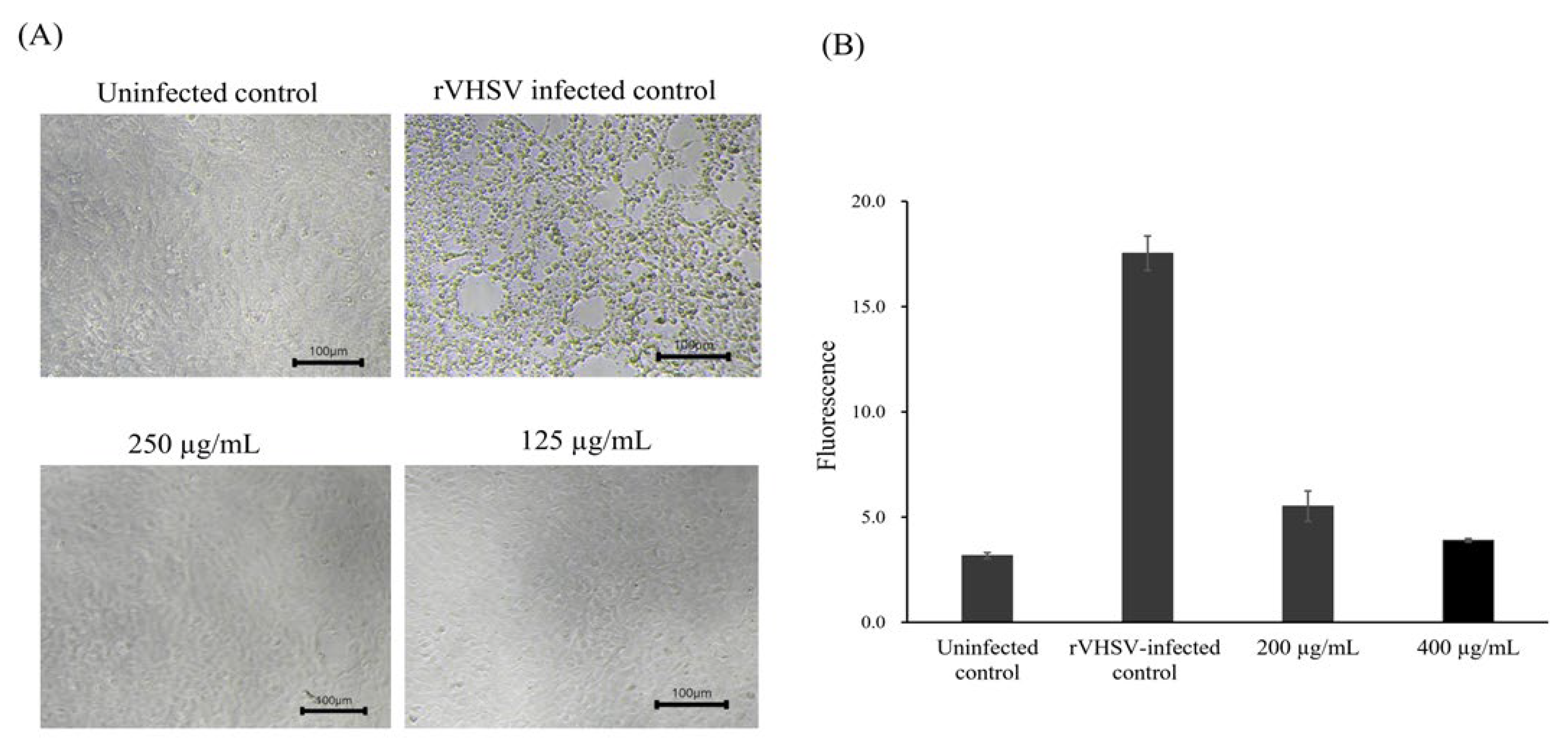
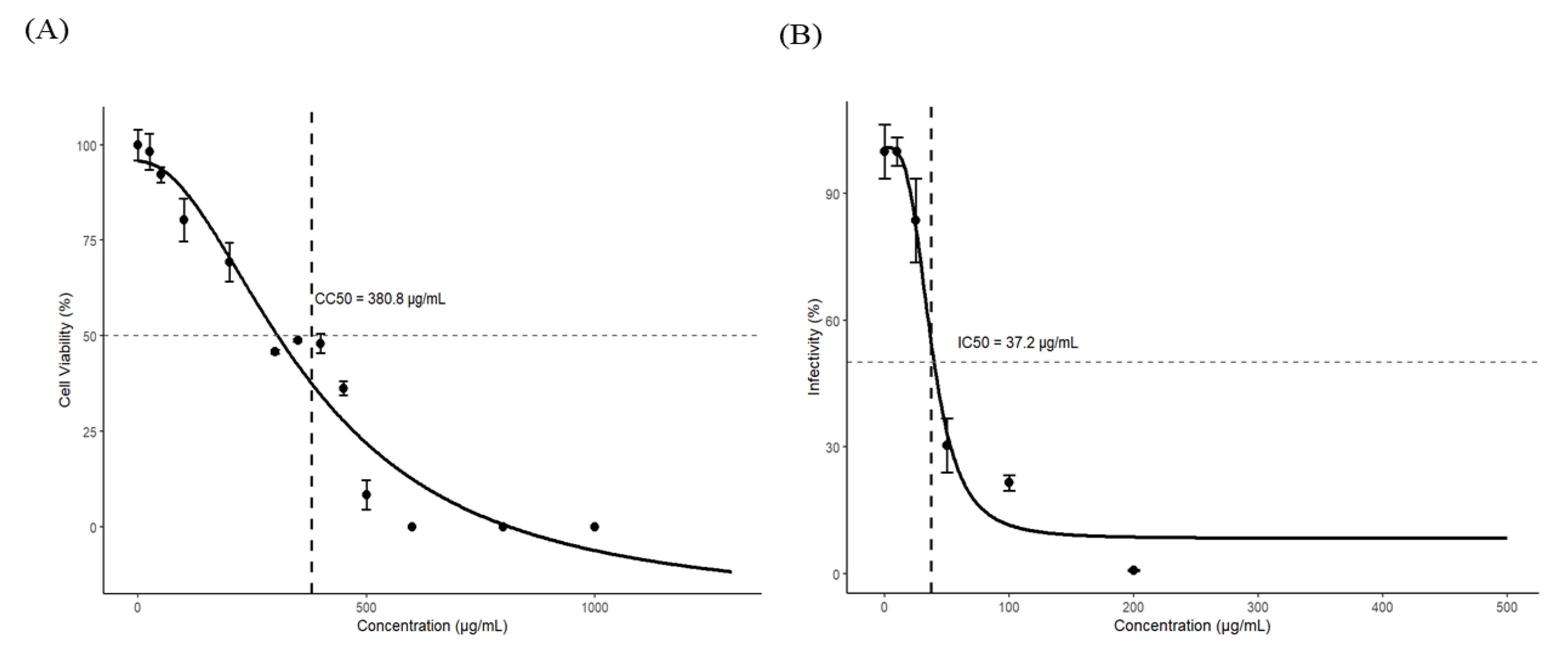
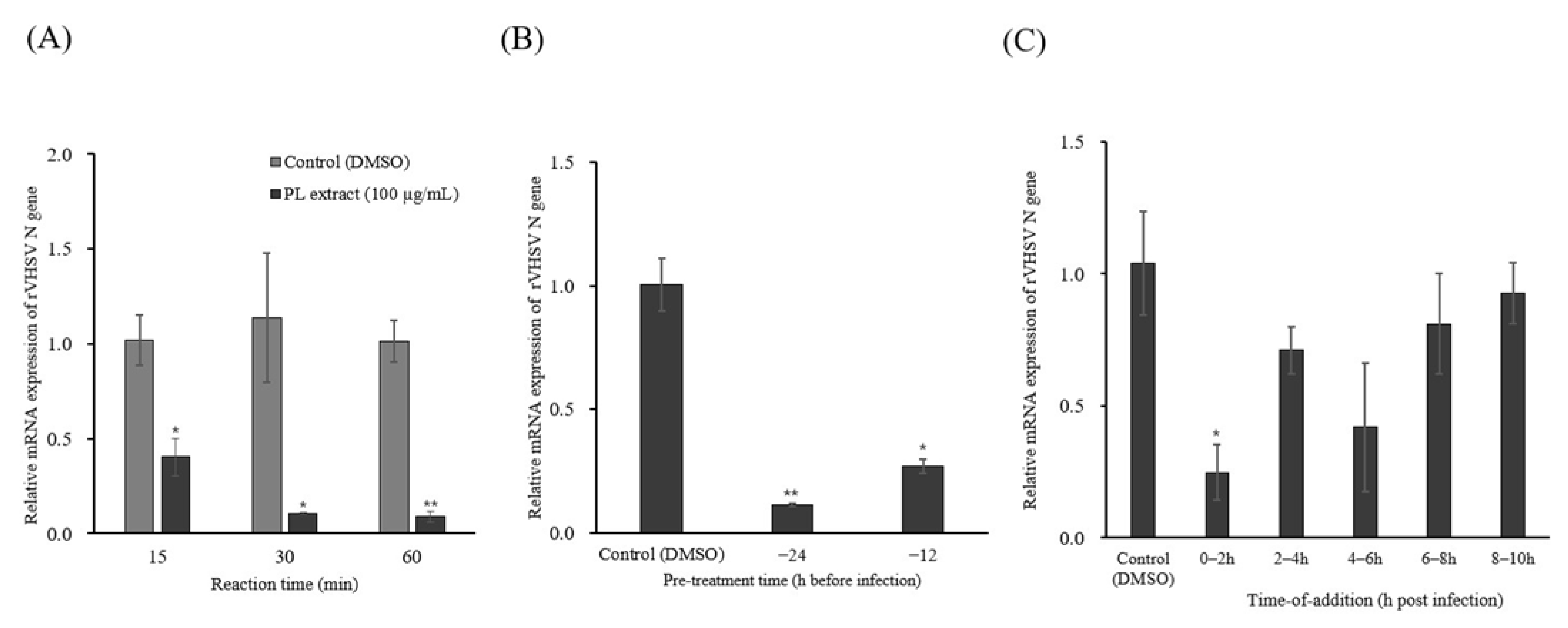
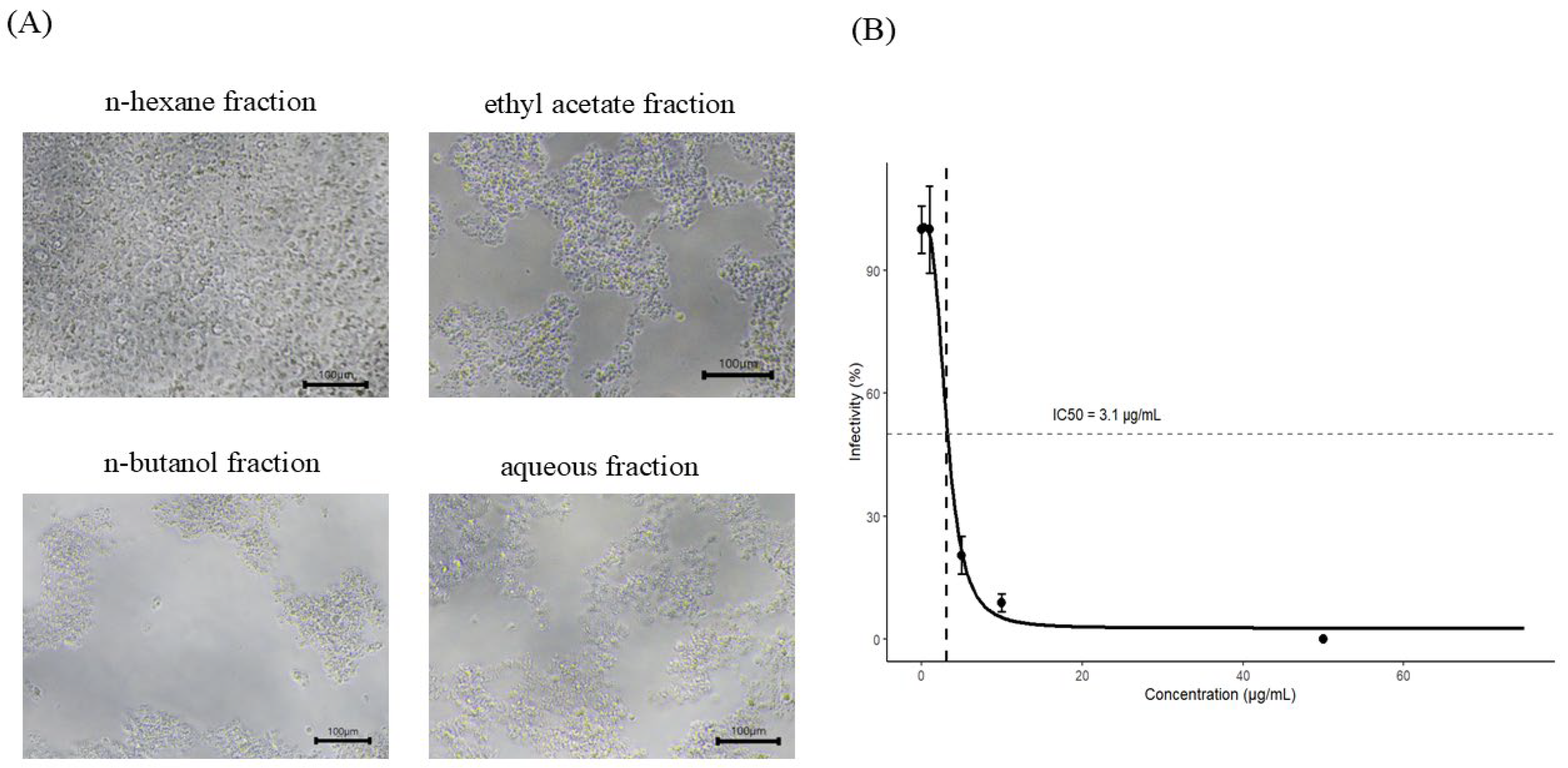
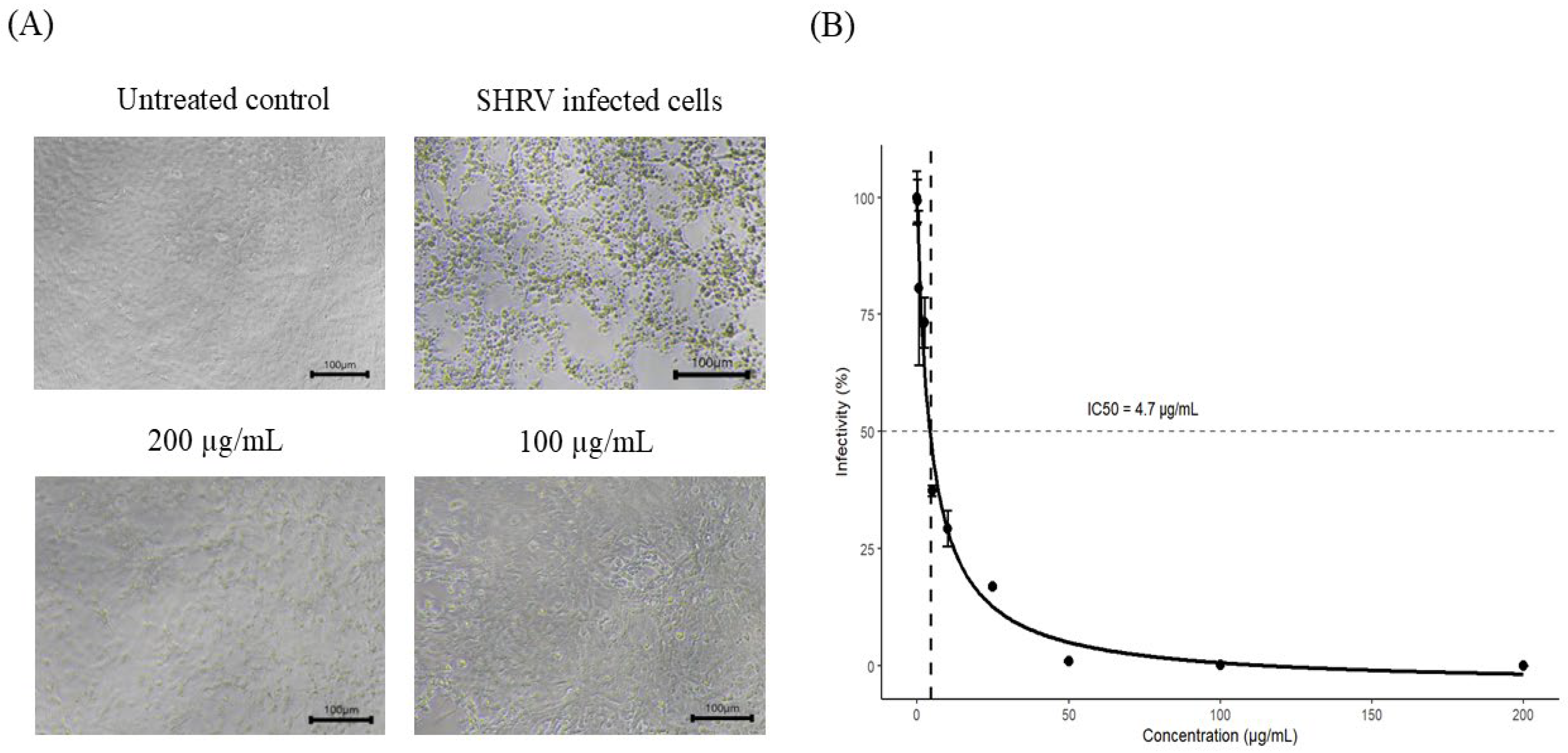
RNA viruses exhibit high mutation rates, necessitating antivirals targeting conserved infection mechanisms. In this study, viral hemorrhagic septicemia virus (VHSV), a non-human pathogenic negative-sense RNA virus, was used as a surrogate model to enable high-throughput antiviral screening under reduced biosafety conditions. A recombinant VHSV expressing enhanced green fluorescent protein was used to screen 17,265 compounds, 2000 plant extracts, and 100 marine extracts. Among the candidates, the leaf extract of Phellodendron amurense Rupr. (PL extract) exhibited antiviral activity with low cytotoxicity (selectivity index ≈ 10). The extract reduced viral infectivity in a dose-dependent manner and showed cross-activity against snakehead rhabdovirus. Mechanistic analyses indicated that the PL extract acts primarily at early stages of infection. Virucidal assays demonstrated direct, time-dependent inactivation of viral particles, while pre-treatment reduced host cell susceptibility. Time-of-addition experiments confirmed that antiviral activity was restricted to early infection, suggesting interference with viral attachment or entry rather than intracellular replication. Fractionation revealed that activity was associated with the non-polar n-hexane fraction, implicating lipophilic compounds that may disrupt viral envelope integrity or membrane interactions. These findings suggest that P. amurense leaf extract is a promising candidate for broad-spectrum antivirals targeting conserved entry processes in enveloped RNA viruses.
Keywords: broad-spectrum antivirals; surrogate virus; VHSV; Phellodendron amurense leaf broad-spectrum antivirals; surrogate virus; VHSV; Phellodendron amurense leaf