Toxoplasma gondii and a Cancer Biology Dichotomy: A Systematic Review of Experimental Studies of Its Antitumor and Pro-Tumor Effects

 , and
, and 
Abstract
1. Introduction
2. Materials and Methods
2.1. Eligibility Criteria
2.2. Study Selection
2.3. Data Extraction
2.4. Data Synthesis
2.5. Reporting, Registration, Ethics
3. Results
3.1. Study Characteristics
3.2. Antitumor Effect via Innate and Adaptive Immune Activation/Reversal of Tumor Microenvironment Immunosuppression
3.3. Antitumor Effect via Apoptosis Induction
3.4. Antitumor Effect via Anti-Angiogenic Activity
3.5. Antitumor Effect via Molecular Mimicry
3.6. Antitumor Effect via Cell-Intrinsic Pathways
3.7. Pro-Tumor Effects
3.8. Dual/Stage-Dependent Divergent Effects
3.9. Signaling Pathway Transcriptomic Analysis Post-Infection Pertinent to Cancer
4. Discussion
4.1. Antitumor Effect via Innate and Adaptive Immune Activation/Reversal of Tumor Microenvironment Immunosuppression
4.2. Antitumor Effect via Apoptosis
4.3. Antitumor Effect via Anti-Angiogenic Activity
4.4. Antitumor Effect via Molecular Mimicry
4.5. Antitumor Effect via Cell-Intrinsic Pathways
4.6. Pro-Tumor Effects
4.7. Dual/Stage-Dependent Divergent Effects
4.8. Signaling Pathways Pertinent to Cancer
4.9. Study Limitations
4.10. Translational and Therapeutic Implications
5. Conclusions
Supplementary Materials
Author Contributions
Funding
Institutional Review Board Statement
Informed Consent Statement
Data Availability Statement
Conflicts of Interest
Abbreviations
| AKT | Protein kinase B |
| ATV | Autoclaved Toxoplasma gondii vaccine |
| BCG | Bacillus Calmette–Guérin |
| Bcl-2 | B-cell lymphoma 2 |
| CD | Cluster of differentiation |
| CNS | Central nervous system |
| DC | Dendritic cell |
| EGFR | Epidermal growth factor receptor |
| GRA | Dense granule protein |
| HBV | Hepatitis B virus |
| HCV | Hepatitis C virus |
| HPV | Human papillomavirus |
| IFN-γ | Interferon gamma |
| IL | Interleukin |
| IRG | Immunity-related GTPase |
| Lats | Large tumor suppressor gene |
| MDSC | Myeloid-derived suppressor cell |
| miR | MicroRNA |
| NF-κB | Nuclear factor kappa B |
| NK | Natural killer |
| NRUA | Non-replicating uracil auxotroph |
| PRISMA | Preferred Reporting Items for Systematic Reviews and Meta-Analyses |
| OSF | Open Science Framework |
| PTEN | Phosphatase and tensin homolog |
| ROP | Rhoptry protein |
| STAT | Signal transducer and activator of transcription |
| STAg | Soluble tachyzoite antigen |
| TGF-β | Transforming growth factor beta |
| TLA | Tachyzoite lysate antigen Th1 T helper 1 |
| T. gondii | Toxoplasma gondii |
| TME | Tumor microenvironment |
| TNFrs | Tumor necrosis factor receptor superfamily gene |
| Treg | Regulatory T cell |
| VEGF | Vascular endothelial growth factor |
Appendix A. Search Strategy
- #1 (toxoplasma* OR t.gondii OR T. gondii) AND (tumor*[ti] OR cancer*[ti] OR carcinogen*[ti] OR oncogen*[ti] OR malignan*[ti] OR antitumor [ti]) (N = 248 articles up to 9 April 2024)
- #2: (toxoplasma [ti] OR t.gondii [ti] OR t. gondii[ti]) AND (brain OR neurologic OR neural OR nervous OR cerebral) AND (tumor* OR cancer* OR malignan* OR carcino* OR oncogene* OR antitumor*) (N = 153 articles up to 9 April 2024)
- #3(toxoplasma* [ti] OR t.gondii [ti] OR T. gondii [ti]) AND (tumor*[ti] OR cancer*[ti] OR carcinogen*[ti] OR oncogen*[ti] OR malignan*[ti] OR antitumor [ti] OR Meningioma* OR Pituitary adenoma* OR Schwannoma* OR acoustic neuroma* OR Choroid plexus tumor* OR Dysembryoplastic neuroepithelial tumor* OR Neurofibroma* OR Hemangioblastoma* OR Giant cell tumor* OR Glioma* OR astrocytoma* OR oligodendroglioma* OR glioblastoma* OR Ependymal tumor* OR subependymoma* OR ependymoma* OR hemangiopericytoma* OR Germ Cell Tumor* OR Pineal tumor* OR Medulloblastoma* OR neuroblastoma* OR Lymphoma* OR gliosarcoma*)) (N = 237 up to 9 April 2024)
- #4((toxoplasma* [ti] OR t.gondii [ti] OR T. gondii [ti]) AND (tumor* OR cancer* OR carcinogen* OR oncogen* OR malignan* OR oncolo* OR antitumor* OR anti-tumor* OR brain tumor* OR brain cancer* OR CNS tumor* OR CNS cancer* OR glioma* OR astrocytoma* OR ganglioglioma* OR xanthoastrocytoma* OR neuroepithelial tumor* OR glioneuronal tumor* OR oligodendroglioma* OR astroblastoma* OR neuronal tumor* OR gangliocytoma* OR neurocytoma* OR liponeurocytoma* OR glial tumor* OR glioblastoma* OR ependymoma* OR subependymoma* OR choroid plexus tumor* OR choroid plexus papilloma* OR choroid plexus carcinoma* OR embryonal tumor* OR medulloblastoma* OR embryonal tumor* OR neuroblastoma* OR CNS tumor* OR pineocytoma* OR pineal parenchymal tumor* OR pineoblastoma* OR tumor of the pineal* OR Schwannoma* OR neurofibroma* OR perineurioma* OR nerve sheath tumor* OR paraganglioma* OR meningioma* OR meningothelial tumor* OR Pituitary adenoma* OR acoustic neuroma* OR neurofibroma* OR hemangioblastoma* OR giant cell tumor* OR ependymal tumor* OR hemangiopericytoma* OR germ cell tumor* OR pineal tumor* OR medulloblastoma* OR neuroblastoma* OR lymphoma* OR gliosarcoma*)) (N = 868 up to 9 April 2024)
- #3 NOT (#1 OR #2)
- #4 NOT (#1 OR #2 OR #3)
Appendix B. PRISMA 2020 Abstract and PRISMA 2020 Checklist

| Section and Topic | Item # | Checklist Item | Reported (Yes/No) |
|---|---|---|---|
| TITLE | |||
| Title | 1 | Identify the report as a systematic review. | Yes |
| BACKGROUND | |||
| Objectives | 2 | Provide an explicit statement of the main objective(s) or question(s) the review addresses. | Yes |
| METHODS | |||
| Eligibility criteria | 3 | Specify the inclusion and exclusion criteria for the review. | Yes |
| Information sources | 4 | Specify the information sources (e.g., databases, registers) used to identify studies and the date when each was last searched. | Yes |
| Risk of bias | 5 | Specify the methods used to assess risk of bias in the included studies. | Not applicable |
| Synthesis of results | 6 | Specify the methods used to present and synthesize results. | Yes |
| RESULTS | |||
| Included studies | 7 | Give the total number of included studies and participants and summarize relevant characteristics of studies. | Yes |
| Synthesis of results | 8 | Present results for main outcomes, preferably indicating the number of included studies and participants for each. If meta-analysis was done, report the summary estimate and confidence/credible interval. If comparing groups, indicate the direction of the effect (i.e., which group is favored). | Yes |
| DISCUSSION | |||
| Limitations of evidence | 9 | Provide a brief summary of the limitations of the evidence included in the review (e.g., study risk of bias, inconsistency and imprecision). | Yes |
| Interpretation | 10 | Provide a general interpretation of the results and important implications. | Yes |
| OTHER | |||
| Funding | 11 | Specify the primary source of funding for the review. | Yes |
| Registration | 12 | Provide the register name and registration number. | Yes |
| Section and Topic | Item # | Checklist Item | Location Where Item Is Reported |
|---|---|---|---|
| TITLE | |||
| Title | 1 | Identify the report as a systematic review. | Page 1 |
| ABSTRACT | |||
| Abstract | 2 | See the PRISMA 2020 for abstracts checklist. | Appendix B |
| INTRODUCTION | |||
| Rationale | 3 | Describe the rationale for the review in the context of existing knowledge. | Page 1 and 2 |
| Objectives | 4 | Provide an explicit statement of the objective(s) or question(s) the review addresses. | Page 2 |
| METHODS | |||
| Eligibility criteria | 5 | Specify the inclusion and exclusion criteria for the review and how studies were grouped for the syntheses. | Page 3 |
| Information sources | 6 | Specify all databases, registers, websites, organizations, reference lists and other sources searched or consulted to identify studies. Specify the date when each source was last searched or consulted. | Page 3 |
| Search strategy | 7 | Present the full search strategies for all databases, registers and websites, including any filters and limits used. | Appendix A |
| Selection process | 8 | Specify the methods used to decide whether a study met the inclusion criteria of the review, including how many reviewers screened each record and each report retrieved, whether they worked independently, and, if applicable, details of automation tools used in the process. | Page 3 |
| Data collection process | 9 | Specify the methods used to collect data from reports, including how many reviewers collected data from each report, whether they worked independently, any processes for obtaining or confirming data from study investigators, and, if applicable, details of automation tools used in the process. | Page 3 |
| Data items | 10a | List and define all outcomes for which data were sought. Specify whether all results that were compatible with each outcome domain in each study were sought (e.g., for all measures, time points, analyses), and if not, the methods used to decide which results to collect. | Pages 3 and 4 |
| 10b | List and define all other variables for which data were sought (e.g., participant and intervention characteristics, funding sources). Describe any assumptions made about any missing or unclear information. | Not applicable | |
| Study risk-of-bias assessment | 11 | Specify the methods used to assess risk of bias in the included studies, including details of the tool(s) used, how many reviewers assessed each study and whether they worked independently, and, if applicable, details of automation tools used in the process. | Not applicable |
| Effect measures | 12 | Specify for each outcome the effect measure(s) (e.g., risk ratio, mean difference) used in the synthesis or presentation of results. | Not applicable |
| Synthesis methods | 13a | Describe the processes used to decide which studies were eligible for each synthesis (e.g., tabulating the study intervention characteristics and comparing against the planned groups for each synthesis (item #5)). | Not applicable |
| 13b | Describe any methods required to prepare the data for presentation or synthesis, such as handling of missing summary statistics or data conversions. | Not applicable | |
| 13c | Describe any methods used to tabulate or visually display results of individual studies and syntheses. | Pages 4 and 11 | |
| 13d | Describe any methods used to synthesize results and provide a rationale for the choice(s). If meta-analysis was performed, describe the model(s), method(s) to identify the presence and extent of statistical heterogeneity, and software package(s) used. | Not applicable | |
| 13e | Describe any methods used to explore possible causes of heterogeneity among study results (e.g., subgroup analysis, meta-regression). | Not applicable | |
| 13f | Describe any sensitivity analyses conducted to assess robustness of the synthesized results. | Not applicable | |
| Reporting bias assessment page | 14 | Describe any methods used to assess risk of bias due to missing results in a synthesis (arising from reporting biases). | Not applicable |
| Certainty assessment | 15 | Describe any methods used to assess certainty (or confidence) in the body of evidence for an outcome. | Not applicable |
| RESULTS | |||
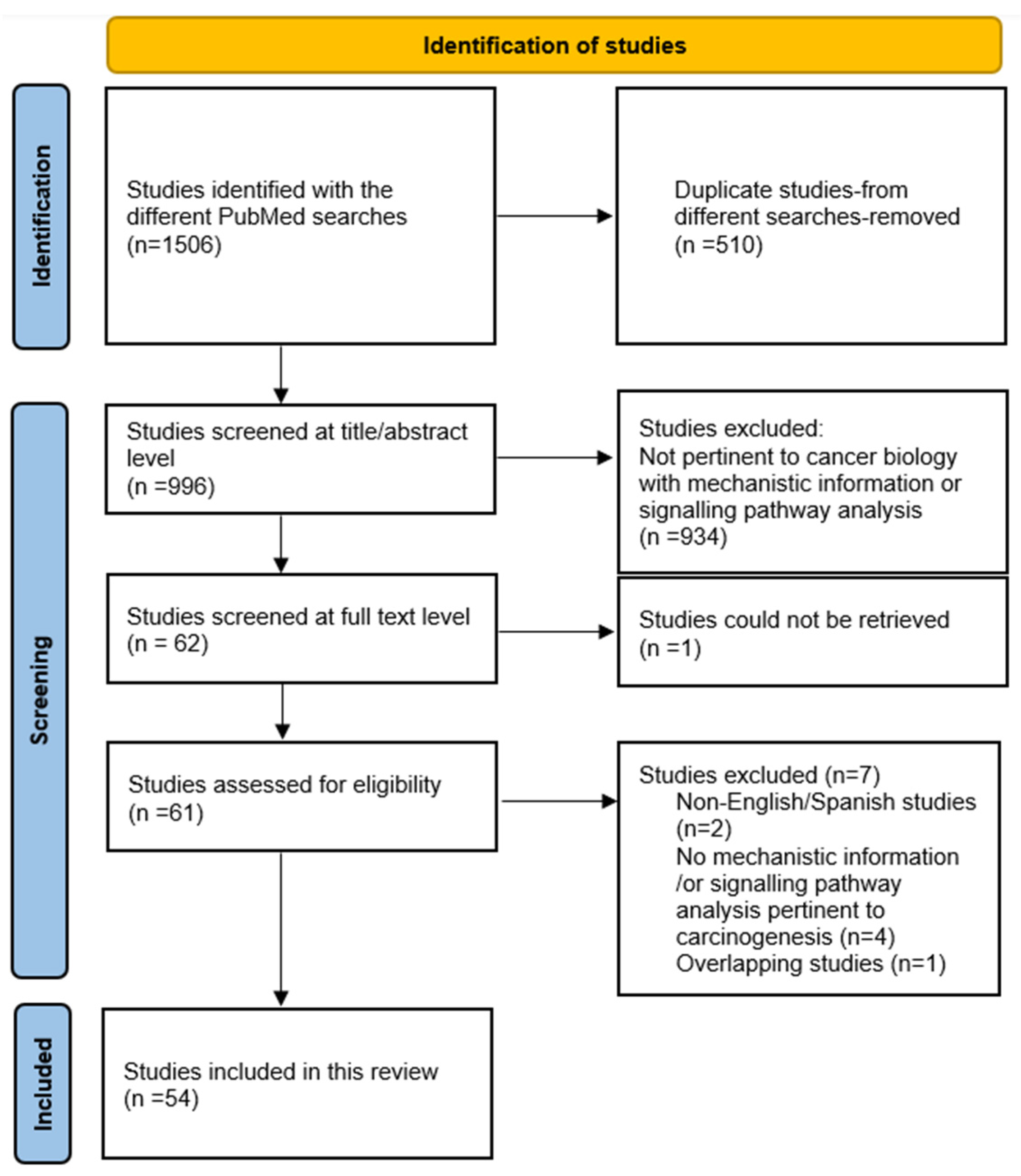
| Study selection | 16a | Describe the results of the search and selection process, from the number of records identified in the search to the number of studies included in the review, ideally using a flow diagram. | Page 12, Figure 1 |
| 16b | Cite studies that might appear to meet the inclusion criteria, but which were excluded, and explain why they were excluded. | Not applicable | |
| Study characteristics | 17 | Cite each included study and present its characteristics. | Table 1 |
| Risk of bias in studies | 18 | Present assessments of risk of bias for each included study. | Not applicable |
| Results of individual studies | 19 | For all outcomes, present, for each study: (a) summary statistics for each group (where appropriate) and (b) an effect estimate and its precision (e.g., confidence/credible interval), ideally using structured tables or plots. | Not applicable |
| Results of syntheses | 20a | For each synthesis, briefly summarize the characteristics and risk of bias among contributing studies. | Not applicable |
| 20b | Present results of all statistical syntheses conducted. If meta-analysis was done, present for each the summary estimate and its precision (e.g., confidence/credible interval) and measures of statistical heterogeneity. If comparing groups, describe the direction of the effect. | Not applicable | |
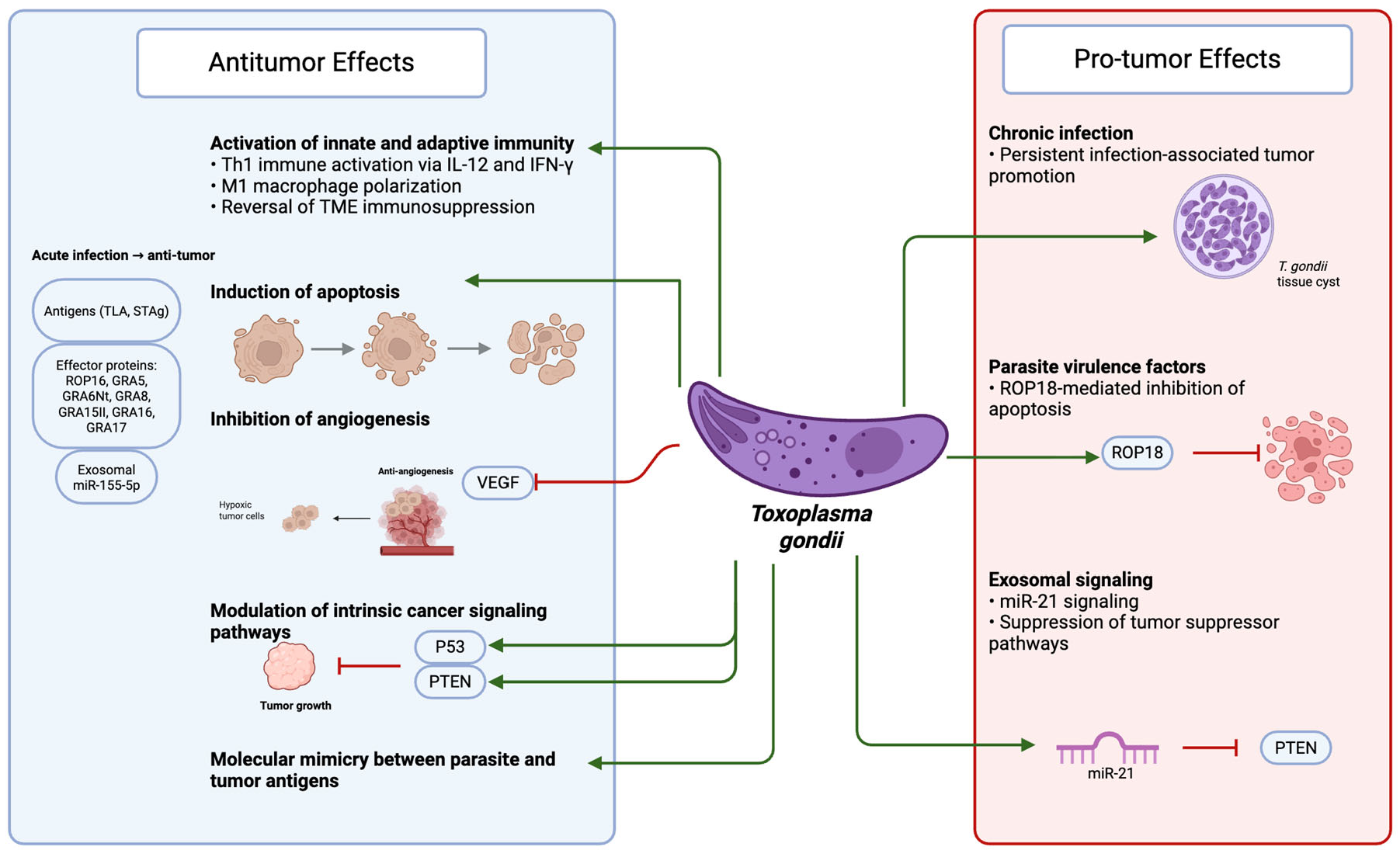
| 20c | Present results of all investigations of possible causes of heterogeneity among study results. | Figure 2, Table 2 | |
| 20d | Present results of all sensitivity analyses conducted to assess the robustness of the synthesized results. | Not applicable | |
| Reporting biases | 21 | Present assessments of risk of bias due to missing results (arising from reporting biases) for each synthesis assessed. | Not applicable |
| Certainty of evidence | 22 | Present assessments of certainty (or confidence) in the body of evidence for each outcome assessed. | Not applicable |
| DISCUSSION | |||
| Discussion | 23a | Provide a general interpretation of the results in the context of other evidence. | Page 16–19 |
| 23b | Discuss any limitations of the evidence included in the review. | Page 18 | |
| 23c | Discuss any limitations of the review processes used. | Page 18 | |
| 23d | Discuss implications of the results for practice, policy, and future research. | Pages 18 and 19 | |
| OTHER INFORMATION | |||
| Registration and protocol | 24a | Provide registration information for the review, including register name and registration number, or state that the review was not registered. | Page 11 |
| 24b | Indicate where the review protocol can be accessed, or state that a protocol was not prepared. | Page 11 | |
| 24c | Describe and explain any amendments to information provided at registration or in the protocol. | Not applicable | |
| Support | 25 | Describe sources of financial or non-financial support for the review, and the role of the funders or sponsors in the review. | Page 20 |
| Competing interests | 26 | Declare any competing interests of review authors. | Page 20 |
| Availability of data, code and other materials | 27 | Report which of the following are publicly available and where they can be found: template data collection forms; data extracted from included studies; data used for all analyses; analytic code; any other materials used in the review. | Page 20 |
References
- Hibbs, J.B.; Lambert, L.H.; Remington, J.S. Resistance to murine tumors conferred by chronic infection with intracellular protozoa, Toxoplasma gondii and Besnoitia jellisoni. J. Infect. Dis. 1971, 124, 587–592. [Google Scholar] [CrossRef] [Scilit]
- Conley, F.K.; Remington, J.S. Nonspecific inhibition of tumor growth in the central nervous system: Observations of intracerebral ependymoblastoma in mice with chronic Toxoplasma infection. J. Natl. Cancer Inst. 1977, 59, 963–973. [Google Scholar] [CrossRef] [Scilit]
- Nguyen, Y.T.; Sibley, L.; Przanowski, P.; Zhao, X.-Y.; Kovacs, M.; Wang, S.; Jones, M.K.; Cowan, M.; Liu, W.; Merchak, A.R.; et al. Toxoplasma gondii infection supports the infiltration of T cells into brain tumors. J. Neuroimmunol. 2024, 393, 578402. [Google Scholar] [CrossRef] [Scilit]
- Kamiyama, T. Toxoplasma-induced activities of peritoneal and spleen natural killer cells from beige mice against thymocytes and YAC-1 lymphoma targets. Infect. Immun. 1984, 43, 973–980. [Google Scholar] [CrossRef] [Scilit]
- Chang, S.; Shan, X.; Li, X.; Fan, W.; Zhang, S.Q.; Zhang, J.; Jiang, N.; Ma, D.; Mao, Z. Toxoplasma gondii Rhoptry Protein ROP16 Mediates Partially SH-SY5Y Cells Apoptosis and Cell Cycle Arrest by Directing Ser15/37 Phosphorylation of p53. Int. J. Biol. Sci. 2015, 11, 1215–1225. [Google Scholar] [CrossRef] [Scilit]
- Kim, S.; Seo, S.; Shin, J.; Yang, J.; Lee, S.H.; Shin, E. Increase in the nuclear localization of PTEN by the Toxoplasma GRA16 protein and subsequent induction of p53-dependent apoptosis and anticancer effect. J. Cell Mol. Med. 2019, 23, 3234–3245. [Google Scholar] [CrossRef] [Scilit]
- Seo, S.-H.; Kim, S.-G.; Shin, J.-H.; Ham, D.-W.; Shin, E.-H. Toxoplasma GRA16 Inhibits NF-κB Activation through PP2A-B55 Upregulation in Non-Small-Cell Lung Carcinoma Cells. Int. J. Mol. Sci. 2020, 21, 6642. [Google Scholar] [CrossRef] [Scilit]
- Seo, S.-H.; Shin, J.-H.; Ham, D.-W.; Shin, E.-H. PTEN/AKT signaling pathway related to hTERT downregulation and telomere shortening induced in Toxoplasma GRA16-expressing colorectal cancer cells. Biomed. Pharmacother. 2022, 153, 113366. [Google Scholar] [CrossRef] [Scilit] [PubMed]
- Mani, R.; Martin, C.G.; Balu, K.E.; Wang, Q.; Rychahou, P.; Izumi, T.; Evers, B.M.; Suzuki, Y. A Novel Protozoa Parasite-Derived Protein Adjuvant Is Effective in Immunization with Cancer Cells to Activate the Cancer-Specific Protective Immunity and Inhibit the Cancer Growth in a Murine Model of Colorectal Cancer. Cells 2024, 13, 111. [Google Scholar] [CrossRef] [Scilit] [PubMed]
- Zhu, Y.-C.; Elsheikha, H.M.; Wang, J.-H.; Fang, S.; He, J.-J.; Zhu, X.-Q.; Chen, J. Synergy between Toxoplasma gondii type I ΔGRA17 immunotherapy and PD-L1 checkpoint inhibition triggers the regression of targeted and distal tumors. J. Immunother. Cancer 2021, 9, e002970. [Google Scholar] [CrossRef] [Scilit] [PubMed]
- Song, Y.; Yuan, H.; Yang, X.; Yang, Z.; Ren, Z.; Qi, S.; He, H.; Zhang, X.-X.; Jiang, T.; Yuan, Z.-G. The opposing effect of acute and chronic Toxoplasma gondii infection on tumor development. Parasites Vectors 2024, 17, 247. [Google Scholar] [CrossRef] [Scilit]
- Jung, B.-K.; Song, H.; Shin, H.; Chai, J.-Y. Exosomal miRNA-21 from Toxoplasma gondii-infected microglial cells induces the growth of U87 glioma cells by inhibiting tumor suppressor genes. Sci. Rep. 2022, 12, 16450. [Google Scholar] [CrossRef] [Scilit]
- Zhou, L.-J.; Chen, M.; Puthiyakunnon, S.; He, C.; Xia, J.; He, C.Y.; Deng, S.-Q.; Peng, H.-J. Toxoplasma gondii ROP18 inhibits human glioblastoma cell apoptosis through a mitochondrial pathway by targeting host cell P2X1. Parasites Vectors 2019, 12, 284. [Google Scholar] [CrossRef] [Scilit]
- Abdollahi, A.; Razavian, I.; Razavian, E.; Ghodsian, S.; Almukhtar, M.; Marhoommirzabak, E.; Sartip, B.; Parsa, H.; Rostami, A. Toxoplasma gondii infection/exposure and the risk of brain tumors: A systematic review and meta-analysis. Cancer Epidemiol. 2022, 77, 102119. [Google Scholar] [CrossRef] [Scilit]
- El Skhawy, N.; Eissa, M.M. Shedding light on a mysterious link between Toxoplasma gondii and cancer: A review. Exp. Parasitol. 2023, 250, 108544. [Google Scholar] [CrossRef] [Scilit]
- Asghari, A.; Nourmohammadi, H.; Majidiani, H.; Shariatzadeh, S.A.; Anvari, D.; Shamsinia, S.; Ghasemi, E.; Shams, M.; Basati, G. Promising effects of parasite-derived compounds on tumor regression: A systematic review of in vitro and in vivo studies. Environ. Sci. Pollut. Res. Int. 2022, 29, 32383–32396. [Google Scholar] [CrossRef] [Scilit]
- Suzuki, Y.; Kobayashi, A. Antitumor effect of intralesional injection with formalin-fixed Toxoplasma gondii organisms on Lewis lung carcinoma in Toxoplasma-infected mice. Cancer Lett. 1985, 25, 247–254. [Google Scholar] [CrossRef] [Scilit] [PubMed]
- Suzuki, Y.; Muto, M.; Kobayashi, A. Antitumor effect of formalin-fixed Toxoplasma gondii organisms on EL4 lymphoma in Toxoplasma-infected mice. J. Biol. Response Mod. 1986, 5, 288–293. [Google Scholar] [PubMed]
- Saito, A.; Sakurai, H.; Terada, S.; Igarashi, I.; Hirose, T.; Suzuki, N.; Osaki, H.; Kudo, H.; Sakata, Y.; Okamoto, K.; et al. Inhibitory effect of Toxoplasma lysate antigen on the multiplication of transplanted tumor in mice. Zentralblatt Bakteriol. 1989, 271, 114–126. [Google Scholar] [CrossRef] [Scilit]
- Yang, M.P.; Goitsuka, R.; Ono, K.; Suzuki, N.; Hasegawa, A. Effect of Toxoplasma lysate antigen (TLA) on feline cytotoxicity against FeLV positive lymphoma cells. Jpn. J. Vet. Sci. 1990, 52, 735–742. [Google Scholar] [CrossRef] [Scilit]
- Miyahara, K.; Honda, U.; Tose, S.; Sakurai, H.; Igarashi, I.; Saito, A.; Hirose, T.; Suzuki, N. Therapeutic effects of Toxoplasma lysate antigen on 20-methylcholanthrene-induced BALB/c mouse tumors. J. Vet. Med. Sci. 1992, 54, 7–12. [Google Scholar] [CrossRef] [Scilit]
- Miyahara, K.; Yokoo, N.; Sakurai, H.; Igarashi, I.; Sakata, Y.; Yoshida, Y.; Saito, A.; Hirose, T.; Suzuki, N. Antitumor activity of Toxoplasma lysate antigen against methylcholanthrene-induced tumor-bearing rats. J. Vet. Med. Sci. 1992, 54, 221–228. [Google Scholar] [CrossRef] [Scilit]
- Darani, H.Y.; Shirzad, H.; Mansoori, F.; Zabardast, N.; Mahmoodzadeh, M. Effects of Toxoplasma gondii and Toxocara canis antigens on WEHI-164 fibrosarcoma growth in a mouse model. Korean J. Parasitol. 2009, 47, 175–177. [Google Scholar] [CrossRef] [Scilit]
- Motamedi, M.; Arab, S.; Moazzeni, S.M.; Abadi, M.K.; Hadjati, J. Improvement of a dendritic cell-based therapeutic cancer vaccine with components of Toxoplasma gondii. Clin. Vaccine Immunol. 2009, 16, 1393–1398. [Google Scholar] [CrossRef] [Scilit] [PubMed]
- Baird, J.R.; Fox, B.A.; Sanders, K.L.; Lizotte, P.H.; Cubillos-Ruiz, J.R.; Scarlett, U.K.; Rutkowski, M.R.; Conejo-Garcia, J.R.; Fiering, S.; Bzik, D.J. Avirulent Toxoplasma gondii generates therapeutic antitumor immunity by reversing immunosuppression in the ovarian cancer microenvironment. Cancer Res. 2013, 73, 3842–3851. [Google Scholar] [CrossRef] [Scilit] [PubMed]
- Fox, B.A.; Sanders, K.L.; Bzik, D.J. Non-replicating Toxoplasma gondii reverses tumor-associated immunosuppression. Oncoimmunology 2013, 2, e26296. [Google Scholar] [CrossRef] [Scilit] [PubMed]
- Boghozian, R.; Saei, A.; Mirzaei, R.; Jamali, A.; Vaziri, B.; Razavi, A.; Hadjati, J. Identification of Toxoplasma gondii protein fractions induce immune response against melanoma in mice. APMIS Acta Pathol. Microbiol. Immunol. Scand. 2015, 123, 800–809. [Google Scholar] [CrossRef] [Scilit] [PubMed]
- Sanders, K.L.; Fox, B.A.; Bzik, D.J. Attenuated Toxoplasma gondii Stimulates Immunity to Pancreatic Cancer by Manipulation of Myeloid Cell Populations. Cancer Immunol. Res. 2015, 3, 891–901. [Google Scholar] [CrossRef] [Scilit]
- Sanders, K.L.; Fox, B.A.; Bzik, D.J. Attenuated Toxoplasma gondii therapy of disseminated pancreatic cancer generates long-lasting immunity to pancreatic cancer. Oncoimmunology 2016, 5, e1104447. [Google Scholar] [CrossRef] [Scilit]
- Li, Y.; Poppoe, F.; Chen, J.; Yu, L.; Deng, F.; Luo, Q.; Xu, Y.; Cai, Y.; Shen, J. Macrophages Polarized by Expression of ToxoGRA15II Inhibit Growth of Hepatic Carcinoma. Front. Immunol. 2017, 8, 137. [Google Scholar] [CrossRef] [Scilit]
- Hafez, E.N.; Youssef, H.M.G.; El-Kabany, H.A. Vaccination with gamma radiation-attenuated Toxoplasma gondii protects against ovarian infiltration in mice-bearing Ehrlich ascites carcinoma. Int. J. Radiat. Biol. 2020, 96, 814–822. [Google Scholar] [CrossRef] [Scilit]
- Li, Y.; Zhang, Y.; Xia, N.; Zhou, T.; Shen, B. Antitumor effects of a Toxoplasma mutant lacking lactate dehydrogenases. Parasitol. Res. 2021, 120, 3335–3339. [Google Scholar] [CrossRef] [Scilit]
- Payne, S.N.; Emmerich, P.B.; Davis, N.M.; Deming, D.A.; Knoll, L.J. Novel Murine Pancreatic Tumor Model Demonstrates Immunotherapeutic Control of Tumor Progression by a Toxoplasma gondii Protein. Infect. Immun. 2021, 89, e0050821. [Google Scholar] [CrossRef] [Scilit]
- Xu, L.-Q.; Yao, L.-J.; Jiang, D.; Zhou, L.-J.; Chen, M.; Liao, W.-Z.; Zou, W.-H.; Peng, H.-J. A uracil auxotroph Toxoplasma gondii exerting immunomodulation to inhibit breast cancer growth and metastasis. Parasites Vectors 2021, 14, 601. [Google Scholar] [CrossRef] [Scilit] [PubMed]
- Bahwal, S.A.; Chen, J.J.; E, L.; Hao, T.; Chen, J.; Carruthers, V.B.; Lai, J.; Zhou, X. Attenuated Toxoplasma gondii enhances the antitumor efficacy of anti-PD1 antibody by altering the tumor microenvironment in a pancreatic cancer mouse model. J. Cancer Res. Clin. Oncol. 2022, 148, 2743–2757. [Google Scholar] [CrossRef] [Scilit]
- Lu, J.; Wei, N.; Zhu, S.; Chen, X.; Gong, H.; Mi, R.; Huang, Y.; Chen, Z.; Li, G. Exosomes Derived from Dendritic Cells Infected With Toxoplasma gondii Show Antitumoral Activity in a Mouse Model of Colorectal Cancer. Front. Oncol. 2022, 12, 899737. [Google Scholar] [CrossRef] [Scilit]
- Zhu, S.; Lu, J.; Lin, Z.; Abuzeid, A.M.I.; Chen, X.; Zhuang, T.; Gong, H.; Mi, R.; Huang, Y.; Chen, Z.; et al. Anti-Tumoral Effect and Action Mechanism of Exosomes Derived from Toxoplasma gondii-Infected Dendritic Cells in Mice Colorectal Cancer. Front. Oncol. 2022, 12, 870528. [Google Scholar] [CrossRef] [Scilit]
- Chen, M.; Yang, P.; Xin, Z.; Chen, J.; Zou, W.; Zhou, L.; Yang, L.; Peng, J.; Peng, H. Toxoplasma gondii gra5 deletion mutant protects hosts against Toxoplasma gondii infection and breast tumors. Front. Immunol. 2023, 14, 1173379. [Google Scholar] [CrossRef] [Scilit]
- Choo, J.D.; Lee, J.S.; Kang, J.S.; Lee, H.-S.; Yeom, J.-Y.; Lee, Y.-H. Inhibitory Effects of Toxoplasma Antigen on Proliferation and Invasion of Human Glioma Cells. J. Korean Neurosurg. Soc. 2005, 37, 129–136. [Google Scholar]
- Şahar, E.A.; Döşkaya, M.; Karakavuk, M.; Can, H.; Gül, A.; Gürüz, A.Y.; Döşkaya, A.D.; Yeniay, L. Toxoplasma gondii destroys Her2/Neu-expressing mammary cancer cells in vitro using a continuous feed medium approach. J. Infect. Dev. Ctries. 2020, 14, 1204–1209. [Google Scholar] [CrossRef] [Scilit]
- Hafez, E.N.; Moawed, F.S.M.; Abdel-Hamid, G.R.; Elbakary, N.M. Gamma Radiation-Attenuated Toxoplasma gondii Provokes Apoptosis in Ehrlich Ascites Carcinoma-Bearing Mice Generating Long-Lasting Immunity. Technol. Cancer Res. Treat. 2020, 19, 1533033820926593. [Google Scholar] [CrossRef] [Scilit] [PubMed]
- Hunter, C.A.; Yu, D.; Gee, M.; Ngo, C.V.; Sevignani, C.; Goldschmidt, M.; Golovkina, T.V.; Evans, S.; Lee, W.F.; Thomas-Tikhonenko, A. Cutting edge: Systemic inhibition of angiogenesis underlies resistance to tumors during acute toxoplasmosis. J. Immunol. Balt. Md. 2001, 166, 5878–5881. [Google Scholar] [CrossRef] [Scilit]
- Kim, J.-O.; Jung, S.-S.; Kim, S.-Y.; Kim, T.Y.; Shin, D.-W.; Lee, J.-H.; Lee, Y.-H. Inhibition of Lewis lung carcinoma growth by Toxoplasma gondii through induction of Th1 immune responses and inhibition of angiogenesis. J. Korean Med. Sci. 2007, 22, S38–S46. [Google Scholar] [CrossRef] [Scilit]
- Pyo, K.-H.; Jung, B.-K.; Chai, J.-Y.; Shin, E.-H. Suppressed CD31 expression in sarcoma-180 tumors after injection with Toxoplasma gondii lysate antigen in BALB/c mice. Korean J. Parasitol. 2010, 48, 171–174. [Google Scholar] [CrossRef] [Scilit]
- Pyo, K.-H.; Jung, B.-K.; Xin, C.-F.; Lee, Y.-W.; Chai, J.-Y.; Shin, E.-H. Prominent IL-12 production and tumor reduction in athymic nude mice after Toxoplasma gondii lysate antigen treatment. Korean J. Parasitol. 2014, 52, 605–612. [Google Scholar] [CrossRef] [Scilit]
- Ismail, C.A.; Eissa, M.M.; Gaafar, M.R.; Younis, L.K.; El Skhawy, N. Toxoplasma gondii-derived antigen modifies tumor microenvironment of Ehrlich solid carcinoma murine model and enhances immunotherapeutic activity of cyclophosphamide. Med. Oncol. 2023, 40, 136. [Google Scholar] [CrossRef] [Scilit] [PubMed]
- Mohamadi, F.; Shakibapour, M.; Sharafi, S.M.; Andalib, A.R.; Tolouei, S.; Darani, H.Y. Anti-Toxoplasma gondii antibodies attach to mouse cancer cell lines but not normal mouse lymphocytes. Biomed. Rep. 2019, 10, 183–188. [Google Scholar] [CrossRef] [Scilit] [PubMed]
- Eissa, M.M.; Gaafar, M.R.; Younis, L.K.; Ismail, C.A.; El Skhawy, N. Prophylactic antineoplastic activity of Toxoplasma gondii RH derived antigen against ehrlich solid carcinoma with evidence of shared antigens by comparative immunoblotting. Infect. Agents Cancer 2023, 18, 21. [Google Scholar] [CrossRef] [Scilit]
- Wang, G.; Gao, M. Influence of Toxoplasma gondii on in vitro proliferation and apoptosis of hepatoma carcinoma H7402 cell. Asian Pac. J. Trop. Med. 2016, 9, 63–66. [Google Scholar] [CrossRef] [Scilit]
- Chen, Q.; Pang, M.-H.; Ye, X.-H.; Yang, G.; Lin, C. The Toxoplasma gondii ME-49 strain upregulates levels of A20 that inhibit NF-κB activation and promotes apoptosis in human leukaemia T-cell lines. Parasites Vectors 2018, 11, 305. [Google Scholar] [CrossRef] [Scilit]
- Kim, J.-S.; Lee, D.; Kim, D.; Mun, S.-J.; Cho, E.; Son, W.; Yang, C.-S. Toxoplasma gondii GRA8-derived peptide immunotherapy improves tumor targeting of colorectal cancer. Oncotarget 2020, 11, 62–73. [Google Scholar] [CrossRef] [Scilit]
- Li, G.; Li, Q.; Tong, Y.; Zeng, J.; Dang, T.; Yang, N.; Zhou, Y.; Ma, L.; Ge, Q.; Zhao, Z. The anticancer mechanisms of Toxoplasma gondii rhoptry protein 16 on lung adenocarcinoma cells. Cancer Biol. Ther. 2024, 25, 2392902. [Google Scholar] [CrossRef] [Scilit]
- Ngô, H.M.; Zhou, Y.; Lorenzi, H.; Wang, K.; Kim, T.-K.; Zhou, Y.; El Bissati, K.; Mui, E.; Fraczek, L.; Rajagopala, S.V.; et al. Toxoplasma Modulates Signature Pathways of Human Epilepsy, Neurodegeneration & Cancer. Sci. Rep. 2017, 7, 11496. [Google Scholar] [CrossRef] [Scilit] [PubMed]
- Lu, G.; Zhou, J.; Zhao, Y.H.; Li, Q.L.; Gao, Y.Y.; Wang, L. Transcriptome Sequencing Investigated the Tumor-Related Factors Changes After T. gondii Infection. Front. Microbiol. 2019, 10, 181. [Google Scholar] [CrossRef] [Scilit]
- Hou, Z.; Wang, L.; Su, D.; Cai, W.; Zhu, Y.; Liu, D.; Huang, S.; Xu, J.; Pan, Z.; Tao, J. Global MicroRNAs Expression Profile Analysis Reveals Possible Regulatory Mechanisms of Brain Injury Induced by Toxoplasma gondii Infection. Front. Neurosci. 2022, 16, 827570. [Google Scholar] [CrossRef] [Scilit] [PubMed]
- Wang, L.; Wang, N.; Zhao, Y.H.; Lu, G. Toxoplasma gondii causes changes in the host’s expression of cancer-associated miRNAs. Oncol. Lett. 2022, 23, 149. [Google Scholar] [CrossRef] [Scilit] [PubMed]
- Ye, H.; Zhou, X.; Zhu, B.; Xiong, T.; Huang, W.; He, F.; Li, H.; Chen, L.; Tang, L.; Ren, Z. Toxoplasma gondii suppresses proliferation and migration of breast cancer cells by regulating their transcriptome. Cancer Cell Int. 2024, 24, 144. [Google Scholar] [CrossRef] [Scilit]
- Hooijmans, C.R.; Rovers, M.M.; de Vries, R.B.M.; Leenaars, M.; Ritskes-Hoitinga, M.; Langendam, M.W. SYRCLE’s risk of bias tool for animal studies. BMC Med. Res. Methodol. 2014, 14, 43. [Google Scholar] [CrossRef] [Scilit]
- Page, M.J.; McKenzie, J.E.; Bossuyt, P.M.; Boutron, I.; Hoffmann, T.C.; Mulrow, C.D.; Shamseer, L.; Tetzlaff, J.M.; Akl, E.A.; Brennan, S.E.; et al. The PRISMA 2020 statement: An updated guideline for reporting systematic reviews. BMJ 2021, 372, n71. [Google Scholar] [CrossRef] [Scilit] [PubMed]
- Jhandi, S.; Contopoulos-Ioannidis, D.; Vera, B.A.; Galindo-Ramirez, J.; Montoya, J.G. Bidirectional Effects of Toxoplasma gondii on Tumor Biology: A Systematic Review of Experimental Models of Anti-Cancer and Pro-Tumor Growth Effects of T. gondii. OSF Registries. 2025. Available online: https://osf.io/mechs/overview (accessed on 15 November 2025).
- He, G.; Ding, J.; Zhang, Y.; Cai, M.; Yang, J.; Cho, W.C.; Zheng, Y. microRNA-21: A key modulator in oncogenic viral infections. RNA Biol. 2021, 18, 809–817. [Google Scholar] [CrossRef] [Scilit]
- An, R.; Tang, Y.; Chen, L.; Cai, H.; Lai, D.-H.; Liu, K.; Wan, L.; Gong, L.; Yu, L.; Luo, Q.; et al. Encephalitis is mediated by ROP18 of Toxoplasma gondii, a severe pathogen in AIDS patients. Proc. Natl. Acad. Sci. USA 2018, 115, E5344–E5352. [Google Scholar] [CrossRef] [Scilit] [PubMed]
- Yao, L.; Hatami, M.; Ma, W.; Skutella, T. Vaccine-based immunotherapy and related preclinical models for glioma. Trends Mol. Med. 2024, 30, 965–981. [Google Scholar] [CrossRef] [Scilit] [PubMed]
- Frederico, S.C.; Hancock, J.C.; Brettschneider, E.E.S.; Ratnam, N.M.; Gilbert, M.R.; Terabe, M. Making a Cold Tumor Hot: The Role of Vaccines in the Treatment of Glioblastoma. Front. Oncol. 2021, 11, 672508. [Google Scholar] [CrossRef] [Scilit] [PubMed]


| Study Characteristic | N of Articles (n = 54) |
|---|---|
| Publication years | 1971–2024 |
| Experimental studies | 54 |
| In vivo only models | 41 |
| In vitro only models | 10 |
| Both in vitro and in vivo models | 3 |
| In vitro cancer cell line models 1 | 13 |
| Glioma/glioblastoma | 3 |
| Colorectal cancer | 3 |
| Breast cancer | 1 |
| Hepatocarcinoma | 1 |
| Fibrosarcoma | 1 |
| Melanoma | 1 |
| Lung adenocarcinoma | 1 |
| Neuroblastoma | 1 |
| Human T cell leukemia | 1 |
| In vivo animal cancer models 2 | 44 |
| Sarcoma/fibrosarcoma | 9 |
| Breast cancer | 6 |
| Colorectal cancer | 6 |
| Lung cancer (e.g., Lewis lung carcinoma) | 6 |
| Melanoma | 6 |
| Glioma/glioblastoma | 4 |
| Pancreatic cancer | 4 |
| Hepatocarcinoma | 3 |
| Feline lymphoma/lymphoma | 3 |
| Ehrlich ascites carcinoma | 2 |
| Ehrlich solid carcinoma | 2 |
| Ovarian cancer | 2 |
| Non-small cell lung cancer | 1 |
| Leukemia (e.g., AKR, Friend, human T cell leukemia) | 1 |
| Neuroblastoma | 1 |
| Ependymoblastoma | 1 |
| T.gondii (strain/antigens/recombinant proteins) | |
| Wild-type strain T. gondii infections (virulent type I RH strain, less virulent type II ME49, Prugniaud, Beverley strain, type III VEG strain, and YZ strain) | 16 |
| Attenuated/inactivated strain T. gondii infections (mutant strains: Δcps, Δldh, Δompdc, Δgra5, Δgra17; NRUA; radiation-attenuated or autoclaved strains) | 13 |
| Parasite antigen exposure (TLA, STAgs, formalin-fixed tachyzoites) | 12 |
| Parasite antigens + recombinant protein | 1 |
| Exosomes (from TLA-pulsed or T. gondii-infected DC-derived exosomes) | 3 |
| Recombinant T. gondii proteins (rROP16, rROP18, rGRA5, rGRA6Nt, rGRA8, rGRA15II, rGRA16) | 8 |
| Not applicable (Serum from infected mice for molecular mimicry study) | 1 |
| Stage of T. gondiiinfection | |
| Acute T. gondii infection (animal tumor models: n = 19) (Type I, II or III strains: n = 6; attenuated, inactivated or mutant strains: n = 13) | 19 |
| Acute vs. chronic T. gondii infection (animal tumor model: n = 1) | 1 |
| Exposure to non-infectious T. gondii material (TLA, exosomes, recombinant proteins) (animal tumor models: n = 18, both in vitro/in vivo tumor models: n = 3) | 21 |
| Stage of infection not pertinent—only in vitro tumor model (in vitro T. gondii infection: n = 2; in vitro exposure to non-infectious material: n = 5, in vitro T. gondii infection and exposure to non-infectious material: n = 1) | 8 |
| Signaling pathway/transcriptomic analysis pertinent to carcinogenesis post-infection (in vivo acute infection in non-tumor model: n = 3; in vitro infection in non-tumor model: n = 1; in vitro infection in tumor model: n = 1) | 5 |
| Cancer effect | |
| Antitumor effect | 46 |
| Pro-tumor effect | 2 |
| Dual stage-dependent divergent effect (acute infection/antitumor vs. chronic infection/pro-tumor) | 1 |
| Signaling pathway/transcriptomic analysis pertinent to cancer post-infection (non-tumor models: n = 4; tumor model: n = 1) | 5 |
| Mechanistic categories | |
| Antitumor effect via innate or adaptive immune activation/reversal of TME immunosuppression | 28 |
| Antitumor effect via apoptosis | 3 |
| Antitumor effect via anti-angiogenesis | 5 |
| Antitumor effect via molecular mimicry | 2 |
| Antitumor effect via cell-intrinsic pathways | 8 |
| Pro-tumor effect | 2 |
| Dual stage-dependent divergent effect (acute infection/antitumor vs. chronic infection/pro-tumor) | 1 |
| Signaling pathway/transcriptomic analysis pertinent to cancer post-infection (non-tumor models n = 4, tumor model n = 1) | 5 |
| Study | Infection Type/Experimental Model | Mechanistic Effect |
|---|---|---|
| Antitumor Effect—Via Innate and Adaptive Immune Activation/Reversal of Tumor Microenvironment (TME) Immunosuppression 1,2,3 | ||
| Hibbs & Remington 1971 [1] | Sulfadiazine-treated acute T. gondii infection; mammary carcinoma, AKR leukemia, Friend leukemia, leukemia, and sarcoma models | Sulfadiazine-treated acute T. gondii infection activated macrophage-driven nonspecific cytotoxicity (through a nonphagocytic mechanism), delaying and reducing tumor growth. |
| Conley 1977 [2] | Sulfadiazine-treated acute T. gondii infection (type I RH strain); intracerebral ependymoblastoma mouse model | Sulfadiazine-treated acute T. gondii infection recruited activated microglia/macrophages that restricted intracerebral tumor expansion. |
| Kamiyama 1984 [4] | Acute type II Beverley strain infection; NK-deficient mouse lymphoma model | Acute T. gondii infection restored NK cytotoxicity via IFN-dependent signaling. |
| Suzuki 1985 [17] | Parasite antigens (formalin-fixed tachyzoites); Lewis lung carcinoma mouse model | Formalin-fixed tachyzoites altered macrophage responses and tumor behavior through delayed-type hypersensitivity stimulation, inhibiting tumor growth. |
| Suzuki 1986 [18] | Parasite antigens (formalin-fixed tachyzoites); EL-4 lymphoma model | Antigen exposure activated macrophage and NK responses, suppressing lymphoma growth. |
| Saito 1989 [19] | Parasite antigens (TLA); sarcoma mouse models (S-180, Meth A) | TLA enhanced macrophage phagocytosis and inhibited tumor growth. |
| Yang 1990 [20] | Parasite antigens (TLA); feline lymphoma co-culture model | TLA increased cytotoxic leukocyte activity and interferon-like responses. |
| Miyahara 1992 (mouse model) [21] | Parasite antigens (TLA); methylcholanthrene-induced mouse sarcoma model | Repeated TLA exposure enhanced macrophage/lymphocyte cytotoxicity and reduced tumor volume. |
| Miyahara 1992 (rat model) [22] | Parasite antigens (TLA); methylcholanthrene-induced rat sarcoma model | TLA delayed tumor growth and boosted systemic cytotoxic immune responses. |
| Darani 2009 [23] | Parasite antigens (TLA); WEHI-164 fibrosarcoma mouse model | TLA slowed tumor growth potentially mediated through immune responses. |
| Motamedi 2009 [24] | Parasite antigen (TLA-pulsed dendritic cell vaccine); fibrosarcoma mouse model | TLA injection in dendritic cells enhanced IL-12 production and CD8+ activation. |
| Baird 2013 [25] | Attenuated ΔCPS (non-replicating uracil auxotroph strain—NRUA); ID8-VEGF ovarian cancer mouse model | ΔCPS strain reversed tumor immunosuppression via IL-12/IFN-γ and restored potent antitumor CD8+ T cell responses. |
| Fox 2013 [26] | Attenuated ΔCPS strain; melanoma and ovarian tumor mouse models | ΔCPS strain reactivated anergic T cells and induced durable tumor regression. |
| Boghozian 2015 [27] | Parasite antigens (STAgs) protein fractions; B16-F10 melanoma mouse model | Toxoplasma protein fractions (A1 and C14) activated dendritic cells, promoted Th1 immune responses, and slowed melanoma growth. |
| Sanders 2015 [28] | Attenuated ΔCPS strain; pancreatic adenocarcinoma mouse model | ΔCPS strain decreased tumor-associated macrophages, increased dendritic cell infiltration, boosted IL-12 production, and enhanced CD4+ and CD8+ T cell infiltration within the tumor microenvironment and activated tumor-specific CD8+ T cell responses. |
| Sanders 2016 [29] | Attenuated ΔCPS strain; metastatic pancreatic cancer mouse model | ΔCPS strain induced tumor regression by increasing CD4+ and CD8+ T cell responses (overcoming the TME immunosuppression) and long-term antitumor immunity (by promoting tumor-specific IgG). |
| Li Y 2017 [30] | Recombinant GRA15-II protein; hepatocellular carcinoma mouse model | GRA15-II polarized macrophages toward an antitumor M1 polarized macrophages phenotype. |
| Hafez 2020 [31] | Radiation-attenuated type II ME49 strain; Ehrlich ascites carcinoma mouse model | Attenuated strain increased IL-12/CD8+ T cell responses and reduced angiogenesis markers with reversal of cancer-associated immunosuppression and reduction in tumor progression. |
| Li Y 2021 [32] | Attenuated Δldh mutant strain; B16F1 melanoma mouse model | Δldh mutant induced strong Th1/CD8+ immunity and suppressed melanoma growth. |
| Payne 2021 [33] | Parasite antigens (STAgs and recombinant profilin [rPRF]); KPC pancreatic cancer mouse model | STAgs increased CD4+/CD8+ infiltration and reduced regulatory T cells (Tregs) via toll-like receptor (TLR)11/12–IFN-γ signaling. |
| Xu 2021 [34] | Attenuated Δompdc mutant strain; 4T1 breast cancer mouse model | Δompdc mutant increased IL-12/iNOS/TNF-α and reduced metastatic spread. |
| Zhu YC 2021 [10] | Attenuated Δgra17 mutant strain; melanoma, colorectal carcinoma, and lung carcinoma mouse models | Δgra17 mutant strain increased innate and adaptive immune infiltration, converting immunologically “cold” tumors to “hot” tumors responsive to checkpoint blockade. |
| Bahwal 2022 [35] | Non-replicating uracil auxotroph strain (NRUA); Pan02 pancreatic cancer mouse model | Activated dendritic cells, enhanced CD8+ infiltration, and reduced myeloid-derived suppressor cells (MDSCs). |
| Lu 2022 [36] | Dendritic cell (DC)-derived exosomes from ME49 infection; CT26 colorectal cancer mouse model | DC-derived exosomes reduced myeloid-derived suppressor cells (MDSCs) via STAT3 inhibition. |
| Zhu S 2022 [37] | DC-derived exosomes from type II ME49 infection; colorectal carcinoma model | DC-derived microRNA miR-155-5p exosomal signaling induced STAT1-dependent M1 macrophage polarization. |
| Chen 2023 [38] | Attenuated ME49 Δgra5 mutant strain; 4T1 breast carcinoma mouse model | Δgra5 mutant strain increased CD4+/CD8+ infiltration and systemic IFN-γ/IL-12 responses. |
| Mani 2024 [9] | Recombinant rGRA6Nt vaccination; MC38 colorectal carcinoma mouse model | rGRA6Nt induced tumor-specific IFN-γ+ CD8+ T cells. |
| Nguyen 2024 [3] | Acute type II ME49 infection; murine glioma model | Acute infection elicited pro-inflammatory Th1 immune responses, elevated levels of IFN-γ, and increased T cell infiltration within the glioma tumor microenvironment, overcoming the immune suppression of the tumor microenvironment. |
| Antitumor Effect—Via Apoptosis Induction 1 | ||
| Choo 2005 [39] | Parasite antigen (TLA); human glioma model (in vitro and in vivo) | TLA increased tumor cell apoptosis. |
| Şahar 2020 [40] | Type I RH infection; HER2/Neu+ breast carcinoma cell model | Tachyzoite infection induced rapid apoptosis. |
| Hafez 2020 [41] | Radiation-attenuated type II ME49 strain; Ehrlich ascites carcinoma mouse model | Attenuated strain activated intrinsic apoptotic pathways, increased IL-12/IFN-γ/CD8+, reduced angiogenesis markers, nitric oxide and tumor-promoting inflammatory markers (STAT-3 and TNF-a) and reduced tumor burden. |
| Antitumor Effect—Via Anti-Angiogenesis 1 | ||
| Hunter 2001 [42] | Acute type I RH infection; B16 melanoma and Lewis lung carcinoma mouse models | Acute infection eliminated VEGF expression and tumor vascularization. |
| Kim 2007 [43] | Acute type II ME49 infection; Lewis lung carcinoma mouse model | Acute infection induced Th1 immune responses and anti-angiogenic activity. |
| Pyo 2010 [44] | Parasite antigens (TLA); Sarcoma-180 mouse model | TLA reduced CD31 expression (an angiogenesis associated marker) and increased IL-12 levels (a tumor vascularization suppressing cytokine). |
| Pyo 2014 [45] | Parasite antigens (TLA); Sarcoma-180 nude mouse model | TLA induced IL-12 production and activated macrophage-mediated innate immune responses independent of adaptive immunity. |
| Ismail 2023 [46] | Autoclaved Toxoplasma vaccine (ATV) ± cyclophosphamide; Ehrlich solid carcinoma mouse model | ATV reduced VEGF and increased CD8+/Treg ratios inside the tumor. |
| Antitumor Effect—Via Molecular Mimicry | ||
| Mohamadi 2019 [47] | Serum from T. gondii-infected mice; murine tumor cell lines (fibrosarcoma, melanoma) | Antibodies from infected mice selectively bound tumor cells, indicating antigenic mimicry and tumor-selective immune recognition. |
| Eissa 2023 [48] | Autoclaved Toxoplasma vaccine (ATV); Ehrlich solid carcinoma mouse model | ATV shared antigenic protein bands between parasite and tumor tissue indicating molecular mimicry and cross-reactive immune recognition. |
| Antitumor Effect—Via Cell-Intrinsic Pathways 1 | ||
| Chang 2015 [5] | Recombinant ROP16 protein; neuroblastoma cell model | rROP16 promoted apoptosis by activating p53 signaling (which directly activates the proapoptotic Bax protein) and induced G1-phase cell cycle arrest by increasing p21 expression and decreasing CDK expression. |
| Wang 2016 [49] | Acute type I RH infection; hepatocarcinoma cell model | Acute infections induced apoptosis through G0/G1 cell-cycle arrest, caspase-3 activation and decrease in the anti-apoptotic Bcl-2 protein. |
| Chen 2018 [50] | Acute type II ME49 infection; human leukemia T cell model | Acute infection induced apoptosis via upregulation of A20 protease (that inhibits NF-κB signaling) and downregulation of antiapoptotic protein ABIN. |
| Kim 2019 [6] | Recombinant GRA16 protein; HepG2 tumor model | rGRA16 stabilized PTEN and activated p53 tumor-suppressive pathways. |
| Seo 2020 [7] | Recombinant GRA16 protein; non-small cell lung carcinoma (NSCLC) mouse model | rGRA16 inhibited AKT/NF-κB signaling and induced G2/M arrest and apoptosis, reducing chemoresistance (via inhibition of NF-kB activation). |
| Kim 2020 [51] | Recombinant GRA8-derived peptide; HCT116 colon cancer in vitro and in vivo model | rGRA8-derived peptide induced mitochondrial-mediated apoptosis via mitochondria activation (mitochondria “metabolic resuscitation”). |
| Seo 2022 [8] | Recombinant GRA16 protein; colorectal cancer cell model | rGRA16 stabilized the tumor suppressor PTEN, inhibited AKT/STAT3/NF-κB signaling, and caused telomere shortening, DNA damage, and cell cycle arrest, ultimately reducing tumor proliferation. |
| Li G 2024 [52] | Recombinant ROP16 protein; lung adenocarcinoma models | rROP16 activated STAT3 (inhibiting cancer cell proliferation); increased p21 (inducing cell cycle arrest); regulated p53, Bax/Bcl-2, cleaved-caspase 3 and caspase 9 (reducing the invasion and migration of cancer cells) and induced apoptosis. |
| Pro-Tumor Effect 4 | ||
| Zhou 2019 [13] | T. gondii infection (Type I strain RH, RH-∆rop18, RH-ROP18-GFP-Flag, Type II strain ME49, Type III strain VEG), ROP18 expression; U251 glioblastoma model | ROP18 expression after T. gondii infection inhibited ATP-induced apoptosis by interfering with P2X1 function and the mitochondrial apoptotic pathway. |
| Jung 2022 [12] | Exosomal microRNA miR-21 from T. gondii (Type I-RH and Type II-ME49)-infected BV2 microglia cells; U87 glioma model | Infection-derived exosomal miR-21 suppressed tumor-suppressor genes (FoxO1, PTEN, and PDCD4) and promoted tumor growth. |
| Dual/Stage-Dependent Divergent Effects | ||
| Song 2024 [11] | Acute type I RH infection vs. chronic type II ME49 infection; Lewis lung cancer mouse model | Acute RH-strain infection inhibited tumor growth by increasing Th1 and cytotoxic CD8+ cells in the TME (inducing higher levels of IFN-γ and other Th1-type immune responses); whereas chronic ME49-strain infection enhanced TME immunosuppression by decreasing cytotoxic CD8+ cell and Th1 cell infiltration. |
| Signaling Pathway/Transcriptomic Analyses Pertinent to Cancer 5 | ||
| Ngô 2017 [53] | Signaling pathway analysis/disease-deconvolution computational analysis after T. gondii infection (Type I, II, III) of brain cells; non-tumor infection model/signaling pathway analysis | Computational signaling pathway analysis of T. gondii infected cells revealed modulation of important cancer-related pathways (e.g., Wnt/Ca + pathway (14 genes), TGF-β, and STAT pathway) |
| Lu 2019 [54] | Acute type II (Prugniaud strain) infection of mice; non-tumor infection model/signaling pathway analysis | Transcriptomic analysis of mRNA after mice acute T. gondii infection showed changes in cancer pathways towards inhibition of tumor growth; via upregulation or downregulation towards the antitumor effect of genes involved in the p53 signaling pathway, colorectal cancer pathway (DCC, Smad2, Smad 4, hMLH1, hMSH2, HMSH3), non-small cell lung cancer signaling pathway (RASSF1, EGFR) and breast cancer pathway (BRCA1, CCND1). |
| Hou 2022 [55] | Acute T. gondii infections (YZ-1 strain) of porcine brain; non-tumor infection pig model/signaling pathway analysis via miRNA profiling | Acute T. gondii infection modulated miRNA expression profiles in brain tissues and modulated host cell signaling pathways regulating cancer-related pathways (in addition to apoptosis, NF-κB inflammatory response, autophagy, oxidative stress). |
| Wang 2022 [56] | Acute infection of mice with low virulent type II T. gondii strain (Prugniaud strain); non-tumor infection model/signaling pathway analysis via miRNA transcriptomic analysis | Acute T. gondii infection of mice suppressed tumor growth through miRNA-mediated pathways, downregulated oncogenic miRNAs, and increased expression of tumor suppressor genes Lats1/Lats2/TNFrs11b. |
| Ye 2024 [57] | Type I (RH) and Type II (ME49) strain infection; human breast cancer in vitro infection model/signaling pathway analysis | T. gondii infection showed an antitumor effect via transcriptional regulation of several signaling pathways related to growth and metabolism, such as the ribosome and IL-17 signaling pathways. |
Disclaimer/Publisher’s Note: The statements, opinions and data contained in all publications are solely those of the individual author(s) and contributor(s) and not of MDPI and/or the editor(s). MDPI and/or the editor(s) disclaim responsibility for any injury to people or property resulting from any ideas, methods, instructions or products referred to in the content. |
© 2026 by the authors. Licensee MDPI, Basel, Switzerland. This article is an open access article distributed under the terms and conditions of the Creative Commons Attribution (CC BY) license.
Share and Cite
Jhandi, S.; Vera, B.A.; Galindo, J.; Montoya, J.G.; Contopoulos-Ioannidis, D.G. Toxoplasma gondii and a Cancer Biology Dichotomy: A Systematic Review of Experimental Studies of Its Antitumor and Pro-Tumor Effects. Pathogens 2026, 15, 351. https://doi.org/10.3390/pathogens15040351
Jhandi S, Vera BA, Galindo J, Montoya JG, Contopoulos-Ioannidis DG. Toxoplasma gondii and a Cancer Biology Dichotomy: A Systematic Review of Experimental Studies of Its Antitumor and Pro-Tumor Effects. Pathogens. 2026; 15(4):351. https://doi.org/10.3390/pathogens15040351
Chicago/Turabian StyleJhandi, Saachi, Brenda Anissa Vera, Julian Galindo, Jose G. Montoya, and Despina G. Contopoulos-Ioannidis. 2026. "Toxoplasma gondii and a Cancer Biology Dichotomy: A Systematic Review of Experimental Studies of Its Antitumor and Pro-Tumor Effects" Pathogens 15, no. 4: 351. https://doi.org/10.3390/pathogens15040351
APA StyleJhandi, S., Vera, B. A., Galindo, J., Montoya, J. G., & Contopoulos-Ioannidis, D. G. (2026). Toxoplasma gondii and a Cancer Biology Dichotomy: A Systematic Review of Experimental Studies of Its Antitumor and Pro-Tumor Effects. Pathogens, 15(4), 351. https://doi.org/10.3390/pathogens15040351