Review

Promising Drug Repurposing Candidates Targeting Free-Living Amoebae: A Systematic and Critical Review of Laboratory-Based Evidence


by
Beni Jequicene Mussengue Chaúque
1,2,3,*,
Luiza Bernardes Chagas
4,
Thaisla Cristiane Borella da Silva
5,
Denise Leal dos Santos
1,
Luciano Palmeiro Rodrigues
1,6,
Lucile da Silva Lins Baía
2,
Manoella Kessler Gomes Rodrigues
7,
Guilherme Brittes Benitez
8,
Thais Lemos Mendes
2,
Hellen Kempfer Philippsen
9,
Luciana Dalla Rosa
10,
Fabrício Souza Campos
11,12,
Marilise Brittes Rott
5,
Régis Adriel Zanette
2 and
José Roberto Goldim
1
1
Master’s Program in Clinical Research, Hospital de Clínicas de Porto Alegre, Porto Alegre 90035-903, RS, Brazil
2
Postgraduate Program in Biological Sciences—Pharmacology and Therapeutics, Federal University of Rio Grande do Sul, Porto Alegre 90010-150, RS, Brazil
3
Center of Studies in Science and Technology (NECET), Biology Course, Universidade Rovuma, Lichinga P.O. Box 04, Niassa, Mozambique
4
Faculty of Pharmacy, Federal University of Rio Grande do Sul, Porto Alegre 90010-150, RS, Brazil
5
Protozoology Laboratory, Microbiology Immunology and Parasitology Department, Basic Health Sciences Institute, Federal University of Rio Grande do Sul, Porto Alegre 90010-150, RS, Brazil
6
Physiotherapy Course, Federal University of Rio Grande do Sul, Porto Alegre 90010-150, RS, Brazil
7
School of Medicine, Pontifícia Universidade Católica do Rio Grande do Sul (PUCRS), Porto Alegre 90610-970, RS, Brazil
8
Industrial and Systems Engineering Graduate Program, Polytechnic School, Pontifical Catholic University of Parana (PUCPR), Curitiba 80215-901, PR, Brazil
9
Socio-Environmental and Water Resources Institute, Federal Rural University of the Amazon (UFRA), Belém 66077-830, PA, Brazil
10
Central Laboratory for Avian Disease Diagnosis, Department of Preventive Veterinary Medicine, Center for Rural Sciences, Universidade Federal de Santa Maria, Santa Maria 97105-900, RS, Brazil
11
Laboratório de Bioinformática & Biotecnologia, Instituto de Ciências Básicas da Saúde, Federal University of Rio Grande do Sul, Porto Alegre 90010-150, RS, Brazil
12
Department of Public & Ecosystem Health, College of Veterinary Medicine, Cornell University, Ithaca, NY 14853, USA
*
Author to whom correspondence should be addressed.
Pathogens 2026, 15(3), 294; https://doi.org/10.3390/pathogens15030294

Submission received: 13 February 2026 / Revised: 4 March 2026 / Accepted: 5 March 2026 / Published: 7 March 2026

Abstract

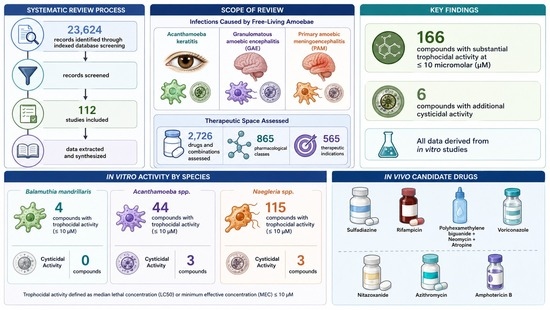
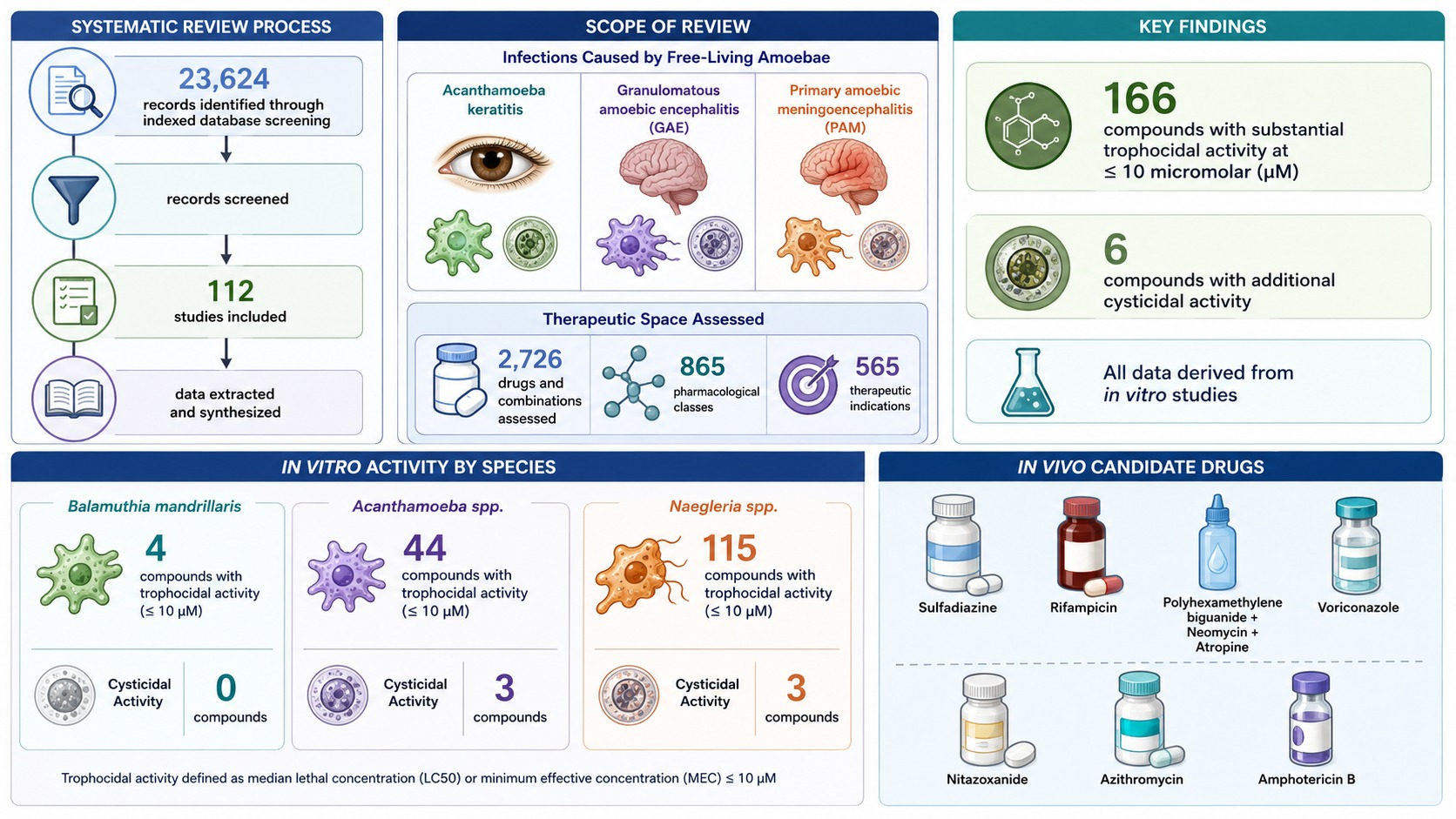
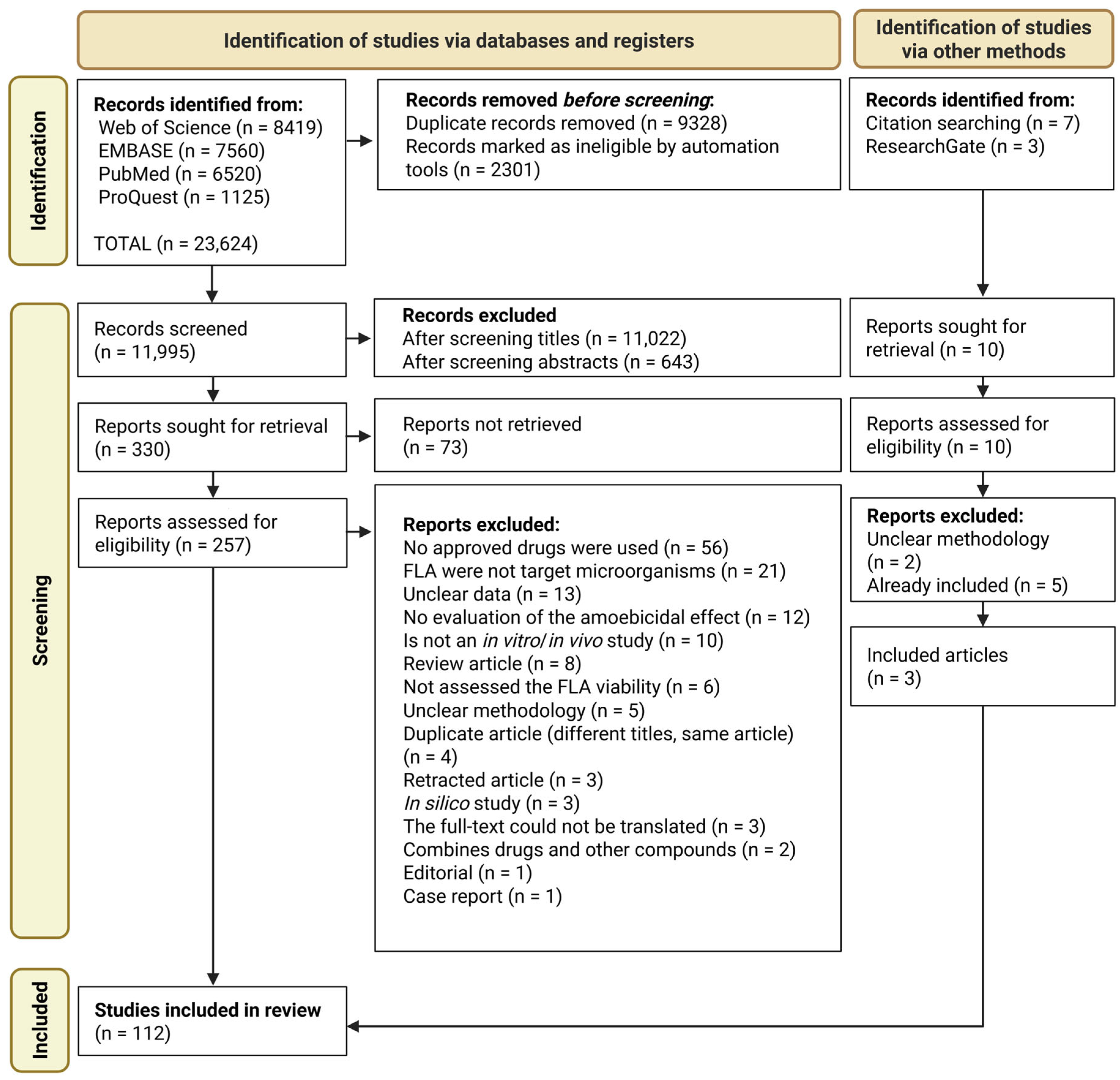
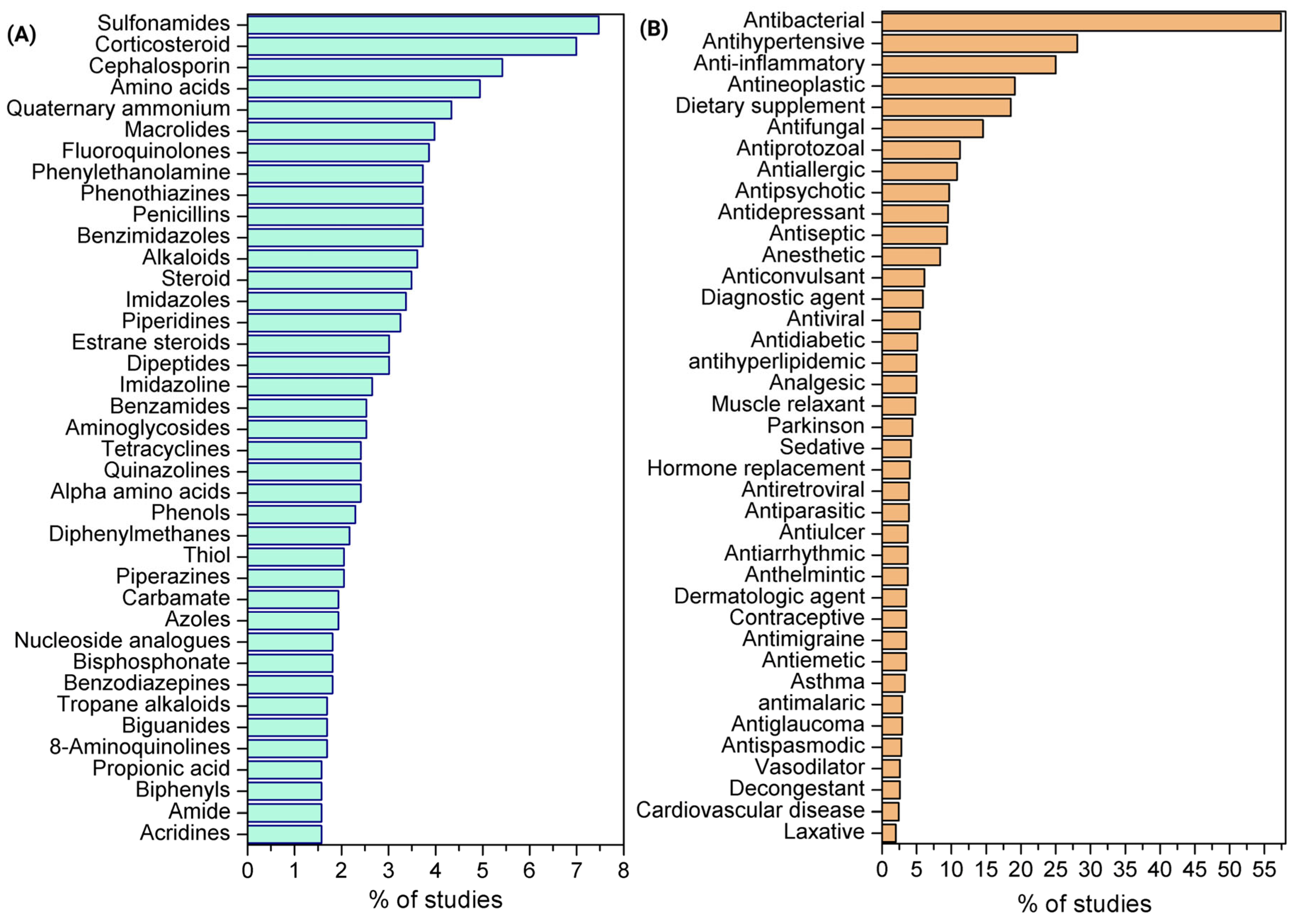
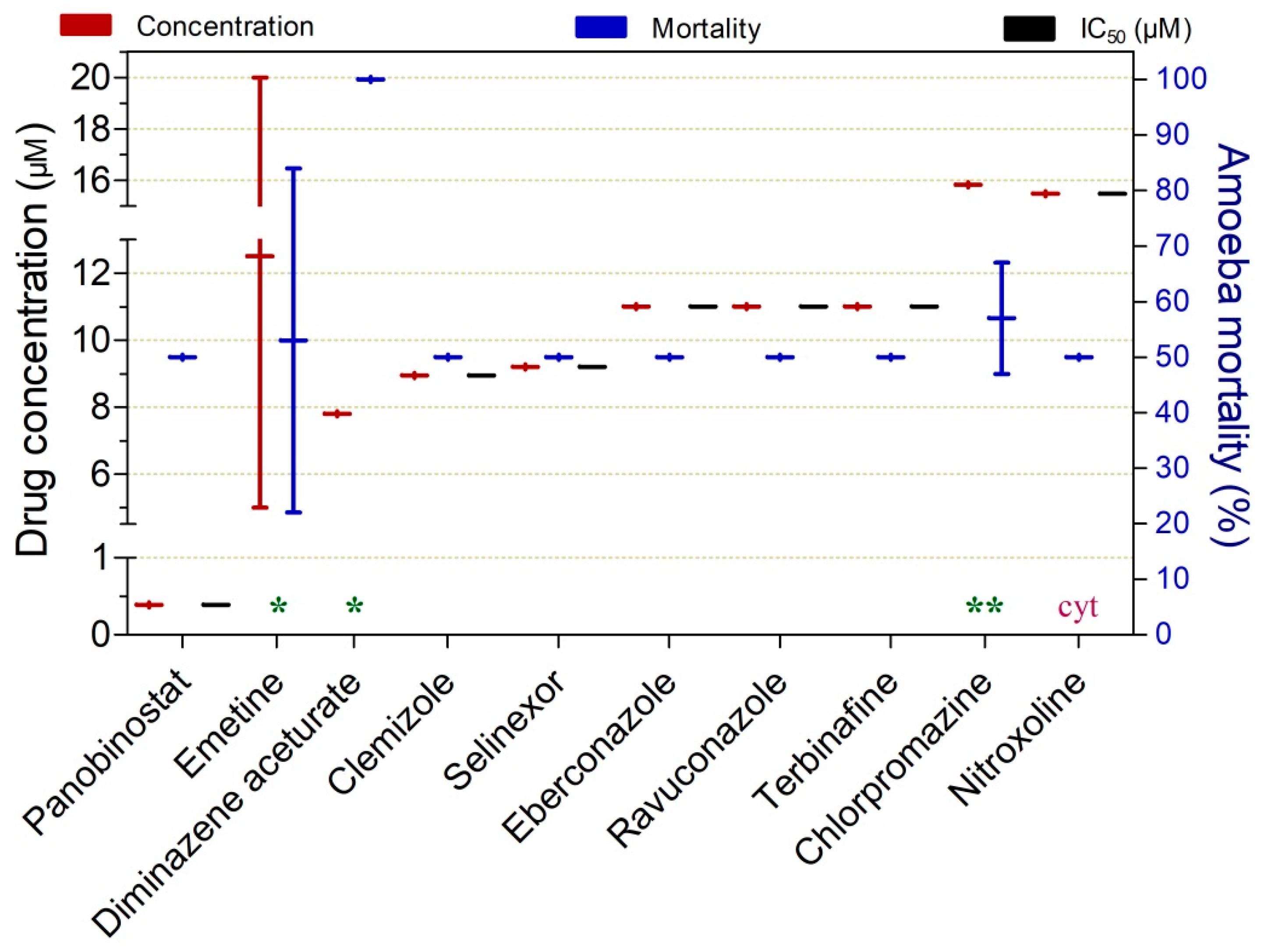
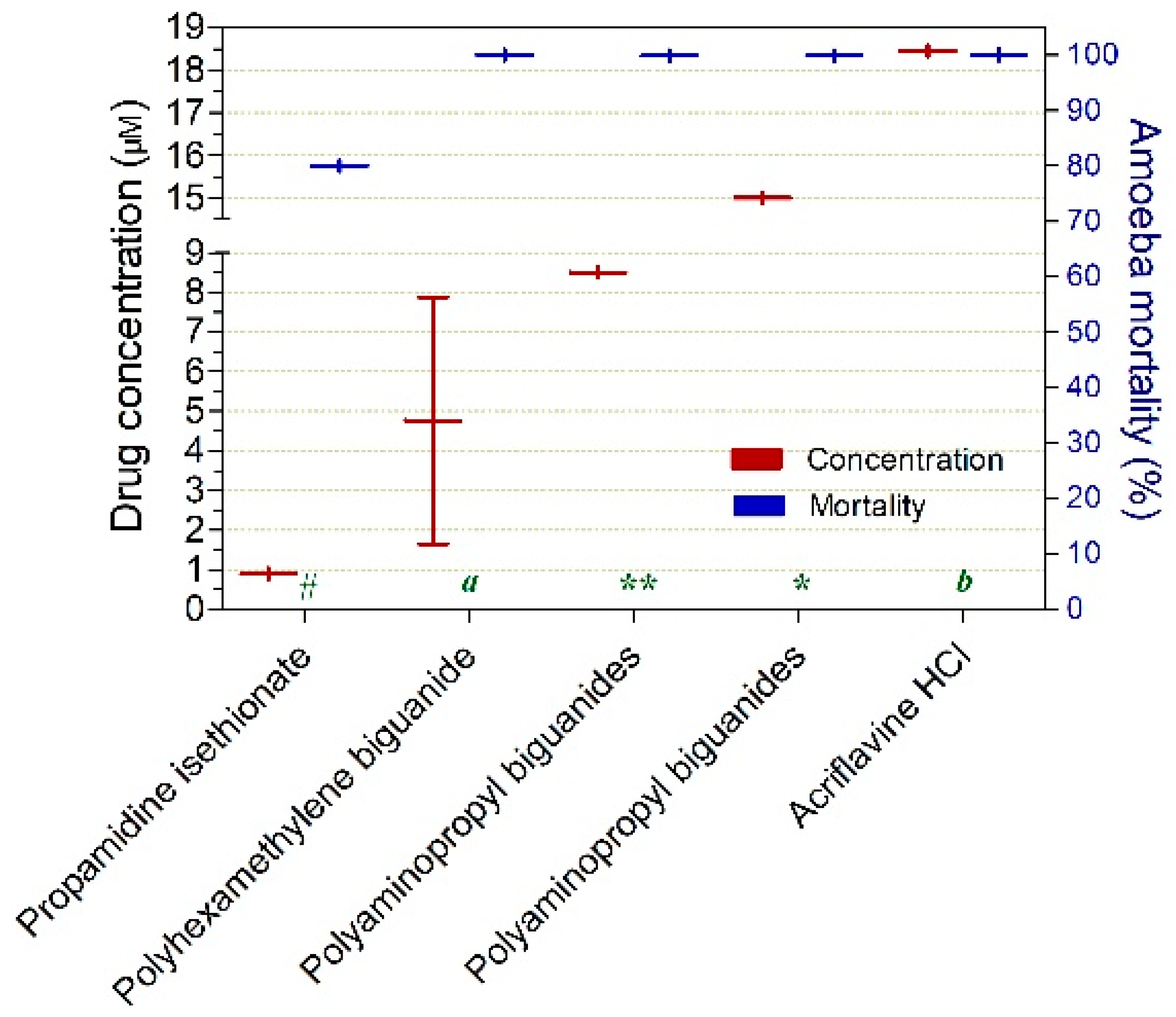
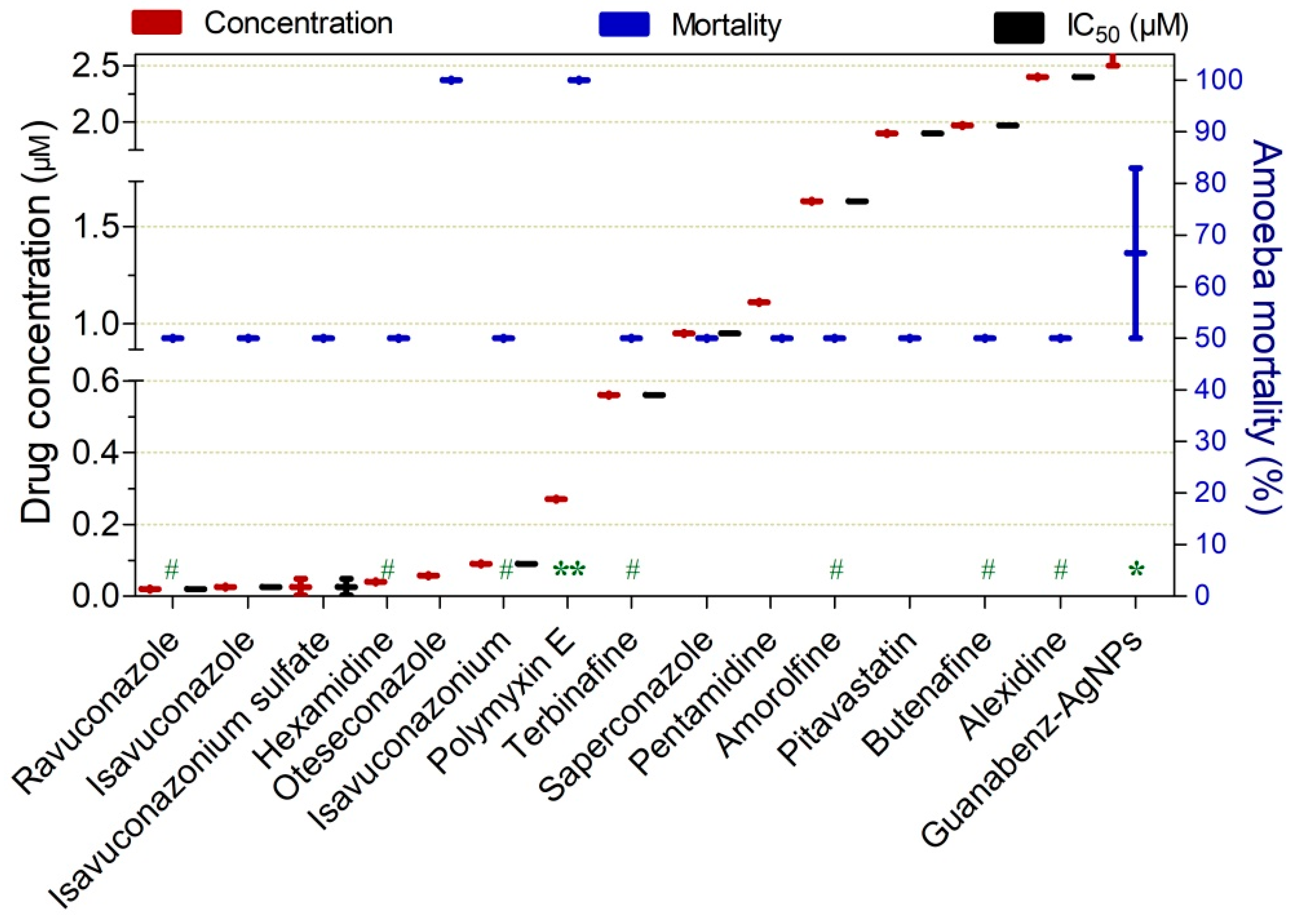
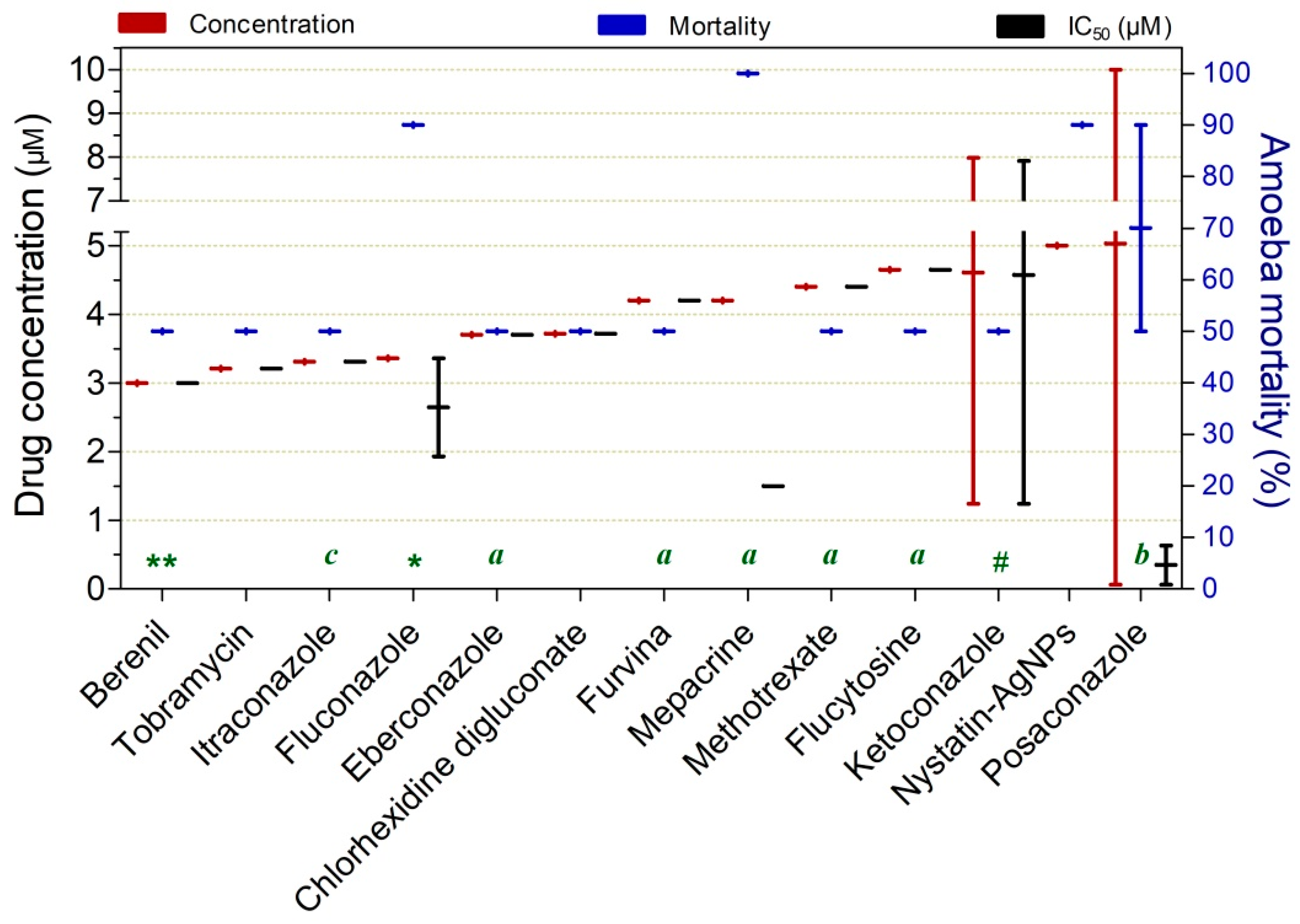
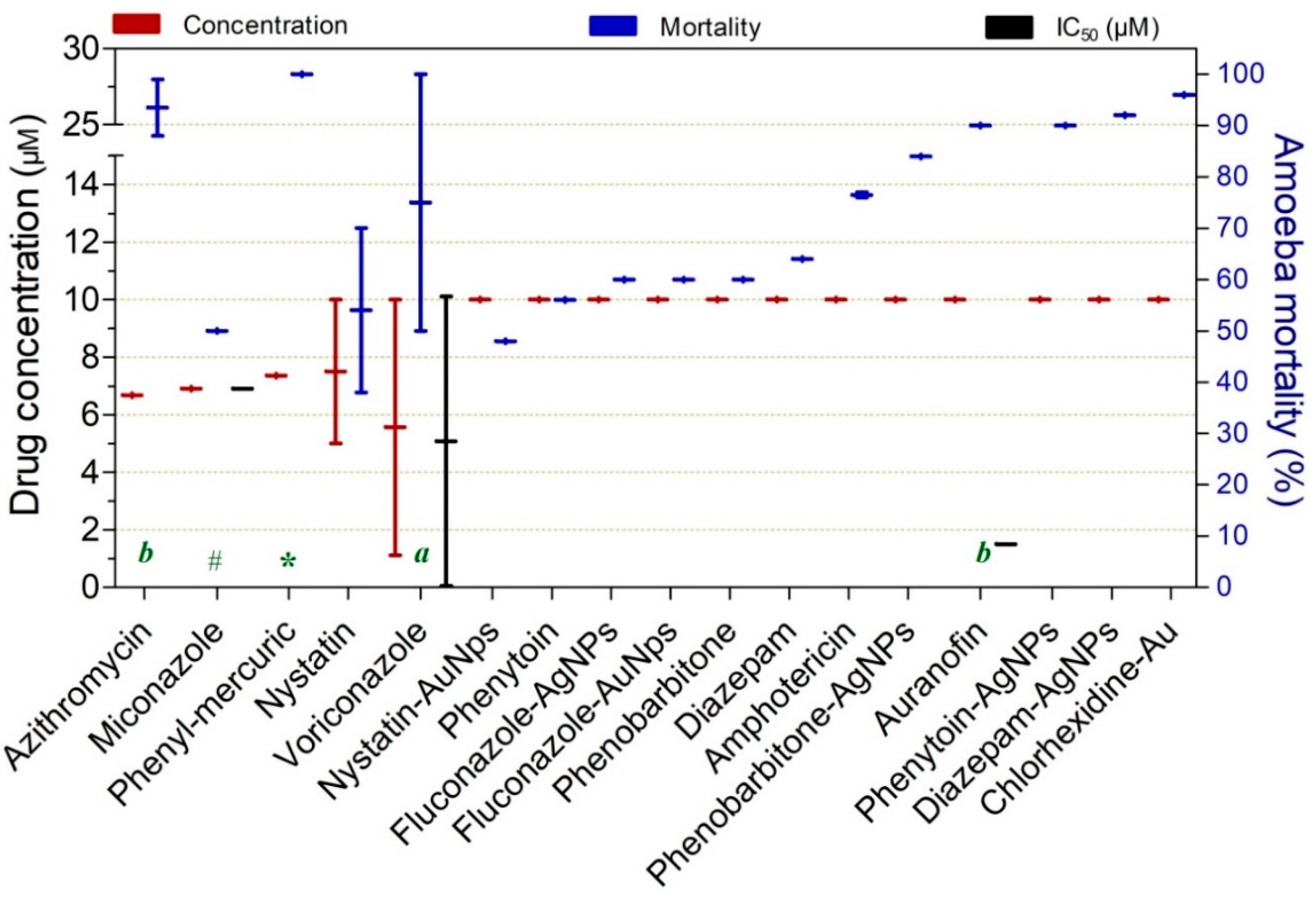
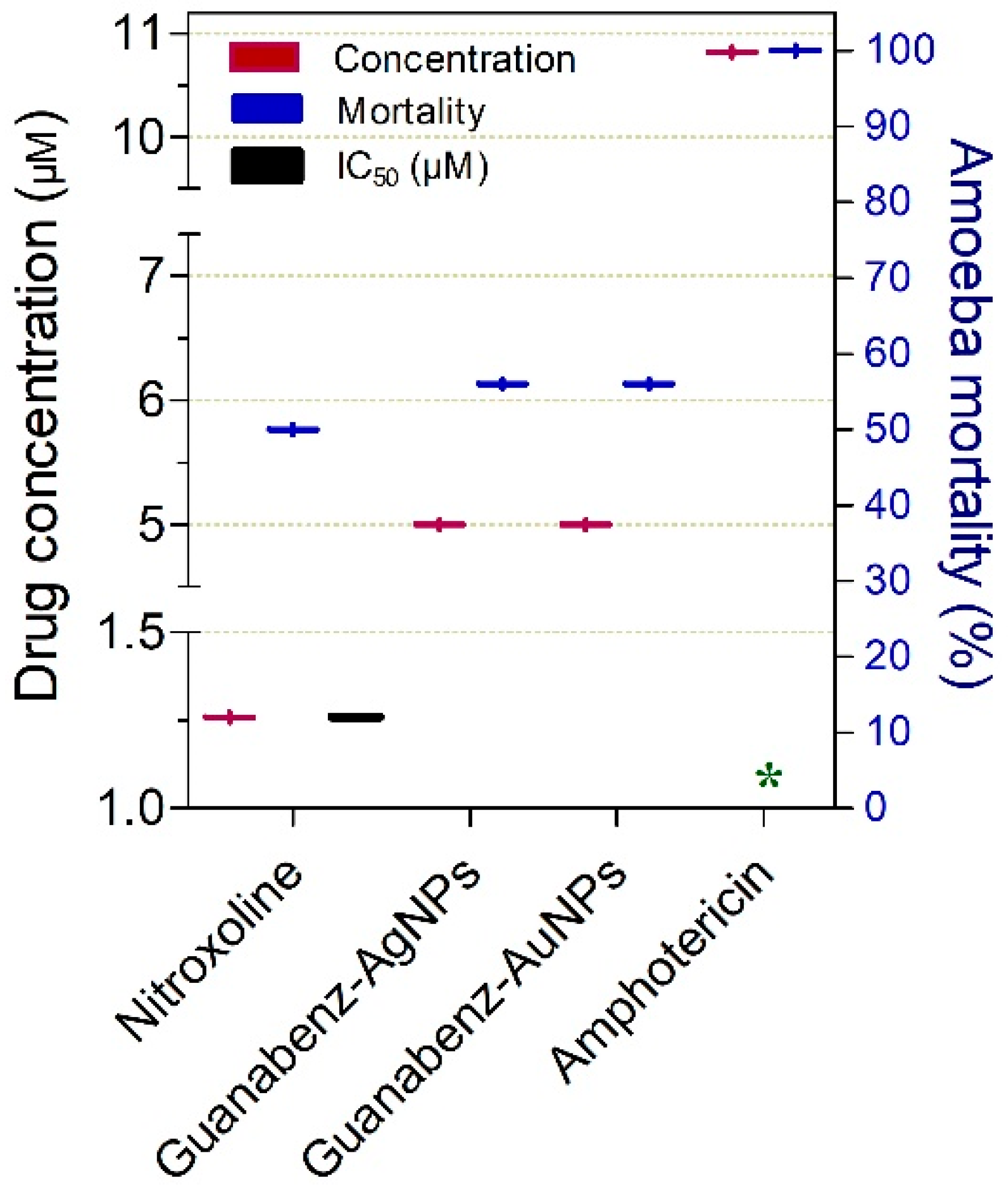
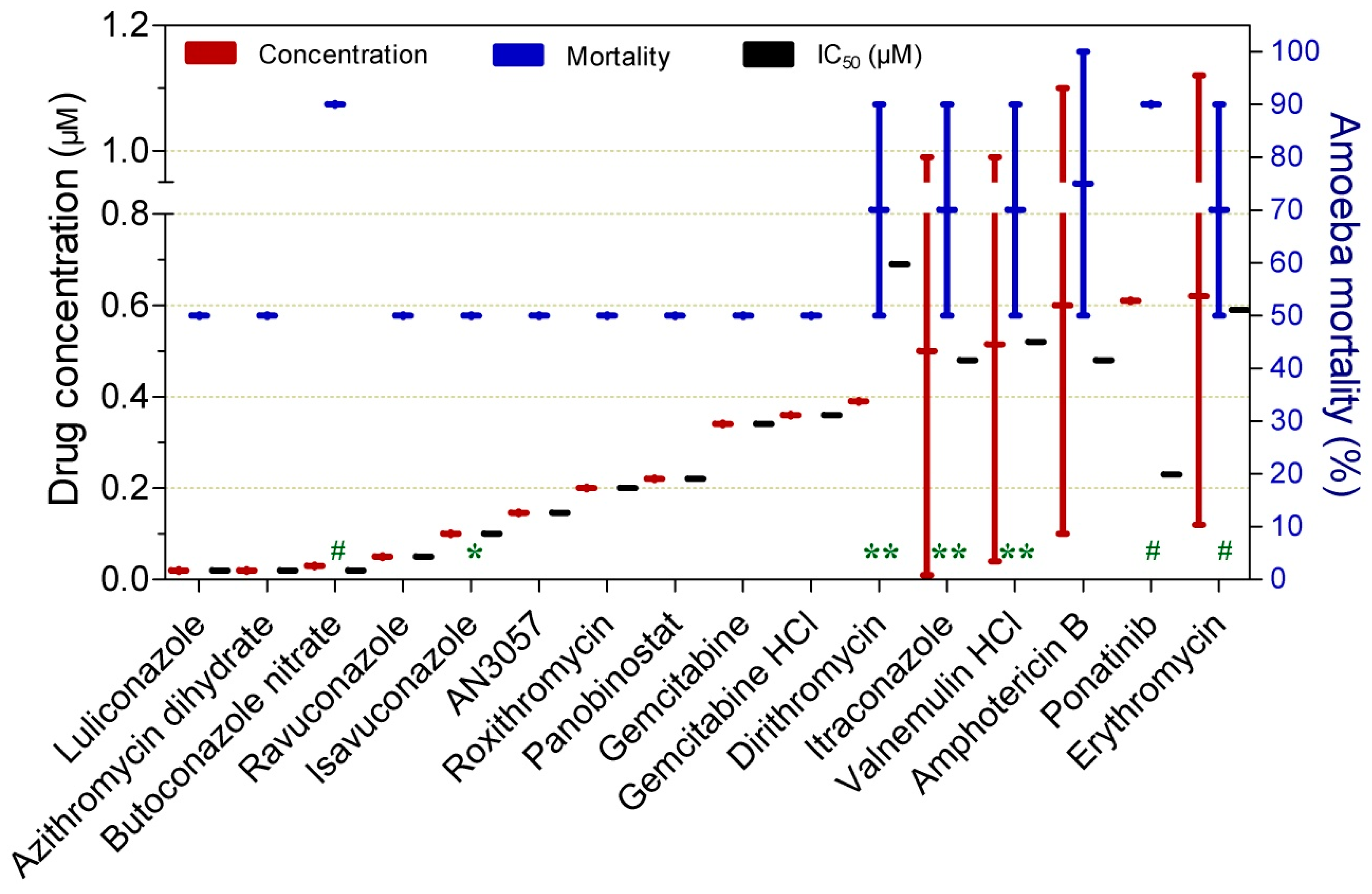
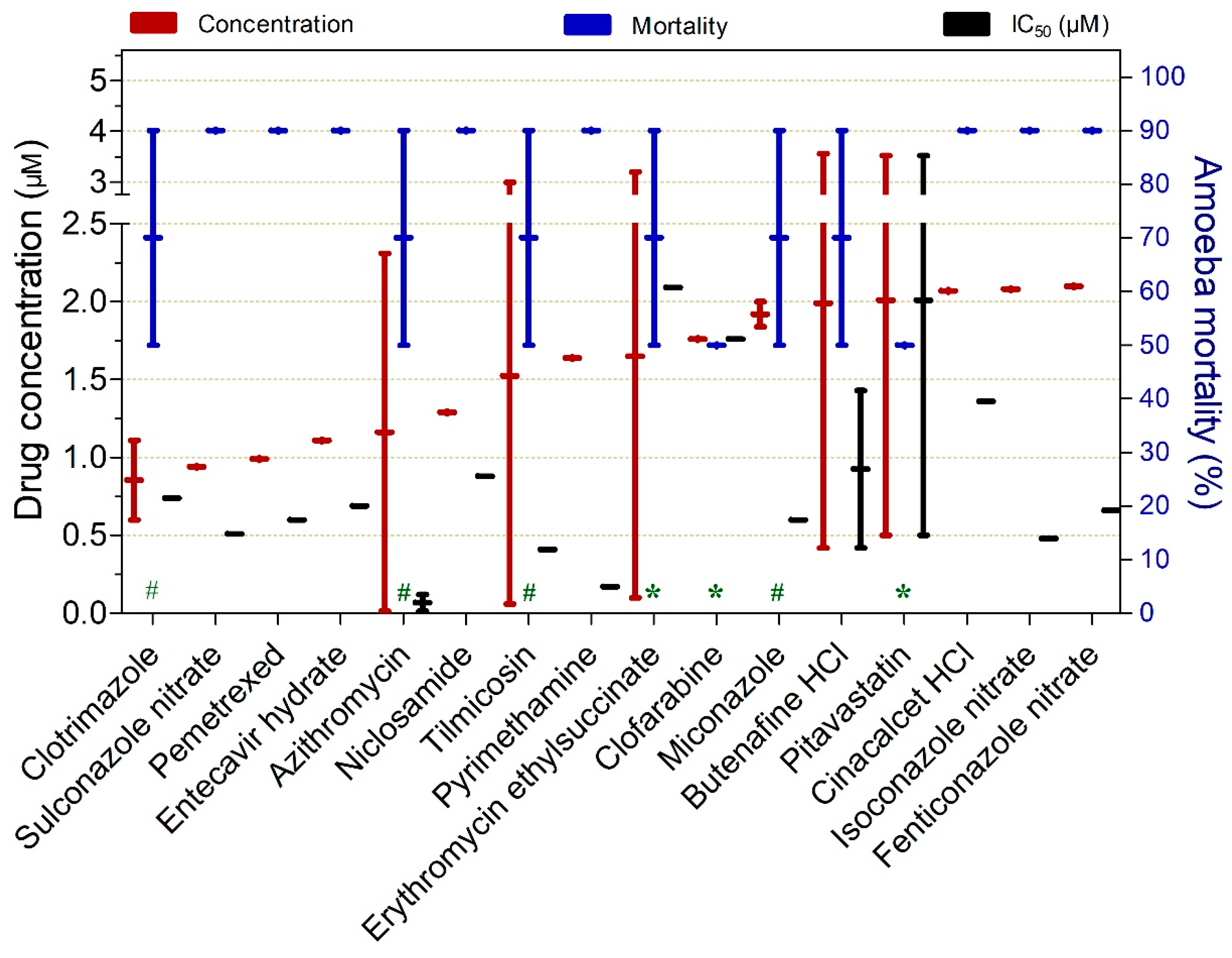
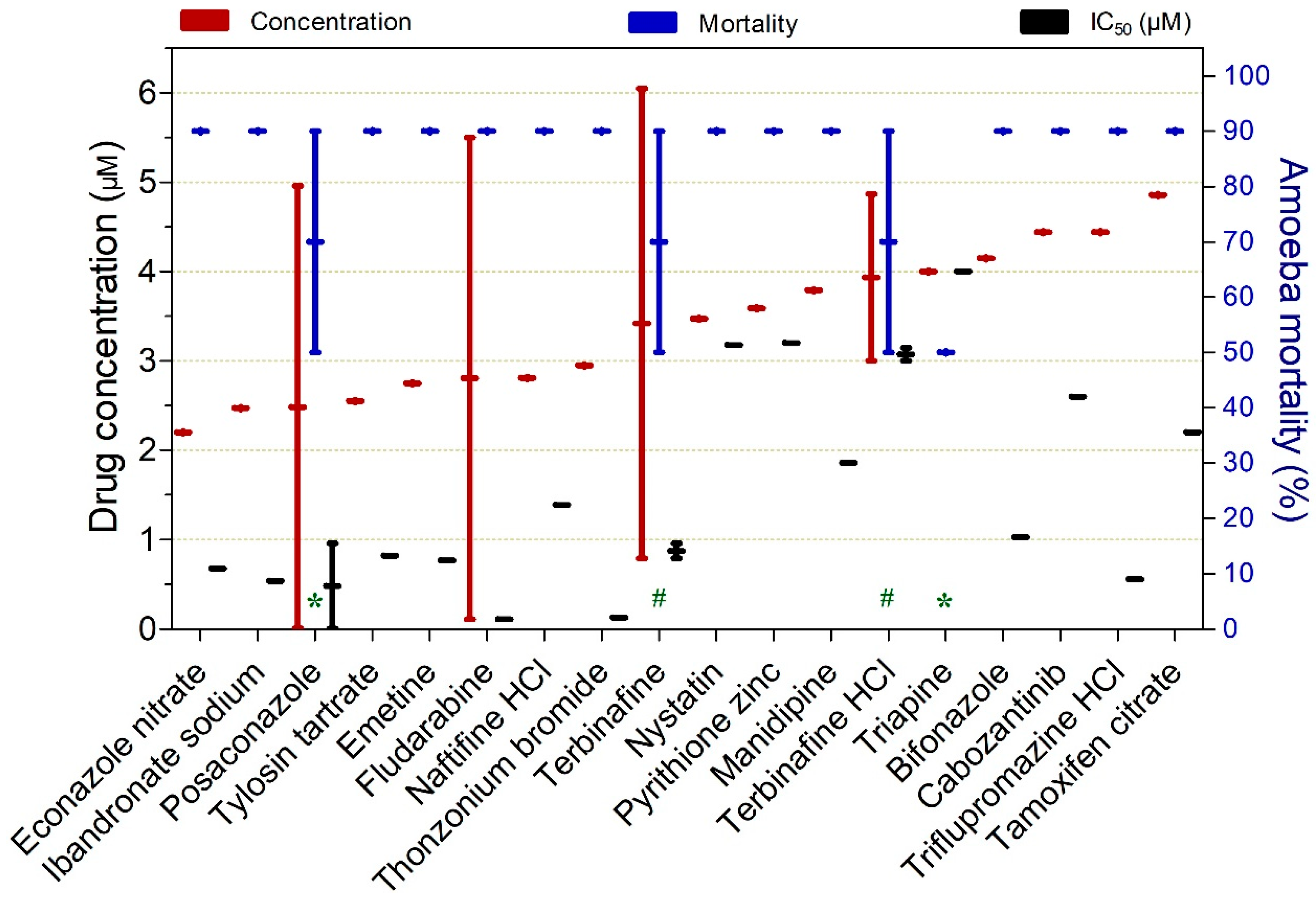
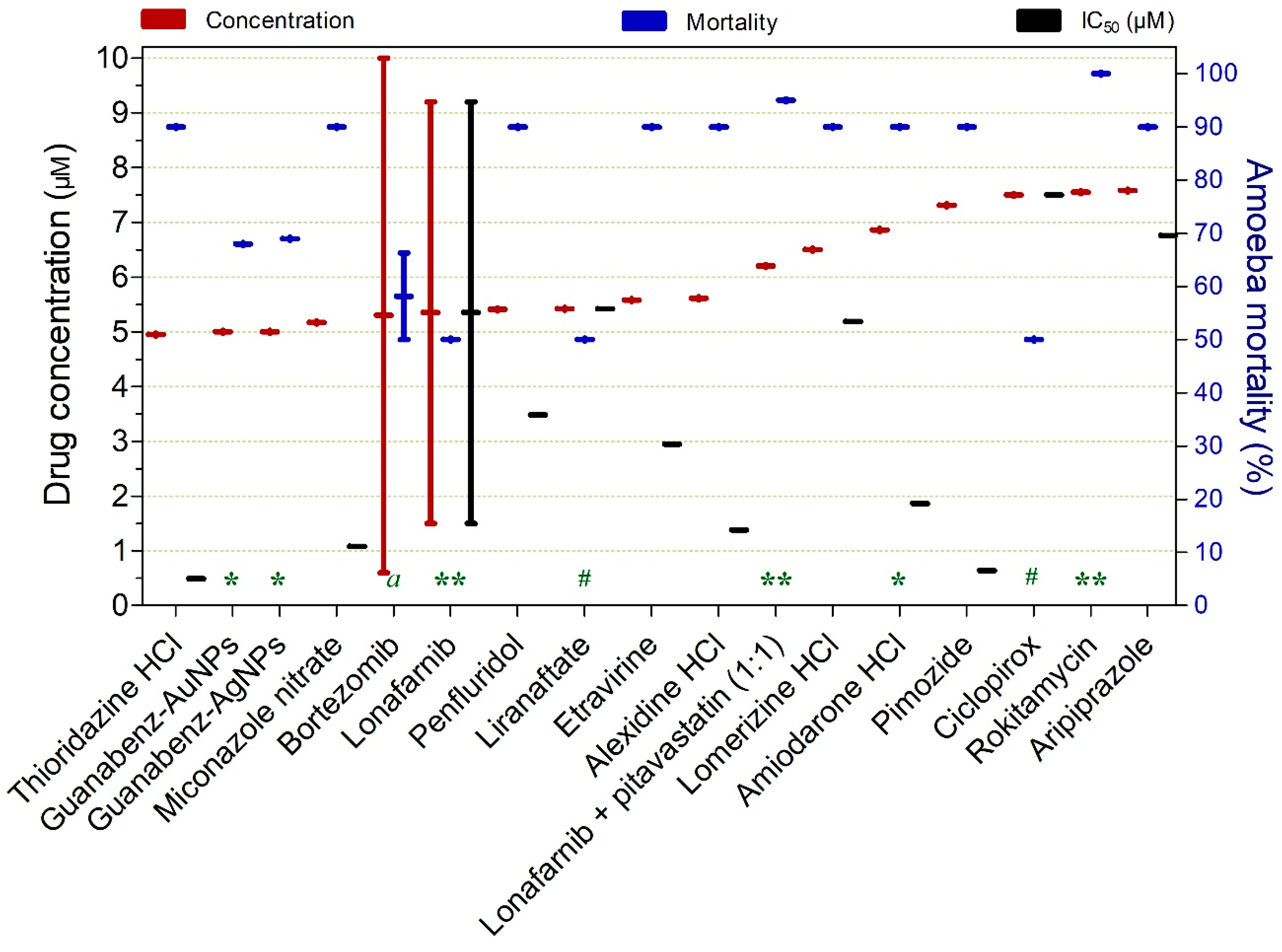
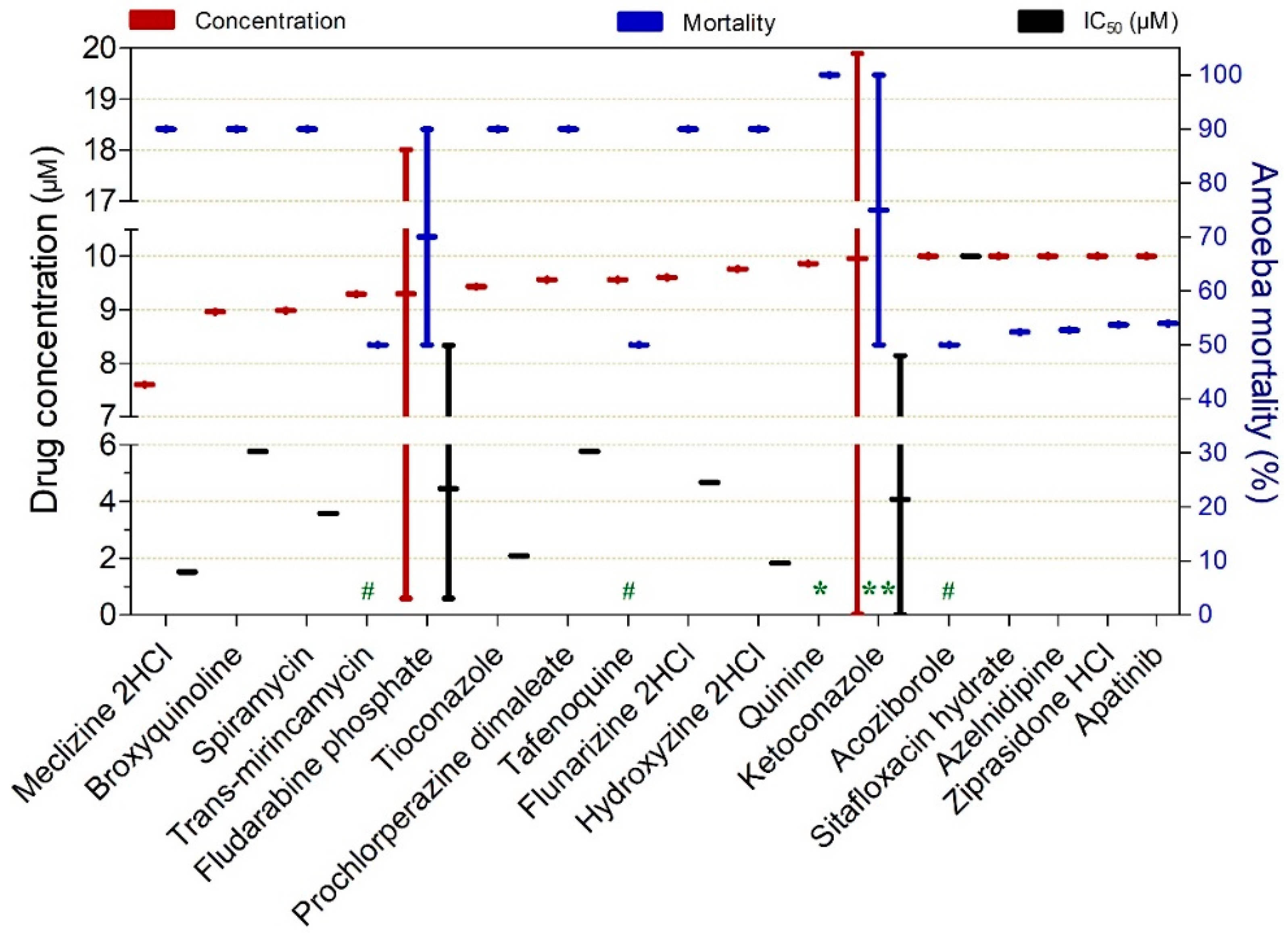
Devastating or nearly invariably fatal infections caused by free-living amoebae (FLA), including Acanthamoeba keratitis (AK), granulomatous amoebic encephalitis (GAE), and primary amoebic meningoencephalitis (PAM), remain a significant public health concern, driven by increasing case numbers, geographic expansion, and the lack of approved, effective, and safe treatments. Despite decades of research, no new drugs have been successfully approved, highlighting the severe limitations of de novo drug development for these infections, particularly for GAE and PAM, largely due to the challenges of conducting clinical trials for these rare and rapidly lethal diseases. In this context, drug repurposing represents a cost-effective and promising strategy to accelerate therapeutic advances and overcome key bottlenecks of conventional drug development. Accordingly, we conducted a systematic review of in vitro studies and animal models of AK, GAE, and PAM reported in indexed databases to identify promising drug repurposing candidates against FLA infections. After screening 23,624 records, 112 studies were included in the analysis. Overall, 2726 drugs and drug combinations, spanning 865 pharmacological classes and approved for 565 therapeutic indications, were assessed for their repurposing potential. Among these, 166 compounds showed substantial trophocidal activity (≥IC50) at potentially translatable concentrations (≤10 µM), including six with additional cysticidal activity. In vitro, four compounds were active against Balamuthia mandrillaris, 44 against Acanthamoeba spp. (three cysticidal), and 115 against Naegleria spp. (three cysticidal). In in vivo studies, sulfadiazine and rifampicin were effective as preventive or early monotherapies for GAE. For AK, the combination of polyhexamethylene biguanide, neomycin, and atropine, as well as voriconazole and nitazoxanide monotherapies, showed the greatest promise. In PAM, azithromycin alone or in combination with amphotericin B emerged as the most promising therapeutic options. Further studies are required to advance the clinical translatability of these findings. To the best of our knowledge, this work provides the first comprehensive and integrated synthesis of repurposable drug candidates against FLA infections.
Keywords: drug repurposing; Acanthamoeba keratitis; granulomatous amoebic encephalitis; primary amoebic meningoencephalitis; in vitro; in vivo drug repurposing; Acanthamoeba keratitis; granulomatous amoebic encephalitis; primary amoebic meningoencephalitis; in vitro; in vivo
Graphical Abstract