
Article

Education, Acculturation, and Ethnic Discrimination Among Indigenous Migrants from Latin America in New York City

by
Juan J. DelaCruz
1,*,
Andreas Kakolyris
2 and
Tin Shan (Michael) Suen
2
1
School of Business, Lehman College, City University of New York, Bronx, NY 10468, USA
2
College of Business and Public Management, Kean University, 1000 Morris Avenue, Union, NJ 07083, USA
*
Author to whom correspondence should be addressed.
Soc. Sci. 2026, 15(2), 86; https://doi.org/10.3390/socsci15020086
Submission received: 4 November 2025 / Revised: 24 January 2026 / Accepted: 27 January 2026 / Published: 2 February 2026

Abstract

Immigrants from Latin America’s Indigenous and rural communities in New York City are likely to break the cycle of poverty by improving language proficiency, acculturation, and education. Their well-being has received poor attention in the economic literature, and little is known about the needs, financial welfare, health status, or education among Indigenous-origin migrants from Latin American households. This study used primary data from a non-probabilistic sample of 121 self-identified Indigenous migrants living in New York City (NYC), a demographic cohort presenting challenges in terms of research access. National-level data usually aggregates all Spanish-speaking individuals as Hispanics and fails to acknowledge the presence of these pre-Hispanic groups. Integrating low-skilled Latin American Indigenous migrants into labor markets remains a challenge. We examined the link between the household income of Indigenous migrants from Latin America in NYC and education, acculturation, and discrimination. Using a logistic regression, we substantiated that education retains its prominence as the primary determinant of income for Indigenous migrants, but perceptions of discrimination based on skin color undermined this progress. This study highlights the need for interventions to promote language proficiency, acculturation, and education among Indigenous immigrant communities and implement culturally tailored policies to encourage the upward mobility of this population.

1. Introduction

Forced migration refers to the involuntary movement of people from their countries due to political conflicts, persecution, natural disasters, or environmental changes, often leading to significant humanitarian challenges and crises. Forced migration is the displacement of millions of vulnerable individuals with poor education, health, and host country language proficiency; they transit from the less-developed south to the industrial north (International Organization for Migration 2020). Migration is related to a high social cost due to family disintegration, affecting mostly women and children; among the displaced, Indigenous and rural communities from Latin America account for a sizable share of the migrant population into the United States (U.S.). Hispanics have greatly expanded in number across America during the past decades. According to U.S. Census and American Community Survey data, the Hispanic population share rose from 12.5% in 2000 to 19.1% in 2022; likewise, Mexicans account for the largest share of Hispanics, growing from 7.4% in 2000 to 11.2% of the total population in 2022 (U.S. Census Bureau 2023). The states with the largest number of Hispanics in the U.S. are California, Texas, Florida, New York, and Arizona1.
In this study, we used the term Indigenous migrants from Latin America (IMLA) to refer to individuals residing in the U.S. who self-identify as members of Indigenous peoples originating in Latin America. Although U.S. Census data often classify these individuals as Hispanic, this label disguises their distinct linguistic, cultural, and historical identities (Penton-Herrera 2018). We also used an economic perspective to highlight the role of education, a form of human capital representing an investment that involves allocating resources in the present to enhance future productivity and earnings. The integration of migrant workers into labor markets in developed countries benefits both host and origin economies, though assimilation often takes decades due to differences in skills, language proficiency, and education (Brell et al. 2020). Discrimination based on skin tone further constrains economic integration and limits labor market mobility (Daftary et al. 2023; Roth and Marin 2021). Many IMLA have crossed the U.S.–Mexico border over recent decades and remained undocumented for long periods; undocumented and IMLA are disproportionately uneducated and unskilled, making them vulnerable to exploitation, even after obtaining legal status. IMLA face stigma/discrimination that compound these disadvantages (Cano et al. 2021), hindering socioeconomic mobility.
Poverty, climate change, government corruption, limited economic opportunities, and drug-related violence have driven large-scale migration from Latin America to wealthier northern countries (Bermeo 2021; Reichman 2022). IMLA are partly motivated by access to greater economic prospects, as income gains are positively associated with subjective well-being, especially at low-income levels (Biddle 2015). The literature on Latina/o indigeneity is directly relevant to migration, inequality, and the way a person develops a clear sense of who they are. Evidence shows that indigeneity is not erased by migration, but is instead reworked across transnational, racialized, and historical contexts (Urrieta and Calderón 2019; Blackwell et al. 2017). Across Latin America, Indigenous peoples face persistent marginalization, discrimination, land dispossession, and limited access to housing and health services, particularly in Mexico, Guatemala, Peru, and Bolivia, which together account for over 80% of the region’s Indigenous population (International Work Group for Indigenous Affairs n.d.). Although Indigenous peoples make up only 5% of the global population, they represent 15% of those living in poverty (Wodon and Cosentino 2019).
In the U.S., IMLA often live below the poverty line and experience severe social, economic, and health disparities. While their income and well-being are generally higher than in their countries of origin, migration often represents a shift from extreme poverty to poverty. Estimated at roughly 400,000 individuals by 2000, IMLA have remained largely invisible despite their presence across multiple states (Torres 2011). The 2010 Census American Indian and Alaska Native (AIAN) Summary File was notable because it, for the first time, included detailed data on specific tribal groupings, which can encompass Indigenous groups beyond U.S. tribal nations. The Census Bureau explicitly collected tribal entries based on what respondents self-reported on the write-in line under the AIAN category2.
Interdisciplinary academic work situates the experiences of Indigenous migrants within broader structures of migration and inequality. Evidence shows that Indigenous Mexican migrants are exposed to structural violence through labor markets, state policies, and border regimes that operate across national boundaries. After settling in the U.S., these constraints continue to shape their lives, limiting their capacity to sustain collective forms of social organization, governance, and Indigenous identity, even as they engage in transborder practices to preserve community ties (Holmes 2013; Stephen 2007). The COVID-19 pandemic exposed and intensified existing inequalities, revealing barriers to healthcare access, elevated mortality rates, and heightened vulnerability linked to low-wage work, overcrowded housing, limited English proficiency, and low education (Barbaro et al. 2020; Politi 2021; Soloff 2020; Kakolyris et al. 2022; Valenzuela et al. 2020). Population factors influencing health3 and socioeconomic status in Latin American countries relate to high fertility rates among women, pre-term birth, low birth weight, child malnutrition, obesity, limited access to drinking water, and lack of sanitation facilities; additionally, tobacco and alcohol use are factors contributing to poor health (OECD and The World Bank 2020). Years of schooling in Latin America are lower than those in industrial countries, making it more difficult for IMLA to find well-paid jobs in advanced economies. Education is undersupplied in rural and vulnerable areas as well as for those facing poverty, disability, violence, and gender discrimination in Latin America4. More specifically, this region has traditionally scored way below industrial countries in reading, math, and sciences (OECD 2019). Latin America’s inequalities in education are correlated with volatile macroeconomic conditions and a lack of investment in public education since 1980, which enhanced income disparities in the social fabric. The Gini index of income inequality for Latin America is the world’s highest, ranging between 38 and 54 points (Marteleto et al. 2012; UNESCO 2020).
Large disparities persist between Indigenous and non-Indigenous populations in Latin America across income, living conditions, health, education, and employment. While average schooling in the region is nine years, Indigenous attainment is far lower, including gaps in Bolivia (10 vs. 6 years) and Guatemala (6 vs. 3 years) (United Nations Development Programme 2022). In Mexico, only 27% of Indigenous children complete high school, and literacy remains around 44% (Borgen Project 2017). Mexico also ranks low globally in educational attainment (OECD 2022). These gaps disadvantage IMLA in U.S. labor markets and heighten income inequality (Hall and Patrinos 2005). Legal vulnerability further restricts access to education and social services. Although schooling improves across generations (Yescas 2010), breaking intergenerational poverty requires stronger English proficiency, educational access, and acculturation. IMLA in the U.S. have a history of marginalization as racialized migrants and members of working-class or undocumented communities; this exclusion is different than those faced by non-Indigenous Latina/o people. However, there is a persistence of Indigenous political identities and collective organizing in diaspora, even though education, language, and labor markets are the spaces where colonial ways of thinking and organizing society continue to be taught and made to seem normal (Fox and Rivera-Salgado 2004). Often, Indigenous migrants confront discrimination tied to their observable traits, accent, and indigeneity rather than immigrant status alone (Zuniga et al. 2014).

2. Data and Empirical Model

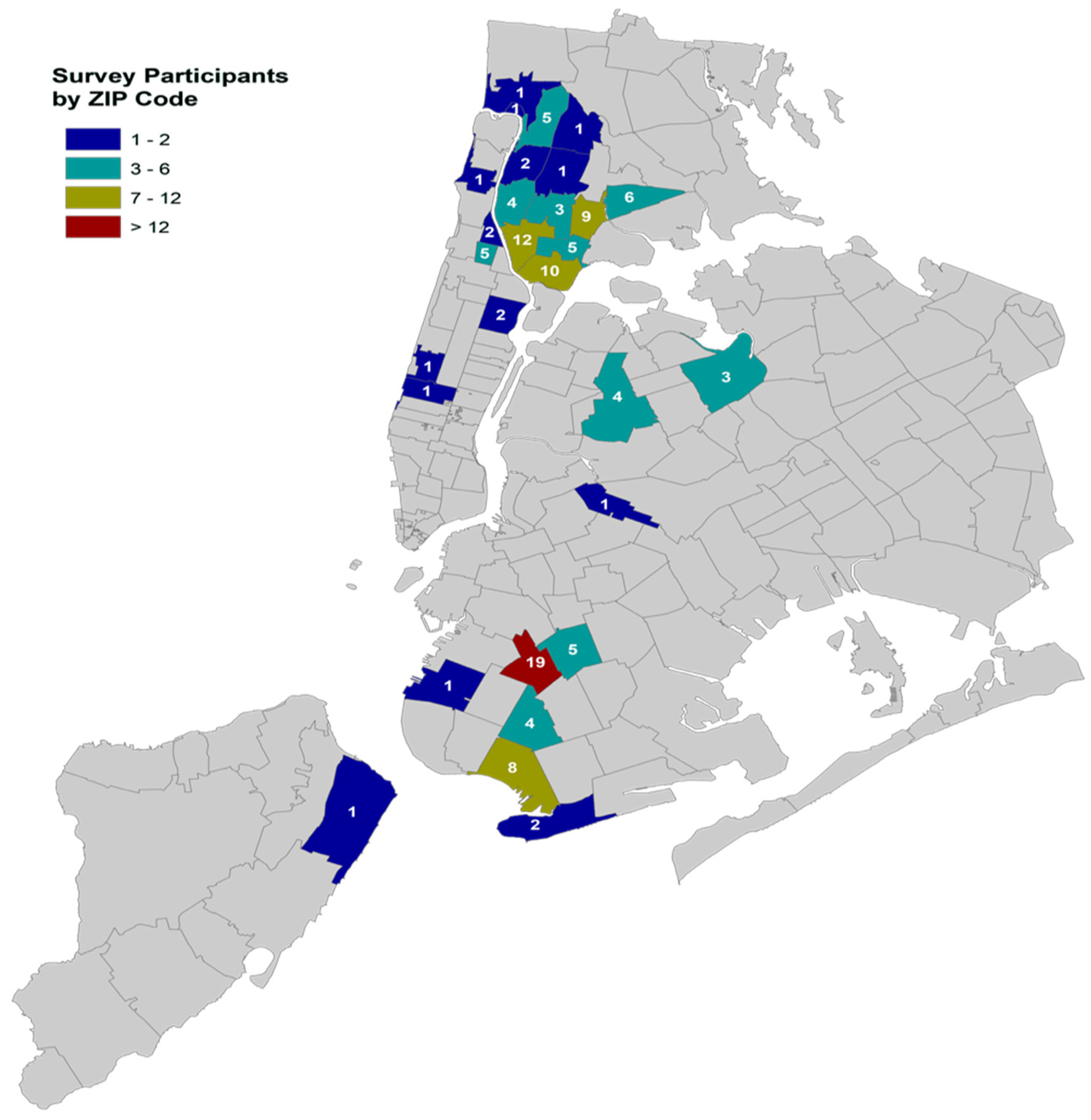
We collected a homogeneous convenience sample of 121 self-identified Indigenous-origin migrants from Latin America living in New York City, all aged 18 or older. Participants reported heritage in precolonial Indigenous languages such as Nahuatl, Mixtec, Zapotec, Quechua, and Garifuna, and were concentrated in underserved NYC neighborhoods (Figure 1). A homogeneous sampling strategy allowed us to focus on shared socio-demographic characteristics and examine patterns that may be obscured in more diverse samples (Jager et al. 2017; McCabe 2019). Because IMLA are a hard-to-reach and under-researched population, a non-random, non-probabilistic sample was appropriate despite its inherent bias (Edgar and Manz 2017). While the sample is not representative, it provides cost-effective preliminary insights into factors shaping education and income. We acknowledge limitations affecting precision and address potential systematic differences by including binary controls such as gender and nativity (Andrade 2021). In addition, given the absence of population-level data on Indigenous migrants disaggregated by ethnicity or socioeconomic characteristics, to the best of our knowledge, borough-level administrative estimates of limited English proficient Indigenous-language speakers5 provide the only available external benchmark. These estimates indicate small but geographically concentrated Indigenous-language populations in the Bronx, Brooklyn, Queens, and Manhattan, a pattern that is consistent with the spatial distribution of our recruitment sites.
Using validated instruments, we conducted structured interviews in Spanish to assess self-reported health, education, and earnings, controlling for acculturation, English proficiency, stigma, discrimination, and depression. Gender-based differences in unemployment within immigrant communities were also considered (Gavalas et al. 2013). Institutional Review Board approval was obtained prior to data collection. Participants were recruited from targeted geographic areas in New York City and through partnerships with community-based organizations, including the Network of Transnational People in the Bronx, the Sisa Pakari Group in Queens, and a Mixtec cultural group in Brooklyn. The principal investigator conducted recruitment and screening, provided study information, and obtained informed consent. Eligible participants completed a questionnaire in approximately 90 min and received a USD 30 gift card as compensation for their time.
We use logistic regression as the baseline model to quantify the effects of educational levels, acculturation, and discrimination on income levels. We explored different empirical approaches for identifying the strongest factors facilitating IMLA to move upward and avoid poverty, consistent with studies using logit models along with other machine learning approaches for predicting income (Gomez-Cravioto et al. 2022). We did not consider quantile regression because of the way we measured income and the income distribution in our sample (Billger and Lamarche 2015). The poverty line was defined as 20% of the lowest area median income with at least one child for NYC, as defined by the U.S. Department of Housing and Urban Development for a household6.
We first included variables that describe the household characteristics, such as zip code, number of children, and marital status of the survey participant. We assume that the spatial income inequality of IMLA in NYC follows the same patterns as that of the general population. However, we include a dummy variable (zip code) that takes the value one when the survey participant lives in an area where the median income is higher than the median income in the whole population in NYC, and the percentage of poverty is lower than the percentage of poverty in the whole population in NYC. The second group of variables includes individual characteristics of the head of the household, such as education, skin color, current age, age of arrival to the US, level of acculturation, and physical and mental health. In our logit model, the dependent variable denotes households with income above 20% of the area median income, and it is expressed as binary (when households have income USD 25,000 or more and when households have income less than USD 25,000). However, we mainly interpret the USD 25,000 cutoff as a proxy for severe income deprivation. Accordingly, the baseline logit captures the extensive-margin transition out of the lowest income category. Since our sample size is small, we first adopted a parsimonious logistic framework. The baseline empirical specification includes only a limited set of core demographic and household characteristics. We then progressively expand the model by adding additional covariates to examine the stability of coefficient signs and significance as model complexity increases. The full specification is given by the following:
log P I i = 1 1 P I i = 1 = β 0 + β 1 Z i p   C o d e i + β 2   M a r i t a l   S t a t u s i + β 3   C h i l d r e n i + β 4   M a r i t a l   S t a t u s i × C h i l d r e n i + β 5   E d u c a t i o n i   +   β 6   A g e i + β 7   A g e   o f   a r r i v a l i + β 8   A g e × A g e   o f   a r r i v a l i + β 9   A c c u l t u r a t i o n i + β 10   H e a l t h i + β 11   S k i n   C o l o r i + β 12   E t h n i c i t y i + β 13   G e n d e r i + ε i
The first independent variable in our model is a dummy regarding the household’s address, as described above. The second is a dummy, indicating whether there is a partner, and the variable children indicates whether the family is multi-child with three or more. The variable education indicates an education level of more than secondary. The variable age is categorical, showing the age group of the survey participants. Specifically, it takes the value 0 for an age between 20 and 30, 1 for more than 30 but less than 50, and 2 for an age over 50. The age of arrival shows whether the participant has arrived in the U.S. as a child or an adult. The acculturation variable is the index described above as the average answer to all the acculturation questions regarding language, media communication, and social interactions. Health is the self-reported level of physical and mental health, showing at least a health issue regarding cancer, obesity, diabetes, HIV/AIDS, hypertension, liver, or kidney disease. The PERLA color palette is an 11-point chart designed to measure skin color in Latin America, emphasizing darker shades of color. Skin is a dummy variable that indicates whether the respondent reported a non-dark skin tone, as characterized by similar studies about Latin Americans that utilize PERLA (Perreira and Telles 2014). Ethnicity is a categorical variable that indicates the ethnic background, including Mexico, Central America, or South America. The last variable is the gender of the survey participant.
Given the relatively small sample size, we complement the logistic regression analysis with a random forest model to assess whether variables identified as significant in the regression analysis also exhibit high importance scores in a non-parametric setting. We followed a standard approach like other studies (Kang and Zhao 2022), but without dividing the sample due to its small size. All the variables that we used were binary, such as zip code, marital status, children, education, age older than 50, age of arrival, health, skin color, gender, and ethnicity (whether the respondent is from Mexico or not).

3. Results

IMLA is a vulnerable community in NYC and very little is known about the firstcomers and first-generation migrants. As shown in Table 1, women account for 67.7% (SE = 4.3%) of survey participants, and a substantial proportion of respondents identify as single-adult households, either single women or single men. Specifically, the sample includes 30 single women (14 with children and 16 without) and 12 single men (5 with children and 7 without). This composition is important, as single-adult households, especially those with caregiving responsibilities, are known to face heightened labor market and income constraints, particularly within marginalized migrant communities. Household income levels were generally low across the sample. Because income was self-reported using categorical ranges and higher income brackets were sparsely populated, income was dichotomized as less than USD 25,000 versus USD 25,000 or more. Using this definition, 72.0% (SE = 4.1%) of respondents reported annual household earnings below USD 25,000. Notably, even among single-adult households, relatively few individuals reported income above this threshold: only six single women (three with children and three without) and four single men (two with children and two without) earned more than USD 25,000. This pattern underscores the pervasive economic precarity faced by IMLA, rather than reflecting gender-specific income benchmarks. As a robustness check for our result, we additionally utilize an ordered logit model using the same covariates as the baseline model but with a dependent variable that is the categorical income measure with the five brackets of the self-reported survey question: less than USD 25,000; USD 25,000–USD 49,000; USD 50,000–USD 74,000; USD 75,000–USD 99,000; and more than USD 100,000. The results remain consistent with education, age, and skin color, being the only statistically significant variables at the 5% level with p-values of 0.043, 0.013, and 0.039, respectively7. These factors are therefore associated not only with a higher probability of crossing the minimum income threshold (escaping extreme income deprivation, as captured by the USD 25,000 cutoff) but also with a higher likelihood of moving progressively into higher income brackets. Our sample also reported that 64.5% of these families have two or more kids and that 80% of the participants were Catholics. As per marital status, 62.1% (SE = 4.4%) reported living in a partnership or being married. The mean age was 39.7 years (SD = 10.8 years), being the youngest 20 and the oldest 68 years old. Considering their ethnic background, 85.1% self-identified as Mexicans, 12.4% were Garifuna women from Central America, and 2.5% were Ecuadorians and Peruvians. Among the eight categories of diseases listed in our questionnaire, 83.5% had no more than one chronic medical condition. Using the Center for Epidemiological Studies-Depression survey (CESD-10), 30.6% (SE = 4.1%) were moderately or severely depressed. This medical condition negatively impacts their level of daily functioning. The use of alcohol and drugs was negligible in this sample.
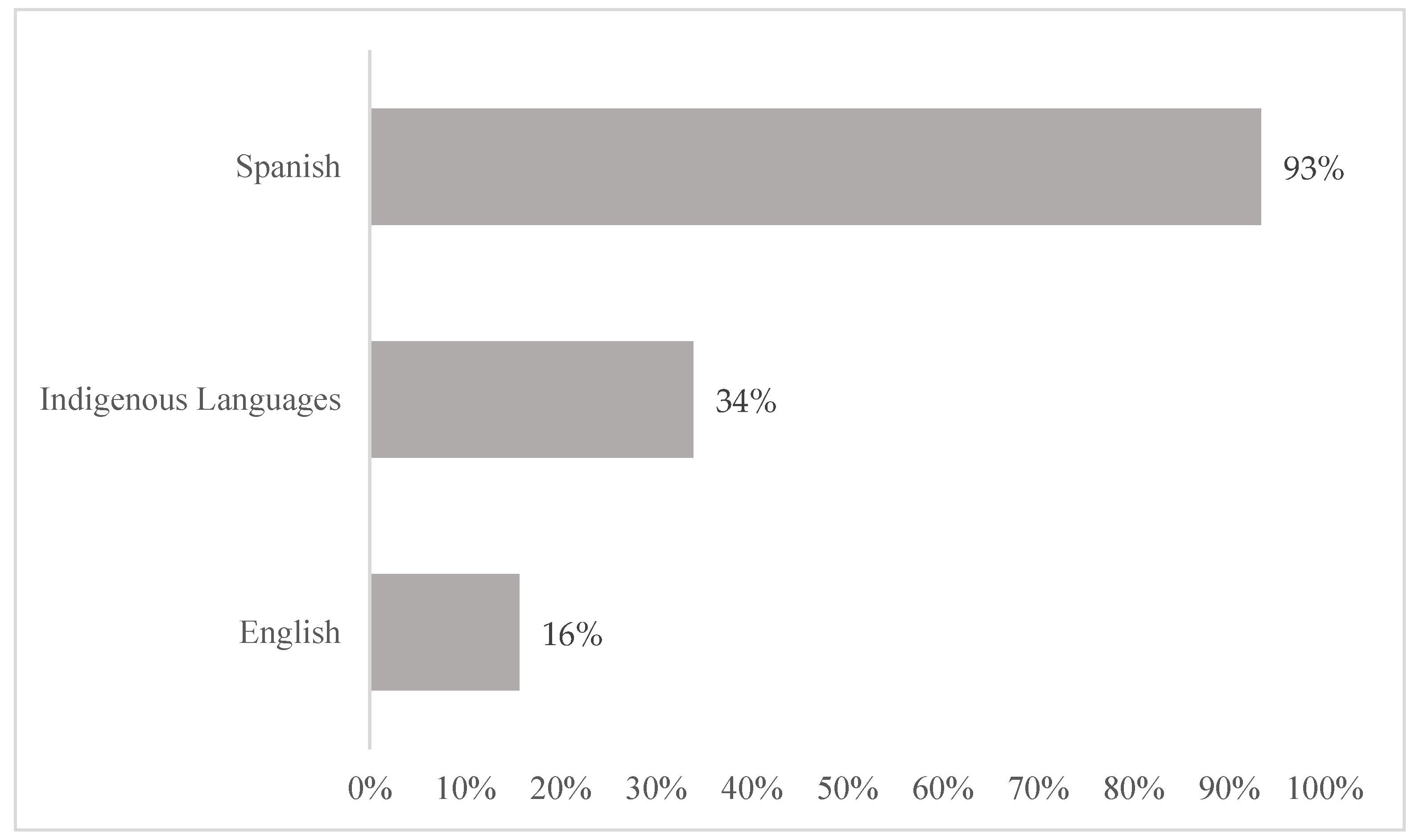
Our data shows that 59% had 9 or fewer years of schooling and the cumulative share of individuals with 12 years or less was 87%. Only 13% had a college education from their countries of origin but expressed concerns about finding work, which is likely related to their immigration status. While one in three of the interviewees was born or arrived in the U.S. as children or teenagers, their acculturation levels were quite low. Most of the participants (94%) spoke only Spanish at home, whereas 16% of them used only English for oral communication among siblings or outside of the household and 34% spoke an Indigenous dialect (Figure 2). Five participants in our study spoke Spanish only but did not know how to read and write; they were assisted by research assistants to complete the survey.
Table 2 depicts that the variables of education, skin, and age are significant. For the robustness of our model, we tried different specifications; for example, we excluded the variable acculturation because some survey participants did not answer all 12 acculturation questions, and we wanted to increase the sample size in another specification. The variables of education, skin, and age remain significant after the exclusion. IMLA households who self-report a light skin color are seven times more likely to escape poverty (defined as less than 20% of the area median income). We acknowledge potential endogeneity among education, acculturation and income. Moreover, IMLA households with more than secondary education are 12 times more likely to escape poverty; those who have arrived in the U.S. as children or were born in this country are 13 times more likely to experience upward mobility and be able to escape poverty.
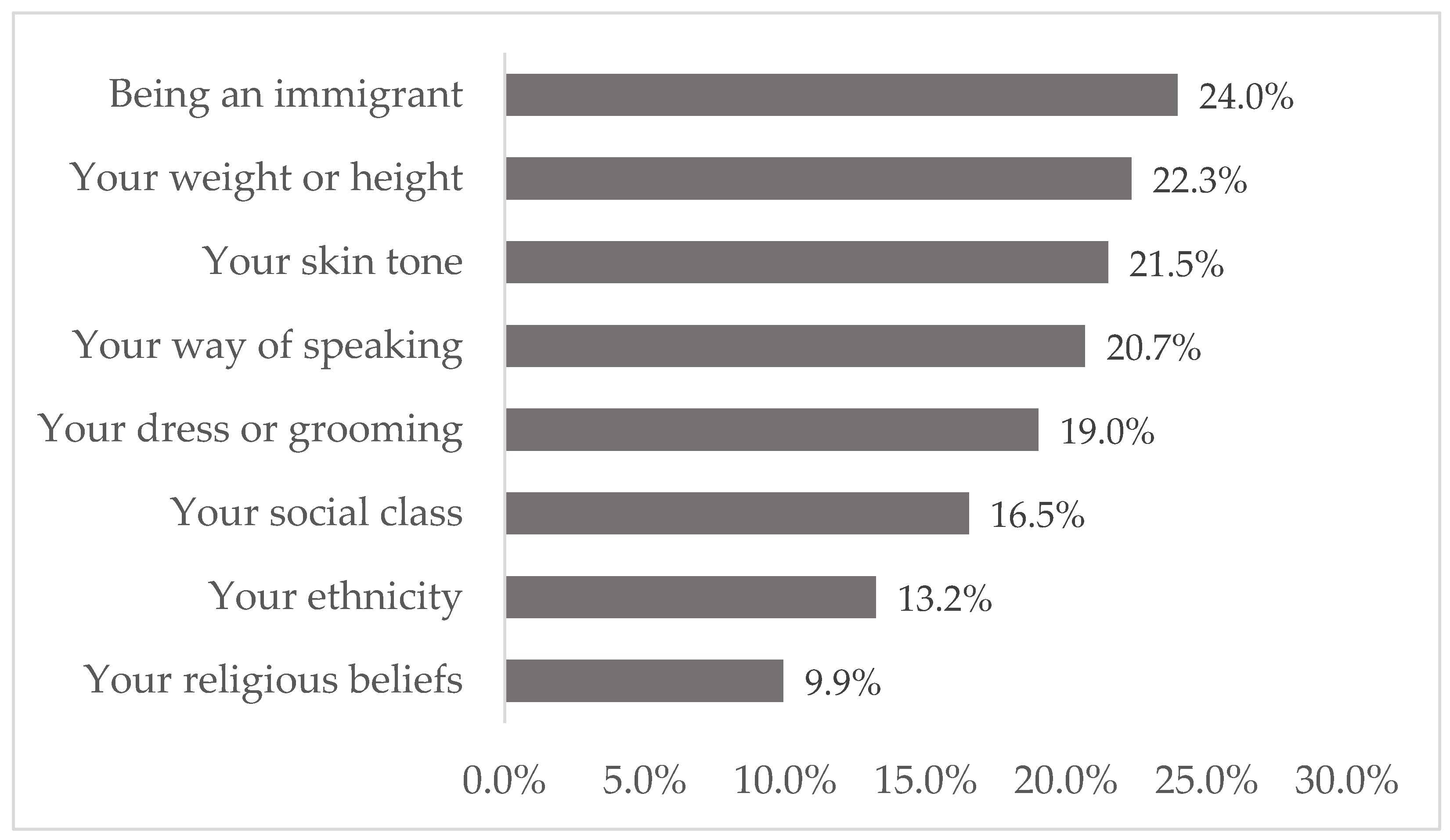
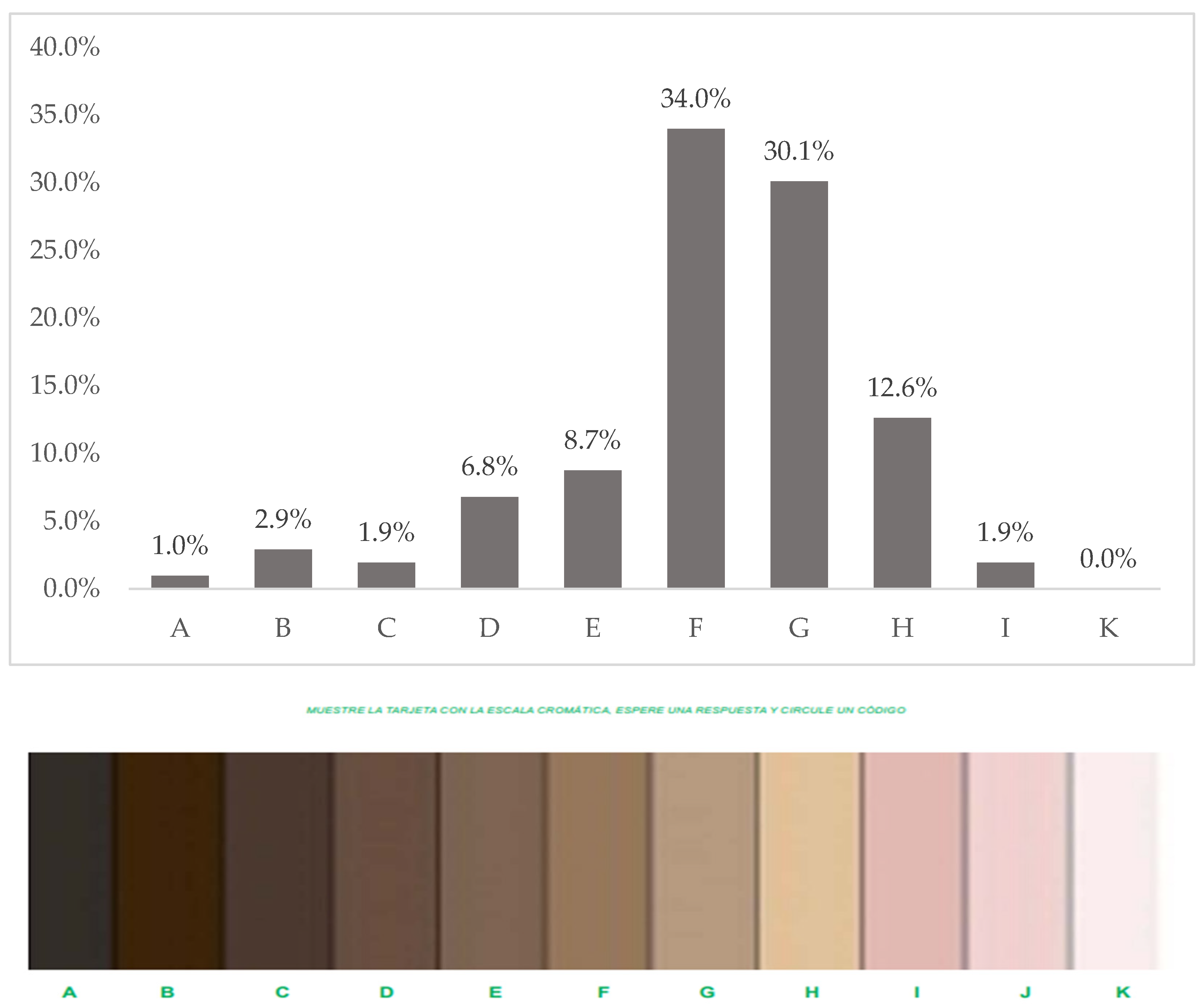
One in five participants felt discriminated against for being an immigrant, for their skin tone, appearance, or the way they speak (Figure 3). To account for discrimination, we used the Project on Ethnicity and Race in Latin America (PERLA)8 color palette to capture self-reported measures of race and ethnicity, ranging from A (darkest) to K (lightest) skin pigmentation. Several studies have used this instrument to measure perceived racial discrimination and attitudes (Zhirkov and Smilan-Goldstein 2025). In our sample, 4% self-identified as being in the darkest category, whereas 2% were the lightest; the medium to lighter skin tones (F, G, and H) accounted for 77% of the participants (Figure 4). In this study, skin color varied from Black Latina/o (Garifuna people, a mix of African and Indigenous Latin Americans) to White Latina/o (Mixtec people who are Spaniard descendants).
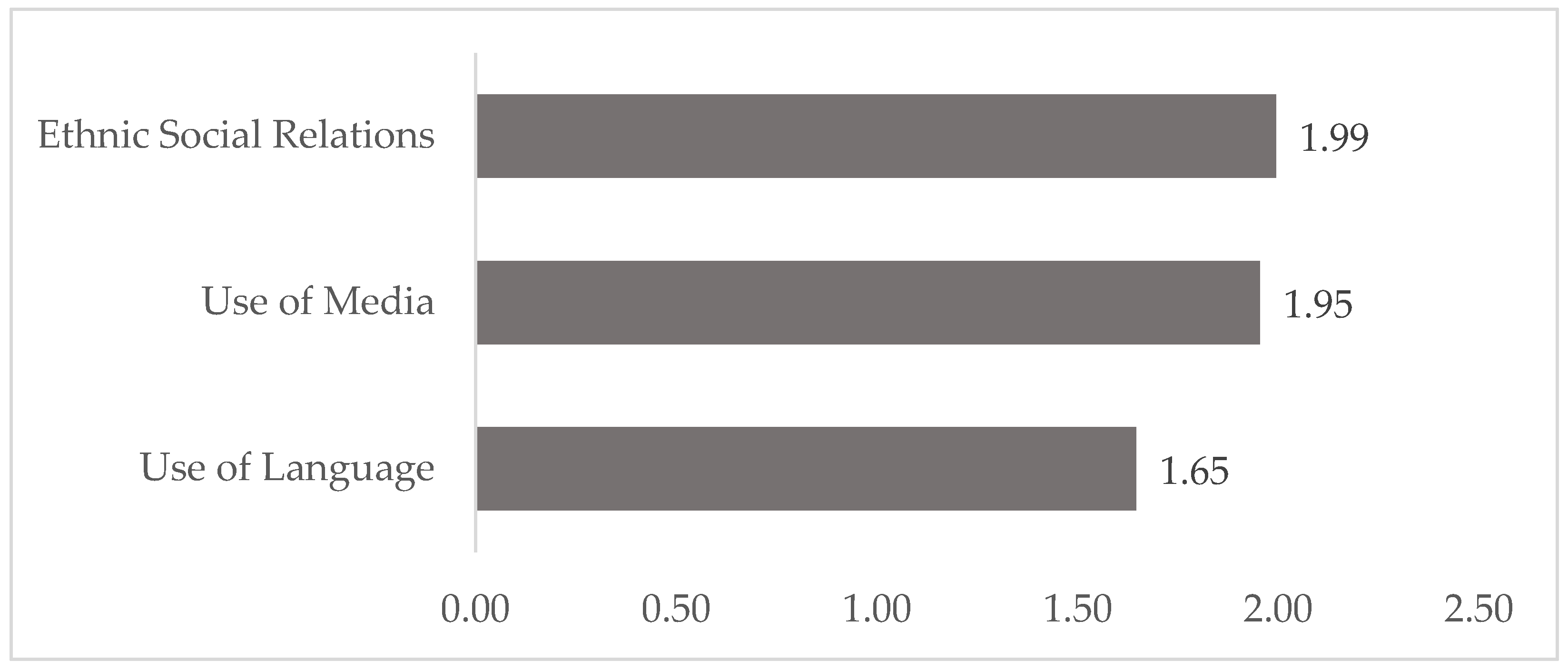
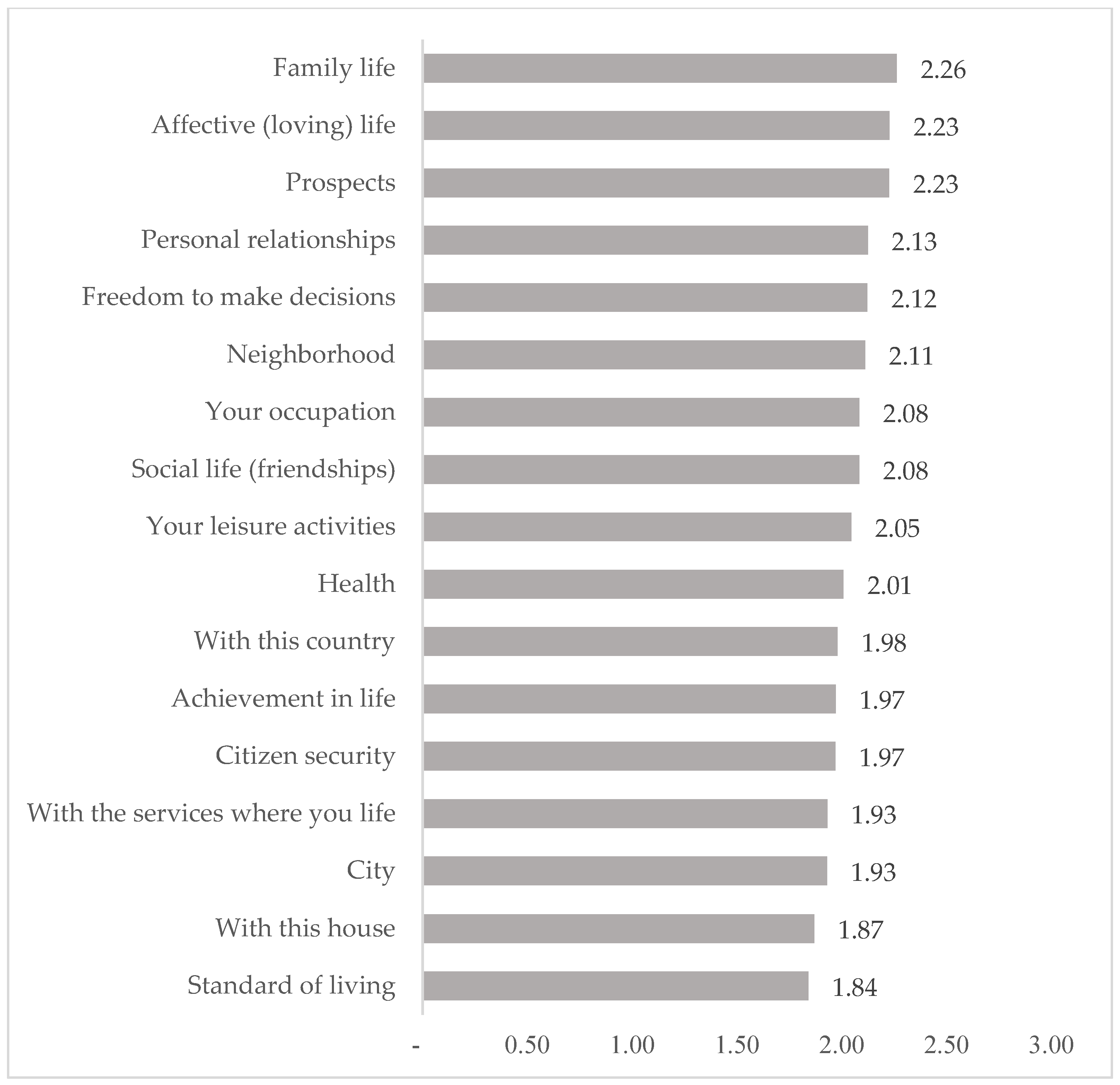
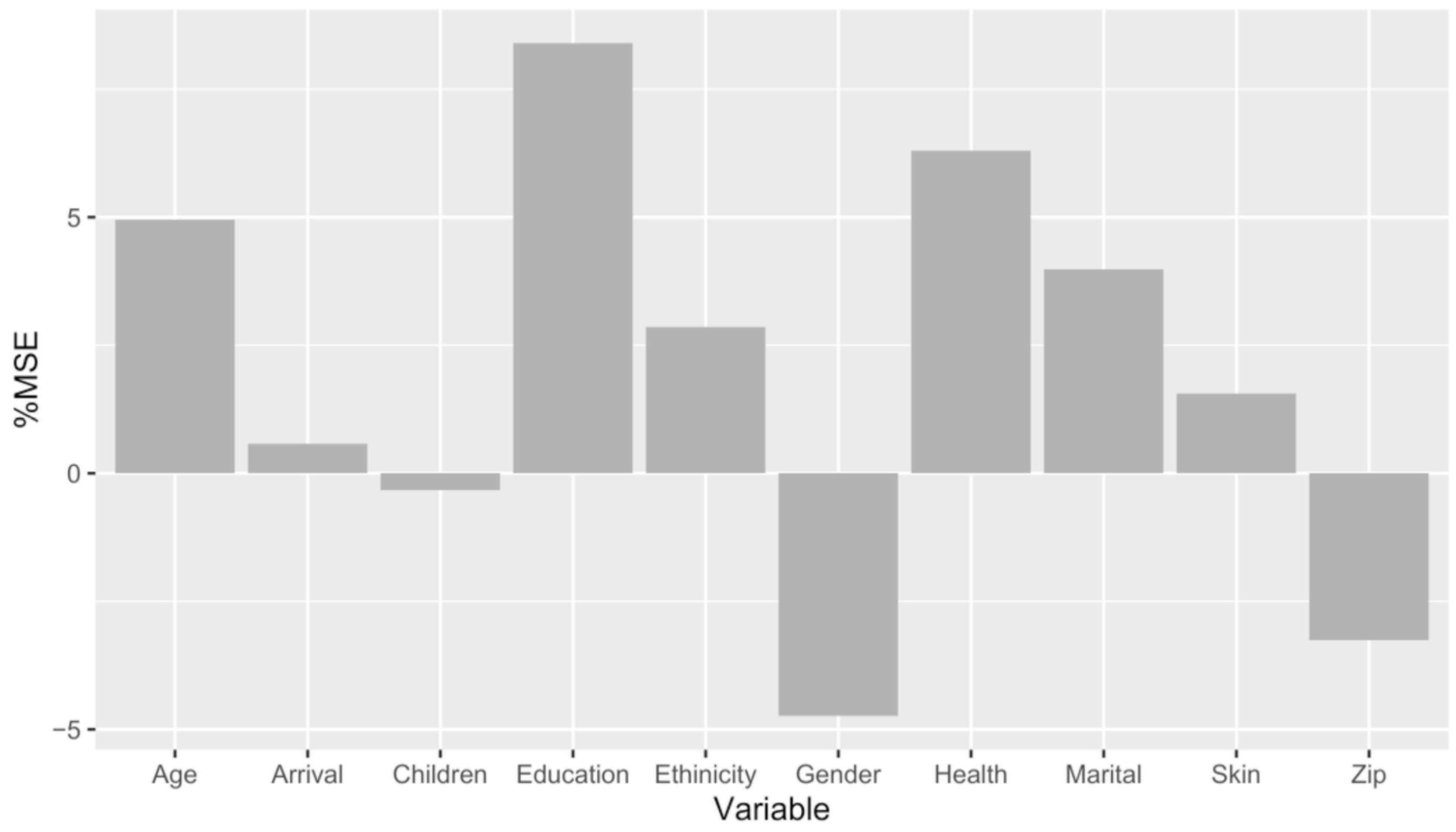
Using an adapted HCHS/SOL V2-Acculturaton survey, we found low acculturation levels among for all participants (Figure 5). The first five items (range from 1 = only Spanish to 5 = only English) addressed the use of language to estimate an acculturation index with a mean score of 1.65 (SD = 0.12), and the following three items measured the use of media at home with a mean score of 1.95 (SD = 0.01). The last four questions of this survey (range from 1 = all Hispanics to 5 = all non-Hispanics) evaluated ethnic preferences for social interactions, producing a mean score of 1.99 (SD = 0.06). The use of Spanish language, entertainment, and within this community causes their isolation in NYC; these low acculturation scores are likely connected with the subject’s place of birth, age of arrival to the U.S., years of schooling, and socioeconomic status. Also, the satisfaction with life instrument (range 0–3) showed that the average scores are close to two, which implies that participants are reasonably satisfied with most aspects of life in NYC. Standards of living, access to public services, and housing were not satisfactory, likely because of low earnings or lack of legal status in the US (Figure 6). Based on the importance scores predictor variables, education remains the top determinant of income in this sample; both the logit model and random forest approach support this result, as expected. Although IMLA may not be able to find a job that is suitable for their education level, more educated households can make better decisions and eventually help the family increase its income. Also, the higher the educational level, the easier for IMLA to use English to communicate with others (Figure 7).

4. Discussion

Humanitarian migration is a historically and legally accepted approach but may increase inequities affecting vulnerable groups across gender, age, education, income, and race/ethnicity. Contrarywise, merit-based immigration rewards high-paying job offers, English proficiency, and education, which happens to be economically efficient for the host country and the immigrant. Regrettably, most IMLA in our sample lack legal status, which contributes to wider economic and health inequalities (DelaCruz 2022). Indigenous groups speaking Mixtec, Chinantec, Otomi, Nahuatl, Quiche, Quechua, and Garifuna in NYC have faced economic hardship and social isolation (Lubbock Avalanche-Journal 2011). Having a female as the head of household is common among IMLA; seemingly, high fertility rates are associated with low income and with high participation of women as the head of the household (Pezzulo et al. 2021; Coale 1977). A better understanding of IMLA groups is relevant because the current literature on immigration focuses on disparities among diverse ethno-racial communities in the U.S. rather than disparities within communities of shared origin, emphasizing their disadvantage due to legal status (Asad and Hwang 2019).
The US is by far the largest recipient of both skilled and unskilled immigrants from all over the world, with being Hispanics more than 62 million in 2020 (Pew Research Center 2020; Pew Research Center 2021). Yet, the number of unauthorized migrants is unknown, and estimates9 show that 22.1 million live undocumented, compared to a widely accepted number of 11.3 million people (Fazel-Zarandi et al. 2018). Migration inflows to the U.S., particularly IMLA, are made of “younger average age, higher presence of married households, and lower educational levels than the overall US population” (Alarcón et al. 2016). IMLA usually perform low-wage jobs that workers in NYC are unwilling to do (Adda et al. 2022), but those living in rural areas are likely better off in terms of job opportunities. Thus, income inequality among Hispanics has increased in the past years in the city. Nationwide data shows that white families have a median wealth of USD 188,200, while Hispanic families have a median wealth of USD 36,100 (Carmona 2023). The U.S. school system reproduces white or Eurocentric norms that are treated as universal notions of citizenship and intelligence that marginalize Mexican-origin and transnational communities; these norms neglect the presence of shared knowledges of diasporic communities to navigate within an unequal social and economic system (Urrieta 2017; Calderón and Urrieta 2019).
Household income in our sample (USD 25,000) was way below the median household income (in 2022 USD) of USD 76,607 per year (U.S. Census Bureau 2022); furthermore, when considering median household income based on detailed ancestry, Mexicans are ranked 93rd, followed by Puerto Ricans10. Differences in income among Hispanics are likely related to their legal status and educational attainments; only 48.7% of Mexicans have at least a high school diploma, compared to 63.3% of Puerto Ricans and 68.7% of Cubans (Vélez 2008). National and NYC employment data reveal that Hispanics, particularly Mexicans, are underrepresented in skilled jobs (commerce, finance, STEM, legal, and healthcare) but overrepresented in unskilled jobs (services, production, and agriculture). In our sample, IMLA were made of unskilled workers, which impacts their occupational choice and restrains their chances for vertical mobility. Having low skills is costly not only for this group but also for the overall economy due to losses in productivity and as per the underutilization of the migrant labor force (Kossoudji 1988).
The growing body of literature on immigration and education examines how diasporic communities negotiate identity, knowledge, and belonging within contexts shaped by colonial domination, migration, and schooling. A key point of this school of thought is that erasing history and knowledge helps maintain inequality, while hiding the harm caused by colonialism and ignoring what communities know; the result of this process is that exclusion seems acceptable or normal (Riva 2022). In our sample, years of schooling were quite low when compared to the U.S. mean of 13.3 years11. Upward mobility across IMLA with inadequate education requires interventions and policies aiming to foster education at all levels, improve language homogenization, and raise acculturation levels (Buchmann et al. 2021; Ramirez Surmeier et al. 2023; Mendoza et al. 2018). Furthering education among Indigenous migrant families will increase literacy and language skills but would reduce their propensity to speak their home country’s language. Improving IMLA’s chances of finding well-paid jobs is beneficial for society; more education means better human capital available to produce higher-quality goods and services in the economy (Gillman 2021; Gómez 2022). English language proficiency is an observable aspect of the acculturation process and a factor that would increase earnings later, which is the goal of migration (Gindelsky 2019); yet, IMLA find it difficult to learn the language and attend school as they must work longer hours in low-paid jobs to provide for their multigenerational families. However, there is a tendency for low-wage IMLA to explore self-employment opportunities; during the data collection process, entrepreneurship offered Indigenous migrants a chance for economic progress and social integration by enabling them to establish new businesses, while creating job opportunities and generating profits. The benefits of free enterprise among migrants are documented in the current literature (Azoulay et al. 2022; Wang and Li 2007).
Existing disparities in income, along with differential exposure to diseases and social stratification in NYC have shaped significant disadvantages for vulnerable communities. These circumstances have stimulated the marginalization of Indigenous migrant communities across the five boroughs; IMLA find themselves isolated and socially disorganized, often facing numerous barriers that impede their full integration into the American culture. Recent studies on Chicana/o claims to indigeneity show that they can simultaneously express political solidarity while also reproducing colonial frameworks that marginalize Indigenous peoples (Cotera and Saldaña-Portillo 2014). Building on these critiques, current scholarship extends the analysis to STEM education, where researchers advocate for culturally sustaining and Indigenous-centered pedagogies to challenge epistemic exclusion and support Indigenous students’ educational experiences (Gomez and Shermadou 2025).
Lack of acculturation and poor language skills undermine the social adaptation of individuals to a new environment and their access to better job opportunities. Yet, the challenge lies in balancing the societal integration of IMLA while preserving their native cultural values. There is a concern that attendance to the school system in America may result in a loss of their culture and native identity; to overcome poverty and marginalization, culturally tailored policies should encourage acculturation to empower Indigenous migrants to embrace and preserve their unique cultural identities, rather than assimilation that entails relinquishing one’s previous sense of self. IMLA in NYC struggle with discrimination based on their skin tone (colorism). These challenges hinder their upward mobility and add an extra burden to their journey toward achieving greater socioeconomic progress. Discrimination based on skin tone among IMLA extends to the provision of health care; as a matter of fact, being U.S.-born and having a higher education is not protective against bias to access health services (Findling et al. 2019). Furthermore, Sanchez (2024) reveals how Latina/o youth deal with negative assumptions about them by using resources in their communities while going to schools that are separated and unequal. Awareness of discrimination worsens among IMLA who have preserved distinct cultural features that are disparate from those observed in other segments of the national population. Skin tone is important for IMLA in NYC because it is perceived as a source of discrimination and is related to fewer chances for the darker people to get ahead economically as well as to access educational and health services (Noe-Bustamante et al. 2021; Cuevas et al. 2016). Bilingualism of Spanish/Indigenous dialects for those raised in rural communities of Latin America as well as Spanish/English for those born or brought in at a young age were common in this study. Regarding IMLA acculturation levels, U.S. Census and American Community Survey (ACS) data indicate that around 94% of Hispanics and Mexicans born abroad speak Spanish at home, whereas 42% of U.S.-born Hispanics and Mexicans use English at home.
IMLA in NYC are disproportionately affected by the burden of disease due to poverty. The overall health in the sample was good, which is remarkable and undoubtedly attributed to the closeness and collective nature of Hispanic families, who usually experience better mental and physical health than U.S.-born individuals (Markides et al. 2013; Diaz and Niño 2019). However, lack of access to healthcare makes them more vulnerable to the randomness of health. Depression among Hispanics is often misdiagnosed due to cultural, language, and health literacy barriers (Lewis-Fernandez et al. 2005; Bailey et al. 2019). Medical conditions such as hypertension, obesity, diabetes, asthma, HIV/AIDS, and kidney disease are significantly prevalent in the Hispanic community (Kim et al. 2021). IMLA in NYC experienced health disadvantages and these differentials are amplified by psychosocial factors such as depression and substance use. Stigma and discrimination also contribute to negative health outcomes; when seeking medical attention, personnel consciously or unconsciously categorize Indigenous and Hispanic patients as non-compliant, having language barriers, lacking health literacy, and being risk takers in health decisions (Bean et al. 2014). Thus, breaking the cycle of poverty among IMLA is puzzling if education and occupation determine their socioeconomic status and predict health outcomes (Deaton 2008). By the same token, the legal status of Indigenous migrants added additional barriers and was a significant deterrent to moving up the societal ladder (Hall et al. 2010).
It is worth noting that improving language skills among IMLA may result in a loss of identification with their own culture. An evolving cultural assimilation should be carefully examined alongside strategies to preserve and celebrate their native identities and should be left to the immigrant’s decision, who may place a higher value on their cultural heritage than immersing into the host country’s way of life. Striking a balance that respects IMLA’s heritage while facilitating integration into mainstream society is important and needs careful consideration. Efforts to uplift these communities should consider their unique needs; fostering tailored support systems to help them integrate successfully into society is paramount. However, overcoming socioeconomic barriers such as discrimination is a steep obstacle.

5. Conclusions

Indigenous migrants across the U.S. have been disregarded in the economic literature because census data encapsulates all Spanish-speaking individuals as Hispanics, thus neglecting the presence of original peoples. Whereas Garifuna women and Indigenous Mexicans in NYC seemed to be more cohesive and organized, South American Indigenous people were harder to reach for this study. Using primary data collected from a non-random sample (n = 121), we conducted a broad analysis of demographic, epidemiological, and socioeconomic factors to gain insights into the contextual determinants of income among Indigenous migrant communities residing in NYC. Our research findings not only provided a deeper understanding of IMLA’s unique status and needs but also emphasized the urgent necessity to advocate for more inclusive policies that specifically cater to them. Developing policies to support education and promote an inclusive labor force for the most vulnerable subgroup among Hispanics is paramount. Enabling learning English and attending middle and higher education will be instrumental in the integration of immigrants into labor markets. We acknowledge the limitations in our empirical method related to the small sample size.
A key finding from our study, supported by both the logit model and random forest methodology, highlights the continued significance of schooling as the primary determinant of income for Indigenous migrants. We also established the importance of acculturation and language proficiency in their quest for a better income status. In terms of policy, improving education among IMLA in NYC requires language-inclusive, culturally sustaining school practices and policies that partner with community organizations to counter deficit assumptions and structural barriers. However, we observed that despite their willingness to become members of a society full of opportunities, discrimination based on skin tone persistently undermines their progress. To further advance upward mobility among Indigenous migrants, we must gain deeper insights into their migration experiences.

Author Contributions

Conceptualization, J.J.D.; Methodology, J.J.D., A.K. and T.S.S.; Formal Analysis, J.J.D., A.K. and T.S.S.; Data Curation, J.J.D.; Writing—Original Draft, J.J.D., A.K. and T.S.S.; Writing—Review and Editing, A.K. and T.S.S.; Visualization, J.J.D., A.K. and T.S.S.; Funding Acquisition, J.J.D. All authors have read and agreed to the published version of the manuscript.

Funding

The study was funded by the Research Foundation of The City University of New York, 7W205-05 01.

Institutional Review Board Statement

The study was conducted in accordance with the Declaration of Helsinki and approved by the Institutional Review Board of The City University of New York (protocol code 2022-0749 as of 29 November 2024).

Informed Consent Statement

Informed consent was obtained from all subjects involved in the study.

Data Availability Statement

The data presented in this study are available on request from the corresponding author. (To comply with confidentiality of survey participants).

Conflicts of Interest

The authors declare no conflict of interest.

Notes

1
Retrieved 1 June 2022, from https://www.iwgia.org/en/.
2
3
Retrieved 30 September 2023, from https://www.cdc.gov/nchs/fastats/hispanic-health.htm.
4
5
6
7
The detailed results of ordered logit are available upon request.
8
Retrieved 1 September 2023, from https://perla.princeton.edu/.
9
10
11

References

  1. Adda, Jérôme, Christian Dustmann, and Joseph S. Görlach. 2022. The dynamics of return migration, human capital accumulation, and wage assimilation. The Review of Economic Studies 89: 2841–71. [Google Scholar] [CrossRef]
  2. Alarcón, Renato D., Anita Parekh, Marcela L. Wainberg, Cristiane S. Duarte, Ricardo Araya, and Maria A. Oquendo. 2016. Hispanic immigrants in the USA: Social and mental health perspectives. The Lancet Psychiatry 3: 860–70. [Google Scholar] [CrossRef] [PubMed]
  3. Andrade, Chittaranjan. 2021. The inconvenient truth about convenience and purposive samples. Indian Journal of Psychological Medicine 43: 86–88. [Google Scholar] [CrossRef]
  4. Asad, Asad L., and Jackelyn Hwang. 2019. Indigenous places and the making of undocumented status in Mexico-US migration. International Migration Review 53: 1032–77. [Google Scholar] [CrossRef]
  5. Azoulay, Pierre, Benjamin F. Jones, J. Daniel Kim, and Javier Miranda. 2022. Immigration and entrepreneurship in the United States. American Economic Review: Insights 4: 71–88. [Google Scholar] [CrossRef]
  6. Bailey, Rahn Kennedy, Josephine Mokonogho, and Alok Kumar. 2019. Racial and ethnic differences in depression: Current perspectives. Neuropsychiatric Disease and Treatment 15: 603–9. [Google Scholar] [CrossRef]
  7. Barbaro, Michael (Host), Lisa Garrison, Lisa Vander Ploeg, Leila Chow, and Lauren Tobin. 2020. The Story of Two Brothers from Mexico. The Daily. The New York Times. May 26. Available online: https://www.nytimes.com/2020/05/26/podcasts/the-daily/immigration-coronavirus.html (accessed on 1 June 2023).
  8. Bean, Meghan G., Elizabeth S. Focella, Rebecca Covarrubias, Jeff Stone, Gordon B. Moskowitz, and Terry A. Badger. 2014. Documenting nursing and medical students’ stereotypes about Hispanic and American Indian patients. Journal of Health Disparities Research and Practice 7: 14. [Google Scholar]
  9. Bermeo, Sarah. 2021. Climate Migration and Climate Finance: Lessons from Central America. Washington, DC: Brookings Institution, November 19, Available online: https://www.brookings.edu/articles/climate-migration-and-climate-finance-lessons-from-central-america/ (accessed on 24 January 2026).
  10. Biddle, Nicholas. 2015. Indigenous income, wellbeing and behaviour: Some policy complications. Economic Papers: A Journal of Applied Economics and Policy 34: 139–49. [Google Scholar] [CrossRef]
  11. Billger, Sherrilyn M., and Carlos Lamarche. 2015. A panel data quantile regression analysis of the immigrant earnings distribution in the United Kingdom and United States. Empirical Economics 49: 705–50. [Google Scholar] [CrossRef]
  12. Blackwell, Maylei, Floridalma Boj Lopez, and Luis Urrieta. 2017. Special issue: Critical Latinx indigeneities. Latino Studies 15: 126–37. [Google Scholar] [CrossRef]
  13. Borgen Project. 2017. Five Important Facts About Indigenous Education in Mexico. November 27. Available online: https://borgenproject.org/5-important-facts-about-indigenous-education-in-mexico/ (accessed on 15 September 2023).
  14. Brell, Courtney, Christian Dustmann, and Ian Preston. 2020. The labor market integration of refugee migrants in high-income countries. Journal of Economic Perspectives 34: 94–121. [Google Scholar] [CrossRef]
  15. Buchmann, Marlis, Irene Kriesi, Sabrina Bayard, Fabienne Sander, and Susanne Bundel. 2021. Upward mobility of students from lower-educated families in stratified educational systems: The role of social capital and work habits. Journal of Youth and Adolescence 50: 391–407. [Google Scholar] [CrossRef]
  16. Calderón, Dolores, and Luis Urrieta. 2019. Studying in Relation: Critical Latinx Indigeneities and Education. Equity & Excellence in Education 52: 219–38. [Google Scholar] [CrossRef]
  17. Cano, Manuel, Andrea G. Perez Portillo, Victor Figuereo, Abir Rahman, Javier Reyes-Martínez, Robert Rosales, Miguel Ángel Cano, Christopher P. Salas-Wright, and David T. Takeuchi. 2021. Experiences of ethnic discrimination among US Hispanics: Intersections of language, heritage, and discrimination setting. International Journal of Intercultural Relations 84: 233–50. [Google Scholar] [CrossRef] [PubMed]
  18. Carmona, Tania. 2023. Understanding Latino Wealth to Address Disparities and Design Better Policies. Washington, DC: Brookings Institution, July 13, Available online: https://www.brookings.edu/articles/understanding-latino-wealth/ (accessed on 1 October 2023).
  19. Coale, Ansley J. 1977. Population growth and economic development: The case of Mexico. Foreign Affairs 56: 415. [Google Scholar] [CrossRef]
  20. Cotera, María E., and María Josefina Saldaña-Portillo. 2014. Indigenous but Not Indian? Chicanos and the politics of indigeneity. In The World of Indigenous North America. Edited by R. Warrior. New York: Routledge, pp. 549–68. [Google Scholar] [CrossRef]
  21. Cuevas, Adolfo G., Bethany A. Dawson, and David R. Williams. 2016. Race and skin color in Latino health: An analytic review. American Journal of Public Health 106: 2131–36. [Google Scholar] [CrossRef]
  22. Daftary, Karishma, Sneha Poondru, Nisha Patel, Maya Shramuk, LaShon Muhammad, and Rashmi V. Kundu. 2023. Colorism attitudes and use of skin lightening agents in the United States. International Journal of Women’s Dermatology 9: e092. [Google Scholar] [CrossRef]
  23. Deaton, Angus. 2008. Income, health, and well-being around the world: Evidence from the Gallup World Poll. Journal of Economic Perspectives 22: 53–72. [Google Scholar] [CrossRef]
  24. DelaCruz, Juan J. 2022. A Century of Mexican Migration in the United States: Who Are We? What Do We Do? Where Are We Going? Available online: https://asheweb.org/wp-content/uploads/2023/01/HEO-2022-Issue.pdf (accessed on 24 January 2026).
  25. Diaz, Christina J., and Michael Niño. 2019. Familism and the Hispanic health advantage: The role of immigrant status. Journal of Health and Social Behavior 60: 274–90. [Google Scholar] [CrossRef] [PubMed]
  26. Edgar, Thomas W., and David O. Manz. 2017. Research Methods for Cyber Security: Convenience Sampling. In Research Methods for Cyber Security. Burlington: Syngress, chap. 3. Available online: https://www.sciencedirect.com/topics/computer-science/convenience-sampling (accessed on 24 January 2026).
  27. Fazel-Zarandi, Mohammad M., Jeffrey S. Feinstein, and Edward H. Kaplan. 2018. The number of undocumented immigrants in the United States: Estimates based on demographic modeling with data from 1990 to 2016. PLoS ONE 13: e0201193. [Google Scholar] [CrossRef]
  28. Findling, Mary G., Shanoor N. Bleich, Lisa S. Casey, Robert J. Blendon, John M. Benson, Justin M. Sayde, and Carolyn Miller. 2019. Discrimination in the United States: Experiences of Latinos. Health Services Research 54: 1409–18. [Google Scholar] [CrossRef]
  29. Fox, Jonathan, and Gaspar Rivera-Salgado. 2004. Indigenous Mexican Migrants in the United States. San Diego: Center for US-Mexican Studies. ISBN 1878367501. [Google Scholar]
  30. Gavalas, Vasilios S., George M. Korres, and Athanasios Giannakos. 2013. Immigrant Populations and the Labour Market in Greece at the Beginning of the Twenty-First Century. International Migration 51: 186–212. [Google Scholar] [CrossRef]
  31. Gillman, Michael. 2021. Steps in industrial development through human capital deepening. Economic Modelling 99: 105470. [Google Scholar] [CrossRef]
  32. Gindelsky, Marina. 2019. Testing the acculturation of the 1.5 generation in the United States: Is there a “critical” age of migration? Review of Economics of the Household 17: 31–65. [Google Scholar] [CrossRef]
  33. Gomez, Luis Z., and Aminata Shermadou. 2025. Bridging the Gap: Translating Research Centered on Diasporic Indigenous students to Engineering Education (Work in Progress). Paper presented at the 2025 ASEE Annual Conference, Montreal, QC, Canada, June 22–25. [Google Scholar] [CrossRef]
  34. Gomez-Cravioto, Daniela A., Ramon E. Diaz-Ramos, Neil Hernandez-Gress, Jose Luis Preciado, and Hector G. Ceballos. 2022. Supervised machine learning predictive analytics for alumni income. Journal of Big Data 9: 11. [Google Scholar] [CrossRef]
  35. Gómez, Ariel. 2022. Rural Education, Nation-Building, and Ethnic Assimilation in Post-Revolutionary Mexico. September. Available online: https://scholar.harvard.edu/arielgomez/research (accessed on 1 October 2023).
  36. Hall, Gillette, and Harry Anthony Patrinos. 2005. Latin America’s indigenous peoples. Finance & Development. December. Available online: https://www.imf.org/external/pubs/ft/fandd/2005/12/hall.htm (accessed on 15 June 2023).
  37. Hall, Matthew, Emily Greenman, and George Farkas. 2010. Legal status and wage disparities for Mexican immigrants. Social Forces 89: 491–513. [Google Scholar] [CrossRef] [PubMed]
  38. Holmes, Seth M. 2013. Fresh Fruit, Broken Bodies: Migrant Farmworkers in the United States, 1st ed. Berkeley: University of California Press. Available online: http://www.jstor.org/stable/10.1525/j.ctt7zw45x (accessed on 1 June 2023).
  39. International Organization for Migration. 2020. World Migration Report 2020. Available online: https://publications.iom.int/system/files/pdf/wmr_2020.pdf (accessed on 1 June 2023).
  40. International Work Group for Indigenous Affairs. n.d. International Work Group for Indigenous Affairs (IWGIA). Available online: https://www.iwgia.org/en/ (accessed on 1 June 2022).
  41. Jager, Justin, David L. Putnick, and Marc H. Bornstein. 2017. II. More than just convenient: The scientific merits of homogeneous convenience samples. Monographs of the Society for Research in Child Development 82: 13–30. [Google Scholar] [CrossRef]
  42. Kakolyris, Andreas, Juan J. DelaCruz, and Christos I. Giannikos. 2022. COVID-19, Race/Ethnicity, and Age: The Role of Telemedicine to Close the Gaps on Health Disparities. Journal of Economics, Race, and Policy 5: 241–51. [Google Scholar] [CrossRef]
  43. Kang, Li, and Guangyu Zhao. 2022. Financial support for unmet need for personal assistance with daily activities: Implications from China’s long-term care insurance pilots. Finance Research Letters 45: 102590. [Google Scholar] [CrossRef]
  44. Kim, Christine, Brian Stierman, Craig M. Hales, and Cheryl L. Ogden. 2021. Race and Hispanic-Origin Disparities in Underlying Medical Conditions Associated with Severe COVID-19 Illness: U.S. Adults, 2015–2018; Report No. 154. Atlanta: National Center for Health Statistics, April 28. Available online: https://www.cdc.gov/nchs/data/nhsr/nhsr154-508.pdf (accessed on 1 October 2023).
  45. Kossoudji, Sherrie A. 1988. English language ability and the labor market opportunities of Hispanic and East Asian immigrant men. Journal of Labor Economics 6: 205–28. [Google Scholar] [CrossRef]
  46. Lewis-Fernandez, Roberto, Anil K. Das, Carlos Alfonso, Myrna M. Weissman, and Mark Olfson. 2005. Depression in US Hispanics: Diagnostic and management considerations in family practice. The Journal of the American Board of Family Practice 18: 282–96. [Google Scholar]
  47. Lubbock Avalanche-Journal. 2011. Immigrants Cite Lack of Spanish as Huge Barrier. May 29. Available online: https://www.lubbockonline.com/story/news/nation-world/2011/05/29/immigrants-cite-lack-spanish-huge-barrier/15231996007/ (accessed on 1 June 2023).
  48. Markides, Kyriakos S., Ronald J. Angel, and M. Kristen Peek. 2013. Aging, health, and families in the Hispanic population: Evolution of a paradigm. In Kinship and Cohort in an Aging Society: From Generation to Generation. Baltimore: Johns Hopkins University Press. [Google Scholar]
  49. Marteleto, Leticia, Denise Gelber, Cynthia Hubert, and Victor Salinas. 2012. Educational inequalities among Latin American adolescents: Continuities and changes over the 1980s, 1990s and 2000s. Research in Social Stratification and Mobility 30: 352–75. [Google Scholar] [CrossRef] [PubMed]
  50. McCabe, David J. 2019. Self-Analysis: Do I Comprehend Case Series and Cohort Studies? A Fellow’s Perspective. Journal of Medical Toxicology 15: 141–42. [Google Scholar] [CrossRef]
  51. Mendoza, Sonia, Adria N. Armbrister, and Ana F. Abraído-Lanza. 2018. Are you better off? Perceptions of social mobility and satisfaction with care among Latina immigrants in the US. Social Science & Medicine 219: 54–60. [Google Scholar] [CrossRef]
  52. Noe-Bustamante, Luis, Ana Gonzalez-Barrera, Khadijah Edwards, Lauren Mora, and Mark H. Lopez. 2021. Majority of Latinos Say Skin Color Impacts Opportunity in America and Shapes Daily Life. Washington, DC: Pew Research Center, November 4, Available online: https://www.pewresearch.org/race-and-ethnicity/2021/11/04/majority-of-latinos-say-skin-color-impacts-opportunity-in-america-and-shapes-daily-life/ (accessed on 1 September 2023).
  53. OECD. 2019. PISA 2018: Insights and Interpretations. Paris: OECD Publishing. Available online: https://www.oecd.org/pisa/PISA%202018%20Insights%20and%20Interpretations%20FINAL%20PDF.pdf (accessed on 20 June 2023).
  54. OECD. 2022. Population with Tertiary Education. Available online: https://data.oecd.org/eduatt/population-with-tertiary-education.htm (accessed on 1 June 2022).
  55. OECD, and The World Bank. 2020. Health at a Glance: Latin America and the Caribbean 2020. Paris: OECD Publishing. [Google Scholar] [CrossRef]
  56. Penton-Herrera, Luis J. 2018. Indigenous Students from Latin America in the United States. Observatorio Reports No. 042-08/2018EN. Cambridge: Cervantes Institute at the Faculty of Arts and Sciences of Harvard University. [Google Scholar] [CrossRef]
  57. Perreira, Krista M., and Edward E. Telles. 2014. The color of health: Skin color, ethno-racial classification, and discrimination in the health of Latin Americans. Social Science & Medicine 116: 241–50. [Google Scholar]
  58. Pew Research Center. 2020. Key Findings About U.S. Immigrants. August 20. Available online: https://www.pewresearch.org/fact-tank/2020/08/20/key-findings-about-u-s-immigrants/ (accessed on 14 April 2023).
  59. Pew Research Center. 2021. Who Is Hispanic? Available online: https://www.pewresearch.org/fact-tank/2021/09/23/who-is-hispanic/ (accessed on 1 June 2022).
  60. Pezzulo, Carla, Kristine Nilsen, Alessandra Carioli, Natalia Tejedor-Garavito, Sophie E. Hanspal, Theodor Hilber, and Andrew J. Tatem. 2021. Geographical distribution of fertility rates in 70 low-income, lower-middle-income, and upper-middle-income countries, 2010–16: A subnational analysis of cross-sectional surveys. The Lancet Global Health 9: e802–12. [Google Scholar] [CrossRef]
  61. Politi, Daniel. 2021. Indigenous people face a unique risk that is poorly understood, a W.H.O. official said. The New York Times. August 4. Available online: https://www.nytimes.com/2021/08/04/world/americas/indigenous-coronavirus-data.html (accessed on 1 June 2023).
  62. Ramirez Surmeier, Ladanya, Miles G. Taylor, and Dawn C. Carr. 2023. Life Satisfaction and Intergenerational Mobility Among Older Hispanics in the United States. Journal of Aging and Health 35: 50–61. [Google Scholar] [CrossRef]
  63. Reichman, Daniel R. 2022. Putting climate-induced migration in context: The case of Honduran migration to the USA. Regional Environmental Change 22: 91. [Google Scholar] [CrossRef] [PubMed]
  64. Riva, Silvia. 2022. Tracing Invisibility as a Colonial Project: Indigenous Women Who Seek Asylum at the U.S.-Mexico Border. Journal of Immigrant & Refugee Studies 20: 584–97. [Google Scholar] [CrossRef]
  65. Roth, Wendy D., and Andrés Marin. 2021. The role of skin color in Latino social networks: Color homophily in sending and receiving societies. Sociology of Race and Ethnicity 7: 175–93. [Google Scholar] [CrossRef] [PubMed]
  66. Sanchez, Diego. 2024. The Children of Solaga: Indigenous Belonging Across the U.S.-Mexico Border. Stanford: Stanford University Press. 202p, ISBN 9781503641389. [Google Scholar]
  67. Soloff, Andrea K. 2020. In New York City, indigenous Mexicans battle coronavirus amid language barriers, bias. NBC News. May 16. Available online: https://www.nbcnews.com/news/latino/new-york-city-indigenous-mexicans-battle-coronavirus-amid-language-barriers-n1206136 (accessed on 1 June 2022).
  68. Stephen, Lynn. 2007. Transborder Lives: Indigenous Oaxacans in Mexico, California, and Oregon. Durham: Duke University Press. Available online: https://muse.jhu.edu/book/70313 (accessed on 1 June 2022).
  69. Torres, Carlos. 2011. Some NY immigrants cite lack of Spanish as a barrier. The San Diego Union-Tribune. May 28. Available online: https://www.sandiegouniontribune.com/sdut-some-ny-immigrants-cite-lack-of-spanish-as-barrier-2011may28-story.html (accessed on 1 December 2023).
  70. UNESCO. 2020. Global Education Monitoring Report 2020: Inclusion and Education—All Means All. Available online: https://gem-report-2020.unesco.org/latin-america-and-the-caribbean/ (accessed on 30 September 2023).
  71. United Nations Development Programme. 2022. Human Development Report 2021/2022: Uncertain Times, Unsettled Lives—Shaping Our Future in a Transforming World. Available online: https://hdr.undp.org/system/files/documents/global-report-document/hdr2021-22reportenglish_0.pdf (accessed on 24 January 2026).
  72. Urrieta, Luis. 2017. Identity, violence, and authenticity: Challenging static conceptions of indigeneity. Latino Studies 15: 254–61. [Google Scholar] [CrossRef]
  73. Urrieta, Luis, Jr., and Dolores Calderón. 2019. Critical Latinx Indigeneities: Unpacking Indigeneity from Within and Outside of Latinized Entanglements. Association of Mexican American Educators Journal 13: 145–74. [Google Scholar] [CrossRef]
  74. U.S. Census Bureau. 2022. Quick Facts: New York City, New York (HSG010222). Available online: https://www.census.gov/quickfacts/fact/table/newyorkcitynewyork/HSG010222 (accessed on 1 December 2023).
  75. U.S. Census Bureau. 2023. Quick Facts. Available online: https://www.census.gov/quickfacts/fact/table/US/RHI725222 (accessed on 1 June 2023).
  76. Valenzuela, Joseph, Lori E. Crosby, and R. Rae Harrison. 2020. Commentary: Reflections on the COVID-19 pandemic and health disparities in pediatric psychology. Journal of Pediatric Psychology 45: 839–41. [Google Scholar] [CrossRef]
  77. Vélez, William. 2008. The educational experiences of Latinos in the United States. In Latinas/os in the United States: Changing the Face of America. Boston: Springer, pp. 129–48. [Google Scholar]
  78. Wang, Qian, and Wei Li. 2007. Entrepreneurship, ethnicity and local contexts: Hispanic entrepreneurs in three US southern metropolitan areas. GeoJournal 68: 167–82. [Google Scholar] [CrossRef]
  79. Wodon, Quentin, and Gabriela Cosentino. 2019. Education, Language, and Indigenous Peoples. Education for Global Development. August 7. Available online: https://blogs.worldbank.org/education/education-language-and-indigenous-peoples (accessed on 24 January 2026).
  80. Yescas, Cirilo. 2010. Hidden in Plain Sight: Indigenous Migrants, Their Movements, and Their Challenges. Washington, DC: Migration Policy Institute. [Google Scholar]
  81. Zhirkov, Kirill, and Roni Smilan-Goldstein. 2025. US sanctuary policies and Mexicans’ migration preferences: A conjoint-experimental study. International Migration Review 59: 260–73. [Google Scholar] [CrossRef]
  82. Zuniga, María Luisa, Pedro Lewin-Fischer, Debra Cornelius, Wayne Cornelius, Shira Goldenberg, and David Keyes. 2014. A transnational approach to understanding indicators of mental health, alcohol use and reproductive health among Indigenous Mexican migrants. Journal of Immigrant and Minority Health 16: 329–39. [Google Scholar] [CrossRef] [PubMed]
Figure 1. Participating households’ geographical distribution.
Socsci 15 00086 g001
Figure 2. Languages spoken by Indigenous migrants in New York City.
Socsci 15 00086 g002
Figure 3. Share of Indigenous migrants who experienced discrimination in New York City.
Socsci 15 00086 g003
Figure 4. Perception of discrimination using the PERLA color palette. Range: A = darkest skin to K = lightest skin. Source: https://perla.princeton.edu/perla-color-palette/ (accessed on 1 September 2023).
Socsci 15 00086 g004
Figure 5. Socialization, use of media, and use of language among Indigenous migrants in New York City. Range: language and use of media (1 = only Spanish to 5 = only English) and socializing (1 = all Hispanic to 5 = all non-Hispanic).
Socsci 15 00086 g005
Figure 6. Satisfaction with life among Indigenous migrants in New York City. Range: 0 = very dissatisfied, 3 = very satisfied.
Socsci 15 00086 g006
Figure 7. Importance scores of predictor variables. %MSE = percent change in mean squared errors. The random forest library in R (version 4.3.3) was used to conduct the random forest analysis.
Socsci 15 00086 g007
Table 1. Basic statistics.
VariablesSample
Proportion
VariablesSample
Proportion
Female67.70%Ethnicity
Age (Years)39.7Mexico85.10%
Languages Spoken Central America12.40%
English15.70%South America2.50%
Spanish93.40%Health Conditions
Indigenous33.90%054.50%
Children 128.90%
022.30%211.60%
113.20%33.30%
2 to 455.40%41.70%
4+9.10%School Levels
Catholic81.80%Primary or less24.80%
Marital61.20%Secondary or less33.90%
Depression30.60%High School or less28.10%
Age of Arrival to the US College13.20%
0 to 1215.70%Income (Poorer)71.20%
13 to 1819.80%
19 to 2847.90%
28+16.50%
Table 2. Logit model results.
IMLA (n = 85)
(1)(2)
Parameter
Estimates and SE
Odd
Ratio
Parameter
Estimates and SE
Odd
Ratio
Zip Code −0.010
(0.738)
0.991
Marital Status −0.162
(1.039)
0.851
Children −1.912
(1.522)
0.148
Marital × Children 1.067
(1.720)
2.906
Education1.857 ***
(0.687)
6.4062.457 ***
(0.895)
11.675
Age1.620 ***
(0.567)
5.0522.630 **
(1.131)
13.879
Age of Arrival −1.040
(2.532)
0.353
Age × Age of Arrival −0.054
(1.230)
0.947
Acculturation0.6319
(0.423)
1.8810.126
(0.591)
1.134
Health −0.556
(0.697)
0.573
Skin Color1.912 *
(0.800)
6.7672.008 *
(1.015)
7.448
Ethnicity −0.695
(1.156)
0.499
Gender0.863
(0.579)
2.3690.753
(1.156)
2.122
(***) p-value < 0.01, (**) p-value < 0.05, (*) p-value < 0.1.
Disclaimer/Publisher’s Note: The statements, opinions and data contained in all publications are solely those of the individual author(s) and contributor(s) and not of MDPI and/or the editor(s). MDPI and/or the editor(s) disclaim responsibility for any injury to people or property resulting from any ideas, methods, instructions or products referred to in the content.