1. Introduction
In general, the German academic landscape with its universities is considered a liberal environment in which equality for lesbian, gay, bisexual, trans* and intersex as well as queer (LGBTQ+) people is well advanced
1. This impression is created by several circumstances. On the one hand, autonomously organised student representative bodies make LGBTQ+ issues visible to the wider public. On the other hand, gender studies have attracted visible and controversial socio-political attention and achieved notable results in recent years. The high-profile and often right-wing populist criticism of these successes, the “gender studies chairs” and “gender ideology” (
Baer 2009), and the progress of the LGBTQ+ human rights movement reinforce this impression. Finally, public perception is also influenced by reports in social and traditional media about LGBTQ+ activism, “diversity” and “political correctness” at American educational institutions.
This article empirically examines the visibility and institutional networking options of LGBTQ+ people among academic teaching staff in Germany. The visibility of marginalised groups is not automatically synonymous with social recognition. It can be ambivalent—especially when it is not designed as “visibility that confers recognition” (
Schaffer 2008, p. 19). Nevertheless, visibility has traditionally been of central political importance in the LGBTQ+ movement (e.g.,
Marcus 2007, p. 187). In this article, it is understood as an empirically accessible variable that allows conclusions to be drawn about the acceptance of queer people, because it can be associated with an open approach to the public visibility of sexual orientation or gender identity in a professional context (
Alloa 2023;
Lewis and Simpson 2010). Acceptance itself is much more difficult to measure directly, as the topic continues to be stigmatised and there is a high degree of formalised conformity and “political correctness” within the academic community. Furthermore, visibility here does not refer to academic attention, reputation or renown, but to institutional and cultural conditions that enable queer
2 individuals to live their identity openly and self-determinedly in their professional lives.
In view of the developments described above, this focus may seem surprising at first, but so far there has been a lack of sound, up-to-date findings on the visibility of LGBTQ+ people in the German academic system. Academia is traditionally considered a male-dominated field and therefore also a heteronormative part of our society (
Baer 2007,
2010). Although society’s overall acceptance of non-heterosexual and non-gender-conforming people has improved in Germany in recent years, on closer inspection, the visibility of these individuals at German universities, except among the student body, is still low, especially when compared to the US academic system. This observation raises questions about how significant the problem is, why it exists, and why this circumstance, i.e., the limited institutional visibility of LGBTQ+ identities, is ignored or even taboo in many academic fields and institutions.
The low visibility of queer people is not only noteworthy from the perspective of equal opportunities, protection against discrimination and the individual well-being of LGBTQ+ academics. It is also problematic because visible LGBTQ+ professors are important role models and examples for students from these minorities. They can help to reduce the psychological stress and high suicide rates among queer students.
3 In addition, visible LGBTQ+ academics can contribute to putting LGBTQ+ issues on the research agenda and thus developing solutions to the social discrimination and stigmatisation of this group of people.
Academic self-governance by professors and higher education policy have so far shown little interest in these issues. As the literature review in the next section shows, sexual orientation or gender identity that deviates from the “norm” is often seen as contradictory to a person’s professional demeanour and academic credibility. This can lead to LGBTQ+ individuals having to conceal their queer identities in heteronormative academic environments in order to avoid exclusion and career disadvantages. Under these circumstances, it is not surprising that queer individuals often prefer careers outside academia if there is greater acceptance in their field or if their career is less dependent on close relationships, reputation and networking. Against this theoretical background, we present the results of an empirical study that examines the visibility and networking opportunities for LGBTQ+ individuals in the German academic landscape. The next section provides a brief overview of the literature on the visibility of queer individuals in academia. In the following section, we present the research design of our study. We then present the results of our qualitative content analysis of the written statements provided by the German academic organisations before drawing some conclusions in the final section.
2. The Representation and Visibility of LGBTQ+ People in Academia
Are queer people underrepresented in academia? Is the visibility of LGBTQ+ identities, including non-heteronormative sexual orientations and gender identities, concealed or even tabooed in this context? And if this is the case, what are the reasons for it? The following provides an overview of the few current research findings on these topics. We will first discuss international publications, then national ones.
Eliason (
2023) provides a well-researched and detailed overview of the visibility of LGBTQ+ individuals in the US academic landscape. The following is a summary of the findings she has obtained from a variety of sources. The author begins with the observation that, paradoxically, LGBTQ+ professors are both “hypervisible” when it comes to their difference from the white, cisgender, male, and heterosexual average in academia. On the other hand, these individuals often feel invisible due to implicit normalisation by institutions that do not know how to deal with this difference in a respectful manner and in some cases even try to deliberately conceal it (
Harris and Nicolazzo 2020;
McKenzie 2020;
Stewart 2014). However, the visibility of queer individuals is crucial. Visibility does not automatically mean protection from discrimination; in fact, it can sometimes even lead to more discrimination. But it is only through visibility that LGBTQ+ individuals have a voice in academia and are able to represent their interests. On this basis, Eliason then addresses the visibility of queer people in three areas: in the professoriate and as subjects in research and teaching.
According to Eliason, the visibility of queer individuals among American professors is difficult to determine because, as in Germany (see below), no reliable data is collected on this topic in the United States. Eliason criticises this fact, because the consequence is: “If you aren’t counted, then you don’t count” (
Eliason 2023, p. 5). Based on the sparse data available, she concludes that 2–5% of the teaching staff at American universities identify as LGBTQ+ (
Bradshaw 2020;
BrckaLorenz et al. 2019;
Cech and Waidzunas 2021). Whether the discrepancy with the population average of 7% (
Conron and Goldberg 2019;
Gallup 2022) is due to underrepresentation or concealment of one’s identity cannot be answered on the basis of the available data. However, Eliason argues that there is much to suggest underrepresentation, at least in academic leadership positions. She cites another study according to which there are only about 100 openly LGBTQ+ presidents among more than 4000 US colleges, corresponding to just 0.025% of all presidents (
Crossman 2022).
Eliason therefore asks why queer people prefer careers outside academia or why they feel compelled to conceal their identity in academia. To answer this question, she cites a survey according to which 38% of queer and transgender teachers surveyed seriously considered leaving their positions due to the university climate and lack of institutional support (
Garvey and Rankin 2018)—a proportion that is likely to be higher than among their heterosexual and cisgender colleagues, as other sources indicate (
Bilimoria and Stewart 2009;
Cech and Waidzunas 2021;
Reinert and Yakaboski 2017). These adverse conditions are likely to be particularly pronounced in rural areas and smaller towns (
Garvey and Rankin 2018), among religious university sponsors (e.g.,
Hughes 2019), for transgender people, for (ethnic) minorities (multiple discrimination) (e.g.,
Clay 2016;
Galarza 2019), in STEM subjects (e.g.,
Freeman 2018;
Mattheis et al. 2020) and among queer academics who also have an LGBTQ+-oriented research agenda and are therefore easily perceived as activists (e.g.,
Galarza 2019; see also below).
In order to avoid discrimination based on their sexual orientation or gender identity, queer people in academia face the difficult decision of whether or not to keep their identity secret from their colleagues. Eliason cites a study to illustrate this dilemma. According to the study, 81% of non-LGBTQ+ individuals surveyed stated that LGBTQ+ individuals should not have to hide their identity in the workplace. At the same time, however, 70% of non-LGBTQ+ individuals surveyed believed that it was unprofessional to discuss one’s sexual orientation or gender identity in the workplace (
David 2018). Eliason argues that queer and transgender people must therefore choose between being open about their sexual orientation or gender identity on the one hand and possible negative effects on their academic career and discrimination on the other, whereby concealing their identity can jeopardise their mental health and performance. If queer individuals decide to be open, further studies show that they are often encouraged by colleagues to behave quietly and conform to the majority “in their own interest” (e.g.,
Bilimoria and Stewart 2009). Eliason goes on to explain that some heterosexual colleagues are very keen for LGBTQ+ individuals to come out—not so that they can support them, but rather so that they can monitor their behaviour in the heteronormative environment of academic institutions to ensure it conforms to the norm.
Eliason also addresses the acceptance of LGBTQ+ issues in research and teaching. Eliason explains that queer people in academia have a particularly difficult time when they make LGBTQ+ issues, which are still too often viewed as controversial and radical, the subject of their research. In the eyes of heterosexual colleagues, this can give the impression that these researchers are pursuing a political agenda. This quickly calls into question the objectivity, integrity and academic credibility of these individuals. However, research on LGBTQ+ issues is important because it exposes injustices and discrimination in various areas of academia and society. For this very reason, however, some people find such research projects undesirable, as they can cause embarrassment to the heterosexual and cisgender majority society. Since doctoral supervisors, members of appointment committees, third-party funders and journal editors also succumb to these and other prejudices, conducting such research projects is difficult and potentially hinders one’s own academic career. Eliason substantiates this with a variety of sources (e.g.,
Veldhuis 2022) and argues that, for similar reasons, LGBTQ+ topics are often given too little attention in teaching.
Evidence from the UK underlines how strongly disclosure practices are shaped by context.
Lee (
2023), in a case study of one English university, found that LGBTQ+ staff felt more at ease being open with colleagues than with students, and that visibility often depended on institutional signals such as inclusive policies, accreditation schemes, and everyday symbols of support. The presence of senior leaders who were themselves openly LGBTQ+ was also seen as important, as it reassured staff that career progression was possible without concealment. Her analysis points to a broader lesson: survey data on representation capture only part of the story, while the lived reality of being visible in professional settings is contingent, uneven, and often negotiated. That distinction is highly relevant for debates in the German context as well.
Mizzi (
2013,
2016) critically questions the assessment of the professionalism of LGBTQ+ individuals in educational institutions. In doing so, he follows the statement already formulated by
Butler (
2010, p. xiii) that LGBTQ+ individuals are discriminated against in the workplace if they do not behave and appear in accordance with accepted gender norms. Mizzi argues that professionalism is crucial to a successful career in educational institutions. The problem with this is that professionalism in educational institutions is rarely defined objectively and is primarily attributed to those who particularly well fulfil the existing norms of professionalism. In the academic context, as mentioned above, this is primarily the white, cisgender, male and heterosexual average academic. This undifferentiated and subjective image of professionalism opens the door to discrimination and exclusion of queer individuals. Mizzi calls the social process by which queer people are denied professionalism “heteroprofessionalism”.
Davies and Neustifter (
2023) use this concept to illustrate what happens to LGBTQ+ professors when they reveal too much about their queer private lives in an academic context. The authors, who work at a Canadian university, describe autobiographically how sexual orientations, sexual behaviours or gender identities that deviate from the majority can lead to exclusion, isolation, distancing and “othering” (i.e., making someone different). The behaviour of LGBTQ+ individuals is then quickly viewed as “youthful,” “silly” and “frivolous” and thus classified as unprofessional and unscientific.
Mense et al. (
2019) note that sexual orientation and gender identity remain largely invisible in the equality and diversity programmes of German universities. They explain that although there are some regional studies, there are no national surveys on the experiences of queer students and teaching staff. There is also a lack of literature dealing with LGBTQ+ issues in the German university context. The gender research carried out there refers almost exclusively to binary gender concepts. Most equal opportunities officers and diversity initiatives hardly address or support LGBTQ+ issues in their work. Mense et al. further note that queer students and staff are usually not mentioned in university guidelines and rules on gender-based violence. For the authors, it is a small ray of hope that the
Hochschulrektorenkonferenz (
2018) (German Rectors’ Conference) at least mentions sexual orientation and gender identity in its recommendations against sexual discrimination and sexual harassment at universities, and that Bukof (Federal Conference of Women’s and Equality Officers at Universities) has formulated recommendations for action on gender diversity at universities (
Bürgel et al. 2022).
Czock et al. (
2012) also come to a similarly sobering conclusion in their final report on the “Discrimination-Free University” project of the Federal Anti-Discrimination Agency. They note that there is little evidence available in the university context for the characteristic of “sexual identity” in the General Equal Treatment Act and therefore recommend further research on this topic.
Fuchs (
2018) points to isolated instances of overt hostility towards queer people in German academia. Although these positions are generally regarded within the academic community as politically biased, polemical and even abstruse, and therefore receive little attention, their impact on the non-academic public is problematic. Right-wing populist and extreme right-wing movements can refer to these “scientific” statements and thus gain credibility, which can negatively influence and radicalise the discourse in society as a whole, even in the bourgeois mainstream. Fuchs therefore recommends that the academic community take a firm stand against such pseudo-scientific outsider positions.
3. Research Design, Research Method and Implementation
The literature review, which included both international and German sources, revealed in particular that queer people and topics remain scarcely visible in the German academic landscape. Prior to formulating the following research design, we undertook exploratory steps to assess the visibility of LGBTQ+ academics in Germany. First, we sent informal email inquiries to major academic organisations, including the German Research Foundation (DFG) and the German Association of University Professors and Lecturers (Deutscher Hochschulverband, DHV), asking whether they were aware of any organised networks of LGBTQ+ academics at the professorial level. These inquiries yielded no evidence of such networks, suggesting that formal structures for visibility or peer exchange were largely absent. We subsequently held exploratory background conversations with LGBTQ+ academics to deepen this preliminary insight. These interlocutors described visibility as generally very low across research-intensive fields, particularly at universities, with exceptions primarily in disciplines inherently concerned with gender or sexuality, such as gender studies and parts of sociology. One interlocutor suggested that visibility appears higher at universities of applied sciences, where research activity has historically played a less central role in academic careers and recruitment often occurs directly from industry, reducing reliance on academic networks and research reputation. To triangulate these impressions, we subsequently talked to representatives of the DFG and the German Rectors’ Conference (Hochschulrektorenkonferenz, HRK), who likewise indicated that LGBTQ+ academics remain largely invisible in the German academic system. Taken together, these exploratory findings indicated low visibility and a lack of accessible peer networks. This informed our decision to investigate the issue more systematically through a structured set of open-ended questions distributed by email to German academic institutions.
First, a sampling frame of 53 academic institutions was created. This is a very comprehensive sampling frame, but we neither allege nor aim for full representativeness of German academia, as representativeness in a statistical sense is not the aim of the qualitative research paradigm applied here. The sampling frame covered the most prominent German academic and research organisations and included a broad range of national disciplinary and professional societies from the humanities, social sciences, natural sciences, life sciences, engineering and applied sciences. Furthermore, we aimed to include the full set of academies of sciences that constitute Germany’s institutional academy system at both the regional and national levels. This approach covers, to a very large extent, the commonly recognised core academy landscape, although we did not extend the sampling frame to several smaller or more specialised academies that fall outside this core system. Finally, the sampling frame included all German universities of excellence as well as additional universities and universities of applied sciences with institutes in the field of gender and diversity research. These universities with institutes in the field of gender and diversity research were identified through systematic internet searches. The universities of excellence comprise eleven institutions selected under the national Excellence Initiative, a competitive funding scheme that periodically designates a limited number of top-performing German research universities, including consortia that apply jointly.
Table 1 provides an overview of the sampling frame.
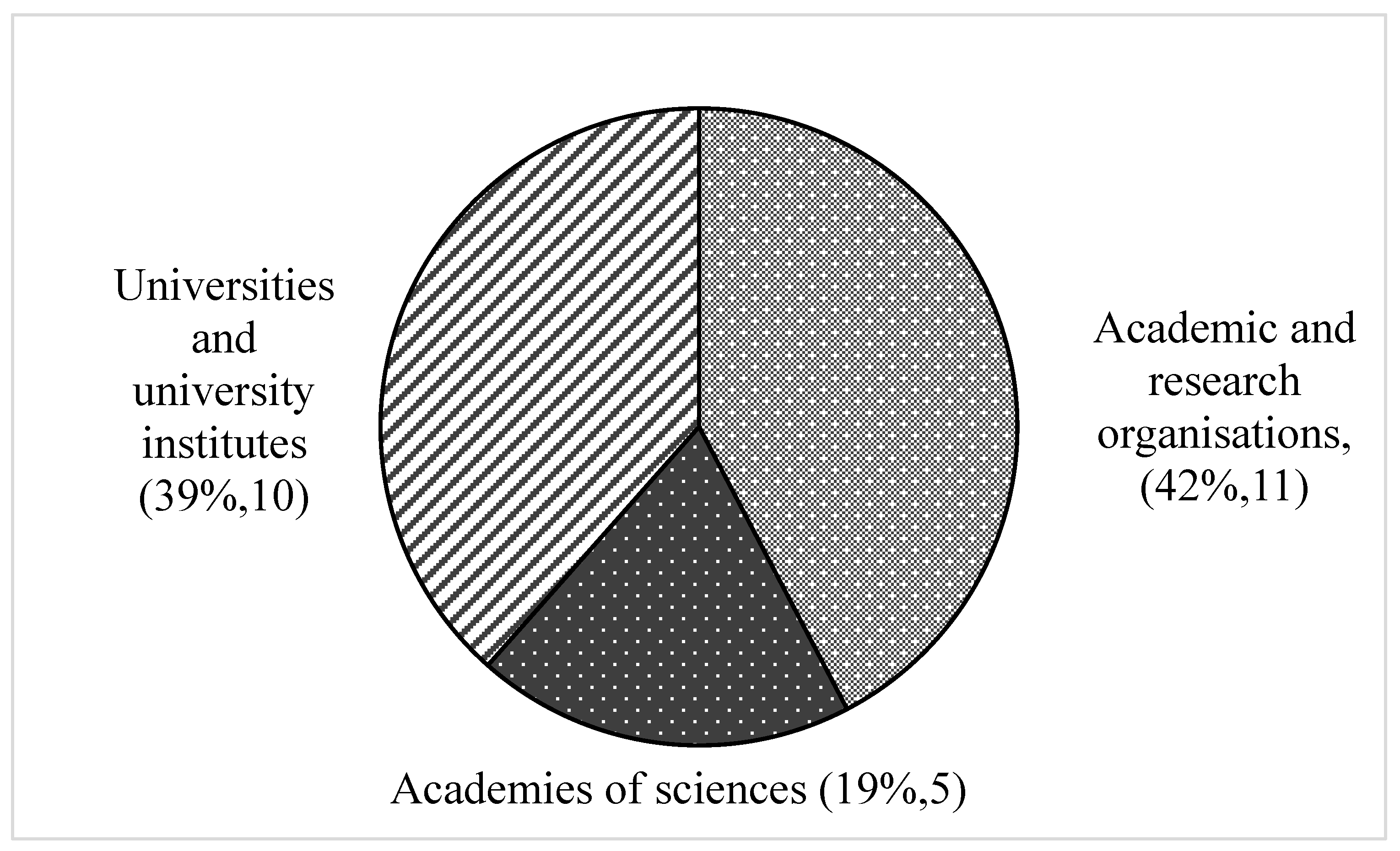
The institutions were contacted by email by the Magnus Hirschfeld Federal Foundation between spring and autumn 2023. The contact persons were the general contact address of the institution, the top management, or, if available, equality and diversity officers or similar. In total, 26 written statements were obtained, distributed across the institutional categories shown in
Figure 1. Of the 26 respondents, eight were academics (including four in leadership roles and five holding professorships), seven held administrative positions (six of them in leadership roles), and eleven were DEI officers (five of them in leadership roles). As is typical for information requests sent via email, only a subset of the institutions in the sampling frame replied. These replies constitute the sample. The response rate was relatively high, with roughly half of the contacted institutions responding, most likely due to the official appearance of the request by the Magnus Hirschfeld Federal Foundation. (The foundation was established by the Federal Republic of Germany, represented by the Federal Ministry of Justice. While the foundation operates independently, the incumbent Federal Minister of Justice presides over the Board of Trustees.) We did not observe any particular pattern in the non-responses. Even if such patterns existed, they would not, unlike in statistical research, be considered a potential source of bias within the qualitative research paradigm applied here.
The cover letter contained a brief introduction to the Magnus Hirschfeld Federal Foundation and its goal of counteracting discrimination against LGBTQ+ people in Germany. The purpose of the letter was then explained. The foundation had been approached by members of the German academic community who felt that the networking and visibility of LGBTQ+ people in academia in this country were perceived as insufficient, also in international comparison. The foundation would like to counteract this deficit and asked the addressees, in German, for their assistance by answering the following questions by email. The data collection therefore consisted of collecting written responses to a set of open-ended questions delivered by email. Institutions were invited to answer these structured, open-ended questions, and their written replies constitute the qualitative data analysed in this study.
“How do you assess the visibility of LGBTQ+ people in the German academic community, especially among professors and university lecturers?”
“What networking opportunities (groups, meetings, etc.) for LGBTQ+ academics are you aware of in the German academic system (e.g., in professional societies, academic associations or at university level, etc.)?”
“In your opinion, is there a need for networking opportunities (which may need to be created) for LGBTQ+ academics? If so, what forms of networking would you like to see or consider useful?”
Given the diversity of institutions included in the sampling frame and the absence of any systematic data collection on sexual orientation or gender identity within German academia, institution-specific questions would not have been feasible for all respondents. The questions were therefore formulated at a general level, consistent with the exploratory qualitative design, to allow respondents to comment on the broader visibility and networking situation across the German academic system.
A reminder email was sent to those who had not responded. This message provided a brief summary of the 24 responses received so far and again requested a reply, which resulted in two additional responses.
4 The written responses were then subjected to qualitative content analysis (
Krippendorff 2013). The answers to the three questions were analysed separately. For each question, all responses were read in full and coded systematically. An overview of the resulting categories is presented in the corresponding figures. Each category shown in a figure represents one code. Where a single response contained more than one relevant aspect, multiple codes were assigned; this is indicated in the respective figure notes, which also provide additional information on the coding procedure. After each figure, we summarise and interpret the findings and present illustrative original quotations. Unless otherwise indicated, all questions and quotations were originally in German and have been translated into English by the authors.
4. Results
4.1. Visibility, Especially Among Professors and University Lecturers
Figure 2 shows the results of the first question posed to the academic institutions.
The majority of the institutions that provided written responses rated the visibility of queer people in the German academic community as “low” (14 responses, 54%). Examples of comments on this are “visibility is close to zero” or “there is extremely low visibility”. It was also added several times that “sexual orientation and identity (…) are treated as a private matter.” One statement describes a tension between the visibility of LGBTQ+ people as a group and the protection of the privacy of the individual, for whom “invisibility” can serve as protection:
“The visibility of the group of people addressed in the academic system seems to me (…) to be rather underdeveloped (underrepresented). However, I also see very legitimate interests in the protection of privacy here. The balance between this protection and the increased visibility that is probably important in terms of the goal of a non-discriminatory society seems to me to be a difficult and sometimes conflict-laden one. While group visibility may be desirable, the identification of individuals through their group membership can at times be problematic for those affected, who may therefore prefer to remain ‘invisible’ in this sense.”
Another statement on this subject argues that “visibility always goes hand in hand with vulnerability, but this varies depending on sexuality and gender, status group and other diversity characteristics (multiple discrimination).”
According to further comments, visibility is only sporadic, for example, in large cities (“Visibility (…) hardly exists outside large cities”), in some subject areas (“Exceptions are, of course, those disciplines and fields of research that explicitly deal with issues of sexual orientation or identity”), and among students or mid-level faculty (“Good visibility (…) in academia, but primarily among students and mid-level faculty. Less so among professors.”), and among individuals:
“Visibility is limited to individuals. It should be noted that some people choose to be visible and find it empowering, while others are inevitably visible, for example, because they are transitioning.”
Another statement confirms that queer visibility in the German academic community is still associated with vulnerability (“heteronormativity and risk of discrimination”):
“Few LGBTQ+ individuals are visible. Those who are visible are primarily those who work on LGBTQ+ issues within the interdisciplinary and transdisciplinary field of gender studies. These individuals are then often publicly attacked/defamed as LGBTQ+ individuals.”
One statement illustrates this vulnerability with a concrete example:
“In my former role as equal opportunities officer, I once asked a recruitment committee whether the dual career programme
5 was also offered to same-sex couples. This was because it had always been promoted in a heteronormative way. My question was followed by a remarkable silence in the room until one person said, ‘We haven’t had anything like that here yet’. This example shows how little LGBTQ+ issues are present in people’s minds and, at least as I interpret it, is an expression of homophobia (‘something like that’). My impression is that LGBTQ+ people still have to ask themselves the question ‘to come out or not to come out?’ and that in a university context they tend to answer ‘not to come out’.”
One of the statements attempts to explain why the visibility of LGBTQ+ people remains so low despite the positions, initiatives and structures created to promote diversity at universities:
“Equality officers (…), queer networks, diversity justice projects, etc., do not work together enough and often see each other as competitors. The legal basis for [equality officers] is determined by the Federal Equality Act, which is based on the federal government’s binary understanding (…) in terms of both objectives and framework conditions. For example, only women, not people of ALL genders, are allowed to be [equality officers] and vote.
6 Among other things, this undermines the function’s effectiveness and its ability to connect with other political actors and younger generations.”
Only two statements rated visibility as better than “low”. The “medium” rating states:
“I would rate visibility as satisfactory. Tolerance at universities and thus the willingness to openly acknowledge one’s own sexual identity and orientation is certainly higher here than in other areas of public life, without being good yet.”
One statement (“A”) rates visibility as “high”:
(A) “In our professional association, visibility is at least partially high, as some people promote it quite aggressively.”
It is interesting to compare this statement with another (“B”) that rates visibility as “low” because certain connotations (“aggressively”, “those affected”
7) are used in each case:
(B) “The ‘visibility’ of individuals in society arises from personality traits that are unrelated to a person’s membership of a particular group. This is what those affected tell me themselves. They want to be perceived as human beings like everyone else.”
The term “affected persons” in statement (B) can be considered awkward, even if there may have been no negative intention here. Until 1990, the WHO classified homosexuality as a disease, and until 2019, it classified transgender identity—then still referred to as “transsexualism”—as a disease. This stigmatisation, in addition to state and social discrimination, contributed to considerable suffering, not least because of the inhumane treatment attempts based on this classification (
Gammerl 2023;
Marcus 2007). The description of the presentation of LGBTQ+ concerns as “aggressively promoted” in statement (A) can also be misunderstood. The literature review above described how queer people quickly become “hypervisible” and are then perceived as overly assertive or “flamboyant” activists when they acknowledge their sexuality and advocate for the concerns of their stakeholder group, rather than continuing to present themselves in a covert manner that conforms to the majority, heterosexual and cisgender norms.
Ten statements (38%) were unable to assess visibility, did not answer this question, or spoke only in very general terms about visibility. One of the general statements noted that although sensitivity to the issue was growing, it was still below Anglo-American levels. There, the issue is handled more naturally and proactively by academic organisations. The fact that almost half of the statements did not provide an assessment can be seen as further evidence of the low visibility of queer people in the German academic community, as otherwise visibility would probably be easier to assess for members of this community.
4.2. Existing Networking Opportunities
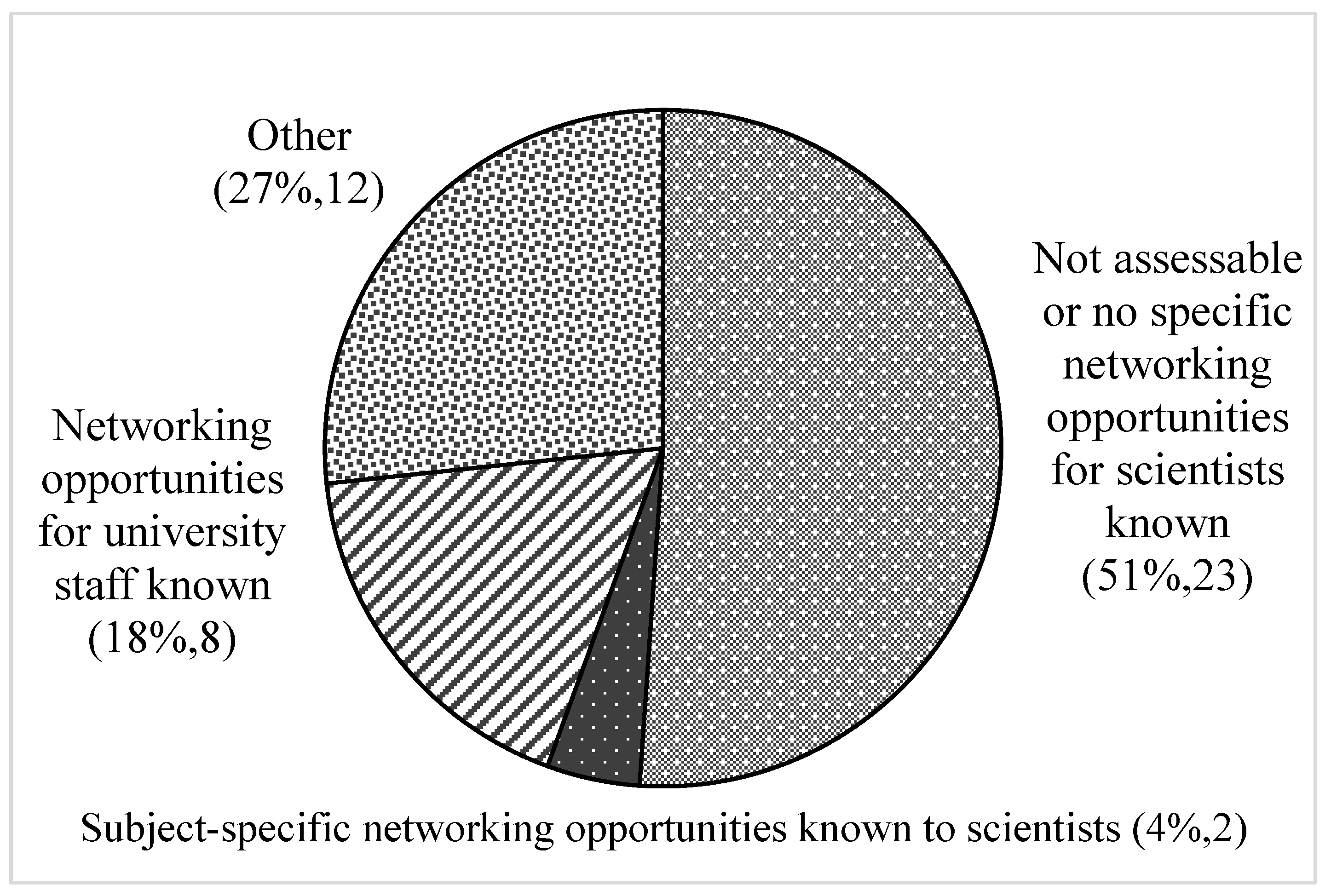
Figure 3 summarises the results regarding awareness of institutionalised networking opportunities for LGBTQ+ academics in Germany.
Most participating academic institutions were unaware of any networking opportunities for LGBTQ+ academics. The lack of networking opportunities is cited in one statement as an important reason for the low visibility of queer people: “[We] consider (…) this lack of networking opportunities to be a significant factor in the still limited visibility of queer academics.” In two cases, subject-specific networks were mentioned, but these do not appear to be primarily aimed at LGBTQ+ researchers but rather at researchers who conduct research on related topics. Just under a fifth of the statements mentioned a total of nine networking opportunities, almost all of them at individual universities, most of which are aimed only at those employed there in academia and administration. In addition, a few other networking opportunities were mentioned that are not specifically aimed at queer academics in Germany.
Table 2 provides an overview of all the institutionalised networks mentioned.
The networks listed in
Table 2 are mainly aimed at university staff, not students.
8 These initiatives were organised by relevant university departments (e.g., for equal opportunities, diversity, etc.), by the employees themselves, or in a mixed form as university-private initiatives. The activities presented on the websites included social events such as regular get-togethers or networking events, content-related events such as specialist lectures, and political events such as participation in local Pride demonstrations or internal advocacy.
9 4.3. Need for Networking Opportunities
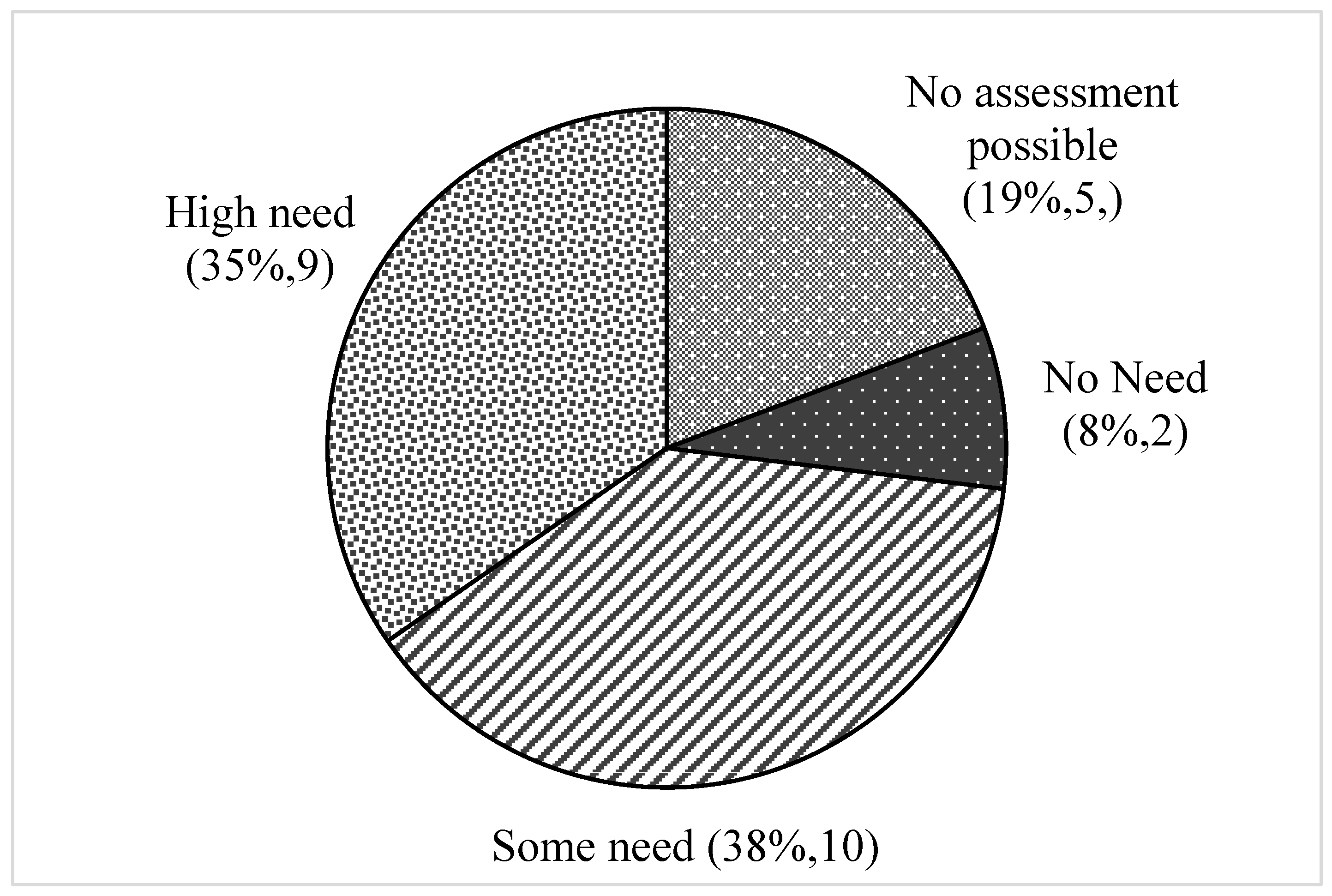
Figure 4 provides an overview of the results.
Almost three-quarters of academic institutions see “some need” (10 responses) or even a “high need” (9) for such networking opportunities in the German academic system. Examples of the latter responses include “In our view, there is an urgent need to establish and expand networking opportunities” and “There is a structural deficit in networking opportunities for LGBTQ+ academics in Germany”.
Only two of the institutions that provided written responses (8%) did not see any need for such networking opportunities. One of these statements saw the danger of increased “pigeonholing” in further networks. Queer academics would then no longer be seen as individuals but defined by their membership of a group: “I would be happy if people would first see and notice the person and not look for their affiliation with a group (=pigeonhole).” Five of the institutions that provided written responses (19%) were unable or unwilling to assess the need for networking opportunities. However, one of them phrased this so cautiously that the statement could also have been interpreted as “no need”.
4.4. Possible Forms of Networking
There was a wide range of suggestions regarding the forms and principles that would be considered appropriate for such networking. There was consensus that the design of such networks should be determined by the participating academics. New networking opportunities should extend beyond individual institutions and include academics from all academic institutions. Several statements proposed a nationwide network that could also have regional structures (e.g., at the state level or in larger units such as “north”, “south”, “east” and “west”) and decentralised structures (e.g., according to subject areas). The Federal Conference of Women’s and Equality Officers at Universities (bukof) was mentioned as an example. Networking at the federal level was considered particularly useful in order to achieve a critical mass of participants, especially given the small size of some institutions and the different disciplinary cultures. It was also suggested that a corresponding federal association could then support networking at the state and university levels through guidelines, PR materials, etc. Informal network meetings, formal working meetings, academic conferences, mailing lists, digital formats, etc., were mentioned as suitable formats within the networks. In addition, according to one statement, it would be conceivable to link the forums created in this way to specific content and questions, which could then also be taken up further academically. Finally, it was pointed out that there is a lack of dedicated LGBTQ+ research, partly because there are no explicit funding formats for such research projects.
5. Conclusions
While Germany is widely regarded as a liberal Western European country, our findings indicate that LGBTQ+ visibility and inclusion in academia remain limited. This situation is likely to be even more pronounced in other continental European states in which right-wing populist parties have been elected, particularly in the newer EU member states of Central and Eastern Europe (
Helms and Krizsan 2017;
Darakchi 2024). Existing literature confirms that LGBTQ+ individuals and topics receive little attention in German academic and higher education research. Building on this, our empirical study shows that the representatives of the institutions that provided written responses consider the visibility of queer individuals outside the student body, especially among professors and university lecturers, to be low. Networking opportunities exist almost exclusively for those conducting research in this area or for staff at some individual universities. To the respondents’ knowledge, there are no comprehensive networks for LGBTQ+ academics in Germany, even though most academic institutions reportedly consider such structures useful. By contrast, respondents noted that in the Anglo-American world numerous such networks have already been established.
The international research findings mentioned above indicate that this low visibility could be a sign of heteronormative and, in some cases, even discriminatory structures within the German academic system. If belonging to the LGBTQ+ community is so stigmatised that only a few academics dare to come out publicly, there is reason to suspect a systemic and structural problem. The German academic community must therefore ask itself whether queer people are being made “invisible” by the norms and values prevailing in its institutions. This would have serious consequences. First of all, it would affect the career paths and well-being of LGBTQ+ academics. However, this situation would also have an impact on the mental health of LGBTQ+ students, who are considered a risk group and for whom visible and accepted LGBTQ+ academics can be important role models. Research projects on LGBTQ+ topics that could expose social injustices would also benefit from greater visibility and acceptance of this subject area. Finally, it can be assumed that the heteronormative atmosphere that still prevails at German universities exposes queer academics to the risk of discrimination. Since the professional environment expects individuals to conceal their sexual orientation or gender identity, the relevant offices or the legal frameworks created for this purpose provide insufficient protection and remedies. This is because those seeking help must fear (unwanted) outing despite confidentiality obligations—which could have an even more negative impact on the further professional career and reputation of the LGBTQ+ person concerned in the academic community.
International research findings suggest that heteronormative structures do not affect all queer people in the same way. The LGBTQ+ community is not a homogeneous group; visibility, vulnerability and institutional experiences vary across its subgroups. People who conform to the white, cisgender, male and heterosexual norm in their appearance, behaviour and teaching and research activities (i.e., who are “straight-acting”) tend to suffer less from pressure to conform and discrimination than people who are unable or unwilling to do so (and who are often marginalised within the LGBTQ+ community—a phenomenon known as “homonormativity”). Some research findings suggest that the toning down of behaviours that reveal membership of the LGBTQ+ group is often misinterpreted by heterosexual academics. This easily creates the generalising and stereotyping impression that all queer people in academia do not, in principle, want to be more open about their sexual orientation, gender identity or queer behaviour.
While greater visibility and improved networking opportunities may facilitate a more inclusive academic climate, these measures alone are insufficient to bring about the cultural and structural changes required for sustained equality. Our study did not investigate institutional equality measures, nor did the respondents provide information on structural interventions at their organisations. Accordingly, no conclusions can be drawn from our data regarding the specific reforms needed within German academic institutions. The findings therefore highlight a starting point rather than a comprehensive solution: low visibility signals a problem, but the design and implementation of effective equality measures remain questions for further research and policy development.
The positions, initiatives and structures created to promote diversity should ask themselves critically whether they adequately address LGBTQ+ issues and make a relevant contribution to a more inclusive atmosphere in academia. Where this is not the case, for example, due to a lack of personnel, budget or expertise, they should state this openly; otherwise, it may give the impression that LGBTQ+ issues are already adequately and conclusively addressed within their remit. The rather neglectful consideration of LGBTQ+ issues in the equality reports of German universities provides further evidence that this is not the case.