
Article

Survival to Dignity? The Precarious Livelihood of Street Food Vendors in South Mumbai and Their Path Toward Decent Work

by
Sujayita Bhattacharjee
1,
Sanjukta Sattar
2 and
Madhuri Sharma
3,*
1
Department of Environmental Studies, S.I.W.S N.R. Swamy College of Commerce & Economics and Smt. Thirumalai College of Science (Autonomous), Mumbai 400031, India
2
Department of Geography, University of Mumbai, Mumbai 400098, India
3
Department of Geography & Sustainability, University of Tennessee, Knoxville, TN 37996, USA
*
Author to whom correspondence should be addressed.
Soc. Sci. 2025, 14(12), 692; https://doi.org/10.3390/socsci14120692 (registering DOI)
Submission received: 15 September 2025 / Revised: 17 November 2025 / Accepted: 27 November 2025 / Published: 29 November 2025
(This article belongs to the Special Issue From Precarious Work to Decent Work)

Abstract

Street food vending is a crucial part of South Mumbai’s urban informal economy, but is often precarious, unrecognized and unprotected. This study explores the livelihood strategies of South Mumbai’s street food vendors and their complex pathways toward seeking to survive and gain dignity through engaging in decent work. Through a mixed-methods approach, we selected vendors (N = 120) through a systematic random sampling process who participated in semi-structured interviews and a focus group (one) discussion. Descriptive statistics and linear regression methods were applied to analyze the quantitative data, alongside qualitative narratives describing these vendors lived realities. Using the dualism, legalism, and structuralism perspectives of the informal economy, our findings revealed structural inequalities, financial insecurities, and regulatory barriers that mitigate stability. However, the use of social networks, informal credit, and collective strategies for coping under stress illustrates resilience. The urgency of reformed policies to support vendors, including licensing reforms, social protections, and progressive/engaged city planning, is highlighted in our findings, which provide support toward the change in street food vending from survival to dignity, in support of the ILO’s Decent Work Agenda.

1. Introduction

The urban informal economy in India is a substantial, intricate, and dynamic component of the country’s economy and its society. Whilst largely unregulated by the State, it has clear employment generation impacts, poverty reduction effects, and provisions of cheap goods and services (Raveendran and Vanek 2020; Sharma 2017). Out of a multitude of occupational choices in this arena, street vending is one of the most visible and intrinsic forms of everyday work for millions of informal laborers in India. Vendors earn a living through a variety of makeshift stalls, push carts, baskets, and even on the sidewalk itself, selling everything from household goods to food (NASVI 2012). Social networks help vendors mobilize their work by finding profitable and accessible locations, housing, and new opportunities (Berrou and Gondard-Delcroix 2018; Zook 2017).
Official estimates put the number of street vendors at close to ten million in India, which is approximately 14% of informal urban employment (Divya 2020; Raveendran and Vanek 2020; Roever 2014). Globally, women are less likely to be engaged in informal occupations compared to men (Florence et al. 2019), but in India, generally women, and, in particular, elderly women and widows, also engage in street vending to help their households survive. Street vending represents more than just employment numbers; it is a critical survival tool in a time when formal, secure jobs are diminishing; it serves as an emergency safety net for economically disadvantaged and vulnerable populations in most developing nations, and India has a significant share of its labor engaged in the informal economy (ILO 2018; Roever 2014).
In this larger phenomenon, street food vending occupies a special space in urban India. Vending food is not only a way of self-employment, but it is also an essential service to millions of urban residents who are reliant on cheap, decently healthy and tasty, and ready-to-eat food options for a large population in small-, mid- and large-sized cities (Alimi 2016; Salamandane et al. 2023). In metropolitan cities like Mumbai, where long commutes and expensive living characterize urban life, street food vendors allow for fast access to modestly priced food for office workers, students, laborers, and commuters (Soon 2019). This acts as a pattern of everyday life that is firmly rooted in the social and cultural fabric of the city. Vending is crucial to offer quick, affordable services to the urban population, and this becomes a source of self-employment for the disadvantaged, while also providing a life of dignity and respect (Gautam and Waghmare 2021).
South Mumbai is famous for its uniqueness in terms of a localized space for studying street food vendors. Chowpatty, often called the Chowpatty Beach, in South Mumbai, is located along the Marine Beach, and this location specializes as a culturally distinct place in the whole world for its unique food flavors and cuisines resonating with the cultural imagery of Mumbai. This location is a popular public beach known for its lively, carnival-like atmosphere, street food, entertainers, and children’s rides, especially in the evenings and weekends. It is also near the vicinity of the historical and financial center of the city, where a dense combination of business districts, education facilities, markets, living space, and transportation hubs is present (Bhattacharjee and Sharma 2023). Vendors set up at and around bus, railway, and local transport stations, near construction sites, schools, hospitals, and retail centers (Kwol et al. 2020). For many urban residents, food from street vendors is not necessarily a luxury but a necessity: something cheap as an alternative to the canteen or restaurant (Steyn et al. 2014). However, foods from such locations are also favorite among many middle-class Mumbaiites who savor such tastes and spaces, creating memories. This is particularly important for migrant workers and lower-income residents, who typically live in small shanty accommodations without adequate facilities for cooking.
The economic role of street food vending is inseparable from its social role. Street food vending in South Mumbai plays a vital economic, social, and cultural role. Vendors do not simply sell food; they create micro-economies of trust, convenience, and community, linking local suppliers, small-scale farmers, and wholesalers to broader informal supply chains (Todhunter 2025). Despite this significance, street vending remains precarious. Street food vendors and sellers must simultaneously manage and prepare food, provide customer service, and clean, often without adequate infrastructure such as clean water, sanitation, or waste disposal (Malasan 2019). Vendors work under several contexts of vulnerability, such as unwarranted harassment of vendors by municipal authorities and police departments, rejection from vending sites, inability to procure credit, exposure to extreme weather with no reasonable shelter, and occupational health risk because of working extended hours for most of the day, in what is often physically demanding work (Barthwal et al. 2022; Vijayarangakumar 2024).
Workers in the street food vending sector, which constitutes an important cultural and economic activity in urban life, remain precarious. Street food vendors face layered vulnerabilities, such as harassment from the local government and police (Anand et al. 2019) eviction from their location, limited access to credit, exposure to the elements, and other occupational safety and health risks due to demanding, long hours of physical labor. Street food vending is unique in that vendors must simultaneously juggle preparing food, serving the customer, and cleaning the area, often in settings where there is little to no infrastructure for clean water, sanitation, or garbage facilities (Malasan 2019).
The International Labour Organization (ILO) gave an interesting framework, “From Precarious Work to Decent Work,” that allows us to pay attention to vulnerabilities through their lens of decent work, secure employment, fair income, safe working environments, and social protection as core elements of decent work needed for dignified livelihoods (ILO 2002). The example of street food vendors in South Mumbai illustrates the reality of precarious work and the possibilities of moving forms of work towards decent work. Street food vendors have economic agency, flexible working conditions, and contribute significantly to the local food economies (Winarno and Allain 1991). At the same time, they do not experience recognized, secured, and protected employment, which situates them at the margins of labor rights and urban policy (WIEGO n.d.).
Street vending is an important form of informal livelihood in India because ‘India is among the few nations that have a strong legal system in place to regulate street vendors’ (Social Policy Association 2020). The government of India, in recent times, has also started issuing licenses to street vendors to legitimize their business as well as to protect them from various forms of harassment (Sinha 2020). Despite this, street vendors are often harassed by the local government and the police in India (Anand et al. 2019). The contributions of street vendors to urban life extend beyond their livelihood. Their presence ensures the easy availability of several goods and services at lower prices to urbanites on the go.
Against this backdrop, this study examines the precarious livelihoods of street food vendors in South Mumbai, with a focus on their survival strategies, daily struggles, and the pathways through which their work could move from precarity to dignity and decent work.
Through this study, we seek to address five major research questions. These are as follows:
i.
What is the motivation behind street food vending?
ii.
What is the duration of their business, initial investment, daily expenditure, and daily earnings?
iii.
Do the duration of engagement, initial investment, daily number of customers, and average daily earnings have a significant association with street vendors’ daily expenditure?
iv.
What are the challenges faced by these vendors in their livelihood? Are they required to make miscellaneous payments and take credit from loan sharks?
v.
What strategies can expand their precarious livelihood strategies into more stable, dignified forms of decent work?

2. Conceptual Framework

2.1. Precarious Work in the Informal Sector

Precarious work is commonly regarded as insecure, unstable, and unprotected work. In the informal sector, precariousness takes the form of low and uncertain wages, no written contracts, no access to social security benefits, and little ability to access the courts (Mitra 2006, 2008; NCEUS 2009; Rukmini 2014; Sharma 2017). The potential for precarious work is widespread amongst informal workers, such as street food vendors, who deal with vulnerable situations that threaten their livelihoods related to sliding markets, harassment from authorities, and no institutional recognition of their contributions to the urban economy (ILO 2018; Mitra 2006, 2008). For many, their precarious livelihoods are also precarious socially. They are highly stigmatized and excluded from formal mechanisms of urban planning and governance (Grant and Nijman 2002), and this is especially true of cities in developing economies such as that of India. This exclusion reflects broader patterns of neoliberal urban governance that marginalize informal livelihoods (Prasad et al. 2024; van Eck and Rath 2024). Precariousness poses challenges to the sustainability of livelihoods and poses questions of justice, equity, and dignity in the urban workspace (Tucker and Anantharaman 2020).

2.2. ILO’s Decent Work Agenda

To combat the vulnerability of informal work, the International Labour Organization (ILO) developed the Decent Work Agenda, which consists of four connected pillars (ILO 2002):
(i) Employment—Producing work opportunities with appropriate remuneration. For informal workers, this includes the recognition of their value in the economy and how to incorporate it into urban, inclusive economies.
(ii) Rights at Work—Respecting fundamental rights and addressing abuse, harassment, and unsafe working conditions. This includes identifying and ensuring that secure vending areas are protected against confiscation and/or eviction by authorities, and that, should there be any irregular taxation from authorities, there should be protections against bribery and extortion.
(iii) Social Protection—Access to health care and health coverage, social insurance, and income security. In the informal sector, mostly vendors have no safety nets and experience heightened vulnerability in illness, accidents, and loss of income or revenue.
(iv) Social Dialogue and Voice—Providing workers a voice regarding decisions that impact them. For street vendors, facilitated participation within the municipal decision-making process, recognition of associations of vendors, and other participatory forums to negotiate issues with municipal authorities are desirable.
Participating in the Decent Work Agenda to address urban informal livelihoods provides a normative framework to move beyond precarious survival strategies to secure, dignified, and sustainable work (ILO 2002).

2.3. Urban Informality, Governance, and Dignity of Work

Street food vending is a contextualized part of the larger discussion of informal livelihoods and a particular form of governance in the urban context. Informal workers sit in a space of contradiction; they provide services to urban residents who are then regulated, criminalized, or otherwise excluded from the urban planning process (Banks et al. 2020; Schindler 2017). Informal employment accounts for the great majority of employment in urban areas (Dhingra 2020). The informal sector employs around two billion people, or about 60% of the global working population, and accounts for 90% of employment in developing countries (ILO 2018). “Informality encompasses a wide range of jobs and economic activities with no work-based social protection: from street vending, home-based work in global and domestic value chains, waste-picking, and domestic work to short-term contract work” (Florence et al. 2019; Mitra 2006, 2008). In addition to facing a variety of issues, informal workers are typically poorer and more vulnerable than those in formal employment (Florence et al. 2019). Urban informality is becoming more real throughout the global south, which has ramifications for our understanding of the phenomenon in the political, geographical, and economic spheres (Banks et al. 2020; Grant and Nijman 2002).
Informality is often viewed in highly contested dichotomies, where, on the one hand, it is perceived as troublesome, uncontrolled, and unorganized, requiring regulations, and on the other, it is viewed as a manifestation of the otherwise marginalized sections of the population that exist in the face of various exclusionary machineries (Banks et al. 2020). The Indian economy is heavily reliant on the informal sector. It employs a large portion of the population that otherwise would have remained unemployed, and is also responsible for increasing income inequality and widening the economic divide (Punia 2020). In addition to this, individuals with either no education or only a primary education are more likely to work in the informal sector (ILO 2018; Mitra 2006, 2008; Sharma 2017). It has also been suggested that social networks and interpersonal relationships are extremely important in determining the nature and level of performance of informal economic activity (Berrou and Gondard-Delcroix 2018).
The line between formal and informal is hazy, flexible, and influenced by a plethora of legislation, court judgements, enforcement techniques, and attempts to circumvent regulations (Schindler 2017). This makes comprehending the dynamics of informality a challenging task. Yet, for enabling inclusive urban growth and the reduction of urban poverty, investigating the different types of urban informal employment becomes highly necessary (Chen 2016). Additionally, the theoretical perspectives of dualism, legalism, and structuralism have influenced how the informal economy has come to be viewed. The dualists view the informal economy as a separate, marginal economy detached from the formal economy; the structuralists view the informal economy as subordinate to the formal economy, and the legalists see informal economy activities as an economically rational response to over-regulation and bureaucratic barriers (European Union 2024). These perspectives offer a critical lens to examine the dynamics of street vending in Indian cities, particularly in the context of exclusion, regulation, and survival.
The debate between formal and informal livelihoods is relevant to urban governance and the privileges afforded to workers in the informal economy. A major concern in this relationship is the dignity of work (ILO 2002). Work serves not only as an opportunity to earn a living, but it also provides a means of self-identity, respect, and social recognition (Haarjärvi and Laari-Salmela 2022). Therefore, the conceptual framing of this study positions street food vending as a precarious but vital livelihood in the urban informal economy. Through engagement with the ILO’s Decent Work Agenda and theoretical discussions surrounding informality, the study seeks to interrogate how governance frameworks can move beyond exclusion and regulation to produce dignity, rights, and sustainability in urban informal work.

2.4. Street Food Vending as an Urban Informal Activity

The theoretical perspective on street vending is mostly derived from the theories of the informal economy. In many developing nations, street food vendors play a crucial role in urban life (Alimi 2016; Grant and Nijman 2002; Mitra 2006, 2008; Salamandane et al. 2023), where their operations are largely unregulated and unprotected by governments (Alimi 2016). People in the street-food vending profession belong to the marginalized sections of society (Boruah and Aryan 2020). Insufficiency of formal education is a common trait among most street vendors (ILO 2018). However, around the world, street food vendors are gaining popularity among urban dwellers because their food is appealing, affordable, practical, and easily accessible, as well as creating jobs and serving as a source of income for the urban poor (Jahan et al. 2018; Soon 2019). Often, these spaces of street food become spaces of highly delightful consumption, which creates pleasant memories of belongingness and identity. These reflect on the legalists’ and structuralists’ perspectives, with a reflection on the role of bureaucracy and market forces, respectively.
There is a wide range of studies focusing on diverse aspects of street vending in different parts of the world. Studies have delved into street food and place image (Nicula et al. 2018), consumption behaviors of street foods (Sanlier et al. 2018), street food vendors’ right to livelihood (Boruah and Aryan 2020), and street food as an element of cultural identity (Matkailu 2023). Street food vending is a low-investment business suitable for individuals belonging to lower-income households (Uwitije 2016). However, despite its low entry cost, vendors face significant financial challenges, including harassment of street food vendors accompanied by extortion and bribery (Adama 2021), and involvement of credit, money lenders, and loan sharks in the occupation of street food vending (Mahopo et al. 2022). Here, the theoretical underpinnings in the form of their existence on one half of the dualistic spectrum, with the other half not only depending on them but also exploiting them, can be understood.
Studies have also delved into women street food vendors. One study found that women street food vendors have poor managerial skills (Mahopo et al. 2022). Another study found that women food vendors who are married are limited by their obligations to their families and the community, which prevents their businesses from growing to their full potential (Tuffour et al. 2022). Another recent study, however, has also found that women street food vendors exhibit favorable attitudes toward self-employment and entrepreneurship (Ashaley-Nikoi and Abbey 2023). A study found that both male and female street vendors were required to pay bribes in Mumbai, with women potentially earning less than men, thereby increasing their vulnerability to bribery to sustain their businesses (Saha 2011).
Though there are a few such studies on street-food vending in Indian cities (Boruah and Aryan 2020; Kambara and Bairagya 2021; McKay and Osborne 2022; Sekhani et al. 2019), there is almost no significant work on the livelihoods of street food vendors in Mumbai, more specifically, South Mumbai. This paper fills this gap by analyzing the precariousness of their work, their survival strategies, and potential pathways toward achieving dignity and decent work.

3. Research Design

3.1. Research Area

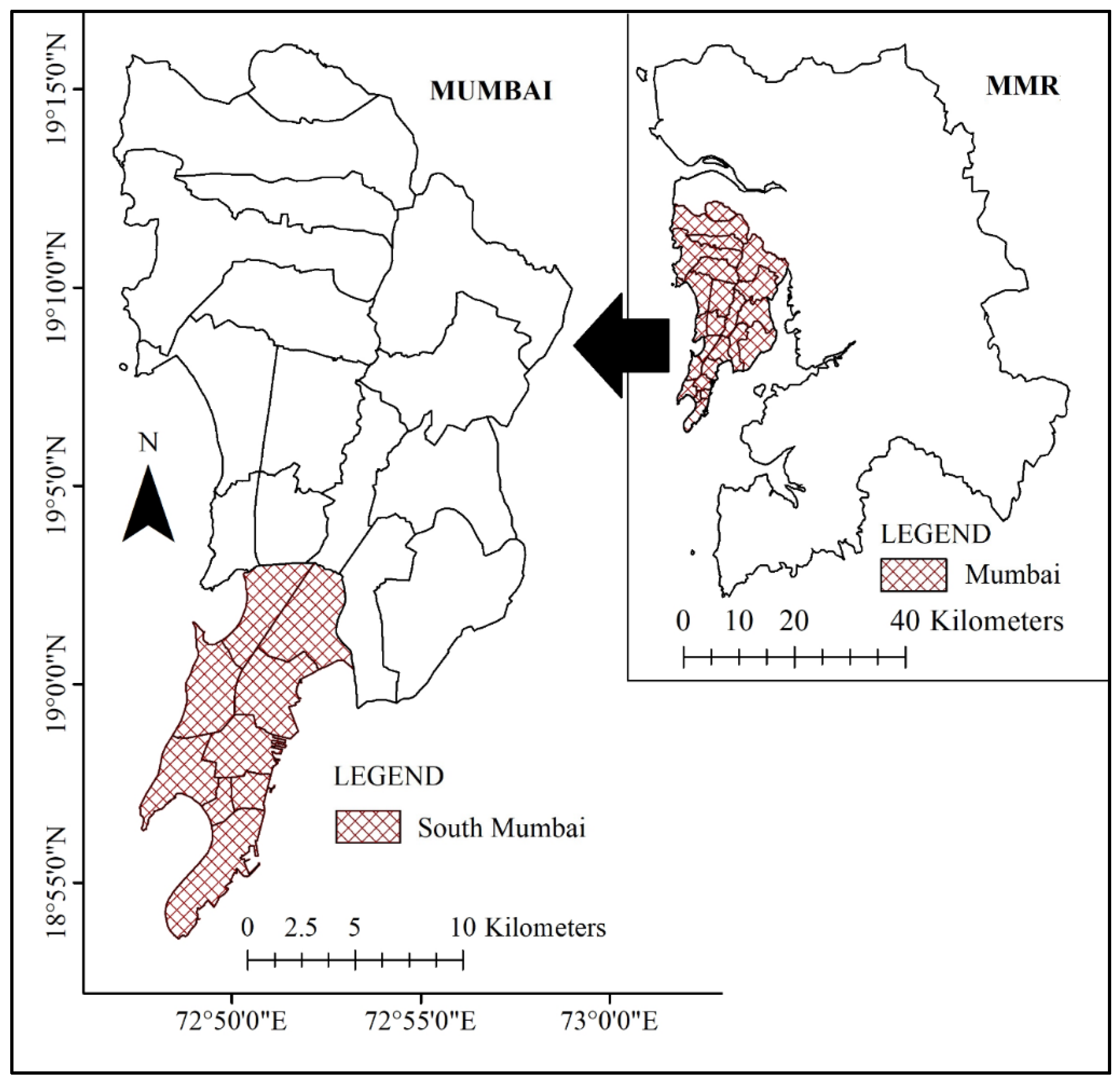
The study was carried out in South Mumbai, which is considered the historic core of the metropolis of Mumbai, located in the Mumbai Metropolitan Region (MMR) in the state of Maharashtra in India. South Mumbai (Figure 1) is the area from which Mumbai has sprawled far and wide to comprise the present limits of Greater Mumbai. South Mumbai bears the reminiscence of the colonial era and the industrial era, when Mumbai used to be known for its textile mills. At present, it is an important area for the service industry and various forms of business. It has several business hubs such as Lower Parel, Dadar, and Churchgate, as well as it comprises the original Central Business District (CBD) of Mumbai, i.e., Nariman Point (Bhattacharjee and Sharma 2023). Along with this, the presence of two important railway termini in this area makes it one of the busiest areas of Mumbai, where many people come to work and for other purposes. South Mumbai has several street food hubs where people from all walks of life can be seen savoring street food delicacies. Certain areas of South Mumbai are well-known hubs of street food, with several food alleys comprising clusters of food stalls, locally known as Khau Galli. Hence, the data for the study is collected from the major street food hubs of South Mumbai. Such clusters usually exist near offices, educational institutions, tourist spots/destinations, and major railway stations, where many street food vendors can be seen operating.

3.2. Sampling Strategy and Justification

In the absence of official documentation identifying the total number of street food vendors within South Mumbai, statistically reliable sample sizes were determined in accordance with the guidelines set out by Cochran and Israel (Cochran 1977; Israel 1992). A sample of 120 respondents was determined to provide an acceptable margin of error (±9%) at the 95% confidence interval when the conditions of maximum variability existed (Cochran 1977; Israel 1992). This represented a sample size that allowed for the representation of statistically valid data while simultaneously being cognizant of the potential fieldwork requirements for a dense, changing (dynamic) and informal urban context such as South Mumbai. We used a systematic random sampling method to pick street vendors within the areas where the vendors had been locally identified. We checked out vending sites on different days of the week and at various times of the day to record the diversity of vendor activity. Every fifth vendor that we came across was selected. If a vendor refused to participate, the following vendor was chosen as a replacement to keep the selection of participants random and the sample size the same. This procedure allowed the interviewers to guarantee representation of men and women, different kinds of products, and vending at fixed locations and on the move. In addition to this, informed consent was acquired before the survey.

3.3. Methods of Data Collection

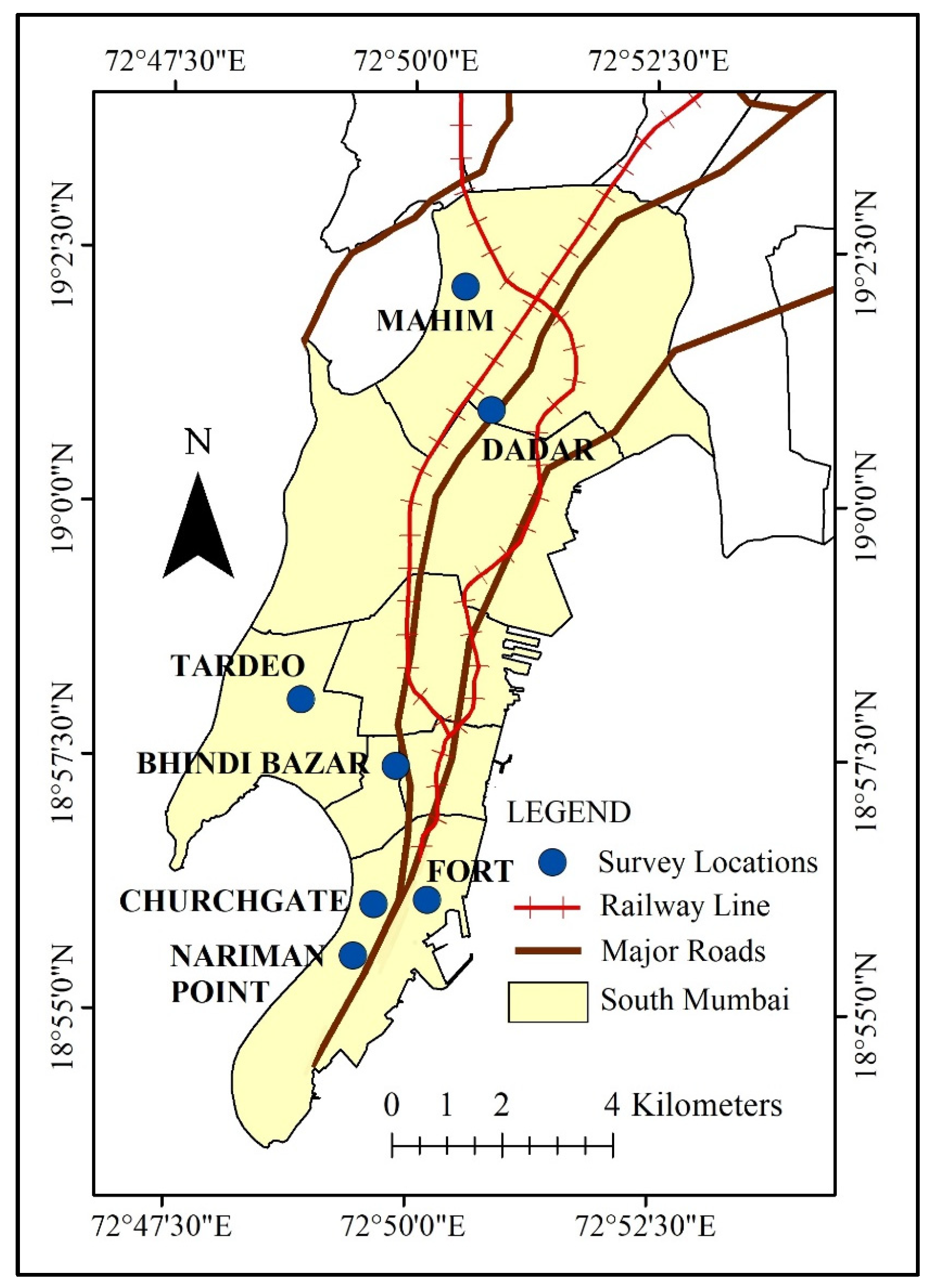
The study used a mixed-methods strategy, using both quantitative and qualitative methods. Primary data was collected through semi-structured interviews, a focus group discussion, and extensive field observation. Semi-structured interviews were used to collect demographic, economic, and occupational information on street food vendors (N = 120). The focus group discussion (one focus group comprising five street vendors), facilitated by probing questions, allowed them to document their experiences, struggles, and ways of coping as they navigated precarious working conditions. The data was collected in 2024 between October and March, and is cross-sectional in nature. Systematic field observations of the various vendor zones were made to comprehend their daily practices, their relationships with customers and authorities, as well as the physical setup along the vending locations. Field notes were made throughout to complement the data. The data collection was carried out across major vending zones, including Churchgate, Dadar, Tardeo, and Fort (Table 1) (Figure 2).

3.4. Data Analysis Techniques

This study used a mixed-methods approach comprising quantitative and qualitative analysis. Descriptive statistics were used to summarize socio-demographic characteristics (age, gender, migration status, education, area of vending) and economic indicators, including initial investment, daily expenditure, daily earnings, and customer footfall. Inferential analysis included multiple linear regression analysis to assess predictors of average expenditure per day. Since the dependent variable (average daily expenditure) is continuous, multiple linear regression is the right choice. In this way, the model helps us to understand the relationship of each factor (duration of engagement, initial investment, number of daily customers, and average earnings) separately with daily expenditure and indicates the direction and size of these relationships. Narratives from semi-structured interviews were thematically analyzed to describe vendors’ lived experience of licensing barriers, economic precarity, harassment, and coping strategies. This approach allows for rich, contextual insights that complement the quantitative findings. By triangulating the statistical results with the qualitative findings, it provided a holistic understanding of how vendors negotiate precarity and made connections between survival strategies and deeper questions of dignity at work.

4. Results

4.1. Socio-Demographic Profile of Vendors

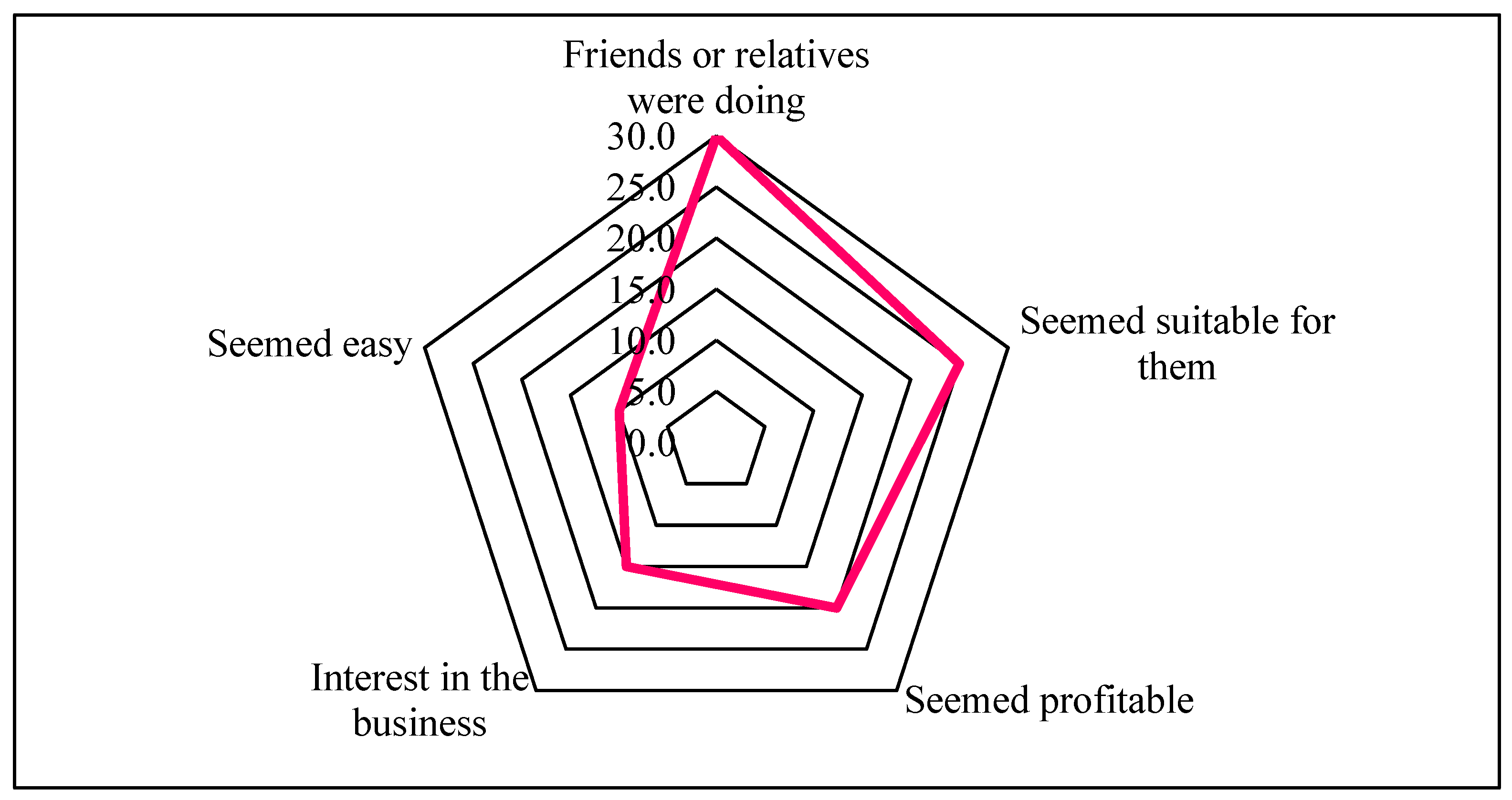
The surveyed street food vendors in South Mumbai were in the age group ranging between 18 and 65 years, with a median age of 34 years. The sample of vendors was predominantly male (95%) and mostly Hindu (65%). There were notable proportions of migrants--most were from Uttar Pradesh (50%) and Bihar (20%), and these migrants typically relied on each other and fellow tradespeople when moving into the area, highlighting how migration creates informal urban livelihoods. Roughly 70% of those surveyed were literate, but none had a recognizable college degree, and most claimed they had only a few years of schooling. Vending income is central to their survival, as most depend heavily on this income. Intergenerational aspects emerged too, as younger vendors were often continuing the trade of parents or relatives. Most of the street food vendors (30.0%) were motivated to join the profession because their friends or relatives were in the business. The rest of them chose the trade as it seemed suitable for them (25.0%), profitable for them (20.0%), they were interested in it (15.0%), and it seemed easy to operate (10.0%) (Figure 3).

4.2. Economic Dimensions of Precarity

These street food vendors have been in this business for 2 years to 34 years, with 25% in the business for 8 years or less, 75% for 19 years or less, and an average and median duration of 37 and 34 years, respectively. Street food vending in South Mumbai appeared to operate with low capital and high uncertainty. Initial investment amounts ranged from INR 500 to INR 10,000, with a median amount of INR 3000, revealing the small scale of entry into the business (Table 2). Daily expenses on raw materials and fuel ranged from INR 250 to INR 7000 (median INR 600), and daily earnings ranged from INR 500 to INR 10,000 (median of INR 1200). This demonstrates the high unpredictability of street vending.
The average daily expenditure incurred by the street food vendors of South Mumbai for purchasing the raw materials and the use of fuel for cooking the food items, etc., ranges between INR 250 (min) to INR 7000 (max), with the lower quadrant at INR 400 and the upper quadrant at INR 1400. Here, the mean value of the average daily expenditure made by street food vendors is INR 1328.3. However, the median is INR 600, which is much below the mean. Their average daily earnings also depict a wide range, where the minimum amount is INR 500 and the maximum amount is INR 10,000. Among these vendors, 25% earn INR 950 or less daily, and 75% earn INR 3250 or less daily. Their mean daily earnings are INR 2553.3, whereas the median earnings are only INR 1200 (Table 2).
With regard to the number of customers attended by the street food vendors daily, it ranged between a minimum of 50 people to a maximum of 3000 people, with the lower quadrant at 105, the median at 250, and the upper quadrant at 550 people (Table 2). This indicates the uncertainty of their business, ranging from good days and bad days both.
Multiple linear regression was conducted to predict ‘average expenditure per day’ from duration of engagement in street food vending, initial investment, average number of daily customers, and average earnings per day (Table 3). The model yields a strong positive relationship. From the R-squared value, it is known that the independent variables can explain 97.8% of the variation in the dependent variable. All predictors contributed statistically significantly to the model, p < 0.01. The coefficient estimates indicate clear differences in the size of the effects. The duration of engagement in street vending shows a negative coefficient, indicating that vendors with more years in the business tend to have lower daily expenditures, holding other factors constant. Similarly, higher initial investment is associated with lower average daily expenditures, suggesting that experienced vendors and those with greater initial capital operate more efficiently and incur lower variable costs for a given level of sales. This indicates basic principles of economics wherein the higher initial investment costs spread over a longer time duration, thence reducing average daily costs, and hence the negative coefficient. In contrast, the average number of daily customers has a positive contribution, and average daily earnings have the strongest positive effect.

4.3. Struggles, Vulnerabilities, Coping Strategies, and Resilience

Street food vending is not an easy profession. It not only requires hard work but also entails many other difficulties faced by street food vendors. While starting their business, 45.0% of the street food vendors reported having encountered various hurdles. These problems were mainly monetary in nature. Also, 15.0% of the street food vendors had to take some form of loan to start their business. In addition, there are also licensing-related issues. Several street food vendors do not have a license to run their businesses. However, many of them use miscellaneous payments in the form of bribes and payment of protection money to run their business. Many street food vendors also suffer from inconsistent income and monetary issues.
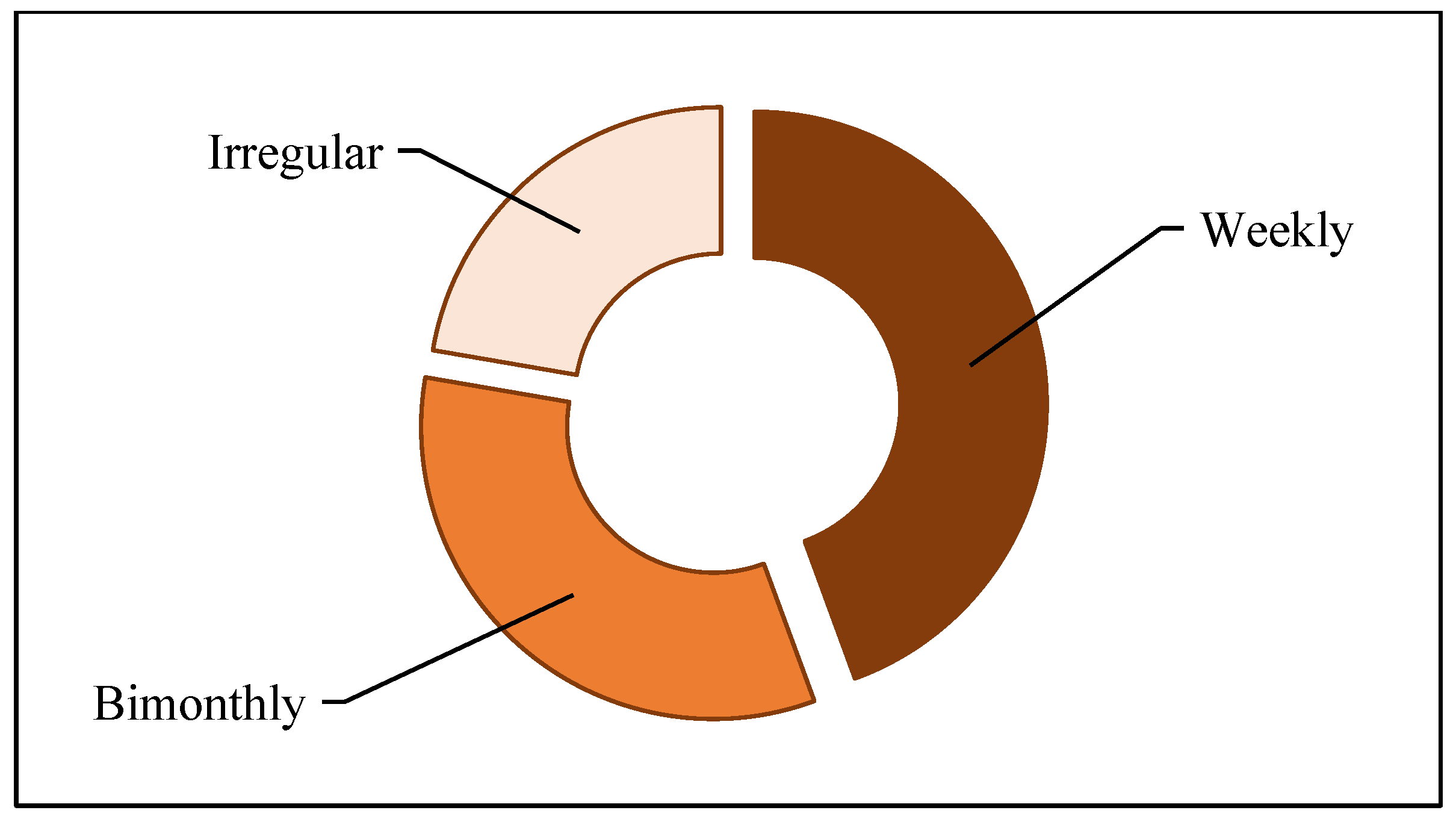
Making miscellaneous payments in the form of bribes and payment of protection money, etc., was reported by 45.0% of the street food vendors. The frequency of making such payments is seen to vary between irregular, weekly, and bimonthly. Among the street food vendors who agreed to make such payments, 44.4% reported paying every week, followed by 33.3% paying on a bimonthly basis, and 22.2% paying at irregular intervals, whenever demanded (Figure 4). However, no relationship was found between miscellaneous payments and the gender of the vendors (X2 = 1.287, df = 1, p-value = 0.257), as well as between making miscellaneous payments and the literacy level of the vendors (X2 = 0.260, df = 1, p-value = 0.610).
The street food vendors narrated the various problems that they are confronted with in their line of work (Table 4). Street food vendors of South Mumbai are confronted with the issue of a lack of a license, limited knowledge of legalities, low and irregular income, existing practices of fines and corruption. These issues add to the precarity and vulnerability of the Street food vendors of South Mumbai. Despite these adversities, vendors demonstrated significant resilience. Many relied on informal credit networks and support from family members to sustain their businesses. Collective solidarity through unions, associations, or informal groupings helped them negotiate with the authorities and resist evictions. Flexible working hours and the use of family labor were common strategies to adapt to the uncertainties of street vending.

5. Discussion

Street food is an important part of life in Mumbai, and street food vending is an important informal means of livelihood for the people of the lower-income group and the migrant population. This is indicative of the presence of structural inequalities, which give rise to street food vending. This study has revealed many significant aspects associated with the lives and livelihoods of street food vendors in South Mumbai. Their choice of livelihood is based on simple notions and perceptions. Most of the street food vendors came to this profession because their family or friends were already involved in it. This points out the influence of social networks on their choice of livelihood, corroborating the existing literature (Berrou and Gondard-Delcroix 2018; Zook 2017).
Our findings reveal that more experienced vendors and those with higher initial investments tend to spend somewhat less daily, while higher customer numbers and greater daily earnings increase expenditure, with earnings having the strongest effect. These findings complement broader discussions on street food vending as a low-investment business, making it accessible for low-income households (Uwitije 2016; Sharma 2017). The negative association of the experience and the initial spending with the costs indicate that vendors usually figure out ways to save money over time, even if they continue to live in a tight economic environment. The positive impact of customers and income, however, is indicative of the business world, whereby more business activity leads to increased use of resources, thus linking costs directly to the generation of income. Although low costs may reduce the level of education required and make it easier for more people to enter the profession, they also increase the precarity of the sector.
Irregular income, reliance on loan sharks (Chowdhury et al. 2017; Mahopo et al. 2022), harassment by the police and bureaucrats, and rampant bribery as part of their daily routines (Saha 2011) weaken the dignity of the work of vendors in South Mumbai. Often, the vendor is unable to draw on a legal support system, and with erratic wages, they continue to constantly negotiate for their survival, in which dignity is often compromised by insecurity, fatigue, fear, and vulnerability (Roever 2014; Todhunter 2025). Nevertheless, the vendors’ resistance to long work days, flexible and adaptive work, and sustained persistence showcases how workers can resist a lower assessment of dignity in work from systemic barriers (Lee et al. 2020).
Furthermore, compared to individuals with either no education or only a primary education, those who have finished secondary and tertiary education are less likely to work in informal employment (ILO 2018). In other words, insufficient education often makes getting into formal livelihood practices difficult. In such situations, informal livelihood practices like street vending become one of the preferred options for earning a decent living (ILO 2018). Our results are partially inclined toward this argument. We found most street food vendors to be literate, most of them to have completed less than secondary education, and none held a college degree. This indicates their engagement in the informal sector and occupation with low barriers to entry that do not require any formal qualifications. The fact that no street food vendor holds a tertiary qualification supports the argument that highly educated people do not tend to pursue informal employment opportunities, such as becoming a street vendor. Additionally, the daily earnings derived from street food vending are quite low.
Street vending is an important source of self-employment and income for low-income groups, and has contributed to more inclusive urban economies; however, working conditions do not meet the SDG # 8 aspirations of ‘decent work’ (Jahan et al. 2018; Soon 2019). Our findings suggest that past investment and years of experience contribute positively to vendor performance by reducing daily operating costs, conditional on customer volume and earnings. Thus, higher initial investment and longer experience are associated with greater operational efficiency, while strong current business performance further enhances overall outcomes for street vendors. Despite these benefits, most vendors’ livelihoods remain highly dependent on immediate income, as the unstable and unpredictable nature of street vending limits their ability to engage in long-term investment or sustained skill accumulation (Sarkar et al. 2025). Additionally, vendors experience workforce insecurities associated with informality, predatory lending practices, lack of access to licenses, and ingrained corruption. There are new government efforts to issue new vending licenses (Sinha 2020), which is a positive thing, and represents an effort at formalization; however, preventable gaps in enforcement and other regulatory complexities maintain exclusion. This study underscores the paradoxical realities of street vending: it provides functional economic participation for the often-marginalized groups, yet the lack of practical protection prevents it from becoming secure and dignified work. Policies that formalize vending without criminalizing vending, minimize bureaucratic harassment, and guarantee equitable earnings will help achieve SDG # 8.
The phenomenon of street food vending in South Mumbai is caught up in the contradictions of urban modernization. On one side, vibrant street food culture contributes to the city’s multiculturalism and provides affordable food to a range of consumers. At the same time, street food vendors are rampantly contested by urban planning regimes that privilege things like modernization, beautification, and commercialization of public space over their informal work lives. The tensions between the informal economy’s saturation in urban life and the state’s conception of modern infrastructure and ‘world-class’ cities are troubling (Ahoobim et al. 2024). Displacement of street food vendors on the streets, narrowing or restricting their locations, and state punitive actions against them in modernization projects inform us about the marginalization of informal livelihoods in modernization and urban transformation projects. The continual struggle that street food vendors face staying put or making space in the city reveals that ‘urban commons and the right to work are deeply contested sites of stewardship, clashing with the aesthetics and principles of urban governance’ (Manfredini 2019; Unnikrishnan et al. 2016).
The challenges faced by the vendors of South Mumbai are symptomatic of wider trends across Indian and international urban contexts. For example, in Delhi, the claims of vendors highlight their struggle with targeted evictions and the lack of implementation and awareness of the Street Vendors Act, 2014. Street vendors also face illegal demands for payment to gain a license to operate in Kolkata and Bengaluru, where they are also subjected to harassment by police. Such evidence reveals a national pattern in which policy and practice depart. Globally, in contexts like African (Uwitije 2016) or Latin American cities, street vendors’ survivalist strategies are also marked by coming to terms with informality, being marginalized (or discarded), and low returns (or precarious income). Comparative studies (Peimani and Kamalipour 2022; Recchi 2020) illustrate that fatigue, monotony, and competition from young vendors are features of street vending across contexts. These similarities suggest that although street vending is core to the urban economy across the globe (Roever and Skinner 2016), it is persistently undervalued, under-protected, and threatened with modernization. Therefore, there is a need to carve pathways towards decent work for the street vendors of South Mumbai. Any improvement to the working conditions of street food vendors will require systemic reform based on the ILO’s Decent Work Agenda.

6. Conclusions, Policy Recommendation, and Future Research Direction

This study illustrates a dual narrative in street food vending in Mumbai. It embodies both elements of survivorship as well as loss of dignity. The precarious nature of street food vending in Mumbai comes with widespread abusive practices like harassment, exploitation, and relative financial uncertainty. More importantly, despite the challenges, the resilience of street food vendors still shines through in this study in the form of family assistance, informal credit methods, and group solidarity. Structural inequalities intervene in their access to livelihood. At the same time, the financial and regulatory challenges are highlighted in this study. The implications of this study suggest supportive policy measures to assist this important informal sector. The case of street food vending in South Mumbai captures the paradox of informal livelihoods: they provide daily bread for poor and migrant people, but continue to remain precarious, unprotected, and exposed to exploitation. To shift from survival and sustenance to dignified work requires multi-dimensional thinking about reform, coalitional skepticism, and protections based on the ILO’s Decent Work Agenda. Accordingly, the following recommendations are forwarded for making necessary program interventions:
(i)
More effective implementation of the Street Vendors (Protection of Livelihood and Regulation of Street Vending) Act, 2014, is necessary, such as streamlining the licensing process and establishing the transparent allocation of vending zones to lessen harassment, extortion, and risk of eviction.
(ii)
City planners should develop inclusive vending zones with access to water, sanitation, waste disposal, and shelter if appropriate, to enhance their working environment. Introducing structured training programs could enhance vendors’ business capacities, improve food hygiene standards, and help build consumer trust, thereby making livelihoods more sustainable.
(iii)
Promoting the growth of local unions or cooperatives could allow vendors to collectively bargain, negotiate better with councils, and influence stronger enforcement of their entitlements.
(iv)
Connecting South Mumbai vendors with national federations could amplify their voices in policy processes and help solidify solidarity across urban spaces.
(v)
Developing a partnership with residential associations and NGOs could help to minimize conflict in public spaces and support vending as part of Mumbai’s urban fabric.
(vi)
Expanding affordable credit options through public finance and microfinancing options may help vendors to escape the hold of loan sharks, where much of their capital can be in the form of loan repayment, which can lead to over-indebtedness.
(vii)
Access to affordable health insurance, accident insurance, and pension schemes could support vendors against shocks that typically plunge vendors into even further precarity.
(viii)
Gender-sensitive items such as maternity leave, safe public spaces, and preferential financing would meaningfully strengthen the livelihoods of women vendors.
With the combination of policy support, collective agency, and social protection, street food vending can be developed from a precarious survival strategy to a more dignified, stable form of decent work. This would not only help to secure livelihoods but would also recognize vendors as key stakeholders in the economy and cultural life of Mumbai.
Future research on street food vendors should emphasize collecting useful data on their total number for the purposes of representative sampling. One of the most promising avenues for research is to collect data on the effects of the gig economy, including food delivery apps like Zomato and Swiggy (also known as the platform economy) that are fast changing urban food practices. At this stage, the impacts of the COVID-19 pandemic on street vendors’ livelihoods, coping strategies, and recovery must be studied. Comparative research across cities and contexts would also document differences in obstacles and governance and help design more equitable and sustainable policies. Future research should also focus on understanding the policy priorities of vendors by conducting an in-depth qualitative study. Such a study may consider how these vendors manage to keep their income stable while ensuring that their products remain affordable for customers. It would also be valuable to examine income variation within vendors over time, as well as the characteristics of vendors and locations that are more vulnerable to bribes or harassment, since these issues have direct implications for policy design. Moreover, it would be worthwhile to understand how different regulatory or cost-reduction interventions can enhance the well-being of vendors without limiting their access to the market.

Author Contributions

Conceptualization, S.B. and S.S.; methodology, S.B., S.S. and M.S.; software, S.B.; validation, S.B., S.S. and M.S.; formal analysis, S.B., S.S. and M.S.; investigation, S.B., S.S. and M.S.; field work, S.B.; data curation, S.B.; writing—original draft preparation, S.B.; writing—review and editing, S.B., S.S. and M.S.; visualization, S.B., S.S. and M.S.; supervision, S.B., S.S. and M.S.; project administration, S.B. and M.S. All authors have read and agreed to the published version of the manuscript.

Funding

This research received no external funding.

Institutional Review Board Statement

At the time of conducting this research, the institution where the study was primarily undertaken did not maintain an Institutional Review Board (IRB) or Ethics Committee for social science research. Nevertheless, the study was designed and implemented in accordance with the ethical principles outlined in the Declaration of Helsinki (1975, revised 2013) and the Indian Council of Medical Research (ICMR) National Ethical Guidelines for Biomedical and Health Research Involving Human Participants (2017). Anonymity and confidentiality were strictly maintained, and no personal identifiers were reported. The research was reviewed at the departmental level to ensure adherence to accepted standards of responsible conduct in social science research.

Informed Consent Statement

Informed consent was obtained from all subjects involved in the study.

Data Availability Statement

The data supporting the findings of this study are available from the authors upon reasonable request.

Acknowledgments

We are thankful to the street food vendors of South Mumbai who agreed to become part of the study and shared valuable information on their livelihood and associated aspects. Without their participation, this research would not have been possible.

Conflicts of Interest

The authors declare no conflicts of interest.

References

  1. Adama, Onyanta. 2021. Criminalizing Informal Workers: The Case of Street Vendors in Abuja, Nigeria. Journal of Asian and African Studies 56: 533–48. [Google Scholar] [CrossRef]
  2. Ahoobim, Oren, Laura Goldman, and Shanti Mahajan. 2024. What Makes a ‘World-Class’ City? Stanford Social Innovation Review. Available online: https://ssir.org/articles/entry/what_makes_a_world_class_city (accessed on 15 August 2025).
  3. Alimi, Buliyaminu Adegbemiro. 2016. Risk Factors in Street Food Practices in Developing Countries: A Review. Food Science and Human Wellness 5: 141–48. [Google Scholar] [CrossRef]
  4. Anand, Bhuvana, Prashant Narang, Ritika Shah, and Vidushi Sabharwal. 2019. The Ease of Doing Business on the Streets of India. Association for Asian Studies. Available online: https://www.asianstudies.org/publications/eaa/archives/the-ease-of-doing-business-on-the-streets-of-india/ (accessed on 15 August 2025).
  5. Ashaley-Nikoi, Juliana, and Emmanuel Abbey. 2023. Determinants of the Level of Informality amongst Female Street Food Vendors in Sub-Saharan Africa: Evidence from Two Regions in Ghana. Cities 138: 104359. [Google Scholar] [CrossRef]
  6. Banks, Nicola, Melanie Lombard, and Diana Mitlin. 2020. Urban Informality as a Site of Critical Analysis. The Journal of Development Studies 56: 223–38. [Google Scholar] [CrossRef]
  7. Barthwal, Vaishnavi, Suresh Jain, Ayushi Babuta, Chubamenla Jamir, Arun Kumar Sharma, and Anant Mohan. 2022. Health Impact Assessment of Delhi’s Outdoor Workers Exposed to Air Pollution and Extreme Weather Events: An Integrated Epidemiology Approach. Environmental Science and Pollution Research International 29: 44746–58. [Google Scholar] [CrossRef]
  8. Berrou, Jean-Philippe, and Claire Gondard-Delcroix. 2018. Dynamics of Social Networks of Urban Informal Entrepreneurs in an African Economy. Review of Social Economy 76: 167–97. [Google Scholar] [CrossRef]
  9. Bhattacharjee, Sujayita, and Madhuri Sharma. 2023. Polycentric Urbanism and the Growth of New Economic Hubs in Mumbai, India. In Urban Commons, Future Smart Cities and Sustainability. Edited by Uday Chatterjee, Nairwita Bandyopadhyay, Martiwi Diah Setiawati and Soma Sarkar. Cham: Springer International Publishing. [Google Scholar] [CrossRef]
  10. Boruah, Jayanta, and Sarthak Aryan. 2020. Right to Livelihood for the Street Food Vendors in India. Indian Journal of Socio-Legal Analysis 1. [Google Scholar] [CrossRef]
  11. Chen, Marty. 2016. The Urban Informal Economy: Towards More Inclusive Cities. Urbanet. August 16. Available online: https://www.urbanet.info/urban-informal-economy/ (accessed on 15 August 2025).
  12. Chowdhury, Mushtaque Raza, Ferdous Jahan, and Rehnuma Rahman. 2017. Developing Urban Space: The Changing Role of NGOs in Bangladesh. Development in Practice 27: 260–71. [Google Scholar] [CrossRef]
  13. Cochran, William Gemmell. 1977. Sampling Techniques. Hoboken: John Wiley & Sons. [Google Scholar]
  14. Dhingra, Swati. 2020. Protecting Informal Workers in Urban India: The Need for a Universal Job Guarantee. CEPR, May 2. Available online: https://cepr.org/voxeu/columns/protecting-informal-workers-urban-india-need-universal-job-guarantee (accessed on 15 August 2025).
  15. Divya, A. 2020. Explained: Who Is a ‘Street Vendor’ in India? What Is the Street Vendors Act?|Explained News, The Indian Express. The Indian Express. Available online: https://indianexpress.com/article/explained/street-vendor-act-pm-svanidhi-scheme-explained-6911120/ (accessed on 20 August 2025).
  16. European Union. 2024. Overview of Approaches to the Informal Economy. Capacity4dev. Available online: https://capacity4dev.europa.eu/groups/rnsf-mit/info/41-overview-approaches-informal-economy_en (accessed on 21 August 2025).
  17. Florence, Bonnet, Joann Vanek, and Martha Alter Chen. 2019. Women and Men in the Informal Economy: A Statistical Brief|WIEGO and ILO. Available online: https://www.wiego.org/publications/women-and-men-informal-economy-statistical-brief (accessed on 21 August 2025).
  18. Gautam, Ajay., and B. S. Waghmare. 2021. The Plight of Street Vendors in India. Economic and Political Weekly 56: 45–46. Available online: https://www.epw.in/journal/2021/45-46/special-articles/plight-street-vendors-india.html (accessed on 21 August 2025).
  19. Grant, Richard, and Jan Nijman. 2002. Globalization and the Corporate Geography of Cities in the Less-Developed World. Annals of the Association of American Geographers 92: 320–40. [Google Scholar] [CrossRef]
  20. Haarjärvi, Tuure, and Sari Laari-Salmela. 2022. Examining the Role of Dignity in the Experience of Meaningfulness: A Process-Relational View on Meaningful Work. Humanistic Management Journal 7: 417–40. [Google Scholar] [CrossRef]
  21. ILO. 2002. From Precarious Work to Decent Work. Geneva: International Labour Organization. ISBN 978-92-2-126224-4. [Google Scholar]
  22. ILO. 2018. More than 60 per Cent of the World’s Employed Population Are in the Informal Economy. Press Release, April 30. Available online: http://www.ilo.org/global/about-the-ilo/newsroom/news/WCMS_627189/lang--en/index.htm (accessed on 15 August 2025).
  23. Israel, Glenn. D. 1992. Determining Sample Size. Gainesville: University of Florida Cooperative Extension Service, Institute of Food and Agriculture Sciences, EDIS. [Google Scholar]
  24. Jahan, Mueena, Morshedur Rahman, Mostafizur Rahman, Tajuddin Sikder, Rachael A. Uson-Lopez, Abu Sadeque Md Selim, Takeshi Saito, and Masaaki Kurasaki. 2018. Microbiological Safety of Street-Vended Foods in Bangladesh. Journal of Consumer Protection and Food Safety 13: 257–69. [Google Scholar] [CrossRef]
  25. Kambara, Channamma, and Indrajit Bairagya. 2021. Earnings and Investment Differentials Between Migrants and Natives: A Study of Female Street Vendors in Bengaluru City. Environment and Urbanization ASIA 12: 56–72. [Google Scholar] [CrossRef]
  26. Kwol, Victoria Stephen, Kayode Kolawole Eluwole, Turgay Avci, and Taiwo Temitope Lasisi. 2020. Another Look into the Knowledge Attitude Practice (KAP) Model for Food Control: An Investigation of the Mediating Role of Food Handlers’ Attitudes. Food Control 110: 107025. [Google Scholar] [CrossRef]
  27. Lee, Byoung-Hoon, Sarah Swider, and Chris Tilly. 2020. Informality in Action: A Relational Look at Informal Work. International Journal of Comparative Sociology 61: 91–100. [Google Scholar] [CrossRef]
  28. Mahopo, Tjale Cloupas, Cebisa Noxolo Nesamvuni, Azwihangwisi Edward Nesamvuni, Melanie de Bryun, Johan van Niekerk, and Ramya Ambikapathi. 2022. Operational Characteristics of Women Street Food Vendors in Rural South Africa. Frontiers in Public Health 10: 849059. Available online: https://www.frontiersin.org/articles/10.3389/fpubh.2022.849059 (accessed on 15 August 2025).
  29. Malasan, Prananda Luffiansyah. 2019. The Untold Flavour of Street Food: Social Infrastructure as a Means of Everyday Politics for Street Vendors in Bandung, Indonesia. Asia Pacific Viewpoint 60: 51–64. [Google Scholar] [CrossRef]
  30. Manfredini, Manfredo. 2019. Urban Commons and the Right to the City. The Journal of Public Space 4: 1–4. [Google Scholar] [CrossRef]
  31. Matkailu, Samk. 2023. Street food is an element of cultural identity. Matkailun Blogi, February 14. Available online: https://matkailu.samk.fi/street-food/ (accessed on 21 August 2025).
  32. McKay, Fiona H., and Richard H. Osborne. 2022. Exploring the Daily Lives of Women Street Vendors in India. Development in Practice 32: 460–67. [Google Scholar] [CrossRef]
  33. Mitra, Arup. 2006. Labour Market Mobility of Low Income Households. Economic and Political Weekly 41: 2123–30. [Google Scholar]
  34. Mitra, Arup. 2008. Social Capital, Livelihood and Upward Mobility. Habitat International 32: 261–69. [Google Scholar] [CrossRef]
  35. NASVI. 2012. Defining Street Vendors. National Association of Street Vendors of India—NASVI. October 22. Available online: https://nasvinet.org/defining-street-vendors/ (accessed on 21 August 2025).
  36. NCEUS. 2009. The Challenge of Employment in India—An Informal Economy Perspective. National Commission for Enterprises in the Unorganised Sector. Available online: https://dcmsme.gov.in/The_Challenge_of_employment_in_India.pdf (accessed on 20 August 2025).
  37. Nicula, Virgil, Donatella Privitera, and Simona Spânu. 2018. Street Food and Street Vendors, a Culinary Heritage? In Innovative Business Development—A Global Perspective. Edited by Ramona Orăștean, Claudia Ogrean and Silvia Cristina Mărginean. Springer Proceedings in Business and Economics. Cham: Springer International Publishing. [Google Scholar] [CrossRef]
  38. Peimani, Nastaran, and Hesam Kamalipour. 2022. Informal Street Vending: A Systematic Review. Land 11: 829. [Google Scholar] [CrossRef]
  39. Prasad, Deepti, Tooran Alizadeh, and Robyn Dowling. 2024. Smart City Planning and the Challenges of Informality in India. Dialogues in Human Geography 14: 385–402. [Google Scholar] [CrossRef]
  40. Punia, Kris. 2020. Future of Unemployment and the Informal Sector of India. ORF. Available online: https://www.orfonline.org/expert-speak/future-of-unemployment-and-the-informal-sector-of-india-63190/ (accessed on 1 September 2025).
  41. Raveendran, Govindan, and Joann Vanek. 2020. Informal Workers in India: A Statistical Profile. WIEGO Statistical Brief No. 24. Available online: https://www.wiego.org/wp-content/uploads/2020/10/WIEGO_Statistical_Brief_N24_India.pdf (accessed on 1 September 2025).
  42. Recchi, Sara. 2020. Informal Street Vending: A Comparative Literature Review. International Journal of Sociology and Social Policy 41: 805–25. [Google Scholar] [CrossRef]
  43. Roever, Sally. 2014. Informal Economy Monitoring Study Sector Report: Street Vendors. WIEGO. Available online: https://www.wiego.org/sites/default/files/publications/files/IEMS-Sector-Full-Report-Street-Vendors.pdf (accessed on 5 September 2025).
  44. Roever, Sally, and Caroline Skinner. 2016. Street Vendors and Cities. Environment and Urbanization 28: 359–74. [Google Scholar] [CrossRef]
  45. Rukmini, S. 2014. 80% in Informal Employment Have No Written Contract. India. The Hindu, August 27. Available online: https://www.thehindu.com/news/national/80-in-informal-employment-have-no-written-contract/article61764182.ece (accessed on 5 September 2025).
  46. Saha, Debdulal. 2011. Working Life of Street Vendors in Mumbai. The Indian Journal of Labour Economics 54: 301–25. [Google Scholar]
  47. Salamandane, Acácio, Manuel Malfeito-Ferreira, and Luísa Brito. 2023. The Socioeconomic Factors of Street Food Vending in Developing Countries and Its Implications for Public Health: A Systematic Review. Foods 12: 3774. [Google Scholar] [CrossRef] [PubMed]
  48. Sanlier, Nevin, Aybuke Ceyhun Sezgin, Gulsah Sahin, and Emine Yassibas. 2018. A Study about the Young Consumers’ Consumption Behaviors of Street Foods. Ciencia & Saude Coletiva 23: 1647–56. [Google Scholar] [CrossRef]
  49. Sarkar, Oliver Tirtho, Md Abid Hasan, and Shantanu Kumar Saha. 2025. Resilience in the Informal Economy amidst the COVID-19 Crisis: The Experience of Street Vendors in Dhaka, Bangladesh. Urban, Planning and Transport Research 13: 2502001. [Google Scholar] [CrossRef]
  50. Schindler, Seth. 2017. Beyond a State-Centric Approach to Urban Informality: Interactions between Delhi’s Middle Class and the Informal Service Sector. Current Sociology 65: 248–59. [Google Scholar] [CrossRef] [PubMed]
  51. Sekhani, Richa, Deepanshu Mohan, and Sanjana Medipally. 2019. Street Vending in Urban ‘Informal’ Markets: Reflections from Case-Studies of Street Vendors in Delhi (India) and Phnom Penh City (Cambodia). Cities 89: 120–29. [Google Scholar] [CrossRef]
  52. Sharma, Madhuri. 2017. Quality of Life of Labour Engaged in the Informal Economy in the National Capital Territory of Delhi, India. Khoj: An International Peer Reviewed Journal of Geography 4: 14. [Google Scholar] [CrossRef]
  53. Sinha, Nishtha. 2020. Rights of Street Vendors in India. Brillopedia, December 5. Available online: https://www.brillopedia.net/post/rights-of-street-vendors-in-india (accessed on 1 September 2025).
  54. Social Policy Association. 2020. COVID-19: A Shockwave for Street Vendors in India by Shah and Khadiya. Social Policy Association. Available online: https://social-policy.org.uk/spa-blog/covid-19-a-shockwave-for-street-vendors-in-india-by-shah-and-khadiya/ (accessed on 1 September 2025).
  55. Soon, Jan Mei. 2019. Rapid Food Hygiene Inspection Tool (RFHiT) to Assess Hygiene Conformance Index (CI) of Street Food Vendors. LWT 113: 108304. [Google Scholar] [CrossRef]
  56. Steyn, Nelia Patricia, Zandile Mchiza, Jillian Hill, Yul Derek Davids, Irma Venter, Enid Hinrichsen, Maretha Opperman, Julien Rumbelow, and Peter Jacobs. 2014. Nutritional Contribution of Street Foods to the Diet of People in Developing Countries: A Systematic Review. Public Health Nutrition 17: 1363–74. [Google Scholar] [CrossRef]
  57. Todhunter, Colin. 2025. Decentralised Local Food Systems and the Role of India’s Streetside Fruit & Veg Markets. Countercurrents, April 23. Available online: https://countercurrents.org/2025/04/decentralised-local-food-systems-and-the-role-of-indias-streetside-fruit-veg-markets/ (accessed on 1 September 2025).
  58. Tucker, Jennifer L., and Manisha Anantharaman. 2020. Informal Work and Sustainable Cities: From Formalization to Reparation. One Earth 3: 290–99. [Google Scholar] [CrossRef] [PubMed]
  59. Tuffour, Joseph Kwadwo, Michael Oppong, Joseph Gerald Tetteh Nyanyofio, Monney Forziatu Abukari, Mavis Narkwor Addo, and David Brako. 2022. Micro-Entrepreneurship: Examining the Factors Affecting the Success of Women Street Food Vendors. Global Business Review. 09721509211072380. [Google Scholar] [CrossRef]
  60. Unnikrishnan, Hita, B. Manjunatha, and Harini Nagendra. 2016. Contested Urban Commons: Mapping the Transition of a Lake to a Sports Stadium in Bangalore. International Journal of the Commons 10: 265–93. [Google Scholar] [CrossRef]
  61. Uwitije, Claudine. 2016. Contributions of Street Vending on Livelihood of Urban Low Income Households in the City of Kigali, Rwanda. University of Nairobi. Available online: https://erepository.uonbi.ac.ke/bitstream/handle/11295/97752/Uwitije_Contributions%20of%20Street%20Vending%20on%20Liveli-hood%20of%20Urban%20Low%20Income%20Households%20in%20the%20City%20of%20Kigali%2c%20Rwanda.pdf?sequence=1&isAllowed=y (accessed on 1 September 2025).
  62. van Eck, Emil, and Jan Rath. 2024. Stigmatizing Street Vendors and Market Traders: The Case of Amsterdam from a Historical Perspective. Journal of Urban History 50: 1338–55. [Google Scholar] [CrossRef]
  63. Vijayarangakumar, Mridula. 2024. Study: Delhi Street Vendors Suffer Health Issues, Financial Losses Due to Heatwaves. Frontline, June 20. Available online: https://frontline.thehindu.com/environment/delhi-heatwave-street-vendors-affected-most-climate-crisis-greenpeace-india-national-hawkers-federation/article68311112.ece (accessed on 1 September 2025).
  64. WIEGO. n.d. Informal Workers and the Law. Available online: https://www.wiego.org/informal-economy/articles/informal-workers-and-law/ (accessed on 1 September 2025).
  65. Winarno, F. G., and A. Allain. 1991. Street Foods in Developing Countries: Lessons from Asia. Available online: https://www.fao.org/3/u3550t/u3550t08.htm (accessed on 1 September 2025).
  66. Zook, Sandy. 2017. Subsistence Urban Markets and In-Country Remittances: A Social Network Analysis of Urban Street Vendors in Ghana and the Transfer of Resources to Rural Villages. Ph.D. thesis, Georgia State University, Atlanta, GA, USA. [Google Scholar] [CrossRef]
Figure 1. Location of the research area in the Mumbai Metropolitan Region (MMR).
Socsci 14 00692 g001
Figure 2. Locations in South Mumbai where the street food vendors were interviewed.
Socsci 14 00692 g002
Figure 3. Motivations behind the choice of livelihood.
Socsci 14 00692 g003
Figure 4. Frequency of making additional payments.
Socsci 14 00692 g004
Table 1. Basic Characteristics of the Respondents.
VariableCategoryFrequencyPercent
GenderMale11495.0
Female65.0
Religious CompositionHindus7865.0
Muslims4235.0
Literacy LevelLiterate8470.0
Illiterate3630.0
Education Level of
Literacy
(n = 84)
Below 10th4857.1
10th pass & above, but below 12th1821.4
12th pass & above, but no college degree1821.4
Native StateUttar Pradesh6050.0
Bihar2420.0
Maharashtra1815.0
Rajasthan1210.0
Others65.0
Location of Business OperationChurchgate2823.3
Dadar2420.0
Tardeo1815.0
Fort1613.3
Mahim1411.7
Bhindi Bazaar1210.0
Nariman Point86.7
Table 2. Descriptive Statistics of Surveyed Food Vendors.
StatisticDuration of Engagement in Street Food Vending (in Years)Initial Investment (in INR)Average Daily Expenditure (in INR)Average Earnings per Day (in INR)Average Number of Daily Customers
Mean13.823775.001328.332553.33530.17
Median13.003000.00600.001200.00250.00
Std. Deviation7.5922759.3061603.7132637.119706.216
Minimum250025050050
Maximum3410,000700010,0003000
25th Percentile8.002000.00400.00925.00102.50
75th Percentile19.005000.001400.003625.00575.00
Table 3. Multiple Linear Regression with Average Expenditure Per Day (in INR) as the Dependent Variable.
Dependent Variable:
Daily Material Amount
CoefficientStd. Errort-Valuep-Value
Duration of engagement in street food vending (in Years)−22.1313.215−6.880.000 ***
Initial investment (in INR)−0.07050.0068−10.430.000 ***
Average number of daily customers0.25690.0833.090.002 ***
Average earnings per day (in INR)0.69330.010963.560.000 ***
Constant44475.076460.416.880.000 ***
Model Summary
Number of observations: 120; F (4, 115) = 1260.88, p < 0.001;
R-squared = 0.9777; Adjusted R-squared = 0.9769; Root MSE = 303.88
Notes: *** p < 0.01.
Table 4. Thematic Representation of Challenges and Coping Mechanisms of Street Food Vendors in South Mumbai based on the Focus Group Discussion.
ThemeDescriptionQuotes from the Focus Group DiscussionImplications/Resilience Strategies
Licensing IssuesLack of legal recognition and fear of harassment from authorities.“Those of us who do not have a license are troubled by the municipal authorities and cops frequently. This makes running our business smoothly difficult.” Lack of licenses makes vendors vulnerable; some rely on unions/associations to collectively resist harassment.
Lack of knowledgeInsufficient awareness of procedures to obtain licenses.“Many of us do not have a license. We also do not have much knowledge of the procedure for obtaining it.” Information gaps perpetuate informality; need for awareness campaigns or simplified licensing processes.
Low and Inconsistent IncomeEarnings are meager and fluctuate frequently.“Our income is not high and not constant. So, we are often faced with monetary issues.” Vendors rely on informal credit networks, flexible work hours, and family labor to manage financial instability.
Exploitation and CorruptionBiased treatment and illegal collection of protection money.“We are sometimes fined in the name of street hawking and other times for not following the hygiene protocol. Some of us are also charged for the place where we operate our business. These are not fair practices and put a lot of monetary burden on us.” Monetary exploitation adds pressure; solidarity within unions and associations provides bargaining power.
Resilience and Coping MechanismsAdaptive strategies in response to adversities.“No matter what happens, we adjust. If business is slow, we work longer hours; if the police come, we shift places. Family members also help when needed. This is how we manage to survive in this work.”Dependence on family labor- Informal credit networks- Collective solidarity (unions, associations)- Flexible work patterns to adapt to uncertainty.
Disclaimer/Publisher’s Note: The statements, opinions and data contained in all publications are solely those of the individual author(s) and contributor(s) and not of MDPI and/or the editor(s). MDPI and/or the editor(s) disclaim responsibility for any injury to people or property resulting from any ideas, methods, instructions or products referred to in the content.