Perspective

Introduction: Special Issue on the Visual International Relations Project

Political Science and International Relations, University of Southern California, Los Angeles, CA 90089-0044, USA
*
Authors to whom correspondence should be addressed.
Soc. Sci. 2023, 12(9), 498; https://doi.org/10.3390/socsci12090498
Submission received: 24 July 2023 / Revised: 19 August 2023 / Accepted: 23 August 2023 / Published: 4 September 2023
(This article belongs to the Special Issue The Visual International Relations Project)

Abstract

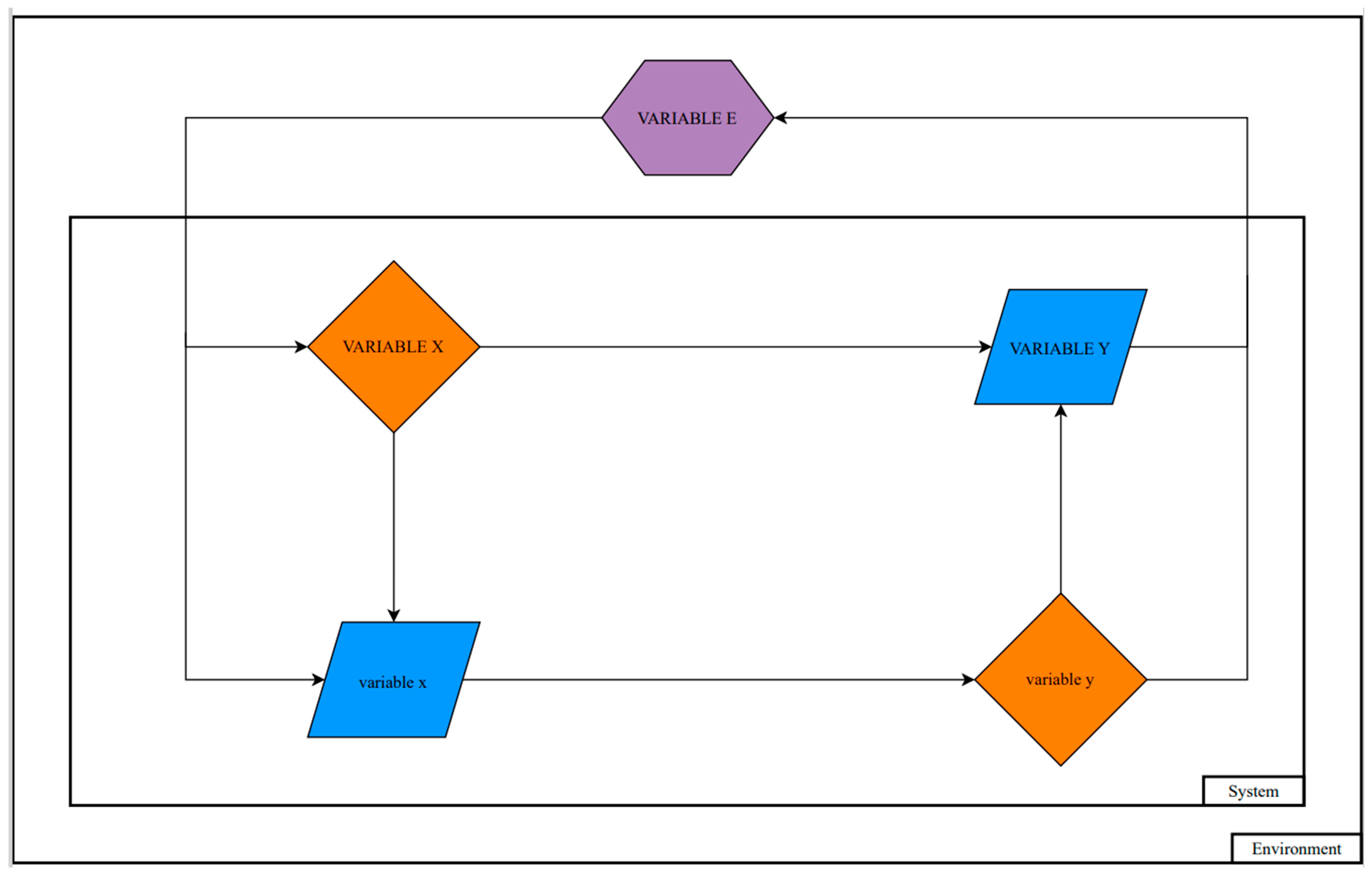
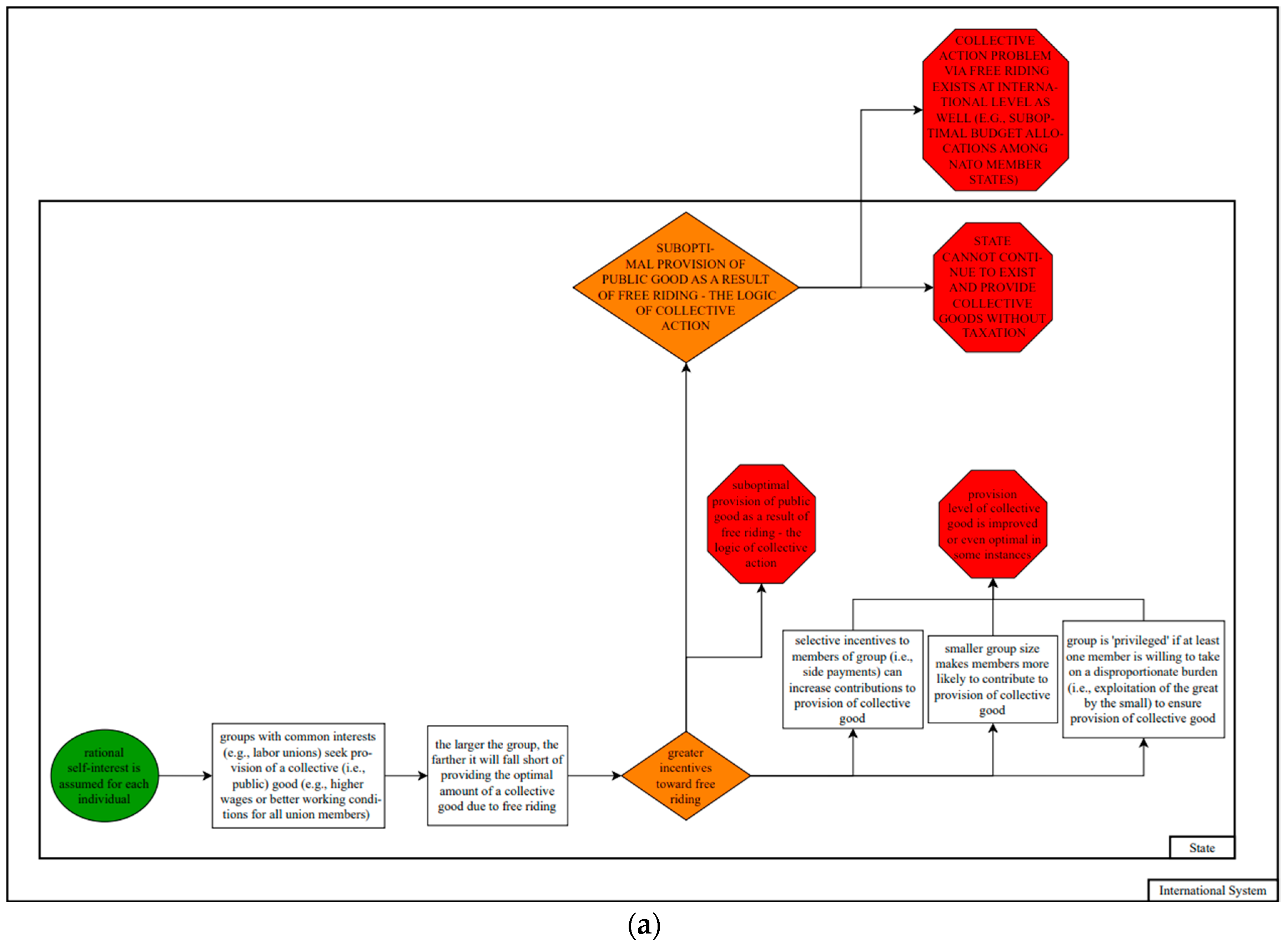
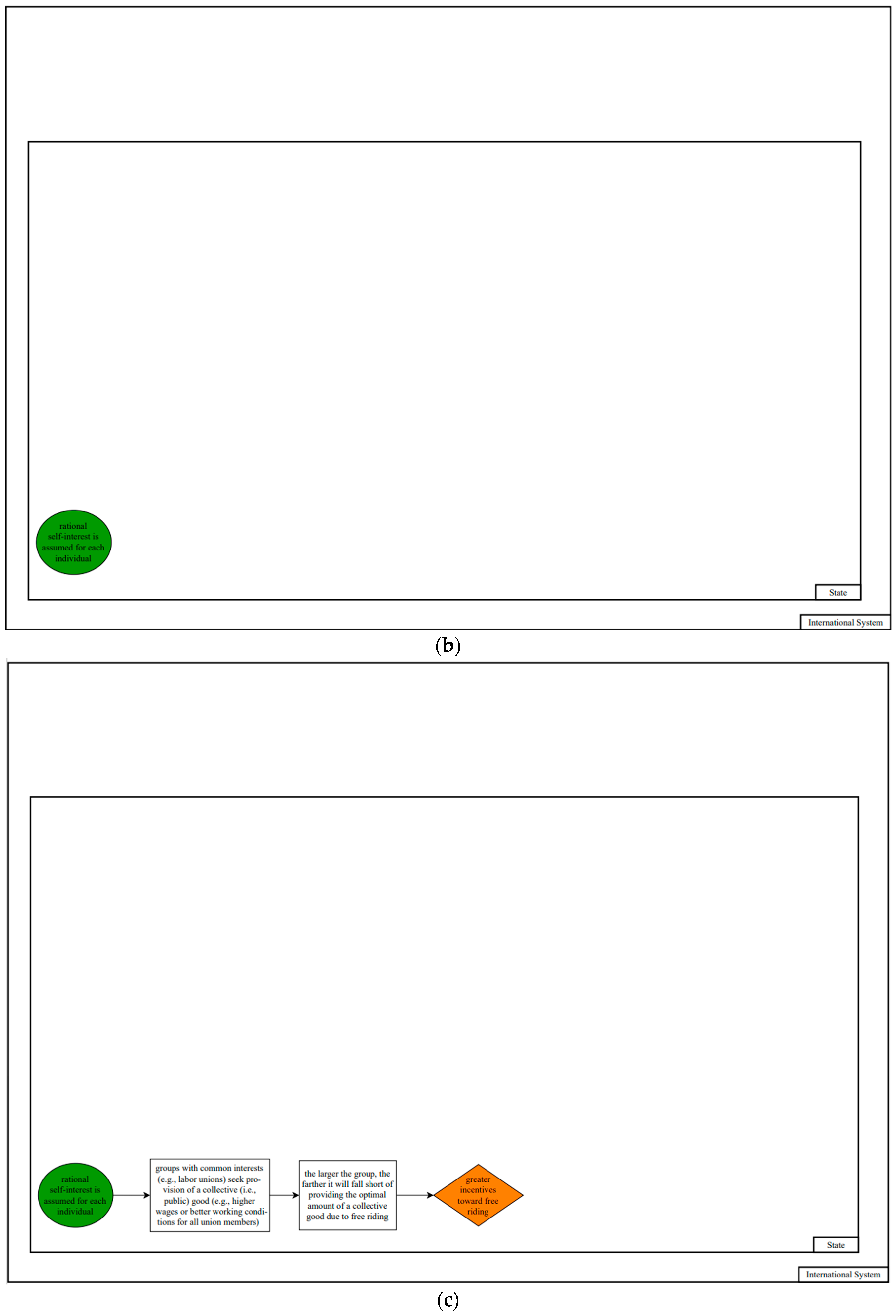
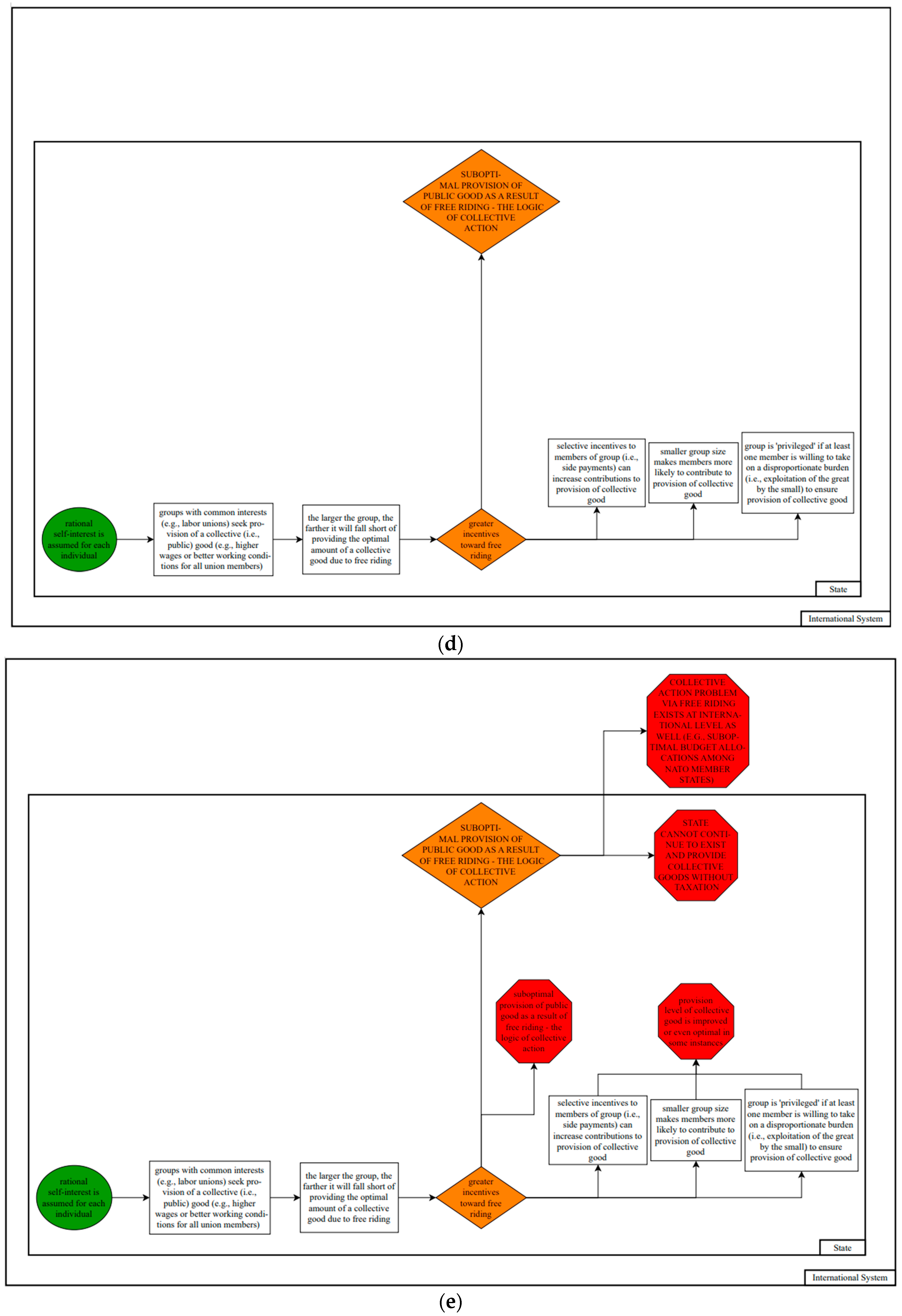
The application of systemism, an innovative and user-friendly technique for generating lucid, graphic summaries of analytical arguments, can enhance the social sciences. Content, as research and pedagogy move forward, becomes increasingly vast and diverse in theory and methods. Systemism offers both a means and a method for enhanced communication in the face of challenges posed by the rapid expansion of the social sciences in the fast-paced world of the new millennium. This is the motivation for a Special Issue of Social Sciences that will show systemism in action. The Visual International Relations Project (VIRP) archive continues to accumulate materials. The contents of this Special Issue will demonstrate the value of that resource across a wide range of subject areas. This introductory article proceeds in five sections. The first section provides a general overview of systemism and the VIRP. The second section introduces systemism in greater detail as a graphic approach to the communication of ideas. The third section applies systemism to convey the framework for analysis utilizing a classic work of social science—The Logic of Collective Action. The fourth section outlines the articles that follow in making up the Special Issue. The fifth and final section sums up what has been accomplished in this introductory article.
Keywords: bricolagic bridging; collective action; systemism; systematic synthesis; Visual International Relations Project bricolagic bridging; collective action; systemism; systematic synthesis; Visual International Relations Project