1. Introduction
The mining industry, as one of the cornerstone sectors of national economic and social development, plays a vital role in the country’s growth. However, it also brings numerous challenges to the ecological environment of mining areas and their surrounding regions, leading to a series of environmental issues [
1]. Mining activities, especially those in limestone and other construction material mines, have contributed to the formation of steep and exposed rocky slopes. This has not only caused significant land degradation and a sharp decline in plant biodiversity but also resulted in soil erosion, groundwater pollution, and frequent geological disasters. These challenges hinder the harmony between the ecological environment and human society [
1]. Managing high, steep rocky slopes is particularly difficult due to significant elevation differences, steep gradients, and long slope extensions. Additionally, rapid and large temperature fluctuations on the slopes severely compress the growth space for plant roots, making greening efforts particularly challenging. Therefore, there is an urgent need for long-term, durable greening technologies suited to the unique characteristics of steep rocky slopes in mining areas. Vegetation eco-concrete (VEC), as a new type of slope stabilization material, offers a synergistic structural-functional framework. This research aims to elucidate the mechanisms by which the staggered stacking of cementitious granules and nutrient-enriched particles creates an optimized rhizosphere microenvironment. The interconnected pores inside VEC provide an excellent growth medium for plants, allowing roots to function in deep anchorage and shallow reinforcement, which helps consolidate soil and stabilize slopes [
2]. Recent advancements in ecological engineering have seen the emergence of bio-receptive concrete, designed to facilitate surface colonization by bryophytes and lichens by optimizing surface pH and macro-roughness [
3,
4]. However, unlike surface-colonized materials, planting concrete (or VEC) must provide a three-dimensional internal environment that supports macro-vegetation. This requires a deeper understanding of the vegetation–cement interaction, particularly the root tip’s tolerance to the highly alkaline pore solution of Portland cement. The localized chemical environment within the porous skeleton governs the horticultural compatibility of the substrate, emphasizing that the mere presence of pores is insufficient for long-term ecological success. However, to scientifically position the novelty of this study, it is crucial to differentiate Vegetation Eco-Concrete (VEC) from other functionally overlapping materials. Unlike pervious concrete, which primarily optimizes hydraulic conductivity for stormwater management, or bio-receptive concrete, which focuses on surface colonization by bryophytes, VEC is engineered as a three-dimensional growth substrate. It requires a delicate balance between mechanical supporting capacity and horticultural compatibility, a distinction often blurred in earlier technical reports.
Furthermore, recent research (2020–2024) has shifted focus toward the root–substrate interaction within the cementitious confinement. A primary challenge identified in the recent literature is the high alkalinity (pH > 12) of Portland cement, which can lead to root tip cauterization. Moreover, the long-term performance and durability of such porous systems under periodic wetting–drying cycles—prevalent on steep rocky slopes—remain critical areas of concern [
5,
6]. While existing vegetation-supporting substrates offer nutrient supply, their synergy with a granulated structural skeleton is still under-represented. This investigation addresses these gaps by implementing a statistically validated optimization framework. The primary difference between this investigation and existing VEC systems lies in the architecture of the load-bearing skeleton. Conventional vegetation concrete typically relies on a traditional stone-aggregate framework coated with cement paste, which often suffers from binder drainage (clogging lower pores) and limited nutrient longevity. In contrast, this study proposes a novel granulated skeleton system utilizing both granulated cement particles and KZ nutrient-enriched functional particles. This “all-particle” configuration eliminates the binder-drainage issue by replacing liquid-heavy pastes with solid-bonded granules. Furthermore, while most previous research follows a descriptive or empirical approach, this work implements a statistically rigorous L18 orthogonal optimization, enabling the precise quantification of how Factor-to-Factor interactions govern the ‘Mechanical–Ecological’ trade-off. This methodological shift from qualitative observation to quantitative prediction marks a significant departure from current ecological engineering practices.
The KZ particles in this study are rich in organic fertilizers. As porous, nutrient-rich particles, they are resistant to mud formation in water and can release nutrients through their internal pores, continuously supplying nourishment for plant growth [
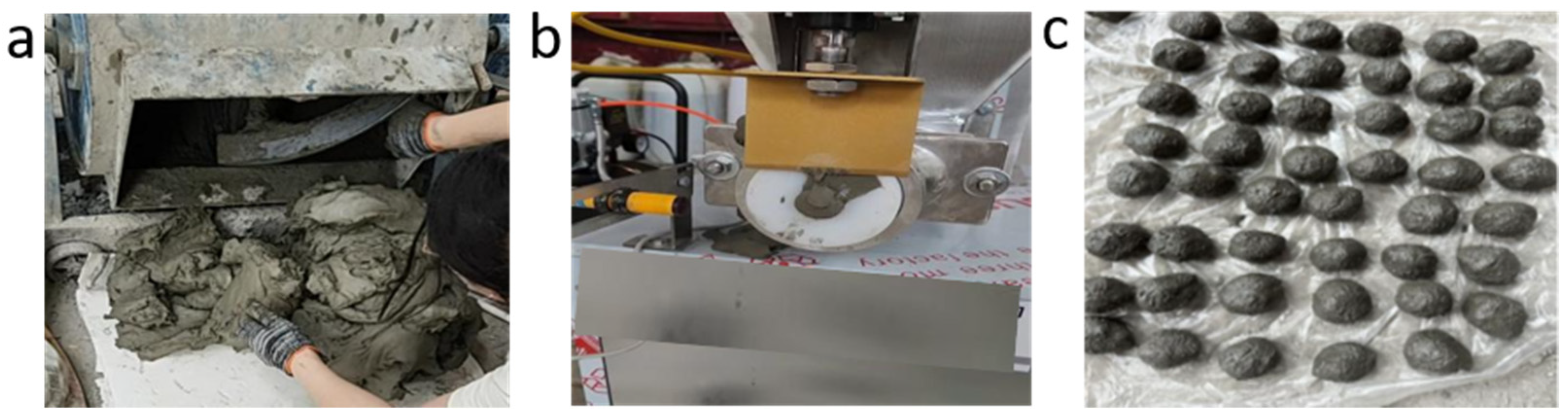
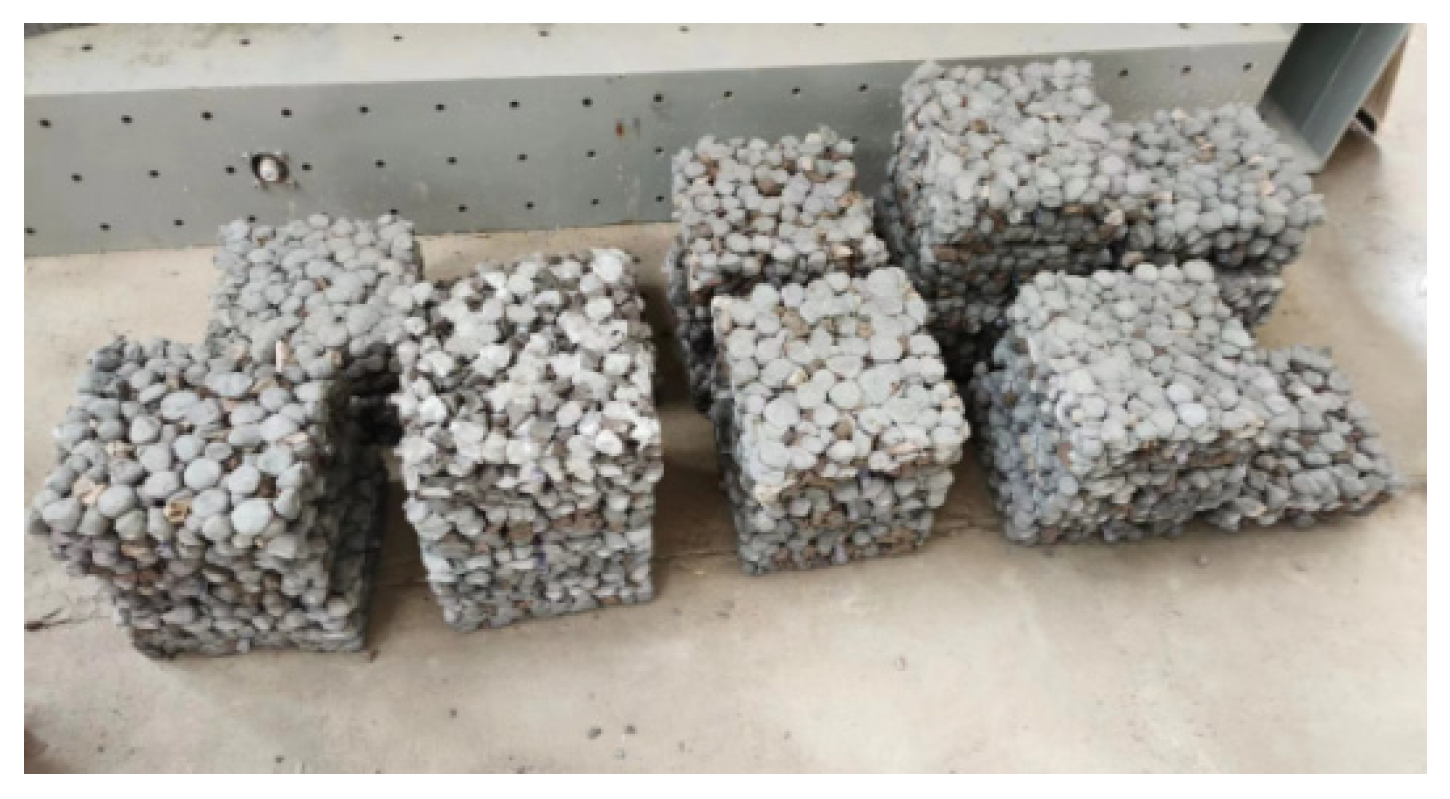
7]. In this study, VEC was prepared into ecological bricks by bonding KZ particles together, under the condition that the adhesive does not completely wrap the KZ particles [
8]. They are manufactured by granulating a mixture of natural zeolite (clinoptilolite), humic acid-rich peat, and N-P-K slow-release fertilizers. The term “KZ” reflects their hybrid mineralogical and nutritional nature, providing the necessary Cation Exchange Capacity (CEC) and pH-buffering required for plant growth within a cementitious matrix. The primary novelty of this study lies in the departure from the traditional “aggregate-paste” design. Instead, a “Granular-Bonded Matrix” is proposed, where both the cementitious skeleton and the nutrient phases are introduced as discrete granules. By employing a “Staggered Stacking” model, this research addresses the persistent challenge of “pore clogging” in ecological concrete, ensuring that the interconnected channels (28.75% porosity) remain unobstructed for root exploration. Furthermore, the integration of engineered KZ particles provides a self-buffering nutrient reservoir, distinguishing this system from conventional planting concretes that rely on external soil filling. An orthogonal test method was designed with five factors and three levels; it explores the influence of water–cement ratio, cement particle diameter and content, mortar binder content, and polypropylene fiber (PP fiber) content on the compressive strength, flexural strength, porosity, and pH value of the test specimens [
2,
9,
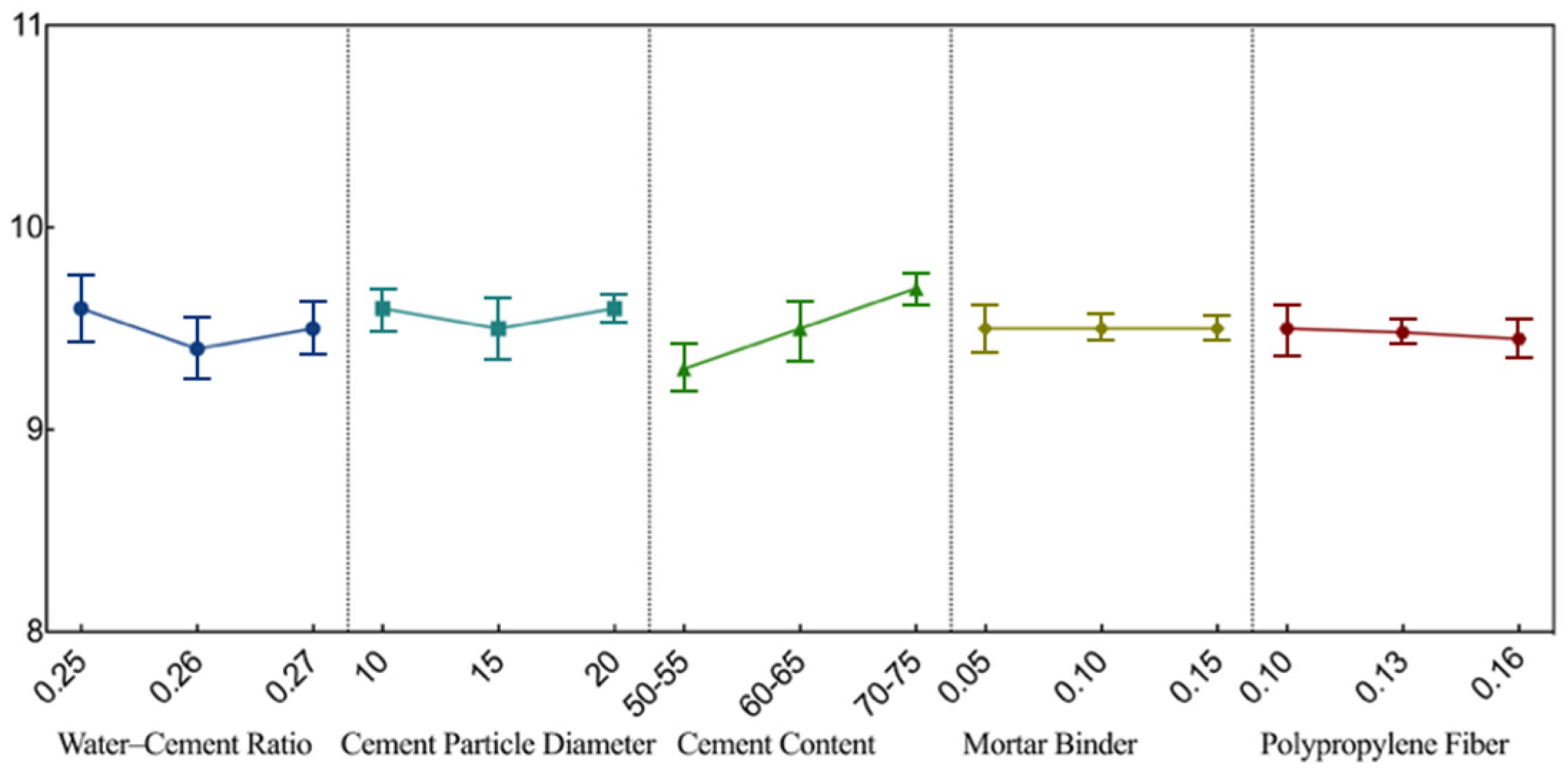
10]. It should be clarified that the pH value in this investigation refers specifically to the alkalinity of the internal pore solution within the VEC matrix, which dictates the chemical compatibility with plant roots. Unlike soil pH, the alkalinity of VEC is an intrinsic property of the cementitious material. In this study, pH regulation is strategically achieved through the optimization of mix proportions—primarily by controlling the cement content—to maintain a growth-conducive environment without relying on external chemical neutralizers.
Based on the experimental results, variance analysis was applied to determine the optimal mix ratio of VEC [
10]. In this study, the ‘optimal mix’ is defined following the Performance-Based Design (PBD) methodology, which seeks a synergistic balance between mechanical strength, chemical stability (pH), and microstructural density (porosity). The determination of this optimal combination is based on the Taguchi Method (Orthogonal Experimental Design), a globally recognized statistical standard for multi-factor optimization in material science. This methodology has been extensively implemented by researchers such as Ma et al. [
11] to achieve multi-objective performance optimization in plant-growing ecological concrete. By identifying the factor levels that maximize performance while minimizing experimental variance, the resulting mix represents a scientifically grounded ‘optimum’ rather than an arbitrary choice. Finally, the vegetative performance of plant growth under this optimal mix ratio was tested, providing valuable references and suggestions for practical engineering applications.
In summary, while several studies have explored porous concrete for ecological applications, the scientific novelty of this investigation is three-fold. Firstly, we propose a novel multi-functional granulated skeleton system using granulated cement particles and nutrient-enriched KZ particles. This design fundamentally resolves the ‘binder-drainage’ and ‘pore-clogging’ issues prevalent in traditional coating methods, providing a more stable and uniform internal structure for root anchorage. Secondly, this work moves beyond conventional trial-and-error experiments by implementing a rigorous ANOVA-validated L18 orthogonal optimization procedure. This allows for the precise quantification of factor sensitivity on the ‘Processing–Structure–Property’ linkage, identifying the statistical significance of cement content and w/c ratio on pH and porosity. Thirdly, by integrating macro-mechanical performance with micro-horticultural indicators, we establish a mechanistic understanding of plant–concrete interaction, shifting the research paradigm from empirical waste utilization to performance-based material design for sustainable ecological restoration.
4. Discussion
4.1. Interpretation of Mechanical Performance of Vegetation Eco-Concrete
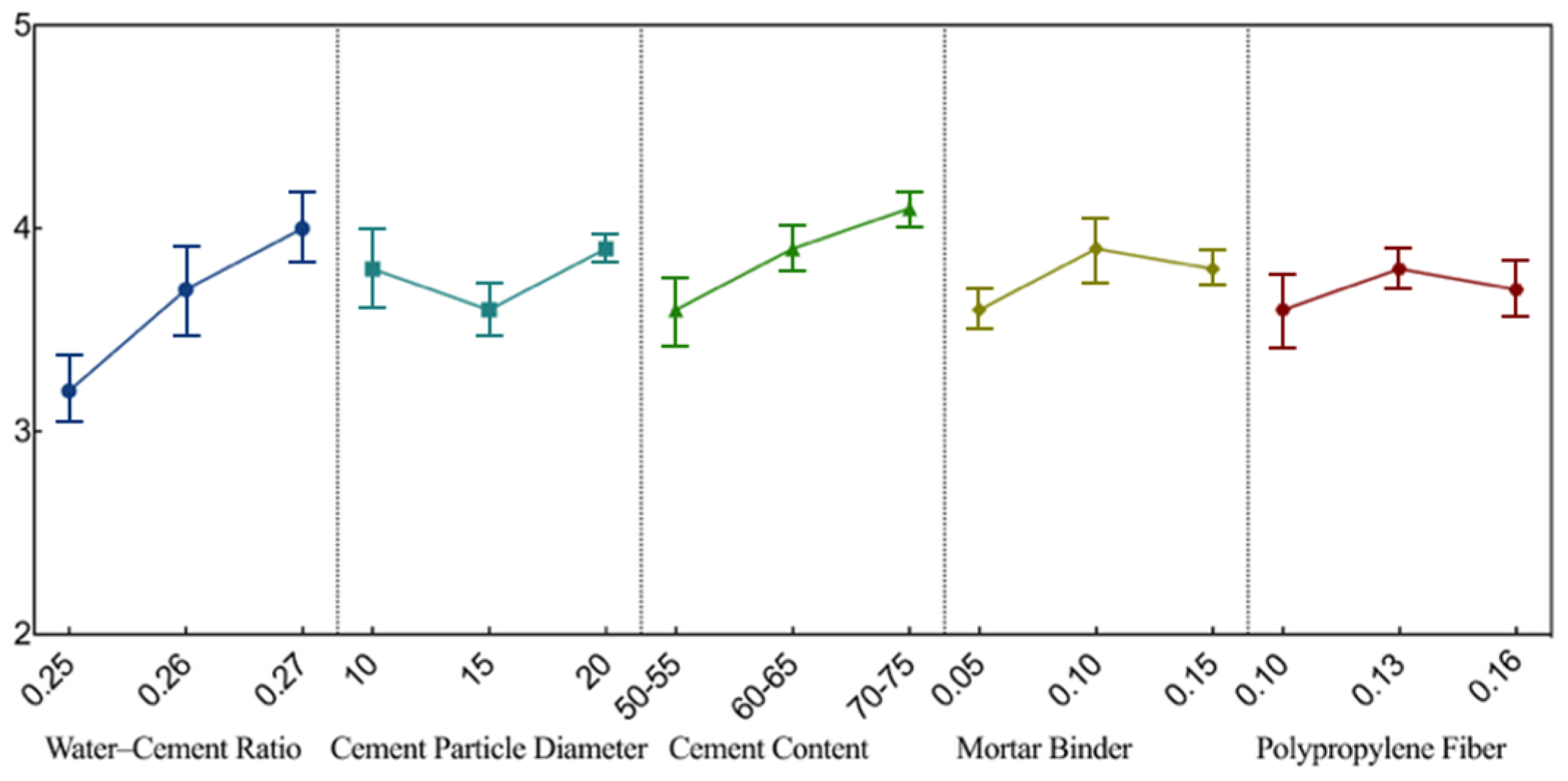
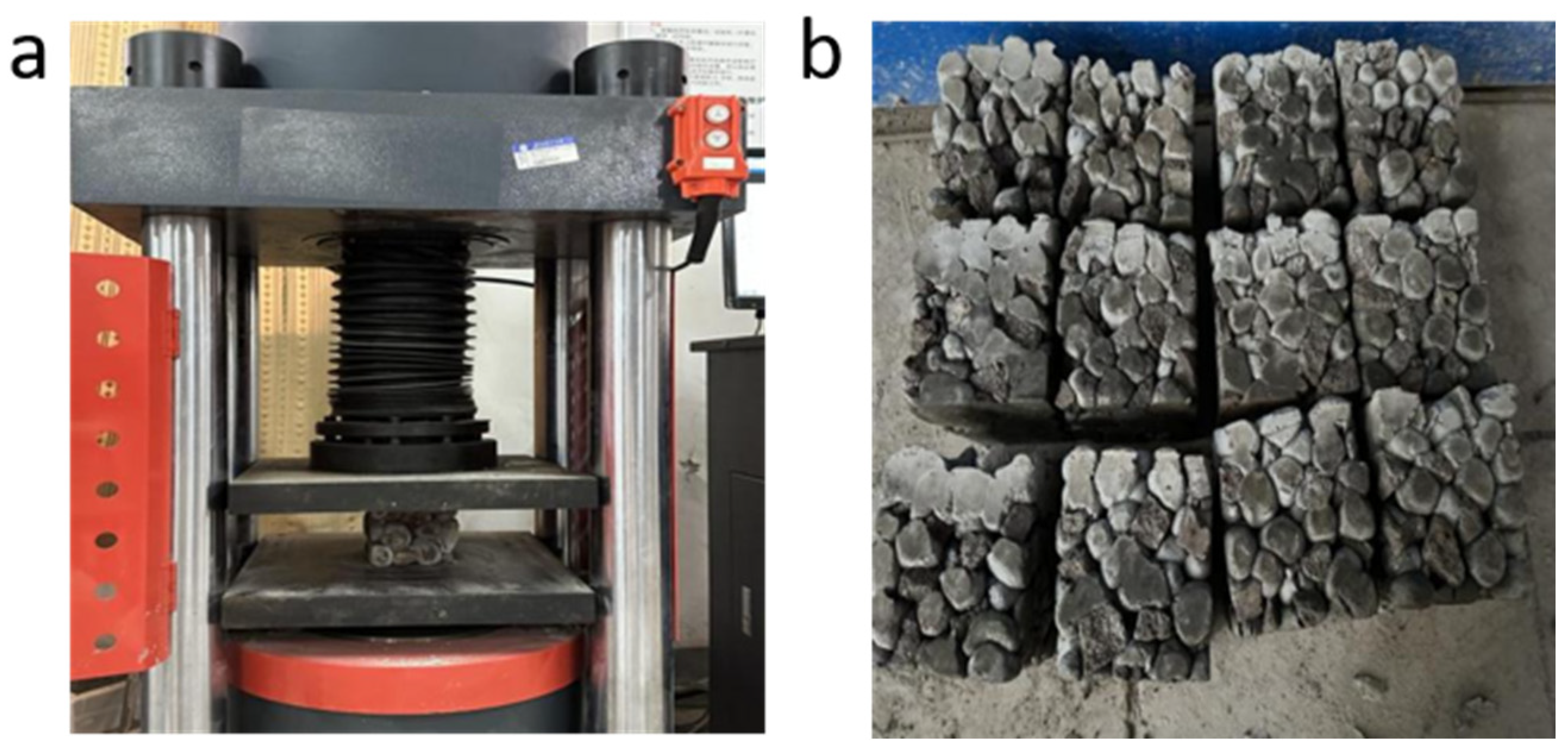
To clarify the engineering niche of Vegetation Eco-Concrete (VEC), it is essential to compare it with other ecological cementitious materials. While pervious concrete typically targets high strength (10–25 MPa) for drainage, VEC prioritizes biological connectivity with a higher porosity (28.75%). Unlike biochar concrete or geopolymer systems, which can exhibit high alkalinity (pH > 12), VEC achieves a more biocompatible microenvironment (pH ≈ 9.7) through nutrient-enriched KZ particles. The results of this study demonstrate that the mechanical properties of VEC are strongly governed by the synergistic effects of water–cement ratio, cement particle content, particle size, mortar binder dosage, and polypropylene fiber content. The mechanical performance of VEC, as evidenced by the peak compressive strength of 4.31 MPa recorded in
Table 8 (Mix 31323), is influenced by the synergistic interaction of the five tested factors. As shown in the range analysis (
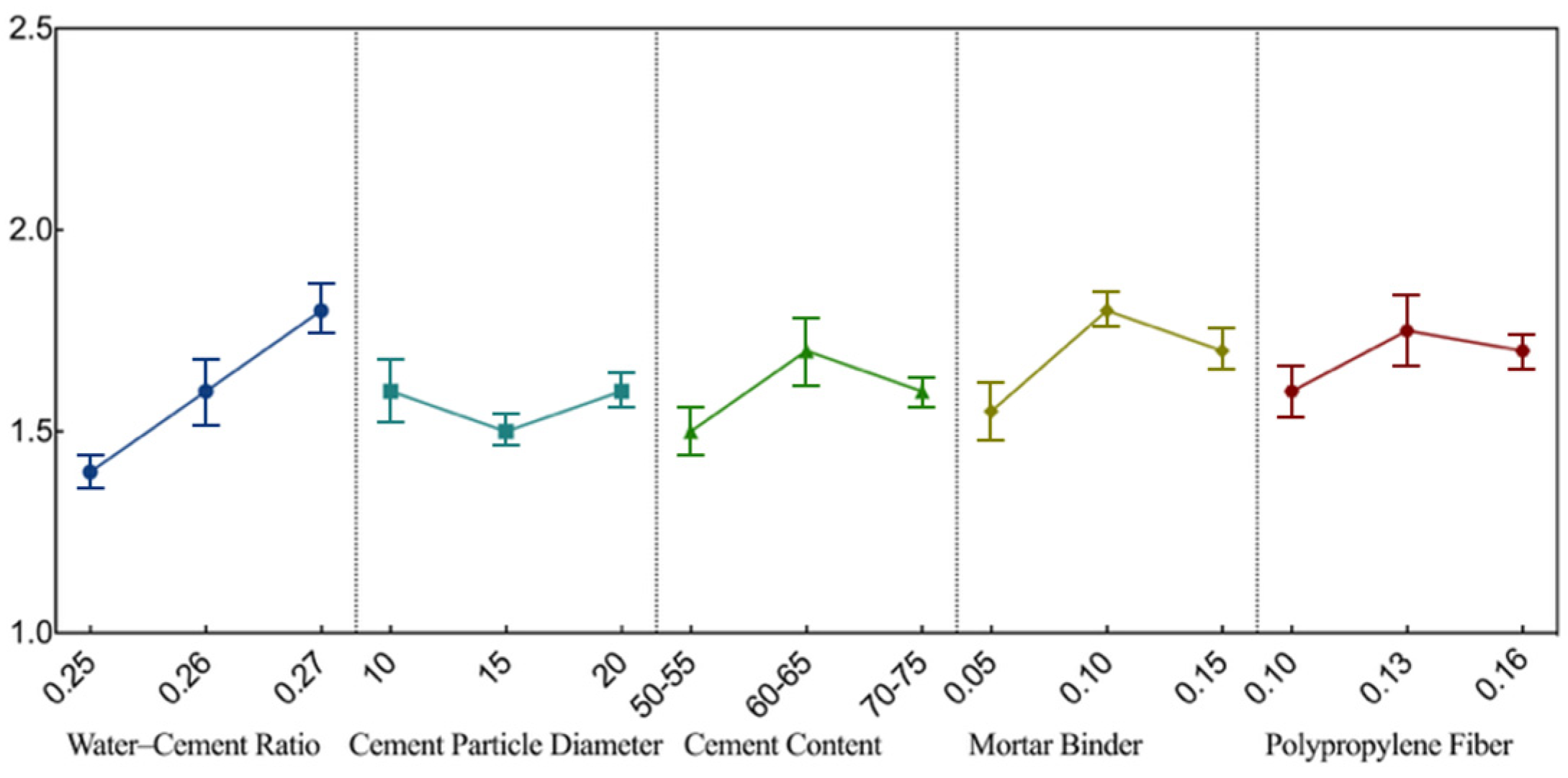
Table 9), the water–cement ratio (w/c) is the dominant factor (R = 1.25). In line with recent reviews on porous ecological substrates, a moderate increase in (w/c) from 0.25 to 0.27 facilitates the formation of a robust ITZ between cement granules. This mechanism is visually supported by the strength trends in
Figure 3, where improved paste fluidity enhances the “bonding neck” area without clogging the necessary pore channels [
24]. The observed increase in compressive and flexural strength with an increasing water–cement ratio within the tested range may appear counterintuitive when compared to conventional concrete. This behavior is fundamentally rooted in the “bonding neck” mechanism of particle-bonded systems. A moderate increase in water content ((w/c) = 0.27) optimizes the rheological mobility of the cement paste, facilitating an increased effective ITZ between granules. This enhancement of skeletal integrity outweighs the localized increase in capillary porosity, providing a scientific basis for the optimized mix. This leads to stronger inter-particle bonding without excessively clogging the pore structure. Therefore, the optimal water–cement ratio of 0.27 identified in this study represents a balance between sufficient hydration and the preservation of interconnected pore channels. This selection is scientifically substantiated by the low coefficient of variation (COV < 5%) and ANOVA results (
p = 0.027 < 0.05), confirming that the observed performance peaks are statistically robust and align well with findings from prior ecological concrete research.
The observed strength–porosity balance in this study (4.31 MPa at 28.75% porosity) aligns well with the performance envelopes of vegetation-supporting concretes discussed by [
25,
26]. While traditional pervious concrete focuses on higher strengths (>10 MPa), our VEC prioritizes “biological niche” volume. Unlike the cement-free geopolymer systems studied previously, the granulated cement framework developed here provides a more stable pH-buffering environment (
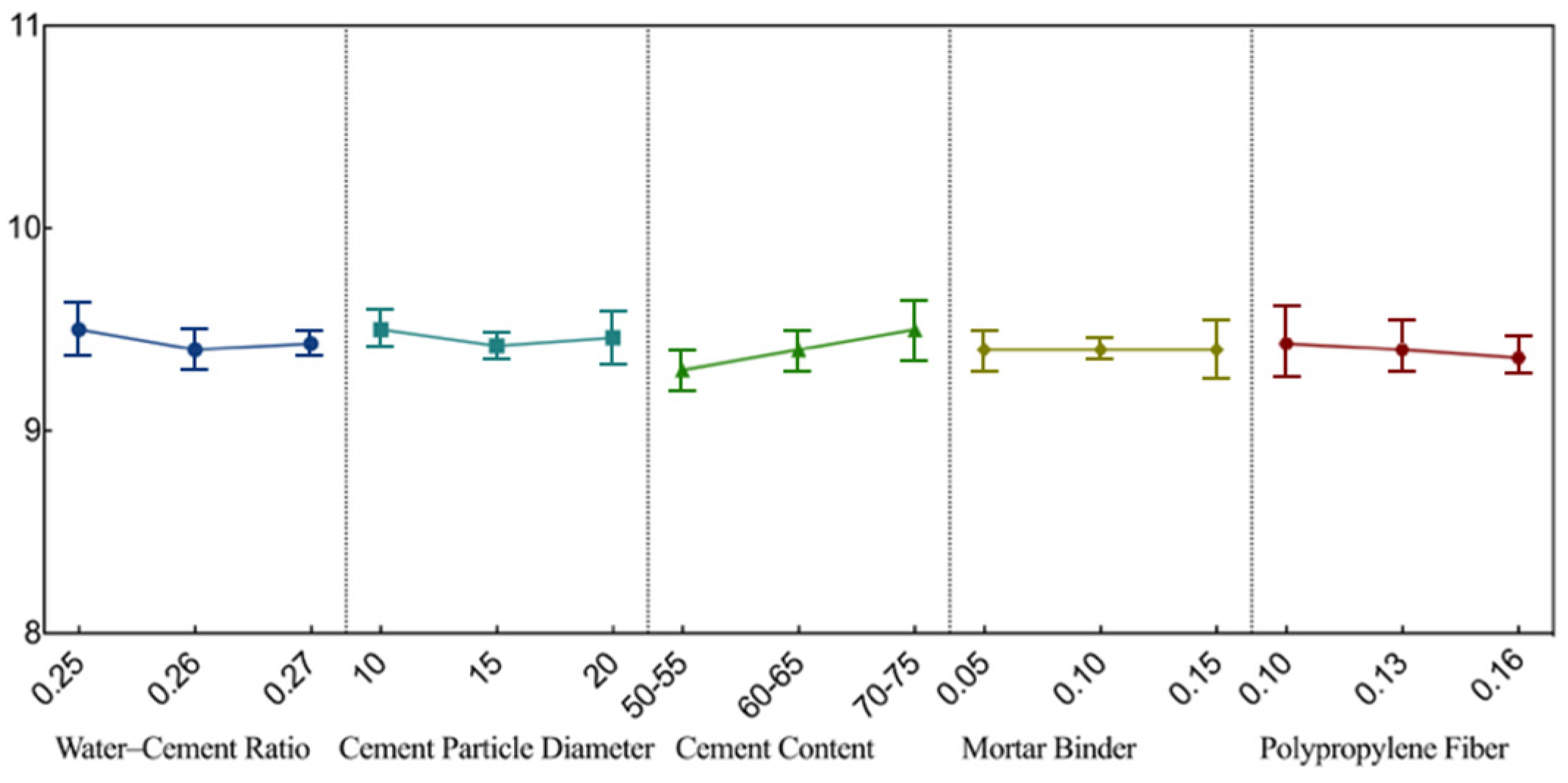
Figure 5), which is crucial for the survival of the gramineous species tested. The granulation of cement serves as a deliberate structural strategy. Unlike conventional powder cement, which tends to clog pores in high-porosity systems, the granulated cement particles form a stable “staggered stacking” skeleton. This architecture ensures that the interconnected pores remain open for root exploratory growth, a prerequisite for the material’s ecological function that justifies the use of cement in this specific granular form.
Cement particle content was identified as another dominant factor influencing both strength and porosity. As cement particle content increased, compressive strength improved due to the formation of a more stable load-bearing skeleton. However, excessive cement content resulted in partial pore blockage and reduced effective porosity, which may negatively affect plant growth. Compared to the pervious concretes studied between 2021 and 2024, which primarily optimize the paste-to-aggregate ratio, our VEC focuses on the geometry of the “bonding neck” between granules. This granular approach facilitates a higher surface area for root-nutrient interaction while the cement granules provide a rigid mineral skeleton. This “particle-on-particle” bonding represents a shift in the design philosophy of vegetation substrates, prioritizing biological niche volume over pure compressive strength. This result supports previous conclusions that ecological concrete should prioritize functional porosity over maximum strength, particularly for slope stabilization applications where vegetation reinforcement plays a complementary role. The present findings further refine this concept by identifying an optimal cement particle content range of 70–75 wt%, which achieves adequate mechanical performance while maintaining suitable pore connectivity. The addition of a small amount of mortar binder significantly enhanced compressive strength, with 0.1 wt% identified as the optimal dosage. This outcome is consistent with earlier studies showing that binders improve the adhesion between cement paste and aggregates, thereby stabilizing the skeletal structure of porous concrete. However, excessive binder content can reduce permeability and porosity, which underscores the importance of precise dosage control. The relatively minor influence of polypropylene fibers on compressive strength, compared to their contribution to flexural performance, aligns with previous fiber-reinforced concrete research, highlighting their role in crack bridging and toughness enhancement rather than primary load-bearing capacity.
4.2. Vegetative Compatibility and Root–Concrete Interaction
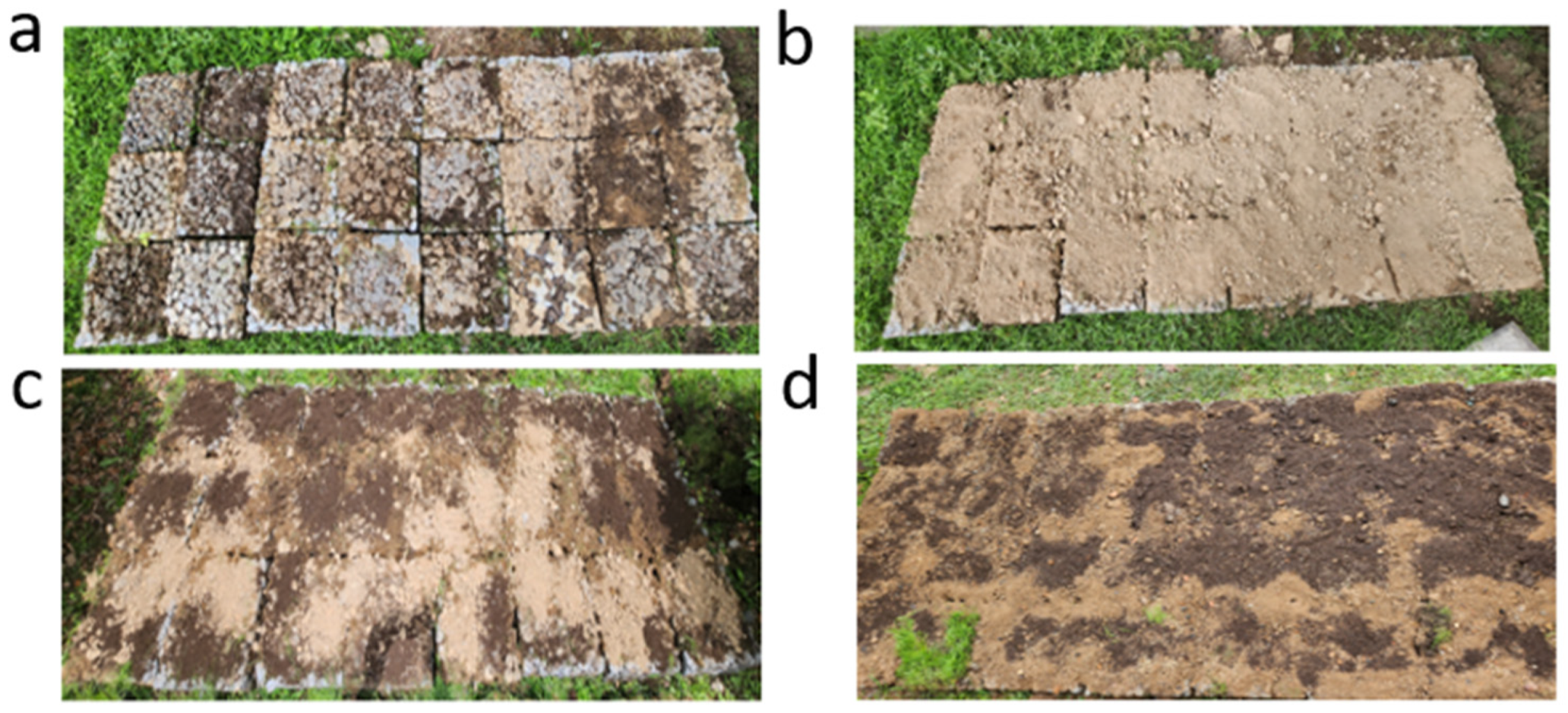
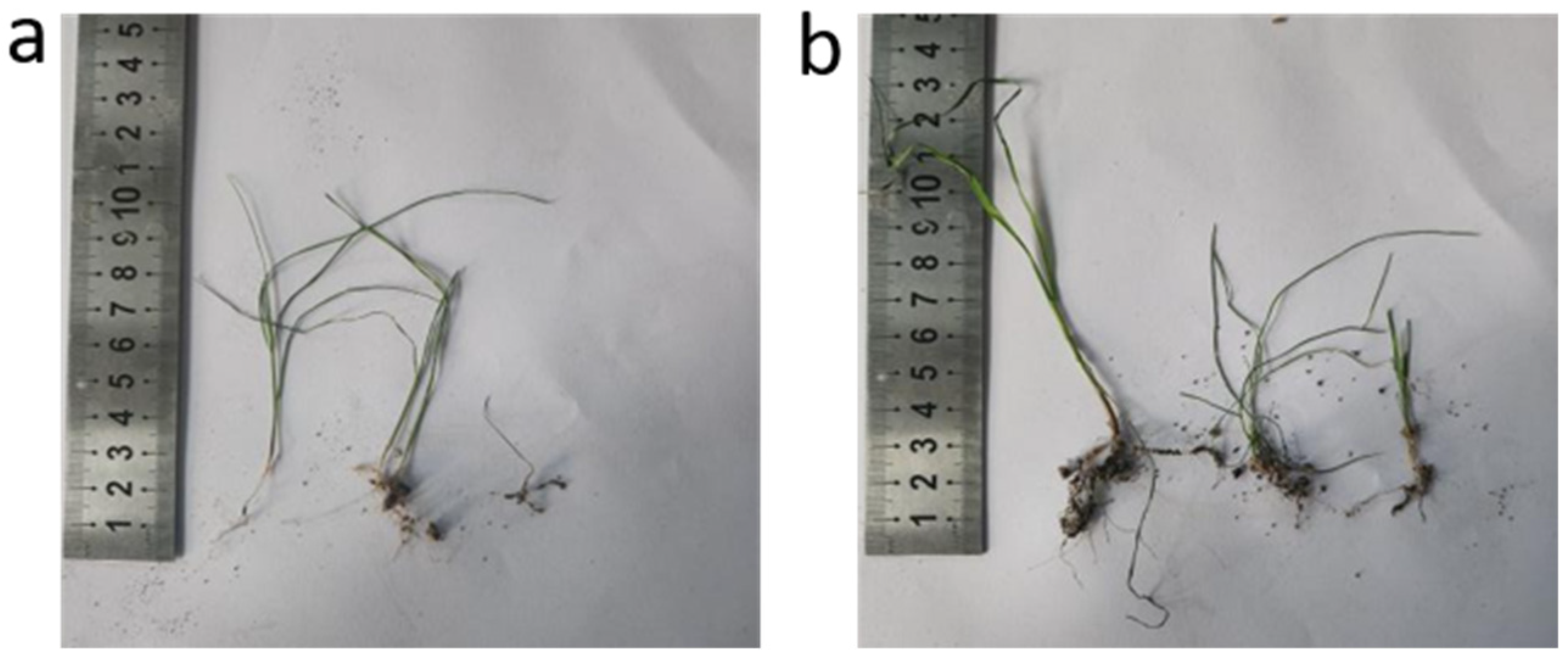
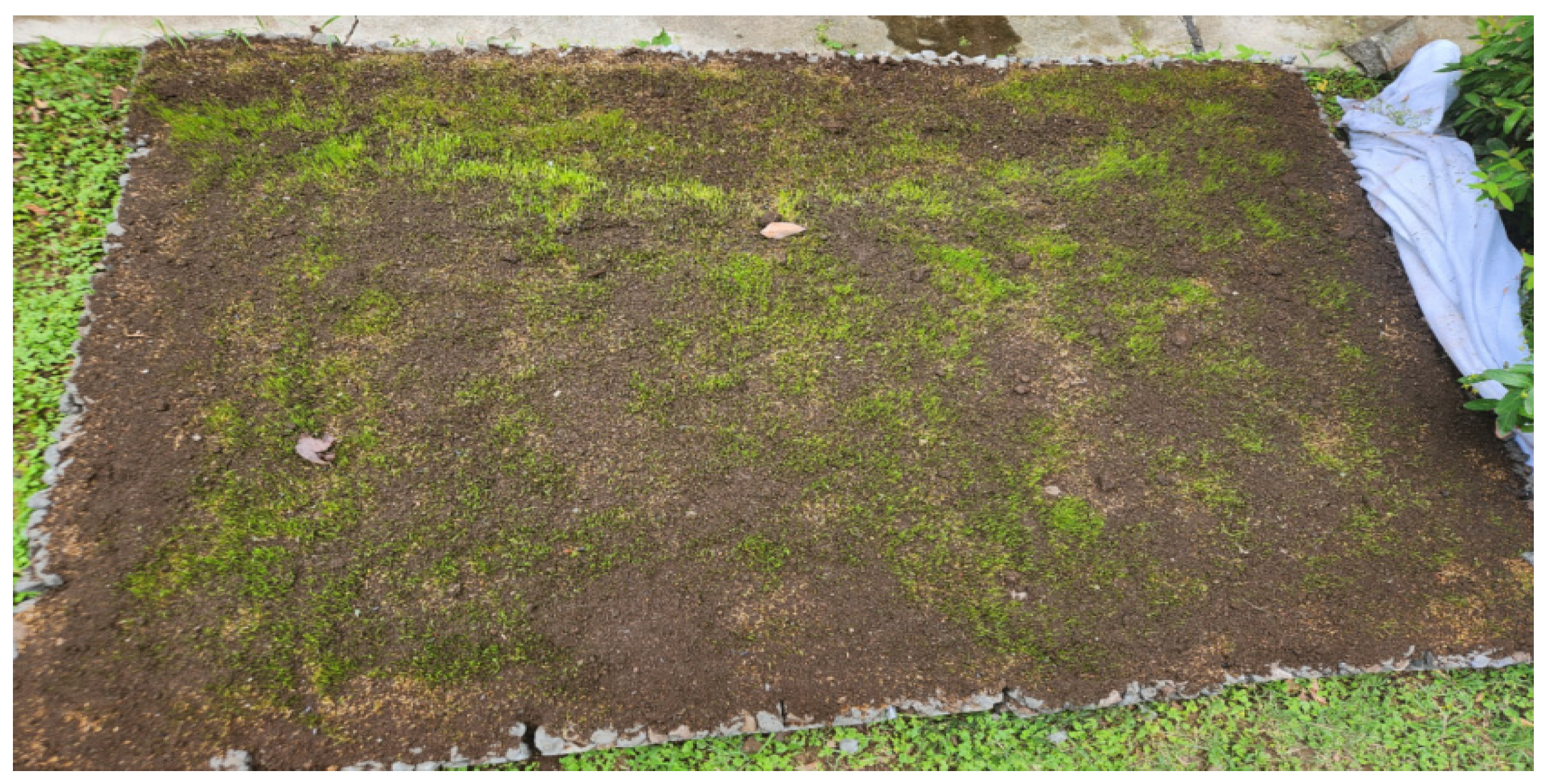
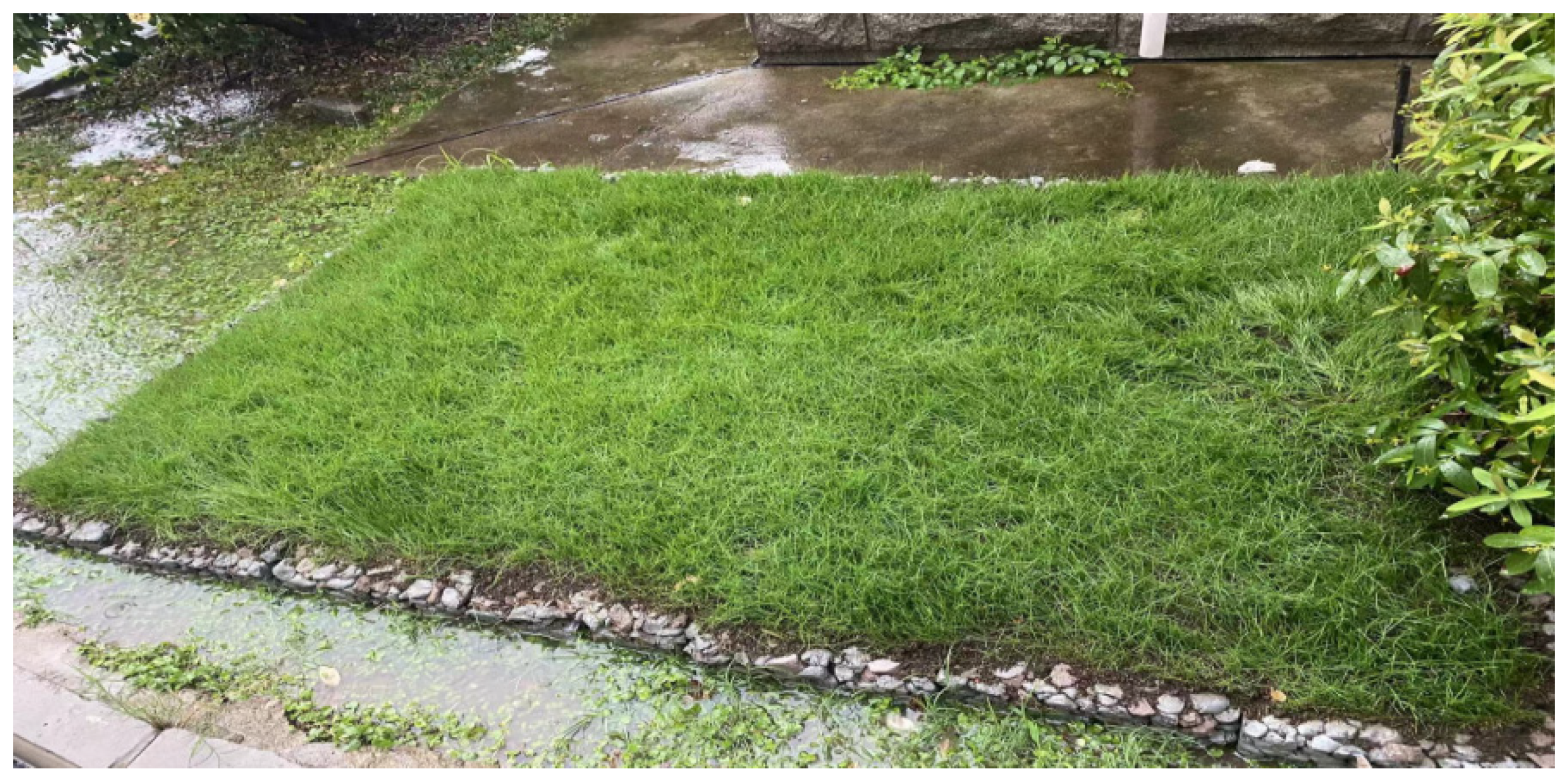
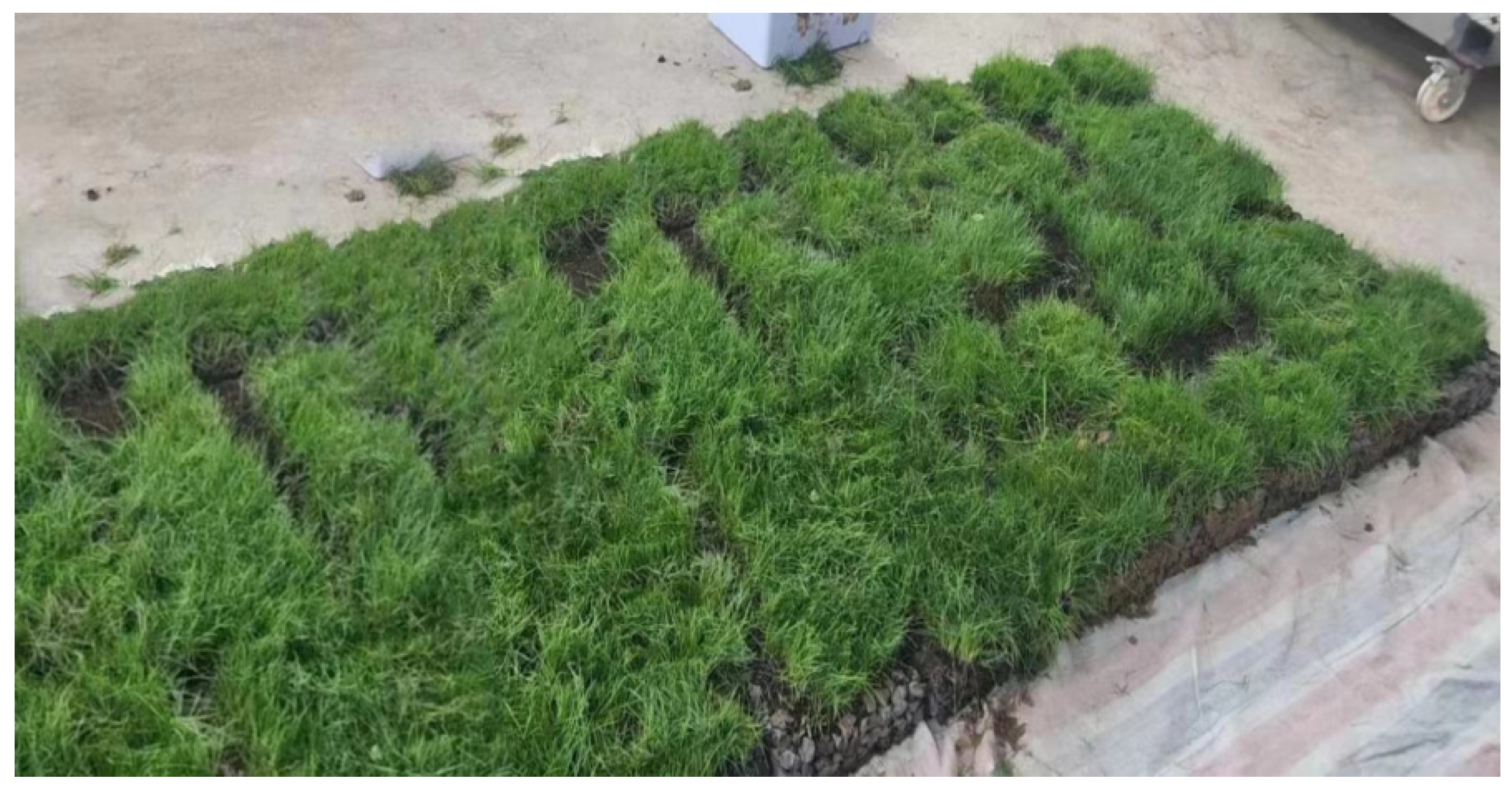
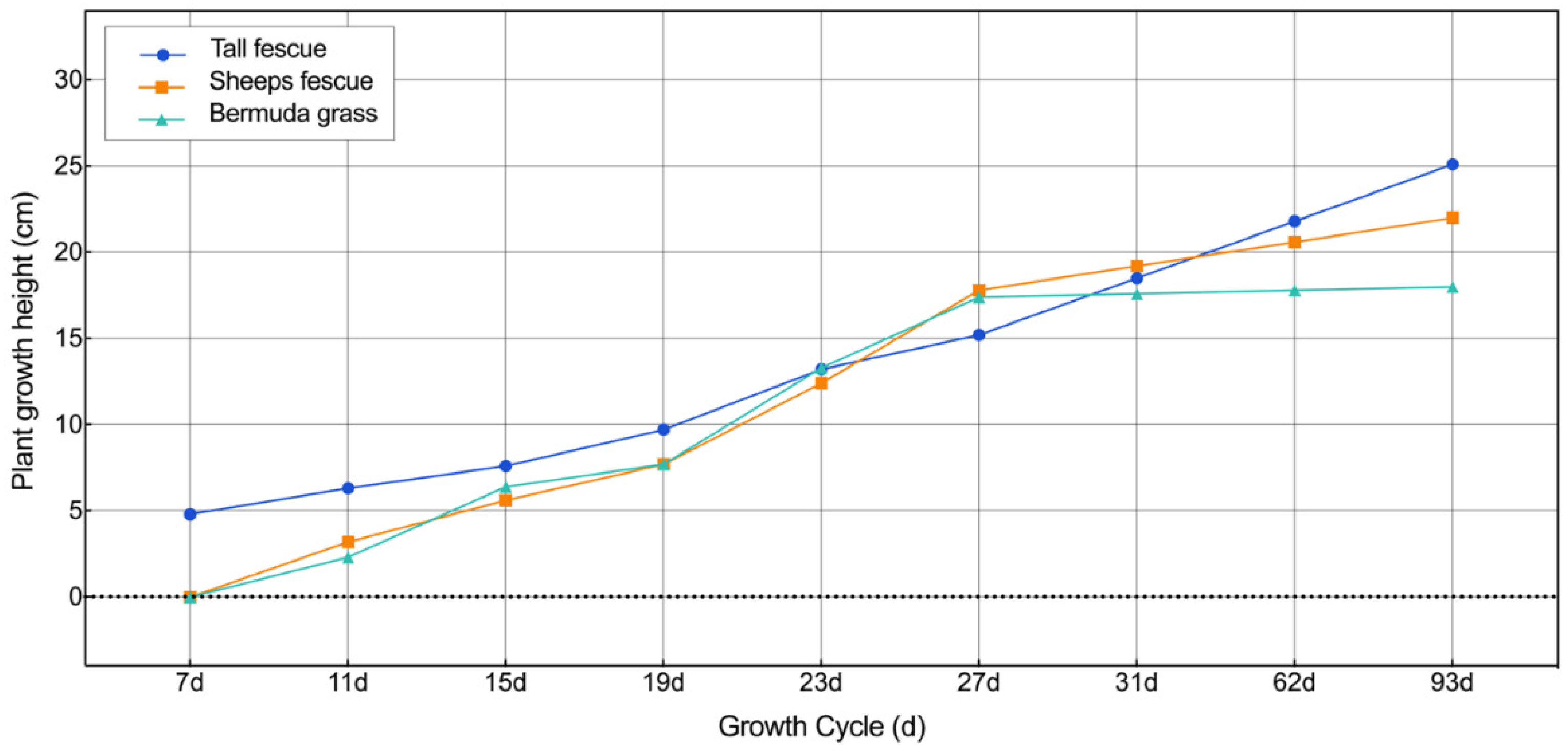
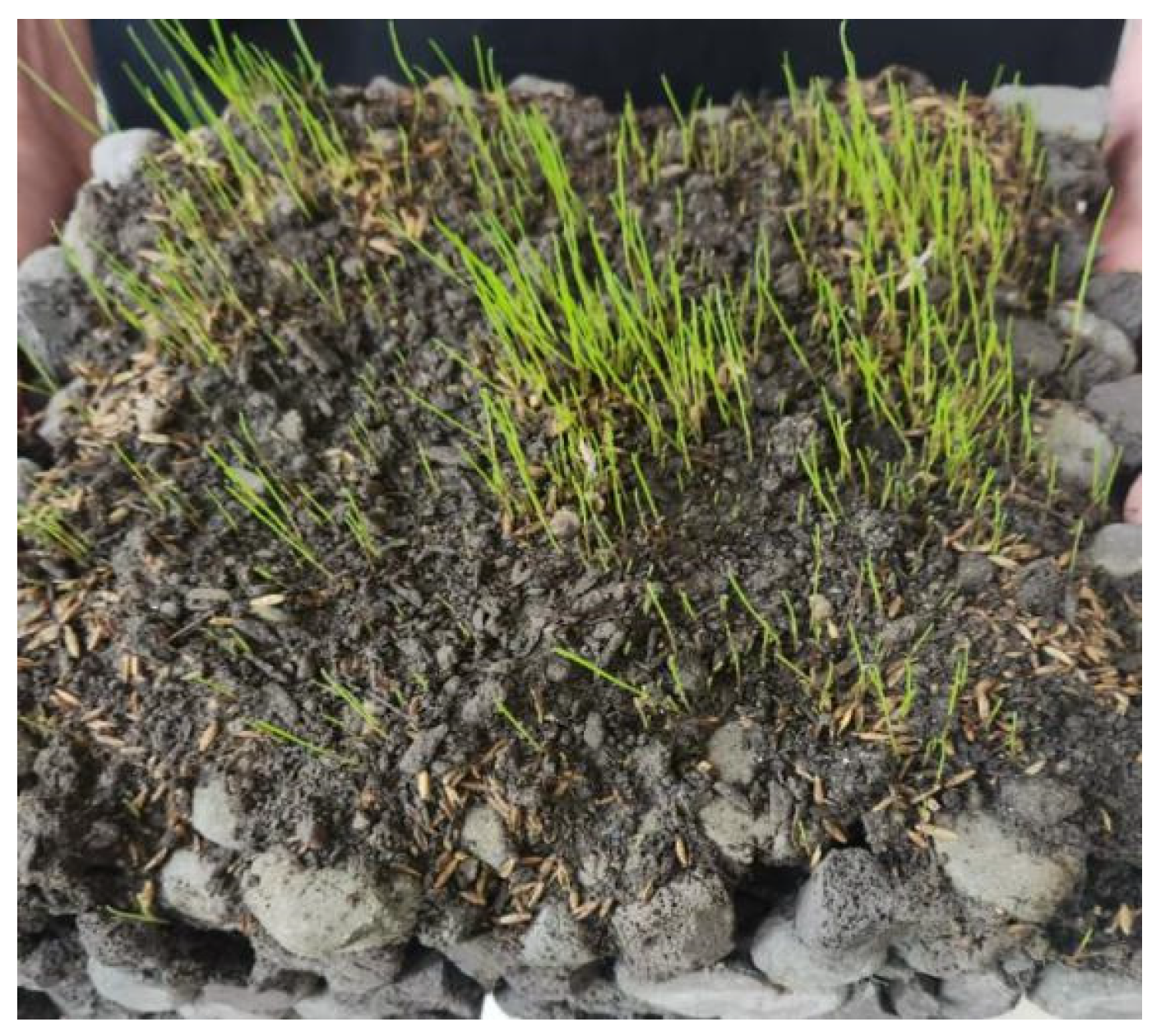
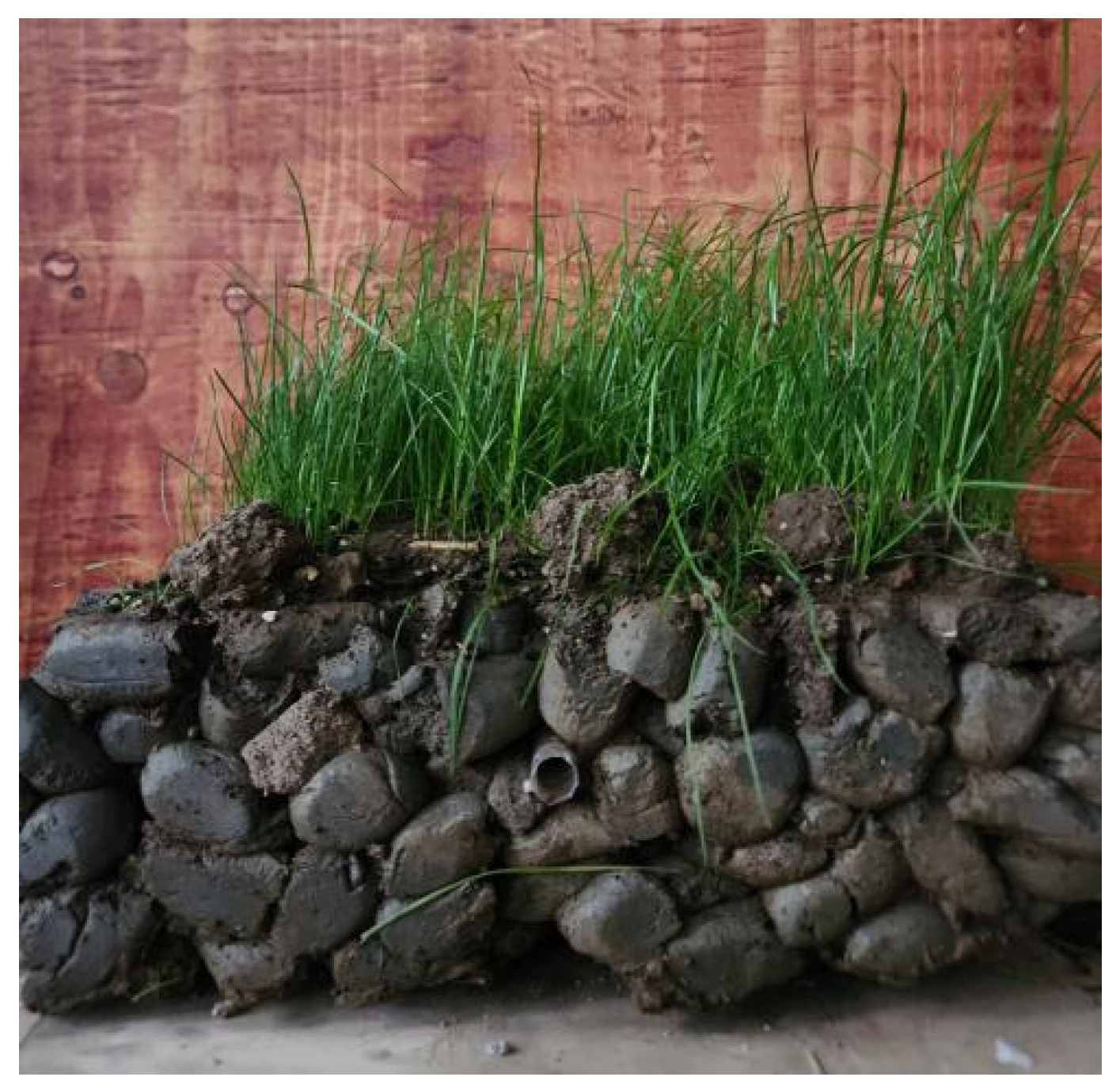
One of the core objectives of vegetation eco-concrete is to achieve harmonious integration between structural material and plant growth. The planting experiments conducted in this study transition the analysis from qualitative observation to experimental validation of the mechanisms underlying vegetative compatibility in VEC systems. The quantitative results indicate that VEC incorporating KZ particles achieved superior biocompatibility indices (n = 3), significantly outperforming control specimens in standardized plant height (25.1 ± 1.2 cm for Tall fescue) and root penetration speed (1.67 mm/day). The superior growth observed on KZ-enriched substrates (
Figure 15) can be interpreted through the nutrient release kinetics of the porous matrix. As identified in the structural formation analysis, the interconnected pores (28.75%,
Figure 6) allow root exploratory growth to access the internal KZ reservoirs. This interaction between root hairs and the nutrient-rich skeleton validates the “horticultural compatibility” objective, matching the ecological restoration requirements for mine slopes outlined in the recent literature. The physiological vitality observed indicates a successful establishment of rhizosphere chemical equilibrium. The nutrient-enriched KZ particles act as an internal chemical buffer, mitigating pH stress from the cementitious matrix while the interconnected pore network (28.75% porosity) serves as a functional pathway for exploratory root growth. This facilitates a “root–concrete interlocking” effect that reinforces the slope stability beyond simple surface covering. According to the pack-density theory, this creates an interconnected network with low tortuosity. This high level of “effective connectivity” ensures that hydraulic conductivity is not limited by localized bottlenecks, providing a continuous pathway for nutrient diffusion and root exploratory growth. This observation supports the working hypothesis that nutrient supplementation within the concrete matrix can mitigate the inherent nutrient deficiency of cement-based materials. Previous studies have emphasized that the highly alkaline environment of fresh concrete can inhibit seed germination and root growth. In this study, although the pH values of the VEC specimens were relatively high, plants were still able to establish and develop robust root systems, particularly in specimens with higher KZ particle content. This suggests that the localized microenvironment created by nutrient particles and interconnected pores can buffer pH stress and provide favorable conditions for early root establishment. Similar buffering effects have been reported in biochar- or organic-modified ecological concrete systems, reinforcing the importance of internal material modification for improving plant compatibility. Root penetration through the VEC layer is a critical indicator of long-term ecological performance. The observation that tall fescue and sheep fescue roots penetrated the 100 mm thick VEC layer within 60 days demonstrates that the pore structure and connectivity of the optimized VEC mix are sufficient to support deep root anchorage. This finding aligns with the concept of “root–concrete interlocking,” which has been proposed in earlier ecological engineering studies as a key mechanism for enhancing slope stability. In contrast, Bermuda grass exhibited limited root development, highlighting the importance of species selection when implementing VEC in practical applications. The measured pH range (9.4–9.8) represents a significant reduction compared to the typical pH of 12.5–13.5 found in conventional Portland cement. This reduction is biologically critical, as high alkalinity inhibits the uptake of essential micronutrients (e.g., Fe, Zn, Mn) and causes osmotic stress to root tissues. A pH below 10.0 is widely recognized as the survival threshold for alkali-tolerant gramineous species. The stability of this pH environment is governed by the leaching kinetics of the cement granules and the compensatory buffering provided by the FeSO
4 in the KZ particles. During hydration, Fe
2+ ions react with OH
− to form Fe (OH)
2, effectively neutralizing the alkaline leachates and preventing pH rebound over time.
4.3. Influence of Plant Species and Ecological Adaptability
The differential performance of plant species observed in this study underscores the role of biological factors in the success of vegetation eco-concrete systems. Tall fescue and sheep fescue demonstrated rapid germination, vigorous aboveground growth, and well-developed root systems, making them well-suited for integration with VEC. These species are known for their strong adaptability, fibrous root architecture, and tolerance to suboptimal soil conditions, which likely contributed to their superior performance. From the perspective of previous ecological restoration studies, the compatibility between plant root morphology and substrate structure is a decisive factor in vegetation establishment. The interconnected pore network of VEC favors species with fine, dense root systems capable of exploiting small pore spaces. The results of this study reinforce this principle and suggest that plant selection should be guided not only by climatic adaptability but also by root system characteristics. This has important implications for the design of vegetation eco-concrete systems tailored to specific ecological and engineering contexts.
4.4. Broader Implications for Slope Stabilization and Ecological Restoration
The findings of this study contribute to the broader understanding of how engineered materials can support ecological functions while meeting structural requirements. Vegetation eco-concrete represents a hybrid solution that integrates mechanical stabilization with biological reinforcement. The optimized mix design identified in this study achieves a balance between strength, porosity, and vegetative compatibility, which is essential for sustainable slope protection in mining areas and other disturbed landscapes. Compared with traditional rigid slope protection methods, such as shotcrete or masonry retaining structures, VEC offers clear ecological advantages, including enhanced biodiversity, improved landscape aesthetics, and long-term self-reinforcement through vegetation growth. Root–concrete interaction is characterized by mechanical interlocking and biological-chemical synergy. As roots penetrate the interconnected pores, they form a “root–concrete composite” that enhances the shear resistance of the VEC layer. This is facilitated by the KZ particles, which neutralize the ITZ alkalinity, allowing the root hairs to establish direct physical contact with the cementitious skeleton without chemical inhibition, thereby increasing the anchorage strength on steep slopes. The interconnected nature of the VEC porosity is a function of the particle-to-void ratio in the staggered stacking model. Based on the grading of the cement and KZ granules (d_{avg}\approx 3.5 mm), the estimated mean pore throat diameter is approximately 0.8–1.2 mm. This diameter is significantly larger than the exploratory root tips of the selected gramineous species (0.1–0.3 mm), facilitating unobstructed root penetration. Furthermore, the effective connectivity was validated by the absence of localized waterlogging during the 60-day irrigation cycle, indicating a hydraulic conductivity (K) sufficient for aerobic rhizosphere conditions.
4.5. Limitations and Future Research Directions
Despite the promising results, several limitations of this study should be acknowledged. First, the planting experiments were conducted over a relatively short observation period of 60 days. While this timeframe is sufficient to assess early-stage plant establishment, long-term studies are necessary to evaluate vegetation persistence, root–concrete interactions over multiple growing seasons, and durability under environmental stresses such as freeze–thaw cycles and rainfall erosion. Firstly, the impact of cold climates with prolonged negative temperatures poses a significant risk. While the interconnected porosity of VEC facilitates drainage, any residual water within the soil-filled pores can undergo freeze–thaw cycles. The volumetric expansion of ice (approximately 9%) within the confined cementitious skeleton could generate internal crystallization pressures that exceed the tensile strength of the bonding bridges, potentially leading to structural disintegration. Therefore, VEC application in alpine or permafrost regions may require the incorporation of air-entraining agents or specific porosity adjustments. Over time, natural ecological succession may lead to the settlement of woody plants (bushes or trees) with aggressive root systems. These ‘strong roots’ could exert significant radial pressure within the VEC pores, potentially fracturing the granulated matrix. To mitigate this, regular ecological maintenance is required to remove invasive woody species, or the inclusion of physical root-inhibiting layers may be necessary in projects where long-term structural integrity is prioritized over natural succession. Future research should explore a wider range of native and stress-tolerant species to develop region-specific vegetation eco-concrete solutions. Additionally, investigations into mixed-species planting systems may provide insights into plant–plant interactions and their influence on slope stability and ecosystem resilience.
Finally, further studies should examine the long-term evolution of the pore structure and mechanical properties of VEC as plant roots grow and organic matter accumulates within the concrete matrix. Advanced techniques such as X-ray computed tomography and numerical modeling could be employed to better understand the dynamic interactions between roots and the concrete skeleton. Such research would contribute to the optimization and broader application of vegetation eco-concrete in sustainable infrastructure and ecological restoration projects.




 ,
,