


Abstract
This study explores the feasibility of using municipal solid waste incineration bottom ashes (MSWIBAs) as a partial replacement for cement in concrete with respect to the fresh and hardened properties of concrete. MSWIBA samples from five Swedish incineration plants (BA1–BA5) were collected and analyzed for their mineral composition and particle size distribution (PSD). The samples (BA3 and BA5), exhibiting better pozzolanic behavior and particle sizes closer to those of conventional cement, were selected for further detailed study. Mechanical activation was performed on the BA3 and BA5 samples. Concrete mixes were prepared with 10% and 20% (by mass) cement replacements utilizing raw and activated BA3 and BA5 samples. The resulting concrete specimens were evaluated through slump, density, and compressive strength tests at 7, 28, and 56 days. The results showed that activated MSWIBAs improved the workability of the concrete specimens compared with the control concrete mix, and the density of the concrete decreased with increasing the MSWIBA content. The compressive strength of the concrete mixes generally decreased as the replacement level of MSWIBAs increased. At 56 days, the concrete mix with 10% raw BA5 reached about 77% of the compressive strength of the control concrete mix, whereas mixes with 20% raw or activated MSWIBAs reached about 58%. The concrete mix with BA3 performed better than the mix with BA5 at 7 days, while the concrete mix with BA5 showed higher later-age compressive strength. In addition, mechanical activation of MSWIBAs did not significantly improve compressive strength of concrete mixes. Despite the reduction in compressive strength when using MSWIBAs, this sustainable concrete contributes to the development of climate-friendly concrete and offers potential environmental benefits.
1. Introduction
One of the basic ingredients of concrete, cement, has revealed a drastic increase in demand worldwide in recent years. Due to rapid industrialization, it is anticipated that the production of cement will reach 4.1 Gt by 2050 [1]. The production of cement depletes natural resources and fossil fuels, and also emits CO2, remaining a major contributor to global CO2 emissions [2,3]. The release of greenhouse gases (GHGs) has caused significant changes in atmospheric behavior, such as unfavorable weather conditions and rising sea levels.
The construction industry is under pressure to reduce cement production since, in addition to the emission of GHGs, cement manufacturing generates dust that pollutes the air and damages the ecology. With the intention of attaining climate-neutral concrete by 2030, the building industry has initiated an action plan that uses various strategies to optimize binders and reduce the use of cement. The Intergovernmental Panel on Climate Change has found supplementary cementitious materials (SCMs) to be a key approach for minimizing the environmental impact of concrete [4]. The addition of SCMs reduces GHG emissions and minimizes landfill waste. The effects of substituting different waste materials, such as fly ash, silica fume, granulated blast furnace slag, bottom ash, rice husk ash, etc., for cement have been analyzed by researchers [5,6].
The production of municipal solid waste (MSW) has drastically increased due to global population growth, which is expected to reach 10 billion by 2059 [7]. The average global MSW generation per person is 740 g per day, though it varies from 110 g to 4540 g [8]. The traditional approach to disposing of MSW is landfilling, which contributes to the increasing accumulation of waste. Today, various methods such as incineration, sanitary landfills, and high-temperature composting are utilized to manage MSW, each with its own benefits and drawbacks.
Incineration is one of the most widely used approaches by which the volume of MSW can be reduced by up to 80%. The by-products of incineration, MSW incineration bottom ash (MSWIBA) and MSW incineration fly ash (MSWIFA), constitute about 90% and 10%, respectively, of the waste residue [9,10]. MSWIFA particles, which are microparticles, can be filtered using several types of air filtration equipment. Due to the presence of hazardous environmental contaminants, MSWIFA is regarded as hazardous waste, which could harm the ecosystem. Therefore, MSWIFA should be disposed of with utmost care; otherwise, it could damage the ecosystem and have a potentially fatal effect on the health of living organisms [11]. MSWIBA particles are porous, brittle, and nonuniform in size, and the different constituents in the ash help develop strength when used as a replacement for cement [10,12]. In addition, the presence of silicon dioxide makes it comparable to other SCMs and thereby diminishes the carbon footprint in the construction sector [13].
In Sweden, more than 1 Mt of MSWIBA is residual waste from the incineration of household waste [14]. Fine-grained bottom ash, predominantly composed of silicon dioxide and aluminum oxide, can enhance the pozzolanic reaction that gives binding strength to concrete. According to Sivayogaraj and Elavenil [15], MSWIBA can be incorporated as a partial cement replacement, but compressive strength generally decreases as the replacement ratio increases, particularly beyond approximately 20% replacement. A study by Liu et al. [16] showed that pretreating MSWIBA with saturated calcium hydroxide improved later-age mechanical performance, with 30% replacement identified as the optimum level. This could be because the pretreatment mitigated the adverse effects of metallic Al and promoted late-stage hydration.
Woo et al. [17] found that MSWIBA can be used at low replacement levels without significant loss of strength. In some cement mortar systems, substitution levels of up to 20% even increased compressive strength due to filler effects. Cheng et al. [18] stated that mortar with MSWIBA is lightweight and water-absorbent. Even though the mix with coarse MSWIBA samples has a lower strength than the control mix, the strength reduction relative to the control mix decreases as the curing age increases. After 90 days of curing, the mix with 30% MSWIBA attained 86% of the flexural strength of the control mix and complied with heavy metal leaching regulatory limits. Cheng et al. [19] studied the pore size distribution of cement paste with MSWIBA and reported that the dissolution of different oxides releases hydrogen gas and widens pores smaller than 50 nm. Additionally, MSWIBA acts as a filler and reduces the medium-sized pores, and the presence of calcium hydroxide in the ash enhances early-age cement hydration. Replacement of cement with MSWIBA improves resistance to infiltration and reduces interconnected pore networks [20].
When Lin et al. [21] evaluated the use of paper ash and food waste ash as SCMs, the cement matrix expanded with the addition of incineration ash, but the expansion was within the range allowed by EN 197-1 standards [22]. The 28-day compressive strength of the mortar mix with 5% food waste ash decreased by 7.2%. Chen et al. [23] reported that MSWIBA generally has relatively low reactivity in Portland cement systems and typically reduces the heat flow and cumulative heat release during hydration, especially at higher replacement levels.
Researchers have been exploring the application of household waste incineration ash, but its potential has not been fully utilized yet. Even though the strength of concrete using cement mixed with MSWIBA is lower than that of the control concrete mix, the addition of MSWIBA as an SCM to concrete lowers construction costs, decreases cement consumption, and mitigates GHG emissions. A challenge in using MSWIBA as an SCM is its variable particle size distribution (PSD) (0.05–16 mm) and heterogeneity in chemical composition [10,23,24]. The mechanical properties of concrete with MSWIBA are highly influenced by the variation in particle size and ash constituents. This emphasizes the need for further investigation into the chemical composition and particle distribution of MSWIBA when utilized as an SCM. However, there is still a lack of systematic studies comparing MSWIBA from different incineration plants and linking their physical, chemical, and mineralogical characteristics to their suitability as an SCM and to concrete performance.
To address this gap, this research focuses on a critical assessment of the characteristics and diverse particle size distribution of MSWIBA and its application as an SCM in concrete. MSWIBA samples from five different incineration plants were characterized based on the physical, chemical, and mineralogical properties. In addition, the fresh and hardened properties of concrete containing MSWIBAs were determined at 7, 28, and 56 days of curing.
2. Materials and Methods
2.1. Materials
In this study, CEM I 42.5 N SR3 MH/LA cement was used as the reference binder together with coarse aggregates, fine aggregates, and water. The details (PSD and moisture status) of MSWIBAs (BA1–BA5) collected from five different locations are presented in Table 1. All the samples except BA5 were wet-discharged. For BA1–BA3 samples, PSD ranged from 0 to 13 mm. The BA4 sample exhibited the widest range of PSD, whereas the BA5 sample displayed the least variation in PSD.
Table 1.
Details of different MSWIBAs.
2.1.1. X-Ray Diffraction Analysis of MSWIBA Samples
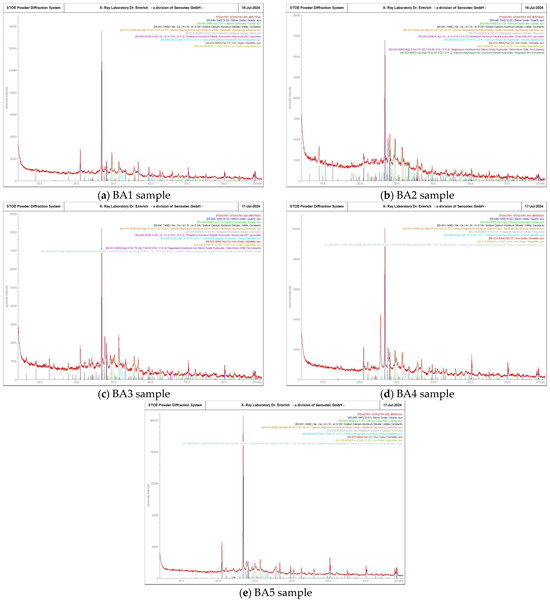
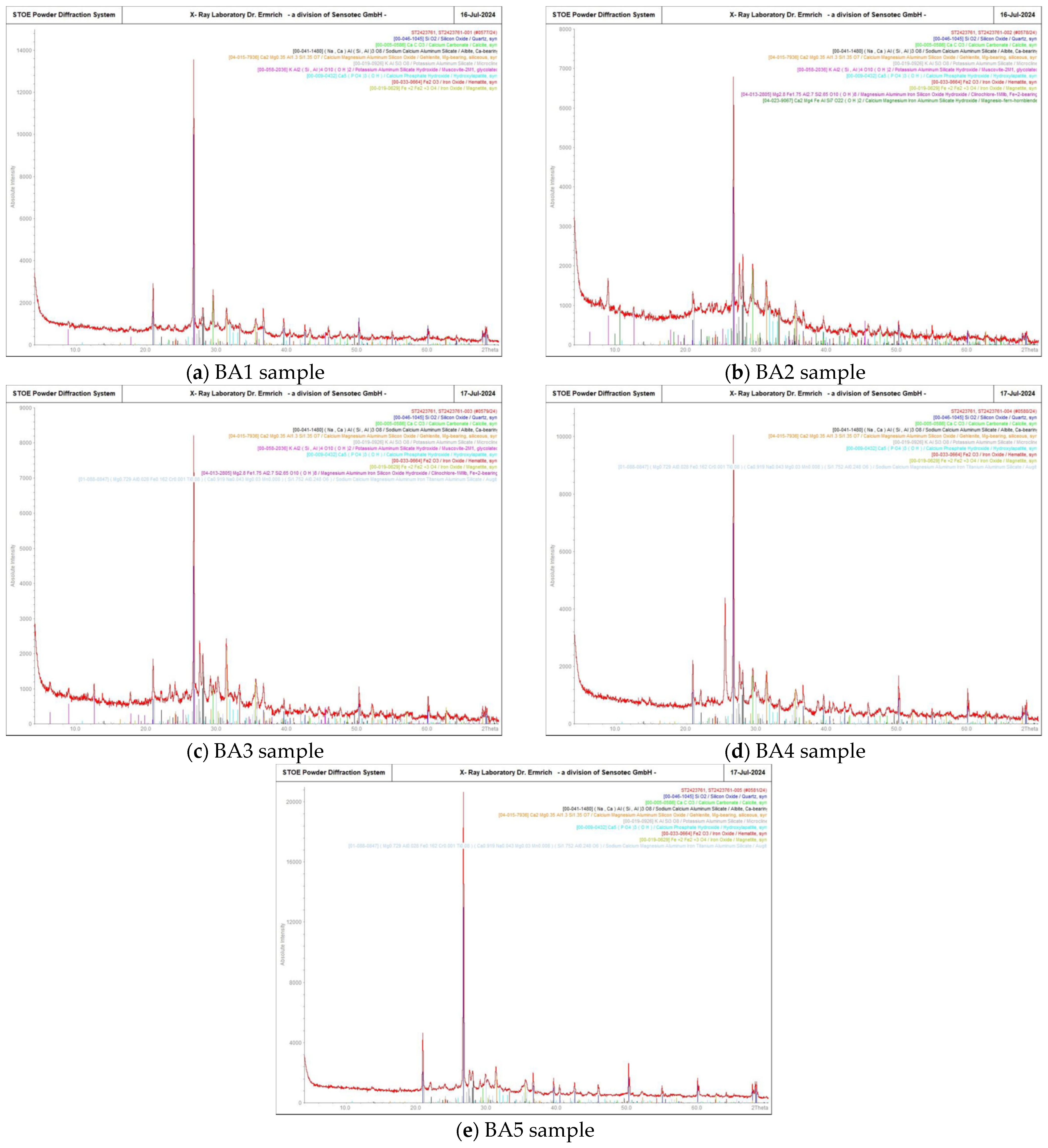
The mineral composition of MSWIBA samples was determined by X-ray diffraction (XRD) analysis performed at ALS Scandinavia AB in Sweden. The XRD results for the different MSWIBA samples are displayed in Figure 1a–e. The presence of various compounds in the samples was identified by the XRD analysis. When the X-ray beam hits the target material, the size and shape of the crystalline constituents determine the direction of diffraction, while the relative amount of a particular phase in the mixture determines the intensity of the diffraction peaks.
Figure 1.
XRD results of BA1—BA5 samples.
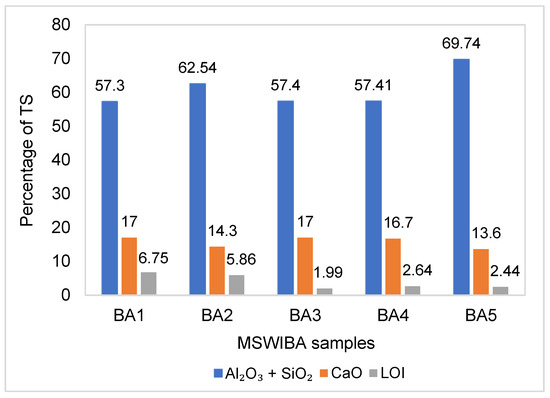
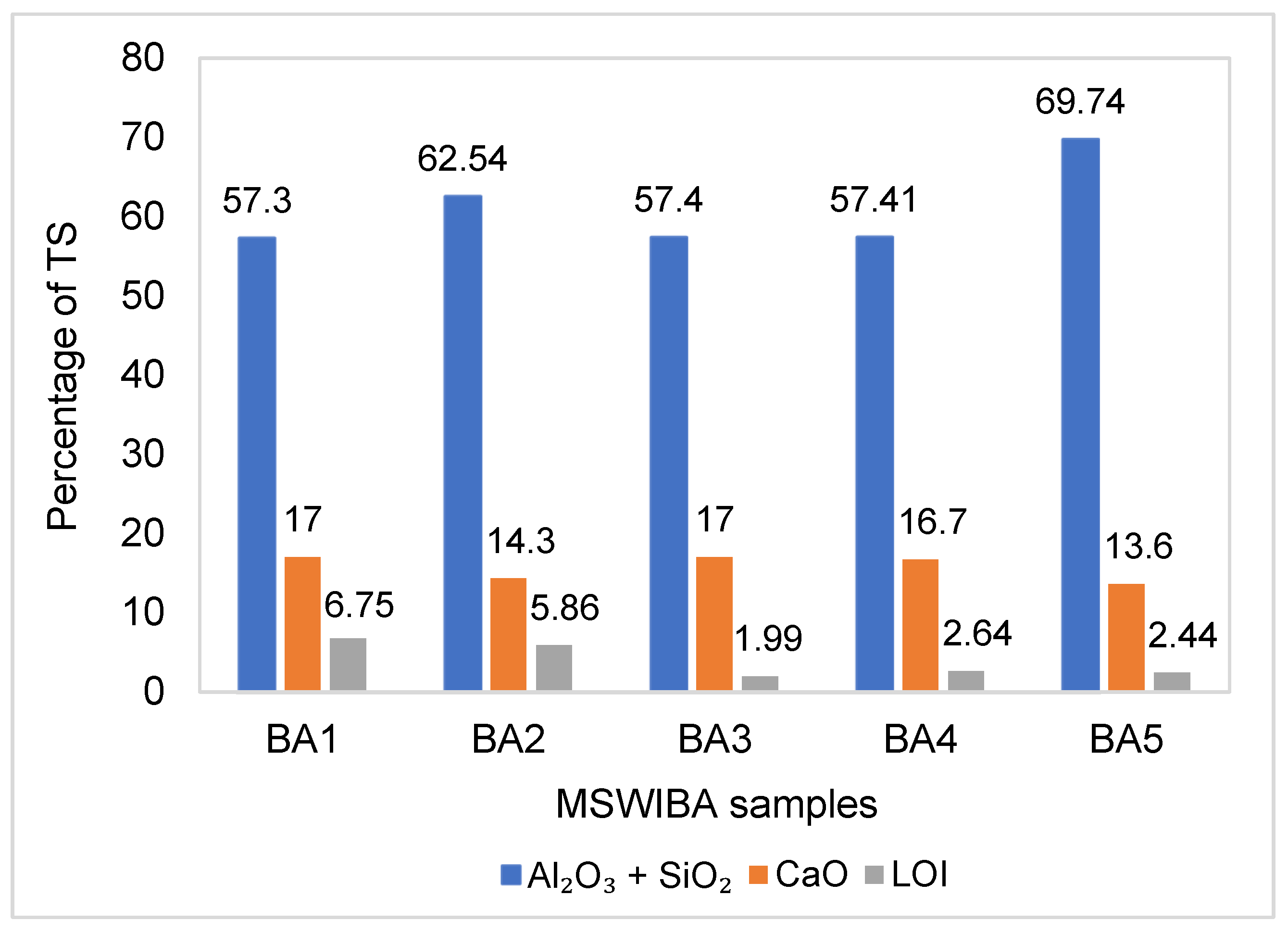
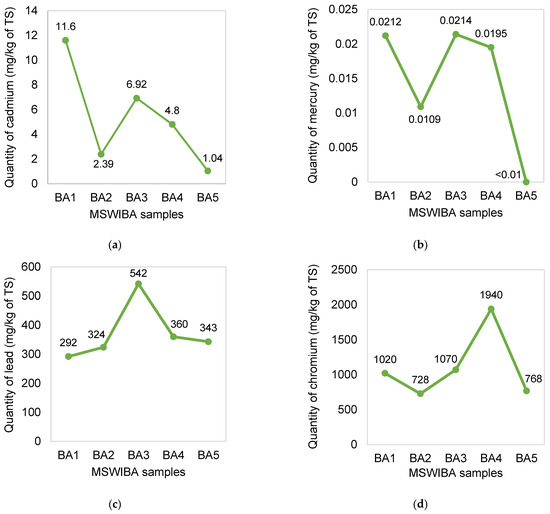
Initially, the samples were dried at 500 °C. The dried samples were ground in a disc mill according to ISO 11464:2006 [25]. All metals (except mercury) were analyzed based on SS-EN ISO 17294-2:2023. Mercury was analyzed according to SS-EN ISO 17852:2008 [26,27]. The quantities of important oxides and elements in MSWIBA samples were expressed as percentages of total solids (TS) and in mg/kg of TS, respectively, as presented in Table 2. Figure 2 and Figure 3 illustrate the percentage of various elements present in MSWIBA samples. The negative environmental impact of hazardous elements in concrete can be reduced by lowering trace elements such as cadmium, mercury, lead, and chromium.
Table 2.
Important oxides (elements) present in each MSWIBA sample.
Figure 2.
Percentage of Al2O3 + SiO2, CaO, and LOI in MSWIBA samples.
Figure 3.
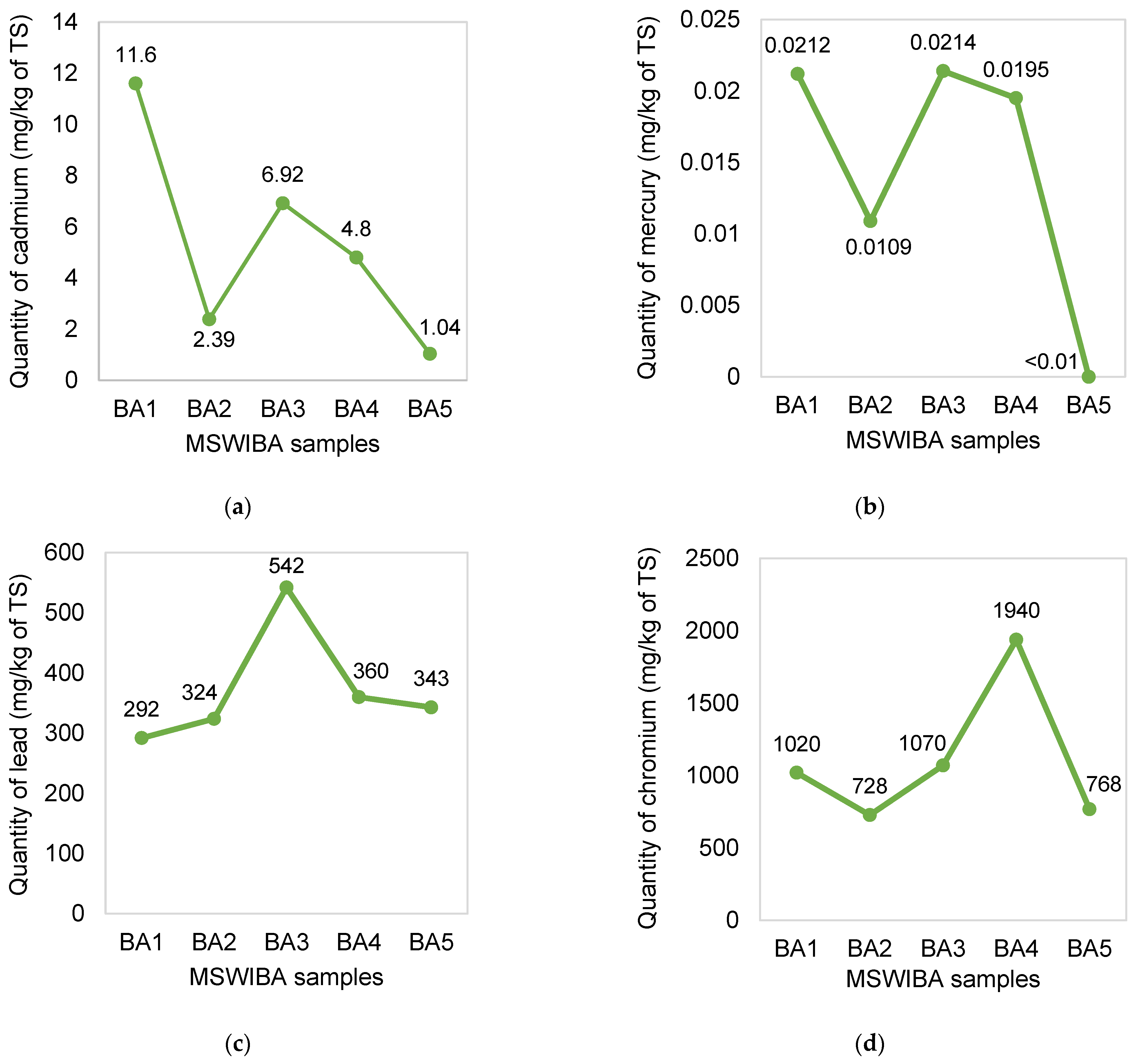
Percentage of trace elements in MSWIBA samples: (a) cadmium, (b) mercury, (c) lead, and (d) chromium.
BA5 exhibits the highest pozzolanic potential (SiO2 + Al2O3—69.74%), a satisfactory CaO content (13.6%), and a low LOI (2.44%). BA2 has the second-highest SiO2 + Al2O3 composition (62.54%) and also an adequate CaO level (14.3%), but the very high LOI (5.86%) indicates the significant presence of impurities. The amount of SiO2 + Al2O3 is similar for BA3 and BA4, but the CaO content is slightly higher in BA3, and the LOI percentage is lower for BA3 than for BA4. The pozzolanic content (SiO2 + Al2O3—57.3%) is lowest in BA1, while LOI (6.75%) is highest in the same sample. The negative environmental impact of concrete can be reduced by minimizing the existence of hazardous elements (such as Cd, Cr, Hg, Pb, etc.) in SCMs. Although BA1 exhibits the lowest lead content, it has high amounts of cadmium and mercury. The concentration of hazardous metals is lower in BA2 and BA5 compared with the other samples. BA4 displays elevated levels of all hazardous elements, and it has the highest chromium content among all the samples. The concentration of heavy metals is higher in BA3 than in BA5, but lower than in BA4.
2.1.2. PSD Analysis of MSWIBA Samples
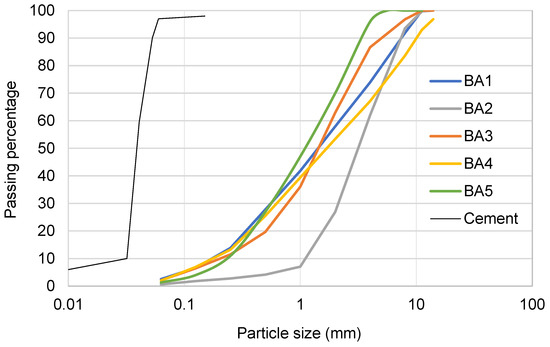
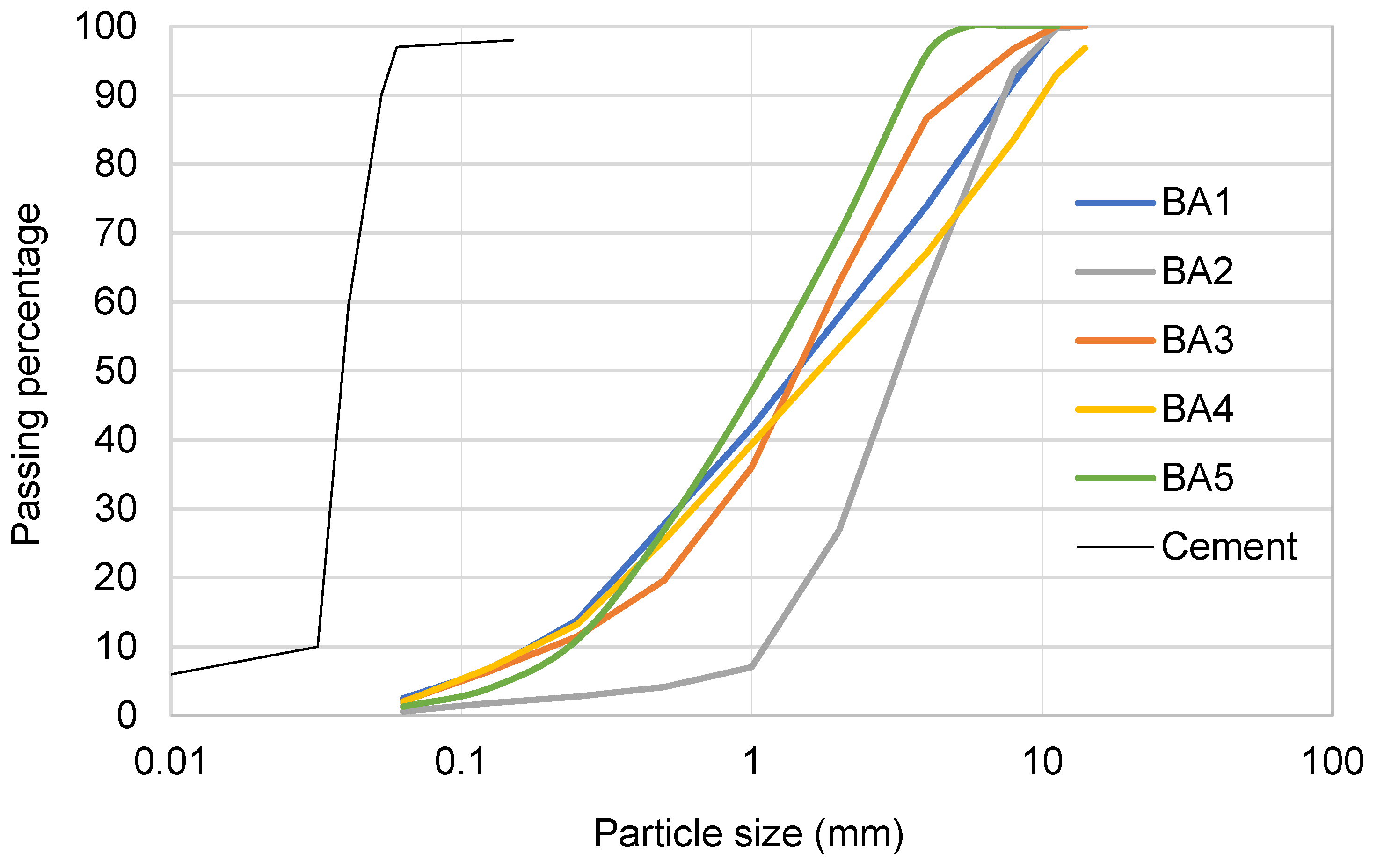
MSWIBA samples were sieved for PSD analysis at Vattenfall in Älvkarleby, Sweden. The sieves used for the analysis were 14 mm, 11.2 mm, 8 mm, 4 mm, 2 mm, 1 mm, 0.5 mm, 0.25 mm, 0.125 mm, and 0.063 mm. After sieving, the sample retained on each sieve was weighed in grams (g). The percentage of weight retained on each sieve, the cumulative percentage weight retained, and the percentage finer for each sample were calculated. Figure 4 displays the PSD curves for cement and MSWIBA samples.
Figure 4.
PSD curves for cement and MSWIBA samples.
Considering both the PSD curves (Figure 4) and XRD results of the BA5 and BA3 samples, these samples were found to be more promising than the others and have the potential to be used as more durable SCMs. Hence, out of the five MSWIBA samples, BA1, BA2, and BA4 were excluded from further analysis.
2.1.3. Activation of MSWIBA Samples
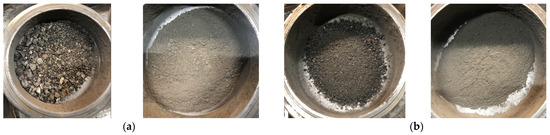
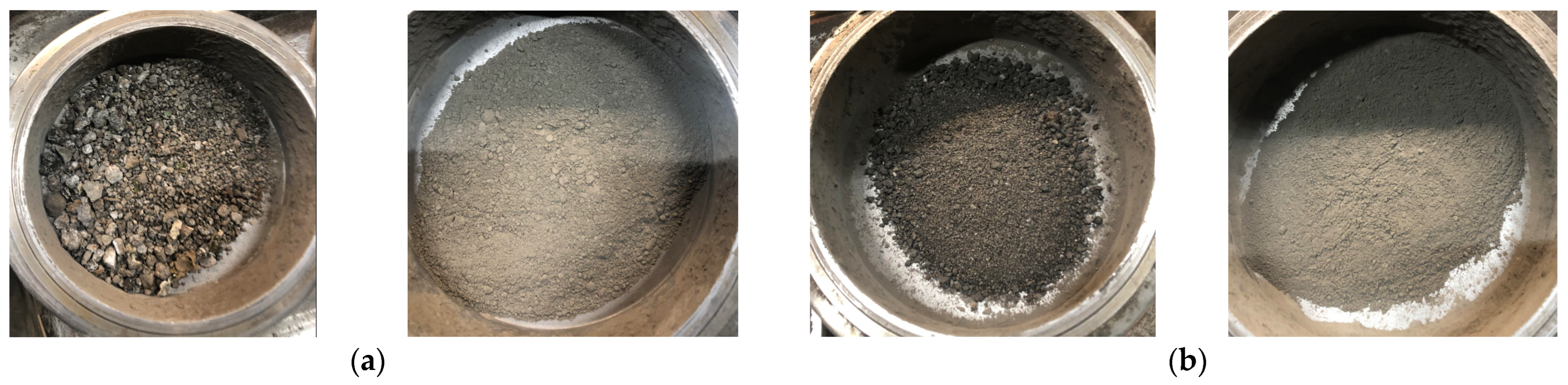
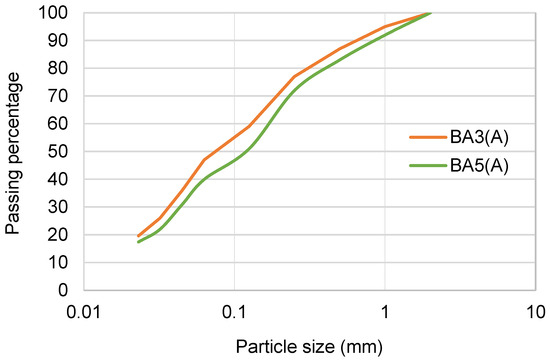
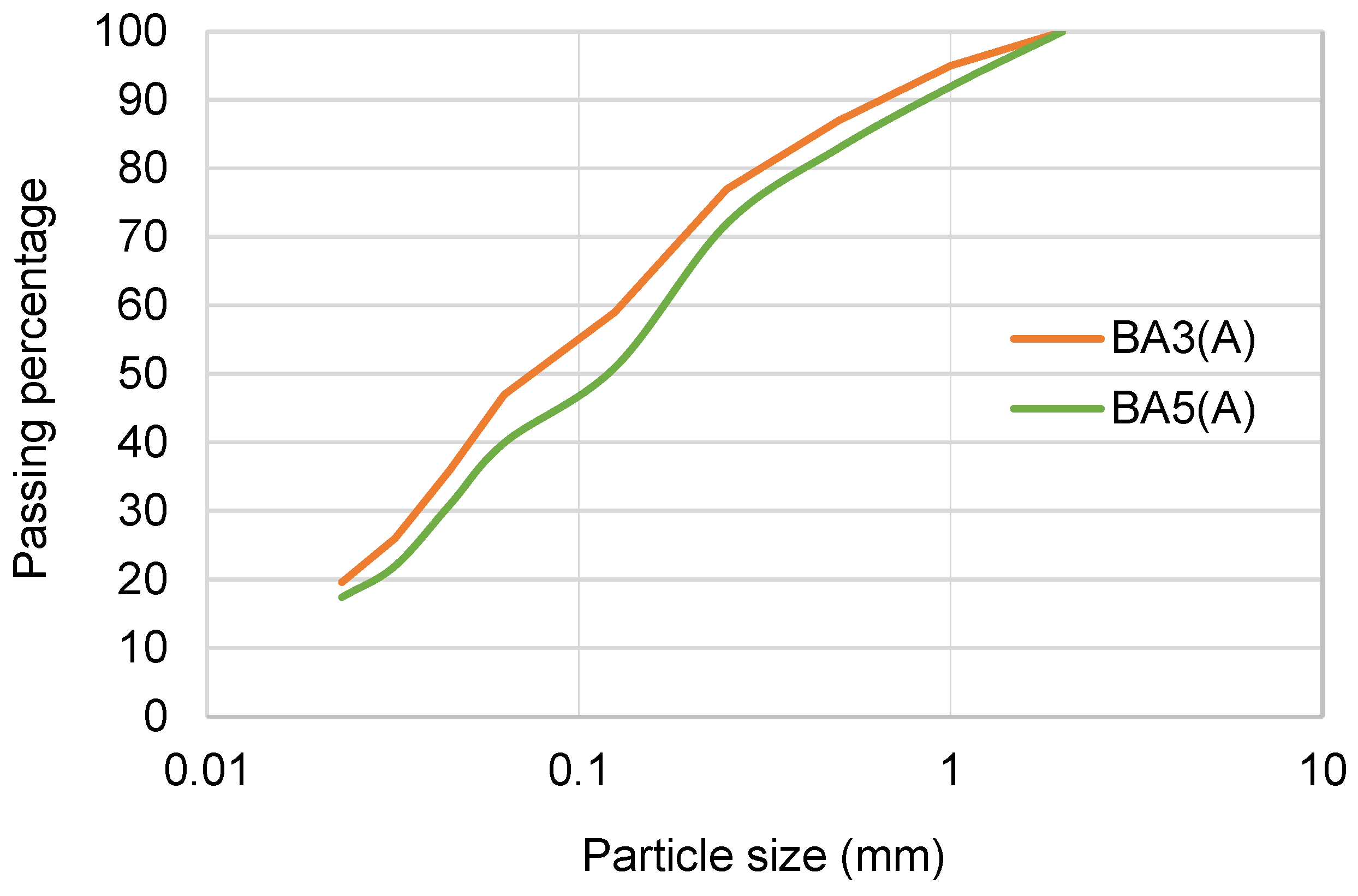
The BA3 and BA5 samples were activated in a vibration cup mill at Vattenfall in Sweden. Approximately 30–40 g of the MSWIBA samples were placed in the cup and vibrated for one minute, after which the activated sample was transferred to a bag, and the process was repeated until the required quantity was obtained. The raw and activated BA3 and BA5 samples are displayed in Figure 5, and Figure 6 represents the PSD curves for the activated samples.
Figure 5.
Raw and activated MSWIBA samples: (a) BA3 and (b) BA5.
Figure 6.
PSD curves for activated BA3 and BA5 samples, denoted as BA3(A) and BA5(A), respectively.
2.2. Mix Proportioning and Methodology
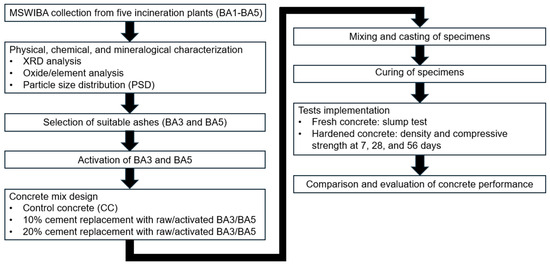
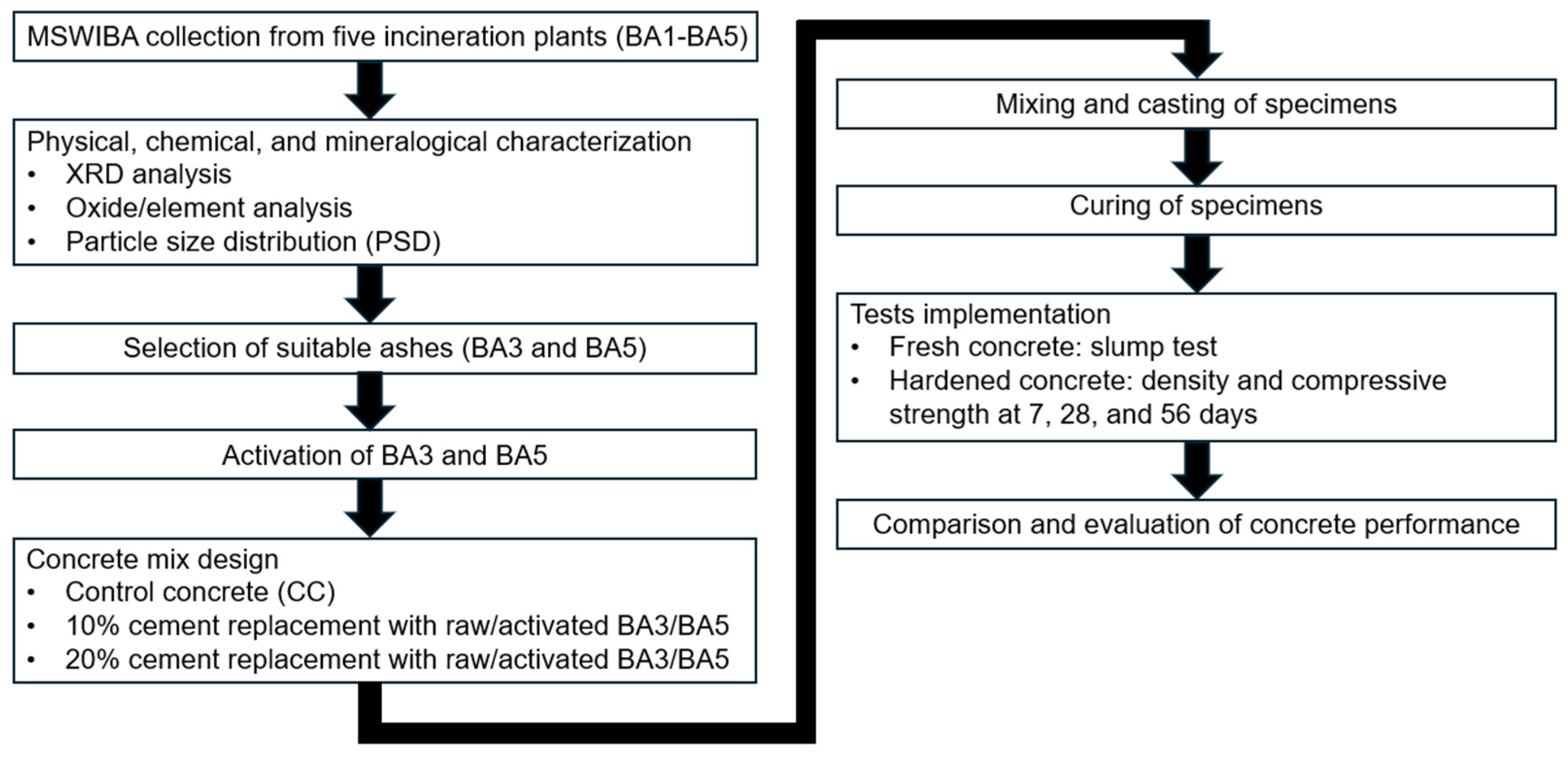
Figure 7 presents the overall methodological workflow in this study, including MSWIBA collection, characterization, selection of suitable ashes, activation, concrete mix preparation, casting and curing of specimens, testing of fresh and hardened concrete properties, and comparison and evaluation of concrete performance.
Figure 7.
Flowchart of overall methodology.
Cement and aggregate had densities of 3.1 t/m3 and 2.65 t/m3, respectively. The moisture contents of coarse and fine aggregates were 2.2% and 1.9%, respectively. The control concrete (CC) specimen was prepared to compare the properties of concrete with and without MSWIBAs. Various mixes were prepared with 10% and 20% mass-based replacement of cement with raw and activated MSWIBAs, BA3 and BA5. The water–cement ratio was kept constant at 0.54 for all mixes. The mix proportioning for the different mixes is presented in Table 3. The mix ID indicates the type and replacement percentage of MSWIBAs in the concrete. For example, R10BA3 and A10BA3 designate 10% cement replacement with raw and activated BA3, respectively.
Table 3.
Composition of mix for each batch of concrete.
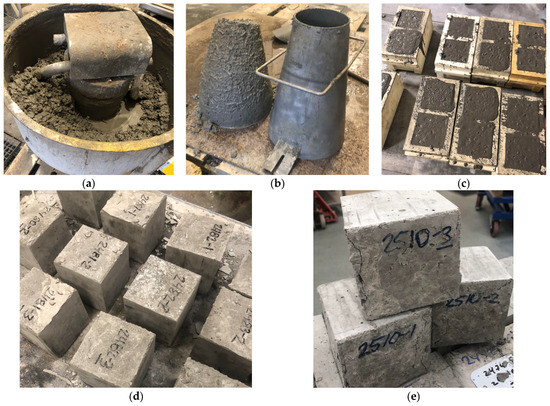
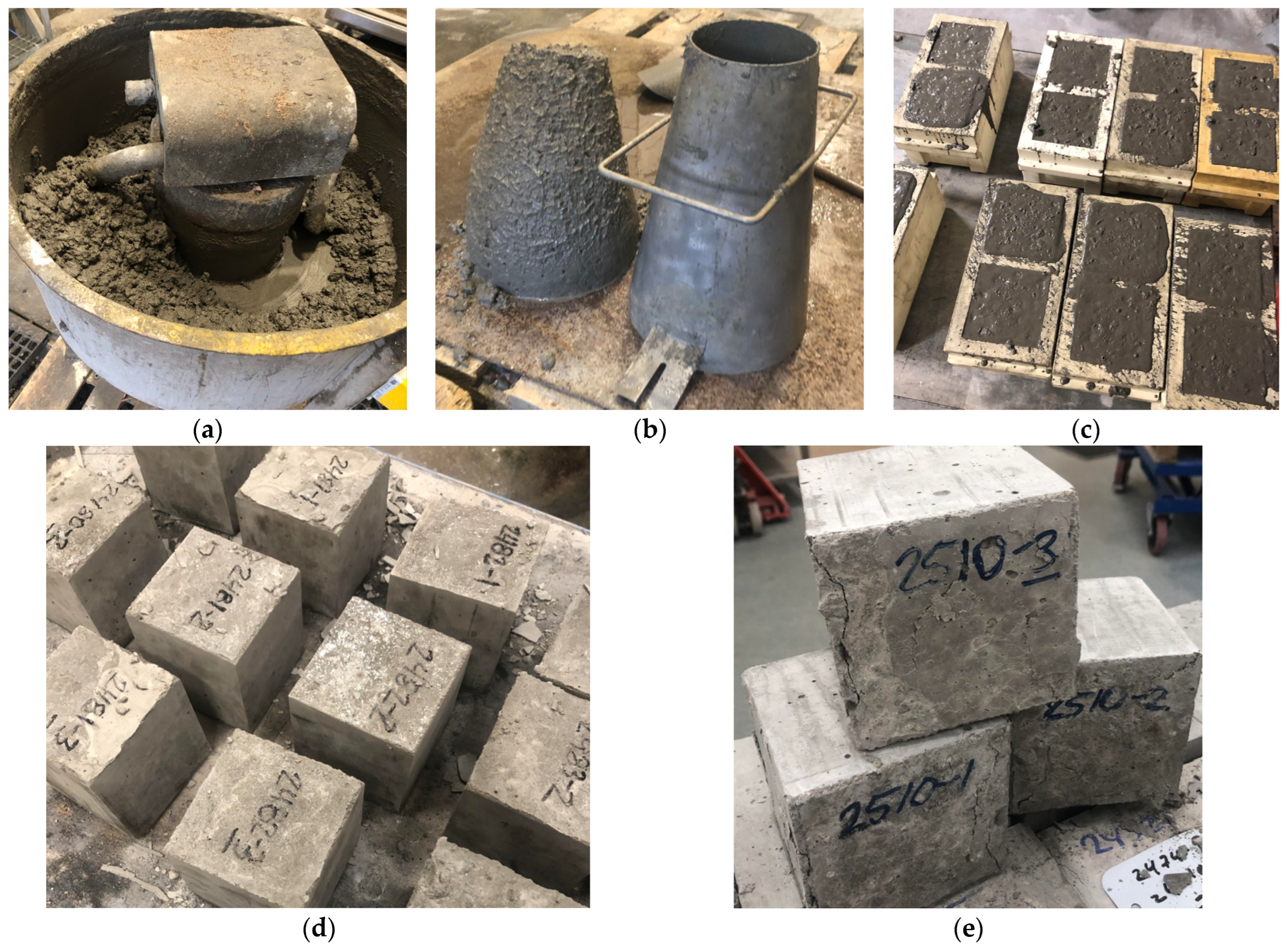
The dry components of concrete were initially mixed for one minute in the Rojo 25 mixer, followed by five minutes of mixing after adding the required quantity of water, as shown in Figure 8a. The workability of fresh concrete was measured in accordance with SS-EN 12350-2:2019 [28] using a slump cone, as demonstrated in Figure 8b. The fresh concrete was poured into molds and vibrated for a few seconds on a vibrating table, as presented in Figure 8c. After 24 h, the concrete specimens were removed from the molds, placed on a water-curing shelf for five days, and then stored in a climate-controlled room at 20 °C and 65% relative humidity until the day of testing. A total of 81 concrete specimens were cast to evaluate the compressive strength at 7, 28, and 56 days. Hardened concrete specimens, removed from the molds, are illustrated in Figure 8d and were tested for compressive strength after different curing ages. Some of the specimens after compressive strength testing are displayed in Figure 8e.
Figure 8.
(a) Mixing of concrete, (b) workability test on fresh concrete, (c) molds with fresh concrete, (d) hardened concrete specimens removed from molds, and (e) concrete specimens after compressive strength testing.
3. Results and Discussion
3.1. Test on Fresh Concrete
Workability Test
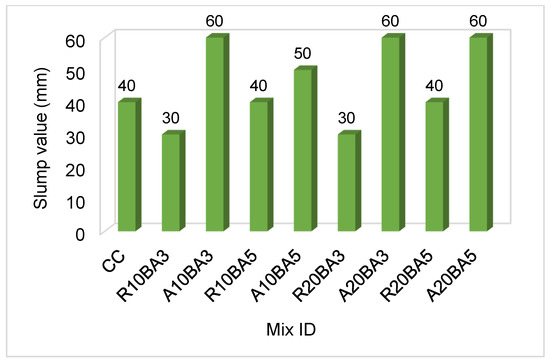
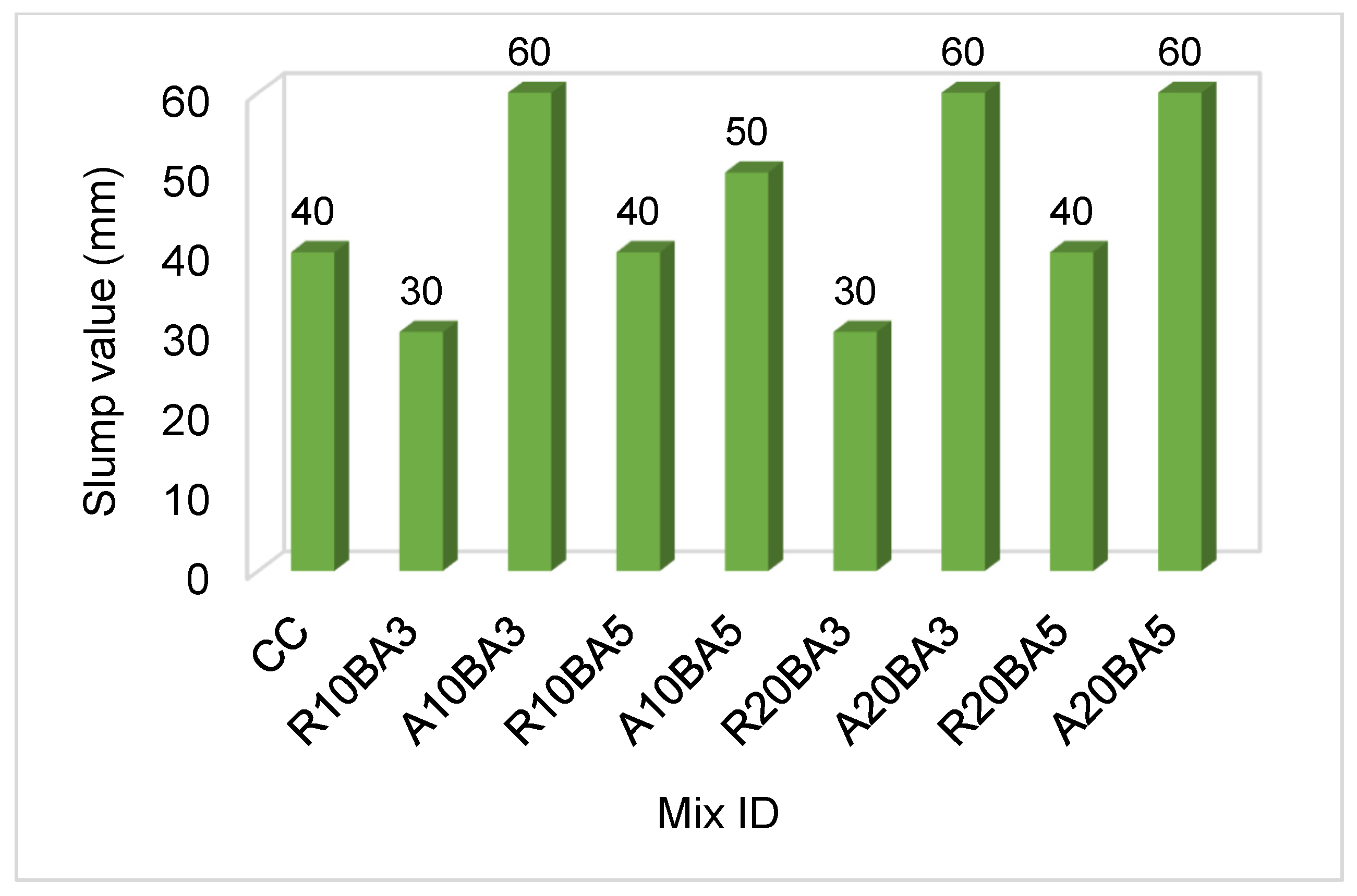
Figure 9 illustrates the measured slump values for the various concrete mixes. The CC exhibited a slump of 40 mm. Mixes with raw BA5 (R10BA5 and R20BA5) showed an identical slump value to CC, but mixes with raw BA3 (R10BA3 and R20BA3) displayed a 25% decrease in the slump value compared with CC. This reduction may be due to the increased flakiness of the raw BA3 sample compared with cement particles. All the mixes with activated MSWIBAs demonstrated an increase in the slump value. Mix A10BA5 indicated a 25% increase in the slump value, whereas mixes A10BA3, A20BA3, and A20BA5 showed a 50% increase in the slump value compared with CC.
Figure 9.
Slump values for various concrete mixes.
The increase in workability may be due to the formation of hydrogen gas bubbles released from the reaction of metallic aluminum in the MSWIBA samples, which reduce the particle friction and enhance the workability. The improved workability makes the concrete easier to handle but may also lead to micro-expansion and higher permeability, potentially reducing the long-term strength and durability [29,30,31,32].
3.2. Test on Hardened Concrete
The hardened concrete specimens were tested according to SS-EN 12390-3 [33] to obtain the compressive strength at 7, 28, and 56 days. For each mix, three cubes were tested for compressive strength, and the average of the three values was used as the final compressive strength for that mix. The properties of the hardened concrete mixes are listed in Table 4.
Table 4.
Properties of various hardened concrete mixes.
3.2.1. Density of Concrete
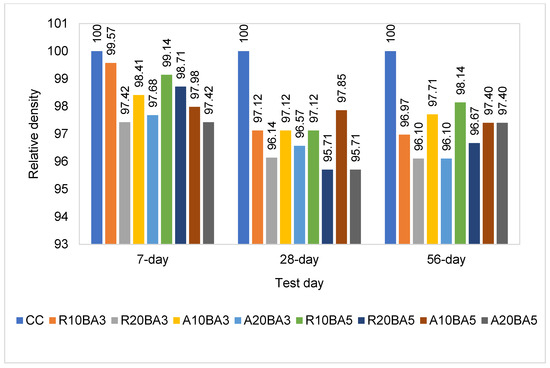
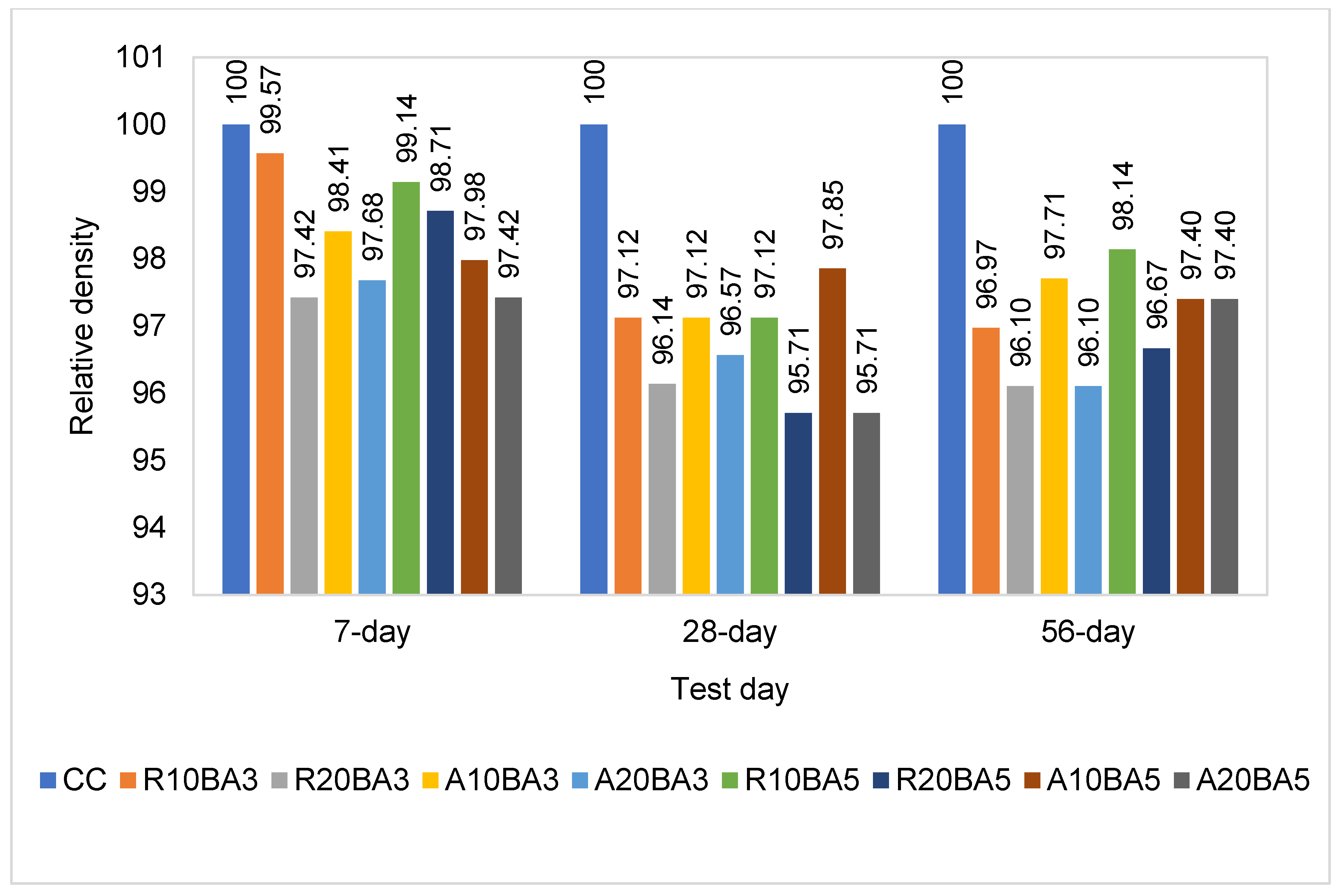
As the percentage replacement of cement with MSWIBAs increased, the average density decreased (Table 4), indicating that lighter concrete can be produced by substituting cement with MSWIBAs. To compare the density reduction, the ratio of the mix density to the CC density was calculated and plotted in Figure 10.
Figure 10.
Relative density values of various concrete mixes compared with CC.
3.2.2. 7-Day Compressive Strength
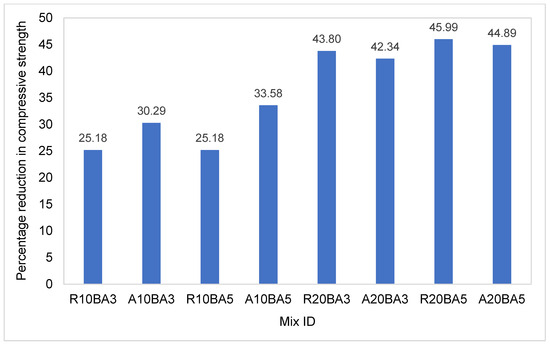
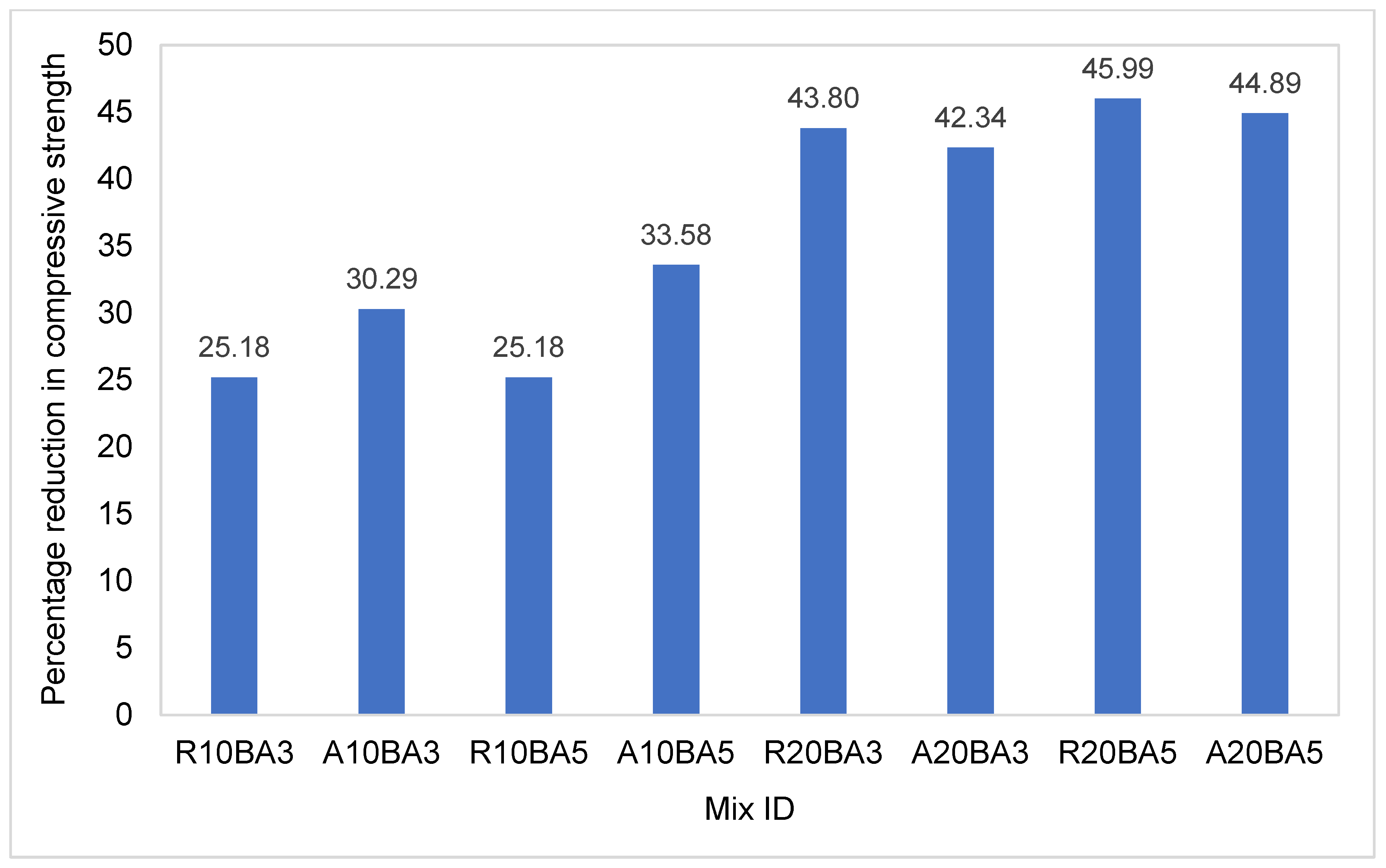
CC demonstrated a compressive strength of 27.4 MPa at 7 days. From Figure 11, the concrete mixes with 10% raw MSWIBAs (R10BA3 and R10BA5) showed a similar reduction of approximately 25% in compressive strength compared with CC. The reduction in strength increased when the replacement percentage increased from 10% to 20%. By adding 20% raw BA3 and BA5, the R20BA3 and R20BA5 specimens exhibited decreases in strength of 43.80% and 45.99%, respectively, compared with CC. When 10% activated BA3 and BA5 were utilized, the strength losses were 30.29% and 33.58% for the A10BA3 and A10BA5 specimens, respectively. For concrete with 20% activated samples, the A20BA3 and A20BA5 specimens displayed strength reductions of 42.34% and 44.89%, respectively, with respect to CC.
Figure 11.
Percentage reduction in 7-day compressive strength of each concrete mix compared with control mix.
When 10% of cement was replaced with MSWIBAs, the concrete containing raw MSWIBAs showed higher compressive strength than concrete with activated MSWIBAs. The R10BA3 specimen exhibited 7.3% higher compressive strength than the A10BA3 specimen, whereas the R10BA5 specimen gained 12.64% higher compressive strength than the A10BA5 specimen. For specimens with 20% MSWIBAs, the mix containing activated MSWIBAs performed slightly better (approximately 2%) than the mix with raw MSWIBAs. This demonstrates that as the replacement percentage increased, activation of MSWIBAs had a slightly positive impact on compressive strength.
From Figure 11, the R10BA3 and R10BA5 specimens exhibited the lowest reductions in compressive strength, followed by the A10BA3, A10BA5, A20BA3, R20BA3, A20BA5, and R20BA5 specimens. At 7 days, specimens with BA3 displayed higher strength compared with specimens containing BA5, for both raw and activated MSWIBAs, due to the greater amount of CaO in BA3 than in BA5, as CaO reacts with water quickly to form calcium silicate hydrate bonds and provides early strength to concrete having BA3 [34].
3.2.3. 28-Day Compressive Strength
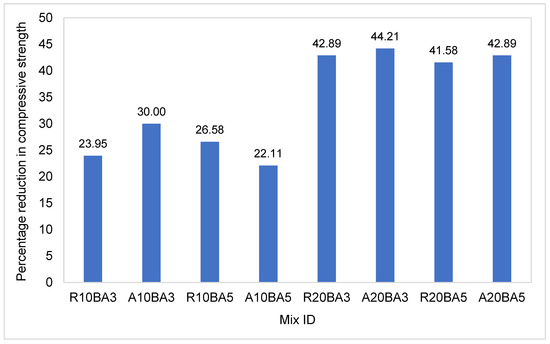
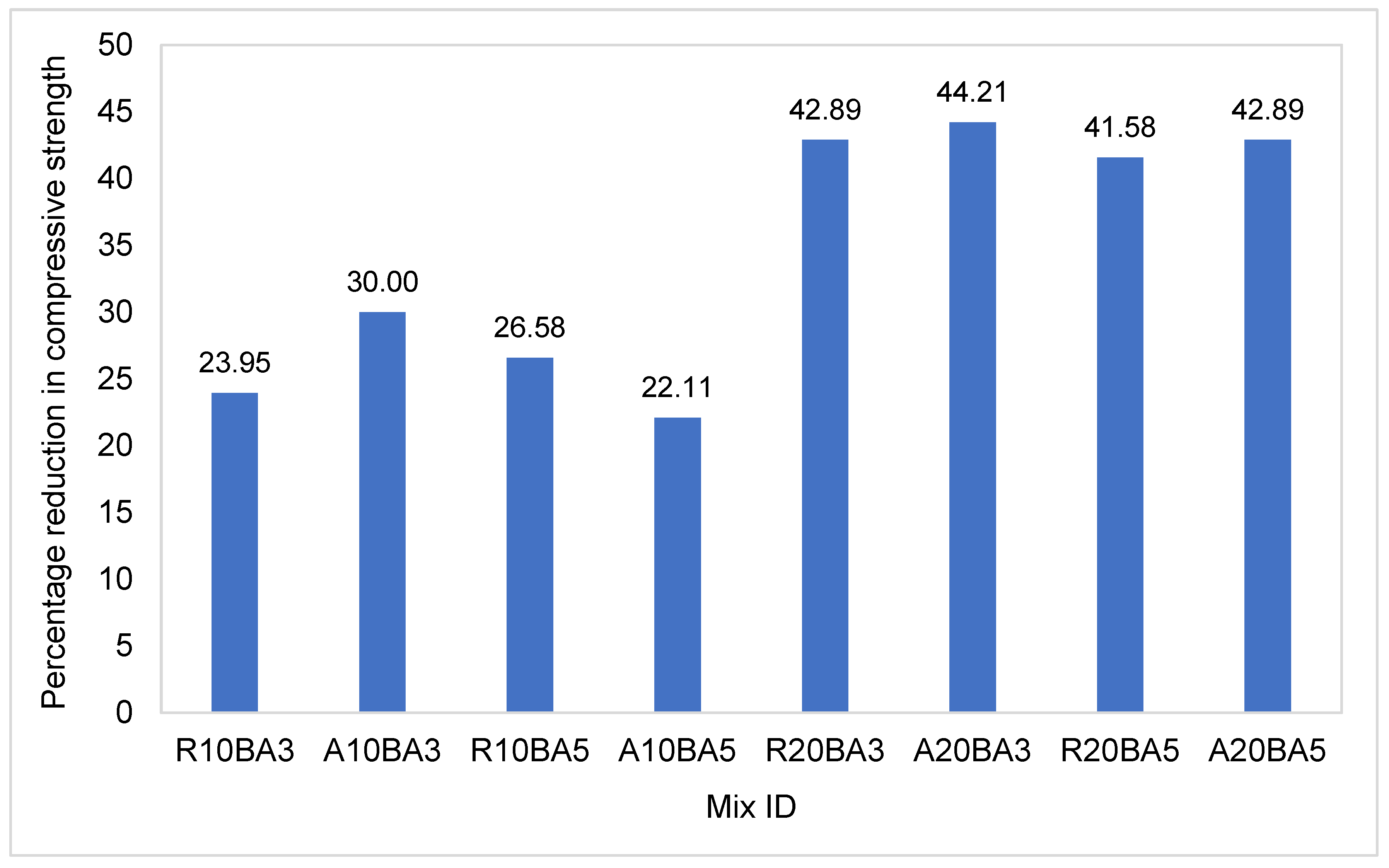
Figure 12 presents the percentage reduction in compressive strength of each concrete mix compared with the CC mix at 28 days. The CC mix attained a 28-day compressive strength of 38 MPa. With 10% raw BA3 and BA5, the R10BA3 and R10BA5 specimens exhibited compressive strength reductions of 23.95% and 26.58%, respectively, compared with CC. With the addition of 10% activated BA5 and BA3, the A10BA5 specimen showed a smaller strength reduction (22.11%), whereas the A10BA3 specimen demonstrated an increased strength reduction of 30%. For specimens with 20% MSWIBAs, all exhibited compressive strengths less than 60% of CC.
Figure 12.
Percentage reduction in 28-day compressive strength of each concrete mix compared with control mix.
When 10% of cement was substituted with raw and activated MSWIBAs, the R10BA3 specimen showed 8.65% higher compressive strength than the A10BA3 specimen, whereas the A10BA5 specimen gained 6.1% higher compressive strength than the R10BA5 specimen.
The A10BA5 specimen illustrated approximately 78% of the compressive strength of CC. Except for 10% cement replacement with raw samples, all mixes with MSWIBAs displayed higher strength in mixes with BA5 compared with those having BA3. In contrast to the 7-day strength results, the 20% replacement mixes with raw samples outperformed those with activated samples.
3.2.4. 56-Day Compressive Strength
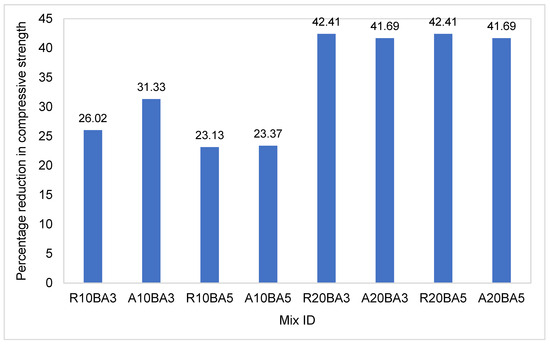
The percentage reduction in compressive strength of each concrete mix compared with the CC mix at 56 days is demonstrated in Figure 13. The 56-day compressive strength of the CC specimen was 41.5 MPa. The R10BA5 and A10BA5 specimens, representing a 10% cement replacement with raw and activated BA5, respectively, exhibited a similar drop (around 23%) in compressive strength compared with the CC specimen. The R10BA3 and A10BA3 specimens, with 10% replacement of cement with raw and activated BA3, indicated a strength reduction of 26.02% and 31.33%, respectively, compared with the compressive strength of CC. The strength reduction exceeded 40% when cement was substituted with 20% MSWIBAs. As the replacement percentage of cement with MSWIBAs increased, compressive strength decreased due to the reduction in hydration products resulting from the diminished cement content and elevated MSWIBAs [6,35]. Furthermore, the formation of hydrogen bubbles in concrete mixes with MSWIBAs may weaken the calcium silicate hydrate structure [19], while certain MSWIBA particles create a boundary layer on the hydration products, weakening the bond and thereby reducing compressive strength.
Figure 13.
Percentage reduction in 56-day compressive strength of each concrete mix compared with control mix.
Compared with the recent literature [12,15,24], the reduction in compressive strength observed in this study is within the expected range for MSWIBAs used as a cement-replacement material, especially at a replacement level of 20%. A systematic review and meta-analysis [15] showed that MSWIBAs generally cause a moderate decrease in compressive strength. Meanwhile, several experimental studies [12,24] have also reported that strength loss becomes more significant as the replacement ratio increases. Based on these findings, the results of the current study confirm the general trend reported in the literature, but also indicate that performance strongly depends on the MSWIBAs’ source, PSD, and condition.
The 56-day compressive strength of specimens with raw and activated MSWIBAs exhibited comparable results for all mixes except for concrete with 10% replacement of cement with BA3. The R10BA3 specimen displayed 7.72% higher compressive strength than the A10BA3 specimen. The mixes with 10% BA5 yielded the highest compressive strength among all mixes, with R10BA5 showing slightly higher strength than A10BA5, although the difference was minimal.
Figure 13 clearly depicts that all concrete mixes with BA5 exhibited better performance than those with BA3 for the same replacement percentage, likely due to the higher CaCO3 and lower Al2O3 content in BA5. The presence of CaCO3 positively affects cement hydration, while the higher Al2O3 content in BA3 may influence the initiation of cracks and pores [19]. Moreover, the elevated siliceous material content in BA5 makes it more reactive than BA3. Additionally, the presence of increased heavy metals in BA3 inhibits C3S dissolution and the formation of calcium silicate hydrate bonds [36]. Concrete mixes with the same percentage and type of MSWIBAs demonstrated comparable strength for both raw and activated MSWIBAs, indicating that activation of ashes had no significant impact on compressive strength.
3.2.5. Compressive Strength Gain
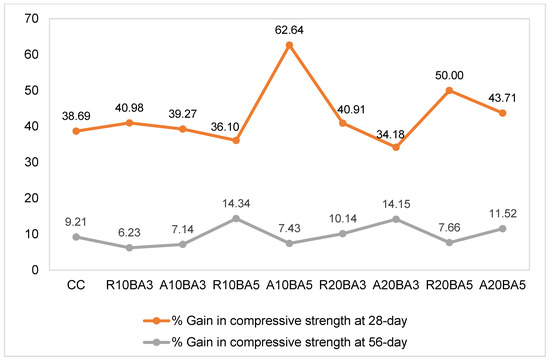
Compressive strength gains for various concrete mixes are illustrated in Figure 14, which clearly shows that for all mixes, the percentage increase in compressive strength at 28 days was greater than at 56 days. The CC specimen attained compressive strengths of 27.40 MPa, 38 MPa, and 41.5 MPa at 7, 28, and 56 days, respectively, and displayed compressive strength gains of 38.69% and 9.21% at 28 and 56 days, respectively. Concrete mix with 10% activated BA5, the A10BA5 specimen, demonstrated the maximum compressive strength gain (62.64%) at 28 days compared with 7 days. The R10BA3, A10BA3, R20BA3, A10BA5, R20BA5, and A20BA5 specimens showed higher gains at 28 days than the CC specimen. Specimens with 10% BA3 (raw and activated), R10BA3 and A10BA3, revealed minimal differences in compressive strength gain. With 20% BA3 replacement, R20BA3 exhibited a higher compressive strength gain (40.91%) than A20BA3 (34.18%) at 28 days; however, at 56 days, A20BA3 exhibited a greater compressive strength gain (14.15%) compared with R20BA3 (10.14%).
Figure 14.
Compressive strength gains of various concrete mixes.
The A10BA5 specimen illustrated a 26.54% higher compressive strength gain than R10BA5 at 28 days, whereas at 56 days, R10BA5 exhibited 6.91% higher compressive strength gain than A10BA5. The compressive strength gains for R20BA5 and A20BA5 were 50.00% and 43.71% at 28 days, and 7.66% and 11.52% at 56 days, respectively.
For 10% cement replacement with raw MSWIBAs, R10BA3 demonstrated 4.88% higher compressive strength gain than R10BA5 at 28 days, and R10BA5 attained an 8.11% increase in compressive strength gain compared with R10BA3 at 56 days. With 10% activated MSWIBAs, the A10BA5 specimen exhibited considerable strength gain (23.37%) compared with mix A10BA3 at 28 days, while at 56 days, the difference in compressive strength gain was minimal. For 20% replacement, mixes with BA5 (both raw and activated) showed higher strength gain (approximately 9.31%) than mixes with BA3 at 28 days, whereas at a later curing age (56 days), the compressive strength gain was slightly higher for BA3 (approximately 2.56%) than BA5. For mixes with 20% MSWIBAs, the percentage gain in compressive strength at 28 days was higher for specimens with BA5 than for those with BA3. At a later curing age (56 days), the compressive strength gain was slightly higher for specimens with BA3 than for those with BA5.
Concrete mixes with 10% BA3 (raw and activated) displayed higher compressive strength gain at 28 days and lower gain at 56 days than mixes with 20% BA3, likely due to the delayed pozzolanic activity of the specimen with 20% BA3 caused by reduced cement content. With 10% BA5, the 28-day strength percentage gain was higher for the mix with activated BA5 compared with raw BA5; however, the mix with raw BA5 exhibited higher compressive strength gain at 56 days. In contrast, for 20% BA5 replacement, the mix with raw BA5 showed higher 28-day compressive strength gain, while the activated BA5 mix exhibited greater gain at 56 days.
These comparisons indicate that specimens with BA5 exhibited moderate initial compressive strength development due to accelerated pozzolanic reactions, whereas specimens with BA3 continued to gain compressive strength gradually over the long term due to slower pozzolanic action.
4. Conclusions
This research explored the viability and limitations of using raw and activated MSWIBAs from different incineration sources as an SCM in concrete. By linking MSWIBA characteristics to fresh and hardened concrete performance, the study addressed the research gap regarding how constituent composition and particle size variations influence MSWIBA suitability. The main findings can be summarized as follows:
- (i)
- The MSWIBA samples, BA3 and BA5, were identified as the most suitable options for concrete production based on their XRD characteristics and PSD analysis.
- (ii)
- Workability was independent of the percentage of cement replacement when raw MSWIBAs were used as a substitute for cement. The mixes showed increased workability when the cement was replaced with activated MSWIBAs. The workability increased by 50% for the mixes with 10% and 20% activated BA3 and 20% activated BA5 compared with the CC mix. When 10% of cement was replaced with raw BA3, the workability decreased by 25% compared with the CC mix, whereas for mixes with 10% and 20% raw BA5, the workability remained the same as that of the CC mix. Concrete becomes easier to handle when workability increases; however, it may also expand and become more porous, thereby reducing its strength.
- (iii)
- Concrete density decreased as the percentage of cement replacement with MSWIBAs increased, which may, in turn, enhance the seismic performance of structures by reducing their overall weight.
- (iv)
- The CC specimen attained a compressive strength of 27.4 MPa at 7 days. The concrete mixes with 10% raw BA3 and BA5 displayed approximately 75% of the compressive strength of CC. When 10% of cement was replaced with activated BA3 and BA5, the specimens attained 69.71% and 66.42% of the compressive strength of the CC specimen, respectively. For 20% cement replacement with MSWIBAs, BA3 indicated higher compressive strength than BA5 for both raw and activated samples. In these cases, the mixes with activated MSWIBAs illustrated higher compressive strength than the mixes with raw MSWIBAs. The compressive strength gain at 7 days was higher for specimens with BA3 compared with those with BA5, owing to the higher CaO content in BA3, which accelerates the formation of calcium silicate hydrate bonds.
- (v)
- The 28-day compressive strength for the CC specimen was 38 MPa. The concrete mix with 10% raw BA3 and BA5 displayed 76.05% and 73.42% of the compressive strength of the CC specimen, respectively. For the mix with 10% activated MSWIBAs, the mix with BA5 attained 77.89%, whereas the mix with BA3 displayed 70% of the compressive strength of CC. For the 28-day compressive strength of concrete with 10% MSWIBAs, the specimen with raw BA3 showed higher compressive strength than the activated BA3 mix, whereas the concrete with activated BA5 exceeded the mix with raw BA5. When cement was replaced with 20% MSWIBAs (both BA3 and BA5), the mixes with raw MSWIBAs demonstrated slightly higher compressive strength than those with activated MSWIBAs.
- (vi)
- The CC specimen exhibited a 56-day compressive strength of 41.5 MPa. Among all concrete mixes with MSWIBAs, the mixes in which cement was replaced with BA5 displayed the highest compressive strength. The mix with 10% BA5 attained approximately 77% of the 56-day compressive strength of CC. The specimens containing 20% raw and activated BA5 showed compressive strengths of 23.9 MPa and 24.2 MPa, respectively, while the specimens containing 20% raw and activated BA3 exhibited similar compressive strengths. Most mixes demonstrated comparable 56-day strength for both raw and activated MSWIBAs, indicating that activation of MSWIBAs did not significantly increase compressive strength.
- (vii)
- Due to the moderate acceleration of the pozzolanic reaction in BA5 concrete mixes with 10% activated MSWIBAs and 20% MSWIBAs, the 28-day compressive strength gain percentage was higher for the concrete mixes with BA5 than for those with BA3. The A10BA5 specimen exhibited 23.95% higher strength gain than CC at 28 days. Mixes with 10% replacement of BA3 (raw and activated) exhibited higher compressive strength gain at 28 days and lower gain at 56 days than specimens with 20% BA3 due to delayed pozzolanic activity caused by the lower cement content. Concrete with 10% raw BA5 showed the highest 56-day compressive strength gain, while the mix with 10% activated BA5 displayed the maximum 28-day strength gain.
- (viii)
- No significant difference in compressive strength was observed between the dry and wet MSWIBA samples used as partial cement replacements; however, the concrete mix with the dry sample (BA5) exhibited slightly better performance than the mix with the wet sample (BA3).
The study achieved its aim of evaluating whether targeted MSWIBAs could be used as a partial substitute for cement in concrete. The innovation of this study includes: (1) a systematic comparison of ash from various incineration plants in Sweden and (2) an assessment of concrete performance based on source-related characteristics. The results indicated that MSWIBA cannot be considered a uniform material, as its source, PSD, and composition influence its suitability. Nevertheless, MSWIBAs can still be regarded as a sustainable construction material. Among the mixed options studied, BA5 with a 10% replacement, was identified as the most promising solution. Additionally, mechanical activation of MSWIBAs did not have any positive impact on compressive strength. This study contributes to addressing two important challenges: (i) reducing the environmental burden associated with cement production and (ii) improving the effective utilization of incineration residues.
Future Work
The lower reactivity of MSWIBAs can be compensated for by blending them with other high-reactivity SCMs (such as fly ash, silica fume, ground granulated blast furnace slag, etc.). MSWIBAs primarily act as fillers and produce delayed pozzolanic effects, whereas highly reactive SCMs contribute to the early development of concrete strength. Furthermore, using MSWIBAs as filler or substitute for aggregates can reduce the demand for natural resources and help produce environmentally friendly lightweight concretes. A life-cycle assessment to estimate the CO2 emission reduction associated with cement replacement would help evaluate the sustainability and environmental impact of the proposed material more comprehensively.
Author Contributions
A.B.: conceptualization, methodology, investigation, validation, formal analysis, resources, writing—original draft, writing—review and editing, project administration; M.C.: conceptualization, investigation, validation, writing—review and editing; M.W.: conceptualization, investigation, validation, writing—review and editing; O.N.: investigation, validation; E.P.: writing—original draft. All authors have read and agreed to the published version of the manuscript.
Funding
The authors would like to thank Energiforsk (Project KVU30240) and the University of Gävle, Sweden, for their financial support of this research work.
Data Availability Statement
The original contributions presented in this study are included in the article. Further inquiries can be directed to the corresponding author.
Conflicts of Interest
The authors declare no conflict of interest.
References
- Alnezami, S.; Lamaa, G.; Pereira, M.F.C.; Kurda, R.; de Brito, J.; Silva, R.V. A sustainable treatment method to use municipal solid waste incinerator bottom ash as cement replacement. Constr. Build. Mater. 2024, 423, 135855. [Google Scholar] [CrossRef] [Scilit]
- Bahrami, A.; Lindqvist, M.; Berglund, L.L.; Eriksson, B. Important criteria for Swedish construction companies to choose environmentally friendly concrete. Civ. Eng. J. 2023, 9, 197–207. [Google Scholar] [CrossRef] [Scilit]
- Barbhuiya, S.; Kanavaris, F.; Das, B.B.; Idrees, M. Decarbonising cement and concrete production: Strategies, challenges and pathways for sustainable development. J. Build. Eng. 2024, 86, 108861. [Google Scholar] [CrossRef] [Scilit]
- IPCC. Mitigation of Climate Change Climate Change 2022 Working Group III Contribution to the Sixth Assessment Report of the Intergovernmental Panel on Climate Change. 2022. Available online: www.ipcc.ch (accessed on 20 September 2025).
- Afrin, H.; Huda, N.; Abbasi, R. An overview of eco-friendly alternatives as the replacement of cement in concrete. IOP Conf. Ser. Mater. Sci. Eng. 2021, 1200, 12003. [Google Scholar] [CrossRef] [Scilit]
- de Brito, J.; Kurda, R. The past and future of sustainable concrete: A critical review and new strategies on cement-based materials. J. Clean. Prod. 2021, 281, 123558. [Google Scholar] [CrossRef] [Scilit]
- U.N. UN, World Population Prospects 2022, 2022. Available online: https://population.un.org/wpp/ (accessed on 11 September 2023).
- Kaza, S.; Yao, L.C.; Bhada-Tata, P.; Van Woerden, F. What a Waste 2.0: A Global Snapshot of Solid Waste Management to Urban Development Series; World Bank: Washington, DC, USA, 2018. [Google Scholar]
- Liu, Z.; Liu, S.; Takasu, K.; Zhang, Y.; Wang, Y.; Suyama, H. Development of sustainable self-compacting concrete: Replacement of sand with municipal solid waste incineration ash molten slag and recycled fine aggregate. Constr. Build. Mater. 2024, 450, 138674. [Google Scholar] [CrossRef] [Scilit]
- Chen, B.; Perumal, P.; Illikainen, M.; Ye, G. A review on the utilization of municipal solid waste incineration (MSWI) bottom ash as a mineral resource for construction materials. J. Build. Eng. 2023, 71, 106386. [Google Scholar] [CrossRef] [Scilit]
- Zhao, Y.; Liu, J.; Pang, B.; Liu, R.; Zhang, Z. Pretreatments Behavior of Municipal Solid Waste Incineration Fly Ash Using Different Alkaline Reagents. Water Air Soil Pollut. 2025, 236, 11. [Google Scholar] [CrossRef] [Scilit]
- Chen, B.; Ye, G. The role of water-treated municipal solid waste incineration (MSWI) bottom ash in microstructure formation and strength development of blended cement pastes. Cem. Concr. Res. 2024, 178, 107440. [Google Scholar] [CrossRef] [Scilit]
- Clavier, K.A.; Ferraro, C.C.; Townsend, T.G. Pilot-scale cement production using treated waste incineration bottom ash: Physical and environmental performance. Resour. Conserv. Recycl. 2021, 175, 105862. [Google Scholar] [CrossRef] [Scilit]
- Kleib, J.; Aouad, G.; Abriak, N.-E.; Benzerzour, M. Production of Portland cement clinker from French municipal solid waste incineration bottom ash. Case Stud. Constr. Mater. 2021, 15, e00629. [Google Scholar] [CrossRef] [Scilit]
- Sivayogaraj, A.; Elavenil, S. Municipal solid waste incineration bottom ash in concrete: A systematic review and meta-analysis. Sci. Rep. 2025, 15, 39931. [Google Scholar] [CrossRef] [Scilit] [PubMed]
- Liu, J.; Gui, Y.; Zhou, L.; Cheng, L.; Hu, J.; Luo, Y.; Xue, Y. Microstructural formation and strength development of cementitious matrix with municipal solid waste incineration bottom ash pretreated by saturated calcium hydroxide solution. Constr. Build. Mater. 2026, 508, 145121. [Google Scholar] [CrossRef] [Scilit]
- Woo, B.-H.; Jeon, I.-K.; Yoo, D.-H.; Kim, S.-S.; Lee, J.-B.; Kim, H.-G. Utilization of municipal solid waste incineration bottom ash as fine aggregate of cement mortars. Sustainability 2021, 13, 8832. [Google Scholar] [CrossRef] [Scilit]
- Cheng, L.; Jin, H.; Wu, Y.; Ren, Y.; Liu, J.; Xing, F. Influence of municipal solid waste incineration bottom ash particle size on cement hydration and performance. Constr. Build. Mater. 2024, 432, 136516. [Google Scholar] [CrossRef] [Scilit]
- Cheng, L.; Liu, W.; Jin, H.; Wu, Y.; Ren, Y.; Liu, J.; Xing, F. Influence of municipal solid waste incineration bottom ash particle size on the evolution mechanism and distribution characteristics of multiscale pore structures in cement paste. Constr. Build. Mater. 2024, 452, 138882. [Google Scholar] [CrossRef] [Scilit]
- Lu, J.; Yang, X.; Lai, Y.; Gao, J.; Wang, Y.; Deng, F.; Zhang, Z. Mechanical and microscopic properties of concretes made with municipal solid waste incinerator bottom ash (MSWIBA) exposed to freeze-thaw cycles. Constr. Build. Mater. 2024, 452, 138864. [Google Scholar] [CrossRef] [Scilit]
- Lin, J.; Yong, C.L.; Zhang, F.; Tan, T.H.; Metselaar, H.S.C.; El Hassan, H.; Mo, K.H. Sorted municipal solid waste ash as cement substitute: A study on paper ash and food waste ash. Case Stud. Constr. Mater. 2024, 20, e03329. [Google Scholar] [CrossRef] [Scilit]
- BS EN 197-1:2011; Cement Part 1: Composition, Specifications and Conformity Criteria for Common Cements. British Standard Institute: London, UK, 2011.
- Chen, B.; Perumal, P.; Liu, C.; Chen, Y.; Chang, C.; Pavlin, M.; Kvočka, D.; Ducman, V.; Luukkonen, T.; Illikainen, M.; et al. Municipal solid waste incineration (MSWI) bottom ash-blended cementitious materials: Performance, challenges, and potential solutions. Crit. Rev. Environ. Sci. Technol. 2025, 55, 19. [Google Scholar] [CrossRef] [Scilit]
- Cheng, Y.; Gao, G.; Chen, L.; Du, W.; Mu, W.; Yan, Y.; Sun, H. Physical and mechanical study of municipal solid waste incineration (MSWI) bottom ash with different particle size distribution. Constr. Build. Mater. 2024, 416, 135137. [Google Scholar] [CrossRef] [Scilit]
- BS ISO 11464:2006; Soil Quality—Pretreatment of Samples for Physio-Chemical Analysis. International Organization for Standardization: Geneva, Switzerland, 2006.
- SS-EN ISO 17294-2:2023; Water Quality—Application of Inductively Coupled Plasma Mass Spectrometry (ICP-MS)—Part 2: Determination of Selected Elements Including Uranium Isotopes. International Organization for Standardization: Geneva, Switzerland, 2023.
- SS-EN ISO 17852:2008; Water Quality—Determination of Mercury—Method Using Atomic Fluorescence Spectrometry. International Organization for Standardization: Geneva, Switzerland, 2008.
- SS-EN 12350-2:2019; Testing Fresh Concrete—Part 2: Slump Test. European Committee for Standardization: Brussels, Belgium, 2019.
- Kowalski, P.R.; Kasina, M.; Michalik, M. Metallic elements occurrences in the municipal waste incineration bottom ash. Energy Procedia 2017, 125, 56–62. [Google Scholar] [CrossRef] [Scilit]
- Xuan, D.; Poon, C.S. Removal of metallic Al and Al/Zn alloys in MSWI bottom ash by alkaline treatment. J. Hazard. Mater. 2018, 344, 73–80. [Google Scholar] [CrossRef] [Scilit]
- Pera, J.; Coutaz, L.; Ambroise, J.; Chababbet, M. Use of incinerator bottom ash in concrete. Cem. Concr. Res. 1997, 27, 1–5. [Google Scholar] [CrossRef] [Scilit]
- Zhang, X.; Zhang, H.; Gao, H.; He, Y.; Jiang, M. Effect of bubble feature parameters on rheological properties of fresh concrete. Constr. Build. Mater. 2019, 196, 245–255. [Google Scholar] [CrossRef] [Scilit]
- SS-EN 12390-3:2019; Testing Hardened Concrete—Part 3: Compressive Strength of Specimens. European Committee for Standardization: Brussels, Belgium, 2019.
- Ju, C.; Liu, Y.; Jia, M.; Yu, K.; Yu, Z.; Yang, Y. Effect of calcium oxide on mechanical properties and microstructure of alkali-activated slag composites at sub-zero temperature. J. Build. Eng. 2020, 32, 101561. [Google Scholar] [CrossRef] [Scilit]
- Chu, H.; Gu, Y.; Shi, W.; Jiang, J. Assessing the performance and sustainability of ecological mortar with municipal solid waste incineration fly ash solidified by sulphoaluminate cement. Constr. Build. Mater. 2024, 450, 138613. [Google Scholar] [CrossRef] [Scilit]
- Wang, P.; Qiao, G.; Zhang, Y.; Hou, D.; Zhang, J.; Wang, M.; Wang, X.; Hu, X. Molecular dynamics simulation study on interfacial shear strength between calcium-silicate-hydrate and polymer fibers. Constr. Build. Mater. 2020, 257, 119557. [Google Scholar] [CrossRef] [Scilit]

Disclaimer/Publisher’s Note: The statements, opinions and data contained in all publications are solely those of the individual author(s) and contributor(s) and not of MDPI and/or the editor(s). MDPI and/or the editor(s) disclaim responsibility for any injury to people or property resulting from any ideas, methods, instructions or products referred to in the content. |
© 2026 by the authors. Licensee MDPI, Basel, Switzerland. This article is an open access article distributed under the terms and conditions of the Creative Commons Attribution (CC BY) license.