1. Introduction
Amid the rapid development of global infrastructure, the demand for sand and gravel aggregates in the construction industry continues to rise. The over-exploitation of natural sand—a finite resource—has led to severe environmental and ecological degradation. In this context, manufactured sand (MS) has emerged as a key sustainable alternative, owing to the abundance of its raw material sources and its lower environmental footprint [
1,
2]. Meanwhile, self-compacting concrete (SCC), known for its excellent workability, can uniformly fill and achieve dense compaction in complex structural forms without the need for external vibration, thereby enhancing construction efficiency and quality. These advantages align closely with the growing emphasis on green and sustainable construction practices [
3].
The physical and chemical properties of MS are primarily determined by the lithology of its parent rock, which represents a fundamental distinction from natural river sand. This inherent difference leads to complex variations in the macroscopic performance of self-compacting concrete incorporating manufactured sand (MS-SCC). Previous studies [
4,
5] have indicated that MS generally impairs the workability of SCC, while its influence on mechanical properties remains inconsistent. Some research [
6,
7] suggests that the rough surface texture of MS enhances interfacial bonding, thereby improving concrete strength—a phenomenon that can be characterized as an aggregate interface enhancement effect. In contrast, other scholars [
8,
9] argue that particle shape and surface texture have a limited effect on strength development. Furthermore, the particle size distribution of MS may exert a more significant influence on mechanical behavior than lithology alone [
10]. Additionally, researchers [
11] have noted that differences in the micro-morphology and particle gradation of MS are the main reasons for the reduction in workability, reflecting the dominant effect of particle morphology and gradation. These contradictions reveal two competing perspectives on the role of MS: one emphasizes its interface enhancement advantages, while the other focuses on the negative impacts of its morphology and gradation. The interplay between these two effects is difficult to disentangle from the macro-scale alone, hindering a comprehensive understanding of how MS lithology influences SCC performance.
To reveal the meso-scale mechanisms underlying this controversy, numerical simulation approaches that investigate failure mechanisms from the internal material structure have become effective means for deepening understanding. Since Zaitsev [
12] first proposed a two-dimensional “aggregate–mortar” two-phase model for concrete, meso-scale simulation techniques have undergone continuous advancement. Cundall [
13] introduced the random particle model (RPM), postulating that failure occurs primarily in the softer mortar matrix, with aggregates treated as rigid bodies. Bažant [
14] refined the RPM by regarding aggregates as linearly elastic materials and incorporating the interfacial transition zone (ITZ). Subsequent improvements gradually evolved into the discrete element method (DEM). This method offers distinct advantages in simulating the transition of materials from continuum to discontinuum, such as the dynamic fragmentation process of concrete [
15]. Recent developments have further extended DEM to incorporate multi-field couplings for more sophisticated analyses of concrete behavior [
16]. Mohamed and Hansen [
17] proposed a meso-mechanical model (M-H model), applying a random crack approach to describe the tensile failure of concrete. This approach, which explicitly considers the aggregate–mortar mesostructure and the randomness of aggregate distribution, has been further developed and validated in subsequent studies [
18,
19]. The random aggregate model developed by Wang Zongmin and Liu Guangyan [
20,
21,
22] characterizes concrete as a three-phase composite of aggregate, mortar, and ITZ, which has since become a key research tool. Based on this model, several studies [
23,
24,
25] have demonstrated through simulation that damage initiates at the ITZ due to stress concentration. Jin [
26] established a refined two-dimensional meso-scale numerical model by integrating prior approaches, offering a scientific foundation for material optimization. Similarly, Zhang et al. [
27] analyzed the uniaxial compressive failure process of concrete using a meso-scale random aggregate model.
Recent advances in three-dimensional (3D) meso-scale modeling have enabled more realistic simulations of aggregate spatial distribution and crack propagation [
28,
29,
30]. However, these studies—whether two-dimensional (2D) or 3D—have focused primarily on conventional concrete systems. Systematic investigations into the meso-scale behavior of SCC incorporating different manufactured sand lithologies remain scarce.
Given that the present study focuses on a comparative analysis of lithological effects under identical modeling conditions, a 2D meso-scale approach was adopted. This choice is supported by the fact that 2D models have been widely validated for comparative studies of material heterogeneity and damage mechanisms [
31], while offering significant computational efficiency for parametric analyses.
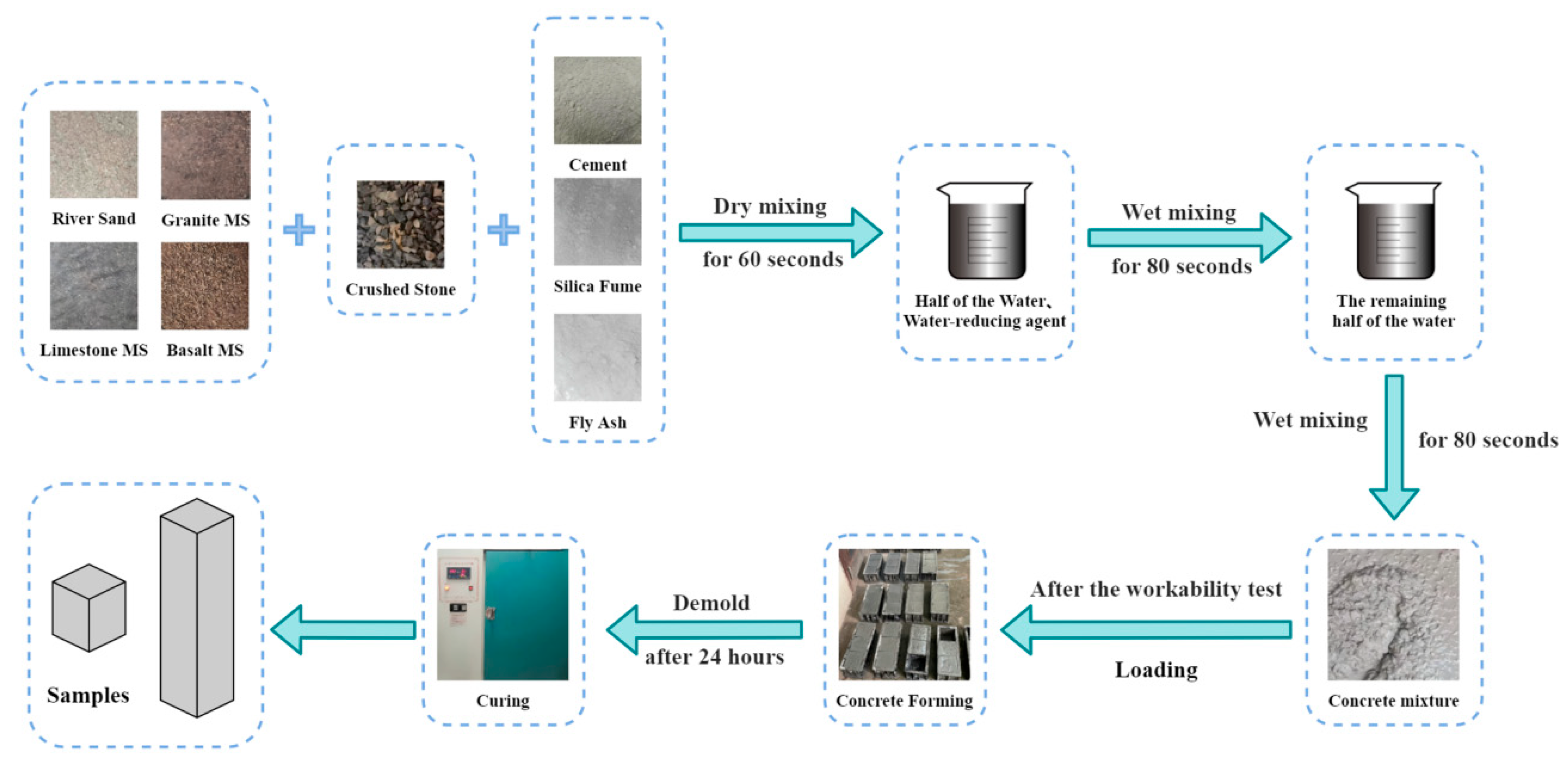
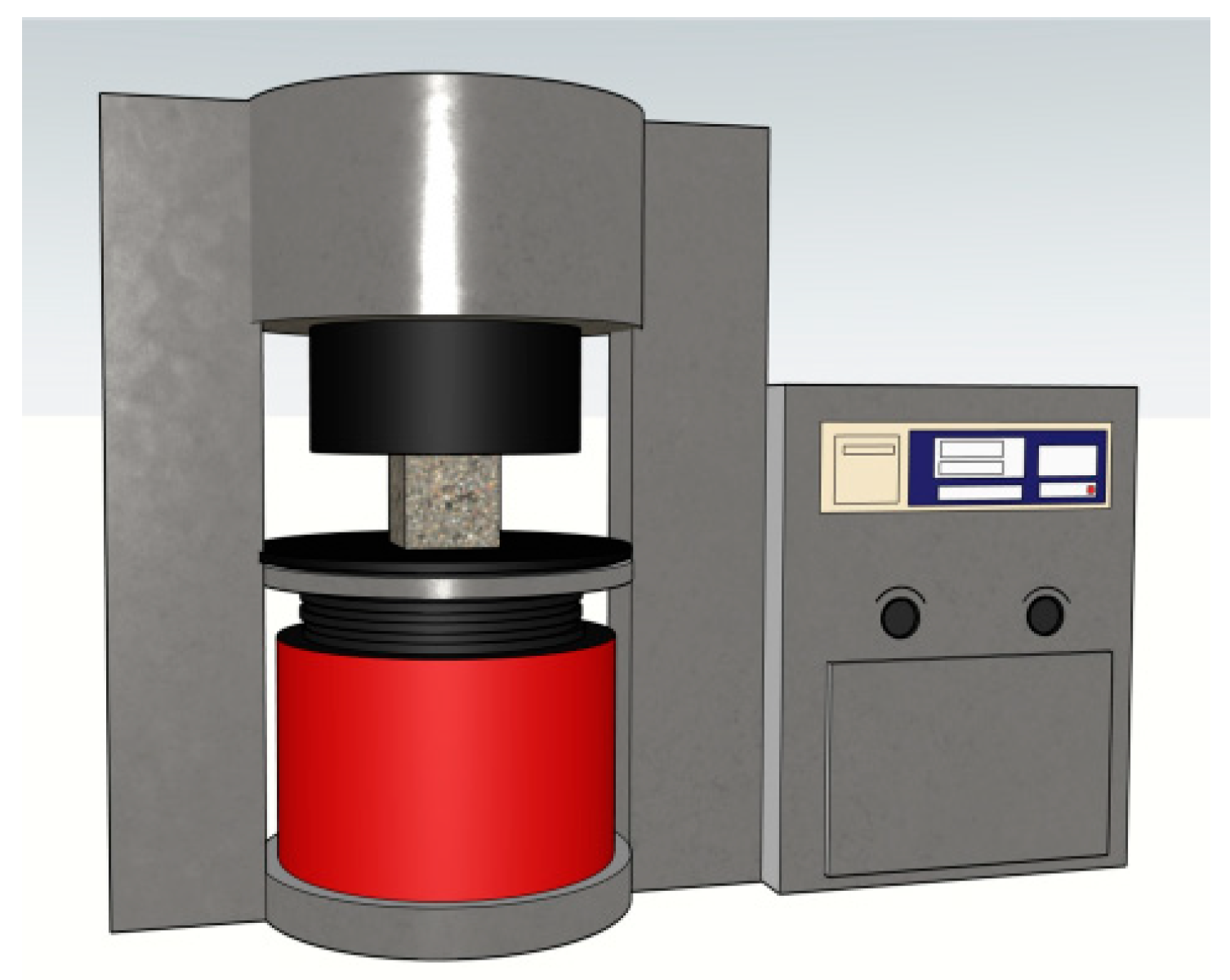
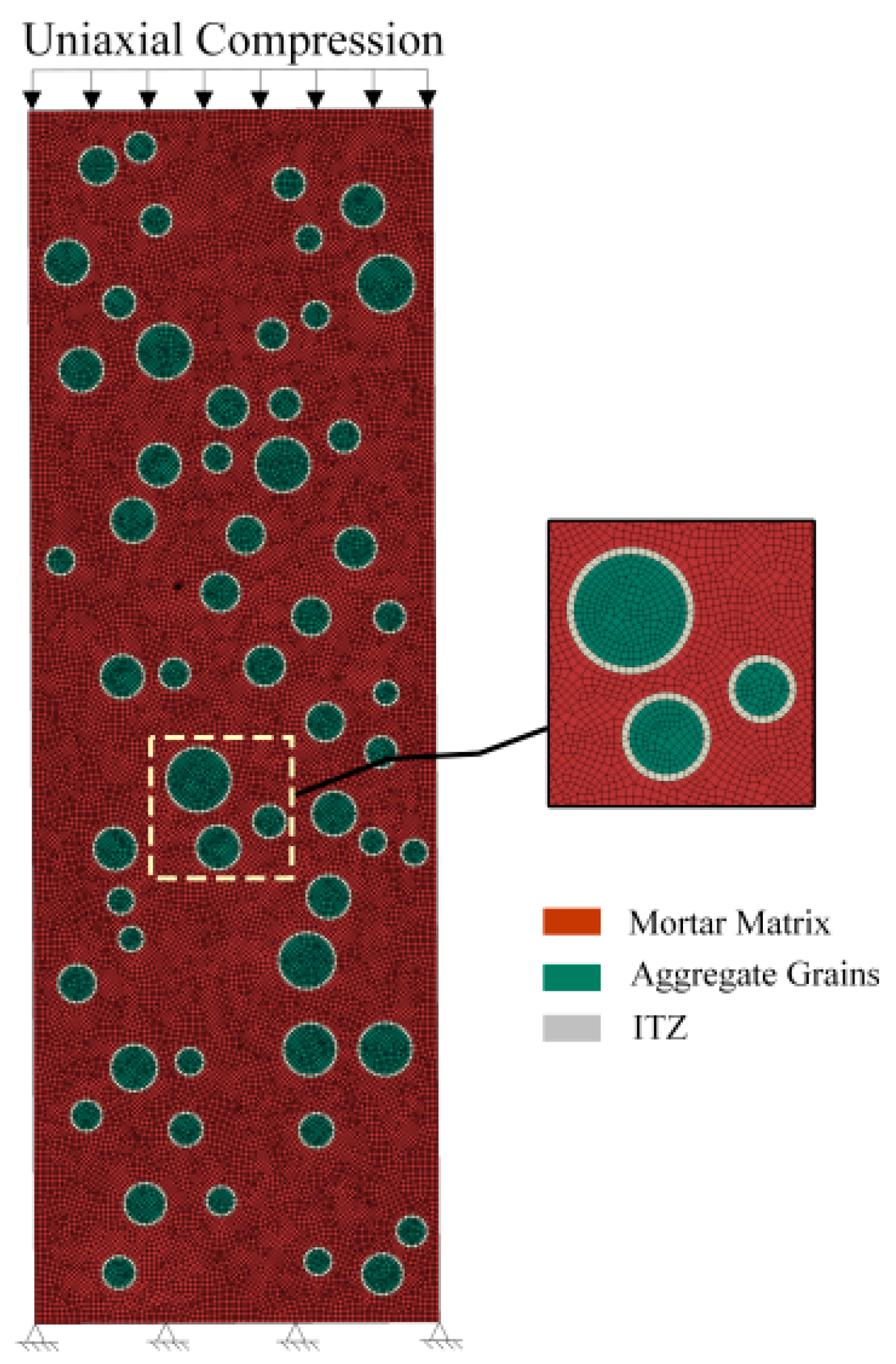
In summary, current research is characterized by two key gaps. First, findings concerning the macroscopic properties of MS-SCC prepared with different lithologies remain inconsistent and have not been systematically compared. Second, the mechanistic connection at the meso-scale between the lithological characteristics of MS and the resulting variations in SCC performance has yet to be adequately established. To address these issues, three types of MS—basalt, limestone, and granite—were selected, along with natural river sand as a control group. These lithologies were chosen based on both their geological significance and local availability in the Shaanxi region of China, where they are commonly used for MS production. In the experimental phase, the influence of these sands on the workability and macro-mechanical properties of the four groups of SCC was first investigated. Subsequently, based on experimentally obtained material parameters, a two-dimensional random aggregate model incorporating mortar, aggregate, and the ITZ was developed to simulate the uniaxial compression process at the meso-scale. Through this integrated experimental–simulation approach, the study aims not only to compare macroscopic performance but also to elucidate, from the perspective of mesoscopic damage evolution, the mechanism by which different lithological MS types influence the mechanical behavior of SCC. The findings are expected to lay a theoretical foundation for the rational selection of MS and the performance optimization of SCC.
5. Discussion
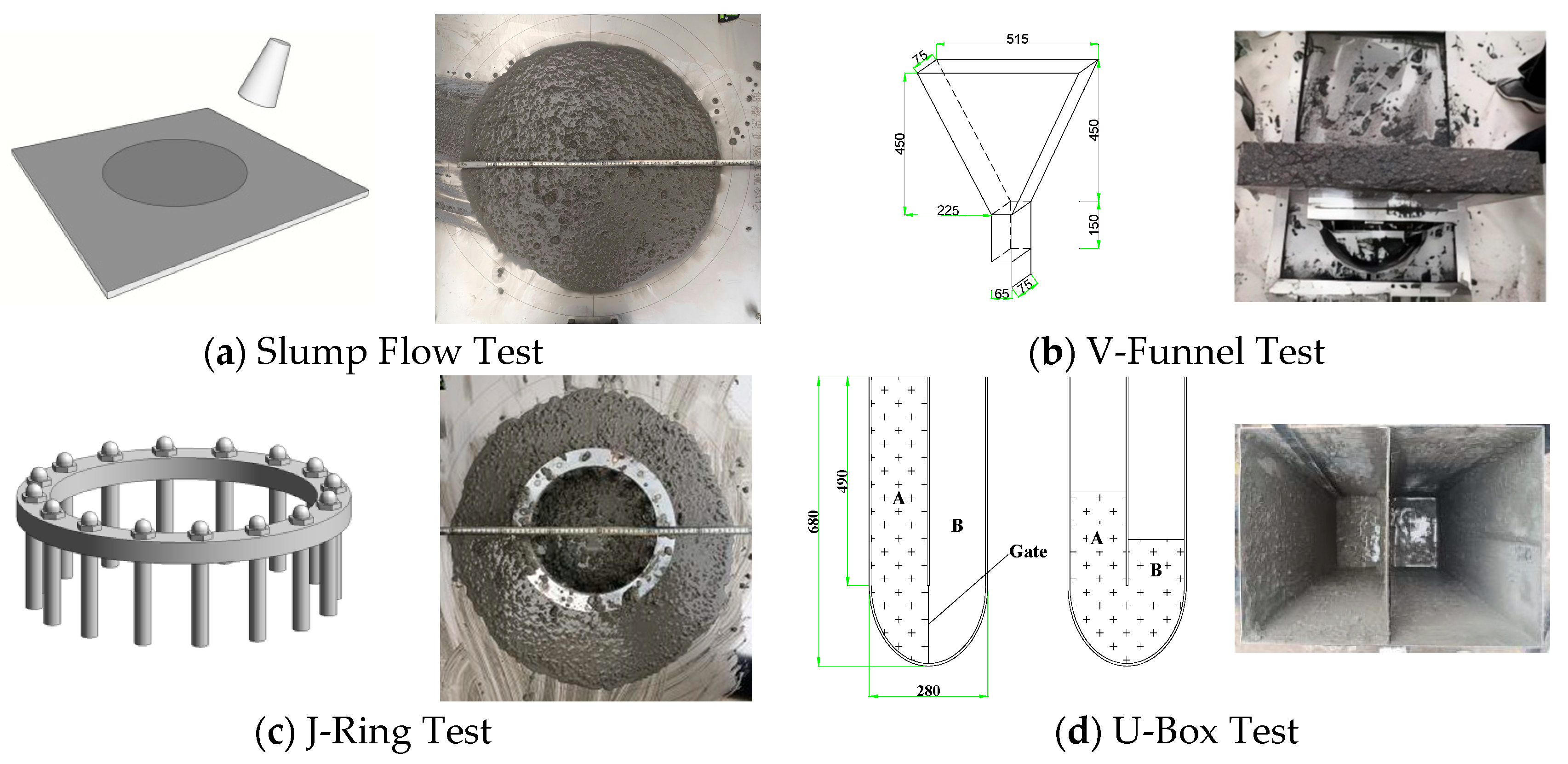
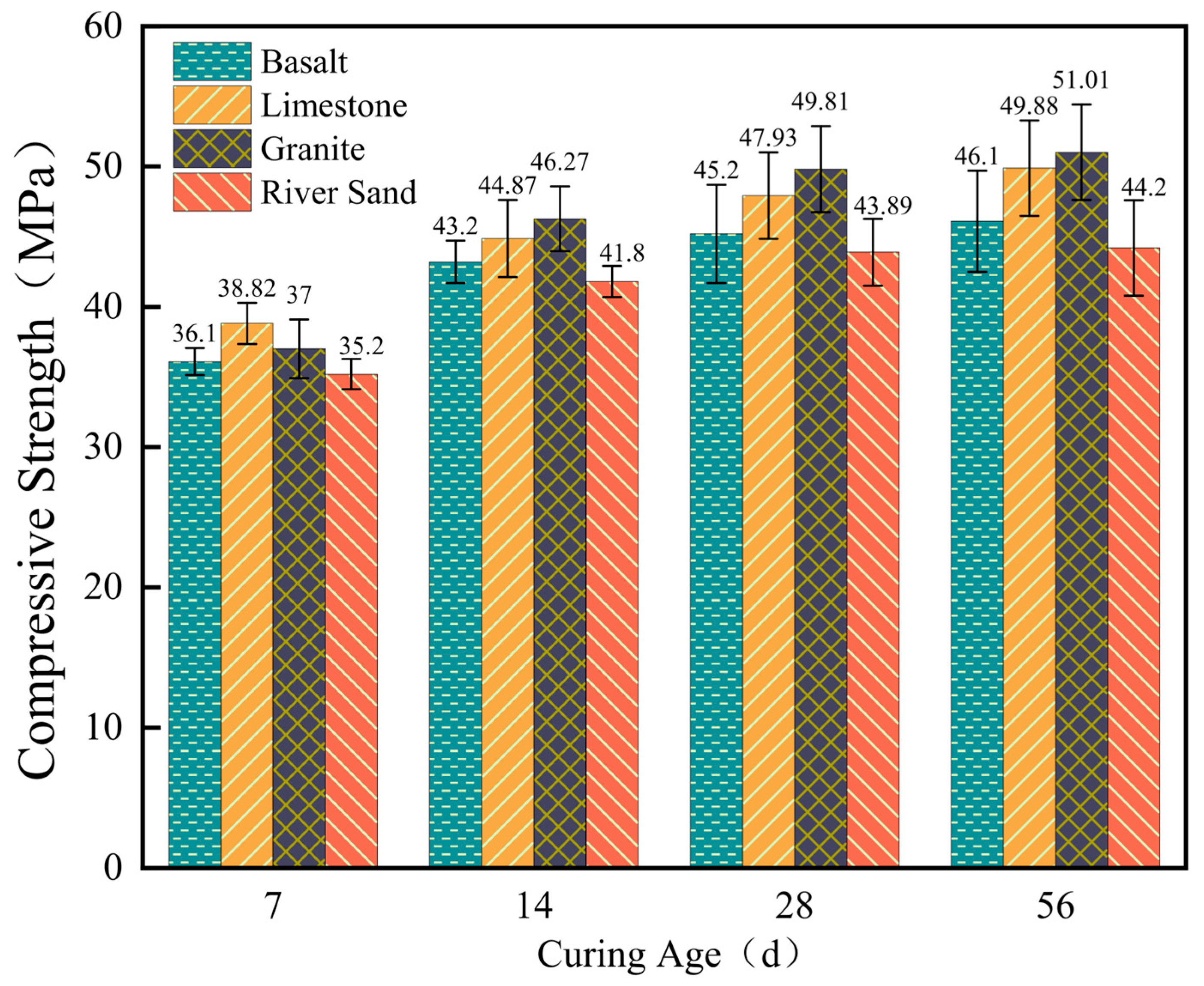
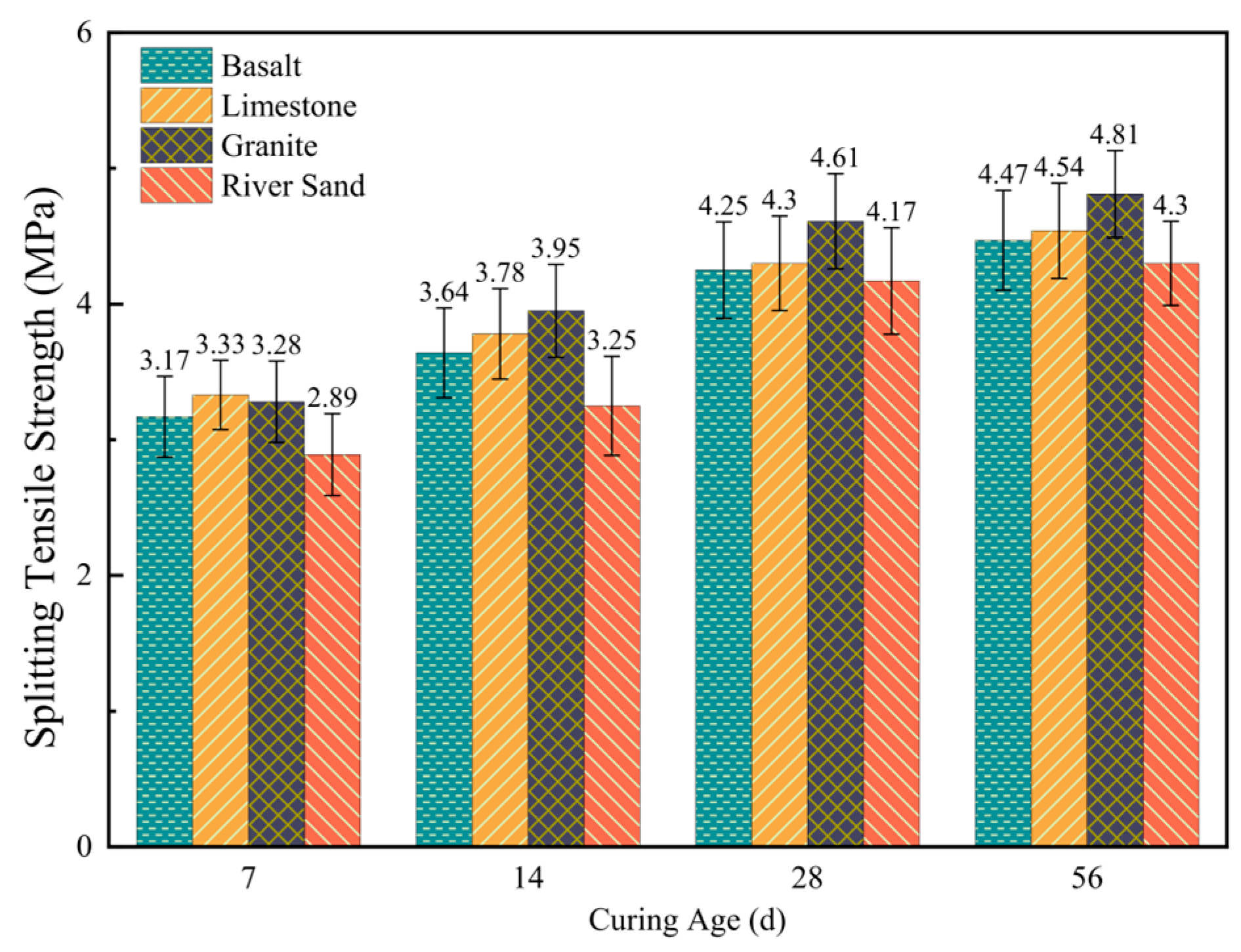
This study examined the influence of manufactured sand lithology on the performance of SCC through macroscopic experiments and meso-scale simulations. The macroscopic experimental results showed that granite-based MS-SCC exhibited the best overall performance: slump flow of 701 mm, T500 time of 5 s, and 28-day compressive and splitting tensile strengths of 49.81 MPa and 4.61 MPa, respectively—values that were 3.8% and 6.7% higher than those of limestone-based MS-SCC, and 9.3% and 7.8% higher than those of basalt-based MS-SCC. Granite was characterized by low early strength but high medium-to-late strength, whereas limestone exhibited high early strength followed by a more moderate increase in the medium-to-late stage.
The observed differences in macroscopic performance can be attributed to the physical characteristics of the manufactured sands. As described in the literature [
44,
45], an appropriate amount of stone powder can enhance both workability and mechanical properties by reducing porosity through three mechanisms: physical water reduction, lubrication, and water retention and thickening. Based on the data in
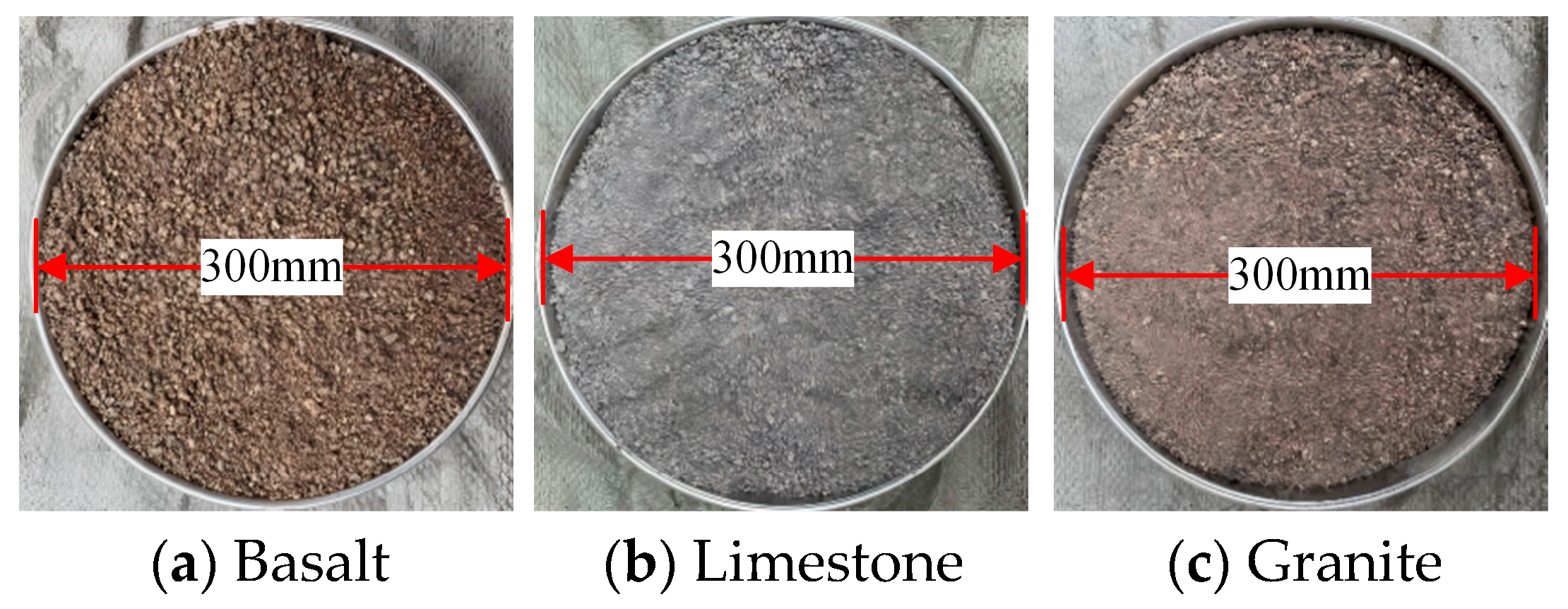
Table 4, the stone powder content of granite MS was 6.7%, while that of basalt MS was 9.5%. In comparison, the relatively higher stone powder content of basalt MS increases paste viscosity, disrupts the optimal dense packing structure, and may hinder the normal hydration of cement, ultimately resulting in lower workability and compressive strength. In contrast, limestone MS had a stone powder content of 3.3%, which is below the optimal range, and its performance fell between the two extremes.
From the perspective of methylene blue (MB) value, granite exhibited the lowest MB value (0.5), indicating a very low content of expansive clays, which is beneficial for ITZ quality and cement–aggregate bonding. Basalt had the highest MB value (1.3); in such cases, clay minerals tend to coat aggregate particles, hindering cement hydration and weakening the ITZ. Limestone had an intermediate MB value (0.7), with performance lying between the two extremes.
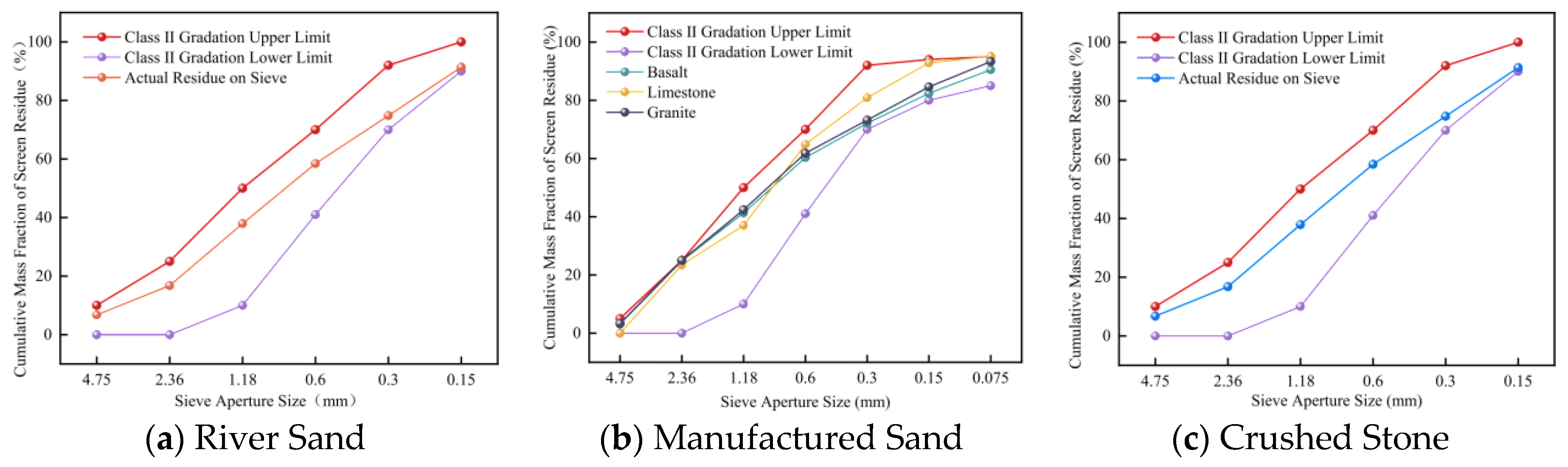
Regarding water absorption, basalt MS exhibited higher water absorption compared to granite and limestone, which further reduces the free water available for lubrication and exacerbates its poor workability. In contrast, the lower water absorption of granite MS helps maintain the effective water content in the mixture, contributing to its superior workability among the manufactured sands. Furthermore, compared to river sand, all manufactured sand particles have rougher surfaces and greater angularity, which increases particle–paste friction and reduces flowability. The fineness moduli of the various manufactured sands were similar, indicating that gradation was not the primary factor causing the performance differences.
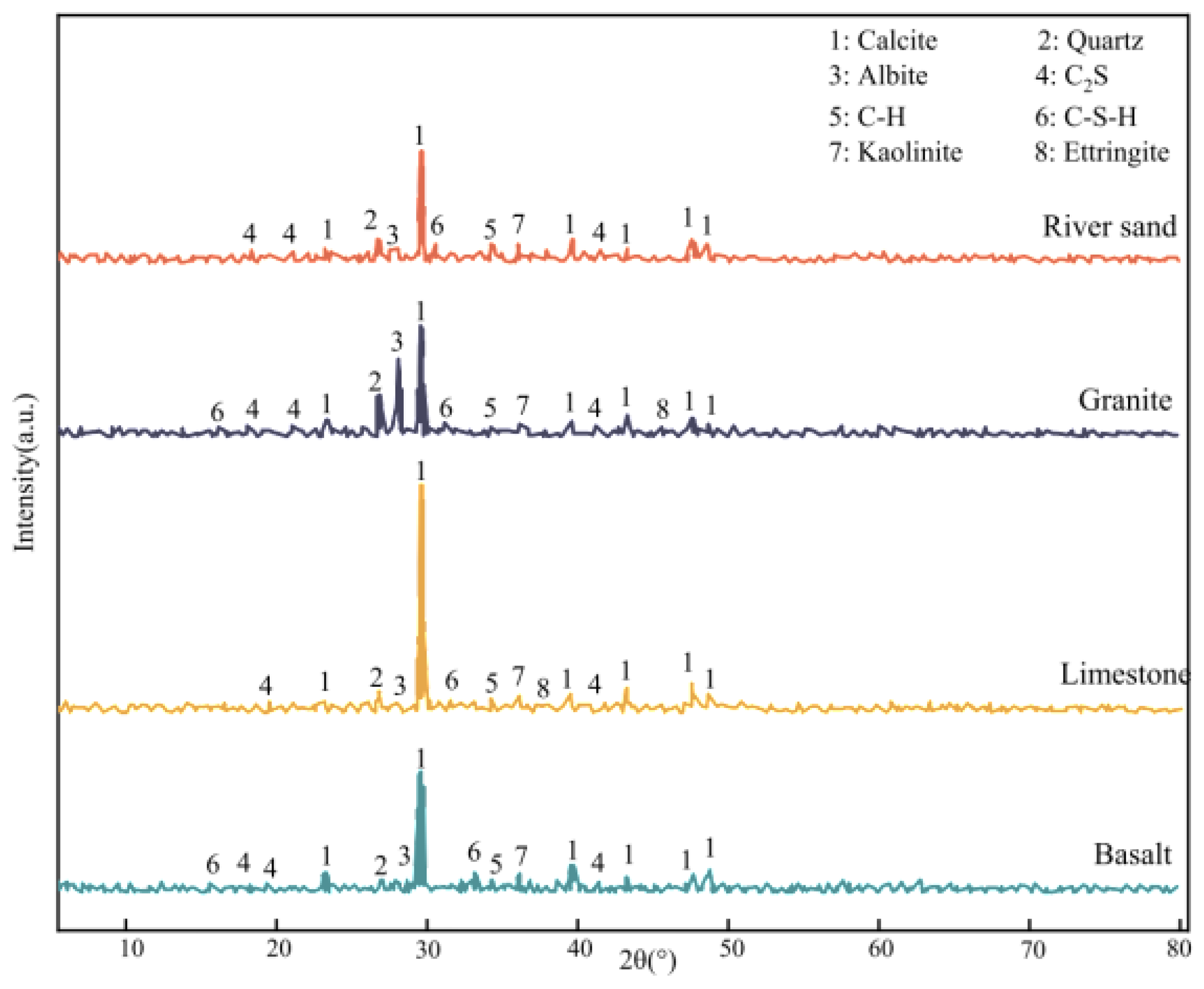
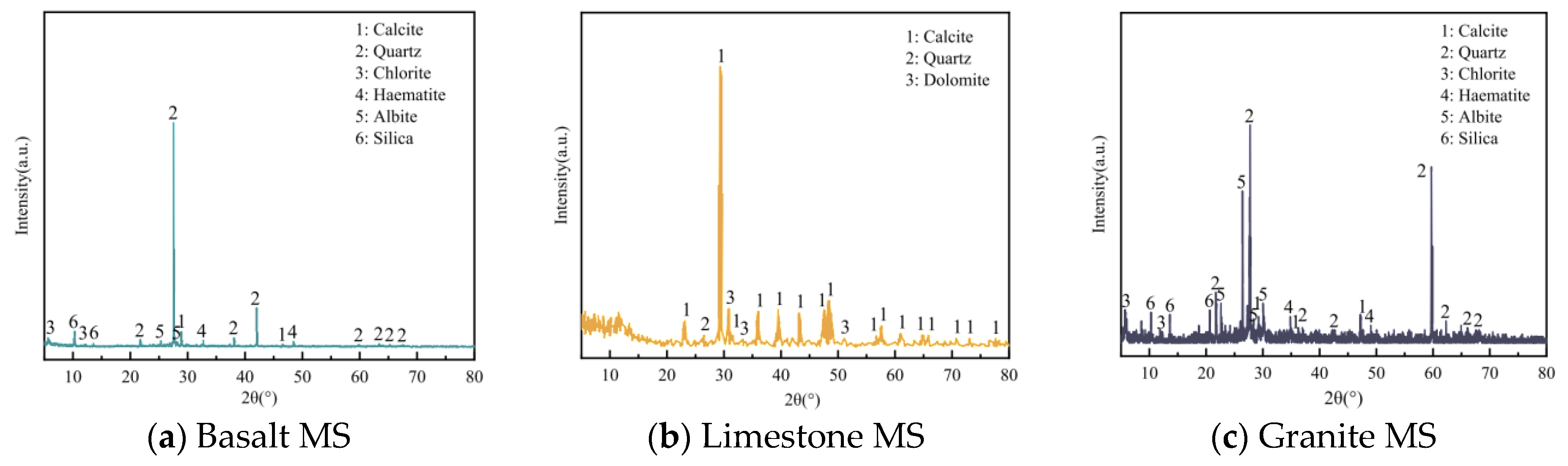
At the microstructural level, the strength development characteristics of the three lithologies can be further explained by their chemical composition and hydration behavior, as revealed by XRD analysis. The high early strength of limestone MS-SCC is attributed to its high calcium content of 59% (
Table 4), which promotes cement hydration. During the initial hydration process, calcium accelerates the formation of C-S-H between the fine aggregate and cement paste, filling microscopic pores and enhancing the compactness of the concrete. This finding is consistent with the observation in the literature [
46] that “a comparison of limestone with siliceous aggregates shows that the former typically provides higher compressive strength at the same degree of hydration”.
Granite MS-SCC exhibits low early strength but high medium-to-late strength. This behavior can be attributed to two factors: firstly, its dense structure and low water absorption may not be fully engaged during the initial stage, leading to a relatively slower early hydration rate; secondly, as hydration progresses, these characteristics—dense structure, good compatibility with cement paste, and low water absorption—promote continued hydration, thereby contributing to strength development in the medium-to-late stages. This is consistent with the conclusion in reference [
47] that “granite manufactured sand has relatively low water absorption, thus offering better stability, durability, and compressive strength”.
The excellent performance of granite MS-SCC observed in this study is consistent with the recent findings of Wang et al. [
48], who reported that, under the same mix proportion, granite-based mixtures exhibit better mechanical properties than limestone-based mixtures. This further confirms that the dense structure and low water absorption of granite MS are conducive to sustained hydration and strength development. Regarding the role of stone powder content, the optimal range identified in this study falls within the beneficial range of 5–15% reported in the literature [
49]. The performance comparison between granite (6.7% stone powder) and basalt (9.5% stone powder) further supports the view that excessive stone powder is detrimental to concrete performance. The dominant role of lithology in determining strength differences is also supported by the study of Liu et al. [
4], which indicated that mix proportion parameters have a limited effect on the mechanical strength of high-strength manufactured sand self-compacting concrete. This implies that material characteristics—such as lithology—may play a more decisive role in strength development. Furthermore, the observed relationship between MB value and workability aligns with the research findings of Xu Zhihua et al. [
50], who systematically investigated the influence of the MB value of manufactured sand fines on concrete performance and concluded that the MB value significantly affects both workability and strength development.
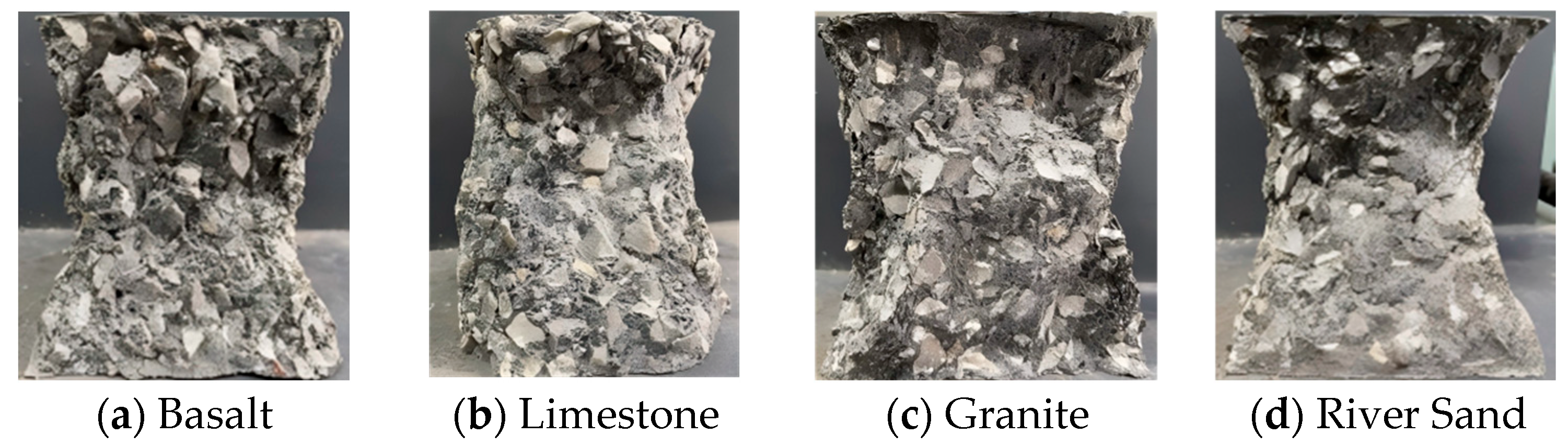
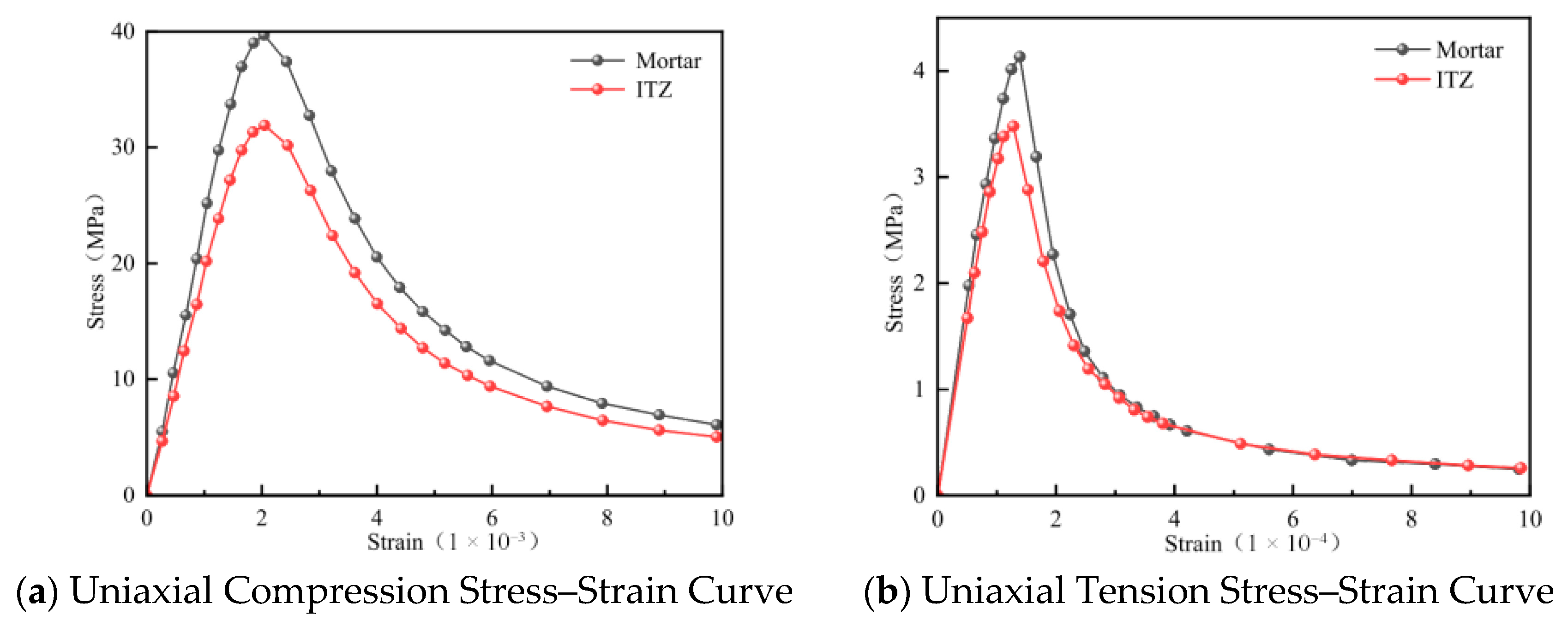
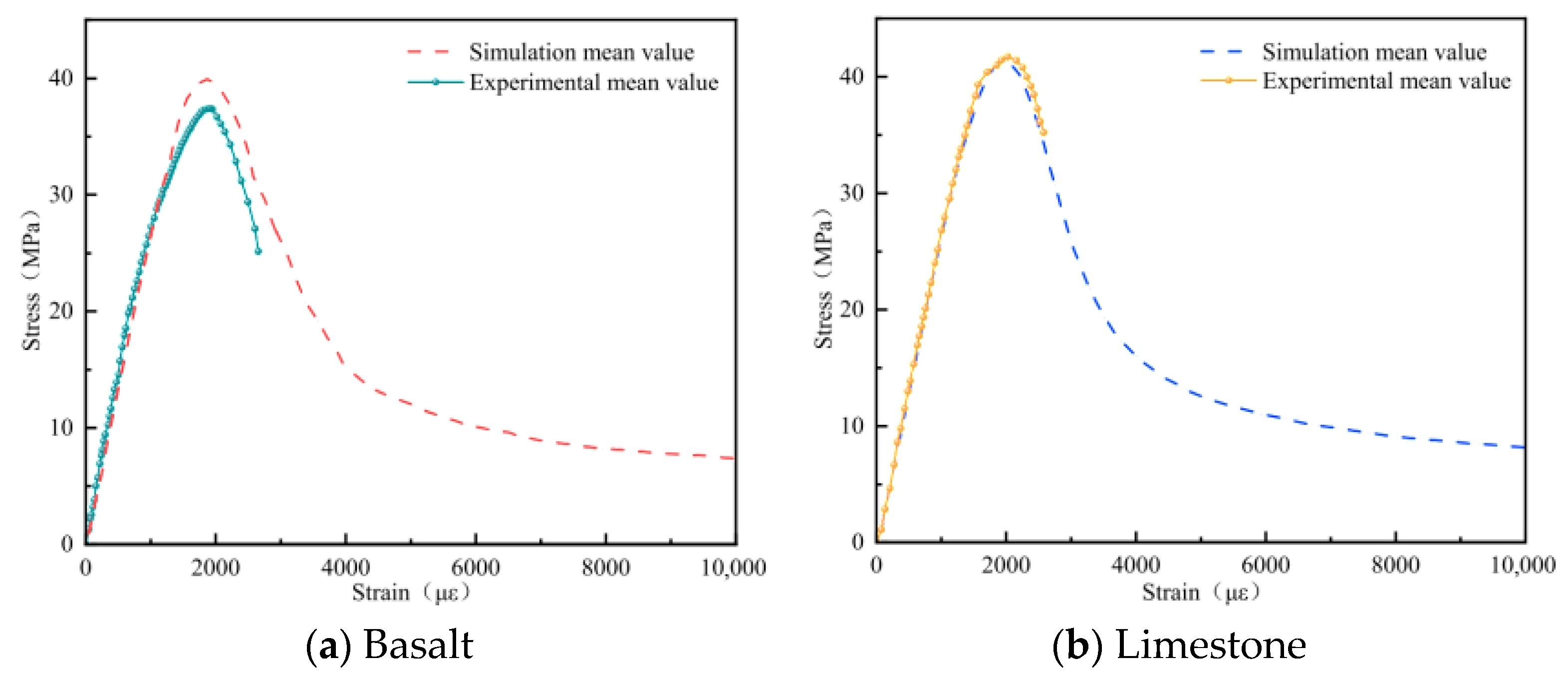
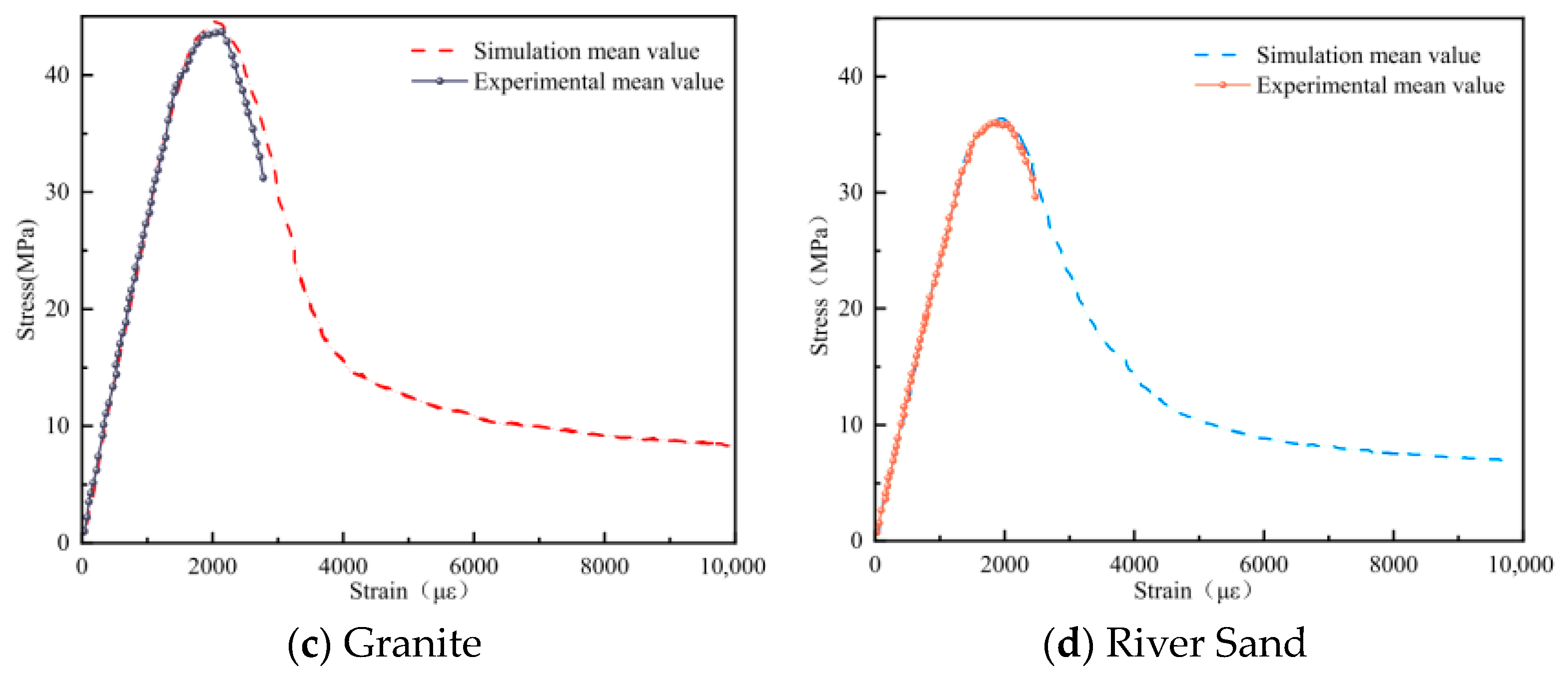
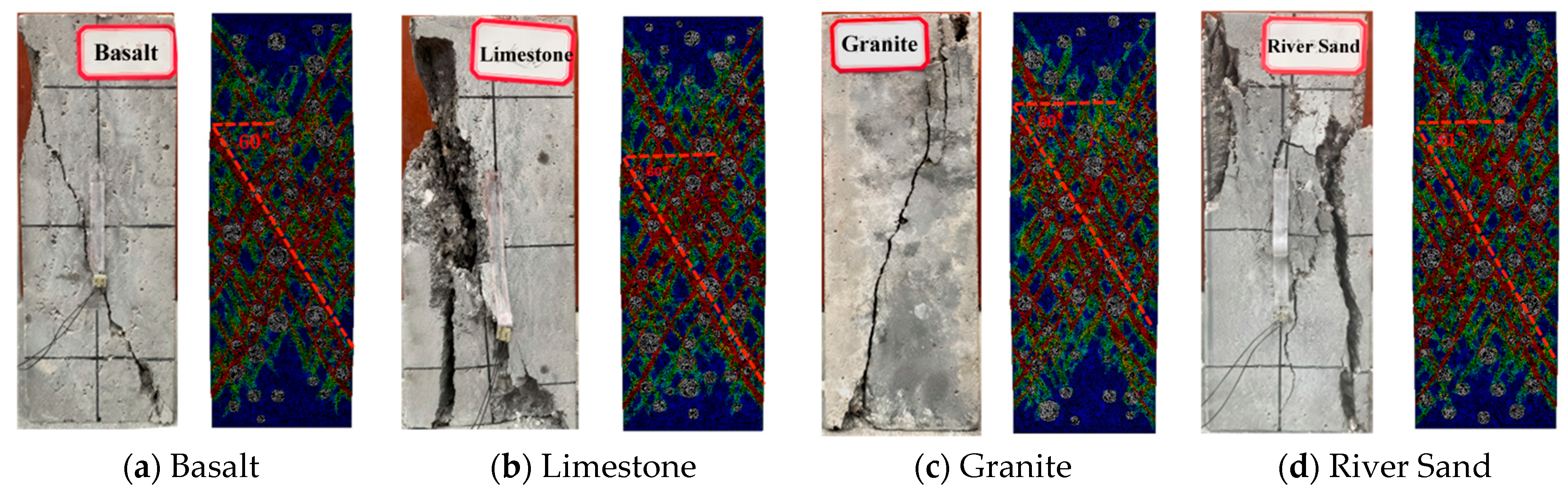
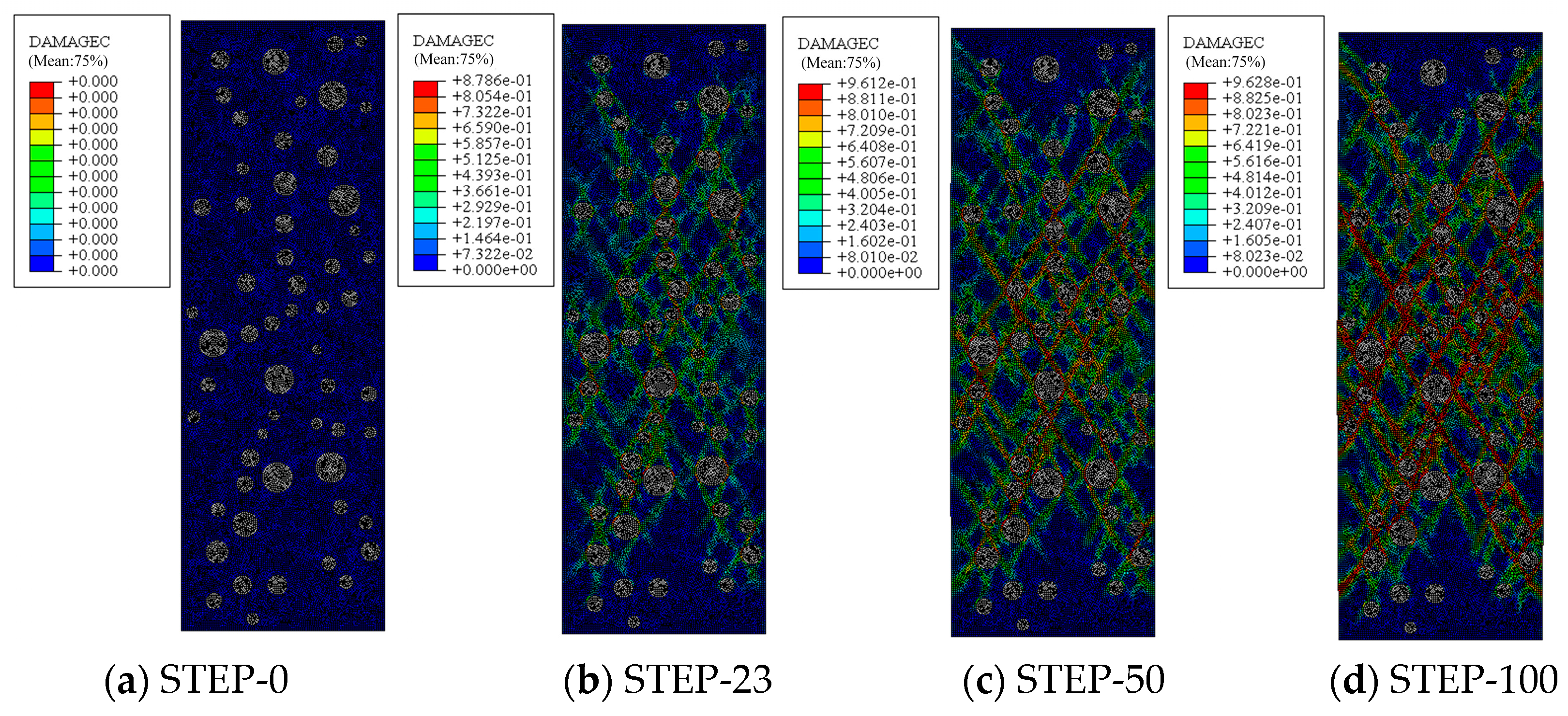
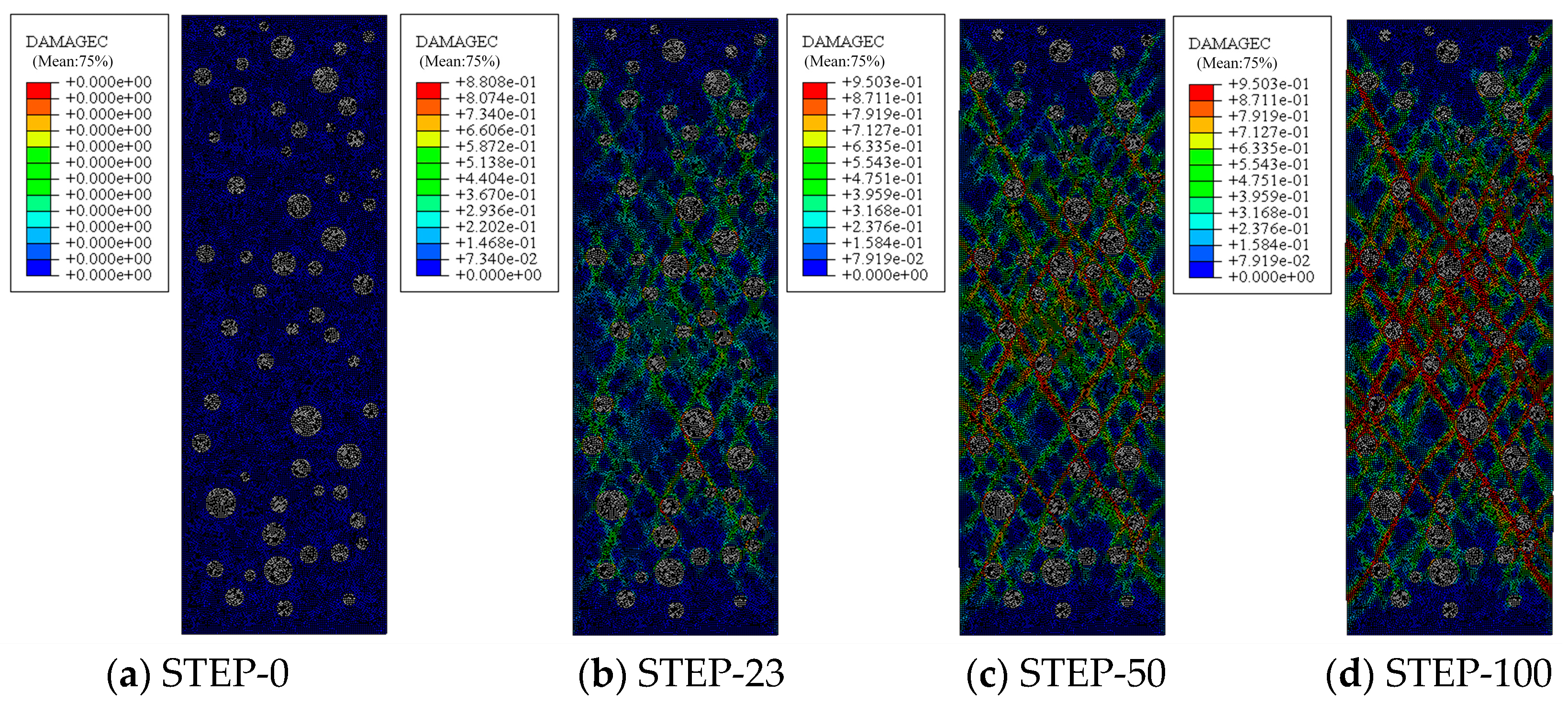
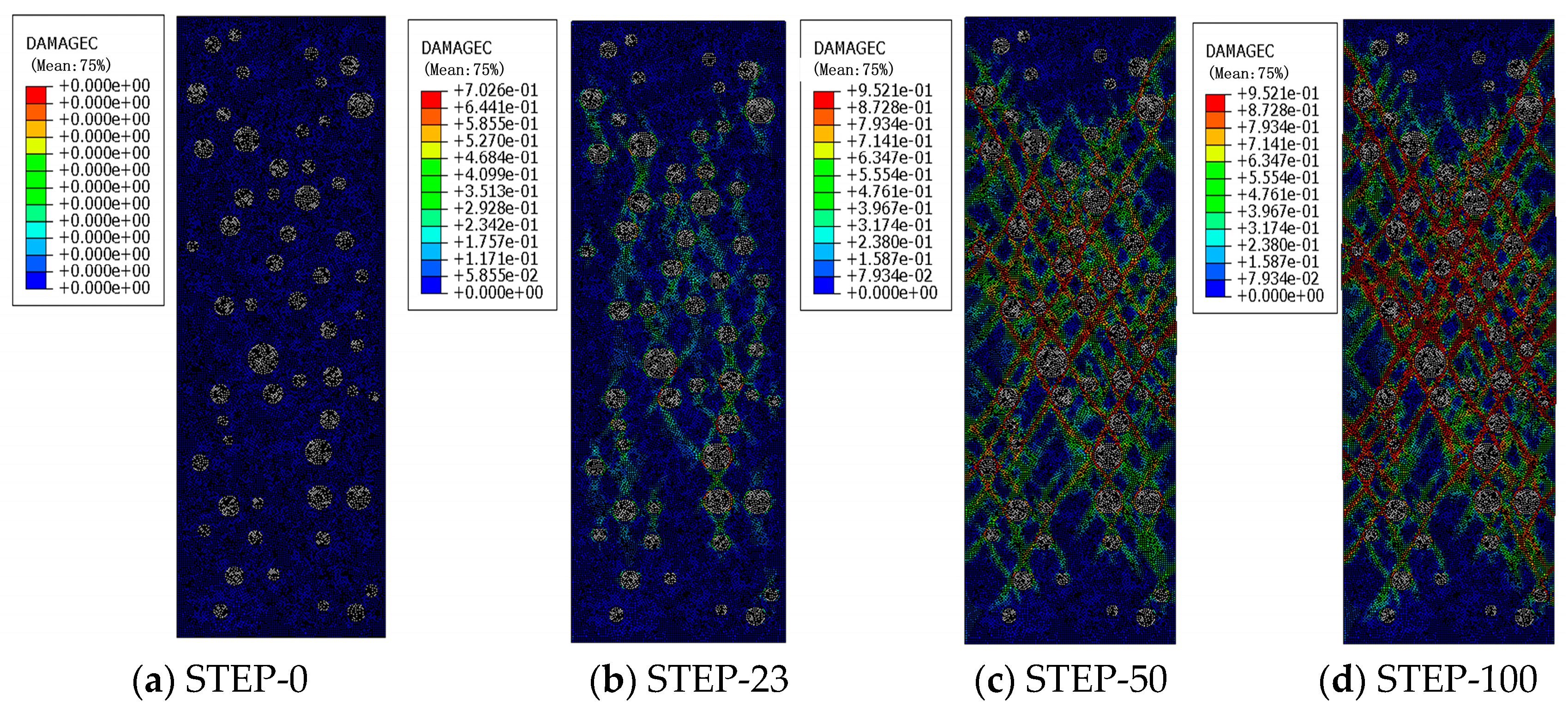
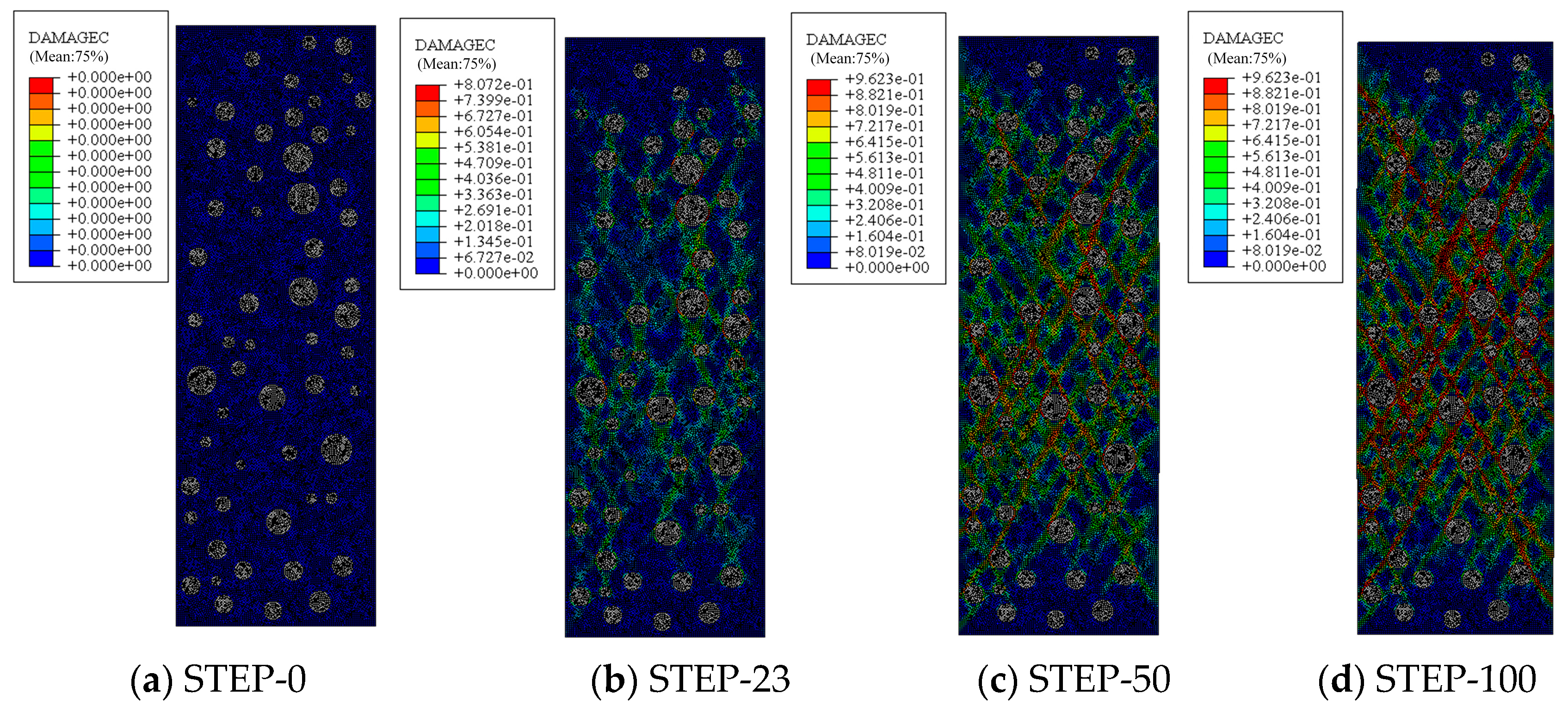
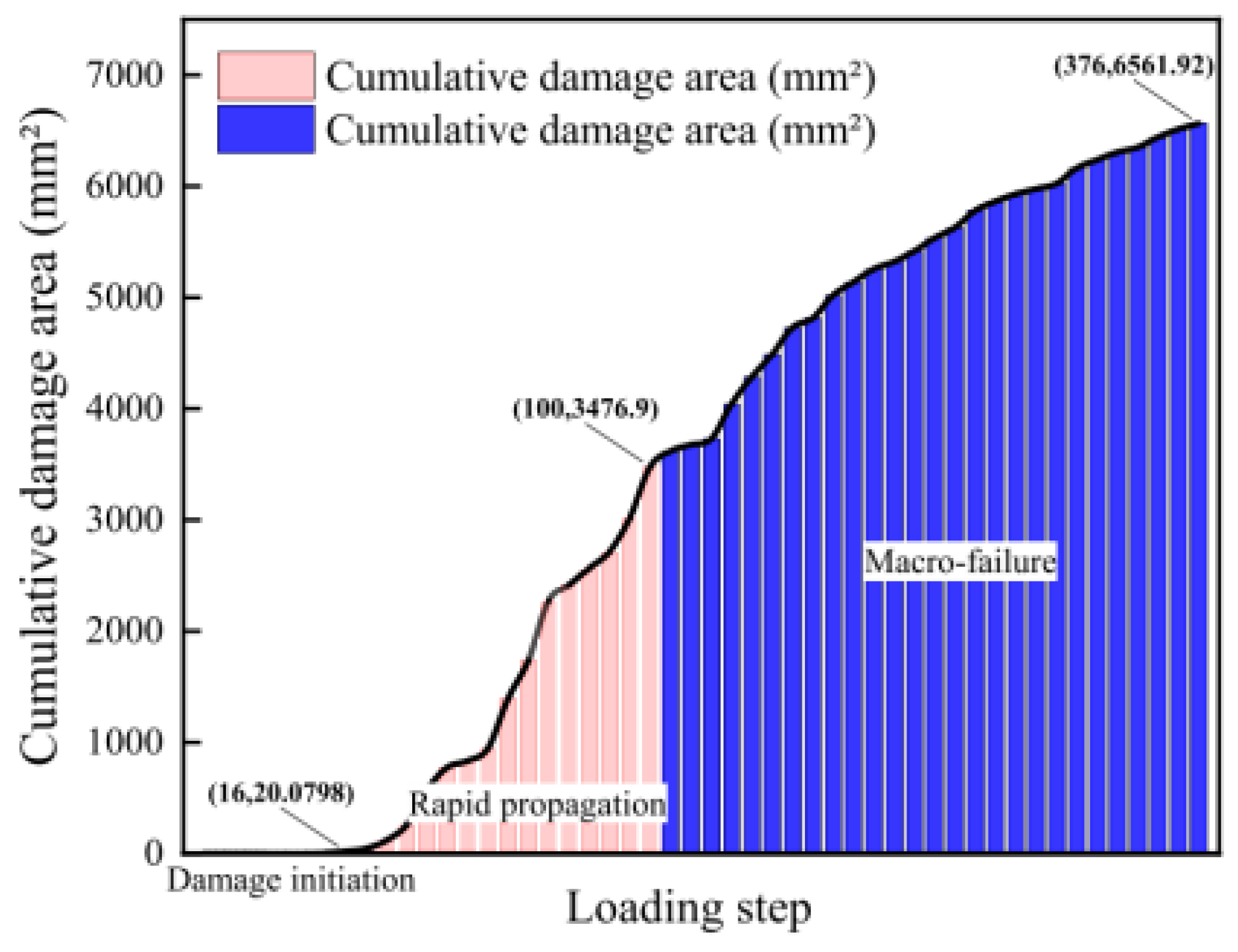
The meso-scale simulation provided an intuitive mechanical explanation for the macroscopic differences described above. Although the failure of SCC consistently follows the basic pattern of interfacial damage initiation, stable propagation, and macroscopic coalescence, the damage evolution laws vary with lithology. Granite MS-SCC exhibited the latest damage initiation and the slowest propagation, which corresponds directly to its high macroscopic strength and relatively good ductility. In contrast, damage in basalt MS-SCC developed rapidly, resulting in the lowest macroscopic strength and a stress–strain curve with the steepest descending branch after the peak. The simulation results clearly indicate that lithology influences the macroscopic failure mode and load-bearing capacity by affecting meso-scale behavior.
It should be noted, however, that the two-dimensional meso-scale model adopted in this study represents a simplification of self-compacting concrete, which is inherently a three-phase, three-dimensional material. Although two-dimensional meso-scale simulation has been widely used in the literature [
51,
52,
53,
54] and has proven effective in capturing key damage mechanisms and failure trends, it cannot fully replicate the complex aggregate packing and crack propagation paths under three-dimensional conditions. In this context, the reasonable consistency observed between the simulated and experimental stress–strain curves and damage patterns (as described in
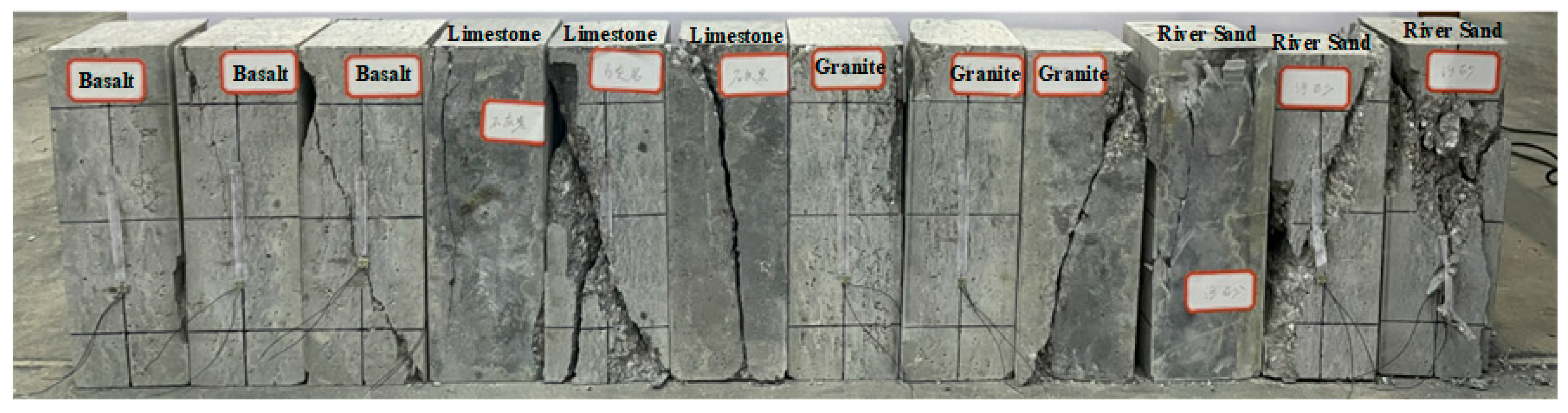
Section 4.3) suggests that the two-dimensional approach provides a useful basis for the comparative analysis of lithology effects conducted in this study.
Based on the findings presented above, this study clarifies the suitability of limestone, basalt, and granite manufactured sands for the workability and mechanical properties of SCC. In engineering practice, when high strength and excellent workability of SCC are required, granite manufactured sand should be prioritized. If early strength is a primary concern, limestone manufactured sand is a more suitable choice. Furthermore, the comparative verification framework combining macroscopic testing and meso-scale simulation developed in this study provides a reliable methodology for the rational selection of manufactured sand and the optimization of SCC performance.
Based on the discussion above, this paper has elucidated the key mechanisms by which lithology influences the performance of SCC. Nevertheless, the following limitations of this study should be acknowledged and warrant further investigation:
- (1)
This study selected only three representative lithologies—basalt, limestone, and granite. Although they represent the three main rock types (basic, carbonate, and acidic), they do not cover all rock varieties, such as metamorphic rocks and clastic sedimentary rocks.
- (2)
Idealized spherical aggregates were used in the meso-scale simulation, which differ from the angular morphology of actual manufactured sand.
- (3)
Although this study focused on the fresh performance, mechanical properties, and meso-scale damage evolution of different manufactured sand self-compacting concretes, the long-term durability of these materials remains to be investigated.
It should be noted that the use of idealized spherical aggregates eliminates the mechanical interlocking effect and removes the sharp edges that act as stress concentration sources. Studies have shown that replacing irregular polyhedral aggregates with spherical ones can reduce the compressive strength by approximately 7% [
55]. Therefore, the model may provide a conservative estimate of interfacial strength and lead to a slightly delayed prediction of damage initiation. Furthermore, this simplification may affect the accuracy of stress transfer and potentially underestimate lithology-related differences—for example, basalt typically exhibits a more angular morphology than granite, which would enhance mechanical interlocking in practice. However, since the same simplification was applied uniformly across all simulated lithologies, the observed relative differences among granite, limestone, and basalt remain valid in the context of this comparative analysis.
Future research directions may include the following aspects:
- (1)
Expand the scope of lithology research: adopt a more refined approach to the classification of MS lithology and the characterization of other raw material properties, including parameters such as particle size distribution, shape, and surface roughness, and analyze their influence on the performance of SCC. This would contribute to a deeper understanding of how different lithologies of MS affect the mechanical properties of concrete.
- (2)
Develop realistic aggregate shape modeling: employ CT scanning or three-dimensional laser scanning technology to capture the morphology of real aggregates, reconstruct the geometric features of aggregates using methods such as spherical harmonics, and incorporate realistic particle morphology into meso-scale simulations. This would enable a more comprehensive capture of the synergistic effects of lithology and morphology, as well as their influence on stress transfer and fracture mechanisms.
- (3)
Advance three-dimensional meso-scale simulation: gradually develop three-dimensional meso-scale models, as computational resources permit, to more realistically simulate the spatial distribution of aggregates, the three-dimensional structure of the ITZ, and crack propagation paths, thereby providing more reliable predictive tools for engineering applications.
- (4)
Investigate long-term durability and its impact on mechanical properties: for instance, high-calcium limestone MS-SCC may be more susceptible to sulfate attack, as calcium carbonate can react with sulfates to form gypsum and expansive ettringite; therefore, comparative studies between limestone and siliceous aggregate systems under sulfate exposure are necessary. Furthermore, the dense structure and low water absorption of granite MS suggest it may possess good frost resistance; systematic freeze–thaw cycle tests should be conducted to verify whether granite MS-SCC exhibits superior durability in cold environments.
- (5)
Establish a more extensive database: collect and analyze research and experimental data on MS-SCC from different regions and with various lithologies to construct a comprehensive database, thereby facilitating more in-depth statistical analysis and theoretical research.